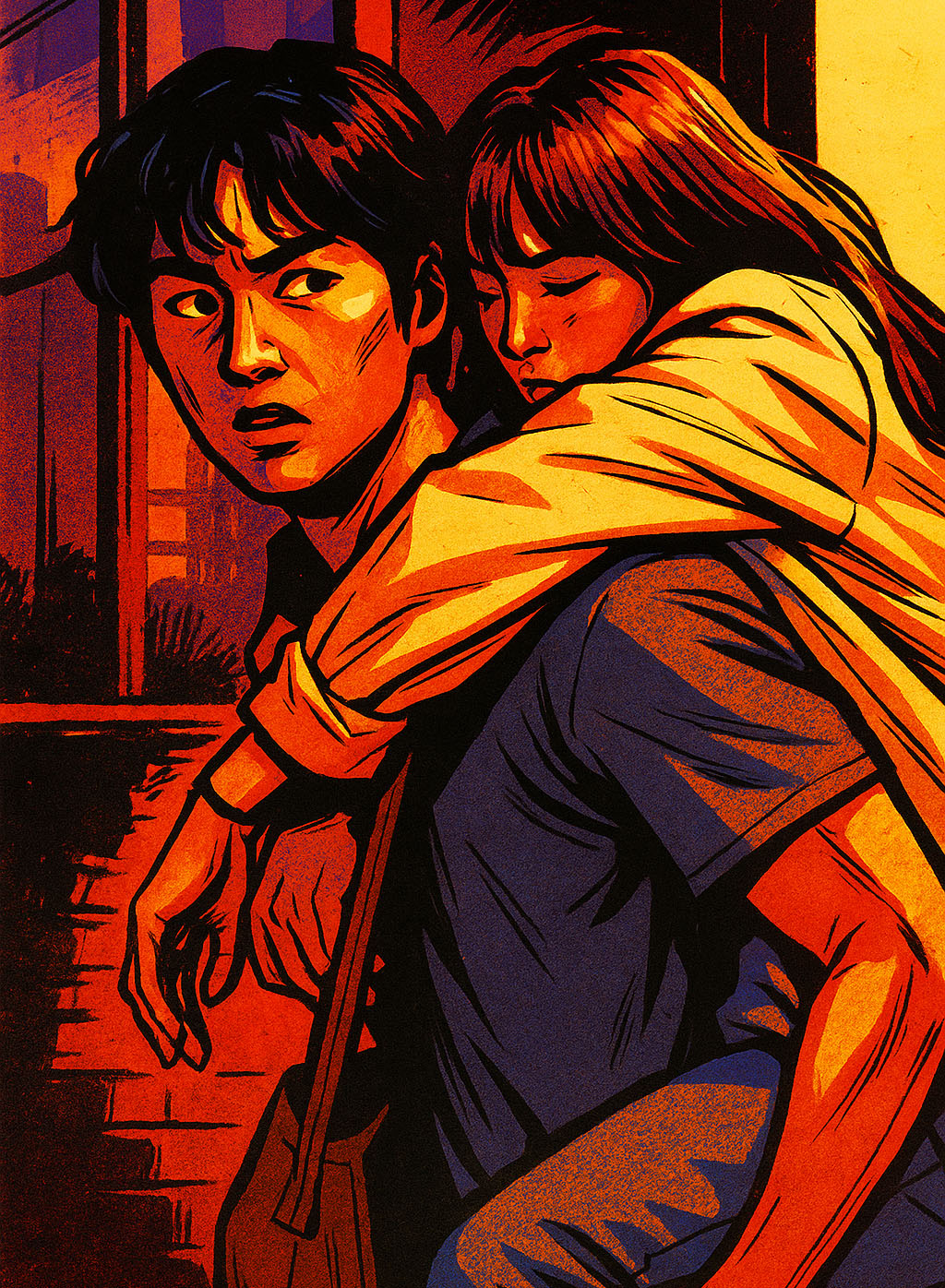

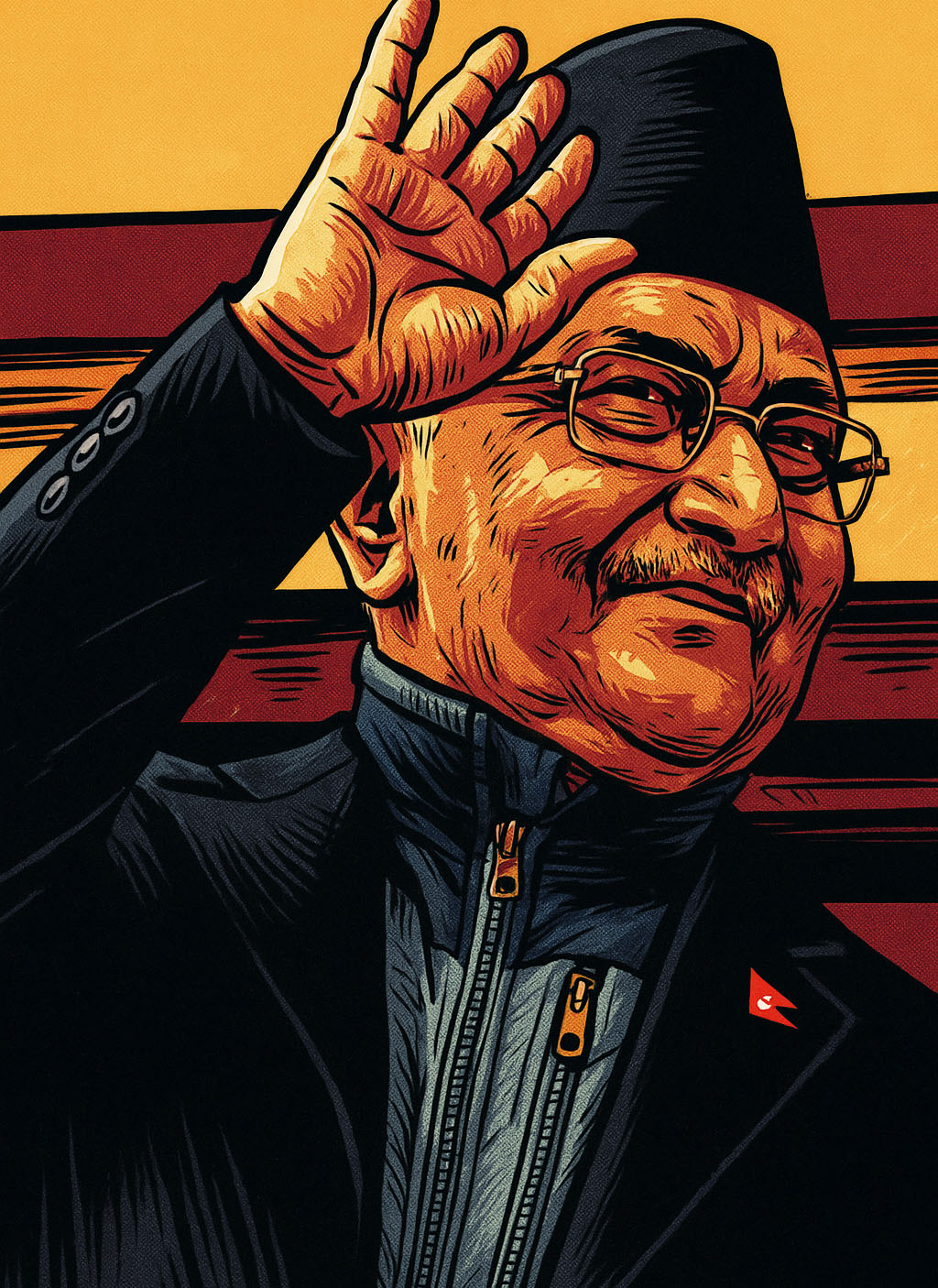

Khadga Prasad Sharma Oli has resigned as Nepal’s prime minister after mass protests erupted in Kathmandu. What began as a backlash to an online gag soon exploded into full-blown unrest. At least 19 people died in clashes with security forces. Homes were attacked. A private residence of the prime minister was set on fire. People are now calling for an interim government — one led by young representatives — and fresh elections. In short: chaos, grief, and a nation asking for change.
TL;DR
- Nepal PM Khadga Prasad Sharma Oli resigns after deadly protests in Kathmandu.
- Social-media ban sparked initial outrage, escalating into clashes with security forces.
- At least 19 protesters killed; properties of political leaders vandalized and set on fire.
- Protesters demand an interim government led by youth and fresh elections.
- Calls for accountability, institutional reform, and transparent investigations are rising.
- Nepal becomes the third South Asian country in recent years to oust a government through street protests.
- The country faces short-term instability and long-term pressure for political reform.
How we got here — the short version
First, the trigger. The government rolled out a social-media ban. That move didn’t sit well with a lot of people — especially younger Nepalis who live on their phones. Protesters called it censorship. They saw it as the government muzzling speech during a tense time. So people took to the streets.
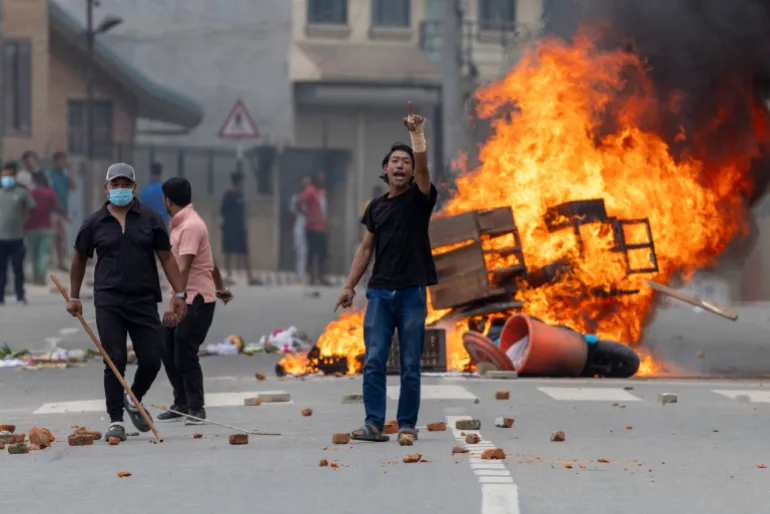
Then it escalated fast. On Monday, demonstrations surged in Kathmandu. Authorities tried to control crowds. Clashes followed. By Tuesday, violence had worsened. Security forces and protesters fought in the streets. Dozens were injured. At least 19 protesters were killed in clashes. On Tuesday night, after angry crowds attacked political leaders’ homes and set fire to properties, the prime minister announced his resignation.
So yes, what started online turned into one of the most significant street uprisings Nepal has seen in years.
What protesters want
- Immediate resignation of the current government.
- An interim government — activists say it should be led by younger people, not the old guard.
- Fresh elections.
- Accountability for the deaths and for alleged corruption and poor governance.
A protest leader summed it up: their “first demand” is resignation — because, in their words, the government “lost all moral ground” after the deaths.
Violence, symbols, and real anger
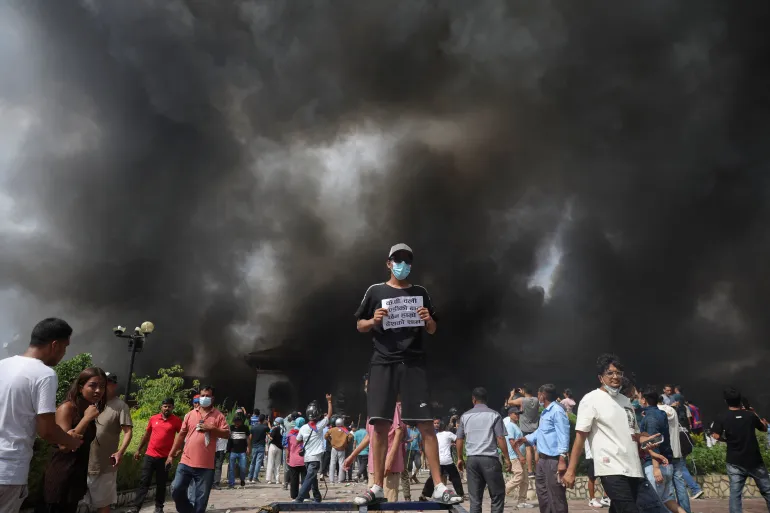
The scenes in Kathmandu were ugly. Curfews were ignored. People jumped fences. Politicians’ houses and property were vandalized. The prime minister’s private residence was set on fire. That’s not just vandalism; it’s symbolic. It says: “We’re done.” It says people don’t trust the institutions that should protect them.
And make no mistake: burning a home is not the same as lighting a candle. It’s an expression of raw rage. People are grieving, and grief often turns into something combustible when it meets frustration.
The political context — why this matters beyond one ban
This isn’t just about a social-media ban. It’s about long-standing complaints: corruption, mismanagement, and a sense that the political class is out of touch. For many Nepalis, this government symbolized those failures. The ban was the match, but the fuel had been building up for years.
Also, Nepal is not isolated. It’s the third South Asian country in recent years where street uprisings forced out a government — after Bangladesh and Sri Lanka. When people lose faith in the usual channels — courts, parliament, elections — they sometimes turn to the street. That’s risky. It can be powerful. It can also be chaotic.
The human toll
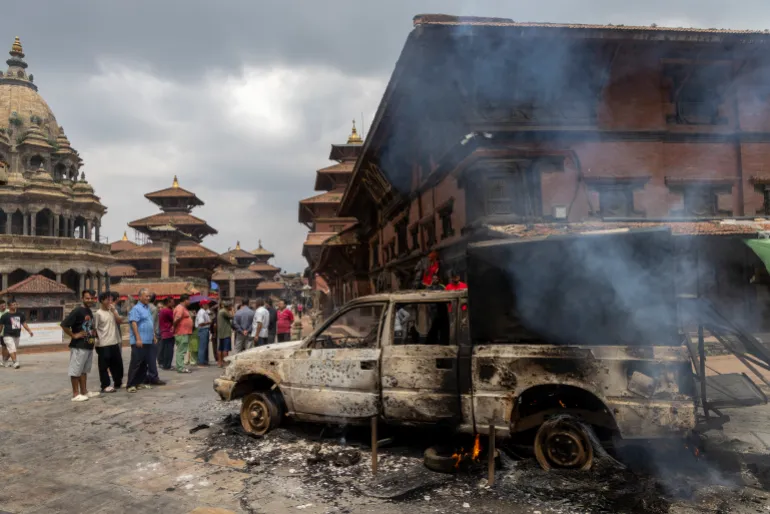
Police and security forces clashed with demonstrators. Hospitals reported scores of injured. At least 19 protesters died in the most violent clashes. Those numbers mount fast during street uprisings: accused, disputed, and sometimes revised. Deaths are irrefutable. Families are left grieving. Communities are shaken.
When a government uses force and people get killed, trust erodes quickly. The question isn’t only who started the violence. The question is what will be done to find justice for those lives and to prevent more bloodshed.
Regional ripple effects
Nepal’s unrest matters to its neighbors. Instability spills across borders. Investors get nervous. Diplomats take urgent calls. And when a government falls amid violence, neighboring powers watch closely. In South Asia, where political nerves are often raw, sudden changes in one country can affect trade, travel, and diplomacy in others.
Plus, when protests force a government out, it becomes a precedent. It tells people in other countries: mass street action can work. That’s not inherently good or bad. It just raises the stakes across the region.
Government response — what they did and what that means
The government initially tried to clamp down. It imposed a social-media ban, claiming platforms weren’t following regulations. That move backfired. Rather than defusing anger, it sparked more protests. The ban was lifted late Monday after demonstrations began.
But the damage had been done. The lifting of the ban looked reactive, not proactive. Protesters had already mobilized. They were no longer just mad about the policy. They were mad about everything it represented: a pattern of governance they see as heavy-handed and incompetent.
Then the resignation. That is a big step, and it shows the power of sustained mass protest. However, a resignation alone won’t fix underlying issues. It may clear the stage, but the hard work — truth, accountability, rebuilding public trust — begins now.
What comes next? Short-term and medium-term scenarios
Short-term
- A caretaker or interim administration is likely to be formed, whether led by youth or a coalition.
- Security measures will be tightened.
- There will be investigations into the killings and who ordered what.
- International actors may push for calm and a transparent process.
Medium-term
- Pressure for early elections will rise.
- Political parties might scramble to reorganize and distance from unpopular figures.
- Social tensions could remain high unless justice and meaningful reforms follow.
Long story short: the next few weeks will determine whether this was a moment of catharsis or the start of a prolonged crisis.
Why this matters to ordinary people (and why they should care even if they live far away)
Political instability isn’t just a headline. It affects daily life. Gas, food supplies, and public services can be disrupted. Jobs can be affected. Foreign investment slows, which hits the economy. For Nepalis abroad, remittances — a crucial lifeline — may be disrupted. For the region, it can mean higher prices and shaken markets.
And politically, it sets a tone: either a move toward accountability and renewal, or a slide into more mistrust and instability. The difference matters for decades.
My take — what I think should happen next
Okay, here’s the blunt version (because sugar-coating doesn’t help): a resignation is not a miracle cure. It’s a reset button. What follows the reset will determine whether Nepal heads toward meaningful reform or just swaps one set of elites for another.
- Transparent investigations. The deaths must be investigated by an independent body. No partisan whitewash. Families deserve the truth.
- A credible interim government. If protesters want youth leadership, fine. But put structures in place. Vet leaders, create clear timelines, and ensure national representation.
- An immediate plan for elections. Not endless delays. Concrete dates. Clear rules. International observers if needed.
- Institutional reform. Real change should target the institutions that allowed corruption and poor governance to fester. That means courts, oversight bodies, and electoral systems.
- Space for peaceful protest. Governments should not respond to dissent with bans or brute force. Dialogue channels are messy but necessary.
If Nepal does these things, this painful moment could become a turning point. If not, it may be a painful cycle that repeats.
A few closing thoughts — because context helps
People’s anger was real and justified. The social-media ban was a proximate cause, but the deeper cause was a long build-up of resentment. That’s what made the protests so volatile. When people feel voiceless, they find voice in the streets. That voice can be powerful. It can also be dangerous.
So this is a crossroads. Will Nepal rebuild trust? Will it give younger people a real shot at leadership? Or will old habits reassert themselves, and the same problems return?
The right answer is obvious: justice, accountability, fresh leadership, and institutional reform. The harder part is actually getting there. For a country as young, proud, and geopolitically important as Nepal, how it moves forward will matter — not just for Nepalis, but for the region too.