

Quick take: A gentle, grown-up rom-com that knows how to keep its feelings measured. It doesn’t rush. It lets awkwardness breathe. And when two people who used to be everything to each other meet again, the sparks are small, real, and oddly satisfying.
My Youth premiered on September 5, 2025, on JTBC and streams on platforms like Viki and Viu. It stars Song Joong-ki as Sunwoo Hae and Chun Woo-hee as Sung Je-yeon. The show opens with adult Je-yeon finding Hae at his flower shop within the first 15 minutes, and then lets the past trickle out in flashbacks. It’s already clear this will be a slow unpeeling of history and feelings.
TL;DR
- My Youth is a gentle, mature K-drama rom-com about two childhood sweethearts reconnecting years later.
- The show avoids melodrama, opting for a realistic, slow-burn pace that lets awkwardness and quiet tension build.
- It stars Song Joong-ki as a reclusive novelist/florist and Chun Woo-hee as a pragmatic entertainment agency team leader.
- The chemistry is subtle and lived-in, focusing on small gestures and emotional realism rather than grand romance.
Why this isn’t your typical first-love reunion
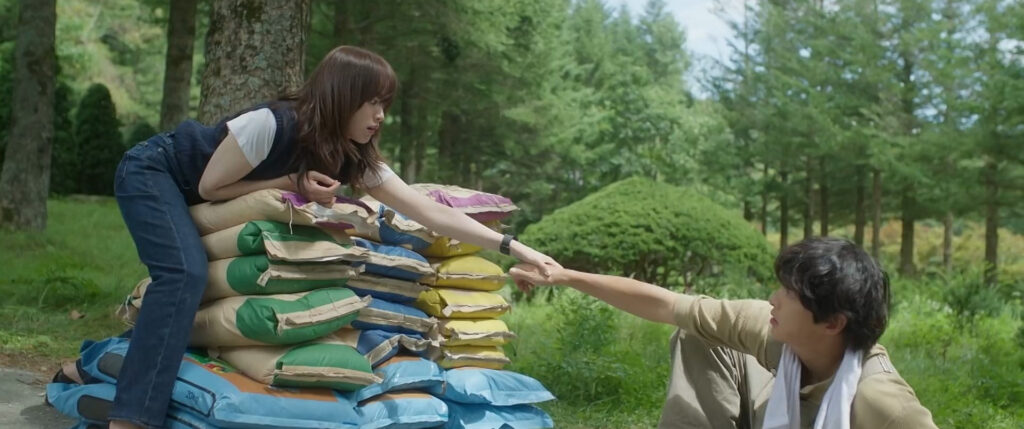
Lots of K-dramas like to do the whole “start in the past, cut to the present, then dramatic reunion” thing. My Youth takes that, flips it, and adds a slower tempo. Instead of dragging us through every heartbreak moment right away, it drops us in the middle of adult life. Je-yeon tracks Hae down not because she’s melodramatic, but because of work. She’s a team leader at an entertainment agency. The meet-cute is practical. She wants Hae to take a job for a project. That’s the hook. Not fate. Not destiny. Work.
That matters. Because when the reunion actually happens, both characters are guarded. They know each other’s faces. They don’t know each other’s present. So the emotional friction is quieter. It’s not fireworks. It’s two people who used to be close feeling their way around each other like strangers in an old house. And that, honestly, is such a satisfying choice.
Episodes 1–2: The bones of the setup (no spoilers beyond what you’d expect)
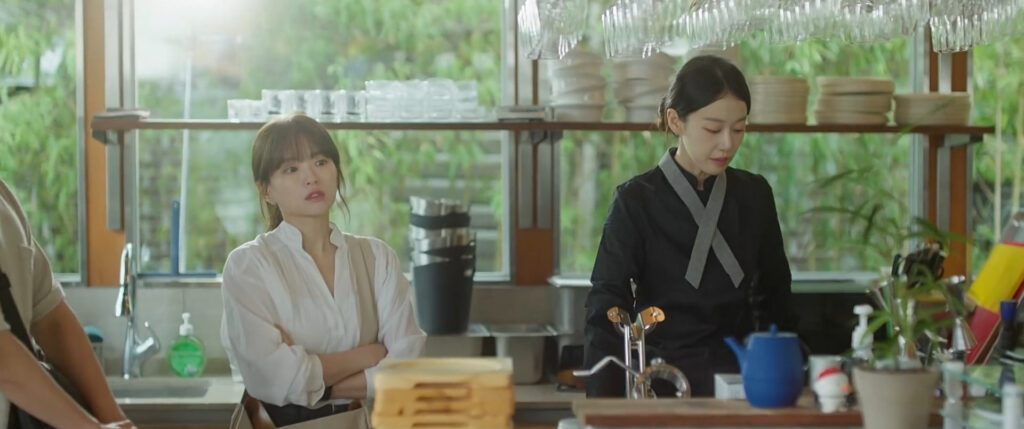
- Je-yeon finds Hae at a flower shop and confirms it with a wrist-bracelet detail. She’s got reasons beyond nostalgia: she needs Hae for casting. He’s reluctant. He’s a former child star turned novelist and florist who clearly wants a quieter life.
- Their first conversation is painfully awkward. They play dumb. Then they don’t. Je-yeon partially lies by omission. Hae feels used. Understandable. The script gives them room to fumble, and both actors sell that quiet tension very well.
- We get flashbacks that explain how they met: Hae, a poor boy who once shone on screen; Je-yeon, a model student with practical family hopes. He took care of a little sister. She wanted a career so badly she’d kiss college dreams goodbye for a scholarship. Their past is tender and a little tragic. The show doesn’t overplay the sorrow. It simply drops the facts and lets them land.
- By the end of episode two, they are back in orbit. There’s an offer on the table that nudges Hae back into the public eye. He resists, then hesitates, and then… well, you’ll see. But the seed is planted: past + present = messy feelings.
What the show does really well
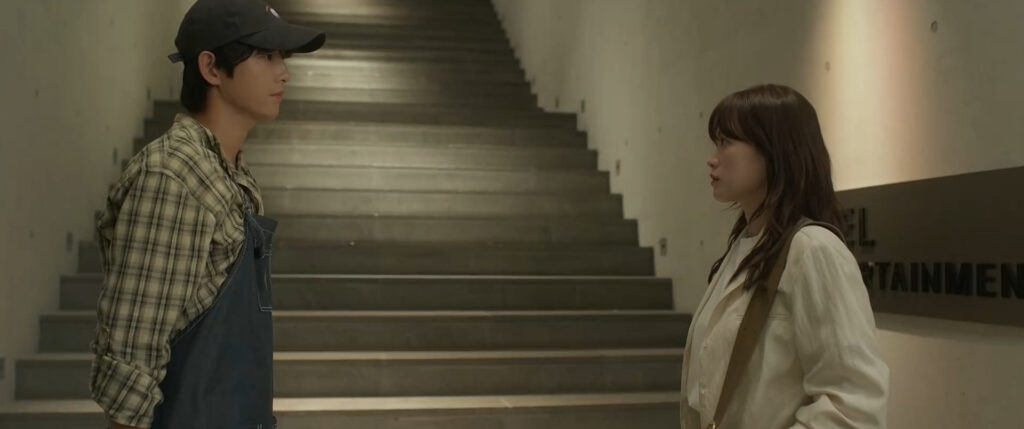
1. Tone control.
The show knows the emotion it wants: warm, nostalgic, slightly melancholy. It doesn’t swing for big, tear-jerking moments every five minutes. That restraint makes the quieter scenes land harder. Instead of a constant crescendo, we get peaks that feel earned.
2. The slow burn of awkwardness.
Adult reunions shouldn’t feel like teenage declarations. Comedy and tension both come from the little things: a half-smile, a pause too long, a handshake that lingers. Those micro-moments are the show’s currency.
3. Realistic motivations.
Both leads have reasons to behave the way they do. Je-yeon’s job pushes her into morally grey territory (she’s not evil; she’s pressured). Hae’s responsibility toward his sister explains his guardedness. The drama avoids dumb motivations like “I forgot who you were.” Their choices feel believable.
4. Flashbacks that preserve mystery.
Instead of dumping the full backstory at once, the series teases details. That builds curiosity without stretching credibility. You want to see the whole picture, but you don’t feel cheated.
5. The supporting cast adds texture.
Small roles — a meddling PD, Je-yeon’s boss who’s oddly entangled with Hae’s family, a sibling who brings emotional stakes — give the world depth. The chaotic family stuff is both frustrating and oddly compelling. The show doesn’t shy away from making you dislike someone, then quietly reveal why they’re complicated.
Where it trips — just a little
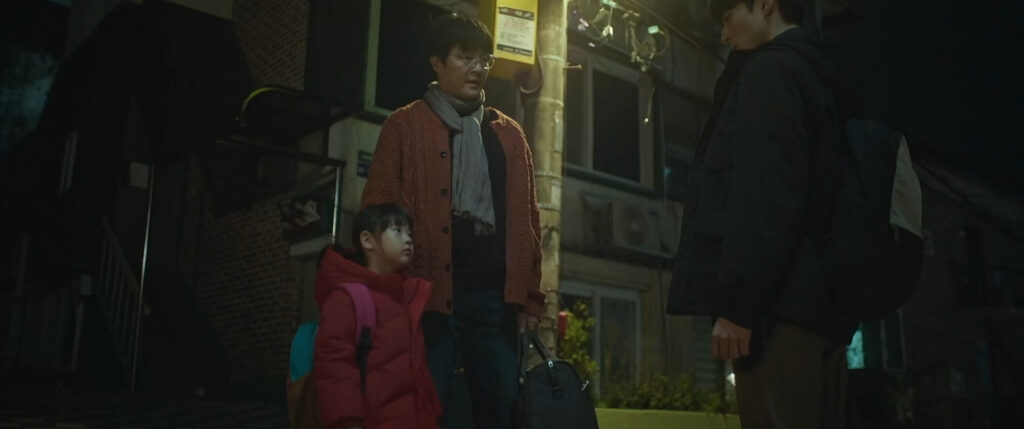
1. A weird wealthy-woman-marriage subplot.
There’s a plot beat where a rich woman marries Hae’s absentee, debt-dodging dad. That relationship is odd. It’s hard to buy why a successful CEO would marry someone with that track record. The show hints at reasons, but it’s still a sticky, slightly unbelievable beat. You’ll raise your eyebrows. So did I.
2. Clues left hanging.
A couple of small hints feel like dangling threads. The second wish bracelet that later breaks? We know it’s important. But the show’s gentle rhythm means it will take its time revealing why. That patience is fine, but some viewers will want answers faster.
3. A tiny pacing wobble.
Because the show values slow emotional reveals, episodes sometimes linger in domestic scenes. If you prefer fast plots and big twists, this isn’t for you. If you like atmosphere and character work, buckle up.
Acting and chemistry: the real sell
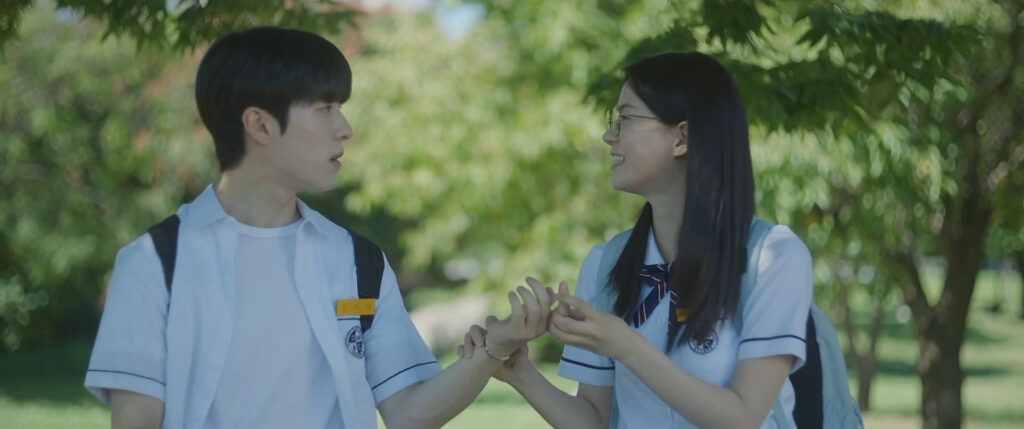
Song Joong-ki plays Hae with soft restraint. He’s not trying to dazzle. He’s trying to vanish. That quiet is compelling. Chun Woo-hee is sharp, practical, and emotionally present. When they’re together, the chemistry is subtle — a look, a shortened breath, a tiny smile. It never screams “plot device.” Instead, it feels lived-in.
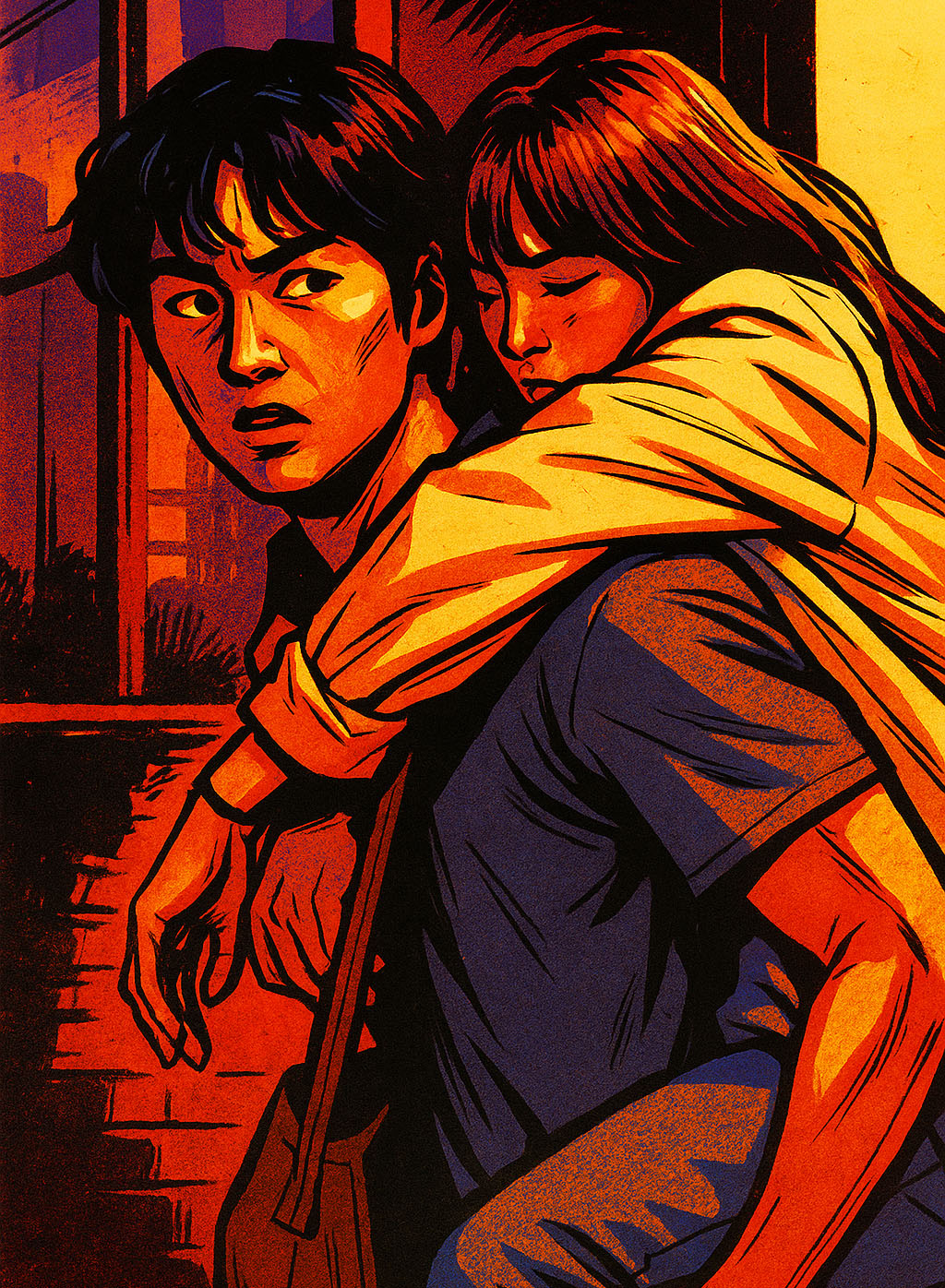
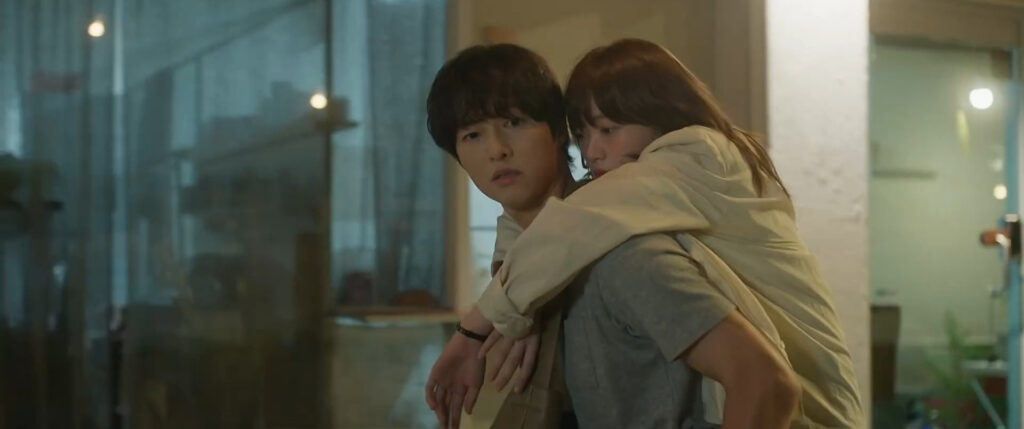
The show leans on small physical beats. A pulled shirt. A piggy-back ride. A tearful confession across a taxi stand. These aren’t big gestures. They’re details. And those details build the emotional architecture of their relationship.
Support actors also add credibility. The sibling dynamics and the agency politics make the world feel lived in. You can see how two grown people would orbit back toward each other in this setting.
Themes worth paying attention to
Responsibility vs. Desire.
Hae is constantly balancing duty and dream. He gave up certain things to protect others. That tradeoff shapes his choices. The drama asks whether that kind of self-sacrifice costs you the chance at happiness.
Identity after fame.
Hae’s child-star past haunts him. But the show smartly avoids making fame the only thing that defines him. Instead, it explores what remains when the spotlight leaves you.
The awkwardness of reunion.
Coming back to someone is weird. People change. Memory is selective. The show captures that handful of seconds when you decide whether to step toward someone or walk away.
Money and class.
Je-yeon’s family bankruptcy and Hae’s poverty background are not just plot devices. They color choices and language. The drama is interested in how class shapes opportunities and decisions—not in a preachy way, but in a quietly observant one.
Favorite scene (spoilers): the bookstore + pen moment
A simple, human scene: they buy a book. She wants him to sign it. He pulls out a pen. The camera lingers. It’s an ordinary moment that suddenly feels huge. That tiny gift — a pen, a signed page — becomes a symbol for what they lost and what might still be. It’s small, but it sticks.
What I think will matter going forward (my POV)
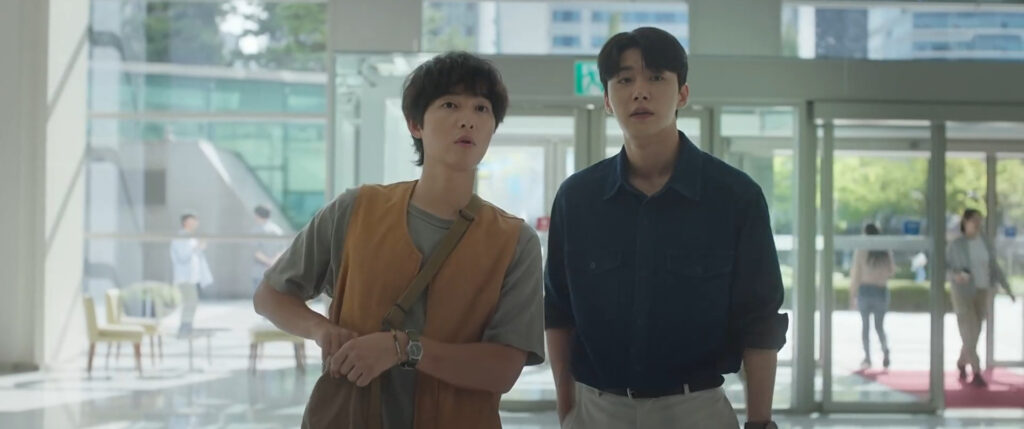
A few things will make or break this show:
- How they handle Hae’s return to the public eye.
If the show uses that as a lazy plot device for manufactured drama, it’ll lose nuance. If it treats it as a complicated, personal choice, the show will stay interesting. - Whether Je-yeon grows beyond her “practical achiever” label.
She’s driven because she had to be. But growth happens when she stops living for “what’s expected” and starts deciding for herself. I want to see that arc. - The Pil-do/Chan subplot.
That marriage needs explanation. If it’s just a dramatic shortcut, it will feel cheap. But if the writers use it to explore class, guilt, or loneliness, it could be unexpectedly rich. - Pacing balance.
Keep the atmosphere, but give us payoff. Tiny reveals are great. But the audience needs enough answers to stay hooked.
If the show leans into these, it could be quietly great. If it plays too safe, it will be pleasant but forgettable.
Who will love this show — and who won’t
You’ll probably like My Youth if you enjoy:
- Slow, character-driven romances.
- Quiet, mature chemistry instead of flames-out passion.
- Emotional realism over melodrama.
- Flashes of nostalgia and bittersweet memories.
You might not like it if you want:
- Fast plotting and constant twists.
- Big dramatic finales every episode.
- Soap-opera style confrontations and overblown villainy.
Little details viewers will appreciate
- Production design leans into cozy: bookstores, small cafes, and the flower shop feel lived in.
- Soundtrack is understated. It picks the right notes without trying too hard.
- Cinematography often frames characters in private moments — a good fit for a show about quiet reunions.
- Writing gives the actors room to express with silence. That’s rarer than you think.
Final verdict — My Youth (Episodes 1–2)
This premiere sets a calm, steady pace. It trusts its actors. It trusts silence. It doesn’t promise fireworks. Instead, it builds a real, slow burn. If you’re tired of loud heartbreak and prefer intimacy served in small doses, this will sit nicely with you.
Score: ★★★★☆ (4 out of 5 stars)
Reason: Superb performances and tone. A few narrative choices feel odd or under-explained, but the emotional core is strong. I’m invested enough to keep watching.