



The headline is blunt and awful: the 2025 Ulwaluko season has wrapped with at least 39 young men dead and dozens more left injured or mutilated. This is not an abstract statistic. These were sons, nephews, classmates — boys who walked into a ritual hoping to come back as men, and left families with funeral arrangements and questions no cultural briefing should ever cause. The ritual itself is ancient and sacred to many. The way it’s being delivered now, in too many places, is a preventable public-health disaster.
TL;DR
- Ulwaluko is a traditional Xhosa initiation rite facing a public health crisis due to dozens of annual deaths and injuries.
- Fatalities are caused by sepsis, dehydration, and a lack of medical care, largely at unregulated, “illegal” initiation schools.
- Solutions proposed include training traditional surgeons, providing sterile kits, and creating safe, state-supported alternatives that respect the rite’s cultural significance.
- The path forward requires a partnership between government, traditional leaders, and communities to blend tradition with modern safety standards.
What Ulwaluko actually is

Ulwaluko is a traditional initiation rite practiced largely among the Xhosa and other Nguni-speaking communities. In its idealized form, it’s a teaching institution. Boys — usually in their teens — are taken through seclusion, instruction, ceremony and a physical act of circumcision that marks the formal passage from boyhood to manhood. The ceremony includes periods of seclusion, ritual dress and dietary taboos, and a formal re-entry into community life with a changed social status. The rite is deeply embedded in identity, community, and rites of belonging. (Wikipedia)
That cultural significance matters. Any response that ignores it will fail. But honoring the rite doesn’t mean ignoring the carnage that’s accumulating each year.
The scale of the problem in 2024–2025

The recent totals make for grim reading. After a devastating 2024 season — in which 93 initiates died and more than a handful suffered amputations — the 2025 summer cycle still ended with dozens of dead and injured, counted at 39 fatalities this year. Those numbers show a pattern: even after a shockingly bad season, progress is painfully slow.
Those aren’t just numbers on a spreadsheet. Over recent years, hundreds of families have been directly harmed. Multiple government statements and parliamentary briefings have acknowledged the spread and persistence of unsafe, illegal initiation schools. The national conversation keeps flipping between sorrow, outrage, and pledges to do better — but the injury and death counts keep rising season after season.
How these deaths happen — the blunt medical facts
You don’t need medical training to spot patterns in the reports. Common proximate causes repeat:
- Sepsis and gangrene from unsterile instruments or untreated wounds.
- Severe dehydration, particularly during hot summer cycles when many initiations occur. Dehydration weakens the body’s ability to fight infection.
- Delayed or blocked access to emergency care — often because initiates are in secluded schools or because illegal operators hide problems until it’s too late.
- Physical abuse and punishment inside some schools that escalate into life-threatening injuries.
- Use of blunt or inappropriate cutting tools (from old spear points to razor blades) and poor wound care.
Put simply: the surgical act in Ulwaluko is often performed like a field operation without antisepsis, analgesia, or a reliable link to emergency medical services. That’s a recipe for catastrophe.
The illegal-school economy: why this persists
To be painfully direct: where there is money, power and social pressure, there will be opportunists. Over the last decade, a parallel economy of illegal initiation schools has emerged. These are often run by unqualified practitioners who promise low cost, secrecy, or rapid throughput. They may be linked to criminal networks or run as small-for-profit ventures in rural areas. The result: inexperienced “surgeons,” unsanitized tools, and chaotic aftercare. Government officials repeatedly blame these unregulated players for a large share of fatalities. (Government of South Africa)
That illegal market thrives for several reasons: poverty (families looking for cheaper options), social pressure (shame for not participating), and a lack of accessible, culturally appropriate legal initiation services that are both safe and respected by traditional leaders.
Government action so far — talk, meetings, and some targets
To their credit, national agencies have not been silent. The Department of Cooperative Governance and Traditional Affairs (COGTA) and the Minister, Velenkosini Hlabisa, have launched campaigns and pledged action. Officials have convened emergency meetings and declared that initiation schools that break the law must be closed. Parliamentary committees have called for a national commitment to achieving zero deaths and reducing the number of illegal schools. The tone from the top has been clear: “Not one more death.” But pledges require operational follow-through.
Plans being floated include registering and licensing initiation sites, training traditional surgeons, improving medical referral routes, and community education. Those are sensible ideas. The real test is implementation.
Cultural friction: why reform isn’t just technical
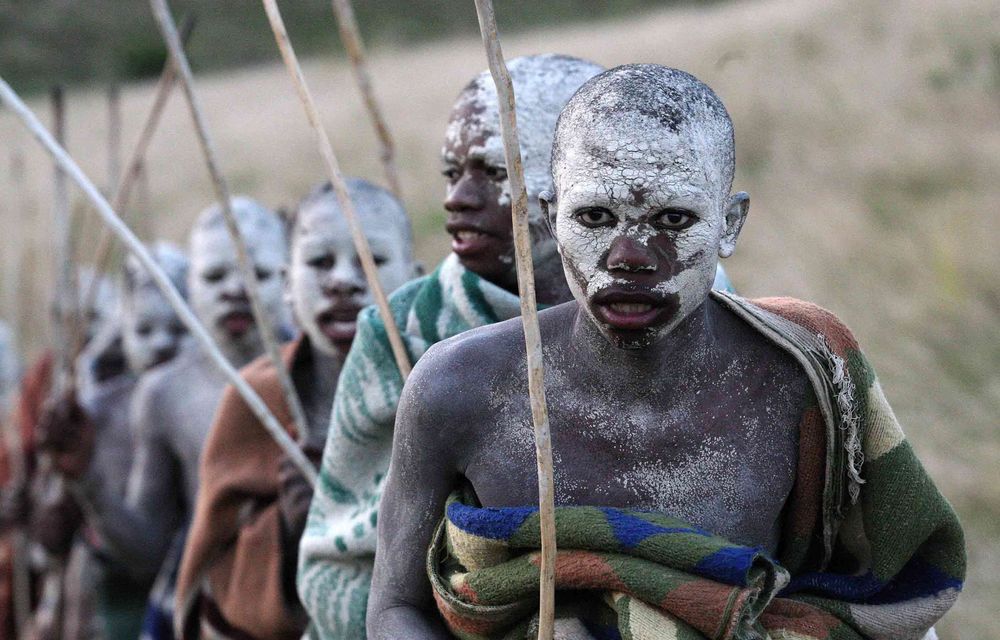
Here’s the rub: Ulwaluko is not a clinic procedure that can simply be medicalized without consequence. For many communities, the ritual’s secrecy, the authority of elders, and the symbolic suffering are part of its social meaning. Attempts to impose top-down medical solutions — without community buy-in — often backfire. Past interventions that ignored traditional authorities or tried to replace the rite with purely clinical circumcision met resistance. That resistance can push initiations further underground, into even riskier settings.
Therefore, reforms must be culturally intelligent. They should respect the rite while reducing the physical risks. That means co-designing protocols with traditional leaders, training traditional surgeons in sterility and first aid, and creating triage pathways to hospitals that protect both the ritual’s integrity and initiates’ health.
What real, practical fixes look like (a working list)
If survival is the primary metric — and it should be — then the following measures stack up as both realistic and respectful:
- Register and license initiation schools. Registration should be practical and locally led, not purely bureaucratic. Registered schools get oversight, training, and conditional funding. Illegal schools face enforcement. (Targets were discussed in parliamentary plans.) (parliament.gov.za)
- Mandatory training and certification for traditional surgeons (ingcibi). This is not about turning elders into surgeons, but about giving traditional practitioners a short, practical clinical curriculum: aseptic technique, basic haemorrhage control, wound care, referral criteria, and emergency stabilization.
- A sterile kit program. Mass-provide affordable, sealed sterile instrument kits for initiation schools. No kit means no operation. Cheap, simple, and effective.
- Clear emergency protocols and rapid referral routes. Each school must have a named health facility on standby and an ambulance contact. If initiates cannot be stabilized on-site within X hours, they go to hospital — no excuses.
- Seasonal planning. Move risky practices away from the hottest months where dehydration and sepsis rates spike. Some provinces have trialed winter cycles for this reason. Evidence supports seasonal planning to reduce dehydration-related complications.
- Community-led oversight committees. Traditional leaders, parents, youth reps, and local health workers should monitor schools and sign off on readiness before any initiation cycle begins.
- Legal accountability for illegal operations. Prosecute exploitative operators and those who endanger initiates. This must be paired with alternatives for poor families — prosecution without safe options just drives the practice deeper underground.
- Psychosocial and rehabilitation support. For survivors who live with loss, trauma or amputation, offer long-term counselling, vocational training, and prosthetic support. The duty of the state and community extends beyond the immediate medical emergency.
- Data and transparency. The government should publish disaggregated initiation-season data — deaths, amputations, legal vs registered schools — so the public can track progress.
These are not pipe dreams. Many countries have paired cultural rites with public-health measures successfully. The difference here is political will and respectful partnership with communities.
Voices from the initiation: what initiates themselves have said
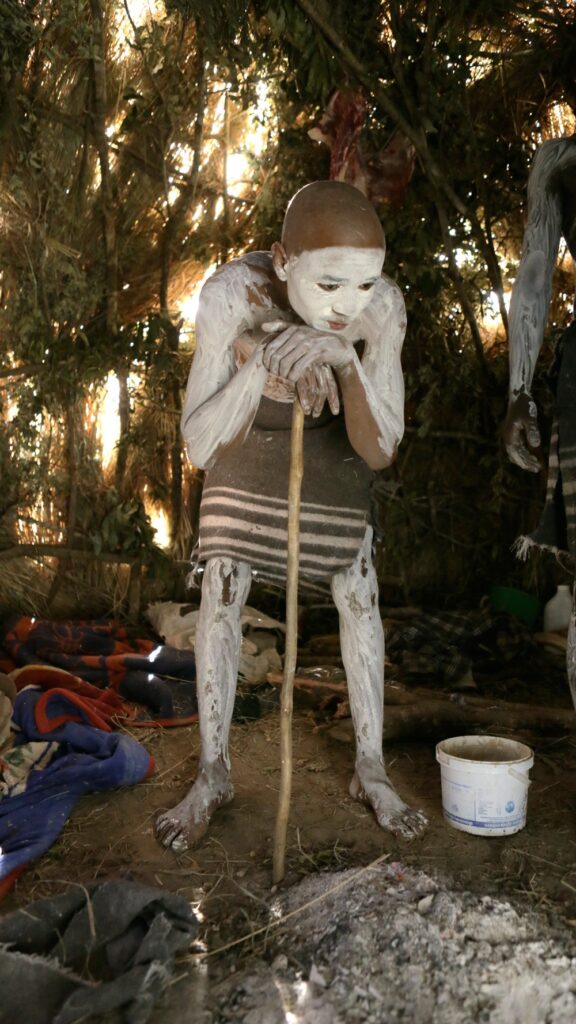
Going through initiation is not a trivial choice for many young men. Past testimonies show a mix of fear, pride, and social pressure. One initiate recalled being scared but wanting to be “looked up to as a man” by elders. Another said he wanted to be the same as his peers — that social belonging matters. Those sentiments explain part of why reform cannot simply ban the rite. People want the dignity that comes with it, and any safer alternative must preserve that dignity. (These themes have been highlighted in long-form reporting on initiation experiences.) (The Guardian)
Why medicalization alone won’t fix everything — and why it’s still necessary
There’s a nuanced tension here. Medicalizing parts of the rite — sterile tools, clinical oversight — will dramatically reduce fatalities. But fully replacing community ceremony with hospital circumcision risks eroding the rite’s social meaning. That erosion can push families into clandestine alternatives that are even deadlier.
So the balanced answer is hybridization: keep the cultural core while integrating clear, enforceable clinical safeguards. Train traditional surgeons. Provide sterile kits. Keep ceremonies, but make the cutting a supervised procedure with emergency backup. That’s not cultural imperialism — it’s harm reduction.
Accountability: where institutions have fallen short
The state has the legal instruments to act. There are acts and provincial regulations meant to regulate customary initiation practices. Yet enforcement has been uneven. Local officials, health departments, and traditional councils sometimes blame each other. Corruption, lack of resources, and weak monitoring all play a role.
Families and communities also bear responsibility when they choose illegal schools for cost or secrecy. But placing the entire moral burden on grieving families is cynical and unfair. Real accountability requires systemic change: enforcement that is fair and that does not punish victims for scarcity or stigma.
The economics of danger: why poor communities are at higher risk
Let’s call it what it is: poverty is a direct risk factor. When legal, registered schools charge fees or require travel, poorer families opt for cheaper, unregulated alternatives. That creates a two-tier system: safe-but-expensive, dangerous-but-affordable. If the state wants to end fatalities, it must remove the financial calculus that pushes people into risky options — through subsidies, vouchers, or mobile safe-initiation teams that reduce out-of-pocket costs.
A plain-spoken set of policy recommendations
If I were drafting a policy memo for immediate action, it would include:
- An immediate ban on unregistered initiation cuts in publicized districts with known fatalities, coupled with a rapid enforcement and outreach plan.
- Emergency funding for sterile kits and training in high-risk provinces.
- A national hotline and fast-track ambulance protocol dedicated to initiation emergencies during season peaks.
- A conditional cash-transfer program to ensure poor families can access registered, safe schools.
- A public education campaign co-branded with traditional leaders to destigmatize seeking medical help and to reaffirm that safety is not shameful.
- A transparent dashboard that publishes deaths, amputations, school registrations and enforcement actions in near-real-time.
These are the sorts of measures that could be stood up quickly — not tomorrow, not in a year, but within a season if there is political will.
What civil society and international partners can do
Non-governmental organizations, local universities, and international health agencies can support training, provide sterile kits, and help run the data platforms. Many universities in South Africa already research initiation injuries and propose scalable interventions. Partnerships should prioritize local leadership and local solutions, not imported models.
Your relatives, your community, and the ethics of choice
One sensitive thread runs through every recommendation: consent, age, and coercion. Too many of the boys entering these rites are teenagers who feel pressured to conform. Where coercion or misinformation exists, community education and protective laws are legitimate and needed. That includes honest conversations about the risks of illegal schools, about what true adulthood means beyond ritual scars, and about safe alternatives that do not marginalize cultural identity.
The human cost: amputations, trauma and lifelong consequences
Beyond death, the reports of penile amputations and permanent disfigurement deserve our attention. These injuries carry lifelong physical, sexual, psychological, and social harms. Survivors often have limited access to reconstructive surgery, counselling or vocational support. A humane response must include restitution, long-term medical care, and social support. These are expensive services, yes — but far cheaper (and morally required) than the societal cost of broken bodies and broken futures.
Where hope still lives — and why it’s not naive
There are promising signs. In provinces and districts where registration, training and community engagement have been prioritized, deaths decline. Traditional leaders — when engaged respectfully — have supported safety reforms. Health departments have plans tied to the Customary Initiation Act. Those are the building blocks of real improvement. The path forward is not moralizing; it’s practical, partnership-driven, and honest about trade-offs.
My point of view — bluntly: culture matters, but not at the cost of children
Culture is not optional. It shapes identity, belonging and dignity. But culture does not give license to lethal negligence. If a rite of passage routinely kills or maims the young people it claims to honor, then the rite must change — and quickly.
This is not an attack on Xhosa or any community. It’s a demand for competence, for the moral consistency of protecting life. The right policy is to partner with traditional custodians, train practitioners, make safety integral to the rite’s meaning, and remove economic incentives for illegal operators. That’s how you preserve culture while ending preventable deaths. Anything less is cowardice.
Closing: not hopeless, but urgently impatient
The repeated seasons of tragedy are not a single problem. They are a tangle of poverty, weak enforcement, cultural dynamics, opportunism and public-health gaps. That makes the solution complicated — but not impossible. The state has laws and departments. Civil society has research and goodwill. Traditional leadership has legitimacy. Money is finite, but the choices about its allocation are not. Prioritizing safety, subsidizing legal alternatives, training traditional practitioners, and enforcing against illegal operators can and will reduce fatalities — if the political appetite matches the rhetoric.
Families who have lost sons deserve swift action. Communities who cherish Ulwaluko deserve rites that do not destroy the very lives they intend to celebrate. South Africa can — and must — reconcile those truths.