

People love saying “just be yourself.” Cute advice. Very Pinterest-core.
But in real life? People don’t sit down and study your soul like they’re reviewing a Netflix documentary.
They judge the trailer.
That’s your reputation.
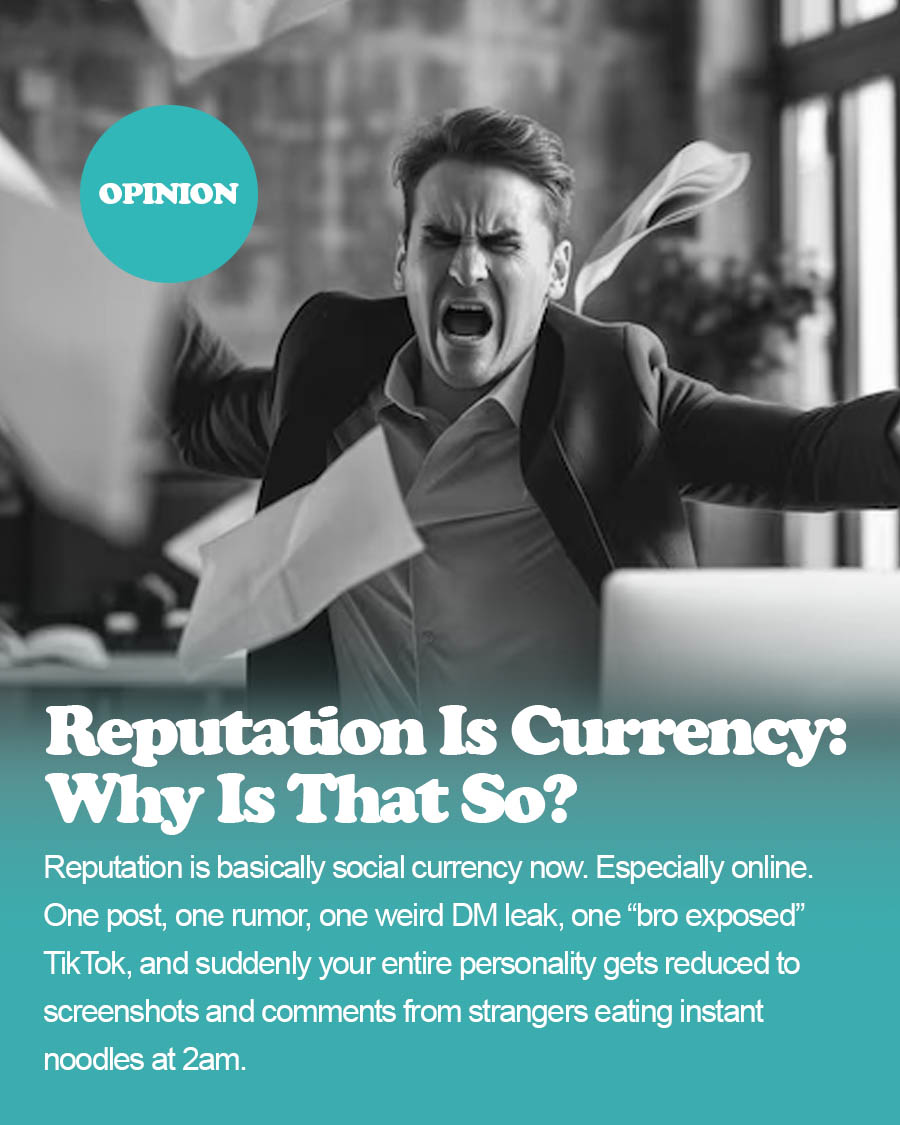
And whether we like it or not, reputation is basically social currency now. Especially online. One post, one rumor, one weird DM leak, one “bro exposed” TikTok, and suddenly your entire personality gets reduced to screenshots and comments from strangers eating instant noodles at 2am.
Brutal? Yes.
True? Also yes.
So let’s talk about why reputation matters more than most people admit, and why protecting it is basically survival in the modern world.
Your Reputation Walks Into The Room Before You Do
Here’s the thing people forget.
Most people don’t know you deeply enough to judge your actual character. They judge the story floating around about you.
That story becomes your reputation.

Maybe people know you as:
- Reliable
- Smart
- Generous
- Funny
- Calm under pressure
- Creative
- Tough
- Dangerous
- Messy
- A walking red flag with WiFi access
Whatever it is, that label sticks fast.
And honestly? Once people decide who you are, changing their minds is like trying to remove glitter from a carpet. Good luck, my friend.
Reputation Takes Years To Build And Five Seconds To Burn
One stupid moment can undo years of trust.
That’s why reputation feels unfair sometimes. You can spend a decade being decent, then one bad lie or shady move suddenly becomes your “main character trait” forever.
People remember betrayal way more than kindness.
Human beings are basically emotional hard drives running on gossip and screenshots.
The original talk admitted something most people won’t say out loud: lying can temporarily help build an image. And honestly, that’s true. Plenty of people fake confidence, success, intelligence, kindness, even morality.
Social media made this ridiculously easy.
Half the internet is just people renting luxury lifestyles for content while eating cup noodles off-camera. The economy is struggling but somehow everybody online is “CEO founder mindset alpha wolf energy.” Sure lah.
But here’s the problem.
A fake reputation is fragile.
The moment the lie cracks, people don’t just question that lie. They question EVERYTHING.
Now suddenly:
- Your success looks fake
- Your kindness looks calculated
- Your confidence looks insecure
- Your entire brand starts wobbling like kopi table at hawker centre
That’s the danger.
People Respect Perception Before Reality
There’s an old story about a famous military strategist who won without even fighting.
He was badly outnumbered. No troops. No real defense.
But his enemies knew his reputation. They believed he was clever, dangerous, unpredictable.
So instead of attacking, they panicked and retreated because they assumed it was a trap.
Imagine winning purely because people feared what you might do.
That’s reputation power.
A strong reputation becomes armor. Sometimes even a weapon.
Meanwhile, a weak reputation makes life harder than it needs to be.
If people think:
- You’re unreliable
- You gossip
- You break promises
- You exploit others
- You’re always late
- You fold under pressure
…then opportunities quietly disappear behind your back.
Nobody announces it. They just stop trusting you.
And honestly? That silent rejection hits harder.
Your Online Presence IS Your Reputation Now
This part cannot be ignored anymore.
Your Instagram, TikTok, LinkedIn, X, Threads, comments section, old tweets, random reposts… all of it builds your digital identity.
People act like online life and real life are separate.
They’re not.
For employers, clients, dates, business partners, and even friends, your online presence often becomes the first interview.
That’s why reckless posting is dangerous.
Every post teaches people how to see you.
If your entire feed is:
- Drama
- Complaining
- Clout chasing
- Attention-seeking nonsense
- Public oversharing
- Constant negativity
…don’t act shocked when people quietly distance themselves.
You trained them to.
Actually, one underrated reputation killer is being chronically late.
Sounds small right?
Wrong.
When someone is always late, people secretly assume one of two things:
- You don’t care
- You can’t manage your life
Neither one screams “future leader.”
Harsh, but accurate.
Gossip Is Social Poison Wearing Lip Gloss
Let’s be real.
People LOVE gossip. It’s basically humanity’s favorite cardio.
But becoming known as someone who leaks secrets, talks behind backs, or stirs drama? Disaster.
Once people think you’re unsafe, they stop telling you important things.
And trust me, losing trust is way more expensive than losing followers.
The scary part is that gossip stains people permanently, even when the rumor is false.
That’s why reputation attacks work so well in politics, business, celebrity culture, and even friendships.
People know this instinctively:
Destroy the reputation, weaken the person.
Simple.
Messy.
Effective.
Reputation Is Also Manipulation
Now this part gets uncomfortable.
Not all reputations are authentic.
Some people intentionally build a character because it gives them influence.
History is full of myth-makers. Leaders who exaggerated stories, controlled narratives, and carefully crafted images to appear stronger, smarter, braver, or more powerful than reality.
Modern version?
Influencers.
Same game. Better lighting.
But here’s the dangerous part: eventually, performance becomes identity.
Even if someone starts “acting generous” for image purposes, people still experience generosity from them.
So weirdly enough, fake traits can slowly become real habits.
Humans are complicated like that.
Between You & Me
A lot of people today are exhausted because they’re trying to maintain a reputation instead of building character.
Big difference.
One is maintenance.
The other is foundation.
Honestly, I think social media turned many people into tiny PR agencies managing imaginary brands 24/7.
Everybody’s curating.
Everybody’s performing.
Everybody’s “building personal branding.”
Meanwhile some people don’t even know who they are without a camera facing them.
That’s the real trap.
Because if your reputation depends entirely on performance, eventually you become terrified of being exposed as human.
And that’s no way to live.
The strongest reputation is usually built from traits that are actually true:
- Competence
- Discipline
- Integrity
- Calmness
- Reliability
- Courage
Those survive pressure.
Fake personas usually don’t.
So How Do You Protect Your Reputation?
Not with perfection.
That’s impossible.
But with consistency.
Here’s what actually matters:
Say Less
People who overshare create ammunition for others.
Not every thought deserves WiFi access.
Keep Promises
Tiny broken promises become your reputation faster than big achievements.
Don’t Move Shady
Exploiting people might work short-term. Long-term? Reputation debt collects interest.
Correct Lies Quickly
Silence can sometimes look like guilt online.
Think Before Posting
Future-you may not enjoy explaining today’s emotional rant.
Be Careful Who Speaks For You
Friends can accidentally shape your reputation too. Sometimes they hype you correctly. Sometimes they describe you like a discount Netflix villain.
Build Real Strength
If people already know you’re competent, trustworthy, or resilient, you won’t need to constantly prove yourself.
That’s real power.
Final Thought
Reputation is weird.
It’s invisible, but it changes everything:
- Opportunities
- Relationships
- Trust
- Respect
- Influence
- Money
- Leadership
A good reputation opens doors before you even knock.
A bad one locks them quietly.
So yes, protect your reputation carefully.
But don’t become fake trying to look impressive.
Because eventually, the mask gets heavy.
And people can usually tell when someone’s confidence is held together with filters, captions, and motivational quotes stolen from LinkedIn gurus.