
More
    Home Blog Page 9

    Who is Ivory Chia? The 9-Year-Old Singaporean Rising Star

    0

    If anyone still doubts that Singapore has serious talent brewing, Ivory Chia just walked in and said, “Hold my Milo.” This nine-year-old powerhouse snagged the Best Supporting Actress (Asia-Pacific) award at the Asian Academy Creative Awards (AACA), and honestly, the way she did it? Chef’s kiss. She went head-to-head with seasoned queens like Oscar winner Youn Yuh-jung, Taiwan’s Fang Wenlin, TVB darling Yoyo Chen, and China’s He Ruixian. Then she casually walked away with the trophy like it was just another school medal from Sports Day.

    And mind you, this is only two months after she already won the Singapore category. Basically, our girl stepped into Asia-Pacific like, “Okay lah, next level.”


    The Big Moment: From Shocked to Slay Mode

    At the ceremony, Ivory showed up in a vibrant blue-and-pink floral sarong kebaya — very on-theme, very Peranakan chic. When her name was announced, she literally jumped up with her hands over her mouth. Then she marched onto the stage with the confidence of someone who definitely didn’t expect it but also low-key deserved it.

    She thanked everyone from AACA to Mediacorp to the producers, directors, writers, and even the crew. At one point she was panting from excitement, and 987 DJ Joakim Gomez knelt to hold the mic for her like the human equivalent of a pop-up mic stand. Truly a core memory unlocked.

    She also gave a sweet shoutout to her “nya nyas,” Chen Liping and Jesseca Liu, for giving her warmth and confidence. That’s found-family energy right there.


    The Role That Won Asia’s Heart

    Source: ivorychiazhixuan

    Ivory plays young Xin Niang in Emerald Hill, the spin-off of The Little Nyonya. She’s a street-smart, sharp-tongued child beggar raised by Ah Zhu, Chen Liping’s gambling-addict character. Despite being the youngest on set, Ivory somehow manages to hold her own against actors who’ve been in the industry longer than she’s been alive.

    Source: ivorychiazhixuan

    Her performance? Bold. Sassy. Ridiculously good. She’s basically the kind of kid character who steals the whole show and leaves adults panic-Googling, “Who is this child actress???”


    But Wait, She’s Been Acting Since She Was SIX?!

    Ivory’s no overnight success. She first hit our screens at age six in Love at First Bite, where she played the younger version of Chantalle Ng. That was just the warm-up. Since then, she’s appeared in:

    Ivory Chia and Shane Pow
    • Soul Detective
    • Family Ties
    • Shero
    • All That Glitters
    • Moments
    • Once Upon a New year’s Eve
    • Hope Afloat
    • I Believe I Can Fly

    And she’s still in primary school. When I was nine, I couldn’t even finish my tingxie without crying.


    Her Acting School? Oh, It’s Pretty Legit.

    Zoom Academy website

    Ivory trains at Zoom! Academy, where adults AND kids learn acting and hosting. Fellow Emerald Hill actor Charlotte Yue studies there too. And one of the trainers is Priscelia Chan — yes, the Priscelia Chan — who also appears in Emerald Hill. So Ivory’s not just talented; she’s surrounded by industry heavyweights.


    And She Still Scores School Awards?!

    Ivory Chia holding the CCC-CDC Education Merit Award 2024 Source: ivorychiazhixuan

    Recently, Ivory received the CCC-CDC Education Merit Award 2024, which recognises academic excellence and good character. Celebrities like Ya Hui, Jesseca Liu, and Chen Liping all hopped into her Instagram comments to cheer her on. She’s basically doing better at life at nine than many of us did at twenty-nine.


    Star Awards Nominations? Of Course.

    Ivory’s talent hasn’t gone unnoticed. She’s been nominated twice for the Young Talent Award at the Star Awards — once in 2023 and again in 2024. No wins yet, but with the momentum she’s building, it feels like only a matter of time before her shelf starts getting crowded.


    She Even Has Her Own Fan Club (Not Joking)

    Ivory already has a loyal fan base, including Love 972 DJ Chen Biyu. She even has an official fan club launched last November. This girl is nine, and she has more organised fans than half the influencers on TikTok.

    Honestly, Ivory is the kind of talent Singapore has been waiting for. She’s sharp, expressive, hardworking, and she has that quiet charm that makes directors go, “Oh yes, that’s the one.” Also, her ability to stay grounded while juggling school and acting? That’s not easy. Many child actors get burnt out or overwhelmed, but she seems to be handling it with grace — plus a little shy-girl energy, which makes her even more endearing.

    I think she’s on track to be one of Singapore’s breakout stars in the region. Give her a few years, and she might just be the one other countries brag about “discovering.” Sorry ah — we got her first.
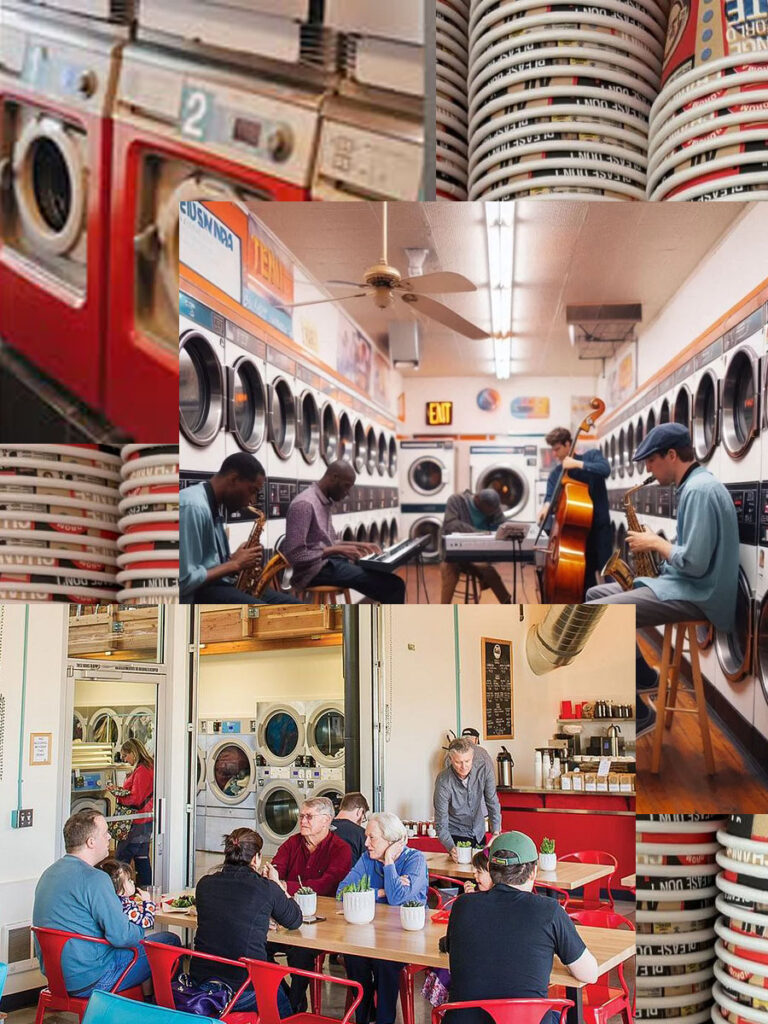

    Laundry Day Just Got Sexy: “Wash-and-Chill” Laundromat Bars Are Taking Over

    If you think laundry day is the most sian, soul-sucking chore ever… well, same. Most laundromats still look like they were designed by someone who hates joy—dim lights, old machines, and a vibe that practically screams, “Why are you here again?” But guess what? Over in Europe and the U.S., people decided enough is enough. Now, laundromats are turning into cafés, bars, music lounges, and even mini-communities where your clothes spin while your social life spins up too.

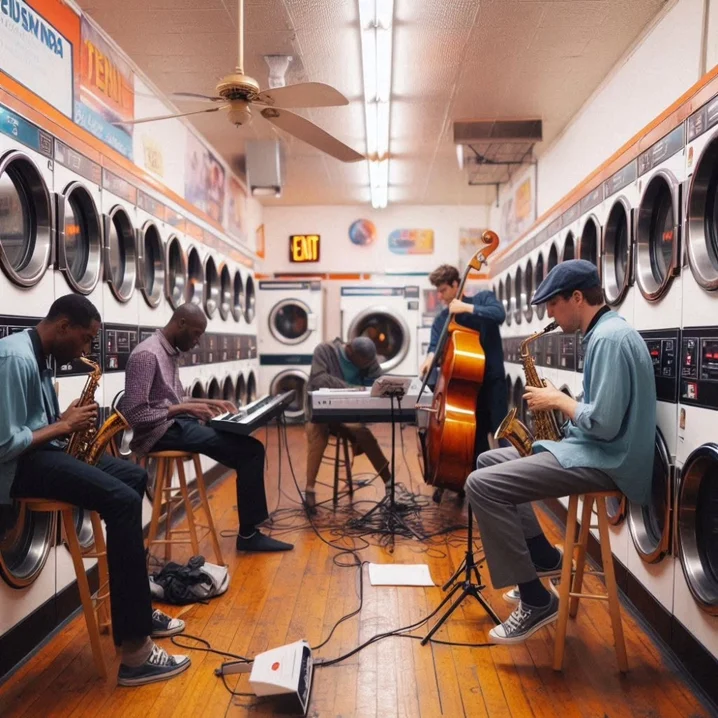
    Imagine this: jazz playing in the background, the smell of good coffee drifting through the air, maybe even a cheeky cocktail in hand. Suddenly, folding towels becomes… dare I say… quite shiok. These new hangouts are rewriting the whole “laundry equals boring torture” story. And honestly, it’s about time.


    From Dreary to Dreamy: The Rise of the “Laundry Bar”

    source: @adventurecatcher_official

    Think about the last time you were stuck waiting for the dryer. You probably checked your phone 47 times, scrolled through everything you’ve already seen, and contemplated your life choices. But now? Big cities from Paris to Brooklyn have turned that waiting period into something actually fun.

    Some places look so chic you’d forget you came to wash your underwear. Others host parties, live jazz sets, comedy nights—basically, laundry day has started to feel like a social adventure. Not kidding.


    Paris Celebrates While San Francisco Rocks Out

    Paris didn’t just jump on the trend—they glamorised it. Walk into Le Café Laverie and you’d be forgiven for thinking you stumbled into a stylish bar instead of a washing hub. The front half is all practical machines, but the back transforms into a cosy lounge with drinks, cushy seating, and casual parties where neighbours secretly come to gossip while waiting for their clothes to dry.

    Meanwhile, in San Francisco, the legendary Brainwash Café & Laundromat took the idea and went full rock-star mode. Yes, they serve food. Yes, they host live music and comedy nights. And yes, people actually go there for dates. Can you imagine telling someone, “Hey, want to meet at the laundromat?” and it’s not weird? Welcome to the future.


    Scandinavia Said: “Why Not Make It a Family Thing?”

    source: thelaundromatcafe

    Of course, the Nordic countries had to take it to another level. The Laundromat Café in Denmark and Iceland blended a coffeehouse vibe with shelves of books, children’s play corners, and warm lighting. It’s practically a lifestyle café that just happens to let you wash your clothes downstairs. Parents read. Kids play. Everyone goes home with clean laundry and a calmer soul. Very wholesome lah.


    Brooklyn’s Pearl Lee’s Washtub: A Whole New Vibe

    source: @pearl_lees_washtub

    Now, let’s hop over to Brooklyn, where Pearl Lee’s Washtub became the poster child for this trend. The owner, Theo DuPree, spent 30 years working as a nurse, then moonlighted as a weekend BBQ guy. After a trip to Barcelona, where he saw a laundromat serving red wine (genius, honestly), he had an epiphany: waiting is inevitable—so why not make the waiting fabulous?

    So he retired, opened his own laundromat-bar hybrid, and filled the place with jazz, snacks, and vibes. The front half handles the washing. The back half handles the fun. And just like that, laundry day went from “Ugh, maybe next week” to “Eh, let’s go tonight.”


    From Chore to Treat: When Laundry Becomes a Feel-Good Ritual

    My personal favourite example? Portland’s Spin Laundry Lounge. Besides looking like a hipster café with washers, they also do something super thoughtful: every day, they collect single lost socks and donate them—freshly washed—to shelters. Even socks get second chances, sia.

    Portland’s Spin Laundry Lounge

    But beyond the aesthetics and vibes, something deeper is happening. These places are making community cool again. People chat. They meet new friends. They bond over the shared suffering—sorry, experience—of laundry. Slowly, what used to be a dreaded routine becomes a tiny bright spot in the week.

    It’s like discovering that your “meh” moments can actually be magic if you just tweak the environment a bit.


    My Two Cents

    Honestly? I love this trend. Singapore damn stressful already—anything that helps us relax while doing chores is a win. If someone opened a laundry café here, confirm packed one. We’d be washing clothes we haven’t even worn yet, just for excuse to go chill.

    I mean, imagine sipping kopi, listening to a small jazz trio, and having your laundry done at the same time. That’s peak adulting. That’s the kind of multitasking our ancestors dreamed of.

    Plus, this whole movement teaches something important: when you turn boring tasks into pleasant experiences, people show up happier, friendlier, and more connected. In a world where everyone is rushing, maybe slowing down at a laundromat-bar isn’t such a strange idea after all.

    Faulty Toilet Door Left SIA passenger Exposed — Twice

    0

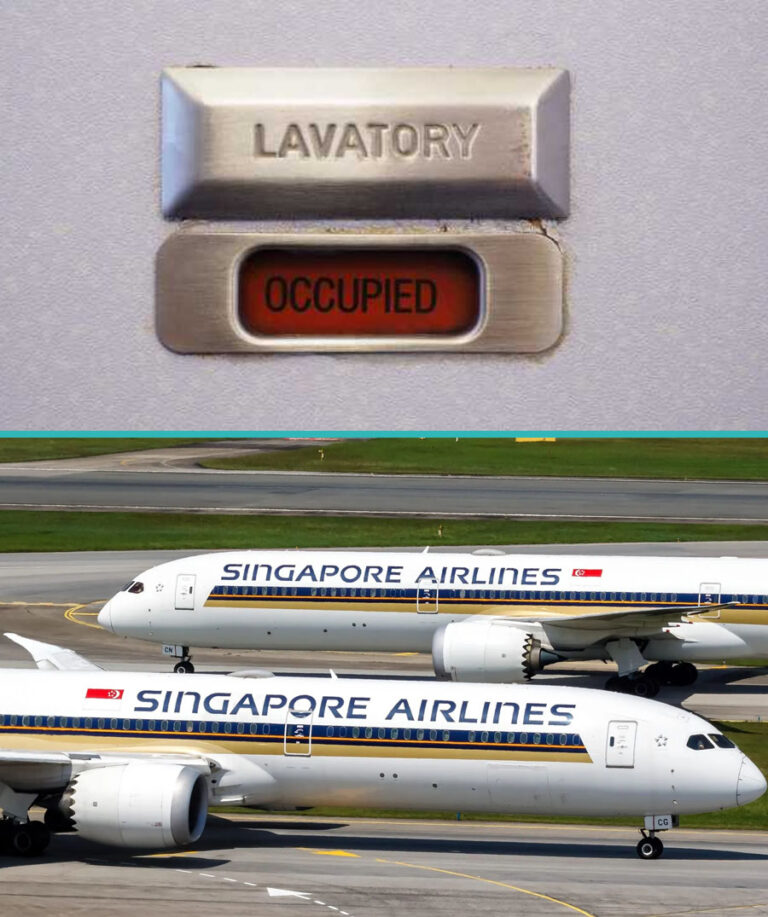
    Most people board a Singapore Airlines flight expecting movies, snacks, and maybe a good nap. What you don’t expect, however, is to become the accidental star of a “live show” inside the aircraft toilet. Yet that’s exactly what one SIA passenger claims happened to him — not once, but twice — thanks to a stubborn toilet lock that apparently refused to do its job.

    A Toilet Door With Main-Character Energy

    According to the passenger, the nightmare started the moment he stepped into the lavatory. He tried to lock the door. It didn’t catch. He tried again. Still loose. And before he could even troubleshoot, another passenger swung the door open like they were entering a 7-Eleven.

    There he was — mid-business — exposed. Mortified. Probably questioning all his life decisions that led up to this moment.

    After the first incident, he tried to be more careful. Because of course, right? But the second time? Boom — door swings open again. Same toilet. Same man. Same malfunctioning lock. At this point, anyone would be ready to crawl into the overhead compartment and stay there until landing.

    Worse, he said the door didn’t even swing shut on its own. Once opened, it stayed open unless someone pushed it back manually. Wah, really sabo.

    Cabin Crew Response: NotQuiteThere™

    Naturally, he flagged the issue to the cabin crew. According to him, they already knew the toilet door was having problems on that particular aircraft. But no immediate fix, no creative solution, no heroic rescue for his dignity.

    He also wondered whether being a man made the situation feel less urgent to the staff. And honestly? Can’t blame him for asking. Being exposed in a toilet is embarrassing no matter who you are.

    Later, after contacting SIA directly, he received an apology. But he felt it was more “template email” than “we truly understand your pain, sir.”

    He summed it up plainly:
    “This caused me embarrassment, indignity, and a total loss of privacy.”

    And honestly… can’t argue with that.

    SIA’s Side of the Story

    Singapore Airlines later responded publicly, stating that they “sincerely apologise” for the distress caused. They clarified a few things:

    • The incident happened before takeoff, while the aircraft was still on the ground.
    • When the passenger alerted the crew, they apologised, secured the lavatory, and marked it unserviceable for the rest of the flight.
    • The door was repaired upon arrival in Delhi and later inspected again to make sure everything was working.
    • The airline has been in direct contact with the passenger.

    Basically: the door was broken, they closed it off, they fixed it later, and they reached out to him. Case closed… at least from their perspective.

    But from his? Not really.

    Why This Story Hits Harder Than Expected

    Let’s be honest — bathroom privacy is sacred. Especially in a tiny airplane cubicle where your dignity is already hanging by a thread.

    What this guy experienced wasn’t just a minor inconvenience. Imagine getting exposed once… you’ll laugh about it someday. But twice? Same flight? Same toilet? That’s trauma with a connecting flight.

    And the worst part? Feeling like nobody took it seriously in the moment. That stays with you longer than any apology email.

    My Take

    If you ask me, this whole situation shows how badly things can go when a small technical fault meets slow action. A toilet lock is not glamorous. It’s not “important” like engines or navigation systems. But when it fails, it becomes the only thing the passenger remembers.

    Also, as much as SIA is famous for great service, sometimes the frontline response determines everything. Even a simple gesture — “Sir, we understand this is awful, here’s how we’ll help” — could have changed the tone entirely.

    And let’s not pretend: If this happened to any of us, we’d be telling the whole world too. Maybe even with diagrams.

    But hey, at least the door is fixed now. Too bad the emotional damage isn’t as easy to repair.

    Did the Kid took Georgio Poullas down? The Truth and the Drama

    If you’ve ever watched Georgio Poullas tossing people around on YouTube like he’s auditioning for a WWE storyline, you probably wondered: Eh, so who on earth can actually take this guy down? And more importantly, how hard is it really?

    Well… let’s just say the answer isn’t as simple as Georgio wants it to be.

    The Day a Teen Wrestler Sent Georgio Flying

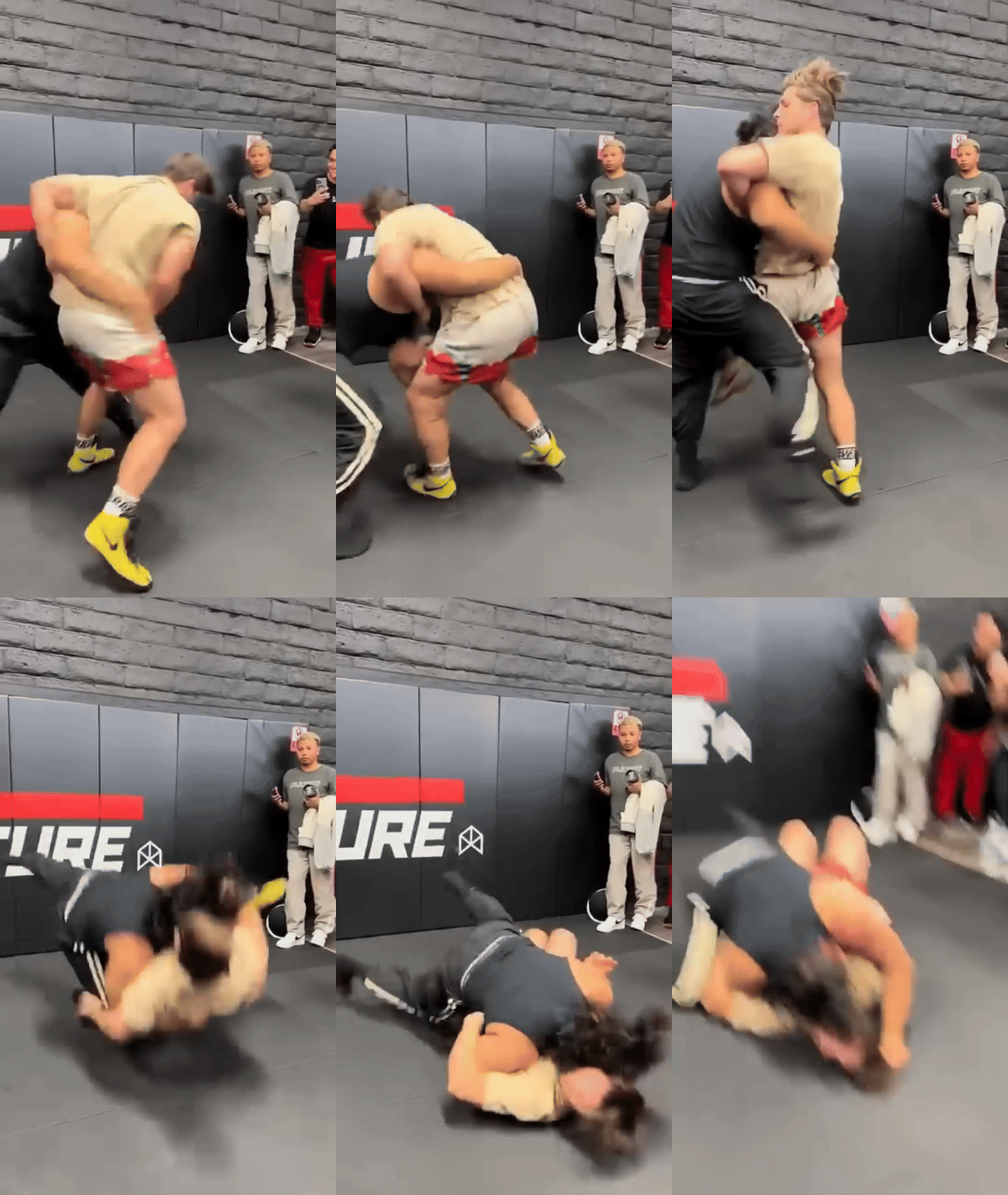
    So here’s the tea. Georgio once got taken down by some teenager — either a football player or a wrestler — depending on who’s telling the story. The moment is still floating somewhere on YouTube, likely filmed at Bradley Martyn’s gym, because of course all chaos happens there.

    But Georgio didn’t exactly take the L with grace. Oh no. He claimed it wasn’t a real takedown. According to him, the kid “lied about his experience,” which supposedly tricked him into going easy. The man basically said, “If I knew he wrestled, I wouldn’t have stood like that.”

    Bro, come on.

    The $1,000 Takedown Challenge That Got Messy

    The rules of his challenge were simple:
    “Take me down, win $1,000.”

    Yet somehow, Georgio managed to complicate the whole thing until people were squinting at him like, “Eh, you got terms and conditions eh?”

    He claimed the kid voided the deal by hiding his wrestling past. He even said he gave the kid “an advantageous position” because he thought the boy was clueless. But the video tells a different story.

    Georgio literally knee-tapped and bulldozed the kid just before getting dumped on his back. And the kid defended everything like an actual wrestler… because he was one. At that point, Georgio already knew. He just didn’t stop, because he thought he could still muscle his way through.

    Then he lost.
    Then he didn’t pay.
    Then the internet said, “Wah, this one confirm a bit shady.”

    The Street Rules of Competition

    Let’s be real for a second. If you pull this stunt on a basketball court — challenge someone for money, lose, then refuse to pay — your tyres might mysteriously wake up flat the next morning. People don’t play around with that kind of nonsense.

    He didn’t hold up the end of the deal, even though he’s out here carrying a giant sign and uploading videos of all his wins. Taking an L and paying would’ve earned him more respect and more clout. Everyone loves a humble king.

    Instead, he tried to spin the story. Not his best moment.

    Was It Actually a Takedown? Wrestling Fans Are Screaming “YES.”

    A sweet, clean foot sweep take down

    This is where things get spicy.

    Freestyle wrestlers?
    They’ll tell you this was a perfectly legit four-point takedown, counted in every country except maybe some galaxy far, far away.

    Folkstyle wrestlers?
    Well, some say it wouldn’t count. Which is exactly why freestyle fans keep roasting folkstyle as the “worst rule set ever.” Their words, not mine.

    Georgio rolled after being taken down

    Freestyle defines control as initiating the movement that sends your opponent toward the mat. It doesn’t matter if the contact is one second or half a second — once your back hits the mat, it counts.

    In the clip, the kid clearly gets Georgio down. He even relaxes for a moment, probably expecting the ref to call it. Then Georgio pops up with a reversal, which startled the boy. If you’ve wrestled outside the US or trained freestyle off-season, this makes total sense.

    Why BJJ Kids Make Terrifying Pinners

    This is where the conversation unexpectedly turns into martial arts nerd heaven.

    Some people swear BJJ takedown rules are better because you need three solid seconds of control. That means you can’t just “touch and go” — you must actually pin someone long enough to prove it wasn’t an accident.

    Youth wrestlers who also trained BJJ? Monsters. Once they tilt you past 90 degrees, they’re basically saying, “Bro, stay there, don’t move,” and somehow… you don’t.

    My Point of View

    Honestly, Georgio is strong, explosive, and yes, entertaining. But at the end of the day, strength alone doesn’t save you when someone with technique shows up.

    If you’re running a public challenge, waving cash around, and hyping yourself online, you can’t suddenly act blur-blur when someone skilled beats you. Pay the kid, shake hands, make it a storyline — that’s how you win the internet.

    Also, if you need people to pretend they’re beginners so you can look good? Aiyo, that one not very shiok, leh.

    Taking the L with pride is way more alpha than pretending the rules suddenly don’t apply.

    Final Thoughts

    So how hard is it to take down Georgio Poullas?
    For the average gym bro? Nearly impossible.
    For someone who actually wrestled? Quite doable — as proven.

    The real challenge here isn’t the takedown.
    It’s whether Georgio can handle losing as well as he handles winning.

    Typhoon Family Finale Explained: Why the Last Episodes Hit Harder Than Expected

    0

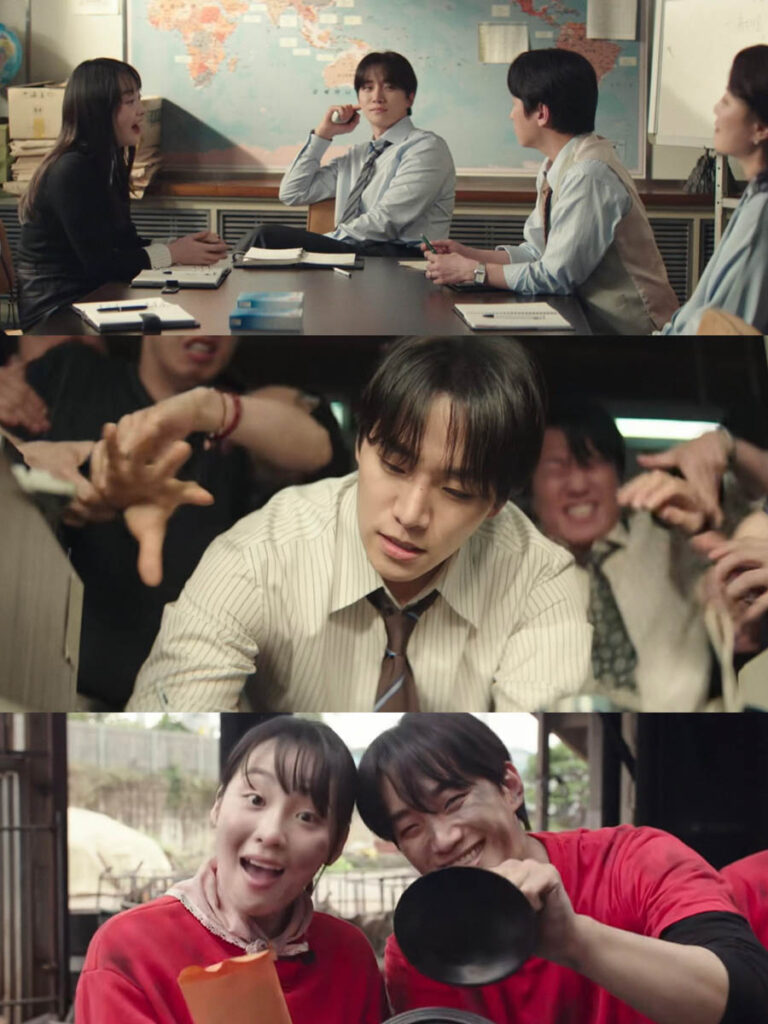
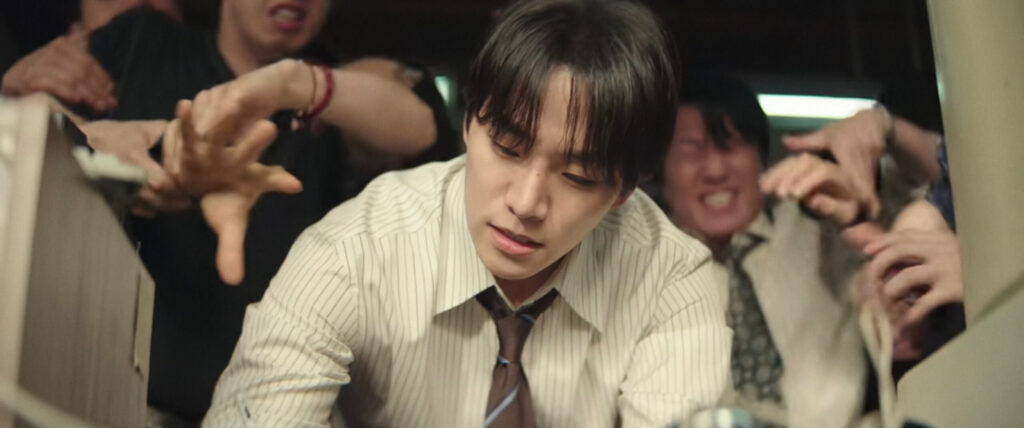
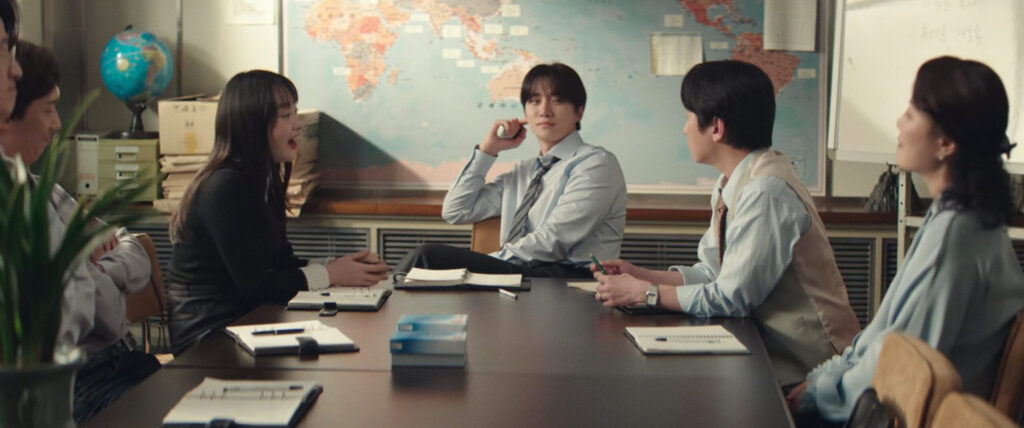
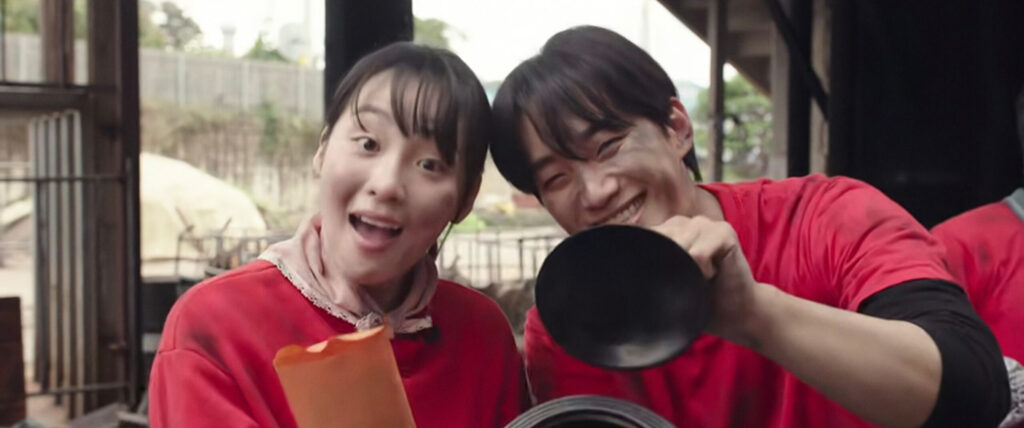
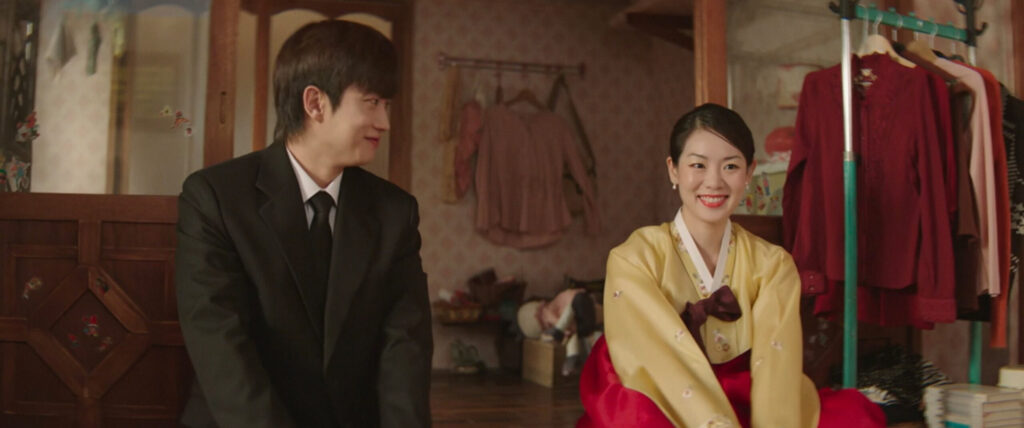
    Typhoon Family finally wraps up its chaos-filled run, and honestly, wah, what a ride. I went in expecting a typical office drama — you know, people arguing over spreadsheets and pretending their printer jam isn’t the seventh circle of hell. But this series? It looked me in the eye and said, “Nah, we’re doing heart, community, and full-on emotional cardio today.”

    And somehow, they made paperwork look more intense than some action movies. Only in K-drama world can stamping a document feel like a defuse-the-bomb moment.

    But the finale? Let’s talk about that properly.


    Everything Kicks Off With a Rooftop Crisis

    The story picks up right where we left off — with a distraught dad standing on a ledge, ready to jump. Totally not the kind of Monday morning anyone needs. He’s the owner of the factory where Tae-poong’s team member works, and the poor guy is drowning in debt.

    When Tae-poong rushes up, he doesn’t come with some CEO pep talk. Instead, he shares about losing his own dad, and how staying at Typhoon Trading keeps that memory alive. And just like that, the scene shifts from tragedy to something painfully human.

    Then the man’s son bursts in, and they break down in each other’s arms. Yah, it’s cheesy, but still — kinda hits you in the feels. This world loves to judge people by their bank account, but this drama keeps reminding us that humans > money. Every. Single. Time.


    A New Business Opportunity Appears… But So Does More Trouble

    After the incident, Tae-poong decides to invest in the factory’s camera tech. Of course, this looks promising… until our resident chaos agent Hyun-jun shows up again.

    This man is allergic to peace.
    He discovers the truth about the promissory note — technically, Tae-poong didn’t deliver it on time. And Hyun-jun, being the snake he is, plans to use that to snatch Typhoon Trading for himself.

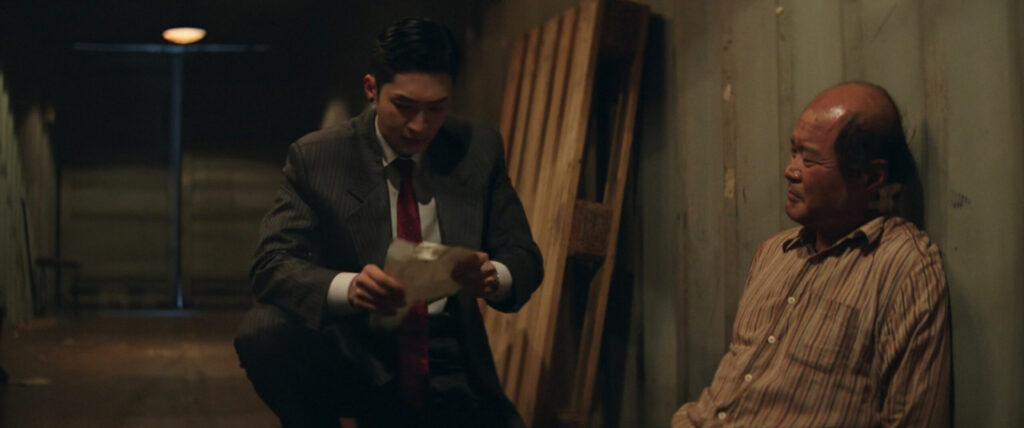
    And guess what? Bak-ho is still alive, still stuffed inside that sad shipping container like some discounted warehouse item nobody collected. Hyun-jun leaves him there, because of course he does.

    Then the man storms the office with movers like he’s doing a very hostile IKEA delivery. Tae-poong signs a resignation letter to protect his team, but not before rushing to stamp one last document. Honestly, how did a seal stamp get more screen time than some side characters? Impressive.

    Later, his team is in ugly-cry mode, especially Mi-seon, who keeps telling him to come back as CEO one day. He promises. But you can see the weight on him — he thinks stepping aside is the only way to keep them safe. Poor dude.


    Hyun-jun Takes Over… And Everything Goes Downhill

    Surprise, surprise: Hyun-jun in charge = absolute disaster.

    He brings in his own slow-moving staff. He makes Mi-seon fetch coffee like it’s 1990. Meanwhile, Tae-poong ends up working at the factory he’s trying to protect. Even worse, the bank refuses to accept the factory owner’s debt payment because Hyun-jun basically called ahead and booked a “close the bank early so someone suffers” special package.

    Why does he want that little factory so badly?
    Patents.
    The sweet, sweet value of intellectual property.

    So the team decides to break into his office to snoop. Naturally, they run into Seon-taek, who is also snooping. Then chaos erupts — fights, chases, dramatic screams — it’s practically a low-budget Avengers crossover.

    And in the middle of all that, the father’s nameplate breaks apart… revealing the missing promissory note inside. Wah lau eh. Hidden inside a nameplate all along? This show really said, “Plot twist? Let’s go.”


    The Team Outsmarts Hyun-jun

    Once the truth is out, they gather, eat ramyun together like one big family, and forgive Seon-taek for being sketchy earlier. They also discover they’re entitled to 30% of Bak-ho’s shares. Small wins everywhere.

    Then they uncover Hyun-jun’s master plan:
    He wants the patented tech for a foreign investor deal. So what does our team do?
    They leak the patent.
    Like, publicly.
    Instantly turning it into worthless air.

    Investor gone. Deal dead. Hyun-jun’s face probably cracked.

    Tae-poong bids for the company at auction, wins, and gives it back to the factory owner. And then it’s time to get Typhoon Trading back.


    Bak-ho Finally Faces the Music

    Tae-poong frees Bak-ho from his container prison (about time, sia). They talk, and Bak-ho admits he didn’t repay Tae-poong’s dad because keeping his 350 workers paid was more important. He also reminds Tae-poong that business is about trampling people to survive.

    But Tae-poong?
    He’s built different.
    He refuses to use the promissory note to destroy Bak-ho. All he wants is the company back. And he wants those 350 workers to keep their jobs.

    That’s the difference between the two men:
    One leads with fear; the other leads with heart.

    Eventually, Bak-ho realises his own company is in ruins thanks to Hyun-jun, and in a shock moment, he hugs his son and reports Hyun-jun to the cops.

    This show really loves its redemption arcs.


    Tae-poong Rises Again

    Back at Typhoon Trading, Tae-poong replaces his father’s nameplate with his own. The moment is symbolic — he’s finally stepping into his dad’s shoes while honoring his values, not repeating his mistakes.

    Life stabilises.
    He and Mi-seon exchange gifts thinking they’re helping each other chase old dreams, only to realise they’ve already found something even better: a purpose, a company, and a little family they built together.

    Tae-poong’s mum even rejects the new apartment he tries to buy for her. “Who needs a fancy place when I have all of you?” she basically says. Relatable.


    Our Second Couple Brings the Drama

    Mi-ho and Nam-mo… ay yo, this couple ah. Drama until cannot.

    He breaks up with her after misunderstanding things with her ex. She fires back with some fiery lines, telling him not to use her as an excuse to hide from his own dreams. Singaporean women watching this probably went, “YES GIRL, tell him!”

    Eventually, he gets his act together, invites her to a performance, sings his heart out, and confesses in front of the whole room. They kiss. They get back together. They even decide to get married — wah, speedrun.


    A New Era Begins

    A time jump brings us to 2001. Korea is prepping for the World Cup, and Typhoon Trading is thriving under Tae-poong’s leadership. A documentary crew comes again, this time filming a story of resilience, not disaster.

    That’s the charm of this ending:
    Outwardly, not much changed.
    But internally?
    Everyone grew, stretched, transformed.

    Tae-poong learns that a company isn’t buildings, offices, or fancy titles — it’s the people who show up every day. And when life knocks you down, you don’t fight alone. You band together.


    My Own Take (Since You Asked for It)

    Honestly? This finale surprised me. It could’ve derailed — many dramas do — but this one kept its heart intact. It stayed true to its message: people matter more than profits.

    If more CEOs acted like Tae-poong instead of Hyun-jun or Bak-ho, hor… the world might actually be a nicer place. Imagine bosses who don’t treat humans like Excel rows. Wah, dream come true.

    The show wasn’t perfect. Some scenes dragged. Some metaphors got repeated until they felt like school lecture. But overall? Solid storytelling. Great pacing. Characters with actual depth. And a reminder that “family” can mean the people you choose, not just the ones you’re born to.

    Plus, let’s be honest — Junho in all those V-necks definitely boosted the viewing experience. No complaints there.


    Final Thoughts

    Typhoon Family didn’t just end strong — it ended with heart, humour, and a whole lot of warmth. It reminded us that crises come and go, money rises and falls, but people? People are what pull us through.

    And sometimes, the real victory isn’t beating your rival…
    It’s proving that kindness can still win in a world obsessed with profit.

    The Tragic Murder of Winnifred Teo: A Case Singapore Still Can’t Forget

    0

    Some stories just refuse to fade, no matter how many years have passed. And the murder of 18-year-old Winnifred Teo is exactly that kind of story — haunting, heartbreaking, and painfully unfinished. Even today, people still talk about her with the kind of tenderness usually reserved for someone they actually knew. Maybe that’s because the details hit way too close to home. A young girl goes jogging near her place. A quiet, safe neighbourhood. A normal weekday evening. And suddenly, everything goes horribly wrong.

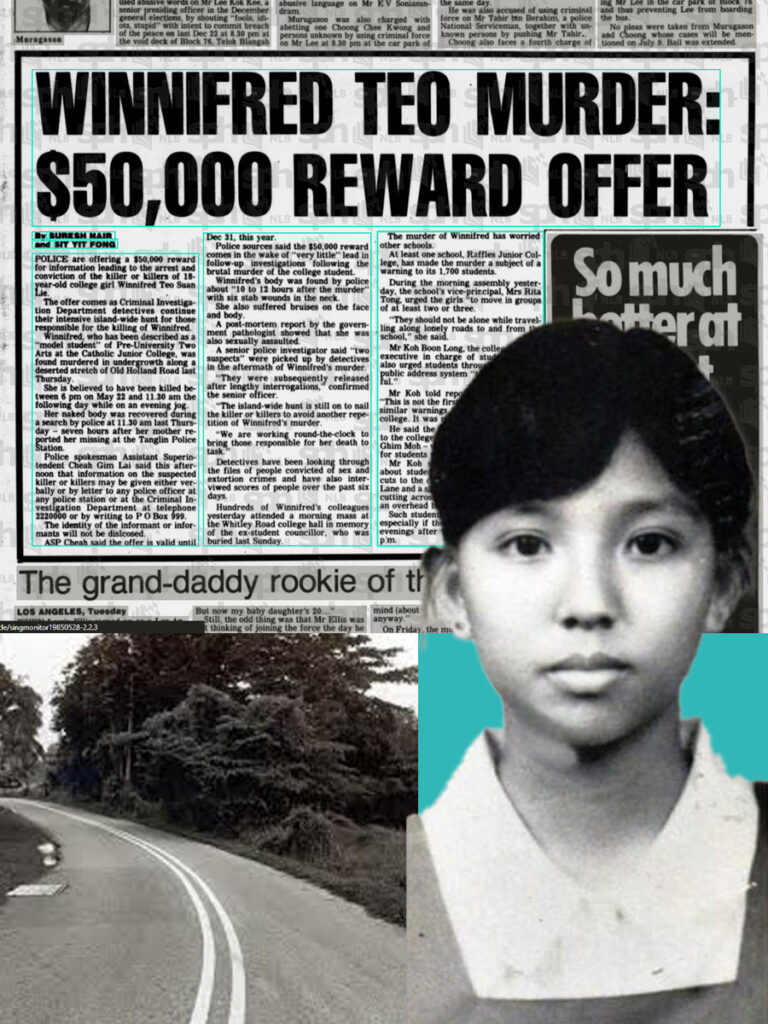
    Back in 1985, Holland Road was basically jogger heaven. Quiet roads, fresh air, and a familiar route people trusted. And once you saw Winnifred — with her pink jogging shoes, black shorts, and long waist-length hair — you’d easily remember her. She was the friendly, sporty, always-smiling girl who somehow managed to be everywhere yet never once gave diva energy. Catholic Junior College students even described her as the “girl with Hawaiian looks,” which honestly sounded like the 80s version of calling someone effortlessly cool.

    But on 22 May 1985, that easy evening routine turned into Singapore’s most chilling unsolved murder.


    A Jog That Became Her Final Journey

    Winnifred left home around 6pm to train for an upcoming adventure camp. No drama, no funny feeling, nothing out of the ordinary. Just a teenager jogging near her Maryland Drive home — something she’d done countless times.

    But she never returned.

    Her mother grew worried. Hours passed. By 4am, she made a police report. Something was clearly wrong.

    A massive pre-dawn search began. It took six long hours before officers found her body hidden in deep undergrowth along Old Holland Road — barely 1.5km away from home. That detail alone still hurts. So near, yet impossibly far.

    Her body was nude, covered in mud, and showed signs of a violent struggle. Her hands were tied with her own T-shirt and bra. Six stab wounds cut into her neck. Bruises marked her face and body. She had clearly fought hard — and likely against more than one attacker. Her trademark pink shoes and watch lay scattered nearby like silent witnesses.

    The post-mortem confirmed the terrible truth: she had been raped and murdered, probably between 6pm and 7pm — within an hour of leaving home.

    Imagine being her parents. Her classmates. Her community. For many, the shock never fully left.


    A Daughter, A Friend, A Leader… Gone Too Soon

    Before tragedy stole the spotlight, Winnifred was known for all the right reasons.

    She was a student councillor, an athlete who played softball and volleyball, a natural leader who could get along with anyone. Teachers respected her. Friends adored her. She was even excited to become a godmother soon.

    Her principal, Brother Joseph Kiely, once said she was such a credit to her parents that the whole school felt the loss like it was personal. And honestly, Singapore felt it too. When an 18-year-old girl with a bright future gets taken away so violently, the pain becomes collective.

    Source: NLB

    Her father, a company director travelling in Munich at the time, rushed home immediately. But when asked for comments, all he could say was:
    “Winnifred’s already gone… there is no point talking about it.”
    And really, what else could any grieving parent say?

    She was buried at the Choa Chu Kang Christian Cemetery on 26 May 1985. But heartbreak wasn’t done with the Teo family. Less than a year later, Winnifred’s young cousin Elaine passed away from a long illness. Today, both their ashes rest together — two young lives silenced too soon.


    A Community Left Shaken

    After her death, Singapore schools went on high alert. Teachers warned students — especially girls — not to walk alone, not to take shortcuts, not to travel on deserted roads. If you were a teenager back then, you definitely remembered the fear.

    Joggers in the Holland Road area grew uneasy. Many admitted that women often jogged alone there. It was quiet, peaceful… maybe a little too quiet, in hindsight.

    For police, the case quickly became an uphill climb. Despite intense investigations:

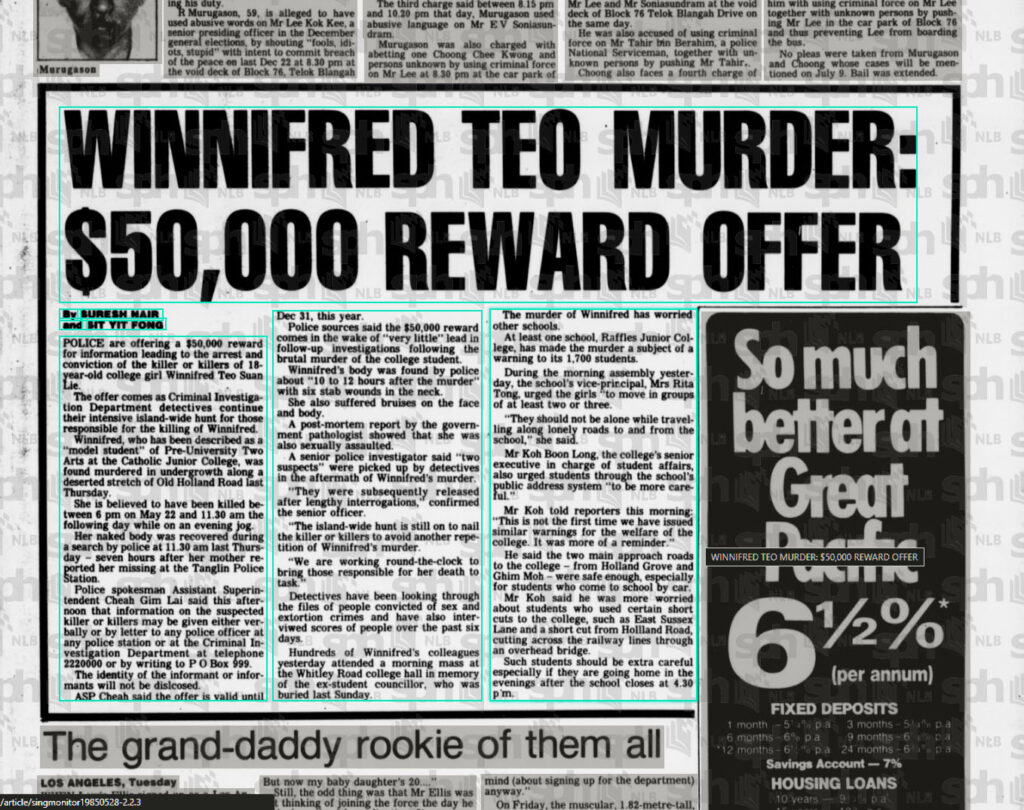
    • A S$50,000 reward was offered.
    • Two suspects were picked up and interrogated.
    • Countless leads were followed.

    Yet… nothing. No weapon. No suspect. No answers.

    The killer — or killers — simply vanished.


    My Take: Why This Case Still Stings Today

    Alright, here’s where I spill a bit of my own thoughts — because after reading through this entire case, I couldn’t help feeling something.

    Winnifred’s case still hurts because it breaks the “Singapore bubble.” We’re so used to safety that stories like this feel unreal. Almost like: “Wait, something like this actually happened here?” That shock becomes part of the trauma.

    Another thing? She did everything right. She jogged before sunset, stayed in her neighbourhood, used a familiar route. And still — tragedy found her. That’s the part that always gets people.

    Also, the fact that it remains unsolved? Wah, that one is the ultimate itch you cannot scratch. No closure for her family. No justice. No answers. It just hangs there, year after year, like an unfinished sentence.

    Personally, I feel her case deserves more attention today, not less. Not for morbid curiosity, but because forgotten cases eventually lose pressure, and when pressure fades… so does the chance for answers. Cold cases don’t solve themselves, but public memory can help.

    And maybe, just maybe, someone out there still knows something.


    A Loss Singapore Never Forgot

    Winnifred Teo isn’t just a name in an old crime report. She was a daughter, a friend, a teammate, a student leader, and someone with a future so bright it practically glowed.

    Her life was taken in a way that still shakes people decades later. Her story remains one of Singapore’s most haunting unsolved murders — not because of how gruesome it was, but because of how human she was.

    And until answers come, her memory remains a quiet reminder: life is fragile, and justice is not guaranteed.

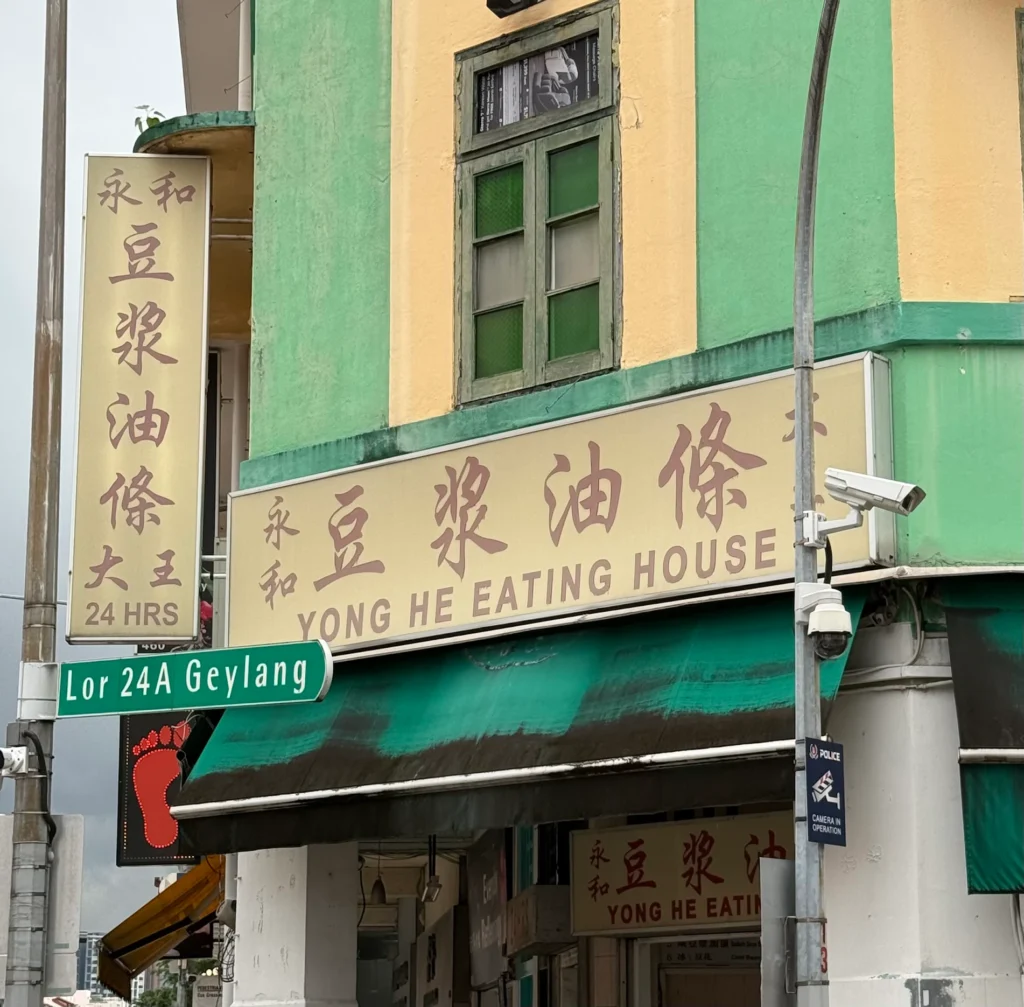
    Why Yong He Eating House Is Closing While Swee Choon Is Expanding: Same Vintage, Very Different Fate

    0

    If you’ve lived in Singapore long enough, you’ll know our F&B scene is basically a never-ending drama series. Old brands rise, fall, revive, rebrand, or suddenly go global out of nowhere. And now we’re staring at two very different plot twists: Yong He Eating House is calling it quits, while Swee Choon is out there flexing like a seasoned champion, even planning a Philippines expansion.

    Honestly, it leaves many of us scratching our heads. Both are long-standing brands. Both have loyal customers. Yet one is shutting down and the other is out here collecting passport stamps. So, what’s going on?

    The Curious Case of Swee Choon’s Glow-Up

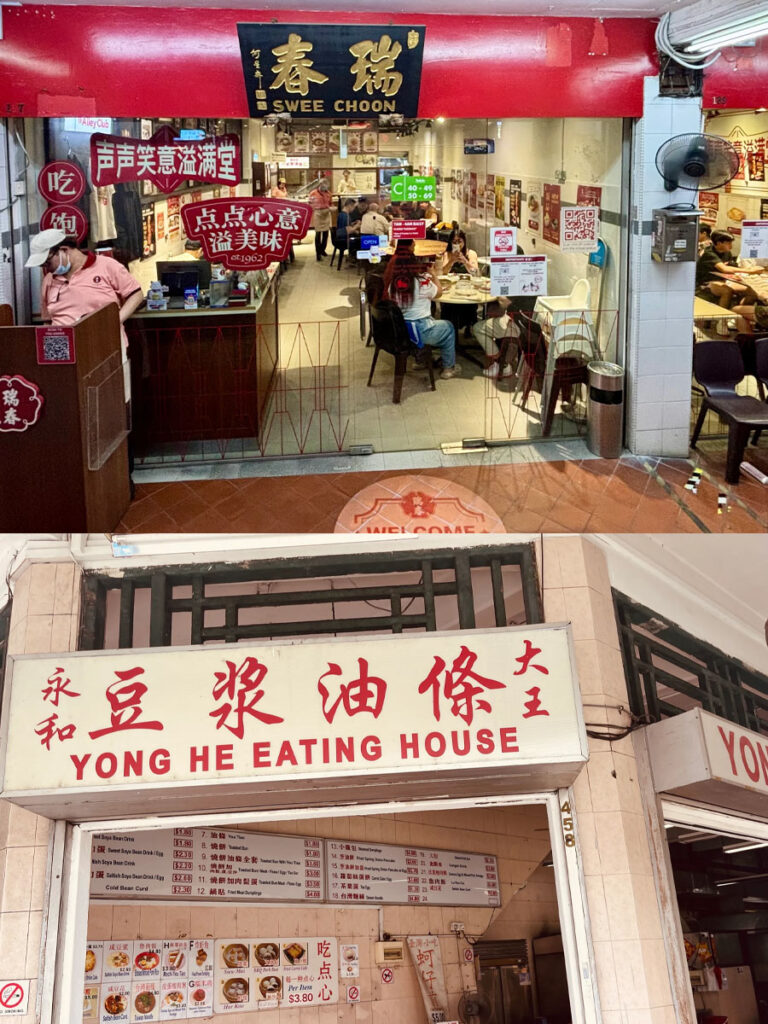
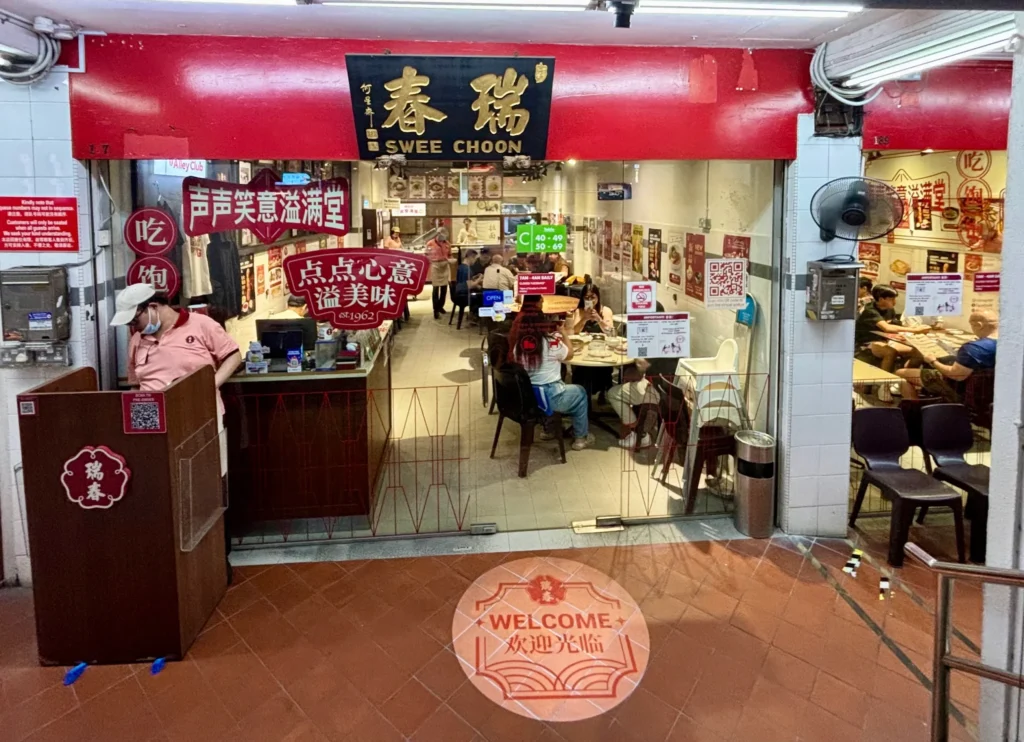
    Let’s start with Swee Choon. This 60-year-old dim sum legend is basically proving that “old-school” doesn’t mean “outdated.” In fact, it might be the hottest glow-up story in Singapore’s F&B world.

    According to its third-generation boss Ernest Ting, the brand has built a surprisingly strong fanbase among Filipinos living in Singapore. And here’s the interesting part — he’s planning to ride on that wave and bring Swee Choon dim sum straight into the Philippines.

    Smart move ah. When you already have a loyal community, expanding becomes less of a gamble and more of a calculated step. And with F&B costs in Singapore rising faster than our heart rate during GST announcements, looking overseas suddenly feels like the logical next chapter.

    The goal? To formalise franchise plans by next year. That means Swee Choon isn’t just surviving; it’s scaling.

    Meanwhile… Yong He Eating House Is Shutting Down

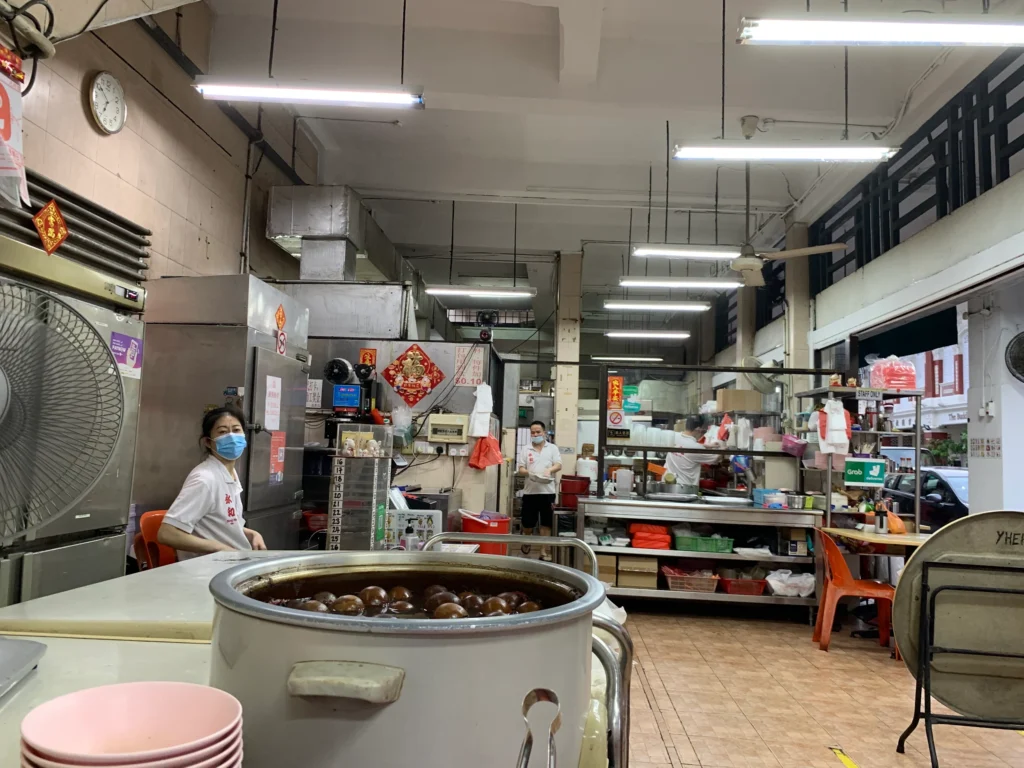
    On the other side of the hawker universe, Yong He Eating House — a Taiwanese-style supper favourite — is preparing to close its doors. And honestly, many Singaporeans are feeling that pang of nostalgia. Late-night soya milk, crispy dough sticks, and the occasional celebrity sighting… all these memories suddenly feel like they’re slipping away.

    But let’s be real lah — running an F&B business here is no small feat. Between rental costs, manpower issues, inflation, and competition from every direction, even long-time brands can struggle. When the pressure keeps stacking, you either evolve or get drowned out.

    Same Era, Different Outcomes

    So why is one brand thriving and another fading out?

    Here’s the tea:

    1. Branding is no longer just about taste

    Swee Choon didn’t just sell dim sum. They sold the late-night experience, the nostalgia, the communal vibe. And then they modernised. New outlets. Clean design. Social media friendliness. Suddenly, younger crowds feel welcome.

    Yong He? Still tasty, but maybe the branding didn’t keep up. In an age where even prata shops have Instagrammable moody lighting, staying old-school is a gamble.

    2. Expansion mindset

    Swee Choon didn’t confine itself. It looked at who loved the food — in this case, Filipinos — and went, “Okay lah, let’s bring the food to them.” That’s forward-thinking.

    Meanwhile, Yong He remained more rooted and less diversified. Nostalgia alone cannot fight rising costs.

    3. Adaptability

    Swee Choon feels like that uncle who suddenly became cool after learning to use TikTok. The brand adapted to changing consumer behaviour. New stores. New delivery systems. More accessible locations.

    Yong He, unfortunately, stayed in that comfort zone a bit too long.

    My Point of View (Steady lah, just my honest thoughts)

    Yong He

    If you ask me, this whole situation is a big reminder that heritage alone doesn’t keep a brand alive in Singapore. You can have the best soya milk or dim sum in the world, but if you don’t evolve with the times, you risk becoming a “remember last time ah…” story.

    Also, I kinda think Swee Choon is smart to look outside Singapore. Our F&B landscape is brutal. The moment rental spikes or a viral café opens down the street, half the businesses start trembling. So at some point, you must think bigger — new markets, new customers, new revenue streams.

    And honestly? Singapore brands should dream bigger. We’ve got quality, we’ve got experience, and we’ve got flavour. Why keep everything bottled up on one tiny island?

    But I also feel a little sentimental lah. Yong He was part of our supper culture. Losing it is like losing one more piece of “old Singapore.” So while I applaud Swee Choon’s expansion, I also can’t help but hope more heritage brands find ways to survive.

    Because at the end of the day, our food is our identity. Once an old brand disappears, you can’t really get that exact vibe back.

    Final Thoughts

    One brand is taking flight. Another is shutting down. Yet both are reminders of how fast the F&B world moves here. If there’s one lesson from this saga, it’s this: tradition gives you roots, but innovation gives you wings.

    And right now, Swee Choon is choosing to fly.

    Ayumi Hamasaki Sings to 14,000 Empty Seats

    0

    And Somehow Delivers One of Her Most Emotional Performances Ever

    When you’ve been in the game as long as Ayumi Hamasaki, you’ve seen drama, chaos, and plenty of last-minute surprises. But ah, this Shanghai situation? Wah, this one really next-level plot twist.

    The Queen of J-pop, now 47 and still shining like she just debuted yesterday, was all set to rock the Shanghai Oriental Sports Centre on Nov 29 as part of her I Am Ayu Tour. Fans flew in from China, Japan, and even further. The energy? Confirm plus chop. The stage? Already built. The crew? 200 strong. Everyone ready to go.

    And then — poof — the organiser suddenly announced on Nov 28 that the concert was cancelled.

    Aiyoh, cancelled. Just like that.

    The Sudden Axing

    Ayu herself confirmed the news through Instagram Stories later that night. She shared that her team had spent five days building the Shanghai stage. Five days, okay — not five minutes. Then early that morning, key staff were unexpectedly pulled together and told the performance had to be cancelled.

    No straight explanation came with the news. No “sorry ah,” no “please understand,” nothing. Very mysterious. And of course, people started guessing. After all, there’s been a string of Japanese artistes getting their China shows cancelled recently, especially after Japan’s Prime Minister Sanae Takaichi made her comments about Taiwan’s security situation earlier in November.

    So yes, the timing? A bit sus.

    “14,000 Empty Seats, But I Still Felt Your Love”

    Despite everything, Ayu decided something wild — but also extremely Ayu — to do.

    She performed anyway.

    Source: https://www.instagram.com/a.you/

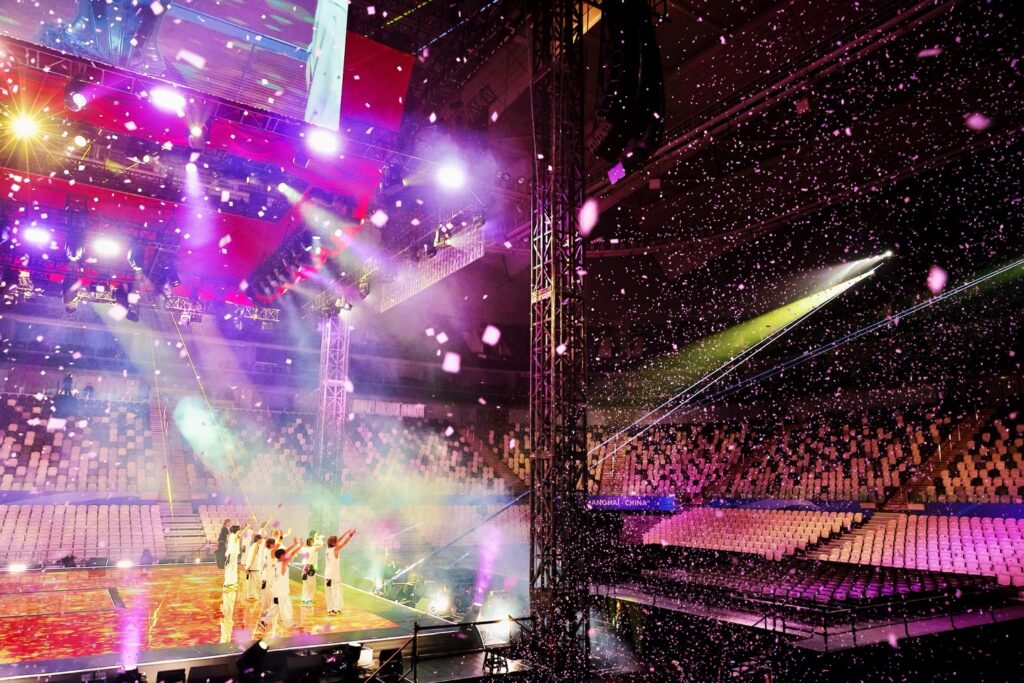
    Yup. Full show. Full setlist. Dancers, confetti, encore — the whole package. Only thing missing? The 14,000 screaming fans. But she said she still felt their love, and honestly, if that doesn’t punch you in the heart, check your pulse sia.

    People outside the venue actually heard her singing and posted online:
    “Ayumi Hamasaki is holding a concert with no one inside, but you can hear her voice from outside.”
    Some even snapped photos showing her performing in the empty arena, looking like a scene from a dramatic music video.

    Then she revealed that the entire show was filmed — meaning fans may get to watch the performance later. Painful? Yes. Iconic? Also yes.

    She Even Shared Photos

    Source: https://www.instagram.com/a.you/

    On Nov 30, Ayu posted nine photos from the empty-hall performance — her bowing with the dancers, confetti floating around like it’s still a grand finale, and the whole vibe just screaming artistic tragedy with superstar energy.

    Source: https://www.instagram.com/a.you/

    And she added:
    “With 14,000 empty seats but felt so much love from TAs all over the world, it was one of the most unforgettable shows ever to me.”

    Honestly, who else can turn a cancelled concert into a legendary moment? Only Ayu.

    Fans Are Now Concerned About Macau

    Next up on her tour is Macau on Jan 10. Fans who already bought tickets are now holding their breath. After all, once trauma kena, everyone becomes a bit more cautious. Better safe than sorry, right?

    But knowing Ayu, she’ll fight to make it happen — even if she ends up performing for the chairs again. And somehow still making it emotional.


    My Take on the Whole Drama

    Okay, let me just say it straight.

    This whole thing feels like one of those situations where the artist suffers because of politics, timing, or some behind-the-scenes headache that nobody wants to admit. Classic.

    But what Ayu did? That’s commitment. That’s respect. That’s “I came all the way here and my fans deserve something even if it’s painful.”

    She didn’t throw tantrums. Didn’t go MIA. Didn’t rant. Instead, she said,
    “Fine, you want to cancel? I still sing.”

    To me, that’s what makes her a legend. Not the sales, not the records, not the awards — but the grit. The heart. The refusal to disappoint the people who love her, even if they can’t physically be there.

    Not many artistes today can relate. Some cry if the sound system off by 1%. Meanwhile Ayu? Performs to chairs.

    That’s next-level professionalism, lah.

    Bamboo Scaffolds Explained: What Really Went Wrong

    0

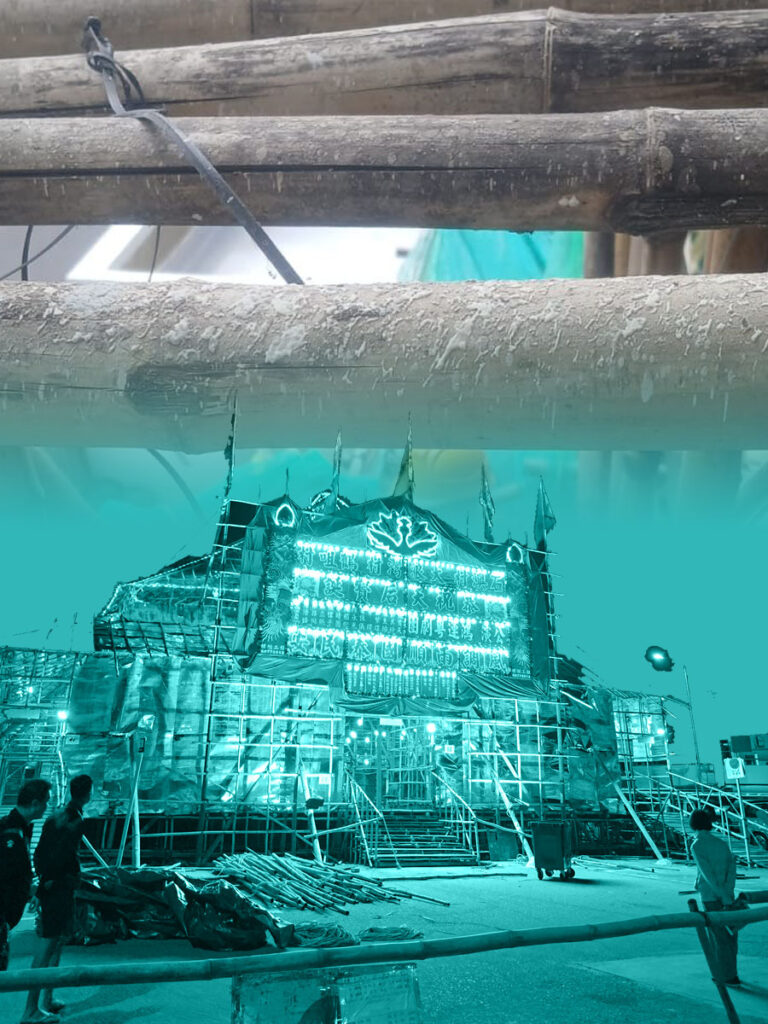
    TL;DR — Bamboo didn’t magically torch six blocks on its own. The blaze was a perfect storm: dry wind, flammable nets and foam, disabled alarms, and buildings packed close together. Change one big thing — like functioning alarms and fire-retardant measures — and the chain breaks. Let’s unpack it properly, step by step.


    Quick answer: Was it the metal scaffold vs bamboo?

    Short version: Nobody can blame one single thing. Bamboo burns, yes. Metal doesn’t. But the real problem wasn’t “what pole” was used. It was everything else that let the fire run wild — safety nets, foam boards, disabled alarms, windy dry weather, and buildings sitting like dominoes. Swap to metal? Might help a bit. But without fixing the other stuff, the risk stays.


    The combustion basics — keep it tiny and useful

    Fire needs three things: heat, oxygen and fuel. Take any two away, and it slows. In this case, all three were present and feeding each other.

    • Heat: initial ignition + radiant heat from the burning structure.
    • Oxygen: windy day made the blaze breathe like a smoker after coffee.
    • Fuel: safety net ash, foam boards, furniture, treated or not — plenty to snack on.

    So yes, bamboo is flammable. But even unburnable scaffolding wouldn’t stop this if the rest of the building was basically kindling.


    What actually spread the fire so fast?

    Here are the big players:

    1. Safety nets and their ash/drips
      When nets burn they create hot ash and burning debris. These fall and drift. That’s how flames jumped across the 20–30m gaps between buildings.
    2. Foam boards and indoor materials
      Many windows were sealed with foam boards. These trap smoke and burn quickly, giving indoor fires more fuel and hiding the danger from residents.
    3. Disabled alarms / sprinklers not working
      Reports say alarms were turned off to let workers in and out. That’s a catastrophic shortcut. No alarm = delayed evacuation = more casualties.
    4. Weather: dry + windy
      Low humidity, gusts — ideal conditions for rapid vertical and horizontal spread.
    5. Close building spacing
      Short gaps meant embers and burning debris had very short flights to new fuel.

    Stack these together and you don’t need a “super-flammable pole” to explain the disaster. You need a chain of failures.


    Timeline

    • 26 Nov — dry, windy day (humidity ~37–57%, no rain)
    • 14:51 — fire starts on lower floors. Safety net ignites.
    • ~5 minutes — flames reach 4th floor.
    • ~15 minutes — entire building ablaze. Many residents don’t know because alarms didn’t trigger; windows sealed.
    • ~30 minutes (15:34) — three buildings burning. Level 4 alert (loss of control).
    • 18:22 — seven of eight buildings on fire. Chain reaction clear.

    Heat from the initial building roasted nearby materials. Burning bamboo and foam made more fuel. Radiant heat cracked glass and let flames into rooms. Wind fed oxygen. The fire fed itself.


    Could treated bamboo help?

    Yes. Fire-retardant treatment on bamboo and nets slows ignition and gives firefighters time. That matters. Time is everything in a fire. If the scaffolding and nets resist burning or at least smoulder slowly, there’s a much better chance to contain the blaze before it becomes a multi-block inferno.

    So: treat the bamboo. Use certified fire-retardant nets. Test the treatment under real conditions, not just in a lab brochure.


    Why are people so defensive about bamboo?

    Short: culture + history. Hong Kong built with bamboo for decades. It’s efficient, cheap, and crews know it. People feel attacked when the scaffold becomes the headline. Also, bamboo is not inherently stupid — it can hold heavy loads and, with the right treatment, be much safer.

    But sentiment doesn’t negate facts. Emotion explains the defensiveness. It doesn’t excuse lapses in safety.


    Questions that still need answers

    • Were scaffolds chemically treated as required?
    • Who procured the safety nets and what specs were they?
    • Why were alarms turned off? Convenience is never a valid safety policy.
    • Are building inspections and enforcement robust or patchy?
    • Any procurement shortcuts, corruption, or corner-cutting that should be investigated?

    These are not rhetorical. These are the places investigators must dig.


    Practical fixes

    1. Don’t turn off alarms or disable sprinklers — ever. If workers need access, use proper permits and procedures.
    2. Mandate fire-retardant treatment for scaffolds and nets. Random claims of “fireproof” aren’t good enough — test and certify.
    3. Use fire-retardant nets that don’t drip burning ash.
    4. Limit flammable external cladding/foam or require non-flammable window coverings for occupied floors.
    5. Improve building spacing codes where possible — or add defensible external barriers.
    6. Fast inspection and enforcement — audits, random tests, and penalties for non-compliance.
    7. Public awareness — teach residents how to spot disabled alarms and when to evacuate. If alarms are silent, residents must have a backup plan.

    My take

    Look, blaming bamboo is lazy. It feels neat: single villain, simple headline. But disasters are messy. This one was a set of dumb choices and bad luck stacked together. The worst part? Half of it is fixable without wrecking tradition or rebuilding the city.

    If you ask me: treat bamboo properly, stop turning off alarms like it’s a minor inconvenience, and stop using foam/coverings that double as tinder. Also, hold the people who cut corners accountable. That combination will make the biggest dent.

    Finally, switching to metal scaffolding might be trendy, but it’s not the cure-all. We need systemic fixes. Otherwise, metal scaffolds plus flammable nets plus disabled alarms = same sad story, different props.


    Final note

    One fire is one too many. We can keep our heritage, but not at the cost of lives. Practical steps, honest enforcement, and a bit of common sense go a long way. Don’t gamble with alarms for convenience. Don’t let nets become flying embers. Treat the scaffolds and the nets, fix the alarms, and the next dangerous wind day won’t become a disaster.

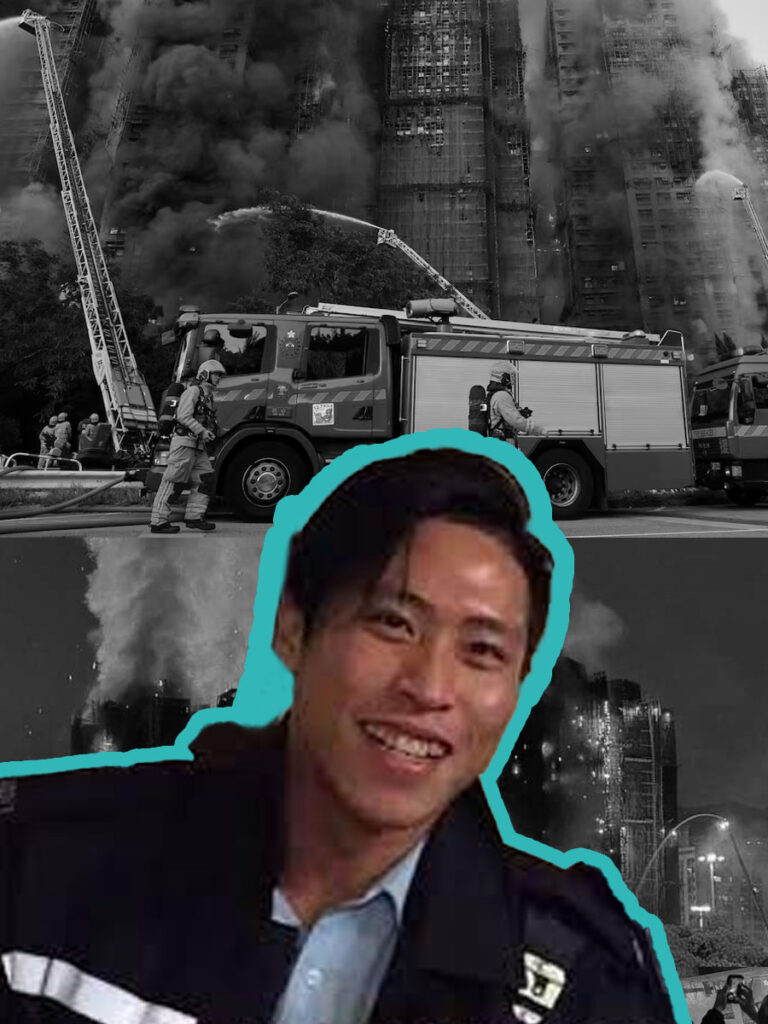
    A Hero Hong Kong Will Never Forget: The Final Act of Firefighter Ho Wai Ho

    0

    Sometimes, life hits you with a story that stops you in your tracks. This is one of them. And honestly, reading about firefighter Ho Wai Ho, 37, feels like getting punched in the chest — the kind that leaves you stunned, quiet, and a little angry at how unfair life can be.

    But let’s start from the beginning.

    The Man Who Always Answered the Call

    Source: AP

    Ho Wai Ho wasn’t just any first responder. He was that guy — the one who ran towards the smoke when everyone else was sprinting in the opposite direction. For nine years, he served Hong Kong with a kind of courage most of us only talk about but never have to test.

    He handled everything: fires, rescues, first aid, trauma scenes, disaster clean-up. Rooftops, burning rooms, typhoon aftermath — you name it, he was there. It wasn’t glam. It wasn’t easy. But it was what he did best.

    People called him a superhero, and honestly, it wasn’t an exaggeration. The man lived like danger was his colleague.

    Sadly, on November 26, 2025, the flames fighting back at Wang Fuk Court were too intense. He rushed in without hesitation, just like every other time. Except this time, he didn’t come out.

    And that’s when Hong Kong lost one of its bravest.

    A Love Story Interrupted

    Source: AP

    If this story wasn’t already heartbreaking enough, here comes the part that stings extra deep.

    He was supposed to get married next month.

    More than 10 years together. A whole decade of love, laughter, inside jokes, tiny fights, big dreams. They were weeks away from saying the words everyone longs to say at the altar — “for better or worse… till death do us part.”

    Except death came early. Way too early.

    His Instagram was full of goofy, sweet moments with his fiancée. One caption read:

    “Thank you very much. Even if you find me annoying, I need to say it 100 times. Love u. You must always laugh as happily as this!”

    Imagine being the one reading those words now.
    Wah, the pain ah… cannot pretend it’s not there.

    Her message after his passing?
    “My superhero has finished his mission and returned to Krypton.”
    Heart. Shattered.

    The Day Everything Changed

    During the fire, Ho was battling the blaze on the ground floor. At around 3:30pm, he suddenly became uncontactable. That already tells you everything — when firefighters lose contact, something is wrong.

    Half an hour later, he was found collapsed, severely burned. He was rushed to the hospital, but by 4:41pm, he was gone.

    Just like that.

    One minute a hero in action, the next a hero remembered.

    A City in Mourning

    Source: AP

    When a firefighter falls, the whole city feels it. Leaders, officials, his colleagues, and everyday people all came forward to honour him.

    China’s President Xi Jinping offered condolences. Hong Kong’s fire services director, Andy Yeung, called his death a “profound loss.” His colleagues described him as devoted, disciplined, and genuinely well-loved.

    On social media, friends shared old photos — graduation day at the fire academy, smiling in uniform, proud of the path he chose.

    His last shift ended not because he clocked out, but because he gave everything he had.

    My Point of View

    Honestly? Stories like this remind us that heroism isn’t about capes or Marvel-level drama. It’s the daily grind of real people who choose to do the hard things the rest of us hope we’ll never face.

    We like to complain about small annoyances — late buses, slow coffees, annoying neighbours — but firefighters like Ho? They deal with life-or-death choices before our alarms even ring.

    If society awarded people based on actual impact, firefighters would be the billionaires.

    His death also highlights how fragile life is. One moment you’re building a future, planning a wedding, dreaming of a family. The next, everything changes because you chose to save someone else’s life.

    It makes you stop and think — what kind of legacy are we leaving behind?
    And would we ever be brave enough to run toward danger like he did?

    I’ll be honest lah… most of us won’t.
    But Ho did. Again and again.

    That’s why people like him deserve to be remembered, talked about, honoured, and held close to the heart of a city that clearly loved him back.

    Hong Kong’s Pride, Forever

    Ho Wai Ho wasn’t just a firefighter.
    He was a partner, a son, a friend, a teammate, a soon-to-be husband.

    And now, he is a symbol of bravery that Hong Kong will carry for years.

    Rest in peace, 大隻豪.
    Rest well, Gorilla.
    Thank you for everything you gave — and everything you sacrificed.

    Hong Kong has lost a hero, but the world gained a legend.