



If you’ve lived in Singapore long enough, you’ll know our F&B scene is basically a never-ending drama series. Old brands rise, fall, revive, rebrand, or suddenly go global out of nowhere. And now we’re staring at two very different plot twists: Yong He Eating House is calling it quits, while Swee Choon is out there flexing like a seasoned champion, even planning a Philippines expansion.
Honestly, it leaves many of us scratching our heads. Both are long-standing brands. Both have loyal customers. Yet one is shutting down and the other is out here collecting passport stamps. So, what’s going on?
The Curious Case of Swee Choon’s Glow-Up
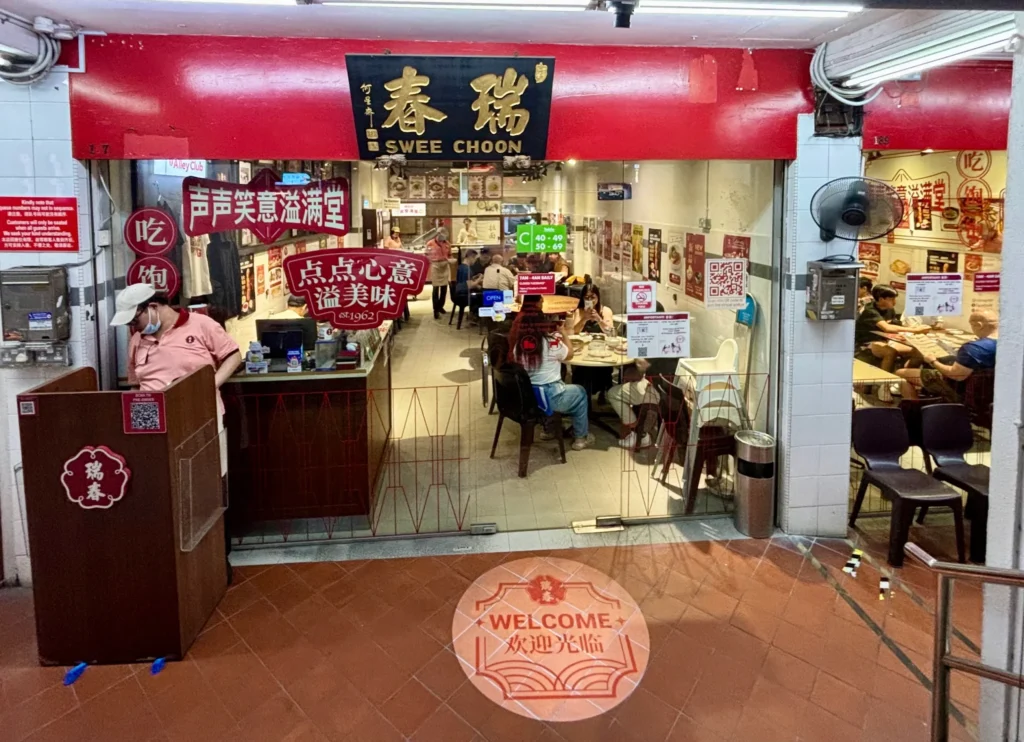
Let’s start with Swee Choon. This 60-year-old dim sum legend is basically proving that “old-school” doesn’t mean “outdated.” In fact, it might be the hottest glow-up story in Singapore’s F&B world.
According to its third-generation boss Ernest Ting, the brand has built a surprisingly strong fanbase among Filipinos living in Singapore. And here’s the interesting part — he’s planning to ride on that wave and bring Swee Choon dim sum straight into the Philippines.
Smart move ah. When you already have a loyal community, expanding becomes less of a gamble and more of a calculated step. And with F&B costs in Singapore rising faster than our heart rate during GST announcements, looking overseas suddenly feels like the logical next chapter.
The goal? To formalise franchise plans by next year. That means Swee Choon isn’t just surviving; it’s scaling.
Meanwhile… Yong He Eating House Is Shutting Down
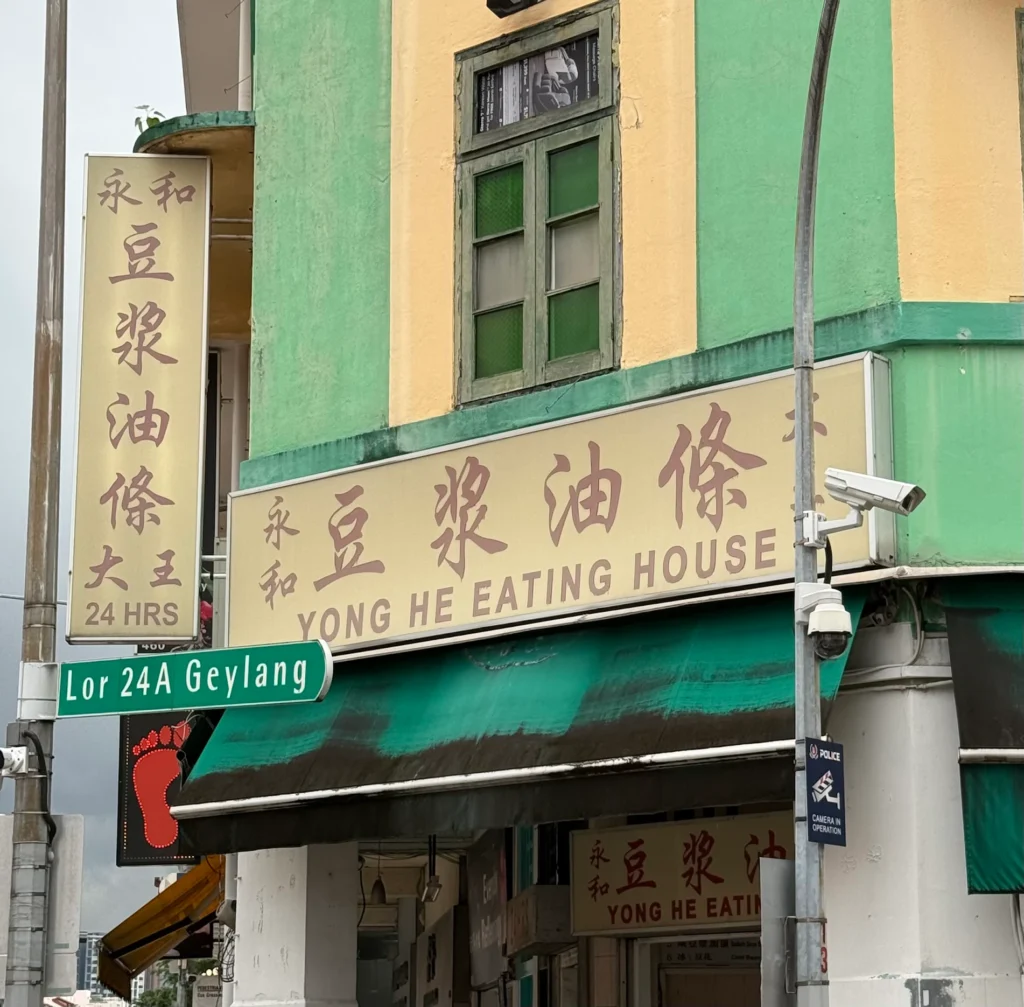
On the other side of the hawker universe, Yong He Eating House — a Taiwanese-style supper favourite — is preparing to close its doors. And honestly, many Singaporeans are feeling that pang of nostalgia. Late-night soya milk, crispy dough sticks, and the occasional celebrity sighting… all these memories suddenly feel like they’re slipping away.
But let’s be real lah — running an F&B business here is no small feat. Between rental costs, manpower issues, inflation, and competition from every direction, even long-time brands can struggle. When the pressure keeps stacking, you either evolve or get drowned out.
Same Era, Different Outcomes
So why is one brand thriving and another fading out?
Here’s the tea:
1. Branding is no longer just about taste
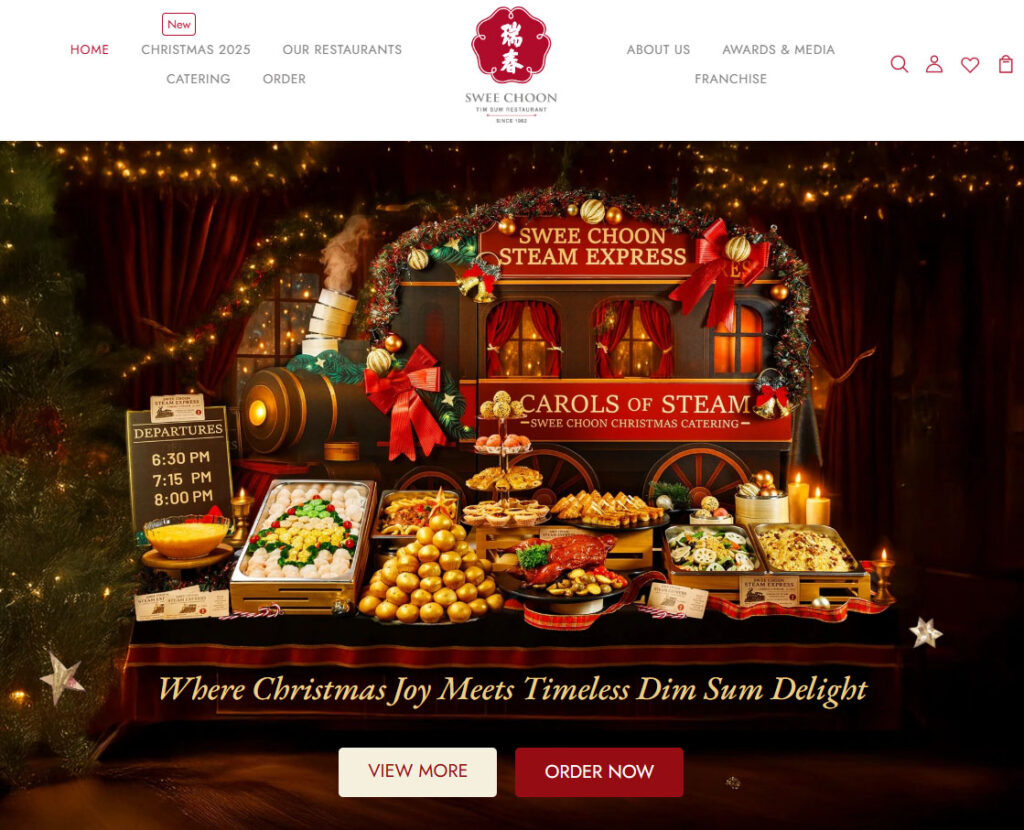
Swee Choon didn’t just sell dim sum. They sold the late-night experience, the nostalgia, the communal vibe. And then they modernised. New outlets. Clean design. Social media friendliness. Suddenly, younger crowds feel welcome.
Yong He? Still tasty, but maybe the branding didn’t keep up. In an age where even prata shops have Instagrammable moody lighting, staying old-school is a gamble.
2. Expansion mindset
Swee Choon didn’t confine itself. It looked at who loved the food — in this case, Filipinos — and went, “Okay lah, let’s bring the food to them.” That’s forward-thinking.
Meanwhile, Yong He remained more rooted and less diversified. Nostalgia alone cannot fight rising costs.
3. Adaptability
Swee Choon feels like that uncle who suddenly became cool after learning to use TikTok. The brand adapted to changing consumer behaviour. New stores. New delivery systems. More accessible locations.
Yong He, unfortunately, stayed in that comfort zone a bit too long.
My Point of View (Steady lah, just my honest thoughts)
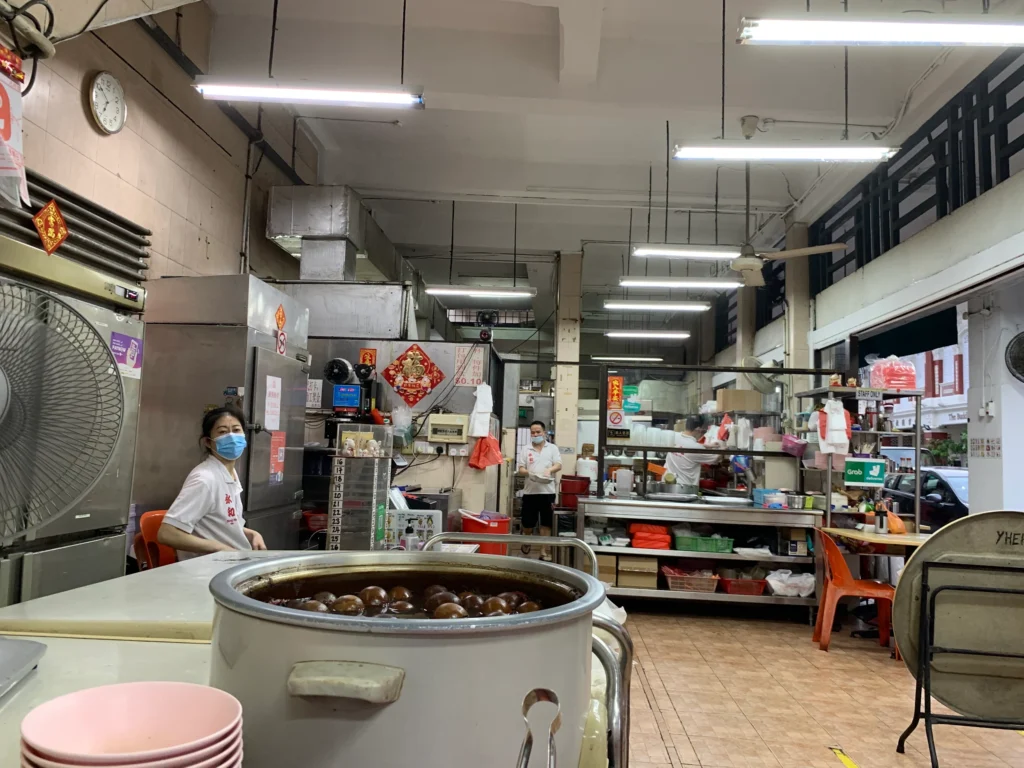
If you ask me, this whole situation is a big reminder that heritage alone doesn’t keep a brand alive in Singapore. You can have the best soya milk or dim sum in the world, but if you don’t evolve with the times, you risk becoming a “remember last time ah…” story.
Also, I kinda think Swee Choon is smart to look outside Singapore. Our F&B landscape is brutal. The moment rental spikes or a viral café opens down the street, half the businesses start trembling. So at some point, you must think bigger — new markets, new customers, new revenue streams.
And honestly? Singapore brands should dream bigger. We’ve got quality, we’ve got experience, and we’ve got flavour. Why keep everything bottled up on one tiny island?
But I also feel a little sentimental lah. Yong He was part of our supper culture. Losing it is like losing one more piece of “old Singapore.” So while I applaud Swee Choon’s expansion, I also can’t help but hope more heritage brands find ways to survive.
Because at the end of the day, our food is our identity. Once an old brand disappears, you can’t really get that exact vibe back.
Final Thoughts
One brand is taking flight. Another is shutting down. Yet both are reminders of how fast the F&B world moves here. If there’s one lesson from this saga, it’s this: tradition gives you roots, but innovation gives you wings.
And right now, Swee Choon is choosing to fly.