

More
    Home Blog Page 10

    Lo Hwei Yen: The Singaporean Light We Still Hold Close After All These Years

    0

    Some stories hit you in the chest no matter how much time passes. This is one of them. Even today, you can mention the name Lo Hwei Yen and people go quiet, because the memory is still raw, still personal, still close to the heart for many Singaporeans. She wasn’t a public figure. She wasn’t a politician or celebrity. She was just a bright, loving, ambitious young woman who went on her first business trip to India — and never made it home.

    Her final message, sent while trapped in the Oberoi Trident Hotel during the 2008 Mumbai attacks, was simple and devastating:
    “If I don’t make it out of here, I love you all.”

    Honestly, that one line still stings. It carries the weight of fear and hope all at once — the kind of text no one should ever have to send.

    A Life That Felt Full — Until Everything Changed

    Source: In Memoriam: Ms. Lo Hwei Yen

    Before that trip, Hwei Yen was living the kind of life many of us dream of. She was married to Michael Puhaindran, who adored her completely. They had just watched Kylie Minogue live at the Singapore Indoor Stadium the night before she flew. You know that warm, glowing feeling after a concert with someone you love? That was their last perfect memory together.

    He drove her to the airport on 25 November 2008, not knowing it would be the last time he’d see her alive.

    Two days later, she was gone.

    Shot in the head and abdomen. Identified by the husband who had loved her since they were young. It’s the kind of tragedy that leaves a scar on the country, not just the family.

    Who She Was Before the Headlines

    Source: In Memoriam: Ms. Lo Hwei Yen

    Strip away the sadness for a moment, and you see the real Hwei Yen — someone full of life, laughter, and drive. She studied at Methodist Girls’ School, Victoria Junior College, and later earned her law degree at NUS. A proper Singapore overachiever, but with heart.

    She worked at Drew & Napier, Rajah & Tann, and eventually Stephenson Harwood. She wasn’t just good at her job — she was the kind of lawyer who organised everything down to the smallest detail and still found time to care for everyone around her.

    Her friends describe her as the “wind beneath their wings.” One of them even joked she encouraged their misbehaviour — a true partner-in-crime type of friend. You know that one friend who always says, “Aiya just do lah, don’t overthink”? That was her.

    Her smile? Apparently unforgettable. One of those smiles that radiated straight from the soul. Honestly, you can see it in photos — that kind of smile cannot fake one.

    Michael’s Grief: A Love Story Interrupted

    What hits hardest is hearing Michael talk about her. He once said being able to see her smile was “the meaning of true happiness.” When someone says that, you know it’s the real deal.

    On the Monday before she flew off, she turned to him in the lift and gave him the kind of smile that makes you feel like the world is finally behaving. He still remembers it vividly.

    Walking through the Oberoi Hotel after her death, he found her wedding ring and her phone in her handbag — with 150 missed calls. His attempt to reach her, again and again, while she was trapped.

    That… yeah. There are no words.

    A Friend’s Memory: More Than Words Can Hold

    Source: In Memoriam: Ms. Lo Hwei Yen

    Others who knew her struggled to describe her too.

    One friend remembered meeting her in the ladies’ restroom by accident — yes, wrong toilet, but apparently fate had jokes that day. From that awkward moment grew a deep friendship filled with indulgence, laughter, and absolute loyalty.

    She made people better simply by loving them fiercely.

    Another friend, Bryan Tan, remembered her creative eye when she directed his theatre pieces back in law school. He said she understood his creative intent without explanation — a rare gift.

    Her Spirit Still Inspires Today

    Even in the middle of such grief, Michael shared one of her quirks — her obsession with lists. Christmas lists, shopping lists, even mischievous notes meant to make him smile. It made her death feel even more unfair, because it interrupted someone who put so much heart into the small things.

    He ended his tribute with a line many people still quote:

    “If you’re staring at that new bag or pair of shoes and wondering if you should buy it… just buy lah. Enjoy it. She’d want that.”

    He wasn’t being frivolous. He was saying:
    Life is short. Appreciate your joys. Don’t wait until tragedy teaches you the value of happiness.

    My Take: Why Her Story Still Matters

    Look, Singapore is generally safe. We go overseas thinking the scary stuff happens “somewhere else.” But when terror struck Mumbai in 2008 and took one of our own, it changed how we see the world.

    Her story reminds us that behind every headline is a real person who laughed, cried, annoyed her siblings, spoiled her friends, and had dreams so normal and beautiful that losing her feels like losing a piece of all of us.

    And maybe that’s why her memory remains so strong. She wasn’t a symbol. She was just Yen — funny, driven, stubborn, soft-hearted, generous Yen.

    And she deserved more life than she got.

    Why We Still Talk About Her

    Because remembering her isn’t only about grief.
    It’s also about:

    • valuing love while we have it
    • recognising how fragile life really is
    • honouring someone who made the world kinder just by being in it
    • refusing to let terrorism define the way her story ended

    She lived fully, she loved loudly, and she left behind a trail of warmth people still follow.

    Singapore lost a daughter that day. Her family lost their heart. Her friends lost their anchor. And Michael lost his other half.

    But her story lives on — not because of tragedy, but because of how brightly she burned before it.

    Why 500,000 Bitcoin Suddenly Vanished

    0

    If you’ve been watching the crypto world lately, you probably noticed something a bit… suspicious. Like someone turned off the lights, tiptoed into the room, and quietly took 500,000 Bitcoin off the exchanges. Yes, 500,000. That is not pocket change — that’s “change the entire mood of the crypto market” kind of money.

    So let’s break down what’s happening, why this matters, and whether this could be a sign of something big brewing. And of course, I’ll throw in my own views at the end — a little kaypoh never hurt anyone.


    Bitcoin’s Roller-Coaster Mood Right Now

    Bitcoin has been moving like someone who can’t decide between kaya toast or prata — a bit up, a bit down, a bit confused.
    One moment it’s up 1.5%, next moment it’s down 2.5%. Welcome to crypto lah.

    It recently tried pushing past the $89,000 mark, but got rejected harder than a last-minute Valentine’s Day confession. After that, it drifted around the $86,000–$88,000 zone, like it didn’t know where to settle.

    Meanwhile, the traditional markets had a surprisingly good day. Talks between world leaders, improving inflation numbers, and rising hopes of future rate cuts all helped pump some optimism back into global markets.


    Powell Might Be Out — And His Possible Replacement Loves Crypto

    Here’s where things get spicy.

    Rumours are swirling that Kevin Hassett might replace Jerome Powell as Fed chair. And guess what? Hassett has a history of being friendly with crypto companies — including previously advising one of the major players in the space.

    If that happens? Wah, things could get very interesting.

    A crypto-supportive Fed chair + pressure to cut interest rates = potentially very bullish environment for digital assets. Even if you don’t worship at the altar of Bitcoin, you cannot deny this combo is like kopi peng + kaya toast — power pairing.


    A Rare Bitcoin Bottom Signal Is Flashing… Sort Of

    Some analysts are shouting that a rare bottom signal is lighting up, thanks to Bitcoin’s Sharpe ratio dropping to zero.
    In simpler words: the risk-adjusted returns have been so meh that the metric flatlined.

    Historically, when Bitcoin’s Sharpe ratio hits zero, it tends to happen near the end of big downturns — 2019, 2020, 2022.
    So naturally, people start whispering: “Is this the bottom? Is it time to buy?”

    But hold your horses. Yes, this signal usually shows Bitcoin is in a lower-risk zone. No, it does NOT guarantee we’re at the exact bottom. Last time the Sharpe ratio hit zero, Bitcoin still dropped for months before turning around.

    Think of it this way: it’s a decent sign, but not the magic “buy now or regret forever” button.


    Now About That Missing 500,000 Bitcoin…

    Let’s address the elephant in the room.

    CryptoQuant’s data suddenly showed that Bitcoin exchange reserves plunged from 2.37 million to 1.83 million in just days.

    That’s a drop of roughly 500,000 Bitcoin.

    This is the kind of number that makes even long-time crypto degens spit out their bubble tea.

    But the big mystery?
    No one knows why.

    There are two possibilities:

    1. Someone super rich moved half a million BTC off exchanges.

    This could be an institution preparing for OTC trades, shifting to cold storage, reorganising wallets, or planning something we don’t even want to imagine.

    2. It’s a data glitch.

    Yes, sometimes charts act blur.
    Maybe one exchange stopped reporting.
    Maybe the data feed hiccuped.
    Maybe someone’s intern pressed “delete” accidentally.

    For now, analysts are watching closely. If this turns out to be real — that 500,000 Bitcoin actually got pulled — it would be one of the biggest liquidity shocks in years.

    And trust me, that kind of movement always has consequences.


    Should You Be Dollar-Cost Averaging Bitcoin Now?

    Honestly? Historically speaking, when Bitcoin drops 30%–35%, those moments tend to age well — like old wine, except with more price charts and fewer grapes.

    If you’re looking at a 3–4 year window, DCA has nearly always paid off. But of course, nothing is guaranteed. Markets can be dramatic. Sometimes they decide they want to be extra emo.

    So yes, it’s a potentially attractive time for long-term investors.
    But no, it’s not “risk-free”.
    Crypto never is lah.


    My Own Take: What I Really Think Is Going On

    Alright, here’s my kaypoh Singaporean millennial perspective:

    • The missing Bitcoin? My bet is a reporting issue. If someone actually moved 500,000 BTC, the whole market would already be screaming.
    • The Sharpe ratio hitting zero doesn’t scream “bottom”. It just whispers “maybe not the worst time to buy”.
    • If Kevin Hassett becomes Fed chair, things might get spicy in crypto. Very spicy. Like mala level 5.
    • Bitcoin drifting sideways is normal after big runs. Markets need to breathe too.

    If you have a long-term view, DCA still makes the most sense. Not sexy, not exciting, but steady like MRT timing. Most of the time lah… except when breakdown.


    Final Thoughts

    Crypto is noisy right now, but beneath the noise, some interesting signals are forming.
    Whether Bitcoin is about to make a move or just nap awhile more, no one knows for sure.

    But one thing’s clear: the market is shifting. And when Bitcoin shifts, everybody feels it.

    Stay sharp, stay curious, and always do your own research — because the crypto world changes faster than Singaporeans complaining about GST hikes.

    The Fed’s Money Printer Comeback: Why 2026 Looks Like a Wild Ride for Your Wallet

    0

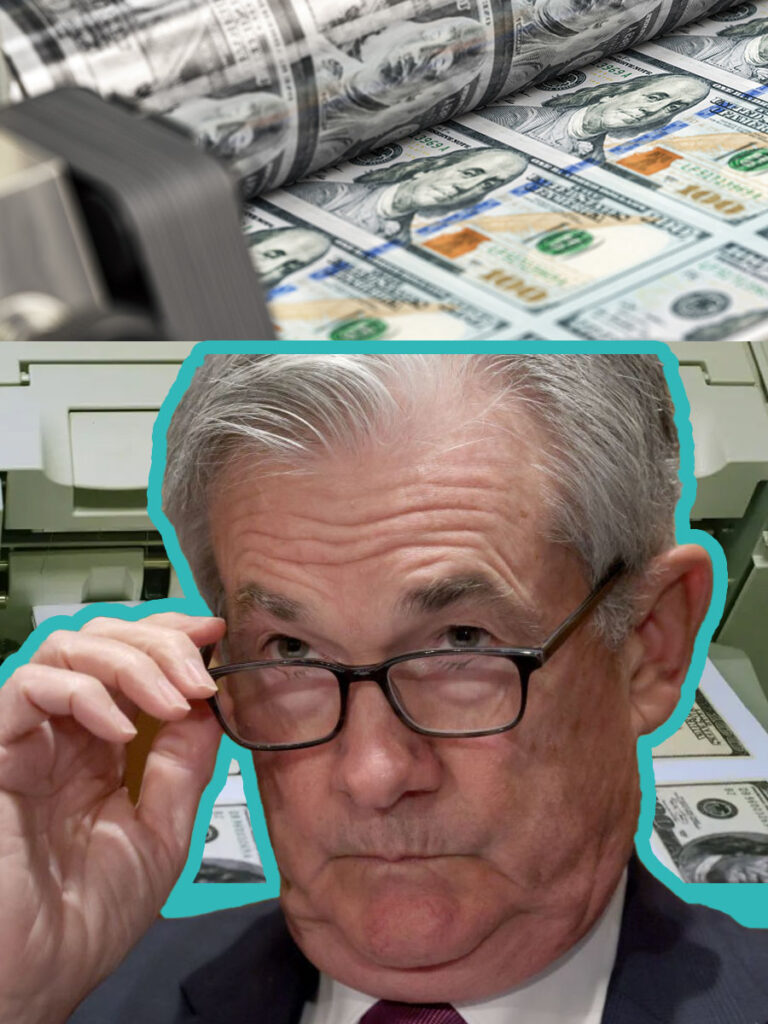
    The Fed Is Warming Up the Printer — Again

    You know how some people swear they’ll stop ordering bubble tea to “save money,” but two weeks later, they’re back at Koi ordering a large brown sugar? That’s basically the Federal Reserve right now.

    Back in 2024, I said the Fed would restart money printing in 2026. And look — 2026 is creeping up like a Monday morning. So… where are we now?

    Surprise: The Fed themselves already dropped hints.
    John Williams — the New York Fed President — casually mentioned in November that the Fed will “need to grow its balance sheet again.” That’s finance-speak for “we’re turning the printer back on soon.” He didn’t say maybe. He didn’t say sometime-later-lah. He said “not long.”

    So yes, we’re very much on track for the Fed’s grand return to money printing in 2026.


    Where Things Stand Right Now

    Let’s keep things easy.

    • Quantitative easing (QE) = printing money.
    • Quantitative tightening (QT) = removing money.

    These fancy terms are just the Fed making simple things sound complicated.

    QT officially ends on December 1st. That’s confirmed — no guessing, no rumours, no auntie WhatsApp forwards.

    During the pandemic, the government told millions of people to stay home. That torpedoed the economy, so they printed trillions. Prices shot up. Inflation went crazy. No choice.

    Then they realised they printed too much (shocker), so for three years the Fed reversed course and drained money from the system — from USD 9 trillion down to USD 6.6 trillion.

    Now they’re stopping the money-draining. And when the Fed stops tightening, the next step is almost always the same:
    Turn the taps back on.

    Even Jay Powell (the Fed chairman) and other Fed officials basically said reserves will need to rise soon. Dallas Fed President Lori Logan said if repo rates keep rising, the Fed must start buying assets again — another code phrase for printing money. Evercore thinks they might buy USD 50 billion monthly in Q1.

    That’s not an accident — that’s prep work.


    So Why Are They Doing This Now?

    Good question.

    It’s not because the economy is collapsing. It’s not because a crisis is happening. It’s because the money-plumbing system is starting to gurgle like a clogged toilet.

    The financial system runs on reserves, repo markets, collateral, treasury bills — all these “pipes” need enough flow. If reserves drop too low:

    • repo rates spike
    • money markets break
    • banks scramble for liquidity
    • everything gets messy

    We already saw this in:

    • 2019 (repo crisis),
    • 2020 (pandemic chaos),
    • and now again in 2025.

    So the Fed isn’t printing to “stimulate” the economy.
    They’re printing to prevent the plumbing from exploding.

    Still — whether they mean it or not — liquidity will flood the system. And when liquidity rises?

    Boom:
    Assets pump. Yields compress. Risk-taking increases. Markets get wild.


    Are We Heading Into a Melt-Up? Honestly… Probably.

    Ray Dalio — not exactly a random TikTok finance bro — warned that the Fed may be “stimulating into a bubble.”

    And the ingredients are all there:

    • high stock prices
    • huge fiscal deficits
    • sticky inflation
    • upcoming money printing
    • more liquidity
    • and soon… a new Fed chair aligned with Trump

    Here’s the spicy part:
    Jerome Powell’s term ends in May 2026. His replacement will be chosen by — yes — President Trump.

    Trump has already said the Fed should cut rates, support growth, and lower borrowing costs. So the next Fed chair will likely be more dovish. Meaning more tolerance for inflation.

    And when you mix all of that together?
    The recipe screams melt-up — a dramatic market surge before, eventually, an equally dramatic crash.


    My Own View (Just Talking Straight With You)

    Look, I’m no doomsday uncle shouting at clouds, but this whole setup feels like watching someone pile more and more mahjong tiles on a shaky table. Can hold… until it suddenly cannot.

    The Fed insists this isn’t stimulus. But whether they say it or not, markets will move like it is.

    Singapore-style takeaway:
    When the tap turns on, water flows. Don’t argue with physics.


    What You Can Actually Do With This Info

    Here’s the practical stuff — the type you can actually use.


    1. Follow the Liquidity, Not the Headlines

    Markets don’t care if the Fed calls it:

    • Reserve adjustment
    • Technical operations
    • Balance sheet optimization

    All just “money printing” in disguise.

    When liquidity rises, markets go up. Simple.


    2. Don’t FOMO Into the Melt-Up

    It won’t climb in a straight line.

    Smart investors build positions on pullbacks — not at euphoric peaks.
    The “buy high, cry higher” strategy is not recommended.


    3. Diversify, please lah

    Don’t be that guy who goes “I only buy crypto bro” or the one who only buys gold “because my grandfather says so.”

    In a liquidity-driven market, everything might rise:

    • stocks
    • crypto
    • precious metals

    But we never know which will be the fastest horse.

    Spread your bets. Don’t be hero.


    4. Be Very Careful With Margin Debt

    This one wipes out people even in bull markets.

    If you borrow money to buy assets, a sudden drop can destroy your capital.
    Example:

    You invest $100k.
    Use margin to buy $300k in assets.
    Market drops 33%.
    Your $100k — gone.
    No second chance.

    I’ve seen people lose everything because of margin. Don’t be next.


    The Bottom Line

    The Fed is revving up the money printer again — whether they call it QE, balance sheet expansion, or some fancy technical term.

    When money flows back into the system:

    • markets pump
    • assets inflate
    • inflation creeps back
    • and eventually the cycle ends with another hard reset

    You don’t have to predict the exact day.
    You just need to recognise the pattern.

    And honestly?
    2026 is shaping up to be one very interesting, very chaotic financial year.

    Stay sharp, stay diversified, and don’t over-leverage yourself.
    Nobody wants to be the person wiped out right before the upswing.

    How a $12 Accident Exposed Google’s Biggest Oops Moment

    0

    Picture this: it’s late at night, you’re mindlessly browsing the internet, and instead of scrolling TikTok or shopping on Shopee like a normal person, you somehow find yourself on Google Domains. That was Sanmay Ved in 2015 — just a regular evening, until life handed him the digital equivalent of striking 4D first prize.

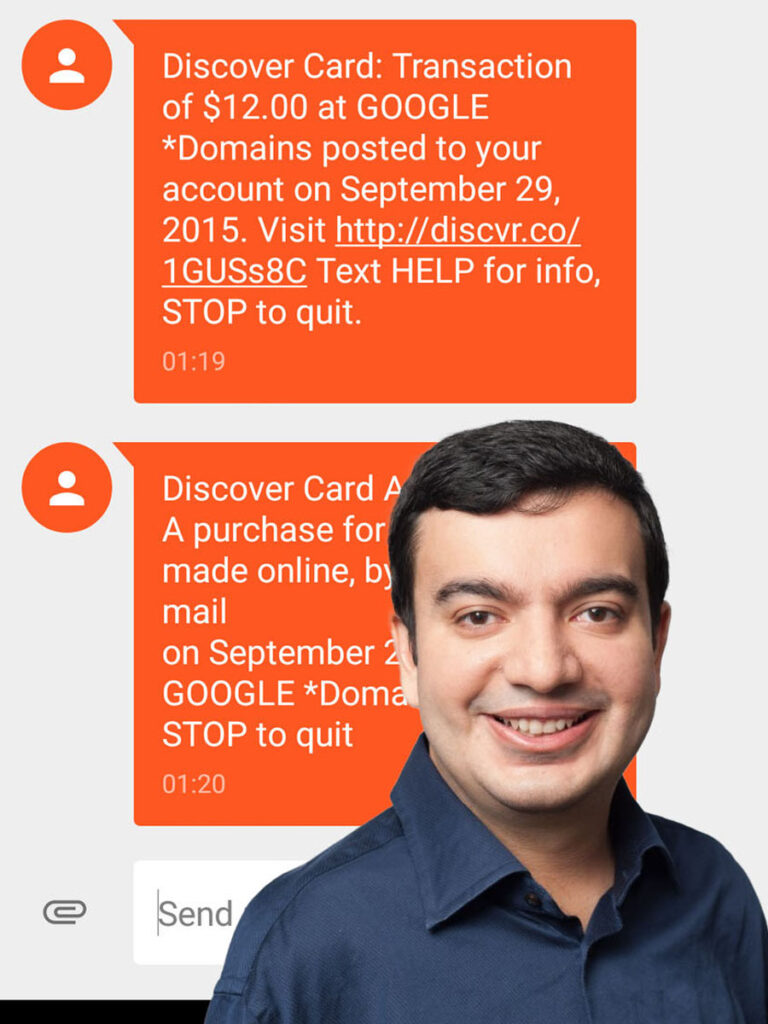
    So, there he was, casually checking domain names, when something totally impossible popped up. Google.com — yes, the most visited website on the planet — was showing as available. Available leh! At that point, anyone would have paused, rubbed their eyes, refreshed the page, maybe even checked if they were dreaming. But Sanmay? He decided to click “Buy” just to see what would happen. Spoiler: things got wild.

    The $12 Moment That Broke the Internet (Briefly)

    Source: Linkedin

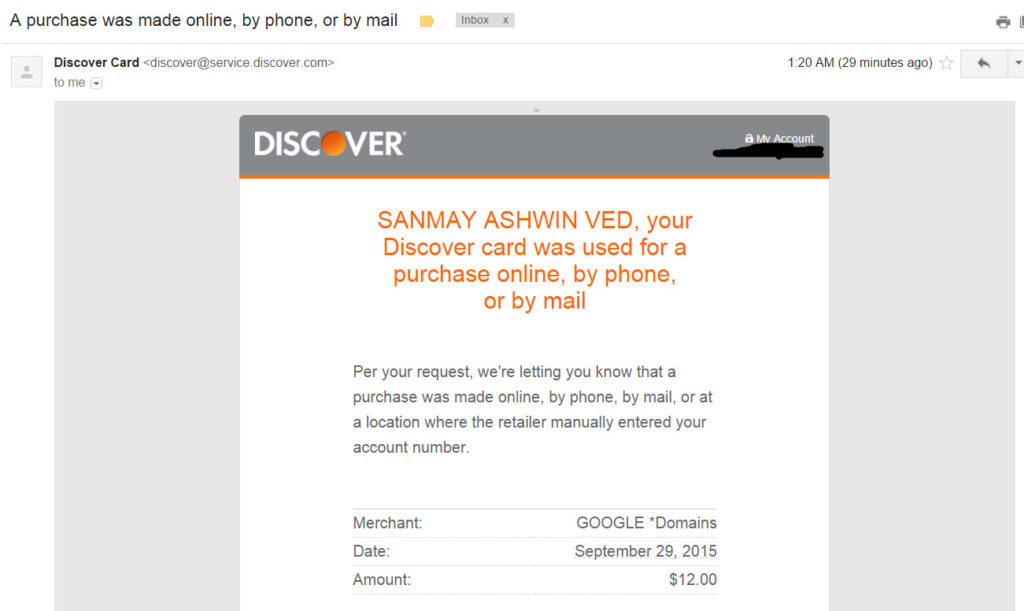
    The transaction actually went through. Like, for real. With just $12, Sanmay became the legal owner of Google.com. Not metaphorically. Not “haha funny glitch.” Legitimately, for about one glorious minute, the domain was his. He even got the confirmation email — the kind that makes your heart jump like you just ordered something expensive you shouldn’t have.

    Source: Linkedin

    Even more shocking, he gained temporary access to Google Webmaster tools. That’s like someone giving you the keys to the entire kingdom and saying, “Ya lah, go ahead, walk around.” And yet, this is where the plot takes a wholesome turn.

    Source: Linkedin

    A Temptation Most People Would Fail

    Let’s be honest. If most people got control of Google.com even for one minute, they’d probably take screenshots until their hard drive screams. Someone else might auction the domain for enough money to retire tomorrow. And others? They might just panic and pretend it never happened.

    Sanmay didn’t choose any of that. Instead, he immediately notified Google about the error. No drama. No bargaining. No “Eh bro, I give you good price.” Just pure integrity.

    Source: Linkedin

    And that’s where the story shifts from “lol what a bug” to “okay lah, humanity not so bad after all.”

    Google’s Reaction — And the Unexpected Twist

    Impressed by his honesty, Google offered him a $6,006.13 reward — a cheeky number referencing “Google.” But Sanmay didn’t keep the money. Instead, he asked Google to donate the entire amount to an educational charity in India supporting underprivileged children.

    Google, clearly moved by this, doubled the donation to $12,000. From a $12 accident to a $12,000 blessing — not bad at all for one accidental click, right?

    Why This Story Still Hits Different Today

    In a world where people argue over who should pay for extra chilli sauce, Sanmay’s move stands out. It was a choice rooted in character, not convenience. And honestly, we need more of that.

    This incident also showed how even tech giants — yes, even the “we know everything about you” type — can make shockingly simple mistakes. It’s a reminder that security is never perfect, and a single tiny oversight can expose even the biggest companies.

    Plus, it delivered something money can’t buy: a global lesson on ethics, humility, and doing the right thing even when no one is watching (except maybe Google Analytics).

    My Take (Don’t Say I Never Share)

    If you ask me, this whole saga feels like life tapping us on the shoulder and going, “Eh, you good or not?” It’s easy to talk about values, but moments like these show who you really are. Would I have done the same? Honestly, I hope so — but if I saw Google.com available for $12, I’d probably need a moment to sit down, breathe deeply, and question reality.

    Still, Sanmay handled it with calm, clarity, and heart. And that deserves respect.

    Also, fun fact: imagine if he had bought Google.com.sg instead — confirm we all wake up to full-blown chaos on CNA.

    Final Thoughts

    At the end of the day, this wasn’t just a tech glitch or some funny internet moment. It was a rare snapshot of human decency. A reminder that sometimes, doing the right thing pays off — maybe not in money, but in reputation, impact, and good old karma.

    And honestly? In a world full of scammers, keyboard warriors, and people who cut queue at Kopitiam, stories like this feel like a breath of fresh air.

    Is Bobby Saputra Actually a Billionaire?

    0

    If there’s one thing the internet loves, it’s a good mystery wrapped in drama and sprinkled with a bit of “eh, what’s going on sia?” energy. And honestly, few people have mastered this chaotic blend as smoothly as Ben Sumadiwiria—the man, the myth, and yes, the chef-turned-chaos-creator behind the viral persona Bobby Saputra.

    You’ve probably seen the clips: the luxury cars, the random money giveaways in Singapore, the “My family owns Aqua” flex. Very atas vibes, right? But hold on—because the story behind it all is even juicier.

    Ben didn’t just cook food. He cooked up a whole character who fooled half the internet and entertained the other half. And while Bobby Saputra might look like a billionaire’s son on TikTok, the real story is way more fun… and way more human.

    TL;DR

    So, grab your teh peng and let’s break everything down in a way your cousin who only reads headlines can finally understand.


    Source: supercoolben
    • Bobby Saputra is a fictional billionaire’s son.
    • His creator is chef and content creator Ben Sumadiwiria.
    • Ben has cooked for Adele, Akon, The 1975, and even East Timor’s President.
    • Bobby’s content went viral for comedy, luxury flexing, and sometimes… controversy.
    • Ben blends food, humor, identity, and social commentary in ways that keep everyone guessing.

    So… Who Is Bobby Saputra Really?

    Source: supercoolben

    Short answer: No, he’s not actually a billionaire.

    Long answer: He’s the alter-ego of a very creative man who knows exactly how to play the internet.

    The character blew up after he confidently introduced himself with, “My name is Bobby, my family owns Aqua.” That one line? Boom. Viral. Every kaypoh person wanted to know this guy.

    But, surprise surprise—none of it was real.

    Behind the scenes, Bobby was just Ben’s way of poking fun at the obsession with wealth and status. And honestly, the way people swallowed the story whole? Epic.


    How Bobby Was “Born”

    Source: supercoolben

    Picture this: Ben attends a super atas wedding in Indonesia. Rich people everywhere. The type who don’t check price tags. The type who say “just buy lah” like it’s nothing.

    And Ben goes, “Hmm… let’s create a character who acts like he belongs here.”

    And boom—Bobby Saputra popped into existence.

    Suddenly, this fictional rich kid was “living” a crazy life, eating in fancy restaurants, flexing sports cars, and giving TikTok viewers a peek into the life of someone who lives in a different tax bracket.


    Meet the Real Guy: Ben Sumadiwiria

    The Mirror – Ben Sumadiwiria’s Spicy Adventure

    Ben isn’t just a guy with a camera and a dream. His story is actually pretty cool.

    • Born in Germany
    • Indonesian-Chinese roots
    • Speaks multiple languages
    • Actually a trained chef
    • Worked for Etihad Airways cooking for VIPs
    • Has served meals to Adele, Akon, and The 1975
    • Runs massive food content channels
    • Eats things most of us wouldn’t touch even for $10k

    This fella has lived more life in one decade than most people do in three.


    Cooking for a President? Ben Did That.

    2023 was a whole milestone moment for him. Ben actually cooked for José Ramos-Horta, the President of East Timor. Not joking.

    While serving food, they had deep conversations about humility, leadership, and taking care of people who don’t usually get attention.

    And the encounter clearly left an impression on Ben, because after that he invited followers to book him for private cooking sessions. Imagine calling this guy to your house to cook dinner… shiok lah.


    The Spicy Legend: Ben vs. the World’s Hottest Noodles

    Ben Sumadiwiria cannot take the spiciness, drinking two drinks at the same time

    Before Bobby became a household name, Ben already went mega viral in 2016 after eating the world’s hottest noodles.

    The noodles were so spicy that he had to drink TWO drinks at once. That’s next-level pain.

    But that moment showed the world what Ben really is:
    Fearless. Curious. Slightly crazy.
    Basically, the perfect formula for going viral.


    The Reality Behind the Persona

    Tribunnews.com/Bayu Indra Permana – Supercoolben alias Ben Sumadiwiria talks about his hobby of wearing sandals every day, met at Senayan Park, Central Jakarta, Saturday (22/6/2024).

    Even though Bobby acts flashy, Ben in real life is super normal. When he showed up as a speaker at an event, he wore:

    • Black shirt
    • White shorts
    • Sandals

    Bro came like he was going to buy kopi downstairs.

    He said he loves sandals because they’re just comfortable. He even wore them around Bali and Europe. Honestly? Respect. Singaporeans confirm can relate—we wear slippers to funerals.


    The Panama Sandals Collab

    Ben wasn’t wearing those slippers for fun only. He genuinely liked them, and that sparked a collab with Panama x Vandalz.

    The sandal features EVA rubber—very light, flexible, and easy to wash. Perfect for rainy weather, beach walks, or running away from responsibilities.


    The Controversy: Bobby Pushes Boundaries

    Of course, when someone goes viral, confirm someone angry one.

    Some of Bobby’s jokes didn’t land well, especially when he made comments about hiring Singaporean women as maids or calling Singapore “third world.” That one really triggered people.

    But that’s the risk with satire. One wrong move and people think you’re serious… even when you’re just acting.


    My Point of View (take it or leave it lah)

    Source: supercoolben

    To me, Bobby Saputra is a brilliant social experiment.

    Ben created a character that exposed how obsessed we all are with rich-people lifestyles. One luxury bag? Viral. One expensive car? Viral. One dramatic joke? Confirm viral.

    But his story also shows how easily people get fooled online. We believe what we want to believe. Sometimes, we just crave a fantasy to escape our boring commute on the MRT.

    Ben’s creativity is impressive, though. He built a character so believable that people argued about his wealth like they were his auditors.

    At the same time, the controversies remind us that humor online needs sensitivity. What one person finds funny, another person may find offensive.

    Still, Ben’s ability to navigate food, culture, comedy, and identity? Solid. Very solid.


    Quick Profile: Who Exactly Is Ben?

    Source: supercoolben
    CategoryDetails
    Full NameBen Sumadiwiria
    Date of Birth16 September 1993
    BirthplaceGermany
    EthnicityIndonesian-Chinese
    NationalityGerman-Indonesian
    JobsChef, content creator, head of content
    AliasBobby Saputra
    Claim to FameFictional billionaire son
    Celebrity ClientsAdele, Akon, The 1975
    Presidential ClientJosé Ramos-Horta
    Known ForViral food challenges, humour, luxury satire
    LanguagesEnglish, German, Indonesian
    Fun FactServed Adele food on a plane

    The Myth of the “Rich Chindo”

    Source: supercoolben

    In Indonesia, the stereotype that all Chinese-Indonesians are rich is something many people grow up hearing. But just like any stereotype—it’s not always true.

    Some Chinese-Indonesians have money. Some are just trying to survive. Everyone’s situation is different.

    Bobby Saputra plays into that stereotype on purpose. The “rich Chindo boy” image is recognisable, exaggerated, and entertaining to many. But also confusing to others.

    Which is why his character became such a phenomenon.


    The Bigger Lesson

    Source: supercoolben

    At the end of the day, Bobby Saputra isn’t about wealth. It’s about storytelling. It’s about how easily people fall for convincing characters. And it’s about how creators today have the power to shape perceptions with just a smartphone.

    Ben reminds us that the online world is full of illusions. Some are funny. Some are confusing. Some go too far. But all of them tell us something about the people watching.


    Final Thought: Life is Basically a Buffet

    Ben’s journey feels like a buffet line of surprises—fun, spicy, sometimes chaotic, but always interesting.

    Whether he’s sweating through chili noodles, cooking for a president, or pretending to own a water empire, he proves that life is richer when you experiment and take risks.

    And honestly? The world needs more creators who dare to mix humor, culture, and storytelling into something bold.

    Hungry for more chaos? Just scroll. There’s always another wild story waiting for you.

    How Hong Kong Billionaire Hui Sai-fun Built a Money Machine That Could Run for 1,700 Years

    0

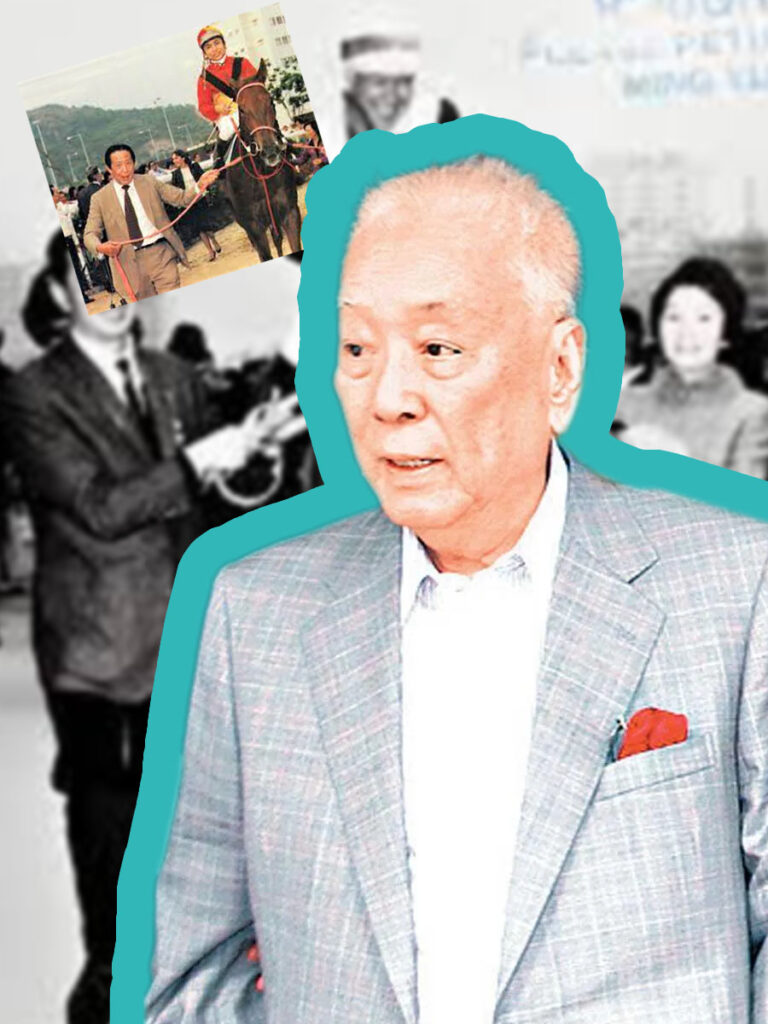
    If there’s one thing the ultra-rich love, it’s telling the rest of us that “money isn’t everything” while sitting on fortunes big enough to power a small nation. But Hong Kong billionaire Hui Sai-fun took that idea to a whole new level by building a financial setup so legendary that people are still trying to process it.

    Instead of doing the usual billionaire thing — chopping up his estate into bite-sized pieces and passing it down like ang bao — he went full mastermind mode. He parked his US$5.35 billion fortune into a long-term family trust designed to drip out money slowly, steadily, and basically forever.

    And when I say forever, I don’t mean a few decades. Analysts say the setup could last up to 1,750 years. That’s basically:

    • 70 generations of descendants
    • Surviving multiple empires
    • Outliving several versions of iPhone, Singapore MRT lines, and probably even civilisation as we know it

    Honestly, if you asked me, this man didn’t just build generational wealth. He built a financial Jurassic Park.


    A Monthly Allowance That Could Make Anyone Convert to Filial Piety

    Fifteen family members — including his surviving son, Julian — get HK$2 million per month. Each.

    Yes, every month someone is waking up, stretching, checking their bank app, and seeing HK$2 million magically appear. That’s more than US$3 million per person every year… just for existing in the family WhatsApp chat.

    Meanwhile, the principal of the trust? Untouched. Growing. Quietly judging the rest of us budgeting for cai png.

    No wonder social media exploded. Everyone started imagining what life would look like if their “monthly allowance” wasn’t $50 from Mum but a financial waterfall that never runs dry.


    Who Exactly Was This Hui Sai-fun?

    For those wondering why this man’s name suddenly feels like it deserves its own Netflix documentary, here’s a breakdown.

    1. A Family Built on Ships and Skyscrapers

    Hui Sai-fun was the youngest son of Hui Oi-chow, famously known as the “King of Ships.”
    The family first made their fortune in shipping before hopping onto Hong Kong’s gold mine — real estate.

    After his father passed away, Hui took the wheel and steered the empire into mega-profitable territory. His portfolio? Think Central Building, Highcliff (that super tall skinny tower the internet always roasts for looking like Jenga), and other prime properties that make real-estate agents sweat with jealousy.

    2. A Billionaire Who Preferred Staying Low-Key

    While some tycoons love the spotlight, Hui behaved like money was a ninja.
    He rarely appeared in public and lived quietly, despite being listed among Hong Kong’s richest several times.

    His passions?
    Not yachts.
    Not supercars.
    Not showing off in front of paparazzi.

    He loved horse racing — and he wasn’t just playing. He was the first local owner to rack up more than 100 race wins. Not bad for someone who didn’t shout about it.

    3. A Family Tree Packed With Interesting Characters

    Hui had three children:

    • Jenkin Hui (passed in 2014),
    • Julian Hui Chun-hang,
    • Hui Suet-yuen.

    Julian, the most public-facing, was previously married to Pansy Ho, daughter of casino legend Stanley Ho. Later, he married Michele Reis, former Miss Hong Kong and actress. Their wedding reportedly cost HK$100 million — the kind of event where even the flowers came with bodyguards.

    The family later moved to the UK for their son’s education, because apparently even billionaires worry about school rankings.

    4. The Next Generation: Building Their Own Legacy

    Jonathan Hui, the grandson, decided to go fast — like literally fast.
    He made history as the first Hong Kong driver to win the GT World Challenge Europe Endurance Cup in the Pro-Am category.

    Granddad built wealth.
    Grandson collects trophies.
    Honestly, not bad.


    Why Hui Sai-fun’s Trust Strategy Is So Wild

    Most inheritance stories go like this:
    Wealthy person passes. Family fights. Lawyers get rich. Money disappears faster than a flash sale.

    But Hui wasn’t having any of that drama.
    His HK$42 billion fortune was placed into a trust that releases a controlled monthly allowance. The idea?

    • Keep the fortune growing.
    • Give family members comfort but not reckless freedom.
    • Prevent infighting.
    • Remove temptations like “Eh, maybe I buy ten Ferraris. Just for fun.”

    It’s basically a masterclass in “protect the money from everyone, including the people you love.”

    And honestly? Genius.


    My Take (Because You Know I Have Opinions)

    Let’s be real — if you asked any Singaporean, “Would you like HK$2 million every month for the rest of your life?”
    The answer is faster than “Want to go makan?”

    But beyond the envy, Hui’s move says a lot about the world we’re living in.

    First, the gap between the super-rich and the rest is starting to feel like two different universes. Not even “rich vs poor” — more like “Earth vs Mars.”

    Second, he clearly didn’t trust generational self-control, and honestly, who would? One wrong generation and poof — 100 years of wealth gone.

    Third, his trust isn’t just about protecting money. It’s about creating structure, discipline, and a level of stability that most families can only dream of.

    If anything, his decision is a reminder that wealth doesn’t just need to be earned — it needs to be managed with long-term brains.

    Is it unfair?
    Maybe.
    Is it brilliant?
    Also yes.
    Would I say no to a system that pays me HK$2 million a month?
    Absolutely not. I will hold that money like national treasure.


    Summary Table

    CategoryDetails
    NameHui Sai-fun (許世勳)
    Lifespan~1921 – 5 Dec 2018
    Primary BusinessChairman of Central Development (Real Estate)
    Legacy AssetsHK$42 billion estate placed in trust
    Trust PayoutHK$2 million per month to 15 family members
    Estimated Duration~1,750 years
    InterestsHorse racing — 100+ wins
    Notable FamilySon Julian Hui; grandson Jonathan Hui (racing champion)

    Ng Siang Yang: A Life Built on Quiet Strength and Big Love

    0

    If you’ve ever met someone whose love feels like a warm light that refuses to go out, even in the darkest moments, then you can probably imagine the presence of Mdm Ng Siang Yang. Born on 17 January 1959 and passing on 24 November 2021, she lived a life that was anything but small. In fact, her story reads like one of those old-school Singapore tales — tough childhood, endless responsibilities, but still full of heart.

    And honestly, the more you hear about her, the more you realise… wah, this woman really damn power.

    Her youngest son, Kenneth, summed up his feelings with a line that hits straight into the chest:

    “I took her for granted. I didn’t hug her enough. I didn’t say ‘I love you’ enough. These are regrets I carry today. I can’t turn back time, but I’ll do whatever I can to honour her memory.”

    Many of us know that feeling all too well — life rushes past, we assume our parents will always be there, and suddenly, we’re left wishing we’d said more.

    The Fight That Started Early

    Mdm Ng’s battle began back in 1995, when she was diagnosed with nasopharyngeal carcinoma. Her three children were still young — just 6, 10, and 12. When the reality hit, she cried in front of them. Not because she was weak, but because she was scared to leave them behind.

    Her words were simple but powerful:

    “I don’t want to die because my kids are still young… I want to see them grow up.”

    And with that, she decided she would fight — not just for herself, but for the three little humans she was determined to see become adults. Somehow, she found the strength, and she pushed through. She kept going for 26 more years.

    For the last 14 years of her life, she survived on tube feeding. Imagine the discipline, the discomfort, the sheer willpower to continue living for the people you love. Not many can tahan. But she did.

    Because for her, stopping was never an option.

    Growing Up Tough, Becoming Even Tougher

    Born into a traditional and conservative household, Mdm Ng started working at 16, helping out at the family bakery alongside her six siblings. Life wasn’t cushy. No bubble tea, no long holiday trips, no “soft life” TikTok aesthetic. Just work, responsibility, and survival.

    Later, she joined Panasonic Singapore, and by 1982, she got married at age 23. From that moment on, her life revolved around caring for her own family — not because she felt forced into some old-fashioned role, but because this was her personal mission.

    She wanted her children to grow up in a home filled with warmth and unity — something she didn’t always have herself. To her, love wasn’t something you just say; it was something you showed, every day, even when it was tiring, even when nobody thanked her for it.

    Love That Overflowed Into Action

    Her kids were her whole world. If you’ve ever seen a mum worry until her hair turn white, you’ll understand the energy she carried. She cared, she nagged, she protected, she scolded, and sometimes she annoyed them — because that’s what mums do.

    Even near the end of her life, she was still buying books for her grandchildren. The delivery arrived on the very day she passed. Who thinks of others like that? Only someone whose heart is wired for giving.

    And her giving didn’t stop within the family.

    Source: Kenneth Tan

    Despite being on a liquid diet, she took up beading and learned how to make jellies and kueh. She didn’t just learn — she taught. She even became an instructor at the community centre. When her speech weakened due to her medical condition, she still wrote her own notes so her students could follow along.

    That’s commitment. That’s heart.

    Even while fighting her own battles, she volunteered. She taught. She supported. And she loved with whatever strength she had left.

    Her Final Gift: Giving Back to the Community

    Source: Kenneth Tan

    Before her passing, she was preparing for an online charity sale of her handmade crafts. Every cent — all SGD 6,818 — was donated to the Pu Ti Buddhist Temple, where she found peace and guidance during her long illness. Even her Pinterest showed her collection, check it out.

    Her life was never about fancy quotes or deep speeches. Her actions did the talking. And honestly, sometimes the quietest lives are the ones that leave the loudest legacy.

    A Spirit That Lives On

    She had no last words. But she didn’t need any. Her life itself was the message — persevere, love fiercely, stay humble, and take care of one another.

    Her children now carry her strength with them. They grew up watching her fight battles silently while still showing up for every little thing that mattered. And because of her, they became strong in their own ways.

    Though she missed her annual tang yuan–making session with her grandchildren, the memories she built continue to hold the family together.

    Kenneth’s Reflection: A Son’s Promise

    Kenneth, her youngest, shared stories filled with both love and regret. Regret for words unsaid. Regret for hugs he thought could wait for “next time.” Regret that many of us, if we’re honest, also carry for our parents.

    But there was also pride — pride in the woman who raised him, pride in the lessons she left behind.

    He speaks to her in a way that tells you the bond never broke:

    “Dad, Ah Gong and Ah Ma will be well taken care of. Mummy, you can stop worrying about us. You are well loved. Thank you, Mum.”

    And in that simple message, you feel everything — the grief, the gratitude, the closure, and the love that continues long after physical life ends.

    My Own Thoughts

    Source: Kenneth Tan

    Reading through her story, I think many Singaporeans will recognise this familiar kind of strength. The type that isn’t flashy. The type that doesn’t post motivational quotes on Instagram. The type that simply shows up every day, rain or shine.

    We sometimes forget to honour people like her — the ones who quietly hold their entire families together while asking for nothing in return. But these are the legends of our households. The heroes behind our successes. The people who make Singapore families what they are today.

    If anything, Mdm Ng’s life is a reminder that love doesn’t need to be fancy to be powerful. It just needs to be consistent.

    And honestly? We can all learn from her — to slow down, to appreciate our parents while we still can, and to say “I love you” without feeling paiseh.

    Because one day, those words might be the very thing we wish we had said a little more.

    Amos Yee Back Behind Bars… Again? ICE Catches Him Just Days After Parole

    0

    Some people finish jail time and quietly rebuild their life.
    Then there’s Amos Yee — Singapore’s most famous headache — who cannot go more than one week without ending up in some new drama. Honest truth? At this point, if he ever stays out of trouble for more than 48 hours, Singaporeans might think Mercury retrograde finally ended.

    So here’s the latest update on the never-ending Amos Saga.

    Barely four days after being released on parole in the US (Nov 20), the ICE website suddenly showed his name again on Nov 24. Boom — detention. This time he’s sitting in the Dodge Detention Facility in Wisconsin. That’s like being sent from Orchard to Woodlands but with snow and zero bubble tea. And mind you, this place is four hours away from Illinois, where he was serving his jail term for child pornography and sexual grooming.

    What a jump, sia.

    And the best part? Nobody knows when ICE actually picked him up. The whole thing feels like those mystery MRT disruptions — “cause under investigation”. ICE usually detains people when they want to make sure you don’t run off before your immigration hearing… or when they’re preparing you for deportation. Yah, that word again: deportation. The one Singaporeans have been waiting to hear since 2016.

    But wait — even the immigration court website also blur. No hearing date, no updates, nothing. Everything also “unclear”. Honestly, it’s very on-brand for this whole saga.

    If he gets shipped back to Singapore, he won’t exactly be coming home to eat prata and chill. MINDEF already confirm: he will be charged under the Enlistment Act. That’s because last time he skipped his pre-enlistment medical screening and stayed overseas without a valid exit permit. Over here, that kind of stunt can get you fined up to $10,000, jailed up to three years, or both. In other words, if he steps off the plane at Changi, his “Welcome Home” gift might be a pair of court dates.

    Now, of course, this whole mess started long before the US got involved. Back in 2016, Amos flew over to America to seek asylum, saying he was targeted in Singapore for his controversial comments about Christians and Muslims. Whether you agreed or not, those cases were still peanuts compared to what came next.

    In 2020, he got indicted for exchanging nude photos and messages with a 14-year-old girl from Texas. That one ah… really cannot defend. He was sentenced in Dec 2021 to six years in prison.

    Then came another twist. He got paroled early in Oct 2023… then got arrested again the next month. Most people believe he broke his parole conditions — things like using the internet without permission or going near places where kids might be. Pretty standard restrictions for sex offenders, but apparently not easy enough for him to follow.

    Fast forward to 2024, he gets paroled again, probably thinking he can finally restart his life. Four days later — ICE says “Surprise!” and locks him up.

    Honestly, you cannot write drama this chaotic. Even local TV wouldn’t dare.


    My Honest Singaporean Take

    Look, by now everyone knows Amos Yee’s story stopped being about youthful rebellion a long time ago. Once you cross into harming a minor, that’s not “edgy freedom fighter energy” anymore — that’s straight-up serious crime. And no amount of old controversies can distract from that.

    And let’s be real here — many Singaporeans, myself included, are not exactly lining up at Changi to welcome him home with Milo peng. Most people are more like, “Eh… maybe the US settle this one can already?” Not because we don’t believe in second chances, but because his track record feels like watching someone purposely press the self-destruct button over and over again.

    If he does get deported, sure, the law will take its course here. But if he stays in the US? Honestly, I don’t think anyone in Singapore is going to complain. Either way, the road ahead for him is long, painful, and full of consequences he created himself.

    Singapore’s Exports Take a Dip in Q3 2025 — Should We Be Worried?

    0

    Singapore’s export scene just hit a small speed bump, and honestly, it feels a bit like when your favourite bubble tea shop suddenly runs out of pearls — not a crisis, but definitely a mood spoiler.

    After enjoying four straight quarters of growth, Singapore’s non-oil domestic exports (NODX) slipped by 3.3% in Q3 2025. Yep, the streak snapped. And the culprit? Not the usual suspects, but the non-electronics sector, which makes up a chunky 74% of all NODX.

    So… What Went Down?

    Although electronics tried to hold the fort, non-electronics dragged the overall number down. Let’s break it down in a way even your most blur sotong friend would get:

    • Non-electronics exports fell 6.5% year-on-year, reversing the previous quarter’s 5.9% growth.
    • Meanwhile, electronics rose 7.1%, although still slower than the previous quarter’s fiery 10.5%.

    And in case you’re wondering what exactly was causing the dip — food preparations, petrochemicals, and pharmaceuticals were the biggest culprits. Quite an odd trio, but okay lah.

    Electronics Still Got Some Zing

    Even though non-electronics was dragging its feet, electronics still had some sparks:

    • PCs skyrocketed by 69.5% — probably thanks to all the AI tools everybody is panic-buying.
    • Integrated circuits went up 9.2%.
    • Disk drives also climbed 16.5% — apparently still alive and kicking.

    But exports to big markets like the US, Indonesia, and China? They all went soft this round. Not exactly the kind of news we want before Christmas shopping starts.

    Forecast Adjustments — The “Lower Your Expectations” Edition

    Enterprise Singapore also decided to be a bit more realistic. It trimmed the 2025 export growth forecast to about 2.5%, down from the earlier 1% to 3% range.
    Meanwhile, the year so far hasn’t been terrible — the first three quarters still show 2.2% growth, which is like getting a B-minus when you aimed for an A. Still passable lah.

    Looking ahead:

    • NODX is expected to grow 0–2% in 2026.
    • But globally? Things might get a bit meh. The WTO expects global merchandise trade to grow only 0.5% in 2026, much slower compared to 2.4% previously.

    And the reason? Tariffs. Frontloading. Basically, all the things that make international trade feel like a toxic relationship.

    Enterprise Singapore also warned of downside risks like worsening tariff fights and new sector-specific tariffs that could mess with demand and create even more uncertainty.

    The Silver Linings

    Okay, not everything is doom and gloom. There are a few bright spots for 4Q 2025:

    • AI-related demand still booming — thank you, ChatGPT cousins.
    • High gold prices — great for exporters, terrible for people hoping to buy jewellery for Christmas.
    • These might give NODX a bit of a boost… though last year’s high base numbers may also make it harder to show growth.

    My Two Cents (Take With Kaya Toast)

    Honestly, the dip isn’t shocking. The world economy is like one long MRT delay lately — slow, unpredictable, and full of “pls bear with us” announcements. Singapore isn’t immune to these hiccups, and a 3.3% slip isn’t the end of the world.

    However, I do think we need to pay more attention to non-electronics. Electronics is sexy and booming (thanks to the AI craze), but the broader economy needs diversity. Relying too heavily on electronics is like eating mala every day — shiok at first, but eventually, you’ll suffer.

    On the bright side, Singapore has always been the overachiever type — when things dip, they tend to bounce back faster than most countries. But for now, maybe just accept that 2025 and 2026 won’t be fireworks-level exciting.

    Still steady lah. Just not very thrilling.

    Jason Hong Kai Qi: Man Leaves Girlfriend Dead for Days

    0

    Sometimes life throws curveballs so wild you don’t even know how to react. But this case? Wah, this one really takes the cake.

    A man named Jason Hong Kai Qi, 34, went to check on his girlfriend at her Hougang condo unit earlier this year. He couldn’t reach her, so he drove over. When he entered the home, he found the place messy and the bedroom dark. That’s when he saw her — lying motionless on the bed with a blanket pulled up to her neck.

    He tried to help her. Or at least, he said he did. He took her inhaler, puffed it into her mouth, heard an exhale, and saw white residue. Then he tried chest compressions. But she wasn’t responding.

    And instead of calling for help, he packed up some things, left, and quietly placed the access card in a sealed envelope outside.

    Then he just… walked away.

    The Unthinkable Silence

    For illustration purpose only

    After leaving the condo, Jason didn’t inform anyone what happened. Instead, he messaged the woman’s sister, saying only that she was “uncontactable.” That’s all. No hints, no urgency, nothing. To be fair, the sister didn’t think anything was wrong — apparently it was quite normal for her to disappear for a bit.

    But four days later, she went to check in on her sister with the two children. That’s when the awful truth surfaced. The smell hit her the moment she opened the door. Inside, she found her sister dead and already decomposing.

    Paramedics confirmed she was gone. Because Jason didn’t report her death, the family found her only after nearly a week. Try imagining the kids being there. Traumatic is an understatement.

    What the Court Heard

    Source: CNA

    The girlfriend’s identity was concealed to protect her children, but details of the case painted a troubling picture.

    Jason knew she was dead. He admitted that. But he still didn’t call for help. He didn’t contact the police. He didn’t tell the family. He just left the scene and went on with his day.

    The law is crystal clear: if you find someone dead, you must report it. It’s not optional. It’s there to protect both the deceased and any evidence that might explain what happened. And because he didn’t do that, investigations were delayed by four crucial days.

    The autopsy couldn’t even confirm her exact cause of death because of the advanced decomposition. So many questions might never be answered.

    His Other Problems Didn’t Help

    If this case wasn’t messy enough, Jason was also dealing with older traffic-related charges. Back in 2022, he allegedly drove without a licence, crashed into a taxi, and then tried to pin the blame on his friend. He lied to the taxi driver, lied to the police, and even got someone involved in the cover-up.

    So when everything finally went to court, he faced charges including obstruction of justice, false statements, and failure to report a death.

    The judge gave him three months and one week in jail, plus a S$1,000 fine and a 12-month driving ban.

    Honestly? Considering everything stacked up, that’s not surprising.

    His Side of the Story

    His lawyers said he panicked. They said he was confused, distraught, and didn’t know what to do. They claimed his WhatsApp message to the sister wasn’t meant to mislead anyone.

    But the judge wasn’t convinced. She pointed out that failing to report a death is a rare and serious offence. The whole point is to ensure immediate investigation — especially when the cause isn’t obvious. His silence created a four-day delay that could have changed everything.

    To make things worse, his message gave the impression she was still alive.

    Family’s Anger and Pain

    Source: FB

    Things became even more emotional when a Facebook comment, reportedly from a relative named “CJ Koh,” surfaced online. According to the comment, the family believes Jason left the woman when she was still alive. They claim he went back again later just to check if she had died and waited for her body to start decomposing before anyone found her.

    The aunt said she spoke with him at the coffin, and what he said to the family didn’t match what he later said in court.

    If these claims are true, the pain her parents felt must be unimaginable. Losing a child is already heartbreaking, but losing one in such a way — and finding out days later — is another level of suffering.

    My Take on This Whole Case

    Okay, let’s talk about the elephant in the room.

    Yes, people panic. Yes, they freeze in crisis. We’re all human. But walking away from someone you supposedly love — someone who might still be alive — and then choosing silence for four whole days? That one is hard to swallow.

    If he truly panicked, he had hours after leaving the condo to come clean. At any point, he could’ve called the police. Texted the sister again. Reached someone. But he didn’t.

    And when you add his past record of lying to authorities? That pattern starts to look a little too familiar, lah.

    This case highlights something important:
    When you’re in a crisis, honesty and action matter far more than panic.
    Even if you’re scared, calling for help is the bare minimum. You don’t leave someone behind. You don’t let a family walk into something like that.

    It’s tragic for the woman, devastating for her kids, and traumatising for the family. They deserved answers and dignity — not silence.

    Final Thoughts

    At the end of the day, this is more than just a court case. It’s a reminder of how one person’s decisions — or refusal to act — can cause pain that lasts for years.

    Jason’s sentence won’t undo what happened. Nothing can. But maybe sharing the story helps people realise how important it is to do the right thing, even when you’re scared or confused.

    Some situations don’t give you room to walk away.