

More
    Home Blog Page 24

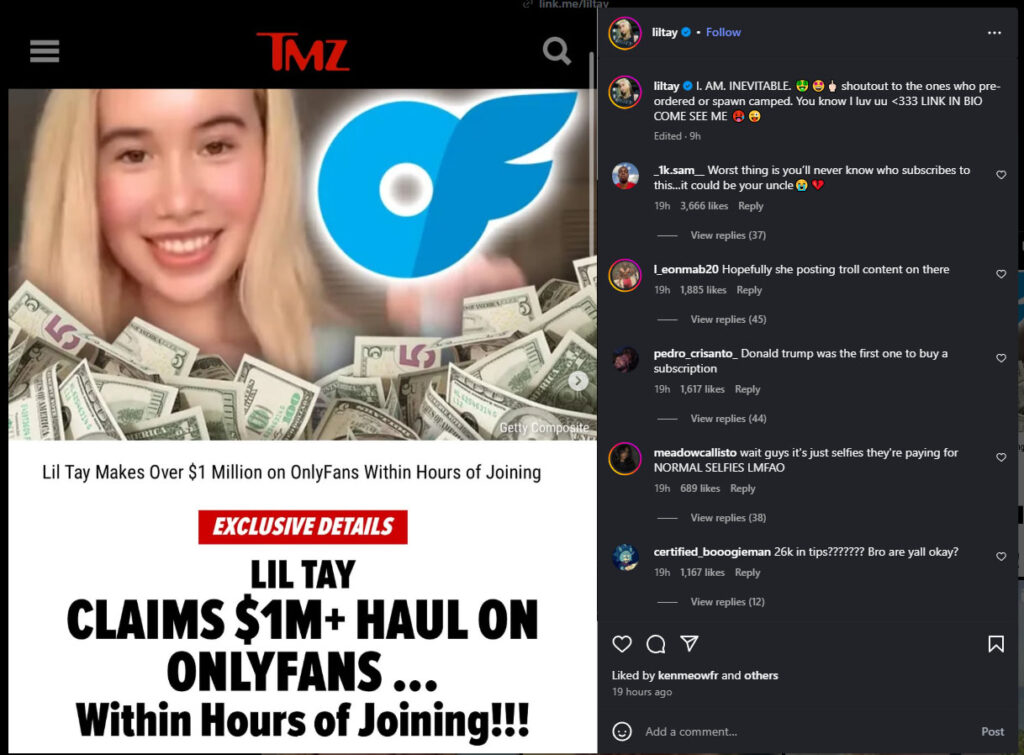
    Lil Tay is now a OnlyFans Millionaire

    0

    The internet is nothing if not predictable in its unpredictability, and once again, it has outdone itself. Just when you thought you’d seen every possible headline that could make your jaw drop, enter: Lil Tay. Yes, that Lil Tay. The once self-proclaimed “youngest flexer of the century” has now reemerged to make headlines for a very different reason. And oh boy, did she bring the internet to its knees.

    Let’s rewind a little. It’s been a while since we heard anything major from Lil Tay. After all, her presence had slowly faded following the bizarre hoax about her death in 2023, followed by allegations of family drama and confusion surrounding her age. So, when the rapper-turned-social-media-phenomenon suddenly popped back up in July 2025, the world didn’t quite expect this kind of comeback.

    TL;DR

    • Lil Tay launched an OnlyFans account on her 18th birthday, claiming to have earned over $1 million in just three hours.
    • The move sparked a major online debate about the ethics of child stars transitioning into adult content and the role of the audience.
    • The article questions the commodification of youth and the public’s demand for such content, calling it “fetishization” rather than fandom.

    A Birthday Surprise No One Saw Coming
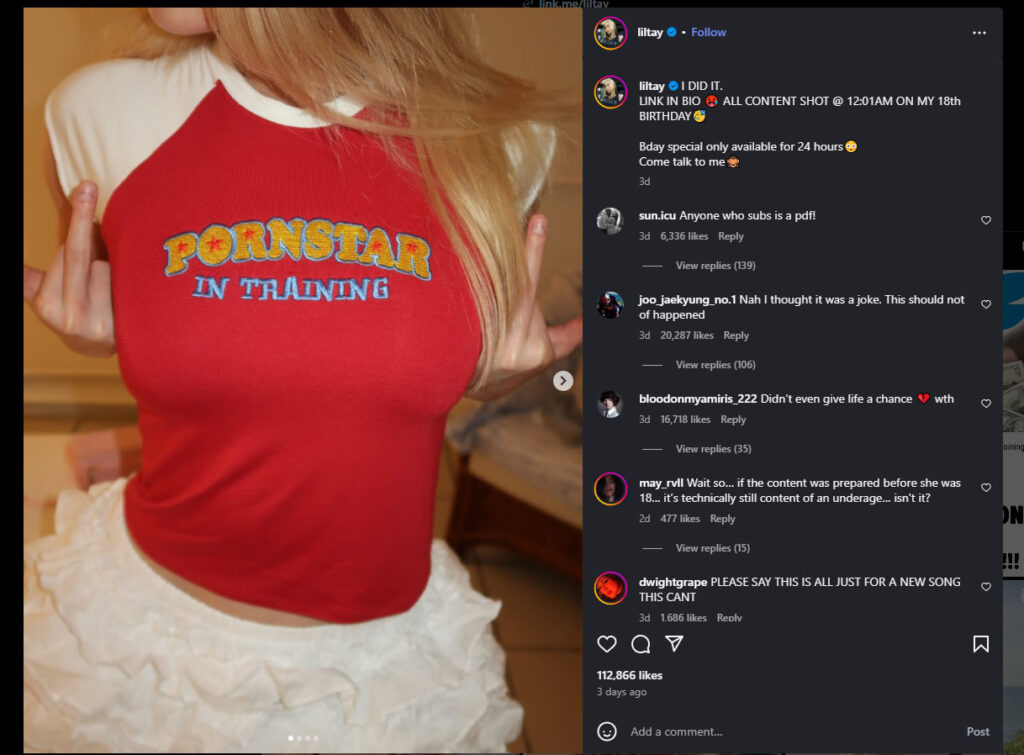
    Lil Tay: Pornstar in training

    On July 29, Lil Tay turned 18. Instead of throwing a low-key birthday bash, she decided to do what any legally adult internet-savvy influencer might do these days: she launched an OnlyFans account. Within hours, she claimed to have shattered the platform’s record for earnings in a single launch. And when we say shattered, we’re talking “mic-drop, leave-no-survivors” kind of shattered.

    Lil Tay posted to Instagram donning a shirt that read “Pornstar in Training,” accompanied by a caption advertising a “birthday special” for 24 hours only. Her OnlyFans page offered subscriptions at $19.99 per month, promising exclusive content, access to DMs, and photos of her “birthday suits.”

    The Money Machine Goes Brrr

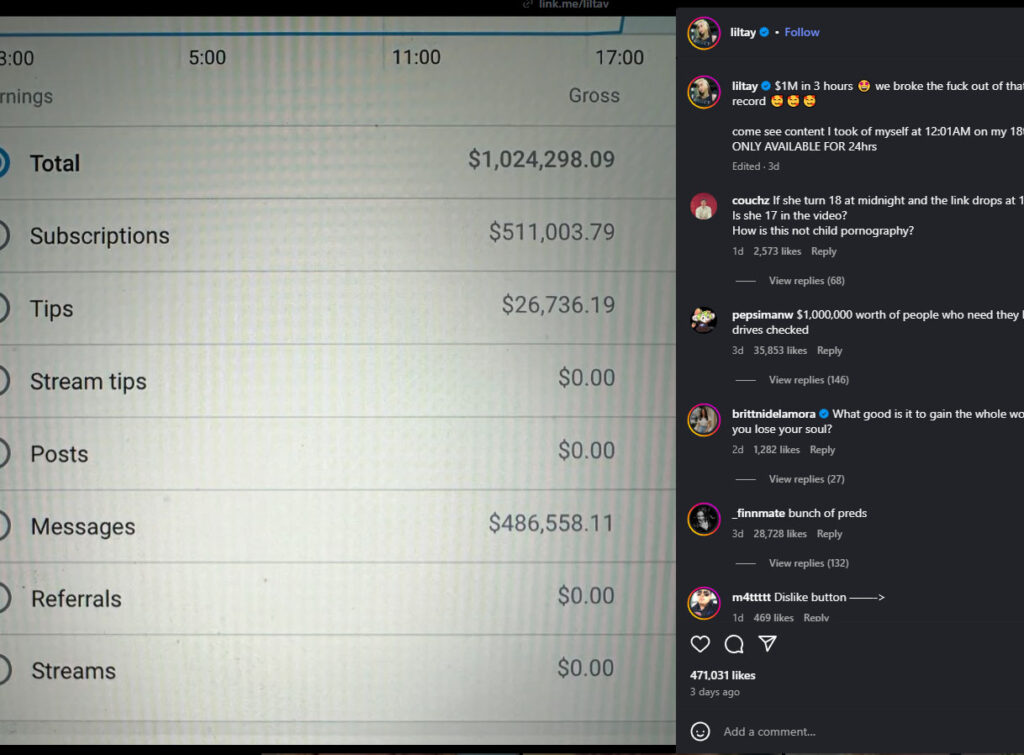
    Here’s where things took an even wilder turn. Less than a day after her OnlyFans debut, Tay shared a screenshot of her earnings, claiming she raked in over one million dollars in just three hours. Let’s break that down:

    • Subscriptions: $511,003.79
    • Private messages: $486,558.11
    • Tips: $26,736.19

    Total: $1,024,298.09

    All of this happened in three hours, allegedly. While we can’t independently verify the numbers, the screenshot Tay posted seems to align with the platform’s dashboard layout. Whether or not she truly broke records set by other OnlyFans celebrities like Bhad Bhabie or Bella Thorne remains up for debate, but the buzz alone is enough to fuel the fire.

    The Ick Factor

    Now let’s talk about the elephant in the digital room. There’s something undeniably unsettling about this entire situation. While it’s technically legal for someone aged 18 to join platforms like OnlyFans, the timing here feels deliberately engineered for maximum shock value. Tay, who has been in the public eye since she was 9 years old, has grown up in front of millions. Many have seen her as a child for so long that this sudden leap into adult content territory feels…off.

    The optics of going from child star to adult content creator literally overnight create a weird, morally gray zone. A lot of people aren’t questioning her legal right to do it. They’re questioning why so many people were seemingly waiting in the digital wings, ready to pay the moment the clock struck midnight on her birthday. That’s the part that feels gross.

    The Public Backlash

    Comments on her Instagram page reveal a mixed bag of reactions. Some fans congratulated her, others showed genuine concern, and a few called it what it is: creepy. The overwhelming sentiment was clear—just because you can do something doesn’t always mean you should. Especially when your audience still mentally pictures you as a child influencer with a bad attitude and a whole lot of cash.

    And to be fair, Tay isn’t the first to take this route. There’s a growing trend of young celebrities or influencers opening OnlyFans accounts the moment they turn 18. Bhad Bhabie, for instance, made headlines for earning over $1 million in her first six hours on the platform. Yet even then, people questioned the ethics surrounding it.

    The Power of Fame and Controversy
    Fame has always had a complicated relationship with youth, especially when it intersects with platforms that commodify attention and desire. Lil Tay’s case is particularly jarring because she was marketed as a child for so long. From flexing stacks of cash to being embroiled in family drama and even death hoaxes, her rise (and fall, and rise again) has always felt chaotic.

    And now? She’s choosing to monetize the very thing people have been talking about since the beginning: her image. It’s not about music anymore. It’s about shock, access, and the economics of being barely legal.

    The Bigger Question: Who’s Really at Fault?

    It’s easy to point fingers at Tay, but maybe we need to take a hard look at the audience. Who are these people spending massive amounts of money on her content within hours of her turning 18? Why is there a market for this at all? The speed and volume of the response suggest that there’s a deeply problematic demand lurking just beneath the surface of our digital culture.

    We need to consider how parasocial relationships, online voyeurism, and digital accessibility have changed the way people interact with celebrities—especially young ones. There’s something deeply disturbing about waiting for a public figure to become of age just so you can consume their adult content. That’s not fandom. That’s fetishization.

    My Take on This Circus

    Alright, time for a little straight talk. Lil Tay is no fool. Whether you find her brand distasteful or genius, you can’t deny she knows how to stir up a spectacle. She’s monetizing her transition into adulthood in the most profitable way possible. She knows controversy sells, and she’s cashing in big time.

    But let’s not pretend this isn’t exploitative. Yes, she’s technically an adult. Yes, it’s her choice. But given her history, the narrative feels more like the internet grooming her for this moment than her organically choosing it. The moment feels less like empowerment and more like a transaction.

    And no, this isn’t about slut-shaming or moral policing. It’s about questioning the systems and people that cheer on, or worse, wait for, this exact transformation. That’s the part that gives me chills.

    What Happens Next?

    Lil Tay might ride this wave into financial freedom, or she might face burnout from the relentless pace of internet fame. Either way, this moment marks a sharp pivot in her story. Whether it becomes a cautionary tale or a case study in modern digital marketing remains to be seen.

    For now, she’s enjoying the cash, the controversy, and the clout. But as we’ve seen time and time again with young stars thrust into the adult spotlight, the glare of fame can be just as blinding as it is lucrative.

    Final Thoughts

    This isn’t just about Lil Tay. This is about us—the audience, the media, the platforms that enable and reward this kind of spectacle. As long as there’s a profit to be made, there will be someone willing to step into the spotlight. But maybe it’s time we ask ourselves why we keep tuning in.

    Because if we don’t start drawing ethical lines somewhere, we’re going to keep sliding into darker and darker territory, all under the shiny banner of “content.”
    Scarecrow Ending: What we learned in the end…

    0

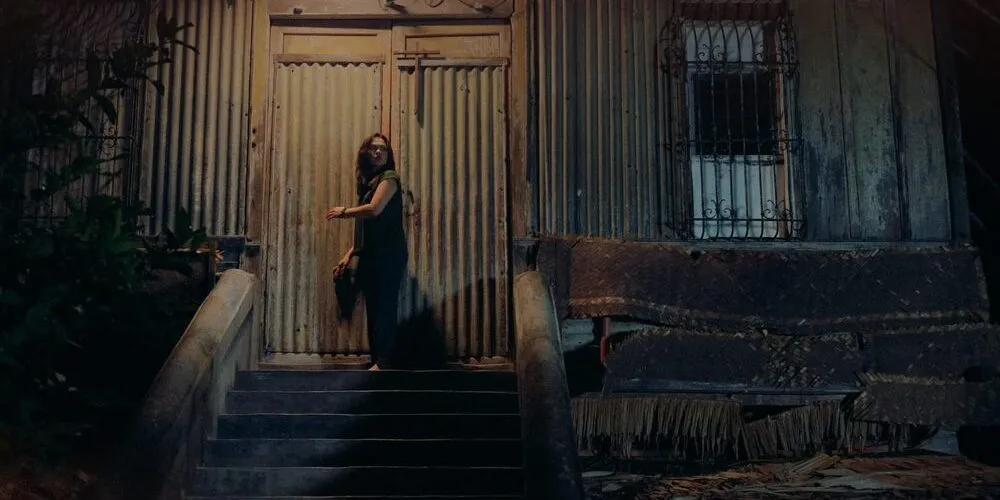
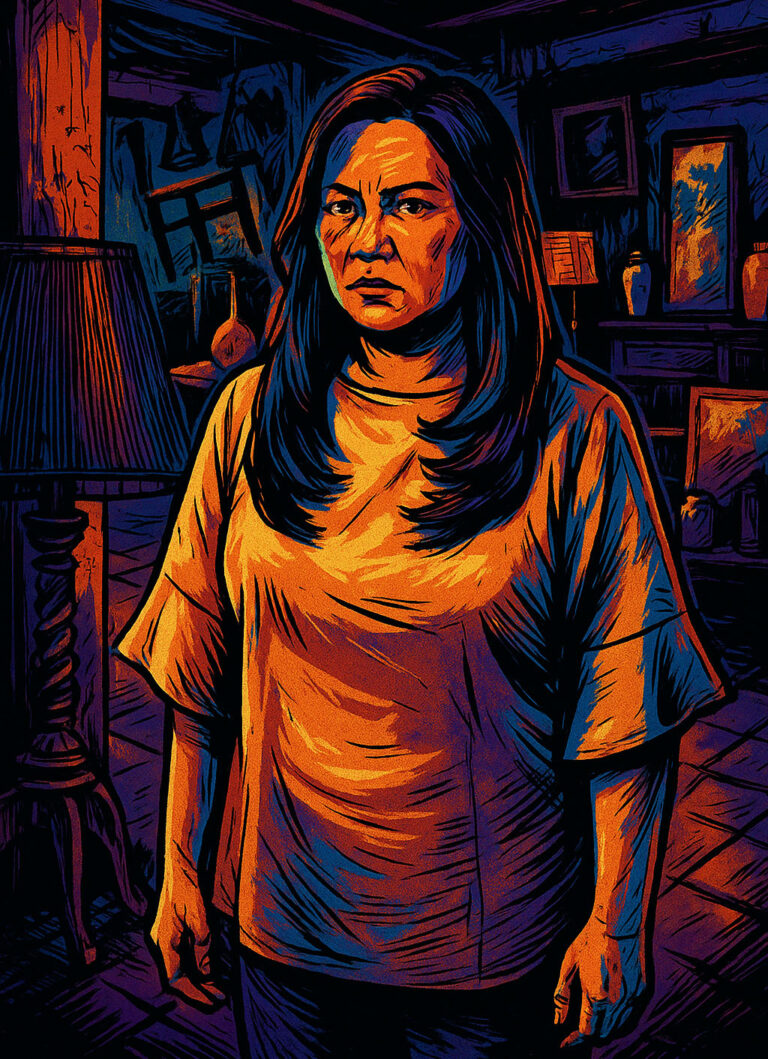
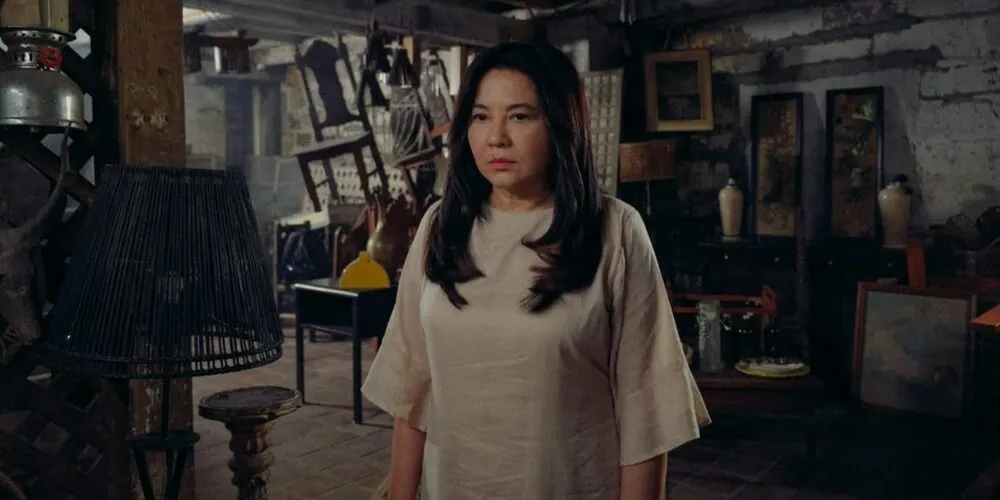
    What if grief didn’t just haunt your heart—but your entire house? That’s the unsettling reality served cold in Scarecrow (originally titled Espantaho), a Filipino horror film drenched in tragedy, family secrets, and supernatural vengeance. It doesn’t just ask, “What happens after death?”—it wants to know what happens when you ignore the warnings, hang cursed art in your hallway, and go about your prayer rituals like nothing’s wrong. Spoiler alert: It gets bloody, it gets bizarre, and it gets personal.

    TL;DR

    • A cursed scarecrow painting traps the souls of Monet’s family members during her father’s nine-day wake.
    • The curse is deeply personal, linked to a 1950s artist obsessed with Monet’s mother, Rosa.
    • Monet’s husband, Jack, is a secret villain who knowingly brought the cursed painting into their home to inherit the family’s property.
    • The biggest twist? Monet’s protective mother, Rosa, has been a ghost all along, lingering to protect her daughter.
    • The film ends with the scarecrow breaking free from the painting, leaving a new terror on the loose.

    Grief with a Side of Horror

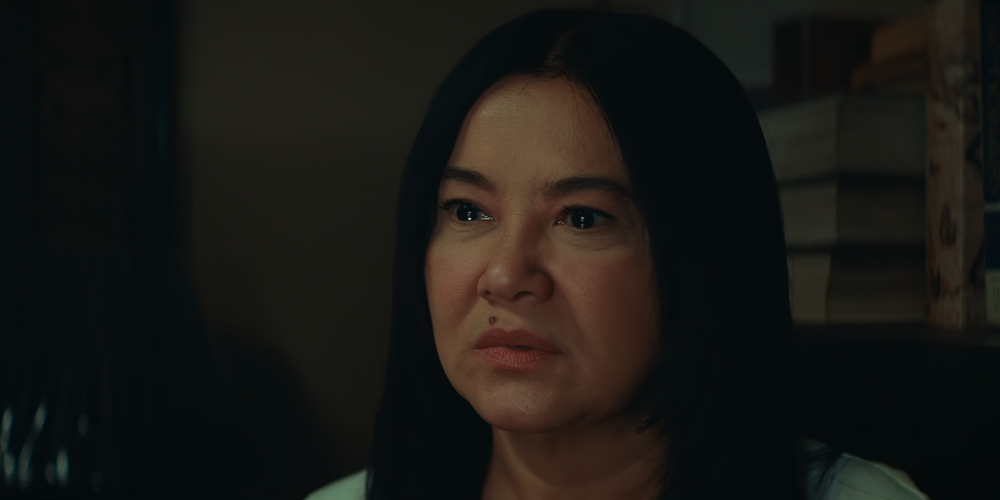
    The film kicks off with a gut-punch: Monet (Judy Ann Santos) loses her father, Pabling. During the funeral, she suffers a seizure—one that prevents her from saying goodbye. Her mother, Rosa (Lorna Tolentino), fusses over Monet’s meds and mental state, while Monet organizes the nine days of traditional prayers known as pasiyam. It’s Filipino mourning etiquette meets horror movie setup.

    Then enters Jack, Monet’s husband (played by JC Santos), who’s conveniently unavailable for the entire prayer marathon because his ex-wife needs help. Before he leaves, he gifts their household a painting—a seemingly innocent gesture, unless you’re familiar with the genre. This, dear readers, is the beginning of their descent into madness.

    The Painting That Should’ve Stayed in the Past

    After Jack departs, Monet and her household stumble upon the painting: a scarecrow looming in a barren field, two people harvesting nearby. Rosa immediately goes into full panic mode, practically yelling, “Burn it!” But Monet dismisses her mom as being melodramatic.

    By the end of Day One of the prayers, their helper Henri is attacked by—you guessed it—locusts. In his panic, he sets himself on fire and is absorbed into the painting. Say goodbye to Henri, and say hello to a family portrait of doom.

    Just when things couldn’t get more awkward, Pabling’s first wife, Adele (Chanda Romero), barges in with her children, Roy and Andie. They don’t like Rosa or Monet, blaming them for breaking their family apart. Emotions run high, egos clash, and the scarecrow seems to be loving the drama.

    A Curse With a Backstory

    As prayers continue, people disappear. Adele, surprisingly helpful for someone who arrived ready to brawl, brings Monet to an art expert. The painting was created by Sylvio Madamba, a 1950s artist with a textbook villain origin story: he loved a woman who didn’t love him back. Instead of therapy, he chose murder and cursed art. Nice.

    Turns out, Madamba painted corpses. His muse—the woman he obsessed over—was Rosa. Yes, that Rosa. So now the cursed painting has a deeply personal vendetta.

    As the family digs into the painting’s history, more truths emerge. Madamba tortured and killed women, channeling his rage into brushstrokes. His final masterpiece? A scarecrow painting designed to trap souls. And guess who was the last person to own it before Jack? A businessman named Guang Xi Fei, Jack’s former boss. Suspicious? Extremely.

    A Family Falling Apart

    Roy becomes scarecrow snack #2 after a leech-infested attack. The painting grows more crowded with each passing day, now displaying Henri, Roy, and eventually Andie. Adele panics, suspects Monet, and tensions rise faster than a microwave burrito.

    Rosa attempts to rip the scarecrow out of the canvas—an emotional yet fruitless effort. The painting regenerates. Classic horror logic.

    Then comes Day Five. Monet calls in a spiritual expert who confirms: the painting is cursed, the victims are trapped inside it, and they’re next on the menu. Rosa finally admits there’s more to her past than she let on, especially regarding Madamba.

    Jack’s Plot Twist: From Absentee Husband to Villain

    Meanwhile, Jack’s been suspiciously MIA. He doesn’t call, doesn’t text, and doesn’t ask about his kid, Keith. But here’s the kicker: Monet finds out he bought the painting from Guang and brought it home knowing its origins. His goal? Inherit Pabling’s house.

    Subtle, Jack. Real subtle.

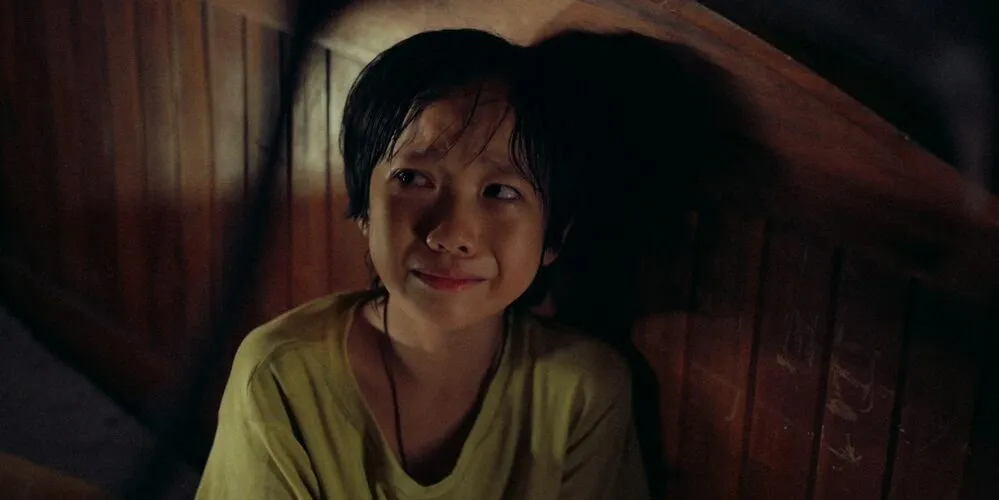
    Keith, their son, is nearly snatched by the scarecrow—until a locket Jack gave him protects him. It contains red soil, which turns out to be a powerful deterrent against the painting’s curse. That’s right: the villain accidentally provided the key to salvation.

    When Jack finally returns on Day Nine, Adele ambushes him. He wakes up tied to a chair and gets the ultimate betrayal reveal. Monet realizes Jack never loved her. She leaves him for the scarecrow, who eagerly drags him into the canvas. That’s karma with a capital K.

    Rosa’s Real Fate: A Ghost’s Love

    Let’s talk about Rosa, the unsung MVP. She’s protective, fierce, and always seems to know more than she lets on. Then we get the bombshell: Rosa died when Monet was a child.

    Yes. She’s been a ghost the entire time.

    Madamba accidentally killed her in a car accident, and Rosa—unwilling to leave her daughter alone—lingered in spirit form. The seizures? A result of her presence, a supernatural connection between mother and daughter. Even death couldn’t separate them.

    In the end, once the painting’s curse is broken, Rosa crosses over. Her mission is complete. Monet, despite everything, finds closure.

    The Final Twist: The Scarecrow Isn’t Done

    Just when you think the nightmare is over, the mid-credits roll in. A garbage man casually dumps the infamous painting—minus the scarecrow. It’s not gone. It’s free.

    That’s right. The scarecrow is no longer stuck in the field. It’s out there, probably sipping cold brew in some city alleyway, ready to wreck lives all over again.

    Keith: The Boy Who Lived (Thanks to Dad’s Guilt)

    Keith survives because of the red soil locket Jack gave him. Irony at its finest. Even if Jack was a two-faced jerk, somewhere deep inside, a smidgen of parental instinct remained.

    After the scarecrow’s attempt to abduct Keith fails, Rosa and the others replicate the locket using the same soil. Finally, they’re able to create a supernatural shield for themselves. It’s a small act of redemption, wrapped in a blood-stained bow.

    Final Verdict: Should You Watch Scarecrow?

    Scarecrow delivers a chilling blend of folklore, familial grief, and psychological horror. The layers run deep: from toxic family dynamics to buried guilt and tragic love stories. It’s not just about the jump scares—it’s about the emotional toll of trauma and betrayal.

    The visuals are haunting, the acting top-tier, and the pace well-calibrated. Some moments feel a tad soap-opera-ish, but that’s also part of its charm.

    Final Rating: ⭐⭐⭐⭐⭐ (5/5 Stars)
    • Unpredictable plot? Check.
    • Well-earned scares? Absolutely.
    • Hidden trauma and art history wrapped in horror? Surprisingly yes.

    In short, Scarecrow doesn’t just haunt your screen—it haunts your conscience.

    If you see a weird painting in your home and your mom starts screaming to burn it? Listen to her.

    You’ve been warned.

    How 7,000 Beats 10,000 Steps a Day

    0

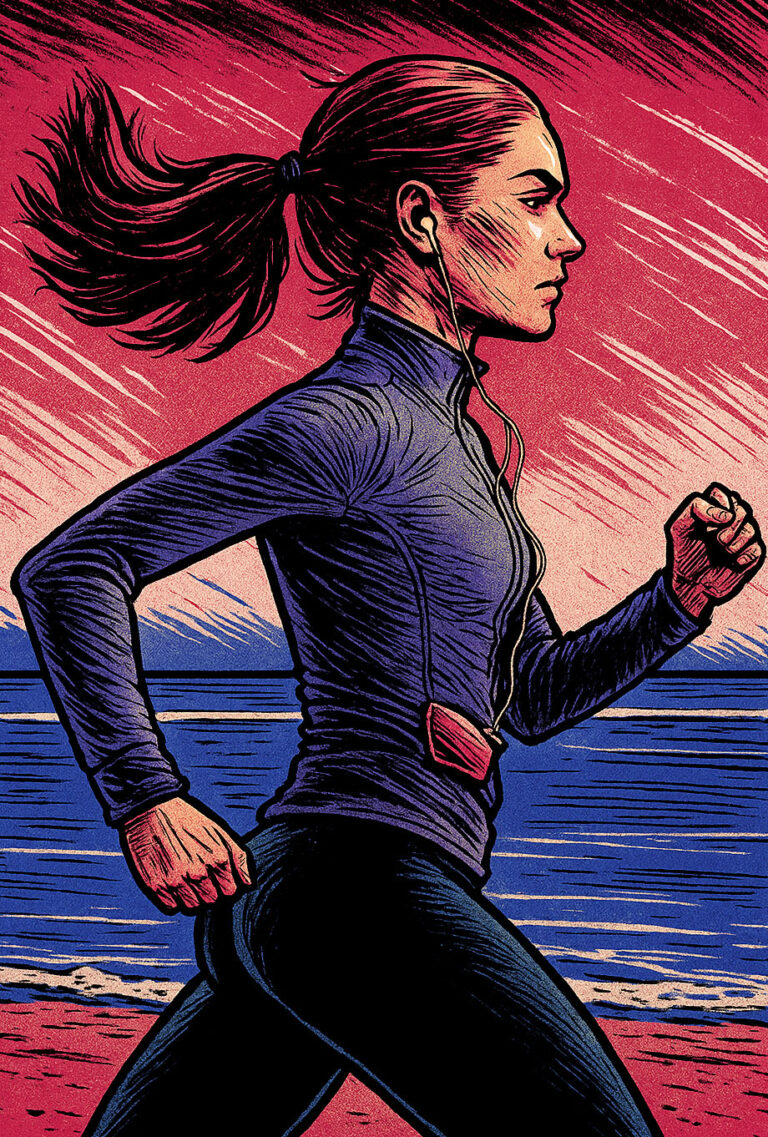
    You’ve heard it a thousand times: 10,000 steps a day is the gold standard for fitness. But be honest—who’s hitting that target consistently? Between back-to-back Zoom calls, commuting headaches, and the siren call of your couch, 10,000 steps can feel like climbing Everest in flip-flops. Good news: a growing body of research suggests that dialing it back to 7,000 steps a day still delivers blockbuster health benefits—minus the guilt trip.

    Today, we’ll unpack why 7,000 steps is a realistic sweet spot, explore how it turbocharges your heart, brain, and mood, and walk you through practical hacks to make it happen. Plus, I’ll share my two cents on fitting this habit seamlessly into your life. Ready to trade “should” for “can”? Lace up.

    TL;DR

    • The 10,000-step rule is a marketing myth, not science.
    • Walking 7,000 steps a day offers nearly the same major health benefits as 10,000 steps.
    • This manageable goal reduces your risk of death, dementia, depression, and heart disease.
    • It’s an achievable habit that takes about an hour and can be broken up throughout the day.
    • Small, consistent steps lead to significant, long-term health improvements.

    Why 10,000 Steps Is Overrated (and How 7,000 Steps Wins Big)

    First off, let’s debunk the 10,000-step myth. Believe it or not, the magic number didn’t spring from Nobel Prize–winning science. It was a marketing pitch. Back in the 1960s, a Japanese pedometer manufacturer coined “manpo-kei,” which translates to “10,000-step meter,” simply because the characters looked catchy. And voilà—worldwide fitness obsession ignited.

    Here’s the thing: when you’re juggling work deadlines, family dinners, and maybe a side gig, those extra 3,000 steps can feel obnoxious. Yet a meta-analysis of data from over 160,000 adults across 57 studies in more than 10 countries shows that 7,000 steps packs nearly the same punch for longevity and disease prevention as 10,000 steps. In other words, you can trim your goal by 30% and still reap massive rewards.


    The Numbers Don’t Lie: Key Findings from the Research

    Researchers pooled results from 2014 to 2025 to understand how daily step counts affect our risk for major killers: cardiovascular disease, cancer, dementia, depression, and type 2 diabetes. Here’s a snapshot of what they uncovered:

    • 47% reduction in risk of death from all causes when you walk 7,000 steps vs. 2,000 steps. That’s nearly on par with 10,000 steps.
    • 38% lower risk of dementia at 7,000 steps, and an additional 7% drop at 10,000 steps.
    • 22% lower risk of depression at 7,000 steps, same benefit as walking 10,000 steps.
    • 6% reduction in cancer risk at 7,000 steps compared to 2,000 steps.
    • 22% reduction in type 2 diabetes risk at 10,000 steps, jumping to 27% at 12,000 steps.

    Those aren’t tiny blips on a graph. They’re life-altering shifts. Every extra thousand steps beyond 2,000 slashes your odds of dying prematurely. And most of the big wins show up by 7,000 steps—making it a sweet spot worth aiming for.


    How Much Time Does 7,000 Steps Take?

    Contrary to what your busy calendar might whisper, carving out this walking time is doable:

    • Average pace (3.2 mph / 5.1 km/h): ~1 hour and 4 minutes.
    • Leisurely pace (2.5 mph / 4 km/h): ~1 hour and 21 minutes.
    • Power walk (4 mph / 6.4 km/h): ~50 minutes.

    Split it up. A 15-minute post-lunch stroll. A brisk 10-minute break between meetings. A 30-minute evening wanderscape. Suddenly, you’ve hit 7,000 steps without rearranging your life.


    Beyond Numbers: How Walking Transforms Body and Mind

    1. Cardiovascular Health

    Every step sends a gentle pulse through your arteries. Over time, this sustained movement:

    • Lowers blood pressure.
    • Improves cholesterol profiles.
    • Raises “good” HDL cholesterol.
    • Improves blood vessel flexibility.

    Collectively, those changes shrink your odds of heart attack and stroke by almost half when you move from couch-potato mode to 7,000 steps a day.

    2. Brainpower and Dementia Defense

    Walking isn’t just leg day for your neurons. It:

    • Stimulates production of brain-derived neurotrophic factor (BDNF), the “Miracle-Gro” for brain cells.
    • Boosts blood flow to the hippocampus, the memory center.
    • Encourages growth of new neural networks.

    That’s why dementia risk dips by 38% at 7,000 steps. It’s not rocket science—it’s leg science.

    3. Mental Health and Mood

    Stepping away from screens lights up your parasympathetic nervous system—your built-in chill button. Regular walks:

    • Lower levels of cortisol (the stress hormone).
    • Reduce anxiety symptoms.
    • Boost serotonin and endorphins, nature’s antidepressants.

    Researchers saw a 22% reduction in depression risk at 7,000 steps. Imagine that: less gloom and doom, more we’ve got this.

    4. Cancer Prevention

    It may surprise you that walking could play a role in reducing certain cancer risks. Movement helps regulate:

    • Insulin and blood sugar levels (linked to colon and breast cancers).
    • Inflammation markers that can fuel tumor growth.

    At 7,000 steps, cancer risk dipped by 6% versus 2,000 steps—which, over decades, adds up to real lives saved.


    Why 7,000 Steps Feels More Sustainable Than 10,000

    1. Psychological wins: Smaller goals feel doable, and hitting them triggers dopamine hits that keep you motivated.
    2. Time efficiency: 7,000 steps requires roughly an hour of walking. 10,000 steps demands another 30–45 minutes—an extra episode of discipline many can’t spare.
    3. Habit formation: Consistency beats intensity. A daily habit of 7,000 steps builds muscle memory and makes you more likely to keep going long term.
    4. Flexibility: You can break it into micro-walks throughout the day—perfect for busy professionals, parents, or night-owl creatives.

    In short, it’s less a mountain and more a scenic hill—one you’ll want to climb every day.


    Practical Hacks to Hit 7,000 Steps Without Losing Your Mind

    Turning a lofty goal into everyday reality takes creativity. Here are strategies that break the monotony:

    1. Step-stacking: Pair chores with movement. Walk around when you’re on the phone. Do a lap each time you refill your water bottle.
    2. Meeting on the move: Suggest walking calls. A 30-minute chat? You’ll knock out 3,000–4,000 steps.
    3. TV treadmill time: Invest in a folding treadmill for your home office or binge-watch sessions.
    4. Park farther away: Those extra 200 steps to the entrance feel trivial yet add up.
    5. Stairs over elevator: A two-minute climb is like ten minutes of slow walking.
    6. Lunch-break adventures: Skip your desk lunch. Explore a nearby trail or even corridors in your building.
    7. Use tech wisely: Set gentle reminders on your watch or phone. When it buzzes, you buzz off your seat.

    Common Objections (and How to Overcome Them)

    “I don’t have time.”

    You do if you segment your steps. Five minutes here. Seven minutes there. Before you know it, you’ve crossed 7,000.

    “Walking is boring.”

    Podcasts, audiobooks, or a walking buddy cure monotony. Swap scenery whenever possible.

    “My knees hurt.”

    Invest in supportive shoes. Try walking poles for upper-body engagement. Consult a physio for tailored modifications.

    “I already exercise enough.”

    Great! But walking adds a gentle, recovery-friendly layer of activity that strengthens your body without burnout.


    Real-Life Success Stories

    • Emma, 42, Graphic Designer: Struggled with midday energy slumps. After committing to 7,000 steps/day, she reports clearer focus, fewer coffee crashes, and shed five pounds in two months.
    • Raj, 58, Accountant: Managed high blood pressure with meds for years. Walking habit cut his numbers by 10 points—enough that his doctor reduced his prescription.
    • Lisa, 70, Retiree: Worried about family history of dementia. She started daily neighborhood walks. She feels sharper, her memory games improved, and she’s made new friends in her community.

    These anecdotes show that modest movement can yield life-changing dividends—no mountain climbing required.


    My Two Cents: Why You Should Embrace 7,000 Steps Today

    Look, I get it. We’re all swimming in to-do lists that never stop growing. Claiming a chunk of time for walking can feel self-indulgent. But here’s the secret: walking is the ultimate multitasker. It boosts your health, clears your head, and sparks creativity.

    Imagine this: instead of doom-scrolling headlines that leave you anxious, you step outside. Fifteen minutes later, you’re calmer, ideas are flowing, and your heart is thanking you. Over weeks and months, those steps compound into resilience—both mental and physical.

    So here’s my unsolicited but heartfelt advice: don’t wait for a grand overhaul. Start small. Commit to today’s steps. Then tomorrow’s. Watch how your energy climbs, your mood lifts, and your body transforms.


    Next Steps: Turning Intention into Action

    1. Download a step-tracking app: No fancy device required—your phone often does the trick.
    2. Set micro-goals: Aim for 2,000 steps by lunchtime, 5,000 by dinnertime, and the rest with an evening stroll.
    3. Track, tweak, repeat: Notice what works—and what doesn’t. Adjust your routine until walking feels as natural as brushing your teeth.
    4. Celebrate milestones: Treat yourself when you hit your first seven-day streak of 7,000 steps. A little reward goes a long way.
    5. Recruit a buddy: Accountability doubles as fun. Who doesn’t want a daily walking partner?

    In Summary

    • 7,000 steps/day slashes mortality risk by nearly half and dramatically drops risks for dementia, depression, cancer, and diabetes.
    • It takes about an hour—broken up, it’s surprisingly doable.
    • Short bursts, creative hacks, and mindset shifts turn walking into a habit, not a chore.
    • Small wins build momentum. No more self-flagellation for missing 10,000 steps.

    Remember: it’s not about perfection. It’s about progress. So rather than let “10,000” hold you hostage, aim for 7,000—and watch your health flourish one step at a time.

    Your legs, heart, and brain will thank you. Now get stepping.

    Barbie Hsu’s Lookalike? 24-Year-Old Chongqing Woman Goes Viral for Uncanny Resemblance

    0

    When A Trip to Qinghai Turns Into Instant Internet Fame

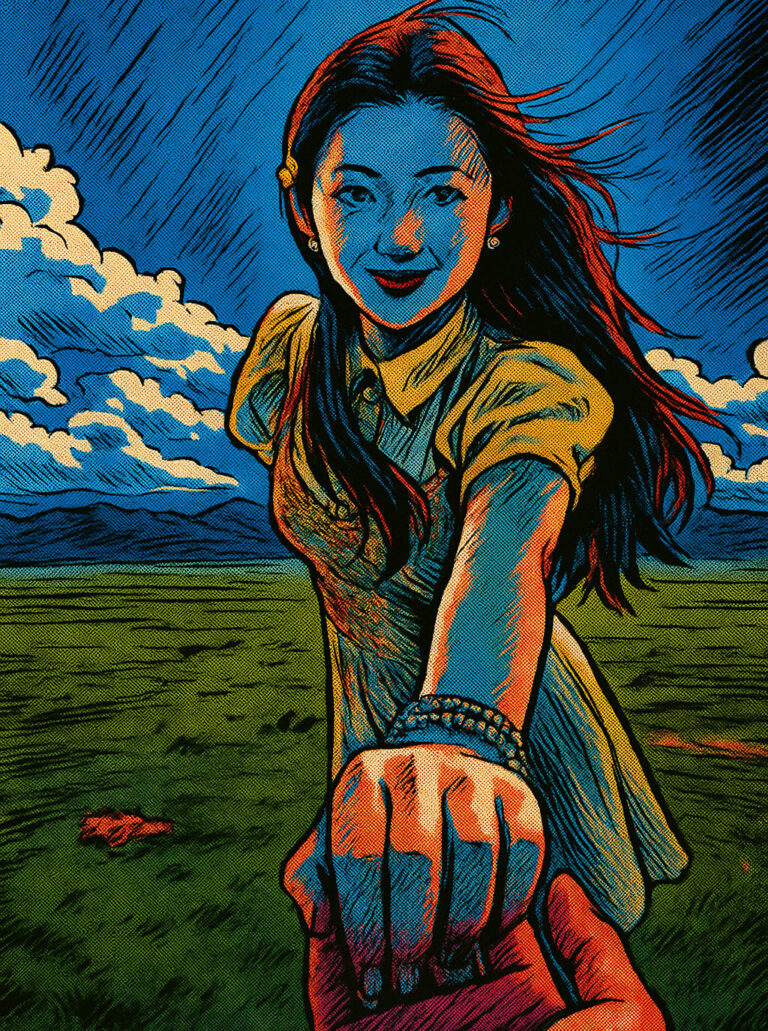
    So, you’re minding your own business, taking a few dreamy vacation shots in Qinghai, and the next thing you know? Bam—you’re an overnight sensation. That’s exactly what happened to a 24-year-old university student from Chongqing, China, whose holiday photos unintentionally launched her into the viral stratosphere. Why? Because the internet collectively gasped and shouted: “Wait—is that Barbie Hsu?”

    Source: Douyin

    For context, Barbie Hsu was a beloved Taiwanese actress, known for her iconic role in Meteor Garden and often remembered for her timeless beauty. So when netizens spotted the resemblance in this unsuspecting student’s selfies, comparisons flooded in. And we’re not talking vague resemblance—we’re talking “Did Barbie come back to life?” levels of doppelgänger vibes.


    The Girl Behind the Viral Buzz

    Let’s rewind. The young woman is a medical student at Chongqing Medical University. Yep, while most of us can barely keep up with anatomy flashcards, she was out there—unintentionally—breaking the internet with her face.

    After joining Douyin (China’s version of TikTok) on July 23, she posted just eight updates over the next 11 days. That’s it. Eight. In less than two weeks, she had already amassed a jaw-dropping 62,900 followers. Some of her posts raked in over 10,000 likes, with fans gushing over her Barbie-esque features.

    Source: Douyin

    But rather than riding the wave of fame like many social media hopefuls, she hit the brakes. Hard. All of her posts? Deleted. All of her photos? Gone. Like a digital mic drop, she vanished—presumably overwhelmed by the unexpected swarm of attention.


    She Didn’t Ask for This Fame, Folks

    Source: Douyin

    According to Yahoo News Taiwan, the student firmly denied ever trying to imitate Barbie Hsu. No filters to look like her. No cosplay. No hashtag traps. Just… her face. Naturally similar. She even stated that she had no intention of using the likeness for clout. Which, in today’s influencer-hungry climate, is both rare and oddly refreshing.

    Source: Douyin

    It’s almost ironic. While thousands are contouring cheekbones and editing selfies in the hope of resembling someone famous, this woman tripped over a celebrity resemblance and promptly decided, “Nah, I’m good.”


    A Curious Case of Accidental Celebrity

    Let’s be real—lookalike buzz is nothing new. From Elvis impersonators to the “Asian Brad Pitt” guy who shows up every now and then, humans are weirdly obsessed with celebrity doubles. But what makes this story stand out is the woman’s total disinterest in playing along.

    While others might have monetized the moment with brand deals or live streams, she opted out—perhaps valuing her peace of mind over fifteen minutes of chaotic fame. Or maybe she just doesn’t want her identity reduced to “the girl who looks like someone else.”


    My Two Cents

    Now here’s where I put the phone down and give you the real tea. First of all, let’s not lie—if I looked like a global star, I’d probably be printing merch by now. But that’s what makes this story feel a little poetic. A woman gains sudden attention for something entirely out of her control, and instead of exploiting it, she quietly walks away.

    There’s something almost… anti-influencer about it. A quiet rebellion against the likes-and-followers game. In a digital world where everyone wants to be seen, she chose to disappear.

    And maybe that’s the bigger conversation. Fame today can happen instantly—and often, without consent. Just one viral moment, and suddenly, you’re public property. But having the courage to reclaim your privacy in the face of a fame avalanche? That’s power.


    Final Thoughts

    This Chongqing student didn’t ask for the spotlight. But when it found her, she chose not to stay under it. While the internet continues to chase the next viral face, she reminded us that looking like someone famous doesn’t mean you owe anyone a performance.

    So next time you scroll past someone who looks like a celebrity, maybe pause before hitting the comment button. Behind that face is a real person, not a character waiting to play someone else’s role.

    Namibia’s Pink Fridge in Namib Desert

    0

    Solar-Powered Cool Drinks in the Heart of the Namib Desert

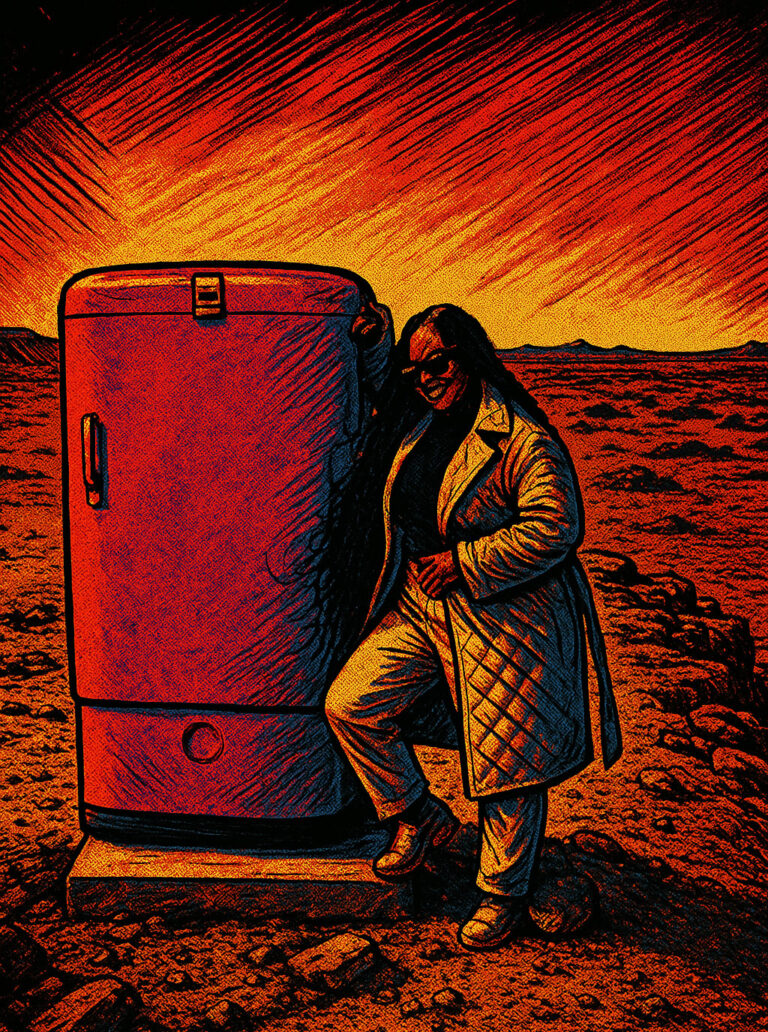
    Scorchingly hot? Brain melted? Welcome to the Namib Desert—a realm so ancient and bone-dry that the idea of stumbling on a working pink fridge stocked with free cold drinks sounds like a fever dream. But yes, it’s real. Not a hallucination, not a film set—just one very bold fridge planted smack in the middle of nowhere, complete with chairs, a sunset view, and chilled refreshments. It’s quirky, it’s viral, and it’s a mini-revolution in desert tourism.

    TL;DR

    • A vibrant pink, solar-powered fridge sits in the middle of the Namib Desert.
    • It provides free cold drinks and a place to rest, creating a popular tourist attraction.
    • The fridge is a viral sensation on social media, especially Instagram and TikTok.
    • Donations for drinks support national park conservation and infrastructure.
    • It’s a clever example of sustainable, modern, and community-focused tourism.

    Desert Mirage? Nope, A Real Insta Star

    Imagine: rolling sand dunes, brittle rocks, heat haze stretching to the horizon. And amid all that, a neon‑barbie‑pink fridge. You might think someone lost their mind—or their marketing budget. But it’s intentional: placed about 20 minutes off the main road through Namibia’s Namib Desert, the fridge stands on a rocky outcrop—perfect for snaps—and draws travelers to pause, sip, and soak in the scene.

    That stark contrast—the candy‑pink against ochre dunes—makes it Instagram gold. Posts began trickling in, then cascading. Suddenly this solar‑powered fridge transformed into a global sensation. Movements like #PinkFridge, #Namibia, and #DesertLife exploded across IG and TikTok, prompting travelers worldwide to tack it onto their Namibian bucket list.

    How Does It Even Stay Cool at 45°C?

    Here’s where practicality meets performance. The fridge is solar‑powered, with a panel array feeding it during sun‑blasting days. Even when the thermometer surges toward 45 °C, that fridge stays icy inside. It’s not magic—just clean energy doing its job in a place where grid power would be a nightmare.

    Every day, staff drive out to restock icy bottled water, iced tea, homemade cactus‑juice concoctions, even energy drinks. Supplies often run dry by evening—demand from curious visitors is that strong—and yes, the drinks are free or token‑fee. Any proceeds go toward national park infrastructure and conservation efforts, so sipping from that fridge becomes a micro act of sustainable tourism.

    Why This Pink Fridge is a Travel Must-See

    • Unexpected visual hook: nothing says “this trip was epic” like a selfie with a glowing pink appliance in the desert.
    • Comfort & function: heat’s brutal in the Namib. A chilled drink and shaded seat? Instant oasis.
    • Solar-powered vibe: impressive contrast—modern renewable tech in ancient, harsh terrain.
    • Community‑focused model: revenue feeds back into eco‑preservation and park upkeep.

    It’s more than just novelty. It’s modern storytelling in tourism, reviving the classic desert trope (mirage, oasis) on a digital, eco-conscious stage.

    What You’ll Actually Experience (and What to Watch For)

    Perched atop a mini dune, the fridge is flanked by a matching pink table and two metal chairs. Perfect for watching the flaming-red African sunset painting the dunes golden. But a friendly tip: midday chairs are hot enough to braise eggs—stick to late afternoon lounging.

    No Wi‑Fi. No plugs. No clanging city distractions. Just you, the desert, a cold beverage, and oddly profound peace. It’s a natural “recharge your soul” spot—you sit, sip, stare…and realize travel is more than ticking places off your list.

    Where Else to Go Around the Pink Fridge

    While you’re detouring for fridge photos, the surrounding area is prime Namib‑Naukluft territory. Close by:

    • Sossusvlei and Deadvlei: towering red dunes, silent salt pans, skeletal trees in eerie contrast.
    • Tsauchab River dry bed: shifting morning mist, stark landscapes sported in glossy travel shots.
    • Perfect for sunrise and golden-hour photography, spotting wildlife, or just taking in the sprawl of one of the world’s oldest deserts.

    Walk away from the fridge and the ground opens up into more sweeping vistas—exactly the kind that stay imprinted on your memory long after the reveal of that pink box.

    Why the Pink Fridge Means Something Deeper

    This isn’t just tourism fluff. It’s a clever emblem of creative modern hospitality by Namibia’s tourism board. It speaks volumes:

    • Innovative tourism branding: bold, fun, youthful.
    • Renewable energy use: solar keeps things sustainable in an ecologically fragile zone.
    • Community reinvestment: fridge profits fund park upkeep and infrastructure—every grab contributes to conservation.
    • Challenging travel norms: turning a desolate stretch into a delightful pause point.

    It’s the perfect mix of form and function, aesthetics and impact—a small installation with a surprisingly big statement.

    My Take: More Than Just a Selfie Spot

    Here’s my two cents: yes, the fridge is photogenic and meme‑worthy. But it’s more than that. It’s a physical metaphor—human ingenuity providing refreshment and connection in one of the world’s harshest places. It nudges travelers to:

    • Slow down, even for a second.
    • Acknowledge hospitality in unexpected forms.
    • Support smart, green tourism.
    • Find meaning in curated moments.

    The fridge offers a pause, a sip, a pixel-perfect moment—and if you choose to invest a few minutes just breathing in the environment, you get more than a selfie. You get a memory anchored in place, design, and purpose.

    How to Visit the Fridge—and Maximize the Experience

    1. Plan your off-road detour: about 20 minutes from the main route, well within reach of camps like Desert Grace or Solitaire area.
    2. Time your visit: hit it late afternoon for pleasant temperatures and stunning sunset backdrops.
    3. Bring sunscreen and long sleeves: that blazing sun doesn’t play around.
    4. Take reusable bottles: can refill and reduce plastic waste.
    5. Share responsibly: post your pics, yes—but also mention the sustainable tourism angle.

    Final Thoughts

    So next time someone asks, “Did you see the pink fridge in the desert?” you can say: yes—and it changed how I think of travel storytelling. That tiny fridge in the Namib isn’t just a prop. It’s a shining beacon of hospitality, sustainability, and creative travel. It begs one to pause—and sometimes, that’s exactly what the journey needs.

    Let me know if you want to include a photo gallery, travel tips, or additional SEO subheadings.

    Viral Chicken Bone Prank for Homeless man in Malaysia Sparks Public Fury

    0

    When a supposed “good deed” turns into an epic fail, the internet doesn’t hold back. Three Malaysian content creators are now under fire for what they call a “staged act,” but what the rest of us recognize as a tone-deaf stunt that backfired in the worst way possible.

    TL;DR

    • A now-deleted video showed three Malaysian content creators giving a homeless man a container of chicken bones and rice, claiming it was an effort to avoid food waste.
    • The video went viral and was met with overwhelming public condemnation for being cruel, exploitative, and rage-baiting.
    • Malaysia’s Communications and Multimedia Commission (MCMC) launched an official investigation, stating the act was an “exploitation of the marginalised” and could lead to a fine and prison time.
    • The creators later issued an apology, claiming the act was staged with the man’s consent and that they had given him a proper meal beforehand, but the public largely rejected their defense.
    • The incident has sparked a larger conversation about the ethics of “charity clout-chasing” and the line between content creation and exploiting vulnerable communities for views.

    The Video That Launched a Thousand Facepalms

    The now-deleted video

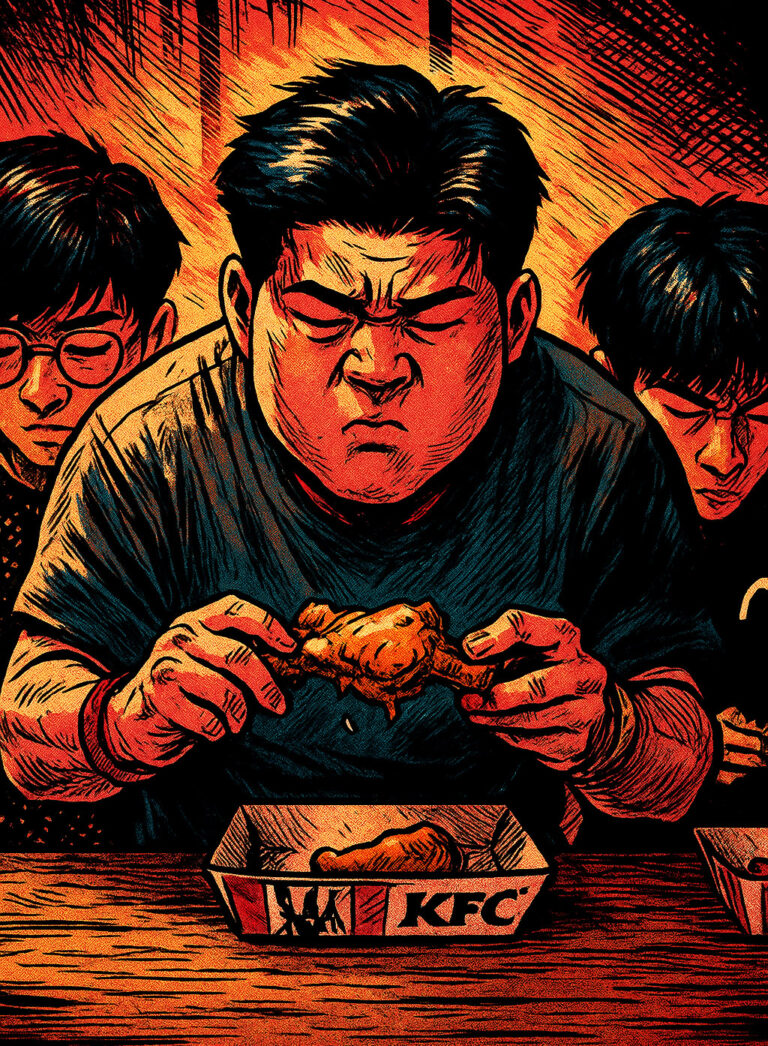
    Let’s break it down. In a now-deleted video originally uploaded on social media, three young men sat giggling over a meal at a KFC in Malaysia. Nothing shocking there. But it gets dark quickly.

    They proceeded to collect the bones of their fried chicken (yes, bones—the leftovers no one wants) and decided to pack them into a takeaway container with rice. Their reason? “Don’t waste food.”

    That cringe-worthy line was followed by them walking up to a sleeping homeless man and offering him this meager “meal.” Predictably, the man’s face lit up when he received the food. Then, reality hit. He opened the box and saw—bones. That fleeting moment of hope? Shattered.

    As the man’s expression dropped from gratitude to confusion and dismay, the trio gave the camera a thumbs-up. The internet, however, responded with a very different finger.


    The Backlash: Not the Kind of Viral You Want

    Viewers were quick to condemn the video as vile, cruel, and exploitative. Social media exploded with fury. Many called the act “inhumane” and accused the trio of “rage baiting”—a shady tactic to provoke outrage for views.

    The Malaysian Communications and Multimedia Commission (MCMC) wasted no time. On August 5, they confirmed an official investigation had begun. According to MCMC, this wasn’t just bad taste. It was the active “exploitation of the marginalised in the name of cheap entertainment.”

    Ouch. And they weren’t done.

    They slammed the content as potentially obscene under the Communications and Multimedia Act. If convicted, the trio could be looking at up to two years in prison and a fine of RM500,000 (around US$118,000). That’s a hefty price for chasing likes.


    The “It Was Staged!” Defense

    Realizing they had poked the internet bear, the content creators quickly issued an apology. In another video (because of course), they claimed the homeless man had agreed to the plan beforehand.

    “He said we could make this video together,” one of them insisted. Apparently, they even gave him a proper meal beforehand—complete with fried chicken, not just the bones.

    They added that they had no ill intentions and were only trying to highlight food waste. Uh-huh.

    Critics weren’t buying it. Apology or not, the damage was done. The problem wasn’t whether the man agreed to participate—it was the underlying message. That exploiting someone’s dignity, especially someone from a vulnerable community, was deemed acceptable content.


    Why This Hit a Nerve

    The public reaction was far from mild. For many, this wasn’t just another social media misstep. It was a mirror reflecting a broader issue: the growing trend of “charity clout-chasing” on social platforms.

    We’ve all seen those influencers handing out food or money while filming every moment, their camera angles more polished than the gesture itself. What started as feel-good content has turned into a performative circus.

    Even Malaysia’s Deputy Minister for Communications, Teo Nie Ching, weighed in. While she acknowledged the content creators’ clarification, she emphasized that their actions still felt “disgusting” and “misleading.”

    “Is this a good way of becoming popular? By stepping on someone else’s dignity?” she wrote on Facebook.

    Good question.


    The Bigger Picture: Influencers, Boundaries, and Ethics

    There’s a reason this video sparked such outrage. It’s not just about one bad joke. It’s about the fine line between creativity and cruelty. Content creators often chase engagement like it’s the Holy Grail, but what happens when the line of decency gets bulldozed in the process?

    Here’s the hard truth: viral doesn’t always mean valuable. Just because something gets shared doesn’t mean it should’ve been filmed.

    The role of an influencer, whether micro or macro, carries weight. Like it or not, audiences look up to them. They shape narratives, drive conversations, and influence perceptions—especially among young viewers who might not have the discernment to separate reality from a scripted disaster.

    We’re not asking for sainthood. But a little empathy? That shouldn’t be too much.


    When “Content” Becomes Contempt

    This isn’t the first time social media has birthed a questionable trend. Remember those influencers who rented a private jet just for photos? Or the pranksters who give homeless people fake lottery tickets?

    This chicken bone fiasco falls into the same ugly category. It’s content with a body count—in this case, someone’s dignity.

    The trio may claim it was satire or a stunt with consent, but public sentiment clearly says otherwise. The people saw exploitation, not entertainment. That’s the story that will stick.


    What’s Next for the Trio?

    Now that the MCMC has stepped in, things are getting serious. If the creators are charged and found guilty, their pursuit of clout could leave them with a criminal record and a massive fine. All for a video that didn’t even last 60 seconds.

    Meanwhile, the homeless man at the center of the drama remains largely anonymous, except for that unfortunate moment of disappointment frozen in viral pixels.

    The creators say they want to “give back to society” and make more “meaningful” videos. Let’s hope they mean that.


    A Slap from the Internet

    Social media has a short memory, but this one cut deeper. The clip ignited not just anger, but a broader debate about influencer culture.

    Is there a moral compass guiding this content frenzy? Or has the race for engagement completely overtaken common sense?

    In the days following the video’s spread, other creators actually took to the streets to hand out real meals to the homeless—no stunts, no punchlines. Just a gesture of kindness that didn’t need a camera crew or a fake storyline.

    Now that’s content worth sharing.


    My Take: Where’s the Line?

    Let’s cut to the chase. Consent or not, this video was wrong. When you need to preface your “good deed” with a disclaimer and follow it up with a damage-control apology, you’ve clearly missed the point.

    It doesn’t matter if the man agreed. It doesn’t matter if you gave him a full meal off-camera. What matters is that you used him as a prop for views. The second you turned human pain into punchline material, you lost the plot.

    Let’s not pretend this is some philosophical grey zone. It’s basic human decency. If you wouldn’t want it done to your dad, uncle, or brother, why is it okay for a stranger?

    Influencers need to ask themselves a simple question: Who are you helping? The community, or your own algorithm?

    Because empathy isn’t an aesthetic. It’s not a filter. It’s what makes us human.


    Final Thoughts: Beyond Likes and Views

    The Malaysian chicken bone scandal is a symptom of a larger problem. Social media is a powerful tool. It can amplify voices, spread awareness, and spark change. But it can also desensitize us. Especially when the currency becomes clicks at any cost.

    There’s nothing wrong with being entertaining. Humor has a place. Satire has power. But they lose their magic when wielded at the expense of those who have the least.

    Maybe it’s time we ask more of our content creators. Maybe it’s time we demand humanity, not humiliation.

    And maybe, just maybe, we all learn from this mess. Because the next viral moment shouldn’t come from someone else’s pain.

    Kelley Mack: Walking Dead Actress Passes Away at 33 After Rare Brain Cancer Battle

    0

    Kelley Mack—née Kelley Klebenow—best known as Addy on The Walking Dead Season 9, died on August 2, 2025, in her hometown of Cincinnati after a courageous battle with a rare central nervous system glioma. She was just 33 years old.

    Her family shared the news through her Instagram account on August 5, confirming her peaceful passing surrounded by loved ones—her mother Kristen and aunt Karen among them. They described her as a “bright, fervent light” who has now transitioned “to the beyond, where we all eventually must go” and mentioned comforting signs—like butterflies—that appeared to close kin afterward (EW.com).

    TL;DR Pointers:

    • Actress Kelley Mack (Addy from The Walking Dead) died on August 2, 2025, from a rare brain cancer at age 33.
    • She had a diverse career with 35 acting credits, including roles in Chicago Med and her final film, Universal.
    • Mack was diagnosed with a diffuse midline glioma but continued to share her journey with honesty and resilience.
    • She remained committed to her art, even while battling the illness, leaving a legacy of creativity and courage.

    Early Life & Career Journey

    Born on July 10, 1992, in Cincinnati, Ohio, Kelley Mack launched her passion for filmmaking early—sparked by a childhood birthday gift: a mini video camera. Before long, she was acting in commercials(EW.com).

    • High School: Graduated from Hinsdale Central High School in 2010.
    • University: Earned a Bachelor’s in Cinematography from Dodge College of Film at Chapman University (Orange, California) in 2014.
    • Life in L.A.: Lived and worked in the Los Angeles area for 11 years before returning home.

    Across her acting résumé, she amassed 35 acting credits and also served as producer on five projects


    Notable Roles & Voice Work

    Her career included a diverse array of roles across TV, film, commercials, and voice-over art:

    🎬 Television & Film Highlights

    • Addy on The Walking Dead Season 9 (her breakout TV role).
    • Penelope Jacobs in Chicago Med Season 8; a memorable guest appearance.
    • Guest-star on FOX’s 9‑1‑1.
    • Film roles included:
      • Alice in Broadcast Signal Intrusion (2021),
      • Wilda in the horror‑comedy Delicate Arch (2024)
    • Her final role is credited as “Ricky” in the upcoming Universal film Universal, due for release sometime in 2025; she also served as executive producer on it.

    🎙️ Voice-Over Work & Commercials

    • Did voice matching for Hailee Steinfeld’s Gwen Stacy in Spider‑Man: Into the Spider‑Verse promotions and Hyundai commercials in 2024.
    • Featured in commercials for major brands like Dr. Pepper, Dairy Queen, Ross, Chick‑fil‑A, and Rakuten (a campaign that included her mom).
    • Additional voice-over gigs included work for Budweiser, Salvation Army, Credit Karma, Herbal Essences, etc., illustrating her versatility in the voice-over space.

    Personal Interests & Legacy

    Her obituary painted a warm portrait: Kelley loved her family and friends, thriving in storytelling and collaboration. She also enjoyed hiking, biking, playing piano, pickleball, and traveling—a life full of motion and connection.

    She deeply valued time with those she loved. That sense of community and creative spirit was a hallmark of her career and her persona.


    More on Her Illness & Passing

    Kelley was diagnosed with a diffuse midline glioma, an extremely aggressive brain cancer affecting the brainstem or spinal cord. This form generally has no cure and limited treatment options.

    In early 2025, a biopsy impacted her spinal cord—leaving her partially paralyzed, unable to walk unassisted. Yet, she continued sharing her journey with raw honesty online. In March, she even celebrated walking up stairs with the support of her partner, Logan, calling it a major personal milestone.

    Despite declining health, she completed filming for Universal. Even on her hardest days, she remained committed to her art—finishing a project that will debut after her passing.

    Her family set a memorial service in her honor on August 16 in Ohio, inviting those touched by her life to remember her in person. Survivors include her parents (Kristen and Lindsay Klebenow), sister Kathryn, brother Parker (also an actor), grandparents Lois and Larry, and her longtime partner, Logan.


    My Perspective: Why Her Story Resonates

    Beyond the impressive résumé and talent, Kelley Mack’s story is a testament to resilience. A young woman faced with a grim diagnosis didn’t retreat—she leaned in. She turned pain into creativity.

    Her journey wasn’t just about acting on screen. It was about acting in life—sharing vulnerability in real time, reminding us that illness doesn’t erase identity. Her transparency and grit gave people hope, visibility, and the courage to keep fighting.

    Her legacy is more than roles on TV or a film credit. It’s the warmth she brought on set, the creative spirit she uplifted in collaborators, and the hope she kindled in fans. Her story affirms that even brief lives can leave powerful, lasting impacts. She didn’t just chase stories—she inspired them.

    Jon Hallford: Buried Secrets and Stolen Relief

    0

    When we think of a funeral home, we picture a solemn place of respect and closure. Yet deep in Colorado, one such establishment became the setting for a grotesque double crime: letting bodies rot and bilking the U.S. government. In June 2025, Jon Hallford—co-owner of Return to Nature Funeral Home—received a 20-year federal prison sentence for conspiracy to commit wire fraud. His partner in crime: his wife, Carrie, still awaiting sentencing. Together, they siphoned nearly $900,000 in pandemic relief funds while pocketing fees for services they never rendered—and storing corpses in appalling conditions.

    In this exposé, we’ll unpack how a routine equipment failure spiraled into one of the oddest and most disturbing white-collar frauds in recent history. Moreover, we’ll explore the personal and societal fallout, and I’ll share my own point of view on how this tragedy reflects deeper human failings.

    TL;DR

    • Unconscionable Neglect: Funeral home owners Jon and Carrie Hallford let nearly 200 bodies decompose in their facilities instead of properly refrigerating or cremating them.
    • Profiting from Deception: The couple defrauded grieving families by pocketing fees for services they never performed and even filling urns with concrete mix instead of ashes.
    • Brazen Pandemic Fraud: They stole nearly $900,000 in COVID-19 relief funds, spending the money on luxury cars, vacations, and shopping sprees while the bodies continued to rot.
    • Justice Served (Partially): Jon Hallford received a 20-year prison sentence, while Carrie awaits her fate. The couple was also ordered to pay a nearly billion-dollar judgment to the victims’ families.

    From Modest Beginnings to Morbid Opportunity

    Jon Hallford, roughly 40 years old at the start of this debacle, and his wife Carrie ran a small, “green” funeral home in rural Colorado. They styled themselves as eco-friendly morticians, promising services that prioritized environmental concerns. Underneath that veneer, however, lay a volatile mix of greed, laziness, and moral bankruptcy.

    1. The Refrigeration Crisis (2019)
      • In early 2019, several makeshift refrigeration units broke down.
      • Instead of repairing or replacing them, Jon chose to ignore the problem.
      • Families continued to pay full price while their loved ones sat unrefrigerated—rotting.
      At first glance, it might seem like a one-off oversight. Yet for someone handling human remains, failure to refrigerate is unconscionable. And once Jon tasted the extra profit from bypassing repair costs, he never looked back.

    Cutting Corners—A Business Model Built on Decay

    With refrigeration out of commission, bodies became liabilities. Rather than treat them with dignity, Jon saw dollar signs.

    • Continued Billing for Full Services: Clients paid for refrigeration, cremation, or burial.
    • Wholesale Neglect: Instead of honoring those contracts, Jon stashed bodies in a warehouse.
    • Decomposition Chambers: Over time, the facility earned a reputation—just not one they advertised.

    Bodies piled up. Some remained for months; others for years. Still, Jon charged every grieving family the same rates. And to add insult to unimaginable injury, he invented additional shortcuts:

    1. Urn Substitution Scheme
      Rather than cremate remains, Jon filled urns with dry concrete mix. Heartbroken relatives left services with what they believed were ashes—really sand and gravel.
    2. Wrong-Body Burials
      At least twice, entirely unrelated corpses were delivered to cemeteries. Since caskets were sealed, families never noticed until death certificates and burial locations failed to align.

    Consequently, a ritual meant to bring closure became a vault of unanswered questions and buried secrets.


    A Fortress of Foulness: Concealment Tactics

    Jon’s success depended on keeping inspectors and families at bay. Thus, his funeral home adopted features more fitting of a secret lair:

    • Boarded Windows and Blocked Doors: No peek-a-boo from passersby.
    • Restricted Access: Only a locked office and one employee entrance.
    • Excuses on Repeat: Taxidermy experiments, exotic embalming techniques—none plausible.

    As the stench of decomposition spread, Jon even convinced some neighbors that the odor was from organic taxidermy workshops. In truth, it was an ever-growing mountain of decaying flesh.


    Pandemic Relief: From Lifeline to Payday

    Then came 2020. The COVID-19 pandemic ravaged businesses nationwide. In response, Congress created the Paycheck Protection Program (PPP). Disguised as forgivable loans, these funds aimed to keep payrolls going during lockdowns.

    Jon and Carrie saw new angles for theft:

    1. First PPP Draw (2020): They submitted falsified payroll figures and secured hundreds of thousands.
    2. Second PPP Draw (2021): With bodies overflowing their warehouse, they acquired a second location—again via bogus applications.
    3. Third PPP Draw (2022): A final infusion brought their total loot to $882,000.

    Meanwhile, the couple’s coffers swelled with “free money.” Yet none of it restored refrigeration units or upgraded storage. Instead, Jon and Carrie funneled the cash into:

    • A brand-new GMC Yukon and Infiniti SUV.
    • Luxury shopping sprees at Gucci and Tiffany’s.
    • A $31,000 cryptocurrency portfolio.
    • Vacations to Las Vegas and Florida.
    • Even laser body sculpting treatments—because why not?

    Thus, the bodies languished while the Hallfords lived large.


    The Odor Complaint That Cracked It Open

    Two years of foul play might have gone unnoticed if not for one strong sneeze. In 2023, a neighbor reported a “horrific odor” emanating from the couple’s second funeral home. Local law enforcement and Colorado health inspectors paid a visit:

    • Taxidermy Ruse Wears Thin: Jon’s lame explanation couldn’t cover the human remains reeking up the block.
    • Warrant Granted: Authorities obtained legal permission to inspect the warehouse.
    • 190 Bodies Found: Stacked like cordwood, some corpses dated back to late 2019—over four years old.

    That day, the FBI from Denver executed an even broader search. When they discovered the full extent of the deception, Jon and Carrie knew their luck had run out.


    Flight, Capture, and Arrest

    Instead of confessing, the Hallfords fled Colorado—first to family in Oklahoma. They assumed anonymity in a neighboring state. However, the FBI’s digital forensics and interstate cooperation tracked them down in short order.

    • Arrest: Jon and Carrie were detained without incident.
    • Mugshots Taken: Two solemn, coffee-deprived faces staring at the camera.
    • Grieving Families React: On the funeral home’s Instagram, angry comments piled up: “What did you do with my mother’s body?”
      “Where are my husband’s ashes?”

    Suddenly, public outrage surged. These weren’t just faceless victims; they were people’s parents, spouses, and siblings—robbed of final rites.


    Criminal and Civil Consequences

    By mid-2024, lawsuits and indictments stacked against the Hallfords like the bodies they hoarded.

    1. Class-Action Lawsuit (2024): Plaintiffs representing dozens of families sued for fraud and emotional distress.
      • Verdict: The court ordered Jon and Carrie to pay $950 million in compensatory and punitive damages.
      • Realistic Recovery: Given their assets, the families will likely see only a fraction.
    2. Federal Criminal Trial (June 2025): Prosecutors focused on pandemic relief fraud, wire fraud, and conspiracy.
      • Plea Deal: Jon admitted guilt in exchange for a defined sentencing range.
      • Sentence: 20 years in federal prison.
      • Carrie’s Status: Still awaiting her sentencing date, facing charges alongside her husband.

    Despite these harsh penalties, nothing can restore the dignity stolen from those who trusted Return to Nature Funeral Home.


    Point of View: Lessons and Reflections

    At first glance, this story reads like a dark comedy of errors—almost too bizarre for reality. Yet its lessons cut deeper than any coffin lid:

    1. Greed Unleashes Depravity
      When profit eclipses purpose, even the sacred becomes expendable. Jon’s refusal to fix cooling units wasn’t mere sloppiness—it was a choice to sacrifice human dignity for a few extra bucks.
    2. Vicious Cycle of Corner-Cutting
      One unethical shortcut paved the way for more. Once Jon tasted the gains from deception, it became easier to lie again and again until the lies consumed him.
    3. Regulatory Blind Spots
      How did a funeral home slip through inspections for years? This scandal exposes weak oversight in industries people avoid thinking about—until it’s too late.
    4. Impact on Grieving Families
      The real tragedy is emotional. Imagine believing that your grandmother’s ashes rest beneath a headstone, only to learn later she’s entombed elsewhere—or worse, never cremated at all.
    5. Moral Responsibility in Business
      Every service provider holds a social contract. Hairdressers, mechanics, funeral directors—they all owe clients truth and respect. Betray that trust, and consequences ripple outward.

    Ultimately, the Hallford saga serves as a chilling reminder: systems designed to help can be perverted by those bent on selfish gain. And a community’s grief can be twisted into profit—unless we remain vigilant.


    Aftermath and Moving Forward

    What happens now to the families, the funeral industry, and broader society?

    • Families Seek Closure: Many have demanded exhumations, DNA testing, and reburials. These procedures cost tens of thousands out of pocket.
    • Industry Reforms: Colorado legislators have proposed stricter licensing requirements, mandatory refrigeration backups, and random audits. Other states are watching.
    • Public Awareness: Funeral-home reviewers and consumer-advocacy groups have gained attention. Clients now consult online forums before selecting a mortician.
    • Philanthropic Response: Some nonprofit organizations offer assistance to bereaved families hit by this fraud—helping cover costs of proper memorial services.

    For all the sorrow and outrage, there’s a sliver of hope: those wronged may yet find justice in systemic changes and collective vigilance.


    Conclusion

    Jon and Carrie’s twisted confluence of corpse neglect and pandemic fund theft paints a portrait of moral erosion. A funeral home—meant to honor the dead—became a vault for decaying bodies and stolen relief money. While the Hallfords face decades behind bars and near-billion-dollar judgments, the scars run deeper. Families must rebuild burial rituals. Regulators must shore up weak spots. And we, the public, must remember that true closure depends on integrity, not just rituals.

    This unsettling tale reminds us that even institutions built on compassion can be corrupted. Yet it also sparks needed conversations about accountability and respect in every professional exchange. May we learn from this horror and ensure no profit margin ever supersedes our commitment to dignity—both in life and in death.

    Sky-High Betrayal: British Mum Molested during Parasailing

    0

    It was supposed to be a carefree family vacation. Instead, it became a grim reminder that not all sun-soaked getaways end with happy memories. In late June, 52-year-old Michelle Wilson embarked on what should have been an exhilarating parasailing adventure off the golden shores of Sousse, Tunisia. Tragically, the ride turned into a nightmare when the parasail operator allegedly sexually assaulted her mid-air. This jaw-dropping incident underscores serious concerns about parasailing safety, sexual assault in tourism, and the pressing need for stricter regulations and traveler awareness.

    TL;DR:

    • A British tourist, Michelle Wilson, was allegedly sexually assaulted by a parasailing operator mid-air in Sousse, Tunisia.
    • The incident highlights a severe lack of regulation and oversight in the adventure tourism sector.
    • The article calls for increased traveler awareness, stricter industry standards, and a redefinition of safety to include ethical safeguards.
    • Wilson has become an advocate for stronger adventure sport safety legislation, sharing her story to prevent similar assaults.

    A Dream Vacation Shattered

    Michelle Wilson had spent months planning her trip with her 17-year-old daughter, a close friend, and her 16-year-old twin sons. They chose Tunisia for its blend of history, Mediterranean beaches, and affordability. With easyJet flights secured and an $8,000 budget set aside for accommodations and activities, the family’s expectations were high.

    First, they enjoyed bustling markets in Tunis. Next, they soaked in the sun at resort pools. Finally, they settled on a peaceful day trip to Sousse’s coastal stretch. There, the azure water beckoned, and the parasailing gondolas promised panoramic views of the Tunisian coastline.

    Michelle had never tried parasailing before. Her friend went first with an operator and returned beaming. The wind was ideal, the sky clear. But since it was deemed too windy for tandem flights, Michelle and her friend were told to fly separately—each with their own operator.

    The Moment Everything Changed

    Source: New York Post

    Michelle strapped into her harness, her heart racing with a rush of adrenaline and salt-tinged air. She waved at her family on the beach before the winch system gently lifted her toward the heavens. The world below receded in soft hues of white sand and sapphire sea.

    Then, the operator moved.

    At first, the movement was subtle. A shift of weight to one side. Then, a tightening. Michelle felt the back of her bikini bottoms being yanked. Her harness strap pinched against her skin. Every instinct screamed that something was wrong.

    “He must have been tightening the harness to get me closer,” she later recounted. His legs straddled her. One hand gripped the parachute rigging. The other roamed uninvited. He pressed into her, slipping his hand to her thigh.

    Her body tensed. She arched her back. She tried to angle away. But there was no escape. They were hundreds of feet in the air. Turning this parasailing “joyride” into a mid-air assault.

    Descent Into Trauma

    Source: New York Post

    When her feet finally touched sand, Michelle was a bundle of shock and rage. Tears welled up instantly. She ran to her family, sobbing between gasps of terror. The operator, still by her side, uttered words in Arabic she couldn’t fully decipher. He tried to apologize—or maybe to convince her it was a misunderstanding.

    There was no misunderstanding. This was assault. Her friend had enjoyed a complaint-free trip. But Michelle’s experience painted a starkly different picture.

    She reported the attack to local police without delay. Her voice quivered, but her resolve did not. She insisted on a proper investigation. She demanded accountability.

    Within hours, she learned the man had been detained. Tunisian authorities began a formal inquiry, collaborating with British officials and her insurer. Meanwhile, easyJet—through which Michelle had booked her flights—launched its own fact-finding mission to ensure passenger safety standards.

    Beyond One Bad Operator: Parachutes and Red Flags

    Parasailing falls under the umbrella of adventure tourism. It combines thrill, novelty, and the illusion of freedom. Yet, it also carries inherent risks. Equipment malfunctions and sudden gusts pose physical dangers. However, sexual assault in adventure sports is rarely discussed—until horrific incidents like Michelle’s force the topic into the open.

    Key Risk Factors Identified:

    1. Lack of Oversight: Many coastal operators function with minimal government inspection. Safety certifications may be easily forged or expired.
    2. Solo Flights vs. Tandem Flights: Solo flights reduce immediate witness presence. An operator alone with a passenger at height creates an unsafe power dynamic.
    3. Cultural Misunderstandings vs. Criminal Behavior: In some regions, flirtatious banter might be normalized, but that never justifies non-consensual contact. The line between “banter” and assault must be absolute.
    4. Tourist Vulnerability: Visitors unfamiliar with local language or legal systems may hesitate to report misconduct.

    Lessons for Travelers

    This episode isn’t a call to cancel all parasailing adventures. Rather, it’s a stark warning: due diligence matters. Whether you’re jetting off to Tunisia, Costa Rica, or the Florida Keys, you need to vet your adventure providers.

    1. Research Operator Reputation: Look for recent, genuine online reviews. Pay attention to any negative remarks about staff behavior or safety standards.
    2. Verify Certifications: Ask to see valid safety and insurance documents. A reputable operation will gladly display them.
    3. Choose Tandem Flights: Whenever possible, fly with a friend under the same harness. Witnesses increase accountability.
    4. Establish Clear Boundaries: Speak up at the first sign of discomfort. Make it known you expect professional conduct.
    5. Have a Safety Exit: Maintain easy access to a phone or signal device. Know where the operator’s support boat is stationed.

    Industry Response and Accountability

    In the wake of Michelle’s allegations, Tunisian tourism authorities pledged tighter regulations. They announced plans to audit all parasailing outfits along the Sousse coast. Inspectors will verify equipment integrity, operator training, and passenger consent protocols.

    Meanwhile, travel insurance companies are re-examining their clauses on assault coverage. Some policies may balk at covering “high-risk sports,” while others will expand protections for sexual assault victims. EasyJet representatives have publicly stated they are “deeply concerned” and “committed to passenger welfare,” although travelers will watch closely to see if any policy changes follow.

    Legal Pathways and Diplomatic Channels

    Michelle’s case straddles two legal systems. In Tunisia, local law governs the crime scene and immediate investigation. In the UK, British consular services provide her with legal advice, translation support, and emotional assistance. Her insurer coordinates reimbursements for medical exams and potential legal fees.

    Victims of sexual assault abroad face a maze of jurisdictional hurdles:

    • Language Barriers: Official statements and police reports often require certified translations.
    • Evidentiary Challenges: Collecting forensic evidence days after the event can weaken cases.
    • Cultural Taboos: In certain societies, reporting sexual assault may carry social stigma, deterring local witnesses from testifying.
    • Diplomatic Sensitivities: Governments must balance protecting their citizens with respecting the sovereignty of the host country.

    Michelle’s swift cooperation with both Tunisian authorities and British consular officers improved her chances of a thorough investigation. Still, time will tell whether formal charges stick and lead to conviction.

    Toenail to Tailwinds: Why This Matters Beyond One Case

    Parasailing accidents typically make headlines for equipment failures or tragic fatalities. Sexual assault is a more insidious hazard. If sport operators can weaponize harnesses and parachutes to violate clients, the very notion of adventure tourism becomes suspect.

    Broader Implications:

    • Tourism Industry Integrity: Beach resorts and tour operators worldwide must adopt zero-tolerance policies for misconduct. Public trust hinges on visitor safety.
    • Gendered Risks: Women, in particular, are vulnerable in isolated recreational settings. Policies must account for gender-sensitive training.
    • Legal Precedent: Successful prosecution can set a benchmark for future cases. A guilty verdict would send a deterrent message.
    • Consumer Power: Travelers can collectively demand higher safety standards by boycotting poorly regulated operators. Online reviews, social media campaigns, and travel forums exert real influence.

    Expert Voices Weigh In

    Adventure Tourism Analyst Dr. Laura Mendes warns that “unscrupulous operators exploit the lack of global regulation. Victims often feel powerless. Greater transparency and third-party audits are essential.”
    Legal Scholar Prof. Ahmed Ben Youssef from Tunis University notes, “Tunisia’s tourist sector is vital to our economy. We cannot afford to ignore sexual assault allegations. Swift, impartial justice will restore international confidence.”
    Travel Security Consultant Marcus Liao stresses, “Always tour with a reputable agency that includes clear assault-response protocols. If none exist, walk away.”

    Michelle’s Spirit: From Victim to Advocate

    Despite her trauma, Michelle has chosen activism over defeat. She’s partnered with a UK-based victim support charity to lobby for stronger “adventure sport safety legislation.” She’s sharing her story in travel blogs, women’s magazines, and social media to warn others.

    On her GoFundMe page, she writes, “No one should return from holiday feeling violated instead of relaxed. I want accountability. I want change.” Already, her campaign has garnered thousands of views and inspired similar testimonials from other tourists.

    My Take: Steering Toward Safer Skies

    When I first heard Michelle’s story, I felt a mix of horror and frustration. How could a parasailing excursion—an activity marketed as pure exhilaration—be hijacked into a crime scene? Too often, adventure tourism focuses on thrills while ignoring fundamental human rights.

    We must redefine “safety” to include not only equipment checks but also ethical safeguards. Operators who hoist us into the air carry responsibility that extends beyond technical performance. They wield power over vulnerable passengers. That power must be balanced by strict oversight, clear reporting channels, and legal accountability.

    Furthermore, we—travelers—hold weighty responsibility. It’s not enough to leave reviews on TripAdvisor after an incident. We need to share our expectations transparently before we book: “Do you have an assault-response policy? Who is your supervisor? How do I report misconduct?” Peaceful beaches should never be a smokescreen for predators.

    When planning your next bucket-list excursion—whether parasailing, zip-lining, or cliff-diving—remember Michelle’s ordeal. Do your homework. Ask the tough questions. If an operator shrugs off your concerns, that’s your cue to steer clear.

    Actionable Safety Checklist for Parasailing and Beyond

    Action ItemWhy It Matters
    Confirm Licensing DetailsUnlicensed outfits lack accountability.
    Inspect Equipment PubliclyVisible maintenance logs signal professionalism.
    Pre-Flight Briefing QuestionsGauge operator training and attitude.
    Demand Two-Operator RuleTwo operators reduce solo-predator risk.
    Photograph Safety DocsTime-stamped proof in case of dispute.
    Acquire Emergency Contact CardReach consular or local police swiftly.
    Share Live LocationKeep family/friends apprised of your flight path.

    A Path Forward: Reforming Adventure Tourism

    To truly prevent future assaults, stakeholders must collaborate:

    1. Governments should enforce universal certification standards for all adventure sports operators.
    2. Tourism Boards must institute anonymous complaint systems for tourists.
    3. Travel Agencies ought to include assault-coverage clauses in their packages.
    4. Insurance Companies need to broaden policies to cover legal support for assault victims abroad.
    5. Tour Operators must adopt Code of Conduct training that explicitly prohibits sexual misconduct.

    When winsome beach photographs coexist with clear safety seals, trust grows. And when trust grows, tourism thrives—ethically and sustainably.

    Closing Thoughts: From Fear to Empowerment

    Michelle Wilson’s mid-air assault is more than a shocking news item. It’s a wake-up call. Adventure tourism can be liberating, fulfilling, and yes, safe—if we insist it be so.

    We owe it to every thrill-seeker to elevate safety from an afterthought to a top priority. When we lift off, we should feel only the wind in our hair—not the unwanted weight of fear.

    As for Michelle, her bravery in speaking out transforms her from a victim into a catalyst for change. And that is perhaps the strongest, most uplifting takeaway: even the darkest moments can spark brighter tomorrows.

    The World’s First Bible

    0

    For countless generations, the Bible has held its place as one of humanity’s most treasured and debated books. Its influence spans continents, languages, and cultures. Yet, when curious minds ask, “What’s the oldest Bible in the world?”, the answer isn’t a simple name or date. Instead, it’s a fascinating journey through fragments, scrolls, and codices that have survived wars, climatic extremes, and centuries of wear and tear.

    We will travel together from tiny silver scrolls folded into jewelry to grand parchment codices that preserved entire Testaments. Along the way, we’ll explore translation milestones, sketch the timeline of canonical formation, spotlight key manuscripts like Codex Sinaiticus and Codex Vaticanus, and marvel at how remarkably consistent the biblical text has remained.

    Brace yourself: it’s part history lesson, part detective story, and part reflection on how texts endure. Ready? Let’s turn the page.

    TL;DR:

    • The “oldest Bible” is not a single book, but a collection of ancient fragments and codices.
    • Oldest Old Testament fragments are 600 BCE silver scrolls; oldest New Testament fragment is P52 (c. 125 CE).
    • Key manuscripts like Codex Sinaiticus and Codex Vaticanus contain the earliest full New Testaments.
    • The Dead Sea Scrolls prove the remarkable consistency of the Old Testament text over centuries.
    • The shift from scrolls to codices to the printing press fundamentally changed how the Bible was shared.

    1. The Bible’s Two-Part Blueprint

    The Hinnom Scrolls

    First off, a quick refresher: the Christian Bible comprises two halves. The Old Testament (39 books) originated within Jewish communities. Meanwhile, the New Testament (27 books) sprang from early Christian circles. Between them, these 66 books form the core canon most Christians recognize today.

    Yet, that wasn’t set in stone until the late fourth century CE. Various writings—some eventually labeled “Apocrypha”—hovered on the margins. It wasn’t until church councils in the 300s and then, much later, the Council of Trent (1545–63), that the Catholic Church officially fixed its Latin Vulgate canon.


    2. When Were the Scriptures Penned?

    • Old Testament (Hebrew Bible):
      • Language: Predominantly Hebrew, with pockets of Aramaic.
      • Date Range: Approximately 1500 BCE to 165 BCE.
      • Early Translation: Jewish scholars in Ptolemaic Egypt rendered the Torah (first five books) into Greek (the Septuagint) around the 3rd–2nd centuries BCE.
    • New Testament:
      • Language: Koine Greek.
      • Date Range: Roughly 45 CE to 95 CE.

    Of course, the originals—what scholars call the autographs—have vanished. What we have instead are hand-copied manuscripts made by diligent scribes, sometimes within a generation or two of the originals.


    3. The Slow March of the Manuscript

    For over a millennium, every copy of any biblical text was penned by hand. Monks and professional scribes worked painstakingly on scrolls and then, increasingly, on codices (what we’d now call books). These costly productions often featured elaborate illuminations. As a result, the average person relied on local clergy to hear Scripture read aloud rather than owning a personal copy.

    It wasn’t until the 15th-century printing press revolution that everyday readers—clergy and laity alike—could afford Bibles in their own tongue and in large quantities.


    4. The Silver Scrolls: Tiny Treasures of Scripture (c. 600 BCE)

    The Silver Scrolls (c. 600 BCE)

    Believe it or not, the oldest fragments of biblical text weren’t found in a dusty library at first. Instead, archaeologists unearthed two silver amulets near Jerusalem in 1979. Each contained a tiny silver scroll inscribed with Numbers 6:24–26—the priestly blessing.

    • Dating: Around 600 BCE, roughly contemporaneous with King Josiah and the prophet Jeremiah.
    • Significance: These scrolls pushed back the physical evidence for written Torah text by centuries.

    5. The Dead Sea Scrolls: Desert Caves and Sacred Texts (250 BCE–100 CE)

    The Great Isaiah Scroll, the Israel Museum, Jerusalem. Source: Cambridge University

    Next, journey to the windswept cliffs near Qumran on the Dead Sea’s northwest shore. From 1947 onward, archaeologists and Bedouin explorers revealed 900+ manuscripts and fragments, including nearly every Old Testament book.

    • Languages: Mostly Hebrew, some Aramaic and Greek.
    • Date Range: 250 BCE to 100 CE.
    • Highlights:
      • Great Isaiah Scroll (1QIsaa): A near-complete copy of Isaiah, predating the Masoretic Text by over a millennium.
      • Community Rule & War Scroll: Non-biblical writings illuminating Essene beliefs.

    Remarkably, although minor variations exist, the biblical text in these scrolls aligns closely with later standardized Hebrew texts, affirming the stability of transmission.


    6. Early Greek Fragments of the New Testament (2nd Century CE)

    P52 (Rylands Library Papyrus)

    The New Testament’s survival owes much to papyrus fragments discovered in Egypt’s arid climate. Among the earliest are:

    • P52 (Rylands Library Papyrus):
      • Text: John 18:31–33, 37–38.
      • Date: Approximately 125 CE.
      • Claim to Fame: Oldest known fragment of any New Testament writing.
    • P90: A portion of John 18–19.
    • P104: A snippet of Matthew 21.
    • P98: From Revelation 1.

    These scraps, while tiny, are priceless. They show that within two generations of composition, Christian communities were copying and circulating these texts.


    7. Codex Sinaiticus: The First Complete Greek New Testament (c. 350 CE)

    Codex Sinaiticus: The First Complete Greek New Testament (c. 350 CE)

    Standing tall among ancient manuscripts is Codex Sinaiticus.

    • Date: Mid-4th century CE.
    • Contents: Entire New Testament; large portions of the Septuagint (Greek Old Testament); and several Apocryphal books.
    • Discovery: 1844–1859 at St. Catherine’s Monastery, Sinai, by Constantin von Tischendorf.
    • Materials: Uncial Greek script on parchment leaves.
    • Current Split:
      • British Library (London)
      • Leipzig University Library (Germany)
      • National Library of Russia (Saint Petersburg)
      • St. Catherine’s Monastery (Sinai)

    Key Features:

    • Roughly 27,000 corrections by multiple hands across centuries.
    • A turning point in book history: one of the earliest large codices, moving Christianity away from scrolls toward the modern book format.

    8. Codex Vaticanus: The Gold Standard Uncial (c. 325–350 CE)

    Codex Vaticanus (c. 325–350 CE)

    Almost as venerable is Codex Vaticanus, housed in the Vatican Library.

    • Date: Early to mid-4th century CE.
    • Contents: Most of both Testaments in Greek (some leaves lost).
    • Script: Elegant uncial letters on high-quality vellum.
    • Influence: Forms the backbone of modern critical editions of the Greek New Testament.

    Alongside Sinaiticus, Vaticanus anchors the “four great uncial codices,” a quartet that also includes Alexandrinus and Ephraemi Rescriptus.


    9. Codex Sassoon, Aleppo, and Leningrad: Milestones of the Hebrew Bible

    Codex Sassoon (c. 9th–10th century CE):
    The earliest known complete Hebrew Bible codex

    While Sinaiticus and Vaticanus dominate New Testament discussions, the Old Testament’s crown jewels are different:

    1. Codex Sassoon (c. 9th–10th century CE):
      • The earliest known complete Hebrew Bible codex.
      • Once missing, it resurfaced via private collections.
      • Now generously housed by the ANU Museum of the Jewish People in Tel Aviv.
    2. Aleppo Codex (c. 920 CE):
      • Considered the Masoretic Text par excellence.
      • Survived anti-Jewish riots in 1947 only to emerge missing 40% of its leaves.
    3. Leningrad Codex (1008 CE):
      • The oldest complete Masoretic Text.
      • Serves as the standard for many modern Hebrew Bible editions.

    10. Consistency Amid Change

    It’s tempting to wonder whether copyists introduced big theological shifts. Yet, aside from minor spelling differences or occasional word swaps, no earth-shaking doctrines disappear or appear between early fragments and later manuscripts. That’s a testament to the reverence scribes had for their sacred task.

    In fact, compare this to other ancient writers:

    • Plato (c. 400 BCE): Oldest copies from around 900 CE—a gap of 1,300 years.
    • New Testament writings: Earliest copies within 100–200 years.

    That rapid transmission afforded by early Christian networks helped preserve the text’s integrity.


    11. From Scroll to Press: The Democratization of the Bible

    The P90 fragment of the New Testament

    Even with sturdy codices, biblical literacy stayed largely elite until Gutenberg’s press (~1455 CE). Printed Bibles exploded in number and language variety. Suddenly, local tongues like English, German, and French became vessels for Scripture.

    • Wycliffe’s English Bible (1380s): The first complete English translation—hand-copied, of course.
    • Luther’s German Bible (1522–34): Pivotal for both Reformation theology and the German language.
    • King James Version (1611): Enduring English classic, still widespread today.

    Printing paved the way for more personal engagement with Scripture—and, at times, heated debates over translation choices.


    12. Why “Oldest Bible” Means Many Things

    So when someone proclaims “Here is the oldest Bible!”, you have to ask:

    • Oldest continuous manuscript of the full Christian Bible? That honor goes to later codices, like Sinaiticus (partial OT + full NT) or Vaticanus (mostly complete).
    • Oldest complete Old Testament? Codex Sassoon or Leningrad Codex.
    • Oldest fragment of biblical text? The 600 BCE silver scrolls for OT; P52 (c. 125 CE) for NT.

    Each milestone illuminates a different chapter of the Bible’s story.


    13. Why It Matters Today

    1. Textual Reliability: Early fragments and consistent transmission reassure modern readers that they’re not reading a wildly altered text.
    2. Cultural Exchange: Greek translations like the Septuagint and Latin Vulgate shaped theology across regions—from Alexandria to Rome.
    3. Book Evolution: The shift from scroll to codex and then print mirrors our own digital leap—from papyrus to pixels.

    Moreover, understanding these manuscripts deepens our appreciation of the Bible as a living library—one that communities have preserved, debated, and cherished for millennia.


    14. Personal Point of View

    Looking at these ancient artifacts, I’m struck by the human dedication behind every stroke of ink. Imagine the scribes hunched by candlelight, aware that any slip could alter a line of Psalm or a line of Paul. Their painstaking work speaks volumes about the value they placed on these texts.

    Today, when a typo in a digital article gets instantly corrected, we might forget the centuries it took to stabilize biblical texts. Yet, without those early hands and eyes, modern translations and scholarly editions would stand on shakier ground.

    Personally, I find it both humbling and exhilarating to trace our contemporary Bibles back to these silver scrolls, papyrus scraps, and majestic codices. It reminds me that every time someone picks up a Bible—printed, digital, or spoken—they’re joining a chain of faith and scholarship stretching back over two thousand years.

    Conclusion

    What, then, is the world’s oldest Bible? The answer isn’t a single artifact but a gallery of treasures: from silver amulets bearing priestly blessings to massive codices that carried entire Testaments across empires. Each holds a piece of the puzzle, marking a stage in how Scripture was shared, preserved, and revered.

    By appreciating these manuscripts—their origins, their quirks, their journeys—you gain fresh perspective on how the Bible became the global phenomenon it is today. And that, perhaps more than any one “oldest” label, is the most remarkable legacy of all.