

More
    Home Blog Page 23

    Dogecoin Golden Cross — Is DOGE About to Launch Another Meme-Coin Moonshot?

    0

    Short answer: the chart just flashed something interesting.
    Long answer: it flashed something that has preceded fireworks before — but it’s far from a guarantee. Read on for what a golden cross actually means, why Dogecoin reacts differently from Bitcoin or stocks, and how you might think about this signal without turning your portfolio into fan fiction.

    TL;DR

    • A “golden cross” just happened on Dogecoin’s chart (50-day moving average crossed above the 200-day).
    • This technical signal sometimes precedes big rallies, but it’s not a guarantee.
    • Dogecoin’s price is heavily influenced by social media and viral hype, making technical signals less predictable.
    • Use a checklist to confirm the signal with other indicators like volume and on-chain data before making any moves.
    • Always practice risk management—hope is not a strategy.

    What happened — plain and simple

    Dogecoin’s moving averages recently crossed in what chart-watchers call a golden cross. That’s when the 50-day simple moving average (SMA) climbs above the 200-day SMA. In plain English: shorter-term price momentum has outpaced the longer-term trend. Traders often interpret that shift as a signal that bullish momentum could be building.

    History shows that golden crosses sometimes arrive before big rallies. Dogecoin has a few examples where a cross was followed by strong gains. But the obvious caveat applies: correlation is not causation. A crossover is a signal of momentum change, not a prophecy.


    The golden cross — what it is and what it is not
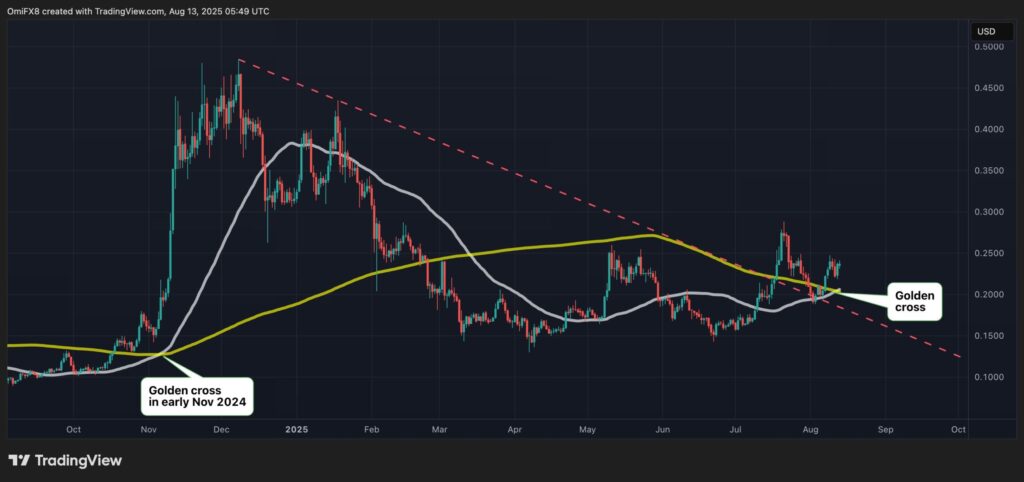
    Source: CoinDesk

    Let’s demystify the mechanics without the finance textbook snooze-fest.

    • What it is: a lagging technical indicator. It compares averages — not the latest price action. When the 50-day SMA surpasses the 200-day SMA, it means recent prices (last ~50 sessions) are higher, on average, than the last ~200 sessions. That implies short-term strength relative to long-term trend.
    • What it is not: a guarantee. It doesn’t factor in news, liquidity, social media noise, whale behavior, macro shocks, or regulatory surprises. It cannot see tweets or print headlines. It simply summarizes what already happened.
    • Why traders care: many algorithms and trend-followers use moving-average crossovers as rules for entering or adding to positions. When enough traders act on the same cue, it can amplify moves — which is why golden crosses sometimes lead to self-fulfilling rallies.

    Why golden crosses matter less (or more) for meme coins like Dogecoin

    Dogecoin isn’t a standard asset. It behaves like a hybrid: part speculative crypto, part social experiment, part viral meme. That changes the reliability of technical signals.

    1. Retail-driven flows. Dogecoin’s price is heavily influenced by retail hype. Social chatter and viral moments can blow a golden cross into a massive rally — or vaporize it in a day.
    2. Low structural liquidity (relative to big markets). Large orders can move the price more than with blue-chip assets. That can produce wild swings around MA crossovers.
    3. Celebrity and platform effects. Tweets, interviews, or exchange listings can overwhelm technical signals. Two words: market-moving tweet.
    4. Tokenomics matter. Dogecoin has abundant supply. That base reality makes sustained, valuation-driven rallies less likely than short-term speculative spikes.

    So yes, a golden cross matters — but it’s one ingredient in a volatile cocktail.


    Historical context (brief recap)

    Past golden crosses in Dogecoin have coincided with sizable moves. For example, previous cross events were followed by rapid price jumps over a matter of weeks to months. Those moves were dramatic — sometimes triple-figure percentages — and sometimes they fizzled.

    The pattern looks tempting: cross, then rally. But also remember: the market environment during those rallies varied. Sometimes macro conditions were friendly. Sometimes huge retail interest coincided with favorable headlines. In other words: history is interesting, but not prescriptive.


    How to treat a golden cross — a practical framework

    If you find yourself whispering “to the moon” whenever a chart lines up, cool the jets. Here’s a short, practical checklist to think like someone who trades and sleeps at night.

    1) Confirm with volume

    A crossover on thin volume is weak. Ideally, you want the 50-day to rise while volume expands. That signals genuine buying interest, not a few large orders jigging the averages.

    2) Check momentum indicators

    MACD and RSI can validate whether momentum is real. If MACD is rising and RSI isn’t spiking into overbought territory, the move has space. If RSI is already near 80—red flags.

    3) Look for on-chain accumulation

    Are wallets buying and holding? Whale accumulation spikes can support sustained moves. But beware: “whale” is ambiguous. One entity HODLing across exchanges vs. numerous retail buyers are very different.

    4) Watch leverage & funding

    High leverage on derivatives markets can magnify moves and create violent retracements. If funding rates are through the roof, the market may be overheated.

    5) Combine with macro picture

    Risk-on macro conditions (positive liquidity, favorable rates) help. Risk-off (tight liquidity, economic shock) kills rallies. Don’t trade a crossover in a vacuum.

    6) Time horizon matters

    If you’re a swing trader, a golden cross plus confirmation might be enough to take a position with strict risk rules. If you’re long-term, consider fundamentals and tokenomics more than short-term crossovers.


    What a golden cross can look like in practice (three scenarios)

    No prophecy. Just scenarios you can actually prepare for.

    Bull case: the catalyst aligns

    • The golden cross forms while volume and open interest rise.
    • Social chatter increases, exchanges add liquidity, whales accumulate quietly.
    • Macro conditions are favorable (risk appetite up).
      Result: sustained rally, momentum feed itself, new buyers jump in, price climbs for weeks. Could be a classic trend-following move.

    Sideways case: false dawn

    • The cross happens, but volume is flat.
    • Price briefly pops and then grinds sideways.
    • News cycles ignore DOGE; attention drifts.
      Result: the cross ends up a neutral blip. Some trend-followers might get stopped out. Retail loses interest, and the market returns to range trading.

    Bear case: a trap

    • The cross forms just before a macro shock or negative headline.
    • Leverage forces liquidations when price drops.
    • Panic selling pushes the short-term average back down.
      Result: the golden cross is erased. Traders who chased without protection get hurt.

    Why the golden cross sometimes produces big moves (the psychology)

    Signals matter less than the people who act on them. If a well-known indicator appears and large groups of traders act in the same direction, their collective behavior can move markets. That’s the psychology behind trend-following:

    • People hate missing moves. So when a widely-followed indicator flips, many jump in.
    • Algorithms and funds have rules. Once they detect a cross, they might trigger buys.
    • Social media spreads the narrative. “Golden cross = moon” becomes a meme, and then a feedback loop.

    For Dogecoin, that feedback loop can be explosive. The same loop can also reverse quickly when the narrative changes.


    Technical additions: what to look for after the cross

    1. Slope of the 50-day SMA. A flat 50-day that barely crosses the 200-day is less exciting. A steepening 50-day is better.
    2. Price vs. averages. If price clears both the 50 and 200 and hangs above, momentum is cleaner.
    3. Higher highs & higher lows on shorter timeframes. This is trend confirmation.
    4. Volume on up-days vs. down-days. More volume on up-days indicates buyers who mean business.
    5. Support retests. If price pulls back to the 50-day SMA or the 200-day SMA and holds, that’s a positive sign.

    The meme coin wild cards

    Dogecoin isn’t just a chart. It’s a culture. Here are variable influencers you can’t ignore:

    • Tweets and celebrity comments. One message can change sentiment in minutes.
    • Viral social posts and communities. If Reddit, TikTok, or Twitter decide to coordinate, it alters flows.
    • Exchange listings or delistings. New exchange pairs add liquidity; delistings remove it.
    • Regulatory noise. New rules can spook retail and institutions.
    • Innovations or forks in the broader crypto ecosystem. Macro crypto changes can reallocate attention and capital.

    Treat these as non-technical but high-impact factors.


    Risk management — because hope is not a strategy

    If you’re thinking of acting on a golden cross, protect yourself.

    • Position sizing: Never risk more than you can afford to lose. For many, that means a single-digit percentage of capital per trade.
    • Stop-loss rules: Define where you’ll exit before you enter. The golden cross can disappear in a heartbeat.
    • Diversification: Don’t put your entire crypto allocation into one meme coin.
    • Avoid excessive leverage: Leverage is a quick route to ruin. If you must use it, keep it tiny.
    • Have a plan: Entry, targets, and exit rules. Write them down. Emotion hates clear plans.

    Trading strategies you might consider (not advice — frameworks)

    • Momentum entry with confirmation: Wait for price to break above the recent high with rising volume after the golden cross. Use a tight stop under the breakout level.
    • Scaled entries: Buy in tranches as the trend confirms — e.g., one-third at breakout, another third on pullback, last third on continued strength.
    • Contrarian fade: For those with nerves of steel — fade short-lived spikes if the move lacks supporting volume or on-chain accumulation. This is advanced and risky.
    • Long-term accumulation: Dollar-cost average into a long-term position if you believe in Dogecoin’s community and potential, but accept the high volatility.

    On timing and expectations

    A golden cross does not care about your desired timeline. It can signal a move that unfolds in weeks, months, or even gets invalidated the next session. If you treat it like a timing oracle, you’ll get burned. Treat it like one piece of evidence. Combine it with volume, momentum, and on-chain signals. Then decide your time horizon.


    When golden crosses produced fireworks (and why they mattered then)

    There have been notable periods when Dogecoin’s moving averages aligned with huge rallies. Those instances combined the technical signal with other supportive factors like strong retail interest, favorable macro sentiment for risk assets, and social-media-driven attention. When all these elements line up, the market can produce outsized gains quickly. But remember: those are tail events. They’re memorable precisely because they’re rare.


    The other side: why this could be a false signal

    Because the golden cross is lagging, it sometimes tells you something that’s already built into price. If the market is thin or the cross occurs on complacent volume, it’s a weak signal. Also, if the broader crypto market is under pressure, a Dogecoin cross can be a false dawn. In volatile markets, many indicator-based signals fail.


    What traders often miss

    1. The importance of context. A crossover in a bull market is not the same as the same crossover in a bear market.
    2. The role of supply mechanics. Dogecoin’s inflationary supply changes how much price appreciation is possible without disproportional demand.
    3. Noise from social media. Meme-driven pumps often lack real economic backing; they can reverse quickly when attention shifts.
    4. Herd behavior. Indicators that are widely followed can cause crowded trades. Crowded trades flip quickly when the crowd decides to leave.

    Practical takeaways (actionable bullets)

    • View the golden cross as a hint, not a mandate.
    • Seek confirmation with volume, momentum indicators, and on-chain accumulation.
    • Protect capital with sensible position sizing and stop-losses.
    • Don’t trade news with leverage. News and tweets can overwhelm indicators.
    • Consider multiple timeframes — a daily golden cross is more meaningful than an hourly one.
    • Keep an eye on derivatives markets and funding rates. They can accelerate and reverse trends.

    Point of view — my take (short, blunt, and honest)

    Dogecoin’s golden cross is notable because it changes the narrative. It signals that short-term momentum has shifted. In a market hungry for stories, that’s fuel. But Dogecoin is still fundamentally a speculative asset whose price depends heavily on retail sentiment and social virality. So, while a golden cross increases the odds of a rally in the near term, it does not make Dogecoin a safer or more intrinsic investment.

    If you trade, treat the signal as a tactical opportunity with strict risk controls. If you invest, ask yourself why you believe Dogecoin will sustain value in the long run despite inflationary supply and a narrative-driven market. Don’t confuse chart patterns with fundamentals. One makes short-term money. The other is the long-term argument.

    (Also: never bet the rent. That’s not bravado — that’s math.)
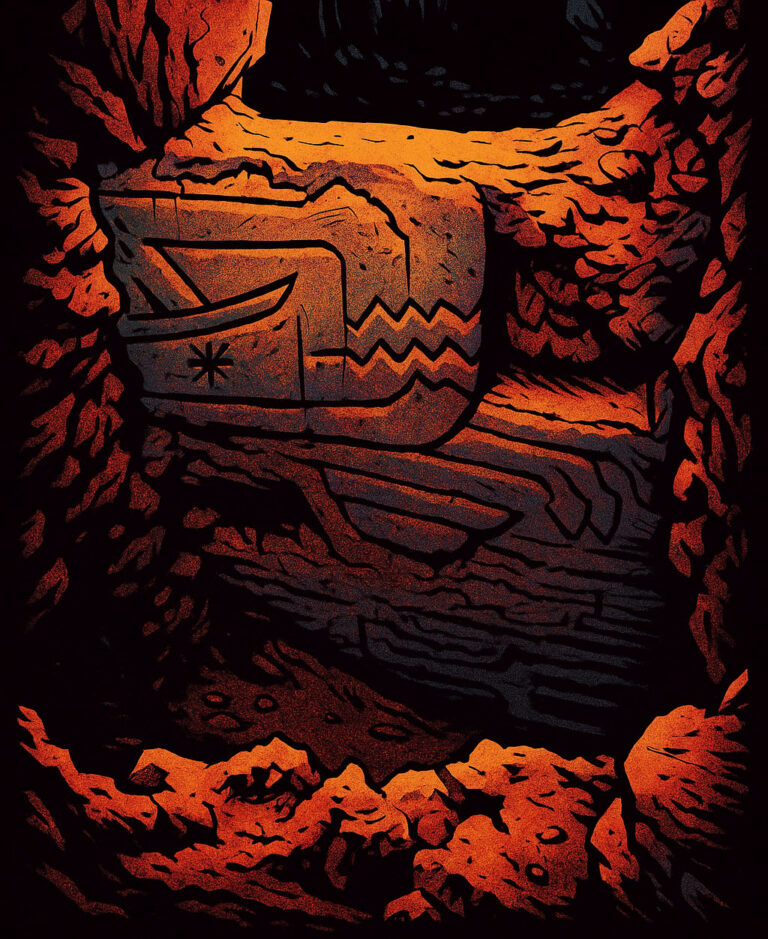
    Pre-Inca Polychrome Mural at Huaca Yolanda: A 3,000-Year-Old Masterpiece of Stars and Fishes

    0

    They dug a wall and found a storyboard that nobody saw coming.

    On July 7, 2025, archaeologists working at Huaca Yolanda on Peru’s northern coast exposed a carved and painted wall panel that dates back roughly three to four thousand years. It’s not just old. It’s audaciously original. Spanning about four meters (roughly 13 feet) and rising over a meter high, the mural was modeled in relief and still shows traces of blue and yellow pigment. Its subjects? Star-like motifs, fish-shaped figures, and net patterns — a watery, celestial narrative carved into the stone of a temple.

    TL;DR

    • Archaeologists in Peru found a 3,000-year-old mural at the Huaca Yolanda site.
    • The mural features a unique combination of fish, nets, and star-like motifs.
    • This discovery challenges previous ideas about the development of art and culture in the region, suggesting greater complexity and innovation in early societies.
    • The site is at high risk from looters and encroaching farmland, requiring urgent conservation and community support.

    What exactly did they find?

    Photo source: Pontifical Catholic University of Peru

    Imagine a temple wall. Now imagine that wall dressed in shallow sculpted reliefs: some parts raised high, others carved more subtly. The team at Huaca Yolanda revealed a polychrome (multi-colored) mural that combines carved forms with painted decoration. The motifs—fishermen’s nets, fish-like beings, and star imagery—are not run-of-the-mill ornaments. They’re composed with deliberate rhythm. Some elements are repeated like a chorus. Some stand alone like a main character in a short myth. The pigment survives in places: faded bands of yellow and blue cling to crevices, suggesting the whole scene once glittered with color.

    Archaeologists think the mural once formed part of an interior atrium or ceremonial room within a temple complex. In short: this is not domestic doodling. It’s public, it’s ritual, and at the time it was made—centuries before the Inca—someone invested skill, material, and symbolic energy into making it.


    Dating, style and cultural context

    Stylistically, the mural fits into what scholars call the Formative Period on Peru’s northern coast. That’s a long way of saying: groups were moving beyond small villages into larger, organized communities; ritual architecture and large-scale art began to appear; coastal fishing and irrigation agriculture were already shaping lifeways. Based on design and technique, Mauricio and her team estimate the mural is between 3,000 and 4,000 years old—putting it among the earlier known examples of large, decorated ceremonial wall art in the Americas.

    Why does style matter here? Because coastal Peru produced several later, visually bold cultures—Chavín, Moche, Cupisnique—each with strong symbolic vocabularies tied to water, animals, and the sky. This mural’s mix of marine and celestial motifs suggests that certain symbolic concerns—how people thought about sea, sky, and ritual—had deep, shared roots long before the well-known classical cultures. In other words: the mural may be an early chapter in a long regional conversation that later cultures continued.


    Why the imagery is fascinating

    Photo source: Pontifical Catholic University of Peru

    Most pre-Inca iconography we recognize from the northern coast leans on jaguars, serpents, warriors, and very geometric patterns. This wall flips expectations. The fish are stylized; some have bodies that curve into shapes that suggest motion. The nets and marine plants point to a people deeply embedded in coastal economy and myth. The presence of star motifs alongside marine scenes is deliciously suggestive: were they mapping seasonal fishing rituals by the stars? Were some figures mythic hybrids—sea creatures guided by celestial forces? We don’t know yet. But the combination hints at cosmologies that tied the ocean to the heavens.

    Also: the relief technique itself is not common in the region’s early record. This is 3D carving on a large scale with polychromy. That craftsmanship forces us to reconsider technological skill levels and workshop traditions for the era.


    The scientific stuff they’ll do next

    The team won’t rest on visual impressions alone. They want dates and chemistry. Radiocarbon dating of organic materials in nearby contexts and pigment analysis will help pin down the mural’s age and the materials used for paint. Pigment analysis may reveal whether blue and yellow came from local minerals or traded pigments. That matters: pigments speak to trade networks, technological knowledge, and ritual investment.

    If the team can date associated layers or organic remains, we’ll get firmer chronological placement. If pigment tests show unusual compounds, we’ll have a better idea of long-distance exchange or local ingenuity. Either way, these analyses could transform a cool picture into a robust set of scientific facts


    The bigger archaeological scene: where Huaca Yolanda sits in the landscape

    Photo source: Pontifical Catholic University of Peru

    Huaca Yolanda is not a coin-operated time capsule. It’s part of a mosaic of early ceremonial centers along the La Libertad coast and neighboring valleys. Think of it as another node in a network that includes sites like Caral and Ventarrón—places where monumental architecture and ritual practice were being invented and refined. Yet unlike some of those sites, Huaca Yolanda has been understudied and underprotected. Its recent revelation of a polychrome, relief mural pushes it into the spotlight as a site of regional importance.


    The parade of problems: looting, tractors, and bureaucracy

    Here’s the sobering part. While the mural’s beauty made headlines, the site itself is under immediate threat. Looters have been milling around Huaca Yolanda for years. More recently, agricultural expansion—big tractors and heavy machinery used by farms—has started to encroach on the complex. That machinery isn’t subtle. It compacts soil, destroys stratigraphy, and can shear through archaeological layers like a lawnmower on a petri dish. The lead team has been vocal: without a formal site boundary marked by the Ministry of Culture and without resources to stabilize the mural, the wall and its context could be lost.

    The technical demands of conservation are not trivial. Stabilizing a polychrome relief involves desalination treatments (to remove salt crystals that damage pigments), clean infill materials, protective layering, and often temporary reburial under controlled conditions. Specialists in mural conservation are expensive. The fieldwork needed to both document and conserve the mural takes funding, time, and institutional backing. Right now, the project team lacks the budget for those extra steps.


    If this mural vanishes, what do we lose?

    We don’t just lose pretty colors or an Instagram-ready archaeology pic. We lose direct testimony: the art is a primary source for beliefs, rituals, and material choices. We would lose the chance to read how people who came before the Incas visualized their world. Worse: if looters take artifacts out of context or tractors crush stratified layers, future researchers can never reconstruct accurate timelines or social dynamics. Context is everything in archaeology. A bowl without its layer is a bowl without a story.


    Practical options for rescue and protection (the cheap, the smart, the sustainable)

    Conserving a mural and protecting a site sounds like a zoo of logistics. But there are practical steps that help a lot, even on small budgets.

    1. Emergency documentation. Fast, systematic recording—high-resolution photos, 3D photogrammetry, and basic pigment swabs—captures information that survives even if the wall doesn’t. Digital twins allow off-site study and public engagement without exposing the fragile original. (Digitization also helps if funding applications require proof of significance.)

    2. Temporary reburial under controlled conditions. Burying a mural under clean sand and breathable cloth can be the least damaging short-term solution. It’s not glamorous, but it buys time while funders are found.
    3. Community engagement and co-management. Local farmers, schools, and stakeholders can become partners instead of threats. When communities see economic and cultural value—through guided visits, site stewardship jobs, or craft markets—they can be the strongest guardians.
    4. Low-cost site boundaries and signage. Simple fencing and clear markers deter casual encroachment. Officially recognized boundaries from the Ministry of Culture would be better, but a visible, well-signed perimeter reduces accidental damage.
    5. Funding from mixed sources. Academic grants, cultural heritage NGOs, conservation trusts, and even ethical tourism partnerships can pool resources. Crowdfunding for a defined goal—like a conservation assessment—works when paired with transparent reporting.

    The ethical tightrope: study, display, or leave alone?

    Archaeology is caught between two instincts: document and preserve, and show and share. The former protects; the latter educates—and funds. But public display can harm fragile pigments and surfaces. Reburial protects but keeps knowledge locked away.

    So what’s the right balance? In many successful cases, teams execute a staged approach: document exhaustively, stabilize what can be stabilized, then create a curated display (often with replicas or digital reconstructions) that lets the public see and learn while the original rests in safety. That method is a decent compromise. It both honors the past and spreads the economic benefits of heritage, without turning the original mural into a tourist-worn relic. (Archaeology Magazine)


    Why this find shakes up the timeline

    Photo source: Pontifical Catholic University of Peru

    If the initial dating holds—3,000 to 4,000 years—this mural complicates the tidy story people sometimes tell about cultural complexity arriving suddenly in the Andes. Instead, it supports a different narrative: creative, architectural, and ritual experimentation began early, and those experiments spread, changed, and recombined across centuries. The coastal societies weren’t waiting in the wings for a single genius culture to show up. Rather, they were active innovators in their own right. This mural is evidence of that agency.

    Put bluntly: it emphasizes continuity and depth—cultural threads weaving across millennia—rather than isolated epiphanies.


    Possible lines of future inquiry

    1. Pigment sourcing. If blue came from a rare mineral, that implies trade or specialized extraction. If it came from a common clay, that suggests local innovation.
    2. Iconographic genealogy. Are the fish or star motifs ancestors of later Moche or Chavín motifs? Mapping similarities could help reconstruct visual lineages across time.
    3. Micro-stratigraphic study. Tiny layers of occupation, ash, or plant remains could pin down seasonal use of the temple and its connections to agricultural or maritime calendars.
    4. DNA and residue analysis. Organic remains trapped in plaster or soil might reveal offerings or ritual foods, hinting at the spiritual ecology of the place.
    5. Landscape archaeology. How did Huaca Yolanda fit into irrigation schemes, trade routes, and ritual geographies? Remote sensing and GIS models can help.

    Social and economic possibilities for the local area

    Heritage, when managed smartly, is not just about nostalgia. It can be a local good. Properly developed, Huaca Yolanda could support education programs, small-scale cultural tourism, and artisan markets that share benefits with local people. The key word is “properly”: tourism must be sustainable, community-led, and respectful. Otherwise, heritage becomes a boom-and-bust spectacle that leaves locals poorer and the archaeology damaged. The goal should be to create local stewards—people who want the wall to survive because their livelihoods and pride depend on it. (Heritage Daily)


    A wall that talks—if we let it

    There’s something magical in finding a wall that still whispers after three millennia. It speaks of people who watched the sea and the sky, who made nets and stories, and who decided those stories were worth carving into a temple. For specialists, it rewrites small parts of pre-Inca art history. For locals, it could be a future resource. For the rest of us, it’s a reminder that the past isn’t a museum; it’s a living set of decisions, craft, and meaning that we can either protect or let rot.

    So here’s the narrower ask: treat Huaca Yolanda like a living archive. Fund what’s necessary. Involve the community. Document the mural in detail. Create a replica for the public. And—almost as a moral test—see whether a society that can dig up such a delicate relic can also rise to preserve it.

    Because if this mural goes the way of so many vanished things—picked apart by looters or flattened to make way for another plot of land—then we won’t just have lost some paint and stone. We’ll have lost another chance to understand how human imagination unfolded on the edge of the sea. The wall has been patient for thousands of years. It doesn’t deserve to be rushed out of history in the space of a single growing season.

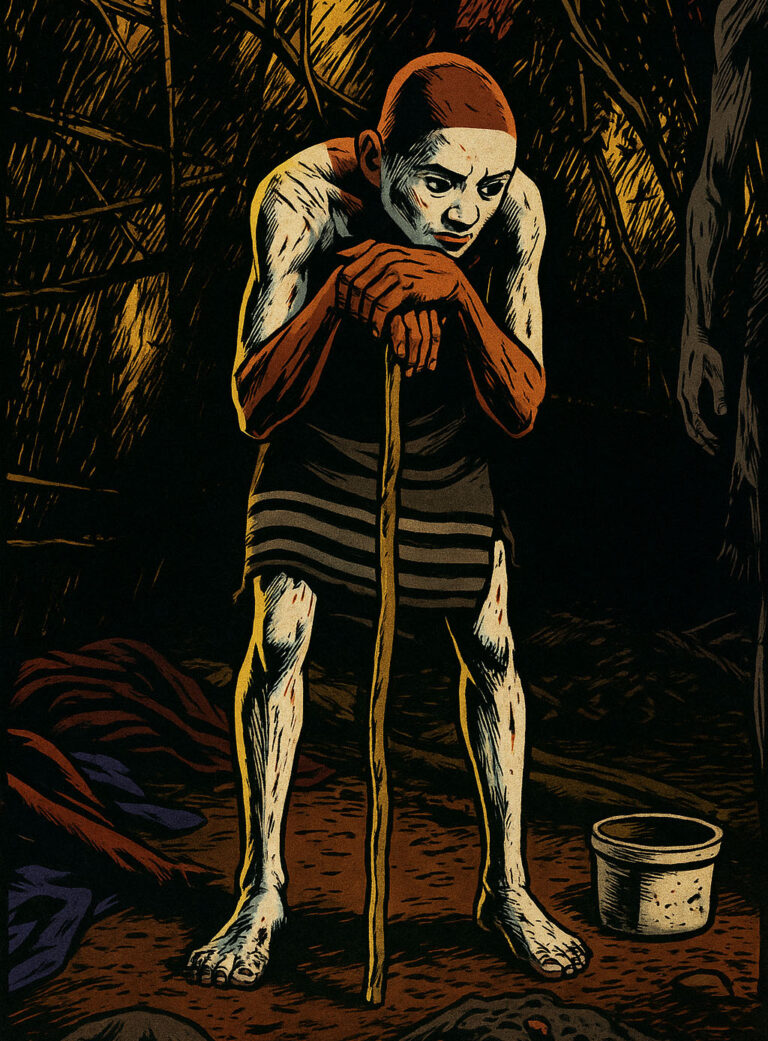
    Ulwaluko 2025 Circumcision: 39 Dead, Dozens Mutilated

    0

    The headline is blunt and awful: the 2025 Ulwaluko season has wrapped with at least 39 young men dead and dozens more left injured or mutilated. This is not an abstract statistic. These were sons, nephews, classmates — boys who walked into a ritual hoping to come back as men, and left families with funeral arrangements and questions no cultural briefing should ever cause. The ritual itself is ancient and sacred to many. The way it’s being delivered now, in too many places, is a preventable public-health disaster.

    TL;DR

    • Ulwaluko is a traditional Xhosa initiation rite facing a public health crisis due to dozens of annual deaths and injuries.
    • Fatalities are caused by sepsis, dehydration, and a lack of medical care, largely at unregulated, “illegal” initiation schools.
    • Solutions proposed include training traditional surgeons, providing sterile kits, and creating safe, state-supported alternatives that respect the rite’s cultural significance.
    • The path forward requires a partnership between government, traditional leaders, and communities to blend tradition with modern safety standards.

    What Ulwaluko actually is

    Source: Africa Geographic

    Ulwaluko is a traditional initiation rite practiced largely among the Xhosa and other Nguni-speaking communities. In its idealized form, it’s a teaching institution. Boys — usually in their teens — are taken through seclusion, instruction, ceremony and a physical act of circumcision that marks the formal passage from boyhood to manhood. The ceremony includes periods of seclusion, ritual dress and dietary taboos, and a formal re-entry into community life with a changed social status. The rite is deeply embedded in identity, community, and rites of belonging. (Wikipedia)

    That cultural significance matters. Any response that ignores it will fail. But honoring the rite doesn’t mean ignoring the carnage that’s accumulating each year.


    The scale of the problem in 2024–2025

    Source: Africa Geographic

    The recent totals make for grim reading. After a devastating 2024 season — in which 93 initiates died and more than a handful suffered amputations — the 2025 summer cycle still ended with dozens of dead and injured, counted at 39 fatalities this year. Those numbers show a pattern: even after a shockingly bad season, progress is painfully slow.

    Those aren’t just numbers on a spreadsheet. Over recent years, hundreds of families have been directly harmed. Multiple government statements and parliamentary briefings have acknowledged the spread and persistence of unsafe, illegal initiation schools. The national conversation keeps flipping between sorrow, outrage, and pledges to do better — but the injury and death counts keep rising season after season.


    How these deaths happen — the blunt medical facts

    You don’t need medical training to spot patterns in the reports. Common proximate causes repeat:

    • Sepsis and gangrene from unsterile instruments or untreated wounds.
    • Severe dehydration, particularly during hot summer cycles when many initiations occur. Dehydration weakens the body’s ability to fight infection.
    • Delayed or blocked access to emergency care — often because initiates are in secluded schools or because illegal operators hide problems until it’s too late.
    • Physical abuse and punishment inside some schools that escalate into life-threatening injuries.
    • Use of blunt or inappropriate cutting tools (from old spear points to razor blades) and poor wound care.

    Put simply: the surgical act in Ulwaluko is often performed like a field operation without antisepsis, analgesia, or a reliable link to emergency medical services. That’s a recipe for catastrophe.


    The illegal-school economy: why this persists

    To be painfully direct: where there is money, power and social pressure, there will be opportunists. Over the last decade, a parallel economy of illegal initiation schools has emerged. These are often run by unqualified practitioners who promise low cost, secrecy, or rapid throughput. They may be linked to criminal networks or run as small-for-profit ventures in rural areas. The result: inexperienced “surgeons,” unsanitized tools, and chaotic aftercare. Government officials repeatedly blame these unregulated players for a large share of fatalities. (Government of South Africa)

    That illegal market thrives for several reasons: poverty (families looking for cheaper options), social pressure (shame for not participating), and a lack of accessible, culturally appropriate legal initiation services that are both safe and respected by traditional leaders.


    Government action so far — talk, meetings, and some targets

    To their credit, national agencies have not been silent. The Department of Cooperative Governance and Traditional Affairs (COGTA) and the Minister, Velenkosini Hlabisa, have launched campaigns and pledged action. Officials have convened emergency meetings and declared that initiation schools that break the law must be closed. Parliamentary committees have called for a national commitment to achieving zero deaths and reducing the number of illegal schools. The tone from the top has been clear: “Not one more death.” But pledges require operational follow-through.

    Plans being floated include registering and licensing initiation sites, training traditional surgeons, improving medical referral routes, and community education. Those are sensible ideas. The real test is implementation.


    Cultural friction: why reform isn’t just technical

    Source: Africa Geographic

    Here’s the rub: Ulwaluko is not a clinic procedure that can simply be medicalized without consequence. For many communities, the ritual’s secrecy, the authority of elders, and the symbolic suffering are part of its social meaning. Attempts to impose top-down medical solutions — without community buy-in — often backfire. Past interventions that ignored traditional authorities or tried to replace the rite with purely clinical circumcision met resistance. That resistance can push initiations further underground, into even riskier settings.

    Therefore, reforms must be culturally intelligent. They should respect the rite while reducing the physical risks. That means co-designing protocols with traditional leaders, training traditional surgeons in sterility and first aid, and creating triage pathways to hospitals that protect both the ritual’s integrity and initiates’ health.


    What real, practical fixes look like (a working list)

    If survival is the primary metric — and it should be — then the following measures stack up as both realistic and respectful:

    1. Register and license initiation schools. Registration should be practical and locally led, not purely bureaucratic. Registered schools get oversight, training, and conditional funding. Illegal schools face enforcement. (Targets were discussed in parliamentary plans.) (parliament.gov.za)
    2. Mandatory training and certification for traditional surgeons (ingcibi). This is not about turning elders into surgeons, but about giving traditional practitioners a short, practical clinical curriculum: aseptic technique, basic haemorrhage control, wound care, referral criteria, and emergency stabilization.
    3. A sterile kit program. Mass-provide affordable, sealed sterile instrument kits for initiation schools. No kit means no operation. Cheap, simple, and effective.
    4. Clear emergency protocols and rapid referral routes. Each school must have a named health facility on standby and an ambulance contact. If initiates cannot be stabilized on-site within X hours, they go to hospital — no excuses.
    5. Seasonal planning. Move risky practices away from the hottest months where dehydration and sepsis rates spike. Some provinces have trialed winter cycles for this reason. Evidence supports seasonal planning to reduce dehydration-related complications.
    6. Community-led oversight committees. Traditional leaders, parents, youth reps, and local health workers should monitor schools and sign off on readiness before any initiation cycle begins.
    7. Legal accountability for illegal operations. Prosecute exploitative operators and those who endanger initiates. This must be paired with alternatives for poor families — prosecution without safe options just drives the practice deeper underground.
    8. Psychosocial and rehabilitation support. For survivors who live with loss, trauma or amputation, offer long-term counselling, vocational training, and prosthetic support. The duty of the state and community extends beyond the immediate medical emergency.
    9. Data and transparency. The government should publish disaggregated initiation-season data — deaths, amputations, legal vs registered schools — so the public can track progress.

    These are not pipe dreams. Many countries have paired cultural rites with public-health measures successfully. The difference here is political will and respectful partnership with communities.


    Voices from the initiation: what initiates themselves have said

    Source: Africa Geographic

    Going through initiation is not a trivial choice for many young men. Past testimonies show a mix of fear, pride, and social pressure. One initiate recalled being scared but wanting to be “looked up to as a man” by elders. Another said he wanted to be the same as his peers — that social belonging matters. Those sentiments explain part of why reform cannot simply ban the rite. People want the dignity that comes with it, and any safer alternative must preserve that dignity. (These themes have been highlighted in long-form reporting on initiation experiences.) (The Guardian)


    Why medicalization alone won’t fix everything — and why it’s still necessary

    There’s a nuanced tension here. Medicalizing parts of the rite — sterile tools, clinical oversight — will dramatically reduce fatalities. But fully replacing community ceremony with hospital circumcision risks eroding the rite’s social meaning. That erosion can push families into clandestine alternatives that are even deadlier.

    So the balanced answer is hybridization: keep the cultural core while integrating clear, enforceable clinical safeguards. Train traditional surgeons. Provide sterile kits. Keep ceremonies, but make the cutting a supervised procedure with emergency backup. That’s not cultural imperialism — it’s harm reduction.


    Accountability: where institutions have fallen short

    The state has the legal instruments to act. There are acts and provincial regulations meant to regulate customary initiation practices. Yet enforcement has been uneven. Local officials, health departments, and traditional councils sometimes blame each other. Corruption, lack of resources, and weak monitoring all play a role.

    Families and communities also bear responsibility when they choose illegal schools for cost or secrecy. But placing the entire moral burden on grieving families is cynical and unfair. Real accountability requires systemic change: enforcement that is fair and that does not punish victims for scarcity or stigma.


    The economics of danger: why poor communities are at higher risk

    Let’s call it what it is: poverty is a direct risk factor. When legal, registered schools charge fees or require travel, poorer families opt for cheaper, unregulated alternatives. That creates a two-tier system: safe-but-expensive, dangerous-but-affordable. If the state wants to end fatalities, it must remove the financial calculus that pushes people into risky options — through subsidies, vouchers, or mobile safe-initiation teams that reduce out-of-pocket costs.


    A plain-spoken set of policy recommendations

    If I were drafting a policy memo for immediate action, it would include:

    1. An immediate ban on unregistered initiation cuts in publicized districts with known fatalities, coupled with a rapid enforcement and outreach plan.
    2. Emergency funding for sterile kits and training in high-risk provinces.
    3. A national hotline and fast-track ambulance protocol dedicated to initiation emergencies during season peaks.
    4. A conditional cash-transfer program to ensure poor families can access registered, safe schools.
    5. A public education campaign co-branded with traditional leaders to destigmatize seeking medical help and to reaffirm that safety is not shameful.
    6. A transparent dashboard that publishes deaths, amputations, school registrations and enforcement actions in near-real-time.

    These are the sorts of measures that could be stood up quickly — not tomorrow, not in a year, but within a season if there is political will.


    What civil society and international partners can do

    Non-governmental organizations, local universities, and international health agencies can support training, provide sterile kits, and help run the data platforms. Many universities in South Africa already research initiation injuries and propose scalable interventions. Partnerships should prioritize local leadership and local solutions, not imported models.


    Your relatives, your community, and the ethics of choice

    One sensitive thread runs through every recommendation: consent, age, and coercion. Too many of the boys entering these rites are teenagers who feel pressured to conform. Where coercion or misinformation exists, community education and protective laws are legitimate and needed. That includes honest conversations about the risks of illegal schools, about what true adulthood means beyond ritual scars, and about safe alternatives that do not marginalize cultural identity.


    The human cost: amputations, trauma and lifelong consequences

    Beyond death, the reports of penile amputations and permanent disfigurement deserve our attention. These injuries carry lifelong physical, sexual, psychological, and social harms. Survivors often have limited access to reconstructive surgery, counselling or vocational support. A humane response must include restitution, long-term medical care, and social support. These are expensive services, yes — but far cheaper (and morally required) than the societal cost of broken bodies and broken futures.


    Where hope still lives — and why it’s not naive

    There are promising signs. In provinces and districts where registration, training and community engagement have been prioritized, deaths decline. Traditional leaders — when engaged respectfully — have supported safety reforms. Health departments have plans tied to the Customary Initiation Act. Those are the building blocks of real improvement. The path forward is not moralizing; it’s practical, partnership-driven, and honest about trade-offs.


    My point of view — bluntly: culture matters, but not at the cost of children

    Culture is not optional. It shapes identity, belonging and dignity. But culture does not give license to lethal negligence. If a rite of passage routinely kills or maims the young people it claims to honor, then the rite must change — and quickly.

    This is not an attack on Xhosa or any community. It’s a demand for competence, for the moral consistency of protecting life. The right policy is to partner with traditional custodians, train practitioners, make safety integral to the rite’s meaning, and remove economic incentives for illegal operators. That’s how you preserve culture while ending preventable deaths. Anything less is cowardice.


    Closing: not hopeless, but urgently impatient

    The repeated seasons of tragedy are not a single problem. They are a tangle of poverty, weak enforcement, cultural dynamics, opportunism and public-health gaps. That makes the solution complicated — but not impossible. The state has laws and departments. Civil society has research and goodwill. Traditional leadership has legitimacy. Money is finite, but the choices about its allocation are not. Prioritizing safety, subsidizing legal alternatives, training traditional practitioners, and enforcing against illegal operators can and will reduce fatalities — if the political appetite matches the rhetoric.

    Families who have lost sons deserve swift action. Communities who cherish Ulwaluko deserve rites that do not destroy the very lives they intend to celebrate. South Africa can — and must — reconcile those truths.

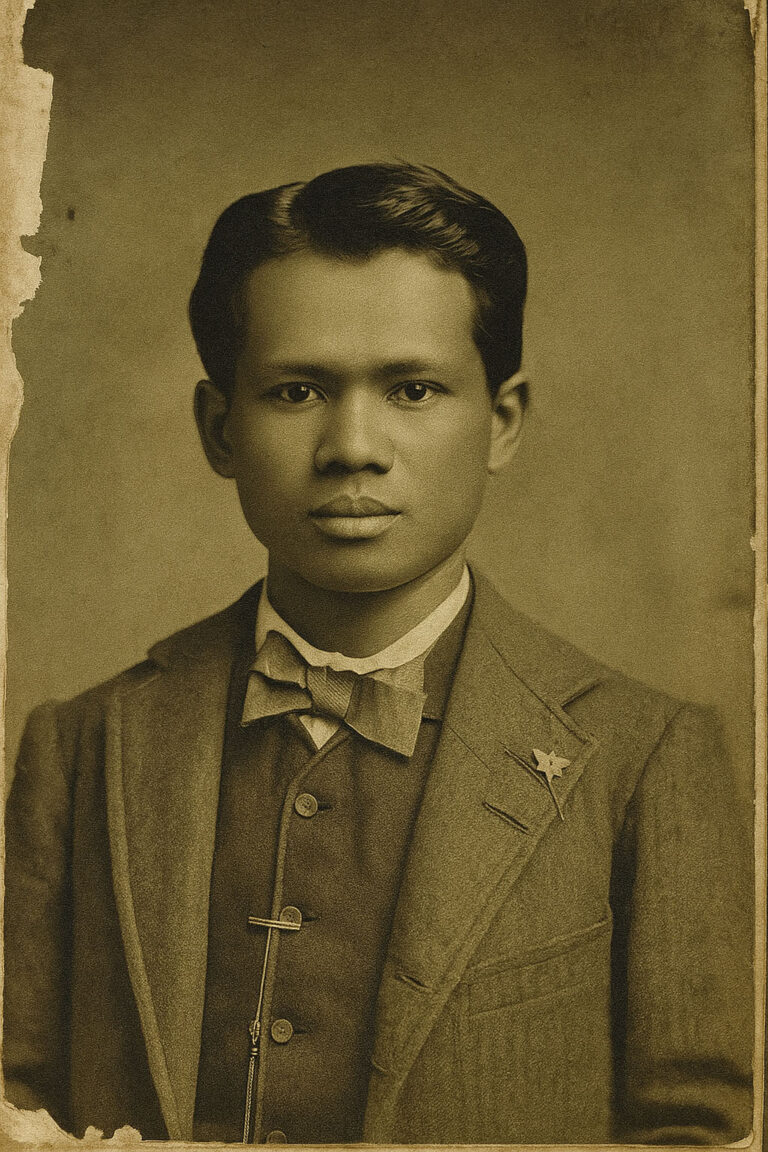
    Who is: Charlie Soong & the Soong Sisters

    0

    You were told a deliciously dramatic story: an orphan turned missionary-turned-millionaire who built model Christian farms, bilked well-meaning American donors, and fathered three daughters who then split China between money, power, and patriotism. It’s the sort of tidy narrative that loves conspiracy, moral clarity, and the idea that history is secretly written by a single family with very effective taste in spouses.

    Nice story. But is it true?

    Short answer: it’s rooted in truth — there really was a Charlie Soong and three astonishing daughters — but the more sensational pieces of the tale (sham enclaves, wholesale pocketing of donations, and one-family puppeteering of entire political movements) need serious unpacking. When you dig into the records, the myth and the facts tangle. Some claims are documented, others are speculative, and a few are outright disputed by reputable scholars.

    Below I’ll walk through the real life, the rumor mill, and the places where historians shrug and say, “maybe, but show your receipts.” Expect context, receipts (a few cited sources), and a blunt, human interpretation at the end.

    TL;DR

    • Charlie Soong was a real missionary-turned-businessman who became wealthy in Shanghai, but claims he ran sham farms to con donors are controversial and lack definitive proof.
    • The “one loved money, one loved power, one loved China” saying is a catchy but oversimplified summary of the three sisters’ complex lives.
    • While the family had immense influence, the idea they deliberately funded both sides of the Chinese Civil War is an unsubstantiated conspiracy theory.

    The man at the center: who was Charlie Soong?

    Charlie Soong (born Han Chiao-shun, later Charles Jones Soong) was a Hainan-born son of modest means who, as a young man, left China and spent time in the United States in the late 19th century. He worked on ships, ended up in North Carolina, converted to Christianity, took the name Charles (often spelled “Charlie”), and received formal theological training and some American schooling. He returned to China as part missionary, part entrepreneur, and eventually became a major publisher and businessman based in Shanghai.

    That part of the origin story — the orphan-ish maritime youth, conversion in the U.S., and return as a missionary-turned-businessman — is supported by multiple records. It explains how a kid from Hainan suddenly learned English, printing technology, and the social networks that linked him to American missionaries and donors. Those networks mattered. They opened doors to publishing, to capital, and to an audience in the U.S. who thought investment in China was a moral project.


    How did he get rich — honest business or moral chest of tricks?

    Fact: Soong built a successful publishing business in Shanghai. He printed inexpensive Bibles and other Christian material using modern machinery, which was a growth industry in missionary-era China. That business and later entrepreneurial moves allowed the Soong household to become wealthy and influential.

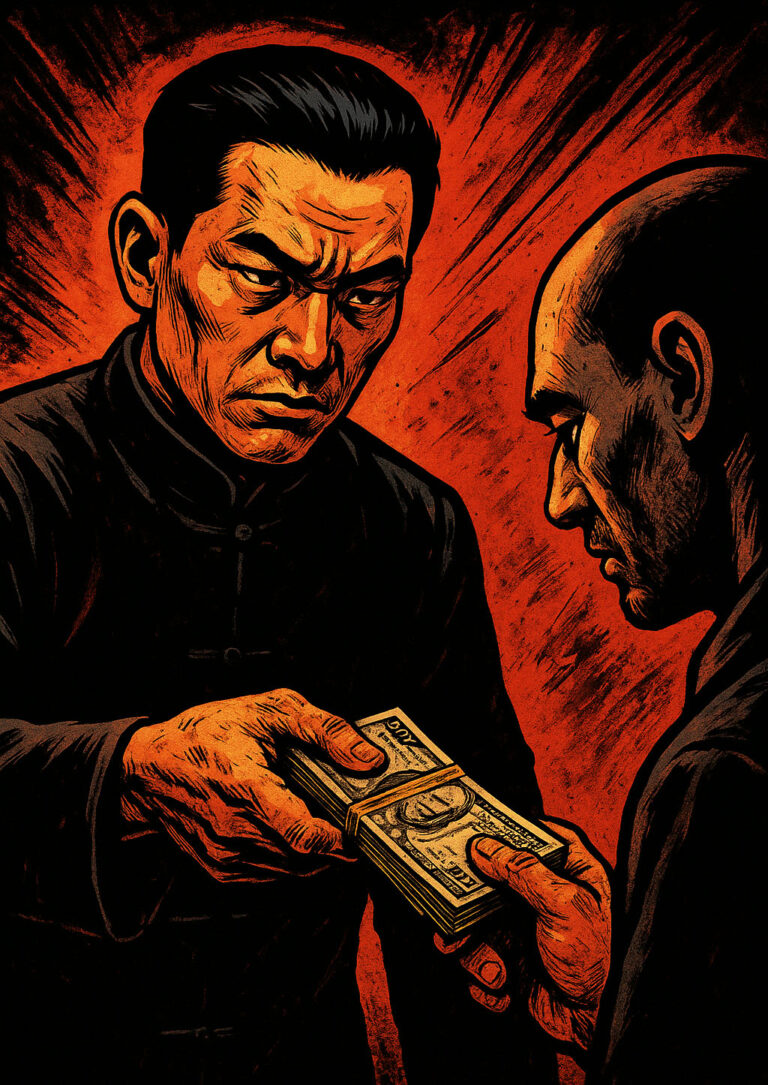
    Now the spicy bit: some writers — most notably Sterling Seagrave in The Soong Dynasty — argue that Charlie and his network manipulated missionary donations, staged model farms or “enclaves” to dazzle foreign benefactors, and otherwise blurred the lines between philanthropy and private enrichment. Those are serious allegations: Seagrave paints the Soongs as savvy manipulators who profited from American sympathy for missionaries and for China’s poverty. But be careful: Seagrave’s book is controversial and criticized by some Sinologists for being sensational and not always rigorously sourced. In short, he’s one of the people who give fuel to the “scam” narrative, but he is not the last word.

    So, did Charlie “pocket” donations and build sham Christian farms purely to con Americans? The record supports that he profited handsomely and used missionary networks aggressively. But calling it a single-man NGO fraud is an oversimplification. There were real businesses, real printing presses, and real social programs — and there were also Seagrave-style accusations that some projects were overstated to donors. Where Seagrave has dirt, other historians raise methodological objections. That’s the space where rumor grows: plausible motive + documented wealth + contested source = an irresistible conspiracy story.


    The Soong daughters: myth, fact, and that famous line

    Legend condensed the sisters into a neat sentence: “One loved money, one loved power, one loved China.” It makes for a headline and a bumper-sticker summary. But it’s shorthand, not history.

    The three Soong sisters were Soong Ai-ling (eldest), Soong Ching-ling (middle), and Soong Mei-ling (youngest). Their marriages and roles were extraordinary and, yes, messy in ways that feed legends.

    • Soong Ai-ling married H. H. Kung, one of the wealthiest bankers in Republican China (and, interestingly, a descendant of Confucius). Ai-ling occupied an elite social position and was associated with significant economic power through her husband.
    • Soong Ching-ling married Sun Yat-sen in 1915. Ching-ling later became a symbol of revolutionary legitimacy on the Communist side after 1949 and was celebrated by the People’s Republic. Her political and personal trajectory is the reason one may say “one loved China” — she remained in the mainland and allied with the Communist state.
    • Soong Mei-ling married Chiang Kai-shek in 1927 and became Madame Chiang. Mei-ling was flamboyant, fluent in English, trained at Wellesley, and a public diplomat for the Nationalist government — including an influential American tour in 1943 to raise support and funds. Many observers saw her as the sister most deeply engaged with raw political power.

    In short: marriages = money and power and revolution — but every label (“money”, “power”, “China”) is a caricature. The sisters’ lives were far more complex, full of agency, contradictions, and real public projects.


    Were they a unified “money-power” machine funding both sides of China’s conflicts?

    This is the juicy rumor: the Soongs used their combined wealth and networks to bankroll multiple factions — Sun’s revolutionaries, Chiang’s Nationalists, and in some tellings even Mao’s Communists — switching sides as convenience or morality demanded.

    Here’s what the sources say, with necessary nuance:

    1. Charlie’s link to Sun Yat-sen and revolutionary finance: Charlie Soong did support Sun Yat-sen at key moments. The family had ties to revolutionary organizing; Charlie’s support of Sun is substantiated in historical accounts. Whether that support was straightforward funding, clandestine transfers, or something in between depends on which historian you read. It was, however, significant enough that the Soong family’s fortunes are intertwined with early Republican revolution history.
    2. Later financing and family reach: The Soong siblings and their extended network (including brothers and spouses such as H. H. Kung and T.V. Soong) certainly held enormous financial and political influence inside Republican China. T.V. Soong (a brother) and H. H. Kung occupied major government and financial roles. Their economic maneuvers — banking, state finance, industrial ties — helped consolidate wealth. Historians document real power and real economic advantage.
    3. Did they finance both sides deliberately? Claims that the sisters simultaneously bankrolled the Communists and the Nationalists as a strategic “diversify-the-investment” play are attractive, but the evidence is weaker. After 1949, Soong Ching-ling remained in the PRC and was honored by the Communist state. The other sisters and most of the Soong-connected financial apparatus were aligned with the Nationalists and fled with Chiang to Taiwan or went abroad. There were periods, especially during anti-Japanese unity (the late 1930s), when the sisters cooperated publicly for wartime relief; but the idea of a coordinated family policy to bankroll both sides as a hedge—well, that’s a claim historians treat with skepticism unless backed by detailed archival proof. Much of the “they financed everyone” narrative treads the line between documented influence and lurid speculation.

    Bottom line: huge influence, multiple channels of power, some cross-party personal links — but not iron-clad proof of an organized family-level “play both sides” strategy.


    The “model farm” and Pearl S. Buck connection: one of those tidy conspiracy claims

    You asked whether Pearl S. Buck based The Good Earth on a “sham Soong enclave.” There’s no solid scholarly consensus supporting that claim.

    Pearl S. Buck’s The Good Earth is mainly traced to her lived experience among Chinese peasants in Anhui province, her years as the daughter of missionaries, and her time teaching in rural communities. Her rendering of peasant life drew on long personal observation and literary craft, not on a single staged model farm. Some writers have tried to link high-profile missionary projects or elite showpieces to how Americans imagined China, and Sterling Seagrave and others fed into that critique — but mainstream Buck scholarship locates her inspiration in the countryside she knew, not in a single family’s model farm project. So, the Buck-Soong direct-link claim is weak; plausible as rumor, but not backed by primary Buck scholarship. (Wikipedia, Encyclopedia Britannica)


    The “one loved money, one loved power, one loved China” line — where did it come from, and what does it mean?

    That pithy slogan seems to have been popularized in Western accounts and press obituaries; it’s shorthand that made Hollywood and newspaper editors’ jobs easier. It paints three different ideological and personal arcs:

    • Ai-ling: social/economic operator; comfortable in elite circles, married to a banking magnate.
    • Ching-ling: the revolutionary romantic who became the People’s Republic’s honored figure.
    • Mei-ling: the public diplomat with flair who worked U.S. corridors of power to secure aid for the Nationalists.

    The problem is that shorthand erases nuance. Ai-ling’s philanthropy is underplayed if you call her “money.” Ching-ling’s politics were shaped by a lifetime working across divides; she was both Sun’s widow and later a Communist symbol. Mei-ling was indeed a powerful actress on the world stage, but she was also a woman who navigated enormous institutional sexism and a violent civil war. The catchphrase is dramatic; it is not a substitute for historical complexity.


    What historians disagree about (and why the rumors persist)

    There are a few reasons the sensational version of the Soong story keeps resurfacing:

    1. Documentation of wealth + secrecy: The Soongs were wealthy and operated in an era where much finance was opaque. Wealth plus secrecy builds suspicion.
    2. Political stakes: The Soongs sat at the crossroads of competing visions for China. Each side of the civil war had reasons to demonize the other’s backers; therefore, accusations of corruption and betrayal were politically useful.
    3. Tastes for conspiracy: Seagrave and similar authors found a receptive audience. His book The Soong Dynasty portrays the family as central manipulators. It’s gripping reading. But it’s also contested. Critics say Seagrave cherry-picked facts and indulged in moralizing speculation. So readers get an attractive explanation — corruption explains everything — and then stop asking for nuance.
    4. Western imagination of China: Early 20th-century American donors often wanted simple narratives: saints vs. sinners; missionaries vs. pagans. When elite Chinese families appeared to profit from missionary networks, Americans felt betrayed. That emotional narrative is easy to amplify into a global conspiracy.

    So these rumors persist because they satisfy a narrative hunger. They also fit well into stories that reduce complex historical events to a family soap opera. Which, to a journalist’s delight, sells.


    What credible scholarship will say: truth mixed with gray areas

    If you read mainstream histories and academic treatments — biographies of the sisters, archival studies of Republican China, and balanced studies of missionary networks — you get a more cautious picture:

    • Charlie Soong did convert, get educated in the U.S., and return to build a publishing and business empire. He used missionary networks effectively.
    • The Soong children — and their spouses — were central to Republican China’s elite. They had enormous financial and political influence.
    • There are documented episodes of profiteering and favoritism within the financial networks of the Nationalist government. But the specific charge that Charlie built entirely fake enclaves to bilk Americans is mainly asserted by polemicists and investigative writers with uneven scholarly reception. You can find allegations in works like Seagrave’s — and you can find critics who say Seagrave overreached.

    Translation: the family’s power is fact. Some shady dealings and favoritism are also documented. But the “one-man, single-scam” narrative that makes Charlie the moral villain who singlehandedly manipulated millions of donors is an oversimplification.


    Why the Soong story still matters

    Because it shows how private life, faith-based charity, geopolitics, and modern finance collided. The Soongs are an old-school case study of globalization before the word existed: a Hainan native schooled in North Carolina, printing presses in Shanghai, daughters educated at U.S. colleges, and political marriages that shaped the 20th-century Chinese state.

    Their story forces important questions:

    • How did Western missionary networks shape modern Chinese elites?
    • When does philanthropy become patronage or state-building?
    • How do the personal choices of elite families scaffold or sabotage national movements?
    • How do simple narratives (one family = one cause) obscure structural history?

    Studying the Soongs slows you down; it resists tidy moral judgments. That’s the reason academics keep revisiting them.


    My take — the straight talk (point of view)

    Okay, here’s my spicy but fair view. The Soongs were brilliant survivors and opportunists who rode multiple waves: Western missionary goodwill, the chaos of Republican politics, industrializing Shanghai, and the hunger for modern education. They did not invent modern China, but they were an accelerant — funding, advising, and marrying into power.

    At the same time, if you’re looking for a single villain who bilked the naïve West while puppeteering Sun, Chiang, and Mao, that’s a lazy history that feeds anti-elite fantasies. The family accumulated wealth and used it politically. That’s not exactly news; it’s the definition of how elites have always operated. But it is also true that some scholars and investigators have documented ethically dubious behavior by Soong-connected actors in banking and state finance. The truth sits in between: influence plus ambiguity, not a tidy crime novel.

    If you want to pick a take-away: treat the “sham enclave” and “pocketed donations” lines as contested claims. They’re worth investigating further. But don’t accept them as gospel without more archival proof. In a world where juicy claims spread faster than footnotes, skepticism is your best historian’s tool.


    Quick guide to trustworthy sources if you want to read deeper

    • For general, careful summaries: reputable encyclopedias and university histories of the Soong sisters and Charlie Soong provide a solid baseline. (Wikipedia)
    • For a critical, sensational account arguing corruption and shady dealing: Sterling Seagrave’s The Soong Dynasty is the classic provocation (read it as investigative and polemical rather than neutral). (Goodreads)
    • For pushback and historiographical balance: look for critiques of Seagrave (e.g., scholarly reviews and works by Sinologists who question his methods). These are vital to avoid swallowing an exposé whole. (Google Books)
    • For Soong Mei-ling’s role in US-China relations and wartime diplomacy: biographies and contemporary reporting (including her famous 1943 U.S. tour) are informative and well-sourced. (Wikipedia)

    What’s true, what’s rumor, and what to do with this story

    • True: Charlie Soong’s American experience, missionary ties, printing business, and resulting wealth are documented facts. The three daughters’ marriages to Sun Yat-sen, H. H. Kung, and Chiang Kai-shek are historical fact. The family wielded intense social, economic, and political influence in Republican China.
    • Plausible but disputed: That Charlie’s projects included showpiece farms or model enclaves is plausible; people did build displays for visitors and donors. But the claim that those projects were wholly fake and explicitly designed as a con to funnel massive donation sums is mainly argued by controversial authors and lacks unanimous scholarly consensus. Treat it as disputed.
    • Exaggeration or rumor: The idea that the Soongs quietly funded both Mao and Chiang in a coordinated family strategy is an attractive conspiracy but not supported by straightforward archival proof. The family’s ties did cross lines, but coordination on that scale is a stretch.

    If you want a single practical recommendation: don’t accept viral summaries. Look for balanced biographies and primary documents where possible. Read Seagrave for color and outrage, then read a university press biography to get context. The truth about the Soongs is deliciously messy — and much more interesting than the tidy “family scam” version.

    The World’s First Soda

    0

    You probably think soda began with a red script logo or a fizzy cola commercial. Cute. The truth is messier, older, and somehow way more inventive than the marketing would have you believe. Carbonated drinks didn’t spring fully formed from a 19th-century bottling plant. Instead, they evolved over centuries — from curious chemists trapping “fixed air” in a bowl of water, to pharmacists tinkering with tonics, to multinational companies selling nostalgia in plastic bottles. This is the story of how bubbles went from a scientific oddity to a global obsession, and why your hipster friend’s favourite craft seltzer and that neon holiday soda both owe their existence to people who were basically just playing with chemistry.

    TL;DR

    • Soda began as a lab experiment by a chemist who infused water with “fixed air” (carbon dioxide) in the 1760s.
    • Early commercialization by companies like Schweppes marketed carbonated water as a medicinal tonic.
    • The late 19th century saw flavored sodas, including iconic brands like Coca-Cola and Pepsi, turn a pharmacy novelty into a mass-market product.
    • Modern trends include craft sodas, hard seltzers, a focus on health and sustainability, and ongoing marketing “wars” between major brands.

    The first bubble the world actually noticed

    If we trace soda’s family tree, it starts not with cola but with an 18th-century lab accident. In 1767, a British chemist named Joseph Priestley discovered a way to infuse water with what he called “fixed air” — today’s carbon dioxide. He suspended a bowl of water above a fermenting beer vat, captured the gas, and watched as the water took on lively fizz. He wrote about it, and the idea spread: fizzy water was no longer a natural curiosity; it was a repeatable method. (Sparkel)

    Within a few decades, the hobbyist tinkering with Priestley’s method turned commercial. Johann Jacob Schweppe — a watchmaker with a fondness for experiments — refined a practical process for making sparkling water and, in 1783, launched a business to bottle and sell it in Geneva. That company, Schweppes, still exists today and is one of the rare consumer brands that can plausibly say, “I was here when bubbles were fashionable for doctors.” (Schweppes, Wikipedia)


    Medicinal bubbles: therapy or marketing genius?

    Early carbonated water wasn’t marketed as picnic refreshment. It was “medicated water.” Doctors and the public were told that bubbly water could settle the stomach, ease ailments, and generally do what tonics promise: make you feel like modern science is taking care of you. Schweppe and others gave samples to physicians and touted therapeutic benefits. Whether the bubbles actually cured anything is debatable. What’s not debatable is the brilliance of the pitch: make something new, give it medical credibility, and people will buy it.

    This is important because it set the template for soda’s future: mix pseudo-science and optimism, then dress it up with a brand and a promise.


    Flavour arrives — and with it, the modern soft drink

    Jacob Schweppe invented the modern soft drink industry

    For decades, carbonated water was the headline act. Then flavoring stepped onto the stage. The 19th century saw a slow carnival of flavored effervescence: lemonades, tonics, and ginger ales. Schweppes, for instance, introduced flavored versions of its sparkling water, and later developed ginger ale and tonic water — beverages that went on to have careers of their own. By the mid- to late-1800s, flavored fizzy drinks were gaining momentum and moving out of the pharmacy and into soda fountains and parlor bottles. (Schweppes)

    Now imagine a pharmacist in a small American town: he mixes sugar, syrup, plant extracts, and carbonated water, offers a sample at his counter, and sells a “tonic.” That’s the basic origin story of several household names.


    Kola Román — the South American claim to an older soda crown

    Here’s a twist that ruins a neat, cola-centric origin myth: long before Coca-Cola or Pepsi, a soda called Kola Román was reportedly being made and sold in Cartagena, Colombia, from about 1865. The backstory is colourful: a local entrepreneur brought soda-making equipment back from a trip to London and created a kola-style beverage that found favour along the Caribbean coast. In some local histories, Kola Román is celebrated as one of the oldest marketed sodas — predating many drinks that get more global press. If you care about national firsts and underdog claims, this one is delicious. (Al Día News)

    Why haven’t you heard this in your pop culture trivia? Because the global cola narrative was co-opted by American brands that went on to dominate international markets and mass media. But regional histories matter. Kola Román is a reminder that soda’s evolution wasn’t centrally planned in Atlanta or New York; it happened wherever enterprising people decided to sell a bottle of sparkle.


    Coca-Cola and Pepsi — the soda stars arrive

    First publicly sold bottle of Coca-Cola. It contained around 3.5 grams of cocaine

    Still, it would be dishonest to skip the giants. Coca-Cola arrived on the scene in 1886, when Dr. John Stith Pemberton sold a syrup mixed with carbonated water at a pharmacy in Atlanta. It began as yet another medicinal tonic — Pemberton’s experiment to treat headaches and fatigue — but a simple formula, a memorable name, and particularly effective branding turned it into an avalanche. By the early 20th century Coca-Cola had become a cultural symbol in the United States and, increasingly, worldwide.

    Pepsi’s origin story is equally small-town: in 1893, pharmacist Caleb Bradham was serving a soda fountain concoction called “Brad’s Drink.” By 1898, seeking a catchier, more marketable name, he rebranded it “Pepsi-Cola,” borrowing from the notion that his drink aided digestion (a nod to “pepsin” and dyspepsia). What followed was a century of strategic pivots, bottling innovations, and an advertising war that would define modern marketing.


    Bottling and keeping the fizz: a technological race

    It’s one thing to make bubbly water in a lab; it’s another to bottle it and deliver fizz to the masses. Stronger glass, better closures, and manufacturing scale changed the game. Over the 19th century, bottling technology evolved such that carbonated liquids could stay under pressure and travel without losing all their personality. That technological step made soda a retail product rather than a fountain novelty. The result? Distribution exploded. Bottled soda made it into stores, doorsteps, trains, and eventually, airplanes. The logistics of keeping fizz alive essentially built a modern consumer category out of a laboratory curiosity.


    The tonic and the mixer: gin’s best friend

    While colas grabbed the headlines, other carbonated drinks found niche but enduring roles. Tonic water, developed in the 19th century using quinine, became popular among British colonial communities for its supposed anti-malaria properties — and later as a mixer for gin. Ginger ale became a standard for settling upset stomachs and for mixing with spirits. These drinks show soda’s flexibility: it could be medicine, refreshment, or the supporting act for an alcoholic star.

    Schweppes, originally a seltzer company, pivoted to ginger ale and tonic water and thus anchored itself in both the medicinal and cocktail cultures of the 19th and 20th centuries. (Schweppes)


    The 20th century: mass markets, advertising, and the soda wars

    Once bottling and distribution were solved, the rest was marketing. Soda companies poured creativity and budgets into advertising. They sponsored radio shows, painted water towers, and later flooded TV with jingles and celebrity endorsements. The early-to-mid 20th century was the era when brand identities hardened: Coca-Cola with its classic script and holiday campaigns; Pepsi positioning itself as the youthful alternative. Advertising didn’t just sell taste; it sold identity. To drink this brand meant you were part of something — patriotic, youthful, modern, or trendy depending on the era and campaign.

    This period also saw fierce competition over recipes, bottling rights, and market share. The “soda wars” were real, combining legal battles, creative marketing, and global expansion. Brands became symbols of national power and cultural reach. It’s no accident that fast food, film, and soda success stories often ride in the same chestnut horse of globalization.


    Limited editions, holiday sodas, and the cult of novelty

    Fast forward to more recent decades and you see another trick: scarcity and novelty. Companies learned they could spark renewed interest by offering limited-time flavours, holiday packaging, or regionally exclusive variants. That’s how a seasonal “peppermint cola” or a “pumpkin spice soda” can make social feeds light up. This tactic is twofold: collectors chase rare cans and shoppers fall into urgency-driven buying. It’s clever, slightly manipulative, and wildly effective.


    The health pivot: sugar, regulation, and the era of shame

    By the late 20th and early 21st centuries, the public conversation shifted. Soda’s sugar content became a political and public health target. Studies linking sugary drinks to obesity and diabetes led to soda taxes in multiple cities, warning labels, and ever more aggressive calls to reduce consumption. The industry responded in predictable ways: reformulations (diet sodas), smaller portion sizes, and more marketing around “zero sugar” variants.

    Diet sodas addressed calorie concerns but introduced controversies of their own. Artificial sweeteners offered a lower-calorie aspirin for guilt, but questions about long-term health impacts and taste fidelity persisted. For many, the substitution felt like a compromise: less sugar, but also less soul.


    Rebels with a cause: craft soda and independence

    When a mass market becomes guilty, a counterculture springs up. Enter craft sodas: small producers experimenting with real cane sugar, botanical infusions, and heirloom soda fountains. These brands lean into authenticity and transparency: real ingredients, artisanal production, and Instagram-ready labels. Their success isn’t just about taste; it’s a reaction against plasticized, hyper-marketed soda. People began to buy soda as they buy coffee: for provenance, story, and distinctive flavour.


    Bubbles meet booze: hard seltzer and hybrid drinks

    The 2010s introduced a new category that blurred the lines: hard seltzers. Seeing the seltzer resurgence, alcohol companies added a buzz and birthed light, flavored alcoholic seltzers that exploded in popularity. They combined the low-calorie promise with simplicity and convenience. Suddenly, seltzer wasn’t just an alternative for soda-shy people; it was a mainstream alcohol category transforming bar menus and backyard parties.


    Packaging and the planet: why the can matters now

    Soda’s packaging evolution is a quiet ecological saga. Glass bottles were the initial standard; then came aluminium cans and PET plastic for convenience and cost. Now sustainability concerns make packaging a hot topic. Recycling rates, single-use plastics, carbon footprint, and refill schemes are reshaping how fizzy drinks are made and sold. Consumers care not just what’s in the can, but how that can got made and whether it will haunt a beach in 2030. Brands are slowly responding with recycled materials, lighter cans, and even refillable bottle programs in select markets.


    Globalisation, local flavours, and culinary crossovers

    Soda brands adapted to local tastes as they spread. Global giants translated campaigns, but smaller regional sodas kept their cultural identity. In Japan, limited edition flavours cater to local palettes; in Colombia, Kola Román preserves a nostalgic regional spot. In other markets, cola blends were combined with tea, or fruit syrups were added to create unique soft-drink traditions. Soda became a culinary item as much as a convenience item, integrated into festivals, local rituals, and everyday dining.


    Science: what makes a soda sing?

    Let’s be nerdy for a paragraph because the science is part of the magic. Carbon dioxide dissolves into water under pressure. When the pressure drops (you open the bottle), the gas comes out of solution as bubbles. Those bubbles aren’t just aesthetics; they carry aroma molecules to your nose and provide a distinctive mouthfeel — the tiny tingles that our brains have learned to associate with refreshment. Sugars, acids, and flavour oils bind to those bubbles and influence how quickly they pop and how the drink’s taste profile evolves as it warms. Small changes in production — syrup concentration, CO₂ volume, temperature — ripple into significant changes in perceived quality.


    Why soda still matters culturally

    Beyond taste, soda is a cultural signal. Think of the soda fountain in old films or the modern craft soda that declares taste credentials. Brands anchor memories — birthday parties, road trips, family dinners. They occupy social spaces: stadiums, movie theaters, vending machines. Even as the market fragments, soda still performs the same social function: it’s a shared, instantly recognizable treat.


    The future: personalization, botanicals, and tech

    What’s next? Expect more personalization. Just as coffee shifted to pour-over and single-origin obsession, soda’s next wave may focus on botanicals, terroir, and customization — mixes tailored for health goals or micro-regions. Technology may allow on-demand carbonation at home with better flavor cartridges or low-waste refill systems that combine the convenience of a fridge staple with the sustainability of reusable bottles.

    Brands will also continue to experiment with hybrid formats: probiotic sodas, CBD-infused options (where legal), and functional sodas marketed for sleep or energy. Regulatory frameworks and public health pressure will shape how aggressively companies pursue sweet formulas. In short: expect variety, a dash of guilt management, and plenty of packaging innovation.


    My point of view (yes, here’s the opinionated bit)

    Soda’s history is a lesson in marketing, chemistry, and culture. It proves that an invention can be both trivial and transformative. Carbonation itself was a lab curiosity; it became a commodity because people learned to sell ideas — health, joy, identity — wrapped in bubbles.

    Here’s the frank take: the industry is good at two things — invention and reinvention. When public health pressure increases, companies pivot to “better for you” formats. When novelty stalls, they create scarcity or regional exclusives. And when markets fragment, they acquire the indie brands and repurpose their authenticity for mass audiences. That isn’t inherently evil. It’s effective business. But the cost is that taste and tradition often get commodified and flattened on a global production line.

    Personally? I love the theatrics of the soda story. From Priestley’s accidental bowl experiment to Cartagena’s colonial entrepreneurs to the billboard wars between colas — it reads like social history with a sugary glue. I’m not apologizing for liking a good ginger ale anymore than I’ll apologize for appreciating a beautifully engineered ad campaign. But I also believe consumers can be savvier. Demand transparency: fewer empty promises like “natural flavours” with no explanation, and more accountability on sugar, packaging, and health claims.

    If you want my shopping advice: try local or craft sodas for flavor adventures, use classic colas sparingly as a ritual, and for everyday hydration, let water hold court. Soda should be occasional joy, not background habit.


    Quick timeline

    • 1767 — Joseph Priestley documents a method to infuse water with carbon dioxide.
    • 1783 — Jacob (Johann Jacob) Schweppe founds his company in Geneva to commercialize carbonated water.
    • 1865 — Kola Román reportedly begins production in Cartagena, Colombia — an early marketed soda with regional fame.
    • 1886 — Dr. John Stith Pemberton serves the first Coca-Cola in Atlanta.
    • 1893 / 1898 — Caleb Bradham sells “Brad’s Drink” (1893) and later renames it Pepsi-Cola (1898).

    Final fizz: what to take away

    Soda didn’t start with a brand battle between two giants. It started with curiosity and got hijacked — in the best way — by marketing and manufacturing. From medicinal bubbly to global icon, soda evolved because people loved novelty, taste, and story. Today the landscape is more diverse than ever: massive brands shoulder history and distribution muscle, while craft labels push flavour boundaries and sustainability schemes challenge the old order.

    So next time you pop a can, think about the long chain behind that little hiss — chemistry, eccentricity, colonial trade routes, and a century of advertising. It’s more than sugar and bubbles. It’s modern history in a carbonated capsule.

    Kandahar: What we learned in the end?

    0

    Spoiler alert: this one spills everything. If you haven’t seen Kandahar yet and you like surprises, bail now. But if you’ve already watched it and your brain is still rearranging itself, welcome — this is the long, slightly judgmental, deeply human unpacking you didn’t know you needed.

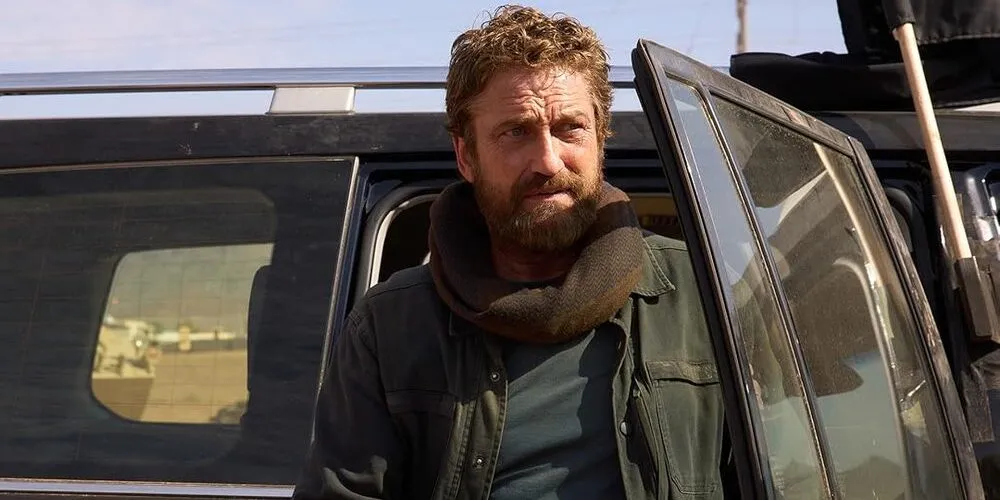
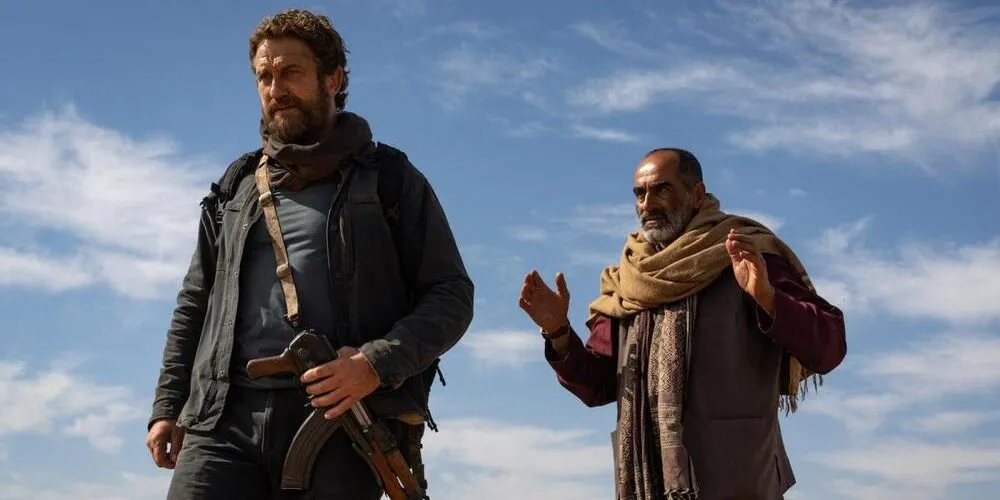
    In short: Kandahar follows Tom Harris (Gerard Butler), a weathered covert operator who helps sabotage Iran’s nuclear ambitions and then gets pulled back into an even darker plan. When his identity is exposed, he and a local translator named Mohammad (Mo) are forced into a desperate escape across Afghanistan to reach an extraction point in Kandahar. Along the way, the film puts loyalty, grief, and the absurd calculus of modern espionage on trial. The ending tells us what they get back — and what they lose.

    Below: a full plot recap, scene-by-scene breakdown of the finale, what happens to the main players (spoiler-heavy), thematic analysis, real-world echoes, and my take on whether the film delivers — and whether those final frames actually mean anything.

    TL;DR

    • The movie follows a covert operative (Tom Harris) and his translator (Mo) on a desperate escape across Afghanistan after their identities are leaked.
    • The ending is deliberately ambiguous and morally complex, with Tom and Mo surviving but scarred, Roman dying a sacrificial death, and the villain Kahil’s fate left unresolved.
    • The film is more than just an action thriller; it’s a commentary on plausible deniability, the human cost of espionage, and the lack of tidy justice in the real world.
    • It earns praise for its grounded emotional realism, strong performances (especially by Butler and Ali Fazal), and its refusal to provide a feel-good ending.

    Fast plot refresher (so we can judge the ending properly)

    Tom and his partner Oliver are technicians for a company named Siblixt Communications. Under that cover, they plant malware in a nuclear facility. The malware does its job. The Iranian program is crippled. Everybody claps. Except that soon after, a whistleblower tips a British journalist, Luna, with evidence that a Western intelligence service sabotaged the site. The story leaks. Tom’s real name surfaces. Suddenly he’s not a ghost anymore — he’s a target.

    Tom gets to Dubai, expecting to be home for his daughter’s graduation. Instead, CIA handler Roman shows up with a fresh pitch: do one last job, this time to help build a covert airstrip near Taybad so a larger strike can wipe out Iran’s nuclear capability. Tom is tempted by money and the promise of security for his daughter. He agrees, travels to Herat, and pairs with Mo, a translator who only thought he’d be helping with language and guidance.

    Then everything unravels. Iranian forces, led by Farzad, and a resourceful Pakistani ISI agent named Kahil close in. Oliver is killed. A series of betrayals and bad luck sends Tom and Mo on a brutal trek across desert and mountains, chased by helicopters, mortars, and mercenary logic. They’re detained by Taliban fighters. Roman stages a faux ISIS-K assault to free them. In the chaotic run to the Kandahar airstrip, Roman is shot trying to buy them time. Tom and Mo make it to the plane; Roman’s fate is sealed. Kahil’s fate, however, is left ambiguous. Luna survives and is released, but not without scars.

    That’s the plot plumbing. Now the ending details and the messy moral questions the film is begging you to answer.


    The Ending, Scene by Scene (what actually happens)

    1. The final chase: After the Taliban ambush and the fake ISIS-K raid, Tom and Mo are driven toward Kandahar. Kahil, the ISI guy, is relentless. He’s not noble. He’s hungry for leverage — to sell Tom for money and career advancement. He attacks using Taliban forces and direct fire. Tom’s car is hit by a mortar. They escape, but not without damage.
    2. Roman’s sacrifice: In the run to the extraction point, Roman jumps into a firefight with Kahil’s men. He’s shot. Tom urges him to stay in the vehicle. Roman refuses. He gets out. He makes a move on Kahil. Kahil shoots him. Roman dies, smiling oddly, like someone who’d finally found closure in a life of compromise. His death is brutal and quick. It’s a holding action that allows Tom and Mo to keep moving.
    3. Aerial salvation: As Kahil closes in, CIA air support arrives. The American/Western forces rain missiles on the Taliban positions. The firepower clears a corridor and allows the plane — and survivors — to take off. Tom and Mo make the plane. The camera lingers on Kahil as he lies in the sand, wounded, clutching a makeshift bandage to his neck. He smiles despite the blood. The film doesn’t show him dying, and it doesn’t show him getting arrested. It leaves him there, half-alive, ambiguous.
    4. Returns and reunions: Mo gets back to the U.S., hugs his family, and disappears into civil life. Tom meets his daughter at Gatwick. He hugs her. They step into a life that looks calmer, but we’re shown the special kind of silence that follows trauma. The film ends on that note: they’re home, but not unmarked.
    5. Luna’s fate: Luna is released by Iranian authorities near the Iran-Pakistan border. She returns to journalism, but the film uses her arc to remind us that the “winners” still carry scars. She publishes the leaked piece; the world knows. But the victory is pyrrhic. The whistleblower’s patriotism is complicated, and Luna’s survival is a cold stroke of luck.

    Character fates and what they mean

    • Tom Harris: He survives. That’s the main answer people want. But his survival is not a neat victory. The film carefully avoids a triumphant final beat. Instead, survival is framed as an accumulation of losses. Tom keeps his body, but not his innocence, not his family, and possibly not his future. The graduation reunion is a balm. But the camera’s restraint — less embrace, more exhausted proximity — tells us that Tom’s scars are deeper than his passport.
    • Mo (Mohammad): He survives and returns home. His arc is the quieter of the two, but maybe the more devastating. He thought he was doing translation work. He ends up complicit in a global operation that risked countless lives. Yet he is rewarded with safety. That reward is complicated. Back in the U.S., he sits in suburban quiet with a compass that no war can fully erase.
    • Roman Chalmers: He dies. But he dies in a way that’s narratively satisfying and morally ambiguous. Roman is both architect and charmer — the man who pulls strings for a living. He’s also a converted Muslim who lives as a Dubai socialite. That duality is layered; he appears to be a man who’s had to reconcile identities to survive. His final act is sacrificial, ostensibly to redeem him. The film wants you to honor that. I want you to also question it. Was this a final attempt at redemption or a practical move to preserve the mission’s plausible deniability?
    • Kahil: Left ambiguous. The film crafts an ending for him that’s deliciously unresolved. He’s wounded and smiling. He’s not a cartoon villain; he’s a bureaucratic predator who uses violence for upward mobility. Leaving Kahil alive (or apparently alive) makes the film linger in your throat. The story refuses to tidy up the moral ledger. That’s the point. Power and violence rarely get neat endings.
    • Luna Cujai: Released but transformed. She’s lucky. The film uses her to remind us about the human cost of truth-telling. Her survival doesn’t erase the trauma of interrogation and the moral compromise forced on journalists.

    Two big ambiguities: Roman’s motives and Kahil’s fate

    The writers play a clever game with both.

    Roman: he looks like a patriot, but his motives are often foggy. He moves like a man who’s balancing national interest, personal loyalties, and transactional morality. Did he plan to get killed? Maybe not. But he might have accepted that getting shot could be part of the job’s calculus. His conversion and Dubai lifestyle hint that he lives in multiple worlds; perhaps his death is meant to symbolize the death of old compromises. Or maybe that’s too charitable: he’s also the sort of handler who manipulates expendable assets when the heat gets turned up. The film lets you choose which reading you like.

    Kahil: the ambiguity about his survival is the film’s most interesting moral trick. If Kahil dies, the narrative grants a tidy sense of justice. But if he survives, the story’s final note is that the system that produces men like Kahil is still operating. The film leaves that card unplayed. That absence is a choice. It comforts no one.


    Thematic undercurrent: sabotage, plausible deniability, and cost

    Kandahar isn’t just an action thriller. It’s a film about the architecture of plausible deniability. Intelligence operations rarely end with parades. They end with leaked emails, scapegoats, and people like Tom getting turned into expendables when political risk rises. The movie insists on this point by showing how a single whistleblower and a careful leak can blow a whole plan apart.

    The film also interrogates modern masculinity inside the spy game: protectionism toward family, the compulsion to “fix” problems with violence, and the way trauma is normalized. Tom is a father. He’s a fixer. He’s a man who wants to return to simple domestic morality — and that desire drives him to accept more risk. That contradiction (danger undertaken for quiet domestic gain) is the engine of the story.

    Finally, the film asks whether the ends ever justify the means. Destroying a nuclear program is framed as a global good. But the collateral — dead technicians, captured journalists, displaced civilians, a translator whose life is upended — forces the viewer to weigh outcomes against human cost. Kandahar doesn’t give a clean moral verdict. It simply lays the ledger flat on the table and lets you squint.


    Realism check: how close to actual espionage is this?

    If you watch Kandahar expecting pure CIA procedural realism, you’ll be disappointed. But if you watch for emotional realism, it mostly lands.

    • The film nails the bureaucratic tension: handlers who call in favors, the rapid shift from extraction to expendability, and the way intelligence services trade assets across borders.
    • The improvised alliances — hiring local translators, leveraging warlords, and using local militias — are believable.
    • The depiction of a whistleblower’s power is sharp; in the age of leaks and instant news cycles, one document can change the arc of a campaign.

    That said, some tactical elements are compressed for pace. Helicopter chases, mortar barrages, and quick airstrikes are cinematic shorthand for more complicated logistics. Accept that. The film’s goal is drama, not a CIA manual.


    Cinematic elements worth praising (and criticizing)

    • Gerard Butler’s performance: He brings a weary, lived-in physicality. Tom isn’t flashy. He’s tired. Butler plays that with quiet economy. The performance is less about big speeches and more about small gestures — a hand on a daughter’s shoulder, a beat of silence before a kill.
    • Ali Fazal as Kahil: He’s the movie’s deceptive wildcard. His charm masks a bureaucratic cruelty. The actor does a lot with small moves: a casual smile, a polite question, the simmering satisfaction of a man who believes he’s owed success.
    • Roman’s arc: The writer intentionally dresses him in contrasts — socialite veneer, religious conversion, professional cowardice masked by loyalty. The performance humanizes him, even as the plot uses him.
    • Cinematography: The film leans on desert wide shots to convey vulnerability and claustrophobic caravan interiors to show how tiny human lives are amidst geopolitical games. The contrast works.
    • Pacing: Tight for much of the middle. The film drags in places where it attempts emotional exposition. That said, the action beats are lean and purposeful.

    Criticisms: the film sometimes flirts with clichés — the tired spy, the noble betrayer, the ridiculous last-minute airstrike. It also simplifies Afghan politics to an extent that the non-specialist viewer may accept without question. The Taliban, warlords, and foreign intelligence assets get flattened at times. Still, it’s a thriller, not a documentary.


    Moral complexity: whose side are we on?

    Kandahar refuses to give you a single person to root for. Tom is the protagonist, but he’s also part of a clandestine structure that causes suffering. Roman is a handler who sacrifices himself; is that redemption or smart mission planning? Kahil’s hunger for profit is vile, but he’s also a product of a system that rewards violence.

    The film’s brilliance — and frustration — is that it makes you sit in that moral swivel chair. It’s easy to cheer when Tom shoots someone on screen. It’s harder to reconcile that same act with the off-screen strategy that put those bullets in motion in the first place.


    Why the ambiguous ending matters

    Leaving Kahil alive (or ambiguously alive) and allowing Tom and Mo to return home does three narrative things:

    1. It preserves realism. The world rarely closes neat loops. People who do evil often get away. People who survive aren’t magically healed.
    2. It keeps the moral tension alive. You don’t get comfort from a final “justice” sequence. That discomfort is the film’s point.
    3. It forces reflection. When you walk out of the theater, you’re left with questions about accountability. Who authorized the operation? Who leaked the identity, and why? Who pays for the fallout?

    That final ambiguity acts like a small, persistent ache. It’s effective because it refuses to comfort.


    How Kandahar sits alongside other spy films

    If you like gritty, moral-centered spy movies — Tinker Tailor Soldier Spy or Zero Dark ThirtyKandahar sits comfortably in that lane. It’s not a polished Bond thriller. It’s more grounded, more domestic in its stakes, and arguably more cynical. It trusts the audience to care about human rubble rather than flashy gadgets.

    Compared to some modern spy fare that glorifies heroics, Kandahar is stubbornly real. It gives you the boring logistics and the ugly costs, then lets you decide whether the wins match the bills.


    What the film gets right about journalistic risk

    Luna’s arc is compact but effective. The film shows the precarious station of journalists who chase state secrets. She gets threatened, kidnapped, and interrogated. Yet she still pushes forward. That depiction rings true: people who pursue truth in conflict zones often do so knowing the odds. The film’s choice to let her survive is a small mercy; in reality, not everyone is so lucky.


    My take — bluntly

    This film works because it is humane. It cares about people more than plots. That’s rare in action cinema. The plot moves with joblike efficiency, but the emotional core — the father who wants a normal life, the translator who didn’t sign up for a battlefield, the handler who is rewarded with a grave — is what stays with you.

    Do I think the film is perfect? No. It sometimes leans on shorthand and flattens complex geopolitics into simpler beats. The Taliban and regional players are used as background instruments rather than characters with fully formed motives. That’s a missed opportunity. A deeper dive into their perspectives could have made the moral questions even harder, which would have been a good thing.

    Still, the film’s willingness to finish in the gray is refreshing. Many thrillers bow to audience appetite for catharsis. Kandahar resists that. It lets survival be hollow. It lets justice hang.

    If you like your spy films to punish you with nuance, this is your thing. If you want clean endings and revenge arcs, you’ll leave unsatisfied.


    Final thoughts: what the film leaves you asking

    • Who really pulled the strings on the sabotage?
    • Whose hands will the fallout stain in the long run?
    • What will happen to Kahil if he survives? Will he be elevated by his brutality or quietly removed?
    • Will Tom’s daughter ever really know the cost of her father’s “favor” to her future?
    • And finally: did the world get safer because a program was sabotaged, or did the sabotage seed more cycles of retaliation?

    Those are hard questions. They’re the point. Kandahar doesn’t answer them. It hands them to you and walks off camera.


    Takeaway (short and sharp)

    Kandahar is a lean, moral spy film that favors emotional truth over pyrotechnics. It gives you a competent procedural wrapped in human cost. The ending — rescue, reunion, and a lingering wound in the sand — refuses to offer cozy justice. Instead, it asks you to live with the ache. That’s brave. It’s also irritating. But mostly, it’s honest.

    If you want to watch a thriller that treats sacrifice like a ledger rather than a headline, give Kandahar a spin. If you prefer your espionage with tidy endings, bring tissues and a willingness to accept ambiguity.

    The Strange Case of Tan Youhui

    0

    Imagine this: a multimillion-dollar property fight. A lawsuit. Pride bruised. And instead of letting lawyers do their job, one developer takes the plot straight to an even darker place — and somehow turns it into the most badly executed chain of subcontracted hit jobs you ever didn’t want to be a part of. This is the story of Tan Youhui (name reported in court records), the lawsuit that set everything off, and how a plan to “make someone disappear” devolved into a six-month comedy of errors with handoffs, undercuts, and a fake “death” photo that finally broke the scheme — and the people behind it.

    Below, you’ll get a clean, vivid retelling of what happened, why it collapsed, the human and legal weaknesses that led to it, and what anyone in business should learn from a mess like this. Yes, it’s wild. No, it didn’t go as planned. And yes, there are lessons that matter far beyond real estate and revenge fantasies.

    TL;DR:

    • A Chinese developer tried to hire a hitman to solve a lawsuit.
    • The hitman subcontracted the job, and the fee got smaller at each handoff.
    • The final hitman staged a fake murder with the target and took a photo as proof.
    • The target went to the police, and the fake photo became evidence that led to the arrest and conviction of everyone involved.
    • It’s a cautionary tale about ego, outsourcing, and what happens when business disputes go criminal.

    The spark: property fight, lawsuits, and ego

    Two developers. One project. One argument that escalated until lawyers got involved. That’s the short version. The slightly longer version is also the important one.

    Reportedly, in 2013 Tan Youhui — a prominent real-estate developer in China — was entangled in a dispute with another developer, surnamed Wei. They clashed over some aspect of a joint development. The disagreement escalated. Lawsuits followed. One turned into two. Litigation started punching at reputation and balance sheets. That’s the point where the fight stopped being just commercial and started to feel personal.

    For any business person, lawsuits are stress. They’re costly. They can stall projects, freeze deals, and turn investors jittery. In the logic of commerce, a lawsuit against your company doesn’t just attack an agreement. It threatens cash flow, bankability, and bargaining leverage. So the pressure builds. Add ego, and suddenly retaliation doesn’t seem unreasonable to the wrong-minded.

    Instead of riding it out and using legal, financial, and reputational counters, Tan — according to charges later brought — took a different route. He allegedly paid for a murder. That’s the escalation. That’s where everything goes off the rails.


    The plan: pay a hitman, problem solved (or so he thought)

    Reportedly, Tan offered 2 million yuan as bounty — roughly $280,000 at the time — to eliminate Mr. Wei. Two million is a lot of money. It’s also a signal: for whoever was listening, that price whispered “I mean it.”

    That’s how the story starts. Tan contracts what he believes is a hitman. It’s a straight line in his head: pay someone, problem fixed, lawsuit threat removed. But life, and criminal conspiracies, are less linear than they appear in revenge fantasies.

    The person Tan contacted — call him Hitman 1 — didn’t do the kill. Instead, he started subcontracting. He seemed more interested in taking a cut than seeing the job through. This is the moment where the conspiracy morphs into something less professional and more chaotic. Money changes hands. Responsibility gets thinner. Incentives get warped.

    At each handoff, the fee got smaller. Each middleman skimmed his slice. Each new subcontractor accepted far less than the original bounty. Meanwhile, the job was getting further from the person who ordered it and closer to people who were increasingly motivated by small sums and huge risk.


    The hitman relay: shrinking fees, growing absurdity

    Here’s how the chain reportedly unfolded:

    1. Tan allegedly offers 2,000,000 yuan to Hitman 1.
    2. Hitman 1 hires Hitman 2, paying him ~720,000–1,400,000 (accounts vary). Hitman 1 pockets the remainder.
    3. Hitman 2 hires Hitman 3, offering around half of what he’d received. He pockets the rest.
    4. Hitman 3 hires Hitman 4, passing most of the money on but keeping a commission.
    5. Hitman 4 hires Hitman 5, paying around 100,000–140,000 yuan. Hitman 5 then accepts, for what he thinks is his payday.

    The exact numbers in some tellings vary. But the pattern stays the same: each person along the chain carved off a share. The fee shrank, the risk increased, and the professional competence probably decreased. By the time the job reached the last man, what started as a multimillion-yuan contract had dwindled into a payout that barely matched the risk of a violent felony.

    This structure created a toxic mix: the original patron was distant from execution; the middlemen were motivated by margins, not mission; and the final actor had the least incentive to protect his principal. It’s a classic case of moral hazard, but with murder.


    The twist: fake killing, staged kidnapping, and the photo that ruined everything

    Now we reach the part that sounds like a badly plotted film scene. The final “hitman” — after seeing the small fee and reconsidering the life-expectancy trade-off — did something unexpected. He met the target directly. He had a talk. He proposed a bargain.

    Instead of killing Mr. Wei, he offered to stage it. The plan: bind and gag Wei, take photos that made it look like he’d been strangled or otherwise neutralized, pass the photos up the chain as proof, collect the money, and then — what? Walk away? Go to the police and confess? The details differ in accounts, but the reported idea was to simulate the successful hit and collect payments all the way up to the original sponsor.

    Mr. Wei didn’t react like a typical victim. He heard the pitch and — instead of fleeing or immediately reporting it — he agreed to cooperate with the final man. They staged a “kidnapping” and produced images designed to convince the intermediaries that Wei was dead. Hitman 5 sent the incriminating photos upward. Each middleman used the photo as confirmation. Each middleman paid the subcontractor beneath him. The money moved. The chain believed the job was done.

    This clever-but-shocking gambit hinged on the assumption that the chain would stop there — that none of the middlemen would question the image, that no one would involve police, and that the original sponsor would celebrate a resolved threat. But it underestimated two vital things: human curiosity and accountability. Mr. Wei, having been bribed into playing dead (or coerced — accounts differ), eventually went to the police. And when he did, the entire scheme started to come unraveled.


    The investigation: follow the money and the photo trail

    Once Mr. Wei involved law enforcement, investigators did what law enforcement does best in modern conspiracies: they followed the breadcrumbs. Phone records. Payment trails. Photo metadata (when available). Testimony. The staged “proof” that was supposed to mask the conspiracy actually served as a piece of evidence.

    Authorities traced the photo back through the chain. Each handoff was corroborated. Each payment showed up. People start talking when their implicated skin is on the line. The subcontractor who staged the phony murder became a cooperating witness (or at least a key witness) once the net closed in.

    The trail led back to the original orchestrator: Tan Youhui. Arrests followed. Not just of the last “hitman,” but of every participant along the relay. The law doesn’t look kindly on such chains, especially when they culminate in a conspiracy to murder rather than a single transaction. Conspiracy law treats the participants as linked contributors to a single criminal objective. That’s why all members of the chain were held accountable.

    Reportedly, Tan received a prison term of five years. The five hitmen received prison terms ranging roughly between two and four years. The exact sentences and fines differed by jurisdiction and the court’s reading of culpability, but the core outcome was clear: a revenge scheme that was supposed to silence a rival ended up silencing its mastermind — legally speaking — and destroying the livelihoods of several others.


    Why this collapsed: practical, moral, and economic reasons

    There are a few overlapping reasons why this murder-for-hire plot failed spectacularly.

    First, incentives were disastrously misaligned. Subcontracting an illegal act through multiple intermediaries transforms a straightforward criminal plan into a pyramid of skimming opportunists. Each added layer increases the probability of betrayal or incompetence. Short-term greed overtook long-term risk calculation.

    Second, communication and control were non-existent. The more intermediaries you add to any plan, legal or illegal, the less oversight the original sponsor has. Tan’s intent became abstract; responsibility blurred. No centralized control meant no quality assurance, no loyalty, and a higher chance someone flips or bungles it.

    Third, the human element. People lie, make deals, get scared, and sometimes play both sides. The person who actually staged the fake killing did it because he liked the idea of getting paid without carrying out murder. And Mr. Wei’s choice to cooperate (or the circumstances that led to it) were decisive. Human unpredictability — not to mention an inner survival instinct — wrecked the plan.

    Fourth, modern forensics and policing. Digital trails are not forgiving. Photos, messages, transaction histories, and phone call logs create networks of evidence. What might have been a closed-loop in a pre-digital era became a breadcrumb trail that investigators could follow.

    Finally, pride and poor judgment. For a wealthy developer, a lawsuit is humiliating. Some people will spend millions to avoid public humiliation. Others make catastrophically poor choices when their ego is on the line and the spreadsheets are starting to look ugly.


    Bigger-picture lessons for business and ethics

    This isn’t just a crime story. It’s a parable about how not to handle conflict, reputation, and risk. Consider these takeaways:

    • Never let ego outpace counsel. Litigation is stressful. But it is rarely solved by illegal escalation. Legal and financial strategies exist for a reason.
    • Delegation without oversight is dangerous. Whether in legitimate outsourcing or a criminal chain, every layer of delegation adds risk and dilutes responsibility. In business, this means stricter contracts, audits, and governance.
    • Short-term solutions that rely on secrecy rarely survive scrutiny. Fraud and deception might work temporarily. But with modern discovery tools, the chance of exposure is real.
    • Money distorts incentives. Paying people to do things outside the law often results in a cascade of opportunists who add risk and complexity.
    • Transparency and the rule of law are not just ethical niceties; they are risk mitigants. Corporations and leaders who ignore these facts endanger their company, employees, and their own freedom.

    Legal reality check (what the courts punish)

    Conspiracy to commit murder, solicitation of murder, and aiding and abetting violent felonies are serious criminal offenses. Courts usually differentiate between the mastermind and the executor in sentencing. But in many jurisdictions, being the one who ordered the crime is treated as seriously as being the one who carried it out.

    The law also punishes attempted murder, conspiracy, and associated offenses such as obstruction, forgery (if false death documents were produced), and bribery. And when multiple people coordinate and trade money across borders or through multiple hands, charges like organized criminal activity can also be added.

    Sentencing takes into account factors like the defendant’s role, prior record, intent, whether anyone was actually harmed, and whether co-conspirators cooperated. In this case, the final sentences reportedly ranged from two to five years for those involved — a reflection of courts’ weighing of actual violence, attempt, and cooperation.


    Human portrait: greed, fear, and the collapse of rationality

    At its heart, this tale is human. It’s a study of how money, fear, and ego can twist rational decision-making. Tan — whether motivated by fear of financial loss, wounded pride, or an impulse to “fix” the problem — allegedly made a catastrophic choice. The intermediaries, each lured by a cut, showed how easily transactions can become schemes. The final subcontractor showed the survival instinct of someone who prefers a bribe to a bullet.

    This is also about the illusion of control. The original patron thought he could control outcomes through money. But distance breeds detachment. The more removed he was from actual execution, the less he could ensure the job matched his wishes. In many ways, it’s a cautionary tale on outsourcing responsibility — especially when morality and law are on the line.


    My point of view: what this says about power, business, and consequence

    Here’s the unsweetened take. When business leaders rely on extra-legal measures to settle disputes, they aren’t just breaking the law — they’re betting their freedom against a fantasy of invulnerability. That gamble rarely pays off.

    People with resources often believe they can buy silence, loyalty, or outcomes. That hubris is the same in boardrooms and shady alleys. It’s the same thought pattern that justifies secret payouts, hush money, or off-the-books arrangements. Maybe the person believes the alternative (court, public humiliation) is so terrible that anything else seems acceptable. But once you cross that moral line, you enter a spiral. You attract opportunists. You create leverage for blackmail. You invite exposure.

    Also, the subcontracting pattern is instructive beyond crime. It mirrors what we see in bad corporate practices: offshoring risk, subcontracting core functions without oversight, and treating compliance as an afterthought. In both cases, the company or conspirator externalizes costs and internalizes profits — until someone follows the money back.

    From a behavioral perspective, this case shows how small incentives can change behavior dramatically. Hitmen near the end of that chain accepted smaller sums for huge risk. Why? Because when someone sells moral hazard to another, the buyer often believes he’ll be able to wash his hands of it. In truth, responsibility follows money.

    Finally, the fact that this plot imploded because of a staged “proof” is almost poetic. The supposed “insurance” became proof of guilt. When you fake your way out of a problem, you risk creating concrete evidence that will eventually make you look worse.


    Final thoughts and practical takeaways

    If you run a business, especially one that attracts disputes and litigation, keep these practical tips in mind:

    • Invest in legal strategy early. Litigation risks can be mitigated with contracts, insurance, escrow arrangements, and reputation management.
    • Keep escalation legal. Litigation, arbitration, and negotiation — and, when necessary, public relations — are messy, but they’re survivable. Crime is not.
    • Audit your third parties. In legal supply chains, due diligence saves lives and livelihoods. In illegal ones, it just delays exposure.
    • Don’t outsource moral choices. Delegation has limits. Some responsibilities don’t disappear when you pay someone else to handle them.
    • Remember: secrecy is a brittle shield. Modern detection tools and human testimony make long-term concealment difficult.

    The gamble to silence a rival with money turned into a legal catastrophe for everyone involved. A developer who allegedly tried to buy a solution ended up with prison time. Several intermediaries who took slices of the purse paid with their freedom. The target, Mr. Wei, walked into a police station and set the legal gears in motion that would bring the whole ersatz assassination down.

    It’s a grim story. It’s also oddly instructional. When you see money, ego, and conflict in the same room, consider the likely outcomes before you decide how far you’ll go. Because once you step beyond law, the exit signs get smaller and the consequences get much bigger.

    If there’s one silver lining in a tale like this, it’s that justice — messy, slow, and imperfect — can still find the thread that unravels the worst plans. And if you value your freedom and reputation, let that be your guide.

    Why Lofi Girl Graduating (Then Napping) Mattered

    0

    If you’ve ever tried to focus at 2:00 a.m., you’ve probably met her. She doesn’t speak. She doesn’t check Instagram. Yet she’s been with millions of people during late-night cram sessions, lonely work stints, and those small, oddly sacred windows of quiet when the world softens and a desk lamp becomes a tiny moon. That girl — headphones on, pen moving, cat dozing on the sill — is Lofi Girl. She’s a cartoon, yes. But she quietly changed how the internet keeps us company.

    This piece is for the people who’ve accidentally fallen into a three-hour study spiral with her on the side. It’s also for anyone who wondered why so many of us treat an animated loop like a friend. And yes: I’ll explain that weird “graduation” moment and its nap twist. Spoiler: the nap was the plot twist we didn’t know we needed.

    TL;DR

    • Lofi Girl, a 24/7 animated music stream, became a cultural phenomenon by offering a steady, quiet companion for studying and work, a rare constant on the chaotic internet.
    • The channel’s success is rooted in its human-curated music, nostalgic visuals, and its role as a “low-stakes” friend, fulfilling a modern need for non-performative companionship.
    • Key moments like platform takedowns and a recent “graduation” plot twist revealed the deep emotional investment of fans, who see the stream as a crucial ritual.
    • Lofi Girl has successfully expanded from a YouTube stream into a brand and music label, showing that longevity comes from nurturing a shared story and an authentic community.

    A tiny history of a massive feeling

    The story begins with a simple, stubborn idea: make a place online that helps people focus. A French creator named Dimitri launched the channel originally called ChilledCow and, around 2017, put a 24/7 lo-fi stream online. It wasn’t meant to be mystical. It was meant to be helpful — a constant soundtrack for study and work. Instead, it turned into something cultural: a ritual. The channel later rebranded to Lofi Girl as the character became its identity.

    Why did that matter? Because the internet rarely offers steady things. It churns. It rages. It delights. But steadiness? That’s rare. A continuous stream of mellow, unobtrusive beats plus a silent, calming visual gave countless people a ritual to plug into — the human equivalent of a dim lamp and a small, reliable friend.

    Now for the visuals: the girl you know was created for the channel, not stolen forever from a Studio Ghibli film (though the aesthetic nods are obvious). Artist Juan Pablo Machado — a student then in Lyon — answered a call for a “Miyazaki-esque, studying” character and produced the look that stuck: warm lines, a tidy room, a cat, a city window. Simple, yes. But emblematic.


    Crisis tests, and the way fans rallied

    If you assume internet fame is smooth sailing, you haven’t watched a streamer deal with platform rules. Lofi Girl’s channel had multiple frightening moments: a takedown related to copyright issues in 2017; a baffling removal in 2020 that wiped thousands of hours of continuous streaming; and an ugly attack in 2022 when malicious copyright claims temporarily blanked out parts of the channel that had amassed hundreds of millions of views. When the stream disappeared, thousands of people did not shrug. They protested. They demanded restoration. They were outraged that something so gentle could be yanked for opaque reasons. Those reactions weren’t just fandom noise. They were proof that a quiet, nonverbal online presence can hold deep social value — people defend what steadies them.

    This matters because the internet tends to treat digital things like replaceable widgets. Lofi Girl’s fans refused that logic. They treated her like an anchor. And that collective reaction gave the channel leverage. It told platforms and advertisers and frankly the rest of us: there’s emotional infrastructure in these streams, not just views and ad dollars.


    The “graduation” — theatrical or existential?

    On a recent July 30th update — which, yes, the audience took very seriously — Lofi Girl posted a graduation scene: cap, gown, a laptop with “The End” on it and the caption that implied she was done studying. Fans immediately felt it. It read like an era ending. Yet the channel pulled the rug in a way that felt precisely tailored to its brand: the graduation turned out to be part of a dream sequence; then she rubbed her eyes and said she’d just take a nap. The music never stopped. The stream kept running. The fandom sighed — relieved, nostalgic, amused. (Instagram)

    Let’s be blunt: the “graduation” worked because it treated the audience like a community with a shared history. We’d literally grown up alongside that image. Whether you’d watched the stream for one night or eight years, you felt the shift. The twist — that the graduation was a nap — was a small act of mercy. It refused to let the ritual end. It also highlighted an important lesson: evolution doesn’t always mean disappearance. Sometimes it’s a wink. Sometimes it’s a brief rebrand that keeps the essential heartbeat the same.


    How an illustrated study loop became a lifestyle icon

    Lofi Girl did something else besides stabilize lonely late nights: she migrated. That cozy image jumped from a pixel on YouTube to merchandise, music-label projects, collaborations, and even pop-culture parodies and references. The channel expanded into a music label and merch. The girl started appearing in official videos, small animated shorts, and themed collabs. Suddenly she was not just background ambiance but a brand. Forbes and other outlets noted the shift from stream to multi-armed cultural presence. (Forbes)

    This shift is important to understand. Many internet-born things burn bright for a week and then burn out. Lofi Girl avoided that fate by being borderless in a specific way: the core of the appeal — calm, focus, gentle companionship — translates easily into merch, playlists, and even silly meme spinoffs. The image’s simplicity made it easy to remix. The aesthetic fit into fashion lines, NFTs, collaborative product drops, and fan art. In other words: she was flexible. That flexibility allowed the girl to age with her audience instead of being left behind.


    The psychological trick: parasocial relationships and the need for low-stakes company

    Why do we invest emotional energy in a cartoon who never blinked? Because she fills a modern social itch. We live in an era that’s more connected than any era in human history, yet many people feel lonelier than ever. Social apps give us the illusion of constant contact while stripping the slower, quieter rhythms of friendship: shared silence, predictable presence, not being forced into performative sides of ourselves.

    Lofi Girl is a masterclass in what psychologists call parasocial relationships — one-sided bonds where a media figure feels like a friend. The difference here is subtle but crucial: she doesn’t demand. She doesn’t compete for attention with curated selfhood. She listens by being steady. So she becomes a “study buddy” who keeps the light on while you do the hard work. That’s powerful.

    Additionally, the stream is a ritual device. Rituals reduce cognitive load. They make chaotic lives feel ordered. When you put on the stream, you’re not just choosing music — you’re entering a shared social script: calm, focus, gentle productivity. Rituals like this matter more in a fragmented world because they make us feel less alone without requiring emotional labor.


    Why the aesthetic matters: nostalgia, Miyazaki vibes, and material warmth

    A big reason Lofi Girl works is visual language. Her world is intentionally cozy and vaguely nostalgic. The art leans into hand-drawn warmth, muted colors, little imperfections. That aesthetic borrows from Studio Ghibli’s feeling of tactile humanity — the sense that a drawn room can hold the same weight as a living room in the physical world. That’s not accidental. It taps into a craving for objects that feel made by humans, not by algorithms. The result: an image that feels like a soft, analog hug in a noisy digital space.

    Now imagine this: a low-saturation palette, a rain-tucked city outside the window, a cat breathing slowly, a lamp pooling warm light. It’s not merely pretty. It’s a constructed emotional environment that invites calm and discourages distraction. In the design world, that’s smart branding. In the real world, it’s emotionally functional.


    AI, automation, and the value of “people-made” curation

    Lofi music exploded into a cultural niche ripe for automation. And guess what happened next? Lots of automated loops and AI-generated streams appeared. They sounded efficient. They were cheap. They were everywhere. But many listeners noticed the difference. The charm of a curated playlist — the human selection, the nuanced transition, the choice to keep a slightly imperfect crackle on a track — can’t be fully replicated by an algorithm that optimizes for time-on-screen.

    Lofi Girl’s team has leaned into that human verification. They present themselves as being curated by real humans — real producers and artists. The channel’s insistence on human-made songs and human-centered design has become a quiet resistance to sterile auto-generated feeds. That decision is partly artistic and partly strategic. When everything starts sounding flat and manufactured, a little human warmth becomes a differentiator.


    Memes, fandom art, and the democratization of the image

    Part of what makes Lofi Girl unforgettable is how easily fans appropriate her. She’s a template. People redraw her into different cultures, different art styles, different cities. That memetic flexibility turned a single artwork into a global cultural object. The fan art isn’t just vanity; it’s a social translation. Audiences take the core emotional idea and say: “I want this in my language, my light, my city.” That’s why you can find Lofi Girl cosplays, localized redraws, political parodies, and collabs. She’s a meme that doubles as a cultural scaffold.

    And that’s also why the channel’s survival feels political sometimes. To protect the stream is to protect a social contract: you keep the ritual, and it keeps you.


    What the “graduation” move teaches creators and platforms

    Here’s an operational lesson: you don’t have to kill the ritual to evolve it. Lofi Girl’s “graduation” moment could have been a farewell. Instead it was a narrative device. It created chatter. It encouraged nostalgia. It gave space for the brand to expand while reassuring the audience that the core — the thing people loved — remained intact. That’s a smart play.

    Creators often face a false binary: stay static and die slowly, or pivot radically and lose your base. Lofi Girl showed a third way: narrate the change. Make the evolution feel like part of the shared story rather than an abrupt corporate decision.


    My point of view (yes, I have one)

    Alright, here’s some blunt thinking. The success of Lofi Girl proves a simple human truth: we don’t always want voices. Sometimes we want witness. Someone — or something — that’s present but not performative. In a world where selfhood is often curated for likes, we crave a quiet companion who won’t judge how well we’re doing or expect a highlight reel.

    That’s why I find the phenomenon healthy. It’s a small-scale protest against the attention economy. It’s a reminder that not every interaction needs to be transactional. If the internet offered more “presences” like this — low-energy, non-demanding, reliable — we might have less rage and more steady work done.

    Also: the fandom’s reaction to takedowns and errors signals a shift in what we value online. Fans don’t only care about access to content. They care about ritualized access. They care when the ritual is threatened. And that kind of real, organized care should be taken seriously by platforms.

    Finally: creators and brands, take note. People will follow the story more readily than the product. Narratives are what anchor communities. If you want longevity, cultivate the story and keep the ritual.


    If you’re one of the late-night listeners: what this means for you

    If you’ve left the stream on during finals, while coding at 3 a.m., or as emotional background during a break-up, here’s what the Lofi Girl moment means for you personally:

    • You’re not weird for needing low-stakes companionship. Lot of us do.
    • Rituals are tiny anchors. Honor them. They help cognitive bandwidth.
    • It’s okay to seek a “thin” social presence. It doesn’t replace real relationships, but it fills a capacity for calm.
    • If a brand or channel you love changes, voice how you feel. Fan communities can shape outcomes.

    The future: will she stay cozy forever?

    Predicting the internet is like predicting the weather inside a blender. But there are hints. Lofi Girl has shown adaptability. She’s survived platform errors, legal chaff, and meme-ification. She’s also turned into a label and a creative home for artists. That infrastructure suggests she’s not just a flash in the pan.

    However, longevity depends on a few things: continued real human curation, platform goodwill, and the ability to stay emotionally authentic. If the brand becomes purely commercial, it risks losing the intimacy that made it beloved. If they keep the human heartbeat — minds curating music, artists animating scenes, small rituals honored — then this little study loop could age gracefully alongside the people who grew with it. (Forbes, Wikipedia)


    Closing — a small benediction for the lamp-lit hours

    There’s a special kind of comfort in watching a small lamp glow while the rest of the world quiets. Lofi Girl’s charm is not merely nostalgia or aesthetic. It’s the permission she gives you: to be in a room, to do work, to be imperfect, to exist without broadcasting triumphs. In an era of curated personalities and relentless output, that permission can feel revolutionary.

    So next time you open a tab and see her silhouette bent over a page — headphones on, steady — don’t feel ridiculous for feeling slightly relieved. That relief is real. It’s communal. It’s a tiny, shared human thing that the internet, in its infinite chaos, occasionally gets absolutely right.

    And if she graduates again someday? I’ll bring flowers. But I’ll also check if she’s napping.

    Burberry’s Comeback: How an Old-School British Brand Turned Vintage into Value

    0

    Walk into most department stores a few years back and you could have sworn Burberry was playing hide-and-seek. There it was: a quiet corner, a rack of trench coats, the signature check quietly folded like something carefully shelved in a family heirloom box. Classic? Yes. Cool? Not exactly. The brand felt, to a growing swarm of younger buyers, like something their parents might own — noble and respectable, but mildly embarrassing at a rooftop party.

    Fast forward to now and the headlines read like a finance-sector soap opera. Operating profits plunged dramatically, yet the stock skyrocketed — as if the market collectively decided to buy hope on margin. Within months the company’s valuation leapt back into the billions. How does that happen? The short answer: a deliberate, slow-burn brand reset that married heritage with fresh energy, backed by management moves that made investors believe the turnaround could actually pay off.

    Below: the full dissection — origin story, high and low points, the pivot, the risks, and the signals to watch. If you want the TL;DR: Burberry didn’t try to become someone else. It reclaimed what made it unique and repackaged that for a generation used to irony and relevance.

    TL;DR

    • Burberry was seen as old-fashioned, leading to declining profits despite its rich heritage.
    • The stock price surged not because of current profits, but because investors bought into a credible story of future growth.
    • The turnaround was led by a powerful duo: creative director Daniel Lee, who modernized the brand’s core identity, and a commercial team focused on disciplined pricing and distribution.
    • The strategy involved reclaiming heritage motifs, designing intentional products (especially accessories), and reducing over-discounting to rebuild a premium image.
    • The success hinges on consistent execution, balancing creative buzz with commercial discipline, and navigating volatile luxury markets.

    Origins: Function before Fashion

    Burberry started as a utilitarian solution, not as a Prada runway stunt. In 1856 Thomas Burberry, then a young fabric merchant, created gabardine — a breathable, water-resistant cloth. It solved a practical problem: Britain’s damp, miserable weather. The trench coat followed, not as a fashion statement but as functional outerwear with military utility. It gained traction during wartime and became associated with British resolve and practicality.

    That combination of function-plus-culture became the brand’s DNA. Over decades this DNA acquired a patina of dignity — an emblem of English utility and refinement. Not glamour in the flash sense, but a dependable, recognizable identity. And for a long time, that identity was enough.


    The Glory Days — And What Went Wrong

    During the late 1990s and early 2000s, Burberry experienced a revival. The brand became fashionable again, thanks to a mix of celebrity endorsements and clever marketing. The check pattern, trench coats, and carefully curated campaigns were everywhere. Burberry had regained cultural currency.

    However, that success created a new problem: overexposure. The check — once a classy signature — started to appear on everything. The market was flooded with knockoffs and cheap reinterpretations. What had been a mark of refinement started to look tired and, worse, ubiquitous. The brand’s image slid from aspirational to something closer to everyday. As competitors reimagined luxury — merging artisanal craft with new aesthetics — Burberry’s core codes looked conservative and, notably, not as exciting to younger consumers.

    Add to that strategic missteps: uneven product focus, pricing inconsistencies, and distribution choices that diluted perceived exclusivity. Outlet discounts and over-discounting in certain channels chipped away at the premium message. The brand began to live in the awkward middle: neither outrageously luxurious nor universally accessible.


    The Numbers vs. the Narrative: A Weird Disconnect

    Here’s the business paradox that made financial journalists croon: at one point Burberry reported a dramatic decline in operating profit year-over-year — numbers that should have spooked investors. Yet the stock rallied substantially over the same period. How can a company be losing operating steam while investors keep buying in?

    Because markets are forward-looking. Investors didn’t buy the current fiscal statement; they bought a story — a credible narrative about what the company could become. Stories in markets aren’t fluff. They’re a compilation of management signals, product cues, and measurable momentum. When a brand shows real signs of cultural regeneration (new products, high-profile creative shifts, and leadership with a track record), investors sometimes front-run the cash flow realities. They price the future, not the present.


    The Two People Who Matter: Creative & Commercial

    Any brand reboot rests on two pillars: creative direction and commercial execution. Burberry’s revival hinged on both, and it didn’t happen by accident.

    Creative: Daniel Lee
    When Daniel Lee arrived, the strategy was not to erase Burberry’s past. Instead, it was to mine it for emotional truths and reframe them with modern design. That meant reviving vintage brand elements and showing them differently. The brand’s equestrian knight iconography, for instance, re-emerged with a sharper, more contemporary voice. Bags like the B-clip offered an instantly recognizable silhouette married with modern restraint. The work felt like archaeology: dig up the right relics, clean them up, and place them where young people can see them again.

    Commercial: Joshua Schulman
    On the business side, leadership focused on how to monetize the momentum without ruinous discounting. That meant a careful rethink of distribution strategies (drive value through controlled channel management), prudent pricing policies (protect the premium), and a harder look at retail economics. Schulman’s role was to translate renewed desirability into sustainable revenue growth — to make the creative renaissance pay in the ledger.

    Put together, this pair — the creative spark and the commercial brain — gave investors something they could model and believe in. It reduced the “it’s just hype” risk.


    What Burberry Actually Changed — The Tactical Moves

    A brand doesn’t revive itself with a single campaign. It takes a set of coordinated actions:

    1. Reclaim core heritage with a modern lens. Not nostalgia for nostalgia’s sake, but relevant reinterpretation. Use the trench, the gabardine story, and the knight motif to tell a story that matters today.
    2. Design with intention. Bags and accessories that are distinct in silhouette and language. Products that create visible recognition in social feeds without screaming “heritage costume.”
    3. Channel discipline. Reduce over-discounting. Keep the high-end roster genuinely premium. Offer affordable entry-level pieces, but not at the cost of destroying brand equity.
    4. Platform and perception. Put the brand back where culture is active: stylists, influencer partnerships that feel authentic (not transactional), and content that can earn attention rather than just purchase ad space.
    5. Operational tightening. Align supply chain, inventory, and pricing so that marketing lifts translate to actual margin recovery.

    Each of these is both soft (branding, storytelling) and hard (pricing, inventory, revenue recognition). Both must be done well.


    Why Investors Bought the Story

    Investors are not blind. They bought because they saw:

    • Credible management appointments. Leaders with past successes in steering brands back to growth are a powerful signal.
    • Measurable momentum. Ticket items: bag launches that trend, campaigns that actually engage, and social chatter that’s not just noise.
    • Perceived mispricing. When a legacy name hits a rough patch, valuations compress. If the turnaround thesis is plausible, the upside can be very large relative to the downside.
    • A clear narrative. “Heritage reclaimed” is an easy pitch and easier to model.

    Again, this isn’t a guarantee of future returns. It’s simply the logic that drives market behavior: when the future looks better than the present, prices adjust accordingly.


    The Risks — Because Nothing Is Ever Simple

    Here’s what can still go wrong:

    • Dependence on fast-moving markets, particularly China. If consumer recovery in key territories stalls, momentum evaporates fast. Luxury demand is volatile and geopolitically sensitive.
    • Dilution from pricing errors. If the brand relaxes price discipline or floods outlet channels to chase short-term sales, the premium perception is lost. And once lost, it’s expensive and slow to rebuild.
    • Copycat culture and competition. The market is crowded with brands that reinterpret heritage. Burberry must be distinct, not derivative.
    • Execution fatigue. Strategy needs consistent, patient implementation. Short-lived campaigns won’t cut it. Leadership must stick to the plan even when quarterly numbers look ugly.
    • Overreliance on narrative. A great story needs product follow-through. If design and distribution don’t deliver, the story is just that — a story.

    What to Watch — The Real Indicators of a Turnaround

    If you want to track whether Burberry’s revival is for real, don’t watch press clippings. Watch these hard metrics:

    1. Comparable store sales growth. This shows whether customers are walking in and buying more. It’s a primary signal of retail health.
    2. Gross margin and inventory days. Improving gross margin with shrinking inventory days means the company is selling through at healthier prices — the holy grail.
    3. China and APAC performance. These regions move the needle for luxury revenue. Watch conversion rates, average transaction value, and comp store metrics there.
    4. Digital metrics. E-commerce revenue, repeat customer rates, and online conversion tell you if the brand’s cultural buzz is translating to repeat economics.
    5. Product sell-through rates of new launches. If new bags and collections consistently sell through without discounting, that’s strong validation of the creative direction.

    New Insights: Why Heritage Brands Have a Chance Now

    Two cultural forces play in Burberry’s favor:

    1. Younger consumers crave authenticity, not shiny hollow hype. Millennials and Gen Z often prefer brands that can tell a real story with depth. Heritage brands — if they use their history intelligently — can feel more authentic than brands built overnight with venture funding.
    2. Sustainability and craft matter. A trench coat that’s built to last and a company that cares about materials has a narrative that fits today’s consumer expectations. If a product can be framed as better-made and longer-lasting, it taps into both sensibility and sustainability — a compelling combo.

    Put simply: the cultural climate is more receptive to reinterpreted heritage than it might have been a decade ago.


    My Take — Straight Talk

    Here’s the blunt view: Burberry deserves credit for having the guts to lean on its genuine strengths rather than chasing each passing microtrend. That’s rarer than people think. The brand’s approach feels strategic rather than desperate.

    However, confidence is not the same as delivery. Investors might be buying a well-told story. Consumers buy product. For this revival to be durable, Burberry must keep its pricing discipline and distribution honest. It must also guard against turning nostalgia into costume. Relevance is a living thing — it needs regular feeding.

    If management can walk the tightrope between aspiration and accessibility, and if the products consistently deliver that “I want that” feeling without cheapening the brand, Burberry can move from a story of hopeful expectation to a story of reliable profit.


    The Bottom Line

    Burberry’s situation is a textbook case in modern brand strategy. The company didn’t invent a new identity. Instead, it recalibrated what made it valuable and made that accessible to people who were ready to believe in it again. That mix of heritage plus contemporary design is a powerful formula when executed with discipline.

    Still, the company’s fate depends on consistent execution. Good design gets attention. Smart management turns attention into revenue. And, for now, the market is giving Burberry the benefit of the doubt. Whether that benefit results in sustained growth will depend on the company’s ability to balance romance and economics — creative heat with commercial rigor.

    My Lovely Journey: What we learned so far…

    0

    From the first moments of Channel A’s My Lovely Journey, you might feel as though you’ve stumbled into a familiar rom-com rerun. Yet, before long, this show proves that it’s not just about whirlwind romances or picture‑perfect selfies. Instead, it leads us down a path threaded with self‑discovery, quiet resilience, and the unexpected kindness of strangers.

    TL;DR

    • Familiar start, unique story: The show begins like a typical rom-com but quickly evolves into a deeper narrative about resilience and self-discovery.
    • A raw look at failure: Main character Yeo-reum, a former K-pop idol, is forced to confront her life and career after a public allergic reaction and losing her job.
    • The kindness of strangers: Yeo-reum’s journey to Buyeo, a small town, is marked by genuine and surprising kindness from locals.
    • Mysterious twists: A mysterious invitation to travel and an encounter with a lookalike of her sponsor adds a compelling layer of intrigue.
    • Subtle romance: The relationships, particularly with the quiet editor Yeon-seok, are slow-burning and layered, making them more intriguing than typical K-drama romances.
    • Themes of self-worth: The show challenges the idea that value is tied to visible success and highlights the importance of finding home and worth within oneself.

    A Rocky Takeoff, a Satisfying Ascent

    At first, Episodes 1 and 2 move at a leisurely pace, peppered with the sort of broad humor that makes you cringe—and then chuckle. Honestly, when our former idol turned travel‑show host, Kang Yeo‑reum (played by Gong Seung‑yeon), staggers drunk—thanks to her pushy PD—my eye‑rolling was in full force. Yet, that very moment becomes a turning point. We watch her throat swell, words slur, and career slide. Suddenly, the hokey setup morphs into something raw and relatable. We wonder: What happens when a dream tumbles apart?

    Yeo‑reum’s Fall from Grace

    Just five years ago, Yeo‑reum was part of a K‑pop girl group. While center‑stage members basked in adoration, she toiled in background shadows. Now, she trades glitter for muck, reliving her glory days through local tourism gigs. Her travel show tasks her with daredevil stunts and mud‑slinging thrills that look enviable on Instagram but feel like crawling through misery when the cameras turn off.

    During a segment in a quaint town, her tyrannical PD insists she swallows dubious homebrew. Cue allergic reaction; cue hospital trip; cue her telling the sponsor’s name so badly that she loses her job. That scene does more than set up conflict. It peels back Yeo‑reum’s bravado. We see her dread, her embarrassment, and we empathize. Moreover, it sets the tone: This series isn’t afraid to show the messy bits.

    Enter the Stoic Protector

    Behind every fallen star is someone who still believes. Editor Lee Yeon‑seok (Kim Jae‑young) emerges as our hero-in-silence. He’s quiet. He’s observant. Mostly, he’s watching Yeo‑reum’s public unravelling—and loving her anyway. When he confronts the boss, he doesn’t shout. Instead, he calmly points out the PD’s fault. He shields her reputation, albeit briefly. Even if it’s a one‑sided crush, it feels genuine. And frankly, who wouldn’t swoon when someone has your back without expecting applause?

    The Burden of “Success”

    Unemployment thrusts Yeo‑reum into reflection. Why does she feel like a failure, despite having mastered English and hosted a show for half a decade? In flashbacks, her fisherman father’s parting advice haunts her: Don’t come home unless you succeed. To him, it was a blessing—live your dream. To her, it was a hammer: Return only if you’re perfect.

    Since then, she’s measured every milestone against an impossible yardstick. Speaking English? Pointless if no foreign gigs. Lost the lead in her idol group? That shadow still follows. It’s a mindset trap. If nothing seems good enough, how can you ever feel proud? Yet, her struggle resonates. We’ve all chased standards that leave us hollow.

    A Mysterious Invitation

    Just as her world goes dark, a ray of intrigue arrives. A woman named Kate in the U.S. offers Yeo‑reum a chance to travel on her behalf to Buyeo. She mails a bracelet of strange prayer beads and promises payment. The catch? Kate can’t come herself. She just wants to see Buyeo through Yeo‑reum’s eyes.

    Initially, our heroine balks. Who’s this random fan? What if it’s a scam? Still, aimless and too ashamed to return home, she packs a bag anyway. After all, what have you got to lose when you’re already at rock bottom?

    Buyeo: Where Strangers Become Allies

    Bus rides can be lonely. Yet, at the station, a kindly elderly woman spots the bracelet. She explains its origin—a rare fruit‑tree prayer bead—and offers snacks. On the bus, Yeo‑reum starts to soften. By the time she steps off in Buyeo, she’s ready to believe in small miracles.

    At dinner, a local restaurant owner gives her a free meal and a place to sleep. The convenience‑store clerk who returns her forgotten phone turns out to be the owner’s grandson. Coincidence? Fate? You decide. Either way, Yeo‑reum experiences genuine kindness. And she senses that these people have no clue who she was. To them, she’s just a weary traveler.

    Armed with a map and her camera, she searches for the temple rumored to host her bracelet’s tree. She films every moment, narrating to Kate. Until suddenly she sees someone who looks exactly like Kate. They lock eyes. The stranger recoils, confused. No clue who Yeo‑reum is. Just like that, the subplot transforms into an alluring mystery.

    A Dash of Romance (Or a Hint of It)

    Meanwhile, Sang‑shik (Yoo Joon‑sang)—her long‑time manager—tracks her down. He’s gruff, but he cares. When they argue, he demands she learn that life isn’t over because one gig flopped. Did he really care enough to pay her a month’s salary? Or does he simply want her to pick herself up?

    Yeon‑seok arrives too. His quiet support offers a stark contrast to Sang‑shik’s loud concern. He rescues her phone. He defends her on set. It’s early days. Yet, their chemistry isn’t the cutesy banter we’ve seen a dozen times. It’s subtle. It’s layered with history we haven’t fully untangled—which makes it more intriguing.

    Themes That Hit Home

    Worth Beyond Achievement. So often, we link our value to visible success. Yeo‑reum’s journey reminds us that worth isn’t a trophy. It’s a friend’s smile. It’s a stranger’s kindness. It’s the sheer act of getting back up.

    Home Isn’t a Prize. If Dad’s words echo in our ears—’don’t come back until you win’—we might feel homelessness in our own life. Buyeo becomes Yeo‑reum’s refuge, teaching her that home can be wherever you’re loved.

    Mystery Spurs Growth. The Kate lookalike twist offers more than suspense. It nudges Yeo‑reum to step outside her familiar ring, face the unexpected, and redefine her narrative.

    Point of View: My Two Cents

    Honestly? I was braced for cliché. Yet, My Lovely Journey snagged me by the heartstrings. The slow start was worth it. Yeo‑reum’s plight is painfully human—burnout, self‑doubt, and staring at the void when a dream implodes. How many times have we rerouted our lives after a wrenching loss? Her story felt personal.

    Kim Jae‑young’s Yeon‑seok might seem underused. But give him time. He’s the quiet force, the unspoken comfort, the person who slips you that perfect cup of coffee when you need it most. And Gong Seung‑yeon nails the mix of vulnerability and stubborn pride. Every glance, every misstep, every timid smile feels earned.

    A small gripe: Her sudden epiphany in Episode 2 might seem rushed. Yet, sometimes a single moment of clarity needs no buildup. If this series drags her self‑worth journey into later episodes, the early victory could feel hollow. But if the show uses this as a springboard—for deeper introspection, for real challenges—you’ll be glued to your screen.

    Why You Should Watch

    1. Heartfelt Reality. This isn’t glam K‑pop. It’s mud‑splattered resilience.
    2. Subtle Chemistry. No fireworks yet. Just two people orbiting each other with precision.
    3. Kindness Matters. Buyeo locals restore faith in humanity.
    4. A Dash of Mystery. That Kate twist? Pure highlighter.

    Expect laughs. Expect cringes. Expect quiet tears. Expect moments that make you scribble notes about life’s true treasures.

    Final Verdict

    ⭐⭐⭐⭐⭐ (5/5)

    My Lovely Journey isn’t just another K‑drama about pretty faces. It’s a show about fragments of self‑worth, the magic of small kindnesses, and the courage it takes to rewrite your own story. If Episodes 1–2 are any indication, we’re in for a deeply satisfying trip—and maybe, just maybe, a love story that unfolds at its own sweet pace.