



Spoiler alert: this one spills everything. If you haven’t seen Kandahar yet and you like surprises, bail now. But if you’ve already watched it and your brain is still rearranging itself, welcome — this is the long, slightly judgmental, deeply human unpacking you didn’t know you needed.
In short: Kandahar follows Tom Harris (Gerard Butler), a weathered covert operator who helps sabotage Iran’s nuclear ambitions and then gets pulled back into an even darker plan. When his identity is exposed, he and a local translator named Mohammad (Mo) are forced into a desperate escape across Afghanistan to reach an extraction point in Kandahar. Along the way, the film puts loyalty, grief, and the absurd calculus of modern espionage on trial. The ending tells us what they get back — and what they lose.
Below: a full plot recap, scene-by-scene breakdown of the finale, what happens to the main players (spoiler-heavy), thematic analysis, real-world echoes, and my take on whether the film delivers — and whether those final frames actually mean anything.
TL;DR
- The movie follows a covert operative (Tom Harris) and his translator (Mo) on a desperate escape across Afghanistan after their identities are leaked.
- The ending is deliberately ambiguous and morally complex, with Tom and Mo surviving but scarred, Roman dying a sacrificial death, and the villain Kahil’s fate left unresolved.
- The film is more than just an action thriller; it’s a commentary on plausible deniability, the human cost of espionage, and the lack of tidy justice in the real world.
- It earns praise for its grounded emotional realism, strong performances (especially by Butler and Ali Fazal), and its refusal to provide a feel-good ending.
Fast plot refresher (so we can judge the ending properly)
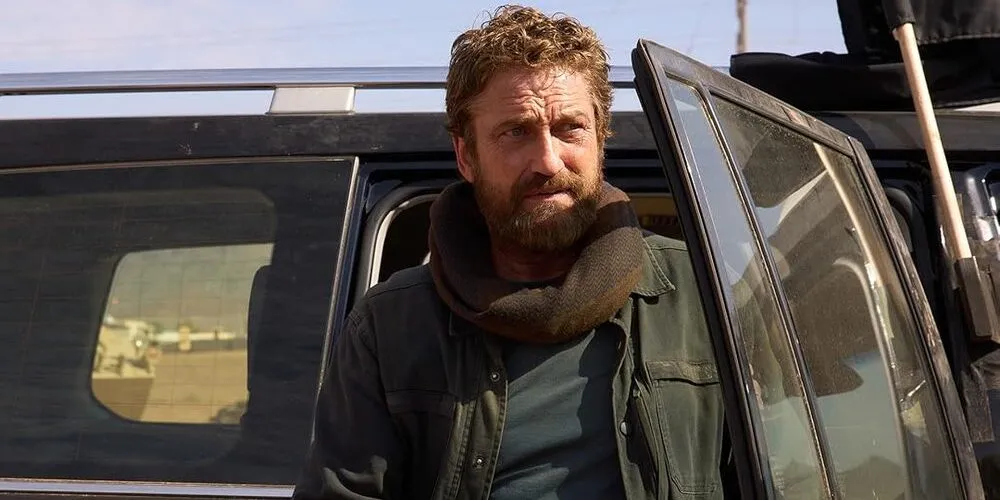
Tom and his partner Oliver are technicians for a company named Siblixt Communications. Under that cover, they plant malware in a nuclear facility. The malware does its job. The Iranian program is crippled. Everybody claps. Except that soon after, a whistleblower tips a British journalist, Luna, with evidence that a Western intelligence service sabotaged the site. The story leaks. Tom’s real name surfaces. Suddenly he’s not a ghost anymore — he’s a target.
Tom gets to Dubai, expecting to be home for his daughter’s graduation. Instead, CIA handler Roman shows up with a fresh pitch: do one last job, this time to help build a covert airstrip near Taybad so a larger strike can wipe out Iran’s nuclear capability. Tom is tempted by money and the promise of security for his daughter. He agrees, travels to Herat, and pairs with Mo, a translator who only thought he’d be helping with language and guidance.
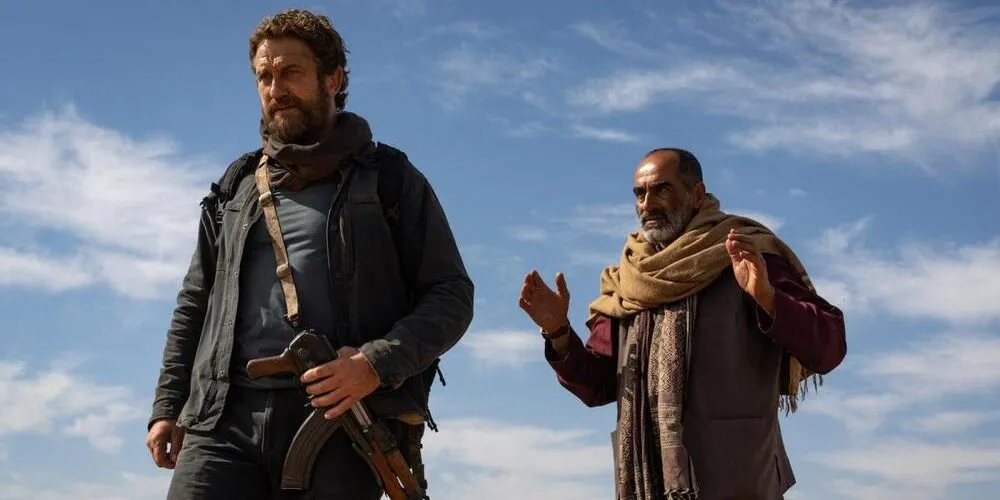
Then everything unravels. Iranian forces, led by Farzad, and a resourceful Pakistani ISI agent named Kahil close in. Oliver is killed. A series of betrayals and bad luck sends Tom and Mo on a brutal trek across desert and mountains, chased by helicopters, mortars, and mercenary logic. They’re detained by Taliban fighters. Roman stages a faux ISIS-K assault to free them. In the chaotic run to the Kandahar airstrip, Roman is shot trying to buy them time. Tom and Mo make it to the plane; Roman’s fate is sealed. Kahil’s fate, however, is left ambiguous. Luna survives and is released, but not without scars.
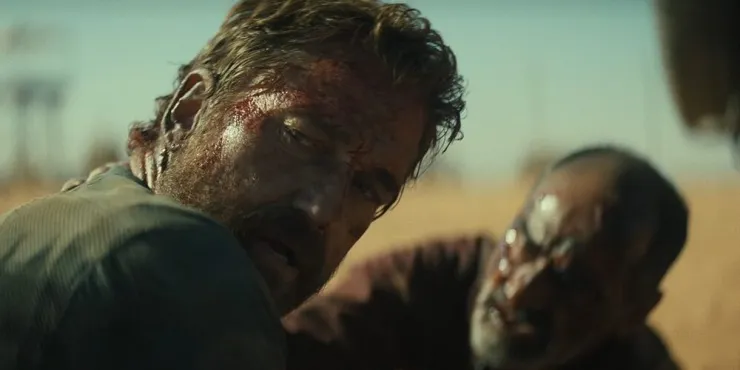
That’s the plot plumbing. Now the ending details and the messy moral questions the film is begging you to answer.
The Ending, Scene by Scene (what actually happens)
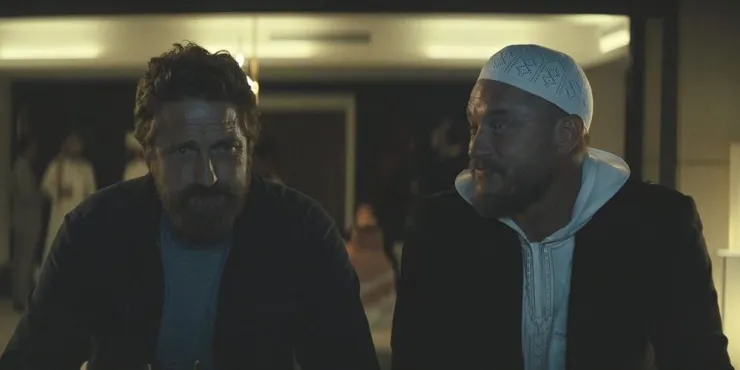
- The final chase: After the Taliban ambush and the fake ISIS-K raid, Tom and Mo are driven toward Kandahar. Kahil, the ISI guy, is relentless. He’s not noble. He’s hungry for leverage — to sell Tom for money and career advancement. He attacks using Taliban forces and direct fire. Tom’s car is hit by a mortar. They escape, but not without damage.
- Roman’s sacrifice: In the run to the extraction point, Roman jumps into a firefight with Kahil’s men. He’s shot. Tom urges him to stay in the vehicle. Roman refuses. He gets out. He makes a move on Kahil. Kahil shoots him. Roman dies, smiling oddly, like someone who’d finally found closure in a life of compromise. His death is brutal and quick. It’s a holding action that allows Tom and Mo to keep moving.
- Aerial salvation: As Kahil closes in, CIA air support arrives. The American/Western forces rain missiles on the Taliban positions. The firepower clears a corridor and allows the plane — and survivors — to take off. Tom and Mo make the plane. The camera lingers on Kahil as he lies in the sand, wounded, clutching a makeshift bandage to his neck. He smiles despite the blood. The film doesn’t show him dying, and it doesn’t show him getting arrested. It leaves him there, half-alive, ambiguous.
- Returns and reunions: Mo gets back to the U.S., hugs his family, and disappears into civil life. Tom meets his daughter at Gatwick. He hugs her. They step into a life that looks calmer, but we’re shown the special kind of silence that follows trauma. The film ends on that note: they’re home, but not unmarked.
- Luna’s fate: Luna is released by Iranian authorities near the Iran-Pakistan border. She returns to journalism, but the film uses her arc to remind us that the “winners” still carry scars. She publishes the leaked piece; the world knows. But the victory is pyrrhic. The whistleblower’s patriotism is complicated, and Luna’s survival is a cold stroke of luck.
Character fates and what they mean
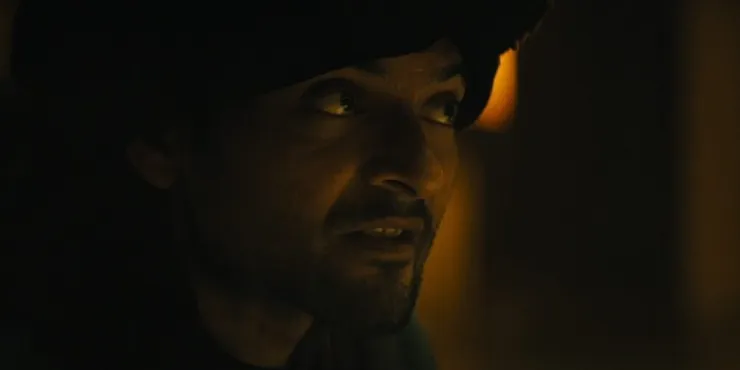
- Tom Harris: He survives. That’s the main answer people want. But his survival is not a neat victory. The film carefully avoids a triumphant final beat. Instead, survival is framed as an accumulation of losses. Tom keeps his body, but not his innocence, not his family, and possibly not his future. The graduation reunion is a balm. But the camera’s restraint — less embrace, more exhausted proximity — tells us that Tom’s scars are deeper than his passport.
- Mo (Mohammad): He survives and returns home. His arc is the quieter of the two, but maybe the more devastating. He thought he was doing translation work. He ends up complicit in a global operation that risked countless lives. Yet he is rewarded with safety. That reward is complicated. Back in the U.S., he sits in suburban quiet with a compass that no war can fully erase.
- Roman Chalmers: He dies. But he dies in a way that’s narratively satisfying and morally ambiguous. Roman is both architect and charmer — the man who pulls strings for a living. He’s also a converted Muslim who lives as a Dubai socialite. That duality is layered; he appears to be a man who’s had to reconcile identities to survive. His final act is sacrificial, ostensibly to redeem him. The film wants you to honor that. I want you to also question it. Was this a final attempt at redemption or a practical move to preserve the mission’s plausible deniability?
- Kahil: Left ambiguous. The film crafts an ending for him that’s deliciously unresolved. He’s wounded and smiling. He’s not a cartoon villain; he’s a bureaucratic predator who uses violence for upward mobility. Leaving Kahil alive (or apparently alive) makes the film linger in your throat. The story refuses to tidy up the moral ledger. That’s the point. Power and violence rarely get neat endings.
- Luna Cujai: Released but transformed. She’s lucky. The film uses her to remind us about the human cost of truth-telling. Her survival doesn’t erase the trauma of interrogation and the moral compromise forced on journalists.
Two big ambiguities: Roman’s motives and Kahil’s fate
The writers play a clever game with both.
Roman: he looks like a patriot, but his motives are often foggy. He moves like a man who’s balancing national interest, personal loyalties, and transactional morality. Did he plan to get killed? Maybe not. But he might have accepted that getting shot could be part of the job’s calculus. His conversion and Dubai lifestyle hint that he lives in multiple worlds; perhaps his death is meant to symbolize the death of old compromises. Or maybe that’s too charitable: he’s also the sort of handler who manipulates expendable assets when the heat gets turned up. The film lets you choose which reading you like.
Kahil: the ambiguity about his survival is the film’s most interesting moral trick. If Kahil dies, the narrative grants a tidy sense of justice. But if he survives, the story’s final note is that the system that produces men like Kahil is still operating. The film leaves that card unplayed. That absence is a choice. It comforts no one.
Thematic undercurrent: sabotage, plausible deniability, and cost
Kandahar isn’t just an action thriller. It’s a film about the architecture of plausible deniability. Intelligence operations rarely end with parades. They end with leaked emails, scapegoats, and people like Tom getting turned into expendables when political risk rises. The movie insists on this point by showing how a single whistleblower and a careful leak can blow a whole plan apart.
The film also interrogates modern masculinity inside the spy game: protectionism toward family, the compulsion to “fix” problems with violence, and the way trauma is normalized. Tom is a father. He’s a fixer. He’s a man who wants to return to simple domestic morality — and that desire drives him to accept more risk. That contradiction (danger undertaken for quiet domestic gain) is the engine of the story.
Finally, the film asks whether the ends ever justify the means. Destroying a nuclear program is framed as a global good. But the collateral — dead technicians, captured journalists, displaced civilians, a translator whose life is upended — forces the viewer to weigh outcomes against human cost. Kandahar doesn’t give a clean moral verdict. It simply lays the ledger flat on the table and lets you squint.
Realism check: how close to actual espionage is this?
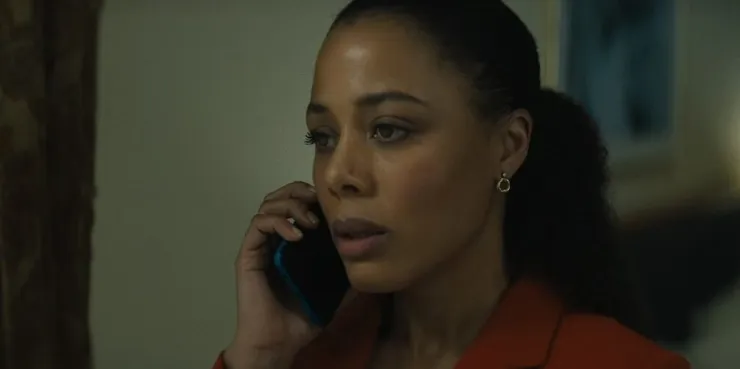
If you watch Kandahar expecting pure CIA procedural realism, you’ll be disappointed. But if you watch for emotional realism, it mostly lands.
- The film nails the bureaucratic tension: handlers who call in favors, the rapid shift from extraction to expendability, and the way intelligence services trade assets across borders.
- The improvised alliances — hiring local translators, leveraging warlords, and using local militias — are believable.
- The depiction of a whistleblower’s power is sharp; in the age of leaks and instant news cycles, one document can change the arc of a campaign.
That said, some tactical elements are compressed for pace. Helicopter chases, mortar barrages, and quick airstrikes are cinematic shorthand for more complicated logistics. Accept that. The film’s goal is drama, not a CIA manual.
Cinematic elements worth praising (and criticizing)
- Gerard Butler’s performance: He brings a weary, lived-in physicality. Tom isn’t flashy. He’s tired. Butler plays that with quiet economy. The performance is less about big speeches and more about small gestures — a hand on a daughter’s shoulder, a beat of silence before a kill.
- Ali Fazal as Kahil: He’s the movie’s deceptive wildcard. His charm masks a bureaucratic cruelty. The actor does a lot with small moves: a casual smile, a polite question, the simmering satisfaction of a man who believes he’s owed success.
- Roman’s arc: The writer intentionally dresses him in contrasts — socialite veneer, religious conversion, professional cowardice masked by loyalty. The performance humanizes him, even as the plot uses him.
- Cinematography: The film leans on desert wide shots to convey vulnerability and claustrophobic caravan interiors to show how tiny human lives are amidst geopolitical games. The contrast works.
- Pacing: Tight for much of the middle. The film drags in places where it attempts emotional exposition. That said, the action beats are lean and purposeful.
Criticisms: the film sometimes flirts with clichés — the tired spy, the noble betrayer, the ridiculous last-minute airstrike. It also simplifies Afghan politics to an extent that the non-specialist viewer may accept without question. The Taliban, warlords, and foreign intelligence assets get flattened at times. Still, it’s a thriller, not a documentary.
Moral complexity: whose side are we on?
Kandahar refuses to give you a single person to root for. Tom is the protagonist, but he’s also part of a clandestine structure that causes suffering. Roman is a handler who sacrifices himself; is that redemption or smart mission planning? Kahil’s hunger for profit is vile, but he’s also a product of a system that rewards violence.
The film’s brilliance — and frustration — is that it makes you sit in that moral swivel chair. It’s easy to cheer when Tom shoots someone on screen. It’s harder to reconcile that same act with the off-screen strategy that put those bullets in motion in the first place.
Why the ambiguous ending matters
Leaving Kahil alive (or ambiguously alive) and allowing Tom and Mo to return home does three narrative things:
- It preserves realism. The world rarely closes neat loops. People who do evil often get away. People who survive aren’t magically healed.
- It keeps the moral tension alive. You don’t get comfort from a final “justice” sequence. That discomfort is the film’s point.
- It forces reflection. When you walk out of the theater, you’re left with questions about accountability. Who authorized the operation? Who leaked the identity, and why? Who pays for the fallout?
That final ambiguity acts like a small, persistent ache. It’s effective because it refuses to comfort.
How Kandahar sits alongside other spy films
If you like gritty, moral-centered spy movies — Tinker Tailor Soldier Spy or Zero Dark Thirty — Kandahar sits comfortably in that lane. It’s not a polished Bond thriller. It’s more grounded, more domestic in its stakes, and arguably more cynical. It trusts the audience to care about human rubble rather than flashy gadgets.
Compared to some modern spy fare that glorifies heroics, Kandahar is stubbornly real. It gives you the boring logistics and the ugly costs, then lets you decide whether the wins match the bills.
What the film gets right about journalistic risk
Luna’s arc is compact but effective. The film shows the precarious station of journalists who chase state secrets. She gets threatened, kidnapped, and interrogated. Yet she still pushes forward. That depiction rings true: people who pursue truth in conflict zones often do so knowing the odds. The film’s choice to let her survive is a small mercy; in reality, not everyone is so lucky.
My take — bluntly
This film works because it is humane. It cares about people more than plots. That’s rare in action cinema. The plot moves with joblike efficiency, but the emotional core — the father who wants a normal life, the translator who didn’t sign up for a battlefield, the handler who is rewarded with a grave — is what stays with you.
Do I think the film is perfect? No. It sometimes leans on shorthand and flattens complex geopolitics into simpler beats. The Taliban and regional players are used as background instruments rather than characters with fully formed motives. That’s a missed opportunity. A deeper dive into their perspectives could have made the moral questions even harder, which would have been a good thing.
Still, the film’s willingness to finish in the gray is refreshing. Many thrillers bow to audience appetite for catharsis. Kandahar resists that. It lets survival be hollow. It lets justice hang.
If you like your spy films to punish you with nuance, this is your thing. If you want clean endings and revenge arcs, you’ll leave unsatisfied.
Final thoughts: what the film leaves you asking
- Who really pulled the strings on the sabotage?
- Whose hands will the fallout stain in the long run?
- What will happen to Kahil if he survives? Will he be elevated by his brutality or quietly removed?
- Will Tom’s daughter ever really know the cost of her father’s “favor” to her future?
- And finally: did the world get safer because a program was sabotaged, or did the sabotage seed more cycles of retaliation?
Those are hard questions. They’re the point. Kandahar doesn’t answer them. It hands them to you and walks off camera.
Takeaway (short and sharp)
Kandahar is a lean, moral spy film that favors emotional truth over pyrotechnics. It gives you a competent procedural wrapped in human cost. The ending — rescue, reunion, and a lingering wound in the sand — refuses to offer cozy justice. Instead, it asks you to live with the ache. That’s brave. It’s also irritating. But mostly, it’s honest.
If you want to watch a thriller that treats sacrifice like a ledger rather than a headline, give Kandahar a spin. If you prefer your espionage with tidy endings, bring tissues and a willingness to accept ambiguity.