



Have you ever watched your whiskered roommate pause dramatically, nostrils flaring, as if deciphering the mysteries of the universe? It’s no accident. A cat’s sense of smell isn’t just good; it’s borderline supernatural. While we humans fumble along with about five million olfactory receptors, our feline friends boast roughly 200 million. That staggering difference makes every sniff for them a deep dive into a scented encyclopedia. In this article, I’ll unpack why kitty noses are the unsung heroes of the animal kingdom—complete with scientific tidbits, playful insights, and my candid take on what all that sniffing really means. Buckle up; we’re diving nose-first into feline olfaction!
TL;DR
- Cats smell way better than people.
- Their nose helps them find food and stay safe.
- Smells tell cats about other cats.
- Cats can even smell how you feel.
- Good smells can make cats happy and less bored.
1. The Anatomy of a Super Sniffer
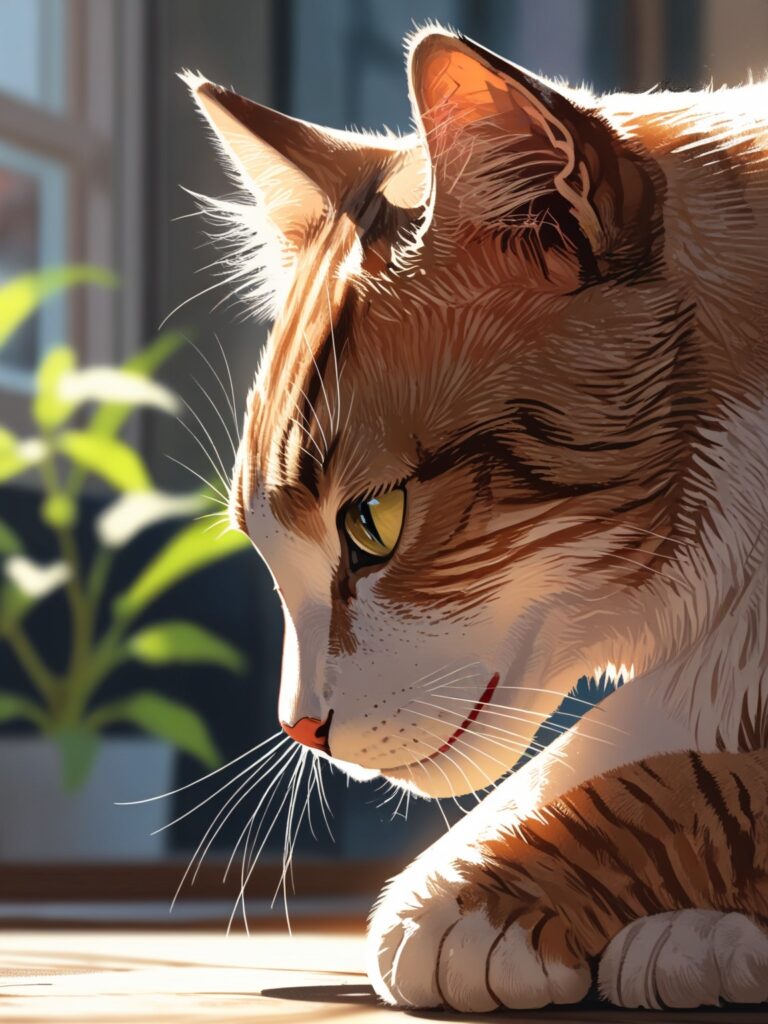
First off, let’s talk hardware. A cat’s nasal cavity is no mere olfactory corridor. It features a complex network of turbinates—thin, scroll-like bones—that dramatically increase the surface area for scent detection. More surface means more receptor cells and, naturally, more intel gathered per sniff. Meanwhile, humans sport a relatively modest nasal architecture designed more for air passage than detective work.
Next, meet the vomeronasal organ (aka Jacobson’s organ). Tucked in the roof of a cat’s mouth, this hidden structure picks up pheromones—the chemical whispers of other cats. Is your cat rubbing its cheek against your leg? That’s scent-marking, a way to claim you in feline terms. Thanks to this secret organ, cats can decode complex pheromone messages about reproductive status, territorial boundaries, and individual identity.
2. Ranking the Receptors: Cats vs. Humans
Odds and ends aside, the headline here is receptor count. When you consider that a bloodhound—a hunting dog famous for its nose—manages around 300 million receptors, the cat’s 200 million still looks impressive. In comparison, our mere five million receptors barely register in the grand sniffing Olympics.
This numerical chasm explains why cats can detect invisible shifts: someone new in the house, that sneaky mouse behind the couch, or even the subtle edge of smoke from a half-forgotten candle. Meanwhile, we’re left asking, “Do I smell dinner?”
3. Scent as a Social Currency
Think cats are independent loners? Think again. They’re actually social creatures that trade scented messages daily. Every rub, scratch, and cheek nuzzle deposits a tiny signature in the form of scent. These messages aren’t just about ownership; they communicate emotional states. A cat feeling secure might leave broad, confident scent marks. A nervous cat? Their pheromones might hint at anxiety.
When two cats meet, the ritual often starts with a nose-to-nose greeting—like shaking paws with the neighbor. This polite sniffing session lets them size each other up without bloodshed. They can glean age, sex, and reproductive health—all before deciding whether to play nice or puff up in a hissy standoff.
4. Smell and Survival Instincts
In the wild, snooping around by smell equates to dinner—or danger. Hunting cats lock onto prey scents, driving pinpoint strikes. Even domestic cats retain this instinct. Have you noticed your housecat stalking dust motes or pouncing on invisible intruders? It’s a throwback to the scent-led hunts of their ancestors.
Beyond hunting, smell alerts cats to threats. They can detect smoke from fires at tiny concentrations. Before humans register alarm, cats may bolt for safety. Similarly, changes in the air pressure and humidity before rain carry distinct ionic signatures. Those same whiskered noses pick up on them, too.
5. Aromas, Emotions, and Health
As if it weren’t enough to chase mice, cats can also read human emotions through scent. Stress hormones like cortisol have a unique odor. When you’re frazzled, your cat might approach with cautious concern—or keep its distance if it senses anger.
Interestingly, veterinarians are exploring how olfactory changes in cats could signal illness. Diseases like feline leukemia or respiratory infections can alter body odor. Early detection through scent-based screenings could revolutionize feline healthcare.
6. Aroma Enrichment: Why It Matters
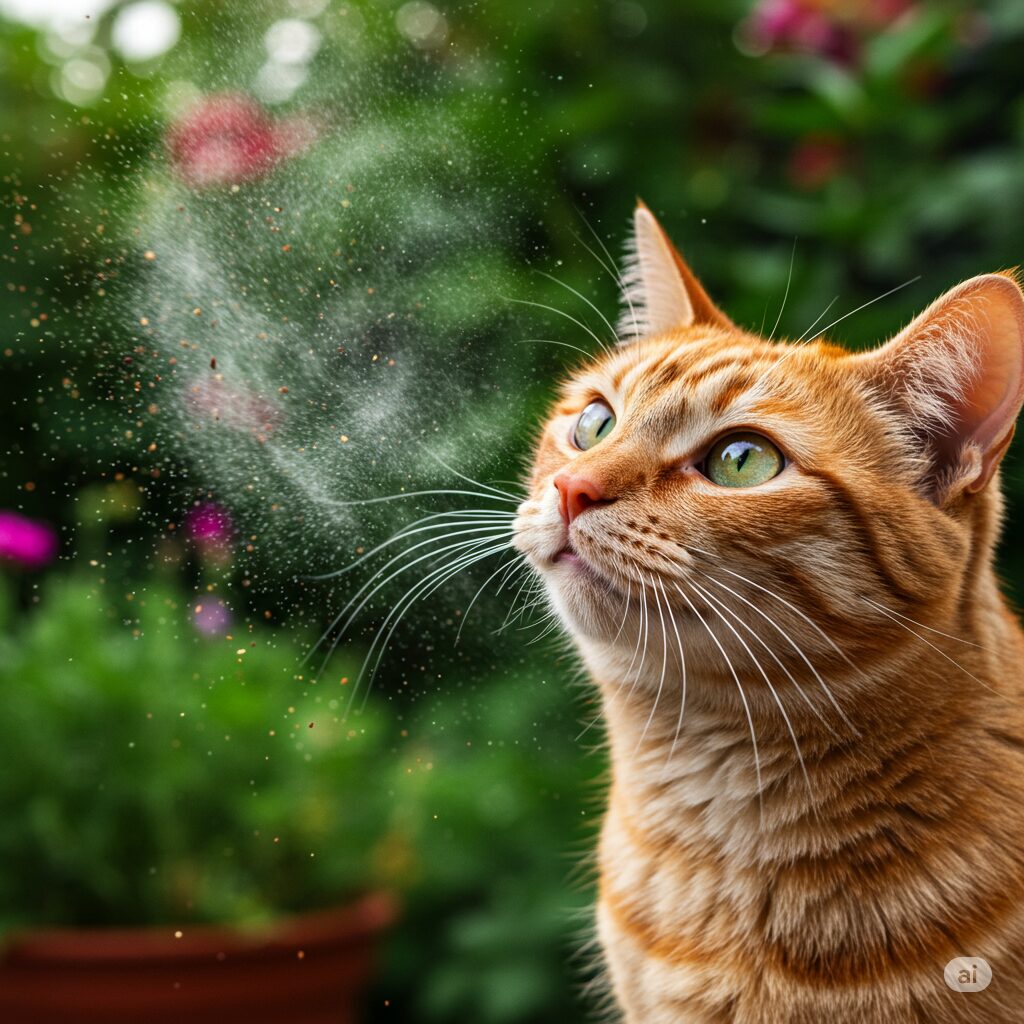
Now for some practical wisdom. Scent enrichment can jazz up your cat’s indoor life. Essential oils? Proceed with caution—cats metabolize substances differently, and some plant compounds can be toxic. Safer alternatives include catnip, silver vine, and valerian root. These natural wonders can stimulate play, relieve stress, and satisfy your cat’s sniffing itch.
Another tip: introduce new textures and items with lingering scents. A used T-shirt from your laundry or a cardboard box from the recycling bin can spark curious investigations. Every new smell enriches your cat’s environment. Boredom? It stands no chance.
7. Myth-Busting Time
Let’s clear the air on a few feline sniffing myths:
- Myth: Cats can smell fear directly.
Reality: They pick up on sweat and pheromones associated with stress—more a reaction than mind-reading. - Myth: All essential oils are cat-safe.
Reality: Many are toxic. Stick to vet-approved options like lavender (in moderation) or commercial cat-safe sprays. - Myth: Declawing ruins scent-marking.
Reality: Declawed cats lose part of their primary scent glands, located in the paws. This can indeed dull their marking behaviors.
8. My Two Cents: The Nose Knows Best
Here’s my take: understating a cat’s nose is like ignoring HD for black-and-white tube TV. It’s a full sensory upgrade. Their world is a tapestry of aromas we can’t fathom. Respect that power. Use it wisely for enrichment and bonding.
When your cat greets you with a face rub, know that it’s not just affection. It’s trust. A high-five in pheromones. Handle that privilege with care.
9. Practical Tips for Cat Guardians
- Rotate scent stimulants weekly to keep life interesting.
- Offer hidden treats in scented boxes to gamify mealtime.
- Clean litter boxes regularly to avoid overpowering your cat’s environment.
- Provide multiple scent-height platforms: floor level to window perches.
- Introduce visiting friends by having them leave an item of clothing near your cat’s safe spot.
Conclusion
If you ever doubt that your feline friend rules the world with its nose, think again. Each sniff is a data point, a ping on an invisible radar that tells your cat everything from dinner prospects to your emotional state. By tapping into that super-scent, you give your cat a richer life. Plus, you deepen the bond between two species separated by millions of years of evolution but united by a simple act of sniffing.
So next time Mr. Whiskers stops, mid-stride, to inhale the air, don’t sigh impatiently. Instead, marvel at that nasal masterpiece. For in that fleeting pause, your cat isn’t just smelling—it’s reading the world.