

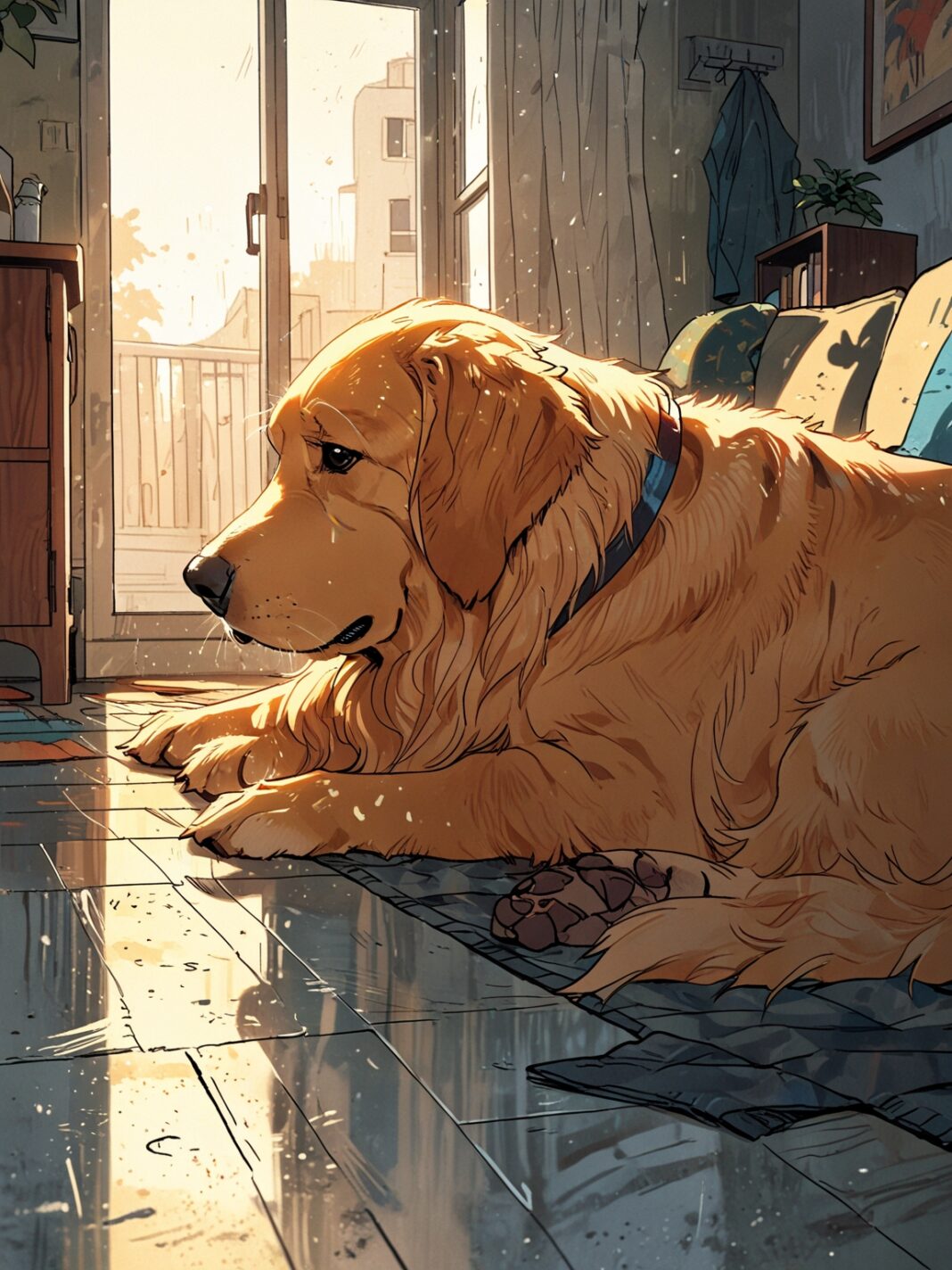

When your dog gazes at you with pleading eyes as you head out the door, it can feel like watching your heart walk away. Yet, what many pet parents overlook is that what appears like simple clinginess might actually be a storm of anxiety brewing inside. Dogs evolved as pack animals; our living rooms have become their entire world when we’re not home. Left alone, they can spiral into destructive behavior, nonstop barking, or worse—hurting themselves in desperate attempts to reunite with you.
In this deep dive, we’ll explore:
- The silent signals of separation anxiety.
- Why even the most stoic breeds can crumble when left solo.
- Proven training techniques and comfort tools to reshape your dog’s alone-time experience.
- My no-nonsense perspective on what truly heals the heart of a dog struggling with separation anxiety.
Get ready to shift from frantic dashes home to a calm, confident canine greeting you at the door.
Understanding the Roots of Separation Anxiety in Dogs

Think of separation anxiety as an unspoken dialogue between you and your dog. When that line goes dead, confusion and fear rush in. But what exactly triggers this internal alarm?
1. Evolutionary Pack Instincts
Every dog, from the tiniest Chihuahua to the largest Mastiff, carries a history of pack living. In the wild, isolation meant vulnerability. Today, your living room might feel safe, but your dog’s instincts tell it otherwise when you’re gone.
2. Early Life Experiences
Rescue dogs or pups rehomed multiple times have extra reason to worry. Just like children who move schools often, dogs remember abrupt changes. Each new home can leave an imprint of instability, making them hypersensitive when owners step out.
3. Changes in Routine
From switching to a home office to unexpected schedule shifts, dogs thrive on predictable patterns. Suddenly swapping morning walks for evening strolls might open the door to separation anxiety as your dog scrambles to make sense of its world.
4. Genetics and Breed Tendencies
Some breeds, like Border Collies and Australian Shepherds, are bred for high-intensity jobs and constant mental engagement. Drop them solo for hours, and their pent-up energy can manifest as anxiety-fueled destruction.
Spotting the Warning Signs Before the Storm Unfolds

Identifying separation anxiety early can save your furniture—and your sanity. Look out for these behaviors whenever you leave home:
- Excessive Vocalization: Neither a bark nor two—think marathon sessions of howling or whining.
- Destructive Chewing: Doors, couches, shoes—nothing is safe when the pressure builds.
- House Soiling: Indoor accidents, even in fully house-trained pups, signal panic rather than potty mistakes.
- Pacing and Restlessness: Repeated routes, circles, or frantic roaming near exit points.
- Self-Injury: Raw paws or scratched walls from frantic digging and clawing.
If your dog matches two or more of these, it’s time to act.
A Multifaceted Approach to Rebuilding Confidence
There’s no magic pill for separation anxiety. Instead, think of it as constructing a sturdy bridge between independence and companionship. Here’s your blueprint:
Step 1: Desensitization Through Mini-Departures
Start small. Grab your keys, slip on your coat—or just walk into the hallway. Pause, then return. Reward calm behavior with a treat. Gradually extend these mini-excursions until minutes feel effortless.
Step 2: Crate Training as a Safe Haven
A properly introduced crate becomes a den rather than a jail cell. Encourage exploration with cozy bedding and favorite toys inside. Never force your dog in; let curiosity lead, pairing each step with praise.
Step 3: Counterconditioning with Positive Associations
Link your departure cues (like jingling keys) to something delightful. Reserve a special chew toy or treat only for alone time. Over weeks, your dog will start anticipating rewards instead of your exit.
Step 4: Exercise and Mental Stimulation
A tired dog is a happy dog. Morning hikes, puzzle feeders, or basic obedience drills before you leave can drain surplus energy that would otherwise fuel anxiety.
Step 5: Technology and Comfort Aids
- Interactive Cameras: Talk to your dog or dispense treats when you spot signs of stress.
- Soothing Soundscapes: White noise or classical music can mask unsettling external sounds.
- Thundershirt or Anxiety Wrap: Gentle, constant pressure mimics the security of a pack cuddle.
Step 6: Professional Support When Needed
If progress stalls or behaviors intensify, certified trainers and veterinary behaviorists can tailor advanced behavior modification plans. Medication may also be advised as a temporary support during training.
My Perspective: Why Empathy Beats Guilt-Driven Fixes

Here’s the deal: guilt won’t calm a racing heart. Cowering over a chewed shoe says, “You’re bad for missing me.” Instead, flip the script. Celebrate every small step your dog takes toward independence. When your dog basks in solo success, it builds a new internal narrative: “Being alone can be rewarding.”
Look, we all want the perfect bond: cuddles, fetch… repeat. But true companionship means fostering strength, not dependency. Imagine teaching a toddler to cling to you forever—chaos ensues. Likewise, your dog deserves the confidence to thrive, crate doors open and tails wagging, whether you’re in the next room or down the block.
What really works is kindness combined with structure. No scolding. No dramatic exits. Just calm, consistent coaching, sprinkled with treats and plenty of praise. That’s the recipe for a dog who waves you goodbye with a wag, not a wail.
Real-Life Success Stories: From Panic to Peace of Mind
- Case Study: Luna the Labrador
Luna would shred cushions within minutes of her owner leaving. After implementing mini-departures and crate conditioning over six weeks, she now settles calmly with her puzzle feeder—and naps until her owner’s return. - Case Study: Baxter the Border Collie
Baxter’s intelligence made him a challenge; he unlatched doors by lunchtime. Adding daily herding ball exercises and interactive camera check-ins slashed his anxiety-induced escapes by 80% in two months.
These stories prove: dedication plus the right tactics rewrites even the most anxious scripts.
Action Plan: Turning Theory into Practice Today

- Audit Your Home for Triggers: Identify high-anxiety zones—doors, windows, or dark corners—and make them inviting with treats or toys.
- Schedule Departure Drills: Carve out five minutes twice a day for key jingles and hallway walks. Build up to longer solo times.
- Invest in Engagement Tools: A snuffle mat, lick pad, or treat dispenser can become your dog’s best friend.
- Map a Pre-Departure Routine: A quick game or 10-minute walk signals: “We’ll be back later, and it’s okay.”
- Log Progress: Keep a journal of behaviors before, during, and after alone time. Celebrate improvements and tweak strategies as needed.
Bonus Tips: Small Tweaks, Big Impact
- Rotate Toys: Novelty keeps boredom—and anxiety—at bay.
- Keep It Low-Key: Underplaying departures reduces drama.
- Counter Surprise Departures: Randomly practice leaving without your usual cues.
- Build a Support Network: Dog walkers, pet sitters, or trusted neighbors can break up alone time on long days.
- Consult Nutrition Experts: Some diets and supplements (like L-theanine or CBD) can have calming effects when overseen by your vet.
In Closing
Separation anxiety in dogs isn’t a fixed trait—it’s a behavior shaped by environment, training, and patience. While the journey from panic to poise takes time, every moment of investment pays dividends in peace of mind—for you and your furry family member.
By combining compassion with consistency, you’ll transform farewells from tearful goodbyes into confident wags. Your dog will learn: solitude isn’t scary, and your return is always certain.
Ready to rewrite your dog’s story? The bonds you strengthen today will echo in joyful, independent tails tomorrow.