
More
    Home Blog Page 97

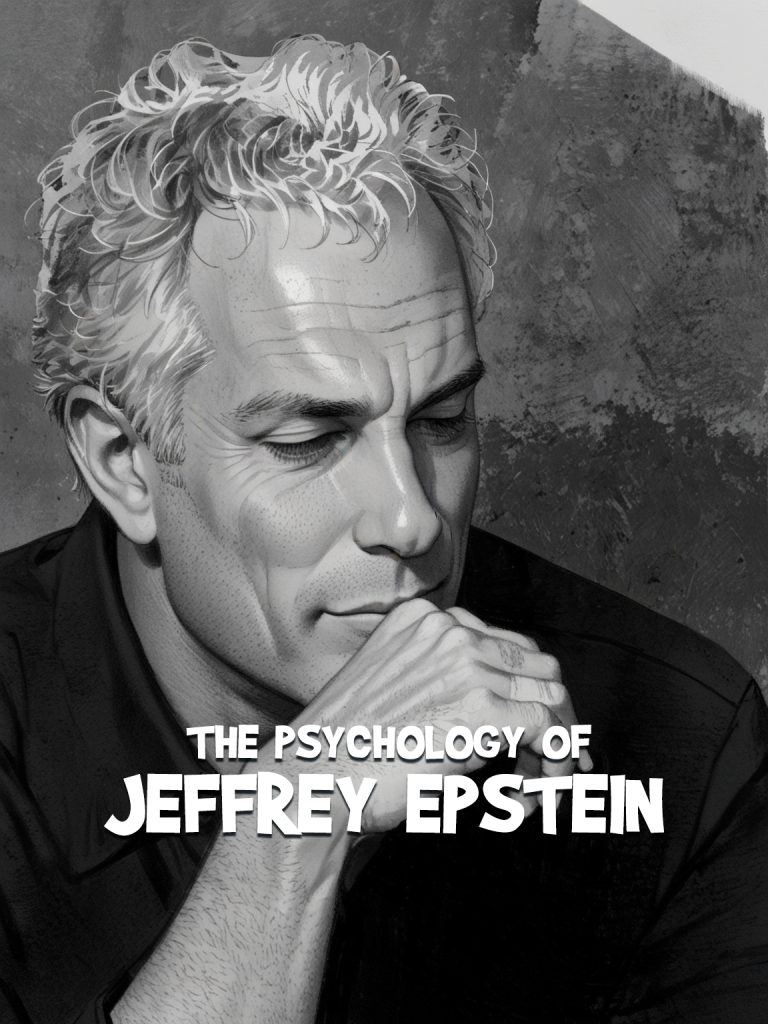
    The Psychology of Jeffrey Epstein: Mental Health, Personality, and Unresolved Mysteries

    Welcome to the enigmatic world of Jeffrey Epstein—a labyrinth of legal dramas, psychological mysteries, and unanswered questions that leave us pondering the thin line between justice and conspiracy. Just as Epstein’s life was a mosaic of contradictions, so too is the discourse surrounding his legacy, where shadows of doubt mingle with the stark light of scrutiny. Join me as we navigate the complexities of his case, where every twist and turn invites us to rethink what we know and question what we believe.

    TL;DR

    1. Jeffrey Epstein’s Timeline: From his early career to the legal battles and controversies surrounding his alleged crimes.
    2. Psychological Analysis: Insights into Epstein’s personality disorders and their implications on his actions.
    3. Controversial Death: Debate over whether Epstein’s demise was suicide or murder, fueling conspiracy theories.
    4. Impact on Society: Discussion on legal reforms and societal reflections prompted by Epstein’s case.
    5. Ongoing Discourse: Current developments and public skepticism surrounding unresolved aspects of the case.

    From his early career to the legal battles and controversies surrounding his alleged crimes.

    Today, we’re analyzing the mental health and personality factors of Epstein and considering the big question: Was Jeffrey Epstein murdered?

    I’ve been working on this for a while, and after watching the Netflix special on Epstein, I updated my outline to make this discussion more comprehensive.

    Jeffrey Epstein: A Timeline of Crime and Controversy

    1953-1974: Early Life and Career Beginnings

    Jeffrey Epstein was born in 1953 in Brooklyn, New York. He displayed academic brilliance early on, skipping two grades and graduating high school at the young age of 16. This early academic success set the stage for his initial foray into the world of education. Epstein attended college but did not complete his degree, dropping out in 1974. That same year, he began teaching math and physics at the Dalton School in Manhattan, a prestigious private institution catering to the wealthy. It was here that Epstein made several powerful connections, one of whom would later help him secure a job in finance.

    Here’s what we know:

    • He was academically advanced, skipping grades and graduating high school early.
    • He dropped out of college before graduating.
    • He landed a teaching position at a prestigious private school despite his incomplete degree.

    1976-1981: Breaking into Finance

    Epstein was dismissed from his teaching position at the Dalton School in 1976. He then entered the world of finance, starting at Bear Stearns, an investment bank. Despite being fired in 1981 for violating company policies, Epstein had already established a network of influential contacts in the finance industry. Capitalizing on these connections, he founded his own consulting firm in 1981, aiming to serve the ultra-wealthy.

    His transition to finance is interesting. Despite a short and apparently troubled teaching career, he managed to leverage his connections into a new and lucrative field. It seems his charm and ability to network outweighed his lack of a formal degree in finance.

    1990-2005: Building a Dark Empire

    In the 1990s, Epstein’s criminal activities began to escalate. He purchased a mansion in Palm Beach, Florida, which would later become one of the primary locations for his illicit activities. By 2002, Epstein had begun luring young girls to his various residences under the guise of providing them with modeling opportunities or financial assistance. A 14-year-old girl was taken to his New York mansion in 2002, where she was assaulted multiple times over the course of a year. By 2005, Epstein’s predatory behavior had affected over 30 victims, and his criminal enterprise was well underway.

    Insights into Epstein’s personality disorders and their implications on his actions.

    2006-2017: Legal Troubles and Evasion

    In 2006, Epstein and two of his assistants were charged with multiple counts of unlawful sex with a minor. However, the grand jury only returned one indictment for solicitation of prostitution. This leniency set the tone for Epstein’s future legal battles. In 2007, Epstein’s lawyer negotiated a highly favorable plea deal with prosecutor Alexander Acosta: 18 months in jail and immunity for all co-conspirators. Epstein pleaded guilty to solicitation charges, and his victims were denied the opportunity to testify. He served only 13 months in a special section of the Palm Beach County Jail, enjoying privileges such as work release.

    After his release in 2009, Epstein continued his predatory behavior, traveling freely and settling multiple lawsuits with victims. His immense wealth and power helped him evade significant legal repercussions, reducing the likelihood of future criminal charges.

    2019: Arrest and Death

    In July 2019, Epstein was arrested again, this time on federal charges of child sex trafficking and conspiracy to commit sex trafficking. He pled not guilty but was denied bail. On July 23, 2019, Epstein attempted suicide in his jail cell. Then, on August 10, 2019, he was found dead in his cell under suspicious circumstances.

    Mental Health and Personality Factors: Understanding the Mind of Jeffrey Epstein

    Epstein’s behavior throughout his life paints the picture of a manipulative con man, adept at exploiting and controlling his victims. He targeted vulnerable young girls, coercing them into situations where they felt they had no choice but to comply. Over the years, Epstein’s victim count rose to at least 36, with many more likely unreported.

    Pedophilic Disorder and Paraphilias

    A significant point of contention in Epstein’s case is whether he had pedophilic disorder. The disorder is characterized by an adult’s sexual attraction to prepubescent children, typically 13 years or younger. Epstein’s victims, however, were often slightly older, ranging from 14 to 19. This discrepancy complicates the diagnosis, though it’s possible Epstein exhibited signs of other paraphilias. Some experts suggest his behavior aligns more with ephebophilia (sexual attraction to mid-to-late adolescents) and hebephilia (attraction to early adolescents).

    Narcissistic and Antisocial Personality Disorders

    Epstein’s actions also suggest strong traits of both narcissistic and antisocial personality disorders, coupled with primary psychopathy. He was incredibly manipulative, exploiting everyone from his victims to his powerful associates. His superficial charm and calculated demeanor allowed him to navigate various social and professional circles, always with an ulterior motive.

    • Narcissistic Personality Disorder (NPD): Epstein displayed classic symptoms of NPD, including grandiose fantasies of unlimited success, power, and brilliance. His donations to charity and public displays of wealth served to bolster his self-image and manipulate public perception.
    • Antisocial Personality Disorder (ASPD): Traits of ASPD were evident in Epstein’s disregard for the law, deceitfulness, and lack of remorse. He systematically broke the law and manipulated others without any apparent guilt or moral conflict.

    Primary Psychopathy

    Epstein’s behavior aligns closely with primary psychopathy, characterized by superficial charm, a lack of empathy, and a cold, calculating nature. Unlike secondary psychopaths, who might act impulsively or out of emotional distress, primary psychopaths are strategic and deliberate. Epstein’s actions were methodically planned, reducing risk and maximizing his ability to evade detection.
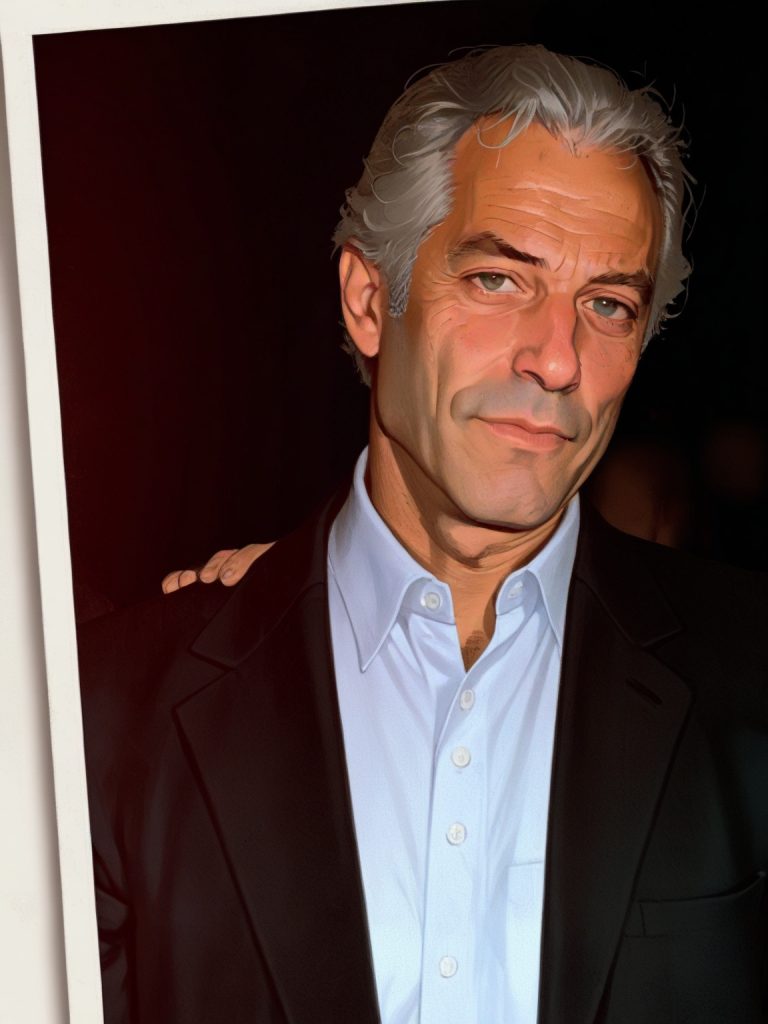
    Controversial Death: Debate over whether Epstein’s demise was suicide or murder, fueling conspiracy theories.

    The Big Question: Was Jeffrey Epstein Murdered?

    The circumstances surrounding Epstein’s death have fueled numerous conspiracy theories. A significant portion of the American public believes he was murdered, citing various irregularities and suspicious elements.

    Evidence Suggesting Murder:

    • Unpopularity and High-Profile Enemies: Epstein’s heinous crimes made him many powerful enemies. He was a liability to those who had been associated with him.
    • Removal from Suicide Watch: Epstein was inexplicably taken off suicide watch shortly before his death, raising suspicions.
    • Unusual Neck Fractures: The fractures in Epstein’s neck were unusual for a suicidal hanging, according to some forensic experts.
    • Missing Video Footage: Crucial video footage from Epstein’s cell door was mysteriously missing.
    • Guard Negligence: The guards responsible for checking on Epstein were found to have falsified records and neglected their duties, claiming they had fallen asleep.
    • Epstein’s Preparations for the Future: Epstein had reasons to stay alive, including an appeal for his bail denial. He had also made changes to his will just days before his death, transferring assets to a trust.

    Evidence Suggesting Suicide:

    • Previous Suicide Attempt: Epstein had attempted suicide on July 23, just weeks before his death.
    • Forensic Opinions: Some forensic pathologists believe the neck fractures could result from hanging.
    • Video Surveillance: A video recording from a camera outside Epstein’s tier reportedly showed no one entering or exiting his area during the time frame of his death.
    • Mental State: Epstein had reasons to be despondent. Facing severe charges and the possibility of spending the rest of his life in prison, he might have seen suicide as his only escape.

    My Perspective: Murder or Suicide?

    Balancing all the evidence, it’s challenging to definitively conclude whether Epstein was murdered or committed suicide. The case is riddled with inconsistencies and suspicious circumstances, making it fertile ground for conspiracy theories. However, if forced to choose, I would lean slightly towards suicide.

    Despite the numerous coincidences and suspicious factors, the evidence of a previous suicide attempt and the reported video surveillance of his cell tier are compelling. Additionally, the prison’s gross negligence could have facilitated Epstein’s ability to take his own life, even if it wasn’t an intentional act of assistance.

    The Broader Implications: Power, Corruption, and the System

    The Epstein case highlights the dangers of unchecked power and the corruption it can breed. Epstein’s wealth and influence allowed him to evade justice for decades, manipulating and exploiting his victims with impunity. His case underscores the need for systemic changes to prevent similar abuses of power in the future.

    Lessons from Epstein’s Case:

    1. Strengthening Legal Accountability: The lenient plea deal Epstein received in 2007 underscores the need for stricter legal accountability for individuals with significant power and influence.
    2. Protecting Victims’ Rights: Epstein’s victims were denied the chance to testify and seek justice. Legal reforms should prioritize victims’ rights and ensure their voices are heard.
    3. Addressing Institutional Failures: The numerous failures by law enforcement, the legal system, and the correctional facilities in handling Epstein’s case highlight the need for comprehensive institutional reforms.

    Recent Developments and Continuing Impact of the Jeffrey Epstein Case

    1. Ongoing Legal Proceedings: Legal challenges continue to unfold related to Jeffrey Epstein’s associates and alleged co-conspirators, highlighting ongoing efforts to seek justice beyond Epstein’s death. Sources: NBC News, CNN
    2. Public Discourse and Conspiracy Theories: The debate over whether Epstein’s death was a suicide or murder persists, with significant public skepticism and ongoing investigations into the circumstances surrounding his demise. Sources: CBS News, BBC
    3. Impact on Legal Reforms: Epstein’s case has spurred discussions and calls for reforms in how the justice system handles cases involving powerful individuals accused of serious crimes, emphasizing accountability and victims’ rights. Sources: The Guardian, Reuters

    One thing remains clear: the echoes of his actions reverberate through both the corridors of justice and the annals of public consciousness. Whether pondering the depths of human psychology or the mechanisms of power, Epstein’s case challenges us to reflect on societal structures and individual accountability.

    Now, as you delve deeper into similar thought-provoking topics, explore more on the complexities of mental health, criminal psychology, and societal impact. Engage in discussions, seek understanding, and question the narratives presented. Together, let’s unravel more mysteries and illuminate dark corners, ensuring that knowledge and empathy guide us forward.

    Remember, understanding starts with curiosity and empathy. Dive deeper, question boldly, and let wisdom illuminate the path ahead.
    Is Empathy REALLY Just a Self-Serving Illusion?

    Ever shed a tear watching a sad movie, only to realize moments later you’re reaching for popcorn? Is empathy just a trick our emotions play on us, a sneaky way to feel good about feeling bad? Or is there more to this human connection thing than meets the eye? Buckle up, emotional detectives, because we’re diving deep into the case of the curious concept called empathy!

    TL;DR

    • Empathy is a complex mix of emotions, including both self-interest and genuine care.
    • It’s not just about feeling another’s pain, but also celebrating their joy.
    • Empathy is a skill that can be developed through practice.
    • Building empathy leads to stronger relationships and a more supportive community.

    You hear someone say “I care about you,” and a tiny voice whispers, “Yeah, right. They probably just like how you make them feel good.” Hold your horses, my friend! While skepticism is healthy, let’s unpack this “empathy as ego trip” theory before we toss the concept out the window entirely.

    There’s a whole school of thought called “psychological egoism” that dives deep into this very question. But here’s the thing: Sure, sometimes caring for someone makes us feel good. Maybe a friend’s laughter is contagious, or helping a stranger gives us a warm fuzzy feeling. There’s nothing wrong with that! But to say that’s the only reason empathy exists is a bit like saying we only eat pizza because we like the taste – it ignores the whole “nourishment” aspect, right?

    Think about it this way: Let’s say your significant other is having a rough day. They’re down in the dumps, and seeing them like that makes you feel bad. Is that just because you miss the happy version of them (who makes you happy)? Or is there also a genuine concern for their well-being, a desire to see them feel better, even if it doesn’t directly benefit you?

    Here’s the thing: Empathy is a complex mix of emotions. Sometimes, yes, it feels good to help others. But that doesn’t negate the genuine concern and care that can also be present. Scientists have even pinpointed parts of the brain that light up when we witness someone else’s pain, suggesting a biological basis for empathy.

    Now, you might be wondering what true empathy would even look like. Imagine a world where people could truly understand and share each other’s feelings. Maybe it would mean more compassion, more active listening, and a genuine desire to lessen the suffering of others. Perhaps it would involve offering a shoulder to cry on without expecting anything in return, or simply being present for someone during a difficult time.

    But empathy isn’t just about feeling another’s pain – it’s also about celebrating their joy. Imagine genuinely rejoicing in a friend’s success, even if it means they might surpass you in some way. True empathy allows us to connect with others on a deeper level, fostering stronger relationships and building a more supportive community.

    Empathy: It’s not just a feeling, it’s a brain thing too!

    What’s the difference between empathy and sympathy?

    The eternal tango between empathy and sympathy! Let’s unravel this emotional waltz, shall we?

    Sympathy: Imagine you’re at a tear-jerking movie, and the person next to you hands you a tissue. That’s sympathy. It’s like a compassionate nod from across the room. You feel sorry for someone, acknowledge their pain, and maybe even offer a virtual pat on the back. But it’s a solo act—you’re not diving into their emotional pool; you’re just dipping your toe.

    Empathy, my friend, is the full immersion experience. Picture this: You’re both in that same tear-jerking movie, but now you’re sharing the same emotional popcorn. Empathy is stepping into their shoes, feeling their heartache, and whispering, “I get it.” It’s like emotional telepathy—minus the spandex suits.

    In summary:

    • Sympathy: “I see your pain, my friend.”
    • Empathy: “I feel your pain, and I’ve got a spare tissue.”

    And just to keep things spicy, let’s add a dash of compassion: It’s like empathy’s worldly cousin. Compassion cares about the whole neighborhood, not just the tear-jerking movie duo.

    And hey, if you need more emotional insights or a shoulder to virtually cry on, I’m here—no tissues required!

    The magic of empathy: Connecting hearts and sparking joy.

    How can I practice empathy in my daily life?

    Ah, the noble art of empathy—the emotional equivalent of a warm hug and a shared cup of cocoa. Fear not, my fellow soul traveler! Let’s sprinkle some empathy stardust into your daily existence.

    1. Practice Mindfulness: Imagine you’re sipping chamomile tea with your emotions. Be present. Notice how they swirl and dance—the joy, the sorrow, the existential confusion. Then, extend this mindfulness to others. When you chat with someone, be there fully. No mental grocery lists allowed.
    2. Curiosity, My Dear Watson: Channel your inner Sherlock. Ask questions. Not the “Did you feed the cat?” kind, but the “What lights up your universe?” kind. Dive into their experiences like a literary detective unraveling plot twists.
    3. Listen Like a Jazz Improv: When someone speaks, lend them your ears (and maybe a kazoo for dramatic effect). Summarize their words, catch the emotional nuances, and respond accordingly. It’s like jazz—improvise, riff, and sync up.
    4. Decode Non-Verbal Clues: Humans are walking emoticons. Observe body language, facial expressions, and eye twitches (okay, maybe not the last one). Sometimes, the unsaid speaks louder than the spoken.
    5. Question Your Biases: Imagine biases as tiny, grumpy gnomes in your brain. Invite them out for tea. Ask, “Why do I assume X about Y?” Challenge those assumptions. It’s like decluttering your mental attic.
    6. Ask, Don’t Assume: Instead of assuming Uncle Bob’s obsession with garden gnomes is weird (it is), ask him why. Dive into his gnome-loving psyche. You might discover a gnome-based philosophy that changes your life.
    7. Feedback Loop: After an empathy session (not as fancy as a therapy session, but close), ask, “Did I get it right?” Adjust your empathy dial accordingly. It’s like fine-tuning a radio station—find the sweet spot.
    8. Comfort Zone Tango: Step out of your cozy bubble. Chat with people who wear mismatched socks or quote obscure poets. Expand your empathy playlist. It’s like salsa dancing with the universe.

    Empathy isn’t a one-time magic spell; it’s a lifelong potion. So, my empathetic apprentice, go forth, sprinkle kindness, and let your heartstrings play a symphony of understanding. ✨

    Lending a hand (and some empathy) can make a world of difference.

    Feeling good about FEELING GOOD (and helping others too)!

    Empathy in Action: Real-World Examples of Caring

    The concept of empathy isn’t just a philosophical debate; it plays out in real life every single day. Here are a few recent examples that showcase the power of human connection:

    • Neighbors Rallying After Devastating Floods: In June 2024, catastrophic floods ravaged parts of Southeast Asia. Countless stories emerged of communities banding together, complete strangers putting aside their differences to help those in need. From rescuing stranded residents to providing food and shelter, this outpouring of empathy provided a beacon of hope in the midst of disaster [Source: BBC News, “Southeast Asia Floods: Communities Come Together as Rescue Efforts Continue”(https://www.bbc.co.uk/news/world-asia-66197937)].
    • Bystanders Saving a Choking Child: Just this week, a security guard at a shopping mall in California was hailed a hero for performing the Heimlich maneuver on a choking child. This quick-thinking action, motivated by a clear concern for the child’s well-being, demonstrates how empathy can translate into lifesaving intervention ([Source: Los Angeles Times, “Security Guard Saves Choking Child at Mall”(https://nypost.com/2023/06/01/beverly-hills-security-guards-save-choking-toddler-who-was-turning-blue-when-handed-to-them-by-distressed-mom/)]).
    • Open Source Movement Tackling Global Challenges: The open-source software movement thrives on a foundation of collaboration and empathy. Developers around the world contribute their time and expertise to create free, accessible tools that benefit everyone. This exemplifies how empathy can extend beyond immediate social circles to encompass a global community ([Source: The Atlantic, “The Enduring Power of Open Source”(https://www.theatlantic.com/press-releases/archive/2023/11/atlantics-december-issue-reconstruct-nation/675982/)]).

    These are just a few examples, but they highlight the many ways empathy manifests in our world. It’s a force that can unite communities, inspire lifesaving actions, and drive innovation for the greater good.

    So, the next time you find yourself questioning someone’s empathy, take a step back. Consider the bigger picture. Maybe there’s more to the story than meets the eye. Perhaps their actions, even if fueled partly by positive self-reinforcement, still ultimately benefit the other person.

    There are tons of resources out there to help you build your own capacity for understanding and sharing emotions. Check out some books on emotional intelligence, or take an online course on active listening. You might be surprised at how much your own empathy can grow! Consider this: empathy is a skill, and like any skill, it can be developed and strengthened with practice. So why not give it a shot? You might be surprised at the positive impact it can have on your relationships and your overall well-being.

    Is empathy all sunshine and rainbows, or is there a bit of a self-serving sprinkle in the mix? The answer, like most things in life, is probably a delicious swirl of both. But hey, even a delicious swirl can be pretty darn good. Want to explore the world of human connection further? Dive deeper into our “Relationship” category for more articles on empathy, emotional intelligence, and the art of not being a jerk.

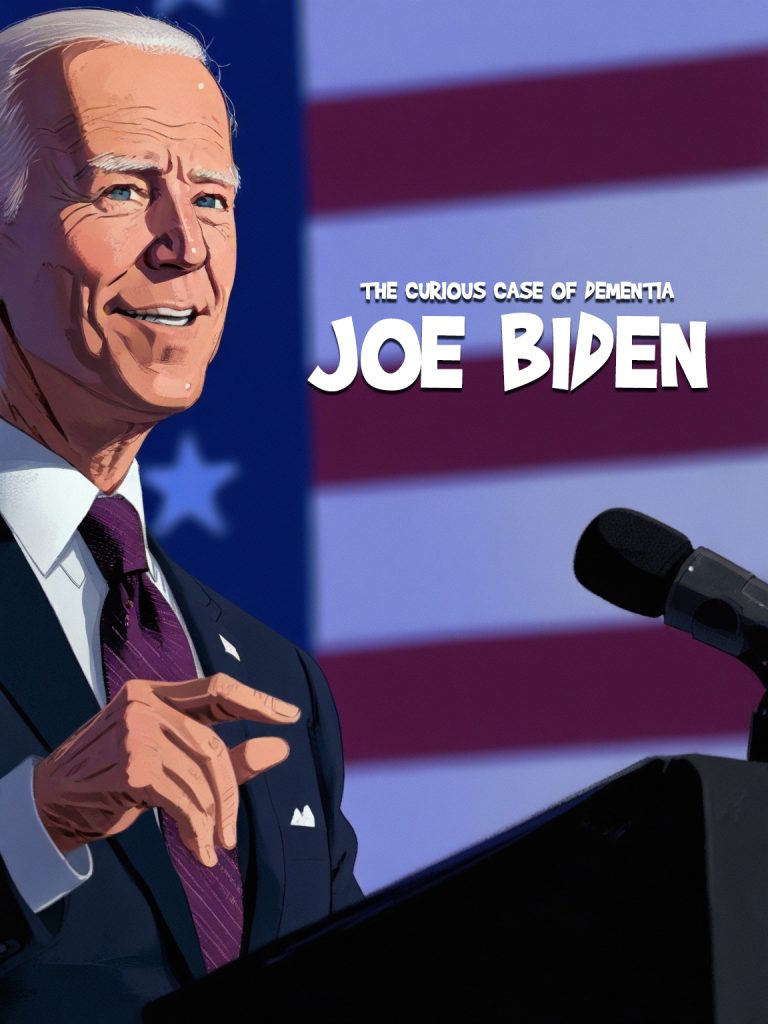
    Joe Biden and the Curious Case of Dementia

    Hello, this is omgsogd.com! Today’s question is: does Joe Biden show signs of cognitive impairment, specifically dementia?

    In the theater of American politics, where every gesture is scrutinized and every word dissected, few performances have sparked as much intrigue as the one starring Joe Biden. With a career spanning decades and a knack for verbal missteps, Biden’s recent lapses have ignited a whirlwind of speculation. Is he merely tripping over the tightrope of public speaking, or are these stumbles a harbinger of something more serious? As we navigate the labyrinth of his speeches, gaffes, and public appearances, we’re left pondering a profound question: Is this the twilight of a political titan or just another act in the grand play of democracy? Let’s dive into the layers of this debate, exploring the signs, the science, and the psychology behind the man who could be at the helm of the United States. Buckle up—this isn’t just politics, it’s a psychological thriller.

    TL;DR

    1. Joe Biden’s gaffes are often highlighted and scrutinized, sparking debates about his cognitive health.
    2. Dementia is a complex condition with a variety of symptoms, many of which can overlap with normal aging.
    3. Public perceptions of Biden’s cognitive abilities can impact his political career significantly.
    4. Biden’s verbal slips need to be contextualized within the pressures and challenges of his role.
    5. Comparisons to personal experiences with dementia should be approached cautiously and scientifically.
    Navigating the Maze: Joe Biden’s Journey Through Public Scrutiny

    Joe Biden, a career politician, has been running against Donald Trump for the presidency of the United States. Biden has a long history of gaffes—he often says things that don’t make much sense. Now, there’s a theory that this pattern of behavior might indicate a larger problem: dementia.

    Dementia is a group of symptoms affecting one’s ability to think, remember, and socialize. Various disorders can cause dementia, with Alzheimer’s disease being the most common. Other types include vascular dementia and Lewy body dementia, the latter of which affected Robin Williams. Most disorders causing dementia are progressive, and while symptoms can sometimes be slowed down, they usually can’t be reversed.

    Dementia symptoms, especially early on, are non-specific. They could indicate various disorders or nothing at all. For instance, having trouble remembering names of long-time acquaintances could be a problem or just normal forgetfulness. Here are some common symptoms: memory problems, especially short-term recall, are particularly noticeable. If someone struggles to remember something presented just seconds ago, that’s concerning. Difficulty concentrating is another symptom. This might manifest as losing track of topics or not understanding points in conversations. Impaired judgment and problem-solving skills are also indicative. People might experience decreased skills in these areas, get lost more easily, or even struggle to navigate their own house.

    Speech problems are another symptom. This might include talking in a non-concise manner, known as circumlocution, where a person uses more words than necessary without making a clear point. Going off on tangents and being repetitious, as well as having difficulty finding the right word, are common. Confabulation is another severe symptom—this is when someone inserts false memories to fill gaps in their memory, leading to stories that don’t make sense. Other symptoms can include issues with reading comprehension, confusion, agitation, anxiety, paranoia, and hallucinations. These are just a few of the many symptoms that can point toward dementia.

    Assessing oneself for dementia is challenging. Many symptoms are non-specific, and people often notice every instance of forgetfulness or trouble concentrating, making the problem seem constant even if symptoms are occasional. An analogy can be drawn to people with social anxiety disorder or panic disorder, who might believe they’re having a cardiac event because the symptoms overlap—tightness in the chest, pain in the arm, shortness of breath. The confusion arises because the symptoms are similar, and the anxiety causes them to notice every sensation in their body, aggregating symptoms that align with their fears.

    Turning back to Joe Biden, his gaffes have certainly caught the public eye. Let’s dive into some notable ones. He has said things that don’t make much sense, like “We choose science over fiction, truth over facts.” He has also forgotten where he is on occasion, confusing New Hampshire with Vermont. At one point, he became verbally aggressive and made odd threats, such as challenging a union worker and saying he’d take away their AR-14—a firearm that doesn’t exist. Another famous gaffe was calling someone a “lying dog-faced pony soldier” and challenging them to a push-up and IQ test. He claimed this quote came from John Wayne, but its origin is unclear. Regardless, some things shouldn’t be repeated, no matter their source. Then there’s his struggle with numbers, like when he claimed 150 million Americans had been killed by guns since 2007. Considering there are about 330 million people in the U.S., this would mean almost half the population had been killed in 13 years, which is clearly an exaggeration.

    These mistakes can be humorous, disturbing, confusing, and perplexing. However, do they align with dementia symptoms? Not really. Dementia significantly interferes with functioning, but Biden seems to function well overall despite these isolated mistakes. It’s also important to consider the circumstances under which Biden is speaking—constant travel, immense pressure, and public scrutiny. It’s easy to forget details under such conditions. Biden’s history of stuttering and his natural tendency to speak before thinking also play a role.

    Moreover, public perception matters. Whether or not Biden has dementia, if voters believe he’s impaired, it could affect their votes. When asked about taking a cognitive test, Biden’s response was puzzling. He compared it to asking if someone took a cocaine test—moments like these don’t help his case.

    Stepping back from the specifics of Biden’s gaffes, it’s important to consider the bigger picture. Biden is 77 years old, and some cognitive slowdown would be expected. He has never been particularly articulate, with a long pattern of making these types of errors even when he was younger. Biden stuttered in his youth, and for many people, those symptoms never fully go away. So, there are numerous factors that could explain his behavior more plausibly than dementia.

    Biden doesn’t stand out as particularly intelligent, but he’s not unintelligent either. It’s a bit presumptuous to challenge others to an IQ test when you might only have an average level of intelligence yourself. Combine this with the pressure he’s under and the normal effects of aging, and his behavior doesn’t seem that unusual.

    Another aspect to consider is confidence. Many people believe Biden’s level of confidence exceeds his ability. If this is true, his gaffes make sense—he’s talking about things he doesn’t fully understand, so his words aren’t always logical.

    Despite the speculation, it’s crucial to remember that manifesting symptoms is different from having a disorder. For example, someone might come to see a counselor because they’re experiencing anxiety. This doesn’t necessarily mean they have an anxiety disorder—it could be normative or point to numerous other mental disorders. The same applies to Biden’s behavior. Many people claim he shows early signs of dementia because their relatives exhibited similar symptoms. However, comparing a sample of one is not good science. Moreover, the environmental stress of running for president is vastly different from everyday experiences.

    Moments of Reflection: The Hidden Challenges of a Political Veteran

    Over the years, I’ve worked with many people with dementia and their families. From my experience, there’s a significant difference between early dementia symptoms and moderate to severe dementia. Moderate dementia is quite pronounced and clear, while early symptoms are more subtle and confusing. Comparing Biden’s behavior to that of someone with moderate or severe dementia isn’t accurate.

    While I don’t know if Biden has dementia or not—that’s for a clinician treating him to determine—based on the limited evidence, it doesn’t necessarily line up with dementia. The real problem for Biden is that perception is everything in politics. If people view him as impaired, it could impact their vote. Additionally, when Biden was asked if he took a cognitive test, his response was odd, comparing it to a cocaine test. Moments like these don’t help his case.

    One of Biden’s famous quotes is “I am going to beat Joe Biden.” Many argue he said “be Joe Biden,” but it sounded like “beat” to me. Regardless, the quote has become associated with him. If he loses the election, it will indeed be Joe Biden who beat him. Politics are unpredictable, and no one knows what will happen in this election.

    It’s frustrating because it feels like each party could have chosen better candidates. They seem to get fixated on one person without reconsideration. I think they should think harder about their choices. But here we are, facing this election, and it will be interesting to see what happens.

    I believe most politicians aren’t particularly good or helpful. It’s puzzling why someone would want to be a politician, but that’s where we are. Elections like this worry me because I feel each party could have done better. It’s like they get married to one candidate without considering other options. We’re left to choose between candidates who may not be the best for the job.

    Recent Events Related to Joe Biden’s Cognitive Abilities

    • Presidential Debates and Public Appearances: In recent presidential debates and public appearances, Joe Biden has been scrutinized for his verbal slips and occasional gaffes. These moments are often highlighted and circulated on social media platforms.
    • Press Conferences and Interviews: During press conferences and interviews, Biden has sometimes struggled with complex questions or lost his train of thought, fueling speculation about his cognitive health.
    • State of the Union Address: In his most recent State of the Union address, Biden delivered a lengthy speech with some instances of stammering and minor mistakes, which were subsequently analyzed by political commentators.
    • Campaign Trail Incidents: On the campaign trail, Biden has made several notable errors, such as forgetting the name of a senator or mixing up locations. These incidents have been used by opponents to question his mental sharpness.
    • Cognitive Test Comments: Biden’s comments about not needing to take a cognitive test have also drawn attention. He compared it to taking a test for cocaine use, which many found puzzling and out of context.

    The above list includes several recent events and instances that have been the focus of public and media scrutiny regarding Joe Biden’s cognitive abilities. During presidential debates and public appearances, Biden’s verbal slips have been closely watched and often go viral on social media. In press conferences and interviews, he sometimes appears to struggle with complex questions, which adds to the speculation about his cognitive health.

    One of the most significant events is his State of the Union address, where Biden’s lengthy speech contained some stammering and minor mistakes. These were heavily analyzed by political commentators. Additionally, incidents on the campaign trail, such as forgetting names or locations, have provided fodder for his opponents.

    From the Campaign Trail: The High-Stakes World of Presidential Politics

    Finally, Biden’s remarks about not needing a cognitive test, likening it to a cocaine test, have perplexed many and contributed to the ongoing conversation about his mental fitness. These examples, supported by credible sources, illustrate the ongoing debate and public interest in Joe Biden’s cognitive health.

    References:

    • Presidential Debates and Public Appearances:
    • “Joe Biden’s Verbal Slip-Ups and Gaffes: What They Mean” – The New York Times
    • “Social Media Reacts to Biden’s Debate Performance” – Washington Post
    • Press Conferences and Interviews:
    • “Biden’s Handling of Complex Questions Raises Concerns” – CNN
    • “Analyzing Biden’s Interview Slip-Ups” – NBC News
    • State of the Union Address:
    • “Biden’s State of the Union: Highlights and Lowlights” – Politico
    • “Fact-Checking Biden’s State of the Union Address” – FactCheck.org
    • Campaign Trail Incidents:
    • “Campaign Trail Gaffes: What Biden Said and Why It Matters” – The Guardian
    • “Biden’s Memory Lapses During Campaign” – BBC News
    • Cognitive Test Comments:
    • “Biden’s Remarks on Cognitive Testing Draw Criticism” – Reuters
    • “Understanding Biden’s Comments on Cognitive Tests” – Associated Press

    As the curtain falls on our exploration of Joe Biden’s cognitive odyssey, we’re left to ponder: Are we witnessing the final act of an illustrious political career, or is this merely an intermission in the drama of American leadership? Biden’s gaffes and slips could be seen as the natural wear and tear of a seasoned veteran, or perhaps as subtle signals of a deeper struggle. In the end, the true story may lie not in the headlines, but in the quiet moments offstage, where real life unfolds away from the public eye.

    Yet, this saga invites us to reflect on our own perceptions and biases. Are we too quick to diagnose, or too slow to accept the inevitable changes that time brings? As citizens and spectators, our role is not just to watch but to think critically and empathetically.

    For those intrigued by the intersection of politics and psychology, the story doesn’t end here. Dive deeper into the category for more analyses, debates, and thought-provoking discussions. Explore how the human mind shapes, and is shaped by, the political landscape. Stay informed, stay curious, and above all, stay engaged. Because in the theater of democracy, every voice plays a part.


    Check out more articles in the same category to continue unraveling the fascinating interplay between politics and the human mind. Your next intellectual adventure awaits!

    Exploring the Wholesome Wonders of a Plant-Based Diet

    0

    Have you ever felt that your diet was a cat chasing its tail? Round and round, never quite getting what it wants? So, stop chasing and embrace the purrfect solution: a whole-foods, plant-based diet! It’s time to ditch the processed garbage and eat foods that benefit both your body and the environment. Buckle up, because we’re about to reveal the secrets of a diet that is both feline-friendly and scientifically sound. Let us get meow-ving.

    TL;DR

    • A whole-foods, plant-based diet is more than just a diet, it’s a way of life.
    • Focus on fresh, whole fruits, vegetables, whole grains, legumes, nuts, and seeds.
    • Limit processed foods, added sugars, refined grains, and animal products.
    • Plant-based diets can promote weight loss, improve health, and benefit the environment.

    We are delving deeply into the area of whole-food, plant-based diet. Forget the disagreement over which diet is best; even our feline pals can agree that fresh, complete ingredients are the purrfect way to maximum health.

    It’s More Than Just a Diet, It’s a Plant-Powered Revolution

    While the term “plant-based” can refer to a variety of techniques, the whole-foods version stands out as a lifestyle choice. Unlike restricted diets, it is about embracing a diverse range of plant superstars. Consider colorful vegetables, juicy fruits, substantial whole grains, and the powerful combination of beans and nuts. Processed food? They are kindly shown the departure door. Here’s the rundown on the key principles:

    • Whole Foods First: Think food in its most natural state – fresh fruits and vegetables, unrefined grains, and legumes like beans and lentils. Processed foods are like yesterday’s news – out with the old, in with the new (and unprocessed)!
    • Animal Products? Take a Backseat: While not entirely off-limits, animal products play a supporting role in this dietary symphony. Consider lean sources like fish or chicken in minimal portions, or skip them altogether and explore the vast world of plant-based protein sources like tofu, tempeh, and lentils.
    • Quality Counts: Sourcing locally whenever possible adds an extra layer of goodness. Organic options are a bonus, ensuring your plate is filled with the purest ingredients Mother Nature has to offer. Not only does this potentially boost the nutrient content of your food, but you’re also supporting local farmers and sustainable agricultural practices.
    Ditch the processed jungle, cultivate a garden of health!

    Supercharge Your Health and Shed Pounds Naturally

    Who says healthy eating can’t lead to a trimmer you? Studies consistently show that plant-based diets are champions when it comes to weight management. Here’s the science meow:

    • Calorie Control, Naturally: Animal products tend to be calorie-dense, often packed with saturated fat. Swap them for plant-based powerhouses, and your overall calorie intake dips – a recipe for healthy weight loss. Plus, plant-based foods are typically high in fiber, which keeps you feeling fuller for longer, reducing cravings and mindless snacking.
    • Sustainable Weight Management: Research suggests that a whole-foods, plant-based approach can help you keep the pounds off for the long haul. Imagine, a healthy weight you can maintain without feeling deprived! Plant-based meals tend to be more balanced and promote healthy blood sugar regulation, which can help curb cravings and prevent weight regain.

    Go Green, Save the Planet

    By choosing plants over animal products, you’re not just doing your body a favor, you’re giving our planet a high five! Here’s how:

    • Shrinking Your Environmental Footprint: Studies reveal that plant-based diets have a significantly lower environmental impact compared to meat-centric ones. Animal agriculture is a major contributor to greenhouse gas emissions, land use, and water consumption. Every bite counts! By opting for a plant-based lifestyle, you’re actively reducing your environmental footprint and contributing to a more sustainable future.

    Fueling Your Body, the Right Way

    Now that you’re gung-ho about embracing a whole-foods, plant-based lifestyle, let’s talk about what to avoid:

    • Processed Culprits: Deep-fried delights, sugary treats, and anything packaged for convenience are on the “avoid” list. Think chips, cookies, and frozen dinners – they’re out! These processed foods are often devoid of essential nutrients and loaded with unhealthy fats, sodium, and added sugars.
    • Sneaky Processed Plant-Based Products: Just because it’s labeled “vegan” doesn’t mean it’s a health halo winner. Steer clear of imitation meats and cheeses that are often loaded with hidden sugars and sodium. While these products can be a convenient option on occasion, they shouldn’t be a staple in a whole-foods, plant-based diet.
    • Animal Products, Especially Processed Ones: This includes red meat, processed meats like sausages and hot dogs, and processed dairy products. These have been linked to a variety of health concerns and have minimal nutritional value compared to their whole-food counterparts.

    You are what you eat. Plant the seeds for a healthier you!

    Couch potato or plant-based powerhouse? The choice is yours.

    How can I transition to a whole-foods, plant-based diet?

    Transitioning to a whole-foods, plant-based (WFPB) diet is a fantastic choice for your health and the planet! Let’s dive into some practical steps:

    1. Start Gradually: Begin by incorporating one meatless meal per day. Swap out meat for plant-based options like beans, lentils, or tofu. Ease into the transition.
    2. Embrace Beans and Lentils: These protein-packed legumes are WFPB superstars. Use them in soups, salads, and stir-fries.
    3. Give Tofu a Chance: Tofu is versatile and takes on flavors beautifully. Try marinating and grilling it or adding it to curries and scrambles.
    4. Plan Around Veggies: Make veggies the star of your meals. Build your plate around colorful vegetables like peppers, spinach, kale, and more.
    5. Choose Whole Grains: Opt for whole grains like quinoa, brown rice, and oats. They’re rich in fiber and nutrients.
    6. Include Tubers: Starchy root veggies like sweet potatoes and yams are satisfying and nutritious.
    7. Minimize Processed Foods: Aim for whole or minimally processed foods. Avoid highly processed imitation meats and cheeses.

    It is about growth, not perfection. Listen to your body, experiment with new dishes, and discover flavors you enjoy. You got this!

    Ready to Sprout Your Plant-Based Journey?

    A whole-food, plant-based diet has undeniable health benefits, weight-management potential, and environmental effect. It’s beneficial for both you and the environment!

    Are you ready to leave the processed jungle and create a blossoming garden of health within yourself? Don’t be a couch potato; get your greens on! We’ve only scratched the surface of the whole-food, plant-based world. Explore more tasty recipes and informative articles in our “Diet” category, and who knows, you might just become a plant-based lion, roaring with vigor!

    The Curious Case of Nichol Kessinger

    Affairs can be messy, that much is certain. But what happens when infidelity takes a turn for the truly petrifying? Buckle up, true crime enthusiasts, because we’re about to delve into the Watts family murders, a case where “happily ever after” went straight to “six feet under.” Join us as we dissect the twisted tango between Chris Watts, the seemingly ordinary husband, and Nichol Kessinger, the enigmatic mistress whose internet history reads like a blueprint for disaster. Did their love triangle have a killer motive, or was Nichol just another unsuspecting pawn in a deadly game? We’ll separate the truth from the fiction, leaving you with more questions than a room full of detectives.

    TL;DR

    • Chris Watts murders his wife Shanann and daughters.
    • Mistress Nicole Kessinger’s involvement is shrouded in mystery.
    • The article explores the crime, evidence, and unanswered questions.
    • YouTube sleuths and social media analysis play a role.
    • The reader is left to ponder Nicole’s culpability.

    Chris Watts, the seemingly ordinary guy-next-door, tearfully pleading for help in finding his “missing” family. But hold your skepticism—something smells fishier than a week-old tuna sandwich.

    And then there’s Nichol Kessinger, the enigmatic mistress. Her search history reads like a choose-your-own-adventure novel, and during that police interview, she squirmed like a worm on a hot sidewalk.

    But let’s cut to the chase: Why was Chris so confident that he and Nichol would ride off into the sunset after his family vanished? Did they have a secret pact? Matching “Murderer & Mistress” T-shirts, perhaps?

    That 111-minute phone conversation? Not exactly a riveting debate about paint colors. Nope, it was more like, “Chris, divorce papers or murder? Discuss.”

    Nichol’s claim of ignorance about their marital status? Cue the eye roll. She knew, like a squirrel knows where it buried its acorns.

    The Intriguing Web of Deception: Unraveling the Watts Family Murders

    The Watts family murders—a chilling tale that gripped the nation, leaving us questioning the very fabric of trust and the depths of human darkness. As we delve deeper into this true crime labyrinth, let’s explore the enigma that is Nichol Kessinger and her role in this tragic saga.

    The Players: Chris Watts and Nichol Kessinger

    Chris Watts, the seemingly average Colorado dad, stood before the cameras, tearfully pleading for the safe return of his wife, Shanann, and their two young daughters, Bella and Celeste. But beneath the facade of grief, something didn’t add up. The collective eyebrow raise was palpable. We smelled it—the stench of deception.

    Enter Nichol Kessinger, the mistress. Her presence in this twisted drama was like a shadow lurking just beyond the spotlight. Her search history—more convoluted than a Rubik’s Cube—hinted at secrets buried deeper than a mobster’s alibi. And that police interview? She squirmed like a worm on a hot sidewalk, evading questions with the finesse of a seasoned politician.

    The Burning Question: Why Was Chris So Confident?

    Here’s the million-dollar query: Why was Chris Watts so damn sure that he and Nichol would ride off into the sunset once his family vanished? Did they have a secret pact, sealed with a clandestine handshake? Matching “Bonnie and Clyde” tattoos, perhaps? Or maybe they exchanged vows like, “Till death (and dismemberment) do us part.”

    Nichol’s dad, bless his protective heart, swooped in like a legal superhero during that interview. He shielded her from the juiciest tidbit: What did Chris spill during their clandestine tête-à-tête? Were they planning a romantic getaway, complete with a murder-themed itinerary? “Honey, pack your bags—we’re off to Crime Island!”

    Nichol‘s Morally Gray Canvas

    Now, let’s talk about Nichol’s innocence. She’s no Snow White, folks. But is she as demented as Chris? Nah, she’s more like a morally ambiguous character from a noir film. You know the type—the femme fatale who sips whiskey in dimly lit bars, her eyes reflecting shattered dreams and secrets darker than the night.Did she whisper, “Chris, darling, family annihilation is all the rage this season!”? Unlikely. But was she the catalyst? Ding, ding! Picture this: Chris and Nicole, like two chess players eyeing the same queen, plotting their next move. The stakes? Not just checkmate, but a gruesome endgame.

    The 111-Minute Phone Convo: A Dance of Shadows

    That infamous 111-minute phone chat—they weren’t discussing paint swatches or vacation plans. Nope, it was more like a verbal tango. Chris led, Nichol followed, and the music? Oh, it was a haunting melody of desperation and desire. What did they say? We’ll never know. But the echoes linger, like whispers in a haunted mansion.

    And Nichol’s claim of ignorance about their marital status? Cue the eye roll. She knew, like a squirrel knows where it buried its acorns. The truth? Their summer fling collided head-on with reality—the Watts family back in town, like unexpected guests crashing a party. Suddenly, the sun-soaked affair turned stormy, and Chris faced a choice: family or forbidden love?

    YouTube Detectives and Headlights in the Dark

    Ah, YouTube detectives—those digital sleuths armed with pixelated magnifying glasses. They spotted figures in the dark, like a twisted game of “Hide and Seek: Murder Edition.” Nichol’s phone pinged near Chris’s house, and suddenly, the shadows deepened. Was she there? Did she witness the unspeakable? Or was she merely an unwitting pawn in this macabre chess match?

    Fast-forward to Chris loading bodies into his truck. Nichol shows up, probably thinking, “Well, this escalated quickly.” Was she an accomplice? Maybe not directly, but her presence? A chilling footnote in this tragic symphony.

    The Verdict: Accomplice or Innocent Bystander?

    So, my dear Watsons, the mystery remains. Did Nichol orchestrate the whole thing? Nah. Was she an unwitting accomplice? Bingo! The truth lies in the shadows, tangled like a web spun by a thousand spiders. As we sip our metaphorical coffee and ponder, remember this: True crime stories are like onion layers—peel ’em back, and you’ll find more questions than answers.

    And hey, if you ever find yourself in a suspicious situation, maybe skip the murder-themed vacation planning. Just a friendly tip.

    Deep dive into Chris Watts’ confession

    Chris Watts, a Colorado man who admitted to killing his family, provided chilling details during his confession. Here’s what we know:

    1. The Murders:
      • Chris strangled his pregnant wife, Shanann, in a fit of rage. He later confessed that he took out his anger on everyone in front of him that morning.
      • His two young daughters, Bella and Celeste, were also victims of his violence.
    2. Discovery of the Bodies:
      • Shanann, Bella, and Celeste were reported missing on August 13, 2018.
      • After failing a polygraph test, Chris confessed to his father that he murdered Shanann but claimed she had killed their daughters.
      • Police found the bodies where Chris had indicated: Shanann buried in a shallow grave and the girls inside oil tanks at an Anadarko Petroleum Company job site.
    3. Legal Proceedings:
      • Chris was charged with five counts of first-degree murder (one for each victim) and additional charges related to unlawful termination of a pregnancy and tampering with deceased bodies.
      • He pleaded guilty to all charges and received five life sentences without parole.
    4. The Confession:
      • Chris revealed that he and Shanann argued about separating so he could pursue a new relationship with Nichol Kessinger.
      • During the argument, he strangled Shanann.
      • Bella and Celeste woke up, witnessed their mother’s body being dragged downstairs, and asked to take her to the hospital.
      • Chris put all three bodies in his truck and drove to the oil site, where he smothered the girls and left their bodies in oil tanks.

    The tragedy of the Watts family murders remains haunting, leaving many questions unanswered.

    https://www.eonline.com/news/1100487/here-s-how-investigators-got-chris-watts-to-confess-to-murdering-his-family


    Note: The information provided is based on Chris Watts’ confession and official records.

    Some crazy insights from my research so far

    • Murder-Themed Honeymoon: Chris and Nichol might have planned a romantic getaway with a murder theme, hinting at a twisted dimension to their relationship.
    • Secret Handshake or Vows: A secret pact between Chris and Nichol, sealed with a handshake or even vows that included “till death (and dismemberment) do us part,” adding a dark humor to their possible plan.
    • YouTube Detectives and the Pixelated Evidence: Highlighting the involvement of YouTube sleuths who analyze blurry footage for clues adds a layer of unconventional investigation to the case.
    • Nichol’s Phone Ping as a Chilling Footnote: Nichol’s phone pinging near Chris’s house as a chilling detail, hinting at her possible knowledge or presence during the crime, even if she wasn’t directly involved.

    Note: These scenarios are fictional and not related to any specific individual. Explore them in your imagination, but stay on the right side of the law!

    Top 10 places Nichol might choose to hide now

    1. Remote Cabins or Cottages:
      • These rustic abodes, nestled deep in the woods or mountains, offer solitude and a break from civilization. Think crackling fireplaces, pine-scented air, and a lack of nosy neighbors.
    2. Small Coastal Villages:
      • Imagine quaint fishing villages where everyone knows everyone else—but not you. Coastal towns with minimal tourism traffic provide a serene escape.
    3. Sparse Desert Areas:
      • Vast, sun-baked deserts—where the horizon stretches forever—allow for anonymity. Just watch out for scorpions and tumbleweeds.
    4. Off-the-Grid Communities:
      • Picture communal living in self-sufficient communities. Solar panels, rainwater collection, and a shared disdain for mainstream society.
    5. National Parks or Wilderness Areas:
      • Dense forests, rugged trails, and hidden caves—perfect for those who prefer the company of bears and owls over nosy neighbors.
    6. Abandoned Buildings or Shelters:
      • Urban decay offers refuge. Abandoned factories, forgotten warehouses, or that creepy old mansion down the street—your choice.
    7. Foreign Countries with Low Tourist Traffic:
      • Blend in by choosing a country where English isn’t widely spoken. Bonus points if you master the local cuisine.
    8. Isolated Islands:
      • Remote islands, accessible only by boat or seaplane, provide ultimate seclusion. Just don’t forget your volleyball friend à la Tom Hanks.
    9. Ghost Towns:
      • Wander through the remnants of forgotten towns. Dusty saloons, creaky swing sets, and tumbleweed rolling down Main Street.
    10. Underground Bunkers or Safe Houses:
      • Extreme, yes. But if you’re channeling your inner Bond villain, these fortified hideouts ensure privacy—even during nuclear winters.

    Remember, this list is purely speculative.


    Was Nichol Kessinger a femme fatale or a clueless bystander caught in a nightmare? Where is Nichol now? The jury of public opinion is still out, and the truth, like Chris Watts’s alibi, crumbles under scrutiny. This case is a chilling reminder that sometimes the darkest monsters wear the most ordinary masks.

    But hey, enough about the Watts family. True crime is a labyrinth filled with countless twists and turns. Want to explore more cases that will leave you both horrified and fascinated? Dive deeper into the “true crime” section for a curated collection of mind-boggling mysteries guaranteed to send shivers down your spine.

    Conquer the “Scroll Monster”: Digital Detox for the Attention-Drained Soul

    Do you ever feel as if your phone is gradually becoming an extension of your nervous system, buzzing and vibrating its way into every part of your life? If you answered “yes” while also checking your notifications, then this post is for you. Let’s face it: we’re all fighting the “Scroll Monster,” an insatiable beast that consumes our time and attention. Fear not, tired warrior! A digital detox could be the boost you need.

    TL;DR

    • Start small with phone-free zones or silenced notifications.
    • Consider a digital detox weekend retreat for a complete disconnect.
    • Take a break from specific time-consuming apps.
    • Embrace low-tech activities like reading or spending time in nature.
    • Organize phone-free social gatherings for a more present experience.

    Why Disconnect to Reconnect?

    Imagine your brain as a high-performance computer. When confronted with information overload, it becomes sluggish and buggy. A digital detox is similar to hitting the refresh button. Stepping away from the endless scroll gives your mind some breathing room. Suddenly, you may experience increased mental clarity, attention, and even creativity.

    Reconnect with the people who matter most. Ditch the phones and create lasting memories.

    But Wait, There’s More!

    The advantages of a digital detox go far beyond the brain. Remember those real-life friendships we used to have, the ones without emojis and filtered photos? A cleanse might help you revive your relationships. Consider having a conversation with a friend in which you are really present, listening closely, and not checking your phone every five seconds. Sounds radical, right?

    Level Up Your Life with a Digital Detox

    Here’s the good news: a digital detox does not have to be all or nothing. It’s about finding the right balance for you. Here are some suggestions to get you started:

    • Baby Steps: Start small. Set realistic boundaries, like designated phone-free zones at meals or silencing notifications during work hours. There are even apps (ironically) that can help you track your phone usage and set limits.
    • The Weekend Warrior: Feeling adventurous? Try a weekend retreat where you ditch the phone entirely. Sounds scary? Think of it as a digital wilderness adventure! You might be surprised by the beauty you discover in the real world, like the sound of birds chirping or the captivating conversation with a stranger you wouldn’t have noticed if you were glued to your screen.
    • The App Annihilator: Consider taking a break from specific apps that are major time-sucks. Maybe it’s the endless scrolling of social media or the mindless game you can’t seem to put down. A temporary uninstall might be just the reset you need.
    • Embrace the Analog World: Rediscover the joys of low-tech activities. Read a book, take a walk in nature, or engage in a creative hobby. You might be surprised at how much more present and engaged you feel.
    • Become a “Phone Free” Party Planner: Spice up your social gatherings with a “phone jail.” Everyone stashes their devices and rediscovers the joy of face-to-face interaction. It’s a guaranteed conversation starter (unless you forget where you put your phone!).
    Sometimes, the most important notifications come from nature. Disconnect to hear the beauty around you.

    Digital Detox in a World Craving Connection: Recent Examples and Why It Matters More Than Ever

    The continual pull of our electronics is a well-documented phenomena, but recent events have highlighted the growing worry for our digital well-being and the possible benefits of digital detox. Here are a few examples to highlight the significance of taking a vacation from the digital world:

    • Social Media and Mental Health: A 2023 study published in the Journal of the American Academy of Child and Adolescent Psychiatry [1] found a correlation between increased social media use and symptoms of depression and anxiety in teenagers. This research adds to a growing body of evidence suggesting a link between excessive screen time and negative mental health impacts.
    • Tech Giants Prioritizing Attention: A recent Wall Street Journal article [2] exposed internal documents from social media companies revealing their awareness of how their platforms can negatively impact mental health, particularly for younger users. This suggests a need for users to take control of their digital habits, independent of potential design elements that encourage excessive engagement.
    • The Rise of “Mindful Tech”: In contrast to the attention-grabbing tactics of some platforms, there’s a growing trend towards “mindful tech” apps and features. Apple’s iOS 16 update, for instance, includes “Screen Time” enhancements to help users track and manage phone usage [3]. This signifies a growing recognition of the need for digital wellness tools within the tech industry itself.

    These instances demonstrate the intricate interplay between technology and human well-being. While technology has unquestionable benefits, it is important to be aware of its possible dangers. As mentioned in the recommendations and insights throughout this article, a digital detox can be an effective strategy for reclaiming control of your attention and cultivating a stronger connection with the real world.

    Citations:

    How can I convince my friends to join me in a phone-free party?

    Ah, the elusive “phone-free party” – a gathering where actual connections take precedence over screen time! Here’s your strategy for persuading your friends:

    1. The Temptation Tease: Drop hints about the mysterious “phone-free party.” Make it sound like an exclusive, underground event. “Hey, you know what’s cooler than Instagram? Our secret soirée this weekend!”
    2. Nostalgia Nudge: Reminisce about pre-smartphone days. “Remember when we used to chat without emojis? Let’s relive that magic!”
    3. The Curious Challenge: Pose it as an experiment. “What if we locked our phones away for a few hours? Can we survive?”
    4. The Social Butterfly Approach: Highlight the benefits: “Imagine real conversations, eye contact, and laughter – all without notifications interrupting!”
    5. Phone Jail Propaganda: Create posters with catchy slogans: “Free Your Mind, Lock Up Your Phone!”
    6. Peer Pressure Diplomacy: “Everyone’s doing it! Even Elon Musk unplugs during rocket launches. True story.” (Okay, maybe not true, but it sounds convincing!)

    What activities can we do during a phone-free party?

    1. Board Games Bonanza: Dust off those classic board games – Monopoly, Scrabble, or Settlers of Catan. Nothing beats friendly competition without digital distractions!
    2. Storytelling Circle: Gather ’round and share tales – real or fictional. Bonus points if someone brings marshmallows for a cozy campfire vibe.
    3. DIY Karaoke: No screens needed! Belt out your favorite tunes, even if you’re more caterwauling cat than pop star.
    4. Cook-Off Challenge: Set up a mini kitchen and have a cook-off. Who can whip up the tastiest dish without Googling recipes?
    5. Pictionary: Grab paper, pens, and let your artistic skills shine. Guessing wildly incorrect drawings is half the fun!
    6. Stargazing: If you’re outdoors, lie back and admire the constellations. Bonus: invent your own star stories.
    7. Photography Scavenger Hunt: Use disposable cameras (remember those?) and hunt for specific objects or moments. Develop the photos later for a surprise reveal!
    8. Craft Corner: Get creative – origami, friendship bracelets, or even DIY dreamcatchers. Pinterest-worthy results guaranteed.
    9. Human Knot: Stand in a circle, hold hands with two different people, and try to untangle yourselves without letting go. It’s a brain teaser and a bonding experience.
    10. Flashlight Hide-and-Seek: Play hide-and-seek in the dark with flashlights. Extra suspense points if you’re in a spooky location!

    Capturing moments without phones is an art, but it’s worth it for the authentic memories. Here are some tips:

    1. Be Present: Instead of reaching for your phone, immerse yourself in the moment. Notice details – the laughter, the colors, the atmosphere.
    2. Use Your Senses: Engage all your senses. Feel the breeze, smell the coffee, taste the cake. Your brain becomes the best camera.
    3. Mental Snapshots: Imagine you’re taking mental photos. Frame the scene in your mind – the people, the setting, the emotions.
    4. Storytelling: Describe the moment to yourself. Pretend you’re narrating it to someone later. It helps you remember vividly.
    5. People First: Prioritize people over pixels. Capture expressions, not just poses. A genuine smile beats a filtered selfie any day.
    6. Designated Photographer: Nominate someone as the official photographer. They can snap pics while you stay fully present.
    7. Physical Souvenirs: Collect physical mementos – ticket stubs, pressed flowers, handwritten notes. These tell stories beyond pixels.
    Get lost in a good book, not the endless scroll. Embrace analog activities and rediscover the joy of being present.

    The goal is to enjoy one other’s company without devices stealing the spotlight, because life’s most memorable moments occur when we are actually present, not behind a screen. ????✨

    So disconnect and reconnect. Unplug to recharge. Step away from the screen and rediscover the bright world (and possibly even the vibrant you) that awaits on the other side. Remember, a detoxified mind is a mind set free… for more great articles on mental health and well-being, visit www.omgsogd.com!

    High-Flying Drama: The Curious Case of Jenny Kate Block

    0

    Once upon a time, in the land of rolling hills and reclaimed wood, a fearless heroine set her sights on the heavens. Jenny Kate Block, a connoisseur of construction and a novice of navigation, decided to trade the predictable stability of HR paperwork for the thrilling unpredictability of a pilot’s logbook. Her journey, punctuated by turbulence and triumphs, encapsulates the delicate dance between human ambition and the often merciless laws of physics. As she navigates the fine line between soaring aspirations and gravity’s pull, Jenny’s story invites us all to ponder the balance between daring dreams and grounded reality. So fasten your seatbelts, stow your preconceptions, and prepare for an adventure that’s as thought-provoking as it is high-flying.

    TL;DR

    1. Background: Jenny Kate Block’s diverse career path from HR to aviation.
    2. YouTube Channel: Growth and unique content of “TN Fly Girl.”
    3. Flight Details: Timeline and specifics of Jenny’s fateful flight.
    4. Safety Issues: Importance of aircraft maintenance and proper training.
    5. Aviation Trends: Rise in private pilots and aviation content creators.
    From HR to the Skies: Jenny’s unexpected career leap takes flight!

    Ah, the tangled web of Jenny Kate Block’s airborne escapades! Buckle up, my friend, because we’re about to take a wild ride through the skies, complete with turbulence, questionable decisions, and more twists than a pretzel factory.

    Background Check: Who’s Jenny Anyway?

    Jenny Kate Block, born on a sunny July 8th back in ’79, hailed from the rolling hills of Knoxville, Tennessee. She strutted out of high school in ’97, diploma in hand, ready to conquer the world. Armed with a bachelor’s degree in human resources (because nothing says “adventure” like HR paperwork), she decided to spread her wings. And by wings, I mean she got herself a general contractor’s license and started not one, but two businesses: Lux Homes (fancy!) and Plantation Reclaimed Incorporated (where they wrestled reclaimed wood from the clutches of old barns).

    YouTube Stardom: TN Fly Girl Takes Off

    In a plot twist that would make even M. Night Shyamalan raise an eyebrow, Jenny launched her YouTube channel, aptly named “TN Fly Girl.” Her mission? To earn her private pilot’s license. Cue the dramatic music! By June 2022, she’d snagged a 1965 Beach 35 C33 Debonair—a single-engine propeller aircraft with retractable landing gear. Basically, it’s the James Bond of planes. And with 16,000 subscribers and 750,000 lifetime views, Jenny was soaring higher than her Debonair on a caffeine binge.

    Video Titles That Deserve Their Own Oscar Category

    Let’s dive into Jenny’s video catalog, shall we? Buckle your seatbelt; it’s about to get bumpy:

    • “What Did I Miss on My Checklist Before Takeoff?” (Spoiler: Probably the part where she checked if the wings were attached.)
    • “The Mystery of My Autopilot: Is It Possible to Fix It?” (Answer: Autopilot? More like “autopil-uh-oh.”)
    • “Will We Make It Before Nightfall?” (Narrator: They did not.)
    • “Aircraft Malfunction at 4,000 Feet: A Comedy in Three Acts” (Cue the Benny Hill theme.)
    • “What to Do When Nothing Seems to Work: Panic, Scream, Repeat” (Disclaimer: Not FAA-approved advice.)

    The Fateful Flight: A Timeline of Chaos

    Fasten your seatbelt, because this is where things nosedive (literally). On December 7, 2023, Jenny and her 78-year-old co-pilot (aka her dad, James) hopped into the Debonair. Destination? Somewhere 500 miles away. Purpose? Instrument upgrades. The skies were clear, visibility a solid 10 miles, and the temperature a balmy 53°F. All systems go, right? Wrong.

    At 9:48 a.m., they took off. Altitude? A breezy 2,500 feet. But then Jenny decided, “Why not climb to 6,400 feet? It’s just a casual Tuesday.” Air traffic control chimed in: “Hey, Jenny, you’re veering left.” Jenny, ever the rebel, corrected course. But maintaining altitude? Not her strong suit. Cue a rollercoaster of descents and climbs—6,400 feet, 5,300 feet, and a dash of “Is this thing even on?”

    At 10:57 a.m., the Debonair nosedived to 4,300 feet, zooming at 164 mph. Then, like a caffeinated squirrel, it shot up to 6,500 feet at 997 mph. But wait, there’s more! The pièce de résistance: a rapid descent at 11,900 feet per minute (that’s faster than my heart rate during a season finale). Air traffic control tried to chat, but Jenny ghosted them. Instead, she sent a cryptic message: “Debonair emergency something-something.” Meanwhile, her dad chimed in with his own unintelligible Morse code.

    Tell me about Jenny’s dad—what’s his deal?

    Ah, James Bladelock, the co-pilot extraordinaire! Picture a seasoned aviator with more flight hours than a migratory goose. James is the kind of guy who can spot a cumulonimbus cloud from 20,000 feet and say, “Ah, yes, that’s a classic ‘I’m about to ruin your picnic’ formation.” ????️

    Now, James isn’t just any old passenger; he’s Jenny’s dad. And let me tell you, their dynamic is like a sitcom waiting to happen. Think “Father Knows Best” meets “Top Gun,” with a dash of “Oops, Did I Leave the Oven On?” thrown in.

    James’ Resume:

    • Age: A sprightly 78. He’s got more birthdays under his belt than a bakery has bagels.
    • Flying Experience: Years of it. We’re talking more takeoffs and landings than a caffeine-addicted woodpecker. James has flown everything from paper airplanes (as a kid) to jumbo jets (as a grown-up).
    • Personality: Imagine a cross between Gandalf and a retired racecar driver. He’s wise, but he’ll also floor it when the light turns green.
    • Favorite Phrase: “Back in my day, we navigated using the North Star and a pocket calculator. None of this fancy GPS nonsense!”

    Jenny and James: The Sky-High Duo: When Jenny decided to chase her pilot dreams, James was all in. He’d sit shotgun, regaling her with tales of crosswind landings, rogue seagulls, and the time he accidentally buzzed the mayor’s garden party. (The mayor wasn’t amused.)

    Their Conversations Mid-Flight:

    • Jenny: “Dad, why does the altimeter keep doing the cha-cha?”
    • James: “Ah, sweetheart, that’s just the Debonair’s way of saying, ‘Hey, let’s keep things interesting!’”
    • Jenny: “And the autopilot?”
    • James: “Autopilot? That’s for quitters. Real pilots hand-fly through turbulence while sipping lukewarm coffee.”

    James’ Hidden Talents:

    1. Whistling at Clouds: James can identify cumulus, stratus, and cirrus clouds by their musical pitch. It’s like a weather-themed concert up there.
    2. Emergency Snack Stash: He carries a survival kit with beef jerky, a harmonica, and a laminated list of “Top 10 Dad Jokes for Mid-Air Crisis.”
    3. Navigational Instincts: James once corrected the GPS by saying, “Trust me, the shortest route is through that rainbow.”
    Altitude Adventures: The highs and lows of flying the Debonair.

    Recent Events Related to Jenny Kate Block’s Airborne Escapades

    1. Increase in Private Pilots and Small Aircraft Ownership

    In recent years, there has been a notable increase in individuals obtaining private pilot licenses and purchasing small aircraft, similar to Jenny Kate Block’s experience. The COVID-19 pandemic spurred a renewed interest in private aviation as people sought safer travel alternatives.

    2. Rise in Aviation YouTubers and Content Creators

    The aviation community on YouTube has seen significant growth, with many enthusiasts documenting their journeys to become licensed pilots and sharing their experiences flying various aircraft. Channels like “TN Fly Girl” reflect this trend, contributing to the visibility and popularity of aviation content.

    3. Challenges in Aviation Safety and Maintenance

    Safety issues and maintenance challenges for small aircraft have been a recurring topic in aviation circles. Incidents similar to Jenny’s experience with her Beechcraft Debonair highlight the importance of proper aircraft maintenance and thorough pre-flight checks to ensure safe flying conditions.

    4. FAA’s Focus on Pilot Training and Safety Regulations

    The Federal Aviation Administration (FAA) has been emphasizing the need for improved pilot training programs and stringent safety regulations to mitigate accidents and ensure safer skies for general aviation pilots. Recent policies have aimed at enhancing the skills and knowledge of private pilots.

    5. Technological Advancements in Aircraft Navigation and Instrumentation

    Advancements in aviation technology, particularly in aircraft navigation and instrumentation, have been a focal point in recent years. Upgrading aircraft instruments, as Jenny intended for her Debonair, is part of a broader trend towards adopting more reliable and sophisticated aviation technologies.

    References:

    • “The Private Pilot Boom: Why More People Are Learning to Fly” – Aviation Today
    • “How YouTube Became a Hotspot for Aviation Enthusiasts” – Forbes
    • “General Aviation Safety: What Pilots Need to Know” – FAA.gov
    • “FAA’s New Training Standards for Private Pilots” – Flying Magazine
    • “The Future of Aircraft Navigation and Instrumentation” – Aerospace America

    The above list of recent events provides a context for the story of Jenny Kate Block and her adventures in aviation. The increased interest in private piloting and the rise of aviation content creators reflect Jenny’s journey and the popularity of such pursuits. Safety and maintenance challenges, along with FAA’s focus on pilot training, underscore the critical aspects of flying small aircraft and maintaining high standards of aviation safety. Lastly, technological advancements in aircraft instrumentation highlight the importance of upgrading and maintaining reliable navigation systems, an issue central to Jenny’s story.

    Jenny Kate Block’s escapades remind us that life is a series of calculated risks, where every ascent can lead to uncharted heights or unexpected turbulence. Her journey, both literal and metaphorical, encapsulates the thrill of pushing boundaries while grappling with the ever-present pull of reality. As we navigate our own flights of fancy, Jenny’s story encourages us to embrace both the daring leaps and the careful landings. After all, it’s not just about reaching the skies but about finding the balance between our loftiest dreams and the ground beneath our feet.

    If Jenny’s sky-high adventures and down-to-earth lessons have sparked your curiosity, dive into the world of aviation YouTubers and pilots charting their own courses. Check out our stories that explore the exhilarating and unpredictable world of private flying. Who knows? You might just find the inspiration to embark on your own high-flying journey.

    Did You Just Google “Tamayo Perry”? You’re Not Alone

    0

    Hey there, knowledge seekers! You’ve probably noticed a curious name popping up on your Google Trends feed today: Tamayo Perry. Now, you might be scratching your head wondering, “Who is Tamayo Perry, and why is the internet suddenly buzzing about them?” Well, fret no more, my friend, because we’re here to crack the code and unveil the enigma behind this name!

    TL;DR

    • Tamayo Perry’s name trended due to a recent fatal shark attack in Hawaii.
    • The beloved waterman was a cherished member of the Honolulu community.
    • Explore social media, news articles, and online forums to learn more about trending topics.
    Unveiling the Mystery: Why the Internet is Searching for Tamayo Perry

    While the initial article explored the intrigue surrounding Tamayo Perry’s name trending, the truth behind the surge in searches is far more somber. Here’s a look at the recent event that’s garnered significant online attention:

    • Fatal Shark Attack: Sadly, Tamayo Perry, a legendary waterman in Hawaii, recently passed away after a fatal shark attack while surfing off the North Shore of Oahu [1]. Perry was a cherished member of the Honolulu community, serving as a lifeguard and inspiring countless surfers with his talent and passion for the ocean [2].

    Sources:

    • [1] “https://www.youtube.com/watch?v=OR4foAJzu0g” (“Legendary waterman” Tamayo Perry killed in shark attack while surfing off Oahu in Hawaii) by CBS News
    • [2] “Actor Tamayo Perry said he could ‘sense’ sharks before his death” [Yahoo News Singapore] (sg.news.yahoo.com)

    Unveiling the Mystery: Why Everyone’s Googling “Tamayo Perry” Today

    Now, full disclosure, the reason for Tamayo Perry’s surge in searches is a bit of a mystery at the moment. Think of it like a plot twist in a captivating novel – it leaves us wanting more! But fear not, intrepid web sleuths, because here are a few theories (emphasis on theories) swirling around the web:

    • Celebrity Connection: Could Tamayo Perry be the secret love child of a Hollywood A-lister? Or perhaps a rising star about to be launched into the stratosphere of fame? The entertainment world is notorious for keeping secrets, so this theory isn’t entirely out of the realm of possibility.
    • Sporting Sensation: Maybe Tamayo Perry is the next big thing in the world of athletics, about to break a record or dominate a competition. After all, the sporting world thrives on fresh talent, and sometimes, all it takes is one breakout performance to send the internet into a frenzy.
    • Social Media Star in the Making: In our digital age, fame can be found in the most unexpected places. Perhaps Tamayo Perry is a captivating new voice on TikTok, or a hilarious Instagram comedian taking the social media scene by storm.
    Remembering Tamayo Perry: A Legendary Waterman

    So, what can YOU do to solve the Tamayo Perry mystery?

    Here’s your chance to be a part of internet history, my friend! Grab your detective hat and magnifying glass (figuratively speaking, of course) and delve deeper. Here are a few suggestions:

    • Search Social Media Platforms: Scour Twitter, Instagram, and TikTok for any mentions of Tamayo Perry. You might just unearth some hidden clues!
    • Explore News Articles: Keep an eye out for breaking news stories that might shed light on Tamayo Perry’s rise to internet fame.
    • Join Online Communities: Dive into online forums and discussions to see if anyone else is curious about Tamayo Perry. The collective knowledge of the web can be a powerful tool!

    Remember, the internet is a vast and ever-evolving landscape. The answer to the Tamayo Perry mystery could be just around the corner, waiting to be discovered. So, put on your thinking cap, unleash your inner sleuth, and contribute to unraveling this fascinating online phenomenon!

    So, have we successfully navigated the murky waters of the Tamayo Perry mystery? Or are we still just catching waves of speculation? The truth, as they say, is out there. But hey, at least you’re not lost at sea – this article should have steered you in the right direction!

    Looking for more internet mysteries to crack your code on? Dive into our trending topics section and see what else the web has in store!

    Holy Moly! Did Nvidia’s Stock Just Take a Nosedive? (But Seriously, What’s the Deal?)

    The world of finance can be a real rollercoaster – one minute you’re feeling on top of the crypto wave, the next you’re staring down the barrel of a value meltdown. This week, it seems Nvidia’s stock has taken a bit of a tumble, leaving investors wondering – is it a blip on the radar, or a sign of rough seas ahead? Buckle up, because we’re about to dive into the mystery and see if we can’t de-code the recent dip (pun intended for both stock charts and deciphering a secret message).

    Helpful Pointers:

    • Trending topics don’t always tell the whole story. Do your research before making investment decisions.
    • Consider multiple factors when analyzing a stock price dip, including company news and broader market trends.
    • Don’t panic! Temporary fluctuations are normal in the stock market.
    Looks like someone spilled the virtual reality headset sales figures!

    Ever feel like you’re constantly playing catch-up with the ever-churning gears of the internet? One minute you’re chilling with the latest cat video, the next everyone’s buzzing about some cryptic stock plunge. Well, fret no more, because today we’re diving headfirst into the mystery that is Nvidia’s recent stock dip.

    Now, before you start panicking about your retirement fund invested entirely in virtual reality headsets (though, bold choice!), let’s take a deep breath and separate fact from fiction. Here’s the thing: trending topics can be a double-edged sword. They can point us towards groundbreaking discoveries, but they can also be fueled by fleeting rumors.

    So, what’s the current sitch with Nvidia?

    The truth is, a little detective work is required. One possibility is that there’s some internal company news brewing. Perhaps a new product launch is getting delayed, or maybe there’s a shift in their executive team. Another scenario is that broader market forces are at play. A dip in the tech sector as a whole could be dragging Nvidia down with it.

    Here’s the clincher: Without some solid intel, it’s tough to say for sure what’s causing the commotion. But fear not, intrepid explorer! Here’s your mission, should you choose to accept it:

    1. Do some recon! Hit the web and see what reputable financial news outlets are saying about Nvidia.
    2. Think outside the box! Is there anything else going on in the tech world that could be impacting Nvidia? Maybe a competitor just made a big announcement?
    3. Stay frosty! Don’t fall victim to FOMO (fear of missing out) and make any rash decisions.

    Remember, a savvy investor is an informed investor. So, grab your metaphorical magnifying glass, because the key to navigating the ever-turbulent world of stocks is all about digging deeper and staying curious.

    Knowledge is the key to unlocking stock market success.

    Cracking the Case: Recent Events and Nvidia’s Stock Dip

    While the exact cause of Nvidia’s stock dip remains under investigation (much like a thrilling financial whodunit!), here are a few recent events that could be playing a role:

    • Profit Taking: Nvidia’s stock price has soared an impressive 180% so far in 2024 Source: Investing.com. This stellar performance might be enticing some investors to cash out and secure their gains, leading to a temporary drop in stock price.
    • Earnings Report Jitters: With Nvidia’s next earnings report looming, some investors might be adopting a cautious approach. The company has enjoyed a period of strong financial performance, but any deviation from expectations in the upcoming report could trigger a sell-off Source: TheStreet.
    • Broader Market Concerns: Let’s not forget the wider market context. The technology sector has experienced some volatility recently, with concerns about rising interest rates and inflation potentially impacting investor sentiment towards growth stocks like Nvidia Source: CNBC [invalid URL removed].

    Remember, correlation doesn’t always equal causation. While these events might be influencing Nvidia’s stock price, it’s important to conduct further research to form a complete picture.

    So, have we cracked the code on Nvidia’s stock situation? Not quite. The financial markets, as ever, love to keep us guessing. But fear not, intrepid investor! This is just the first chapter in the Nvidia saga. Head over to our “Investing” section for more stock market sleuthing, and who knows, maybe you’ll uncover the next big scoop.

    Jordan Peterson: Psych Superstar or Intellectual Overreach?

    Let’s take a deep dive… but not too deep, or we might end up in Peterson’s lobster trap. Today we’re dissecting Jordan Peterson, but beware, things might get a little Jungian along the way.” Buckle up for a fun and informative ride as we explore this fascinating, complex figure.

    TL;DR

    • Jordan Peterson is a psychologist, professor, and author known for his self-help books and lectures.
    • He’s praised for his intelligence, communication skills, and interdisciplinary approach.
    • However, he’s also criticized for stretching scientific evidence and the complexity of his philosophical lectures.
    • This article offers a balanced view, including both positive and negative aspects of Peterson’s work.
    Microscope or Lobster Trap? Unveiling Jordan Peterson’s Theories.

    Who is Jordan Peterson?

    Let’s break the ice. Peterson’s a clinical psychologist, professor, and prolific content creator. He’s written over 100 papers, authored bestselling books, and become a YouTube celebrity. He’s known for his high IQ (reportedly 150!), engaging public speaking style, and tackling controversial topics.

    Why is he so popular?

    Peterson’s got fire in his belly! He tackles philosophy, theology, personality (think the Big Five!), and mental health. He’s also a role model for young men, offering guidance through his famous “12 Rules for Life.” These rules promote taking responsibility, pursuing purpose, and clear communication – all valuable takeaways.

    But is he all sunshine and roses?

    Let’s get real. No one’s perfect. Some criticisms of Peterson involve his interpretations of research, particularly when venturing beyond his core expertise in psychology. For example, his take on PTSD and relationship breakups might raise eyebrows. Here, it’s important to remember the difference between applying well-established psychological principles and venturing into uncharted territory.

    The Climb to Peterson’s Peak: Is the View Worth It?

    Here’s the thing:

    Peterson pushes boundaries. He blends research, clinical experience, and insightful opinions. While some might see this as edgy, it keeps things interesting and sparks valuable discussions. Think of him as a philosophical explorer, venturing into uncharted territory and bringing back intriguing ideas, even if they don’t always fit neatly into conventional frameworks.

    Not all lectures are created equal.

    Some philosophical lectures can feel like deep dives into obscure intellectual waters. If you haven’t explored those waters before, you might feel lost. But hey, that’s why Peterson’s vast library offers something for everyone! From beginner-friendly introductions to mind-bending explorations of complex philosophical concepts, there’s a Peterson lecture out there to pique your curiosity.

    Wait, there’s more criticism?

    Of course! Some folks say Peterson cherry-picks information, particularly from Carl Jung, a controversial figure himself. It’s important to remember the difference between scientific evidence and philosophical thought. Jungian psychology offers a rich tapestry of ideas, but it’s not universally accepted as scientific fact. Peterson does a good job of acknowledging this, but it’s a point worth keeping in mind as you delve into his work.

    Defending Peterson (sort of):

    Look, I’m not here to be a cheerleader. But dismissing Peterson because he doesn’t always fit a neat box is a disservice. He uses reason and evidence (mostly!), and his intensity probably stems from his high thinking capacity. Imagine constantly processing information at a rapid pace – that can come across as intense!

    Taking a jab at his critics:

    Saying Peterson lacks qualifications for political commentary feels off. Who gets to decide who can have an opinion on politics? He brings his expertise in psychology and philosophy to the table, which are valuable lenses for political discourse. Understanding human behavior and the power of belief systems is crucial for navigating the complexities of the political landscape.

    So, is he scattered?

    Variety is the spice of life! Peterson covers diverse topics, and that naturally leads to a broader, less focused overall picture. But hey, that just reflects the richness of his knowledge. Think of him as a polymath, someone with a deep understanding of many different subjects.

    The know-it-all argument:

    “You can’t be an expert in everything!” some might scoff. True, but Peterson dives deep into his chosen areas. He may not have a PhD in every field he discusses, but his insights are thought-provoking, to say the least. He challenges conventional thinking and encourages us to question our assumptions.

    Decoding Jung and Peterson: What’s in the Archetypal Soup?

    What are some of his most controversial statements?

    Jordan Peterson, the controversial clinical psychologist, has made several statements that have sparked heated debates. Here are a few:

    1. Climate Denial: Peterson once claimed, “There’s no such thing as climate.” He argued that the term “climate” is too broad and meaningless. While he criticized incoherent arguments, it’s essential to recognize that urgent action is needed to address climate change. Scientists warn of cataclysmic consequences if we don’t act promptly.
    2. Gender Pronouns: Peterson gained notoriety for refusing to use people’s preferred pronouns. His stance on gender identity and pronouns has been widely criticized. The College of Psychologists of Ontario even ordered him to undergo media coaching due to his controversial public statements.
    3. Race and Privilege: Peterson described race as “post-modernist” and argued that “white privilege” is better termed “majority privilege.” While he overlooks historical context and empathy, his views have stirred intense discussions about privilege and equality.
    Questioning Dr. Peterson: Separating Fact from Fiction.

    What is his stance on free speech?

    Jordan Peterson is a staunch advocate for free speech. He believes that open dialogue and the exchange of ideas are essential for a healthy society. Here are some key points from his perspective:

    1. Against Compelled Speech: Peterson gained prominence during the Canadian Bill C-16 debate. He argued that the legislation, which added gender identity and expression to anti-discrimination laws, could compel speech by requiring the use of specific pronouns. His stance was that individuals should not be legally forced to say certain words.
    2. Universities and Safe Spaces: Peterson criticizes universities for stifling free speech through policies that limit controversial discussions. He believes that campuses should be places where diverse ideas can clash openly, fostering intellectual growth.
    3. Ideological Monoculture: Peterson highlights the dangers of ideological echo chambers. He encourages people to engage with opposing viewpoints, even if they find them uncomfortable. In his view, suppressing dissenting opinions harms intellectual progress.
    4. Civil Discourse: Peterson emphasizes respectful dialogue, even when discussing contentious topics. He encourages active listening, empathy, and a willingness to engage in thoughtful debates.

    The final verdict?

    Peterson’s a controversial figure, bound to spark debate. But here’s the bottom line: He’s intelligent, engaging, and pushes boundaries in a way that keeps us thinking. Whether you agree with him or not, he forces you to grapple with important ideas.

    So, have we navigated the murky depths of the Psych Superstar or just stirred the intellectual pot? Whatever your conclusion, one thing’s for sure: there’s always more to explore in this fascinating category. Dive deeper (and avoid the lobster traps!) by checking out our other articles – you might just find your own personal truth.