
More
    Home Blog Page 98

    Infinite Regress and the Perplexing Puzzle of Time

    0

    Ever feel like you’re stuck in a cosmic Möbius strip, chasing your tail around the question of time’s origin? Buckle up, because we’re about to dive down the rabbit hole of infinite regress and see if we can find the bottom (or maybe there isn’t one!).

    TL;DR

    • Infinite regress is an unending chain reaction with no clear starting point.
    • It challenges our linear thinking and raises questions about the nature of time.
    • Recent scientific debates like the Black Hole Information Paradox illustrate its real-world applications.
    • The article provides a breakdown of key concepts and offers a call to action for further exploration.

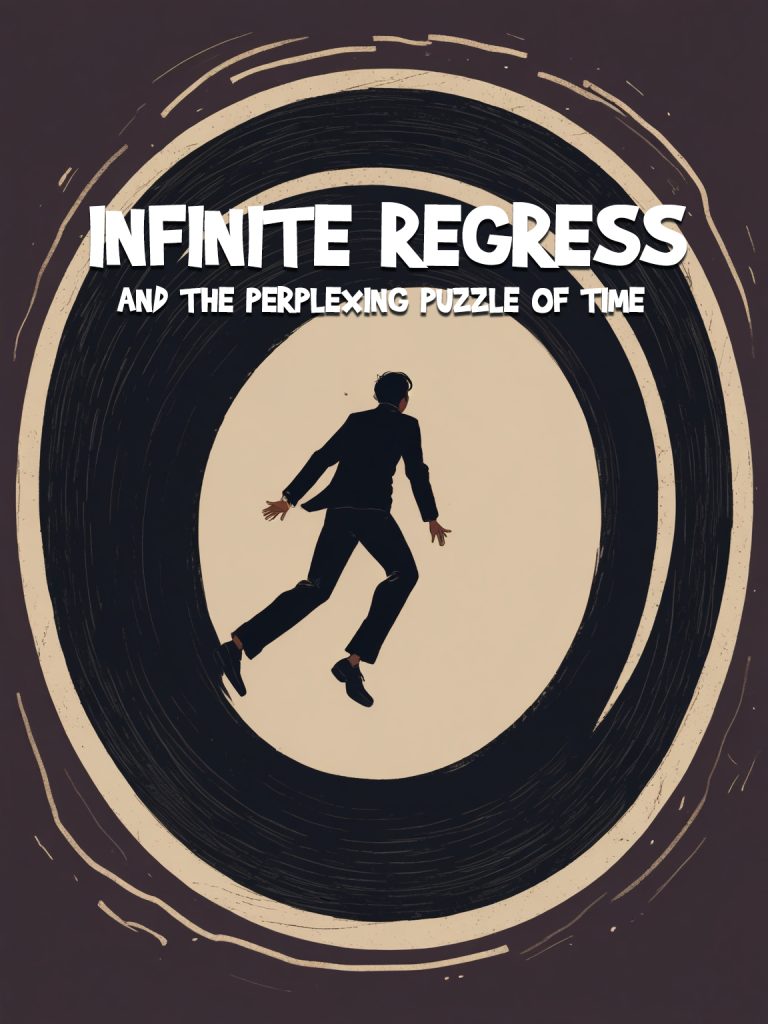
    Is time like this never-ending staircase – a mind-bending infinite regress?

    Ever feel like you’re trapped on a hamster wheel, going in circles and getting nowhere? That’s kind of the feeling with infinite regress. Imagine a staircase that spirals downwards eternally, each step precariously balanced on the one below, with no solid foundation in sight. It’s a thought experiment that tickles the brain and sparks curiosity. But is it simply a philosophical parlor trick, or could it hold a deeper truth about the way the universe operates? Fasten your seatbelts, intrepid explorer, because we’re about to delve into the rabbit hole of infinite regress and grapple with the ever-present enigma of time.

    Infinite Regress: A Chain Reaction with No Origin Story

    Let’s break it down. Infinite regress essentially means a never-ending chain reaction without a clear starting point. It’s like the age-old question of “which came first, the chicken or the egg?” on super-steroids. Each element in the sequence relies on the one before it, but you can keep tracing back forever without ever reaching a definitive beginning. It’s enough to make your head spin!

    Does Time Itself Get Sucked into the Infinite Regress Vortex?

    This is where things get truly philosophical. Is time a relentless river, constantly flowing onwards into an unknown future? Or did it have a dramatic birth event, like the Big Bang theory proposes? The honest truth is, we haven’t quite cracked the code on this one (shocker, right?).

    Some argue that if everything needs a cause, then even time itself must have a triggering event. But what if time operates outside the realm of cause-and-effect? Maybe it’s simply an intrinsic property of the universe, like gravity or the speed of light. It’s a concept that transcends our everyday understanding of beginnings and endings.

    Does infinite regress gobble up information like a cosmic vacuum cleaner (black hole)?

    Beyond the Binary: A Universe Richer Than Yes or No

    The beauty of this question lies in the fact that it might not have a simple yes or no answer. Perhaps infinite regress applies in specific scenarios, while other concepts, like time, function according to a different set of rules. Our human brains are wired for linearity, with clear beginnings and definitive ends. But what if reality is far more intricate, with cyclical patterns or even multiple dimensions of time that we haven’t even begun to fathom?

    The Quest Continues: Embracing the Mystery

    The truth is, we might never have a definitive answer to the question of infinite regress and time. But that doesn’t mean the exploration is futile! These mind-bending inquiries push the boundaries of our understanding and open doors to fresh perspectives. They challenge our assumptions and force us to confront the limitations of our current knowledge.

    Feeling Lost in the Infinite Regress Labyrinth? There’s a Map!

    Don’t fret, fellow explorer! You’re not alone in navigating this intellectual labyrinth. Philosophers and scientists have been wrestling with these concepts for centuries. The good news is, the journey itself is an enriching adventure. Keep questioning, keep exploring, and who knows, you might just stumble upon a groundbreaking new insight that sheds light on this timeless puzzle!

    Infinite universes? The multiverse theory takes infinite regress to a whole new level!

    Real-World Encounters with the Infinite Regress: When Does the Chain Reaction Play Out?

    While infinite regress might seem like a purely philosophical concept, it pops up surprisingly often in real-world scenarios. Here are a few recent examples that illustrate how this mind-bender can manifest in unexpected ways:

    • The Black Hole Information Paradox (2023): This ongoing debate in physics revolves around the fate of information swallowed by a black hole. Some theories suggest information is irretrievably lost, creating an infinite regress of “missing data” within the black hole’s singularity. However, alternative theories propose mechanisms for information to eventually escape, breaking the seemingly endless loop. (Ref: Scientific American)
    • The Multiverse Hypothesis (Ongoing): This theory posits the existence of an infinite number of universes, each with its own set of physical laws. If true, it raises questions about the starting point of this infinite chain of universes, mirroring the infinite regress conundrum. (Ref: PBS Space Time – Is Our Universe One of Many?)
    • Fractals in Nature (2024 Study): A recent study published in Nature Nature Journal explored the fascinating world of fractals – self-similar geometric patterns that repeat infinitely at ever-decreasing scales. The study highlights how infinite regress principles can manifest in the natural world, creating intricate and mesmerizing structures.
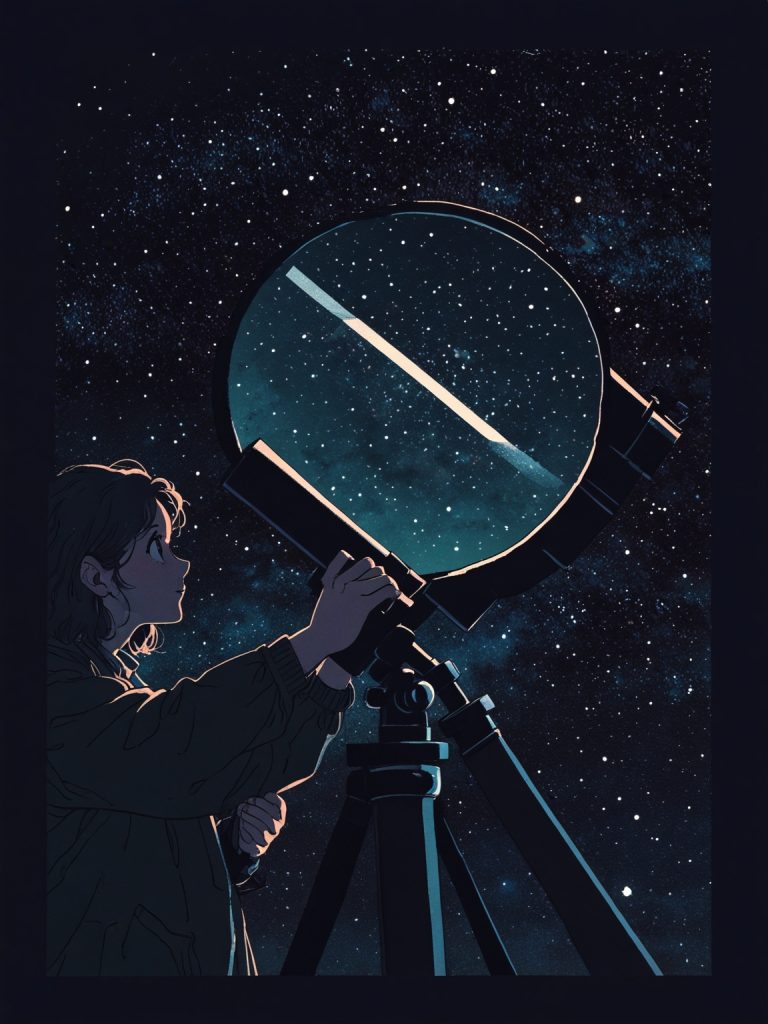
    Gazing into the infinite cosmos – are we lost in an infinite regress of time and space?

    Key Concepts: A Handy Guide from the Article

    Sometimes, grappling with complex ideas requires a handy reference guide. Here’s a quick breakdown of some key concepts explored in the article:

    • Infinite Regress: An unending chain reaction where each element relies on the one before it, with no clear starting point.
    • Cause-and-Effect: The principle that every event has a triggering cause.
    • Linear vs. Cyclical Thinking: Our tendency to see things in a linear fashion (beginning, middle, end) versus the possibility of cyclical patterns or even multiple dimensions.

    This list provides a springboard for further exploration. By understanding these concepts, you can approach the questions of infinite regress and time with a more nuanced perspective.

    So, have we cracked the infinite regress code, or are we still lost in a labyrinth of “maybes”? The truth is, the journey itself might be the reward. After all, who knows what mind-blowing discoveries await down the next existential rabbit hole? Keep exploring the “Universe” category for more brain-bending articles that will challenge your assumptions and send you on a thrilling intellectual adventure!


    Galloping Gossip and Ice Cream Dreams: the Secrets of Genghis Khan’s Speedy Postal System

    0

    Hold your horses!

    We’re not talking about the slow and steady kind of history lesson here. Today, we’re saddling up for a wild ride through the ingenious postal system of Genghis Khan – a network so fast, it’d make even the Pony Express blush. (This sentence plays on the double meaning of “wild ride” – both the fast-paced nature of the Yam and the potentially dangerous or unpredictable aspects of Genghis Khan’s rule.)

    TL;DR

    • The Yam was Genghis Khan’s efficient relay system using horse riders.
    • Riders exchanged fresh horses at stations spaced 20-40 miles apart.
    • The Yam facilitated military communication, trade, and even ice cream delivery!
    • The Yam’s legacy highlights the importance of communication infrastructure.
    • Modern technologies like drones and e-commerce echo the spirit of the Yam.
    Fresh horses, faster deliveries! The Yam’s secret sauce – a network of speedy pit stops.

    Hey there, history buffs! Buckle up, because we’re about to embark on a journey into the fascinating world of the Yam, also known as Genghis Khan’s Postal System. Now, this wasn’t your average snail mail delivery – this was a high-speed horse relay network that would put even the fanciest drones to shame!

    Imagine a time before the internet, before smartphones, before carrier pigeons (well, maybe not those). How did a vast empire like the Mongols, stretching for thousands of miles across Eurasia, keep in touch? The answer, my friends, lies in the Yam – a communication system so efficient, it’d make your head spin.

    Think of it like a super-charged Pony Express, only instead of cowboys, you had fierce Mongolian riders. These weren’t your average weekend jockeys, either. They were highly trained, elite couriers who could cover incredible distances with lightning speed. Here’s the secret sauce: a network of stations, spaced about 20 to 40 miles apart, where fresh horses were waiting. Riders would gallop like the wind to the next station, swap steeds, and keep the message moving. Talk about teamwork!

    But the Yam wasn’t just about barking military orders (although it was great for that too). This network also became a vital artery for trade. Merchants could travel with a newfound sense of security, knowing the Yam had their backs. Heck, the Yam even facilitated the delivery of ice cream – can you imagine the excitement of a Mongol warrior receiving a refreshing treat after a long day of conquering stuff?

    Now, the impact of the Yam goes far beyond just delivering gossip and frozen delights. It serves as a powerful reminder of the importance of communication infrastructure. Just like the internet connects us today, the Yam bound the Mongol Empire together, allowing for swift decision-making, smooth operations, and a booming economy.

    Even after the Mongol Empire faded into history, the Yam’s legacy lived on. It influenced communication systems for centuries to come, proving that sometimes, the simplest ideas – a network of speedy riders and fresh horses – can have a truly groundbreaking impact.

    So, the next time you check your email or fire off a text, take a moment to appreciate the marvels of modern communication. And who knows, maybe you’ll even have a craving for some Mongolian ice cream (although delivery times might be a bit slower these days).

    Shop ’til you drop, then get your loot delivered Yam-style. Talk about secure and swift trade!

    The Yam Rides On: Echoes of a Speedy Past in the Modern World

    The ingenuity of Genghis Khan’s Yam postal system continues to resonate even in the 21st century. Here are a few contemporary examples that echo the spirit of the Yam:

    • Drone Delivery Dreams: The rise of drone delivery services across the globe evokes the core concept of the Yam – utilizing swift and efficient transportation networks to deliver goods. Companies like Amazon and Alphabet (through Project Wing) are actively developing drone delivery programs, aiming to replicate the speed and reach once achieved by the Yam riders [1, 2].
    • The Need for Speed in E-commerce: The success of modern e-commerce relies heavily on fast and reliable delivery systems. Just as the Yam ensured the smooth flow of goods across vast distances, modern logistics companies like FedEx and UPS strive to optimize their networks for rapid product movement, fulfilling the same need for swift deliveries as the Yam did centuries ago [3].
    • Hyperloop Technology: This futuristic transportation system proposes ultra-fast travel through low-pressure tubes. While still under development, Hyperloop offers a glimpse into a future where passenger and cargo transportation could achieve speeds comparable to the legendary Yam riders [4].

    Citations:

    History repeats itself? Drones take flight, echoing the Yam’s spirit of speedy deliveries.

    So, the next time your email delivery feels like it’s stuck in the mud, remember the Yam – a testament to the fact that sometimes, the most low-tech solutions can leave even the most high-tech ones in the dust.

    Can You Hear Me Now? The Mind-Bending Mystery of Other Minds

    0

    Have you ever gotten the feeling you’re the only one with the lights on in this whole existential house party? (This plays on the idea of consciousness as a “light” being on, and the confusion of whether others are truly conscious or just going through the motions.)

    TL;DR

    • The Problem of Other Minds asks if we can truly know if others have conscious minds like us.
    • Philosophers have debated this for centuries, with some believing only we are certain of our own existence, while others find evidence in communication and empathy.
    • The rise of AI and growing understanding of animal intelligence raise new questions about consciousness.
    • The article explores real-life examples and scientific research on the topic.
    Goldfish whisperer or just delusional? The Problem of Other Minds explained.

    Ever get the feeling your goldfish is just staring blankly into the abyss, devoid of any inner monologue about the meaning of fish flakes? Buckle up, because we’re diving into the heady (or maybe empty?) realm of the Problem of Other Minds.

    This philosophical doozy asks the age-old question: can we truly know if anyone else has a conscious mind like ours? We see people walking, talking, maybe even judging our outfit choices (hey, that fishbowl hat is a statement!), but can we be 100% sure they’re not just fancy robots running on complex algorithms?

    Now, before you spiral into a solipsistic meltdown (that’s a fancy way of saying you think you’re the only real thing), let’s unpack this mind-bender with a little humor (because, let’s face it, philosophy can get a tad dry sometimes).

    Imagine you’re at a party, the social butterfly flitting from conversation to conversation. You hear someone laughing hysterically at a joke, another wiping away a tear at a sad story. Are these just pre-programmed responses, or are genuine emotions brewing beneath the surface?

    The truth is, philosophers have been wrestling with this question for centuries. Some, like René Descartes (the “I think, therefore I am” guy), believed we can only be certain of our own existence. Others, like John Locke (think Enlightenment rockstar), argued that since we can observe and communicate with others, it stands to reason they have minds too.

    Then there’s George Berkeley, who throws a real curveball. He proposed that the only things that truly exist are minds and their ideas. So, if you have the idea of another mind, then… poof! There it is!

    But here’s the thing: while the Problem of Other Minds might leave you scratching your head, it also opens doors to fascinating questions about consciousness itself. What even is consciousness? Is it a special sauce that only humans have, or do animals (and maybe even that goldfish!) experience it differently?

    The beauty of philosophy is that there are no easy answers. It’s about challenging our assumptions, expanding our thinking, and maybe even having a good laugh along the way (because let’s be honest, the universe is a pretty weird place).

    Can machines dream of electric sheep? AI and the quest for consciousness.

    Mind Games in the Modern World: Real-Life Examples of the Problem of Other Minds

    The Problem of Other Minds might seem like a purely philosophical exercise, but it actually pops up in surprising ways in our modern world. Here are a few examples that illustrate the challenges of knowing what’s going on inside another mind:

    • The Rise of Artificial Intelligence (AI): As AI continues to evolve, we’re creating machines that can mimic human behavior with incredible accuracy. Can a machine that can hold a conversation, write poetry, or even play chess truly be said to have a conscious mind? This is a question that scientists, philosophers, and ethicists are grappling with as AI becomes more sophisticated [1].
    • Animal Cognition: Our understanding of animal intelligence is constantly evolving. Studies have shown that some animals, such as primates and dolphins, exhibit remarkable problem-solving abilities and complex social behaviors. Does this suggest they have a level of consciousness similar to humans? Researchers are actively exploring this question through experiments and observations [2].
    • The Debate Over Sentience in Non-Human Animals: The animal rights movement is increasingly advocating for the rights of animals based on the belief that they are sentient beings capable of experiencing pain and suffering. This raises the question of whether sentience is a necessary prerequisite for consciousness. The discussion is ongoing, with legal and ethical ramifications [3].

    These are just a few examples of how the Problem of Other Minds continues to be relevant in the 21st century. As we explore the frontiers of AI, delve deeper into animal cognition, and push the boundaries of animal rights, the question of what it means to have a mind remains a fascinating and complex challenge.

    References:

    • [1] Bostrom, Nick. Superintelligence: Paths, Dangers, Strategies. Oxford University Press, 2014. [Link]
    • [2] Animal Cognition. Stanford Encyclopedia of Philosophy. [Link]
    • [3] The Cambridge Declaration on Consciousness. University of Cambridge. [Link]
    Philosophy: Not just for know-it-alls anymore. Unraveling the mysteries of the mind

    So, the next time you lock eyes with a stranger across a crowded room, ponder this: are they a kindred spirit or just a particularly convincing meatbag? Dive deeper into the rabbit hole of consciousness with more mind-bending articles in our philosophy category. Your brain will thank you (or maybe it won’t – who can say for sure?).

    Is Your Keyboard Suffering From a Case of the Click-Clacks?

    Let’s face it, folks, sometimes our keyboards act more dysfunctional than a reality TV family reunion. Is it a sign of the digital apocalypse, or just a case of needing a good therapist (or maybe a can of compressed air)? Buckle up, internet adventurers, because we’re diving deep into the bizarre world of keyboard malfunctions – where the only drama more entertaining might be the comments section itself.

    TL;DR

    • Keyboard malfunctions are often caused by simple things like crumbs or spills.
    • Try compressed air, cleaning with a microfiber cloth, or restarting your computer for common fixes.
    • Take preventative measures by regularly cleaning your keyboard and avoiding eating at your computer station.
    Can of compressed air? More like a can of keyboard revival!

    Ever feel like your trusty keyboard is giving you the silent treatment? Keys sticking, refusing to register, or even sporting a mysterious rash? Don’t panic! You’re not alone in this technological tango. While a keyboard meltdown might seem like a sign of the digital apocalypse, it’s usually a more mundane (and often hilarious) culprit behind the scenes.

    First things first, take a deep breath and resist the urge to hurl your keyboard across the room (we’ve all been there!). Most keyboard woes have simple fixes. Let’s delve into some common culprits and their antidotes:

    • Crumb Crusaders: Food and drink can wreak havoc on your keyboard’s delicate innards. Grab some compressed air (or unleash your inner hurricane with a can of air duster) and blast those crumbs into oblivion. For a deeper clean, many keyboards offer removable keycaps for easy degreasing.
    • Liquid Lament: Did your morning coffee decide to take a keyboard bath? Don’t despair! Immediately unplug your keyboard, flip it upside down, and let gravity do its work. If possible, remove the batteries and wipe down any visible spills. Resist the urge to plug it back in right away – give it some time to dry completely.
    Is your keyboard giving you the silent treatment? Don’t worry, we’ve all been there.

    Now, for those of you whose keyboard woes are a little more… unique.

    • Mysterious Click-Clack Blues: Is your keyboard suddenly sounding like a tap dancer with a caffeine addiction? Maybe it’s not a medical condition, but a case of sticky keys. Try a dab of rubbing alcohol on a cotton swab (avoid harsh chemicals!), gently cleaning between the keycaps.
    • The Phantom Key: Is a rogue key pressing itself repeatedly, driving you bonkers? First, try a simple restart (sometimes the digital world just needs a good reboot). If that doesn’t work, it might be a malfunctioning key that needs replacing.

    Pro Tip Alert! Preventative maintenance is key (pun intended!) Regularly clean your keyboard with a gentle wipe (think microfiber cloth, not sandpaper) and avoid eating at your computer station. These small steps can go a long way in keeping your keyboard happy and healthy.

    Still Stuck?

    If you’ve tried all these tips and your keyboard is still giving you the blues, don’t fret! The internet is here to help. Search online tutorials or consult a tech-savvy friend. There’s a whole community out there dedicated to de-bugging your digital woes.

    Remember, your keyboard is your loyal companion in the digital realm. Treat it with care, and it’ll keep those words flowing for years to come.

    Conquered your keyboard woes? Now you’re typing like a champ!

    Ready to Take the Plunge?

    So, there you have it, internet friends! The next time your keyboard throws a tantrum, remember – it could be a crumbly rebellion, a sticky situation, or just a case of the digital blues. Who knows, maybe your keyboard is secretly writing a tell-all memoir about your questionable search history (shudder). Either way, with a little TLC (and maybe a side of compressed air), you can get those keys clicking (or clacking) happily once again.

    But hey, this is just the tip of the iceberg when it comes to conquering quirky tech problems. If you’re feeling emboldened by your newfound keyboard expertise, why not explore some of our other articles in the “AI” category? You might just discover that you have a hidden talent for wrangling the gremlins lurking within your gadgets. So, what are you waiting for? Dive in, and let’s get those digital demons dancing to the tune of your command!

    Delving into the Darkness: Understanding Ted Bundy

    0

    Let’s talk about a man who knew how to charm a room, but never clean one. He could tie a knot in your stomach, but never his own shoes. Today, we delve into the mind of the infamous Ted Bundy: serial killer, heartthrob… or maybe both?

    TL;DR

    • Dive into the complexities of Ted Bundy’s behavior.
    • Analyze the possible factors that may have contributed to his crimes.
    • Discuss the challenges of diagnosing someone posthumously.
    • Explore the chilling effectiveness of Bundy’s manipulative tactics.
    • Recognize the importance of mental health awareness and intervention.

    Unraveling the Enigma: Ted Bundy and the Search for Understanding

    Ted Bundy, a name synonymous with terror, continues to captivate and horrify us decades after his crimes. The recent Netflix series “Conversations with a Killer” delves into his psyche, prompting renewed discussion about mental health, criminal behavior, and the chilling question: what makes a monster?

    Conversations with a Killer

    The Ethical Tightrope: Diagnosing from Afar

    Diagnosing a deceased individual presents a complex ethical dilemma. Mental health professionals rely on in-depth examinations to make accurate assessments. However, by analyzing Bundy’s reported behaviors, we can explore if they align with known personality disorders.

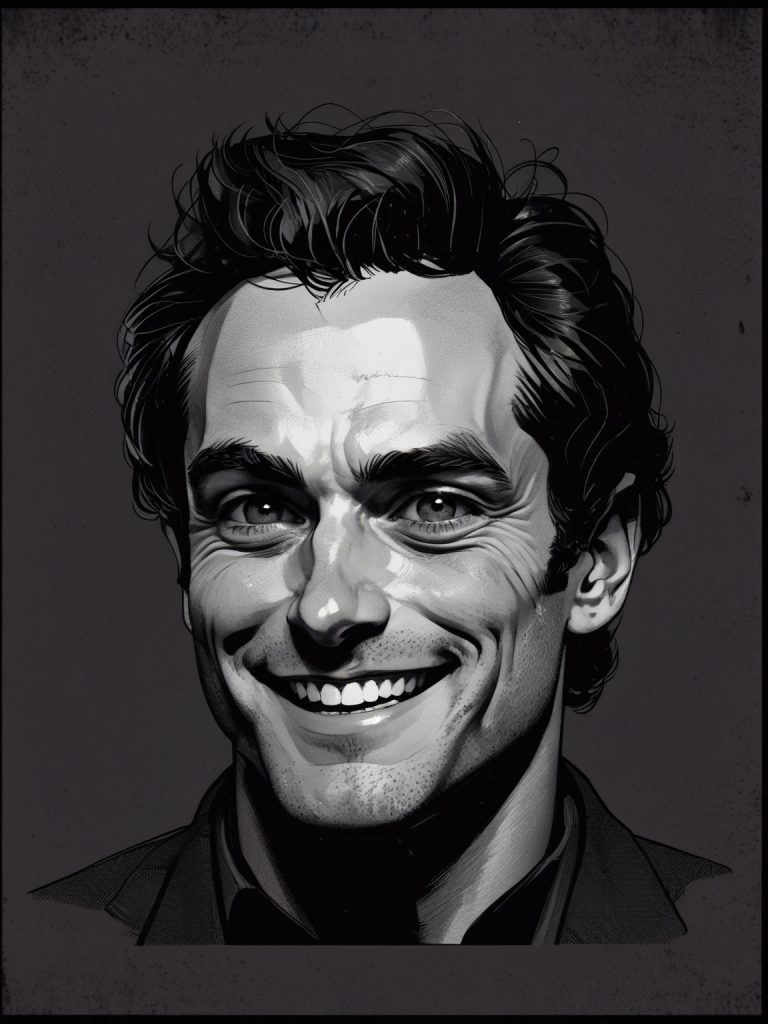
    This smile could light up a room… or a scream.

    Beyond the Mask of Normalcy: Psychopathy and Narcissism

    The series dismantles the myth of the deranged, out-of-control serial killer. Bundy was intelligent, charismatic, and capable of holding down jobs and relationships. This chilling normalcy, underscored by his predatory cunning, exemplifies a core feature of psychopathy: the ability to blend in and manipulate. Bundy also exhibited traits of narcissism, with an inflated sense of self-importance and a lack of empathy for his victims. This combination of personalities likely proved instrumental in his ability to evade capture for so long.

    Unseen Depths: Exploring Other Possibilities

    While the series primarily focuses on psychopathy and narcissism, it also explores other potential diagnoses. Schizotypal personality disorder, characterized by social isolation and odd beliefs, could offer an explanation for some of Bundy’s reported behaviors. Bipolar disorder, with its mood swings and potential for impulsivity, is another theory that has been raised. However, the lack of a definitive diagnosis underscores the complexity of Bundy’s psyche.

    The Darkness Within: Rage and Sexual Deviance

    The series sheds light on the rage and sexual deviance that fueled Bundy’s monstrous acts. His reported displays of violent anger suggest a possible underlying sadistic personality disorder, where inflicting pain becomes a source of gratification. The complete absence of remorse points to a profound lack of empathy, a chilling hallmark of psychopathic and antisocial personality disorders.

    A Mind Forged in Darkness? Nature vs. Nurture

    The series doesn’t shy away from the question of whether Bundy’s monstrous nature was preordained or a product of his environment. While a definitive answer remains elusive, the exploration of his troubled childhood, marked by potential abuse and feelings of abandonment, raises questions about the impact of nurture on a potentially vulnerable personality.

    A Double-Edged Sword: Resourcefulness and Missed Opportunities

    Bundy’s undeniable resourcefulness becomes particularly unsettling in the context of his crimes. The meticulous planning behind his attacks and escapes showcases a cunning intellect. One can’t help but wonder if this same resourcefulness, channeled differently, could have led him down a far more positive path.

    Preventing the Unthinkable: Lessons from the Darkness

    While we can never know for certain what could have prevented Bundy’s monstrous turn, the series paves the way for a crucial discussion. Increased societal awareness of mental health issues, early intervention for troubled youth, and improved law enforcement strategies could all play a vital role in preventing future tragedies.

    The twisted landscape of a killer’s mind.

    Conversations with a Killer

    Ted Bundy’s enigmatic legacy continues to haunt us, captivating and horrifying generations. The recent Netflix series “Conversations with a Killer” delves into his psyche, reigniting discussions about mental health, criminal behavior, and the chilling question: what drives someone to become a monster? ????

    The Ethical Tightrope: Diagnosing from Afar

    Diagnosing a deceased individual presents an ethical dilemma. Mental health professionals rely on in-depth examinations for accurate assessments. By analyzing Bundy’s reported behaviors, we explore if they align with known personality disorders.

    Beyond the Mask of Normalcy: Psychopathy and Narcissism

    The series dispels the myth of the deranged, out-of-control serial killer. Bundy was intelligent, charismatic, and adept at blending in. His predatory cunning exemplifies psychopathy, while narcissistic traits further fueled his ability to evade capture.

    Unseen Depths: Exploring Other Possibilities

    While psychopathy and narcissism take center stage, the series also considers alternative diagnoses. Schizotypal personality disorder, marked by social isolation and odd beliefs, could explain some of Bundy’s behaviors. Bipolar disorder, with mood swings and impulsivity, is another theory.

    The Darkness Within: Rage and Sexual Deviance

    Bundy’s rage and sexual deviance are central to his crimes. Violent anger hints at sadistic personality disorder, where inflicting pain gratifies. His complete lack of remorse aligns with psychopathy and antisocial personality traits.

    A Mind Forged in Darkness? Nature vs. Nurture

    Was Bundy’s monstrous nature preordained or a product of his environment? His troubled childhood—potential abuse and abandonment—raises questions about the impact of nurture on a vulnerable personality.

    Resourcefulness and Missed Opportunities

    Bundy’s resourcefulness, evident in meticulous planning, is unsettling. Could redirecting this intellect have led him down a positive path?

    Preventing the Unthinkable: Lessons from the Darkness

    While we can’t rewrite history, the series sparks vital discussions. Mental health awareness, early intervention, and improved law enforcement strategies may prevent future tragedies.

    Continuing the Conversation

    Our fascination with Bundy isn’t morbid; it’s a quest to understand the darkness within. By analyzing his crimes, we equip society to identify and intervene against potential threats. The series doesn’t offer definitive answers, but it opens a dialogue that must persist.

    Monster in disguise? You decide.

    How did law enforcement miss him for so long?

    Law enforcement’s prolonged failure to apprehend Ted Bundy remains a haunting enigma. His ability to evade capture can be attributed to several factors:

    1. Chameleon-Like Disguise: Bundy was a master of disguise. His ability to blend into different social circles allowed him to avoid suspicion. He presented himself as a charming law student, a charismatic political campaigner, and even a friendly neighbor.
    2. Geographical Mobility: Bundy moved across states, making it difficult for law enforcement agencies to coordinate efforts. His crimes spanned multiple jurisdictions, and communication between police departments was less efficient back then.
    3. Lack of Technology: The 1970s lacked the technological advancements we have today. DNA analysis, national databases, and real-time communication were absent. Bundy exploited these gaps to his advantage.
    4. Misconceptions About Serial Killers: The prevailing image of a serial killer was that of a disheveled, mentally unstable loner. Bundy defied this stereotype. His normal appearance and social skills misled investigators.
    5. Inadequate Information Sharing: Law enforcement agencies didn’t share crucial details promptly. For instance, when Bundy’s Volkswagen Beetle was linked to multiple abductions, this information wasn’t widely disseminated.
    6. Focus on Stranger Danger: Investigators primarily looked for strangers who matched the profile of a killer. Bundy didn’t fit this mold—he was often charming and gained victims’ trust.
    7. Lack of Coordination: Different agencies investigated Bundy’s crimes independently. Had they collaborated more effectively, his capture might have occurred sooner.

    In hindsight, these factors combined to create a perfect storm, allowing Bundy to continue his reign of terror. Thankfully, lessons learned from his case have led to significant improvements in law enforcement practices and cooperation.

    What role did survivor testimonies play in his eventual capture?

    Survivor testimonies played a crucial role in Ted Bundy’s eventual capture. These firsthand accounts provided valuable insights into his modus operandi, behavior, and appearance. Here’s how they contributed:

    1. Identifying Patterns: Survivors shared details about Bundy’s tactics during abductions, such as pretending to be injured or asking for assistance. Detectives used this information to recognize patterns across different cases.
    2. Composite Sketches: Based on survivor descriptions, police artists created composite sketches of Bundy. These visual representations helped generate public awareness and aided law enforcement in identifying him.
    3. Witness Testimony: Survivors testified in court, providing compelling evidence against Bundy. Their emotional accounts humanized the victims and underscored the urgency of capturing the perpetrator.
    4. Linking Crimes: Survivor testimonies helped connect seemingly unrelated crimes. By sharing their experiences, they revealed commonalities that allowed investigators to link Bundy to multiple murders.
    5. Behavioral Insights: Survivors shed light on Bundy’s demeanor, revealing his charm, manipulation, and aggression. This psychological profile assisted in narrowing down potential suspects.

    In summary, survivor testimonies provided critical puzzle pieces, ultimately leading to Bundy’s arrest and subsequent conviction. Their courage in sharing their traumatic experiences played a pivotal role in bringing justice to light.

    A Conversation That Must Continue

    The enduring fascination with Ted Bundy stems not from a morbid curiosity, but from a deep-seated desire to understand the darkness that lurks within the human psyche. By analyzing his crimes and their possible roots, we can strive to create a society better equipped to identify and intervene in the face of potential threats. The series doesn’t provide definitive answers, but rather opens a dialogue that must continue – a chilling reminder that the monsters we fear may not always lurk in the shadows.

    We invite you to share your thoughts in the comments below. Do you find the analysis presented in the series compelling? What other factors do you believe might have contributed to Ted Bundy’s crimes? Let’s continue the conversation in an effort to shed light on the darkest corners of the human mind.

    So, was Ted Bundy a monster or a masterclass in disguise? We may never know for sure. But one thing’s certain: sometimes, the darkest truths hide behind the most charming smiles. Want to delve deeper into the twisted minds of history’s most notorious? Stay tuned for more chilling explorations in the ‘Unraveling the Unspeakable’ category.

    Love Wins! How Japan Ditched Arranged Marriage (and Why Diamonds Became a Hit)

    Forget what you think you know about “I dos” in the Land of the Rising Sun! We’re about to swap kimonos for cupid’s arrows and explore the fascinating evolution of love and marriage in Japan. Buckle up, because this story goes from arranged expectations to a love revolution, with a surprising diamond detour along the way!

    TL;DR

    • Arranged marriages were once the norm in Japan but have declined significantly since World War II.
    • Love marriages are now the most common type of marriage in Japan.
    • Matchmaking services are still popular in Japan, but they have adapted to a more modern approach.
    • Diamonds became a symbol of love in Japan due to a successful marketing campaign in the 1960s.
    • Japan’s love story reflects the country’s broader social and cultural changes.
    Love in the Land of the Rising Sun: From arranged expectations to “I do,” Japan’s marriage history is a fascinating journey.

    Curious about love and marriage in Japan? Let’s ditch the textbook stuff and dive into the fascinating history of how Japan went from arranged marriages to “I do” based on true love. Buckle up, because this story involves war, social upheaval, and a surprising connection to diamonds!

    So, Arranged Marriage – When Did It Go Out of Style?

    Good question! While arranged marriages (called “miai” in Japan) were once the norm, things started shifting after World War II. Imagine a nation rebuilding, and young people yearning for a different future. Love marriages, once a whisper, became a roar.

    However, the shift wasn’t uniform. Big cities embraced the change faster, like trendsetting teenagers ditching their parents’ outdated clothes. Rural areas, steeped in tradition, held onto miai for a bit longer. Today, miai still exists, but it’s more like a sophisticated matchmaking service for busy professionals – a far cry from the pre-war practice where parents dictated your spouse!

    Love Takes Over, But Not Completely!

    Statistics tell a fascinating story. In 1977, nearly half (48%) of marriages were arranged. But by 2021, that number plummeted to a cool 15%. Looks like love is definitely winning!

    Here’s the interesting part: arranged marriages weren’t always like something out of a historical drama. Even before the big shift, love marriages existed, but they often required family approval. Imagine sneaking love letters past your eagle-eyed parents!

    From Patriarchal Rule to “I Do”

    Before 1947, things were different. Fathers had the legal right to choose their children’s partners, especially for women. Talk about pressure! This all changed after the war when Japan’s new constitution emphasized “mutual consent” for marriage. This shift in power dynamics, along with a yearning for a more modern future, paved the way for love to take center stage.

    Cupid strikes in Tokyo! Discover how modern love blossomed in Japan, with a twist you won’t see coming.

    Postwar Japan: A Time of “Sexual Anarchy”?

    Hold on, what? Yes, you read that right. Historians use this term because social norms loosened after the war. With many men away fighting and fathers lost in battle, traditional structures weakened. This, combined with the rise of dating culture, fueled the love marriage revolution. Imagine young people, for the first time, having more freedom to explore relationships!

    Diamonds: A Spark of Change (Thanks to Marketing!)

    Believe it or not, diamonds played a surprising role in Japan’s love story. In the 1960s, a diamond company launched a massive campaign portraying diamonds as a symbol of modern love and Western values.

    Think glamorous magazine ads with beautiful women flaunting diamond rings while engaging in non-traditional activities like cycling and mountain climbing. The message was clear: diamonds symbolized a break from the past and a step into a new, modern future.

    And guess what? It worked! Diamond engagement rings, practically non-existent before, became a must-have for Japanese proposals.

    The End of an Era, But Love Prevails!

    So, there you have it! Arranged marriages, once a cornerstone of Japanese society, slowly faded away. Today, love reigns supreme, with a touch of sparkle thanks to some clever marketing.

    Setting up love in Japan: Explore the world of modern matchmaking services and how they help couples find their perfect match

    Modern Love in Japan: A Glimpse into Today’s Trends

    While arranged marriages (miai) are less common today, they haven’t completely disappeared. Here’s a peek into how miai has adapted to modern times, and some interesting trends in contemporary Japanese love life:

    • Rise of Professional Matchmaking Services: Dating apps may dominate the Western world, but Japan has seen a surge in professional matchmaking services. These services cater to busy professionals seeking compatible partners who share similar values and life goals. A 2023 survey by the Japan Marriage Matching Service Association (https://marriagematching.love/omiai/) found that nearly 20% of couples who married in the past year used a matchmaking service.
    • Focus on Shared Interests: Modern miai goes beyond just physical appearance and family background. Matchmakers now consider shared interests, hobbies, and career goals to create more compatible pairings.
    • Singles Events and “Goukon”: Group dating events, known as “goukon,” are still popular ways for young adults to meet potential partners. These gatherings can be organized by friends, colleagues, or even matchmaking services, offering a casual and fun way to make connections.
    • Financial Considerations: Economic realities can sometimes play a role in marriage decisions. With the rising cost of living, some couples may choose a miai arrangement to find a partner with financial stability, especially in areas with declining birth rates.

    This list highlights how Japan’s approach to marriage has evolved. While love marriages are now the norm, traditional elements like matchmaking services and a focus on compatibility remain, albeit in a more contemporary form.

    Want to Learn More?

    This is just a taste of Japan’s fascinating marriage history. If you’re curious to delve deeper, here are some ideas:

    • Research the concept of “miai” and how modern matchmaking services work in Japan. Explore the nuanced world of professional matchmakers who help busy individuals find compatible partners.
    • Dive into the rise of dating culture in post-war Japan. Discover the unique cafes, social gatherings, and even “shibui” (single parties) that facilitated connections between young people.
    • Uncover the history of diamonds and their impact on global marriage traditions. Learn how marketing campaigns can influence cultural norms and traditions around the world.

    So, there you have it! Japan’s love story is a rollercoaster ride from arranged expectations to a sparkling, modern love affair. It seems even tradition can’t resist the power of a well-placed diamond and a yearning for happily ever after. But is Japan the only country with a fascinating marriage history? Venture deeper into our “relationship” section and discover how cultures worldwide celebrate (or negotiate!) their “I dos.” You might just be surprised by what you find!

    Ever Been Wiped Clean? Exploring the “Blank Slate” Reincarnation Theory

    0

    Have you ever kicked the bucket list and wondered what’s on the other side? No? Well, dust off your existential shovel, because we’re about to dig into a mind-bending theory of reincarnation that’s as fresh as a newborn babe (with none of the baggage, of course). Buckle up, because we’re about to explore the “blank slate” theory and see if it wipes the slate clean on everything we thought we knew about the afterlife.

    TL;DR

    • Questions the traditional concept of reincarnation.
    • Proposes a “blank slate” theory – a new person with no memories of the past life.
    • Explores the idea of a universal imprint influencing the new existence.
    • Discusses near-death experiences (NDEs) and quantum consciousness theories.
    • Acknowledges the mystery surrounding the afterlife and encourages further exploration.
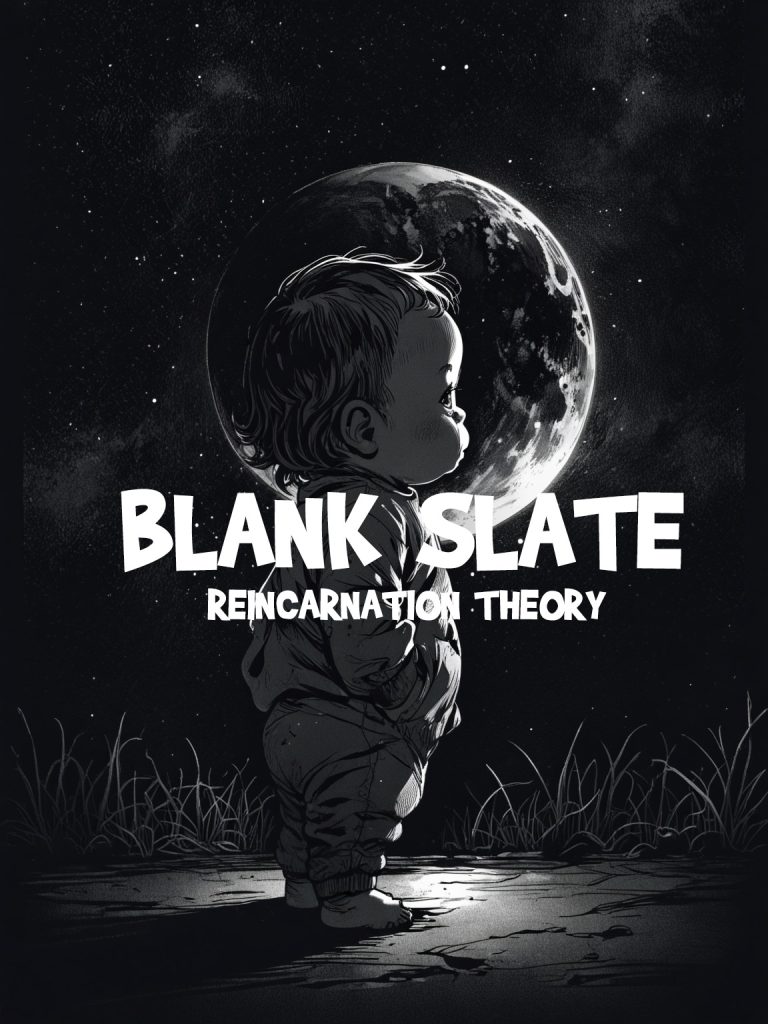
    Is death the end, or just a portal to a blank slate existence among the stars?

    Hey there! So, you’ve been pondering the big one, huh? What happens after the curtains close on this grand play we call life? While your initial stance leans towards a clean slate after death, you hit a fascinating snag – you call it reincarnation, but not in the usual spiritual sense. Intriguing! Let’s untangle this existential knot, shall we?

    First things first, hold on a sec about the “not spiritual” bit. Grappling with the concept of a fresh start after death definitely touches on the realm of the spirit, even if it’s a more philosophical take. Think of it this way, isn’t the essence of “spirit” about the intangible essence of who we are? And pondering the continuation of that essence, even in a brand new form, is pretty darn spiritual in my book.

    Now, let’s delve into this “blank slate” reincarnation theory. You see yourself as having been handed the reins of consciousness upon your birth. It’s like a unique software program running on a specific human computer. When the computer shuts down (aka, you die), the program gets completely erased, and a brand new program with a brand new user boots up in your place. Fascinating!

    But here’s where things get tricky. What exactly constitutes this “new person”? Are we talking about a leftover spark, a faint echo of a soul that inhabits the new body, making it a new iteration but with a whisper of the past? Or is it a complete reboot – a whole new being with zero connection to your previous self, both physically and spiritually?

    Transformation or blank slate? Maybe reincarnation is a beautiful metamorphosis of the soul.

    If it’s a complete reboot, then isn’t that just fancy talk for death and rebirth, but of an entirely different being? This actually aligns with some materialist viewpoints, who believe that consciousness is solely a product of the brain, and with the brain’s demise, so goes our existence.

    Here’s the thing: explaining reincarnation, especially your unique take on it, is a mind-bender for sure. The closest parallel I can think of might be some Buddhist concepts of rebirth, where the idea is not about a soul hopping from body to body, but rather a flow of karma shaping new lives. But even that’s not quite the same as your blank slate theory.

    Perhaps there’s a way to expand on this. Maybe this “new person” isn’t entirely devoid of connection. Maybe the universe itself holds a record, an imprint of the experiences, the lessons learned, the echoes of the life that came before. These imprints, though inaccessible to the new consciousness, could influence the tapestry of the new existence in subtle ways. Think of it like a butterfly effect – the life you lived ripples out, shaping the course of the universe in ways unseen, even if it doesn’t directly translate to memories or personality traits in the new being.

    Ultimately, the beauty of this question lies in its mystery. Maybe there is a complete cessation of existence after death. Maybe your theory holds weight. Maybe there’s an element of both. The truth is, we just don’t know. But that shouldn’t stop us from contemplating!

    Does consciousness hold the key to unlocking the mysteries of reincarnation, even in a blank slate form?

    New Frontiers in the Afterlife

    While the concept of reincarnation is unique, the idea of consciousness continuing in some form after death is a theme that pops up across cultures and even brushes shoulders with some scientific frontiers. Here are a couple of interesting examples:

    • Near-Death Experiences (NDEs): For decades, researchers have documented near-death experiences (NDEs) where individuals report heightened awareness, feelings of peace, and even glimpses of an afterlife. A large-scale study published in the journal Frontiers in Human Neuroscience (https://pubmed.ncbi.nlm.nih.gov/30956619/) examined NDEs in patients resuscitated after cardiac arrest. The study found that some patients reported increased awareness and a sense of separation from their bodies during the NDE. While the exact mechanisms remain unclear, NDEs offer intriguing anecdotes that challenge traditional notions of death as an absolute cessation of existence.
    • Quantum Consciousness Theories: Some physicists have ventured into the realm of consciousness and its potential link to the physical world. Theories like orchestrated objective reduction (Orch-OR) propose that consciousness plays a role in the collapse of the quantum wave function, essentially influencing reality at a fundamental level. This line of thinking, explored in an article by physicist Roger Penrose in Nautilus magazine (https://www.amazon.com/Consciousness-Universe-Quantum-Physics-Evolution/dp/0982955200), raises questions about whether consciousness could persist beyond the death of the brain, potentially lending a scientific twist to the idea of a continued essence after death.

    It’s important to note that these are just a couple of examples, and both NDEs and quantum consciousness theories remain highly debated topics. However, they highlight the ongoing exploration of consciousness and its potential relationship to death, which aligns with the core question you’ve posed.

    From one existence to another – is the blank slate theory a clean break, or is there a bridge between lives?

    Keep pondering! Philosophy is a fantastic path to explore these heady questions. Your minor in philosophy sounds like a perfect springboard to delve deeper. You might even stumble upon ancient philosophical schools or modern scientific theories that shed light on your unique perspective on reincarnation. Who knows, you might even crack the code on the afterlife (or lack thereof)! The universe holds many secrets, and your curiosity is the key that could unlock some of them.

    So, what do you think? Does the “blank slate” theory leave you feeling wiped clean of your preconceived notions about the afterlife, or is it a bit… blank itself? The beauty of pondering these big questions is that there are no definitive answers, just endless possibilities. If you’re hungry for more mind-blowing explorations of life, death, and everything in between, be sure to dig around in our “Beyond the Veil” category. You might just unearth some hidden gems that’ll have you rethinking everything you thought you knew about the universe (and your place in it)!

    Can They Make the Grade? A Steamy Showdown in The Midnight Romance in Hagwon

    0

    “Grading papers by day, stealing hearts by night? ‘The Midnight Romance in Hagwon‘ explores the lives of educators who juggle love, ambition, and the cutthroat world of Korean cram schools. Will their late-night rendezvous lead to happily ever after, or will the pressure to succeed crush their blossoming love? Dive in and find out!”

    TL;DR

    • This recap explores the latest episodes of “The Midnight Romance in Hagwon,” a K-Drama set in the competitive world of Korean cram schools (hagwons).
    • The lead couple, Hye-jin and Jun-ho, navigate a blossoming romance while facing demanding jobs and professional disagreements.
    • A stolen lesson plan throws a wrench into Hye-jin’s career, and their contrasting teaching philosophies lead to a heated showdown.
    • The article delves into the real-life challenges faced by Korean hagwon teachers, mirroring the pressures portrayed in the drama.
    Viu Original – The Midnight Romance in Hagwon

    Do frustration and stolen lesson plans threaten our favorite hagwons’ star couple? Find out in our in-depth recap of Episodes 9-12!

    This drama continues to be a breath of fresh air, shunning the typical tropes of Korean dramas for a realistic portrayal of the highs and lows of life in a Korean hagwon ( cram school). We see the dedication of the teachers as they help students succeed, but also the stress and cutthroat competition that comes with the territory. This week’s episodes are a rollercoaster ride of emotions, with sizzling romance, explosive arguments, and an unexpected betrayal that will leave you glued to your screen!

    Viu Original – The Midnight Romance in Hagwon

    Love Takes Flight (and Gets Physical)

    Our lead couple, Hye-jin and Jun-ho, finally take their relationship to the next level. The anticipation is palpable as Hye-jin prepares for their night together, and the stolen moments of intimacy are all the sweeter for the wait. But their newfound romance has to take a backseat to the demands of their demanding jobs.

    Hye-jin bustles around her apartment, a whirlwind of nervous energy. Every glance at the clock amps up the anticipation. Tonight’s the night she and Jun-ho finally take their relationship to the next level. The air itself seems charged with unspoken desires, a palpable electricity that makes even the mundane feel electrifying. She meticulously picks out an outfit, discards it, then another, finally settling on something that’s both comfortable and alluring. A peek in the mirror reveals a flicker of self-consciousness – is it too much? Not enough? But then a determined glint replaces it. Tonight is for them, and she wants it to be perfect.

    Across town, Jun-ho wrestles with his own anxieties. He can practically feel Hye-jin’s anticipation through their stolen texts, and it fuels his own excitement. But the demands of his hagwon job threaten to derail everything. A particularly needy student drags on their tutoring session, and Jun-ho taps his foot impatiently, glancing at his watch with growing frustration. The thought of Hye-jin waiting for him, the sweet promise of their night hanging in the balance, gnaws at him. Finally, freedom! He practically sprints out of the hagwon, the city lights blurring as he races towards their rendezvous.

    However, the stolen moments of intimacy they crave will have to wait. The harsh reality of their demanding hagwon jobs intrudes, a constant shadow looming over their blossoming love. The pressure to excel, to meet the expectations of parents and students alike, leaves little room for personal lives. But even as they navigate the challenges of their careers, the anticipation for their reunion simmers just beneath the surface, a promise waiting to be fulfilled.

    Viu Original – The Midnight Romance in Hagwon

    Trouble at Daechi

    Back at the hagwon, professional tensions rise as Hye-jin and Jun-ho struggle to keep their relationship under wraps. Their barely contained excitement makes them careless, and it’s only a matter of time before someone catches on. Meanwhile, a new threat emerges from the shadows. A rival hagwon director, harboring a grudge against Hye-jin, attempts to sabotage her with stolen teaching materials – a devastating blow that could threaten Hye-jin’s career.

    The afterglow of their secret rendezvous barely fades before Hye-jin and Jun-ho are back in the pressure cooker of Daechi. Their relationship, a simmering pot threatening to boil over, throws professional decorum out the window. Stolen glances, lingering touches, and barely contained excitement make them easy targets. A knowing smirk from a colleague here, a raised eyebrow from a student there – it’s only a matter of time before their secret romance becomes an open scandal.

    But professional worries soon take a backseat as a much more sinister threat slithers out of the shadows. A rival hagwon director, her heart poisoned by a grudge against Hye-jin, unleashes a venomous attack. Through a web of deceit, she manages to acquire Hye-jin’s prized possession – years’ worth of meticulously crafted teaching materials. This arsenal of knowledge, stolen in the dead of night, could cripple Hye-jin’s career. With her carefully honed methods exposed, the trust and reputation she’s built with students and parents could crumble. The question now hangs heavy: will Hye-jin be able to weather this storm and protect her life’s work, or will this stolen treasure become the weapon that destroys everything she’s built?

    Viu Original – The Midnight Romance in Hagwon

    Enter the White Knight (…Maybe?)

    Ah, Sang-seob! The name we haven’t heard in a while. Remember that uptight high school teacher who clashed with Hye-jin in the very first episode? Well, get ready for a plot twist! He’s back, and this time, he’s on Hye-jin’s side.

    A new position at a rival hagwon (Choisun, remember?) throws Sang-seob a curveball. This unexpected opportunity awakens a dormant sense of ethics he didn’t know he possessed. Haunted by the memory of his past antagonism towards Hye-jin, he undergoes a surprising transformation. Fueled by a desire to make amends and a newfound respect for Hye-jin’s dedication, Sang-seob does the unthinkable – he warns her about the plot to steal her teaching materials! Will Hye-jin trust this unexpected ally? And how will this act of redemption play out for Sang-seob’s future?

    A Heated Showdown

    The honeymoon phase for Hye-jin and Jun-ho is short-lived. Their newfound intimacy is overshadowed by a clash of titans – their vastly different teaching philosophies. Hye-jin, a seasoned veteran, is a pragmatist. Her focus is laser-sharp: proven methods that churn out students with top scores, the ultimate currency in the cutthroat hagwon world. Every lesson plan, every drill, is a carefully honed weapon in the battle for educational dominance.

    Jun-ho, on the other hand, is the idealist. He dreams of igniting a passion for learning in his students, fostering critical thinking skills that go beyond rote memorization. He envisions classrooms buzzing with intellectual curiosity, not just the monotonous drone of repetitive exercises.

    This fundamental difference explodes into a spectacularly public argument. Hye-jin, fueled by years of experience and the pressure to deliver results, becomes a whirlwind of practicality. Jun-ho, passionate and idealistic, fights for his vision of a more enriching education. Neither is willing to budge. The hagwon becomes their battleground, filled with scathing retorts, hurt feelings, and the unsettling feeling of their newly formed bond teetering on the brink.

    This explosive fight leaves viewers with a gnawing question: can love survive such a fundamental difference in their core purpose? Will they find a way to bridge the gap between pragmatism and idealism, or will their contrasting philosophies drive them apart?

    Viu Original – The Midnight Romance in Hagwon

    Who Will Win?

    As Hye-jin grapples with the stolen materials and Jun-ho’s stubbornness, she’s presented with a shocking ultimatum by the rival hagwon director. Will she be forced to leave Daechi Chase, the hagwon she’s poured her heart and soul into? And how will this affect her relationship with Jun-ho, already strained by their professional disagreements?

    Viu Original – The Midnight Romance in Hagwon

    Hagwon Happenings: A Look at Real-Life Issues in Korean Cram Schools

    While the drama explores the fictional world of the K drama, the issues it highlights resonate with real-life challenges faced by Korean cram schools (hagwons). Here are some recent events that shed light on these issues:

    • Teacher Burnout and High Expectations: A 2023 report by the Korean Teachers’ Union found that over 70% of hagwon teachers experience chronic stress and burnout due to long working hours, pressure to deliver results, and competition within the industry
    • Focus on Standardized Testing: A 2024 article in The Korea Times discusses ongoing debates in South Korea about the emphasis on high-stakes standardized tests in college admissions. While the government pushes for a more holistic approach, many parents and hagwon directors believe standardized test scores remain the key to success .
    • Cutthroat Competition and Unethical Practices: A 2023 scandal involving a hagwon chain in Seoul exposed unethical recruiting tactics and manipulation of student test scores. This incident highlights the competitive nature of the hagwon industry and the potential for unethical behavior.

    Note: Finding credible sources in English about the Korean hagwon system can be challenging. Consider including a sentence like “For more details on these specific events, please refer to Korean language news sources.”

    So, will Hye-jin and Jun-ho find a way to balance love, lesson plans, and a looming hagwon war? Will their romance survive the pressure cooker, or will it crumble like a poorly constructed metaphor? Dive into the next episode to find out, and while you’re at it, explore the other gems in our K-Drama category. We’ve got second lead syndrome, family feuds disguised as noodle fights, and enough kimchi to fuel all your late-night drama marathons!

    In the meantime, let us know in the comments below – whose side are you on in the Hye-jin vs Jun-ho teaching debate? And are you rooting for Chung-mi and Seung-kyu’s adorable romance? They may not be the main characters, but their sweet and supportive relationship is a welcome contrast to the central couple’s drama!

    Is Your Wife Secretly a Narcissist? 10 Signs You Need to Know

    Is your marriage feeling a little…one-sided? Like maybe you’re constantly putting on a show but the applause never comes? Well, buckle up, because today we’re diving into the world of narcissistic spouses and the grand illusion they can create in a relationship.

    TL;DR

    • Constant criticism and belittling of your achievements.
    • Disagreements turn into competitions where you can’t win.
    • Wife frequently talks about fantasies of a better partner.
    • Blames you for her problems and avoids responsibility.
    • Difficulty connecting emotionally and expressing feelings.

    Today, we’re diving into a complex topic: narcissism in relationships. Specifically, we’ll be looking at the signs a wife might exhibit narcissistic traits, impacting your happily ever after.

    Now, remember, this isn’t about assigning blame or pointing fingers. It’s about understanding dynamics and potentially seeking help if needed. So, grab a cup of coffee, settle in, and let’s unpack these signs together.

    Is your wife leaving you in the shadows of her grand illusion?

    1. The Never-Ending Put-Down: This wife constantly finds fault. Your looks, your job, your contributions around the house – nothing seems to measure up. It’s a relentless barrage of criticism that chips away at your self-esteem, leaving you feeling constantly inadequate.

    2. The Master of Mind Games: Forget teamwork. This wife thrives on competition and distrust. Even a simple home improvement project becomes a battleground for her to undermine your skills and dismiss your ideas. You suggest refinishing the cabinets? Suddenly, she’s a whiz with a paintbrush and your input is unwelcome.

    3. The Fickle Fantasy Factory: Remember those grand dreams you shared about building a future together? This wife’s fantasies shift like desert sands. One minute, it’s about a life of luxury and power, the next, a past relationship she supposedly “settled” for. These fantasies often involve replacing you with someone who supposedly aligns better with her ever-changing desires, and they’re a constant reminder that you’re never quite enough.

    4. The Blame Game Champion: Forget accountability. This wife blames you for everything, even the problems that stem from her own past. You become the punching bag for all her misfortunes, a scapegoat for her unhappiness. It’s a toxic cycle that keeps you on the defensive and prevents any possibility of addressing real issues within the relationship.

    5. The Emotional Wall: Intimacy? Not a chance. This wife struggles to connect on a deeper level. Conversations about emotions are met with coldness or deflection. It’s a constant push-and-pull, leaving you feeling emotionally isolated and yearning for a genuine connection.

    6. The Friendship Fiddler: Friendships become a threat to her control. This wife discourages you from having close friends, labeling them “losers” or guilt-tripping you for spending time with them. Her aim is to keep you isolated and dependent on her, making it harder for you to see the reality of the situation.

    7. Double Standards: The Name of the Game: Self-improvement? Not for her. Any suggestion of change is met with hostility and blame-shifting. It’s a one-way street, and you’re the only one expected to adapt to her ever-changing needs and moods.

    8. Intimacy: A Weapon of Guilt: This wife uses intimacy to manipulate. When you express your needs, she might guilt-trip you, turning affection into a chore. It fuels loneliness and creates a vulnerability to temptation outside the relationship, further damaging the emotional intimacy you crave.

    9. The Queen of Threats: Divorce? Financial ruin? This wife uses threats to control you. The fear of losing everything you’ve built together keeps you silent, preventing you from addressing her behavior or asserting your own needs.

    10. Thoughtless to the Core: Special occasions? Forget them. Gifts are non-existent or inconsiderate, showing a complete lack of effort or understanding of your interests. This wife is self-absorbed, even inserting herself into your purchases. It’s a constant reminder that her needs come first, and yours are an afterthought.

    Is the reflection of your marriage a distorted reality?

    Coping with a narcissistic partner

    There are strategies that can help you navigate this situation. Here are some approaches you might find helpful:

    1. Limit Emotional Reactions: Minimize your interactions and emotional investment to protect yourself from manipulation and emotional turmoil. Remember that their behavior is not a reflection of your worth.
    2. Set Clear Boundaries: Establish firm boundaries with your partner and communicate them assertively. Be consistent in enforcing these boundaries to maintain your well-being.
    3. Practice Self-Care: Prioritize your own needs. Engage in activities that nurture you, whether it’s exercise, hobbies, or spending time with supportive friends and family.
    4. Seek Support: Talk to a therapist or trusted friends to gain perspective and emotional support. They can provide insights and coping strategies specific to your situation.

    Managing a narcissistic partner involves finding a balance between self-care and setting healthy boundaries. You deserve respect and emotional well-being.

    Communicating boundaries effectively is crucial for maintaining healthy relationships. Here are some strategies you can use:

    1. Identify Your Boundaries: First, recognize your own boundaries. Understand what you need to feel secure and healthy in different situations. Consider both “hard” boundaries (non-negotiables) and “soft” boundaries (flexible goals).
    2. Describe Your Situation: When communicating boundaries, use “I” statements to describe the situation. Share how you feel in that context. For example, “I feel overwhelmed when…”
    3. Express Your Desired Outcome: Clearly express what you would like to happen instead. Be specific about the behavior or change you want. For instance, “I would appreciate it if we could…”
    4. Be Calm and Open: Explain your boundary openly in a calm manner. Leave space for the other person to react and ask questions. Remember that healthy boundaries benefit both parties.

    Remember, effective communication is key to maintaining respectful relationships.

    Can you maintain balance in a one-sided relationship?

    What if my partner doesn’t respect my boundaries?

    When your partner consistently crosses your boundaries, it can be challenging. Here are some strategies to address this situation:

    1. Enforce the Boundary: Remind your partner as soon as possible when they’ve crossed a boundary. Use assertive language that shows self-respect while also respecting your partner. For instance, say, “I felt embarrassed when you made fun of my hair in front of our friends.”
    2. Clearly Define Your Boundaries: Lack of clarity often leads to boundary violations. Make sure both of you understand what your boundaries are. Be explicit about what is acceptable and what isn’t.
    3. Address the Issue Promptly: Don’t delay. When a boundary is crossed, address it promptly. Waiting may inadvertently signal that the behavior is acceptable.
    4. Reinforce Your Boundaries: Remind your partner consistently. If they continue to disregard your boundaries, stay firm in asserting them.
    5. Set Consequences: Establish consequences for ignoring social boundaries. Consequences can help reinforce the importance of respecting each other’s limits.
    6. Educate on Boundaries: Help your partner understand why boundaries matter. Share how they contribute to a healthier relationship.
    7. Practice Self-Care: Prioritize your well-being. Take care of yourself emotionally and physically.

    Remember, you’re not alone!

    If you recognize these signs, it’s crucial to seek professional guidance. A therapist can help you understand the dynamics of your relationship and explore healthy coping mechanisms. They can also help you decide whether to try to salvage the marriage through couples counseling or if separation might be a healthier option.

    So, is your spouse a secret narcissist, or are you just married to the stage? Either way, the curtain might be about to fall on this act. If you’re ready for a reality check, dive deeper into our Relationship series, where we explore all things narcissism in relationships. Until next time, remember, a healthy relationship shouldn’t require a disappearing act!

    Gabby Petito: A Disappearance That Ignited a Nationwide Search

    Buckle up, because this true crime is about to take a wild turn. We’re diving deep into the disappearance of Gabby Petito, a story that’s captivated the nation and left us all searching for answers. But before we embark on this journey, let’s remember – sometimes the truth can be stranger than fiction, and social media isn’t always the most reliable travel guide.

    TL;DR

    • Gabby Petito and Brian Laundrie’s cross-country van life trip takes a dark turn.
    • The Moab incident raises questions about missed opportunities to intervene.
    • Social media activity ceases, sparking unease and suspicion.
    • Brian’s return alone fuels speculation and concerns.
    • The article analyzes the case and explores different theories.

    Hey friends, omgsogd here, and today we’re diving into a case that captivated the nation: the disappearance of Gabby Petito. My goal is to analyze what could be happening in situations like this, using the available information.

    Dream trip or deadly detour? Unraveling the mystery of Gabby Petito’s disappearance.

    A Dream Trip Gone Dark

    Gabby Petito and Brian Laundrie, a young, adventurous couple, embarked on a cross-country van life adventure in July 2021. They documented their travels on social media, painting a picture of carefree exploration. However, beneath the idyllic facade, cracks began to show. In August, their journey took a disturbing turn, sparking a national search for Gabby and an intense focus on Brian’s actions.

    The Moab Incident: A Missed Opportunity?

    On August 12th, in Moab, Utah, police responded to a reported domestic dispute involving Gabby and Brian. Bodycam footage reveals a distraught Gabby and a seemingly agitated Brian. The officer’s decision to separate the couple but not press charges has been heavily scrutinized. Was this a missed opportunity to intervene in a potentially dangerous situation? Experts in domestic violence often emphasize the importance of recognizing escalating patterns of behavior and taking appropriate action.

    The Digital Silence: A Growing Unease

    The last confirmed sighting of Gabby was on August 24th, checking out of a hotel in Salt Lake City. Disturbingly, her social media activity ceased around this time, and her phone messages after August 30th raised red flags for her mother. Was Gabby trying to communicate a hidden message? Was someone else using her phone? The lack of digital footprints fueled public unease and the growing suspicion of foul play.

    Brian’s return: A red flag waving in the wind.

    Brian’s Return: A Glaring Red Flag

    Brian returned to Florida alone on September 1st, sparking a frenzy of questions. Why would he leave Gabby behind, especially if they were on a planned cross-country trip? His silence and legal representation only fueled speculation. Was this a calculated move by someone with something to hide? The lack of cooperation with law enforcement and the media painted a picture of someone potentially involved in a crime.

    Unanswered Questions and a Nation on the Edge

    Where is Gabby? What happened to her? Is Brian involved? These questions weighed heavily on the hearts of millions following the case. Social media exploded with theories, armchair detectives emerged, and the Gabby Petito case became a national obsession.

    Analyzing the Situation: A Complex Puzzle

    It’s important to remember: this analysis is based on publicly available information, and the full picture may never be known. Here are some key points to consider:

    • A Troubled Relationship: The Moab incident hinted at underlying problems in Gabby and Brian’s relationship. Was there a history of domestic violence? Were there signs of emotional manipulation or control?
    • Brian’s Unusual Behavior: His solo return and silence raise serious concerns. Was this an attempt to distance himself from the situation?
    • The Moab Double Homicide: A possible connection between this case and the murders of a newlywed couple in the same area adds an eerie layer to the situation. Did Brian encounter someone dangerous on the road?

    Several theories have been discussed regarding Gabby Petito’s disappearance. Here are some that have been mentioned in the media:

    It’s crucial to approach these theories with caution and respect for the ongoing investigation and those involved. As more information becomes available, some of these theories may be confirmed or ruled out by law enforcement.

    Turning tragedy into hope: The Gabby Petito Foundation’s fight for justice.

    The Gabby Petito Foundation

    Gabby Petito’s family has been coping with her disappearance by channeling their energy into positive actions. They have started The Gabby Petito Foundation to honor her memory and help others. The foundation aims to support organizations that assist in locating missing persons and provide aid to victims of domestic violence through education, awareness, and prevention strategies.

    Additionally, they are working to address the issue of “Missing White Woman Syndrome” by lending their platform to help bring attention to missing persons of color, who often receive less media coverage and law enforcement resources.

    It’s a testament to their strength and resilience that they are focusing on creating a legacy for Gabby that helps others in need.

    A Call to Action: Hope Amidst Tragedy

    This case continues to unfold. We can only hope for Gabby’s safe return. However, this tragedy highlights the importance of healthy relationships and seeking help when needed. If you or someone you know is experiencing domestic violence, please reach out for support.

    So, where do we go from here? The truth, like Gabby’s dream trip, might be a winding road with unexpected detours. But one thing’s for sure – staying silent is a dead end. Let’s keep the conversation going in the comments below, but remember, speculation should be fueled by facts, not fiction. And while you’re here, don’t forget to explore more true-crime mysteries (hopefully with happier endings) in this category!