

More
    Home Blog Page 96

    The Changing Landscape of Central Asia: China’s Rising Influence and Russia’s Waning Presence

    0

    Shifting Shadows: A New Dawn in Central Asia

    Imagine driving through the bustling streets of Tashkent, Uzbekistan, where once familiar Russian Ladas have given way to sleek Chinese BYDs and Geelys. Beneath the smiling visage of Vladimir Putin, displayed grandly on local billboards, a subtle yet profound transformation is taking place. It’s more than just a change of cars—it’s a sign of shifting allegiances and a reconfiguration of power. As the dust from the Silk Road is swept away by the winds of change, the region stands at a crossroads. On one path, lies the fading echo of Soviet influence; on the other, the gleaming promise of Chinese investment and modernity.

    Here, the friendship between China and Russia, proclaimed to have “no limits,” is put to the test. While Putin and Xi smile for the cameras at summits, their countries engage in a silent tug-of-war for the hearts, minds, and resources of Central Asia. The roads and railways of this strategically pivotal region are being recharted, not just in terms of trade routes but in geopolitical influence. So, as the sun sets on the old Soviet order, the question arises: who will rise with the new dawn? The answers are as complex as the shadows they cast, intertwining history, ambition, and the relentless march of progress.

    TL;DR

    1. Shifting Influence: The decline of Russian economic presence in Central Asia is paralleled by the rise of Chinese investments and infrastructure projects.
    2. Strategic Projects: China is investing heavily in Central Asian infrastructure, including railways and renewable energy, reducing the region’s dependence on Russia.
    3. Economic Diversification: Uzbekistan and its neighbors are increasingly looking towards China for economic opportunities, moving away from traditional reliance on Russia.
    4. Educational Trends: A growing number of Central Asian students are choosing to study in China over Russia, indicating a cultural shift.
    5. Geopolitical Tensions: The strategic rivalry between China and Russia in Central Asia is intensifying, with significant implications for global power dynamics.
    Tashkent’s Streets: From Ladas to BYDs – A Fast Lane to Change

    A New Face on Tashkent’s Streets

    When Vladimir Putin breezed into Tashkent, Uzbekistan, for his latest charm offensive in Asia, the city streets were predictably adorned with his posters. After all, in a former Soviet republic, such homage to the Russian leader is almost expected. Yet, beneath this glossy façade, a shift with rather gloomy implications for Moscow’s global influence is becoming glaringly apparent. As the number of Russian Ladas on the streets dwindles, more and more cars sporting Chinese brand names like BYD and Geely are zooming around Uzbekistan.

    Indeed, these changes speak volumes. The streets once dominated by the iconic Russian Lada are now bustling with sleek Chinese vehicles, signaling a significant shift in economic allegiances. While the posters of Putin may still loom large, they can’t hide the fact that the region’s economic winds are blowing from the East.

    An Unlikely Alliance: Russia and China

    Sure, relations between China and Russia are currently riding a historic high, with both authoritarian powers united against what they perceive as Western encirclement. But here in Central Asia, which Moscow considers its backyard, the supposedly limitless friendship between Putin and Chinese President Xi Jinping is starting to clash with Beijing’s global ambitions.

    Historically, Russia has always viewed Central Asia as a vital part of its sphere of influence. The region’s rich resources and strategic location have made it a critical area for Russian interests. However, the dynamics are changing. China, with its ambitious Belt and Road Initiative (BRI), is making significant inroads, economically outmaneuvering Russia in a region that the Kremlin once dominated almost unchallenged.

    Railways of Tomorrow: China’s Belt Tightens in Central Asia

    The Shanghai Cooperation Organization Summit

    This tension is a silent spectator as Xi and Putin share the stage in Kazakhstan for the Shanghai Cooperation Organization summit. While Xi moves on to Tajikistan, marking his eighth visit to Central Asia since 2013, China’s intentions are clear. Beijing is exploiting Russia’s preoccupation with the Ukraine invasion to nibble away at its traditional spheres of influence. In Central Asia, and even in the Arctic, Moscow’s reliance on Beijing to sustain its war efforts forces it to tolerate these encroachments.

    The SCO summit, ostensibly a meeting of regional cooperation, underscores the shifting alliances. While Putin might have enjoyed a sense of camaraderie with Xi in front of the cameras, the undercurrents tell a different story. China’s steady economic incursion is reshaping the region’s alliances, often to Moscow’s chagrin.

    China’s Economic Encroachment

    Across this strategically vital region, China is weaving local economies into its web. Investments from Beijing are drawing young workers away from Russia. A Chinese-funded railroad promises to connect Central Asia with Europe, neatly bypassing Russian territory. Renewable energy projects, backed by Chinese funds, are diminishing the region’s dependence on Russian gas.

    Take Sanjarbek Qulmatov, a 29-year-old worker at a Chinese factory in central Uzbekistan, for example. He notes that Chinese investments have revolutionized job prospects for him and his compatriots. “Anyone who is unemployed can find a job here instead of having to go to Russia,” he says. This sentiment is increasingly common as China establishes itself as a major player in the region’s job market.

    Historical Context

    For Tsarist Russia, Central Asia was akin to the Wild West for American pioneers—a vast, untamed territory ripe for expansion and resource extraction. The Soviets continued this exploitation, jealously guarding their empire’s borders against Chinese encroachment. Yet, after Russia’s invasion of Ukraine, perceived as a blatant violation of a fellow former Soviet republic’s territorial integrity, all five Central Asian states opted for neutrality rather than supporting Moscow.

    This historical backdrop is essential to understand the current dynamics. Central Asia’s ties with Russia run deep, but the allure of economic opportunities from China is reshaping these relationships. The neutral stance of Central Asian states on the Ukraine conflict signals a cautious but evident pivot towards diversifying their international alliances.

    Shifting Horizons: Chinese Factories in Uzbekistan

    China: The Future of Central Asia?

    “China provides an image of the future for Central Asia. Russia is a shortsighted political regime that doesn’t invest in Central Asia’s own strategic goals,” says Temur Umarov, a fellow at the Carnegie Russia Eurasia Center.

    For land-based powers like China and Russia, Central Asia is an increasingly important thoroughfare. It offers Putin direct access to South Asian markets and is central to Xi’s Belt and Road Initiative, a massive infrastructure project linking China to the rest of Eurasia.

    The U.S. in Central Asia

    Not to be left out, the U.S. has recently ramped up its efforts to regain influence in Central Asia. Senior-level officials have been dispatched to the region, though their focus remains mostly on combating potential terrorism threats from Afghanistan.

    American involvement, however, appears somewhat reactive compared to China’s proactive stance. While the U.S. seeks to curb extremism, China is building roads, railways, and power plants, laying down a foundation for long-term influence. This difference in approach highlights why China’s presence is becoming more dominant in the region.

    A Shift in Balance

    Historically, Russia and China had a tacit division of labor in Central Asia: Russia provided security, while China focused on development and investment. Now, Beijing is tipping the balance by leveraging its economic might to increase its political sway. Trade between China and Central Asia soared to $98 billion last year, more than tripling since 2016.

    In Uzbekistan, China dethroned Russia as the top trade partner in 2023. The Peng Sheng Industrial Park, launched with Chinese funding near the central Uzbek city of Sirdaryo in 2009, now houses over a dozen Chinese companies. This industrial park is not just a symbol of economic partnership but a testament to China’s long-term commitment to the region.

    Energy Revolution: Wind Turbines Usher a Greener Future

    Personal Insights

    From my perspective, the shift towards Chinese influence in Central Asia is not just a matter of economics but also one of strategic foresight. Russia’s approach has been reactive and short-sighted, whereas China has played the long game, investing in infrastructure and development. This proactive stance not only fosters goodwill but also lays the groundwork for deeper, more sustainable influence.

    The Human Element

    Sanjarbek Qulmatov enjoys taking his son to a park built with Chinese money near his workplace. He hopes to send his child to a new kindergarten there that teaches in Chinese and English. “I’d like to see even more Chinese companies here,” he says. This personal story reflects a broader trend of growing acceptance and integration of Chinese influence at a grassroots level.

    The Rise of Chinese Industry

    Chinese electric vehicle company BYD started production at a new factory in Jizzax, aiming to produce 50,000 vehicles annually. In 2023, nearly 80% of Uzbekistan’s 73,000 imported vehicles came from China. In contrast, Russian car exports to Uzbekistan have plummeted so low they’re now lumped under the “other countries” category.

    This is more than just a shift in consumer preference. It represents a broader economic realignment. As more Uzbek workers find employment in Chinese factories and more Chinese products fill Uzbek markets, the economic interdependence between China and Central Asia deepens.

    Transformative Infrastructure

    A new Chinese-built tunnel has created the first direct rail connection between the Fergana Valley and the rest of Uzbekistan. A Chinese-built highway in Tajikistan has slashed travel time between the north and south by eight hours. Previously, Soviet-era rail lines and highways all led to Moscow, making Central Asia one of the most isolated regions globally.

    These infrastructural projects are game-changers. They not only improve local economies by enhancing connectivity but also reduce the historical dependency on Russian routes. This physical and economic decoupling from Russia is a strategic victory for China.

    New Developments

    A significant rail project, discussed since 1997, finally saw progress in June. The presidents of China, Kyrgyzstan, and Uzbekistan signed an agreement to construct a railroad connecting their countries, bypassing Russia. This project will shorten travel from East Asia to the Middle East and southern Europe by hundreds of miles.

    For years, Russia used its influence over Kyrgyzstan, a member of the Russian-led Eurasian Economic Union, to stall this project. However, sanctions related to the Ukraine war have altered the dynamics, making it harder for Russia to exert the same level of control.

    Energy Competition

    China is also challenging Russia in the energy sector. Uzbekistan signed a deal to buy Russian gas in 2023, but limited the contract to two years, hedging against potential Russian leverage. Meanwhile, Chinese renewable energy projects are becoming increasingly visible, part of Uzbekistan’s goal to achieve 40% of electricity production from renewable sources by 2030.

    In addition, the presence of Chinese solar modules and wind turbines crisscrossing the country is a testament to Beijing’s commitment to sustainable development. This shift not only diversifies Uzbekistan’s energy sources but also aligns with global trends towards renewable energy, reducing the region’s carbon footprint.

    A New Generation’s Perspective

    Although the region’s elites remain closely tied to Moscow, a new generation sees China as the future. Nodirxon Mahmudov, a 19-year-old business student, notes that his classmates prefer studying in China over Russia. Working as a marketing manager at Hong Kong Academy, he sees growing interest in Chinese language and culture among young Uzbeks.

    This generational shift is significant. As more young people embrace Chinese education and culture, the long-term influence of China in Central Asia is poised to grow. This not only impacts economic and political ties but also cultural and social dimensions of Central Asian societies.

    Classrooms of Change: Central Asia Looks East

    Recent Developments Shaping Central Asia’s Geopolitical Landscape

    China’s Investment in Central Asian Infrastructure:

      • Example: China signed agreements with Kyrgyzstan and Uzbekistan to develop a new railway that will link these countries directly, bypassing Russia.
      • Description: This new railway project is part of China’s Belt and Road Initiative (BRI) and aims to enhance connectivity between Central Asia and Europe. It demonstrates China’s growing influence in the region and its efforts to reduce Central Asian reliance on Russian infrastructure.

      Economic Cooperation Between China and Uzbekistan:

        • Chinese electric vehicle manufacturer BYD began production at a new factory in Jizzax, Uzbekistan.
        • This factory aims to produce 50,000 vehicles annually, reflecting significant Chinese investment in Uzbekistan’s automotive sector. This move underscores the economic shift towards China as Uzbekistan diversifies its industrial partnerships.

        Decrease in Russian Vehicle Exports to Uzbekistan:

          • Official statistics reveal that nearly 80% of Uzbekistan’s vehicle imports in 2023 came from China, with Russian exports dwindling significantly .
          • The decline in Russian vehicle exports highlights the diminishing economic influence of Russia in Uzbekistan, replaced by a growing preference for Chinese automotive products.

          Renewable Energy Projects in Uzbekistan:

            • Chinese companies like Goldwind and LONGi are increasingly visible in Uzbekistan, contributing to the country’s push to achieve 40% renewable energy by 2030 .
            • These projects include solar modules and wind turbines, aligning with Uzbekistan’s strategic goal of reducing dependence on Russian energy sources and embracing sustainable energy solutions.

            Shanghai Cooperation Organization (SCO) Summit:

              • The 2023 SCO summit in Kazakhstan saw both Xi Jinping and Vladimir Putin participating, highlighting ongoing diplomatic engagements amidst shifting regional dynamics .
              • The summit illustrates the delicate balance of cooperation and competition between China and Russia in Central Asia, with both leaders vying for influence in the region.

              Educational Shifts Towards China:

                • Increasing numbers of Central Asian students, particularly from Uzbekistan, are opting to study in China rather than Russia .
                • This trend indicates a cultural and educational shift that complements the economic and infrastructural ties being established with China, suggesting a long-term transformation in Central Asian allegiances.

                References

                1. Railway Project Agreement
                2. Belt and Road Initiative
                3. BYD Factory in Uzbekistan
                4. Economic Partnership
                5. Vehicle Import Statistics
                6. Goldwind and LONGi in Uzbekistan
                7. Renewable Energy Goals
                8. SCO Summit 2023
                9. Geopolitical Tensions at SCO
                10. Educational Trends

                The list of recent events highlights significant developments that illustrate the shifting geopolitical and economic dynamics in Central Asia. China’s ambitious Belt and Road Initiative is making substantial inroads in the region, evidenced by the new railway agreements and increased Chinese investments in sectors such as automotive manufacturing and renewable energy. Meanwhile, Russia’s influence is waning, as seen in the decline of Russian vehicle exports and the neutral stance of Central Asian countries on the Ukraine conflict. Additionally, cultural and educational trends indicate a growing affinity towards China among the younger generation in Central Asia. These events collectively paint a picture of a region in transition, with China’s strategic investments and diplomatic efforts gradually overshadowing Russia’s traditional dominance.

                The Future of Central Asia

                While Russia’s influence in Central Asia remains significant, China’s strategic investments and forward-thinking policies are steadily shifting the balance of power. The future of Central Asia appears to be increasingly tied to Beijing’s ambitions, leaving Moscow to grapple with a changing landscape. How this relationship will evolve remains to be seen, but one thing is clear: the dynamics in Central Asia are undergoing a profound transformation.

                The New Great Game

                As the landscape of Central Asia shifts, so too does the balance of global power. The echo of Russian influence, once so dominant, is now mingling with the whispers of Chinese ambition, creating a new geopolitical intrigue. The streets of Tashkent, dotted with Chinese cars and flanked by images of Putin, encapsulate a broader narrative—one of change, competition, and the inexorable march towards the future.

                Yet, this transformation is more than a mere swapping of one superpower for another. It’s a complex dance where economics, culture, and politics intermingle, reshaping not just the region but potentially the world. As Central Asia navigates its path forward, we must ask ourselves: what does this mean for global stability? For the people of these nations? And for the intricate web of international relations?

                In this unfolding saga, each development is a chapter, each investment a plot twist. The story of Central Asia is one of both opportunity and caution, where every new partnership could redefine allegiances and power structures.

                Dive deeper into the narratives of global change, and explore the fascinating intersections of geopolitics and everyday life. Check out more stories in this category to grasp the full scope of the new Great Game playing out before our eyes. Because in understanding these shifts, we uncover not just the future of Central Asia, but perhaps the future of our world.
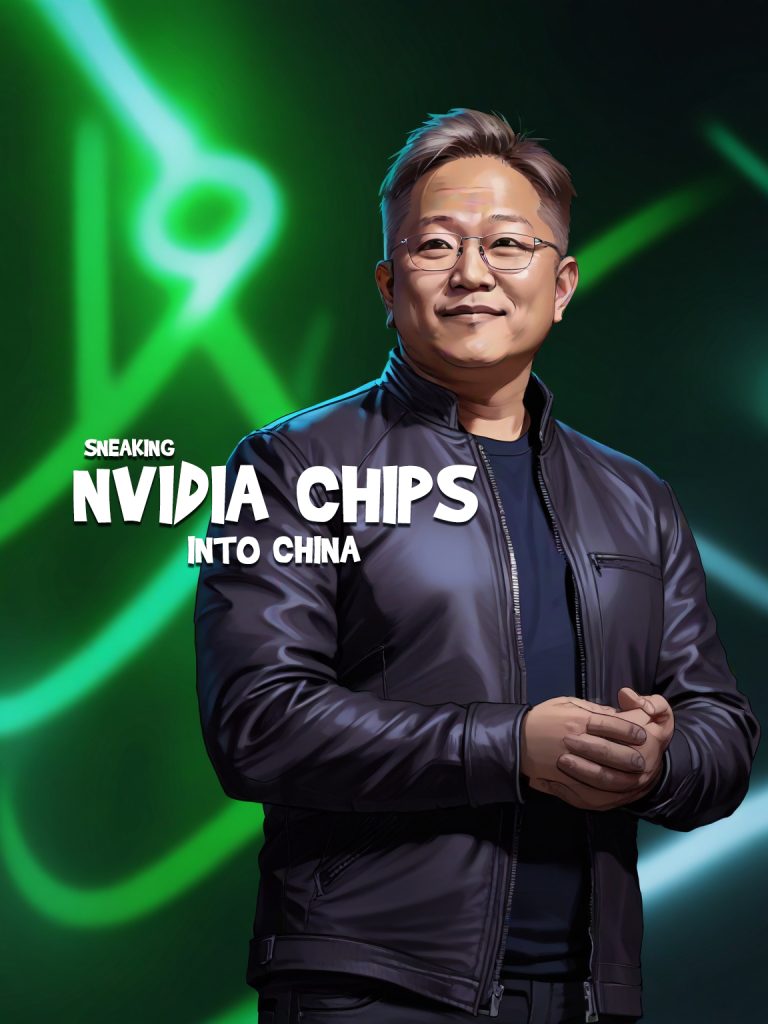
                Sneaking Nvidia Chips into China: A Tale of Modern Smugglers and AI Warfare

                0

                We’re about to dive into a world where cutting-edge chips are the new currency, and borders are more porous than a poorly coded firewall. Imagine a James Bond flick with a twist: instead of diamonds, our hero smuggles… wait for it… Nintendo Switch-sized rectangles of pure processing power. Yes, you read that right. We’re talking about the high-stakes world of AI chip smuggling, a game where the stakes are as high as artificial intelligence itself. This isn’t your average black market bazaar; this is a clandestine tango between ingenuity and international regulations, played out in airport security lines and shadowy online forums.

                Grab your metaphorical popcorn (or your preferred decryption software), because we’re about to unravel a story that’s both technically fascinating and ethically perplexing. Let’s just say, the lines between ambition, innovation, and a little bit of illegality are about to get very blurry.

                TL;DR

                • US restricts Nvidia AI chip sales to China.
                • China needs these chips to compete in AI development.
                • Smugglers exploit loopholes to get chips into China.
                • This disrupts the global tech supply chain.
                • Unethical practices emerge due to economic disparity.

                So, picture this: a 26-year-old Chinese student in Singapore, not just packing his suitcase with the usual vacation essentials but also sneaking in six of Nvidia’s cutting-edge AI chips. Why? Because the U.S. has restricted their export to China. Yes, you heard that right. Each chip, about the size of a Nintendo Switch game console, passed through airport security without raising a single eyebrow.

                When he arrived home, he pocketed a mere $100 per chip, a fraction of what these little tech marvels are worth on the black market. This student is part of a covert network of buyers, sellers, and couriers dodging the Biden administration’s restrictions aimed at keeping Nvidia’s advanced AI chips out of China’s hands. Why are these chips so coveted? They’re essential for the heavy-duty computations required to train AI systems—an area where China and the U.S. are locked in fierce competition.

                The Big Picture: Nvidia’s Role in the AI Race

                Nvidia, headquartered in California, is the crown jewel of AI chipmakers. Their chips are the backbone of AI tools, making them a hot commodity. Over 70 distributors are openly advertising what they claim are Nvidia’s restricted chips online. The Wall Street Journal managed to contact 25 of these sellers, many of whom boast of having dozens of these high-end chips available each month.

                The demand for Nvidia chips is so high that sellers are taking preorders, promising delivery within weeks. Some even sell entire servers, each equipped with eight top-tier Nvidia chips, for around $300,000. These sellers might not be able to satisfy the demands of tech giants, but for AI startups and research institutions, they are a lifeline. Every single Nvidia chip counts for China as it strives to stay competitive in the AI race, which is increasingly seen as crucial to national security and tech sovereignty.

                The Underground Market: Real or Fake?

                Now, you might wonder, are these Chinese sellers peddling genuine Nvidia chips or refurbished ones? While counterfeits are nearly impossible to produce due to the unique physical and performance characteristics of Nvidia’s top-end products, the Journal’s review involved verifying purchases through underground channels, examining transaction records, customs filings, and even photos of the chips.

                The Commerce Department, responsible for enforcing U.S. restrictions, didn’t respond to requests for comments. Nvidia, on its part, insists it complies with export controls, working mainly with well-known partners and applying the same standards to all transactions.

                The Elusive “Brother Jiang”

                Enter “Brother Jiang,” a mysterious broker in Singapore who has become infamous among chip distributors and buyers in the region. According to interviews with the Journal, Brother Jiang uses his connections within distribution channels and system integrators in Southeast Asia to help Chinese customers procure Nvidia chips and servers. His clients range from AI companies and research institutions to chip resellers, some of whom have set up entities in Singapore, Malaysia, Vietnam, and Taiwan to dodge U.S. restrictions.

                Brother Jiang doesn’t handle big orders—too risky, he says. Instead, he prefers smaller, less conspicuous shipments. For instance, in March, a Shenzhen-based merchant received shipments of 20 Nvidia GPUs from Singapore and another 40 from Taiwan, without specifying the chip models. The chips, however, were among the most restricted: the high-end A100 processors.

                Forget diamonds, these chips are the new black (market) gold.

                My Take on the Smuggling Saga

                I find this whole operation rather fascinating. It’s like a high-tech version of the Wild West. The cat-and-mouse game between smugglers and regulators is intense. While the Biden administration tries to clamp down on the flow of advanced AI technology to China, these underground networks continue to find ways around the restrictions. It’s a testament to human ingenuity, albeit in a somewhat dubious context.

                From an ethical standpoint, this smuggling is problematic. The restrictions are in place for a reason, primarily to prevent advanced technology from falling into the hands of potential adversaries. However, the economic disparity—where students like our protagonist earn a pittance compared to the black market value of the chips—highlights a deeper issue within the global tech economy.

                AI Chip Smuggling and U.S.-China Tech Rivalry

                U.S. Tightens Export Controls on AI Chips to China (October 2022)

                  • The Biden administration imposed stricter export controls to curb China’s access to advanced AI chips. These restrictions have directly impacted companies like Nvidia, which cannot sell its high-end processors to Chinese entities without a license.
                  • Source: Reuters

                  China’s AI Firms Seek Workarounds Amid U.S. Curbs (December 2022)

                    • Following the U.S. export restrictions, Chinese AI firms have been exploring alternative sources and methods to acquire necessary hardware, including smuggling and using intermediaries in other countries.
                    • Source: South China Morning Post

                    Increased Surveillance on Semiconductor Shipments (March 2023)

                      • The U.S. Commerce Department has stepped up its monitoring of semiconductor shipments, particularly focusing on compliance with export controls and tracking any illicit activities.
                      • Source: The Wall Street Journal

                      China’s Semiconductor Industry Faces Challenges (June 2023)

                        • Despite efforts to develop domestic alternatives, China’s semiconductor industry struggles with technical and production issues, keeping the demand for smuggled AI chips high.
                        • Source: Financial Times

                        AI Research Institutes in China Continue Using Smuggled Chips (February 2024)

                          • Research institutions in China, including top universities, are reported to be using smuggled Nvidia chips to maintain their AI development pace, highlighting ongoing defiance of U.S. export controls.
                          • Source: Nikkei Asia

                          These recent events underscore the ongoing tensions and strategic maneuvers in the U.S.-China tech rivalry, particularly concerning advanced AI chips. The tightening of export controls by the U.S. has led to significant impacts on global tech supply chains and has pushed Chinese firms to seek alternative methods to acquire critical technology. The use of smuggled Nvidia chips by Chinese AI research institutes reflects the high stakes and lengths to which these entities will go to stay competitive. Increased surveillance and enforcement by U.S. authorities aim to curb these illicit activities, but the persistent demand and technical challenges in China indicate that this issue will continue to evolve.

                          The Tech Tug-of-War: What’s Next?

                          Until China’s domestic chipmakers can match Nvidia’s prowess, the demand for these high-end chips will persist, and so will the smuggling. Chinese tech companies, including the U.S.-sanctioned Huawei, are scrambling to develop equally capable chips but face significant technical hurdles. Training large AI models with domestic chips often results in system crashes, as a top AI research institution recently reported to Chinese Premier Li Qiang.

                          So, what does the future hold? In the short term, the black market for Nvidia’s high-end chips will likely remain robust. In the long run, the race to achieve tech sovereignty will continue to fuel innovation—and intrigue—in the world of AI.

                          In the end, this tale of smuggled silicon showcases the lengths nations will travel for the crown jewel of the digital age: a technological edge. Our student smuggler is just a pawn in a much larger game, a game where the board stretches across continents and the pieces are lines of code. But here’s the real question: are we witnessing the birth of a black market tech giant, or a desperate scramble for a seat at the future’s AI table? The answer, like the chips themselves, might be more complex than it appears.

                          For those who crave deeper dives into the world of high-tech intrigue, fear not! This is just the tip of the iceberg. Dive deeper into our “Tech” category, where we explore the fascinating (and sometimes shady) underbelly of the digital revolution. You might just discover that the future isn’t just coded, it’s downright captivating.

                          Is Your Phone More Social Than You Are? Let’s Break Up (With Your Phone, at Events)!

                          Imagine this: you’re at a concert, the music is electric, the crowd is buzzing, and… you’re scrolling through pictures of someone else’s avocado toast. (Is this a social faux pas, or a sign of the times?)

                          Fear not, fellow phone zombies! (Or should we say, “homo digitalis”? Let’s unpack that another time.) This article dives headfirst into the world of phone addiction at events, and offers some tips to help you break free from the digital shackles and reconnect with the real world. (Because let’s be honest, the best stories aren’t always captured on Instagram.)

                          TL;DR

                          • Silence notifications or put your phone on do not disturb mode.
                          • Announce a “phone break” to your friends and suggest they join you.
                          • Look for designated phone-free zones at events.
                          • Engage with the present moment: strike up conversations, participate in activities, savor the food and drinks.
                          Is your phone stealing your joy at events?

                          Staring at Your Phone? Enhance Your Next Event by Giving It the Boot!

                          Let’s face it, we’ve all been there. You’re at a concert, a friend’s birthday bash, or maybe even a family gathering, and instead of soaking in the sights, sounds, and genuine human connection, you’re glued to your phone screen. (Social media scroll of shame, anyone?)

                          Here’s why putting down your phone at events is a total win-win:

                          • Sharpen Your Social Skills (They’re Like Muscles!): The constant buzz and glow of your phone creates an invisible barrier, hindering genuine connection with the people around you. (Remember the good ol’ days of face-to- face conversation?) By putting your phone away, you open yourself up to deeper interactions, strengthen existing bonds, and maybe even make some new friends. (Who knows, you might meet your next BFF or business partner!)
                          • Boost Your Memory (Because, Seriously, What Were You Looking At?): Studies show that constant phone use can negatively impact memory formation. (Think of your phone as a digital black hole for important details.) By putting your phone down, you’ll be more present in the moment, allowing you to truly absorb the sights, sounds, and experiences of the event. (Plus, you won’t be the one asking “Wait, what did they just say?” every five minutes.)
                          • Live in the Now (Because FOMO is a Myth!): The fear of missing out (FOMO) is a major culprit when it comes to phone obsession at events. (But here’s the secret: the best moments often happen when you least expect them.) By putting your phone away, you’ll be more present and engaged, allowing you to truly appreciate the unique experience unfolding before you. (Remember, those envy-inducing social media posts are just a highlight reel, not the whole story.)
                          • De-stress and Recharge (Because Your Brain Needs a Break Too!): The constant barrage of information and notifications from your phone can be mentally draining. (Think of your brain as a computer that needs to be rebooted occasionally.) By taking a break from your phone at events, you’ll give your mind a much-needed rest, allowing you to return to the digital world feeling refreshed and rejuvenated. (And let’s be honest, sometimes a little digital detox is just what the doctor ordered.)
                          Real connections vs. virtual scrolling. Choose presence over FOMO!

                          Beyond the Cat Videos: Studies That Support Putting Your Phone Down at Events

                          While the negative effects of constant phone use might feel anecdotal, there’s a growing body of research to back it up. Here are a few recent studies that highlight the benefits of putting your phone down and engaging with the world around you:

                          • Reduced Social Interaction: A 2022 study published in Computers in Human Behavior found that smartphone use during social interactions can significantly decrease feelings of closeness and connection between people [1]. The study suggests that the mere presence of a phone can create a barrier to genuine interaction.
                          • Memory Impairment: A 2021 study published in npj Science of Learning investigated the link between smartphone use and working memory. The study found that participants who used their phones more frequently performed worse on working memory tasks [2]. This suggests that constant phone use can hinder our ability to retain information and form new memories.
                          • FOMO and the Power of Now: A 2023 article in Psychology Today explores the concept of FOMO (Fear Of Missing Out) and its impact on mental health. The article argues that FOMO is often fueled by the curated perfection we see on social media, leading to feelings of inadequacy and social isolation [3]. By putting down our phones and focusing on the present moment, we can reduce FOMO and cultivate a sense of peace and contentment.

                          Citations:

                          Don’t miss out on the live experience! Put down your phone and soak up the sights and sounds of the event.

                          Examples of How Phone Addiction Plays Out at Events:

                          We’ve all seen it (or maybe even been guilty of it ourselves):

                          • The Concert Zoneaholic: You’re at a concert, the energy is electric, and the music is blasting. But instead of dancing and singing along, the person next to you is glued to their phone, recording blurry snippets of the show they’ll probably never watch again. (Seriously, the live experience is way better than a shaky phone video!)
                          • The Birthday Bash Bumbler: It’s your best friend’s birthday party, and everyone’s gathered to celebrate. While heartfelt speeches are being made and laughter fills the room, you see someone scrolling through social media, missing out on the genuine connection and shared joy of the moment.
                          • The Family Reunion FOMO-er: Family reunions are a time for catching up with loved ones and creating new memories. But picture this: a family member spends most of the gathering documenting the event for social media, capturing fleeting moments instead of truly cherishing the time with their family.

                          These are just a few examples of how phone addiction can steal our joy and prevent us from fully engaging with the events happening around us.

                          So Ditch the FOMO and Embrace the JOMO (Joy Of Missing Out)!

                          Put down your phone, (unless of course, you need to capture that epic air guitar solo for posterity) and truly experience the event. You might just surprise yourself with how much fun “real life” can be. (Who knows, you might even spark a conversation with a fellow phone refugee and discover your new best friend… or soulmate. Stranger things have happened!)

                          Ready to take the plunge and become a social butterfly (or, you know, a slightly less screen-obsessed human)? We have a treasure trove of articles on mindfulness, well-being, and navigating the complexities of the modern world. (Because let’s face it, adulting ain’t always easy.) Head over to our “Mental Health” section and discover a world beyond the glow of your phone screen.

                          Here are some additional resources you might find helpful:

                          • How to Practice Mindfulness in Everyday Life: Learn techniques to cultivate presence and awareness in the moment.
                          • Building Stronger Relationships: Discover tips on fostering meaningful connections with the people who matter most.
                          • Combatting Social Anxiety: Explore strategies for managing social anxiety and feeling more confident in social settings.

                          Putting down your phone isn’t just about disconnecting from technology; it’s about reconnecting with yourself and the world around you. So, take a deep breath, silence those notifications, and embrace the joy of being present in the moment!

                          Cuba’s Growing Eavesdropping Network Linked to China

                          0

                          Attention, fellow eavesdroppers and privacy enthusiasts (or lack thereof)! Ever feel like your walls have ears? Well, guess what? Now entire islands do too! Buckle up, because we’re about to dive into a world of geopolitical intrigue, whispered secrets, and enough dish (antennas, that is) to make your grandma jealous. That’s right, Cuba’s been playing a game of telephone with China, and Uncle Sam might just be getting the wrong number. This isn’t your average who-said-what gossip rag; this is a story about international power plays, the rise of the digital dragon, and the question of whether spying is a dirty trick or just good old-fashioned intel-gathering. So, grab your metaphorical trenchcoat and metaphorical martini (because shaken, not stirred is always the answer), and let’s get this Cold War 2.0 party started!

                          TL;DR

                          • Cuba has been upgrading and expanding its electronic eavesdropping facilities.
                          • China appears to be partnering with Cuba in this endeavor.
                          • The new stations pose a potential threat to U.S. military bases and communications in the region.
                          • The U.S. needs to consider a new strategy to deal with this changing dynamic.
                          Is Cuba double-crossing America? Or is it just good business?

                          Oh, the irony. While Uncle Sam has been busy watching the world, it seems like the world has been watching right back. Satellite images have revealed the expansion of Cuba’s electronic eavesdropping stations, reportedly linked to our friends in China. Yes, you read that right. And there’s new construction just 70 miles from the U.S. naval base at Guantanamo Bay.

                          China and Cuba: A Match Made in Eavesdropping Heaven?

                          The Center for Strategic and International Studies (CSIS), a Washington-based think tank, dropped this bombshell. This comes hot on the heels of The Wall Street Journal’s revelations last year about China and Cuba cozying up. Their plan? Closer defense and intelligence ties, including a new joint military training facility and – surprise, surprise – an eavesdropping facility.

                          Previously, U.S. officials whispered that China and Cuba were already running these eavesdropping stations together. However, they were tight-lipped about the locations. The new CSIS report sheds some light, but it’s still unclear which, if any, of those sites are included in this fresh intel.

                          Looks like Uncle Sam’s got some new neighbors… with big ears!

                          Spying on the Spies: Satellite Snaps of Bejucal

                          One particularly juicy detail from the CSIS study is a satellite image showing the Bejucal site in Cuba, now sporting upgraded electronic spying facilities. The worry among former officials and analysts is palpable. Why? Because China could be exploiting Cuba’s proximity to the southeastern U.S. to intercept sensitive electronic communications from American military bases, space-launch facilities, and shipping channels. Nice, right?

                          Leland Lazarus, an expert on China-Latin America relations, isn’t pulling punches. He suggests that these facilities could also boost China’s capability to spy on U.S. citizens through telecom networks. Charming.

                          The White House and the Office of the Director of National Intelligence have decided to stay mum on the issue. Meanwhile, CSIS researchers, after poring over years of satellite images, identified four significant sites: Bejucal, El Salao, Wajay, and Calabazar. These sites have reportedly seen major upgrades and expansions in recent years, with new capabilities and a growing connection to China.

                          Great Power Games in the Caribbean

                          This revelation comes amidst rising concerns about the Great Power competition in the Caribbean and Latin America. For decades, Washington has tried to keep rivals from gaining military and economic footholds in this region. Yet here we are. China is busy constructing a megaport on Peru’s Pacific coast. Russia recently flexed its muscles by sending a nuclear-powered submarine and a frigate to Havana’s harbor.

                          In its latest threat assessment, the U.S. intelligence community finally admitted that China is eyeing military facilities in Cuba. They didn’t spill many details, though. On the flip side, Chinese officials were quick to point out the U.S.’s vast global network of military bases and listening posts. Liu Pengyu, a spokesman for China’s embassy in Washington, called out the U.S. for its eavesdropping prowess, even on allies. Touché.

                          High-Tech Antennas and Old-School Spying

                          Satellite images from CSIS show that Bejucal and Calabazar, near Havana, house large dish antennas seemingly designed for satellite monitoring and communication. Even though Cuba doesn’t have any satellites of its own, these antennas are gold for China, which boasts a robust space program. The newest dish at Bejucal appeared in January, along with other infrastructure upgrades over the last decade.

                          The El Salao site, still under construction and previously unknown, is near Santiago de Cuba and not far from the Guantanamo base. Begun in 2021, it seems designed for a large antenna array to intercept electronic signals. Once operational, it could monitor communications from the Guantanamo base. Matthew Funaiole from CSIS points out that while the U.S. and Russia have moved on from such arrays, China is building them at militarized outposts in the South China Sea.

                          A Blast from the Past: Cold War Echoes

                          Back in the day, during the Cold War, the Soviet Union ran a massive signals intelligence site at Lourdes, near Havana. It hosted hundreds of intelligence officers from the Soviet Union, Cuba, and other Eastern-bloc countries until it closed after 2001. Its current status is anyone’s guess. Nowadays, China has stepped into the role, upgrading its intelligence collection facilities in Cuba in 2019, according to a White House statement.

                          The Modern Geopolitical Chessboard

                          Ah, the sweet, strategic irony of it all. Picture this: Cuba, long a thorn in America’s side, is now home to Chinese eavesdropping stations. This isn’t your garden-variety political maneuvering; it’s the global espionage equivalent of a soap opera plot twist. While Washington is busy putting out fires elsewhere, China and Cuba are crafting a narrative that’s turning the Caribbean into a hotspot of high-stakes geopolitical chess.

                          The big question is: What now? The U.S. has to contend with this evolving reality. The implications are vast and multifaceted. From military strategy to diplomatic relations, this revelation forces a recalibration of how America engages with its southern neighbors. And let’s not forget the broader context – China’s global ambitions are no secret. This move is part of a larger strategy to extend its influence far beyond the Asia-Pacific region.

                          China’s got a new dish in the Caribbean… and it ain’t serving up friendship.

                          Personal Reflections: The Spy Game Continues

                          Let me lay it out for you. The global espionage game is like a never-ending season of “Survivor,” with nations constantly scheming, forming alliances, and backstabbing. The revelations about Cuba’s upgraded eavesdropping stations linked to China underscore the relentless tug-of-war for strategic advantages. It’s a high-stakes chess game where every move counts. The U.S. might want to rethink its strategies, keep a closer eye on its neighbors, and perhaps, just perhaps, focus on a bit more diplomacy and a bit less intrigue. Because, let’s face it, in the grand game of spying, no one is entirely innocent.

                          Consider this: the U.S., with its vast network of global listening posts, is hardly in a position to claim moral high ground. It’s the pot calling the kettle black, and everyone knows it. What’s more, these developments should be a wake-up call. The rules of engagement are shifting, and the players are getting bolder. In this environment, complacency is not an option.

                          Future Implications: A New Era of Surveillance

                          The stakes are only getting higher. As technology advances, the tools of espionage are becoming more sophisticated. Satellite imagery, cyber espionage, and artificial intelligence are transforming how nations spy on each other. This means that the geopolitical landscape will be increasingly shaped by technological prowess. Countries that can harness these tools effectively will hold significant advantages.

                          So, what’s the takeaway here? For the U.S., it’s a reminder to stay vigilant and adaptive. For China, it’s a signal that their strategies are working, at least for now. And for the rest of us, it’s a fascinating glimpse into the ever-evolving world of international espionage. One thing is certain: the spy game is far from over, and the next moves will be critical.

                          Strategic Recommendations: Navigating the New Reality

                          Given the current state of affairs, what should the U.S. do? Here are a few strategic recommendations:

                          1. Enhance Surveillance Capabilities: Invest in cutting-edge technologies to monitor and counteract foreign espionage activities. This includes improving satellite reconnaissance and cyber defense mechanisms.
                          2. Strengthen Alliances: Work closely with allies in the region to build a unified front against foreign interference. Shared intelligence and joint operations can be powerful tools in mitigating threats.
                          3. Diplomatic Engagement: Re-engage with Cuba and other Latin American countries diplomatically. Building stronger ties could help in reducing the influence of rival powers in the region.
                          4. Public Awareness: Increase transparency and public awareness about the espionage activities and their implications. An informed public can support government actions and policies more effectively.
                          5. Cybersecurity Measures: Bolster cybersecurity protocols to protect sensitive communications and data from being intercepted by foreign entities.

                          By taking these steps, the U.S. can better navigate the complexities of the modern geopolitical landscape and safeguard its interests in the region.

                          The Ever-Changing Spy Game

                          In conclusion, the expansion of Cuba’s electronic eavesdropping stations linked to China is a clear indicator of the dynamic and ever-changing nature of global espionage. It’s a stark reminder that in the world of international relations, the game is always on, and every move counts. The U.S. must adapt, innovate, and collaborate to stay ahead in this high-stakes chess match. Because, at the end of the day, in the grand game of spying, it’s all about staying one step ahead of your opponent.

                          So, what’s the takeaway? Is this a recipe for international paranoia or just another day in the neighborhood watch of global superpowers? The answer, my friend, is blowing in the digital wind. But hey, that’s just the tip of the iceberg (or, perhaps more accurately, the tip of the antenna array). Want to dive deeper into the murky world of espionage and geopolitical chess? We’ve got a whole vault of intel waiting for you in our “Politics” section. Come on in, grab a metaphorical decoder ring, and let’s see if we can crack the code together.

                          Fight Dementia by Focusing on Your Fantastic Midlife Brain

                          Let’s embark on a journey through the magnificent (and sometimes maddening) maze that is the human brain. It’s the organ that lets you appreciate a double entendre (like this very sentence!), solve mind-bending puzzles, and forget where you parked the car (again!). But here’s the thing: this amazing lump of gray matter starts showing signs of wear and tear earlier than you might think.

                          Is this a recipe for memory meltdowns and senior moments by your 40s? Not necessarily! Think of it as a friendly nudge from your noggin, a gentle reminder that it’s time to give your brain some TLC. So, grab your metaphorical wrench and metaphorical brain food, because we’re about to explore some surprising facts about midlife brain health, equip you with powerful strategies to keep your memory sharp, and maybe even throw in a few jokes along the way. Ready to outsmart your forgetfulness and keep your mind as sharp as a tack? Let’s get cracking!

                          TL;DR

                          • Midlife is a crucial time for brain health.
                          • Taking care of your heart health is essential for brain health too.
                          • Regular exercise, a healthy diet, and quality sleep are all friends to your brain.
                          • Keep your mind active by learning new things and staying socially engaged.
                          • Don’t wait until midlife to start making healthy choices for your brain.
                          Challenge your brain and keep it sharp – puzzles are a brainpower playground

                          Nobody wants to get foggy-headed as they age. But did you know the battle against dementia might actually begin way before you hit retirement age? Recent research suggests that changes in your brain that can lead to dementia, Alzheimer’s, and cognitive decline can start brewing as early as your 40s. Yikes!

                          This isn’t all doom and gloom though. Here’s the good news: By understanding what happens to your brain in midlife and taking proactive steps, you can significantly boost your chances of staying sharp for years to come. Think of it as an investment in your future brainpower!

                          Why Midlife Matters for Your Brainpower

                          Traditionally, scientists focused on dementia prevention in older adults. But many interventions just weren’t working. Researchers believe it’s because they were starting too late in the game. Imagine trying to fix a leaky roof after a monsoon – some damage is already done! This is why the midlife brain is now a hot topic. It’s like a golden window of opportunity to make a difference.

                          What’s Happening Upstairs?

                          During your 40s and 50s, your brain starts to go through some shifts. The hippocampus, a key player in memory formation, starts to see some changes. Plus, the white matter, which acts like the brain’s superhighways for information flow, starts to shrink. This can lead to slower thinking and potentially impact your overall cognitive function.

                          On top of that, proteins can build up in your blood, triggering low-grade inflammation that can further hinder the hippocampus’s ability to store new memories. Think of it like a fog clouding your brain’s filing system!

                          But Wait, There’s More! (The Good Kind)

                          The good news is that not everyone experiences this decline at the same pace. Some folks are genetically predisposed to age faster cognitively. And certain lifestyle choices, like smoking weed or tobacco as a teen and continuing into adulthood, or having high childhood lead levels, can also accelerate this process.

                          Women in midlife face an extra challenge – menopause. The hormonal fluctuations can impact the brain, although scientists are still figuring out exactly how. The good news? The brain is pretty resilient and can adapt by reorganizing itself.

                          Outsmart forgetfulness with a little sweat session

                          Your Brainpower Battle Plan

                          The best defense against cognitive decline is a healthy heart. Why? Because your brain and heart health are BFFs. The same things that can clog your heart’s arteries can also restrict blood flow to your brain, starving it of oxygen – not exactly a recipe for sharp thinking!

                          There’s no magic bullet for preventing dementia, but there are plenty of superhero moves you can make to boost both your brain and heart health. Here’s your personalized battle plan:

                          • Get Moving: Regular exercise is your brain’s best friend. It increases blood flow, improves oxygen delivery, and helps keep your noggin sharp. Aim for at least 150 minutes of moderate-intensity exercise or 75 minutes of vigorous-intensity exercise each week.
                          • Fuel Up Right: A healthy diet packed with brain-boosting nutrients is essential. Think fruits, veggies, whole grains, and lean protein. Don’t forget healthy fats like those found in fish, avocados, and nuts.
                          • Nix the Nasty Habits: Smoking is a major no-no for brain health. It reduces blood flow and increases inflammation, both of which can harm your cognitive function.
                          • Manage Health Conditions: Keeping diabetes, high blood pressure, cholesterol, and obesity in check is crucial for both your heart and brain. Work with your doctor to develop a personalized plan to manage any existing conditions.
                          • Sleep Like a Champ: Aim for 7-8 hours of quality sleep each night. Sleep is when your brain consolidates memories and repairs itself. If you struggle with sleep, talk to your doctor about healthy sleep habits and potential underlying causes.
                          • Challenge Your Mind: Keep your brain engaged by learning new things, doing puzzles, or taking on intellectually stimulating activities. Learning a new language, playing chess, or taking up a musical instrument are all great ways to challenge your brain.
                          • Socialize and Be Active: Stay connected with friends and family, and participate in social activities. Social interaction is important for brain health and can help reduce stress and loneliness.
                          • Stress Less: Chronic stress can take a toll on your brain health. Find healthy ways to manage stress, such as yoga, meditation, or spending time in nature.

                          My Two Cents on Brainpower

                          Listen, I’m not a doctor, but here’s my take on this whole brainpower thing. Your brain is an amazing organ, but it’s also like a high-performance sports car – it needs the right fuel and regular maintenance to run smoothly. The good news? Unlike a car, your brain has a remarkable ability to adapt and change throughout your life.

                          Think of it like this: if you start taking care of your brain in your 40s, you’re essentially building a strong foundation for your cognitive health in the future. The earlier you start, the better your chances of staying sharp and mentally agile for years to come.

                          Don’t Be Afraid to Get Help

                          If you’re concerned about your memory or cognitive function, don’t hesitate to talk to your doctor. They can assess your risk factors and recommend personalized strategies to keep your brain healthy. Early detection and intervention are key!

                          You’re not alone in this brainpower battle. By making healthy lifestyle choices and keeping your mind active, you can empower your brain to stay sharp and resilient for years to come!

                          Bonus: Brainpower Boosters

                          Looking for some extra credit to supercharge your brain health? Here are a few bonus tips:

                          • Get Enough Vitamin D: Studies suggest that vitamin D deficiency may be linked to cognitive decline. Talk to your doctor about whether a vitamin D supplement is right for you.
                          • Challenge Your Senses: Engage your senses in new ways by trying a new cuisine, exploring a new part of town, or listening to a new genre of music. Novel experiences can stimulate your brain and keep it sharp.
                          • Brain Training Games: While not a silver bullet, brain training games can be a fun way to challenge your cognitive skills and improve memory, focus, and problem-solving abilities.
                          • Meditation: Meditation has been shown to reduce stress and improve focus, both of which can benefit your brain health.

                          By incorporating these tips into your life, you can create a personalized brainpower battle plan that will keep your mind sharp and your memory on point for years to come!

                          Keeping Up With the Latest: Recent Developments in Brain Health Research

                          While the fight against dementia has been ongoing for decades, there have been some exciting advancements in brain health research that support the ideas discussed in this article. Here are a few recent examples:

                          • IDO-1 Inhibitor Shows Promise in Early Alzheimer’s Trial: A June 2024 study published in the journal Science Translational Medicine [Study on IDO-1 Inhibitor] explored the use of an IDO-1 inhibitor to treat early Alzheimer’s disease. The study found that the drug helped to reduce inflammation in the brain, a key factor in Alzheimer’s progression. This suggests that targeting inflammation early on may be a promising approach for preventing or slowing the disease.
                          • Omega-3 Fatty Acids May Benefit Cognitive Function in Midlife: A large study published in the Journal of the American Medical Association [Omega-3 Fatty Acids Study] in April 2024 followed a group of middle-aged adults for several years. The study found that those who consumed higher levels of omega-3 fatty acids, found in fatty fish and some nuts and seeds, had better cognitive function later in life. This adds to the growing body of evidence that suggests a healthy diet plays a significant role in brain health.
                          • Exercise May Improve Brain Blood Flow in People at Risk for Dementia: Researchers at the University of California, San Francisco presented findings at the April 2024 American Academy of Neurology meeting [AAAN Meeting on Exercise] that showed exercise can improve blood flow to the brain in people at risk for dementia. The study suggests that exercise can be a powerful tool for promoting brain health, even in individuals with a higher risk of cognitive decline.

                          Alright, there you have it! Consider your brain officially prepped and primed to fight off forgetfulness and keep your cognitive muscles toned. Remember, your brain is like a garden – the more you tend to it, the more vibrant and fruitful it becomes. Now, go forth and conquer the world with your newfound brainpower!

                          But wait, there’s more! This is just the tip of the iceberg when it comes to brain health. For even more mind-blowing tips and tricks to keep your mental engine purring, dive deeper into the “Personal Growth” section of this website. There’s a whole treasure trove of articles waiting to be explored, so don’t let your brain gather dust – keep it curious, keep it challenged, and keep it awesome!

                          Nuclear Power Plants: Powering Up for the AI Boom

                          0

                          Ever heard the saying, “There’s no such thing as a free lunch”? Well, buckle up, because the data-hungry beasts of the digital age are searching for a free (or at least heavily discounted) power outlet, and they’ve set their sights on an unlikely partner: the aging (but surprisingly spry) nuclear power plant. It’s a match made in…well, that’s the question, isn’t it? A marriage of convenience, a technological tango, or a recipe for an energy crisis with a dash of radioactive fallout?

                          This story isn’t just about watts and terabytes. It’s about the delicate dance between economic growth, environmental responsibility, and the ever-growing thirst for data. Is nuclear power the knight in shining armor for data centers, or are we sleepwalking into a situation where the lights stay on, but the bill (and the environmental cost) lands squarely on the shoulders of everyone else? Let’s dive in and see if we can separate the fission from the fiction.

                          TL;DR

                          • Tech companies are seeking reliable power for data centers and eyeing nuclear power plants.
                          • These deals raise concerns about grid stability, emissions reduction goals, and cost burdens on other consumers.
                          • The future lies in a balanced approach that utilizes nuclear power’s strengths alongside renewable energy sources and innovative storage solutions.
                          Tech giants are plugging into nuclear power. Is this a sustainable solution, or are we just rearranging the electrons on the energy grid?

                          Data Centers on the Hunt for Stable Electricity

                          Imagine this: data centers, the humming heartbeats of the internet, are on a nationwide quest for a reliable power source. Their mission? To fuel the ever-growing demand for artificial intelligence (AI). And guess who they’ve set their sights on? America’s nuclear power plants!

                          Nuclear Plants: A Match Made in…Heaven or Heck?

                          Talks are swirling between tech giants and nuclear plant owners. Constellation Energy, a big cheese in the nuclear game, is whispering sweet nothings to Amazon Web Services about supplying electricity directly from a shiny new East Coast plant. Amazon even went a step further, buying a whole nuclear-powered data center in Pennsylvania for a cool $650 million!

                          Hold on a Sec, Isn’t This a Bit Shady?

                          Now, this cozy nuclear-tech relationship has some folks worried. Here’s the rub: siphoning off stable power from the grid could leave everyone else scrambling for juice. Plus, it might not exactly align with those climate goals we’re all striving for. Experts say tech companies might end up relying more on natural gas, which, while reliable, isn’t exactly the greenest option. It’s like playing whack-a-mole with energy sources – solve one problem, create another.

                          A Tale of Two Sides: States in Flux

                          States are grappling with this energy tango. Some, like Connecticut, are having second thoughts about their data center love affair. Imagine cheering on economic development, only to realize it might come at the expense of reliable electricity for your citizens. Others, like New Jersey, see this as a golden opportunity to create an AI hub and boost their economy. It’s a balancing act between economic benefits and environmental responsibility. Can we have our cake and eat it too?

                          The energy tango: Can nuclear power and renewables dance together to a brighter future?

                          The Big Question: Friend or Foe?

                          So, what does this all mean? Is nuclear power the knight in shining armor for data centers, or are we sleepwalking into an energy crisis? The truth, as always, is a bit more nuanced.

                          Let’s Talk Turkey

                          Here’s my two cents: figuring out how to meet our ever-growing energy needs while keeping Mother Earth happy is a complex challenge. Nuclear power offers a reliable, carbon-free option, but concerns about safety and waste disposal linger. It’s a bit like inviting a powerful superhero to join your team. Sure, they can take down the bad guys, but there’s always a chance of collateral damage. Data centers are hungry for power, but their reliance on existing resources could have unintended consequences. Imagine a famished guest at a dinner party devouring all the hors d’oeuvres, leaving everyone else with nothing but scraps.

                          The Final Frontier: Finding Solutions

                          The key, as always, is finding a solution that balances all these factors. Investing in renewable energy sources alongside nuclear could be a winning formula. Think of it as creating a diverse energy portfolio, not unlike having a well-rounded investment portfolio. Encouraging innovation in energy storage could also help smooth out the bumps. Just like a battery stores extra electricity for your phone, large-scale energy storage solutions could help prevent blackouts and ensure a more stable grid.

                          Is nuclear power the hero our energy grid needs, or is it a radioactive riddle waiting to be solved?

                          The Nuclear-Tech Tango

                          • Amazon Buys Nuclear-Powered Data Center: In March 2024, AWS caused a stir by purchasing a nuclear-powered data center in Pennsylvania for a whopping $650 million. This bold move signifies the growing interest of tech giants in nuclear energy for data center operations.
                          • Concerns Regarding Grid Reliability and Emissions: The article raises concerns about the impact of nuclear-tech deals on grid stability and emissions reduction goals. This worry is reflected in the recent hearing request filed by American Electric Power and Exelon at the Federal Energy Regulatory Commission (FERC) regarding the Pennsylvania data center deal. They argue that the deal could lead to cost burdens on other customers and hinder clean energy goals.

                          Sources:

                          So, is the nuclear-tech tango a waltz towards a sustainable future, or a chaotic jig destined to leave us all in the dark? The answer, like most things in life, is a bit of both. Nuclear power offers a glimmer of hope – a reliable, carbon-free energy source in a world desperately seeking ways to go green. But just like that flickering fluorescent bulb overhead, there are questions about its long-term viability and the potential for unintended consequences.

                          The key lies in striking a balance. Can we leverage nuclear power’s strengths while simultaneously investing in renewable energy sources and innovative storage solutions? The future of our digital world – and the health of our planet – depends on it.

                          Head over to our “Tech” section for more mind-bending articles that explore the complex web of energy choices we face. Let’s keep the conversation charged – together, we can illuminate a brighter path forward!

                          Biden’s Last Stand: The Political Fallout and What’s Next

                          0

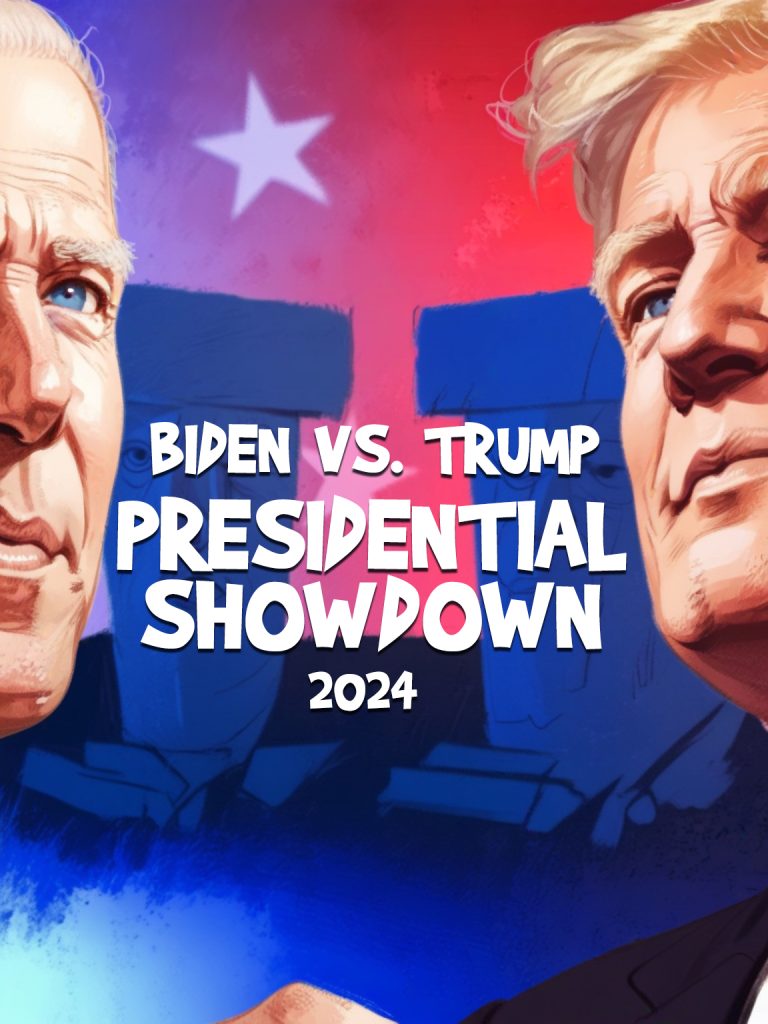
                          Oh, the drama of American politics! The reaction was fast and harsh. Journalists and Democratic leaders urged Biden to resign out. But, let’s be honest: Biden isn’t the kind to give up without a fight. He’s been out and about, making appearances to prove he’s still in the game. However, the increasing pressure to withdraw is becoming difficult to ignore. You’d think Jill Biden and her family would be encouraging him to retire peacefully. This action would also neatly conclude the continuing investigations into Hunter Biden and his family’s financial dealings. Meanwhile, Kamala Harris is improving her performance—coincidence? I guess not.

                          TL;DR

                          • Biden faces mounting pressure to step down, but he remains active in public life.
                          • Kamala Harris is increasing her public engagements, hinting at a possible presidential run.
                          • Trump leads in recent polls, but new Democratic candidates could disrupt his campaign.
                          • The public desires fresh faces in the 2024 presidential race, signaling a shift in voter sentiment.
                          • Potential new candidates include Gretchen Whitmer, Amy Klobuchar, Pete Buttigieg, Ron DeSantis, and Nikki Haley.
                          • The political landscape is dynamic, with significant implications for both parties and future policies.

                          The Trump Factor: A Forgotten Twist

                          Here’s an often-overlooked twist: how Biden’s likely withdrawal may affect Trump’s campaign. Recent surveys show Trump ahead of Biden. But what if a new Democratic contender appeared who could win over both Democrats and independents? Consider this: a ticket featuring Gretchen Whitmer or Amy Klobuchar. Interesting, right?

                          Now let’s look at the ramifications. If Biden steps out, the Democratic Party will need to unify around a replacement candidate swiftly. This scenario could jeopardize Trump’s approach. His campaign has mostly been about contrasting himself with Biden. A new opponent would push Trump to change his methods. Furthermore, a new Democratic contender may invigorate people who are now dissatisfied with the political scene. This rise in enthusiasm could be difficult for Trump, who depends on his base’s zeal but struggles to persuade hesitant voters.

                          Furthermore, a new Democratic face may appeal to moderates and independents who are bored with the old guard. Gretchen Whitmer’s outstanding leadership during the pandemic, or Amy Klobuchar’s pragmatic approach to politics, might pose significant obstacles. Both have proven their capacity to govern efficiently while appealing to a wide range of voters.

                          The Inevitable Withdrawal

                          I believe Biden will stand down. When that happens, the big issue will be: if Biden is stepping down, why not Trump? For the time being, Trump appears to be entirely engaged on his election campaign. However, if the media and Republican leaders begin to suggest that Trump’s candidacy is redundant without Biden in the race, things could take an unexpected turn. For months, polls have showed that a majority of people in both parties want new nominees. Following years of political discord, the country yearns for a new beginning.

                          Trump has established his political persona on being an outsider and a disruptor. However, with Biden potentially out of the picture, Trump’s story may lose some of its traction. The media and his opponents might begin to question the necessity of his candidacy. If Trump encounters increased scrutiny and criticism from within his own party, he may find himself in a similar position as Biden—fighting against public opinion and political maneuvering.

                          Moreover, the Republican Party has its own rising stars. Figures like Ron DeSantis and Nikki Haley have been making waves and could step up if Trump’s grip on the nomination loosens. This internal competition could lead to a fascinating power struggle within the GOP, reshaping the party’s future direction.

                          A Fresh Start? New Faces for America

                          New presidential candidates in the fall—how does that sound? It’s time for a change. Americans demand leaders who can bridge the divide and bring us together. Consider leaders who are not merely remnants of the past, but forerunners of a shared future.

                          Consider these probable candidates: Gretchen Whitmer, Amy Klobuchar, Pete Buttigieg, and others. Each has unique talents and visions for the country. Whitmer, with her executive expertise and handling of the pandemic, could position herself as a leader capable of guiding the country through disasters. Klobuchar, recognized for her nonpartisan efforts and sensible solutions, could appeal to people who are tired of party fighting.

                          Pete Buttigieg, with his coherent vision for the future and ability to connect with young people, has the potential to energize the Democratic base. His experience as a warrior and mayor offers a unique perspective that contrasts with Biden and Trump’s extensive political careers.

                          On the Republican side, Ron DeSantis has received attention for his handling of Florida’s policies as well as his positions on crucial topics. Nikki Haley’s worldwide experience as a former UN Ambassador provides a global viewpoint that may appeal in an increasingly interconnected world. Both might give the GOP with compelling alternatives to Trump, perhaps widening the party’s appeal.

                          The Policy Shift: What’s at Stake

                          New candidates bring new policies and agendas. Healthcare, immigration, climate change, and economic recovery are all hot topics in today’s political atmosphere. New faces may bring novel solutions to these important concerns.

                          For example, a renewed focus on healthcare may result in considerable improvements. Candidates may propose extending access, lowering expenses, and enhancing quality. Immigration policy, another difficult issue, should see more humanitarian and realistic measures that strike a balance between security and compassion.

                          Climate change, an existential menace, requires immediate response. New leaders may advocate for ambitious steps to cut carbon emissions, invest in renewable energy, and encourage sustainable habits. Economic recovery, particularly in the aftermath of the epidemic, necessitates strong policies to help small businesses, create jobs, and assure long-term prosperity.

                          These policy moves aim to shape the future as well as address urgent concerns. The leaders we choose will set the tone for how we address these challenges, influencing future generations.

                          As the political storm clouds gather, we find ourselves at a familiar crossroads—one where the old guard faces the twilight of their reign, and new faces prepare to rise. It’s a moment of déjà vu, yet filled with unprecedented potential. Will we witness the grand exit of political titans, or are we merely spectators to yet another act in this never-ending drama? The stakes are high, and the players are poised.

                          The question isn’t simply whether Biden or Trump will stand down; it’s about creating a future in which leadership transcends historical differences. It is about imagining a political landscape that prioritizes innovation, unity, and progress. The decision is ours, yet the consequences are far-reaching.

                          Feeling inspired or perhaps a bit more cynical? Either way, dive deeper into the political labyrinth. Check out our Politics Category to stay informed, challenged, and ready to make your mark on the future of our nation. Engage with the issues, scrutinize the candidates, and most importantly, be an active participant in shaping the democracy we aspire to achieve.

                          References

                          1. The New York Times, “Biden’s Public Appearances Amid Calls for Resignation”, link
                          2. Politico, “Kamala Harris’s Increased Public Engagements”, link
                          3. CNN, “Trump Leading in Polls Against Biden”, link

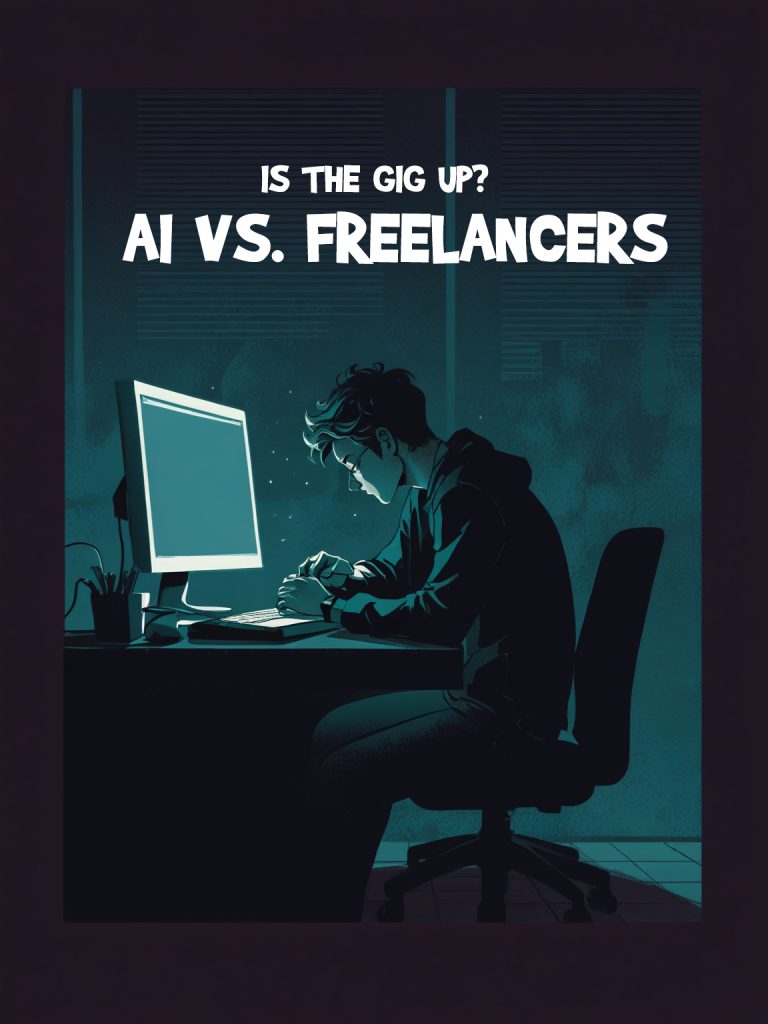
                          Is the Gig Up? AI vs. Freelancers

                          0

                          The future of work is here, and it’s brought a robotic roommate – Artificial Intelligence. Will AI become the ultimate freelancer, stealing all the gigs, or is this a match made in app heaven, with AI as the ultimate productivity partner? Let’s click through this article and see if AI is here to replace us, or maybe, just maybe, enhance our hustle.

                          The rise of Artificial Intelligence (AI) has sent shivers down the spines of many workers, with freelancers being especially vulnerable. AI can now complete many tasks that were once the exclusive domain of human freelancers, from writing and coding to translation and design. But is this the end of freelancing as we know it?

                          TL;DR

                          1. AI Automates, You Strategize: Don’t fear AI replacing you. It automates repetitive tasks, freeing you to focus on high-value strategy and creativity.
                          2. Level Up Your Skills: Stay ahead of the curve by honing in-demand skills like creative writing, complex coding, or specialized consulting.
                          3. AI as Your Wingman: Embrace AI as a powerful tool. Use AI writing assistants, translation platforms, and project management software to boost efficiency.
                          4. The Human Touch Wins: AI can’t replicate human connection and empathy. Focus on exceptional client service and understanding their unique needs.
                          5. Embrace Change, Thrive in the Future: The future of freelancing belongs to those who adapt. Learn new tricks and leverage AI to become a more competitive freelancer.
                          Your new work bestie, helping you smash deadlines and conquer stress.

                          AI: The Task-Taker, Not the Job-Killer

                          Imagine a world where AI can churn out basic writing, coding, and translation projects with ease. Sounds like a dystopian future for freelancers, right? Well, not exactly. While AI can automate repetitive tasks, most freelance jobs involve a complex blend of skills and experience that machines simply can’t replicate yet.

                          Think about it this way: Economists often say AI will automate tasks, not eliminate entire jobs. Most freelance gigs require a broader skillset than just, say, writing simple articles. They might involve in-depth research, understanding the nuances of a specific industry, or tailoring content to a particular audience. These are areas where human expertise still reigns supreme.

                          The Rise of the Machines and the Fall of…Some Freelance Jobs

                          However, this doesn’t mean AI won’t disrupt the freelance market. Freelancers who specialize in repetitive tasks like data entry or simple translation might see a decline in work.

                          A recent study by Upwork, a popular freelance marketplace, found that the number of freelance jobs posted in areas where AI excels (writing, coding, translation) has dropped by as much as 21% since the launch of powerful AI tools like ChatGPT.

                          This is concerning, especially for freelancers who depend on these tasks for their livelihood. But there’s a silver lining!

                          Freelancing in the Age of AI: Friend, Not Foe

                          The same Upwork study revealed that freelancers who use AI to enhance their work, rather than be replaced by it, are earning significantly more. Data scientists and IT specialists who leverage AI tools see a whopping 40% increase in their income!

                          The key takeaway? AI isn’t the enemy; it’s a powerful tool that can streamline workflows and free up freelancers to focus on higher-value tasks. Imagine a freelance writer using AI to conduct comprehensive research for an article, then crafting a compelling piece that speaks directly to the target audience. Or a freelance designer utilizing AI to generate basic design elements, then customizing them to create a unique and impactful visual identity for a client.

                          Freelance Heroes: Conquering the AI Challenge

                          Take Eric Tan, a freelance copywriter, for example. He’s seen a surge in demand for his services since AI writing tools became popular. Why? Because businesses are discovering that AI-generated content, while grammatically correct, often lacks the depth and persuasion needed to convert leads into customers.

                          David thrives by rewriting generic AI content into compelling marketing copy that resonates with target audiences. His human touch, strategic thinking, and ability to craft persuasive messages are exactly what businesses crave in an age of AI-generated mediocrity.

                          Will AI steal your artistic gigs? Not if you use it to unleash your creativity!

                          The Future of Freelancing: Human + Machine = Success

                          The future of freelancing is bright for those who can adapt and embrace AI as a partner. Here’s what you can do to stay ahead of the curve:

                          • Upskill and specialize: Focus on developing in-demand skills that AI can’t easily replicate, like creative writing, strategic consulting, or complex coding. Don’t just be a jack-of-all-trades; become a master of a specialized niche.
                          • Become an AI whisperer: Learn how to use AI tools to your advantage. Explore AI writing assistants, translation tools, and project management software to streamline your workflow and free up time for high-value tasks. Think of AI as your intelligent assistant, not your replacement.
                          • Focus on the human touch: AI might be good at mimicking human writing, but it can’t replicate the creativity, empathy, and critical thinking that clients value most. Bring your human touch to every project, whether it’s exceptional customer service, the ability to understand complex client needs, or a dash of creative genius in your work.

                          AI in Action: Disrupting and Empowering Freelancers

                          The article explores the evolving relationship between AI and freelance work. While AI automates some tasks, it also creates new opportunities for human freelancers who can leverage this technology. Here are a few recent examples that illustrate these trends:

                          • AI-Generated Art on the Rise: In 2022, Midjourney, a powerful image generation AI, gained significant traction. This tool allows artists and designers to create photorealistic images from simple text prompts. While some concept artists have seen their work replaced by AI-generated visuals (as mentioned in the article with Reid Southen’s experience), others are using Midjourney to brainstorm ideas and generate base images that they can then refine and personalize (https://www.midjourney.com/).
                          • Freelancers Rewrite AI-Generated Content: A growing trend is the demand for human copywriters to edit and improve AI-written content. As David Erik Nelson’s story highlights, businesses are realizing that AI-generated marketing copy often lacks the human touch and persuasive power needed to resonate with target audiences (https://partners.wsj.com/appian/ai-in-process-automation/the-automation-revolution/).
                          • Upwork Study Highlights AI’s Impact: The Upwork research mentioned in the article is a valuable source of data on how AI is impacting freelance marketplaces. Their findings of a 21% drop in freelance writing and translation jobs since the launch of ChatGPT underscore the potential disruption AI can cause, but also highlight the areas where human expertise remains irreplaceable (https://www.upwork.com/research *note: Upwork research is not publicly available but the article cites a spokeswoman for Upwork).

                          These are just a few examples, and the landscape is constantly evolving. As AI continues to develop, we can expect to see even more dramatic shifts in the freelance market. The key takeaway is that freelancers who can adapt and embrace AI as a tool will be the ones who succeed in the future.

                          The Final Word: Don’t Be Afraid, Embrace the Change

                          The rise of AI is transforming the freelance landscape, but it doesn’t have to spell doom and gloom. By embracing AI as a tool and focusing on human-centric skills, freelancers can not only survive but thrive in the exciting age of automation. The future of freelancing belongs to those who can leverage AI’s capabilities while capitalizing on

                          Is AI the freelancer’s frenemy or future BFF? The answer, like a perfectly optimized website, depends on your approach. Embrace AI as a tool, not a terminator, and you might just find yourself working smarter, not harder.

                          Ready to level up your freelance game in the age of AI? Explore our “Tech” category for more insights and tips on thriving in this ever-evolving landscape. Remember, the future belongs to the adaptable, not the obsolete. Click, learn, and conquer that next project – human and machine, side by side.

                          Fact-Checking Trump’s Debate Claims Amid Biden’s Faltering Performance

                          0

                          The debate stage is often a battleground for half-truths and grandiose declarations, and last Thursday was no exception. Former President Donald Trump, the presumptive Republican nominee, let loose a series of false or misleading statements. Remarkably, many of these went unchecked, overshadowed by President Biden’s shaky performance, which left Democrats in a state of panic. The question now looms large: Should Biden remain the face of the Democratic ticket?

                          Trump’s Tactics: Bold Claims, Shaky Foundations

                          Trump’s debate strategy was a mix of discipline and dramatics. He appeared more composed than Biden, whose delivery was halting and at times, dazed. Yet, Trump’s penchant for hyperbole and apocalyptic rhetoric about the state of the country persisted. On policy fronts ranging from border security to inflation, neither candidate seemed to make headway in winning over the undecided voters.

                          Let’s dissect Trump’s most egregious claims and the reality behind them.

                          Fact vs. Fiction: Navigating the Political Labyrinth

                          Abortion: Roe v. Wade Whoppers

                          Trump’s assertion that “every legal scholar” wanted Roe v. Wade overturned is a significant overstatement. The legal community, much like the American public, is deeply divided on this issue. The 1973 Supreme Court decision that recognized women’s constitutional right to terminate unwanted pregnancies has been a contentious topic for decades. When Roe was overturned in 2022, it did not usher in the harmonious era of state-level equilibrium Trump described. Instead, it created a chaotic patchwork of laws, leaving many women uncertain about their reproductive rights.

                          Furthermore, Trump accused Democrats of supporting abortions “even after birth,” a claim that falls squarely in the realm of the absurd. Infanticide is illegal in every state. Major medical associations are clear: abortions can only occur during a pregnancy. This distortion seems to stem from comments made by former Virginia Governor Ralph Northam in 2019, which have been widely misrepresented by Republicans to stoke fear and misinformation.

                          Immigration: The Social Security Scare

                          In the debate, Trump argued that Biden’s immigration policies are destroying Social Security, alleging that migrants are heavily dependent on public benefits. However, this claim doesn’t hold water. Migrants, especially those awaiting asylum decisions, do not qualify for Social Security or Medicare. Extensive studies have shown that in the long term, immigrants contribute more in taxes than they consume in public services. This includes undocumented immigrants, who often pay taxes without reaping the associated benefits.

                          Trump also boasted about having the “safest border in the history of our country” during his tenure. While the metrics he used are unclear, the reality is more nuanced. His administration witnessed a significant number of illegal crossings at the Southern border and faced the second-largest surge of migrants seeking asylum, only surpassed by numbers under Biden. Trump’s “Remain in Mexico” policy briefly reduced illegal crossings by requiring asylum seekers to stay south of the border while their cases were processed. However, this policy was short-lived, leaving its long-term efficacy unproven.

                          January 6: The Downplayed Insurrection

                          Referring to the January 6, 2021, attack on the U.S. Capitol, Trump minimized the event, suggesting it involved only a “relatively small number of people” and claiming many were “ushered in by the police.” The facts tell a different story. Nearly 1,500 individuals have faced charges for their roles in the insurrection, with many entering the Capitol. The police did not invite these individuals inside; they were overwhelmed and, in numerous instances, injured by the mob.

                          This downplaying of the insurrection undermines the gravity of the event and the threats faced by law enforcement and lawmakers. It also disregards the extensive damage done to democratic processes and institutions.

                          Economy: The Deficit Deception

                          Trump accused Biden of creating “the largest deficit in the history of our country.” Conveniently, he neglected to mention that the 2020 deficit—his last full fiscal year—was a staggering 14.7% of GDP, the largest since World War II, driven primarily by emergency pandemic relief. While Biden’s tenure has seen large deficits, they pale in comparison to the fiscal gap under Trump. Despite some narrowing, the national debt continues to balloon, a problem that spans multiple administrations.

                          On inflation, Trump painted a rosy picture of his term, claiming he left Biden with “essentially no inflation.” This is misleading. Inflation was already on the rise as Trump left office, fueled by pandemic-related disruptions and massive government spending. Biden’s administration has certainly faced challenges in curbing inflation, but it did not start from a point of zero inflation.

                          Foreign Policy: Ukraine Untruths

                          Trump’s take on Russia’s invasion of Ukraine was filled with unsubstantiated claims. He asserted that Putin would never have invaded Ukraine if Trump were president, implying that his presence would have deterred such aggression. However, many experts believe Putin’s plans to attack Ukraine were long in the making. Trump himself had acknowledged that absorbing Ukraine was a “dream” of Putin’s, indicating that the seeds of conflict were sown well before Biden took office.

                          Trump also inaccurately claimed that European nations were contributing far less to Ukraine than the U.S. In reality, the European Union and its member states, along with non-EU countries like Norway, have collectively provided over $190 billion in financial, military, humanitarian, and refugee assistance. This far exceeds the U.S.’s total aid of around $175 billion, with a significant portion of U.S. funds directed towards supporting American operations related to the conflict.

                          Unmasking the Debate: Where Truth Meets Illusion

                          Biden’s Blunders

                          Biden wasn’t immune to factual missteps during the debate. One notable falsehood was his claim, “I’m the only president this century that doesn’t have any, this decade, that doesn’t have any troops dying anywhere in the world.” This statement overlooked the tragic deaths of 13 service members during the chaotic withdrawal from Afghanistan in 2021 and the recent deaths of three soldiers in a drone strike in Jordan this January.

                          Biden’s assertion aimed to paint a picture of a presidency unmarred by military casualties, but reality paints a different, more somber picture. It’s crucial for leaders to acknowledge and honor these sacrifices rather than gloss over them for political gain.

                          What’s Next?

                          As the curtain closes on this latest political spectacle, we’re left pondering who truly wore the mask of truth. In this grand theater of debate, where facts and fiction often blend seamlessly, we must question not just the performers but our role as the audience. Are we passive spectators, or do we hold the power to demand clarity and honesty?

                          The lines between reality and rhetoric blur, leaving us to navigate the labyrinth of political discourse with a discerning eye. In the end, the greatest trick may not be the deception itself but our willingness to be deceived.

                          Ready to cut through the smoke and mirrors? Dive deeper into the facts and keep yourself informed. Explore more fact-check articles in our Politics category to stay ahead of the spin. Join the conversation, challenge the narratives, and be a beacon of truth in a world of illusions. Because in the theater of politics, your informed voice is the real magic.

                          References

                          Biden vs. Trump: The 2024 Presidential Showdown

                          0

                          Ladies and gentlemen, welcome to the main event of the year—a political cage match like no other, where history, irony, and destiny collide. In one corner, we have President Joe Biden, the incumbent with a plan, and in the other, former President Donald Trump, the challenger with a vendetta. No handshakes, just sparks flying, setting the stage for a night where words are weapons and every sentence could tip the scales. Buckle up, because this isn’t just a debate; it’s a battle for the soul of America, a clash of titans, and a reality show all rolled into one. Get ready for a night that promises to be unforgettable, where every jab and counterpunch leaves a mark not just on the candidates, but on the nation itself.

                          TL;DR

                          • Biden criticized Trump’s economic record, highlighting job losses and national debt.
                          • The debate on foreign policy heated up over the Afghanistan withdrawal.
                          • Immigration policies were a major point of contention between the candidates.
                          • Abortion rights sparked a fierce exchange, with Biden criticizing Trump’s stance.
                          • Democrats reacted with mixed feelings about Biden’s performance and his future candidacy.
                          Clash of Titans: Biden and Trump go head-to-head in a showdown for the ages.

                          In a clash that left sparks flying, President Joe Biden and his Republican rival, former President Donald Trump, went head-to-head in their first debate of the 2024 presidential election cycle. With the absence of a live audience, the atmosphere was charged, as the two titans of American politics faced off at their respective podiums. And guess what? No handshakes, just a night brimming with pointed exchanges.

                          On the Economy: Biden’s Jabs at Trump’s Record

                          President Biden didn’t waste a second before taking aim at Trump’s economic legacy. “Donald Trump left me an economy that was in free fall,” Biden remarked, slicing through Trump’s tenure. He didn’t stop there, slamming Trump’s handling of the COVID-19 pandemic: “He said things were fine during the pandemic—just inject a little bleach in your arm. I turned our country around.”

                          Biden didn’t pull any punches, highlighting job losses under Trump’s administration. “Donald Trump is the only president besides Herbert Hoover who left office with fewer jobs than when he began. Donald Trump had the largest national debt of any US president over a four-year period,” Biden stated, hammering home his point.

                          On Foreign Policy: The Afghanistan Withdrawal Fireworks

                          The debate took a heated turn when foreign policy entered the ring, specifically the chaotic withdrawal of US troops from Afghanistan. Trump jumped at the chance to critique Biden’s execution, labeling it “the most embarrassing day in the history of our country.”

                          “I was getting out of Afghanistan, but we were getting out with dignity, with strength, with power,” Trump asserted.

                          Biden fired back, “When he was president, they were still killing people in Afghanistan. He didn’t do anything about that.” In a poignant moment, Biden invoked the memory of his late son Beau, who served in Iraq, refuting Trump’s alleged comments about soldiers being “suckers.”

                          “My son was not a loser, was not a sucker. You’re the sucker. You’re the loser,” Biden declared, adding a personal touch to the debate.

                          On Immigration: A War of Words

                          Immigration was yet another hot-button issue. Biden accused Trump of spreading falsehoods about the immigration crisis. “The idea that illegal immigrants are being welcomed in the United States is simply not true,” Biden asserted. “There’s no data to support what he said. Once again, he’s exaggerating. He’s lying.”

                          Trump countered, accusing Biden of failing to secure the southern US border, leading to an influx of criminals. “I call it Biden migrant crime,” Trump retorted.

                          On Abortion Rights: The Heated Exchange

                          The debate reached a boiling point on abortion rights. Biden criticized Trump for his stance on abortion bans, especially after the Supreme Court’s overturning of Roe v. Wade. “It has been a terrible thing, what you have done,” Biden said firmly.

                          Trump defended his position, arguing that returning the issue to the states was the right move and accusing Biden of not supporting any limits on abortions.

                          Biden, addressing the plight of women facing obstacles in accessing abortion services, added, “It’s just ridiculous, and they can do nothing about it. You have the morals of an alley cat.”

                          Democrats React: Panic and Support

                          Top Democrats were quick to react to Biden’s performance. Some called for Biden to halt his re-election bid, citing concerns about his age and fitness for office. A Democratic lawmaker revealed, “Many House Democrats tonight, representing a wide cross-section of the Democratic caucus, were privately texting one another that Biden needs to announce he’s decided not to run for re-election. We need a new nominee.”

                          David Axelrod, a former senior adviser to Obama, acknowledged Biden’s points on policy but hinted at the growing discussions about his future. Meanwhile, Biden, undeterred, told reporters, “I think we did well.” Asked about concerns regarding his debate performance, he replied, “No. It’s hard to debate a liar.”

                          Trump’s Comeback: A fiery response from the former president.

                          Trump’s Comfort Zone: Attacks and Repetition

                          Trump, not much younger than Biden, appeared comfortable and assertive, repeating many of the false claims that have become a hallmark of his bid for another four years. “He’s not equipped to be president. You know it and I know it,” Trump declared at one point.

                          Biden, growing steadier as the debate wore on, countered by pointing to Trump’s criminal convictions and legal troubles. “The only person on this stage that’s a convicted felon is the man I’m looking at right now,” Biden said.

                          The Verdict

                          In the end, the debate showcased two very different visions for America’s future. Biden’s team noted that the debate day had been their biggest for grassroots donations. High-profile Democrats, like California Governor Gavin Newsom, publicly defended Biden, urging unity and support.

                          After a night of verbal jousting, who came out on top? The answer isn’t as clear-cut as you might think. Both Biden and Trump delivered blows that left lasting impressions, and both left us with questions that only the future can answer. As the dust settles, it’s evident that this debate wasn’t just about policies or past performance; it was about who can navigate the turbulent waters ahead.

                          But here’s the twist: this debate is just the opening act. The real drama is yet to unfold, and you, dear reader, are part of the story. Stay informed, stay engaged, and don’t let the spectacle distract you from the substance.

                          Intrigued? Hungry for more insights and sharp analysis on the political landscape? Check out our political articles for a deeper dive into the unfolding saga. Your vote is your voice—make sure it’s heard loud and clear. The future is in your hands.