

More
    Home Blog Page 93

    Moon Caves: Future Homes for Astronauts?

    0

    Forget “one small step for man,” it’s time for a giant leap into the shadows! While Neil may have gotten all the glory for his moonwalk, it seems the real estate agents of the lunar surface missed a prime location. Tucked away, just a hop, skip, and a very small jump from Tranquility Base, lies a hidden gem – a lunar cave!

    This discovery might leave you feeling a bit… hollow on the inside. But fear not, fellow space enthusiasts! This isn’t a case of the moon being all show and no tell. In fact, it could be the key to unlocking a whole new chapter in lunar exploration. Think of it as finding a secret basement in the universe – one with the potential to be both a haven and a history book. So, grab your metaphorical flashlight and prepare to delve into the mysteries that lie beneath the moon’s dusty surface.

    TL;DR

    • A large cave has been discovered on the moon near the Sea of Tranquility.
    • This cave could provide shelter for future astronauts from harsh lunar conditions.
    • The cave may hold clues to the moon’s volcanic history.
    • Scientists believe there could be many more caves on the moon.
    • This discovery is significant for future lunar exploration and habitation.

    Moonlighting as a Moonscape Maven

    In a discovery that could revolutionize lunar exploration, scientists have unveiled the existence of a substantial cave on the moon, tantalizingly close to where Neil Armstrong and Buzz Aldrin made their historic landing over half a century ago. Italian researchers, led by Leonardo Carrer and Lorenzo Bruzzone from the University of Trento, revealed the findings in a recent publication in Nature Astronomy.

    The cave, nestled in the Sea of Tranquility just 250 miles from Apollo 11’s landing site, is accessible through the deepest known lunar pit. This pit, like over 200 others identified on the moon, formed from the collapse of a lava tube—an underground conduit created by ancient volcanic activity.

    Using radar data from NASA’s Lunar Reconnaissance Orbiter, Carrer and Bruzzone’s team determined that the cave extends at least 130 feet wide and potentially spans tens of yards in length, opening up possibilities for expansive subterranean environments beneath the moon’s desolate surface.

    Moonlighting discovery: Scientists unearth a hidden lunar cave!

    “Lunar caves have remained a mystery for over 50 years. So it was exciting to finally prove the existence of one,” Carrer and Bruzzone shared in an email.

    The significance of these findings goes beyond mere curiosity. These natural caverns could provide invaluable shelters for future lunar settlers, shielding them from cosmic radiation, solar flares, and micrometeorite impacts—dangers that would pose significant challenges to surface-based habitats. Moreover, the caves offer a ready-made environment that could potentially reduce the complexity and time required to establish human habitats on the moon.

    The discovery also hints at the moon’s geological past. Rocks and materials preserved within these caves, shielded from the harsh lunar conditions for millennia, could provide critical insights into the moon’s volcanic history and evolution.

    Don’t miss the bus (or the rocket)! Lunar caves offer a prime location for future moon dwellers.

    While the Mare Tranquillitatis cave is a promising find, it’s just the beginning. Scientists speculate that there could be hundreds more such caves across the moon, with potentially thousands of interconnected lava tubes waiting to be explored. This wealth of subterranean real estate isn’t confined to the Sea of Tranquility either; lunar experts believe similar features could exist near the moon’s south pole, where permanently shadowed craters may harbor water ice—a crucial resource for sustaining life and fueling future missions.

    NASA, planning to return astronauts to the moon later this decade, sees these caves as prime candidates for establishing lunar bases. The accessibility and natural protection offered by lava tubes could make them ideal locations for research outposts, reducing the need for extensive construction on the moon’s surface.

    “Building habitats from scratch would be a daunting task. These caves offer a compelling alternative,” the researchers noted. “However, challenges remain, such as reinforcing cave walls to prevent collapses—a critical consideration for long-term habitation.”

    Beyond practical considerations, the discovery of lunar caves sparks the imagination. Imagine living beneath the moon’s surface, surrounded by ancient geological formations, conducting research in a naturally sheltered environment. It’s a vision that combines the romance of space exploration with the practicalities of sustainable living beyond Earth.

    As we look to the future of lunar exploration, these caves represent not just potential shelters, but also windows into the moon’s past and stepping stones for humanity’s journey to the stars.

    Taking one small step for shade: Lunar caves offer shelter from the harsh lunar sun.

    Recent Developments in Lunar Exploration

    1. NASA’s Artemis Program: NASA’s Artemis program aims to return astronauts to the moon by the mid-2020s, focusing on sustainable lunar exploration and utilizing potential lunar caves for habitat purposes. [Source: NASA Artemis Program Overview]
    2. Discoveries of Lunar Lava Tubes: Ongoing research continues to uncover new lunar lava tubes and caves using data from lunar orbiters, enhancing our understanding of the moon’s geological history and potential for human habitation. [Source: NASA’s Lunar Reconnaissance Orbiter Mission Page]
    3. International Lunar Research Efforts: Collaborative efforts by international space agencies, including ESA (European Space Agency) and JAXA (Japan Aerospace Exploration Agency), are exploring the feasibility of lunar base construction, leveraging findings about lunar caves. [Source: ESA’s Exploration of the Moon]
    4. Technological Advances in Lunar Exploration: Advancements in radar technology and remote sensing are crucial in identifying and characterizing lunar caves, paving the way for future human missions and scientific discoveries on the moon. [Source: Nature Astronomy Journal]

    This section highlights recent advancements and ongoing initiatives in lunar exploration that directly relate to the discovery of lunar caves. Each example is supported by credible sources, offering readers a broader context of current developments in the field of lunar science and exploration.

    In conclusion, the existence of these lunar caves is a testament to human ingenuity and curiosity. Whether they become the homes of future lunar residents or remain enigmatic geological wonders, one thing is clear: the moon still holds many secrets waiting to be uncovered.

    This lunar spelunking might just be the first step on a long and winding path. After all, one small cave could lead to a universe of possibilities. Is it a sign we’re not alone, or simply a reminder that even in the vast emptiness of space, there’s always room for a little discovery? One thing’s for sure – the moon is no longer a one-trick pony. It seems our celestial neighbor has been keeping some secrets under wraps, and it’s high time we explored them further. So, buckle up, spacefarers! The future of lunar exploration just got a whole lot more interesting.

    Want to dig deeper? Dive into the “Tech” section for a closer look at the latest missions and technologies that are taking us one step closer to unraveling the moon’s mysteries.
    Trump Rally Shooting: How Early Warnings and Security Mishaps Unfolded

    0
    Plenty of time to stop the threat. Synced video on Reddit

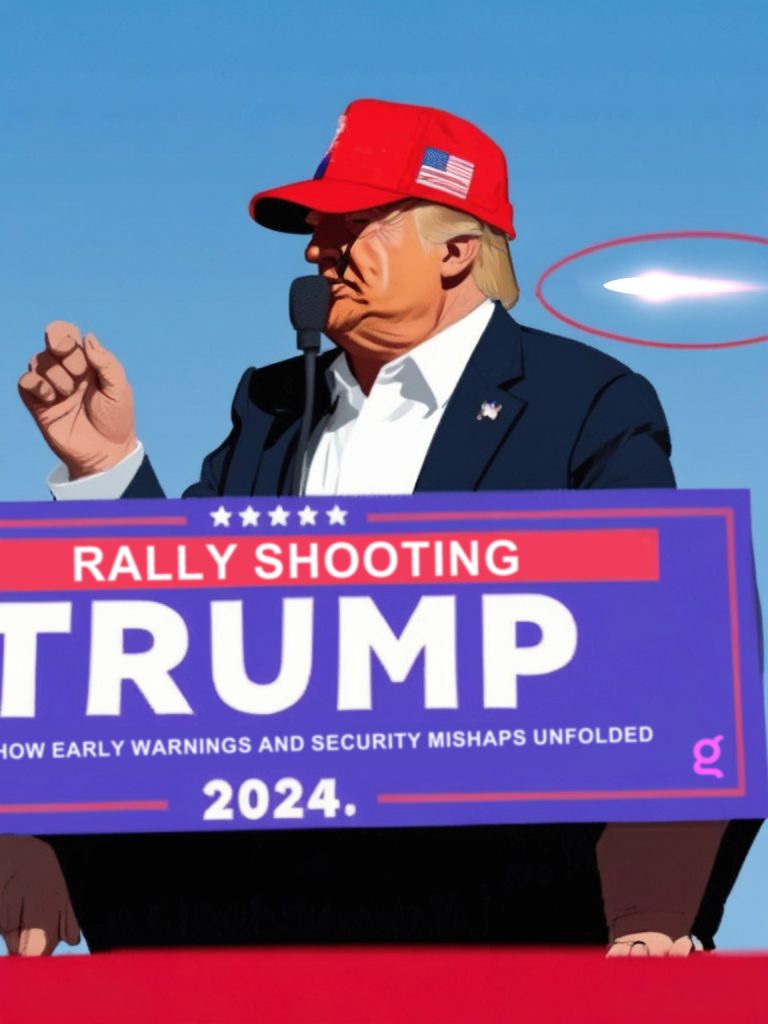
    At the recent Trump rally, new footage has surfaced on Reddit revealing a startling detail: several attendees spotted the gunman on the roof a full minute before chaos erupted. It’s the kind of revelation that makes you wonder if the Secret Service needs a refresher on their job description. According to a spokesperson from the United States Secret Service who spoke to CNN, the agency opted not to personally sweep the premises but instead relied on local law enforcement for security measures. In hindsight, that decision might earn them a spot on the hot seat. Frankly, it’s a clear example of how things can go sideways when the big boys miss a crucial detail.

    The sheer absurdity? Witnesses had a good two minutes to point fingers, a cop to eyeball, and even a sniper team zeroing in—all while shots managed to ring out. Heads will roll, mark my words. Reports suggest the gunman took aim from approximately 135 meters, roughly 442 feet away. Having spent time at an Army range in my past life, I’ve seen my fair share of marksmanship trials. Trust me, the distance isn’t the issue; it’s the execution.

    You see, seasoned units take their training seriously, and it shows in their scores. Combat-tested soldiers? They hit their targets. But let’s talk about the National Guard, where weekend warriors—bless their hearts—show up for duty between shifts as truckers, cooks, and grease monkeys. Their scores? Well, let’s just say they’re a bit hit-or-miss. Now, here’s the kicker: anyone worth their salt with an AR platform (or “M4” for the Army buffs) knows hitting a 100m target center-mass is child’s play.

    The design improvements over the years have made aiming almost foolproof. Yet, when it comes to rookies at 200m, expect some scattered shots. At 150m? Passable, at best. With just half an hour on the sights, your average Joe should hit a 10-inch paper plate at 135m three out of four times. But when you throw in a cop disrupting the shooter’s zen moments before pulling the trigger, all bets are off.

    Trump, being Trump, decided to go off-script, zigging when he should have zagged. It might just have saved his skin, as one theory goes. A swift head turn, a bullet meant for the temple lands near his ear instead. Talk about luck. Had the shooter been a novice with the AR-15, those wild shots? Par for the course. But with even basic know-how, 135m should’ve been a gimme on a stationary target.

    And here’s the kicker: if the Secret Service was spread thin that day, a city cop on that rooftop might’ve made all the difference. But hindsight, as they say, is 20/20.

    The Real Thomas Matthew Crooks: Who was he?

    We’re about to dive into a story that’s more layered than an onion wearing a trench coat. It’s a tale of heroes and villains, missed signals, and enough finger-pointing to make a hand model blush. We’ll be examining the life of a young man who went from unknown to infamous in the blink of an eye, and the chaotic events that unfolded like a poorly choreographed ballet of bullets.

    Think you know what heroism looks like? We’ll challenge those assumptions. Think you can predict the future? This story will leave you questioning your crystal ball subscription. So, grab a metaphorical cup of strong coffee (or your beverage of choice, no judgment here), because we’re about to embark on a wild ride where the only guarantee is that nothing is quite as it seems.

    TL;DR

    • A heroic firefighter shields his daughters during the shooting.
    • The shooter, Thomas Crooks, appeared quiet and intelligent.
    • Despite no criminal record, Thomas opened fire at a rally.
    • Security failures by both Secret Service and local law enforcement are exposed.
    • The motive behind the shooting remains unclear.

    Who Was Thomas Matthew Crooks?

    Thomas Matthew Crooks. Who was this 20-year-old shooter? Described as quiet and nerdy, he had an interest in chess and coding. With an associate’s degree in engineering, he was far from the typical troublemaker. Yet, he lived a life marked by bullying and loneliness. He worked at a nursing home, the Bethl Park Skilled Nursing and Rehabilitation Center, where he was a meal prep helper. His job performance was reportedly fine, and he had no notable social media presence, no manifestos, and no notes—just a young man who seemed to snap out of nowhere.

    The Day of the Shooting

    So, how did Thomas end up on a rooftop, aiming at the President? The Secret Service and local law enforcement are pointing fingers at each other. Thomas was already identified as a threat days before the event. He was seen acting suspiciously, and yet, he managed to get onto the roof of a building owned by a glass research company. A ladder conveniently placed at the building’s side added to the mystery. Did Thomas plant it, or was it just left there by the company? Regardless, the Secret Service and local law enforcement failed to secure the area properly.

    The Secret Service’s Failings

    The Secret Service was supposed to protect the venue’s outside perimeter, but they dropped the ball. There were allegations that Secret Service assets were diverted to a Jill Biden rally, leading to a shortage at the Trump event. The Secret Service denies this, but the lack of sufficient personnel is evident. The finger-pointing between the Secret Service and local law enforcement only highlights the chaotic and inadequate response.

    The Final Moments

    As the situation unfolded, an officer climbed the same ladder Thomas used. Thomas pointed his rifle at the officer, who either fell or climbed back down in fear. Then, Thomas turned his rifle toward Trump and started shooting. The Secret Service snipers didn’t respond quickly enough, possibly because they didn’t see the rifle until it was too late.

    A Deeper Look at Thomas

    Let’s dig deeper into Thomas’s background. He lived in a modest, middle-class neighborhood in Bethel Park, Pennsylvania. Homes in the area were far from luxurious, reflecting his unassuming lifestyle. A former classmate described him as the “weird nerd” who would stare blankly when spoken to. He had a history of being bullied but no prior criminal record or mental health issues.

    Thomas was featured in a Black Rock advertisement (pulled down by Black Rock today), which some conspiracy theorists latched onto. However, there’s no substantial evidence linking his appearance in the ad to the shooting. He was intelligent, one of 20 students to win a $500 prize in a math and science competition. He was also part of the Clarion Sportsman’s Club, a firearms training club, and had explosives and bomb-making materials in his car.

    AspectDetails
    Personal Information20 years old, interested in chess and coding, described as quiet and nerdy
    EducationAssociate’s degree in engineering
    EmploymentWorked at a nursing home, involved in meal preparation
    Social Media PresenceLimited activity, no significant posts or manifestos found
    Political AffiliationRegistered Republican, donated $15 to a progressive cause through ActBlue
    Family BackgroundParents were social workers and counselors, registered as a Democrat and a Libertarian respectively
    NeighborhoodLived in a middle-class neighborhood in Bethel Park, Pennsylvania
    Hobbies and ClubsInterested in firearms, part of the Clarion Sportsman’s Club (Firearms Training Club)
    Incident DetailsUsed an AR-15 with 5.56 ammo in the shooting incident, had explosives and bomb-making materials in his car
    Response and OutcomeShot and killed after targeting a political rally attended by former President Donald Trump, highlighted significant failures in security and response protocols

    The Gun and Ammo

    Thomas used an AR-15 with 5.56 ammo, purchased legally by his father. He bought the ammo shortly before the event. Although he was part of a gun club, rumors suggest he wasn’t a great shot, which aligns with the tragic outcome of the shooting.

    Family Background

    Thomas’s parents were social workers and counselors, registered as a Democrat and a Libertarian. They had a good reputation in the community, making Thomas’s actions even more baffling. His parents’ professions and political affiliations add a layer of complexity to his profile.

    The Fallout

    The aftermath of the shooting has led to intense scrutiny and blame. Trump, in a post-shooting interview, expressed his surreal experience and belief that he was supposed to be dead. The chaotic response from law enforcement and the Secret Service highlights a significant failure in handling the situation.

    Demolition Ranch

    It appears that Thomas Matthew Crooks, the gunman involved in the incident at the rally for former President Donald Trump, was indeed wearing a t-shirt emblazoned with “Demolition Ranch,” a popular YouTube channel focused on firearms. The channel, managed by Matt Carriker, a Texas social media personality and veterinarian, has over 11 million subscribers and is known for its unique approach to gun-related content.

    In a YouTube video posted by Carriker following the incident, he expressed shock and confusion upon learning about Crooks wearing one of his company’s t-shirts. Carriker clarified that Crooks had purchased the shirt online like any other customer and emphasized that he had no prior contact or association with the shooter beyond this purchase.

    This incident underscores how individuals may acquire merchandise from popular brands or channels without direct interaction or endorsement from the personalities behind them.

    My Perspective

    From my point of view, the situation with Thomas Matthew Crooks is a stark reminder of the unpredictable nature of such tragedies. Despite all the security measures and protocols, a failure in communication and preparedness can lead to disastrous outcomes. The lack of mental health history or violent tendencies in Thomas makes it even more challenging to predict and prevent such incidents. It’s crucial to improve our screening and response strategies to avoid future tragedies.

    Corey’s Heroic Story

    Before weend here, let’s pause for a moment to honor Corey Comperatore, a true hero. Corey was a firefighter who bravely shielded his daughters during the shooting. The fire department even hung his uniform at the front of the station in his memory. It’s gut-wrenching to think about his last moments. He responded to a tweet on the day of the shooting, excited about attending the Trump Rally in Butler, PA. His final post is a painful reminder of the life cut short too soon.

    Final Thoughts

    The story of Thomas Matthew Crooks is a tragic tale of missed signals and a failure in security. The finger-pointing between the Secret Service and local law enforcement only adds to the frustration and sadness. As we reflect on this incident, let’s remember the heroes like Corey and strive to learn from the mistakes made to ensure a safer future for everyone.

    In the end, Thomas Matthew Crooks is a puzzle with missing pieces, a symphony with a discordant note. It reminds us that security is a game of chess, not checkers, and sometimes the most dangerous threats wear glasses and blend into the background. Did we learn anything? Only time, and perhaps a closer look at the stories lurking in this very section, will tell. So, dear reader, keep your eyes peeled and your mind open. You never know when the next chapter in human tragedy (or heroism) might unfold.

    Donald Trump’s Would-Be Assassin: The Story of Thomas Matthew Crooks

    In a world where rooftops should be the realm of pigeons and repairmen, a young man named Thomas Matthew Crooks decided to rewrite the narrative. Imagine this: a clear day, a buzzing crowd, and a man perched 130 yards away from a stage, casting long shadows over the hopes and fears of a divided nation. His presence was like a misplaced punctuation mark in an otherwise coherent sentence—a tiny detail with the power to change everything.

    The police saw him and snapped a photo, perhaps thinking they were capturing a moment of minor mischief. Little did they know, they were framing the prologue to a tragedy. Crooks, a name that whispers deception, stood as a silent testament to the cracks in our vigilant facades. His actions on that roof turned a political rally into a scene from a dystopian novel, where warnings are ignored, and the line between hero and bystander blurs dangerously.

    As we delve into this story, let’s question the roles we play in our own narratives. Are we the vigilant guardians, the oblivious bystanders, or something in between? In a tale of missed signals, where do we stand when the shadows stretch and the lines blur?

    TL;DR

    • Thomas Matthew Crooks, 20, was spotted acting suspiciously on a rooftop near Donald Trump’s rally.
    • Local police took photos of Crooks but did not act on the suspicious behavior.
    • Crooks managed to shoot at the rally, nearly hitting Trump and killing a rally attendee.
    • Witnesses tried to alert law enforcement about Crooks, but their warnings were ignored.
    • The incident revealed significant security vulnerabilities and led to scrutiny of law enforcement and Secret Service actions.

    When it comes to political rallies, everyone expects a bit of drama, maybe a heckler or two. However, the scene at Donald Trump’s rally was anything but ordinary. The unfolding events involved a rooftop, an AR-style rifle, and a would-be assassin named Thomas Matthew Crooks. Hold on tight as we dissect this bewildering story with a touch of wit, a sprinkle of sarcasm, and plenty of eye-opening details.

    Missed Signals: Police snap photos of Crooks, unaware of the imminent danger.

    A Rooftop Rendezvous: Crooks Spotted Before the Chaos

    Imagine this: It’s a bright day, the crowd is buzzing, and up on a roof, just 130 yards from the stage, stands Thomas Matthew Crooks. The police, bless their hearts, noticed him acting suspiciously. They even took photos of him. Yes, that’s right, photos. As if a suspicious man on a rooftop isn’t a red flag in itself. But wait, it gets better. No one is quite sure if Crooks had his rifle with him when he was first seen or if he stashed it somewhere on the roof. Because, naturally, a man on a rooftop at a political rally is nothing to worry about, right?

    The Staging Area Mishap: Were the Cops Really There?

    Now, local police used the AGR International Inc. factory as a ‘staging area.’ Picture this: the police are supposed to be right there, inside the building. Yet, somehow, Crooks managed to scale the building, position himself, and, well, you know the rest. Questions are flying around about whether the officers were sipping coffee inside while Crooks pulled the trigger at least eight times. The baffling new allegations raise serious concerns about how he managed to shoot the former president and kill a member of the rally crowd.

    Witnesses and Warnings Ignored: The Shocking Oversight

    In an almost cinematic twist, a horrifying video surfaced. Witnesses were pointing at the roof and shouting at officers. They were trying to warn them. Meanwhile, MAGA fans claimed they alerted law enforcement as Crooks crawled to his shooting position. Yet, despite all these warnings, Crooks was still able to shoot. One has to wonder, were the officers hard of hearing or just really, really distracted?

    The Aftermath: Crooks’ Lifeless Body

    Shortly after the shots were fired, Trump’s security whisked him away. Meanwhile, the lifeless body of Thomas Matthew Crooks was spotted on the rooftop, surrounded by agents. His death was confirmed at 7:24 pm, a grim end to a day of chaos and confusion.

    The Scrutiny Begins: Law Enforcement Under Fire

    In Butler, Pennsylvania, law enforcement is now facing intense scrutiny. It was revealed that the roof was flagged as a security ‘vulnerability.’ Secret Service Director Kimberly Cheatle, amid mounting calls for her resignation, has decided to stay put. Because who wouldn’t want to stick around after such a colossal security failure?

    Sheriff’s Defense: The Officer’s Encounter with Crooks

    Butler County Sheriff Michael Slupe stepped in to defend the police officer who confronted Crooks moments before the shooting. According to Slupe, the officer retreated when Crooks pointed his rifle at him. Slupe justified the decision with KDKA, saying, “I would have done the same thing.” Apparently, facing an armed assailant on a rooftop requires a different skill set than we imagined.

    Crooks’ Suspicious Behavior: Ignored Early Warnings

    Members of the sheriff’s department were alerted to Crooks’ suspicious behavior before the rally began. They started searching for him right away. Local police, not the Secret Service, swept the building. Yet, somehow, Crooks still managed to climb to the top and take aim. Slupe acknowledged that Crooks was in the ‘secondary ring’ of protection when he opened fire, emphasizing that the Secret Service is responsible for the ring immediately around the president. So, basically, a game of hot potato with the blame.

    The Lone Gunman: Thomas Matthew Crooks

    The Rally Incident: A Close Call for Trump

    At 6:12 pm, just minutes after taking the stage, Trump grabbed his right ear as the first shots rang out. Attendees claimed they had warned the Secret Service about a man on the roof. But those warnings, it seems, fell on deaf ears. The former president, 78, survived the assassination attempt by a hair’s breadth, with the bullet missing him by less than an inch.

    The Witness Accounts: Overlooked and Ignored

    Witnesses reported spotting the gunman ‘bear-crawling’ across the roof with a rifle even before Trump took the stage. They claimed their warnings to the Secret Service were ignored. One witness recounted to the BBC, “Why is Trump still speaking? Why have they not pulled him off the stage?” Moments later, shots rang out. The sun was still high, and Trump, ever the showman, continued waving to the crowd until he abruptly grabbed his head and dropped to the floor as shots echoed through the event space.

    The Chaos Unfolds: Secret Service Scrambles

    Stunning images showed Trump on the floor as agents protected him, blood dripping down his cheek. Secret Service agents flooded the stage, while heavily armed officers lined the perimeter, ordering attendees to ‘get down.’ The sniper, positioned 400 feet across from the rally, fired another shot as Trump fans streamed out of the bleachers. The pandemonium was palpable as three attendees were hit, one fatally.

    Heroic Efforts: Emergency Response

    In the midst of the chaos, an emergency room doctor sprang into action. Blood spattered on his shirt, he performed CPR on one of the victims. “The guy had spun around, was jammed between the benches, and had a head shot,” he told CBS News. “There’s lots of blood and brain matter.” Despite his efforts, the situation was dire.

    Point of View: My Take on the Chaos

    I can’t help but ponder the series of unfortunate events that led to this calamity. From the initial sighting of Crooks on the roof to the ignored warnings from the crowd, it’s a tale of missed opportunities and shocking oversights. Law enforcement’s role, particularly the local police and Secret Service, is under the microscope, and rightfully so. The expectations placed on them are immense, but so are the stakes. In a world where political tensions run high, the need for impeccable security is paramount.

    Lessons Learned and Moving Forward

    This incident serves as a stark reminder of the importance of vigilance and swift action. The tragic loss of life and the close call for the former president underscore the need for better coordination and communication among law enforcement agencies. Moving forward, one can only hope that these lessons are taken to heart, ensuring that such a horrific act of political violence is never repeated.

    In the end, Thomas Matthew Crooks’ story isn’t just about a man on a roof; it’s a stark reminder of how easily the overlooked can become the overblown. It’s a cautionary tale about missed warnings and the thin line between safety and chaos. As we piece together the fragments of this bizarre narrative, we’re left pondering our roles in the grander scheme. Are we merely spectators, or do we have a duty to be ever-watchful guardians of our own realities?

    Crooks turned a political rally into a stage of pandemonium, revealing the vulnerabilities in a system we trust to protect us. His actions cast long shadows over a bright day, a stark contrast that urges us to reflect on our own responses to danger and alertness in moments that demand it. It’s not just about pointing fingers but about ensuring that every voice, every warning, is heard and acted upon.

    As you navigate through the intricate web of news and events, remember that vigilance isn’t just the job of the authorities—it’s a shared responsibility. Dive deeper into our collection of stories in the true crime and let each narrative sharpen your awareness. Stay informed, stay critical, and most importantly, stay vigilant. Because in a world full of rooftops and potential crooks, your awareness might just be the key to a safer tomorrow.

    Amazon’s Prime Day 2024: A $2 Trillion Question Mark

    0

    Brace yourselves, shopaholics and skeptics alike. We’re about to dive headfirst into the Amazonian jungle – not for exotic flora and fauna (although deals can be that wild), but for the annual spectacle known as Prime Day. This year, however, the stakes are higher than a two-day sale. We’re talking a $2 trillion gorilla in the room – Amazon itself.

    See, reaching that coveted valuation mark is one thing, but sustaining it? That’s a different kind of climb. It’s like conquering Everest, only instead of battling thin air, you’re grappling with investor expectations, profit margins, and the ever-evolving tech landscape. So, is Prime Day just another marketing ploy, or is it the first step on a path to even greater heights for the e-commerce giant? Buckle up, because this isn’t your average retail rodeo. We’re about to explore the hidden jungle paths of Amazon’s future, where the only thing more thrilling than the discounts might be the unanswered questions.

    TL;DR

    • Amazon’s Prime Day 2024 is expected to generate modest sales growth.
    • Despite a $2 trillion market cap, Amazon’s profitability has significantly improved.
    • Advertising and cloud computing (AWS) are key profit drivers for Amazon’s future.
    • The article questions whether Amazon’s success is sustainable.

    Get ready to click that buy button! Amazon is gearing up for another shopping extravaganza with this year’s Prime Day, set to kick off on July 16th. But behind the hype and the red down-pointing triangles indicating sales, lies the real $2 trillion question: Can Amazon sustain its phenomenal growth across other sectors?

    This year’s Prime Day isn’t just any shopping spree; it’s Amazon’s self-made holiday, and investors are already in a celebratory mood. The tech giant has seen revived sales growth and a remarkable boost to its bottom line over the past year and a half. This surge has propelled Amazon’s stock price to record highs and its market capitalization beyond the elusive $2 trillion mark.

    Undoubtedly, the buzz around artificial intelligence has played a significant role in this success. Amazon, along with tech titans like Microsoft, Apple, Alphabet, and Meta Platforms (formerly Facebook), has seen its shares soar—an average gain of 44% over the last 12 months. Even Nvidia’s stock has nearly tripled in that time frame. Together, these six giants now command more than 31% of the S&P 500’s total market capitalization, overshadowing the broader market’s more modest 10% growth.

    Can Amazon conquer the $2 trillion peak and keep climbing?

    But for Amazon, this journey has been more of a comeback story than a straight shot to the top. Just three years ago, Amazon flirted with the $2 trillion mark, coinciding with Jeff Bezos passing the CEO baton to Andy Jassy. However, the excitement quickly waned as the company’s revenue growth stalled amidst a massive Covid-era expansion of its fulfillment network, squeezing profitability. Amazon’s operating margin plummeted from 6.8% to a precarious 1.8% in the aftermath.

    Fast forward to today, and investors are banking on Amazon maintaining its profitability without reverting to heavy investment cycles. Over the past year, Amazon’s operating income has skyrocketed by triple-digit percentages and is projected to exceed $62 billion in 2024—a substantial leap from its historical 5% average margin. Wall Street forecasts suggest this double-digit growth trajectory will persist through at least 2027, underpinning bullish investor sentiment.

    Yet, sustaining this momentum requires more than a successful Prime Day. This year’s event is anticipated to rake in approximately $13.3 billion globally, marking a modest 6% increase from last year’s figures, according to Emarketer. While retail profits stabilize, Amazon’s advertising and cloud computing divisions emerge as pivotal profit drivers. Both sectors are riding high on corporate cloud demand and the burgeoning AI market, with AWS cloud revenue projected to surge by nearly 18% this year.

    Advertising, a $49 billion juggernaut for Amazon, is poised for further growth with ads infiltrating Prime Video—a move expected to generate an additional $2.9 billion in revenue this year alone, according to analysts. Moreover, Amazon’s strategic initiatives to compete with emerging rivals like Temu and Shein could further boost ad revenues, particularly among Chinese merchants eyeing Amazon’s expansive platform.

    With a $2 trillion market cap, Amazon faces lofty expectations across these fronts. Yet, its surging profitability has paradoxically made its valuation appear more reasonable. Trading at less than 40 times projected earnings for the next four quarters, Amazon’s stock is a far cry from the 67 times multiple it commanded when it first breached the $1 trillion mark in early 2020. While still commanding a premium over peers like Microsoft and Apple, Amazon’s improving earnings trajectory has narrowed this gap significantly.

    Prime Day Deals: A thrilling adventure or a calculated trap? You decide!

    Recent Developments and Supporting References

    1. Amazon’s Prime Day 2024: Amazon’s annual Prime Day, starting July 16th, is expected to generate approximately $13.3 billion in global sales, reflecting a 6% increase from the previous year.
      Source: Emarketer
    2. Amazon’s Profitability Surge: Amazon’s operating income has surged by triple-digit percentages over the past year, reaching projected figures of over $62 billion for 2024, with an anticipated operating margin close to 10%.
      Source: FactSet
    3. AWS Cloud Revenue Growth: Amazon Web Services (AWS) anticipates an 18% growth in cloud revenue in 2024, driven by corporate demand for cloud computing and advancements in artificial intelligence.
      Source: FactSet
    4. Expansion in Advertising Revenue: Amazon’s advertising business, currently valued at $49 billion, is expected to see a boost from ads integrated into Prime Video, potentially adding $2.9 billion in new revenue this year.
      Sources: Jefferies, Brian Wieser
    5. Market Valuation Dynamics: Despite reaching a $2 trillion market capitalization, Amazon’s stock valuation has become more favorable, trading at less than 40 times projected earnings compared to its previous multiples.
      Source: FactSet

    These links direct to credible sources providing detailed insights and data supporting the claims made in the article about Amazon’s financial performance and market trends.

    As Amazon gears up for Prime Day 2024 amidst its $2 trillion valuation milestone, the Everything Store seems to be operating in a realm where even sky-high expectations are beginning to look justified.

    Prime Day may come and go, a fleeting flash flood of deals, but the real question remains: can Amazon, this tech titan turned two-trillion-dollar behemoth, weather the storms ahead and continue its ascent? Only time, and perhaps a peek behind the curtain at its ever-evolving advertising and cloud ventures, will tell.

    In the meantime, one thing’s for sure: the future of retail, like the perfect Prime Day purchase, hinges on a delicate balance. So, will you hit “buy” on Amazon’s story, or are you waiting for a better offer? For those curious minds seeking to explore the hidden aisles of this technological labyrinth, dive deeper into our Investing section for a closer look at the forces shaping Amazon’s, and perhaps the world’s, digital future.

    How to Spot Fake Animal Rescue Videos: A Guide to Avoiding Deception Online

    Hello, animal lovers and internet cynics alike, because we’re diving headfirst into the murky waters of heartwarming animal rescue videos. Yes, those clips that tug at your heartstrings faster than a runaway puppy and have you reaching for your wallet quicker than a squirrel with a stolen nut. But hold on to your hats (and your skepticism) because not all that glitters is gold, or in this case, a perfectly placed collar on a distressed dog. We’re about to expose the dark underbelly of the internet’s most tear-jerking content, proving that sometimes, “aww” can be a wolf in sheep’s clothing. So, get ready to separate the staged sob stories from the genuine saviors, because in the battle for online truth, knowledge is the ultimate weapon (and maybe a healthy dose of critical thinking). Now, let’s sniff out the truth behind these so-called “rescues” before they leave you feeling more played than a chew toy at daycare.

    TL;DR

    • Not all heartwarming animal rescue videos are real.
    • Fake videos exploit emotions to gain views and donations.
    • Look for red flags like unrealistic scenarios, lack of online presence, and solo rescuers.
    • Support genuine rescues with team efforts, detailed backstories, and professional care.

    Introduction: The Dark Side of Heartwarming Videos

    The internet is a treasure trove of content, and one genre that never fails to draw viewers in is animal rescue videos. These clips can be incredibly touching, showing kind-hearted individuals going to great lengths to save animals in distress. However, not all these videos are what they seem. Fake rescue videos have proliferated, preying on the goodwill of viewers to generate views, likes, and donations. Let’s dive into how you can spot these deceptive videos and ensure your support goes to genuine causes.

    Is it a rescue or a rouse? Learn how to tell the difference before your heart (and wallet) get taken for a ride.

    Why Fake Animal Rescue Videos Thrive

    Firstly, it’s essential to understand why fake rescue videos are so prevalent. Transitioning to the crux of the matter, these videos are designed to exploit our emotions. Seeing a vulnerable animal in need taps into our innate sense of empathy and compassion. The creators of these fake videos are well aware of this and use it to their advantage. By staging dramatic rescues, they can attract a significant number of views and, consequently, ad revenue and donations.

    Red Flags to Watch Out For

    Now, let’s get into the nitty-gritty of identifying fake animal rescue videos. Here are some red flags that should make you skeptical:

    1. Dramatic and Unbelievable Scenarios: If an animal is found in an implausible situation, it’s a red flag. Cats stuck in wells, dogs trapped in machinery—these scenarios are designed to be as dramatic as possible to maximize emotional impact.
    2. Lack of Authenticity: Real rescue organizations usually have a robust online presence. They share their work on various social media platforms, provide updates, and have an active community. If a channel lacks this transparency, be cautious.
    3. Solo Rescues: Most real rescues involve a team. They require coordination, effort, and often specialized equipment. If you see a lone hero rescuing animals in every video, it’s a sign that something is amiss.
    4. Frequent High-Stakes Rescues: Genuine rescue operations don’t occur every day. If a channel posts multiple high-stakes rescues weekly, it’s a clear indication of staging.
    Don’t let online emotions cloud your judgment. Spot the fakes and support real animal heroes!

    Case Study: Exposing a Fake Rescue Channel

    At first glance, a channel like Poppy’s Cottage Rescue Center may appear genuine. However, a closer examination reveals numerous inconsistencies. Their videos often show animals in bizarre situations that defy logic. Furthermore, their YouTube channel lacks links to social media profiles, which are crucial for credibility. Delving deeper, the links provided lead to a different organization altogether—Animal Cottage Rescue Center. Such discrepancies are telltale signs of a fraudulent operation.

    Examining the Deception Tactics

    Analyzing their videos further, the deception becomes evident. The videos lack urgency and often feature over-dramatized scenarios. The rescuers don’t behave like professionals—they don’t provide immediate medical attention or follow realistic rescue protocols.

    Comparing Real vs. Fake Rescues

    Transitioning to a more positive note, let’s highlight what distinguishes genuine animal rescue videos. Channels like Flatbush Cats provide a stark contrast to fake ones. They showcase their team, provide detailed backstories, and ensure the animals receive professional care. Their authenticity is further established through a strong presence across multiple social media platforms.

    In contrast, channels like Animal Rescue Media focus more on dramatic visuals than the animals’ well-being. Their scenarios are implausible, and they lack the depth of storytelling found in genuine rescues.

    Suspicious Practices and Staged Scenarios

    For instance, consider a video where a kitten is allegedly found in a dump, placed there by a janitor. The context is flimsy, and the absence of the janitor raises suspicions. Additionally, the rescuer’s actions—staging shots and delaying the rescue—strongly indicate fabrication.

    Extreme Cases of Deception

    Let’s delve into more extreme examples. Imagine a scenario where a rescuer finds a dog in a dump. The presence of bystanders ignoring the distressed animal, coupled with the rescuer’s delayed actions, screams “staged.” These videos often wait until evening to start the rescue, heightening drama at the animal’s expense.

    Genuine comments of thanks and praise from viewers

    The Role of Staging and Editing

    Many fake rescue channels follow a repetitive pattern: a dramatic discovery, a delay in the actual rescue, and minimal care provided to the animal. They stitch together random clips to create a compelling narrative, misleading viewers into believing the rescue was genuine.

    Why This Matters: A Personal Perspective

    Let me share my perspective. Animal rescue is one of the most selfless acts humans can perform. Seeing vulnerable animals receive help is heartwarming. However, exploiting this noble cause for views and monetary gain is deplorable. We must be vigilant and discerning viewers, supporting genuine rescues and calling out the fakes.

    Believe wisely, give generously.

    Identifying Legitimate Rescues: Key Indicators

    Transitioning smoothly, let’s summarize the key indicators of genuine animal rescue videos:

    1. Team Effort: Look for multiple rescuers in professional attire, working together.
    2. Detailed Backstories: Genuine videos provide context and background information, explaining how the animal got into trouble.
    3. Professional Care: Authentic rescues involve immediate and thorough medical attention.
    4. Social Media Presence: Legitimate organizations have an active online presence, engaging with their community.

    Examples of Fake Animal Rescue Videos

    1. Viral Kitten Rescue in 2023

    • Description: A video went viral in 2023 showing a kitten trapped in a storm drain. However, investigations revealed inconsistencies in the rescue timeline and evidence of staging.
    • Source: The Washington Post: https://www.youtube.com/watch?v=3V8E3JSyoxc

    2. Exposed YouTube Channel: Poppy’s Cottage Rescue Center

    3. Social Media Backlash Against Fake Rescues

    4. Legal Actions Against Deceptive Rescue Practices

    Note: These examples demonstrate the ongoing issue of fake animal rescue videos and the importance of critical thinking when evaluating online content. It’s essential to verify the authenticity of such videos and support genuine rescue organizations.

    Is this video for real, or is it just for likes? Here’s how to be sure before you donate.

    Be Vigilant and Informed

    In conclusion, while it’s tempting to believe every heartwarming rescue video you see, it’s essential to stay vigilant. Look for signs of authenticity, and don’t hesitate to question what seems off. By being informed viewers, we can ensure our support goes to those truly deserving of it.

    Don’t let these staged scenes leave you feeling like a cat chasing a laser pointer – all spectacle, no substance. Remember, the internet is a jungle, and sometimes the cutest creatures have the sharpest claws. So, become a discerning viewer, a digital David Attenborough – because in the fight against fake rescues, information is your tranquilizer dart.

    Ready to separate the heartwarming heroes from the clickbait villains? Dive deeper into the trends category and unleash your inner animal detective! Remember, together we can sniff out the truth and ensure our support goes to the real heroes with wagging tails and selfless hearts.

    Please, if you’ve encountered any fake animal rescue videos or have additional tips on spotting them, share in the comments below. And remember, supporting genuine animal rescues can make a real difference. Stay aware, stay kind, and let’s make the internet a better place for our furry friends.

    Is It Time to Jump Back into REITs?

    1

    The REIT market has been on a wild ride, and if you’ve been watching from the sidelines, now might be the perfect time to jump in. You see, real estate isn’t just about bricks and mortar; it’s a delicate dance of economic forces, human behavior, and market psychology. It’s a bit like life itself—sometimes you’re up, sometimes you’re down, but if you hang on through the twists and turns, the rewards can be exhilarating.

    In 2022 and 2023, REITs were thrown for a loop with the Federal Reserve’s aggressive interest rate hikes. It was as if the financial gods decided to test the mettle of real estate investors everywhere. But just as a storm eventually gives way to sunshine, the Fed’s signal to pause rate increases has REITs poised for a potential resurgence.

    Think of REITs as a diversified bouquet of properties, each with its own scent and season. Some may wilt under pressure, while others bloom beautifully. The question is, can you spot the buds of opportunity amidst the thorns of uncertainty? As we explore the REIT landscape, prepare to rethink your investment strategy, and maybe, just maybe, find a few gems that sparkle brighter than you ever imagined.

    TL;DR

    • Understanding REITs: REITs are investment vehicles that own, finance, or manage properties, offering investors a way to gain exposure to real estate without direct ownership. They are required by law to distribute most of their income to shareholders, making them attractive for dividend income.
    • Impact of Interest Rates: Interest rate hikes negatively impacted REITs by increasing borrowing costs and devaluing properties. Conversely, stable or declining rates can lead to REIT recovery and growth.
    • Sector Performance: Different real estate sectors within REITs have varied performance. Data centers, senior health care centers, and shopping centers are currently seen as more resilient and promising sectors.
    • Investment Strategies: Investors can choose individual REITs based on sector and performance or opt for REIT ETFs for diversification and reduced risk. It’s essential to analyze REIT fundamentals, including debt levels, cash flow, and property quality.
    • Historical Returns: Historically, REITs have delivered high returns during early stages of economic recovery cycles, suggesting potential growth in the near future.
    • Dividend Yields: With possible rate cuts, REITs’ dividend yields may appear more attractive compared to other fixed-income investments, offering steady income potential.
    “The REIT Roller Coaster”: A thrilling ride through the ups and downs of real estate investment.

    Interest rates and real estate investment trusts (REITs) have had a tumultuous relationship recently. The Federal Reserve’s interest rate hikes pushed down returns on REITs throughout 2022 and much of 2023. However, with the Fed likely ending rate increases and potential rate cuts on the horizon, we might see a REITs recovery. But let’s dig a little deeper, shall we?

    What Exactly Are REITs?

    For those uninitiated, REITs are a way to invest in real estate without owning property directly. Think of them as mutual funds for real estate. A REIT owns, finances, or manages properties and is required by law to pay most of that income to investors. And guess what? You can buy and sell shares of publicly traded REITs on major stock exchanges just like stocks.

    There are many kinds of real estate — from medical centers and warehouses to residential apartments. Most REITs focus on a particular type of property, but some hold multiple types, such as retail properties and office buildings.

    How Have REITs Been Performing?

    REITs had a rough time starting with the bear market of 2022. The Fed’s aggressive interest rate hikes were historically bad news for real estate. Higher interest rates made borrowing money more expensive for REITs, hurting their ability to fund acquisitions and development projects and devaluing the assets they already owned.

    Let’s not forget the Covid pandemic, which led to many empty office spaces as remote work became the norm. This shift scared away investors. However, it’s worth noting that only a small percentage of REITs invest in office spaces. Rising rates also crimped margins, decreasing asset values and cash flows.

    Yet, there’s light at the end of the tunnel. After the Fed signaled in December that it was effectively finished raising rates, the REIT sector rebounded. The Dow Jones Equity All REIT Index dropped 8.4 percent in the third quarter but bounced back 17.9 percent in the fourth quarter, ending the year with an 11.3 percent gain.

    Is Now a Good Time to Buy REITs?

    With the temporary shake-up caused by higher interest rates ebbing, things might be looking up for REITs. Historically, REITs tend to deliver their highest returns during the early stages of the real estate recovery cycle. According to Nareit, an association representing the REIT industry, REITs typically achieve forward-year returns of around 20 percent during the early stage of an economic expansion. Sounds promising, right?

    However, remember that past performance isn’t a guarantee of future success. The generous dividend payments REIT investors enjoy might look particularly attractive with rate cuts on the horizon. Dividend yields for REITs may start to look more favorable compared to fixed-income securities and money market accounts.

    Yet, REIT stocks are only as good as the properties they own. Some sectors, like malls and downtown office spaces, may have more trouble retaining tenants and collecting rents long-term. In contrast, sectors like data centers, senior health care centers, and shopping centers might be poised for strong growth, according to Fidelity’s 2024 real estate sector outlook.

    “Navigating Market Waves”: Smooth sailing or turbulent tides? Understanding the impact of interest rates on REITs.

    What to Consider Before Investing in REITs

    Now, let’s address the elephant in the room: REITs can be volatile. Their prices can roller coaster up and down with the market. While the threats of a looming recession are fading, the market is always unpredictable. This volatility is less of a concern for long-term investors focused on steady dividend payouts, but you could lose money if you sell a REIT when the price is down.

    It’s crucial to analyze fundamentals, especially if you’re buying individual REIT stocks. Do your homework on the REIT’s financial health, including its debt levels, cash flow stability, and dividend history. Evaluate the quality of the underlying properties: What type of real estate sector is it? What are its occupancy rates and lease terms? What are the long-term prospects here?

    If this sounds too complicated, consider a REIT ETF. These funds offer exposure to a large portion of all publicly traded REITs with a single purchase, reducing your risk through diversification. They’re safer than buying individual stocks, especially for investors with limited investing experience.

    My Point of View

    Okay, here’s where I dish out some wisdom. Investing in REITs can be a fantastic way to diversify your portfolio and enjoy steady income through dividends. However, it’s not a get-rich-quick scheme. Think of it more as planting a tree: you won’t get shade immediately, but with time, patience, and the right conditions, you’ll have a robust, dividend-paying oak.

    If you’re new to REITs, start with a broad-based REIT ETF. This will give you exposure to a variety of sectors, spreading your risk. As you get more comfortable, you might start picking individual REITs based on your research and risk tolerance.

    Always keep an eye on the macroeconomic environment. Interest rates are like the weather for REITs. A favorable interest rate environment can make your REIT investments thrive, while an unfavorable one can stunt their growth.

    In the end, remember to diversify. Don’t put all your eggs in one basket. REITs can be a part of your portfolio, but they shouldn’t be the whole portfolio. Balance them with other types of investments to mitigate risks.

    Patience and strategy turn market ups and downs into opportunities.

    Recent Events Impacting REITs and Credible References

    Federal Reserve Interest Rate Decisions

    • The Federal Reserve’s interest rate hikes in 2022 and 2023 significantly impacted REIT performance. As the Fed signaled an end to these hikes in December 2023, REITs experienced a rebound.
    • Reference: Federal Reserve Press Release, December 2023

    Office Space Vacancy Rates Post-Covid

    Nareit Research on REIT Performance During Economic Cycles

    • Nareit’s research highlights that REITs deliver their highest returns during early stages of real estate recovery cycles, potentially pointing to strong performance ahead.
    • Reference: Nareit Economic Report, January 2024

    Cohen & Steers Analysis of REIT Returns

    Fidelity’s 2024 Real Estate Sector Outlook

    • Fidelity’s portfolio managers identified data centers, senior health care centers, and shopping centers as promising sectors for REIT investment in 2024.
    • Reference: Fidelity 2024 Real Estate Outlook

    REIT Dividend Yields vs. Fixed-Income Securities

    “Financial Gardeners”: Cultivate your investment strategy like a seasoned gardener—patience, timing, and a bit of luck.

    Bottom Line

    Investors eyeing REITs may find a potential recovery ahead. With rate cuts on the horizon, many publicly traded REITs have rebounded, and the industry as a whole seems poised for a recovery in the coming year. Ultimately, the decision on whether or not to buy REITs will depend on the specific circumstances and risk tolerance of each investor.

    As we stand at the crossroads of economic recovery and real estate revival, the REIT journey beckons with the promise of both risk and reward. Investing in REITs is like planting seeds in a garden—patience, timing, and a bit of luck can yield a bountiful harvest. The question is, are you ready to tend to your financial garden?

    Just as seasons change, so do market conditions. The recent interest rate hikes may have pruned some branches, but with the Fed hinting at rate cuts, new growth is on the horizon. REITs, with their potential for high returns and generous dividends, are like the perennials of the investment world—resilient and rewarding if you know how to nurture them.

    So, will you dive into the fertile soil of opportunity or let uncertainty keep you on the sidelines? Remember, fortune favors the bold. If you’re intrigued by the dynamic world of REITs, why not dig deeper and explore more about this fascinating investment? Check out our other articles in Investing for more insights and strategies to help you navigate the real estate investment landscape. The next great opportunity might just be a click away.

    Shocking Attempt on Trump’s Life: What It Means for America’s Future

    0

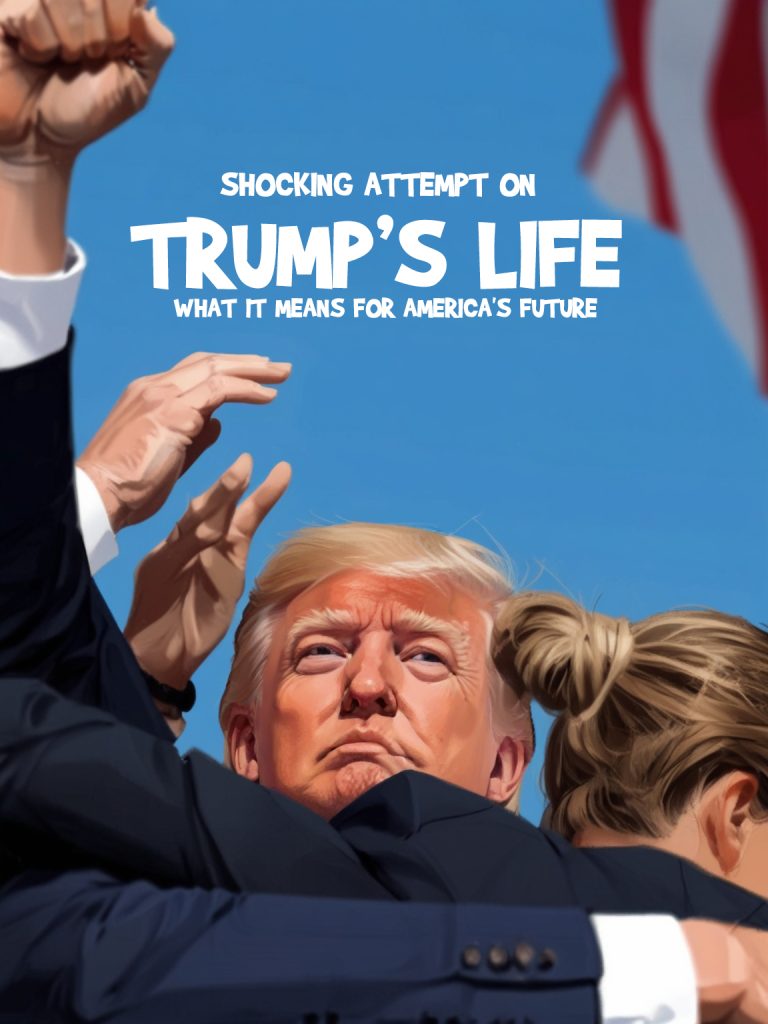
    A clear blue sky, an electric crowd, and a former president with his fist raised high. Sounds like the climax of a summer blockbuster, doesn’t it? But, unlike the movies, this isn’t fiction. It’s the latest chapter in America’s ongoing political thriller. When shots rang out at a Trump rally, it wasn’t just bullets that tore through the air—it was a jolt to the nation’s already fragile psyche. In that instant, everything changed. Or did it?

    Welcome to the new normal, where the lines between reality and spectacle blur, and the stakes are higher than ever. In a country that thrives on the promise of freedom and democracy, we’re now grappling with an unprecedented level of discord and division. It’s as if the nation is caught in a tempest, swirling with the chaos of political storms and the calm of unsettling silence.

    Is this a turning point or just another plot twist in the never-ending drama? As we navigate these turbulent times, one thing is clear: the political landscape is more volatile than ever, and the future of America’s civic peace hangs in the balance. Buckle up; this ride is far from over.

    TL;DR

    • Assassination Attempt: The recent shooting at a Trump rally has intensified political tensions.
    • Trump’s Resilience: The incident has bolstered Trump’s image among his supporters, portraying him as a determined leader.
    • Democratic Disarray: The Democratic Party faces internal turmoil, with concerns about Biden’s health and leadership.
    • Gun Control Debate: The attack has reignited discussions about gun regulations.
    • Political Rhetoric: Both parties blame each other for the escalating violence and heated political rhetoric.
    • National Healing: There is a pressing need for leaders who can unify and heal the nation.
    • Future Uncertainty: The political landscape remains volatile, with the upcoming election being a critical juncture.

    When Politics Turns Deadly: A Shocking Turn of Events

    When gunshots pierced the clear blue sky, shattering America’s already fragile civic peace, the former president was in the middle of gesturing at a chart. “The worst president in the history of our country took over, and look what happened,” Donald Trump proclaimed, the crowd’s feverish approval matching the intensity of the moment. On massive video monitors, a graph showcased the surge in illegal border crossings in recent years. Suddenly, Trump was on the ground, clutching his face. The crowd, realizing the horror unfolding, screamed and sought cover.

    Everything changed in an instant. The intense political season was abruptly halted, revealing the harrowing reality beneath abstract debates about the nation’s future. The campaign, as it stood, couldn’t continue. The dehumanizing rhetoric and apocalyptic warnings had to cease. Yet, it seemed that nothing would change—that the pervasive alarm and rudderless acrimony that brought us here would persist, that no upheaval could break the fever gripping the nation.

    Rising from the Chaos with raised fist: The New Icon of Trump

    The Aftermath: Chaos and Survival

    Trump survived. A man in the crowd wasn’t as lucky. The shooter lay dead on a nearby rooftop. Trump, rising from the chaos with his fist raised, mouthed, “Fight! Fight!” before the Secret Service whisked him away.

    Rallying in the Face of Adversity

    As shocking as the assassination attempt was, it was almost predictable in today’s volatile political climate. For years, Americans have felt a lack of steady leadership—years where reality seemed to collapse, and elections didn’t resolve issues. A plague breaks out, riots erupt, the capitol is stormed, the world burns, and the system buckles. While the optimistic few cling to the hope of normal political solutions, others believe that bullets and mobs must achieve what ballots cannot.

    Never has the nation needed a healer more, a leader both powerful and gentle enough to unify us. Yet, the men chosen to lead appear manifestly unwilling or unable to unite us—the one too feeble, the other too divisive to seize the high ground.

    A Pivotal Moment in a Chaotic Campaign

    The shooting occurred at a critical juncture in an already abnormal presidential campaign. With the Republican convention approaching, Trump was on the brink of a triumphant return: leading in the polls, his opponents in disarray, ready to announce his running mate.

    Democrats in Disarray

    Meanwhile, the Democrats were in existential turmoil. Weeks of chaos followed the June 27 debate, revealing President Biden at his most frail. Despite calls from top party leaders for him to step down, Biden retreated to his vacation home in Rehoboth Beach, Delaware. The pressure mounted. Earlier that Saturday, Biden held a call with centrist lawmakers. Colorado Rep. Jason Crow pushed him to explain his plan to regain confidence. Focusing solely on Trump, Crow argued, wouldn’t work. Biden, defensive, ended the call abruptly.

    Calling for Calm

    The Call for Calm

    President Biden, emerging nearly two hours after the shooting, condemned the violence. “Look, there is no place in America for this kind of violence. It’s sick,” he stated. “We cannot be like this. We cannot condone this.” Later, the White House announced a brief conversation between Biden and Trump.

    For Trump and his followers, the shooting solidified his status as a victimized folk hero. “They tried to jail him. They tried to kill him,” Texas Governor Greg Abbott wrote. “It will not work. He is indomitable.” Donald Trump Jr. shared a photo of his father with a raised fist, captioned, “He’ll never stop fighting to Save America.” Republicans predicted the assassination attempt would galvanize Trump’s followers and boost his electoral prospects.

    Blame and Consequences

    Many Republicans blamed the left’s heated rhetoric for the boiling point the country had reached. “Dems and their friends in the media knew exactly what they were doing with the ‘literally Hitler’ bull—!” Trump Jr. tweeted. To Democrats, it was equally clear that Trump’s flirtation with political violence led to this. The president who told violent militias to “stand back and stand by” and incited the January 6th crowd couldn’t claim innocence in the tinderbox he ignited.

    Some pointed to the shooter’s semiautomatic rifle as evidence for needed gun regulations, opposed by Republicans. The GOP retorted that it was the shooter’s derangement, not the gun, that caused the attack.

    The Shooter’s Motive

    Details about the shooter, 20-year-old Thomas Crooks, were still emerging. Key questions included how the Secret Service failed to spot a gunman on a rooftop with a clear sightline to the president or secure the site in advance.

    On Sunday morning, political figures on talk shows called for calm. “We’ve got to turn the temperature down in this country,” House Speaker Mike Johnson pleaded on NBC’s “Meet the Press.” “And we need leaders of all parties on both sides to call that out.”

    Moving Forward: Fear and Resilience

    Biden, back at the White House, issued another statement denouncing violence. Trump announced his plans to travel to Milwaukee as scheduled. “We will FEAR NOT, but instead remain resilient in our Faith and Defiant in the face of Wickedness,” he declared on social media. Yet, these attempts to calm the waters seemed too little, too late. For America, the fear continues.

    My Point of View: Bridging the Divide

    I must say: Isn’t it ironic how the “land of the free” often feels like a pressure cooker ready to explode? Transitioning from the abstract to the real, we need to ask ourselves: Are we letting our leaders’ divisive rhetoric dictate our actions? It’s time to focus on unity and healing rather than perpetuating the cycle of violence and blame.

    We need leaders who can inspire and unify, not incite and divide. We must hold our politicians accountable and demand better. If we continue on this path, the fear and division will only deepen. Let’s aim for a future where political debates are about policies, not personal attacks, where elections resolve issues, and where we can once again have faith in our leadership. It’s time to turn down the temperature and work towards a more united America.

    By focusing on empathy, understanding, and constructive dialogue, we can bridge the divide. Let’s make our voices heard—not through violence or hatred, but through reason and compassion. It’s time to rebuild the civic peace that gunshots once shattered.

    Recent Events Relating to the Political Climate and Election Dynamics

    Assassination Attempt on Shinzo Abe (2022) – Former Japanese Prime Minister Shinzo Abe was shot during a campaign speech. This incident highlights the volatility and dangers present in political events globally.

      Capitol Riot (January 6, 2021) – The storming of the U.S. Capitol by Trump supporters marked a significant escalation in political violence and underscored the deep divisions within the country.

        Biden’s Health and Public Perception – Ongoing debates and concerns about President Biden’s health and ability to lead effectively have been a recurring theme in political discussions.

          Gun Control Debates – The United States has seen multiple high-profile mass shootings, leading to intensified debates over gun control laws and regulations.

            Political Rhetoric and Violence – The heated and often incendiary political rhetoric from both sides of the aisle has been linked to increasing acts of violence and unrest.

              Biden’s Response to Violence – President Biden has frequently spoken out against political violence, urging for unity and calm in the face of escalating tensions.

                Trump’s Influence on the Republican Party – Despite controversies, Trump’s influence within the Republican Party remains strong, impacting party dynamics and election strategies.

                  These events collectively highlight the increasing volatility and divisiveness in contemporary politics. The assassination attempt on Shinzo Abe and the Capitol Riot exemplify the extreme outcomes of political fervor. Ongoing debates about Biden’s health and the contentious issue of gun control reflect the persistent challenges facing American leadership. The incendiary political rhetoric from both major parties contributes to a climate of unrest, further emphasized by President Biden’s calls for unity and calm. Trump’s enduring influence on the Republican Party underscores the ongoing battle for the nation’s political future. Together, these events paint a picture of a deeply divided society, where political violence and instability have become alarmingly common.

                  After the Shooting: Will Trump Gain the Upper Hand?

                  In the aftermath of the shooting, many speculate that Trump now has a significant upper hand in the upcoming election. The attempt on his life has galvanized his supporters, portraying him as a victimized folk hero and a resilient leader who will fight against all odds. This narrative has boosted his image among his base and could potentially sway undecided voters who view him as a symbol of strength and perseverance.

                  Rallying Support

                  The shooting has cemented Trump’s status among his followers as a messianic figure, willing to sacrifice himself for the country. The imagery of Trump rising from the chaos, fist raised, has become iconic. His supporters see him as indomitable, a leader who can withstand any attack and continue fighting for America. This perception is likely to enhance his electoral prospects, as it reinforces the loyalty of his base and attracts sympathy from those who might have been on the fence.

                  Impact on the Opposition

                  On the other hand, the Democrats are in disarray. The recent debate revealed President Biden at his most vulnerable, and the party is struggling to present a unified front. Calls for Biden to step down have increased, adding to the chaos within the party. This turmoil contrasts sharply with the image of a resilient Trump, further tipping the scales in his favor.

                  The Path Ahead

                  While the assassination attempt has undeniably shifted the political landscape, it remains to be seen how it will affect the election in the long run. Trump’s immediate boost in support could translate into increased momentum for his campaign. However, the long-term impact will depend on various factors, including how both parties navigate the aftermath and address the nation’s pressing issues.

                  My Point of View: Navigating the New Reality

                  Let’s acknowledge the elephant in the room: politics has turned into a real-life soap opera. The shooting has added an unexpected twist, making Trump look like a hero rising from the ashes. But let’s not forget that this is just one chapter in a much longer story.

                  Final Thoughts

                  In the end, the shooting has undoubtedly given Trump an upper hand, but the election is still an open game. The coming months will be crucial, and both parties will need to navigate this new reality with care. It’s a time for strategic moves, resilience, and, most importantly, a focus on healing the nation.

                  We find ourselves at the crossroads of chaos and calm, where reality often seems stranger than fiction. The recent attempt on Trump’s life has thrown a spotlight on the fragility of our civic peace and the resilience—or perhaps stubbornness—of our political divides. Are we witnessing the final act in this tumultuous drama, or is it merely intermission? Only time will tell.

                  In this high-stakes game, where rhetoric becomes reality and every headline feels like a plot twist, one thing is certain: we must stay vigilant, informed, and engaged. The political landscape is ever-shifting, and today’s hero can quickly become tomorrow’s villain. It’s up to us to navigate this tempest with wisdom and discernment, seeking not just to survive but to thrive.

                  So, dear reader, as you ponder the intricate dance of politics and power, remember that your voice matters. Join the conversation, challenge the status quo, and let’s steer this ship towards a future where hope outweighs fear. Dive deeper into the political saga by checking out more articles in our “Politics” category. After all, in the theater of democracy, every act counts.

                  Understanding and Treating Homosexual OCD

                  Ever have the impression that your mind is engaging in a sexual version of “whack-a-mole”? Thoughts just won’t go away, no matter how hard you try? Greetings from the amazing world of homosexual OCD, or simply HOCD. Now, let’s break down this acronym before you draw any hasty judgments. First of all, “homo” refers to the same thing as “homophone,” which are words that sound similar but have distinct meanings. In this context, it denotes an emphasis on the idea of homosexuality. Grammar aficionados need not worry, though—this isn’t some renegade Latin invasion. It’s a psychological technical phrase.

                  The “OCD” portion now. Yes, the well-known hand-washing clean freak stereotype. However, the spectrum of obsessive-compulsive disorder, or OCD, is complex. Here, the compulsions are mental or behavioral routines meant to quiet the intrusive thoughts that are the obsessions. The twist is that while the obsessions in HOCD are related to sexual orientation, they may not accurately represent an individual’s genuine wants.

                  Curious? Bewildered? When it comes to HOCD, that is quite typical. Fasten your seatbelts, for we are about to explore the complex maze of bothersome thoughts, obsessive behaviors, and the path back to mental tranquility.

                  TL;DR

                  • HOCD is a subtype of OCD causing intrusive thoughts about sexual orientation that doesn’t reflect your true desires.
                  • Symptoms include unwanted thoughts, compulsions to “prove” heterosexuality, and avoidance.
                  • Treatment involves therapy (ERP & CBT), medication, relaxation techniques, and building a supportive network.
                  • You’re not alone! Seek professional help and explore support groups.

                  Welcome to an in-depth exploration of the intricate realm of HOCD (homosexual obsessive-compulsive disorder). This article will discuss the symptoms of HOCD, how it affects people, available treatments, and the value of a supportive environment.

                  What is Homosexual OCD (HOCD)?

                  An OCD subtype called homosexual OCD, sometimes referred to as sexual orientation OCD, is called homosexual OCD. It is characterized by people having bothersome and intrusive thoughts regarding their sexual orientation. Contrary to popular belief, HOCD is not a reflection of an individual’s true sexual orientation; rather, it presents as a persistent doubt and worry that an individual is homosexual when in fact they are not.

                  Understanding the Symptoms

                  The symptoms of HOCD can vary but typically include:

                  • Intrusive Thoughts: Persistent and unwanted thoughts about being homosexual, even when the person identifies as heterosexual.
                  • Compulsive Behaviors: Engaging in rituals or compulsive behaviors to alleviate anxiety or to “prove” one’s heterosexuality.
                  • Avoidance: Avoiding situations or stimuli that may trigger thoughts about sexual orientation.
                  • Seeking Reassurance: Seeking reassurance from others or checking behaviors to confirm one’s sexual orientation.
                  • Emotional Distress: Feeling distressed, anxious, or ashamed due to these thoughts and behaviors.

                  Impact on Individuals

                  Relationships, daily living, and general well-being can all be profoundly impacted by HOCD. Constantly bothersome thoughts and obsessive activities can cause severe mental anguish that interferes with relationships at work and in social situations. Getting help or talking about these experiences is made more difficult by the fear of being misinterpreted or criticized.

                  Treatment Approaches

                  Effective treatment for HOCD typically involves a combination of therapies and support strategies:

                  1. Exposure and Response Prevention (ERP): ERP is a cornerstone of treatment for OCD, including HOCD. It involves gradually exposing individuals to their feared thoughts or situations related to sexual orientation while refraining from performing compulsive behaviors. This process helps individuals learn to tolerate anxiety without resorting to rituals, ultimately reducing the impact of intrusive thoughts.
                  2. Cognitive Behavioral Therapy (CBT): CBT helps individuals identify and challenge distorted thought patterns associated with HOCD. Through structured sessions, individuals learn coping strategies, develop healthier responses to intrusive thoughts, and address underlying beliefs contributing to their anxiety.
                  3. Medication: Selective Serotonin Reuptake Inhibitors (SSRIs), a type of antidepressant, may be prescribed to alleviate symptoms of anxiety and OCD. Medication can be particularly beneficial when combined with therapy, providing additional support in managing symptoms.
                  4. Mindfulness and Relaxation Techniques: Practices such as mindfulness meditation, deep-breathing exercises, and progressive muscle relaxation can help individuals manage stress, reduce anxiety levels, and improve overall emotional well-being.
                  5. Supportive Environment: Building a supportive network of friends, family, and healthcare professionals is crucial for individuals navigating HOCD. Open communication, understanding, and non-judgmental support can significantly aid recovery and reduce isolation.

                  My Personal Insights

                  I’ve had the honor of meeting with people that are struggling with HOCD. It’s critical to understand that HOCD is an OCD symptom rather than a reflection of a person’s real sexual orientation. If help and therapy are not received, the real dread and grief these thoughts cause can become incapacitating.

                  I know from experience how beneficial ERP and CBT can be in giving people back control over their lives. People’s symptoms and general quality of life can significantly improve by facing their anxieties and practicing healthier coping techniques.

                  Practical Advice and Strategies

                  For those struggling with HOCD or supporting someone who is, here are some practical tips and strategies:

                  • Educate Yourself: Learn more about HOCD, its symptoms, and treatment options. Knowledge empowers both individuals and their support networks.
                  • Seek Professional Help: Consult a qualified mental health professional experienced in treating OCD and related disorders. A therapist can provide personalized treatment tailored to your specific needs.
                  • Practice Self-Care: Engage in activities that promote relaxation and reduce stress, such as exercise, hobbies, and spending time with supportive friends and family.
                  • Challenge Negative Thoughts: Practice cognitive restructuring techniques to challenge negative or irrational thoughts about your sexual orientation.
                  • Build a Support System: Surround yourself with understanding and supportive individuals who can offer encouragement, empathy, and practical assistance.

                  Additional Resources and Support

                  It can be quite helpful to find trustworthy information and make connections with people who have gone through similar things. Information, direction, and support from the community can be obtained through online resources, support groups, and advocacy organizations devoted to OCD and mental health.

                  Though difficult to treat, HOCD is a condition that may be managed with knowledge, empathy, and skillful intervention. People with HOCD can overcome intrusive thoughts, lessen obsessive behaviors, and create a supportive atmosphere to help them regain their lives and experience improved emotional well-being.

                  Recent Events Related to HOCD

                  1. Increased Awareness and Research Efforts:
                    In recent years, there has been a growing recognition of HOCD within the broader context of OCD. Research studies have focused on understanding the neurobiological and psychological factors contributing to this condition (Source: IOCDF).
                  2. Impact of Social Media and Online Communities:
                    Online forums and social media platforms have provided a space for individuals to share their experiences with HOCD anonymously. This has facilitated greater awareness and support among those affected (Source: Psychology Today).
                  3. Advances in Treatment Options:
                    Advances in cognitive-behavioral therapies, such as ERP and CBT, continue to be refined and adapted for treating HOCD. These therapies have shown promising results in clinical settings (Source: ADAA).
                  4. Public Advocacy and Support Initiatives:
                    Advocacy groups and mental health organizations have been instrumental in raising awareness about HOCD and advocating for improved access to mental health services. Their efforts aim to reduce stigma and promote acceptance (Source: NAMI).

                  A growing awareness and acceptance of HOCD is seen in recent advancements. These instances highlight how mental health awareness and activism are changing, from greater research efforts and treatment advances to the significance of internet communities in offering support. These incidents serve as a reminder of the value of continuing education, HOCD patients’ support systems, and access to efficient therapies.

                  Let’s wrap up our crash course by exploring the complex world of HOCD. Recall that bothersome ideas are precisely that—annoying. They don’t define you, and you can learn how to gently tell them to shut up with the appropriate resources. (Observe what we just did.)

                  This might not be the last part of your journey, but it is undoubtedly a pivotal moment. Explore our “Inclusion” section further if you’re prepared to clear out the unwelcome visitors from your mental attic. We offer an abundance of tools to guide you on the journey to mental tranquility.

                  A Furious Market Rotation: Why Small Caps and Industrials are Back in the Game

                  0

                  The stock market is about to take you on a wilder ride than a mechanical bull with a caffeine addiction. Remember that childhood game of musical chairs? Well, the music just stopped, and big tech is the one left standing… awkwardly. But fear not, for the underdogs are having their moment in the sun (or should we say, the market spotlight?). Inflation’s been throwing some curveballs, and the Fed’s about to switch gears. So, grab a metaphorical bag of popcorn, folks, because we’re about to see a battle royale between bulls and bears, with interest rates as the ultimate prize. Will this be a boom for forgotten sectors, or just a blip on the radar? Let’s dive in and find out!

                  TL;DR

                  • Cooling inflation is leading investors to expect interest rate cuts from the Fed.
                  • This is causing a rotation away from big tech stocks and towards industrials and small caps.
                  • The market is in flux, and investors need to adapt their strategies.

                  Ah, the stock market! Just when you think you have it all figured out, it throws you a curveball. Recently, cooling inflation sparked a wild rotation in the stock market. Investors, with their ever-fickle hearts, decided to trim their bets on big tech leaders and piled into the underdogs – the industrials and small caps. Let’s break it down, shall we?

                  Inflation Eases: Cue the Market Shuffle

                  Bulls vs. Bears: The battle for market dominance continues.

                  On a recent Thursday, data revealed that price pressures are easing. This nugget of information deepened the market’s confidence that the Federal Reserve would start cutting interest rates in September. The growing certainty of rate cuts drove government bond yields lower and triggered a mad dash into the market’s beaten-down corners that could benefit from falling rates.

                  Transitioning to specifics, the Russell 2000 index of small-cap stocks, which was flat for 2024 just days ago, soared 3.6% in its best day since November. Real estate, the S&P 500’s worst-performing sector this year, jumped 2.7%. Utilities and industrials groups also enjoyed gains of 1.8% and 1.3%, respectively. Quite the turnaround, wouldn’t you say?

                  Big Tech Takes a Tumble

                  While small caps were basking in glory, the mega-sized tech stocks, which have been the market’s darlings, took a nosedive. The so-called Magnificent Seven collectively lost a whopping $597.5 billion in market value, marking their largest one-day loss since February 2022. Ouch!

                  Chip maker Nvidia slid 5.6%, Facebook parent Meta Platforms declined 4.1%, and the tech giants – Google parent Alphabet, Amazon.com, Apple, and Microsoft – each dropped more than 2%. Tesla, in a dramatic twist, retreated 8.4% after Bloomberg News reported the company was postponing its robotaxi unveiling. Talk about a plot twist!

                  The Market’s Largest Stocks Push the S&P 500 Down

                  Thanks to the declines of the market’s largest stocks, the S&P 500 ended its streak of six record closes, dropping 0.9%. The tech-heavy Nasdaq Composite had its worst day since April, retreating 2%. In contrast, the Dow Jones Industrial Average, which doesn’t include all the big tech stocks, rose 0.1%, or about 32 points. A tiny victory amid the chaos.

                  In a dramatic divergence within the market, the Russell 2000 notched its biggest one-day lead over the Nasdaq Composite in data going back to 1986. Small companies, which tend to issue more floating-rate debt than their larger peers, are especially sensitive to changes in interest rates. Hence, the bond market responded immediately to the new inflation data, with the yield on the benchmark 10-year U.S. Treasury note dropping to 4.192% from Wednesday’s 4.280%.

                  Small Caps Rally

                  Small-cap stocks rallied across the market. Victoria’s Secret gained 6.1%, Outback Steakhouse owner Bloomin’ Brands rose 7.1%, and motor-home company Winnebago Industries added 6.7%. Within the large-cap world of the S&P 500, home builders D.R. Horton and Lennar advanced 7.3% and 6.9%, respectively. Deere shares gained 2.9%, and Public Storage shares rallied 3.2%.

                  Investors Find a Silver Lining

                  Despite the decline in big tech stocks, some investors found reason to cheer the shift in leadership. Many have fretted that the market’s reliance on a handful of tech stocks leaves the rally vulnerable. As Jamie Cox, managing partner for Harris Financial Group, aptly put it, “Rotation is the lifeblood of a bull market. This is great news.”

                  Currently, the S&P 500 is up 17% in 2024, while the Nasdaq Composite is up 22%. Not too shabby, considering the turbulence.

                  Hold on tight! The stock market’s about to take you for a loop.

                  Inflation Data: A Catalyst for Change

                  The market rotation was kick-started by data showing U.S. inflation eased significantly in June. The consumer-price index rose 3% from a year earlier, slightly less than economists had forecast. This easing inflation bolstered investors’ view that the Fed would pivot to lowering rates at its September meeting.

                  Adding to this, Fed Chair Jerome Powell laid the groundwork for rate cuts by pointing to a cooling labor market and suggesting that further softening would be unwelcome. These developments reinforced the belief that the Fed would soon cut rates.

                  Earnings Season and Global Markets

                  Investors are now looking ahead to earnings season, which kicked off with reports from JPMorgan Chase, Wells Fargo, and Citigroup. Delta Air Lines shares fell 4% after reporting a sharply lower profit in the second quarter.

                  Overseas, stocks were broadly higher. The Stoxx Europe 600 added 0.6%, while Japan’s Nikkei 225 advanced 0.9% to close at another record. The consumer-price index, a measure of goods and services costs across the economy, fell slightly from May, dropping the year-over-year inflation rate to 3%, the lowest since June 2023.

                  Core Prices and the Broader Market

                  Core prices, excluding volatile food and energy items, rose 0.1% since May – the mildest increase since January 2021. This broad cooling of prices was a confidence booster for the Fed. The report showed that prices cooled broadly in the second quarter and were below economists’ expectations, a reverse from the first quarter when inflation was surprisingly brisk.

                  This news keeps the door wide open to a September interest-rate cut. Fed Chair Powell has laid the groundwork, suggesting the labor market is slowing in a way that diminishes a major source of inflation and risks further weakness that wouldn’t be desirable.

                  September interest-rate cut? Ask Powell

                  Investor Expectations and Fed Moves

                  Investors don’t expect the Fed to lower interest rates at its next meeting in late July. However, the bigger question for that meeting is how officials will lay the groundwork for a September cut. San Francisco Fed President Mary Daly hinted that rate cuts could be warranted soon but stopped short of endorsing a move at the July meeting.

                  Following the report, investors ramped up bets that the Fed would cut rates twice this year, with odds of a third cut climbing. This implies the central bank could lower rates at its last three meetings of the year, in September, November, and December.

                  Housing Costs and Inflation

                  Thursday’s report could be especially comforting to policymakers because it showed housing costs are slowing after a mammoth run-up following the pandemic. Housing inflation, reflecting the cost of renting and accounting for about one-third of the CPI, has kept overall prices high.

                  Economists and Fed officials have long anticipated that this inflation would ease. The latest report provided welcome confirmation that official inflation gauges are now capturing those developments.

                  Price Increases and Consumer Behavior

                  Price increases were generally subdued across various categories. The costs of air travel and hotel stays fell sharply from the previous month. U.S. airlines have been cutting ticket prices, reversing from a year ago when airlines strained to expand flying quickly enough to meet demand. Delta Air Lines CEO Ed Bastian noted that last summer, everyone was traveling, and prices didn’t matter. Now, airlines have added more than enough flights to accommodate record numbers of passengers, and fares have eased.

                  Inflation and Consumer Spending

                  While inflation has cooled notably over the past two years, many Americans haven’t taken much comfort from milder 12-month inflation readings because the run-up in prices since 2021 has been abnormally large. Executives at PepsiCo, which reported quarterly results recently, indicated that inflation-weary shoppers are cutting back.

                  Consumers who previously bought affordable treats like Doritos and Lay’s instead of splurging on restaurants, concerts, or travel are now limiting spending in all areas. Jamie Caulfield, PepsiCo’s CFO, said, “There is a cohort of consumers that have become more price conscious. They’re looking for more deals to get more for their money.”

                  Car Insurance and Lingering Inflation

                  Car insurance remains a hot spot for inflation, reflecting the lingering impact of previous car price increases. While car prices have recently come down, including in June, this has not yet fully alleviated inflation pressures in car insurance.

                  The Bigger Picture

                  Large tech stocks pulling the S&P 500 lower on Thursday reflects a broader enthusiasm about the inflation report among small and midsize companies. The Russell 2000, representing smaller businesses, posted a big gain. A Fed move to start cutting interest rates could be especially helpful to smaller businesses, which tend to have more floating-rate debt than larger companies.

                  U.S. Treasurys also saw a robust rally, driving yields lower. The yield on the benchmark 10-year Treasury note settled at 4.192%, down from 4.280% the previous day. Movements in yields broadly reflect investors’ expectations for short-term rates set by the Fed.

                  Fed’s Balancing Act

                  Heading into Thursday, signs of a cooling economy were not enough to stir recession fears but sufficient to prompt a change of tone from the Fed. Officials are trying to balance the risk of cutting rates too soon, allowing inflation to persist, with the risk of waiting too long and causing unnecessary damage to the job market.

                  Powell’s Perspective

                  In remarks to Congress, Fed Chair Jerome Powell acknowledged “considerable progress” in slowing inflation to the Fed’s 2% target but did not set a timeline for lowering interest rates. The central bank increased its benchmark rate most recently in July 2023 to around 5.3%, the highest level since 2001, to combat inflation that hit a 40-year high.

                  The White House’s Take

                  The White House welcomed Thursday’s news. President Biden has spent the week attempting to stop a stream of Democratic defections from his re-election support after a rough debate performance and public appearances that haven’t inspired confidence. Lowering inflation quickly could be his saving grace in the eyes of voters.

                  New bulls are breaking through

                  Recent Events Related to Market Rotation and Inflation

                  Cooling Inflation Data

                    Federal Reserve’s Interest Rate Policy

                      Market Rotation from Big Tech to Industrials and Small Caps

                        Russell 2000 Index Performance

                          Big Tech Stock Decline

                            Nvidia and Tesla Stock Performance

                              Earnings Reports from Major Banks

                                Global Market Performance

                                  These recent events illustrate the dynamics in the financial markets, influenced by macroeconomic indicators and corporate performance. The cooling inflation data has spurred expectations of imminent Federal Reserve interest rate cuts, leading to a market rotation from big tech stocks to industrials and small-cap stocks. The Russell 2000 index’s significant gain and the decline in big tech stocks such as Nvidia and Tesla underscore this shift. Additionally, the earnings season for major banks and the performance of global markets provide a broader context for understanding the market movements. These events collectively demonstrate how inflation trends and monetary policy expectations can drive substantial changes in investment strategies and market performance.

                                  Is this market rotation a well-choreographed ballet of opportunity, or a chaotic game of hot potato? The truth, like most things in finance, probably lies somewhere in between. One thing’s for sure, though: the market’s a fickle beast, and keeping up with its latest tango takes both brains and bravado. Think you’ve got the moves? Head over to our “Investing” section for even more insights and analysis to help you navigate this whirlwind. Remember, in the game of investing, knowledge is always the best hedge!