Imagine a life lived in shadows, where every whisper of your name ignites a wildfire of speculation. In the age of the digital lynch mob, where the court of public opinion rules supreme, one must wonder: what happens to those who disappear into the folds of infamy? Nichol Kessinger’s name might not ring a bell immediately, but her story, tangled with the dark deeds of Chris Watts, haunts the back alleys of our collective consciousness.
Is she a ghost, flitting through small towns under an assumed identity, or has she reinvented herself, like a phoenix rising from the ashes of scandal? In a world where privacy is a relic of the past, could she truly vanish, or is she just a step ahead, always looking over her shoulder? The notion of sighting Kessinger is as elusive as finding a needle in a haystack, sparking curiosity and fueling rumors.
This tale is not just about one woman’s escape from notoriety; it’s a mirror reflecting our society’s hunger for scandal, redemption, and the unknown. Each supposed sighting, each unverified account, forces us to question: are we seeking closure for her, or for ourselves? Welcome to the enigma of Nichol Kessinger – where reality blurs with the fantastical, and every rumor carries a kernel of truth.
TL;DR
Background Overview: A brief history of Nichol Kessinger and her involvement in the infamous case.
Public Fascination: Why Nichol remains a figure of intrigue and the reasons behind the continuous interest.
Current Speculations: Discussing the rumors and sightings of Nichol Kessinger.
Morality and Curiosity: Analyzing our societal obsession with figures like Nichol.
Call to Action: Encouraging readers to explore more stories of unsolved mysteries.
Hello there, welcome to OMG So Good, where we dive into the juiciest stories with a dash of wit and a sprinkle of sarcasm. Today, we’re dissecting the Netflix documentary, American Murder: The Family Next Door, which covers the horrific murders of Shanann Watts and her daughters, Bella and Cece. The documentary was well-received, but it left us scratching our heads. Where was Nichol Kessinger, Chris Watts’ mistress? Let’s explore this missing piece of the puzzle.
Absence speaks louder than presence when mystery is the main player.
Who Is Nichol Kessinger?
First off, let’s call her Nikki, Nikki is a geologist. She graduated from Colorado State University with a Bachelor of Science in 2013. She also has an Associate of Science degree focused on Geological and Earth Sciences from the Community College of Aurora. According to her now-deleted LinkedIn profile, she’s been a Colorado girl most of her life, living in Fort Collins, Littleton, Denver, and Aurora. Evansville, Wyoming seems to be the only place outside of Colorado where she’s resided.
When Nikki met Chris at Anadarko Petroleum, sparks flew. Chris said Nikki “put him on a leash” as soon as their eyes met. Romantic, right? Well, maybe a bit more foreshadowing than we’d like. He sent her cards full of song lyrics and pledges of undying love. Today, Chris has found religion in prison. In letters to author Sherilyn Cadle, he described Nikki using a Bible verse from Proverbs, calling her an “evil woman.” Charming.
The Chris Watts Confession
Before diving into the gory details, let’s rewind to August 14th, 2018, just one day after Chris murdered his family. Chris gave a bizarre interview to the local news. “I want them wherever they’re at…like I have no inclination to where they’re at right now…it’s just earth-shattering. I don’t feel like this is even real right now,” he said. His house, he claimed, was a “ghost town.” Little did the world know the truth hidden behind his crocodile tears.
The Horrific Details
According to police reports and Chris’s letters, here’s what really happened on August 13th. Chris smothered his daughters, Bella and Cece, in their beds with their pillows. He then strangled Shanann to death in their room. He wrapped Shanann in a sheet, and as he dragged her body downstairs, his daughters woke up and asked, “What’s wrong with Mommy?” Chris told them Shanann wasn’t feeling well and loaded her body into his truck.
The three then drove to an oil site where Chris planned to work that day. He put garbage bags over Shanann’s head and feet and placed her on the floor in the back seat. Bella and Cece were in the back, right next to their mother’s body. When they arrived, Chris first smothered Cece with her blue blanket. Bella, the more talkative and aware of the two, was next. Chris confessed to the FBI that Bella’s last words were “Daddy, no!” Haunting, isn’t it?
Nichol Kessinger’s Role
Now, let’s circle back to Nichol . According to Chris, after the murders, he felt “free to be with Nikki.” He felt no remorse, describing an overwhelming darkness inside him. Immediately after the murders, Chris searched for a “4-star top-secret Aspen hotel” to take Nikki to, unenrolled his daughters from school, contacted a realtor to sell the house, and looked up lyrics to Metallica’s song “Battery.” Nikki, on the other hand, went to the police with her dad but only after deleting all her texts from Chris and asking a friend to do the same. She even Googled how much Amber Frey made on her book deal. Classy.
The Missing Piece
Why wasn’t Nikki a bigger part of the Netflix documentary? That’s the million-dollar question. According to the district attorney’s office, Chris Watts’ guilty plea precluded any need to probe further into Nikki’s involvement. Convenient, right? Yet, some discrepancies remain. For instance, discovery documents show Nikki searched for both Chris and Shanann on Google as early as August 2017, months before they allegedly met. A typo, perhaps? Or a deeper, darker connection?
My Take on the Case
Let me step in here with my perspective. The omission of Nichol Kessinger from the documentary leaves a significant gap in understanding the full story. Whether she had a direct role or was just a bystander caught in the whirlwind, her presence is undeniable. It’s fascinating, yet disturbing, to see how someone can become so entangled in such a tragic narrative. Chris’s actions and his relationship with Nikki add layers of complexity to an already horrific tale.
To understand the true motives and events, it’s essential to consider all pieces of the puzzle, including Nikki’s influence. The fact that she was searching for information on Shanann and Chris months before their affair allegedly began raises questions about her involvement and intentions. Was she just another pawn in Chris’s twisted game, or did she play a more active role? The truth might be more unsettling than we can imagine.
Where is Nichol now?
Nichol Kessinger’s whereabouts remain uncertain, with various reports suggesting different possibilities. After her involvement with Chris Watts and the ensuing media attention, she faced significant public backlash, losing her job and deactivating her social media accounts. Some sources speculate that she might have entered a witness protection program due to threats and the intense scrutiny she faced (Marie Claire Magazine) (Heavy.com).
Kessinger has not been publicly heard from since a 2018 interview with The Denver Post, and there has been no concrete evidence of her current location or situation. The idea that she might be living under a new identity in a different town remains a plausible theory, she could be in Chang Mai which we explored in a previous article.
Is this the figure we can’t forget or someone forever lost in the shadows?
Final Thoughts
In conclusion, while the Netflix documentary does a commendable job of laying out the basic facts of the Watts family murders, it falls short of providing a complete picture. Nichol Kessinger’s absence is glaring, and her role in the events leading up to and following the murders deserves closer scrutiny. As true crime enthusiasts and empathetic humans, we owe it to the victims to seek the truth, no matter how uncomfortable it may be.
We’re left to ponder the delicate dance between infamy and anonymity. Is she the specter of her past, forever shadowed by whispers and pointed fingers, or has she mastered the art of reinvention in a world eager to forget? Her story isn’t just a footnote in the annals of true crime; it’s a testament to our fascination with the elusive and the extraordinary.
In chasing these fleeting glimpses of Nichol, we confront our own thirst for narrative closure and the complex web of morality, empathy, and curiosity that binds us all. Are we seeking justice, redemption, or merely the thrill of the hunt? The answer lies somewhere in the shadows she inhabits, forever just out of reach.
Curious to unravel more tales of intrigue and mystery? Dive into our extensive collection of articles that delve into the lives of those who live on the edge of the spotlight, where every turn holds a new twist. Check out our ‘Unsolved Mysteries’ category and let your curiosity lead the way. Who knows what you’ll uncover next?
Disclaimer: The views and opinions found in this article are for entertainment purposes only, readers are encouraged to do their research.
In the vast digital landscape, where personas flicker like flames, one name stands out, burning brighter and hotter than most—Ben Sumadiwiria. A chef by trade, a creator by passion, and a provocateur by nature, Ben has cooked up more than just meals; he’s crafted experiences that tantalize the taste buds and tickle the mind. From the world’s hottest noodles to the kitchens of celebrities and even presidents, Ben’s culinary journey is a feast of flavors, spiced with stories that challenge perceptions and stir conversations.
But who is Ben Sumadiwiria, really? Is he the daring adventurer who takes on the fiercest chilies, or the humble chef who serves the powerful and the famous? Perhaps he’s the comedian behind Bobby Saputra, the fictional billionaire’s son who dances on the edge of reality and satire. Or maybe, just maybe, he’s all of these and more—a complex blend of ingredients, simmering to perfection.
As we delve into the life and times of Ben Sumadiwiria, prepare to be served a dish of wit and wisdom, seasoned with a pinch of curiosity and a dash of controversy. Because with Ben, what you see isn’t always what you get, and every story has a flavor of its own.
TL;DR
Ben Sumadiwiria is a chef and content creator known for his daring culinary challenges.
He created the viral character Bobby Saputra, a fictional billionaire’s son.
Ben’s notable culinary feats include cooking for celebrities like Akon and Adele, and even East Timor’s President José Ramos-Horta.
His character Bobby Saputra often stirred controversy with provocative social media content.
Ben uses his platforms to share not just food, but also wisdom and reflections on life.
Social media is a breeding ground for viral sensations, and lately, it’s been buzzing about a man named Bobby Saputra. Who is he, you ask? Bobby made waves by boldly declaring himself as the child of one of Indonesia’s billionaires. According to him, his family owns Aqua, the leading bottled water company in Indonesia. “My name is Bobby, my family owns Aqua,” he announced, capturing attention and curiosity.
But hold your horses! Not everything that glitters is gold. Bobby Saputra’s confession turned out to be a well-crafted piece of fiction. The real mastermind behind this character is Ben Sumadiwiria, a creative content creator with a flair for comedy. Let’s dive deeper into this fascinating tale of viral fame, humor, and the power of social media.
The Birth of Bobby Saputra
It all started at a friend’s wedding in Indonesia. Surrounded by the country’s wealthiest individuals, Ben Sumadiwiria saw an opportunity to create something unique. Thus, Bobby Saputra was born—a fictional character embodying the luxurious lifestyle of a billionaire’s child. Through Bobby, Ben started sharing comedic content that showcased the opulent life of a “crazy rich” kid. His videos often featured extravagant dining experiences and glimpses into his so-called lavish lifestyle.
The Man Behind the Character
Ben Sumadiwiria is not just a clever content creator; he has an interesting background too. Born in Germany on September 16, 1993, Ben is of Indonesian and Chinese descent. His father is Indonesian, making Ben a descendant of Indonesian citizens. But wait, there’s more! Ben is also a talented chef. He’s even worked as a cook for Etihad Airways, where he had the honor of serving food to the famous singer Adele, Akon and 1975.
Ben Sumadiwiria: Culinary Adventures and Cooking for a President
In 2023, Ben Sumadiwiria added another impressive milestone to his culinary journey. Known for his daring food challenges and viral content, Ben took to social media to share a remarkable experience—cooking for the President of East Timor, José Ramos-Horta. Here’s the full post:
Ben’s culinary résumé boasts an impressive list of celebrities, including Akon, The 1975, and Adele. Each of these experiences added to his rich tapestry of stories and honed his skills as a chef. However, cooking for a world leader was a new and profound experience for him.
During his time with President José Ramos-Horta, Ben was struck by the President’s wisdom and humility. Their conversation touched on the importance of addressing the needs of an entire nation, emphasizing inclusivity and compassion. President Ramos-Horta’s dedication to serving all citizens, from the wealthy to those in less privileged areas, left a lasting impression on Ben.
Inspired by his diverse cooking experiences and the leaders he has met, Ben extended an invitation to his followers: “If you want me to come by your house and do some private cooking, check the link in my bio.” This call to action invites his audience to experience his culinary expertise firsthand, offering a unique opportunity to connect with the chef behind the viral content.
Ben Sumadiwiria’s culinary adventures continue to break boundaries and bring people together. His experience cooking for President José Ramos-Horta is a testament to his versatility and ability to connect with individuals from all walks of life. Whether serving celebrities, world leaders, or private clients, Ben’s culinary journey is a flavorful blend of passion, creativity, and genuine human connection.
Despite his impressive resume, Ben’s most notable achievement in recent times is the creation of Bobby Saputra. The character became a social media sensation, especially on TikTok, where Bobby’s “flexing” content took off. Bobby’s claim to be the child of the Aqua drinking water empire added an extra layer of intrigue and entertainment to his posts.
Ben Sumadiwiria’s Spicy Adventure: The World’s Hottest Noodles
In 2016, Ben Sumadiwiria found himself in the spotlight, not for his comedic prowess or viral content, but for his brave gastronomic feat involving the world’s hottest noodles. The Mirror, a renowned publication, featured Ben as he embarked on a fiery culinary challenge that captured the attention of adventurous eaters and curious spectators alike.
The Mirror – Ben Sumadiwiria’s Spicy Adventure
The noodles in question weren’t your ordinary spicy fare—they were infused with extracts from some of the world’s hottest chili peppers, promising an experience that would test even the most seasoned spice enthusiasts. Ben, known for his adventurous spirit and love for culinary experiments, took on the challenge with gusto, documenting his journey through the scorching noodles with a mix of determination and humor.
Beyond his online persona, Ben’s willingness to take on extreme culinary challenges showcased his daring personality and passion for exploration. The Mirror’s coverage of his spicy escapade not only highlighted his adventurous spirit but also introduced a broader audience to his multifaceted interests outside of social media fame.
Ben Sumadiwiria cannot take the spiciness, drinking two drinks at the same time
Ben Sumadiwiria’s experience with the world’s hottest noodles serves as a reminder of the intersections between food, culture, and personal resilience. His willingness to push culinary boundaries resonated with audiences worldwide, emphasizing the universal appeal of culinary challenges and the enduring allure of spicy food adventures.
Ben Sumadiwiria’s feature in the Mirror for his encounter with the world’s hottest noodles is a testament to his ability to captivate audiences beyond his digital platform. His journey through the fiery culinary challenge not only entertained but also inspired, showcasing his adventurous spirit and leaving a spicy legacy in the world of culinary exploration.
Before Bobby Saputra, the renowned “Son of Aqua,” came into existence, he was simply known as Ben, a humble food blogger.
The Reality Check
As with many viral sensations, the truth eventually surfaced. Bobby Saputra was revealed to be a fictional character crafted by Ben Sumadiwiria. In reality, Ben’s everyday life is far from the extravagant persona he portrays online. For instance, when he appeared as a speaker at the Panama X Vandalz launch event, he showed up in a black t-shirt, white shorts, and sandals—quite the opposite of Bobby’s flamboyant style.
Ben explained his choice of attire, saying, “Very comfortable (wearing sandals). I wear them to Bali, ride a motorcycle, and go for a walk. Then I also brought sandals to Europe.” His casual appearance at the event was a stark contrast to Bobby’s ostentatious image, yet it highlighted Ben’s down-to-earth personality.
The Power of Panama Sandals
Ben’s appearance at the Panama X Vandalz event wasn’t just about comfort; it was also a clever collaboration. Anton Hermawan, the owner of Panama, invited Ben because of his viral fame and genuine love for Panama sandals. “He is currently famous and viral, and it turns out that Ben enjoys wearing Panama sandals, so we chose him for this launch,” Anton explained.
Tribunnews.com/Bayu Indra Permana – Supercoolben alias Ben Sumadiwiria talks about his hobby of wearing sandals every day, met at Senayan Park, Central Jakarta, Saturday (22/6/2024).
The collaboration between Panama and Vandalz was unique, combining the comfort of EVA (Ethylene-Vinyl Acetate) Rubber sandals with the trendy appeal of streetwear. Nathan Handryan Lim, another representative at the event, highlighted the advantages of this material, noting its elasticity and ease of maintenance. “No need for extra care, it won’t stick if it gets wet or stained. So if it gets sand, mud, or dirt, just wipe it with water or brush it with a brush, no problem,” Nathan assured.
Bobby Saputra’s rise to fame is a testament to the power of personal branding on social media. By creating a character that embodied the fantasies of many—wealth, luxury, and fame—Ben managed to capture the attention of millions. But is this bold strategy sustainable? Let’s delve into some insights.
Controversial Claims and Social Media Backlash
While Bobby Saputra’s fictional persona captivated audiences with tales of luxury and opulence, not all of his antics have been well-received. One of the more controversial aspects of Bobby’s online presence was his portrayal of hiring Singaporean women as maids. This aspect of his character stirred significant backlash, especially from those who found the depiction insensitive and demeaning.
Bobby Saputra hires Annette Lee
Furthermore, Bobby didn’t stop there. He also made jests about Singapore being a “third-world country” and mocked its economic status. These remarks didn’t sit well with many Singaporeans and others who viewed them as disrespectful and ignorant of the country’s actual economic achievements and standards of living.
In a contradictory twist, Bobby also gained attention for his ostentatious displays of generosity, randomly giving away money and gifts to people in Singapore. This erratic behavior added to the confusion surrounding his character, blurring the lines between satire and genuine social commentary.
The Impact on Social Perception
Such controversial actions highlight the complexities of navigating social media fame. While Bobby Saputra’s creator, Ben Sumadiwiria, aimed to entertain and engage his audience, the portrayal of sensitive issues like hiring maids and ridiculing a country’s economic status can lead to unintended consequences. It underscores the importance of responsibility and sensitivity when using social media platforms to reach a global audience.
Reflecting on Bobby’s Legacy
As Bobby Saputra continues to evolve in the realm of social media folklore, his story serves as a cautionary tale. It reminds us of the power—and pitfalls—of creating larger-than-life personas online. Ben Sumadiwiria’s experiment with Bobby underscores the blurred lines between fiction and reality in the digital age, urging both creators and audiences alike to approach online content with a critical eye and a sense of empathy.
My Take
I see Bobby Saputra’s story as a fascinating case study in the world of social media and personal branding. On one hand, it’s a brilliant example of how creativity and humor can catapult someone to viral fame. On the other hand, it raises questions about authenticity and the impact of fictional personas on audiences.
Ben’s decision to create Bobby was a stroke of genius. He tapped into the public’s fascination with the rich and famous, crafting a character that was both entertaining and relatable. However, the eventual revelation that Bobby was not real also serves as a reminder that not everything we see online is true. In a world where appearances can be deceiving, it’s crucial to approach social media content with a critical eye.
Here’s a table that provides key information about Ben Sumadiwiria:
Category
Details
Full Name
Ben Sumadiwiria
Date of Birth
September 16, 1993
Place of Birth
Germany
Ethnicity
Indonesian and Chinese descent
Nationality
German-Indonesian
Profession
Content Creator, Chef
Notable Aliases
Bobby Saputra
Known For
Creating the viral character Bobby Saputra
Famous Stunt
Eating the world’s hottest noodles (featured in the Mirror)
Notable Workplaces
Etihad Airways (chef)
Languages
English, German, Indonesian
Viral Platforms
TikTok, YouTube
Popular Content Themes
Luxurious lifestyle, comedy, culinary adventures
Notable Collaborations
Panama X Vandalz
Celebrity Clients
Akon, The 1975, Adele
Presidential Client
José Ramos-Horta (East Timor’s President)
Social Media Post 2023
Cooked for President José Ramos-Horta, discussed leadership and humility
Personal Traits
Adventurous, creative, humorous
Interesting Fact
Served food to singer Adele while working as a chef
Private Cooking Offer
Invites followers to book private cooking sessions
Ben’s LinkedIn Insights
Ben Sumadiwiria’s LinkedIn profile provides further insights into his multifaceted career and expertise:
Professional Experience
Executive In-Flight Chef, Etihad Airways
Duration: March 2015 – March 2018 (3 years, 1 month)
Location: Abu Dhabi, United Arab Emirates
Responsibilities: Served as a private in-flight chef aboard Boeing, Airbus, and private jets, catering to high-status personalities and politicians. Managed culinary operations ensuring top-notch service and gourmet experiences.
Content Creator, YouTube
Duration: January 2016 – Present (8 years, 7 months)
Current Role: Managing Indonesia’s largest food YouTube channel, showcasing culinary expertise through over 300 high-quality videos. Garnered over 100 million views and established partnerships with 50+ brands, solidifying position as a leader in the food industry.
Partner and Head of Content, DIRTEA
Duration: March 2022 – Present (2 years, 5 months)
Location: London, England, United Kingdom
Achievements: Instrumental in growing DIRTEAWORLD’s TikTok following organically from 40 to 320K followers, becoming the fastest-growing startup brand on the platform. Responsible for content creation, sourcing, and editing, driving brand visibility and engagement.
Head of Content for Business, TikTok for Business
Duration: June 2022 – Present (2 years, 2 months)
Role Focus: Specializes in crafting compelling TikTok content for businesses, driving significant organic growth and ROI. Works with startups and established companies to enhance brand awareness, engagement, and customer conversion through tailored content strategies.
Ben’s career highlights underscore his ability to excel across diverse roles, from culinary arts and content creation to strategic brand management in the digital space. His success in growing online audiences, forging valuable partnerships, and driving business growth through innovative content strategies reflects his dynamic skill set and entrepreneurial spirit.
The Myth of “Rich Chindo”: Exploring Stereotypes and Realities
In Indonesian culture, the term “Chindo” refers to individuals of Chinese-Indonesian descent, often stereotyped as affluent and successful. This perception has given rise to the myth of the “Rich Chindo,” where people assume that all Chinese Indonesians are born into wealth and privilege.
The reality, however, paints a more nuanced picture. While some Chinese Indonesians have indeed achieved significant economic success, attributing universal wealth to an entire ethnic group oversimplifies their diverse socioeconomic backgrounds. Many Chinese Indonesians, like people of any ethnicity, come from varying financial circumstances, ranging from modest means to considerable wealth.
Unpacking Stereotypes and Realities
The stereotype of the “Rich Chindo” has deep historical roots, intertwined with Indonesia’s complex socio-political landscape. Historically, Chinese Indonesians have faced discrimination and marginalization, yet a subset has also thrived economically, contributing to Indonesia’s business and cultural landscapes.
However, it’s crucial to recognize that economic status among Chinese Indonesians, as with any community, is diverse and multifaceted. Not all identify with or benefit from the stereotype of wealth associated with being Chindo. Individuals’ experiences and achievements vary widely, shaped by factors such as education, opportunity, and personal drive.
Rich “Chindo” in Popular Culture
In popular culture and media, portrayals of the “Rich Chindo” often perpetuate stereotypes rather than accurately reflecting the community’s diversity. These portrayals can influence public perception and reinforce misconceptions about the economic status of Chinese Indonesians as a homogeneous group.
Chindo Chindo
The concept of the “Rich Chindo” underscores the importance of understanding and challenging stereotypes. While some individuals of Chinese-Indonesian descent may enjoy prosperity, portraying an entire ethnic group as uniformly wealthy overlooks the complexities of their experiences and perpetuates harmful stereotypes. As we navigate cultural narratives and identities, it’s essential to approach discussions with nuance, empathy, and a commitment to understanding the diverse realities within communities.
The Bigger Picture
Ultimately, Bobby Saputra’s story is about more than just viral fame. It’s a reflection of our society’s obsession with wealth and luxury, and how easily we can be swayed by well-crafted narratives. Ben Sumadiwiria’s success lies in his ability to understand and manipulate these social dynamics, creating content that resonates with audiences on a deep level.
A Taste of Things to Come
In the end, Ben Sumadiwiria leaves us with more than just a spicy aftertaste—he serves up a banquet of thoughts and questions. Is he a culinary wizard or a master of disguise? A social media maven or a humble chef at heart? The layers of his persona, much like his dishes, invite us to savor each bite and ponder the ingredients. As we digest the adventures of Ben, we’re reminded that life, much like food, is best enjoyed with a dash of curiosity and a sprinkle of skepticism.
Ben’s journey is a reminder that the stories we consume shape our understanding of the world. He challenges us to look beyond the surface, to question the narrative, and to embrace the unexpected flavors of life. Whether he’s in the kitchen or on the screen, Ben Sumadiwiria’s presence is a spicy reminder of the rich tapestry of human experience.
Hungry for more? Dive into our other stories in the trending category and savor the adventures of those who, like Ben, turn everyday life into a culinary escapade. Explore, question, and indulge—because with each story, there’s always a new recipe for thought.
Check out more intriguing tales and let your mind feast on the unexpected. Your next favorite story is just a click away.
Imagine this: you spend hours meticulously crafting your avatar, a digital masterpiece. You enter the digital Colosseum, ready to conquer. But your opponent? A glorified calculator in disguise, programmed to dominate. Frustration mounts with each pixelated defeat. Is resorting to forbidden code the ultimate power-up, or a digital heresy?
Prepare to dive into the murky ethics of video game cheating. Here, “git gud” takes on a whole new meaning. We’ll crack open the code of fairness, question the intentions of developers (are they sadistic geniuses?), and explore the philosophical gray area between challenge and frustration. Is it a valiant act of rebellion against an unfair system, or a slippery slope towards digital anarchy?
So, grab your controller (or keyboard, no judgment) and get ready to re-evaluate everything you thought you knew about cheating. Because in this game, the only wrong answer is a boring one.
TL;DR
Cheating against unfair AI in single-player games might be okay if it makes the game fun again.
The difficulty shouldn’t be so frustrating that it ruins the enjoyment.
This applies only to single-player games, not competitive multiplayer.
Consider if overcoming the challenge is part of the fun for you.
Alright, gamers and armchair philosophers, gather ’round. We’re about to wade into the murky waters of video game ethics. Specifically, we’re tackling the hot topic: Is it ethical to cheat in a video game if you believe the game is cheating you first?
The Great Cheating Debate
Recently, someone made a post about cheating in single-player games on Reddit. To say it received a lot of backlash would be an understatement. Gamers within that community were adamant: cheating is wrong, period. But is it really that simple? Can we take a more philosophical approach to this issue? Spoiler alert: I think we can.
Can AI opponents be so tough they turn into calculating bullies? Is fighting fire with fire (cheat codes) the answer?
The AI Conundrum
Imagine you’re battling an AI in a game. The AI has several advantages over you, making it nearly impossible for you to win. Frustrating, right? It feels like the game is rigged against you. So, is it justified to level the playing field by using cheats?
Most casual gamers would say there’s no such thing as cheating in a single-player game. Hardcore gamers, however, might clutch their pearls at the mere suggestion. But can we treat a player vs. AI game the same way we treat a player vs. player game when it comes to fairness?
A Tale of Two Boxers
Consider this: in a boxing match, if one competitor has their hands tied behind their back, everyone would agree that’s an unfair fight. But when the AI handicaps the player in ways that are impossible to counter, why don’t we see this situation as equally clear-cut?
The Ethics of Game Design
Let’s break it down. The AI can’t think like a human, so developers program it to be a challenge. But if the AI has several advantages, isn’t that the definition of cheating? On the other hand, players can often choose how much they want to handicap themselves by selecting a difficulty level. But what if even the easiest mode is stacked against them? Is it fair to say the AI isn’t playing fair, so the player can cheat to level the playing field?
The Dice Roll Analogy
Imagine a game where I win if a dice rolls a number from one to four, but you win if it rolls five or six. Clearly, this is an unfair game for you. I’ve designed it to give me the highest chance of winning, effectively scamming you. In this scenario, the scam is easy to see. But in a video game, why do we struggle to identify when we’re being scammed by the AI? Why do we keep banging our heads against the wall trying to beat an unfair system?
Human Opponents vs. AI Opponents
If a human opponent cheats, you’d either start cheating or refuse to play. You’d feel disrespected. So why don’t we feel the same way about game developers who give the AI an unfair advantage?
The Philosophical Perspective
I recall reading a paper on the ethics of cheating in games. It suggested that cutting corners is unethical when the game is zero-sum and outcome-oriented. Zero-sum means one party’s win is another’s loss. Outcome-oriented means the goal is to achieve a specific end state. However, if nobody is disadvantaged by your advantage, or if the activity is about the journey rather than the destination, corner-cutting might be okay.
When Is Cheating Okay?
Applying this analysis, it’s clear that the ‘cheating’ described here is ethically in the clear. If you’re not disadvantaging another player and the game is about personal enjoyment, then why not level the playing field if the AI is blatantly cheating?
Why play a game that stresses you out? Cheats can be your hammock in the virtual world, letting you relax and enjoy the experience.
My Two Cents
Here’s my take. If the AI is so rigged that it sucks the fun out of the game, then by all means, use those cheats. Games are meant to be enjoyable, challenging, and fair. If the AI turns the game into an exercise in frustration, you’re not cheating; you’re restoring balance. Developers should create challenges, not insurmountable obstacles.
Don’t rage quit, have fun!
Recent Events Highlighting the Ethics of Cheating in Video Games
The ‘Dark Souls’ Cheat Debate
Event: In recent discussions among the ‘Dark Souls’ community, players debated the ethics of using cheats and mods to overcome the notoriously difficult gameplay. Some argue that the game’s steep difficulty curve justifies the use of cheats.
Event: Following the release of ‘Cyberpunk 2077,’ players discovered numerous AI exploits and bugs that made certain missions frustratingly difficult or unfair. This led to a surge in players using cheats to bypass these issues.
Event: ‘Elden Ring,’ another game by FromSoftware, sparked debates over its challenging AI and the ethics of using cheats to make progress. The game’s design philosophy prioritizes difficulty, leading some players to justify cheating as a means to enjoy the game.
Event: ‘Pokémon Go’ players have used GPS spoofing to gain an unfair advantage, leading to Niantic implementing stricter anti-cheat measures. This raised questions about whether such actions are justified given the game’s mechanics.
Event: Sports games like ‘FIFA’ and ‘NBA 2K’ have faced criticism for AI bias, where the game’s AI appears to have an unfair advantage over the player. This has led to a discussion on whether it’s ethical to use cheats to counteract this bias.
These recent events showcase the ongoing debates and controversies surrounding the ethics of cheating in video games. They highlight situations where players feel justified in using cheats due to perceived unfair advantages held by the game’s AI. The sources provided offer a deeper insight into these debates, reflecting the complexities and varied perspectives within the gaming community.
Unlocking the hidden potential of fun! Cheats can be the treasure you discover that makes a frustrating game truly rewarding.
Victory Royale or Moral Fail?
So, have we unlocked the ultimate cheat code for navigating the ethics of single-player shenanigans? Did we just glitch through the “don’t cheat” firewall? The answer, like a well-timed easter egg, is hidden within the game itself.
Remember, the true boss battle isn’t against the AI, it’s against your own definition of fun. Is the thrill of the challenge what keeps you coming back for more lives, or is the journey more important than the destination (loot, anyone?)?
Ultimately, the decision to cheat lies within the labyrinthine corridors of your own moral compass. But before you unleash your inner digital Robin Hood, explore the code of conduct in other gaming categories within this realm (we have a whole library of ethical quandaries to conquer!).
Who knows, you might just discover a hidden achievement: a newfound appreciation for the delicate balance between challenge and enjoyment. Happy gaming (ethically, of course)!
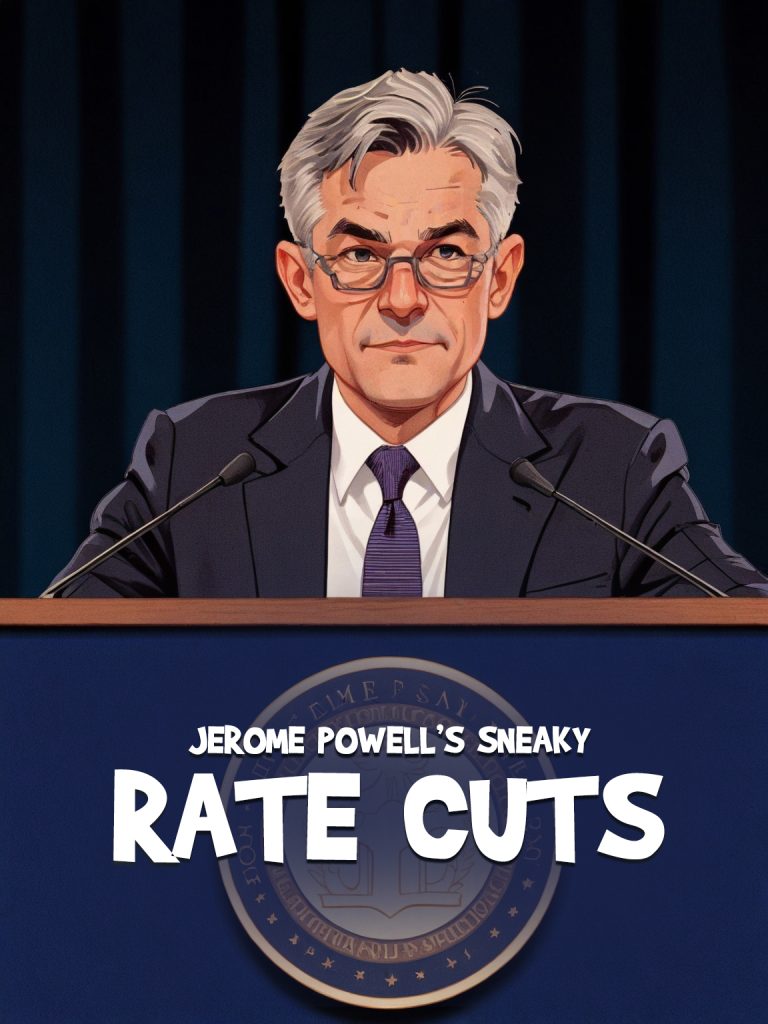
Brace yourselves, folks, for a journey through the economic high-wire act that is the Federal Reserve’s current policy. It’s a tale with more twists than a pretzel dipped in double dutch (both the snack and the jump rope move, if you catch my drift). We’ll be juggling flaming metaphors (because apparently, metaphors can’t just be mixed anymore, they have to be on fire) and dissecting the delicate dance between inflation and unemployment. Think of it as the economic equivalent of watching tightrope walkers with unicycles – impressive, nerve-wracking, and you wouldn’t want to try it yourself. Buckle up, because by the end, you might just understand why Jerome Powell spends more nights awake than a toddler with a case of the sugar jitters.
TL;DR
The Fed is raising interest rates to fight inflation.
Powell signaled a possible shift towards rate cuts due to a cooling labor market.
Balancing act: lowering rates without triggering inflation or high unemployment.
Investors are cautiously optimistic about potential rate cuts.
Powell faces a challenging task of achieving a soft economic landing.
If you think the Federal Reserve’s actions don’t affect your everyday life, think again. This week, Federal Reserve Chair Jerome Powell took the stand for two days of congressional testimony. Spoiler alert: the markets didn’t exactly throw a party. However, Powell began what could be a sneaky pivot on interest rates that might outlast the one that had investors celebrating last year.
The Backstory: December Hints and Broken Promises
Rewind to December. Powell and his pals hinted they might start dialing down interest rates by mid-year if inflation, which had taken a chill pill in the latter half of last year, continued its downward trend. By March, when Powell testified on Capitol Hill, he hinted that the Fed was “not far” from being confident enough to cut rates.
A Rickety Foundation: Inflation Strikes Back
Then came the first quarter of this year, and surprise, surprise, inflation reared its ugly head again. The economy was chugging along with solid growth, and suddenly, the whole justification for lower rates fell apart like a house of cards. It turns out, the foundation for reducing rates was about as stable as a Jenga tower in an earthquake.
As inflation rises and falls, Powell’s dance with interest rates continues.
The Powell Pivot: Round Two
Fast forward to this week, and Powell’s back in the hot seat on Capitol Hill. This time, he’s laying the groundwork for rate cuts on a potentially stronger foundation. He highlighted how a cooling labor market means a major source of inflation pressure has eased. Translation: fewer jobs, less inflation. But he also warned that any further weakening in the job market might be both unnecessary and unwelcome.
Powell’s Sleepless Nights
Balancing the need to bring inflation down to the Fed’s 2% goal without causing a spike in layoffs is, as Powell puts it, “the No. 1 thing that just does keep me awake at night.” Apparently, Powell spends his wee hours worrying about making decisions that strike this delicate balance. Who knew central banking involved so many sleepless nights?
Labor Market Insight: A Revelation
On Tuesday, Powell dropped a bombshell: the labor market is “not a source of broad inflationary pressures for the economy.” This is a big deal, folks. For the past two years, Fed officials have been biting their nails over the fear that a red-hot labor market would keep inflation high. Instead, Powell pointed out that the real culprits were strong demand and pandemic-battered supply chains. As these bottlenecks eased, so did inflation.
Inflation Numbers: The Saga Continues
In case you’re keeping track, inflation dipped to 2.6% in May according to the Fed’s preferred measure, down from 4% a year earlier. That’s closer to the Fed’s 2% target but still not quite there. The Labor Department’s upcoming report on June inflation might add another twist to this ongoing saga.
Predicting the future of interest rates, Powell plays the role of economic soothsayer.
Investors’ Reaction: Meh
Powell’s testimony didn’t exactly set the markets on fire. Why? He didn’t hint at a rate cut for the Fed’s meeting later this month, and market players had already bet that the central bank might start cutting rates at their September meeting. However, seasoned Fed watchers noted that Powell’s recent comments suggest the bar for rate cuts is lower than it was just a few months ago. In the words of former Fed governor Laurence Meyer, “The tide has turned.”
Balancing Act: Slow and Steady Wins the Race?
The Fed raised rates at a breakneck pace over the past two years to combat inflation, holding their benchmark rate between 5.25% and 5.5% since last July—its highest level in over two decades. Now, officials face the tricky task of deciding when to start lowering rates. Move too slowly, and inflation could remain stubbornly above target. Move too quickly, and the economy might weaken too much, leading to a spike in layoffs.
Unemployment Trends: A Mixed Bag
Unemployment edged up to 4.1% in June from 3.7% at the end of last year. This rise is mainly because hiring has slowed, and job seekers are taking longer to find work. However, layoffs remain low, which is somewhat reassuring. The big question is whether immigration, which has boosted the labor supply over the past two years, will decline in the coming months. If it does, the unemployment rate could dip again.
Fed’s Higher Alert: What’s Next?
Powell and his colleagues are on high alert for signs of a troubling rise in the unemployment rate. Powell himself stated, “The job is not done on inflation. We have more work to do there.” At the same time, he acknowledged significant softening in the labor market. It’s a classic case of walking a tightrope, with the stakes being the overall health of the economy.
My Two Cents: Powell’s High-Wire Act
Here’s my take: Jerome Powell is like a tightrope walker juggling flaming torches while riding a unicycle. He’s trying to keep the economy balanced, bringing inflation down without causing a job market crash. It’s a tough gig, and while his recent testimony might not have caused market fireworks, it signals a cautious optimism. The groundwork for potential rate cuts is being laid, but Powell’s playing it cool, avoiding any rash moves.
Powell’s testimony this week might not have moved markets, but it showcased a strategic pivot. By focusing on the cooling labor market and easing supply chain woes, he’s preparing for a possible rate cut while keeping an eye on inflation and unemployment. It’s a delicate dance, and only time will tell if his balancing act will pay off.
Powell gears up to tackle inflation with strategic rate adjustments. Will he succeed?
Recent Events Related to Jerome Powell’s Testimony
June 2023 Inflation Report:
Event: The Labor Department reported on inflation for June 2023.
Description: This report provided critical data on inflation, showing how price levels have changed and affecting the Federal Reserve’s decisions on interest rates.
This list highlights recent key events that are pertinent to understanding Jerome Powell’s recent congressional testimony and the Federal Reserve’s monetary policy. Each event plays a critical role in shaping the economic landscape and offers context for Powell’s decisions and statements regarding interest rates, inflation, and the labor market. The references provided are credible sources from government agencies and official reports, ensuring the reliability of the information.
These events collectively demonstrate the interconnected nature of economic indicators and policy decisions, offering a comprehensive view of the factors influencing the Federal Reserve’s strategies. By staying informed about these developments, readers can better grasp the nuances of Powell’s testimony and the broader economic context in which it occurs.
The 3-Ring Circus
Let’s leave you with this thought experiment: imagine the economy as a three-ring circus. One ring features a fire-breathing dragon of inflation, another a troupe of acrobatic job seekers, and in the center ring stands Jerome Powell, attempting to juggle flaming interest rates while riding a unicycle named “Policy Certainty.” Will he be the maestro of economic stability, or will the whole thing go up in smoke? Stay tuned to this channel for further economic acrobatics, and for more insightful articles on our “Money” section, where we translate economic jargon into something even your goldfish can understand (hopefully).
Imagine a world where chess pieces play the game, algorithms write the code, and robots judge the robot talent show. Welcome to the strange and fascinating world of artificial intelligence, where the lines between observer and observed are blurring faster than a self-driving car in rush hour traffic.
Today, we’ll delve into a story with more twists than a pretzel – the tale of Microsoft and OpenAI. Did their partnership hit a snag, or was it a strategic sidestep? We’ll explore the dance between innovation and regulation, where even the biggest tech giants can find themselves caught in a regulatory tango. Buckle up, because this isn’t your average tech news report. We’re going to dissect the headlines, unpack the puns (yes, there will be puns!), and leave you pondering the future of AI – a future where both the potential and the pitfalls are as vast as the digital landscape itself. Let’s get this byte-sized analysis underway!
Key Takeaways
Microsoft stepped down from its observer role on OpenAI’s board amidst regulatory scrutiny.
OpenAI’s new CFO is building an investor relations team to keep backers informed.
OpenAI will no longer have board observer seats for any partner.
Microsoft’s $13 billion investment in OpenAI is under antitrust scrutiny.
The partnership aims to foster AI innovation and competition.
AI’s rise brings ethical and regulatory challenges that need addressing.
Partnerships are crucial for advancing AI technology.
The regulatory landscape is evolving to ensure ethical AI development.
The future of AI holds immense potential but requires navigating complex challenges.
In a surprising turn of events, Microsoft, the tech behemoth, has stepped down from its observer role on OpenAI’s board. This move comes amidst increasing scrutiny from regulators on both sides of the Atlantic. But why did Microsoft make this unexpected decision? Let’s dive in and find out.
Why Did Microsoft Step Down?
Initially, Microsoft took up an observer position on OpenAI’s board to keep a close eye on its ambitious AI partner. However, it seems that this role caused more trouble than it was worth, raising eyebrows among antitrust officials. Rather than defending a position it didn’t need, Microsoft chose to gracefully exit the scene. Talk about making a quick getaway!
A source close to the decision revealed that Microsoft’s involvement had become a point of contention. Hence, stepping down seemed the most logical step. After all, why invite unnecessary scrutiny when you can sidestep it altogether?
What Prompted the Change?
OpenAI recently welcomed a new chief financial officer who has grand plans for the startup. One of the key initiatives? Building an investor relations team. This team’s job will be to keep OpenAI’s backers in the loop about its progress. And guess what? These updates will be separate from the company’s regular board meetings. So, it looks like there will be plenty of communication channels open, even without Microsoft’s watchful eyes.
In a letter sent on Tuesday, Microsoft announced its immediate resignation. They highlighted that OpenAI’s board had achieved stability, and Microsoft’s involvement was no longer necessary. “Over the past eight months, we have witnessed significant progress by the newly formed board and are confident in the company’s direction,” Microsoft stated.
The Backstory: OpenAI’s Rocky Journey
OpenAI’s journey hasn’t been smooth sailing. Late last year, the company faced a major upheaval when Sam Altman was abruptly fired and then reinstated as chief executive. This drama led to the formation of a new board, with Microsoft gaining a nonvoting observer position. This role allowed Microsoft to gain insights into OpenAI’s transitional work without compromising its independence. Quite the balancing act, wasn’t it?
What’s Next for OpenAI?
A spokeswoman for OpenAI mentioned that the startup is “establishing a new approach to informing and engaging key strategic partners—such as Microsoft and Apple—and investors.” Interestingly, Apple was also set to have a board observer seat after partnering with OpenAI to integrate ChatGPT into its devices. However, under the new structure, OpenAI will no longer have board observer seats for any partner. Looks like it’s a clean slate for everyone involved.
Microsoft’s Deep Pockets and Antitrust Woes
OpenAI started making waves in late 2022 with the release of ChatGPT. Microsoft saw an opportunity and swooped in as a major partner, investing a whopping $13 billion in OpenAI. In return, Microsoft secured a 49% stake in the earnings of OpenAI’s for-profit arm. Talk about a sweet deal!
However, this partnership didn’t go unnoticed. The Federal Trade Commission (FTC) in the U.S. and the U.K.’s Competition and Markets Authority (CMA) started sniffing around, questioning whether this tie-up constituted a de facto merger. Even the European Union jumped into the fray, examining whether Microsoft had gained lasting control over OpenAI. Margrethe Vestager, the EU’s competition czar, concluded that it wasn’t the case but promised to keep an eye on the relationship. It’s like having a nosy neighbor who just won’t leave you alone!
Microsoft’s Stance on Innovation and Competition
Microsoft has consistently maintained that its partnership with OpenAI fosters AI innovation and competition while preserving the independence of both companies. And honestly, they might be onto something. Since ChatGPT’s debut, companies from various sectors have been scrambling to ink deals with AI firms like OpenAI. This has resulted in a patchwork of alliances that span the tech world and beyond.
My Two Cents
Now, here’s where I weigh in. Microsoft’s exit from OpenAI’s board might seem like a retreat, but it’s actually a strategic move. By stepping back, Microsoft avoids unnecessary regulatory headaches while still reaping the benefits of its hefty investment. It’s like having your cake and eating it too.
Moreover, OpenAI’s decision to streamline communication with its partners and investors is a smart move. It shows that the company is serious about maintaining transparency and building trust. And let’s face it, in the fast-paced world of AI, trust is everything.
In conclusion, Microsoft’s departure from OpenAI’s board is a calculated decision that benefits both parties. While regulators continue to scrutinize their partnership, both companies can focus on what they do best: pushing the boundaries of AI innovation. So, here’s to a future filled with groundbreaking advancements and fewer regulatory entanglements.
The Bigger Picture: AI’s Growing Influence
The saga of Microsoft and OpenAI is just one chapter in the larger story of artificial intelligence’s rise. AI has become a critical component of technological innovation, driving advancements in various industries. From healthcare to finance, AI is revolutionizing how businesses operate and compete.
However, with great power comes great responsibility. The rapid development and deployment of AI technologies have raised ethical and regulatory concerns. Issues such as data privacy, algorithmic bias, and job displacement are hot topics that need addressing. As AI continues to evolve, the need for robust governance and ethical frameworks becomes increasingly important.
The Role of Partnerships in AI Development
Partnerships like the one between Microsoft and OpenAI play a crucial role in advancing AI technology. These collaborations bring together resources, expertise, and innovation from different companies, fostering an environment where groundbreaking ideas can flourish.
For instance, Microsoft’s investment in OpenAI provided the startup with the financial backing and infrastructure needed to scale its operations. In return, Microsoft gained access to cutting-edge AI technology that could enhance its own product offerings. It’s a win-win situation that accelerates progress in the AI field.
The Regulatory Landscape
As AI continues to grow in importance, so does the regulatory landscape surrounding it. Governments and regulatory bodies worldwide are grappling with how to manage and oversee AI technologies. The goal is to ensure that AI is developed and used in a manner that is ethical, transparent, and beneficial to society.
The scrutiny faced by Microsoft and OpenAI is a testament to the increasing attention regulators are paying to AI partnerships. While such scrutiny can be challenging, it is also necessary to ensure that AI development aligns with broader societal values and norms.
The Future of AI: Opportunities and Challenges
Looking ahead, the future of AI holds immense potential. From autonomous vehicles to personalized medicine, AI has the power to transform countless aspects of our lives. However, realizing this potential will require navigating a complex landscape of technological, ethical, and regulatory challenges.
One of the key challenges will be ensuring that AI technologies are developed and deployed in a way that is inclusive and equitable. This means addressing issues such as algorithmic bias and ensuring that AI benefits are broadly distributed across society.
Additionally, the rapid pace of AI development means that continuous learning and adaptation will be crucial. Companies, regulators, and society at large will need to stay informed about the latest advancements and be prepared to adjust their strategies accordingly.
A Strategic Move
Microsoft’s decision to step down from OpenAI’s board is a strategic move that reflects the complex interplay of innovation, competition, and regulation in the AI landscape. By relinquishing its observer role, Microsoft avoids regulatory headaches while continuing to support OpenAI’s growth and development.
As AI continues to shape our world, the importance of ethical and transparent governance cannot be overstated. Partnerships like the one between Microsoft and OpenAI will play a vital role in driving AI innovation while ensuring that it aligns with societal values.
Progress requires balance, not just speed.
Recent Events and Credible Sources Related to Microsoft and OpenAI
Microsoft Exits OpenAI Board Amid Regulatory Concerns Reference: Wall Street Journal Description: Microsoft’s decision to step down from OpenAI’s board observer role comes as regulators in the U.S. and Europe scrutinize the partnership. This move highlights the increasing regulatory pressure on tech giants involved in AI development.
FTC and CMA Investigations into Microsoft-OpenAI Partnership Reference: Financial Times Description: The Federal Trade Commission (FTC) in the U.S. and the Competition and Markets Authority (CMA) in the U.K. have launched investigations to determine whether Microsoft’s investment in OpenAI constitutes a de facto merger, indicating heightened regulatory scrutiny.
European Union’s Examination of Microsoft-OpenAI Partnership Reference: Reuters Description: The European Union’s competition authority examined whether Microsoft had acquired control over OpenAI. While they concluded it wasn’t the case, the EU pledged to continue monitoring the relationship, reflecting ongoing regulatory oversight.
OpenAI’s New CFO and Investor Relations Team Formation Reference: TechCrunch Description: OpenAI appointed a new chief financial officer who is tasked with building the startup’s first investor relations team. This move aims to enhance transparency and keep investors informed about OpenAI’s progress.
Microsoft’s $13 Billion Investment in OpenAI Reference: Bloomberg Description: Microsoft’s substantial investment in OpenAI highlights its commitment to advancing AI technology. This partnership is part of Microsoft’s broader strategy to integrate AI into its products and services, significantly impacting the tech industry.
Apple’s Partnership with OpenAI Reference: The Verge Description: Apple’s collaboration with OpenAI to integrate ChatGPT into its devices underscores the growing interest in AI applications. This partnership is part of Apple’s broader AI initiative, known as Apple Intelligence.
These events highlight the dynamic and rapidly evolving landscape of AI development and the regulatory challenges faced by major tech companies. Microsoft’s strategic decisions, coupled with regulatory scrutiny, underscore the importance of transparency and compliance in AI partnerships. The formation of OpenAI’s investor relations team signals a commitment to keeping stakeholders informed, while the significant investments by Microsoft and partnerships with companies like Apple illustrate the burgeoning interest and competition in the AI sector. These developments are pivotal in shaping the future of AI and its regulatory environment.
So, is this the end of the game for Microsoft and OpenAI, or just a strategic pawn sacrifice? The future of AI partnerships, much like the answer to the ultimate question of life, the universe, and everything, remains a bit of a mystery (though hopefully less cryptic than Deep Thought’s response).
But one thing’s for sure: the saga of AI is far from over. New players will emerge, new challenges will arise, and the line between human and machine will continue to blur. So, keep your circuits charged and your algorithms alert, because in the ever-evolving world of AI, the plot is only thickening.
Want to stay ahead of the curve? Dive deeper into the “Tech” category for more mind-bending insights and thought-provoking discussions. Remember, in the game of AI, the only winning move is not to stay still.
Let’s face it, sometimes the deepest philosophical questions arise in the most unexpected places. For me, it wasn’t a mountaintop retreat or a serene temple, but sprawled on my worn-out couch, forced into a double feature of Tibetan history through the lens of Hollywood. Yes, you read that right. Teenage angst collided with the Dalai Lama’s struggle in the form of back-to-back viewings of “Kundun” and “Seven Years in Tibet.” Now, before you dismiss this as mere pop culture frivolity, consider the butterfly effect. Here I was, a high schooler convinced my teenage angst could somehow influence the fate of a nation, little realizing the intricate web of global politics and spiritual journeys that had landed these films on my screen. This may be a story about Tibet, but it’s also about the unexpected paths that lead us to self-discovery, and maybe, just maybe, a touch of karma unfolding in the unlikeliest of places. So, settle in, grab your popcorn (or your incense, whichever suits your newfound enlightenment), and let’s delve into the fascinating (and surprisingly entertaining) world of 1990s Tibet obsession.
TL;DR
The 1990s fascination with Tibet wasn’t a singular event, but a perfect storm of trends.
Hippie culture’s interest in Eastern spirituality, celebrity activism, and large-scale charity events set the stage.
The Cold War rivalry between the US and China turned Tibet into a geopolitical pawn.
The Dalai Lama’s charisma and the shift in the Tibetan narrative towards human rights resonated with Western audiences.
So, there I was, watching Martin Scorsese’s Kundun for a college class. This took me back to that quirky moment in the late 90s when American pop culture had a full-blown crush on all things Tibet and the Dalai Lama. Remember? It was when Kundun and Seven Years in Tibet were all the rage at the box office. Add to that the Tibetan Freedom Concert featuring The Beastie Boys, U2, and the Red Hot Chili Peppers, all performing to raise funds for Tibetan monasteries. I was just a teenager then, feeling like my suburban high school support was crucial for Tibet, though looking back, I’m not entirely sure why.
The 90s Obsession: A Pop Culture Phenomenon
What was it about the 1990s that made Tibet such a hot topic in mainstream America? Were there specific world events that sparked this interest, or was it more about cultural trends stemming from previous social movements? Think hippie culture, Eastern mysticism, George Harrison’s activism, and Live Aid. The US had a long-standing relationship with the Tibetan movement, partly due to the Cold War. The rise of the Chinese Communist Party (CCP) and its westward expansion toward Tibet was seen through the lens of global communist expansion. Though the CCP eventually took control of much of historic Tibet, the 1950s were marked by numerous negotiations involving the Tibetan Kashag government, the Dalai Lama, the CCP, the US, the UK, and India.
The Political Chessboard: Tibet and International Relations
During these negotiations, the UK believed India should lead in handling the Tibetan situation. Meanwhile, India’s Nehru government initially avoided action to maintain a potential relationship with China. The US wanted the Tibetan government to denounce the CCP and set up a government in exile, suggesting locations like Sri Lanka, India, and even the US. They thought settling in India would have the strongest impact due to proximity. The Tibetans themselves were divided, oscillating between exile and negotiations with China.
Thubten Jigme Norbu and Tibetan Advocacy
Against this backdrop, several Tibetans, led by the Dalai Lama’s elder brother Thubten Jigme Norbu (also known as Taktse Rinpoche), came to the United States to advocate for the Tibetan cause. After the CCP’s annexation, the Tibetan government in exile and their supporters leveraged the decolonization movements of the 1960s and the Cold War’s anti-communist sentiments to gain international support. This advocacy put Tibet on the radar of numerous governments and international bodies, although tangible outcomes were limited.
The 80s Revival: Tibet in the Spotlight Again
In the 1980s, the evolving US-China relationship and the breakdown of China-India relations made the US a key player in the region. The Dalai Lama, now well-versed in international politics and likely supported by the Indian government, seized this moment to renew global attention on Tibet. With human rights and environmental issues becoming prominent in Western discourse, the Tibetans adjusted their narrative to highlight Chinese human rights violations and ecological damage, downplaying their demands for independence. This shift resonated in Western legislative bodies, leading to motions in the German and American legislative wings.
The Dalai Lama’s American Tour
In 1987, the Dalai Lama visited the US, meeting with the President and addressing Congress. China’s response was to showcase economic development in the Tibetan Autonomous Region, while the US recognized how the Tibet issue could agitate China for future strategic use. This media coverage introduced the Dalai Lama and Tibet to a broader Western audience.
My Personal Take: Tibet’s Western Appeal
Why did Western culture latch onto the Tibetan movement so strongly? While human rights and environmental issues were gaining traction, other factors played a role. Unlike the Uighurs, the Tibetans had a unifying government in exile with Western backing, prominent refugee communities able to speak freely, and a charismatic leader like the Dalai Lama. His ability to translate Tibetan beliefs into concepts understood and embraced by Western audiences was crucial.
Reflecting on Tibet’s Pop Culture Moment
The 1990s fascination with Tibet was a complex interplay of historical events, cultural trends, and strategic geopolitical maneuvers. The Dalai Lama’s charisma and the Tibetan narrative’s alignment with emerging Western values played significant roles. This era serves as a reminder of how global issues can capture the public’s imagination and shape cultural landscapes.
The 90s Tibet craze – a fleeting fad or a glimpse into a deeper yearning for something beyond the everyday? Did our teenage activism translate into real-world change, or were we just chanting “Free Tibet” between rounds of Mario Kart? The answer, like the elusive Shangri-La, may lie somewhere in between. Perhaps the true takeaway isn’t whether we “saved” Tibet, but the spark of global awareness ignited in a generation. The world is a vast and fascinating place, with countless stories waiting to be explored. Who knows, the next time you browse the “history” section (or the documentary aisle!), you might just stumble upon another cause that ignites your inner activist (or at least provides some seriously thought-provoking entertainment). So, grab your metaphorical prayer wheel, spin the wheel of global issues, and see where the winds of knowledge take you.
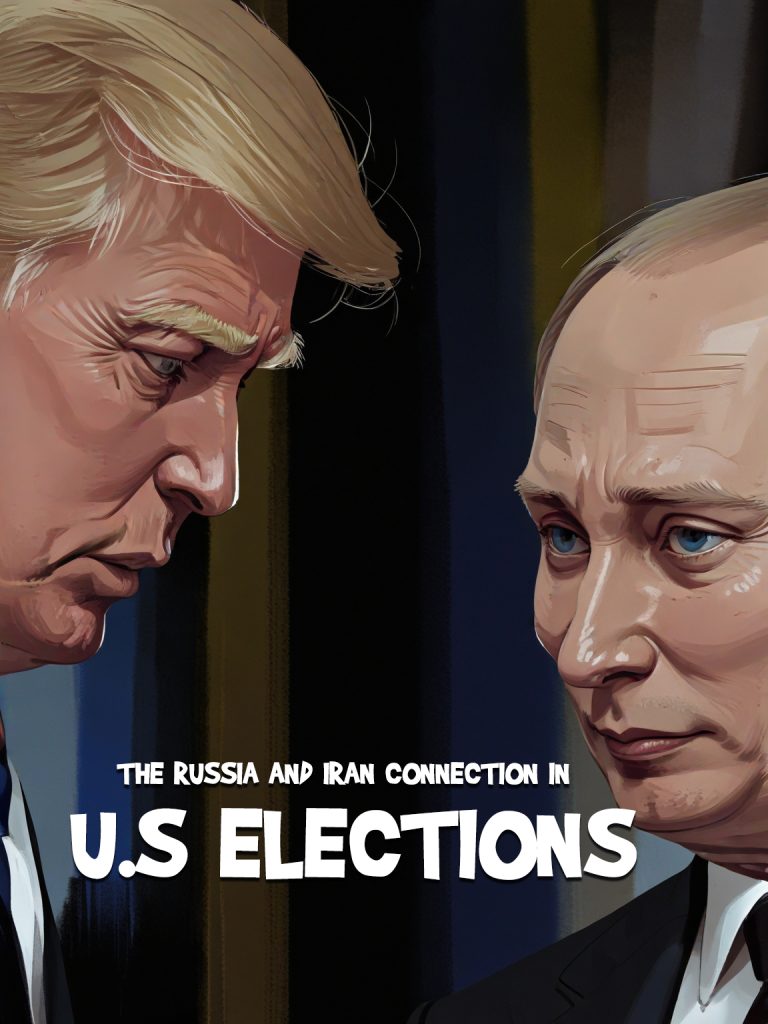
Election seasons in the United States have become less about casting ballots and more about dodging bullets—digital ones, that is. Just when you thought the political drama couldn’t get any juicier, it turns out that foreign powers are lining up like guests on a reality TV show, each vying for the spotlight and aiming to sway the American electorate. Picture this: Russia and Iran, covertly operating in the shadows of cyberspace, are like puppeteers pulling the strings of social media, hoping to influence your vote. It’s a tale as old as time, but with a 21st-century twist—complete with bots, deepfakes, and a whole lot of online propaganda.
Why should you care? Well, imagine if the outcome of your favorite show was decided by viewers who had been fed a steady diet of fake news. Not so fun, right? The stakes are even higher when it comes to choosing the leader of the free world. In this high-stakes game, the lines between reality and manipulation blur, leaving us to wonder: Are our decisions truly our own, or are they subtly influenced by unseen hands? Buckle up, because this dive into the murky waters of election interference will make you question everything you thought you knew about the democratic process.
TL;DR
Russian and Iranian Interference: Both countries have been actively trying to influence U.S. elections through online propaganda and cyber tactics.
Tactics Used: These include social media manipulation, spreading disinformation, and using deepfake technology.
Targeted Groups: Efforts are focused on swing state voters and divisive narratives to undermine candidates.
Ongoing Threats: Despite efforts to combat this, foreign interference remains a significant concern for upcoming elections.
Personal Vigilance: It’s crucial for voters to stay informed and critically evaluate the information they consume.
In a plot twist that feels straight out of a political thriller, the Russian government is pulling out all the stops to meddle in the U.S. presidential election yet again. According to senior U.S. intelligence officials, this “whole-of-government” effort is aimed at tilting the scales in favor of Republican candidate Donald Trump. While these officials didn’t explicitly mention Trump by name, their statements suggest that Russia’s covert activities and online propaganda are eerily reminiscent of their tactics from the 2020 and 2016 election cycles. Let’s unravel this tangled web of foreign interference.
A Familiar Playbook
Firstly, let’s address the elephant in the room. Russia’s love affair with influencing U.S. elections is nothing new. It’s almost as if they can’t resist the urge to poke their noses into our democratic process. This time around, their strategies include covert social media use and other online propaganda efforts. Remember those fake news articles and misleading memes from previous elections? Yep, it’s happening again.
A senior official from the Office of the Director of National Intelligence (ODNI) confirmed during a media briefing that there hasn’t been a shift in Russia’s preference for presidential candidates. Surprise, surprise! According to U.S. intelligence agencies, Russia is still up to its old tricks, leveraging social media platforms and other avenues to manipulate public opinion.
Manipulation Station: Where truth and lies battle for your attention.
Iran Joins the Fray
Meanwhile, Iran is also getting in on the action, becoming increasingly aggressive in its influence efforts. Recently, they’ve been covertly encouraging protests against the war in Gaza. Avril Haines, the Director of National Intelligence, highlighted these efforts in a separate statement. It seems like everyone wants a piece of the election pie.
The warnings underscore how U.S. adversaries continue to exploit social media platforms and other avenues to manipulate public opinion. Despite numerous attempts by U.S. intelligence and law enforcement agencies to expose and combat these influence operations, adversaries like Russia and Iran continue to play the game. It’s a bit like watching a reality TV show where the villains always seem to have the upper hand.
The Russian embassy in Washington and the Iranian government’s spokesman didn’t immediately respond to requests for comments. Probably busy plotting their next move, I imagine.
Targeting Swing States
Russia is not just casting a wide net; they’re going fishing in very specific ponds. Swing states and certain voting groups are their primary targets. They promote divisive narratives and denigrate specific politicians. The officials who briefed reporters were tight-lipped about the details but made it clear that Russia is actively working to influence the electorate.
One of their broader goals is to undermine U.S. support for Ukraine in its war with Russia. The Kremlin is pulling out all the stops, using commercial firms to obscure its involvement and planting propaganda with influential Americans. It’s like a bad spy movie plot, but unfortunately, it’s all too real.
The Scale of Interference
Interestingly, the scale of interference this election cycle isn’t as grand as 2016. Remember the hack-and-leak of Democratic Party emails and the cyber-probing of state election systems? While we’re not seeing that level of activity yet, officials warn that efforts are likely to ramp up as November approaches.
In comparison to Russia, Iran is seen as a lesser threat, acting more as a “chaos agent” by exacerbating social tensions. Haines mentioned that actors tied to Iran’s government are posing as activists online, even providing financial support to protesters. It’s like a twisted game of international chess, with each move designed to create discord.
The Silent Giant: China
On the other hand, China seems to be sitting this one out. U.S. intelligence agencies have assessed that China doesn’t plan to influence the presidential race. They see little to gain in choosing between two parties that both seek to contain Beijing. Chinese diplomats in Washington have been told to avoid even the appearance of interference, likely fearing the kind of backlash Russia faced post-2016.
Foreign Players: These flags represent more than just nations; they represent hidden agendas
The AI Factor
And if all this wasn’t enough, developments in artificial intelligence pose additional risks to the 2024 election. Intelligence officials describe AI as a “malign influence accelerant,” enabling bad actors to create convincing deepfakes. These deceptive audio and video clips can flood the information space, sowing doubt and amplifying false narratives. It’s like giving the villains a new set of superpowers.
The Justice Department recently took down a Russia-linked disinformation bot farm operating on X (formerly known as Twitter). These bots, nearly a thousand accounts strong, relied on AI to create bogus profiles and spam posts supporting Russia’s invasion of Ukraine. It was the first public accusation of a foreign government using generative AI in a foreign-influence operation against Americans. Kudos to the Justice Department and Dutch authorities for disrupting this operation.
My Two Cents
Now, I’ve got a few thoughts. It’s clear that foreign influence in our elections is a serious issue. While it might seem like a bad episode of “House of Cards,” the reality is far more concerning. We, as citizens, need to stay informed and vigilant. Question the sources of information, think critically about what we see online, and most importantly, vote based on informed decisions rather than manipulated narratives.
So, let’s keep our eyes open and our minds sharp. After all, democracy isn’t a spectator sport. It requires active participation and a healthy dose of skepticism, especially when it comes to foreign actors trying to sway our votes.
The Broader Implications
While Russia and Iran are the main players in this story, it’s essential to understand the broader implications of foreign interference. These actions are not just about influencing an election; they aim to undermine the very fabric of our democracy. By sowing discord and creating divisions, these foreign actors hope to weaken our societal cohesion and erode trust in democratic institutions.
For instance, Russia’s efforts to undermine U.S. support for Ukraine are part of a larger strategy to weaken Western alliances. By creating political divisions within the United States, Russia hopes to reduce the country’s ability to support its allies effectively. Similarly, Iran’s actions aim to create chaos and distract from its regional ambitions.
The Role of Social Media Companies
Social media companies also have a critical role to play in this battle against foreign interference. Platforms like Facebook, Twitter (now X), and Instagram need to be more proactive in identifying and removing disinformation. While these companies have made some strides in recent years, the sheer scale and sophistication of foreign influence operations mean there’s still a long way to go.
It’s not just about taking down fake accounts and bots. These platforms need to enhance their algorithms to detect and mitigate the spread of false information. Additionally, transparency about how these platforms handle disinformation is crucial. Users need to know what steps are being taken to protect them from manipulation.
Strengthening Cybersecurity
Another critical aspect is strengthening cybersecurity. The U.S. government, along with private sector partners, must invest in robust cybersecurity measures to protect election infrastructure. This includes everything from voting machines to databases containing voter information. Ensuring that these systems are secure from hacking attempts is vital to maintaining the integrity of the electoral process.
Educating the Public
Public education is another crucial component. The more informed citizens are about the tactics used by foreign actors, the better equipped they will be to identify and resist disinformation. This means investing in media literacy programs and encouraging critical thinking skills. Schools, community organizations, and media outlets all have roles to play in this effort.
The Road Ahead
As we move closer to the 2024 election, it’s clear that the stakes are higher than ever. Foreign actors are becoming more sophisticated, and their tactics are evolving. It’s not just about spreading false information anymore; it’s about creating a pervasive atmosphere of doubt and mistrust.
However, we are not powerless. By staying informed, questioning what we see, and demanding accountability from both our government and social media platforms, we can mitigate the impact of these influence operations. It’s a collective effort that requires vigilance and active participation from all of us.
Recent Events Related to Foreign Interference in U.S. Elections
Russian Interference in 2020 U.S. Elections
Description: The U.S. intelligence community confirmed that Russia engaged in a coordinated effort to influence the outcome of the 2020 presidential election, favoring Donald Trump and undermining Joe Biden.
Description: Iran attempted to interfere in the 2020 U.S. elections by sending threatening emails to Democratic voters, intending to intimidate and influence their votes.
Description: During the 2020 elections, there were instances where deepfake technology was used to create misleading videos of politicians, spreading false information to manipulate public opinion.
Description: Russia continued to use social media platforms like Facebook and Twitter to spread disinformation and divisive content throughout the 2020 election cycle.
Description: In 2023, the U.S. Justice Department announced the dismantling of a Russian bot farm operating on social media platforms, using AI-generated profiles to spread pro-Russia propaganda.
Description: U.S. intelligence agencies reported that China chose not to interfere in the 2020 presidential race, avoiding the tactics seen from Russia and Iran.
This list provides recent examples that align with the claims made in the article about foreign interference in U.S. elections. The 2020 U.S. presidential election saw significant meddling from both Russia and Iran, each employing various tactics to sway public opinion and disrupt the democratic process. Russia’s interference included coordinated disinformation campaigns and the use of AI-generated deepfakes, while Iran focused on intimidation through direct communication with voters. Additionally, the dismantling of a Russian bot farm in 2023 highlights ongoing efforts to combat such influence operations. In contrast, China’s decision to remain neutral during the 2020 elections underscores the varying approaches different nations take regarding U.S. electoral interference. These events underscore the importance of vigilance and proactive measures to protect the integrity of democratic elections.
As the digital age advances, the battle for the ballot box has morphed into a sophisticated game of shadows, where unseen hands pull the strings, and reality is often indistinguishable from illusion. Russia and Iran’s interference in our elections isn’t just about favoring one candidate over another; it’s about eroding the very foundation of our democracy. This isn’t just a political drama—it’s a suspense thriller where the plot twists come in the form of fake news, deepfakes, and bot armies.
So, what’s the takeaway here? It’s simple: we must become the protagonists in our own story. Stay vigilant, question the narratives, and demand transparency. Democracy isn’t a passive experience; it’s an active, collective effort. Are we mere spectators in this grand play, or will we take charge of our roles to ensure the integrity of our elections?
Now, dear reader, if this peek behind the digital curtain has left you curious and questioning, don’t stop here. Dive deeper into the intrigue of election interference and digital espionage. Check out more articles in our Politics section for a broader perspective on the forces shaping our world. Because in this high-stakes game, knowledge isn’t just power—it’s survival.
Confession time: I’ve always been a bit of a sphinx myself. Enigmatic, aloof, perhaps even a touch judgmental. But unlike those mythical creatures with riddles, I’m here to crack the code, not pose them. The code, of course, being the often-mysterious world of our feline companions.
Let’s face it, cats can be as perplexing as a Schrödinger’s box – both present and absent, playful and predatory, purring bundles of joy one minute and hissing whirlwinds the next. But fear not, fellow human! This guide serves as your Rosetta Stone, translating the cryptic language of tail flicks and ear twitches.
We’ll delve into the secret lives of these furry enigmas, exploring their unique communication styles, territorial tendencies, and (dare I say) questionable scratching post preferences. So, buckle up, grab your catnip stash (for bribery purposes, of course), and prepare to unlock the secrets to a purrfectly harmonious human-feline relationship.
TL;DR
Cats rely on scent, not sight, for familiarity.
Respect their personal space and avoid forcing interactions.
Use positive reinforcement with treats, play, and gentle petting.
Learn to read cat body language for better communication.
Manage common issues like scratching and nighttime zoomies.
The ultimate poker face. Can you decipher what this look means? Hint: it might involve tuna.
Cats are fascinating creatures, aren’t they? One moment they’re purring contentedly in your lap, and the next, they’re darting off as if you’ve committed a cardinal sin. If your cat seems standoffish or downright aloof, fear not! Building a strong bond with your feline companion takes time, patience, and a bit of understanding of their unique behaviors.
Understanding Cat Behavior: Why Does Your Cat Act the Way They Do?
Before diving into strategies to win over your cat, it’s essential to grasp a few key aspects of feline behavior:
1. Sense of Smell vs. Sight: Cats primarily rely on their sense of smell to identify familiar individuals, including other cats and humans. Unlike humans, they don’t recognize each other by sight alone but by scent. This means that if your cat is wary of you, it could be because they haven’t fully associated your scent with positive experiences yet.
2. Personal Space: Cats are territorial animals and highly value their personal space. They often dislike prolonged direct eye contact and sudden movements, which can be perceived as threatening or intrusive. Approaching a cat too quickly or forcefully can lead to them retreating or becoming defensive.
3. Communication: Cats communicate in subtle ways that can be misunderstood by humans. Tail position, ear movements, and vocalizations (like purring, meowing, or hissing) all convey different messages about their mood and intentions. Understanding these cues can help you interpret your cat’s feelings and respond appropriately.
Strategies to Win Over Your Cat: Practical Tips and Techniques
Now that we’ve covered the basics of cat behavior, let’s explore effective strategies to help your cat feel more comfortable and affectionate towards you.
Step 1: Give Your Cat Space
Believe it or not, the best way to get your cat to like you is to give them space—both physical and emotional. Start by creating a calm and inviting environment where your cat feels safe to explore and interact at their own pace.
Create Safe Zones: Set up designated areas in your home where your cat can retreat to when they need privacy or alone time. Provide comfortable bedding, hiding spots, and vertical spaces (like cat trees or shelves) where they can observe their surroundings from a safe distance.
Respect Boundaries: Avoid forcing interactions or invading your cat’s personal space. Allow them to approach you on their terms, and refrain from reaching out to pet them until they show signs of readiness (e.g., approaching with their tail up or rubbing against you).
Step 2: Build Positive Associations
Positive reinforcement is key to earning your cat’s trust and affection. Here are some ways to create positive associations with your presence:
Use Food and Treats: Cats are food-motivated creatures, so offering them treats or their favorite meals can help associate you with pleasant experiences. Sit on the floor or at a comfortable distance while offering treats to encourage them to approach you voluntarily.
Engage in Playtime: Interactive play sessions using toys (like feather wands or laser pointers) can stimulate your cat’s natural hunting instincts and strengthen your bond. Allow your cat to initiate play and follow their lead during sessions.
Offer Gentle Affection: Once your cat begins to approach you willingly, offer gentle petting or chin scratches. Pay attention to their body language and stop if they show signs of discomfort (e.g., tail flicking, ears flattened).
Step 3: Communicate Effectively
Understanding how to communicate with your cat can improve your interactions and deepen your bond over time:
Learn Cat Body Language: Familiarize yourself with common feline body language cues, such as slow blinks (a sign of trust), tail positioning (e.g., upright for curiosity, tucked for fear), and ear movements (e.g., forward for interest, flattened for anxiety).
Practice Gentle Handling: When handling your cat, approach them calmly and with slow movements. Support their body properly and avoid restraining or forcing them into uncomfortable positions.
Don’t be fooled by the fluff, they’re always plotting world domination (or at least, knocking things off shelves).
Personal Perspective: Navigating the Ups and Downs of Cat Ownership
Building a strong bond with your cat isn’t always smooth sailing. Like any relationship, it has its challenges and rewards. Here are some personal insights and anecdotes to illustrate the journey of bonding with a feline companion:
“When I first brought home my rescue cat, she was wary of me and would often hide under the furniture. I decided to take a patient approach, spending time in the room with her without demanding interaction. Gradually, she started to approach me for treats and short play sessions. It took several weeks before she allowed me to pet her without flinching. Now, she sleeps at the foot of my bed and greets me at the door when I come home. Building trust with her has been incredibly rewarding, despite the initial challenges.”
“One of the quirkiest behaviors I’ve learned to appreciate is the nighttime zoomies. As frustrating as it can be to have my sleep disrupted by a whirlwind of cat energy, I’ve come to see it as a reminder of her playful spirit. Providing her with interactive toys and engaging her in play before bedtime has helped reduce these episodes and strengthen our bond.”
“Like any pet owner, I’ve had moments of frustration and even mild annoyance when my cat decides to knock things off shelves or sharpen her claws on my favorite furniture. However, these moments are outweighed by the joy of having a companion who curls up on my lap and purrs contentedly. Learning to accept and appreciate her unique personality has made me a better pet parent.”
Dealing with Feline Quirks: From Nighttime Zoomies to Unexpected Surprises
Let’s face it—living with a cat means embracing their quirks, even when they test your patience. Here are a few common feline behaviors and tips on how to manage them:
1. Nighttime Zoomies:
Problem: Your cat suddenly becomes a whirlwind of activity just as you’re settling down for bed, running laps around the house or pouncing on your sleeping body.
Solution: Provide your cat with ample playtime and mental stimulation during the day to help expend excess energy. Consider interactive toys, such as automated laser pointers or moving feather toys, to keep them entertained and active.
2. Furniture Scratching:
Problem: Your cat uses your furniture as a scratching post, leaving behind shredded upholstery and frustration.
Solution: Offer alternative scratching surfaces, such as sisal-covered scratching posts or cardboard scratchers. Place these in areas where your cat likes to scratch and encourage their use with catnip or treats.
3. Overstimulation and Aggression:
Problem: Your cat becomes overstimulated during petting sessions, leading to biting or scratching.
Solution: Pay attention to your cat’s body language and stop petting if they show signs of discomfort (e.g., flattened ears, twitching tail). Redirect their focus with interactive play or gentle strokes on their chin or head.
4. Hiding or Avoidance Behaviors:
Problem: Your cat spends a lot of time hiding or avoiding interaction, making it difficult to bond with them.
Solution: Create a calm and inviting environment with plenty of hiding spots and vertical spaces. Allow your cat to approach you at their own pace, offering treats or quiet companionship without pressure.
Final Thoughts: Patience, Understanding, and Unconditional Love
Building a strong bond with your cat is a journey filled with ups and downs, but the rewards are priceless. By respecting your cat’s boundaries, offering positive reinforcement, and communicating effectively, you can create a loving and trusting relationship that lasts a lifetime.
“Remember, every cat is unique, and it may take time to earn their trust and affection. Be patient, observe their preferences, and celebrate small victories along the way. Whether your cat is a playful troublemaker or a serene lap warmer, cherish the moments you share and embrace the quirks that make them who they are.”
Embracing the Joy of Cat Ownership: It’s All Worth It
In conclusion, winning over your cat requires patience, understanding, and a willingness to adapt to their unique personality. By creating a safe and stimulating environment, respecting their boundaries, and communicating effectively, you’ll build a bond that enriches both your lives.
“My journey with my rescue cat has taught me valuable lessons about empathy, patience, and unconditional love. Despite the occasional challenges, I wouldn’t trade our bond for anything in the world. Whether she’s curled up on my lap or exploring the great unknown from the safety of her perch, I’m grateful for the privilege of being her human.”
Part hunter, part philosopher. They may seem aloof, but their inner world is full of wonder.
Recent Events and Insights in Cat Behavior: Supporting Evidence
Impact of COVID-19 on Cat Behavior:
Many cats experienced changes in their routines and interactions with humans during the COVID-19 pandemic, affecting their behavior.
Now, having unveiled the secrets of cat speak, the question remains: will you become their loyal companion, or their unwitting plaything? The choice, like a dangling feather toy, is ultimately yours. But remember, with great knowledge comes great responsibility (and hopefully, a lifetime supply of ear scratches).
Ready to explore the fascinating world of other furry (or feathery, or scaled) companions? Dive deeper into our pets category and unlock the secrets to a harmonious multi-species household!
Ever feel like time itself is playing a cruel joke on you? Like the hands on the clock are spinning wildly, fueled by an endless stream of appointments, deadlines, and to-do lists? Buckle up, because we’re about to take a trip down a rabbit hole – not the one filled with grinning cats and tea parties, but one where the Cheshire Cat stole your watch and replaced it with a sundial.
We’re venturing back to a world where “be there or be square” meant something entirely different, and “fashionably late” wasn’t a carefully curated image, it was just the rhythm of life. Here, we’ll explore how people navigated the day before the tyranny of the tick-tock, and ponder a question that might have you reaching for your (nonexistent) pocket watch: were they actually happier, or were they just a bunch of slackers with terrible sunburns?
TL;DR
People used natural cues like sunrise/sunset and community bells to track time.
Schedules were flexible, with meetings arranged loosely around specific times of day.
Punctuality mattered, but with less emphasis on strict minutes and hours.
Community played a big role in coordinating activities.
The invention of clocks brought efficiency but also time stress.
Forget the watch, embrace the sundial. Time in a world without ticking clocks
Picture this: a world without watches, clocks, or even those digital displays that blink at you from every corner. How on earth did people manage to be on time for anything? Spoiler alert: they didn’t always succeed. But let’s rewind the clock and explore how timeliness functioned—or didn’t—before we had our trusty timekeepers.
The Pre-Clock Era: A Different Relationship with Time
In a world devoid of clocks and watches, people still had schedules, sort of. Instead of minute-by-minute precision, life was governed by the sun, stars, and seasonal changes. Yes, your ancestors were basically amateur astronomers. The concept of timeliness existed, but it was much more fluid.
Natural Timekeepers
Sunrise and Sunset: The most reliable indicators of time were the sun and the moon. People rose with the sun and retired when it set. Midday was when the sun was highest in the sky. Simple, right?
Roosters and Church Bells: Roosters crowed at dawn, and church bells rang out to mark significant times of the day. Think of it as nature’s alarm clock and community calendar.
Before the advent of clocks, pocket watches, and later wristwatches, how important was timeliness? Were people expected to wait longer for a meeting? Did they have fewer planned events in a day due to the lack of timekeeping precision?
The Importance of Timeliness
Timeliness has always been valued, but its manifestation varied greatly before the precision of modern timekeeping. Let’s break down how this worked in the pre-clock era.
Daily Life and Work
Agricultural Rhythms: In agricultural societies, the workday was dictated by natural light. Farmers worked from dawn until dusk. There was little need for precise timekeeping since tasks were based on daylight availability.
Trade and Markets: Traders and merchants often conducted business during daylight hours, coordinating their activities around the opening and closing of markets. Timing was more about convenience and mutual agreement than exact hours and minutes.
Before the tyranny of the tick-tock: How communities thrived with a looser grip on time.
Social Expectations and Timeliness
Now, let’s dive into the nitty-gritty of social expectations. Without the precise ticking of a clock, were people expected to wait longer for meetings? In short, yes. But there was more to it.
Meetings and Gatherings
Flexible Schedules: Meetings weren’t set to the exact minute. Instead, you’d agree to meet “around noon” or “in the early morning.” This vagueness allowed for a bit of leeway.
Fewer Commitments: With less emphasis on precise timing, people generally had fewer scheduled events. You weren’t triple-booked and rushing from one appointment to another.
The Role of Community
Community played a huge role in keeping everyone on track. Word of mouth, communal bells, and local customs helped synchronize daily activities.
Communication
Word of Mouth: Important news and schedule changes were communicated through messengers or town criers. If you were late, you might get an earful from the town crier—talk about public shaming!
Gathering Places: Central locations like marketplaces or village squares were hubs for coordinating activities. Missed your friend? Just wait in the square, and they’d show up eventually.
Navigating a World Without Watches
Navigating life without a watch involved creative and communal methods. Here are some more ways people managed their time:
The Sundial
Ancient Timekeeping: The sundial, used by ancient civilizations, was an early form of timekeeping. It measured time based on the position of the sun’s shadow. Though not portable, sundials provided a general sense of the hour.
Limitations: Sundials only worked when the sun was visible. Cloudy days and nighttime rendered them useless. Still, they were a significant step towards more precise time management.
The Water Clock
Innovative Solutions: The water clock, or clepsydra, was another ancient timekeeping device. Water flowed from one container to another at a steady rate, marking the passage of time.
Cultural Variations: Different cultures, including the Egyptians, Greeks, and Chinese, had their versions of water clocks. They were often used for ceremonial purposes and important events.
Personal Point of View: Embracing the Chaos
Imagine living in a time where “time” was more of a suggestion than a rule. Personally, I think there’s something liberating about it. No constant checking of your wrist, no digital reminders pinging you every hour. Life was slower, more communal, and maybe a bit more spontaneous.
The Modern Paradox
Today, we’re obsessed with time. Every second counts, and being late is almost a cardinal sin. But before we had watches, people weren’t slaves to the clock. They had the luxury of moving at their own pace, guided by the rhythms of nature and community.
When time wasn’t money: Rethinking our relationship with punctuality.
The Transition to Modern Timekeeping
So, what changed? How did we go from sundials to smartwatches?
The Invention of Clocks
Medieval Innovations: The mechanical clock, invented in the Middle Ages, started the revolution. Now, time could be divided into hours and minutes with newfound precision.
Pocket Watches: By the 16th century, pocket watches became a status symbol. If you had one, you were the envy of your friends and could impress them with your punctuality.
Wristwatches: Fast forward to the 20th century, and wristwatches became ubiquitous. Suddenly, everyone had the power to be precisely on time—or fashionably late.
The Industrial Revolution
The Industrial Revolution brought significant changes to timekeeping and societal expectations.
Factory Schedules: Factories operated on strict schedules, with shifts starting and ending at precise times. Workers had to adhere to these schedules to maintain productivity.
Public Transportation: Trains and buses ran on timetables, making punctuality essential for travel. Missing a train could mean significant delays and inconvenience.
The Impact on Society
The invention of accurate timekeeping devices revolutionized how society functioned.
Punctuality and Efficiency
Modern Work Culture: Today, being on time is a marker of professionalism and respect. We’re constantly juggling multiple commitments, making every minute count.
Social Etiquette: Punctuality is also a matter of social etiquette. Arriving on time shows respect for others’ schedules and is considered a sign of reliability.
The Psychological Aspect of Time
Beyond practical implications, the invention of watches and clocks has also impacted our perception of time.
Time Anxiety
Constant Awareness: With clocks everywhere, we’re constantly aware of time passing. This can lead to anxiety about productivity and efficiency.
Pressure to Perform: The pressure to maximize every minute can be overwhelming. We often feel guilty for “wasting” time or not being productive enough.
The Upside
Better Planning: On the flip side, precise timekeeping allows for better planning and coordination. We can organize our lives more effectively and make the most of our time.
Time for Leisure: Knowing how to manage time also means we can carve out moments for relaxation and leisure, ensuring a balanced life.
Cultural Differences in Time Perception
It’s fascinating to note that the perception and value of time vary across cultures.
Western Precision
Strict Schedules: In many Western cultures, punctuality is highly valued. Meetings and appointments are expected to start and end on time, and being late is often frowned upon.
Time is Money: The adage “time is money” reflects the Western emphasis on productivity and efficiency. Every minute counts towards achieving goals and generating income.
Flexible Time
Latin and African Cultures: In contrast, many Latin American and African cultures have a more relaxed approach to time. Social interactions and relationships often take precedence over strict schedules.
Polychronic Time: These cultures operate on “polychronic time,” where multiple activities can occur simultaneously, and schedules are more flexible.
Recent Events Highlighting the Importance of Time Management and Perception
Remote Work and Flexible Schedules The shift to remote work during the COVID-19 pandemic has highlighted the importance of flexible schedules and time management. Companies like Google and Microsoft have adopted hybrid work models, allowing employees to balance their work and personal lives more effectively. Source:Harvard Business Review
Four-Day Work Week Trials Several countries and companies are experimenting with a four-day work week to improve productivity and work-life balance. For example, Iceland conducted a successful trial, leading to increased productivity and employee well-being. Source:BBC News
Rise of Mindfulness Practices The growing popularity of mindfulness and meditation practices underscores the need to slow down and be present in the moment. Apps like Headspace and Calm have seen a surge in users seeking to reduce time-related stress and anxiety. Source:The Guardian
Digital Detox Movements Increasing awareness of the negative impacts of constant connectivity has led to digital detox movements, where individuals take breaks from their devices to reconnect with themselves and their surroundings. This trend reflects a desire to escape the tyranny of the clock and the incessant notifications. Source:Forbes
Cultural Shift Towards Work-Life Integration The concept of work-life integration, as opposed to work-life balance, has gained traction. This approach acknowledges that work and personal life are not mutually exclusive and can coexist harmoniously. Companies are increasingly recognizing the benefits of this mindset, promoting policies that support flexible working hours and remote work. Source:Inc.
These recent events and trends underscore the evolving nature of time management and our relationship with time. The shift towards flexible work schedules, the adoption of mindfulness practices, and the increasing popularity of digital detox movements reflect a growing awareness of the need to manage time more effectively and reduce stress. The trials of a four-day work week and the cultural shift towards work-life integration highlight the importance of balancing productivity with personal well-being.
By examining these trends, we can see that the principles discussed in the article—flexibility, community, and a more relaxed attitude towards time—are becoming increasingly relevant in our modern, fast-paced world.
A Balancing Act
So, how important was timeliness before watches were invented? It was certainly less precise but no less significant. People adapted to a more flexible approach to time, relying on natural indicators and community cues. While modern timekeeping has brought efficiency and structure, it’s worth remembering that our ancestors managed just fine with a more relaxed attitude toward the clock.
Maybe, just maybe, we can learn something from them. Embrace a bit of chaos, enjoy the moment, and remember: sometimes, it’s okay to be a little late.
Final Thoughts
In today’s fast-paced world, we often forget that time is a human construct. The sun will rise and set regardless of whether we’re wearing a watch. While punctuality and efficiency are important, so too are spontaneity and living in the moment. By finding a balance between these perspectives, we can lead more fulfilling and less stressful lives.
In the end, perhaps the most valuable lesson from our pre-watch ancestors isn’t about ditching your calendar app entirely (although, a weekend getaway might be tempting). It’s about reclaiming control of the narrative. Time may be a river, but we’re not just driftwood – we can be the captain, charting a course that balances the flow with a healthy dose of paddling.
So, the next time you find yourself drowning in deadlines, take a deep breath, channel your inner sundial, and remember: sometimes, slowing down is the fastest way forward.
Want to explore more fascinating journeys through history? Dive deeper into the “History” category, where we unearth forgotten gems and reframe the way we see the world – one rabbit hole (or sundial) at a time.
Hold your horses (or should we say, hold your burgers?) We’re about to embark on a philosophical stampede through the ethical minefield of meat consumption. Here’s the curious conundrum: most of us wouldn’t dream of chomping on a Chihuahua for a protein fix, yet we chomp down on creatures with the potential for the same primal fear. Is this a juicy inconsistency on our part, or a delectable case of cognitive dissonance with a side of “Mmm, bacon?” Get ready to have your carnivorous convictions questioned (and maybe even your lunch plans) because we’re about to dissect the ethical rodeo of meat-eating – with a sprinkle of wit and a hefty dose of “Whoa, did I just get that philosophical about a hotdog?” Buckle up, because this is one intellectual ride you won’t want to miss (unless, of course, you’re a vegetarian… then you might already have a head start).
TL;DR
Ethical considerations: The article explores the moral implications of meat consumption.
Weighing arguments: It dives into both sides of the veganism debate, addressing common arguments.
Taking action: It empowers readers to make informed choices about their diet and lifestyle.
Can plant-based be palate-pleasing? You bet your Brussels sprouts it can!
Feeling a bit lost in the moral maze of ethical veganism? Trust me, you’re not alone. It’s a jungle out there, with everyone swinging their philosophical arguments like a bunch of wild monkeys. But hey, don’t stress! I’m here to help you navigate this ethical labyrinth with a dash of wit and a sprinkle of sarcasm. Let’s dive in!
The Ethical Veganism Conundrum
So, you’ve been reading up on ethical veganism and now your brain feels like a pretzel. Been there, done that. Most folks agree on one thing: it’s generally not cool to harm or kill a sentient being just for kicks. We see this in action when society condemns acts of unnecessary harm—from school bullying to more extreme cases like paying to watch animals being tortured. But here’s the kicker: this principle seems to take a back seat when it comes to eating meat.
The Meat Dilemma
Let’s break it down:
It’s not permissible to cause harm or death to a sentient being for pleasure.
Eating meat causes harm or death to a sentient being.
Eating meat is not a necessity; it’s a pleasure.
Therefore, it’s not permissible to eat meat.
Pretty straightforward, right? Yet, somehow, society just doesn’t apply the same logic when it comes to their bacon cheeseburgers. Weird, huh?
The Great Double Standard
Here’s where things get juicy. Picture this:
Paying someone to harm a dog for your viewing pleasure? Outrageous!
Paying someone to harm and kill a pig for your taste buds? Totally fine.
Wait, what? How is one okay and the other isn’t? To me, they sound pretty similar. If anything, the harm to the pig seems worse, but hey, who am I to judge?
Finding inner peace… and a mindful approach to your next meal.
Personal Perspective: Are We Missing Something?
Now, let’s get personal. Should we all go vegan to be better people? Well, if you want to be a saint, then yeah, probably. But here’s a fun fact: many people are perfectly fine admitting they’re not morally perfect. They’ll confess they enjoy their chicken wings despite knowing the grim reality of factory farming. At least they’re honest, right?
The Moral Tug-of-War
Philosopher Mylan Engel Jr. lays it out nicely in his essay “Why You Are Committed to the Immorality of Eating Meat.” He argues that if you see yourself as a morally decent person who wants to reduce suffering, you’re kind of stuck. Either you admit you’re failing to live up to your own standards or you twist your ethical principles into a pretzel trying to justify your carnivorous ways.
Cutting Through the Noise
Let’s face it: it’s easier to be an intellectually consistent “terrible” person than a hypocrite. If you acknowledge that your actions don’t align with your beliefs, you’re already ahead of the game. It’s like admitting you should recycle more but sometimes just don’t bother. It’s human.
New Insights and Final Thoughts
So, what’s the takeaway? Ethical veganism isn’t just about food choices; it’s a complex web of moral, ethical, and practical considerations. It’s about understanding the impact of your actions, however small, and making choices that align with your values—or at least being honest when they don’t.
Delving Deeper: Ethical Dilemmas and Daily Choices
Let’s unpack this a bit more. Every day, we make choices that have moral implications. From the coffee we drink to the clothes we wear, our decisions ripple outwards, affecting others in ways we might not even realize. Ethical veganism forces us to confront the uncomfortable truth that our dietary choices can cause significant harm to sentient beings.
For instance, consider the environmental impact of meat production. It’s no secret that livestock farming contributes to deforestation, water pollution, and greenhouse gas emissions. By choosing a plant-based diet, you’re not just sparing animals from suffering; you’re also reducing your carbon footprint. It’s a win-win, right?
Brain food alert! Dive deep into the world of ethical eating.
The Emotional Connection
Another layer to this ethical puzzle is our emotional connection to animals. Many people feel a deep bond with pets like dogs and cats, yet don’t extend that same compassion to cows, pigs, and chickens. Why the double standard? It’s a cognitive dissonance that many of us live with, perhaps because confronting it head-on would force us to change our comfortable habits.
A Matter of Health
Health is another aspect worth considering. Studies have shown that a vegan diet can lower the risk of heart disease, high blood pressure, and certain cancers. Plus, with the right planning, it’s entirely possible to get all the nutrients you need from plant-based sources. So, not only are you doing right by the animals and the planet, but you’re also taking better care of your own health.
Addressing Common Arguments
Of course, no discussion on ethical veganism would be complete without addressing some common counterarguments. One frequent point is that eating meat is natural—humans have been doing it for millennia. While that’s true, it doesn’t necessarily make it morally right. After all, we’ve outgrown many other practices that were once considered natural.
Another argument is the economic impact of going vegan. What would happen to the livelihoods of farmers and workers in the meat industry? It’s a valid concern, but it’s worth noting that industries evolve. Just as society has transitioned away from other harmful practices, we can find ways to support farmers in shifting towards more sustainable and ethical food production methods.
The Role of Legislation
Let’s not forget the role of legislation in this debate. Individual choices are powerful, but systemic change is even more impactful. Advocating for policies that promote animal welfare, environmental sustainability, and public health can help create a society where ethical choices are the norm, not the exception.
My Personal Take
Now, here’s where I get a bit personal. As someone who loves a good steak but also values ethical consistency, I’ve had my fair share of internal battles. Do I think going vegan is the right thing to do? Probably. Have I made the switch? Not entirely. But I’m working on it.
What I’ve found helpful is to take small steps. You don’t have to go from carnivore to vegan overnight. Start by incorporating more plant-based meals into your diet. Educate yourself about the issues. And most importantly, be kind to yourself in the process. It’s a journey, not a destination.
Additional Resources for Ethical Veganism
To help you on your journey, here are some resources that provide further insights into ethical veganism:
“Why You Are Committed to the Immorality of Eating Meat” by Mylan Engel Jr.
“Eating Animals” by Jonathan Safran Foer
“The Ethics of What We Eat” by Peter Singer and Jim Mason
Documentaries like “Forks Over Knives” and “Cowspiracy”
These resources can offer you a deeper understanding and perhaps even inspire you to make more ethical choices.
Decisions, decisions… which side will your fork choose?
Recent Events and Supporting References
To provide context and support for the ethical veganism debate, here are some recent events and credible sources that relate to the points discussed in the article:
Plant-Based Meat Market Growth
Event: The plant-based meat market has seen significant growth in recent years, driven by consumer demand for sustainable and ethical food options.
Source: The Good Food Institute reports that U.S. retail sales of plant-based foods grew by 27% in 2020, compared to 15% in 2019 .
Legislative Changes for Animal Welfare
Event: Several countries have introduced new legislation to improve animal welfare standards.
Source: In 2021, the UK government passed the Animal Welfare (Sentience) Bill, recognizing animals as sentient beings capable of feeling pain and joy .
Environmental Impact of Meat Production
Event: Studies continue to highlight the environmental impact of meat production, including deforestation and greenhouse gas emissions.
Source: A 2022 report by the Food and Agriculture Organization of the United Nations (FAO) states that livestock farming accounts for 14.5% of global greenhouse gas emissions .
Public Health and Diet Trends
Event: Research linking plant-based diets to better health outcomes has gained traction.
Source: A 2021 study published in the journal “JAMA Network Open” found that plant-based diets are associated with a lower risk of cardiovascular disease and overall mortality .
High-Profile Endorsements of Veganism
Event: Influential figures and celebrities endorsing veganism have helped raise awareness.
Source: In 2021, musician Billie Eilish and actor Joaquin Phoenix were vocal about their vegan lifestyles and the ethical reasons behind their choices .
The events listed above demonstrate a growing awareness and shift towards ethical veganism. The plant-based meat market’s rapid growth indicates a rising consumer interest in sustainable and cruelty-free food options. Legislative changes like the UK’s Animal Welfare (Sentience) Bill underscore a societal recognition of animal sentience and a move towards better welfare standards.
Environmental concerns remain a significant driver, with the FAO’s report emphasizing the substantial impact of meat production on greenhouse gas emissions. Health benefits associated with plant-based diets, as highlighted in recent research, further support the ethical veganism argument. Additionally, high-profile endorsements from celebrities bring visibility to veganism, influencing public opinion and encouraging more people to consider ethical eating habits.
These examples and sources provide credible support for the claims made in the article, illustrating the relevance and importance of the ethical veganism debate in today’s society.
So, is ethical veganism the holy grail of ethical eating, or just a plant-based paradox wrapped in a guilt-free kale chip? The answer, like your next meal, is entirely up to you. But before you decide between that sizzling steak and a soulful stir-fry, explore more articles in “Diet“. Who knows, you might just unlock the secret ingredient to a more mindful (and maybe even tastier) plate!