

More
    Home Blog Page 73

    The Fall of Intel and Boeing

    0

    Once, they soared high above the competition, their names synonymous with technological prowess and American ingenuity. But like the mythical Icarus, who flew too close to the sun, Intel and Boeing have tumbled from their lofty heights. Their fall is a cautionary tale, a stark reminder that even the mightiest can be brought down by hubris, shortsightedness, and a disregard for the fundamental principles that made them great.

    The story of Intel and Boeing is a tragedy in three acts. In the first act, they were the heroes of the American manufacturing story, leading the charge into the digital age. In the second act, their fortunes began to wane, as they succumbed to the temptations of short-term profits and bureaucratic inertia. And in the final act, their decline accelerated, as they lost ground to competitors and faced existential threats to their very survival.

    TL;DR

    • The decline of Intel and Boeing is a symptom of a broader decline in American manufacturing.
    • Corporate culture and decision-making play a crucial role in manufacturing success.
    • The competition from China and other countries is intense.
    • Government policies can support American manufacturing but are not a silver bullet.
    • The future of American manufacturing depends on a combination of corporate innovation, government support, and a strong national commitment.

    The Glory Days: A Distant Memory

    A few decades ago, if you were asked to list America’s most admired manufacturers, Intel and Boeing would have been right up there. These companies were powerhouses, known for innovation, precision, and setting global benchmarks in their respective industries. Today, both are in trouble. Intel is so battered that it suspended its dividend, cut jobs, and slashed capital spending. Boeing? Hobbled by investigations, production delays, crashes, and strikes. The thought of a breakup or even bankruptcy is no longer unthinkable for either of these companies. Sounds grim, doesn’t it?

    To add salt to the wound, in just the past five years, their combined market value has been sliced in half. This isn’t just a headache for shareholders—it’s a ticking time bomb for the U.S. economy.

    The Bigger Picture: More Than Just Financial Loss

    The U.S. isn’t just losing ground in military strength. It’s also falling behind in the race for economic and technological superiority, particularly against China. Leaders from both political parties have been busy with tariffs and subsidies, but that’s like putting a Band-Aid on a broken arm. The real issue? America’s manufacturing edge is becoming dull, especially when it comes to producing cutting-edge products.

    At the dawn of the millennium, four of the top ten most valuable U.S. companies were manufacturers. Today, none are. The only manufacturing star rising on the horizon? Tesla. And guess where it ranks? 11th.

    Intel and Boeing: Once Innovators, Now Strugglers

    Intel and Boeing weren’t brought down by fierce foreign competition—they tripped over their own feet. Their downfall stems from a shift in priorities. Both companies once stood for engineering brilliance. But somewhere along the way, they became obsessed with financial performance, leaving innovation in the dust.

    Intel’s mistake? Passing on the chance to make chips for Apple’s first iPhone. You know, the one that revolutionized the smartphone world? They figured it wasn’t profitable enough. Oops. They also lagged in adopting the latest chip technologies and missed the artificial intelligence boom.

    Boeing’s blunder was trying to cut corners by upgrading the engines of the already legendary 737 instead of designing a new plane. The result? Software glitches contributed to two fatal crashes, sparking investigations and production delays. And let’s not forget outsourcing their supply chain and losing experienced machinists during the pandemic. That added to their woes.

    Can We Just Let Them Fail?

    The temptation might be to let Intel and Boeing sink or swim on their own. After all, the tech world is dominated by giants like Microsoft, Apple, and Nvidia, worth a combined $10 trillion. Compared to that, Intel’s $100 billion market value seems like small change, right?

    Wrong. These tech titans might create some cool gadgets, but their entire ecosystem relies on advanced semiconductors. Most of those chips? They come from Taiwan, courtesy of Taiwan Semiconductor Manufacturing Company (TSMC). Now imagine this: If China ever makes good on its threat to “reclaim” Taiwan, the entire U.S. tech industry could fall under Beijing’s control. Spooky, right?

    Intel: The Only U.S. Competitor to TSMC

    TSMC is building fabrication plants in the U.S., thanks to $6.6 billion in subsidies from the Chips Act. But don’t break out the champagne just yet. It will take years, if not decades, for American companies to wean themselves off Taiwan’s tech teat.

    Intel remains the only U.S.-based company that has any shot at competing with TSMC. The keyword here is struggling. The company is a shell of its former self, fighting to stay relevant in an increasingly competitive market.

    Boeing: In a Nose-Dive Without a Backup Plan

    SpaceX has stolen Boeing’s thunder in space transport. And when it comes to commercial airliners, Boeing doesn’t have any serious domestic competitors. If Boeing crashes out of the race, guess who takes over? Airbus and—surprise, surprise—China’s state-owned Comac, which recently started delivering its own competitor to the 737, the C919.

    The loss of Boeing would be a disaster, not just for the company but for an entire industry. The ripple effect would be felt by workers, suppliers, designers, and engineers. And once that manufacturing ecosystem moves overseas, it’s next to impossible to bring back.

    My Two Cents: Can We Afford to Ignore This?

    As much as we’d like to look the other way, the fall of Intel and Boeing is more than just their problem—it’s a national security issue. The U.S. needs to maintain some semblance of control over making semiconductors and aircraft, or we might as well hand over the keys to the kingdom.

    Look at Europe: They heavily subsidize Airbus to ensure its survival. China, on the other hand, has been throwing billions of dollars at Comac and its semiconductor industry. In fact, China’s Big Fund has funneled around $100 billion into semiconductors, and they aren’t stopping. If China can secure a significant chunk of the global market, the U.S. is in big trouble.

    The Role of the Government: Should They Step In?

    Both political parties in the U.S. agree on one thing—manufacturing is special. The real question is: which sectors deserve government backing, and what kind of help should they get?

    The U.S. shouldn’t just focus on creating jobs; it should be about fostering world-class products. Encouraging the best manufacturers to set up shop on American soil will push domestic companies to improve their game. The Chips Act already does this indirectly, offering subsidies to companies like TSMC and Samsung to build facilities in the U.S. This benefits U.S. firms like GlobalFoundries and Micron.

    What Can We Learn From the Past?

    This isn’t the first time American manufacturing has faced stiff competition. In the 1980s, Japanese automakers were clobbering Detroit. In response, President Reagan negotiated export restraints. It wasn’t just about protecting jobs; it forced American companies to adopt Toyota’s legendary lean manufacturing system. Guess what? It worked.

    Even Tesla, the shiny new kid on the block, owes some of its success to a Toyota factory that they bought in 2010. That plant didn’t just give them a home—it came with seed capital and Toyota’s renowned engineering expertise. So yeah, a little collaboration can go a long way.

    “The decline of Intel and Boeing feels like watching the giants of my childhood stumble. These were companies that symbolized American innovation, and now it feels like we’re losing a part of our identity. If the U.S. can’t keep up with China and others in tech and manufacturing, what does that say about our future? It’s like we’re watching a slow-motion car crash, and I’m not sure we know how to stop it.” – Sarah Mitchell, 42, Denver, CO

    Recent Developments in American Manufacturing

    1. Intel’s Expansion in Ohio:

    2. Tesla’s Gigafactory Texas:

    • Reference: Tesla’s Gigafactory in Texas is a prime example of a successful manufacturing venture in the U.S. This aligns with the article’s discussion of the potential for American companies to compete globally.
    • Source: https://www.tesla.com/giga-texas

    3. Boeing’s Ongoing Challenges:

    4. Increased Focus on Reshoring:

    5. Government Initiatives for Manufacturing:

    These recent events demonstrate the ongoing conversation surrounding American manufacturing. They highlight the challenges faced by industry leaders, the government’s efforts to support domestic manufacturing, and the potential for companies to succeed in a global marketplace.

    Closing Thoughts: Time for Some Tough Love

    At the end of the day, saving Intel and Boeing is as much about leadership as it is about economics. Take a page from Elon Musk’s playbook: the guy literally sleeps on the factory floor when production deadlines loom. Boeing and Intel’s CEOs might want to rethink their priorities and get back to basics—focusing on product development over profit margins.

    And hey, labor unions need to get with the program too. Sure, they can blame management all they want, but in the end, everyone is in this together. The question they should be asking isn’t just about pay for the next few years, but whether Boeing will still be around a generation from now.

    By pulling together government support, innovative leadership, and a workforce that sees the long game, the U.S. can turn this around. Because, let’s be real—losing Intel and Boeing would be a catastrophic blow not just to the companies, but to the entire nation.

    How to Master Takeout: Tips for Getting the Most from Your Food Delivery

    0

    In a world where the only thing more reliable than the internet is our insatiable hunger, takeout has become our culinary compass. It’s the beacon that guides us through late nights, lazy Sundays, and those moments when cooking is as appealing as a Monday morning alarm. But let’s face it, not all takeout is created equal. Some are culinary masterpieces, while others are soggy, sad excuses for a meal.

    So, how do you navigate the treacherous waters of takeout, avoiding the pitfalls of lukewarm pizza and soggy fries? How do you transform your humble delivery order into a gastronomic adventure? Well, my friend, you’ve come to the right place. In this guide, we’ll share some inside tips and tricks to help you master the art of takeout.

    TL;DR

    • Choose wisely: Not all dishes are created equal for delivery. Opt for foods that travel well, like kebabs, sushi, and sandwiches.
    • Master reheating: Use the right tools (oven, air fryer) to ensure your food arrives hot and delicious.
    • Elevate the experience: Create a restaurant-like atmosphere at home with proper table settings and cutlery.
    • Find hidden gems: Explore local restaurants that offer unique and delicious takeout options.
    • Order strategically: Consider factors like delivery fees, minimum order requirements, and peak hours to maximize your takeout experience.

    Let’s face it—food delivery has become as essential as Wi-Fi in today’s world. Gone are the days when takeout was a once-in-a-while treat. Now, it’s a lifestyle. In fact, recent data from DoorDash shows that a whopping 70% of U.S. diners ordered delivery in the last month. Plus, the National Restaurant Association claims more than half of Americans consider takeout a must-have part of their lives.

    But here’s the catch: while the idea of restaurant-quality meals delivered to your doorstep sounds fabulous (no pants required), the reality can be a bit of a letdown. Whether it’s soggy fries or that burger that arrives looking like it had a rough ride, food delivery often feels like a culinary gamble. So how do you make sure your delivery experience is as tasty as it should be? Buckle up for some witty advice, pro tips, and a sprinkle of sarcasm—because, let’s be real, we all need some humor when our pizza crust turns into a chewy mess.

    Choose Wisely: Don’t Let Your Eyes (or Laziness) Fool You

    You’d think by now we’d have mastered the art of ordering delivery. But nope, many of us are still guilty of picking dishes that were never meant to travel. Sorry, folks, but not everything on the menu is delivery-friendly.

    Take French fries, for example—the most popular food ordered online in the U.S., according to DoorDash. Next in line? Chicken quesadillas and mozzarella sticks. Delicious in theory, right? Wrong. These are some of the worst offenders when it comes to takeout blunders. Why? Because fried food + delivery = soggy disaster. Fries steam in the packaging, mozzarella sticks turn into cheesy bricks, and your beloved quesadilla? Let’s not even go there.

    And let’s not forget the burger-with-fries combo. The holy grail of fast food turns into a lukewarm mess by the time it reaches your doorstep. The beef patty’s juices? They’ve abandoned ship and soaked into the bun. The fries? They’ve wilted into a sad pile of mush. Even the lettuce can’t keep its cool, and suddenly you’ve got a salad on top of your burger.

    Pro tip: Fried foods are a no-go for delivery. Stick to things that travel well—like kebabs, sushi, or a simple sandwich. You’ll thank me later.

    The Art of Reheating: Because Lukewarm Pizza Is a Crime

    Now, I know the temptation to dive into your takeout as soon as it arrives is strong. But resist! Spending an extra minute reheating your food can make all the difference between culinary bliss and a lukewarm letdown.

    Pop your pizza on a preheated pizza stone or sheet pan for a couple of minutes, and boom—it’s like it just left the restaurant’s oven. As for that soggy fried chicken? An air fryer can work wonders. And no, your microwave is not your friend here—unless you like rubbery textures.

    Got saucy dishes like curries or stir fries? Sure, the microwave can handle that. But for most other things, the oven or air fryer is your best bet. Want to make sure your pasta dish doesn’t turn into a starch bomb? Reheat it gently in the oven, and don’t forget to stir things up!

    Make It a Meal: Ditch the Plastic Forks

    Part of why restaurant dining feels so special isn’t just the food—it’s the whole experience. But when we order delivery, we miss out on that. Instead, we’re eating out of plastic containers with disposable cutlery, and it’s all a bit… meh.

    Set the table, light a candle, pour yourself a drink—heck, even throw on some background music. Not only will your food taste better (trust me on this), but you’ll also feel like you’re getting your money’s worth. After all, if you’re paying restaurant prices, why not get the full experience?

    And please, for the love of good food, ditch those plastic forks. Your steak deserves better.

    Delivery Heroes: Dishes That Actually Travel Well

    So, what should you order for delivery? Here’s a shocker—ramen is a solid choice. Yes, ramen! Most ramen joints separate the broth and noodles for delivery, meaning your soup won’t turn into a soggy mess. When it arrives, all you have to do is heat the broth, pour it over the noodles, and voilà—ramen perfection. The same goes for Vietnamese pho. Just reheat that broth and dig in.

    Other great options? Kebabs, dips, sandwiches, sushi, and salads (as long as the dressing is separate). These all hold up pretty well in transit. And if you really want to be smart about it, order something you can reheat and enjoy again the next day—like a pizza. Bonus points if it’s one with a thicker crust designed for delivery, like the pies from Flour + Water’s pizzeria.

    My Point of View: The Delivery Dilemma

    Let’s be honest—delivery is a lifesaver, but it’s not without its flaws. While convenience is the main draw, it often comes at the cost of quality. So how do we balance our love for delivery with our desire for a satisfying meal?

    Here’s my take: go for dishes that travel well, and don’t shy away from doing a little extra work when the food arrives. Reheating your food properly (as mentioned earlier) can really elevate your delivery experience. And if you’re feeling fancy, recreate the restaurant atmosphere at home—because you deserve it. After all, life’s too short to eat soggy fries out of a plastic container.

    Also, consider this: delivery fees add up. Why not maximize your order by getting enough food for two meals? Leftovers, when reheated correctly, can be just as delicious. Plus, it’s a smart way to cut down on costs without sacrificing your food cravings.

    Cut Costs Without Sacrificing Flavor

    Let’s talk dollars and cents. Delivery fees, tips, and service charges can easily tack on 20% (or more!) to your bill. One way to stretch your budget is by ordering enough food for multiple meals. Pizza, for instance, freezes beautifully and can be reheated in the oven for a quick and tasty meal. Salads, as long as the dressing is separate, will last until tomorrow’s lunch.

    And hey, if you’re close to the restaurant, why not pick up your food instead of having it delivered? You’ll save on fees, and your food will arrive fresher, too. According to restaurant consultancy Technomic, while delivery has plateaued, takeout is still on the rise—so you’re definitely not alone in embracing the grab-and-go life.

    “The secret to mastering takeout is all about strategy. I always reheat pizza in the oven, never trust microwaves with my fries, and avoid anything that could turn into a soggy disaster in transit. Also, I’ve learned that separating the components of ramen at home makes a world of difference. It’s like creating a mini-restaurant experience without leaving the couch!” – Sophie, 32, Portland, Oregon

    Recent Events Supporting the Food Delivery Trends

    DoorDash Reports Record Growth

    Rise of Ghost Kitchens

    • Reference: The Wall Street Journal (2023). Ghost Kitchens Are Booming. Are They Here to Stay? https://www.zdnet.com/article/are-ghost-kitchens-here-to-stay/
    • Description: The article discusses the growing popularity of ghost kitchens—virtual restaurants that operate without a physical storefront. This trend is directly related to the increasing demand for food delivery services.

    Partnership Between Restaurants and Delivery Platforms

    • Reference: Restaurant Business Online (2024). Restaurants and Delivery Platforms Partner to Expand Reach. https://www.linkedin.com/advice/3/what-best-food-delivery-platforms-expanding-dehvf
    • Description: This article highlights the strategic partnerships between restaurants and food delivery platforms. These collaborations aim to increase restaurant visibility and reach new customers, further fueling the growth of the food delivery industry.

    Integration of Food Delivery into Grocery Apps

    • Reference: TechCrunch (2023). Grocery Apps Expand to Include Food Delivery. https://techcrunch.com/tag/grocery-delivery/
    • Description: This article reports on the trend of grocery apps incorporating food delivery services into their platforms. This integration offers consumers a convenient one-stop-shop for both groceries and prepared meals.

    Increased Use of Food Delivery Apps During COVID-19 Pandemic

    • Reference: Statista (2024). Food Delivery Market Size in the United States. https://www.statista.com/outlook/emo/online-food-delivery/worldwide
    • Description: Statista’s data shows a significant surge in food delivery usage during the COVID-19 pandemic. This trend has continued post-pandemic, indicating a long-term shift in consumer behavior.

    The Final Slice: Takeout Done Right

    In the end, food delivery isn’t going anywhere (neither are we, apparently). But by making smarter choices, reheating your food like a pro, and putting a little effort into your dining setup, you can level up your takeout game. Whether it’s ramen, kebabs, or even a thoughtfully chosen pizza, the key is to know what travels well and how to bring it back to life once it hits your doorstep.

    Now go forth, fellow foodies, and order like a pro. Just maybe skip the fries next time.

    Hamas Leader Yahya Sinwar’s Death: What It Means for Israel and the Gaza War

    0

    Let’s talk about Yahya Sinwar, the man who lived in the shadows, only to become the architect of one of the deadliest attacks on Israel in recent history. Now, his days of evasion and guerrilla warfare have come to an end. Israeli forces killed him, dealing a monumental blow to Hamas. But what does his death really mean for the ongoing Israel-Gaza conflict? And more importantly, what happens next? Let’s break it down.

    The Fall of a Most-Wanted Man

    Sinwar wasn’t just any leader. He was the leader—Hamas’ most-wanted man, the one who orchestrated the infamous October 7 attack last year. This wasn’t some minor skirmish, by the way. That attack took the lives of 1,200 people in southern Israel and sparked a chain of events that led to where we are today: over 42,000 dead in Gaza, with no clear end in sight.

    But as of Wednesday, Sinwar’s reign of terror has officially ended. He was killed in the southern Gaza Strip by Israeli forces. And let’s be honest, the man had been living on borrowed time. For more than a year, Israel’s military had been hunting him down like a scene straight out of an action thriller. He dodged airstrikes, evaded tunnel raids, and managed to elude Israeli forces at every turn. Until, in what can only be described as a stroke of military luck, a routine tank unit stumbled upon Sinwar and fired on the building he was hiding in. Talk about bad timing for him.

    Is This a Game Changer?

    You’d think that taking out the leader of Hamas would be a major turning point in the conflict, right? Well, kind of. For Prime Minister Benjamin Netanyahu, this is a major win, no question. He vowed to dismantle Hamas, and with Sinwar out of the picture, he’s made a significant step toward that goal. Netanyahu didn’t waste any time either, proudly announcing, “Hamas will no longer rule Gaza.”

    But before we start imagining peace on the horizon, let’s pause for a second. Yes, killing Sinwar is a victory, but is it a decisive victory? That’s less clear. Hamas still has members in its ranks, and as history has shown, militant organizations can be more like Hydra—you cut off one head, and another pops up. The organization is far from dead.

    What’s worse, this might not bring peace, but only fuel more violence. And let’s not forget, Israel is still dealing with hostages—around 100 of them. There’s a chance, however slim, that this could lead to a breakthrough in negotiations for their release. But if history is any indication, don’t hold your breath.

    The View from the U.S.

    President Biden didn’t waste any time jumping into the mix. On Thursday, he reiterated his support for Netanyahu but also hinted at what the U.S. really wants—a ceasefire and the return of hostages. He even sent Secretary of State Antony Blinken to Israel to hash out a possible deal. Biden’s take? Sinwar was an “insurmountable obstacle” to peace. Now that he’s gone, there’s a chance—however small—that peace talks might finally get some traction.

    But here’s the thing: Israel isn’t exactly in a hurry to end its military campaign. Netanyahu’s tone was crystal clear—this isn’t over. So while Biden and the U.S. are trying to push for a ceasefire, Israel seems focused on finishing what it started: eliminating Hamas for good.

    Yahya Sinwar: The Man Behind the Mask

    Who exactly was Yahya Sinwar? Born in a refugee camp in Gaza, Sinwar was no stranger to hardship. From a young age, he was deeply entrenched in anti-occupation activism, which eventually led him to Hamas. After spending 23 years in an Israeli prison (on multiple life sentences, no less), Sinwar was released in a prisoner swap in 2011. And he didn’t waste time after his release—he quickly rose to power within Hamas, founding its feared intelligence branch and using brutal violence against suspected collaborators.

    In 2017, he became the political chief of Hamas in Gaza, a position that solidified his place as one of Israel’s top enemies. The U.S. had already labeled him a global terrorist in 2015, and Israel saw him as the mastermind behind several attacks. By the time of the October 7 assault, Sinwar was essentially public enemy number one.

    How Did It All Go Down?

    Sinwar was a man of tunnels, not trenches. He spent much of his time hiding underground, directing Hamas’ operations from a web of tunnels crisscrossing Gaza. But his end came in Rafah, southern Gaza. Israeli troops, who were searching for Hamas tunnels, found him by sheer chance. A firefight broke out near a building thought to be empty. When Israeli soldiers fired on the structure, it collapsed—killing Sinwar and two others. Dental and DNA tests later confirmed his identity.

    And just like that, the most-wanted man in Gaza was gone. Social media exploded with videos of Israelis celebrating the news, while reactions in Gaza were more muted. Surprise? Sure. Celebration? Not so much. After all, Gaza is still reeling from weeks of bombardment and destruction.

    What Does This Mean for Hamas?

    With Sinwar dead, Hamas is now in disarray. Many of its top leaders have been killed over the past year. In July, Israel took out Mohammed Deif, the group’s military chief, and Ismail Haniyeh, Hamas’ political leader, followed soon after. So, who’s left to steer the ship?

    Well, for now, it seems like Sinwar’s brother, Mohammed Sinwar, might step in. But don’t expect any big shifts in strategy. If anything, he’s likely to continue his brother’s hardline tactics, especially in negotiations over the remaining hostages.

    My Point of View: A Rare Opportunity?

    Here’s where I add my two cents. Sinwar’s death, while significant, feels like a double-edged sword. On one hand, Israel has taken out the man who orchestrated a horrific attack, delivering a blow to Hamas that it may not recover from anytime soon. On the other hand, his death could lead to even more chaos. With Hamas in disarray, the chances for splinter groups or more radical factions to rise are high. And that’s not exactly a recipe for peace.

    What I do see, however, is a rare opportunity for some sort of resolution. With Sinwar out of the picture, both Israel and the U.S. might have an opening to negotiate the release of hostages and, perhaps, bring this bloody conflict to an end. But it’s a fragile opportunity—one that could easily crumble if either side pushes too hard.

    What’s Next?

    For now, Israel is focused on eliminating what’s left of Hamas. But make no mistake: the death of Sinwar is a major turning point. Whether it leads to peace or more bloodshed remains to be seen. What’s clear is that Gaza, and the broader Middle East, is entering a new and uncertain chapter.

    While the war might not be over just yet, the death of Yahya Sinwar has shifted the landscape in a way that can’t be undone. Only time will tell where we go from here.

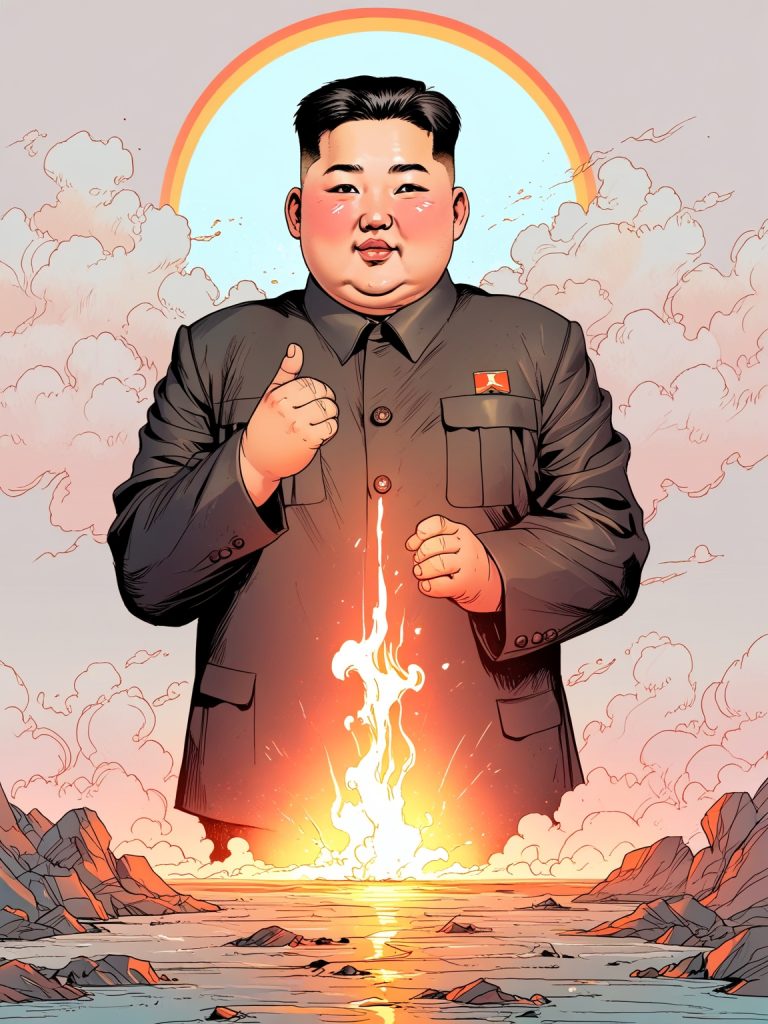
    Kim Jong Un Labels South Korea a “Hostile Nation”

    0

    When you think things can’t get more intense on the Korean Peninsula, Kim Jong Un swoops in with another statement to shake things up. In a recent inspection trip to the Korean People’s Army’s 2nd Corps headquarters, the North Korean leader didn’t mince words. He labeled South Korea as both “a foreign country” and an “apparent hostile country.” Ouch. If you were hoping for a family reunion between the two Koreas, this latest declaration should give you a clear signal: don’t hold your breath.

    So, what’s really going on here? Let’s break it down with a bit more context, some new insights, and a dash of sarcasm (because, really, how could we resist?). Also, we’ll throw in a few SEO keyphrases while we’re at it, just to make this little piece of geopolitical drama easier to find.

    TL;DR

    1. Kim Jong Un Labels South Korea Hostile: In a recent speech, Kim Jong Un referred to South Korea as a foreign and hostile country, signaling a shift in relations.
    2. End of Reunification Talks: The idea of reunification has been labeled as “unreasonable,” ending any hope of a peaceful reunion.
    3. Destruction of Connections: North Korea has blown up key railways and roads connecting the two Koreas, physically and symbolically cutting ties.
    4. Focus on Military Readiness: Kim ordered the military to maintain “overwhelming combat readiness” and be prepared for any conflict.
    5. A Clear Threat: Kim warned that North Korea would use physical force against South Korea if its sovereignty is violated.
    6. Strategic Timing: The move strengthens Kim’s position in future negotiations with global powers.
    7. Ongoing Tensions: The Korean Peninsula remains a high-tension zone, with the potential for conflict still looming.

    Kim Jong Un’s Inspection Trip: Where the Drama Unfolded

    On Thursday, Kim Jong Un took a trip to inspect the 2nd Corps of the Korean People’s Army. You know, just your average day checking in on the troops who are always “combat-ready,” ready to defend North Korea’s borders at a moment’s notice. During the trip, Kim Jong Un made it clear that the relationship between North and South Korea is as cold as the northern side of the DMZ in winter. According to the Korean Central News Agency (KCNA), he stressed the need to focus on “useless awareness about fellow countrymen” and the “unreasonable idea of reunification.” Translation? North Korea has officially checked out of the reunification hotel.

    In case you were wondering if this is just posturing, Kim also highlighted how North Korea has blown up—quite literally—the roads and railways connecting the two Koreas. That’s not just a symbolic gesture; it’s an actual explosion. The message? “We’re done. No more talk, no more ties. South Korea is officially on the outs.”

    The End of Reunification Talks?

    Remember when there was talk of peace between the two Koreas? It wasn’t that long ago. We had the iconic image of Kim Jong Un shaking hands with South Korean President Moon Jae-in at the DMZ in 2018. Fast forward to today, and it feels like that hopeful moment never happened. Kim’s recent remarks shut down any idea of reunification, calling it “unreasonable.” He essentially said that the idea of North and South Korea being one big happy family is dead in the water.

    And really, if blowing up literal bridges wasn’t enough of a hint, his choice of words certainly drives it home. Calling South Korea a “hostile” country isn’t exactly the kind of language that leads to a family reunion, is it?

    What’s Kim’s Game Plan?

    So, what’s Kim Jong Un trying to achieve with all this? It’s not just about throwing shade at South Korea. Kim is on a mission to ramp up North Korea’s war-fighting capabilities. In fact, he specifically told his military to stay on “permanent overwhelming combat readiness.” And when a guy like Kim says “overwhelming,” you’d better believe he means it. His focus is clear: North Korea must be prepared for anything, and that includes potential conflict with the South.

    From an SEO perspective, here’s the kicker: Kim Jong Un is likely positioning himself and his country for future negotiations with the U.S. and the wider international community. By making South Korea the enemy, he strengthens his bargaining position. After all, when you’re in a standoff with a “hostile” neighbor, you need all the leverage you can get.

    My POV: Can We Ever See Peace?

    Here’s the thing. Watching the North-South Korea dynamic feels like being stuck in a never-ending soap opera—one that’s more drama than resolution. Just when you think things might calm down, something blows up—literally.

    Kim Jong Un knows how to play the game. By cutting off ties with South Korea, he’s not just sending a message to Seoul. He’s reminding the world, especially the U.S., that North Korea isn’t to be ignored. The timing is no accident. With global eyes often distracted by other crises, Kim’s statements and actions are his way of shouting, “Hey, we’re still here! And we’re still dangerous!”

    But what about the reunification dream? If we’re being brutally honest, it feels more like a pipe dream at this point. Sure, there may be future talks, and who knows, maybe down the line, cooler heads will prevail. But for now, North Korea under Kim Jong Un seems more focused on building walls—metaphorically and literally—rather than tearing them down.

    Ramping Up Military Power: What’s Next for North Korea?

    The bigger picture here is North Korea’s military ambitions. Kim Jong Un has been very clear that his goal is to bolster the country’s war-fighting capabilities. This isn’t new—North Korea has long invested heavily in its military—but it’s the urgency of Kim’s tone that’s worth noting. He’s telling his forces to be ready for anything, any time. With tensions already high on the Korean Peninsula, this doesn’t exactly help to de-escalate things.

    Moreover, Kim emphasized that if the DPRK’s sovereignty is violated by South Korea (or anyone else), North Korea will use its “physical forces” without hesitation. This isn’t idle chatter; this is a clear threat. And let’s be real—when Kim talks about “physical forces,” we’re not just talking about a slap on the wrist. North Korea’s military, while not the most technologically advanced, is nothing to scoff at.

    Final Thoughts: What Does This Mean for the Rest of Us?

    While most of us are just trying to get through the week, North Korea is busy planning for war. The message is clear: South Korea is the enemy, reunification is off the table, and the military is on high alert.

    For those of us watching from afar, this all feels like part of a never-ending cycle. Tensions flare, threats are made, then things cool off—only for it all to start up again. The question is, how long can this game of brinkmanship last? And what happens when someone finally decides to make a move?

    In the end, it seems like Kim Jong Un is making a calculated play. By severing ties with South Korea and ramping up military readiness, he’s setting the stage for future negotiations. Whether it’s with the U.S., China, or some other major player, Kim wants to be seen as strong, defiant, and ready to act.

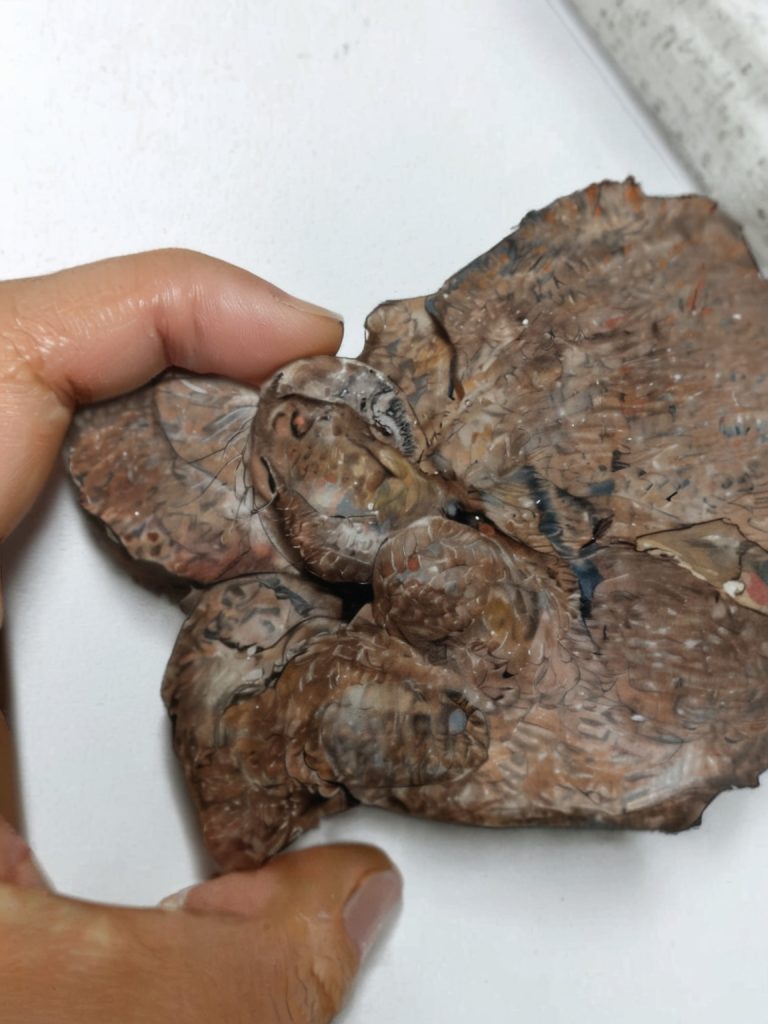
    Chinese Researchers Uncover Smallest Dinosaur Egg Fossils Ever – Just 29mm Long!

    0

    Imagine stumbling upon a hidden treasure trove, a secret world tucked away in the annals of time. This is precisely what Chinese researchers did when they unearthed the world’s smallest dinosaur egg fossils. At a mere 29 millimeters long, these minuscule marvels are a testament to nature’s ingenuity and the enduring power of discovery.

    But why is this tiny find such a big deal? For starters, it challenges our preconceived notions about dinosaur reproduction. Dinosaurs, often depicted as colossal creatures stomping through prehistoric landscapes, were not always giants. These diminutive eggs reveal a side of dinosaur life that we’ve only begun to glimpse.

    Moreover, the discovery raises intriguing questions about the evolution of dinosaurs. Did smaller species exist alongside their larger counterparts? Were there ecological niches that favored smaller body sizes? And what can these tiny eggs tell us about the parenting strategies of these ancient reptiles?

    TL;DR

    • Tiny but Mighty: The discovery of the world’s smallest dinosaur egg fossils challenges our understanding of dinosaur reproduction and evolution.
    • A Window to the Past: These tiny eggs offer a glimpse into the diverse strategies dinosaurs used to reproduce and survive.
    • Scientific Breakthrough: The discovery has significant implications for paleontology and our understanding of ancient life.

    Have you ever felt like you’re handling too much and just wish you could shrink down to size? Well, dinosaurs may have taken that advice a bit too literally. In a discovery that has left paleontologists scratching their heads (and probably clutching tiny measuring tapes), Chinese researchers unearthed the world’s smallest dinosaur egg fossil, measuring a mere 29 millimeters in length. Yes, you read that right—29 mm! To put it into perspective, that’s barely larger than a quarter.

    A Tiny Giant of a Discovery

    Now, before you dismiss this as just another fossil find, let me walk you through why this miniature marvel is a game-changer. After three years of painstaking research—yes, three years of staring at eggshells—scientists from various prestigious institutions confirmed these weren’t just any old fossilized eggs. The six specimens, discovered in Jiangxi Province’s Ganxian District, date back over 80 million years to the Late Cretaceous period. That’s way before humans even thought of walking upright!

    Using cutting-edge tools like scanning electron microscopy and electron backscatter diffraction (yes, that’s as complicated as it sounds), the researchers dug into the structure of these eggs, confirming they were from a non-avian theropod. In layman’s terms? We’re talking about one of those two-legged, carnivorous dinosaurs. So, think less Jurassic Park raptors and more…chicken-sized ancestors.

    Why Does This Matter?

    You might be thinking, “What’s the big deal about small eggs? Dinosaurs laid eggs all the time, right?” Well, sure, but these tiny eggs are rewriting what we thought we knew about dinosaur reproduction. The previous record-holder for the world’s smallest dinosaur egg was about 45.5 mm long—still pretty small, but nowhere near as petite as this one. The discovery broadens our understanding of dinosaur egg diversity during the Late Cretaceous.

    In other words, this isn’t just a quirky footnote in paleontology; it’s a clue that dinosaurs may have been much more diverse in their egg-laying habits than we ever imagined. Some were laying massive eggs that could make an ostrich jealous, while others, clearly, were more into the “mini-me” approach.

    My Point of View: A Tiny Egg, Big Insights

    Now, let me play the devil’s advocate for a second here. What if we’re overhyping these findings? I mean, it’s just an egg, right? Well, not exactly. Imagine if one day you discovered a lost page from Shakespeare or a new Mozart symphony—yes, this discovery may not be that dramatic, but for paleontologists, it’s groundbreaking. It could even point to new evolutionary pathways that show how dinosaurs adapted to their environment and reproduction in ways we’ve yet to fully grasp.

    And let’s face it, humans have a thing for “small but mighty” stories. From David and Goliath to underdog sports victories, this discovery is like the “David” of dinosaur eggs.

    What the Researchers Have to Say

    According to Lou Fasheng, chief engineer at the Jiangxi Geological Survey and Exploration Institute (try saying that three times fast), this finding gives scientists fresh insight into the evolution of theropods—those two-legged, meat-eating dinos that ruled the Late Cretaceous. The eggs’ microstructure and morphology suggest they belong to a species that was likely on the smaller side of the dino scale.

    But here’s the kicker: this discovery isn’t just about tiny eggs. It’s also about how dinosaurs evolved to reproduce. The team plans to use micro-CT scanning (fancy tech that lets you peek inside fossils) to understand how these eggs were formed, how they were buried, and—hopefully—what kind of dinosaur laid them.

    The Bigger Picture (Pun Intended)

    So, what does this all mean for science and, more importantly, for us regular folks who aren’t paleontologists? For one, it’s a gentle reminder that size doesn’t always matter—even in the dinosaur world. These eggs might be small, but they have huge implications for our understanding of ancient life.

    Plus, who doesn’t love a good “tiny but important” narrative? It’s like the paleontological equivalent of finding a lost puppy in an attic—except this puppy is millions of years old and might bite your hand off if it were still alive.

    In terms of evolutionary biology, the discovery also tells us that dinosaurs, much like modern birds, had a lot more variation in their reproductive strategies than we initially thought. Some laid huge eggs, others laid tiny ones, and it makes you wonder: What else don’t we know?

    What’s Next?

    So, what’s next for these egg-cited (sorry, couldn’t resist) scientists? According to Lou, the research team isn’t done yet. They’re planning to use micro-CT scans to get a 3D image of how the eggs were positioned in the nest and, more intriguingly, what species laid them. It’s like a prehistoric whodunit, with the world’s smallest dino egg playing the lead role.

    The hope is that these eggs will provide more clues about theropod reproduction, giving us a clearer picture of how these creatures lived, thrived, and yes, laid eggs the size of a thumbnail.

    “The idea that dinosaurs could lay eggs the size of a coin is blowing my mind! I always pictured them as these massive creatures, but now I’m imagining a tiny dino with an egg the size of my pinky nail. Makes me wonder if some dinosaurs were just misunderstood, giant chickens!”
    — Sarah Lin, 32, Seattle, Washington

    Final Thoughts: A Tiny Fossil with Big Potential

    At the end of the day, whether you’re a paleontology buff or just someone who thinks dinosaurs are cool (which they definitely are), this discovery should make you pause. Sometimes, it’s the smallest finds that have the biggest impact. This tiny egg might not be making headlines worldwide, but in the realm of science, it’s causing a pretty big stir.

    So, next time you’re feeling overwhelmed, remember—if a 29-mm dinosaur egg can change our understanding of evolution, maybe the little things in life aren’t so insignificant after all.

    The Era of 5% Yields is Over: What Savers Should Know About Declining Interest Rates

    0

    Once upon a time, in a land not so far away, savers rejoiced in a golden age. Interest rates, the benevolent guardians of their wealth, stood tall and proud, offering a generous 5% return on every hard-earned dollar. It was a time of financial abundance, when savings accounts were not just receptacles for money but fertile ground for growth.

    However, as with all good things, this era has come to an end. The 5% yield, once a steadfast companion, has begun its farewell tour, leaving many savers wondering what the future holds. In this rapidly evolving financial landscape, the question is not merely whether the 5% yield is gone, but how its departure will shape the way we save and invest.

    TL;DR

    • The days of high interest rates are over. Savers need to adapt to a new financial reality.
    • Diversify your investments to reduce risk and generate returns.
    • Consider alternative investment options like bonds, dividend-paying stocks, and real estate.
    • Keep an eye on the Federal Reserve’s interest rate decisions.
    • Stay informed about financial markets and be prepared to adjust your strategy.

    Ah, the good old days of 5% yields—what a beautiful, fleeting moment they were! It seems like just yesterday you could park your money in a savings account, CD, or money market fund and watch it grow faster than your houseplants. But like all good things, this too must come to an end. The Federal Reserve’s recent decision to slash interest rates has left savers feeling like they’ve been hit with a bucket of cold water. If you were one of the fortunate ones enjoying those fat returns, it’s time to face the music: we’re headed back to a reality of lower interest rates, and it’s happening fast.

    The Sad Goodbye to 5% Yields

    The writing’s been on the wall since the Federal Reserve cut its benchmark rate by half a percentage point last month. It’s like watching your favorite TV show get canceled just as the plot was getting good. Rates on savings accounts, CDs (certificates of deposit), and money-market funds are now on the decline, and they’re likely to continue falling. With central bankers expected to cut rates even more, savers everywhere are mourning the end of an era when their money actually worked for them.

    For people like Andrew Keith, a 57-year-old retiree living just outside New Mexico, this is more than just an inconvenience. It’s a game-changer. Andrew and his wife, Carol, have been living the dream, using the interest from their $1,100,000 savings—spread across 35 CDs with rates as high as 5%—to fund dinners out, home improvements, and even a vacation to Singapore. Imagine that! But now, a mere 1% drop in CD yields could cost them a cool $11,000 in annual interest. That’s no small change.

    The Domino Effect: Banks are Quick to React

    If you’ve been paying attention, you’ve probably noticed that banks aren’t wasting any time slashing their rates. They’re faster at lowering yields than you are at hitting “snooze” on a Monday morning. No bank, according to a survey by Bankrate.com, offered a one-year CD paying 5% nationally in early October. And here’s where it gets worse: the average yield on money-market funds is already down to 4.69%, a noticeable dip from 5.10% at the end of August.

    For those thinking, “Maybe it’s just a phase,” I hate to be the bearer of bad news, but it looks like these rates are going to continue their downward spiral. The Fed has penciled in more cuts—yes, you read that right. By the end of 2025, the fed-funds rate could drop to just below 3.5%. Yikes!

    The Stubborn Savers: Sticking it Out

    Despite the not-so-great outlook, many savers aren’t rushing to pull their money out of these accounts just yet. In fact, money-market funds held a record $6.8 trillion on October 10th. People seem to be clinging to the hope that things will turn around—or maybe they’re just too tired to move their money elsewhere. CDs, which once felt like a relic of the past, are actually making a comeback. They made up 17% of domestic bank deposits in the second quarter of this year, up from just 7% in the first quarter of 2022. That’s a big leap, and it shows that people still want some sense of security in these uncertain times.

    What Does This Mean for You?

    Now that the golden age of 5% yields is rapidly fading, what should the average saver do? Here’s the deal: we’re entering a low-yield environment. That doesn’t mean you should panic, but it does mean you need to be strategic. Banks will likely continue offering lower and lower rates on savings products, so it’s time to start considering other options.

    First, it’s essential to keep an eye on where the Federal Reserve is heading with interest rates. With additional cuts expected, yields could drop further, making it crucial to plan for the long term. Diversification is your best friend in these situations. Don’t just park all your cash in one spot—spread it out across different types of investments. Look into bonds, dividend-paying stocks, or even real estate investment trusts (REITs) if you’re comfortable taking on a little more risk. And, of course, make sure you have a healthy emergency fund in a liquid account. It’s no fun being stuck without easy access to cash.

    My Two Cents (not in deposits)

    Honestly, it feels like savers just can’t catch a break, right? After years of low interest rates, we finally had a taste of the good life with 5% yields. And just as we were getting comfortable, the Fed comes along like a party crasher and turns the music off. It’s frustrating, but it’s also a reminder that nothing in the financial world stays the same for long.

    Here’s my take: instead of crying over lost yields, use this time to rethink your financial strategy. Sure, it was fun while it lasted, but there are still ways to make your money work for you. Yes, we’re entering a low-yield environment, but that doesn’t mean you have to settle for peanuts. There are still opportunities out there—you just have to dig a little deeper.

    And hey, let’s be real: a 5% yield was never going to last forever. So, let’s roll with the punches and adapt. If you can make it through this, you’ll come out stronger (and maybe even a little wealthier) on the other side. Stay flexible, stay informed, and, most importantly, stay calm. Financial markets are always changing, and the best thing you can do is be ready for whatever comes next.

    The New Reality

    The days of 5% yields were fun while they lasted, but now it’s time to adjust. With the Fed on track to cut rates further, savers are in for a period of lower returns. But don’t let that discourage you! By diversifying your investments and keeping an eye on market trends, you can still make the most of your money.

    So, don’t mourn the loss of those high yields for too long. Adapt, pivot, and find new ways to grow your savings. The financial landscape may have changed, but with a little creativity and strategy, you’ll continue to thrive—even in a low-yield world. Keep your chin up; there’s always another opportunity around the corner.

    The Star is Born: What We Learned So Far…

    0

    Watching Jeongnyeon – The Star is Born feels like riding an emotional rollercoaster with no safety bar in sight. The sweeping drama mixes determination, grit, and, let’s face it, the occasional tear-jerking moment that leaves you wondering if anyone in this world has it easy. Spoiler: they don’t.

    But this K-drama isn’t just about tears and struggle—it’s a wake-up call about how life can throw you curveballs faster than you can say “gukgeuk.” For anyone dreaming of breaking free from societal expectations or proving their worth, this show serves up some life lessons that resonate far beyond the stage. Let’s dig into those lessons, using our girl Jeong-nyeon as a prime example of what it means to hustle, stumble, and rise again.

    Episodes 1-2: Welcome to the World of Grit and Glamour (But Mostly Grit)

    Scene Breakdown:

    Right out of the gate, we’re introduced to Yoon Jeong-nyeon (played by the ever-brilliant Kim Tae-ri), a young girl living in post-Korean War poverty. Her family makes ends meet selling fish—a mundane life, except for the fact that Jeong-nyeon is forbidden to sing. Why, you ask? Her no-nonsense mother insists that singing is a one-way ticket to nowhere and promises to shave Jeong-nyeon’s head if she so much as hums a note. Harsh, right? But our determined heroine doesn’t just sit back and accept her fate.

    When thugs come smashing up her family’s market stall (as thugs do), Jeong-nyeon jumps on a crate and belts out a tune so powerful it stops everyone in their tracks. It’s not just a voice, it’s a battle cry. And that, my friends, is where her journey to stardom begins.

    The Power of Bold Moves: Life Lesson #1

    Life doesn’t hand out opportunities—you have to create them, even if that means breaking a few rules along the way. Jeong-nyeon knows her mother’s rule about singing is absolute, but when push comes to shove, she uses her talent to save the day. Sure, she didn’t get her “concert fee” from the thugs (a girl can dream), but her boldness catches the attention of Moon Ok-gyung, the prince of an all-women gukgeuk troupe. And that, folks, is the first lesson: sometimes, you have to sing out of turn, quite literally.

    Point of View: I don’t know about you, but if someone told me I couldn’t sing or they’d shave my head, I’d probably stay quiet (haircuts are expensive). Yet Jeong-nyeon took that risk, which is a reminder that fear can either stop you or propel you forward. In life, you’ve got to choose to move forward.

    Episode Highlight: Seizing Opportunity When It Knocks (Or In This Case, Sings at You)

    When Ok-gyung offers Jeong-nyeon tickets to her next gukgeuk show, our girl is unimpressed—until she learns how much money those performers make. Ka-ching!, Jeong-nyeon suddenly sees a path out of the fish market, and she’s not wasting any time. She drags her sister along to the show, and it’s love at first sight—well, for Jeong-nyeon anyway. The allure of the stage pulls her in, and just like that, she’s hooked.

    Following Your Passion: Life Lesson #2

    Don’t wait for someone to drag you into your destiny. Sometimes you need to see something with your own eyes before you realize it’s what you were born to do. Whether it’s a stage, a boardroom, or any other platform, you owe it to yourself to at least explore the possibilities.

    Point of View: Life’s funny like that. You might think you’re destined for one thing, but a single moment—a powerful performance, a great speech, or even a stranger’s words—can change the course of your entire life. Just like Jeong-nyeon, you have to be ready to recognize the moment when it happens.

    Family Drama (Of Course): Life Lesson #3

    Ah, but dreams don’t come without sacrifices—or, in Jeong-nyeon’s case, without a locked shed and threats of dehydration. Her mom flips when she discovers Jeong-nyeon’s secret pursuit of gukgeuk and forbids her from ever chasing that dream again. Seriously, locking her in a shed? That’s a tad extreme. But Jeong-nyeon’s sister, the ever-loyal Jeong-ja, can’t stand to watch her dream die. She helps her escape the night before the big audition—because what’s a little sibling bonding without an emotional jailbreak?

    The Art of Perseverance: Life Lesson #4

    Here’s the thing about chasing a dream: not everyone’s going to support you. Your biggest critics might even be your family. But no one ever said the path to success would be easy. Jeong-nyeon could have let her mother’s disapproval crush her ambitions, but instead, she chose to fight for what she believed in. It’s about showing up—even when every door (or shed) is locked against you.

    Point of View: The lesson here? Don’t let someone else’s fear hold you back. Whether it’s family, friends, or society telling you that your dreams are out of reach, remember that they’re your dreams, not theirs. You have to be willing to break free—sometimes literally—and keep going.

    Rivals Everywhere: Life Lesson #5

    Jeong-nyeon’s struggles don’t end once she makes it to the gukgeuk troupe. In fact, her toughest battle comes from within the troupe itself. Most of the other trainees look down on her, assuming she’s only there because of Ok-gyung’s favor. And let’s be honest, they’re not entirely wrong. But this rivalry is what sets the stage for growth.

    Her primary antagonist? Heo Young-seo—a girl as talented as she is high-and-mighty. Young-seo, like many of us, has that lovely habit of seeing others’ talent as a threat. She’s jealous of Jeong-nyeon’s natural gift but unwilling to admit it. Classic.

    Turning Competition into Motivation: Life Lesson #6

    Rivalries can either crush you or push you to be better. Jeong-nyeon doesn’t let the jealousy and backstabbing get to her. Instead, she lets it fuel her drive to prove herself. Here’s the trick: don’t see competition as a roadblock. See it as a launchpad.

    Point of View: Sure, rivalry stings, but if everyone liked you, you’d never have a reason to improve. Let your haters be your biggest motivators (cheesy, but true). Jeong-nyeon’s journey shows us that success isn’t just about talent—it’s about perseverance, even in the face of hostility.

    The Temptation of the Easy Route

    Toward the end of Episode 2, Ok-gyung offers Jeong-nyeon a fast pass to the top—a chance to skip the grunt work and rise through the ranks without the usual blood, sweat, and tears. It’s a tempting offer, but one that leaves Jeong-nyeon torn. Taking the shortcut would prove everyone’s suspicions right, that she’s only there because of her connections.

    The Road Less Taken: Life Lesson #7

    Shortcuts might get you to your destination faster, but they often leave you feeling empty when you get there. Jeong-nyeon has to wrestle with whether she wants to earn her success or have it handed to her. The right choice? Always the harder one.

    Point of View: Don’t be seduced by the fast track. The struggle is where the real growth happens. Just like Jeong-nyeon, you’ll feel more satisfied when you’ve earned every bit of your success.

    Final Thoughts: The Journey Continues

    Jeongnyeon – The Star is Born is a testament to the human spirit’s resilience. Jeong-nyeon’s journey is about more than becoming a star; it’s about finding herself, battling societal norms, and refusing to settle for less. It’s a show that teaches us, through powerful storytelling, that every dream is worth fighting for, no matter how impossible it seems.

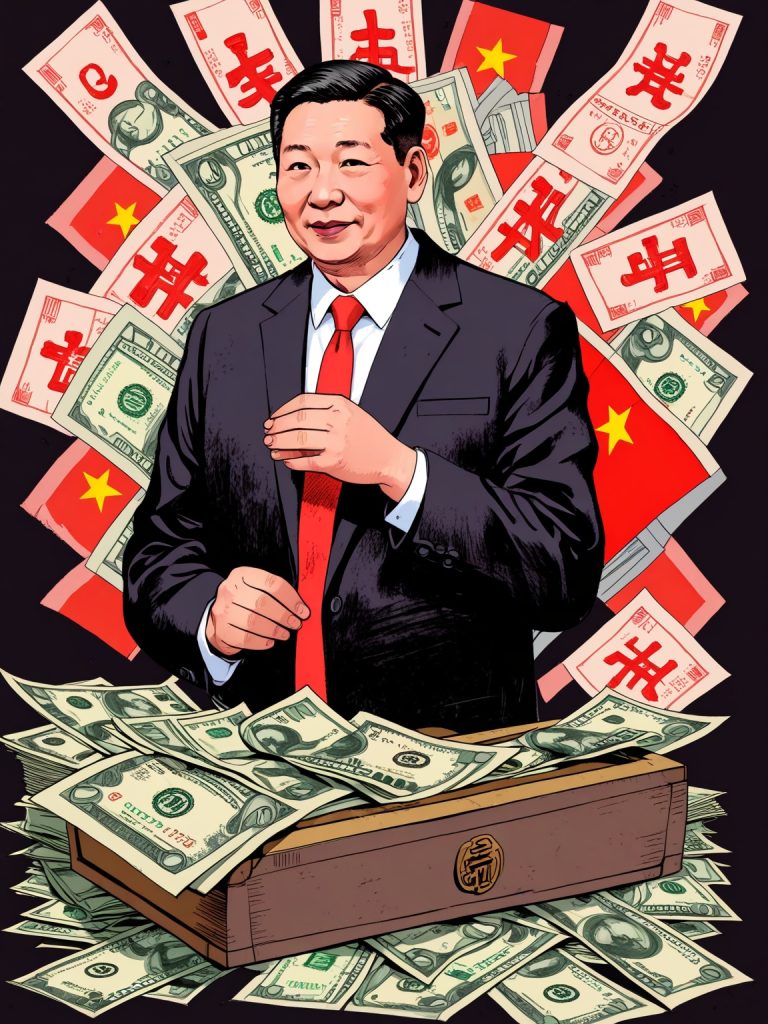
    China’s Economic Makeover: Will Xi’s Small Fixes Bring Big Changes?

    China’s economic makeover is underway, a sartorial wave of policy tweaks and strategic shifts. But is this a mere cosmetic change, or a fundamental overhaul? Xi Jinping, the maestro of this economic orchestra, has conducted a series of interest rate cuts and other subtle adjustments. Yet, the question remains: will these small fixes be enough to bring about big changes?

    Think of China’s economy as a patient in need of a facelift. While the occasional Botox injection might smooth out some wrinkles, a more invasive procedure is often required for a truly transformative result. Xi’s policies, like those subtle injections, might offer temporary relief, but can they address the underlying structural issues?

    Or perhaps we should consider China’s economy as a puzzle. The pieces are scattered, and the image is incomplete. Xi’s policies might be the missing pieces, but are they the right ones? Will they fit together seamlessly to create a beautiful, coherent picture?

    The stakes are high. China’s economic health affects not only its own citizens but the global economy as well. A successful makeover could lead to a more prosperous and stable world. But a botched job could have far-reaching consequences. So, let’s buckle up and see if Xi’s small fixes can bring about big changes, or if China’s economic makeover is destined to be a fashion faux pas.

    TL;DR

    • Xi Jinping’s late intervention: The Chinese government has finally implemented stimulus measures to address the economic downturn.
    • Focus on stability: The government’s primary goal is to stabilize the financial system and prevent a more severe crisis.
    • Limited stimulus: The scale of the stimulus is relatively small compared to previous crises.
    • Centralized decision-making: Xi Jinping’s centralized control can lead to unpredictable policy shifts.
    • Property market challenges: The real estate sector remains a major concern for the Chinese economy.

    So, China’s economy isn’t exactly thriving. In fact, last month, it seemed like things were sinking deeper into trouble. But guess what? After dodging calls for action for two years, Xi Jinping finally decided to step in. However, don’t get too excited just yet—he didn’t exactly go all out. Xi gave the green light for some interest-rate cuts and other economic tweaks, but he’s still got one eye on keeping things in line with his bigger vision for China’s future.

    Now, before we dive into what this means, let’s talk about what Xi didn’t do. He didn’t just open the vaults and let his economic team go wild. No, he had conditions. His goal wasn’t to pump up demand like there’s no tomorrow. Instead, he’s focused on bailing out local governments on the brink of collapse and doing just enough to stabilize the stock market. Oh, and all this while staying laser-focused on making China a global tech and industrial powerhouse. You know, small stuff.

    A Roller-Coaster of Expectations

    Here’s where things get fun—or confusing, depending on how much you love economic unpredictability. The initial reaction to the central bank’s moves was all positive. Investors saw those rate cuts and other measures and thought, “Yes, finally, some action!” But hold on. Just when the excitement was building, other government agencies came in with less-than-thrilling news conferences. No big, bold plans. Just more of the same: cautious, incremental changes.

    It’s like promising your kid a massive birthday party but then only serving cupcakes and lukewarm punch. Sure, there’s something, but it’s not exactly the blowout everyone was hoping for.

    Investors, both in and outside China, were left scratching their heads. They had been hoping for a massive stimulus package like the one Beijing rolled out during the 2008 global financial crisis. Instead, they got what Beijing cheerfully called “a package of incremental policies.” Translation: “We’ll help, but don’t expect a miracle.”

    The Xi Factor: Centralized Decision-Making

    One of the key reasons behind the confusion? Xi Jinping’s approach to running the country. His centralization of decision-making has created a level of unpredictability in Beijing’s economic policies that would give even the calmest investor heart palpitations. Xi is playing the long game, focusing on protecting China from perceived foreign threats and keeping the state in control of industrial transformation. But all this centralization makes it hard for anyone to predict when—or if—real help is coming.

    Economists have been banging on the door, asking for China to shift its focus from manufacturing to household consumption. So far? Those calls are mostly going unanswered. The policies we’re seeing are all about propping up the backbone of the economy—local governments and big banks—rather than getting money into the hands of everyday citizens.

    Property Market Troubles & Some Mortgage Relief

    Okay, so what about the average Chinese family? There’s been a little relief in the form of reduced mortgage rates, which could save homeowners about 150 billion yuan (around $21 billion). But here’s the thing—$21 billion is pocket change compared to the trillions of dollars in household consumption. So, while it’s nice, it’s not exactly the life raft the economy needs.

    Xi’s Sudden Shift: Better Late Than Never?

    Remember the strict Covid restrictions that kept China isolated for two years? In late 2022, Xi scrapped those in a hurry after protests broke out in major cities. The quick reversal left hospitals overwhelmed, but the economy finally had a chance to start recovering. Similarly, Xi’s shift in economic policy this September was abrupt, catching some people off guard.

    After months of dithering, it became obvious that the economy was in worse shape than anyone wanted to admit. Real estate was crumbling, job prospects for young people were grim, and the stock market was heading toward a fourth straight year of losses. Local governments were even struggling to pay civil servants and contractors.

    At that point, Xi had no choice but to act.

    My Two Cents: Is This Enough to Save the Day?

    So, here’s where we stand: Xi’s late September interventions might stop the bleeding, but they’re more of a Band-Aid than a cure. China’s economy isn’t just dealing with short-term issues; there are deeper problems that need to be addressed. While some people are celebrating the recent rate cuts and policy changes, others are skeptical that they’ll be enough.

    From where I’m sitting, what’s really needed is a shift in focus. Xi and his team are so determined to protect state industries and keep control over the economy that they’re neglecting a vital piece of the puzzle: household consumption. You can prop up banks and local governments all you want, but if people aren’t spending, you’re not going to see real growth.

    Also, this lack of transparency and predictability isn’t doing China any favors. Investors hate uncertainty, and right now, investing in China feels more like a guessing game than a sound financial decision. “What will Xi do next?” is not the kind of question you want to be asking if you’re pouring money into a country’s economy.

    The “Uncle Xi” Stock Market Roller-Coaster

    Speaking of investors, remember the “Uncle Xi bull market” of 2015? Back then, government-backed stock market enthusiasm led to a major rally, only to end in a crash. Some are worried we might see a repeat of that situation. Xi’s recent policies have sparked a flurry of stock trading, but will the gains hold? Or are we heading toward another collapse?

    For now, investors are hanging on to every word coming out of Beijing, hoping for clearer signs of more significant stimulus measures. But so far, the messages from China’s leaders have been vague at best.

    “The economy feels like it’s teetering on the edge, but I’m not convinced Xi’s small adjustments will make the difference we need. It’s like trying to stop a sinking ship with a bucket. Sure, they’re doing something, but is it enough to fix the real problems beneath the surface? We need a more direct focus on the people, not just the big industries.” – Emily Zhang, 32, Shanghai, China.

    What’s Next for China?

    So, what’s the endgame here? Well, the truth is, China still has a long way to go before it fully recovers. The central government is trying to stabilize the financial system by offering liquidity to local governments and non-bank financial institutions. That’s a good start. But without bigger steps to boost consumer confidence and spending, these efforts might not be enough.

    And let’s not forget the real-estate mess. China’s property market is in bad shape, and the recent easing efforts won’t fix the underlying issues. Until those are addressed, local governments will continue to struggle, and the economy won’t get the boost it needs.

    Conclusion: The Need for a Pivot

    At the end of the day, China’s economic troubles won’t be solved by a few rate cuts and promises of liquidity. What’s needed is a fundamental shift in focus—from state-led industrial policy to supporting household consumption. Until that happens, the country’s economic recovery will be slow, uncertain, and fraught with risk.

    Xi Jinping might have finally made a move, but it’s going to take more than incremental changes to get China back on track. And until then, investors, economists, and everyday Chinese citizens will be left wondering when—or if—real help is coming.

    Manoj Bhargava: From Monk to Multimillionaire

    0

    Imagine a man who traded meditation for millions, who swapped monk robes for boardroom suits. A man whose life story reads like a script for a surreal comedy-drama. This is Manoj Bhargava, the enigmatic entrepreneur whose journey from spiritual seeker to energy drink mogul is nothing short of extraordinary.

    From the serene ashrams of India to the bustling boardrooms of America, Bhargava’s life has been a whirlwind of contradictions. He’s a man who found enlightenment in the quietude of meditation, yet built a fortune on the frenetic energy of caffeine. He’s a philanthropist who donated millions to charity, yet faced accusations of tax evasion.

    TL;DR

    • Manoj Bhargava is a billionaire entrepreneur who founded 5-Hour Energy.
    • He had a spiritual journey in India before becoming a successful businessman.
    • Bhargava has donated millions to charity but has also faced allegations of tax evasion.
    • The IRS and Senate Finance Committee are investigating his tax practices.
    • Bhargava’s story raises questions about the responsibilities of billionaires and the complexities of modern business.

    Ah, the life of a billionaire. You’d think with all that money, you’d have fewer headaches, right? Not for Manoj Bhargava, the 5-Hour Energy mogul who’s gone from a Princeton dropout seeking enlightenment in India to a tax authority’s favorite case study. Let’s dive into the intriguing twists and turns of Bhargava’s rise—and the IRS’s not-so-fun response to his philanthropic endeavors.

    A Dropout’s Quest for Enlightenment

    Manoj Bhargava dropped out of Princeton in the 1970s to chase something a little more… spiritual. Off he went to India, trading textbooks for monk robes. He lived among ashrams, getting cozy with the family of a famous guru, Hans Ram Singh Rawat, who was known for his blend of meditation and mystical teachings. Imagine the scene—flower power, hippie vibes, and spiritual seekers galore. This was Bhargava’s world for over a decade, living as a monk and learning life lessons that would eventually shape his business empire. But enlightenment can only take you so far. Money, it seems, was still part of the grand plan.

    From Caffeine to Millions: 5-Hour Energy’s Rocket to Success

    Fast forward a bit, and Bhargava made his way back to the U.S., where he traded meditation for money-making. After dabbling in chemical solutions for runs in ladies’ nylons and stress treatments (quite the resume), he struck gold—or rather, caffeine. In the mid-2000s, Bhargava hit the jackpot with his concoction of a highly concentrated 2-ounce energy shot—5-Hour Energy. It became an instant hit, beloved by truck drivers, college students, and anyone else who needed a quick jolt to power through the day.

    Sales soared, and soon Bhargava found himself swimming in cash—hundreds of millions, in fact. But with great wealth comes great responsibility, right? Or, in this case, great scrutiny.

    The Robin Hood Complex… or Not?

    Here’s where things get a bit messy. Bhargava, now swimming in billions (yes, with a “B”), decided to play the role of a modern-day Robin Hood. He had a “zero-profit” business model—or so he said—where he took money from the rich and funneled it to the poor. Sounds noble, right? He started giving hundreds of millions to charity, much of it funneled through his guru’s family. He even built a lab near Detroit to churn out inventions like stationary bikes that could produce electricity for those in need. But the IRS wasn’t impressed.

    Now, before you whip out your sympathy cards, let’s remember that Bhargava didn’t just donate his money. No, he donated his $624 million stake in his energy drink company to charity and then promptly bought it back with an IOU. Control? Never lost it. The IRS, naturally, called foul and launched a civil tax case, followed by a criminal investigation. Not exactly the kind of attention a billionaire wants.

    The Guru’s Family and Swiss Accounts

    Oh, but it doesn’t stop there. Bhargava didn’t act alone—enter Indu Rawat, a Canadian citizen and daughter-in-law of the same guru whose teachings Bhargava had followed in India. She’s been called the figurehead behind his charitable giving, which, according to authorities, was designed to shield wealth from Uncle Sam’s prying hands. Tax filings, Swiss bank accounts, the Senate Finance Committee—there’s no shortage of drama here.

    And just when you think Bhargava’s story couldn’t get more complex, the Senate alleges that Rawat helped hide additional wealth from U.S. taxes. One of the main banks involved, Pictet (a Swiss institution that sounds like it belongs in a spy novel), even admitted to helping the super-rich dodge taxes.

    Bhargava’s Response: No Good Deed Goes Unpunished

    In true billionaire style, Bhargava’s response to all of this? “We feed almost a million poor kids a day,” he said after the IRS dropped their allegations. Oh, and a quick reminder from Bhargava: “No good deed goes unpunished.” It’s almost as if he was expecting this all along.

    My Point of View: Is Bhargava Really a Robin Hood?

    Okay, here’s where I weigh in. Bhargava’s story is fascinating, sure. He’s the guy who made it big with caffeine and decided to give back in his own unique way. But when you’re worth billions and start playing around with IOUs and Swiss bank accounts, it’s hard not to raise an eyebrow.

    On one hand, he’s built hospitals, fed kids, and created inventions to help those in need. That’s all amazing. On the other hand, manipulating the tax system to maximize your “charitable” giving? That’s not exactly something you see on the list of virtues. So, is Bhargava a Robin Hood or a billionaire trying to skirt the rules? Maybe both. After all, it’s 2024—nothing is black and white anymore.

    IRS Cracks Down on Billionaire Tactics

    The IRS has made no secret about its ongoing crackdown on billionaires using charitable donations and “creative accounting” to evade taxes. Bhargava’s case is just one in a growing list of high-profile billionaires feeling the heat. Robert Brockman, anyone? Or how about private-equity boss Robert Smith? The IRS is hot on the trail, and Bhargava is simply their latest trophy case.

    In fact, Bhargava’s tax tactics were so eyebrow-raising that the Senate Finance Committee felt the need to weigh in, saying he might face some of the largest penalties in U.S. history. Talk about making a splash.

    The Bigger Picture: Are Billionaires Above the Law?

    The broader question here isn’t just about Bhargava; it’s about the world’s wealthiest getting away with moves that would land any of us regular folks in a world of trouble. Bhargava, through a blend of philanthropy and financial wizardry, seems to have mastered the art of dodging Uncle Sam—at least until now.

    The rise of investigative pressures on Swiss banks and other offshore wealth havens means that more of these billionaire moves are coming into the light. The days of hiding assets are dwindling, and Bhargava might just be an example of the consequences of trying to play both sides of the system.

    Good Intentions, Shaky Execution

    Manoj Bhargava’s story is a mix of inspiring generosity and eyebrow-raising financial maneuvering. He’s done incredible work helping the poor in India, but it seems like his tax strategy might not be as noble as his charitable intentions. As the IRS and Senate probe deeper, it will be interesting to see how this all plays out for a man who claims he’s just trying to do good.

    But let’s be real: when you’re worth billions, helping the poor doesn’t always mean you get a free pass from the taxman.

    A Virtuous Business: What We Learned So Far…

    A Virtuous Business – a phrase that, on the surface, might evoke images of wholesome, morally upright ventures. But as we’ve delved into this unconventional tale of female empowerment and entrepreneurial spirit, we’ve discovered a far more nuanced and intriguing story.

    This “virtuous business” is not just about selling lingerie and adult toys; it’s about challenging societal norms, breaking free from expectations, and finding personal fulfillment. It’s a business built on courage, friendship, and a whole lot of unexpected lessons.

    TL;DR

    • Challenge societal norms: Break free from expectations and pursue your dreams, even if they seem unconventional.
    • Embrace friendship: Build strong connections with like-minded individuals who support and encourage you.
    • Find personal fulfillment: Seek happiness and satisfaction in your own life, rather than relying on external validation.
    • Overcome adversity: Persist through challenges and setbacks, and use them as opportunities for growth.
    • Find humor in unexpected places: Laughter can be a powerful tool for coping with difficult situations and maintaining a positive outlook.

    Who knew selling adult toys and lingerie in a conservative 1990s village would become the hottest business venture? A Virtuous Business brings a lot more than just humor to the table—it dishes out life lessons that will have you both laughing and thinking. I’m here to break down how these women’s entrepreneurial journey can teach us all a thing or two about finding autonomy in the most unconventional ways.

    With the transition from taboo to empowerment, these women shook up their small town, turning societal judgment into success. And I’ll be honest, their journey is as wild as it is heartwarming. Let’s dig into what makes this drama an absolute must-watch, filled with life lessons and the occasional face-palm moment.

    “The concept of running a business with virtue seems so rare these days, but it makes so much sense. If more companies prioritized honesty, fairness, and integrity over quick profits, we’d probably see better relationships between businesses and their customers. It feels like we’re at a point where people are craving authenticity, and that’s where true success lies.” – Sarah Linden, 32, Portland, Oregon

    The Backdrop: Small Town, Big Problems

    We start in 1992, in the sleepy village of Geumje. Picture this: women are expected to play their roles as dutiful wives and mothers, not daring to rock the boat. But who wants to live that predictable life? Enter four very different women, each fed up with the limits imposed on them. They decide to break free from society’s grip by starting an unexpected business—selling lingerie and adult toys. Scandalous? Absolutely. Necessary? You bet.

    Their stories serve as prime examples of how life sometimes forces us to make tough, yet empowering choices. But unlike the average inspirational story, this one comes with thongs, vibrators, and a whole lot of humor.

    Episode Breakdown (1-2): Finding Autonomy in Unexpected Places

    The show kicks off with a bang—literally. We’re introduced to four very different women:

    1. Han Jung-sook: The perfect wife and mother who’s stuck cleaning up after her deadbeat husband, Kwon Sung-soo.
    2. Oh Geum-hee: A rich housewife bored out of her mind, longing for a life that’s more than just silent afternoons and scolding her absentee husband.
    3. Seo Young-bok: A lively mother of four, juggling a chaotic family life, but still determined to make her mark.
    4. Lee Ju-ri: A single mom who owns a hair salon and refuses to let societal norms dictate her life. Ju-ri is bold, unapologetic, and the ultimate girl boss.

    Now, the beauty of this series isn’t just in the humor (although there’s plenty), but in the nuanced way it shows how these women slowly build their confidence and take charge of their lives. It’s one thing to watch women talk about empowerment; it’s another to see them tackle a deeply taboo industry head-on.

    But let’s not pretend it’s smooth sailing. When Jung-sook and Young-bok host their first lingerie party, it’s a disaster. Imagine rural Korean women trying to figure out what a bedazzled thong is for, or mistaking a vibrator for a garlic grinder. Hilarity ensues.

    Life Lesson #1: Own Your Decisions—Even the Awkward Ones

    Transitioning from conservative housewives to adult-toy saleswomen wasn’t easy for Jung-sook and her gang, and it won’t be for anyone trying to make bold choices. But here’s where the life lesson comes in: sometimes, the best decisions come with a side of embarrassment. Whether it’s explaining lingerie to confused ajummas or covering your tracks when the cops raid your party (yes, that happens), the key is to keep going. Failure isn’t a reason to quit; it’s part of the process.

    Confidence Grows in Strangest of Places

    Here’s my take: if selling vibrators in a conservative town isn’t the epitome of “fake it till you make it,” then I don’t know what is. These women didn’t start out confident, but they became bolder with every awkward encounter and judgmental glance. And that’s exactly how confidence works—one step, or in their case, one sales pitch at a time.

    What’s refreshing here is the portrayal of empowerment as messy, sometimes awkward, but ultimately rewarding. You don’t need to have all your ducks in a row to start taking charge of your life. In fact, if you’re waiting for perfection, you’ll never begin.

    Life Lesson #2: Friendships Are Built Through Struggles

    Let’s talk about the friendships in A Virtuous Business. While selling adult products might be the last thing on your list of bonding activities, it’s through this business that these women forge unbreakable connections. Jung-sook, Geum-hee, Young-bok, and Ju-ri may start off as unlikely partners, but by the end of Episode 2, their bond is unshakable.

    It’s not just about business for these ladies—it’s about supporting each other through messy marriages, infidelities, and societal judgment. That’s real friendship. Whether they’re dealing with overbearing husbands or judgmental neighbors, they’ve got each other’s backs.

    And let’s be honest, Ju-ri, with her no-nonsense attitude, is the kind of friend we all need. She doesn’t sugarcoat things, and when someone criticizes her for being too “sexy,” she gives them a verbal slap-down that’s nothing short of iconic.

    Life Lesson #3: You Don’t Have to Please Everyone (Nor Should You Try)

    A significant theme in the series is the constant criticism these women face. Their husbands, the townspeople, even the police look down on their new line of work. But here’s the thing: societal judgment is inevitable, especially when you’re doing something unconventional. The key is to push through it.

    Jung-sook’s husband, for example, has the nerve to call their work prostitution, all while he’s cheating on her. Ah, the irony. By the time she catches him in the act, it’s clear: she’s put up with enough. While we haven’t seen the divorce papers yet, it’s only a matter of time.

    The Art of Letting Go

    Honestly, one of the best lessons from A Virtuous Business is the importance of letting go—whether it’s a toxic marriage or societal expectations. When you’re living for someone else’s approval, you’ll always come up short. The moment Jung-sook stops caring about what her husband thinks, she starts to thrive. And isn’t that the lesson for all of us? You can’t move forward if you’re holding on to people who are dragging you down.

    The Men in the Story: Mixed Bag, Anyone?

    Not all the men in A Virtuous Business are terrible, but let’s just say they’re… a mixed bag. You’ve got Jung-sook’s trashy husband, Sung-soo, who embodies the definition of dead weight. Then there’s Geum-hee’s husband, who’s controlling but ultimately willing to budge (once he sees her in lingerie, that is). Finally, we have Young-bok’s husband, who is surprisingly supportive, albeit a bit goofy.

    These differing dynamics add depth to the drama. It’s not just about women versus men, but rather about understanding the complexities of relationships. And while some marriages might be salvageable, others (looking at you, Sung-soo) are beyond redemption.

    My Final Thoughts: Is A Virtuous Business a Masterclass in Female Empowerment?

    In short, yes. This k-drama cleverly balances humor and heart, giving us a fresh take on female friendship, empowerment, and entrepreneurship. By Episode 2, I’m already rooting for each of these women, not just to succeed in their business but to find personal fulfillment.

    Whether it’s learning how to sell sex toys or standing up to overbearing husbands, the lessons are universal: own your decisions, value your friendships, and don’t let society dictate your worth. Oh, and maybe get yourself a Ju-ri in your life—someone who’ll remind you not to take anyone’s nonsense.