

More
    Home Blog Page 72

    McDonald’s Quarter Pounder Linked to E. Coli Outbreak: 49 Sick, 1 Dead

    0

    Once upon a time, in a land where golden arches reigned supreme and burgers were considered a national treasure, a dark cloud descended upon the happy kingdom. The culprit? Not a wicked witch or a dragon, but a humble, seemingly harmless patty known as the Quarter Pounder.

    This beloved burger, the cornerstone of many a happy meal, had a secret side. A sinister side, if you will. Beneath its crispy exterior and juicy interior lurked a deadly threat: E. coli, a bacterium so insidious it could turn a simple meal into a nightmare.

    TL;DR

    • Food safety is paramount: The E. coli outbreak highlights the importance of rigorous food safety practices throughout the food supply chain.
    • Contamination can occur anywhere: Even popular and well-established brands can be affected by foodborne illnesses.
    • Be aware of symptoms: If you experience symptoms such as stomach cramps, diarrhea, or vomiting after consuming food, seek medical attention.
    • Prevent future outbreaks: Support efforts to improve food safety regulations and educate consumers about proper food handling.
    • Choose your food wisely: Be mindful of the sources and preparation of your food, especially when dining out.

    McDonald’s Quarter Pounder E. Coli Outbreak: What Went Wrong?

    McDonald’s might be known for its golden arches and comforting fast food, but lately, there’s been a bit of a storm cloud hovering over their signature Quarter Pounder. According to the Centers for Disease Control and Prevention (CDC), at least 49 people have been sickened, and one person has tragically died, all thanks to an E. coli outbreak linked to the Quarter Pounder hamburgers.

    Now, E. coli isn’t something you want on your plate, let alone in your burger. This bacterial infection can cause stomach cramps, diarrhea, and even more severe issues like kidney failure. Not exactly what you’d expect when grabbing a quick bite at McDonald’s. But let’s dive into the juicy details, shall we?

    AspectDetails
    What It IsA type of bacteria found in the intestines of humans and animals.
    Common StrainsEnterohemorrhagic E. coli (EHEC), Enterotoxigenic E. coli (ETEC).
    TransmissionContaminated food or water, contact with infected individuals or animals.
    SymptomsStomach cramps, diarrhea (often bloody), vomiting, and fever.
    Serious ComplicationsHemolytic uremic syndrome (HUS), kidney failure, and dehydration.
    At-Risk GroupsYoung children, older adults, and those with weakened immune systems.
    PreventionCook meat thoroughly, wash hands and fruits/vegetables, avoid unpasteurized dairy.
    TreatmentHydration and rest; antibiotics are generally not recommended.

    The Numbers Speak (And They’re Not Pretty)

    So far, the CDC has reported illnesses across 10 states, with Colorado and Nebraska being hit the hardest. Out of the 49 people affected, 10 have been hospitalized. To make matters worse, this outbreak has already claimed the life of an older adult in Colorado. The median age of those affected is 26, but the age range is wide, from 13 to 88. It seems no one is immune to the effects of a contaminated Quarter Pounder.

    The Onion in the Room

    Interestingly, the culprit behind this E. coli outbreak may not be the beef itself but the onions. Yes, onions. McDonald’s has identified slivered onions used in their Quarter Pounders as a potential source of the contamination. These onions were supplied by a single source serving three distribution centers. As a precaution, McDonald’s has paused the distribution of slivered onions in affected areas and instructed local restaurants to remove them from their kitchens.

    But that’s not all. McDonald’s has also temporarily pulled the Quarter Pounder from restaurants in multiple states, including Colorado, Kansas, Utah, and Wyoming. A few other states, such as Idaho, Iowa, Missouri, Montana, and Nebraska, have seen this iconic burger yanked off the menu in some locations too.

    “We’ve Got Your Back,” Says McDonald’s (But Do They?)

    In a video statement, McDonald’s USA President Joe Erlinger reassured the public, saying, “At McDonald’s, you can count on us to do the right thing.” Okay, Joe. I guess removing the slivered onions and pulling the Quarter Pounder from restaurants is a step in the right direction. But it does raise the question: why did this happen in the first place?

    McDonald’s has long touted its rigorous supply chain and food safety standards, and outbreaks like this are supposed to be a rare occurrence. Other fast-food giants like Wendy’s and Chipotle have dealt with foodborne illness outbreaks in the past, but McDonald’s has typically kept a cleaner record. Maybe it was just a matter of time before they joined the club?

    Across the McDonald’s System, serving customers safely in every single restaurant, each and every day, is our top priority and something we’ll never compromise on.
    It is why we are taking swift and decisive action following an E. Coli outbreak in certain states. The initial findings from the investigation indicate that a subset of illnesses may be linked to slivered onions used in the Quarter Pounder and sourced by a single supplier that serves three distribution centers. As a result, and in line with our safety protocols, all local restaurants have been instructed to remove this product from their supply and we have paused the distribution of all slivered onions in the impacted area.
    Out of an abundance of caution, we are also temporarily removing the Quarter Pounder from restaurants in the impacted area, including Colorado, Kansas, Utah and Wyoming, as well as portions of Idaho, Iowa, Missouri, Montana, Nebraska, Nevada, New Mexico, and Oklahoma. We take food safety extremely seriously and it’s the right thing to do. Impacted restaurants are receiving a stock recovery notice today and should reach out to their field supply chain manager or distribution center with any questions.
    We are working in close partnership with our suppliers to replenish supply for the Quarter Pounder in the coming weeks (timing will vary by local market). In the meantime, all other menu items, including other beef products (including the Cheeseburger, Hamburger, Big Mac, McDouble and the Double Cheeseburger) are unaffected and available. We will continue to work with the Centers for Disease Control and Prevention (CDC) and are committed to providing timely updates as we restore our full menu.

    McDonald’s North America chief supply chain officer Cesar Piña

    Fast-Food Frenzy: What’s the Real Cost?

    This outbreak comes at a tricky time for McDonald’s. The fast-food giant has already seen its U.S. business slow down in 2023. In fact, the company reported its first drop in quarterly same-store sales since 2020’s COVID-19 pandemic. Inflation-weary customers aren’t flocking to the golden arches like they used to, and McDonald’s is scrambling to win them back. Offering more “value” options, like their extended $5 meal deal, is one way they’re trying to lure in the penny-pinchers.

    The introduction of new items like the Chicken Big Mac (yes, that’s a thing now) is helping to boost sales. But here’s the thing: an E. coli outbreak tied to one of your most beloved menu items isn’t exactly the kind of marketing you want. I’m not saying it’s a PR disaster, but it certainly doesn’t help the whole “value” argument when your burger comes with a side of bacteria.

    The Bigger Picture: E. Coli in the U.S.

    Let’s not forget that foodborne illnesses like E. coli aren’t just a McDonald’s problem. According to the CDC, around 266,000 Americans are sickened by Shiga toxin-producing E. coli (the type involved in this outbreak) each year. That leads to about 3,700 hospitalizations and around 30 deaths annually. So, in the grand scheme of things, this McDonald’s outbreak is just a drop in the bucket. But it’s a drop that hits hard when it’s your favorite burger being pulled off the menu.

    Lessons from Chipotle: Food Safety Woes Stick Around

    If there’s one company that knows the long-term effects of food safety missteps, it’s Chipotle. Between 2015 and 2018, the burrito chain suffered a series of foodborne illness outbreaks, sickening hundreds. It took Chipotle years to win back the trust of their customers. In fact, they had to completely overhaul their food safety practices. They even paid $25 million to settle criminal charges related to those outbreaks.

    So, what can McDonald’s learn from Chipotle’s fiasco? For starters, transparency is key. The more McDonald’s shares about what caused the outbreak and how they’re fixing it, the better. Secondly, swift action is crucial. Pulling the Quarter Pounder from affected states and halting the distribution of slivered onions is a good start, but how they handle this situation in the long term will be the real test.

    “The idea that a Quarter Pounder could land someone in the hospital—or worse, in a coffin—is just wild to me. I’ve eaten those burgers for years, and now I’m paranoid about what’s lurking in the onions. Can we ever trust fast food again? Or are we all just playing burger roulette?” – Sarah Thompson, 34, Denver, Colorado

    My Take on the Whole Situation

    In situations like this, it’s easy to point fingers and throw around blame, but let’s not forget that food safety is a complicated beast. While McDonald’s definitely needs to own up to their mistakes (slivered onions, really?), we also need to recognize that these kinds of outbreaks are often out of a company’s control. Supply chains are long, complex, and sometimes prone to contamination despite the best efforts of those involved.

    That being said, McDonald’s should take a page from Chipotle’s book and seriously beef up their food safety protocols. Pun intended. It’s also a good time for the company to rethink how they communicate with their customers. Saying “we’ll do the right thing” is great, but actions speak louder than words. In an era where transparency is key, McDonald’s needs to be clear, concise, and proactive in addressing this issue.

    What Should You Do?

    If you live in one of the affected states and are a fan of the Quarter Pounder, maybe take a break from that menu item for a while. The CDC suggests that anyone experiencing E. coli symptoms such as stomach cramps, diarrhea, or vomiting should seek medical attention, especially if symptoms worsen. And remember, E. coli can cause serious complications like hemolytic uremic syndrome, so it’s better to be safe than sorry.

    In the meantime, McDonald’s will have to play damage control, and the rest of us will be left wondering how one of the biggest fast-food chains in the world ended up with contaminated onions on their burgers. And here’s hoping the next time you head to McDonald’s, the biggest surprise will be an extra nugget in your order, not a side of E. coli.
    Apple’s Bold Move: Slashing iPhone 16 Prices for China’s Singles’ Day

    0

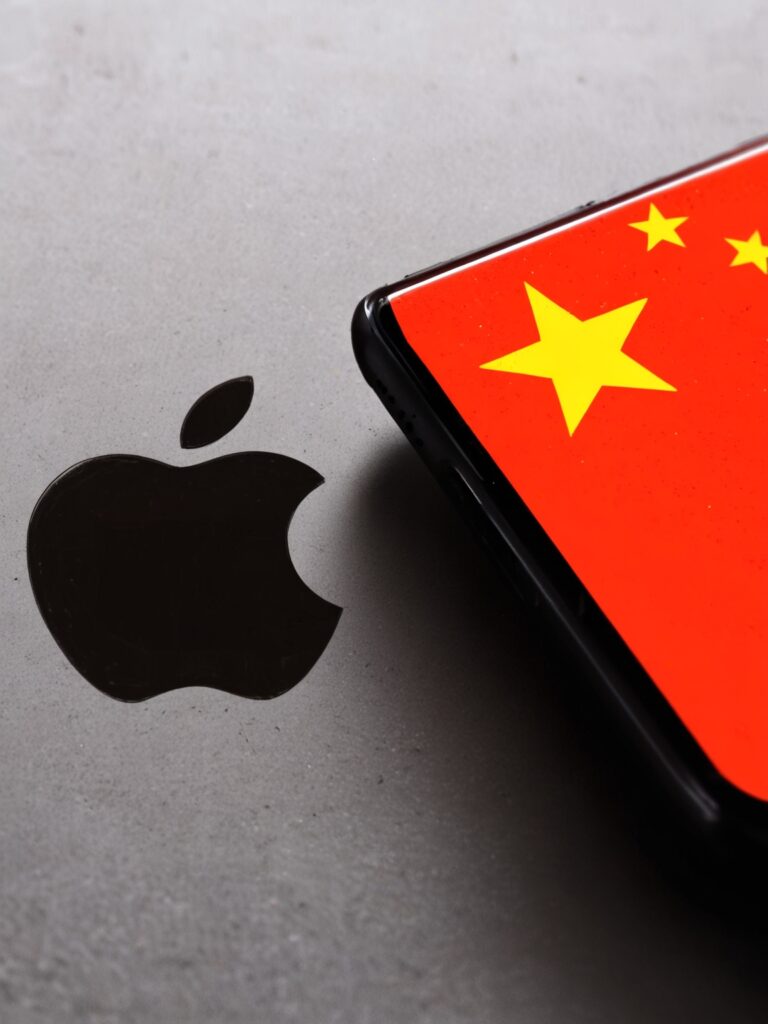
    Apple, the iconic tech titan known for its premium products and unwavering pricing, has taken an unexpected bite out of its own apple. Just in time for China’s Singles’ Day, the annual shopping extravaganza, the company has slashed prices on its latest iPhone 16 models. This bold move has sent ripples through the tech world, leaving many to ponder: is Apple finally succumbing to market pressures, or is it simply playing a clever game of strategy?

    The iPhone, once a symbol of luxury and exclusivity, is now being offered at a discount. It’s like a high-end designer brand suddenly having a warehouse sale. Is this a sign of desperation, or a strategic move to capture a larger market share? Some might say it’s a classic case of “cutting the price to make a sale,” but others might argue that it’s a bold gamble to attract new customers and solidify Apple’s position in the competitive Chinese market.

    TL;DR

    • Apple has surprisingly lowered the price of the iPhone 16 in China for Singles’ Day.
    • This is a significant departure from Apple’s usual pricing strategy.
    • The price cut could be a response to increased competition from Huawei.
    • It remains to be seen if this is a temporary move or a permanent shift in Apple’s strategy.

    Apple’s iPhone 16 Price Cut: A Bold Move or Desperation?

    We all know Apple’s playbook: sleek designs, top-tier technology, and of course, prices that make your wallet weep a little. But this year, something feels different. In a move that could either be a savvy strategy or a sign of trouble, Apple has slashed the prices of its newly released iPhone 16 models. Yep, you read that right! Fresh off the production line, and already, the latest iPhones are on sale. Let’s dive into this head-scratcher of a situation.

    Singles’ Day Surprise

    Apple has joined the Singles’ Day shopping extravaganza in China by offering discounts that will make consumers double-take. For the first time, Apple has decided to cut the price of its brand-new iPhone 16 models—yes, the ones that just hit the shelves last month. This aggressive price drop is being dangled in front of buyers starting Monday evening on Apple’s official Tmall store.

    The iPhone 16 models are now eligible for a 500-yuan discount, bringing the price of the base model down to 5,499 yuan (about $755), while the top-tier iPhone 16 Pro Max now starts at 9,499 yuan. If that isn’t enough to tempt you, they’re throwing in a one-year Apple Care service for free. Not done yet! Add in a trade-in discount of up to 1,100 yuan, and you’re looking at a potential total savings of 1,600 yuan (roughly $225). For Apple, known for its iron-fisted control over pricing, this move is, to say the least, eyebrow-raising.

    But that’s not all! Major e-commerce players like JD.com and Pinduoduo are also offering similar discounts. Clearly, the competition in the Chinese market has reached boiling point.

    Apple and Discounts: Strange Bedfellows

    Let’s be honest. Apple isn’t known for handing out discounts like candy. So why now, and why so soon? After all, we’re talking about the iPhone 16, the latest in their line of flagship phones. Cutting prices this quickly feels more like a Black Friday sale than Apple’s typical pricing strategy. And this isn’t just a one-time thing. It’s happening across all major Chinese e-commerce platforms. So, what gives?

    In a country where Huawei’s Mate and Pura series have started chipping away at Apple’s dominance, the price cuts seem like a direct counterpunch to fend off competition. Apple’s not losing its grip just yet—far from it. In fact, early sales data from Counterpoint shows that the iPhone 16 has seen a 20% increase in year-on-year sales compared to the previous model during its first three weeks. But there’s a catch: while iPhone 16 sales are rising, the overall sales of iPhones in China have dropped by 2%. The reason? Declining interest in older models and Huawei’s increasingly popular lineup.

    The Chinese Smartphone Battleground

    The smartphone market in China is, to put it mildly, cutthroat. And it looks like Apple has realized that keeping its premium prices might not cut it anymore. The competition, especially from Huawei, has become more intense. Huawei’s Mate and Pura series are gaining traction, putting pressure on Apple to stay ahead. It’s almost as if Apple has found itself in a boxing ring with a competitor that won’t go down easily.

    Let’s not forget that Huawei has managed to stir up national pride, positioning itself as the go-to choice for those who want to support a homegrown brand. Couple that with their strong tech offerings, and it’s easy to see why Apple’s feeling the heat. In this high-stakes game, slashing iPhone prices for Singles’ Day feels like a move to win over Chinese consumers who might be tempted to switch to Huawei.

    Apple’s Playbook: A Shift in Strategy?

    Now, some might argue that this is Apple simply adjusting to market realities. After all, China is a massive, lucrative market. But it’s not often that we see Apple resort to discounts, especially for a product that’s been out for just over a month. Could this be a sign of desperation? Or maybe, just maybe, Apple’s trying out a new playbook where keeping pace with competitors is more important than preserving their premium image.

    In years past, Apple would hold out as long as possible before offering discounts, relying on the “must-have” factor of its new devices. But with Huawei and other Chinese smartphone makers nipping at its heels, the luxury of time may no longer be on Apple’s side.

    “Honestly, I didn’t see this coming from Apple. I mean, I’ve always admired the brand, but the prices? Yikes. When I saw they slashed the iPhone 16 price for Singles’ Day, I was tempted to check if it was an April Fools’ joke. As someone who holds onto their phone for years to avoid the ‘new phone, new kidney’ situation, this is kind of refreshing. But at the same time, it makes me wonder if Apple is losing its edge in China. If they’re discounting this fast, what’s really going on behind the scenes?” – Lina Zhang, 29, Beijing

    My Take: Is This Discount a Win for Consumers or a Red Flag?

    Let’s put aside the shiny discounts for a second and think this through. On the surface, a 1,600-yuan discount sounds like a sweet deal. Who wouldn’t want to save a chunk of change on a brand-new iPhone? But, from Apple’s perspective, this feels like a departure from their usual swagger. Normally, Apple waits until a product’s been out for a while before easing up on prices. Offering discounts this early? That’s a big deal. And it raises questions about how the company is really doing in China.

    From a consumer point of view, though, this could be a big win. Especially if you were already eyeing the iPhone 16. Grabbing a high-end smartphone for a fraction of the price doesn’t happen every day. But as a longtime Apple watcher, I have to wonder: is this a one-time thing, or are we witnessing a fundamental shift in Apple’s pricing strategy?

    And what does it say about the brand if they feel the need to cut prices so quickly? Could this be a sign that even the mighty Apple is feeling vulnerable in the world’s most competitive smartphone market?

    What’s Next for Apple in China?

    With competition from Huawei and other brands growing fiercer by the day, Apple has two options: continue slashing prices to stay competitive, or lean into what’s made it a global giant in the first place—premium products that come with a premium price. Sure, price cuts may win them a few battles, but will it win them the war?

    For now, it’s a waiting game to see if this price cut is a one-off or part of a larger shift in Apple’s approach to the Chinese market. Whatever the case, this move has certainly shaken things up, and for consumers, that’s always a good thing.

    Key Takeaways:

    1. Apple’s offering hefty discounts on its iPhone 16 for China’s Singles’ Day, saving customers up to 1,600 yuan.
    2. This aggressive move is unusual for Apple, raising questions about its strategy in the Chinese market.
    3. The price cuts may be a direct response to increased competition from Huawei’s Mate and Pura series.
    4. Sales of the iPhone 16 are up 20% compared to last year’s model, but overall iPhone sales in China have dropped by 2%.
    5. Is Apple shifting its strategy, or are these discounts just a short-term tactic to fend off competition?

    Whether you’re a tech enthusiast or just someone looking for a good deal, Apple’s move to cut prices this early is definitely worth paying attention to. So, what do you think? Are you lining up to snag one of these discounted iPhones, or are you holding out to see what Apple does next?

    A Virtuous Business Episodes 3-4: Women, Rejection, and Resilience in the Adult Industry

    0

    In a world where “virtuous” often equates to demure and modest, A Virtuous Business boldly challenges societal norms. Episodes 3 and 4 delve into the lives of four women navigating the unconventional terrain of the adult toy and lingerie industry. These trailblazing entrepreneurs, defying the puritanical gaze of their neighbors, embody a unique brand of courage and resilience.

    As they navigate the treacherous waters of judgment and rejection, these women discover that true virtue lies not in societal conformity, but in the strength to embrace one’s choices and persevere against all odds. The episodes offer a thought-provoking exploration of female empowerment, the complexities of human relationships, and the unexpected rewards that can arise from stepping outside the boundaries of conventional morality.

    TL;DR

    • Don’t let judgment define you: Embrace your choices and don’t be afraid to step outside of societal norms.
    • Resilience is key: Even in the face of adversity, staying strong and determined can lead to unexpected rewards.
    • Relationships matter: Building supportive relationships can help you overcome challenges and achieve your goals.
    • Personal growth is a journey: Embarking on a new venture can lead to personal growth and self-discovery.
    • Success can come in unexpected forms: Sometimes the greatest rewards are not material, but rather the lessons learned and the relationships formed.

    In the 1990s, four trailblazing women defy societal norms by stepping into an industry that, let’s be honest, nobody wanted to talk about—adult toys and lingerie. Yes, you heard that right. In a time when it was still considered taboo, they sold these “controversial” products door-to-door in their neighborhood. Each of these bold women had their own personal reasons for embarking on this unconventional business path. And as expected, their experiences in dealing with the judgmental glares of their neighbors formed a bond between them that only a shared uphill battle could create.

    Despite endless rejection and judgment from the so-called “good” people around them, these ladies were not about to give up. In fact, the more resistance they faced, the more determined they became. The icing on the cake? Discovering just how much money could be made in this risky venture. Ah, nothing like a little taste of success to keep you going, right?

    Struggles and Judgement, Oh My!

    Let’s talk about Jung-sook, the woman who just can’t seem to catch a break. Not only is she dealing with neighborhood ajummas who have nothing better to do than throw shade, but she’s also the latest subject of local gossip. The rumor mill is buzzing about her husband leaving her, and—surprise, surprise—everyone blames her. Because obviously, it’s always the woman’s fault, right?

    You’d think her mother, of all people, would have her back. Nope. When she hears that Sung-soo, Jung-sook’s husband, cheated on her, instead of a comforting word, Mom adds insult to injury. She outright refuses to help care for Min-ho, her grandson, unless Jung-sook stops selling “vulgar” products. Talk about adding salt to the wound. Rejection from neighbors is one thing, but hearing that from your own mother? That hits hard.

    Thankfully, there’s one person who isn’t judging her—Do-hyun, the neighborhood’s most sensible man. He not only offers to investigate the vandalism of her home but also helps clean up the graffiti to spare her son from seeing it. Talk about chivalry. And when Do-hyun catches the culprit—a local shop owner—Jung-sook graciously agrees not to press charges as long as the man apologizes. For someone who’s been through the wringer, Jung-sook shows a surprising amount of kindness and backbone.

    But let’s be real—does the neighborhood direct their judgment toward the vandal? Of course not. According to them, it’s still all Jung-sook’s fault. Apparently, her “vulgar” choices led this poor, innocent man to commit a crime. Because, obviously, a grown man couldn’t possibly be responsible for his own actions, right?

    The Awkward Party and The Missing Child

    Just when you think things couldn’t get any worse for Jung-sook, she’s roped into hosting a home party for her cheating friend Mi-hwa—courtesy of Mi-hwa’s clueless but sweet husband, In-tae. Yes, you heard that right. Awkward doesn’t even begin to cover it, but at least Jung-sook gets to make money off Mi-hwa’s discomfort and guilt. Call it a silver lining.

    During this awkward event, things take a dramatic turn when Min-ho, Jung-sook’s son, goes missing while In-tae is supposed to be watching him. Cue a frantic search involving Jung-sook, Mi-hwa, In-tae, and Do-hyun. Even Jung-sook’s mom joins the search—though, true to form, she uses the opportunity to berate her daughter rather than offer any actual comfort. At one point, she even slaps Jung-sook, leaving a cut on her cheek. If that’s what maternal love looks like, no thanks.

    Thankfully, Min-ho is found unharmed, waiting outside his dad’s old workplace, hoping to ask the boss to rehire his father. The poor kid thinks his dad left because he needed to find work in another town. Heartbreaking doesn’t even begin to describe it. And yet, Jung-sook, like the superhero mom she is, smiles through her own heartbreak and helps her son adjust.

    Motherhood: Silent Sacrifice

    Episodes 3 and 4 showcase a recurring theme—mothers sacrificing in silence while putting on a brave face for their kids. Jung-sook does it. Her mother did it before her. Although it’s clear that Jung-sook’s mother’s harsh treatment stems from fear—fear that her daughter will end up like her—it’s still no excuse. Fear or not, treating your child like crap and failing to support them? Not cool. Eventually, they share a heart-to-heart, softening her mother’s stance. Maybe, just maybe, she’ll stop judging Jung-sook and step up to help care for Min-ho.

    Comic Relief: Enter Dong-woo

    And now, for a little comic relief: Ju-ri’s son, Dong-woo. This kid is a gem. He listens to tea ceremony radio programs to feel “classy” while sipping his hot chocolate, drops wisdom he gleans from women’s magazines, and wears glasses and suspenders like a pint-sized intellectual. I mean, how could you not love him? He and Min-ho become fast friends, with Dong-woo playing the role of the wise, long-suffering mentor despite being the same age.

    And, in a twist only a kid could deliver, Dong-woo suggests to his mom that she needs a side hustle to ease her financial stress. Naturally, Ju-ri takes his advice and joins the ranks of Fantasy Lingerie saleswomen. With a few successful parties, Ju-ri and Jung-sook rake in more money than they ever thought possible. Suddenly, they can pay their rent—and have enough left over for a few luxuries. It’s almost like winning the lottery.

    Strategy and Success: From Door-to-Door to Data-Driven

    Not content with just getting by, Jung-sook’s business brain kicks into gear. She devises a plan to gather data from potential customers through a survey. Unsurprisingly, the response rate is abysmal. In fact, the only person willing to answer is Do-hyun, who just can’t say no to her puppy-dog eyes. He’s not exactly their target demographic, but hey, at least someone’s filling out the form, right?

    Not one to give up easily, Jung-sook and her team take a new approach: they set up a booth, offering free gifts to anyone who completes the survey. At first, people are hesitant. But when Jung-sook boldly confronts the issue head-on, asking why she should be ashamed of trying to put food on the table, a few women cave in. Before long, the floodgates open, and even a couple of men join in for the freebies. It’s a smashing success.

    Do-hyun’s Secret Investigation

    While all this is happening, Do-hyun quietly continues his own investigation. He’s looking into a fire that ravaged the neighborhood 30 years ago. Leads are few and far between, but his curiosity is piqued. At the same time, his feelings for Jung-sook are becoming obvious, as evidenced by the soft smile that lights up his face whenever she’s around. Crush alert!

    In the epilogue, Do-hyun has a nightmare about the fire, with a baby crying inside a burning room. A woman rescues the baby and hands it off to a nun at a church, but her face is blurred. Do-hyun wakes up gasping. Was he the baby? Is he trying to find the woman who saved him? The mystery deepens, and we’re left with more questions than answers.

    Resilience in the Face of Adversity

    Now, let me get personal for a moment. What’s most striking about A Virtuous Business is the resilience these women show, despite overwhelming adversity. They’re judged, ostracized, and criticized for simply trying to make a living in an industry that makes people uncomfortable. Yet, they persevere. They’re not asking for approval—they’re asking for respect. And that’s something everyone, regardless of their line of work, deserves.

    The character of Jung-sook, in particular, is a testament to this resilience. She’s faced with rejection from her neighbors, betrayal from her husband, and harsh judgment from her own mother. But instead of crumbling, she stands firm. Every setback is met with determination. She’s the kind of person who turns rejection into motivation—something we could all learn from.

    Final Thoughts: A Lesson in Strength

    In the end of this K-Drama, A Virtuous Business isn’t just about four women selling adult toys. It’s about strength, perseverance, and the friendships that form when you’re up against the world. These women are fighters. And while society might be quick to judge, it’s clear that they’re going to continue pushing forward. And if there’s one thing I’ve learned from them, it’s that success comes to those who refuse to give up—no matter how tough the road might be.

    Strange ‘Beanstalk-Like Pillar’ in Thailand

    0

    Thailand just got its own taste of Jack and the Beanstalk. Well, sort of. On October 21st, locals in Ubon Ratchathani looked up to the heavens and saw something straight out of a fairy tale: a mysterious pillar shooting up into the sky. Now, before you reach for your magic beans, let’s talk about what really happened—and what everyone thinks about it.

    A Viral Spectacle: Is it Jack’s Beanstalk or God’s Pillar?

    Source: Facebook

    This curious phenomenon took social media by storm after a Facebook page shared the now-viral image. With the strange pillar set against stunning, iridescent clouds, it didn’t take long for the internet to spiral into a frenzy of wild guesses and conspiracy theories. Was this Thailand’s answer to Jack’s fabled beanstalk? Maybe. Was it some kind of divine sign, or even a glitch in the Matrix? Well, who knows? One thing’s for sure: netizens were having a field day.

    Now, here’s where things get even weirder: the photographer behind this viral sensation claims the “pillar” wasn’t even visible to the naked eye when the photo was snapped. That’s right—it only showed up on camera. Cue the sci-fi music!

    Netizens Get Creative with Theories

    As you can imagine, the internet had a lot to say. Over 2,000 likes later, the post’s comment section became a hotbed of theories, ranging from the hilarious to the somewhat plausible.

    Some cheeky netizens speculated it was Jack’s infamous beanstalk, finally making an appearance in real life. Others thought it looked like the Dragon Ball temple’s support pillar, the Bifrost from Norse mythology, or even Wukong’s magical staff.

    Source: Facebook

    “I can’t believe what I’m seeing! It’s like something straight out of a fantasy novel. I wonder if there’s a hidden kingdom at the top of that pillar, waiting to be discovered. Maybe it’s a portal to another dimension. Or maybe it’s just a really tall cloud. Either way, it’s definitely something I’ve never seen before.” – Anya, 25, Bangkok

    You’ve got to give people credit for their creativity, right? Who needs NASA when you’ve got netizens?

    A More Scientific Explanation (Maybe)

    Amid the virtual chaos, a few cooler heads tried to offer more grounded theories. One theory suggested that this mysterious pillar could’ve been the result of a large shadow cast by something on the ground. Yeah, it’s not quite as exciting as a magic beanstalk, but it makes sense—sort of.

    This isn’t the first time something like this has happened in Thailand. Back in June 2023, a similar sighting occurred when Wat Phra That Doi Suthep made a surprise appearance in the Chiang Mai sky. That event, too, sent netizens into a guessing game, but it just goes to show that strange things do happen.

    A Scientist Weighs In

    Of course, it didn’t take long for the scientific community to step into the conversation. A professor from Chulalongkorn University offered up what may be the most rational explanation: a dissipation trail, or “distrail,” caused by an aircraft flying through clouds. This theory kind of makes sense, right? But there’s a catch. The professor admitted that this type of phenomenon is usually visible to the naked eye, which leaves us scratching our heads.

    In his words, “I hope this wasn’t doctored or caused by a faulty camera.” In other words, we still don’t have a definitive answer, and honestly, isn’t that just how we like it?

    This Isn’t Japan’s Light Pillars

    If you’re thinking this sounds a bit like Japan’s mysterious light pillars, you’re not alone. Earlier this year, Japan experienced a similar phenomenon when strange pillars of light appeared in the sky. In that case, the pillars were caused by ice crystals refracting light. Beautiful, yes, but not exactly magical.

    So, could Thailand’s sky show be something similar? Maybe. But with no ice crystals in sight, that explanation seems a bit of a stretch for a country known for its tropical climate.

    My Point of View: Magic or Science?

    Now, let’s be real for a second. Do I believe in giant beanstalks or pillars supporting mythical temples? Not exactly. But hey, there’s no harm in indulging our imaginations once in a while, right? After all, the world can feel a bit dull without a touch of mystery.

    But, if I had to bet, I’d say this is more likely a camera glitch or maybe a shadow of something more mundane on the ground. It could even be some atmospheric phenomenon we don’t fully understand yet. But am I ruling out magic completely? Let’s just say that life is more fun with a little wonder, and sometimes the best explanations are the ones that leave room for the unknown.

    At the end of the day, whether it’s science or something more mystical, the fact that people are still debating it shows how much we love a good mystery. And honestly, with all the chaos in the world, maybe we need more magical pillars in the sky.

    So, What’s the Final Verdict?

    Look, we’ve seen viral mysteries come and go, but this one’s got legs—well, a pillar, at least. From wild fairy tale speculations to grounded scientific theories, this strange sight has kept us all entertained. Whether it’s a camera glitch, a shadow, or something more magical, one thing’s for sure: we’ll be talking about it for a while.

    But here’s the kicker: we may never know the truth. And isn’t that what makes these moments so special? A bit of mystery, a splash of science, and just a dash of magic. Whether you’re team “Beanstalk” or team “Distrail,” one thing’s for certain—this pillar has skyrocketed into our imaginations, and it might be there to stay.

    North Korean Troops in Russia: Odd Military Friendship

    0

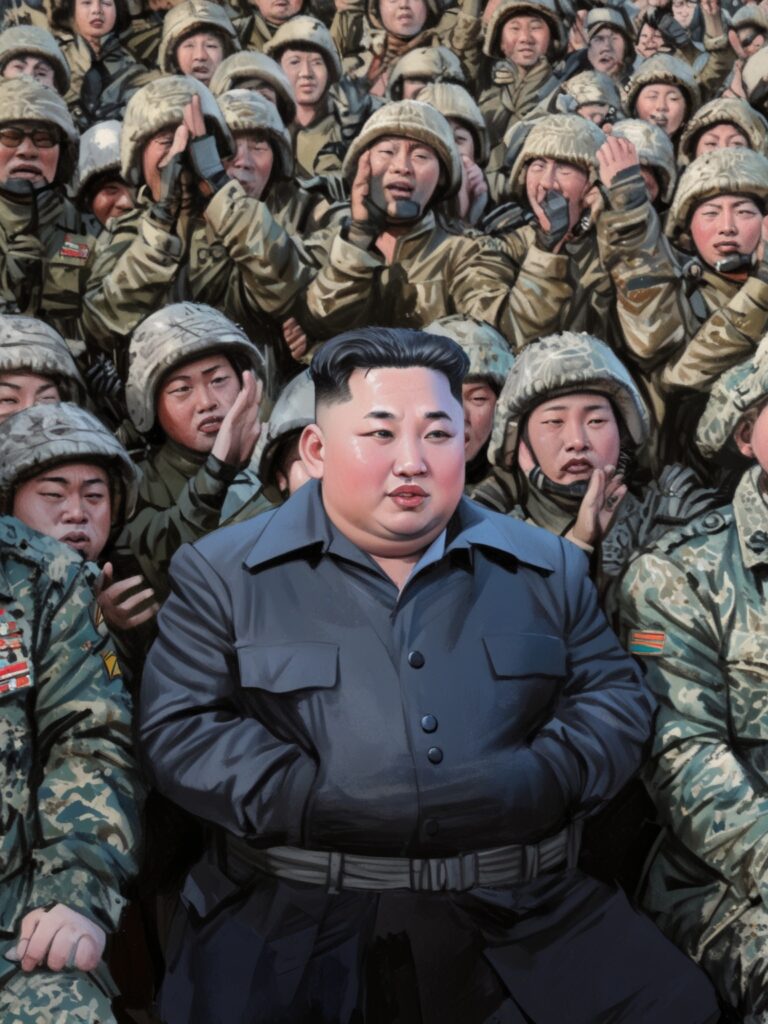
    Let’s kick things off by stating the obvious—Russia’s been struggling with its war in Ukraine, so it’s tapping into its “friends” for help. And no, we’re not talking about buddies with spare tanks, but North Korea—the most isolated nation on earth, which has decided to send hundreds (maybe even thousands) of its soldiers to Russia.

    According to South Korea’s National Intelligence Service, recent satellite images and intel suggest that about 1,500 North Korean special forces have already landed in Russia. Moscow’s grand plan? Train these troops, get them war-ready, and, potentially, send them to the front lines. Not exactly your typical friendship bracelet exchange.

    TL;DR

    • North Korea has been sending special forces to Russia to support Putin’s war in Ukraine.
    • Around 1,500 North Korean troops have already been transported to Russia, with plans to send more.
    • This partnership between North Korea and Russia poses a significant threat and could escalate the conflict in Ukraine.
    • South Korea and NATO are closely monitoring the situation, with concerns about North Korean soldiers gaining battlefield experience.
    • North Korean soldiers may play various roles, from logistics to missile technicians, further deepening Russia’s reliance on its international partners.
    • The collaboration between North Korea and Russia mirrors growing ties between Russia and Iran.
    • Experts warn this partnership may also have consequences in East Asia and the Korean Peninsula.

    Moscow’s International Roll Call: North Korea, Iran, and More

    This isn’t just a North Korea-Russia bromance either. Iran is also pulling its weight in Russia’s military operations. Drones, missiles, and now North Korean boots on the ground? It sounds like a sci-fi movie, but this is the reality of the conflict in Ukraine.

    To clarify, Russia’s been playing the long game—arming itself with weapons from North Korea and Iran and leaning on them for manpower. This war, stretching into its third year, has forced Moscow to get creative with its resources. And clearly, it’s not too picky about where that help comes from.

    Why Should You Care? Let’s Break It Down

    North Korea sending soldiers to Russia adds a new twist to the ongoing conflict. These troops are no strangers to war games, but here’s the kicker—they’ll be learning firsthand from Russian forces about modern warfare. That includes handling drones and logistical operations, plus getting a crash course on how Russia fights.

    Sounds like a small deal? Not really. Here’s why it matters:

    • Escalating the Conflict: If North Korea’s troops hit the front lines, this war takes a sharp turn. The U.S. and its NATO allies are already keeping a close watch.
    • Battlefield Experience for North Korea: No drill can mimic real-life combat experience. And if these troops get their hands dirty in Ukraine, it could sharpen North Korea’s military skills in case future conflicts arise closer to home (ahem South Korea).
    • Geopolitical Tension: North Korea, Iran, and Russia teaming up signals a potential shift in global power dynamics. The West might have more on its plate than just the war in Ukraine.

    The Risk for North Korea: Why It’s Not All Rosy for Kim Jong Un

    Let’s not forget, sending troops abroad isn’t exactly business as usual for North Korea. Sure, they’ve dispatched personnel in the past—think flying jets for Egypt or helping out in Syria—but this time, it’s riskier. Much riskier.

    For one, these soldiers are stepping into unfamiliar territory, literally and figuratively. North Korea is a highly controlled regime. Its citizens are rarely allowed to step outside their country’s borders, let alone fight in someone else’s war. This opens the door to something North Korea isn’t used to—ideological contamination.

    You heard that right. Being exposed to the outside world, especially in a warzone, could shift the way these soldiers think. It’s a far cry from the tightly controlled propaganda they’re fed back home. What if they defect? What if they decide life outside North Korea isn’t so bad?

    According to experts like Fyodor Tertitskiy, a North Korea specialist, these troops could decide to ditch their mission and either surrender to Ukraine or try to escape. Either way, Kim Jong Un risks losing his soldiers—and maybe even a little bit of control over them. Not exactly the outcome North Korea was banking on.

    Putin’s Strategic Move: Exporting Conflict and Chaos

    Let’s give Putin some credit here—he’s playing a complex game of chess. By bringing in North Korean soldiers, he’s doing more than bolstering his manpower. He’s also strategically exporting Russia’s tensions with the West to other parts of the globe. North Korea’s involvement pulls the conflict closer to East Asia, an area traditionally influenced by the U.S. Russia’s move could divert attention and resources from Ukraine, forcing the West to juggle multiple geopolitical crises.

    It’s not just about winning the war in Ukraine anymore—it’s about stretching the West thin. If Putin can provoke further instability on the Korean Peninsula, the U.S. will have to split its focus. Add in Iran’s involvement in the Middle East, and it becomes clear that Russia is fanning the flames of global instability to keep Western powers on their toes.

    My Point of View: What’s the Endgame Here?

    If you ask me, this North Korea-Russia partnership is both desperate and dangerous. Russia is clearly scraping the bottom of the barrel when it comes to military alliances. North Korea, a country struggling to feed its own people, is willing to trade soldiers for food and fuel. It’s a grim reflection of the global state of affairs when two isolated nations join forces to fuel a war that benefits neither of their citizens.

    But here’s the real kicker—how long can this last? North Korean troops, untested in modern warfare, will face challenges on the Ukrainian battlefield that their rigid training never prepared them for. And what’s in it for Kim Jong Un? A few extra barrels of oil and some food? It seems like a lopsided trade for sending his soldiers into an international conflict.

    Then there’s the issue of North Korean soldiers gaining battlefield experience. While that might seem like a plus for Kim, it could backfire. Exposing his troops to the outside world, especially in a place as chaotic as a Ukrainian war zone, could lead to unrest back home. Soldiers returning with new ideas and a taste of freedom might challenge the regime in ways Kim hasn’t prepared for. So, is this a brilliant strategic move or a ticking time bomb? Only time will tell.

    “The idea of North Korean troops working with the Russians is honestly terrifying. It feels like something out of a Cold War nightmare, but it’s happening right now. If Pyongyang is willing to send soldiers to Russia, what’s stopping them from becoming even more aggressive in their own region? It’s like watching a dangerous alliance form right before our eyes, and I’m not sure the world is ready for the consequences.” – Marcus Fields, 34, Seattle

    Examples of Recent Events:

    1. North Korean missile tests: North Korea has frequently conducted missile tests in recent years, demonstrating its military capabilities and defying international sanctions. These tests have raised tensions with South Korea, Japan, and the United States.
    1. Russian military training with North Korea: There have been reports of Russian military training exercises with North Korea, suggesting a deepening military relationship between the two countries.
    1. North Korean economic cooperation with Russia: Despite international sanctions, North Korea has sought to strengthen its economic ties with Russia, particularly in the areas of energy and minerals.
    1. International condemnation of North Korea’s actions: The international community has consistently condemned North Korea’s nuclear program and missile tests, imposing sanctions and urging the country to denuclearize.

    These examples illustrate the ongoing tensions and developments surrounding North Korea and its relationship with Russia. While the article specifically discussed the potential deployment of North Korean troops to Russia, these events highlight the broader context of the two countries’ military cooperation and the challenges posed by North Korea’s nuclear ambitions. For the most up-to-date information, it is recommended to consult recent news articles and reports from reputable sources.

    The Bigger Picture: Where Do We Go from Here?

    North Korea’s involvement in Russia’s war with Ukraine could set off a dangerous domino effect. If Pyongyang proves useful to Moscow, what’s stopping other isolated or sanctioned countries from following suit? Iran has already strengthened its ties with Russia, supplying drones and other weaponry. Could we see a broader coalition of rogue states backing Putin’s war machine? It’s a chilling possibility, and one that could further complicate an already convoluted global conflict.

    For now, the world watches as Russia, North Korea, and Iran inch closer together. But this unholy alliance comes with risks—both for those involved and for the broader international community. What we’re seeing is more than just military cooperation. It’s a strategic shift that could redraw alliances, escalate conflicts, and bring new players into a war that’s already cost too much.

    This geopolitical ride is far from over.

    In a conflict where every move counts, Russia’s recruitment of North Korean soldiers signals a new chapter. It shows the lengths Moscow is willing to go to win this war—even if that means pulling in far-flung allies like North Korea. Whether this partnership will benefit either country in the long run remains to be seen. What’s clear is that this war is becoming a global issue, and the stakes are only getting higher.

    What is Donald Trump Coin?

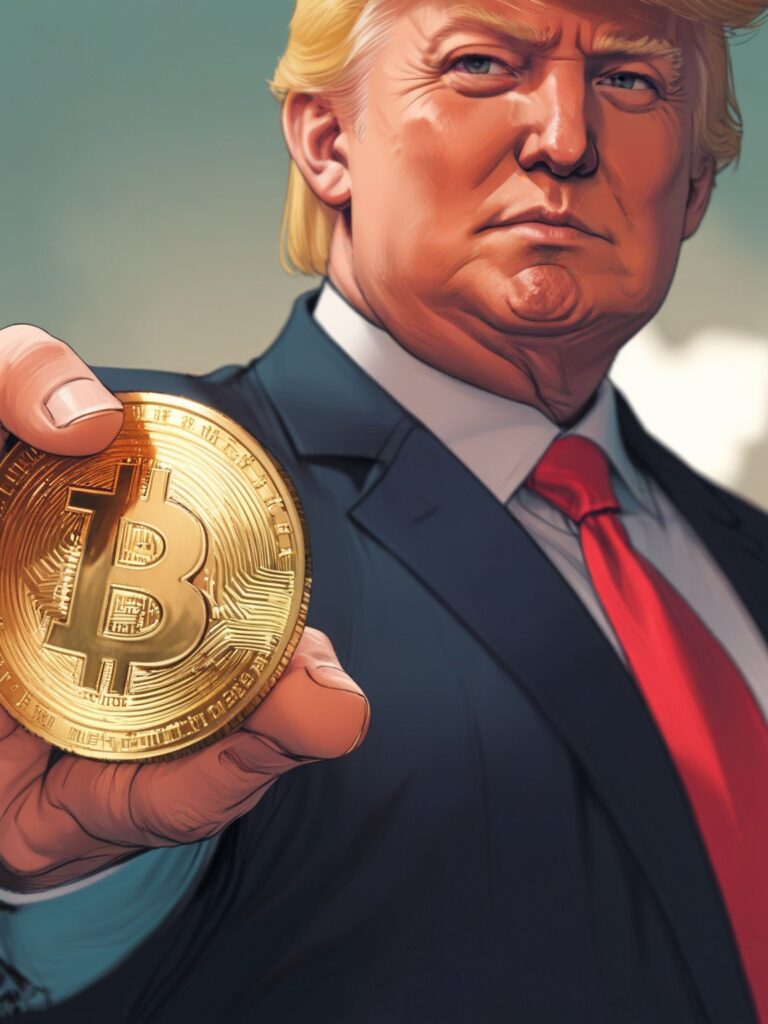
    Let’s have a little chat, shall we? Today, we’re diving into the wild world of crypto disasters and, yes, we’ll be talking about the one and only Donald Trump coin. Also known as World Liberty Financial ($WLFI), this whole thing is a mess—like a toddler left alone with a gallon of paint. And don’t worry, this isn’t about politics; it’s about an epic scam, and it’s too good not to discuss.

    Now, before anyone gets too excited, let me be clear: Everyone grifts, and I’m an equal-opportunity cynic. So, let’s set politics aside and focus on the real drama here—crypto, NFTs, and a coin that’s more of a trainwreck than you’d believe.

    TL;DR

    • World Liberty Financial coin is Donald Trump’s latest crypto venture, with a $300 million target but disappointing sales.
    • Trump’s history with NFTs and crypto projects has raised eyebrows, with past ventures falling flat or being linked to shady practices.
    • The World Liberty Financial coin has non-transferable tokens, a billion-dollar valuation, and unclear objectives, raising concerns.
    • Trump’s role in the project is minimized, making it more of a promotional partnership than direct involvement.
    • The coin’s founders have dubious backgrounds, leading to skepticism about the project’s legitimacy.
    • Despite raising $13 million, the coin’s future looks grim due to concerns over its value, structure, and key players.
    • Overall, the project seems to be a high-risk investment with limited transparency and long-term potential.

    The Birth of a Disaster: World Liberty Financial

    World Liberty Financial came into this world with a big announcement—like a flashy grand opening of a restaurant that has zero Yelp reviews. The pitch? “Crypto is the future, let’s embrace this incredible technology!” Great, right? Except… not so fast.

    Before we get into the specifics, let’s rewind to 2021. Remember when Trump first talked about Bitcoin? He wasn’t exactly a fan. He called it a scam, which, let’s be honest, wasn’t music to the ears of the crypto community. But fast forward to now, and suddenly, Trump’s all in on the crypto world—NFTs, digital trading cards, dinners with him (if you collect enough), sneakers… yes, gold sneakers. This crypto ride he’s on? It’s wild, it’s relentless, and now we have World Liberty Financial.

    So, What is World Liberty Financial?

    World Liberty Financial (or Trump’s “official” coin) launched with the ambition to raise $300 million. Yes, you read that right. They’re trying to raise that much money with a token sale. The coin was valued at a penny and a half each, with a goal of selling 20 billion coins. Now, that’s some ambitious math for a brand-new project with no track record. To put it lightly, that’s like trying to sell hotdogs for $100 a pop at a vegan festival. Unlikely, right?

    But wait, it gets even weirder. They’ve only sold 4% of the tokens after days of pushing them out. Yep, 4%. That’s what we call “not great, Bob!”

    A Billion Dollar Valuation? Really?

    Now, here’s where things go from weird to downright ridiculous. The fine print reveals that they’re only selling 35% of the total supply of tokens, which means that World Liberty Financial is raising at a valuation closer to a billion dollars. Yes, a billion with a capital “B”. That’s a lot of zeros for a project that no one really understands. It’s like selling an invisible yacht for the price of a superyacht—confusing and concerning.

    Meet the “Dream” Team

    So, who’s behind this masterpiece of financial chaos? Well, believe it or not, Trump isn’t even the main guy. He’s more of an ambassador—kind of like those celebrities who promote teeth-whitening kits on Instagram. In fact, the fine print shows that his involvement is part of a 5-year endorsement deal. They get to use his name and face, and in exchange, Trump gets 75% of the profits.

    Let’s just say that kind of deal raises an eyebrow. Or two.

    The Trump Family’s Crypto Adventures

    This isn’t Trump’s first rodeo in the crypto space. Remember the DJT coin? Yep, that one rug-pulled for about $4-5 million. And then there was Donald Trump Jr.’s involvement in Restore the Republic coin, which also didn’t fare well, to put it mildly. It seems like the family has a habit of getting involved in coins that have a tendency to crash and burn. But hey, the show must go on, right?

    The Non-Transferable Token Fiasco

    Here’s the kicker: the tokens you buy in this sale? Non-transferable. Yep, you heard that right. Locked. Indefinitely. It’s like buying a car but being told you’re never allowed to drive it—or even sell it! What’s the point? This is virtually unheard of in the crypto space. It feels like someone at World Liberty Financial threw out the rulebook and decided to make their own strange set of guidelines.

    And why would they do this? My guess? SEC regulations. They’re probably trying to avoid regulatory issues, but in doing so, they’ve created a product that isn’t really a crypto at all. It’s almost like they’re selling glorified NFTs, but with even less flexibility. You can’t make this stuff up!

    My Point of View on Crypto and Common Sense

    Alright, now that we’ve gone through the nitty-gritty, let me throw in my two cents (or should I say, two tokens?). If you’re going to jump into the crypto space, do your research. Yes, that sounds boring, but here’s the thing—crypto is complicated, and just slapping a famous name on a coin doesn’t make it a good investment.

    Remember, just because something is shiny and endorsed by a celebrity doesn’t mean it’s gold. In this case, it’s more like fool’s gold, and World Liberty Financial has all the warning signs of a classic scam. I’d say this: if something sounds too good to be true, it probably is. Especially in the world of crypto.

    The Conclusion of a Catastrophe

    In summary, World Liberty Financial is shaping up to be one of the most confusing, overpriced, and underwhelming crypto projects out there. They’re aiming for the stars, but the rocket seems to be made of cardboard. From the bizarre non-transferable token model to the sketchy players behind the scenes, this is one coin that’s not worth flipping.

    Now, if they ever manage to make a turnaround and become the next big thing, feel free to call me out. But for now? I’m keeping my distance from this one—and I suggest you do too.

    And remember, always approach these flashy crypto projects with caution. There’s a difference between being bold and being reckless.

    Nike: Just Do It Again

    A slogan that has become synonymous with athleticism, ambition, and the pursuit of personal greatness. But what if we looked beyond the surface and delved into the deeper meanings behind these simple words?

    “Just Do It” is a mantra that encourages action, that urges us to overcome our doubts and fears, and to seize the day. It’s a call to arms for the athlete within us all, a reminder that the only way to achieve our goals is to simply get up and do it.

    But could there be a hidden meaning behind this iconic phrase? Perhaps it’s a subtle nod to the cyclical nature of life, a suggestion that even the most successful individuals must continually push themselves to new heights. After all, the journey never truly ends; there’s always another mountain to climb, another goal to achieve.

    Or maybe it’s a playful wink at the consumer culture that has made Nike a household name, a reminder that even the most iconic brands must constantly reinvent themselves to stay relevant. “Just Do It Again” could be a call to action for Nike itself, a challenge to continue pushing the boundaries of innovation and creativity.

    Whatever the interpretation, “Just Do It Again” is a phrase that has captured the imagination of millions. It’s a rallying cry for athletes and non-athletes alike, a reminder that the only limit to our potential is our own mindset. So, the next time you hear those familiar words, take a moment to consider their deeper meaning. Perhaps they’re not just a slogan; they’re a philosophy, a way of life.

    TL;DR

    • Nike’s partnership with the NBA and WNBA is a strategic move to boost its financial performance.
    • Nike has faced financial challenges, including a decline in footwear sales and leadership changes.
    • The company needs to innovate and reconnect with customers to regain its footing.
    • Nike’s commitment to sustainability and community initiatives can help improve its brand image.
    • The partnership with the NBA and WNBA provides Nike with a platform to showcase its products and reach a wider audience.

    Nike Extends Partnership with NBA and WNBA – But Can It Bounce Back?

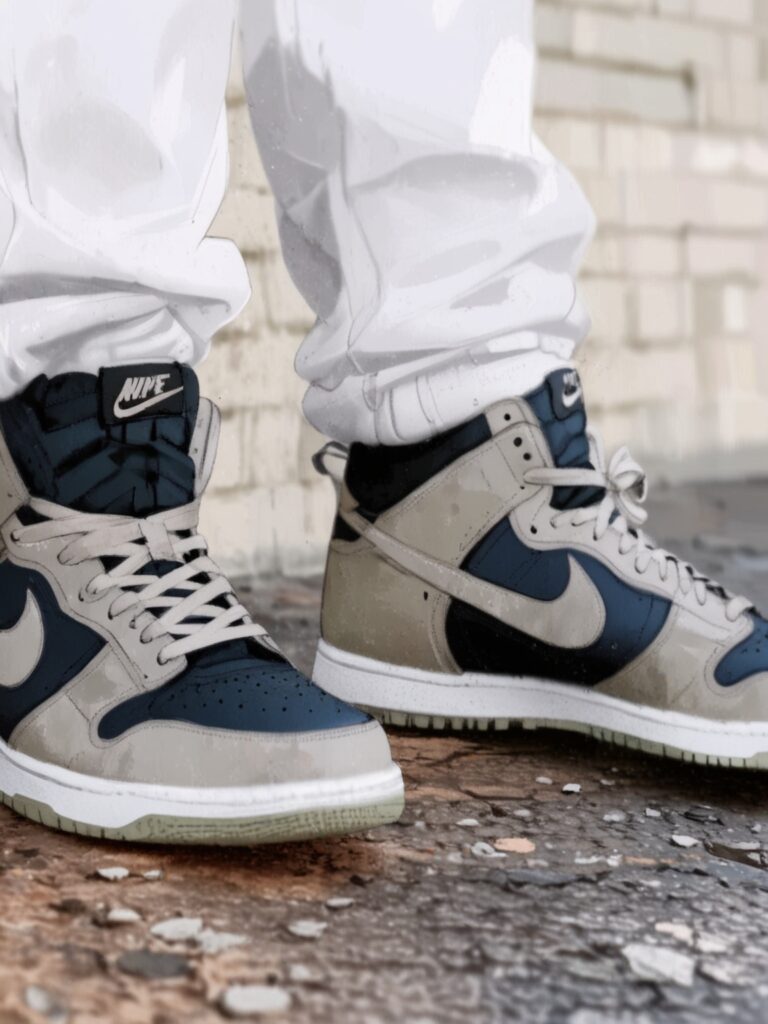
    In a move that has sports fans and sneakerheads talking, Nike just extended its exclusive partnership with the NBA, WNBA, and NBA G League for another 12 seasons. Yes, you read that right—12 more seasons of Nike-branded everything. From on-court uniforms to the merchandise you proudly wear to rep your favorite team, Nike will remain the official provider.

    But before you start dreaming of those slick new jerseys, let’s dive into what this really means for Nike, the sports world, and you as a fan. Spoiler alert: it’s not just about the jerseys.

    The Partnership That Keeps On Giving

    First, some background. Nike originally inked this deal back in 2015, and it officially kicked off with the 2017-18 NBA season. It was initially set to run for eight years, but Nike just couldn’t quit the basketball world. So, here we are with a 12-season extension, which solidifies Nike’s role as the go-to for on-court apparel and everything NBA-related.

    Now, let’s be real for a second. This partnership isn’t just a casual handshake; it’s a business move. Nike knows that basketball is more than just a sport—it’s a culture, a lifestyle, and, yes, a moneymaker. And speaking of money, let’s not ignore the elephant in the room.

    Nike’s Financial Struggles: The Real Story Behind the Extension

    Nike’s recent financial reports? Not exactly slam dunk material. In its quarter ending August 31, Nike’s revenue dropped 10% to $11.59 billion. That’s right—dropped. Fewer footwear sales in North America were a big part of that loss. Add to that a change in leadership and some questionable decisions, and Nike’s once unstoppable momentum started to look, well, stoppable.

    John Donahoe, Nike’s CEO until very recently, tried to steer the company through some tough times but didn’t quite hit the mark. He severed ties with longtime retail partners, which wasn’t exactly a popular move. While it might have seemed like a strategic decision at the time, Nike ended up losing market share to competitors. Ouch.

    And if that wasn’t enough, Tom Peddie was recently named head of the struggling North America operations. He’s now tasked with trying to fix the mess left behind. So, this partnership extension? It’s more than just a happy announcement about cool new jerseys. It’s a lifeline, folks. Nike is hoping that sticking with basketball will help bring them back into the financial game.

    New CEO, New Vision, Same Old Struggles

    Nike’s new CEO, Elliott Hill, stepped into this mess, determined to return the company to growth. And this NBA/WNBA deal? Well, it’s his first big play. Hill claims the extended partnership shows Nike’s commitment to growing the game of basketball, but let’s be honest—Nike’s more committed to growing its revenue.

    Hill’s plan includes new opportunities for players and fans, like expanding access to youth basketball and creating more resources for girls’ basketball. All of this sounds great, right? But here’s the thing: Nike isn’t doing this out of pure goodwill. They need to reconnect with their base and regain some of the footing they’ve lost. It’s a smart move, but it’s also a bit of a desperate one.

    My Take: Can Nike Truly Bounce Back?

    Alright, let’s get real for a second. Nike extending this partnership is great news for basketball, but is it enough to save the company? Probably not by itself. Sure, this deal keeps Nike in the game (pun intended), but it doesn’t fix their underlying problems.

    First, let’s talk about North America. That 10% revenue drop? That’s significant. No one buys more sneakers than Americans, and when sales here go down, it’s a problem. Nike has been struggling to connect with customers, especially with its decision to cut ties with retail partners. It’s one thing to sell direct-to-consumer online, but people still love walking into a store and trying on shoes. It’s not rocket science—people want options.

    Second, Nike needs to do more than just ride on basketball’s coattails. Yes, the NBA and WNBA are huge cultural forces, but other companies are catching up. Adidas and Under Armour are making moves, and let’s not even start on the niche sneaker brands that are stealing the spotlight. Nike has to innovate, not just recycle old ideas with a shiny new logo.

    What Nike Needs to Do Next

    So, what’s next for Nike? Well, here’s where things get interesting. Hill talks a big game about creating pathways for youth basketball and expanding access for girls, but those initiatives need to deliver. It’s not enough to slap the Nike logo on a program and call it a day. Nike has the resources to actually make a difference here, but they’ll need to commit fully—not just use these initiatives as PR stunts.

    One way Nike could really shake things up? Collaborate more with local communities. Youth sports programs are great, but they should be rooted in actual community needs. Partner with schools, non-profits, and local leagues to create long-lasting impact. It’s not just about creating the next generation of NBA stars; it’s about fostering a love for the game at every level.

    Also, Nike needs to get its retail strategy back on track. Cutting ties with long-time retail partners alienated a lot of loyal customers. While direct-to-consumer is all the rage, people still want that in-person shopping experience. Maybe it’s time for Nike to rethink their retail relationships and find a happy medium between brick-and-mortar and online sales.

    The Road Ahead: Will Nike Be Able to Dunk on Its Competitors?

    In the grand scheme of things, this partnership extension is just one piece of the puzzle. Nike still has a lot of work to do if it wants to reclaim its throne. The sportswear giant needs to focus on innovation, customer connection, and delivering on its promises to the basketball community.

    And while this deal might buy Nike some time, it’s not a guaranteed win. The game isn’t over yet, but Nike better be ready for some stiff competition.

    Final Thoughts

    In the end, this deal between Nike and the NBA is great for the sport and its fans. Who doesn’t love some fresh Nike gear? But for Nike, this is a critical move. The company has to regain its momentum, and this partnership is a step in the right direction. However, it’s not the only play they need to make. They have to innovate, reconnect with customers, and get their retail game back on track if they want to stay on top.

    So, Nike, consider this a timeout. It’s time to rethink your strategy and come back to the court with a fresh game plan. Because if you don’t, your competitors are more than ready to take that final shot.

    What Comes After Love Episode 5: The Emotional Standoff

    0

    Love, a force as powerful as nature itself, can ignite passions and extinguish hopes with equal intensity. In “What Comes After Love” Episode 5, we witness a tempestuous clash of emotions, a standoff that mirrors the internal turmoil of our hearts. As the characters grapple with love’s complexities, we are forced to confront our own vulnerabilities and the delicate balance between passion and pain.

    This episode, a poignant exploration of love’s dual nature, invites us to consider the following: Is love a battlefield where hearts collide, or a sanctuary where souls intertwine? Can love be both a source of joy and sorrow, a catalyst for growth and a crucible for destruction? As we delve into the characters’ struggles, we are reminded that love is a multifaceted gem, capable of both blinding brilliance and shattering darkness.

    TL;DR

    • Communication is key: Address misunderstandings and express your feelings openly to avoid unnecessary conflicts.
    • Love requires effort: Invest time and energy into your relationships to maintain connection and intimacy.
    • Past mistakes can be overcome: Learn from past experiences and work towards healing and forgiveness.
    • Self-discovery is essential: Take time for introspection to understand your needs and boundaries.

    Episode 5: The Breakdown of Hearts and Expectations

    Ah, the penultimate week of What Comes After Love—an episode filled with more drama, heartbreak, and plot twists than a soap opera on speed dial. Just when you thought things couldn’t get more intense, we’re greeted with a fiery showdown, a confession that leaves us reeling, and, of course, one of the most emotionally charged fight scenes we’ve seen so far. Welcome to Episode 5, folks, where everything we’ve been wondering about is finally laid bare. Let’s dive in—grab some tissues, because it’s going to get messy.

    Standoff at the Book Signing

    We begin where we left off: a tense face-off between our two male leads, Min-jun and Jungo. For all the bookish charm of these men, you’d think they’d settle things over coffee and a philosophical debate. But no, Min-jun, clearly fed up with the emotional rollercoaster, asks Jungo to step outside of the book signing event. The confrontation that follows isn’t just awkward; it’s in English—because nothing says “let’s keep this civil” like switching languages mid-standoff.

    Min-jun drops a bombshell: he’s Hong’s fiancé. Yep, fiancé. Like, ready to walk down the aisle, cake-cutting, forever-after fiancé. Jungo, ever the stoic, assures Min-jun there’s nothing romantic going on between him and Hong, but the plot thickens when he admits the novel is based on her. I mean, how do you compete with that? The guy wrote a whole novel about his feelings for her!

    Then, as if the drama wasn’t intense enough, Jungo asks Min-jun to promise that he’ll never make Hong feel lonely. Min-jun’s response? A snarky “That’s easy.” And just like that, you see Jungo’s composure crack as he walks off red-eyed, no doubt struck where it hurts most. Classic dramatic exit, am I right?

    The Confession That Changes Everything

    Now, the real kicker of this episode comes when we hear the contents of Jungo’s heartfelt letter to Hong. He’s been carrying the weight of regret ever since she left Japan. Cue the violins. He didn’t realize how lonely she felt, and he’s haunted by it. “I used to think we were together the whole time, but you were by yourself for so long.” Oof. If that line doesn’t tug at your heartstrings, check your pulse.

    This realization drives Jungo to throw himself into writing, hoping that by the time he finishes his book, they’ll be reunited. Optimistic? Sure. But also tragically romantic.

    The Awkward Dinner

    Does Hong rush back into Jungo’s arms after reading the letter? Of course not—where would the drama be in that? Instead, she avoids him like the plague. But fate, in the form of a dinner invitation, brings them back together. At this dinner, Jungo reveals that while his novel had a happy ending, real life didn’t turn out that way. You can almost feel the weight of his regret hanging in the air.

    Flashback to when Hong’s family hit rock bottom in Korea. Desperate to reach Jungo, she called his office, only to be met with silence. In that moment, she asked herself, “What am I doing here?” And so begins the unraveling of their relationship. This sets the stage for the epic fight scene that follows.

    The Fight Scene of All Fight Scenes

    This is where the gloves come off—literally and emotionally. Jungo comes home late, offers a half-baked excuse about a colleague’s death, and Hong, rightfully, loses it. She’s not just mad about the late-night shenanigans—she’s angry about being neglected, overlooked, and left feeling lonely for far too long.

    The camera work in this scene is superb. It’s like we’re right there, caught in the middle of their shouting match, dodging emotional punches. Jungo tries to keep his cool at first, but eventually, he snaps, yelling that he’s doing the best he can and can’t always keep his promises. Honestly, it’s like watching two people slowly implode. And just when you think they’ve reached the breaking point, Hong drops the final bomb: “I can’t take it anymore. We’re done.” And just like that, she walks out.

    Let’s be honest, watching this fight was like watching a slow-motion car crash. Painful, but you just can’t look away.

    My Take: Love Ain’t Always Sunshine and Roses

    Now, let me get a little real with you here. Hong and Jungo? Yeah, they’re not exactly relationship goals. But who is, really? Love is messy, complicated, and sometimes, downright exhausting. These two are clearly a hot mess, but in some ways, aren’t we all?

    Jungo had his head in the clouds, thinking that love was enough to keep things together without actually showing up for the relationship. And Hong, bless her, reached her breaking point—something we’ve all experienced in one form or another. Their story is one of missed signals, emotional neglect, and the brutal reality that love alone doesn’t fix everything. You’ve got to put in the work, people!

    The Promise That Falls Flat

    Meanwhile, Min-jun—ever the optimist—tries to sweep Hong off her feet with promises of never making her feel lonely. Let’s pause for a second. Never making someone feel lonely? Min-jun, honey, you’re setting yourself up for failure. Life gets in the way. No one can be everything to someone, all the time. But bless his heart, he means well.

    When Hong starts crying, Min-jun assumes his grand gesture worked. He moves in closer, takes her hand—classic romantic move, right? Wrong. She pulls away, realizing that no matter how sweet his offer is, her heart belongs somewhere else. Poor Min-jun. He never stood a chance.

    The Cliffhanger: Enter Kanna

    In a cruel twist of fate, just as Hong is about to make her grand romantic gesture, she walks into the hotel bar… and there’s Jungo. With Kanna. Yup, cue the dramatic stare-down across the room. Honestly, my heart sank right alongside Hong’s. All this buildup, and just when we think we’re getting a reunion, Kanna shows up like a plot device from hell.

    Now, here’s the real question: Will Hong and Jungo finally get their act together, or are we in for another round of heartbreak? I don’t know about you, but my money’s on some serious drama next week. Because, really, it’s What Comes After Love. Anything less would be a disappointment.

    Final Thoughts: Love in All Its Messy Glory

    This K-drama episode left me emotionally exhausted in the best way possible. The fight scene was raw and real, the confessions were heartbreaking, and the cliffhanger—oh boy. I just hope these two can find a way back to each other because after all this emotional rollercoaster, we deserve a happy ending, don’t we? Or maybe, just maybe, the lesson here is that love doesn’t always get tied up neatly with a bow. Sometimes, it’s messy, painful, and full of misunderstandings. And honestly, that’s what makes it worth watching.

    Yahya Sinwar: How a Hamas Leader’s Death Shifts Opinions in Gaza

    0

    If there’s one thing you can count on in the chaotic world of Middle East politics, it’s that opinions can turn on a dime. And nowhere is this more evident than in the recent reappraisal of Yahya Sinwar, the Hamas leader killed by Israeli forces after orchestrating the October 7, 2023, attack on Israel. Sinwar’s death, particularly its dramatic circumstances, has reignited a complex and sometimes bizarre conversation about his legacy, both in Gaza and the wider Arab world.

    When Streets Turn Scornful

    Imagine living under a constant rain of bombs, your home reduced to rubble, and your government is a terrorist group entangled in international politics. Gaza’s residents, understandably, have been through the wringer. Mustafa Muhammed, a displaced Palestinian, saw firsthand the shifting attitudes towards Sinwar in the aftermath of Israel’s retaliation. People who were initially scornful of Sinwar’s leadership had, until his death, become openly critical. After all, when your only home is a tent, and the person in charge seems like they’ve painted a massive target on your back, a little frustration is natural, right?

    But then came the shocking news: Sinwar, far from hiding like a fugitive, was killed in action. Not in a safe bunker or while making a run for it, but in the south of the Gaza Strip. He went down fighting—or at least trying to take down a drone with a piece of wood.

    A Leader’s Final Moments

    Now, in the age of social media, nothing remains a mystery for long. Israel released footage showing Sinwar critically injured, wounded arm and all, attempting to hurl a chunk of debris at an Israeli surveillance drone. The guy was clearly in bad shape, yet his apparent last stand seemed to resonate with many Palestinians and Arabs who had previously written him off. One minute, he was public enemy number one, and the next, he became something of a martyr. Muhammed noted the sudden shift in sentiment: “It showed he was fighting until the very end.”

    While that piece of footage was an unexpected plot twist in Sinwar’s story, it seems to have done more to bolster his reputation in the Arab world than months of political maneuvering ever could.

    Sinwar’s Controversial Legacy

    Before we get all misty-eyed about Sinwar’s final moments, let’s not forget that this man wasn’t exactly a choir boy. In fact, the U.S. labeled him a terrorist. Convicted of multiple murders, he didn’t just orchestrate attacks on Israel—he also targeted Palestinians he considered traitors. After serving time in Israeli prisons, Sinwar was released in a prisoner exchange and quickly resumed his role in Hamas’s leadership, where he continued to divide opinion.

    A survey taken in September 2023 by the Palestinian Center for Policy and Survey Research revealed that only 29% of Gazans were satisfied with Sinwar. Yet, after his death, many seem to be reconsidering their stance. Death has a funny way of sanitizing legacies, doesn’t it?

    A Region in a Bind

    Here’s where things get really complicated. The death of Sinwar has put several key U.S. allies in the Middle East—namely Saudi Arabia, Jordan, and Egypt—in a pretty tight spot. These governments have never been fans of Hamas, let alone its ties to Iran, and have occasionally gone as far as labeling it a terrorist group. Yet, many of their citizens feel differently.

    Mouin Rabbani, a fellow at the Center for Conflict and Humanitarian Studies, perfectly sums up the regional conundrum: “The people’s attitudes toward their governments have been, ‘You haven’t been able to achieve anything through diplomacy, while movements like Hamas are causing Israel grief.’”

    Translation? Arab governments are playing a dangerous game of “let’s not upset anyone,” while their citizens are increasingly frustrated by their leaders’ lack of results on the Palestinian issue.

    Different Reactions to the Same Event

    Take Iran, for example. True to form, the country has turned Sinwar into a hero, practically lionizing the man. Saudi Arabia, on the other hand, couldn’t be happier to see the back of him. Their media arm has been quick to label Sinwar a terrorist and celebrate his death, but this has only sparked protests—including vandalism at a Saudi channel’s office in Iraq. Meanwhile, Egypt and Jordan, both of which have diplomatic ties with Israel, have chosen to play the “silent but present” card, issuing no direct public statements.

    The U.S. and European powers, predictably, have applauded Sinwar’s death, with President Biden calling it “a good day for Israel, the United States, and the world.” French President Macron, ever the diplomat, used the opportunity to push for a de-escalation of the conflict.

    A Defiant Symbol

    Sinwar’s posthumous rise to symbol status has less to do with last year’s attack on Israel—an event that left 1,200 dead—and more to do with his decision to stick around for the war, according to Nasser Alkidwa, a former Palestinian foreign minister. It was the fact that he stayed in Gaza, not orchestrating the conflict from a luxurious estate in Qatar or hiding out in Egypt. It’s easy to see why this resonated with many people. It was like a bad action movie, but with much higher stakes.

    “The fact that he didn’t escape and was fighting has changed the way people see him,” Alkidwa explains. “It refutes the idea that he abandoned the people of Gaza.”

    Drone Footage and Its Aftermath

    The release of the drone footage showing Sinwar’s final moments has undeniably shifted public opinion. But in Israel, it’s a different story. Gershon Baskin, a former Israeli hostage negotiator, believes Israel didn’t think through the potential consequences of releasing that footage. What was meant to showcase Israel’s military might ended up giving Palestinians—and much of the Arab world—a symbol of defiance. According to Baskin, the Israeli political system is oblivious to the message this sends to the Arab world.

    From where I’m standing, it looks like Israel’s leadership is more interested in scoring domestic political points than in considering the broader implications of their actions. Netanyahu’s government seems to be focused on his political survival—“Look at me, I’m the hero who took down Sinwar!”—but in reality, the footage might have bolstered support for Hamas across the region.

    My Take

    It’s hard to ignore the irony in all of this. A leader like Sinwar, deeply divisive even among Palestinians, ends up being remembered as a martyr. His last act wasn’t a grand military victory but a desperate attempt to knock down a surveillance drone. Yet, in the eyes of many, that was enough. Isn’t it fascinating how public perception works? The man who was once scorned for dragging Gaza into war has become a symbol of resistance simply because he didn’t flee.

    And while governments in the region tread carefully, trying not to get swept up in the tides of public opinion, they’re in a tough spot. The people want action, not diplomatic dithering, and if history has taught us anything, it’s that governments who ignore their citizens’ demands for too long tend to face the consequences.

    The Uncertain Future

    What’s next? Will Sinwar’s death trigger more protests across the region? Or will governments manage to keep a lid on things, maintaining the delicate balance between condemning terrorism and acknowledging their citizens’ support for the Palestinian cause?

    One thing’s for sure: Sinwar’s death isn’t the end of the story. If anything, it has kicked off a new chapter, one that will likely see more political maneuvering, protests, and, unfortunately, more violence. But in the midst of it all, we’re reminded of just how fragile legacies can be, how quickly heroes can become villains, and vice versa.

    With Sinwar gone, Gaza—and the broader Middle East—is left in a state of uncertainty. But if there’s one thing we can be certain about, it’s that the narrative surrounding his death will continue to evolve, shaping the region’s politics for years to come.

    Asian Markets React to Chinese Rate Cuts: Will Beijing’s Efforts Save the Day?

    0

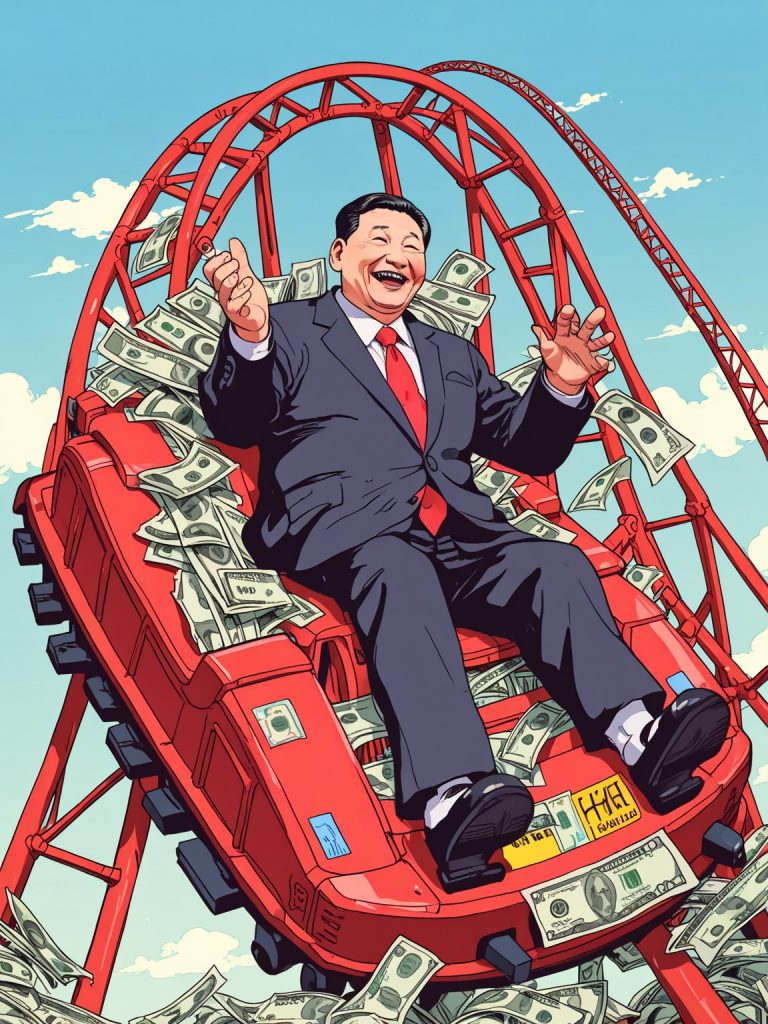
    Let’s face it—Asian markets have been quite the drama queen lately. Monday kicked off with investors biting their nails as they waited for signs of life in China’s economy. And why, you ask? Well, the People’s Bank of China, in a move that practically screamed, “We’re trying, okay?” slashed two key interest rates to historic lows. Yes, you heard that right, all-time lows.

    So, what’s the goal? Simple: revive spending, boost consumer confidence, and somehow hit that magical five percent annual growth target. But the question remains—will this be enough to jumpstart the world’s second-largest economy, or are we just applying a Band-Aid to a much larger problem? Let’s break it down.

    TL;DR

    • China’s economic challenges: Deep-rooted issues require more than short-term measures.
    • Market volatility: Geopolitical tensions and economic uncertainties contribute to market fluctuations.
    • Gold’s safe-haven appeal: Gold remains a sought-after asset during times of uncertainty.
    • Oil’s dependence on demand: Global economic growth and China’s economic health influence oil prices.
    • Diversification and caution: Investors should consider diversifying their portfolios and adopt a cautious approach to Asian markets.

    The Struggle is Real for China’s Economy

    In case you missed it, China’s economy has been limping along at a snail’s pace, and last week’s quarterly figures were a sobering reminder of that fact. It’s actually the slowest growth pace since early 2023. Yeah, not exactly what Beijing had in mind. But hey, the good news? It’s still better than analysts predicted. So, you know, small wins.

    Retail sales and industrial output also managed to beat expectations in September, offering a glimmer of hope amid a sea of below-par performances across other indicators like inflation, investment, and trade. It’s like getting a C+ when you were expecting a D-—not great, but not failing either.

    Still, despite these mixed signals, Beijing has thrown everything but the kitchen sink at the problem. We’ve seen rate cuts, relaxed home-buying rules, and a boatload of promises to support the stock market. But is it working? Depends on who you ask.

    China’s Rollercoaster of Market Moves

    Here’s the thing: Beijing’s efforts to get the economy back on track have been a bit of a rollercoaster. One minute, the stock market is soaring, and the next, it’s taking a nosedive. Investors are caught in the middle, trying to decipher the endless stream of press conferences, which have been, let’s just say, light on details.

    Moody’s Analytics analysts summed it up perfectly: “Officials are gradually ramping up support to kick-start the economy—but the will-they-won’t-they of announcements has made the process a rollercoaster for markets.”

    Honestly, the markets are in desperate need of some stability. Sure, the most recent measures are a step in the right direction, but if Beijing really wants to hit that five percent growth target, they’ll need to tackle deeper, structural problems. Because right now, this is feeling a lot like putting a fresh coat of paint on a house with a cracked foundation.

    Wall Street to the Rescue? Not So Fast

    While Asian markets were busy flipping between excitement and despair, Wall Street was on cloud nine. Friday ended with the Dow and S&P 500 hitting fresh record highs. Netflix’s strong earnings and positive reports about Apple’s iPhone sales in China were enough to send tech stocks soaring.

    But before you think this wave of optimism is going to cross the Pacific, hold up. Asian traders weren’t quite as easily impressed. Despite Wall Street’s good vibes, markets in Hong Kong, Shanghai, and other parts of Asia were less than enthusiastic.

    My Take on China’s Economic Woes

    Now, here’s where I chime in with my two cents. China’s central bank slashing interest rates is akin to trying to jumpstart a car with a nearly dead battery. Will it work? Maybe. But only for a while, and not without bigger fixes down the line.

    While the short-term rate cuts and easing of home-buying restrictions are fine and dandy, they’re not going to address the root of China’s economic problems. The country’s property sector, for one, has been teetering on the edge of a cliff for years. You can ease home-buying rules all you want, but without solid demand and financial stability, it’s like putting a bucket under a leaky roof. It helps in the moment, but you’re still going to get soaked.

    Additionally, China’s reliance on exports—especially to countries facing their own economic slowdowns—is a vulnerability that rate cuts alone can’t fix. The global economy is interconnected, and China isn’t immune to downturns elsewhere.

    Geopolitical Tensions and Gold’s Meteoric Rise

    If you think the market fluctuations are all about China, think again. The world of commodities has its own soap opera going on. Gold, the ultimate “safe-haven” asset, reached an all-time high of $2,729.30. Why, you ask? Well, it’s got a lot to do with tensions between Israel and Iran. The situation escalated with a missile barrage from Tehran, and to add some extra spice, a Hezbollah drone exploded near Prime Minister Netanyahu’s home. You can imagine how investors are feeling about that.

    Oil, however, didn’t quite get the same love. After dropping over eight percent last week, it remained flat. Not great news for those holding out hope for a rebound, especially with China—the world’s top oil importer—struggling to reignite its economy.

    “The Chinese government keeps pulling out all the stops to fix their economy, but it’s like trying to patch up a sinking ship with duct tape. I’m not convinced these rate cuts will be enough. Sure, they might give the markets a temporary boost, but the underlying problems are way bigger than a couple of percentage points. It feels like they’re just buying time.” – Jason Tan, 34, Singapore

    What Comes Next?

    So, what’s the verdict? Asian markets will likely continue their wild swings as investors digest the latest Chinese policy changes and grapple with geopolitical concerns. Will China hit its growth target? Maybe. But it’s going to take more than a couple of rate cuts to solve the bigger issues at play.

    For now, traders will keep a close eye on every press conference, rate cut, and economic indicator that comes out of China. And as long as the world remains in a state of geopolitical tension, expect gold to keep shining, even if oil prices struggle to find their footing.

    In the meantime, keep your seatbelt fastened—it’s going to be a bumpy ride.