

More
    Home Blog Page 74

    The Real Emily Armstrong, Who is she?

    Meet Emily Marcia Armstrong—the name that’s been buzzing through music circles since her rise as the new co-lead vocalist of Linkin Park. Born on May 6, 1986, this American musician, singer, and songwriter isn’t just another face in the crowd; she’s the co-founder of the rock band Dead Sara and now a key player in the iconic Linkin Park lineup. Talk about a career jump!

    CategoryDetails
    Full NameEmily Marcia Armstrong
    Date of BirthMay 6, 1986
    BirthplaceLos Angeles, California, USA
    Early LifeRaised in the Church of Scientology; began playing guitar at 11
    EducationDropped out of high school to pursue music
    BandCo-founder of Dead Sara
    GenreRock, Alternative Rock
    Debut with Linkin ParkSeptember 5, 2024
    Notable Songs“The Emptiness Machine,” “We Will Rock You”
    Previous CollaborationsOffspring, Beck, Demi Lovato
    AffiliationChurch of Scientology (controversial ties)
    Personal LifeIdentifies as queer; previously dated model Kate Harrison
    Discography with Dead SaraThe Airport Sessions (2008), Dead Sara (2012), Pleasure to Meet You (2015), The Covers (2017), Temporary Things Taking Up Space (2018), Ain’t It Tragic (2021)
    Upcoming AlbumFrom Zero (2024) with Linkin Park

    A Star is Born: Early Life

    Let’s take a trip down memory lane. Armstrong was born in sunny Los Angeles, where dreams are as plentiful as palm trees. Her upbringing, however, was anything but ordinary—her parents were prominent members of the Church of Scientology. Yep, you heard that right! Armstrong was raised as a Scientologist. But, as fate would have it, the music bug bit her early. She picked up the guitar at just 11 years old and began singing at 15. That’s quite a head start!

    Of course, school didn’t hold much appeal for her. High school? She dropped out faster than you can say “rock and roll.” Why? Because she had one goal in mind: to rock out in a band. Armstrong once shared with the El Paso Times that music was her lifeline, the one thing that kept her motivated when life threw curveballs her way.

    A Rock ‘n’ Roll Journey Begins: Dead Sara

    Now, let’s dive into the juicy part—Armstrong’s musical journey began in 2002. She teamed up with guitarist Siouxsie Medley, whom she met through mutual friends. Their shared love for Nirvana, L7, and the classic rock sounds of the 60s and 70s fueled their passion. Who knew a friendship could lead to such explosive music?

    Initially, the duo went by the name Epiphany and took the stage for their first gig at The Mint in Los Angeles back in March 2005. Alongside singing, Armstrong also played bass—because why not add another string to your bow?

    Before Dead Sara even dropped their debut album, Armstrong was already grabbing attention for her voice. Grace Slick, a legendary vocalist herself, praised Armstrong’s “strong, urgent sound” in a 2011 interview with the Wall Street Journal. And if that’s not a stamp of approval, I don’t know what is! Not to mention, Courtney Love invited her to lend her vocals on Hole’s 2010 album, Nobody’s Daughter. Clearly, Armstrong was on the radar of the music elite.

    A Rising Star

    Armstrong’s collaborations don’t stop there. Before she took the helm with Linkin Park, she was already rubbing shoulders with artists like The Offspring, Beck, Demi Lovato, Awolnation, and even Robby Krieger from The Doors. Talk about a rock ‘n’ roll résumé!

    The Big Shift: Linkin Park

    Fast forward to September 5, 2024. The music world held its breath as Armstrong was introduced as Linkin Park’s new co-lead vocalist during a livestreamed concert. What a moment! The show featured “The Emptiness Machine,” the lead single from the band’s upcoming album, From Zero, set to be released on November 15, 2024.

    Imagine that! Just a few days later, on September 11, she took the stage at the Kia Forum in Los Angeles for her first public performance with the band. Steve Appleford from the Los Angeles Times lauded her ability to deliver both “rich melodies and throat-ripping vocals,” seamlessly fitting into Linkin Park’s established sound. Meanwhile, Chris Willman from Variety noted that the audience of around 17,000 seemed to welcome her with open arms—or rather, a roar of approval. As she belted out “The Emptiness Machine,” the lead single from the upcoming album From Zero, fans were left in awe. Chester Bennington, the band’s beloved former frontman, would surely be smiling down from above, proud of the powerful new voice joining his legacy.

    Controversies: The Price of Fame

    Now, let’s address the elephant in the room: controversy. Armstrong’s ties to the Church of Scientology haven’t gone unnoticed. Back in 2013, she was photographed at the 44th Anniversary Gala of the Church of Scientology’s Celebrity Centre International. The media had a field day, and some fans weren’t too thrilled.

    Just when the dust was settling, Armstrong found herself embroiled in the Danny Masterson trial controversy. Attending a 2020 hearing for the former actor and convicted rapist—who, by the way, is a longtime Scientologist—raised eyebrows. Armstrong later clarified that while she considered Masterson a friend, she realized attending that hearing was a misstep. She asserted her empathy for Masterson’s victims, stating that she does not condone abuse or violence against women.

    Personal Life: A Peek Behind the Curtain

    When it comes to her personal life, Armstrong is not shy. In 2016, she was in a relationship with model Kate Harrison and identifies as queer. She’s all about living authentically, and you’ve got to respect that!

    Discography: A Musical Legacy

    Now, let’s explore what Armstrong has produced over the years. Her discography with Dead Sara includes:

    • The Airport Sessions (2008)
    • Dead Sara (2012)
    • Pleasure to Meet You (2015)
    • The Covers (2017)
    • Temporary Things Taking Up Space (2018)
    • Ain’t It Tragic (2021)

    And, of course, she’s stepping into new territory with Linkin Park’s upcoming release:

    • From Zero (2024)

    My Take: A New Era for Rock Music

    So, what’s my take on Emily Marcia Armstrong joining Linkin Park? It’s a breath of fresh air! The music industry is known for its unpredictable twists and turns, and Armstrong embodies that spirit. With her unique sound and undeniable talent, she’s stepping into some pretty big shoes left by Chester Bennington. But here’s the kicker: she’s not trying to replace him. Instead, she’s bringing her own flair to the table. And honestly, isn’t that what we need in music today?

    It’s important to recognize that artists evolve. Armstrong’s journey, from her roots in Dead Sara to her current role in Linkin Park, illustrates her growth as a musician. It shows resilience and a willingness to take risks. Sure, she’s faced criticism, but what rock star hasn’t? In the end, it’s all about the music, and if her contributions lead to powerful songs that resonate with fans, then she’s absolutely in the right place.

    The Future Looks Bright

    In conclusion, Emily Marcia Armstrong is a force to be reckoned with in the rock music scene. With her past experiences and current trajectory, she’s set to make waves in Linkin Park’s new chapter. Whether you’re a longtime fan or just getting to know her, one thing is certain: Armstrong is here to stay.

    So, buckle up, folks! The ride is just beginning, and I, for one, can’t wait to see what she brings next. Whether you’re singing along to Dead Sara or jamming out to Linkin Park, remember to support artists like Armstrong who dare to follow their passion, controversy and all. After all, what’s music without a little drama?
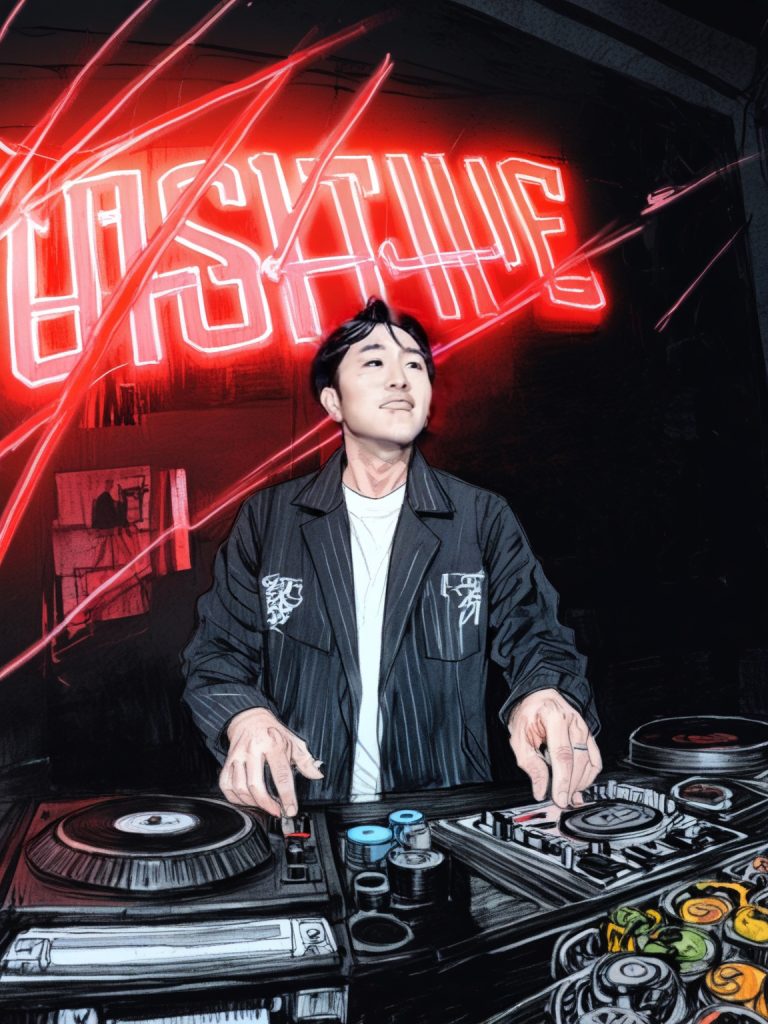
    DJ Inquisitive: Singapore’s Nightlife Shaken by Scandal

    0

    From the thumping basslines of the club to the hushed whispers of the scandal, the music has abruptly stopped playing for many. The DJ booth, once a beacon of entertainment, has become a symbol of controversy. As the allegations against DJ Inquisitive unfolded, the city’s nightlife community was left reeling, forced to confront the uncomfortable truth that the party wasn’t always as innocent as it seemed.

    TL;DR

    • The allegations against DJ Inquisitive highlight a potential systemic issue of predatory behavior in some nightclubs.
    • It’s crucial to create a culture of zero-tolerance for such behavior and implement measures to protect young people.
    • Education on consent, bystander intervention, and responsible partying is essential for both patrons and industry professionals.
    • Supporting victims and seeking justice is a vital part of the healing process.
    • This scandal serves as a wake-up call for the nightlife industry to prioritize safety and accountability.

    The glitzy Singapore nightlife scene, often celebrated for its glamour and vibrant energy, has now found itself under a dark cloud of controversy. The once-renowned DJ Inquisitive, a prominent figure in the local music scene, is facing alarming accusations that have rocked the community to its core. In this article, we’ll dive deep into the allegations, examine the broader implications for Singapore’s nightlife, and—here’s the kicker—propose some real solutions to a problem that’s clearly much bigger than just one person.

    A Tangled Web of Allegations and the Culture of Silence

    It all began when Instagram account “Stand Up Against Diddys” opened Pandora’s box, alleging that DJ Inquisitive had inappropriate interactions with underage girls. These girls—shockingly as young as 12—were allegedly subjected to predatory advances. Screenshots of conversations were shared, showing DJ Inquisitive, seemingly exploiting his status, targeting young fans in ways that highlight a disturbing power imbalance.

    If that’s not unsettling enough, another big name in the NTI scene, DJ Wukong, added fuel to the fire. He confessed to knowing about these rumors for years but admitted he felt pressured to stay silent, thanks to the industry’s unspoken code of “cool.” This raises the real issue: has Singapore’s nightlife scene allowed a toxic culture of silence to fester, just because it’s more convenient to ignore problems than confront them? Does celebrity status mean turning a blind eye to exploitation?

    Not Just One Bad Apple: A Broader Systemic Issue?

    Source: standupagainstdiddys

    The DJ Inquisitive case is, unfortunately, not an isolated incident. As more individuals step forward, a pattern of behavior seems to emerge—a behavior that could indicate a larger issue in some of Singapore’s nightclubs. With the glamorous lights flashing and the beats booming, young and impressionable clubgoers might be more vulnerable than they realize. The loose security measures and thrill of mingling with celebrity DJs only exacerbate the issue.

    But let’s be real here—this isn’t just about one DJ or even a handful of victims. It’s a wake-up call for an industry that has, for too long, brushed these problems under the rug. The accusations highlight how dangerous a lack of accountability can be when paired with unchecked power and influence.

    Time for Change: What Can Actually Be Done?

    Source: standupagainstdiddys

    Okay, we get it. Talking about these things is uncomfortable. But you know what’s more uncomfortable? Doing nothing and letting it happen again. Let’s break down what should really happen next:

    1. Accountability Is a Must

    If these accusations are proven true, DJ Inquisitive (and others like him) need to face the music—pun intended. Legal consequences, industry bans, you name it. No one should be above the law, and the nightlife industry has to make it clear that predatory behavior isn’t just a “rumor” to sweep under the rug—it’s a crime.

    2. Change the Culture, Change the Scene

    Singapore’s nightlife industry needs a cultural reboot. It’s time to stop idolizing DJs and club figures to the point where people ignore the red flags. How about mandatory training for nightclub staff to identify shady behavior? Implement a zero-tolerance policy for any kind of predatory action, and create a safer environment for all. We’re talking workshops on identifying and handling predators, clear reporting channels, and maybe—just maybe—a little less obsession with “staying cool” and more focus on being responsible.

    Source: standupagainstdiddys

    3. Empowering the Youth

    Ah, the youth. So full of life, so eager to dive headfirst into the party scene. But let’s give them a bit more than just club entry wristbands, shall we? Teaching young people about consent, boundaries, and the potential risks of nightlife isn’t just a good idea—it’s essential. Maybe this starts at home with open conversations or even workshops in schools about the reality of club culture, consent, and personal safety.

    4. Security Measures That Actually Work

    Sure, a bouncer at the door checking IDs sounds good in theory, but how effective is it? We need tighter entry protocols—real ones, not just for show. Stricter ID checks, wristbands that actually mean something, and, for goodness’ sake, train security staff to spot fake IDs. Nightclubs should step up their game if they want to protect underage individuals.

    5. Bystander Intervention: Become the Hero

    Ever seen something sketchy in a club but didn’t know what to do? Welcome to the world of bystander intervention. Patrons need to be empowered with tools and training on how to step in when they see something off. Whether it’s discreetly checking on someone or alerting staff, there are ways to be a hero without making a scene. Let’s teach people how to use their instincts to help others.

    Supporting the Victims: A Non-Negotiable Priority

    Now, let’s not forget the most important part—supporting the victims. These brave individuals who have come forward are likely dealing with some serious trauma. It’s not enough to expose the problem; we need to ensure they have access to counseling services, support groups, and legal resources. The healing process can be long and painful, but with the right support systems in place, they won’t have to go through it alone.

    Source: standupagainstdiddys

    “The news about DJ Inquisitive totally shocked me. I used to think he was one of the coolest DJs around, but now I feel disgusted. How can someone with so much influence take advantage of young girls like that? It makes me wonder how many more people in the scene knew about this but stayed silent. The whole nightlife culture feels toxic now, and honestly, it makes me think twice about going out to clubs. We need a serious change in the industry.” – Sarah Tan, 24, Singapore

    My Perspective

    Okay, here’s where I get personal. The lights, the music, the energy—it’s intoxicating. But behind the glitz, there’s a darker side that too many people overlook. As unsettling as these allegations against DJ Inquisitive are, they’re a stark reminder that no scene is as glamorous as it seems.

    Here’s the thing: while it’s crucial to hold people accountable, it’s equally important not to tar the entire industry with the same brush. There are many DJs, club owners, and staff members who work hard to create safe, fun environments for everyone. But we can’t ignore the fact that the culture needs a shake-up—a big one. This isn’t about canceling an entire industry; it’s about cleaning up the parts that are rotten.

    A Call for Systemic Overhaul

    So, what’s the takeaway here? It’s simple: if we want Singapore’s nightlife to be a place where everyone can safely dance the night away, we need a serious systemic overhaul. It’s time to shift the cultural norms, hold people accountable, and, most importantly, empower the next generation to be safe and smart in these spaces.

    The lights, the music, the glamour—it can still be there. But let’s not forget the human factor. By working together, we can make sure that Singapore’s nightlife isn’t just about having a good time; it’s about having a safe and responsible time too.

    Steve Rothstein’s Unlimited Flights: A Golden Ticket That Cost American Airlines $21 Million

    0

    You’re lounging in first class, sipping champagne, and jet-setting across the world without a care about the cost. Sounds like a dream, right? For Steve Rothstein, it wasn’t just a fantasy—it was his life for over 20 years. In 1987, this savvy stockbroker from Chicago did what any frequent flyer with deep pockets and a knack for spotting a deal would do: he bought an unlimited first-class American Airlines ticket. Yes, unlimited. Fly anywhere, anytime, forever—for just $250,000. To sweeten the deal, he added a $150,000 companion pass to share the ride. Sounds too good to be true? Well, stick around. This story has everything: luxury, generosity, fraud accusations, and a showdown that ended with American Airlines crying foul.

    TL;DR

    • The Power of Generosity: Steve Rothstein’s story is a testament to the power of using privilege for good. He used his unlimited first-class ticket to help others, from homeless people to stranded travelers.
    • The Importance of Reading the Fine Print: Rothstein’s case highlights the importance of carefully reviewing the terms and conditions of any agreement, especially when it involves significant financial commitments.
    • The Risks of Pushing Boundaries: While Rothstein’s actions were driven by a desire to help others, they ultimately led to a legal battle with American Airlines. This serves as a reminder that even with good intentions, pushing boundaries can have consequences.

    A Golden Ticket to Anywhere

    Back in the ’80s, American Airlines rolled out their ambitious AAirpass program, offering lifetime first-class travel to anyone willing to pay a hefty one-time fee. Rothstein saw the potential in this deal and made what seemed like a no-brainer purchase: $250,000 for unlimited first-class flights—for life! It was essentially a golden ticket. And he didn’t just stop there. Two years later, he threw in another $150,000 for a companion pass. You know, so a buddy could tag along on his adventures. Not bad, right?

    But Rothstein wasn’t your average traveler. No, this guy took full advantage of his golden ticket in ways American Airlines probably didn’t anticipate.

    CategoryDetails
    Full NameSteve Rothstein
    ProfessionStockbroker
    Famous ForPurchasing an unlimited lifetime first-class AAirpass from American Airlines
    Year of Purchase1987
    Cost of AAirpass$250,000 for the unlimited lifetime travel pass, plus $150,000 for a companion pass
    Flights TakenOver 10,000 flights
    Miles FlownMore than 10 million miles
    GenerosityFrequently offered free first-class flights to strangers and flew individuals for special events
    Reason for Ticket CancellationAmerican Airlines accused him of fraud for booking under fake names and violating ticket terms
    Year of Ticket Termination2008
    Legal BattleSued American Airlines but ultimately lost, with a settlement reached in 2012
    Who is Steve Rothstein?

    A Masterclass in First-Class Living

    If you had a ticket to fly first class anytime, anywhere, you’d use it to the fullest too. Rothstein racked up more than 10 million miles, took over 10,000 flights, and made American Airlines a little lighter in the pocket—$21 million to be exact. But here’s where things get interesting: Rothstein wasn’t just flying for himself. He used his ticket to spread kindness in ways that made him a legend in the frequent flyer world.

    Spreading Kindness (One Flight at a Time)

    Rothstein wasn’t all about luxury travel and champagne toasts. He was a man with a mission—to use his ticket to change lives. Random acts of kindness became his calling card. He’d wander through airports, approach strangers, and offer them his companion pass so they could experience the high life in first class. Homeless people, stranded travelers, or even families who couldn’t afford to reunite—Rothstein used his golden ticket to spread goodwill wherever he went.

    For example, he once flew a homeless man to reunite with his family, and on another occasion, took a priest to Rome to meet the Pope. Talk about using your privileges for good, right? These weren’t just first-class flights; they were once-in-a-lifetime moments that changed people’s lives.

    The Catch: Flying Under Fake Names

    Now, here’s where things get a little murky. Rothstein had a habit of booking flights under fake names. Why? Because he didn’t always know who his travel companion would be. Seems harmless, right? Well, not to American Airlines. They started taking notice, especially when Rothstein booked extra seats for “privacy” or to stash some extra carry-on luggage. Creative? Sure. But this didn’t sit well with the airline.

    The Great Showdown: American Airlines vs. Rothstein

    After two decades of Rothstein’s travel shenanigans, American Airlines finally said, “Enough is enough.” In 2008, they accused him of fraud, specifically for his use of fake names and booking extra seats. Imagine showing up at the airport for your next great adventure, only to be handed a letter saying your lifetime ticket is no more. That’s exactly what happened to Rothstein when he tried to check in for a flight to Bosnia.

    Naturally, Rothstein wasn’t about to take this lying down. He fought back, arguing that everything he did was within the spirit of the deal. He wasn’t exploiting the system for personal gain—he was just trying to help people! The airline disagreed, and things escalated into a full-blown legal battle.

    The Legal Tango

    The lawsuit between Rothstein and American Airlines was a long, messy affair. Rothstein’s defense was simple: American Airlines hadn’t enforced their rules for over 20 years, so why were they cracking down now? The airline, on the other hand, claimed that Rothstein’s behavior was fraudulent from the get-go, violating the terms of his AAirpass agreement. In the end, after much back-and-forth in court, the case was settled. Unfortunately for Rothstein, his golden ticket days were over.

    My Take: Who’s Really at Fault Here?

    Who’s really at fault here? Rothstein, for bending the rules of a once-in-a-lifetime deal, or American Airlines, for offering an unsustainable program? Honestly, I think there’s a bit of blame on both sides. Rothstein was clearly pushing the boundaries with his fake name bookings and extra seat reservations. But let’s not forget—he was using his privileges to help others. So, was it really that bad?

    As for American Airlines, well, they probably should’ve seen this coming. Offering unlimited first-class travel for a one-time fee? That’s like giving a kid an all-you-can-eat candy pass and expecting them to nibble on a single piece. Of course, Rothstein took full advantage. The airline set the rules, and Rothstein played by them—creatively, but still.

    In the end, I can’t help but admire Rothstein’s generosity and his ability to game the system. Sure, he lost his golden ticket, but he left a legacy of kindness in his wake. And let’s be honest, American Airlines is still around, so it’s not like he bankrupted them.

    Lessons from Rothstein’s Saga

    What can we learn from Steve Rothstein’s story? Well, for one, it’s a reminder to read the fine print—whether you’re booking a flight or signing a contract. But more importantly, it shows that even in a world driven by corporate profit, there’s still room for human kindness. Rothstein had the means and the opportunity, and he used both to make a positive impact.

    Would I do the same in his shoes? Maybe. But I’d probably use my own name when booking those extra seats. Just a thought.

    Recent Events Related to Steve Rothstein’s Story

    1. Changes in Airline Loyalty Programs

    • Devaluation of Points and Miles: Many airlines have devalued their loyalty program points and miles, making it harder for frequent flyers to redeem them for rewards like first-class upgrades. This trend is a stark contrast to the unlimited first-class access that Rothstein enjoyed.
    • Dynamic Pricing: Airlines have increasingly adopted dynamic pricing models, where ticket prices fluctuate based on demand and other factors. This can make it more difficult for frequent flyers to find consistent deals and upgrades.

    2. Increased Scrutiny of Frequent Flyer Abuse

    • Crackdowns on Mileage Fraud: Airlines have become more vigilant in detecting and preventing mileage fraud, such as the sale of miles on the black market. This reflects a growing concern about the misuse of loyalty programs.
    • Changes in Companion Ticket Rules: Many airlines have tightened the rules for companion tickets, making it more difficult to bring a travel companion along for free. This is a significant departure from the generous companion pass that Rothstein received.

    3. Legal Battles Between Airlines and Frequent Flyers

    • High-Profile Lawsuits: There have been recent legal battles between airlines and frequent flyers over issues such as denied boarding, lost luggage, and the terms of loyalty programs. These cases highlight the ongoing tension between airlines and their customers.

    These recent events demonstrate how the airline industry has evolved since Rothstein’s time, with a focus on protecting revenue and preventing abuse of loyalty programs. While the unlimited first-class access he enjoyed is now a rarity, the underlying themes of privilege, generosity, and consumer rights remain relevant today.

    The Legacy Lives On

    Though Rothstein’s unlimited travel days are behind him, his story continues to inspire. He showed us that generosity and travel can go hand in hand, even if the deal of a lifetime comes to an end. Today, his tale is a legendary piece of frequent flyer folklore—one that makes us think twice about how we use our resources and privileges.

    Princess Jenna Norodom: Is Cambodia’s 12-Year-Old Princess the Next K-pop Idol?

    0

    In a realm where royalty often means tradition and conformity, Princess Jenna Norodom is carving out a unique path. At just 12 years old, she’s not content with the gilded cage of her royal lineage. Instead, she’s traded in tiaras for microphones, and palaces for dance studios, embarking on a journey that’s as unexpected as it is audacious: a quest to become a K-pop star.

    Is this a mere teenage whim, or a calculated move by a young woman determined to rewrite the rules of her royal existence? Is it a sign of a changing world where even princesses can pursue their passions without fear of judgment, or a PR stunt designed to keep her name in the headlines?

    TL;DR

    • Princess Jenna Norodom, a 12-year-old Cambodian princess, is pursuing a career in K-pop.
    • She has joined K’ve Entertainment and expressed her passion for K-pop music and dance.
    • Jenna has been involved in the entertainment industry since she was six years old.
    • Her journey highlights the collision between tradition and modernity, royalty and celebrity.
    • Despite the challenges, Jenna’s determination and talent make her a potential rising star in the K-pop world.

    Let’s talk about a 12-year-old princess from Cambodia who’s apparently setting her sights on something bigger than royal duties. While most 12-year-olds are figuring out how to survive middle school or maybe just trying to get through the latest TikTok dance trend, Princess Jenna Norodom seems to be gearing up for a career in K-pop. Yes, K-pop. You read that right.

    Rumor has it that this young royal might be heading to South Korea to train as the next big K-pop sensation. And if there’s one thing the internet loves more than K-pop, it’s a good rumor—especially one involving royalty. So, let’s dive into the juicy details of this princess-turned-K-pop-hopeful and see what’s really going on.

    CategoryDetails
    NamePrincess Jenna Norodom
    Age12 years old
    NationalityCambodian (Half-French, Half-Cambodian)
    Royal TitlePrincess of Cambodia
    Career StartBegan acting, singing, and dancing at age 6
    Joined K-pop AgencyJoined K’ve Entertainment (South Korean-owned) in 2022
    Interest in K-popDeclared herself a “K-pop evangelist” with plans to pursue a career in South Korea
    TalentsActing, singing, dancing (both traditional Cambodian and K-pop styles)
    Entertainment ExperienceAppeared in popular Khmer TV shows, released the song “You Da One” in 2022
    Notable AwardsWon “Best Newcomer Actress” at the 2nd Cambodia-Asia Film Festival for her role in The Night Curse of Reatrei (2023)
    K-pop TrainingRumored to be heading to South Korea for K-pop idol training
    CEO’s PraiseK’ve Entertainment’s CEO praised her potential and dance skills, calling her a fast learner despite her royal duties
    Future ProspectsMay face the challenges of South Korea’s rigorous K-pop trainee system; balancing royal duties with the demands of idol life will be crucial

    K-pop Dreams: From Cambodia to Seoul

    The buzz around Princess Jenna’s K-pop aspirations started swirling in 2022 when she joined K’ve Entertainment. For those not in the know, K’ve Entertainment is a South Korean-owned agency based in Cambodia. Yes, even Cambodia has its own little slice of the K-pop pie, apparently. When you’ve got a dream this big, it’s no surprise you want to rub elbows with the best in the business. That’s exactly what the princess did.

    Fast forward to 2023, and Princess Jenna sat down with Korean news channel YTN for an interview that gave us a peek into her future plans. Spoiler alert: K-pop is front and center. Jenna proudly declared herself a “K-pop evangelist.” Now, if that’s not a bold statement, I don’t know what is. It’s one thing to be a fan, but calling yourself an evangelist? That’s next level. She expressed her admiration for K-pop songs and dances, all while hinting at her intentions to make a name for herself in South Korea.

    If you’re raising an eyebrow, wondering how a Cambodian princess fits into the world of K-pop, hold that thought.

    What the K-pop Execs Say

    In the same interview, Na Yoon-jung, the CEO of K’ve Entertainment, didn’t hold back on showering the young princess with praise. According to Na, Jenna attended one of their events and practically jumped at the chance to work with the agency. “Collaborate” was the word used, but let’s be real, it sounds like Jenna’s ready to dive headfirst into the K-pop scene. Na described the princess as someone with “a lot of potential” and talents that extend beyond just Cambodian traditional dance styles. Apparently, her K-pop dance moves are already something to watch out for.

    Now, if a K-pop CEO is talking about your “potential,” that’s a good sign. It means you’re not just another starry-eyed hopeful. Add to that the fact that Jenna is reportedly a fast learner, all while juggling her royal duties—yes, there’s actual royal stuff to deal with— and you’ve got the makings of someone who could genuinely make waves.

    Princess by Day, Entertainer by Night

    Here’s where things get even more interesting. Princess Jenna hasn’t just waltzed into the entertainment industry on a whim. She’s been at this game for a while. Since the age of six, she’s been acting, singing, and dancing. According to Lifestyle Asia, this half-French, half-Cambodian princess is practically a household name in Khmer entertainment. We’re talking TV shows, music releases, and even a prestigious award for her acting.

    In 2022, Jenna released her very own song titled “You Da One.” If the title makes you cringe a little, don’t worry—you’re not alone. But hey, give the girl credit for getting out there and doing her thing. The song may not be topping international charts, but it’s another notch in her belt, proving she’s serious about her entertainment career.

    Oh, and did I mention she snagged the “Best Newcomer Actress” award at the 2nd Cambodia-Asia Film Festival for her performance in the horror film The Night Curse of Reatrei? That’s right, this princess knows how to serve up some horror realness. Clearly, Jenna isn’t afraid to try new things, which makes her K-pop ambitions a little less surprising.

    Recent Developments in Princess Jenna Norodom’s K-pop Journey

    1. Joining K’ve Entertainment: Princess Jenna Norodom joined the South Korean-owned agency K’ve Entertainment in 2022, signaling her serious intent to pursue a K-pop career.
    2. YTN Interview: In a 2023 interview with YTN, Princess Jenna expressed her passion for K-pop and her desire to make a name for herself in South Korea. She also discussed her admiration for K-pop songs and dances.
    3. Song Release: “You Da One”: Princess Jenna released her debut single “You Da One” in 2022, showcasing her musical talent.
    4. Award for Acting: Jenna won the “Best Newcomer Actress” award at the 2nd Cambodia-Asia Film Festival for her performance in the horror film “The Night Curse of Reatrei.”
    5. Training and Development: While there might not be specific updates on her training regimen, joining K’ve Entertainment would likely involve intensive training in singing, dancing, and other aspects of K-pop performance.

    This list provides a snapshot of the key milestones in Princess Jenna Norodom’s K-pop journey. It highlights her initial steps towards pursuing a career in the industry, her public expressions of interest, and her accomplishments in both music and acting.

    My Two Cents: Princess or Pop Star?

    So, here’s the question: Can Princess Jenna really pull this off? It’s not like every 12-year-old princess wakes up and decides to become a K-pop star. But then again, this isn’t your average princess. Jenna’s already got years of entertainment experience under her belt, and if the rumors about her training in South Korea are true, she’s on a fast track to making this dream a reality.

    But let’s get one thing straight—K-pop isn’t a walk in the park. It’s not just about learning a few dance moves and belting out catchy tunes. It’s a grueling, high-pressure industry where only the toughest survive. If Princess Jenna thinks she’s going to waltz in and claim her spot without blood, sweat, and tears, she’s in for a rude awakening.

    But maybe, just maybe, she’s got what it takes. After all, she’s spent the last six years balancing royal life with an entertainment career, so she’s no stranger to hard work. Plus, if there’s one thing we’ve learned from K-pop, it’s that talent can come from the most unexpected places. If Jenna’s truly serious about this, she might just surprise us all.

    The Road Ahead: K-pop Training in South Korea?

    If Jenna does end up heading to South Korea for K-pop training, she’ll be entering a whole new world. South Korea’s idol training system is infamous for being rigorous. Trainees spend years honing their craft, often sacrificing their personal lives for a shot at stardom. Long hours, harsh critiques, and intense competition—it’s a lot to handle, especially for someone so young.

    But let’s not forget, Jenna isn’t just any 12-year-old. She’s a princess with a passion for entertainment, and she’s already proven she can handle the spotlight. Whether she can keep up with the demanding world of K-pop remains to be seen, but it’s certainly going to be interesting to watch.

    “I can’t believe a real-life princess is aiming to be a K-pop idol! Imagine juggling royal duties and dance practice—it sounds impossible, but if anyone can do it, it’s Jenna. She’s already accomplished so much at 12! I’ll be keeping an eye on her career for sure. Maybe one day we’ll be calling her the ‘Princess of K-pop’ instead of Cambodia. Who knows? It’s crazy how the K-pop world keeps pulling in talent from the most unexpected places.”Sophie Martinez, 22, Barcelona

    Final Thoughts: Is This the Beginning of a New K-pop Era?

    So, could Princess Jenna Norodom be the next big thing in K-pop or K-drama? Only time will tell. For now, the speculation and rumors are enough to keep fans—and skeptics—on their toes. If nothing else, it’s a fascinating story that adds a new twist to the world of both royalty and K-pop. Who knows, we might just be witnessing the start of a new era where royal titles meet pop stardom.

    One thing’s for sure: Princess Jenna isn’t following the typical royal playbook. Whether she’s performing on a stage in Seoul or starring in the next big Khmer drama, she’s forging her own path. And honestly, isn’t that what being a modern princess is all about?

    Is Gambling Financially Rational?

    0

    Have you ever stared at a roulette wheel, your heart pounding in anticipation, the chips trembling in your hand? That familiar thrill, the rush of adrenaline, the tantalizing promise of a windfall – it’s the siren song of gambling. But is it merely a game of chance, or a calculated risk that can yield financial rewards?

    The question, “Is gambling financially rational?” is like asking a magician to reveal their secrets: the answer is both yes and no, depending on the perspective. To the gambler, it’s a strategic endeavor, a battle of wits against the odds. To the economist, it’s a mathematical equation, a balancing act between risk and reward. And to the philosopher, it’s a moral dilemma, a test of human nature and the pursuit of happiness.

    In this exploration, we’ll delve into the complexities of gambling, examining the psychological, financial, and ethical implications. We’ll uncover the hidden truths behind the glamorous facade, and explore whether the allure of the jackpot is worth the risk.

    TL;DR

    • Gambling is a complex activity with both financial and psychological implications.
    • While there’s a potential for financial gain, the risks involved should be carefully considered.
    • The thrill of gambling can be addictive, and it’s important to gamble responsibly.
    • Consider the potential costs and benefits before making decisions about gambling.
    • Remember, gambling is a game of chance, and there’s no guarantee of winning.

    You’ve likely heard the saying, “The house always wins,” and let’s be honest, gambling can feel like you’re throwing money into the wind and hoping for a miracle. But there’s always that glimmer of hope—the slim chance that the stars will align, and you’ll hit the jackpot. The question is: Is gambling financially rational, or are we all just optimistically tossing our hard-earned cash down the drain?

    Let’s Break It Down: What Does “Financially Rational” Even Mean?

    Before we dive into the deep end of odds and payouts, let’s clarify what we’re talking about here. When we say a gamble is “financially rational,” we’re really asking whether, mathematically speaking, it makes sense to put money into the bet. Does the potential reward outweigh the risk?

    In simpler terms: are you more likely to end up with more money than what you started with? Or are you better off keeping that $5 in your pocket and treating yourself to a coffee (which, in this economy, might also be a gamble)?

    Now, let’s consider a lottery ticket as our example. Suppose you’ve got a $5 ticket with a 1:1 chance of winning $100. The immediate gut reaction might be: “Well, duh! Who wouldn’t want to turn $5 into $100?” But as always, the devil is in the details.

    Simple Math, or Just Wishful Thinking?

    To decide whether buying that lottery ticket is rational, you’ve got to think in terms of expected utility—fancy words, but don’t worry, we’ll keep it simple. Expected utility is just a way of measuring how much value (or utility) you expect to get out of a situation, like buying a lottery ticket.

    In this case, you calculate it like this: the utility of the win (in this case, $100) minus the utility of the loss ($5), all divided by the chances of winning. If the result is positive, it might make sense to play. If it’s negative, walk away.

    So, for this $5 ticket with a payout of $100, if your expected utility is greater than zero, you should probably buy that ticket. But here’s where things get tricky: how do you feel about that $5? Would you cry if you lost it? Or could you shrug it off like spare change? If losing that $5 ruins your week, gambling probably isn’t for you.

    How Odds and Payouts Flip the Script

    Now, let’s get into the nitty-gritty. The odds of winning are what really make or break the rationality of gambling.

    For instance, let’s say the odds aren’t 1:1 anymore—what if they drop to 1:10? Or worse, 1:100? At some point, no matter how big the payout is, the odds of winning become so small that your chances of taking home the prize are slimmer than finding a unicorn in your backyard.

    A big payout is only appealing if it’s even remotely likely to happen. If the odds become laughably low, the whole thing becomes more of a dream than a financial plan. In this case, you might be better off keeping your $5, or perhaps investing it in something more predictable, like a piggy bank.

    But, if the payout is significantly larger than your stake—like a $1 bet with a payout of $10,000—well, we might just start reconsidering. Even if the odds are low, a small gamble with a huge reward can sometimes be worth it, especially if you don’t mind parting with that dollar.

    Multiple Bets and the Domino Effect

    You might be wondering, “Does it matter if I buy just one ticket or a bunch of tickets over time?” Good question, and the answer is: absolutely, it matters.

    If you’re only placing a single bet, your outcome is all-or-nothing. One ticket, one chance. But in the real world, most gamblers place multiple bets over time. In that scenario, things can start to snowball. One win can fund future bets, but each loss chips away at your bankroll.

    The more times you play, the more your luck—or lack thereof—adds up. Multiple bets change the entire equation. Suddenly, you’re not just considering the odds of one bet, but how a series of wins or losses will impact you financially. This is where a rational person might say, “Wait, is it time to walk away?”

    “I know gambling’s a bad idea, but honestly, sometimes it’s just about the thrill. I mean, I’m not throwing my life savings on the blackjack table, but every now and then, a few bucks on a game? It feels like the price of entertainment, like going to the movies. Sure, it’s not ‘financially rational,’ but neither is buying a $7 coffee every morning, and nobody judges me for that. It’s all about balance, right?” – Jake Matthews, 34, Las Vegas, NV

    Are You Betting or Just Dreaming?

    Let’s talk about the mental side of this. In theory, gambling should be all about maximizing your expected utility, but humans are wired for more than just cold, hard logic. We dream big, we get excited, and sometimes we convince ourselves that the next roll of the dice will change everything.

    But here’s the truth: gambling is more like buying a fleeting thrill than making a solid investment. Yes, there’s a chance you could win big, but more often than not, that thrill comes with a price. Whether it’s a small scratch-off ticket or a weekend in Vegas, the rush of gambling isn’t purely about rationality—it’s about the dream of winning, the adrenaline of risk.

    In my humble opinion, if you’re throwing money into a gamble, you’ve got to ask yourself one key question: Can I afford to lose this? Because, let’s face it, most of the time, you will lose. And if that $5 or $100 or $1,000 is going to haunt you if it disappears, then it’s not a rational move.

    My Two Cents: The Reality of Rationality in Gambling

    If you’re expecting me to give you a one-size-fits-all answer about whether gambling is rational, well, I hate to break it to you, but that’s not how this works. The rationality of gambling depends entirely on the individual—and yes, that includes you.

    For the high rollers out there, dropping a few grand on a game of poker might be pocket change. For the rest of us, a $5 lottery ticket could mean skipping lunch. Rationality isn’t just about the numbers; it’s about how much you value what you stand to lose versus what you might win.

    In conclusion, is gambling financially rational? Sometimes, yes. But more often than not, it’s wishful thinking disguised as a “strategy.” If you want to keep your financial decisions truly rational, save your cash for something with a higher likelihood of return, like investing in the stock market or—better yet—a good savings account.

    And if you do decide to gamble? Do it for the fun of it, not because you’re banking on becoming a millionaire. After all, playing the game can be fun—but only if you’re okay with the odds that you’ll probably lose.

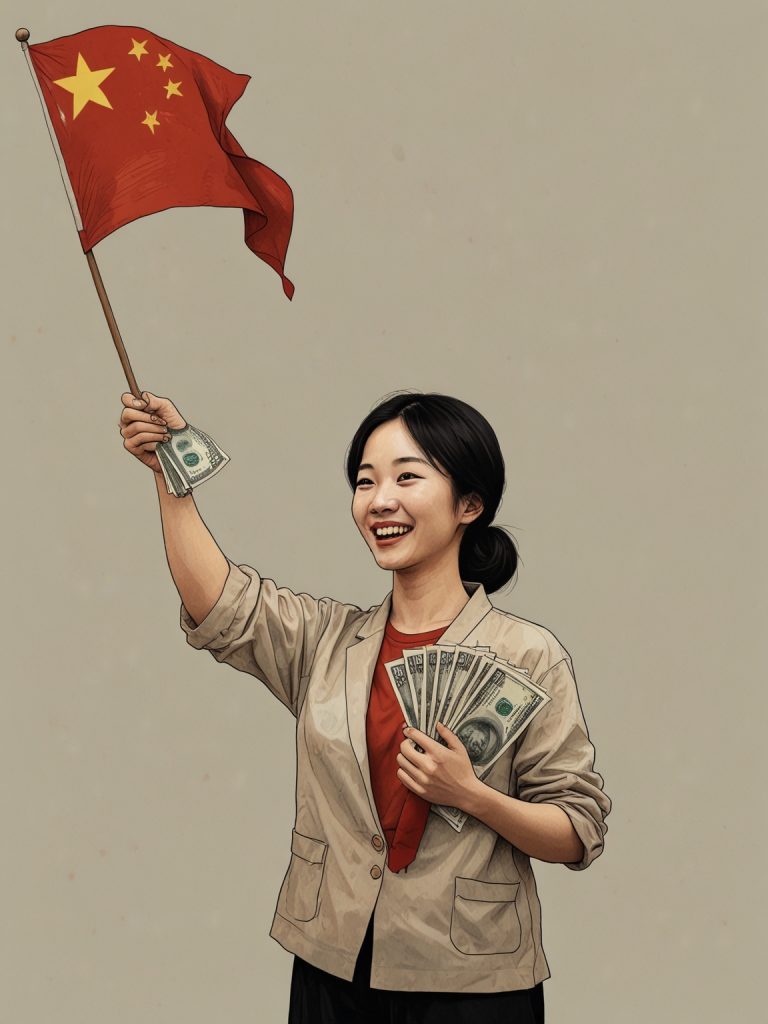
    Will China’s $300 Billion Stimulus Be Enough to Save China’s Economy?

    0

    Imagine China as a ship caught in a tempestuous economic storm. Battered by trade wars, property market woes, and a slowing global economy, the ship is listing dangerously. Now, the captain, Beijing, has announced a lifeline: a $300 billion stimulus package. But is this a Hail Mary pass, a desperate gamble to turn the tide, or merely a hail storm, a brief downpour that offers little lasting relief?

    The question is as complex as it is intriguing. Will this massive injection of cash be enough to steer the ship back to calmer waters? Or will it prove to be a drop in the ocean, a fleeting moment of respite before the storm rages on? Let’s dive deeper into this economic enigma and explore the potential implications of this bold move.

    TL;DR

    • China’s $300 billion stimulus package is a significant step towards economic recovery.
    • The property market plays a crucial role in the overall economy.
    • Trade tensions with Western countries continue to pose challenges.
    • Boosting domestic consumption is essential for sustainable growth.
    • Industrial production needs to recover to support the economy.

    The global economy is buzzing with a massive question: How much money will Beijing pour into propping up China’s shaky economy? And, more importantly for the everyday person—how much of that cash will actually trickle down to consumers?

    If you tuned into Chinese Finance Minister Lan Fo’an’s press conference hoping for some clear answers, you might have been left scratching your head. Instead of clarity, Lan offered a vague outline, leaving investors to play the guessing game. As markets opened in China and Hong Kong on Monday, it seemed like business as usual—China’s CSI 300 index barely moved, and Hong Kong’s Hang Seng even dipped by 2%. All eyes are still on Beijing, waiting for a bigger, bolder move.

    AspectDetails
    Total Amount$300 billion
    PurposeTo boost the struggling Chinese economy and stimulate consumer spending
    Announcement DateRecent (specific date can be added based on current news)
    Key Areas of Focus– Infrastructure projects
    – Support for local governments
    – Capital replenishment for state-owned banks
    Expected Impact– Aimed to achieve over 5% GDP growth
    – Address consumer confidence and spending issues
    Challenges– Consumer spending remains low
    – Property market issues
    – Uncertainty in global trade dynamics
    Economists’ Outlook– Mixed feelings; optimism about growth but concerns about sustainability of recovery
    Next Steps– Detailed fiscal measures expected from the National People’s Congress later this month

    A Tease of $300 Billion – But for What?

    Despite the uncertainty, Lan did dangle a pretty big carrot in front of everyone: $300 billion. Yep, that’s how much Beijing has earmarked for spending this year but hasn’t touched yet. The problem? He didn’t say how or when it’ll be used. It’s kind of like being told there’s cake in the fridge but no one’s saying when you can eat it.

    For economists, this was enough to breathe a small sigh of relief. They’re betting that Beijing will eventually pull out the big guns to meet its GDP growth target of 5%. But how they plan to do this? Your guess is as good as mine. One thing is for sure—China’s government is feeling the pressure, and they’ll need to pull something spectacular out of the hat to ensure things don’t spiral in 2025.

    Société Générale economists Wei Yao and Michelle Lam seemed cautiously optimistic, telling their clients, “Beijing will deliver.” But without the specifics, we’re all left hoping that delivery is more like Amazon Prime and less like the post office on a long weekend.

    The Big Question: Will the Money Go to the People?

    Here’s where things get tricky. While everyone’s fixated on that massive stimulus, the real concern is whether the average Chinese citizen will benefit. Domestic spending is sluggish—like trying to run a marathon with concrete shoes. Low income growth and rising fears about jobs, especially in the housing market, are keeping wallets tightly closed.

    So, while Beijing might throw billions at industrial strategies and tech innovation, the question remains: How will they get people to spend? There’s only so much that factory production and export surges can do. China needs its citizens to save less and consume more. Unfortunately, that shift isn’t happening overnight.

    And let’s be honest, after years of economic uncertainty and a property market that feels more like a house of cards, who can blame them for not wanting to splurge?

    The Reality Check: Slipping Into Stagnation?

    Just when you thought things couldn’t get any worse, along came Sunday with a fresh dose of reality. New data showed that prices for industrial goods in China dropped in September, the fastest decline since March. Consumer price inflation? Almost zero. For a country that’s relied on booming exports and industry to fuel growth, this is a red flag—a big one.

    And the slowdown isn’t just a momentary blip. Economists are bracing for more gloomy figures in the coming days. Exports are expected to lose steam, and China’s overall economy is predicted to hit the brakes in the third quarter. Not exactly the news you want when you’re hoping for a miracle.

    Property Crisis: Still Not Going Anywhere

    Then there’s the elephant in the room—the property market. China’s real estate sector is still in deep trouble, and despite a recent uptick in home viewings and transactions, it’s clear that the market hasn’t fully recovered. Sure, a few house hunters have emerged, probably tempted by some new policy easing. But let’s face it: this is more like a Band-Aid on a broken leg. Without significant change, the property sector will continue to drag the economy down.

    Private Sector: Crickets

    Meanwhile, private-sector investment is nearly non-existent. Confidence is still shattered after the pandemic, and with consumer confidence in the gutter, spending has dried up. Some experts are even whispering fears of a Japan-style economic stagnation—complete with deflation. Let’s hope it doesn’t come to that, but the signs aren’t encouraging.

    Beijing’s Long-Term Plan: Industrial Domination

    So, what’s Beijing’s grand solution to all this? More industrial strategy, of course. The government has doubled down on its long-term goal of making China a tech superpower. This plan, while ambitious, is causing global trade tensions to flare. Sure, China is cranking out more products than ever, and at bargain prices too. But that’s only creating more friction with countries who don’t exactly appreciate China’s dominance in the global market.

    The Big Shift: Finally Some Movement

    Now, after months of barely-there support, it seems like Beijing has finally woken up to the seriousness of the situation. Late last month, the People’s Bank of China cut interest rates, and Governor Pan Gongsheng even hinted that the central bank would finance stock purchases to boost economic confidence. It’s about time, right?

    Investors, clearly starved for good news, went wild. Stock markets soared, betting that even more stimulus was on the way. But then, in typical fashion, reality hit. A news conference by China’s National Development and Reform Commission (NDRC) failed to deliver anything new, and the market party fizzled out.

    Still No Clear Path

    Lan Fo’an’s latest conference didn’t exactly revive the mood. Sure, he rattled off a list of promises and policies—like increasing local-government borrowing quotas and funneling unspent funds to help provinces out. But when it came to the most important issue—getting consumers to spend—Lan didn’t offer much hope.

    Julian Evans-Pritchard from Capital Economics summed it up best: “Notably absent was any mention of large-scale handouts to consumers.” In other words, don’t expect a cash bonanza.

    What About Next Year?

    As for next year, we’re still in the dark. Lan hinted that the government has room to borrow more, but we won’t know the specifics until China’s top legislature meets later this month. Economists are predicting new borrowing to total between 1 trillion and 3 trillion yuan (roughly $142 billion to $425 billion). Some are hoping for even more—up to 10 trillion yuan. But for now, we’re all left speculating.

    “I can’t help but wonder if $300 billion is just another band-aid on a bigger problem. I mean, we’ve seen these government interventions before—pumping money into infrastructure or industrial projects—but what about us, the average consumer? People aren’t spending because they’re nervous about the future, not because there isn’t enough money floating around. If the stimulus doesn’t address that, it’s just another short-term fix for long-term issues.” – Alex Zhang, 34, Shanghai, China

    My Point of View

    Let me throw in my two cents. On one hand, you’ve got to admire China’s resilience. They’ve kept the economy afloat with industrial might and exports. But let’s be real—people can only keep churning out products for so long before they burn out. Consumers need confidence, jobs, and income security to spend. Without that, all the stimulus in the world won’t save an economy that’s teetering on the edge.

    In the long run, Beijing must shift away from its overreliance on investment and exports. Yes, it’ll hurt in the short term, but rebalancing toward a more consumer-driven economy is the only way forward. Whether Beijing is ready to make that leap remains to be seen.

    Recent Events Related to China’s Economic Stimulus

    1. China’s Central Bank Rate Cut

    2. Property Market Recovery Efforts

    • Date: October 2024
    • Reference: South China Morning Post, “China’s property market shows signs of life as home viewings and transactions rise” https://www.scmp.com/topics/china-property
    • Description: The Chinese government has implemented various measures to stimulate the property market, including easing mortgage rules and providing financial support to developers. These efforts have led to a slight increase in home viewings and transactions.

    3. Global Trade Tensions

    4. Domestic Consumption Concerns

    5. Industrial Production Slowdown

    Final Thoughts: Will China Save Itself?

    China’s economy is at a crossroads. With billions in unspent funds and more borrowing on the horizon, there’s potential for a comeback. But without decisive action to boost consumer confidence, it’s hard to see a real turnaround anytime soon. Will Beijing finally pull the trigger and pump enough money into the system to save the day? Or will they stick to their cautious approach, hoping the storm passes?

    For now, all we can do is wait and watch. But one thing’s clear—China’s next moves will shape the global economy for years to come. Let’s just hope they make the right ones.

    What Comes After Love: Episode 4 Breakdown – More Heartache, More Questions

    0

    Love, a force as powerful as nature itself, can leave us feeling on top of the world. But what happens when that love fades, leaving behind a trail of heartache and unanswered questions? In the realm of Korean dramas, this exploration of post-love emotions is a recurring theme, and “What Comes After Love” is no exception. Episode 4, a whirlwind of revelations and emotional turmoil, delves deeper into the complexities of love, loss, and the lingering echoes of a once-promising relationship.

    TL;DR

    • Love can leave a lasting impact: Even after a relationship ends, the emotions and memories can linger, shaping our future.
    • Communication is key: Misunderstandings and unspoken feelings can lead to significant problems in a relationship.
    • Growth and self-discovery: Breaking up can be a catalyst for personal growth and self-reflection.
    • Holding onto hope: It’s okay to hold onto hope for a better future, even when things seem bleak.

    Welcome back to another heart-wrenching episode of What Comes After Love after our review of episode 3. If you thought things couldn’t get more complicated between our star-crossed lovers, buckle up. This week, we get a hefty dose of clarity on both sides of the breakup, but also a lot more questions about where things are heading. You know that sinking feeling when you think you’re about to get answers, but instead, you get more riddles? Yeah, that’s this episode in a nutshell.

    So, what’s new this week? Let’s dive in, and yes, I’ll be your friendly, somewhat sarcastic guide through this emotional rollercoaster.

    A Not-So-Romantic Proposal (Or Was It?)

    Last week left us on a cliffhanger with Kanna draped over Jungo, marriage proposal in the air like confetti at a wedding. Turns out, she was just a bit… tipsy. Okay, maybe more than tipsy, but that’s not the real kicker. They’re not even in a relationship! Surprise, surprise, folks. When we finally see the full scene, Kanna desperately clings to Jungo, pleading, “Please come back to me.” Ouch.

    Now, here’s where the pain really sinks in. Jungo, like any emotionally unavailable guy, gently peels her off and apologizes. You can almost feel the weight of her heartbreak, and let’s be real, his too. He’s torn between guilt and confusion. She’s clearly in love, and he knows it. The question is: does he even know what he wants?

    Cue the Inner Turmoil: Jungo’s Dilemma

    Meanwhile, Jungo is left pondering the same question we’ve been asking all along: why did he run into Hong again? Is it fate pushing them back together, or is it the universe’s way of giving them closure? If you ask me, the universe loves playing these cruel jokes. We soon learn that Jungo doesn’t want closure; he’s holding onto hope. In fact, he wrote his entire novel in the hopes that Hong would read it and understand his side of the story. Ah, the classic “I’ll express my feelings through art” move.

    But hey, let’s cut the guy some slack. We all know someone who communicates better through text than face-to-face (maybe that’s why we send memes instead of talking).

    Hong’s Side of the Story: Loneliness, Over-Reliance, and Disappointment

    Now, let’s not put all the blame on Jungo. This episode gives us a deeper look at Hong’s perspective. We already knew she struggled with loneliness while living abroad, depending heavily on Jungo for emotional support. But guess what? He wasn’t exactly boyfriend of the year either.

    Take this one instance. Hong gets invited to a co-worker’s wedding. She’s ecstatic because, let’s face it, events are rare when you’re a foreigner in Tokyo. She wants Jungo to go with her, but he hesitates. Like any good girlfriend, she takes matters into her own hands—handling everything from wedding customs to gifts—and even agrees to perform a song at the wedding. Aww, so sweet, right? Well, hold that thought.

    On the big day, Jungo lands a last-minute interview with a publishing house (yay for his career) and they offer him a job on the spot. The catch? He has to start immediately. So, while Hong strums her guitar and sings a love song, he’s missing in action. Worse, he doesn’t even text to let her know he’s not coming. Come on, dude, you had one job. He shows up when the party’s over. Yikes.

    The Argument: The “I Couldn’t Help It” Excuse

    Back home, things go about as well as you’d expect. Hong’s waiting, seething. Jungo explains his side, saying he’s always dreamed of working at this publishing company and that “he couldn’t help it.” Oh no, you didn’t just say that! If there’s a faster way to lose sympathy, it’s by uttering those exact words.

    The argument spirals, with Jungo claiming he never promised to go, only that he’d try. Hong, rightfully, snaps back, saying he should’ve just said no if this was how he planned to act. And in a moment that hits us all, she leaves the apartment, whispering to herself that everlasting love is a myth.

    Jungo’s Unfinished Business: Searching for Closure (Or Not?)

    Fast forward to the present. Jungo, in true stalker fashion, cancels his plans and guesses where Hong will be on her daily jog. He finds her, but does she stop to talk? Nope. She runs right past him, leaving both of them emotionally wrecked. But it does beg the question: why didn’t Jungo try to find her sooner? He sent her belongings to Korea, so he’s known where she was all along. Was he waiting to become famous? Did he need to “grow up” first?

    Jungo, my man, you’re making it really hard for us to root for you.

    Hong’s Realization: It Wasn’t About Forgetting Him

    Here’s where things get a little deep. When Hong received her stuff from Japan, it was a bitter pill to swallow. It wasn’t just the end of their relationship; it was the end of a version of herself. “It took me a long time to realize I wasn’t trying to forget Jungo, but the me who loved him,” she says. Oof, that one stings. And so, she shoves everything into a closet for five years—until her sister stumbles upon an unread letter inside her guitar case.

    The Big Reveal: What’s in the Letter?

    The episode ends with Hong on the verge of opening the letter. But before we get there, we’re treated to more flashbacks of happier times. Jungo, predictably, struggles to express his feelings. He believes that if your love is sincere, the other person will feel it eventually. Um, sure, but saying “I love you” every once in a while wouldn’t hurt, dude.

    Hong reflects on their past, noting that they only ever talked about their bright future, never addressing the real problems. “We were blind to the harsh realities of the world when we were at the peak of happiness,” she narrates. Isn’t that always the case?

    Jungo’s Novel: More Than Just a Story

    Jungo’s book, titled What Comes After Love, is out, and someone at his signing event remarks that they’ve been through a similar experience. Love, as they say, isn’t enough to overcome borders and cultural differences. Jungo’s response? He didn’t write the book to send a message. He wrote it because of all the memories and regrets about a particular person (gee, wonder who that could be). And yes, he hopes she reads it and realizes he was young and clueless when they were together.

    Hong is at the book signing, but she leaves without talking to him. But Min-jun, the wildcard, steps in and asks Jungo if he knows Hong. Cue the tension between our two male leads.

    My Two Cents: The Future Looks… Complicated

    So, what’s my take on this emotional mess? Well, it’s complicated. Both Hong and Jungo have grown as individuals, but there’s so much pain and unresolved tension between them. Can they rekindle what they once had? Maybe. But they’ll also never fully move on from each other. It’s that lingering “what if” that will continue to haunt them—whether they end up together or not.

    “I swear, watching Jungo and Hong is like watching two people who have all the puzzle pieces but can’t figure out the picture. Jungo keeps thinking silence will explain everything, and Hong seems stuck on her heartbreak from years ago. It’s maddening, but also so relatable. Sometimes love just isn’t enough, and this episode hit hard on that truth. Maybe what comes after love is just…more confusion and what-ifs.”- Maya Stevens, 29, Chicago

    Two more episodes to go, and it looks like we’re in for some big reveals. Will the letter change everything? Will Min-jun make his move? Stay tuned. And grab some tissues.

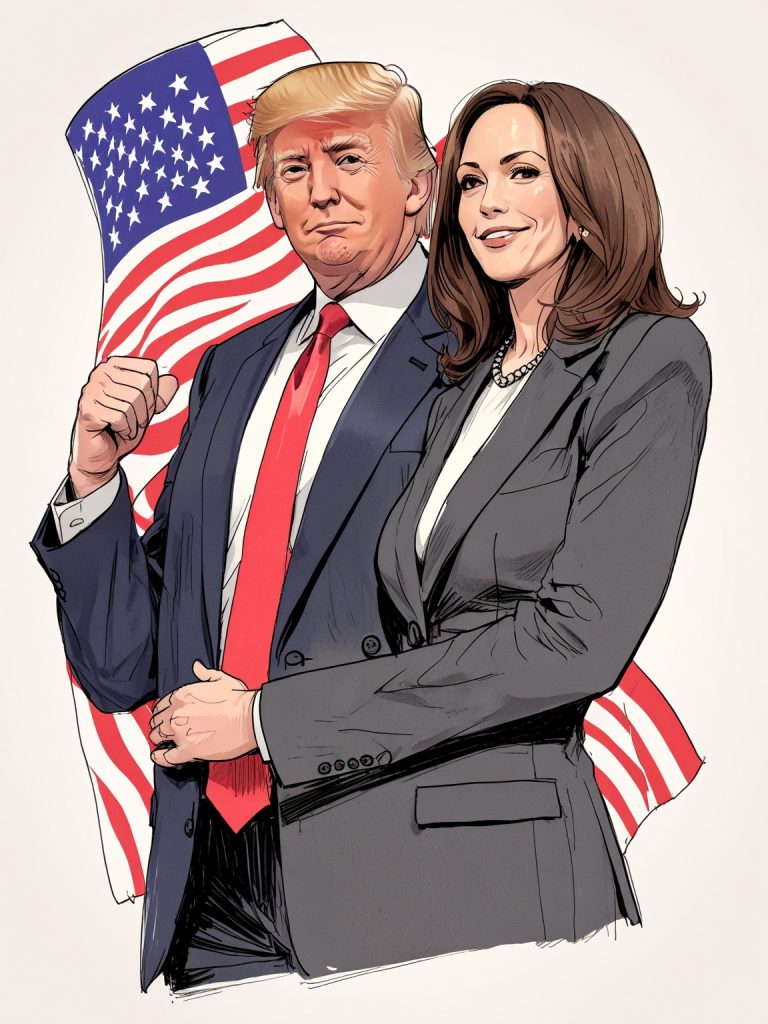
    Who’s Better for the Economy? A Trump or Harris Administration?

    0

    When it comes to economic policy, the battle lines are drawn between former President Donald Trump and Vice President Kamala Harris. According to the latest survey by The Wall Street Journal, most economists are betting that Trump’s policies would lead to higher inflation, interest rates, and deficits compared to those proposed by Harris.

    Now, before you say, “Wait a minute! Wasn’t inflation lower during Trump’s presidency?”—well, it’s complicated. So, let’s break it down with a dash of wit, a sprinkle of sarcasm, and some cold, hard economic reality. Spoiler alert: It’s not as simple as picking the person who tweets less.

    TL;DR

    1. Inflation: Experts believe Trump’s policies, particularly tariffs, could lead to faster price increases compared to Harris’ proposals.
    2. Interest Rates: Higher federal deficits under Trump may result in increased interest rates, while Harris may keep them more stable.
    3. Tariffs: Trump’s broad-based tariffs may boost domestic jobs but could raise costs for consumers and hurt industries reliant on imports.
    4. Deficit: Economists predict Trump’s policies could widen the federal deficit more than Harris’ plans.
    5. Economic Growth: While Trump focuses on tax cuts and deregulation, Harris aims for broader social benefits like home-buying credits, but opinions are split on which approach grows the economy faster.
    6. Unemployment: Both candidates are expected to maintain stable unemployment levels, though their methods differ.
    7. Recession Risks: The risk of a recession is lower than previously thought, regardless of who becomes president.

    Inflation and Interest Rates: Trump’s Tariff Tango

    If there’s one thing economists agree on, it’s that Trump’s policies could pump inflation faster than you can say “trade war.” In the October survey, a whopping 68% of economists predicted prices would rise faster under Trump than under Harris. And, honestly, who can blame them? Trump has been all about tariffs, and he’s made it clear he’s not backing down anytime soon. His latest proposal? Across-the-board tariffs of 10% to 20% on imported goods, with a special 60% for China, because why not?

    Tariffs, in theory, sound like a patriotic move to bring manufacturing back to the good ol’ U.S. of A. But here’s the kicker: those tariffs often trickle down as higher prices for consumers. That’s you, me, and everyone who enjoys buying things. Sure, Trump argues that tariffs will protect American jobs, but the economists who crunch the numbers aren’t so convinced.

    Dan Hamilton from California Lutheran University and his colleague Matthew Fienup are on record saying Trump’s tariff love affair will push prices up faster than Harris’s proposals. “It became apparent to us that Trump is even more anti-free trade than Harris,” Hamilton quipped.

    So, while Trump claims his tariffs will save the American workforce, the truth is they could cost you more when you’re buying your next car, smartphone, or even groceries. Surprise!

    Harris’s Economic Strategy: Baby Bonuses and Homebuyer Credits

    On the flip side, Vice President Harris is offering some pretty attractive carrots—think credits for newborns and homebuyers. Sounds like a win for families, right? Economists don’t seem to hate these ideas, but they’re also not jumping for joy. The consensus is that her policies are less likely to stir up the inflation pot as much as Trump’s tariffs and tax cuts.

    While Harris’s approach may not set off fireworks in the economy, it could prevent things from blowing up. Think of her as the calm, responsible parent who’s making sure the house doesn’t burn down, while Trump is the fun, slightly chaotic uncle who’s juggling matches and gasoline. Both have their appeal, but one is more likely to burn a hole in your wallet.

    Deficit Dilemma: Trump’s Tax Cuts vs. Harris’s Credits

    Now, let’s talk deficits because, apparently, the U.S. government likes to spend money like it’s going out of style. The Wall Street Journal survey showed that 65% of economists believe Trump’s policies will put more upward pressure on the federal deficit, up from 51% in July. And let’s be real: it’s hard to cut taxes (which Trump loves to do) while also cutting the deficit. That’s like trying to diet while eating donuts every day—it’s not happening.

    Trump’s grand plans include eliminating taxes on Social Security income, overtime pay, and even giving breaks to American expats. Oh, and let’s not forget the increased deportations he’s promising, which could reduce the number of tax-paying workers. It doesn’t take an economist to see that this might lead to a deficit disaster.

    In contrast, Harris’s policies, while not exactly penny-pinching, are viewed as less likely to balloon the deficit. Sure, her credits for families will cost money, but at least they’re more targeted, unlike Trump’s broad tax cuts that seem to favor everyone—especially the rich.

    Economic Growth: Can Trump’s Tax Cuts Boost the Economy?

    If there’s one area where economists are a little more divided, it’s overall economic growth. About 45% think Harris’s policies will lead to faster growth, while 37% are betting on Trump. And you know what? Trump’s got a point here. Cutting corporate taxes and slashing regulations could spur some serious growth. But (and this is a big “but”) his love of tariffs might end up counteracting those gains.

    Remember, it’s not just about growing the economy—it’s about sustainable growth. Trump’s tariffs could lead to higher costs for manufacturers, which might put the brakes on growth faster than a last-minute traffic stop. Harris, on the other hand, is playing the long game, betting that targeted credits will build a stronger foundation for growth.

    Who’s Really Better for the Economy?

    Now, if you’re asking for my personal opinion—well, both candidates come with their own set of problems. Trump’s policies are like a fast-food meal: quick, cheap, and satisfying at first, but potentially disastrous for your health (or in this case, the economy) in the long run. Harris’s policies, meanwhile, are more like a balanced diet: slower to show results but ultimately healthier for the country’s financial future.

    Would Trump’s tax cuts give the economy a short-term boost? Probably. But at what cost? Higher inflation, deficits, and potentially crippling interest rates down the line. Harris’s policies might not generate as much buzz, but they’re more likely to keep the economy on a stable, steady path. And hey, isn’t slow and steady supposed to win the race?

    “I’m no economist, but I do run a small coffee shop, and what I care about is how much my suppliers charge me and whether people are willing to spend on their daily latte. Under Trump, I saw my costs rise because of tariffs, but people still spent money. Harris seems more focused on helping regular folks, but I worry about the long-term impact of her policies. Either way, I just hope whoever takes office keeps the small businesses like mine in mind—we’re the backbone of this economy.” – Sarah Jenkins, 34, Austin, Texas

    What the Economists Say: Will We See a Recession?

    As for the dreaded “R” word—recession—the economists have some reassuring news. The average probability of a recession in the next 12 months has actually fallen to 26%, down from 28% in July. So, despite the looming threats of tariffs, tax cuts, and deficits, the economy seems to have a bit more runway left.

    Interestingly, economists also gave Federal Reserve Chair Jerome Powell a bit of a pat on the back. His approval rating jumped to 45%, a big leap from the 20% he received in October 2023. Maybe we’re all starting to feel a little more confident about where things are headed—or maybe we’re just grateful that someone’s at the wheel, trying to keep us from crashing.

    The Bottom Line: Trump vs. Harris, Who’s Got Your Wallet?

    At the end of the day, whether you’re rooting for Trump or Harris, the economic outlook is clear: Trump’s policies might give you a short-term high, but be prepared for the hangover. Harris’s approach is less flashy but promises more stability. It all comes down to what kind of economic rollercoaster you’re in the mood for.

    If you love the thrill of tariffs, tax cuts, and deficit spending, then Trump’s your guy. But if you prefer a slow, steady climb towards economic stability, Harris’s policies might be more your speed. Either way, buckle up—it’s going to be a bumpy ride.

    UNi’s Debut Disaster: Self-Funded Hong Kong Girl Group Faces Harsh Criticism

    0

    When it comes to making a splash in the entertainment industry, some dives are more belly flop than graceful swan dive. Hong Kong’s newest girl group, UNi, took a nosedive into the deep end of public opinion with their debut performance on October 5th. Their self-funded venture into the world of music was a symphony of off-key notes, uncoordinated dance moves, and a chorus of online criticism that was as harsh as a typhoon.

    UNi’s debut was a cosmic collision of expectations and reality. The group’s name, a play on the word “universe,” promised a galactic adventure in music. However, their performance was more like a black hole, sucking in all hope of a stellar debut. The stage was a celestial body of chaos, with the members’ movements resembling a solar flare gone awry. Their vocals were as dissonant as a supernova, leaving a trail of sonic wreckage in their wake.

    TL;DR

    • Own up to your mistakes. Even if it’s painful, admitting your flaws is the first step to improvement.
    • Practice makes perfect. There’s no substitute for hard work and dedication.
    • Don’t let setbacks define you. Use challenges as opportunities to grow and learn.

    When it comes to making a splash in the entertainment industry, some dives are more belly flop than graceful swan dive. Enter Hong Kong’s newest girl group, UNi, whose debut performance on October 5 at Tsim Sha Tsui’s The One Mall hit all the wrong notes — quite literally. If you’re a fan of trainwrecks, this might be one you can’t look away from.

    CategoryDetails
    Group NameUNi
    Debut DateOctober 5, 2024
    Debut LocationThe One Mall, Tsim Sha Tsui, Hong Kong
    Number of Members4 (Originally 5, but one member left)
    Performance Song“Now”
    CriticismOff-pitch vocals, uncoordinated choreography, shaky stage presence
    Fan DefensesBlamed poor sound equipment and bad microphones
    Self-FundedYes, the group is self-funded, handling stage design, choreography, and more
    Members’ ResponseAcknowledged poor performance, promised to improve, asked for second chances
    Key Member NamesSzeching (Captain), Yammi

    Pitch Imperfect: A Shaky Start for UNi

    First impressions are everything, especially in the music industry. Unfortunately for UNi, their debut performance was anything but harmonious. Each of the four members took turns singing their song, “Now,” and… well, let’s just say their vocals were as shaky as a leaf in a typhoon. Solo performances were plagued with off-pitch notes, and when they finally came together in unison, it sounded more like a group karaoke session after one too many drinks.

    And then there’s the dancing. Imagine four people trying to synchronize their movements, but with about as much coordination as cats chasing laser pointers. The choreography felt rushed, unpolished, and at times, members seemed to have forgotten the routine entirely. In fact, the group originally had five members, but one dropped out before the debut, which might explain why they looked like they were one step away from bumping into each other.

    Netizens Don’t Hold Back: “I Can’t Be the Only One…”

    Naturally, the internet did what it does best — roasted them. A clip of the performance was posted on Threads, where a user commented, “I can’t be the only one who had to listen to this.” Talk about hitting below the belt! But the blows didn’t stop there. Another user chimed in with, “They should pay for singing and dance lessons first. No wonder they’re self-funded.” Ouch. It’s one thing to critique a performance, but when you start questioning someone’s decision to self-fund their career? That’s like kicking them while they’re down.

    And if you thought the harshness was limited to Hong Kong, think again. Taiwanese netizens got in on the action too. SETN, a Taiwanese news outlet, posted the performance on Facebook, where the views skyrocketed to over 4.1 million. One commenter joked, “It’s good to have confidence, but please just sing at home.” Another hilariously suggested, “Play this on loop in interrogation rooms. Suspects will confess within minutes.”

    The Blame Game: Sound System or Inexperience?

    Of course, not everyone was lining up to throw tomatoes at UNi. Some fans defended the group, claiming that the poor sound quality and bad microphones were to blame for the disastrous performance. Maybe it’s not entirely fair to blame them — after all, bad tech can ruin a performance faster than you can say “auto-tune.” And let’s not forget, this was their first gig. Nerves can make anyone sound like they’re auditioning for a horror film rather than performing a pop song.

    UNi Speaks Out: Owning the Mishaps

    To their credit, the girls didn’t hide or disappear into a cloud of embarrassment. Captain Szeching took to Instagram on October 8, admitting that she didn’t give her best and that nerves got the better of her. She explained that since they’re self-funded, they’ve had to do everything themselves — from stage design to choreography. If there’s one thing we can appreciate, it’s their determination. Szeching emphasized that this was a learning experience and vowed to improve, hoping that fans would give them another chance.

    Another member, Yammi, echoed her captain’s sentiments, admitting that the performance was “really bad.” She too blamed inexperience and the pressure of doing everything on their own. Still, both members promised to step up their game, asking fans for patience and a second chance. Hey, we’ve all had bad days at work, right?

    “The performance felt like a train wreck I couldn’t look away from. I mean, I get that they’re self-funded, but surely they could’ve spent a little more on singing lessons? It was almost like they were in a karaoke bar after a few too many drinks. Hopefully, they step it up because, right now, it’s a hard pass from me.” – Emma Li, 26, Kowloon, Hong Kong

    My Two Cents: When Passion Meets Reality

    Let’s get real for a moment. Being a self-funded group isn’t easy. It means you don’t have the luxury of a record label’s resources to fine-tune your sound, choreograph your moves, or style your outfits. You’re on your own — and that’s tough. But here’s the thing: if you’re going to step onto a public stage, whether you’re self-funded or backed by a multimillion-dollar label, you’ve got to be prepared. It’s a harsh world out there, especially in showbiz.

    While I can appreciate UNi’s hustle, passion alone won’t cut it. If you’re going to stand out in the fiercely competitive world of K-pop-inspired girl groups, you need more than enthusiasm — you need practice, polish, and professionalism. Sure, the girls were nervous, but nerves are part of the job. And while they may have been let down by faulty sound equipment, the bottom line is that their performance wasn’t up to par.

    At the end of the day, fans and critics alike expect a certain level of quality, no matter the circumstances. UNi has a long way to go if they want to make it big, but if they take this as a learning experience and really work on their craft, they might just have a shot. If nothing else, they’ve learned one crucial lesson: practice makes perfect — or at least, it keeps the internet trolls at bay.

    Moving Forward: Can UNi Redeem Themselves?

    So, where does UNi go from here? Well, they’ve already admitted their mistakes and pledged to improve. That’s a good start. In a world where social media can make or break you, owning up to your faults is key. But the real test will be their next performance. Will they come back stronger, better, and more coordinated? Or will this be another case of too little, too late?

    For now, we’ll have to wait and see. One thing is for sure, though: the next time they step on stage, all eyes — and ears — will be on them.

    Key Takeaways:

    • UNi’s debut was plagued by pitch problems, shaky vocals, and uncoordinated dance moves.
    • Social media lit up with criticism, with netizens harshly questioning their talent and decision to self-fund.
    • Some fans defended the group, blaming bad sound equipment for the poor performance.
    • The girls owned up to their mistakes, promising to improve and asking for a second chance.

    As for me? I’m rooting for them, but I’d also recommend a bit more rehearsal before their next public appearance. After all, it’s a long road to stardom, and the entertainment industry is not known for its patience.

    What Comes After Love Episode 3: Navigating Heartache, Unfulfilled Longing, and Emotional Turmoil

    0

    What comes after love when it’s lost? Is it the void of emptiness, the echo of a once-vibrant melody, or a labyrinth of heartache that’s impossible to escape? In What Comes After Love Episode 3, we dive deep into the emotional undercurrents of our protagonist’s life, navigating the treacherous waters of unfulfilled longing and the tempestuous storms of emotional turmoil.

    TL;DR

    • Acknowledge and accept your feelings: Don’t suppress your emotions. Allow yourself to feel the pain of heartbreak and loss.
    • Seek support: Reach out to friends, family, or a therapist for support and guidance. Talking about your feelings can help you cope.
    • Practice self-care: Take care of your physical and mental health. Engage in activities that bring you joy and relaxation.
    • Focus on the present: Don’t dwell on the past. Instead, focus on the present moment and the opportunities for growth and happiness.
    • Give yourself time: Healing takes time. Be patient with yourself and allow yourself to grieve at your own pace.

    This week’s episode dives deeper into the heartbreak backstory of our lead characters, unveiling a love that is, in every sense, “unhaveable.” Adding to the emotional tension, we’re introduced to a figure from the past who stirs up even more pain. You’d think we could all use a moment to catch our breath, but no, this is heartbreak central, and we’re just getting started.

    Episode 3 Breakdown: Less Info, More Emotion

    Unfortunately, we only get one episode this week. That’s right—just one. And while it doesn’t drop bombshells of new information, the raw emotion on display more than compensates. Remember last week when Jungo stepped in front of Hong’s car to stop her from leaving? Well, this episode picks up right where we left off, and let me tell you, it’s not just about cars and traffic—it’s a collision of hearts.

    Jungo, not one to waste time, hops into Hong’s car. No words. Just silence. They drive around like two ghosts in a love that never fully died. Finally, Hong breaks the silence, saying there’s nothing left to discuss. She’s over it. Or so she says. Jungo, ever the romantic (or fool, depending on how you see it), tries to soften her with his old nickname for her—”Beni.” But Hong’s walls are higher than ever, responding with a cold “Mr.” and his pen name. Ouch. If that didn’t hurt enough, she tells him she’s about to get married.

    Here’s where the real kicker comes in—after dropping him off, Hong takes a moment to breathe and realizes that, after five long years, she’s still not over him. Cue the emotional whiplash.

    Wedding Dresses, Tears, and the Ghosts of Love Past

    Later, we find Hong with Min-jun, the soon-to-be-groom. They’re out wedding dress shopping, but as you might’ve guessed, her heart is elsewhere. She’s haunted by Jungo’s words—how he’s never forgotten her in five years. Try focusing on wedding plans with that lingering in the back of your mind. As she tries on a dress, she can’t help but remember the time she was once shopping for a wedding dress with Jungo. The tears come, and it’s heartbreaking. She lies to Min-jun, saying the dress doesn’t fit. (Spoiler: it does, perfectly.)

    Flashbacks: Tokyo and the Slow Collapse of a Relationship

    Now we get some juicy backstory via flashbacks, revealing how the love between Jungo and Hong went south. At first, it’s all sunshine and rainbows in Tokyo. Hong couldn’t bear to be away from Jungo for even a second. She’d wait for him at all his part-time jobs—because why not? That’s what love does to you. Or at least, that’s what she thought.

    Then things start to shift. Her friend, PARK JI-HEE, leaves Japan to return to Seoul, and that’s when the isolation creeps in. Jungo is busy with his jobs, leaving Hong alone most of the time. One night, Hong hurts her ankle while jogging, but Jungo’s stuck working. By the time he gets home, she’s fuming—she’s already been to the hospital. Cue the argument: Hong accuses him of always putting work before her. Jungo apologizes but also reminds her that he’s working to pay for his studies. She’s had enough and demands he quit. Classic love-versus-life battle, right?

    The real heartbreak comes when she says, “Why am I always alone?” and Jungo, confused, responds, “We wake up together every day because I want to be with you.” But Hong’s already checked out emotionally, replying, “I’m sick of the fact that the only person I can get mad at is you.” And there it is—the heart of the matter. Loneliness is a killer. Add a dash of youthful insecurity, and their love collapses under its weight.

    My Two Cents: Love in a Vacuum

    Hong’s isolation in Tokyo is entirely relatable—being away from home, dependent on one person for emotional support, can feel like you’re drowning. But let’s call a spade a spade: she could’ve found ways to get out there, meet new people, and make Tokyo her home. Why didn’t she go to grad school, or stick with the job at the ramen shop? These aren’t just plot holes; they’re missed opportunities for growth. Instead, she sank deeper into her own loneliness. Relatable? Yes. Understandable? Totally. But it does make her a bit of an emotional martyr, doesn’t it?

    Enter Kanna: The Ghost of Girlfriend Past

    Just when things couldn’t get more tangled, we meet Jungo’s ex-girlfriend, KOBAYASHI KANNA. Now, this is where things get messy. After Hong left Tokyo, Kanna stumbled upon a heartbroken Jungo at a bar and felt bad. Why? Because he never seemed this devastated when she broke up with him. Ouch, again.

    In present-day Seoul, Kanna shows up out of nowhere, saying she’s there for work. But during dinner, the truth comes out—she’s really there for him. And here’s the real eyebrow-raiser: she’s been waiting five years for Jungo to love her again. Talk about commitment! Or delusion, depending on how you see it.

    But wait, did they get back together after Hong left? Or is Kanna just hanging around, waiting for Jungo to “wake up” and love her again? Jungo’s reaction—red eyes and avoidance—says it all. He’s still stuck on Hong.

    Kanna’s Bold Move: Let’s Get Married

    In a dramatic twist, after their awkward dinner, Kanna shows up at Jungo’s hotel room and drops the bomb: “Let’s get married.” She hugs him, while he looks like a deer caught in headlights. Poor guy—caught between two women, both of whom love him, but neither of whom he can fully commit to. (You really feel for him, don’t you? Or maybe not.)

    Min-jun: The Other Guy in This Mess

    Finally, let’s not forget Min-jun, Hong’s fiancé. Through flashbacks, we see that when Hong rushed back from Tokyo, it was Min-jun who waited for her at the airport. He’s a doctor, caring for her father, and honestly, he’s the classic “nice guy” trying his best to take care of Hong. But he knows—deep down—that she doesn’t feel the same way about him. Oof. It’s rough, being the safe bet, knowing you’re not the first choice.

    My Final Take: The Real Heartbreakers

    By the end of this episode, I’ve got to say, my heart hurts for all four characters. This isn’t just a love triangle—it’s a love square, and everyone’s stuck. Min-jun and Kanna know they’re playing second fiddle, but they stay anyway. It’s a kind of emotional self-sacrifice that’s hard to watch, but so relatable. Who hasn’t stayed in a situation, hoping things would change, even when deep down you knew they wouldn’t?

    We Need More!

    My only real gripe? I wish we had more than one episode this week. I care about these characters—yes, even Hong, who might seem a bit emotionally dramatic. The Tokyo flashbacks were good, but not enough. I need more insight into her choices and what’s driving her feelings. Until then, I guess I’ll just sit here, sulking, waiting for the next emotional rollercoaster.