
More
    Home Blog Page 6

    Ahmad Nabil Rosli: One-Armed GrabFood Rider Defies the Odds

    0

    Life can flip the script without warning. One day you’re cruising along. Next thing you know, boom—everything changes. For Ahmad Nabil Rosli, that plot twist came hard and fast. Yet instead of pressing pause on life, he pressed “continue.” And honestly, that’s why people can’t stop watching his story.

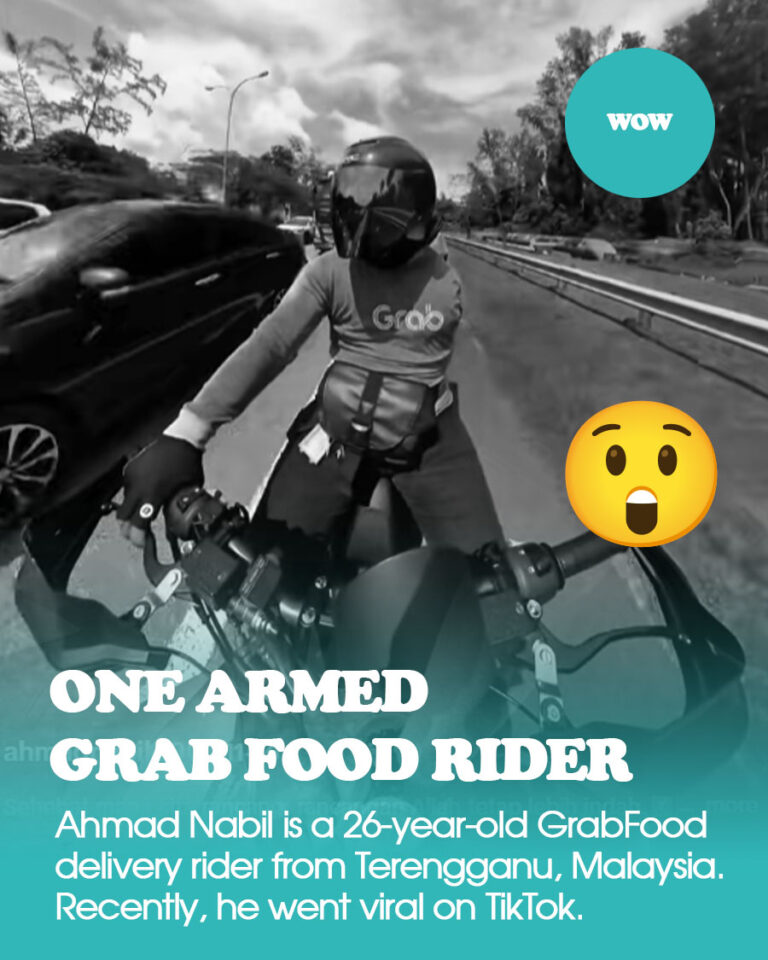
    Ahmad Nabil is a 26-year-old GrabFood delivery rider from Terengganu, Malaysia. Recently, he went viral on TikTok. Not for doing stunts. Not for drama. Just for showing up to work and doing his job—despite having only one arm.

    Sounds simple, right? It isn’t.


    A TikTok Moment That Stopped Everyone Scrolling

    It all started with a video posted on 16 November. In the clip, Ahmad Nabil was stopped at a traffic police checkpoint while riding his motorcycle. Everything looked normal—until an officer noticed something different.

    His entire left arm was missing.

    The officer, clearly surprised but calm, asked him gently, “Did your hand get hurt, brother?”

    That one sentence hit people hard. The video spread fast. Comments poured in. Respect. Shock. Encouragement. And a lot of quiet self-reflection from people watching at home thinking, Eh… I complain too much.


    The Accident That Changed Everything

    Later on, Ahmad Nabil explained what happened. Back in May 2017, he was involved in a serious road accident. A very bad one.

    His motorcycle was dragged into the middle of the road and caught fire. He suffered severe injuries. He fell into a coma. Things were so critical that his heart reportedly stopped for about half an hour.

    Doctors fought to save his life. They succeeded. But they couldn’t save his left arm. It had to be amputated from the shoulder.

    At just 18 years old, his life took a brutal turn.

    For many people, that would have been the end of the road. For Ahmad Nabil, it became the start of a very different journey.


    Choosing Work Over Self-Pity

    Fast forward a few years. Since 2021, Ahmad Nabil has been sharing bits of his daily life as a food delivery rider on TikTok. No big speeches. No sad music. Just real moments.

    Him riding. Him delivering. Him sweating under the sun like every other rider.

    Despite losing an arm, he works from morning till night. On average, he completes about 30 deliveries a day. On busy days, he pushes close to 50 orders. That’s his personal best.

    Let that sink in.

    Most of us get tired after walking from the MRT to the office. This guy is out there hustling on two wheels, rain or shine, with one arm, handling dozens of orders daily.

    Respect is an understatement.


    Discipline, Not Sympathy, Is His Secret

    When asked how he manages such numbers, Ahmad Nabil didn’t talk about motivation quotes or miracles. He talked about discipline.

    He treats every order seriously. He shows up on time. He stays focused. Simple things—but done consistently.

    He also shared that he used to wear a prosthetic arm while working. However, frequent use caused nerve pain in his shoulder, so he eventually stopped. Instead of complaining, he adjusted. Adapt and move on. That’s his vibe.

    Thankfully, many customers and members of the public have been kind. Some offer words of encouragement. Others just smile and say thanks. Those small gestures keep him going.

    Sometimes, that’s all a person needs—acknowledgement, not pity.


    A Cross-Border Love Story Brewing

    Now here’s where the story takes a softer turn.

    In a separate interview with Hot FM, Ahmad Nabil shared that he’s working hard to save money to marry a “special someone” in Singapore. Yes, Singapore. Our little red dot doing its thing again.

    He hopes to get married by December next year. And in a heartwarming twist, his story touched a listener so deeply that they offered to sponsor his wedding costs. That means the couple might even get married earlier than planned.

    Talk about good things happening to good people.


    My Take: This Is the Kind of Story We Need More Of

    @ahmadnabil400

    Sehebat mana kita rancang, rancangan Allah tetap lebih indah.♿️

    ♬ Kamin – EMIN & JONY

    Let’s be real for a second.

    This isn’t a story about “inspiration porn.” It’s not about glorifying suffering. It’s about perspective.

    Ahmad Nabil didn’t ask to be called a hero. He didn’t ask for sympathy. He just asked for a chance to work, live, and love like everyone else.

    In a world where people rage over slow Wi-Fi and cold kopi, his story quietly reminds us of something important: excuses are easy, but perseverance is a choice.

    Also, can we just say this? If someone with one arm can clock 50 deliveries in a day, maybe—just maybe—we can stop whining about Monday mornings.

    No shame. Just saying.


    Why His Story Hits So Hard

    This story resonates because it’s raw. It’s human. It’s Southeast Asian grit at its finest.

    No fancy setup. No filters. Just a guy on a motorcycle, showing up for life every single day.

    And honestly? That’s more powerful than any motivational speech you’ll hear this year.

    Why Pritam Singh Should Step Down

    0

    Let’s clear something up first, because this part always gets messy online.

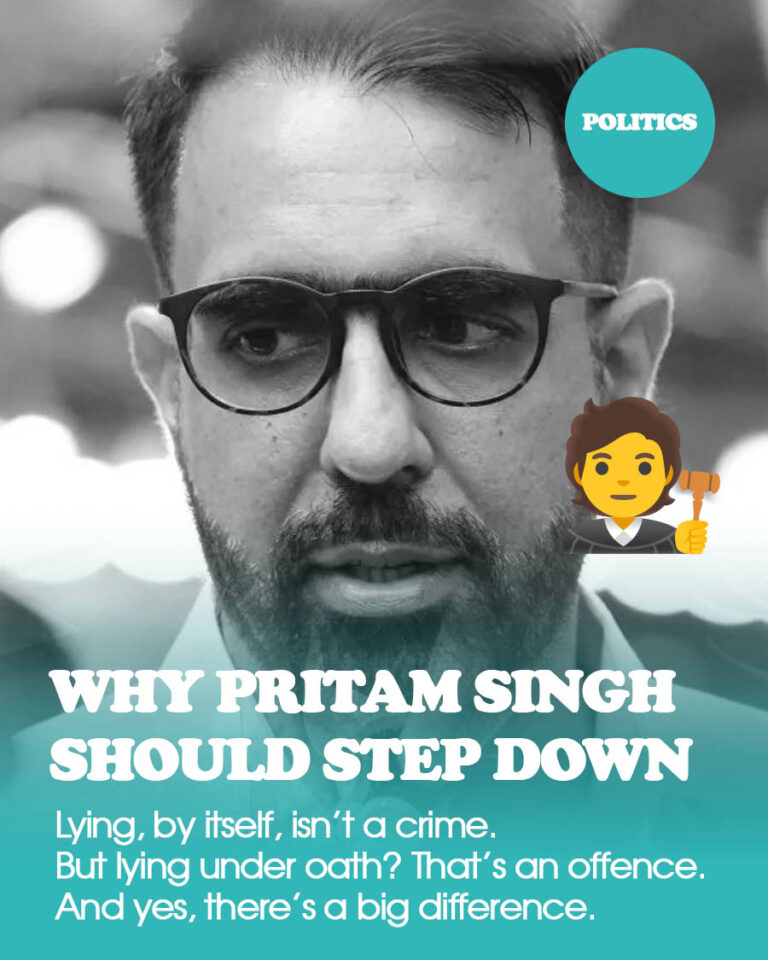
    Lying, by itself, isn’t a crime.
    But lying under oath? That’s an offence.
    And yes, there’s a big difference.

    Everyone lies. Small lies. White lies. “I’m on the way” lies when you’re still in the shower. So let’s not pretend politicians are some holy species immune to human flaws.

    The real issue here isn’t that Pritam Singh lied.
    The issue is that he lied under oath, in Parliament, and got caught with his pants down. Full stop.


    Getting Caught Changes Everything

    Here’s the uncomfortable truth people don’t like to admit.

    Plenty of people lie and get away with it.
    Some lie better. Some are luckier. Some never face consequences.

    But politics doesn’t work on “everyone does it”.
    It works on standards.

    In this case, Pritam Singh didn’t create the situation that exposed him. It was consequential. Things snowballed. Evidence surfaced. Cameras rolled. And suddenly, there was no place to hide.

    That doesn’t make him unlucky.
    That makes the system work.


    Leadership Comes With Extra Weight

    Pritam Singh isn’t just any MP.
    He is the Leader of the Opposition.

    That title alone changes the rules.
    It raises expectations. It raises scrutiny. It raises the cost of mistakes.

    When you sit at the top, you don’t get the luxury of “aiya, everyone lies one lah”. You’re supposed to be the benchmark. The alternative voice. The moral counterweight.

    Once that credibility cracks, everything else starts wobbling.


    Why This Isn’t Just a Legal Issue

    Some people argue, “He was fined. Case closed.”

    But that logic doesn’t survive contact with reality.

    Legal consequences deal with the law.
    Political consequences deal with trust.

    And trust is the currency of Parliament.

    If a leader lies under oath and remains in Parliament as if nothing happened, what message does that send? That integrity is negotiable? That honesty is optional if the fine is small enough?

    That’s not how Singapore politics was built.


    Singapore’s Political DNA Is Different

    Whether you love or hate the PAP, there’s one thing history makes very clear.

    Ministers have resigned in the past after confessing or being caught.
    Some stepped down over mistakes. Some over misconduct. Some over personal issues.

    The pattern is consistent:
    When integrity is compromised, leadership goes.

    That standard didn’t appear overnight. It’s part of why Singapore’s political system, for better or worse, commands trust globally.

    If we suddenly decide that the Leader of the Opposition gets a different standard, then the whole idea of integrity politics collapses.


    “But His Supporters Will Object”

    Of course they will.
    Die-hard fans always do.

    Politics isn’t religion, but some people treat it like one. Once loyalty kicks in, logic takes a back seat. Everything becomes a conspiracy. Everyone else is biased.

    That reaction is predictable. It doesn’t make it right.

    Integrity isn’t tested when it’s convenient.
    It’s tested when it hurts your own side.


    Why Remaining in Parliament Is the Real Problem

    This is the part many people are dancing around.

    Remaining in Parliament after being convicted for lying under oath undermines the very institution itself.

    It tells Singaporeans that accountability stops at the courtroom door.
    It tells young politicians that survival matters more than standards.
    It tells voters that integrity is just branding.

    That’s dangerous. Not dramatic. Dangerous.


    He Should Resign From Parliament

    Personally, I think the line is clear.

    Pritam Singh should resign from Parliament.

    Not because he’s evil.
    Not because he’s irredeemable.
    But because the role demands it.

    Whether he stays on in the Workers’ Party is a separate issue. That’s for the party leadership to decide internally. Parties can debate redemption, reform, or second chances.

    Parliament, however, is not a rehab centre.


    This Isn’t About PAP vs WP

    Framing this as a partisan fight is lazy thinking.

    This is about whether Singapore still believes in political integrity as a non-negotiable standard. Not just when it’s convenient. Not just when it’s your opponent.

    If we want to hold the ruling party to high standards, we must hold the opposition to the same bar. Otherwise, integrity becomes a slogan, not a principle.


    Final Thought

    Everyone lies.
    Not everyone gets caught.
    But leaders who do should bear the consequences.

    That’s not cruelty.
    That’s consistency.

    And consistency is exactly what keeps Singapore politics from sliding into the mess we see elsewhere.

    No Drugs Found in Namewee’s System: What the Test Results Really Mean

    0

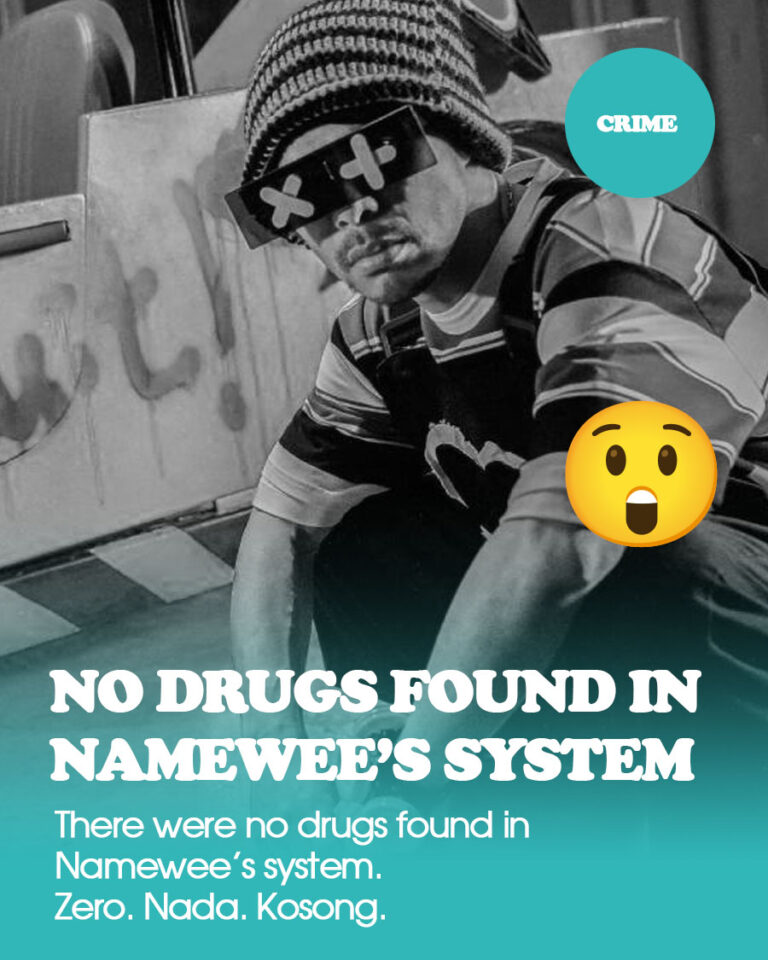
    Let’s get straight to the point. The court heard it loud and clear. There were no drugs found in Namewee’s system. Zero. Nada. Kosong. And yes, that matters—a lot.

    On a busy day at the Kuala Lumpur Magistrates’ Court, Namewee’s lawyer, Joshua Tay, confirmed that the urine test report submitted by the prosecution showed no trace of drugs in his client’s body. This wasn’t some vague claim either. It came directly from official test results presented in court. As a result, the mood shifted fast. Suddenly, the case that once sounded explosive now looks… awkward.

    What Happened in Court, Exactly?

    After the case was mentioned before two separate magistrates, Tay spoke to reporters outside the courtroom. He explained that the prosecution’s own report cleared Namewee of drug use. Naturally, this puts the self-administration charge on very shaky ground.

    Because of this, the defence expects the prosecution to drop that charge soon. And honestly, it would be hard to justify keeping it alive when the science says otherwise.

    Namewee, whose real name is Wee Meng Chee, is 42. He was previously accused of taking several controlled substances, including amphetamine, methamphetamine, THC, and ketamine. Heavy words. Heavy accusations. But without evidence in his system, those claims lose their punch.

    Why the Drug Test Matters So Much

    Here’s the thing most people miss. When someone is arrested, police usually do a rapid urine test on the spot. These tests are fast, convenient, and good for initial screening. However, they are not the final word.

    If the rapid test shows anything suspicious, the sample is then sent to a lab. That lab test looks for actual drug metabolites, not just surface-level indicators. This step matters because it reduces false positives and separates rumours from reality.

    In Namewee’s case, the lab results came back clean. That’s the gold standard. That’s what courts rely on.

    So, while early testing might raise eyebrows, only the confirmed lab report truly counts. And in this situation, it worked in Namewee’s favour.

    The Law Behind the Accusation

    The self-administration charge was framed under Section 15(1)(a) of the Dangerous Drugs Act. If convicted, it carries a maximum fine of RM5,000, up to two years in jail, and supervision for two to three years.

    Sounds serious. But again, laws need proof. Without drugs in the system, enforcing this charge becomes almost impossible.

    That’s why all eyes are now on the prosecution’s next move.

    But Wait—There’s Still Another Charge

    Before anyone pops champagne, let’s slow down a bit. While the drug-use allegation looks like it’s on life support, another charge is still very much alive.

    Namewee is also accused of possessing Ecstasy weighing about 5.12 grams. The alleged incident happened in a hotel room along Jalan Conlay on the evening of October 22.

    This charge falls under Section 12(2) and is punishable under Section 39A(1) of the same Act. Translation? If convicted, it could mean two to five years in prison and three to nine strokes of the cane. Yeah, not small stuff.

    According to his lawyer, the defence has yet to receive the updated chemist report related to this possession charge. Until that report is out, this part of the case remains in limbo.

    So… What Does All This Mean?

    First, the absence of drugs in Namewee’s system changes the narrative. Big time. It reminds everyone that allegations are not facts. Tests matter. Process matters.

    Second, it shows why lab confirmation exists in the first place. Quick tests can point in a direction, but they don’t decide someone’s future. That responsibility lies with verified evidence.

    Third, while one charge may collapse, another still needs to be answered. This isn’t a full exit—more like clearing one major hurdle.

    My Take on This Whole Situation

    Honestly? This case highlights how fast public opinion jumps the gun. Once “drugs” and a famous name appear in the same headline, people start assuming things. Social media goes wild. WhatsApp uncles start forwarding “inside info.” Suddenly, everyone’s an expert.

    But the court doesn’t run on vibes. It runs on proof.

    The clean urine test should remind us to chill a bit and let facts breathe. At the same time, the possession charge deserves proper scrutiny too. Fair is fair. If evidence supports it, deal with it. If not, drop it.

    In short, this case is a solid reminder that justice isn’t about drama. It’s about details. And sometimes, those details completely flip the story.

    For now, Namewee walks away from one serious allegation with science on his side. The rest? We wait, we watch, and we let the process do its thing

    Stranded in Johor With a Flat Tyre, Singaporean Cyclist Discovers Kampung Kindness the Hard Way

    0

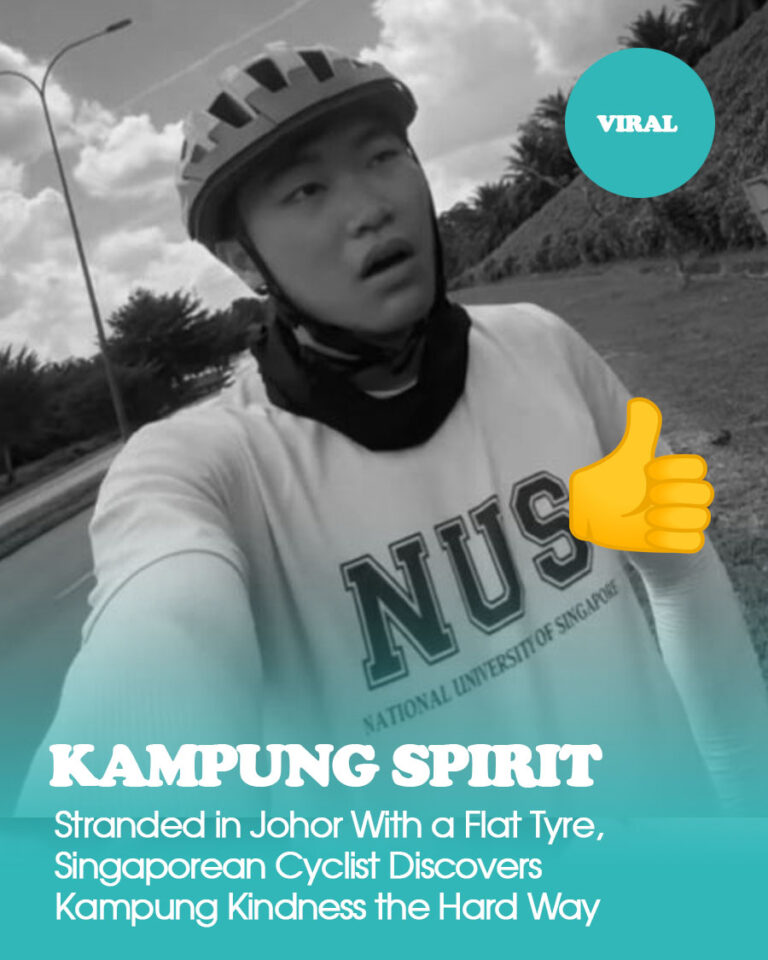
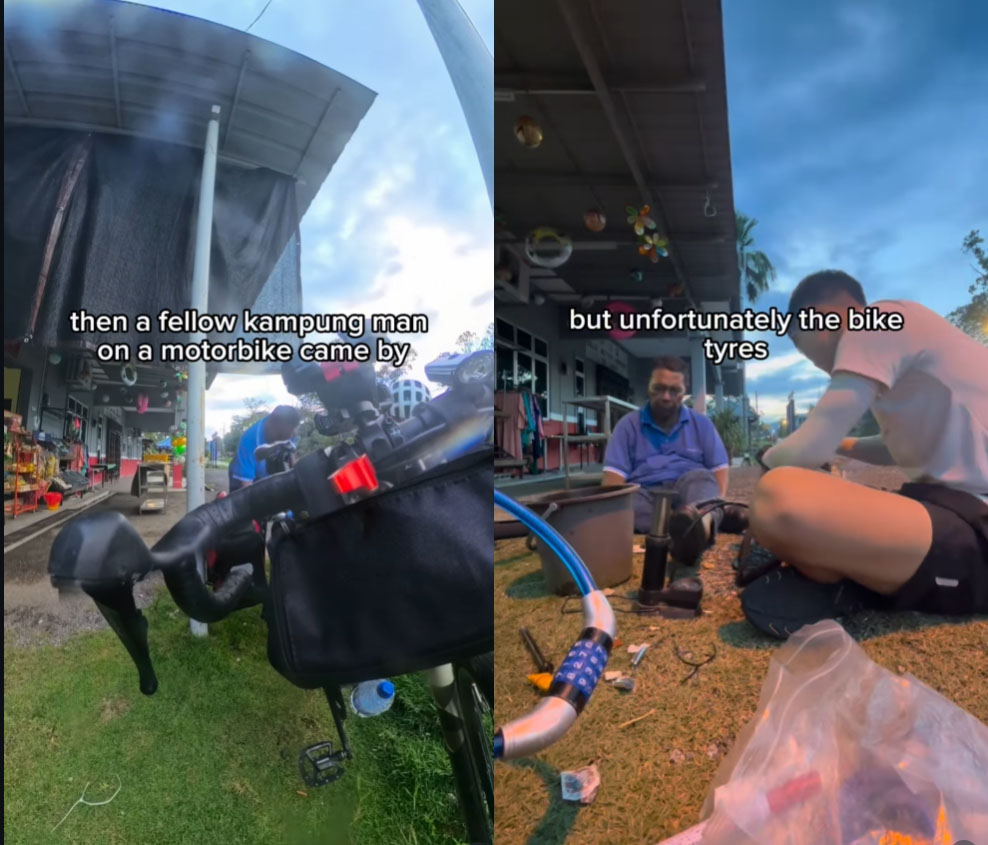
    What was meant to be a chill, scenic cycling trip across the Causeway turned into one of those “how did I end up here?” life moments. For Singaporean cyclist Joel Liu, known online as @injaee, Johor wasn’t just a pit stop. Instead, it became an unexpected lesson in humanity, generosity, and kampung-level kindness that honestly hits harder than any motivational quote on Instagram.


    A Ride That Was Supposed to Be Easy

    At first, everything felt manageable. Joel cycled from Singapore into Johor, expecting a smooth ride and some quiet road therapy. However, somewhere near Kota Tinggi, reality decided to show up uninvited. His bicycle tyre punctured. Not once, but twice. By then, all his repair options were used up.

    To make things worse, the sun was already setting. No campsite booking. No Plan B. Just vibes… and not the good kind.

    In a video later shared on Instagram, Joel summed up the moment perfectly: “This is kinda lame.” And honestly, relatable.

    With no other choice, he pushed his bike for nearly three kilometres, walking toward what he jokingly called the “nearest human civilisation.” That civilisation turned out to be a small kampung.


    Meeting Faz, the Guy Who Knows Everyone

    That long, sweaty walk led Joel to Faz, a local who immediately offered him a seat and listened to his story. No rushing. No judgment. Just calm kampung energy.

    What stood out was how connected Faz seemed to be. According to Joel, “He somehow knows everyone in the kampung.” And it wasn’t an exaggeration.

    Faz started making calls. One to his mum’s friend. Another to a friend’s father. Slowly but surely, he managed to secure a vacant campsite spot for Joel that night. No drama. No “eh, troublesome leh.” Just help.

    For someone Joel had literally just met, the effort felt unexpectedly comforting. Still, the night wasn’t done throwing challenges.


    Two Hours, DIY Fixes, and Serious Patience

    Soon after, another villager named Isa showed up. After hearing about the punctured tyre, Isa sat down and got to work like it was his own bike.

    They tried everything they could with whatever tools were available. Isa even cycled back home multiple times to grab more equipment. No sighing. No complaints. Just problem-solving mode.

    Joel later reflected that he had probably never spent two hours helping a stranger fix anything in his life. That thought alone says a lot.

    In the end, despite their best efforts, the tyre couldn’t be saved. Joel accepted the reality. He would have to walk another seven kilometres to the campsite. Tough, but it is what it is.

    Or so he thought.


    A Van, a Burger, and a Missed Family Dinner

    Isa suddenly disappeared. For a moment, it felt like, “Okay, that’s it. This is where I suffer quietly.” But nope.

    Isa came back — not on his bike, but in a van.

    Without hesitation, he loaded Joel’s bike inside and drove him straight to the campsite. No negotiation. No awkwardness.

    Before that, though, Isa made a quick stop at a local stall and bought Joel a hamburger. A small gesture, but somehow it hit harder than a fancy meal.

    When Joel asked if Isa had already eaten or if his family was waiting, Isa brushed it off casually. He said he’d just eat the leftovers later.

    Let that sink in for a second.

    This man delayed his family dinner to help a complete stranger. Someone he’d likely never see again. And then, just like that, he left. Quietly. No expectations. No “you owe me.”


    The Question That Stayed

    Looking back, Joel didn’t dramatise the experience. He didn’t call it heroic. Instead, he turned the question inward.

    We often assume people in developing or rural areas have less. Less money. Less comfort. Less opportunity. Yet in that moment, Joel felt like he was the one lacking something.

    He asked a question that honestly made a lot of people pause:
    “What does he have that I don’t?”

    And yeah, that question stings a bit — in a good way.


    Why This Story Hit Home

    The video struck a chord online. Many viewers pointed out that this kind of kindness isn’t rare. It’s just often overlooked.

    One commenter wrote that kampung folks are usually friendly and helpful, as long as you’re respectful. Another simply said, “That’s Malaysia for you.”

    What started as a flat tyre and a fading sunset turned into a reminder that generosity doesn’t need hashtags. Sometimes, it just shows up quietly, with a van, a burger, and zero expectations.


    My Take

    Let’s be real for a second. We live fast. We plan everything. We optimise our time like it’s a productivity contest. Helping a stranger for two hours? That feels almost… inconvenient.

    Yet this story proves something simple but uncomfortable: kindness often costs time, not money. And time is the one thing we guard the most.

    Maybe we don’t need to move to a kampung to learn this. Maybe we just need to slow down, be less guarded, and show up when someone’s day goes sideways.

    Because one day, it might be us pushing a bike toward “nearest human civilisation,” hoping someone cares.

    Pop Mart Twinkle Twinkle Blind Box Restock Turns Into Hunger Games Madness

    0

    If you thought blind boxes were just cute little toys, think again. In China, a Pop Mart restock recently went full Hunger Games mode. And yes, it was all over the Twinkle Twinkle Plush Pendant blind boxes.

    What should have been a chill restocking moment quickly spiralled into chaos. Customers crowded the counter. Hands hovered in the air. Tension? Through the roof. The moment the boxes touched the counter, it was game on.


    From Cute Collectibles to Pure Chaos

    On Thursday (4 Dec), a TikTok video captured the madness inside a Pop Mart store. Customers packed tightly around the counter, eyes locked in, waiting for staff to restock the popular Twinkle Twinkle Plush Pendant blind boxes.

    For those not deep into the Pop Mart rabbit hole, these blind boxes contain mystery plush characters. Think stars, animals, and themed cuteness, all designed with little loops so you can hang them on your bag or keys. Small item. Big obsession.

    Before placing the boxes down, the staff member clearly told customers to wait until the items were on the counter. Fair enough, right?

    But the second a carton of six boxes landed, hands flew in from all directions. No hesitation. No mercy.


    Dented Boxes and Zero Chill

    Because everyone rushed in at once, several boxes ended up dented. The scene looked less like a retail store and more like a Black Friday electronics sale from 2010.

    Then came round two.

    The staff placed another carton on the counter. Predictably, the crowd surged again. However, this time, one customer upgraded his strategy.

    Instead of grabbing one or two boxes, he went full-body mode. He hugged the entire carton and swiped all six boxes in one smooth motion. Efficient? Yes. Subtle? Absolutely not.

    Honestly, respect the commitment, but also… chill lah.


    Netizens React: “Is It Really That Serious?”

    Online reactions came fast. Many viewers were genuinely confused. Why fight over plush keychains? Why the aggression? Why the dents?

    At the same time, some people were just relieved that the staff member didn’t get hurt. Retail workers already deal with enough nonsense. This kind of crowd behaviour is next level stress.

    Others took a more practical angle. Several netizens suggested Pop Mart rethink how they sell highly popular items.

    One idea was simple: introduce a proper queue system. Very Singapore solution, honestly. Queue, buy, go home happy.

    Another suggestion was using placeholder boxes for display, while keeping the real products behind the counter to prevent damage during restocks. Smart. Less chaos. Less crushed boxes.


    Not Everyone Is Losing Their Minds

    Interestingly, some commenters pointed out that the same Twinkle Twinkle blind boxes don’t spark this level of frenzy elsewhere in Asia. In places like the Philippines and Indonesia, similar scenes apparently don’t happen.

    So this raises an interesting question. Is this about the product itself, or the hype culture around it?


    My Take: Hype Is Fun, But This Ain’t It

    Let’s be real. Collecting is fun. Blind boxes are addictive. The thrill of mystery hits different. But when people start grabbing, denting products, and using wrestling tactics, something’s off.

    Hype culture works because it creates excitement. However, when it turns into physical chaos, brands risk hurting their own image. Customers also lose out, especially when products get damaged before they’re even opened.

    Pop Mart clearly has demand on lock. That’s not the problem. The issue is control. A bit more structure would protect staff, customers, and the products themselves.

    Because at the end of the day, it’s a plush pendant. Cute, yes. Worth fighting like this? Probably not.

    Relax a bit. Queue nicely. Everyone gets their star plush. Life goes on.

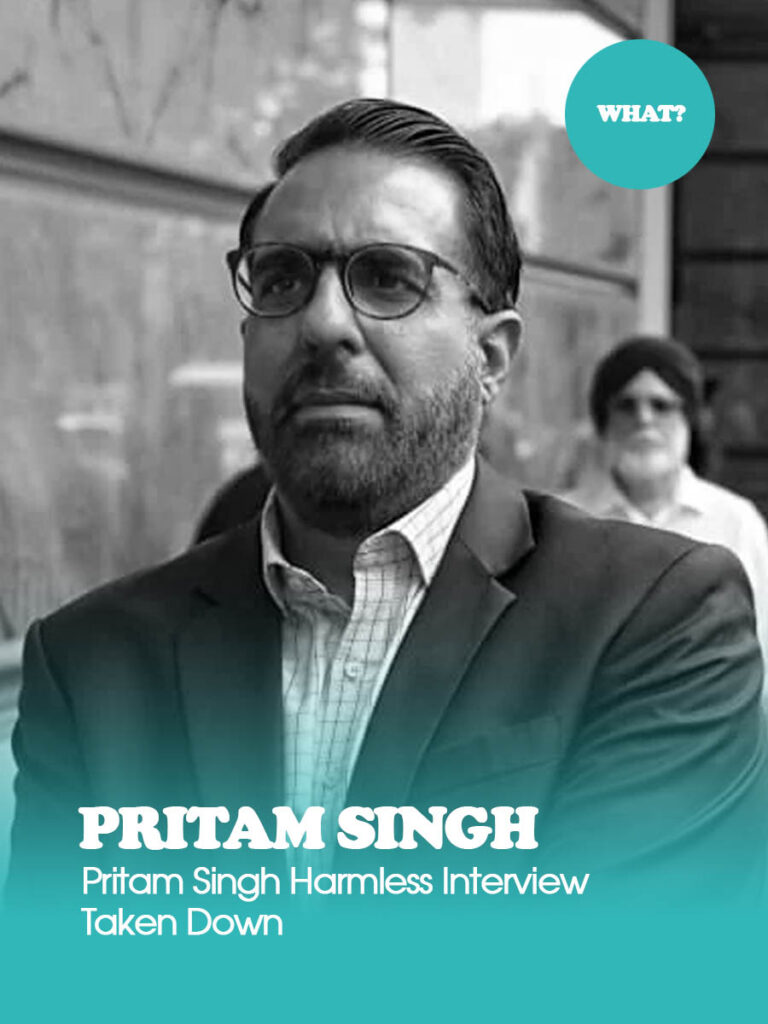
    Pritam Singh Harmless Interview Taken Down

    0

    You might have seen it pop up on your feed. Then disappear. Then come back as screenshots, hot takes, and kopi-tiam debates.

    Yes, we’re talking about that Pritam Singh interview that CNA quietly took down. The reason? Possible contempt of court. Sounds very chim, right? Relax. Let’s break it down slowly, clearly, and without law school trauma. Even a five-year-old could roughly get it. Probably.

    So before your feed fully rots into dance trends and unskippable ads, here’s what actually happened.


    What Happened, Very Quickly (But Not Too Quickly)

    CNA has this solid show called The Assembly. The concept is simple but powerful. A group of neurodivergent individuals interview a well-known Singaporean. No filters. No fluff. Just honest questions.

    I’ve watched every episode. They’re good. Very good.

    But let’s be real for a second.
    The best CNA shows? Anything with Steven Chia. Absolute legend. End of discussion. I still want to be like him when I grow up. I’m 76 this year, by the way. Long story.

    Anyway.

    On 5 November 2025, CNA aired an episode featuring Pritam Singh, the Leader of the Opposition. Overall, it was a solid episode. Interesting questions. Thoughtful answers. All very civilised.

    However, one sentence jumped out and refused to sit quietly.

    “At the end of the day, the court of public opinion can be a bigger court than any court in the world.”

    That line? That’s where things got spicy.


    Why That One Sentence Became a Big Deal

    Here’s the important context.

    Earlier in the year, Pritam Singh had been convicted of lying to a parliamentary select committee. He appealed against that conviction.

    Now here’s the key timeline detail, so don’t blink.

    • 4 November 2025: His appeal hearing took place.
      No judgement yet. The judge said, “I’ll decide later.”
    • 5 November 2025: The interview aired.
      Yes, the interview was recorded earlier, back in July.
      But airing date still matters.

    So the court was still deciding. The case was not over.

    Then that sentence about “court of public opinion” went public.

    Law Minister Edwin Tong responded strongly. He called the statement outrageous, plainly wrong, and completely unacceptable.

    Cue the hoo-ha.

    Later on:

    • 4 December: The appeal was dismissed.
    • 13 December: Mediacorp apologised and took down the interview after being told by the Attorney-General’s Chambers that it could be contempt of court.
    • Pritam Singh also apologised for the statement.

    By now, most people were asking the same thing:

    “What exactly is contempt of court, and why so serious one?”

    Good question. Let’s go there.


    So… What Is Contempt of Court?

    Don’t worry. No Latin. No wigs. Very simple version only.

    In general, contempt of court falls into two main types.


    1. Disobeying the Court

    This one is very straightforward.

    Imagine this.

    I sue Gong Bee Lan because she keeps sneaking into my kitchen to eat my ngoh hiang. I win the case. Justice is served. Literally.

    The judge issues a court order saying:
    “Gong Bee Lan cannot enter this kitchen.”

    But Gong Bee Lan says, “Aiya, order only what,” and still comes in to eat my ngoh hiang anyway.

    That’s contempt of court.

    Why? Because she knowingly disobeyed a court order. Simple.


    2. Influencing a Court Case

    This one is trickier and more relevant here.

    Let’s say the ngoh hiang case is still ongoing. No judgement yet.

    Suddenly, my wife goes on social media and posts:
    “I’ve eaten that ngoh hiang before. Taste like paper wrapped in sand. Obviously Gong Bee Lan didn’t steal it to eat. She probably fed it to dogs. Dogs are evil.”

    Now pause.

    That kind of statement could influence public opinion. It might even affect how the case is seen.

    If she has evidence, she should say it in court, under oath. Not just drop hot takes online.

    Doing that outside court? That can be contempt of court, because it interferes with the legal process.


    “So Can We Talk About Court Cases or Not?”

    Relax. You won’t get arrested for gossiping at the coffeeshop.

    But there’s a concept called sub judice contempt.

    Basically, when a case is still ongoing, public statements that could influence the outcome are a problem. Especially if they come from people with influence.

    There’s also another category.


    Scandalising the Court (Yes, That’s a Real Thing)

    This one sounds dramatic because it is.

    It refers to actions or statements that make people think the courts are biased, useless, or unfair. In other words, anything that undermines public confidence in the justice system.

    Think statements that suggest:

    • The courts don’t matter
    • Judges cannot be trusted
    • Public opinion is more important than legal judgement

    Now hold that thought.


    How This Connects to the Pritam Singh Interview

    At the time the interview aired, the appeal judgement was not out yet.

    So discussing the issue publicly was already sensitive.

    Then the statement about the “court of public opinion” came across, to some, as suggesting that public opinion matters more than the actual courts.

    That’s where the concern comes in.

    It could be seen as:

    • Influencing an ongoing case
    • Or undermining the authority and integrity of the courts

    Does it automatically mean it was contempt of court? Not for us to decide.

    But it was serious enough for the Attorney-General’s Chambers to step in, and for CNA to take the interview down and apologise.

    That alone tells you how carefully Singapore treats this issue.


    My Take

    Here’s my personal view.

    Wah lau eh… It’s a harmless interview between special needs boys and girls and Pritam…. I feel that they can relax a bit.

    At the same time, media today moves fast. Interviews are recorded months earlier. Context gets lost. One sentence can go viral while the nuance disappears.

    This whole episode feels like a reminder. Words matter. Timing matters. Platforms matter.

    Especially when legal proceedings are still ongoing.

    You can debate, disagree, and even criticise. But when the courts are involved, there’s a line. Cross it, and things escalate very quickly.

    Contempt of court isn’t about silencing people. It’s about protecting fairness while justice is still being decided.

    So next time you see a headline disappear, don’t just assume conspiracy. Sometimes, it’s just the law doing what it’s supposed to do.

    And no, please don’t get legal advice from random cats on the internet. Very cute, but not recommended.

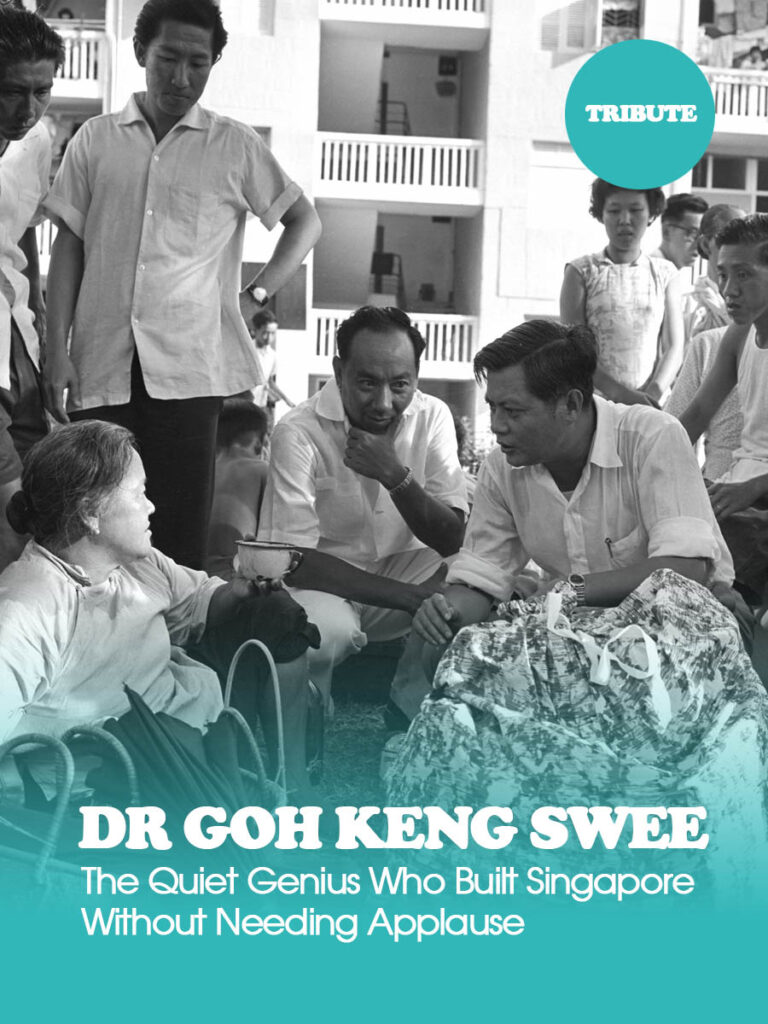
    Dr Goh Keng Swee: The Quiet Genius Who Built Singapore Without Needing Applause

    0

    I still watching the TV during Dr Goh Keng Swee’s funeral. White shirts everywhere. Rows of comrades lining the route. Then came the gun carriage. Slow. Heavy. Final.
    And suddenly, it hit me. Hard.

    This wasn’t just another state funeral. This was the farewell of a man who carried Singapore’s survival on his back—without ever asking us to notice.

    At that moment, grief mixed with something else. Realisation. The kind that creeps up late and refuses to leave. Most of us grew up knowing of Dr Goh. But few of us truly understood what he did, or how close things once were to going very, very wrong.


    When the Files Opened, the Truth Got Louder

    For years, we all thought we knew the story.
    9 August 1965. Tears on TV. A sudden break. A small island pushed out into the deep end.

    Then the Albatross files were finally declassified. And suddenly, the neat textbook version cracked.

    Behind the scenes, months before Separation Day, Dr Goh was already working quietly. No speeches. No drama. Just relentless, precise meetings with Tun Razak. Again and again. The goal wasn’t emotional closure. It was survival.

    The separation had to be fast. Clean enough. But not too clean.

    Why? Because the British didn’t want a neat break. They had their own interests. Kuala Lumpur needed reassurance. Singapore needed guarantees—water, trade, security, dignity. And Lee Kuan Yew needed the world to see resolve, even anger, so the people could rally.

    Somewhere in the middle of all these immovable forces stood Dr Goh. Calm. Methodical. Playing chess while everyone else was playing checkers.


    No One Treaty. Just a Hundred Quiet Understandings.

    What came out of those secret months wasn’t a grand document with signatures and photo ops. That would’ve blown everything up.

    Instead, it was smarter than that.

    A web of small agreements.
    Deliberate ambiguities.
    Mutual dependencies that made walking away impossible.

    Water would keep flowing from Johor.
    Defence cooperation would continue—quietly.
    The port would remain open to Malaysian trade, as if nothing had changed.

    The British were nudged just enough to accept the split. Kuala Lumpur was reassured just enough to avoid immediate hostility. And Singapore was given breathing space to steady itself.

    All this happened without Dr Goh stepping forward to take credit. No press conference. No victory lap.

    That was the man.


    Do the Job. Then Disappear.

    There’s an old idea that fits Dr Goh perfectly:
    功成而弗居。
    Finish the job. Don’t dwell in it.

    After 1965, he didn’t slow down. He simply moved on to the next impossible task.

    He helped build the SAF from scratch.
    Turned Jurong’s swamps into factories.
    Set up the MAS.
    Wrote budget after budget that turned a resource-poor island into something the world had to take seriously.

    And when his work was done? He stepped back.

    No memoirs.
    No statues.
    No endless interviews retelling old war stories.

    Just a quiet retirement. Almost allergic to self-congratulation.


    The State Funeral He Didn’t Need (But Deserved)

    Dr Goh received a state funeral with full military honours. That was Singapore’s way of saying thank you.

    Still, I suspect he would’ve been fine with much less.

    The real tribute wasn’t the gun salute or the speeches. It was this:
    A Singapore that survived.
    A Singapore that prospered.
    A Singapore still deeply, quietly linked to the land it once called Malaysia.

    That unspoken interdependence? That was part of his design too.


    How History Will Remember Him (And Why That’s Tricky)

    Prime Minister Lee Hsien Loong summed it up well. A whole generation enjoyed stability and prosperity because one of Singapore’s ablest sons fought for its future.

    Yet remembering Dr Goh isn’t straightforward.

    He didn’t leave memoirs.
    He didn’t curate his legacy.
    He wasn’t interested in how history books would frame him.

    Most of what we know comes from public records—Parliament debates, policy papers, cabinet roles. Important, yes. Exciting? Not exactly.

    Hansard doesn’t exactly make beach reading.

    Even his major reports—on education, housing, income—are dense. Necessary. Serious. Brutally practical.

    And yet, that was the point.


    The Man Behind the Margins

    Some of the best insights into Dr Goh come from stories, not speeches.

    Take S. Dhanabalan’s memory from 1960. A young officer tasked with drafting a cabinet memo to create what we now know as the Economic Development Board.

    Four proud pages. Carefully argued. Thought it was historic.

    Dr Goh crossed out almost everything.

    The memo came back starting simply with:
    “The EDB shall…”

    No fluff. No drama. Just action.

    That was Dr Goh’s style. Short. Sharp. Effective.


    The Bigger Picture: Why He Still Matters Today

    Singapore wasn’t supposed to make it.
    Everyone knows that.

    Yet here we are—a global city, studied, copied, analysed.

    Dr Goh’s fingerprints are all over that success. Prudent public finance. Industrialisation. Strong labour relations. Human capital. Even China recognised it, inviting him to advise them in the 1980s.

    More importantly, he understood something crucial: politics and economics are inseparable. Stability creates growth. Growth sustains stability.

    He wasn’t loud in ideological battles. He preferred planning long-term outcomes quietly, making sure today’s decisions didn’t blow up tomorrow.


    My Take: Why We Need More People Like Him (Now More Than Ever)

    Here’s my honest view.

    In an age obsessed with visibility, branding, and credit-taking, Dr Goh feels almost alien. He didn’t chase recognition. He chased results.

    Singapore today could use more of that energy. Less noise. More substance. Less “look at me,” more “just get it done.”

    He reminds us that leadership isn’t about being seen doing the work. Sometimes it’s about making sure the work survives long after you’re gone.

    Dr Goh Keng Swee served without needing applause.
    And somehow, that makes his legacy even louder.

    The Real Datuk Salim Abdul Rahman: Who Is He?

    0

    From Bas Madani to RM100 Giveaways, Meet Malaysia’s Most Talked-About Philanthropist

    If you’ve been scrolling social media and suddenly thought, “Eh, who is this uncle giving out RM100 like angbao season never ends?” — congrats, you’ve met Datuk Salim Abdul Rahman. Or at least, you’ve met his legend.

    Let’s rewind a bit.

    Datuk Salim Abdul Rahman is a businessman and advisor to Yayasan Global Mesra, an organisation that recently launched the Bas Madani. On paper, it’s a bus. In reality, it’s a moving symbol of welfare, charity, and very Malaysian-style gotong-royong energy.

    The Bas Madani initiative was introduced as part of the foundation’s corporate social responsibility efforts. More importantly, it aligns with the Madani concept championed by the Unity Government. In simple terms, it’s about people helping people, without all the unnecessary drama.

    So, What’s the Bas Madani Actually For?

    First of all, this isn’t some fancy tour bus for VIP selfies. The bus is meant to serve the rakyat.

    To kick things off, the Bas Madani will transport around 40 members of the Kampung Melayu Air Itam community. Their destination? Terengganu, for the Malaysia Madani Aidilfitri Open House on 11 May.

    However, the real mission goes beyond festive vibes.

    The group will also be involved in distributing Bakul Rahmah to B40 families in the state. And yes, this is not small change. On that day alone, 3,000 Bakul Rahmah will be handed out.

    Each basket is valued at RM200 and packed with daily necessities. Think practical stuff. Rice, groceries, and items that actually help households stretch their ringgit a little further.

    According to Salim, this effort is fully funded by his company as part of its CSR commitment. No political campaigning. No banners. No “please clap” moments.

    Just bantuan, straight up.

    More Than Just One-Off Charity

    Here’s where it gets interesting.

    The Bas Madani isn’t a seasonal project. It’s meant to be deployed for future needs, including helping victims of natural disasters. Floods, emergencies, sudden crises — this bus is supposed to show up when things get rough.

    So far, Yayasan Global Mesra has distributed 80,000 Bakul Rahmah across Malaysia. Do the math. That’s not a PR stunt. That’s logistics, planning, and serious funding.

    Salim has openly stated that these contributions are meant to support the Unity Government under Prime Minister Datuk Seri Anwar Ibrahim, particularly in safeguarding public welfare.

    Then Came the Klebang Beach Moment

    Now let’s talk about the video that broke the internet.

    A short 20-second clip went viral showing Salim casually handing out RM100 cash to visitors at Pantai Klebang, Melaka. The rule was simple. Wave at him, get RM100. Like a real-life game show, minus the flashing lights.

    @aminprotonno1batupahat

    siapa dia ne. kaya semacam. habis satu pantai klebang dia bagi duit RM100 😂 #kaya #fyp #bilionaire #viral #abgkancil

    ♬ original sound – ABG.KANCIL – ABG.KANCIL

    Standing beside him was Hulu Langat MP, Mohd Sany Hamzan, who kindly reminded everyone: take once only, don’t be greedy, let others enjoy also.

    Naturally, social media went wild.

    Some praised Salim for sharing his rezeki. Others raised eyebrows and asked the classic Malaysian question: “Got motive or not?”

    Fair question, honestly.

    Social Media Fame and Online Feuds

    Salim isn’t exactly low-key online. On TikTok, he goes by @ds_sultanpemurah68 and has clocked more than 150,000 followers. His content often features acts of generosity, community engagement, and yes, occasional flexing.

    However, his online presence hasn’t been all sunshine and rainbows.

    Previously, Salim was seen clashing — at least digitally — with blogger Papagomo (Wan Muhammad Azri Wan Deris) and political activist Chegubard (Badrul Hisham Shaharin). The exchanges involved subtle jabs, not-so-subtle sarcasm, and the usual internet posturing.

    Nothing new in today’s social media landscape. But it did add to his public persona as someone unafraid to speak or respond.

    My Take: Generosity, Optics, and Reality

    Is Datuk Salim Abdul Rahman generous? Yes. The numbers don’t lie. You don’t accidentally distribute 80,000 Bakul Rahmah.

    Is there an optics element? Also yes. Let’s not pretend charity in the age of TikTok is ever fully private.

    But does that cancel out the impact? Not really.

    Families still get food. Disaster victims still get help. Communities still benefit. In a time when many talk big and do little, visible action — even if filmed — still feeds people.

    At the end of the day, the rakyat judges by results. And so far, the results are tangible.

    If more wealthy individuals put resources into buses, baskets, and basic needs instead of just luxury launches, most people wouldn’t complain.

    As Malaysians would say: asal orang terbantu, jalan lah.

    Lawrence Wong’s Spotify Wrapped 2025: When Singapore’s Prime Minister Goes Full Classic Rock

    0

    Let’s be honest. Nobody woke up in 2025 thinking, “I wonder what the Prime Minister listens to on Spotify.”
    And yet… here we are.
    Surprised. Mildly impressed. Slightly shook.

    When Lawrence Wong’s Spotify top artists list surfaced, it didn’t scream policy briefings or late-night budget spreadsheets. Instead, it blasted electric guitars, heartbreak anthems, and singalong classics. Suddenly, politics felt a bit more human. Less podium. More playlist.


    A Playlist Nobody Expected (But Everyone Needed)

    Here’s the top artists list that caught Singapore off guard:

    1. AC/DC
    2. Oasis
    3. Roy Orbison
    4. The Proclaimers
    5. Creedence Clearwater Revival

    No K-pop. No TikTok hits. No viral remixes.
    Just pure, old-school, “turn the volume up and don’t apologise” energy.

    And honestly? Respect.


    AC/DC: Starting Strong, Literally

    First up, AC/DC.
    Straight away, this tells you a lot.

    This is power music. Riffs that don’t ask for permission. Songs that sound like they were built to survive decades. It’s the kind of music you play when things get heavy. Or when you need to remind yourself to keep going.

    Also, it’s loud.
    Which makes it even funnier coming from a Prime Minister known for calm speeches and composed delivery.

    Low-key iconic.


    Oasis: Emotional Chaos, British Edition

    Then comes Oasis.
    Because of course.

    Every Oasis fan believes in confidence. Maybe even delusion. But also deep feelings buried under swagger. Songs that sound simple but hit hard when you least expect it.

    This choice feels relatable.
    Like, “Yes, I make big decisions. But also, sometimes I just want to stare out the window and think about life.”

    Very millennial-coded.
    Very “Don’t Look Back in Anger” energy.


    Roy Orbison: Feelings, No Filter

    Now this one surprised people.

    Roy Orbison isn’t trendy. He’s timeless.
    Big voice. Big emotions. Zero shame about it.

    This is music for reflection. For quiet moments. For nights when the city is asleep but your brain refuses to be.

    It shows depth.
    And maybe a soft side people don’t usually see on the news.

    Also, bonus points for taste.


    The Proclaimers: Walking the Talk

    Next up, The Proclaimers.

    Yes, that song.
    The walking one.

    But beyond the meme, their music is about commitment. About going the distance. About stubborn loyalty. Which, let’s be real, is kind of on-brand for leadership.

    Plus, it’s catchy.
    And slightly cheesy.
    Which makes it even better.


    Creedence Clearwater Revival: Old Souls, Good Vibes

    Rounding out the list is Creedence Clearwater Revival.

    This is road-trip music.
    This is “life isn’t perfect, but we move” music.

    There’s grit here. There’s history. There’s a sense of grounding. Songs that don’t rush you. They just roll along.

    It feels steady.
    Comforting.
    Very dad-rock, but in a cool way.


    Why This Hits Different in Singapore

    Here’s the thing.
    Singapore politics has often felt distant. Formal. Very “please refer to paragraph 3 subsection b.”

    This playlist changes the vibe.

    Music is personal. It’s messy. It doesn’t come with footnotes. By sharing something this human, Lawrence Wong connects without trying too hard. No forced youth slang. No awkward “hello fellow kids” moment.

    Just vibes.

    And honestly, that’s how you reach younger people now.
    Not with slogans.
    With authenticity.


    My Take: This Is Smart, Whether Planned or Not

    Let me be real for a second.

    This isn’t about being “cool.”
    It’s about being real.

    Showing taste that isn’t trendy tells people you’re comfortable with who you are. That you don’t need to chase relevance. And ironically, that makes you more relatable.

    Also, classic rock fans? Loyal. Passionate. Opinionated.
    Sound familiar?

    In a time when politics feels noisy and exhausting, this kind of moment feels refreshing. It reminds us that leaders are people too. People who probably unwind the same way we do. With music that’s seen some life.

    And yeah, never thought I’d say this, but…
    Singapore politics just got a little more rock ’n’ roll.

    At the end of the day, this Spotify list isn’t a policy statement.
    It’s not a campaign slogan.

    It’s just a playlist.

    But sometimes, that’s enough.
    Enough to spark conversation. Enough to bridge generations. Enough to remind us that leadership doesn’t always need to feel stiff.

    Sometimes, it just needs a good soundtrack.

    Terror Attacks, Immigration, and the Hard Truths the West Doesn’t Want to Hear

    0

    Another year rolls in. Another terrorist attack hits a Western city. This time, it was Jews celebrating Chanukah in Sydney. The attackers, as usual, hid behind the tired line of “we hate Zionists, not Jews,” while waving slogans like “globalise the intifada” as if that makes everything sound… progressive.

    Predictably, the political Right is already popping champagne. To them, this is proof that immigration is the problem. Full stop. Case closed. No discussion needed.
    Foreigners bad. Borders good. End of PowerPoint.

    And yes, to a certain extent, they’re not totally wrong. The West is facing real problems. However, this is where things go sideways. Hard.

    Because blaming immigration itself is lazy thinking. It’s a blind spot. Just like how pretending open borders magically solve everything is a blind spot on the Left. Two extremes. Same mess.

    So let’s slow down. Take a breath. And actually look at places that somehow got this right.


    If Immigration Is the Problem, Explain Singapore Lah

    Here’s where my eyebrow starts doing gymnastics.

    How is it that immigrants make up about 40% of Singapore’s population, and close to 90% in the UAE, yet both places are some of the safest on the planet?

    Before anyone jumps in—no, it’s not because they only take in elite, Ivy League, latte-sipping professionals.

    Reality check.
    Most immigrants in Singapore and the Gulf are low-wage workers. Mostly male. Mostly from Muslim-majority countries. Often from the same regions that Western attackers come from.

    And just to add a twist of irony, one of the heroes who helped stop the Sydney attack was an immigrant named… Ahmed. Yeah. That Ahmed.

    So clearly, “immigrant” is not the issue.


    Lone Wolves Exist, But Patterns Matter

    Of course, no country is immune to lone-wolf attacks. Someone can snap anywhere. A car attack. A knife attack. A sudden act of madness.

    But here’s the uncomfortable pattern.
    These attacks happen far more often in the West than in Asia or the Middle East.

    That’s not bad luck. That’s policy.

    So what’s different?


    First Hard Truth: Refugee Policy Actually Matters

    Here’s something people don’t like to talk about.

    Neither Singapore nor the Gulf states are signatories to the Refugee Convention.

    Translation?
    You don’t automatically get asylum just because you’re fleeing a war on the other side of the planet.

    And honestly, that raises a fair question. Why is it logical for countries thousands of kilometres away to shoulder this burden, while neighbouring countries don’t?

    In the West, persecution in a broken country can become a golden ticket to permanent migration. On what basis, exactly?

    Even worse, large-scale asylum systems are almost impossible to properly screen. Abuse is common. And yes, taxpayers end up footing the bill. That’s not compassion. That’s chaos.


    Second Truth: Money Talks, Feelings Don’t

    Here’s where Singapore and the UAE are brutally honest.

    Permanent residence is tied to income.

    If you can support yourself, fine.
    If you can’t, sorry boss.

    Dubai doesn’t even offer true permanent residency for most people. Just long-term, renewable visas. Family members? Only if you meet strict income requirements.

    Singapore is no joke either.
    You don’t just walk in and get PR. You grind through work passes. You hit salary thresholds. Miss them at renewal? Thank you, goodbye, safe flight home.

    Compare that to Australia.

    Very crowded but immensely popular Bondi Beach in Sydney. Thousands of sun lovers will gather here to swim and surf on any sunny day, tourists and locals alike.

    Roughly 200,000 PRs issued a year, often not tied to income. If your job is “useful,” even if it pays peanuts, you’re in. Family reunification follows. No strong requirement to prove long-term financial support.

    The result?
    Nearly a third of welfare recipients were born overseas.

    That’s not racism. That’s math.


    Third Truth: Security Is Not a Dirty Word

    This part really makes Western liberals uncomfortable.

    The safest countries in the world have strong security laws. Very strong.
    They monitor suspects.
    They detain threats early.
    They don’t wait for a body count before acting.

    Yes, some allow long detentions without trial.
    Yes, some still have the death penalty.

    Is it pretty? No.
    Is it effective? Clearly.

    In the West, authorities often can’t touch a radicalised individual until after they commit a crime. By then, it’s too late. Prevention becomes a fantasy.

    Now add one more factor.

    Radicalisation thrives among the poor. And the West keeps importing millions of people straight into poverty, isolation, and resentment.

    Connect the dots.


    The Real Mystery: Why Isn’t the West Learning?

    This is the part that honestly puzzles me.

    The West is smart. Wealthy. Developed. Supposedly forward-thinking.

    Yet it refuses to learn from countries that don’t have these problems. Not because they shut borders completely—but because they manage them properly.

    This isn’t just about terrorism.
    It’s about everyday crime too.

    In Singapore or the UAE, you don’t mess around. The law is clear. The consequences are real. People behave accordingly.

    In many Western cities today, criminals treat the law like a joke. And everyone else pays the price.


    My Take: Stop Arguing Ideology, Start Copying What Works

    Here’s my straight-up view.

    The Right needs to stop pretending immigration itself is evil.
    The Left needs to stop pretending borders are optional.

    The answer is boring. And that’s why nobody likes it.

    Controlled immigration.
    Strict screening.
    Income requirements.
    Zero tolerance for crime.
    Early intervention against radicalisation.

    Singapore didn’t become safe by accident. Neither did the UAE.

    You want diversity and safety? Can.
    You want compassion and order? Also can.

    But vibes-only policies? Nah. That’s how you end up lighting candles after another attack and saying, “We never saw this coming.”

    We did. We just ignored the examples right in front of us.