
More
    Home Blog Page 49

    Inside Aon Somrutai’s First Song: “Thank You Kateyki (Lalala)”

    0

    Hello, dear readers! Today, we are about to embark on a dazzling journey through the newest musical offering from none other than Aon Somrutai. Yes, you read that right—Aon Somrutai, the TikTok sensation turned pop phenomenon, has just dropped her debut single, “Thank You Kateyki (Lalala)” (Official Audio). In this article, we will dive deep into the creative world behind the song, analyze the lyrics, explore its luxurious vibe, and discuss the clever marketing moves that have turned this release into an instant hit.


    A Fresh Sound in a Glamorous World

    Firstly, let’s set the scene. Imagine waking up to a world of diamonds, luxury, and endless possibilities. That is the very essence of Aon Somrutai’s new single. With a title that playfully shouts “Thank You Kateyki (Lalala),” the song is a celebration of life, fashion, and the unapologetic pursuit of pleasure. The track exudes energy from the very first beat and invites you to join in on a day filled with shopping sprees, glamorous outings, and the kind of self-confidence that only a true superstar can muster.

    Moreover, the song is not just a musical release—it’s a carefully crafted piece of art that mirrors the vibrant personality of Aon Somrutai. Known for her extravagant lifestyle and social media flair, she has always been a master at blending her personal brand with her business endeavors. In “Thank You Kateyki (Lalala),” every lyric, every catchy hook, and every rhythmic beat is infused with her signature style, making it a must-listen for both her loyal fans and newcomers alike.


    Breaking Down the Lyrics: A Symphony of Luxury, Wit, and a Special Shout-Out

    Let’s now dive into the official lyrics and explore the fascinating layers hidden within them. The song opens with an inviting note:

    “(Let’s go Kateyki)”
    “(วันนี้เราจะมาร้องเพลงกันนะคะ)”

    Right from the start, you can sense that Aon Somrutai is setting the tone for a fun, upbeat experience. The use of bilingual phrases not only showcases her multicultural appeal but also hints at her roots and the diverse audience she commands. It’s playful, it’s bold, and, most importantly, it’s refreshingly genuine.

    The Secret Behind “Kateyki”

    Now, here’s an insider scoop: “Kateyki” isn’t just a catchy name in the lyrics. In fact, Kateyki is Aon’s male assistant, who always features in her TikTok videos. He’s the one tailing her during those fabulous branded bag splurges, helping to capture and share every glamorous moment. His presence is both a practical support and a signature element of Aon’s meticulously crafted online persona. So, when Aon sings “Thank you Kateyki,” it’s both a nod to her personal team and a playful salute to the behind-the-scenes magic that makes her world tick.

    Waking Up in a World of Glamour

    Consider these opening lines:

    “Woke up feeling pretty
    Diamonds all around me
    เดินเล่น in my city
    Hello to my girls (Hi girl!)”

    These lines serve as a perfect introduction to her luxurious world. Short, punchy sentences build an image of a life where every day begins with style and sparkle. The blend of English and Thai phrases adds a unique flavor, ensuring that the lyrics resonate across cultures. Furthermore, the casual greeting, “Hello to my girls,” immediately makes you feel like you’re part of an exclusive inner circle—a club where glamour meets authenticity.

    Living in a Perfect World

    The chorus takes you deeper into her lifestyle:

    “อยู่ในโลก perfect ของฉัน everyday luxury
    มีแต่เรื่องสนุก fun fun วันนี้ฉันทำอะไรดี
    (Let’s go shopping!)”

    Here, Aon Somrutai invites us to experience her everyday life, where every moment is a luxurious adventure. The repetition of “fun fun” emphasizes the excitement and spontaneity of her world. Notice how the song seamlessly transitions between Thai and English; this linguistic blend not only keeps things interesting but also highlights the duality of her identity—rooted in tradition yet soaring with modernity.

    A Dash of Humor and Sarcasm

    The playful lines in the next verse bring a delightful mix of humor and sarcasm:

    “I want this one, this one, this and more
    This for you, wait, I take all
    This one is so cheap (Huh?)
    I love this one. I take 4 (Thousand)”

    These lyrics are a tongue-in-cheek commentary on consumer culture. With a wink and a smile, she boasts about her shopping habits while also poking fun at the idea of quantity versus quality. It’s as if she’s saying, “Yes, I’m living the dream, and yes, I buy everything in sight—because why not?” The sarcastic tone not only adds a layer of wit but also reinforces her position as someone who is unapologetically herself.

    The Anthem of Empowerment and Self-Creation

    The recurring refrain, “Lalala lalala lalalala (So nice!)”, is more than just a catchy hook—it is an anthem of empowerment. In a world where many feel pressured to conform, Aon Somrutai reminds us that we can, in fact, design our own lives. Consider these lines:

    “Living my dreams, baby I got it all (I got it all)
    The world is my runway กางปีกไม่รีรอ (ไปก่อนนะคะ)
    เพราะโลกนี้ฉันสร้างขึ้นมา Welcome นะคะ (Welcome!)
    Everything is possible
    Always with me, thank you Kateyki”

    Here, she champions the idea of self-creation. Every day is a runway, and every moment is an opportunity to shine. The notion that “the world is my runway” isn’t just a boast—it’s a declaration of independence and self-empowerment. Moreover, her gratitude toward Kateyki, her ever-reliable assistant, adds an intriguing twist, highlighting the collaborative effort behind her success.


    The Production and Musical Vibe

    An Uplifting Soundtrack for a Luxe Lifestyle

    Beyond the lyrics, the production of “Thank You Kateyki (Lalala)” is worth applauding. The track features an upbeat tempo, vibrant beats, and a mix of electronic and pop elements that perfectly capture the essence of modern luxury. In today’s fast-paced world, a song must not only be catchy but also uplifting. Aon Somrutai achieves this by creating a soundscape that feels both refreshing and invigorating.

    The music video (if you haven’t seen it yet, do yourself a favor and check it out) complements the song perfectly. Set against a backdrop of dazzling cityscapes, glamorous parties, and luxury shopping sprees, the visuals reinforce the message that life is to be lived in full color. In addition, the creative use of lighting and dynamic camera angles makes every scene look like a snapshot from a high-fashion magazine.

    The Fusion of Cultures in Sound

    One of the most innovative aspects of the production is its cultural fusion. By intertwining English and Thai lyrics, Aon Somrutai bridges the gap between different audiences. This approach not only broadens her appeal but also reflects the increasingly global nature of music today. Consequently, the song stands as a testament to the power of diversity and inclusivity in modern pop culture.


    Behind the Scenes: The Persona of Aon Somrutai

    More Than Just a TikTok Star

    It is important to note that Aon Somrutai is not merely a social media personality. She is a savvy entrepreneur and a creative visionary who understands how to blend art, commerce, and lifestyle seamlessly. Over the years, she has built a reputation for herself by taking everyday moments and elevating them into something extraordinary. Therefore, her foray into the music world is a natural extension of her multifaceted persona.

    The Marketing Genius at Work

    Let’s be honest—every element of her new release feels meticulously planned. From the catchy title to the layered lyrics and the eye-catching visuals, everything is designed to make an impact. It is evident that her marketing team has done a stellar job. Moreover, the timing of the release, coupled with her ever-growing presence on platforms like TikTok, ensures that the song will reach a wide audience almost instantly.

    The strategic use of social media has always been one of her strongest suits. By integrating product placements, playful humor, and personal branding, she creates an ecosystem where her music, fashion, and business ventures reinforce each other. In essence, “Thank You Kateyki (Lalala)” is not just a song—it’s a marketing masterstroke that further solidifies her position as a trendsetter.

    The Luxury Lifestyle That Inspires Her Art

    At its core, the song is an ode to a life of luxury and self-made success. When Aon Somrutai sings about diamonds, shopping sprees, and designer labels, she is not merely bragging; she is painting a picture of what is possible when one dares to dream big. This narrative of empowerment is particularly resonant in today’s world, where the lines between aspiration and reality are increasingly blurred. Consequently, her song inspires not just a fleeting moment of joy, but a sustained desire to achieve greatness.


    Fan Reactions and Cultural Impact

    Social Media Buzz

    Unsurprisingly, the release of “Thank You Kateyki (Lalala)” has set social media abuzz. Fans from all walks of life have taken to Twitter, Instagram, and TikTok to share their excitement. Memes, reaction videos, and even dance challenges have emerged, all celebrating the infectious energy of the track. Moreover, many fans appreciate how Aon Somrutai’s music encapsulates the spirit of modern luxury while remaining accessible and fun.

    A Symbol of Modern Empowerment

    Beyond the immediate buzz, the song has sparked conversations about modern empowerment and self-expression. In a time when many feel overwhelmed by societal expectations, Aon Somrutai’s message is both a breath of fresh air and a call to action. By openly embracing her success and encouraging others to do the same, she has become a symbol of what it means to live unapologetically.

    Celebrity Endorsements and Collaborations

    Interestingly, several influencers and even a few established celebrities have already hinted at potential collaborations with Aon Somrutai. While nothing is confirmed yet, the mere possibility of cross-industry partnerships adds another layer of excitement to her career. In today’s interconnected world, a hit song can open doors to opportunities in fashion, film, and even international markets. Therefore, keep an eye out as this rising star continues to redefine what it means to be a multi-talented entrepreneur.


    My Personal Take

    As someone who has observed the evolution of social media influencers over the years, I find Aon Somrutai’s latest release to be a fascinating case study. In my humble opinion, she is someone who understands the delicate balance between authenticity and performance. While some may dismiss her style as over-the-top or even superficial, I see it as a bold expression of self-confidence in an era that often demands conformity.

    I particularly appreciate her willingness to embrace every facet of her identity. From her stunning visuals to the playful nod to her loyal assistant, Kateyki—who is always by her side during those branded bag splurges—Aon Somrutai teaches us that success is a team effort. She reminds us that living out loud is not just about material wealth, but about the richness of experiences and the courage to pursue our dreams. Even if some critics label her extravagance as a carefully constructed façade, I believe that every element of her performance is art in motion—a masterpiece that inspires others to dare greatly.


    New Insights and Future Possibilities

    The Intersection of Music and Social Media

    In today’s media landscape, the fusion of music and social media is hardly new. Yet, Aon Somrutai distinguishes herself by harnessing this synergy in a way that feels both organic and innovative. Her song is more than just a catchy tune; it is an invitation to reimagine how music can influence every aspect of our lives—from the way we shop to the way we express ourselves. In this sense, “Thank You Kateyki (Lalala)” serves as a blueprint for future cross-industry collaborations.

    Beyond the Beat: Cultural and Social Commentary

    Another intriguing aspect of this release is its underlying cultural commentary. While on the surface, the song is an exuberant celebration of luxury and fun, a deeper analysis reveals a subtle critique of consumer culture. By juxtaposing phrases like “I want this one” with “This one is so cheap,” Aon Somrutai challenges the listener to think about value—both monetary and emotional. This layered messaging elevates her work from mere entertainment to a conversation starter about modern life.

    The Ripple Effect on Fans and Aspiring Entrepreneurs

    Let’s not overlook the significant impact Aon Somrutai has on her fans. Beyond the music, her story is a powerful source of inspiration for many. Young entrepreneurs and creatives see her as someone who has broken the mold and redefined success in the digital age. In doing so, she not only entertains but also empowers her audience to pursue their own ambitions, regardless of the obstacles.

    I often remind my clients that authenticity and innovation are the cornerstones of success. Aon Somrutai’s journey—and her latest musical venture—serve as a potent reminder that the courage to be different is the very essence of greatness.


    Embracing a Multifaceted Future

    In conclusion, “Thank You Kateyki (Lalala)” is much more than just a debut single—it is a vibrant tapestry woven with threads of luxury, empowerment, and creative ingenuity. Aon Somrutai has managed to encapsulate the spirit of modern celebrity, where every day is a runway and every moment is an opportunity to shine. From its catchy refrains to its playful lyrics and dynamic production, the song invites us all to join her in celebrating life on her own extravagant terms.

    To summarize:

    • Dynamic Lyrics: The clever mix of languages and cultural references creates a truly global anthem.
    • Innovative Production: The upbeat tempo and luxurious soundscape capture the essence of a modern, glamorous lifestyle.
    • Empowering Message: The song is an ode to living life on your own terms, with a special nod to her ever-present assistant, Kateyki.
    • Strategic Marketing: Every element—from the title to the visuals—reinforces her status as a trendsetter and a savvy entrepreneur.
    • Future Possibilities: This track paves the way for exciting cross-industry collaborations and further expansion of her personal brand.

    In my view, Aon Somrutai’s leap into the music world is both bold and inspiring. She effortlessly blends art, commerce, and lifestyle, creating an experience that is as much a celebration of success as it is a call to live authentically. So, if you haven’t already, give “Thank You Kateyki (Lalala)” a listen. Allow yourself to be swept away by its infectious energy, and remember that every beat of the song is a reminder that, with a bit of sparkle and a lot of courage, anything is possible.

    Thank you for joining me on this deep dive into the creative and luxurious world of Aon Somrutai. Until next time, keep embracing your unique style, celebrate every moment, and remember: in the grand concert of life, every beat—and every branded bag splurge—counts!

    Lost $1.2 Million on Donald Trump Stock

    Alright, folks, gather around. Bring Grandpa out of the basement because today, we have an all-time Hall of Famer in financial disasters. This is the tragic, yet hilariously painful tale of one man who YOLOed (You Only Live Once) his grandfather’s $1.2 million fortune into DJT – the Trump Social stock. Spoiler alert: it didn’t end well.

    This isn’t just a story about reckless gambling. It’s an essential lesson in risk management, financial discipline, and, most importantly, how to avoid ruining your life over a stock bet. So grab a drink, sit back, and let’s dissect this financial train wreck like the pathological autopsy it deserves.

    TL;DR

    • Don’t gamble with your money: Investing is different from gambling. Don’t bet everything on one thing.
    • Understand what you’re doing: Don’t invest in things you don’t understand, especially complex products like options.
    • Spread your money around: Diversify your investments to reduce risk.
    • Think long-term: Don’t try to get rich quickly. Investing is a marathon, not a sprint.
    • Do your homework: Research before you invest. Don’t just follow the crowd.

    Act 1: The YOLO Mentality – Betting It All on One Stock

    Source: Reddit

    Our protagonist—let’s call him Chad (https://www.reddit.com/user/Smartmoney243/) —had the bright idea that betting an entire fortune on one stock was a genius move. He ventured onto WallStreetBets, a Reddit forum notorious for high-risk, high-reward trades, and proudly announced his grand plan: YOLOing his grandfather’s $1.2 million into DJT call options.

    Now, let’s pause for a moment. He wasn’t buying shares. No, no. That would have been too tame. Instead, he was purchasing call options, essentially betting that DJT would skyrocket in the short term. His thesis? Trump’s stock would shoot up to $40 per share.

    If you’re unfamiliar with options trading, here’s a quick breakdown: when you buy a call option, you’re wagering that the stock price will rise to a certain level within a specific time frame. If it doesn’t? Well, you lose everything.

    As you might have guessed, Chad’s grand vision never materialized. DJT didn’t soar. Instead, his options expired worthless, wiping out the entire $1.2 million. Gone. Vanished. Poof.


    Act 2: Trading vs. Gambling – Know the Difference

    Let’s break down what went wrong here.

    1. Trading vs. Investing

    What Chad did wasn’t investing—it was gambling. No experienced trader would ever risk their entire portfolio on one stock, let alone on options. Investing is about long-term growth, risk management, and diversification. Gambling is about rolling the dice and hoping for a miracle.

    2. The House Always Wins

    When you throw all your money into one bet, you’re essentially playing the stock market casino. And guess what? The house always wins. The stock market doesn’t care about your emotions, dreams, or Twitter hot takes. It moves based on fundamentals, market sentiment, and broader economic trends.

    3. Falling in Love with a Stock

    Chad convinced himself that DJT was the best thing since sliced bread. He wrote lengthy Reddit posts explaining his thesis and ignored all warning signs. The first rule of investing? Never fall in love with a stock. Stocks don’t love you back.

    4. The Dunning-Kruger Effect

    Chad had been in the stock market for a whopping two months. He made a few successful trades and suddenly believed he was the next Warren Buffett. This is a classic example of the Dunning-Kruger effect—a cognitive bias where people with limited knowledge overestimate their expertise.


    Act 3: The Fallout – Losing Everything

    If you think losing $1.2 million wasn’t bad enough, it gets worse. Chad’s wife? She left him. His life savings? Gone. His mental health? In shambles.

    The stock market doesn’t offer second chances. It doesn’t care if you need your money back. It moves on with or without you.

    And let’s not forget—the options market is ruthless. Unlike stocks, which you can hold onto for decades, options expire. If your bet doesn’t pay off within the set timeframe, your money disappears.


    What Can We Learn?

    Now, before we all laugh too hard at Chad’s misfortune, let’s take a moment to extract some valuable lessons.

    1. Never Invest in What You Don’t Understand

    Options trading is incredibly complex. If you don’t understand how it works, don’t touch it. If you’re not a professional money manager, stay away from leveraged ETFs and high-risk options plays.

    2. Diversification is Key

    Putting all your money into one stock—especially a speculative one—is financial suicide. Spread your investments across different assets to minimize risk.

    3. Time the Market? Good Luck

    Chad believed he could predict the short-term movements of a stock better than professional traders with decades of experience. That’s delusional. No one can consistently time the market. Instead, consider dollar-cost averaging (DCA)—investing small amounts regularly over time.

    4. Hope is Not a Strategy

    Chad doubled down when he started losing money, thinking that hope alone would turn things around. News flash: Hope isn’t a financial strategy. If your investment thesis isn’t backed by solid fundamentals, you’re just gambling.


    My Take: Why This Happens and How to Avoid It

    Chad’s story is an extreme example, but his mistakes are more common than you think. Many new investors get sucked into the hype, blinded by short-term gains and social media “gurus” promising overnight success. Here’s my advice:

    • Avoid Options Trading Unless You’re Experienced – Options are incredibly risky. If you don’t understand implied volatility, the Greeks, and expiration cycles, stay far away.
    • Invest for the Long Term – If Chad had simply put his money into an S&P 500 index fund and left it alone for 20 years, he’d likely be a millionaire by now. Instead, he chased a get-rich-quick scheme.
    • Do Your Own Research – Don’t blindly follow Reddit traders, Twitter influencers, or stock tips from strangers. Make informed decisions based on solid research.
    • Understand That Markets Are Ruthless – The stock market has no emotions. It doesn’t care if you need a win. It’s driven by numbers, supply and demand, and macroeconomic trends.

    Final Thoughts

    Chad’s story is painful, tragic, and honestly, avoidable. While we can chuckle at his epic financial faceplant, the real takeaway is this: investing requires discipline, knowledge, and patience. Get-rich-quick schemes rarely end well.

    If you want to build real wealth, stop gambling and start investing. Buy solid companies. Hold for the long haul. Diversify. And above all, never, ever YOLO your entire portfolio into one stock.

    Learn from Chad. Don’t be Chad.


    Key Takeaways:

    • Never invest in what you don’t understand.
    • Diversification is crucial—don’t bet it all on one stock.
    • You can’t time the market—stick to a long-term strategy.
    • Hope is not a strategy—invest based on fundamentals.
    • The stock market doesn’t care about your emotions.

    And there you have it. A cautionary tale that should be required reading for anyone thinking of going all-in on a single bet.

    RIP Chad’s $1.2 million. Let’s hope Grandpa never finds out.

    Melo Movie: What we learned so far…

    0

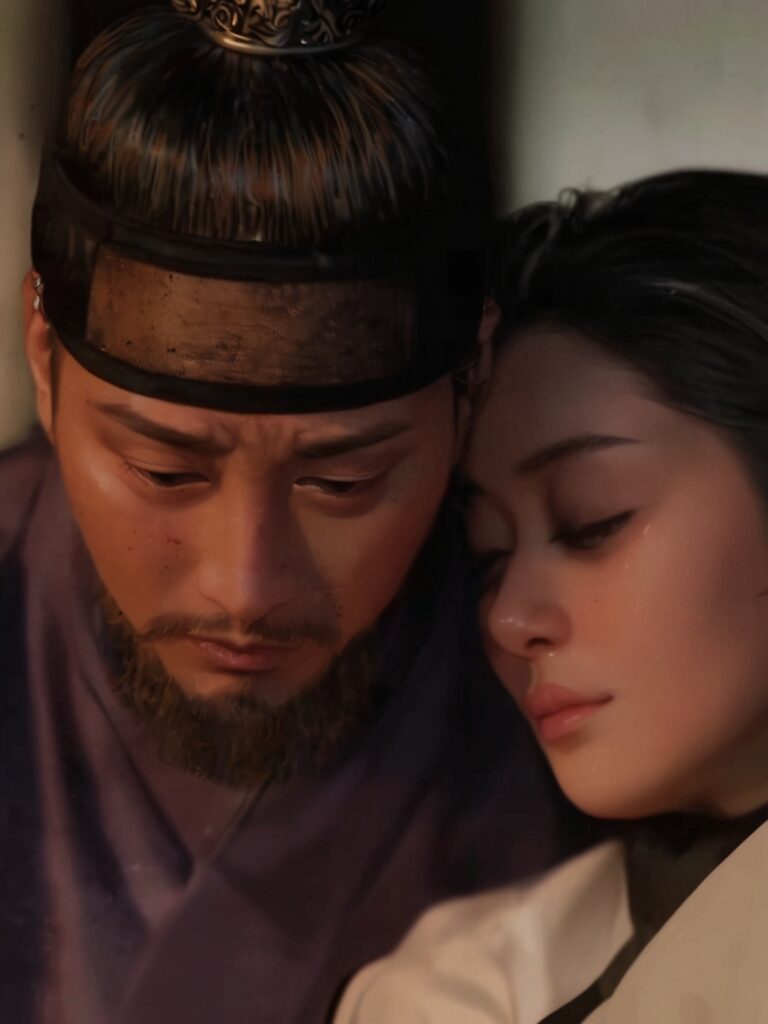
    “Melo Movie.” The name itself is a playful paradox. Is it a melodrama? Is it a movie about melodrama? Perhaps it’s a movie that melts your heart (or your brain)? After one episode, it’s clear “Melo Movie” is playing a clever game with our expectations. It’s not just a sugary rom-com, though it certainly serves up some sweet nostalgia. It’s not just a heart-wrenching drama, though the hints of past trauma are already bubbling beneath the surface. And it’s definitely not just a simple story, though it presents itself with a disarming charm. So far, “Melo Movie” has taught us a few key lessons. One: VHS tapes are timeless treasures. Two: Choi Woo-shik and Park Bo-young have the kind of chemistry that makes you believe in fate (or at least good casting). Three: Never trust a rom-com that ends with a sinking car. But most importantly, “Melo Movie” reminds us that stories, like people, are rarely what they seem on the surface. They’re layered, complex, and full of surprises, just waiting to be unspooled.

    TL;DR

    • “Melo Movie” blends nostalgia, romance, and hints of deeper drama.
    • Choi Woo-shik and Park Bo-young’s chemistry is a highlight.
    • The show’s visuals and direction create a cinematic feel.
    • The plot hints at a mystery surrounding the male lead’s disappearance.
    • The supporting characters’ stories add another layer of intrigue.
    • The show explores themes of dreams, cynicism, and hidden pain.
    • The first episode sets up an intriguing premise but has a slow pace.

    Netflix’s Melo Movie has finally arrived, and it’s serving up a delicious cocktail of nostalgia, romance, and existential musings—all wrapped in VHS-era aesthetics. At first glance, you might think it’s just another rom-com, but hold onto your popcorn—this one’s got layers. With an all-star cast and the creative genius of screenwriter Lee Na-eun (Our Beloved Summer), Episode 1 sets up an intriguing premise. But does it live up to the hype, or is it just another trip down memory lane? Let’s break it down.

    A Cinematic Love Affair (Literally)

    The show opens with nine-year-old Go Gyeom, a budding cinephile whose biggest dream is to watch every movie ever made—on VHS, of course. Lucky for him, his family owns a video rental store, meaning he has unlimited access to films. (Remember those? Simpler times.)

    Fast forward to high school, and Gyeom (now played by the effortlessly charming Choi Woo-shik) has grown into a full-fledged movie snob. His best friends, Hong Shi-joon (Lee Jun-young) and Sohn Joo-ah (Jeon So-ni), share his passion for films, though Gyeom takes it to another level—refusing to talk to anyone who hasn’t seen Reservoir Dogs. (Somebody get Tarantino on the line—he’s got a new fan.)

    One fateful movie night, Gyeom has an epiphany—he wants to be an actor. The problem? The film industry doesn’t seem to want him back. At 26, he’s still struggling, attending countless auditions, landing small roles, but failing to make waves.

    Enter Kim Mu-bi: The Mystery Woman with a Heavy Past

    At yet another failed audition, Gyeom meets Kim Mu-bi (played by the ever-enigmatic Park Bo-young). The moment he hears her name—Mu-bi (which sounds like “movie”)—he’s sold. This, folks, is what we call fate in K-drama logic. But before he can bask in the rom-com moment, she deadpans: “I want to change my stupid name.” Ouch. So much for romance.

    Mu-bi’s backstory is the emotional counterweight to Gyeom’s sunshine-filled movie dreams. At nine, she used to lie about her parents being dead—not because they were, but because her filmmaker father was so obsessed with his craft that he might as well have been absent. Ironically, his passion for cinema eventually did ruin their lives. By high school, she was forced to face the real loss—her father’s death. While clearing out his things, she found his unfinished film. Spoiler alert: It was terrible. That moment cemented her belief that cinema was a joke—an industry built on foolish dreams. Instead of honoring his legacy, she chose to work in film to prove how ridiculous it was to dedicate one’s life to such an unreliable dream.

    So, we have our contrast: Gyeom, the wide-eyed dreamer, and Mu-bi, the embittered realist. Naturally, they end up working on the same film set. Cue the awkward tension.

    When Optimism Meets Cynicism (and Sparks Fly… Sort Of)

    Gyeom, being the lovable golden retriever of the story, is instantly fascinated by Mu-bi. She, however, would rather disappear into the background. “My new dream is for this guy to stop talking to me,” she mutters. Yet, despite her best efforts, Gyeom’s relentless enthusiasm starts chipping away at her walls.

    Their dynamic is fun—at first. Gyeom sees every accidental encounter as destiny, while Mu-bi rolls her eyes so hard they nearly pop out. But after a while, the he flirts, she rejects cycle gets a bit repetitive. Still, the show sprinkles in some deeply human moments. One night, after a long day on set, Mu-bi confesses her mistrust of overly happy people. “No one is that cheerful all the time,” she argues. Turns out, Gyeom’s positivity might just be a mask for his own struggles.

    And then, the moment happens: Stranded in the countryside with no way home, Mu-bi—finally, finally—lets her guard down. She admits that Gyeom reminds her of her father, but perhaps that’s not such a bad thing after all. Just as the tension builds and the two inch closer, the episode drops a bombshell: after that night, Gyeom disappeared.

    A Love Story or a Psychological Drama?

    The final shot of the episode leaves us with a sinking car (literally) and Gyeom’s haunting voiceover: “Maybe she’s just getting through the dark night like I am.” Suddenly, this isn’t just a quirky rom-com—it’s got trauma, mystery, and emotional baggage galore.

    My Take: Love, Nostalgia, and Emotional Damage

    So, what do we make of all this? Is Melo Movie a charming love story wrapped in nostalgia, or are we being set up for an emotional gut-punch?

    1. The Visuals? Stunning. Oh Choong-hwan’s direction gives this drama a cinematic quality that stands out. The warm hues, VHS-style filters, and slow, intentional shots make every frame feel like a love letter to film lovers.
    2. The Romance? Complicated. The opposites-attract trope is always fun, but Mu-bi’s resistance sometimes feels excessive. And while Gyeom’s persistence is charming, it toes the line of too much at times.
    3. The Plot? Slow but Intriguing. The first episode leans heavily on nostalgia and character backstories. While this is great for depth, it means the pacing is a bit sluggish. Here’s hoping future episodes dive deeper into why Gyeom disappeared and what lies beneath his ever-cheerful facade.
    4. The Side Characters? Deserve More Screen Time. Shi-joon and Joo-ah’s seven-year romance imploding right in front of their anniversary cake? Now that’s drama. Their story might just be even more compelling than the leads’.

    Final Thoughts: Will I Keep Watching?

    Absolutely. The performances alone make this worth sticking around for. Choi Woo-shik and Park Bo-young have undeniable chemistry, and that final scene hints at something much darker beneath the surface. Plus, let’s be real—I need to know if that sinking car is just a metaphor or something way more sinister.

    If you K-Drama love stories that blend humor with heartache, charm with cynicism, and nostalgia with mystery, Melo Movie might just be your next binge-worthy obsession.

    Love Scout: What we learned finally…

    0

    Ever scrolled through a dating app, feeling like you’re navigating a minefield of mixed signals and questionable bios? Then you know the struggle is real. But what if the quest for love wasn’t just about swiping right? What if it was a training ground for something more? That’s where “Love Scout” comes in.

    See, “Love Scout” isn’t actually about scouting for dates (though there’s plenty of that). It’s about scouting for yourself. It’s about discovering your own strengths, your own boundaries, and your own worth. It’s about learning to navigate the tricky terrain of relationships, both romantic and professional. And it’s about realizing that sometimes, the greatest love story is the one you write for yourself.

    TL;DR

    • “Love Scout” offers more than just romance; it’s about personal growth.
    • The drama features well-developed characters and compelling storylines.
    • It provides a satisfying resolution, avoiding common K-drama pitfalls.
    • “Love Scout” emphasizes the importance of self-worth and independence.
    • The drama balances romance and plot effectively.

    After weeks of emotional rollercoasters, corporate betrayals, and unexpected romance, Love Scout delivers a finale that sticks the landing. Our beloved CEO rises from the ashes, her loyal team standing strong behind her, while the villains get their just desserts. It’s the perfect ending—wrapped in a well-deserved bow—and one that makes us want to relive the journey all over again.


    The Grand Exit: Ji-yoon Steps Down

    We begin on the eve of Ji-yoon’s big announcement. After much contemplation, she makes the heart-wrenching decision to step down as CEO of Peoplez. The company has lost its credibility, and even if she clings to her position, the damage is irreversible. The only way to protect her employees is to allow Career Way to acquire Peoplez. A bitter pill to swallow, but one she takes with grace.

    Eun-ho, as always, is her rock. He assures her that he trusts her decision and will remain by her side no matter what.

    When the news breaks, the office is filled with mixed emotions. Nostalgia lingers in the air as Ji-yoon packs up her belongings, each item a reminder of the years she dedicated to Peoplez. Just before she leaves, Eun-ho offers a simple but powerful farewell: “You’ve worked hard for five years. Let’s go now.” And with that, they step into an uncertain future—together.


    Karma Comes Knocking: Hye-jin’s Downfall

    Meanwhile, Hye-jin revels in her victory, believing she has finally crushed Ji-yoon. With a smug grin, she struts into Peoplez, ready to bask in her newfound power—only to be met with a silent, empty office.

    Resignation letters flood her desk. Her employees have walked out, leaving her with nothing but an expensive acquisition and an office full of ghosts.

    But karma isn’t done with her yet. Just as she’s processing her humiliating defeat, the police arrive. Turns out, the fraudulent pharmaceutical CEO has turned himself in, and guess who he named as the mastermind? That’s right—Hye-jin. To top it off, her past crimes at Career Way resurface, sealing her fate.

    Ji-yoon delivers the final blow, giving a statement that ensures Hye-jin pays for her sins. As she’s dragged away, she shrieks about how she could have gotten away with it. It’s almost poetic.


    Post-Corporate Life: Love, Rest, and a New Beginning

    With the drama behind them, Ji-yoon and Eun-ho finally get a taste of normalcy. She catches up on sleep, indulges in movie marathons, and, of course, shares endless cuddles with Eun-ho. Their cozy Valentine’s Day moments are so sweet they make single people worldwide sigh in defeat.


    The Secondary Love Story We Didn’t Know We Needed

    Jung-hoon, once torn between duty and personal freedom, finally stands his ground. Ji-yoon encourages him not to bend to his father’s will, and when his sister-in-law steps in with a heartfelt conversation, Chairman Woo has a revelation. Realizing he has been repeating the same mistakes, he finally lets Jung-hoon choose his own path.

    And what does Jung-hoon do with this newfound independence? Well, he flirts with Soo-hyun, obviously. The two dance around their feelings until a frustrated fortune teller calls them out. With no more excuses, they officially become a couple. Bonus: Soo-hyun’s book becomes a bestseller. Career win and romance win? We love to see it.


    Back in Business: A Fresh Start

    Ji-yoon can’t stay away from work for long. This time, though, she’s building her company from scratch, determined to have full control.

    Eun-ho, ever the loyal right-hand man, gets an offer to return to his former company but chooses Ji-yoon instead. Before he can even apply, she fires him. Yes, you read that right. She insists that this time, he needs to make a decision purely for himself.

    But of course, she already knows who her first job candidate will be: him.


    One Year Later: The Happily Ever After

    A time skip shows everyone thriving. Ji-yoon’s new company, aptly named We Company (we’ll pretend we love the name), has grown from her apartment to an actual office space.

    Byeol is a cheerful elementary schooler with Ji-yoon actively involved in her life. And though Ji-yoon and Eun-ho aren’t married yet, their playful professional rivalry keeps their relationship dynamic and entertaining.

    Everything is as it should be. The show ends on a note of happiness, growth, and the promise of new beginnings.


    Final Thoughts: Why Love Scout Worked So Well

    Let’s be real—romance dramas often stumble at the finish line. Either they rush the ending, leave loose threads, or throw in last-minute angst for no reason. But Love Scout? It delivered an A+ finale, nailing the emotional beats while giving each character a satisfying resolution.

    • Strong Character Arcs: Ji-yoon’s evolution from a corporate powerhouse to a woman who values independence was well-paced and rewarding. Eun-ho’s unwavering support showed that a romantic lead can be soft yet compelling. Even the secondary characters had meaningful growth.
    • Perfect Balance of Romance & Plot: Some dramas focus too much on the main couple, leaving side characters as afterthoughts. Love Scout avoided this trap, ensuring that every storyline mattered.
    • Satisfying Villain Justice: Hye-jin’s downfall was both dramatic and cathartic. Watching her go from smug to panicked was pure satisfaction.
    • Emotional Payoff Without Cheap Drama: No unnecessary breakups. No forced misunderstandings. Just well-written, emotionally fulfilling storytelling.

    My Take: What This Drama Taught Us

    As someone who has watched more romance dramas than I care to admit, Love Scout stands out for one major reason: It respects its audience. It doesn’t insult us with lazy tropes or drag us through pointless angst. Instead, it gives us what we actually want—well-developed characters, compelling romance, and a satisfying conclusion.

    This K-drama reminds us that endings don’t have to be tragic or overly dramatic to be impactful. Sometimes, all we need is a group of well-written characters getting the happiness they deserve.

    So, if you haven’t watched Love Scout yet—or if you’re considering a rewatch—just do it. You won’t regret it.


    Final Rating: ⭐⭐⭐⭐⭐ (5/5) – A Romance Drama Done Right

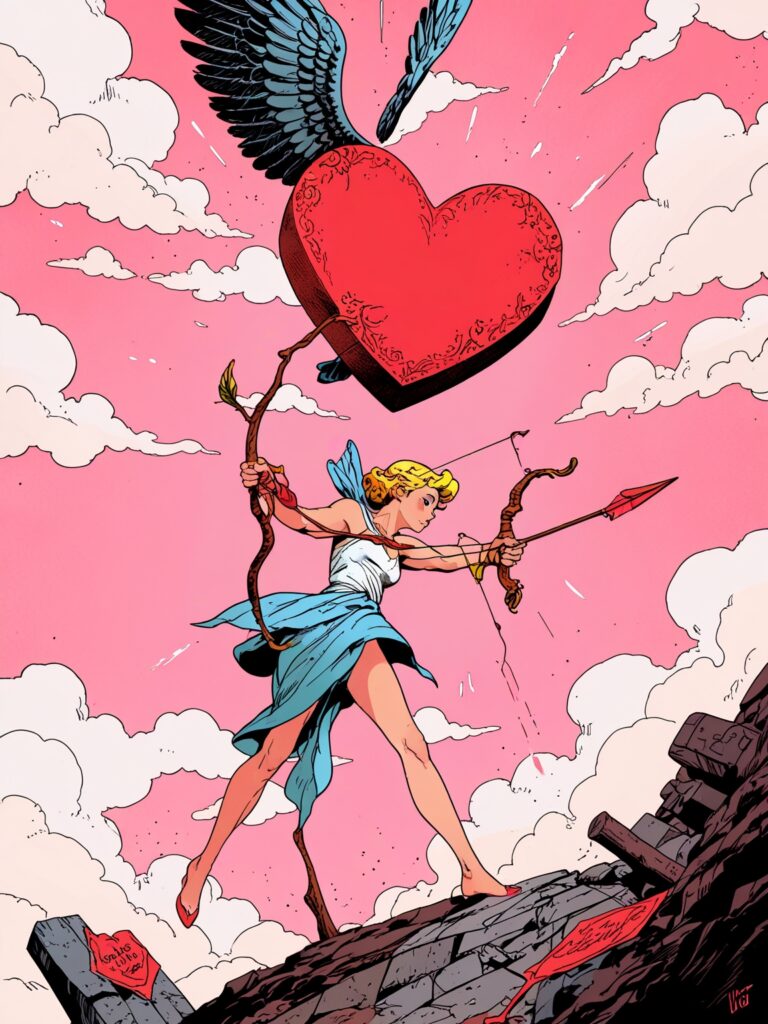
    The Origins and Evolution of Valentine’s Day

    0

    Valentine’s Day. A day for lovers, right? Well, sort of. The truth is, the origins of this holiday are about as clear as a box of chocolates left out in the sun. Some say it’s rooted in ancient Roman fertility festivals, where things got a little wild (think naked priests and animal sacrifices). Others claim it’s all about a saint – or maybe two – named Valentine, who were martyred for their faith. And then there’s the theory that it was all cooked up by a 14th-century poet named Chaucer, who decided birds needed a day to find their mates.

    So, what’s the real story? Honestly, it’s probably a bit of everything. Over the centuries, Valentine’s Day has evolved from a pagan party to a religious feast to the commercialized love-fest we know today. But no matter its origins, one thing’s for sure: it’s a day that makes us think about love, whether it’s the romantic kind, the friendly kind, or even the self-love kind. And maybe, just maybe, that’s what Valentine’s Day is really all about.

    TL;DR

    • Valentine’s Day’s roots are murky, blending Roman festivals, Christian saints, and even literary influence.
    • The holiday has transformed over centuries, from pagan rituals to a romantic celebration.
    • Love is the central theme, whether romantic, platonic, or self-love.
    • Valentine’s Day is a mix of historical fact and cultural invention.
    • Its modern form is largely shaped by commercialization.

    Ah, Valentine’s Day! That one day of the year when the world collectively decides to drown itself in a sea of red roses, heart-shaped chocolates, and over-the-top declarations of love. But before you get swept away by the romantic haze, let’s take a step back and uncover the rather grim beginnings of this so-called festival of love. Spoiler alert: It involves ritual sacrifices, public whippings, and a whole lot of superstition.

    Where It All Began: The Bloody History of Valentine’s Day

    If you think Valentine’s Day has always been about candlelit dinners and love poems, think again. Historians trace its roots back to the Roman festival Lupercalia, which was celebrated between February 13th and 15th. But don’t expect any romantic gestures—unless you consider being whipped with animal hide a love language.

    The Rituals of Lupercalia

    This ancient fertility festival started with priests (called Luperci) sacrificing a goat and a dog. Why these two innocent animals? The goat symbolized fertility, and the dog was seen as a means of purification. After the sacrifice, the priests would strip the animals’ hides, dip them in blood, and run through the streets striking young women. And here’s the kicker—these women actually wanted to be whipped! They believed it would increase their fertility and ensure a smooth pregnancy.

    If that wasn’t bizarre enough, the festival also included a matchmaking lottery. Young men would randomly draw women’s names from a jar, and the lucky pair would be “coupled” for the duration of the festival—sometimes even leading to marriage. Talk about speed dating with a twist!

    The Christian Takeover

    Fast forward to the late 5th century, when Pope Gelasius I decided that enough was enough. He banned Lupercalia and replaced it with a more wholesome alternative: St. Valentine’s Day. But even here, the origins remain murky.

    One theory suggests that the day was named after a priest named Valentine, who secretly performed marriages in defiance of Emperor Claudius II’s orders. The emperor had banned marriage for young soldiers, believing single men made better warriors. Valentine, the ultimate hopeless romantic, continued his mission until he was caught and executed around 270 CE. Before his death, he allegedly wrote a letter to a young woman signed “From your Valentine”, cementing his status as the patron saint of love.

    From Public Floggings to Fluffy Teddy Bears: The Modern Valentine’s Day

    Thankfully, today’s Valentine’s Day celebrations involve fewer animal sacrifices and more overpriced chocolates. But how did we transition from ancient rituals to what is now one of the most commercialized holidays of the year?

    By the 18th century, exchanging love notes had become a common tradition in England. The first commercially printed Valentine’s cards appeared in the 19th century, and soon, the holiday was hijacked by businesses eager to capitalize on people’s romantic sentiments. Now, Valentine’s Day is a billion-dollar industry.

    The Price of Love

    In the U.S. alone, Valentine’s Day spending exceeded $25 billion in recent years. That includes:

    • Over $2 billion on flowers
    • More than $5 billion on jewelry
    • Approximately 145 million greeting cards exchanged annually
    • An impressive number of engagement proposals, making February 14th one of the most popular days to pop the question

    And let’s not forget the restaurant industry, which thrives on overpriced set menus and champagne toasts. Nothing says romance like a heart-shaped steak that costs twice as much as usual!

    Celebrating Valentine’s Day Without Breaking the Bank

    Not everyone wants to—or can afford to—drop a fortune on one day of the year. The good news? You don’t have to! Here are a few thoughtful (and budget-friendly) ways to show love:

    • Write a heartfelt letter – Let’s take a page from Charles, the Duke of Orléans, who wrote the first recorded Valentine’s note in 1415 while imprisoned in the Tower of London. A heartfelt message is far more meaningful than a store-bought card.
    • Plan a home-cooked meal – Who needs a crowded restaurant when you can impress your partner with a homemade dish?
    • DIY gifts – Whether it’s a playlist, scrapbook, or a framed photo, personalized gifts carry more sentimental value than generic store-bought items.
    • Celebrate friendship and self-love – Not in a romantic relationship? No problem! Enter Galentine’s Day, a February 13th tradition celebrating female friendships (popularized by the TV show Parks and Recreation). There’s also International Quirkyalone Day, a movement that champions self-love and independence over societal pressures to couple up.

    Love in Different Cultures: Not Everyone Celebrates the Same Way

    While some countries have embraced Valentine’s Day with open arms, others have banned it outright. Nations like Iran, Saudi Arabia, and Malaysia prohibit celebrations, citing conflicts with their cultural and religious beliefs.

    Meanwhile, other cultures put their own spin on the holiday:

    • Japan – Women give chocolates to men on February 14th, but a month later, on White Day (March 14th), men return the favor with gifts that are usually more expensive.
    • South Korea – They take it a step further, celebrating not just Valentine’s Day and White Day, but also Black Day (April 14th), when singles gather to eat black bean noodles and commiserate.
    • Wales – Instead of Valentine’s cards, lovers exchange intricately carved wooden love spoons.

    My Take: Is Valentine’s Day Overrated?

    Let’s be real—Valentine’s Day is not a true test of love. It’s a day that pressures people into grand gestures, whether they can afford them or not. It often leaves singles feeling left out, couples feeling obligated, and wallets feeling considerably lighter.

    Love shouldn’t be measured by the number of roses received or the amount spent on a fancy dinner. Real love is in the small, everyday moments—the thoughtful text, the inside jokes, the way someone remembers how you take your coffee.

    So, whether you’re celebrating with a partner, your friends, or just treating yourself, remember this: Love isn’t about one day. It’s about the moments that make every day special. And if you do choose to celebrate, at least make sure you’re doing it for the right reasons—not because Hallmark says so.

    Final Thought: If history has taught us anything, it’s that Valentine’s Day has evolved from bizarre rituals to big business. But at its core, it’s still about human connection. So, whether you’re spending it with a loved one or embracing your single status, make sure it’s meaningful—for you.

    The Tragic Case of Lane Graves

    0

    When families visit Disney World, the last thing they expect is a real-life horror story unfolding before them. It’s supposed to be the most magical place on Earth, not a place where nightmares come to life. Yet, on June 14, 2016, the unthinkable happened: a two-year-old boy, Lane Graves, was fatally attacked by an alligator at Disney’s Grand Floridian Resort in Orlando, Florida. This heartbreaking event left the world shocked and raised serious questions about Disney’s responsibility and how such tragedies can be prevented in the future.

    Let’s take a deep dive into the case—examining the background, the timeline of the incident, the aftermath, and most importantly, who (if anyone) was at fault. Along the way, I’ll add my own perspective on the matter because, let’s be honest, we all want answers when it comes to such a tragic event.

    TL;DR

    • Two-year-old Lane Graves was killed by an alligator at Disney’s Grand Floridian Resort.
    • The incident sparked debate about Disney’s safety measures and responsibility.
    • Disney has since implemented changes, but questions remain about whether enough was done.
    • The tragedy highlights the importance of safety awareness and prevention.
    • Lane’s story serves as a reminder that even magical places can have hidden dangers.

    Background of the Case

    Lane Thomas Graves was born on September 3, 2013, in Omaha, Nebraska, to parents Matt and Melissa Graves. He had an older sister named Ella and was described as a happy and adventurous little boy. Like many families looking to create magical memories, the Graves family planned a vacation to Disney World, checking into Disney’s Grand Floridian Resort & Spa—a luxury hotel known for its Victorian-style elegance and sky-high price tags.

    This resort, along with others like the Contemporary and the Polynesian, is part of Disney’s Deluxe Resorts collection. But beyond the expensive accommodations, what many guests don’t realize is that the resort is located along the Seven Seas Lagoon, a man-made body of water used for transportation within the Walt Disney World complex. The lagoon itself is around 20 feet deep, with steep drop-offs close to the shore. Signs around the beach area clearly stated “No Swimming”, but at the time, there were no specific warnings about alligators lurking in the waters. And that, my friends, is where the controversy begins.


    Timeline of the Incident

    On the evening of June 14, 2016, the Graves family left their hotel around 8:15 PM, intending to watch an outdoor screening of Zootopia. However, when the showing was canceled, they decided to walk along the beachfront area of the resort. As little Lane played near the water, using his bucket to scoop water from the lagoon to build sandcastles, his father Matt stood only a few feet away.

    Then, at approximately 9:00 PM, the unthinkable happened.

    Without warning, an alligator—estimated to be between 7 to 8 feet long—emerged from the water just 15 to 25 feet from the beach. It lunged at Lane, biting his head and neck, and dragged him into the murky waters. His father, acting on pure instinct, leapt in after him, wrestling the alligator in an attempt to pry its jaws open. Matt suffered deep puncture wounds to his arms and hands, but the alligator’s powerful thrashing forced him to lose his grip.

    Lane was gone.

    Emergency responders arrived swiftly and launched a desperate search effort. Tragically, Lane’s body was found 16 hours later, submerged near the attack site. An autopsy revealed he died from cranial and cervical trauma combined with drowning. His death was ruled an accident, but the search for accountability was far from over.


    Aftermath and Disney’s Response

    In the wake of Lane’s tragic death, Disney took several measures to prevent future incidents:

    • Erecting Rock Walls & Fencing – Barriers were added along the beachfront areas to keep guests away from the water.
    • Updated Signage – New signs explicitly warning about the presence of alligators and snakes were installed around the resort.
    • Increased Gator Removals – Disney ramped up its gator removal program, capturing and killing six alligators immediately after the attack.

    Lane’s parents, in their immense grief, chose not to sue Disney. However, they did establish The Lane Thomas Foundation, an organization dedicated to helping families with children in need of life-saving organ transplants.

    In 2017, Disney honored Lane’s memory by erecting a lighthouse statue on its property, symbolizing hope and guidance for families facing hardships. But was this enough? Could Disney have done more to prevent this tragedy?


    Was Disney Responsible? A Legal and Moral Perspective

    The real question here is whether Disney was legally or morally responsible for Lane’s death. Let’s examine both sides.

    Arguments for Disney’s Liability:

    1. They Knew About the Risk – Florida is home to 1.3 million alligators, and Disney is no stranger to gator sightings. From 2006 to 2015, 220 alligators were removed from Disney property.
    2. Prior Alligator Attacks – In 1986, an 8-year-old boy was attacked by a gator at Disney’s Fort Wilderness Resort, just 2.5 miles from the Grand Floridian.
    3. Staff Were Warned About Gators That Night – Multiple guests reported seeing an alligator near the shore before the attack, yet no actions were taken to warn families.
    4. Insufficient Warnings – The “No Swimming” signs were too vague. They should have explicitly stated “Beware of Alligators” rather than letting guests assume the water was off-limits simply for swimming.
    5. No Physical Barriers – The lack of fencing or rock barriers made it easy for a toddler to get close to the water’s edge.

    Arguments Against Disney’s Liability:

    1. Alligators Are a Known Risk in Florida – Locals know gators can be anywhere with water. Should tourists be expected to know that too?
    2. The Signs Did Say ‘No Swimming’ – Though they didn’t mention gators, the signs did warn guests to stay out of the water.
    3. Low Probability Event – Disney had reason to believe gators wouldn’t thrive in the Seven Seas Lagoon due to limited food sources and high human activity.
    4. Parental Supervision – While this argument is sensitive, some might argue that parents have a duty to keep their children from risky areas.

    My Take on the Matter

    As much as I appreciate Disney’s efforts after the attack, the reality is, this could have been prevented. The fact that multiple gators were removed from Disney property before Lane’s attack means Disney knew this was a real danger.

    Would it really have been that hard to put up a clear sign about alligators? The wording matters! “No Swimming” sounds like a rule about water safety, not a life-threatening hazard. Disney controls nearly everything on its property, yet somehow, preventing a child from playing near a known gator-infested lagoon wasn’t a priority? That’s negligence, plain and simple.

    Disney avoided a lawsuit, but let’s be real: there’s a strong chance they settled privately. The probate estate set up for Lane strongly hints that a financial agreement was reached. Disney’s pristine image is worth billions, and a drawn-out court battle would have tarnished its reputation significantly.


    Final Thoughts

    Lane’s death was a tragedy that should have never happened. It serves as a stark reminder that no place—not even Disney World—is free from danger. While Disney has since taken corrective action, the real question remains: Why did it take a child’s death for them to act?

    Ultimately, this story is not just about blame—it’s about learning from tragedy and making sure no other family experiences such a heartbreaking loss. Let’s hope that Lane’s memory continues to inspire better safety measures, not just at Disney, but everywhere.

    Friendly Rivalry: What we learned so far…

    0

    “Friendly Rivalry”—it sounds so…nice, doesn’t it? Like a playful game of tag, maybe a little lighthearted competition. But let’s be real, in the world of elite academia, “friendly” is just a five-letter word masking a whole lot of “rivalry.” Think sharks in a swimming pool, only these sharks are armed with textbooks and an insatiable hunger for success. So, what have we learned so far in this high-stakes battleground? Well, for starters, “friendly” can mean anything from a carefully crafted alliance to the calm before the storm. It’s the kind of word that drips with irony, especially when paired with “rivalry.” We’ve also learned that in this world, your best friend might just be your biggest threat, and a well-placed rumor can be more damaging than a failing grade. And finally, we’ve learned that even the most seemingly innocent new girl can have a few tricks up her sleeve. So, buckle up, because “Friendly Rivalry” is proving to be less of a gentle stroll through the park and more of a cutthroat climb to the top. And we’re just getting started.

    TL;DR

    • “Friendly” doesn’t always mean nice. Competition can be fierce.
    • In a world of high achievers, everyone has their own secrets.
    • First impressions can be deceiving. People aren’t always who they seem.
    • The desire to win can push people to their limits.
    • True friendship is rare, and often tested.

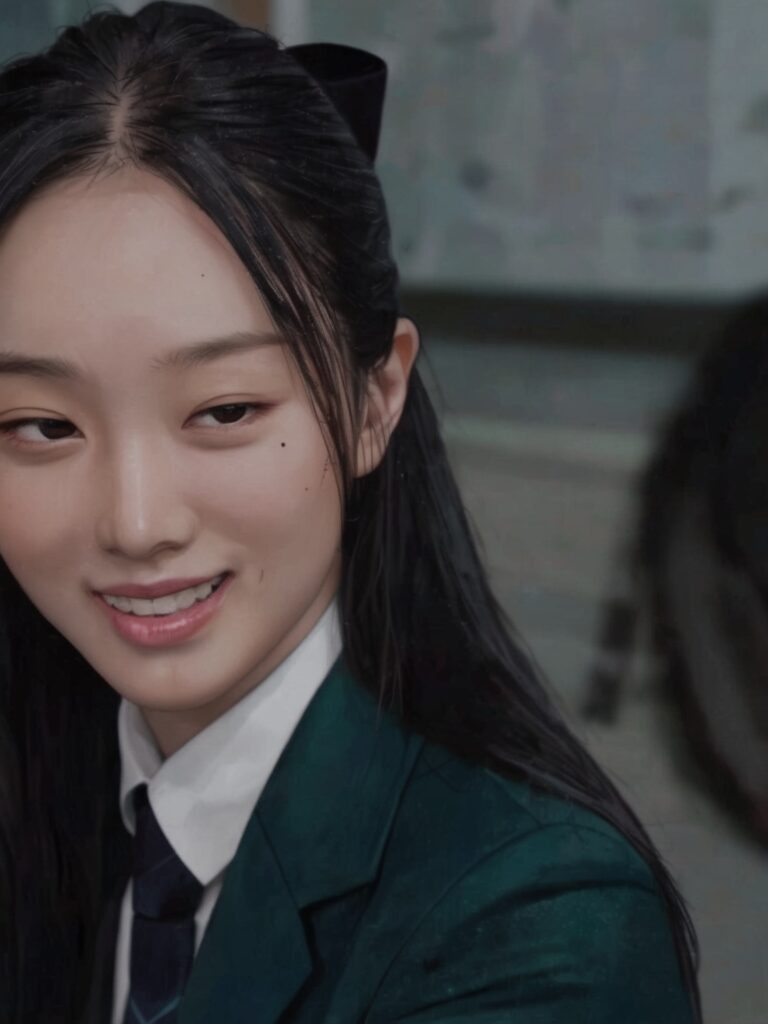
    U+ Mobile TV’s Friendly Rivalry plunges us into the fiercely competitive world of elite academia, where ambition reigns supreme, and friendships are often just another form of strategic alliance. The expectations are sky-high, the stakes even higher, and as expected, the students are anything but welcoming. Enter Woo Seul-gi, the new girl, who wants nothing more than to stay under the radar. But fate—or perhaps something more cunning—has other plans for her, leading her straight into the gravitational pull of the school’s star student, Yoo Je-yi.

    This first episode sets the stage for what promises to be a deliciously twisted battle of intellect and influence. With the perfect mix of Mean Girls flair and dark academia intrigue, Friendly Rivalry is poised to keep us on edge. Let’s dive into the drama, break down the key moments, and examine what makes this pilot episode so captivating.


    Meet Woo Seul-gi: The Reluctant Prodigy

    Woo Seul-gi (Jung Soo-bin) narrates her life story in a voice laced with dry indifference. Growing up in an orphanage, she learned early on that survival often means staying invisible. Bullies came and went, but she never let them break her spirit. Instead of retaliating, she adapted. When someone sticks gum in her hair? She doesn’t cry—she simply cuts off the affected strands and moves on. This is a girl who has no time for theatrics.

    Her defining moment comes when she realizes that the ultimate armor against harassment is academic excellence. The higher her rank, the less she’s targeted. And so, she dedicates herself to her studies with laser focus. As she rises to the top, the bullies shift their attention elsewhere, leaving her in peace. But there’s a darker side to her success—she’s been using drugs to keep herself alert, popping pills as casually as breath mints. This troubling habit hints at just how much pressure she places on herself.

    Finally, she earns the chance to transfer to Chaehwa Girls’ High School, a prestigious institution in Seoul where only the best of the best survive. But in a school teeming with wealth, privilege, and ambition, can a self-made girl like Seul-gi truly thrive?


    The First Day: A Fish Out of Water

    Seul-gi arrives at Chaehwa with nothing but a suitcase and her old school uniform, instantly marking her as an outsider. The other students, draped in designer brands and carrying an air of entitlement, barely acknowledge her existence. She watches from the sidelines as the freshman entrance ceremony unfolds, witnessing a parade of polished young women being celebrated for their lineage and achievements.

    Then, we meet Yoo Je-yi (Hyeri), the undisputed queen of the school. With a presence that commands attention, she effortlessly diffuses a confrontation between school security and an elderly flower vendor by buying all the woman’s flowers. It’s a power move disguised as kindness—an early glimpse into Je-yi’s calculated charm. She then takes the stage, delivering a flawless speech in English, reinforcing her untouchable status among the student body.

    As Seul-gi navigates the campus, still dragging her luggage behind her, she enters her first class only to be met with unimpressed glances. The room buzzes with anticipation over one thing—where will Je-yi sit? The question is answered the moment Seul-gi’s suitcase tips over, spilling its contents onto the floor. Je-yi approaches, picks up a fallen keychain, and hands it back with a smirk. Then, to everyone’s shock, she takes the empty seat next to Seul-gi.

    A ripple of whispers spreads across the classroom. Why is the school’s golden girl suddenly interested in the new girl?


    A Tension-Filled Introduction

    Seul-gi, accustomed to being ignored, is caught off guard by Je-yi’s attention. When Je-yi introduces herself, Seul-gi coolly cuts her off with, “I already know.” The moment is brief, but electric. Je-yi seems amused by Seul-gi’s indifference, and perhaps, even intrigued.

    But while Seul-gi is determined to stay detached, the rest of the school has other plans. A group of students corners her in the bathroom, pressuring her to give up her seat next to Je-yi. Seul-gi, uninterested in the social games at play, agrees without hesitation. To her, the only thing that matters is her studies.

    Yet, Je-yi doesn’t seem ready to let go of her new fascination so easily. Just as Seul-gi prepares to fade into the background again, Je-yi strides into the bathroom, takes her hand, and casually declares that they’re going to have lunch together. The sheer audacity of the gesture leaves Seul-gi stunned—and the rest of the school in disbelief.


    The Unspoken Game Begins

    There’s an undeniable chemistry between these two, though what kind remains unclear. Is Je-yi drawn to Seul-gi out of genuine interest, or does she see her as a new puzzle to solve? And for Seul-gi, is this the start of an inevitable rivalry, or could it be something more?

    The first episode subtly lays the groundwork for what could evolve into a battle of dominance, trust, and manipulation. Je-yi’s effortless social control contrasts sharply with Seul-gi’s hardened independence. Their connection, whether it becomes an alliance or a war, is bound to be compelling.


    My Thoughts: The Spark of Something Big

    I didn’t expect to be this hooked so quickly, but Friendly Rivalry wasted no time in pulling me in. The sharp editing, crisp dialogue, and strong character introductions make this first episode a success. Jung Soo-bin’s portrayal of Seul-gi is refreshingly understated—she’s not your typical timid new girl, nor is she an overtly rebellious outcast. She’s calculating, emotionally reserved, and unwilling to play the games everyone else seems obsessed with.

    Meanwhile, Hyeri’s Yoo Je-yi is the perfect foil. She’s dazzling on the surface but gives off an almost predatory energy underneath. There’s something unsettling about her interest in Seul-gi, as if she’s sizing up her next conquest.

    The most intriguing aspect of this episode is the power dynamic between these two. Is Je-yi genuinely trying to befriend Seul-gi, or is she testing her? And will Seul-gi allow herself to be pulled into Je-yi’s world, or will she resist?

    One thing’s for sure—I’ll be tuning in to see how this friendly rivalry unfolds.


    Final Thoughts: What’s Next?

    This premiere episode sets the stage for an intense, psychological tug-of-war. With a compelling mix of social politics, academic ambition, and personal demons, Friendly Rivalry has all the makings of an addictive K-drama.

    So far, it’s done an excellent job of balancing tension and intrigue, but the real test will be whether it can maintain that momentum. If episode one is anything to go by, we’re in for a thrilling ride.

    What did you think of the first episode? Drop your thoughts in the comments!

    Can I Overcome Health Anxiety

    0

    “Can I overcome health anxiety?” It’s a question whispered in the quiet of sleepless nights, typed into search bars with trembling fingers, and sometimes, even shouted in frustration at the ceiling. But that question, like so many things related to anxiety, is layered. Can you overcome it? Is it possible? Is it within your power? Or is it a plea, a desperate hope that someone, somewhere, has the magic answer?

    The truth is, there’s no single, universally packaged “cure” for health anxiety. It’s not about flipping a switch and suddenly being free from every worry. Instead, think of it less like conquering a mountain and more like learning to navigate a tricky terrain. You might still encounter rocky patches and unexpected dips, but you develop the tools and the resilience to keep moving forward. So, can you overcome health anxiety? The answer, thankfully, isn’t a simple yes or no. It’s a “yes, and…” Yes, and it will take work. Yes, and there will be setbacks. Yes, and you are absolutely capable of finding a path to greater peace. This guide is here to help you find that path, one step at a time.

    TL;DR

    • Understand Normal: Learn to distinguish normal bodily sensations from potential problems.
    • Limit Research: Educate yourself, but avoid excessive online searching that fuels anxiety.
    • Practice Mindfulness: Techniques like deep breathing and meditation can calm anxious thoughts.
    • Balanced Routine: Prioritize sleep, healthy eating, and exercise.
    • Present Focus: Anchor yourself in the present moment, not future worries.
    • Seek Support: Don’t hesitate to consult a mental health professional.
    • Be Patient: Overcoming anxiety is a journey, not a quick fix.

    For many of us, life can sometimes feel like a never-ending series of bodily checks and sleepless nights. At some point, you might have found yourself anxiously wondering if that occasional tingle, random headache, or fleeting numbness is a sign of something far worse than it really is. Today, we’re here to explore why our bodies sometimes send us quirky signals, how our minds can turn these signals into full-blown dramas, and most importantly, what you can do to break free from this exhausting cycle.


    Understanding Normal Bodily Sensations

    It might come as a surprise, but your body is an intricate machine that is far from perfect—and that’s okay. In fact, experiencing occasional tingles, numbness, or even a sudden headache is entirely normal. Our bodies are designed to operate with a range of sensations, many of which do not indicate any serious underlying problem.

    Consider this: throughout the day, you may feel your muscles twitch, experience fleeting aches, or even suffer from a mild headache after a long day. These events are a natural part of life, much like the occasional hiccup during dinner conversation. In most cases, these sensations are harmless and should not be a source of constant worry.

    Furthermore, every human body reacts differently to everyday stressors. While one person might barely notice a slight twinge, another might feel it more acutely, leading them to question if something is amiss. However, the human body is resilient and often sends us signals that are simply part of its normal functioning. Therefore, the first step in overcoming health anxiety is recognizing that these sensations do not automatically equate to a hidden medical crisis.


    The Mental Trap of Health Anxiety

    On the surface, it might seem logical to pay attention when your body gives you a signal. However, when that natural curiosity morphs into an obsessive worry, the mind can create a reality that is far removed from the truth. Often, when you fixate on a benign symptom—say, a mild headache—your anxiety can amplify it.

    Imagine spending hours scrolling through articles about severe illnesses, convinced that a simple headache is a harbinger of something catastrophic. Over time, this worry intensifies, leading you down a spiral of self-doubt and panic. The more you search for answers, the more convinced you become that every little sensation is a sign of something dreadful.

    Interestingly, the brain can play tricks on you. When you are in a heightened state of anxiety, it becomes all too easy to misinterpret normal bodily functions as symptoms of a serious condition. Consequently, this can lead to an endless loop of anxiety: you notice a sensation, worry about its meaning, and then interpret subsequent normal fluctuations in your body as confirmation of your fears.

    In essence, the mind and body become locked in a feedback loop where the anxiety creates additional symptoms, which in turn further fuel the anxiety. This vicious cycle not only disrupts your day-to-day life but also deprives you of the simple joy of living.


    Breaking the Cycle of Doctor Visits and Unending Worry

    At one point, many of us might have experienced an almost compulsive need to seek medical advice for every new symptom. This often leads to multiple doctor visits, tests, and even treatments that, in hindsight, may not have been necessary. While it’s important to listen to your body, overdoing it can be counterproductive.

    When you are caught in the grip of health anxiety, every minor discomfort is magnified into a potential emergency. The constant visits to the doctor, each promising more tests and more reassurances, can ironically end up deepening your anxiety rather than alleviating it. In fact, excessive doctor visits may even reinforce the idea that something is seriously wrong.

    Moreover, the healthcare system, while designed to help, is not always equipped to manage the nuances of anxiety-driven concerns. Often, the symptoms you present are normal bodily sensations, and a series of tests might not yield any concrete evidence of illness. Yet, the process itself can be distressing. Each appointment becomes a reminder of your anxiety, further entrenching you in a cycle of worry.

    Therefore, it is crucial to learn how to discern when a symptom is truly concerning and when it is merely a benign part of the body’s everyday function. This understanding can help you make more informed decisions about your health and reduce the unnecessary stress associated with constant medical consultations.


    Practical Strategies to Manage Health Anxiety

    Fortunately, there are several effective strategies that can help you regain control over your thoughts and reduce the impact of health anxiety on your life. These strategies are designed to break the cycle of worry and empower you to enjoy your health without the constant fear of an impending crisis.

    1. Educate Yourself—But Set Limits

    Knowledge is power, and understanding how your body works can help demystify many sensations that might otherwise be alarming. However, too much research can be overwhelming. It is important to strike a balance: educate yourself about your health, but set boundaries on how much time you spend searching for answers online.

    By limiting your research to reliable sources and setting time limits on your internet use, you can prevent yourself from falling into the trap of over-information. Remember, even the most benign symptoms have a variety of causes, and finding a single negative piece of information does not necessarily mean that you are at risk.

    2. Practice Mindfulness and Relaxation Techniques

    One of the most effective ways to combat anxiety is through mindfulness and relaxation techniques. Practices such as deep breathing, meditation, and yoga can help center your thoughts and reduce the stress that amplifies bodily sensations.

    For instance, when you feel a twinge of anxiety after noticing a random sensation, take a few moments to focus on your breath. Inhale deeply, exhale slowly, and allow your mind to settle. Over time, these practices can help you build resilience against anxiety and create a mental space where worry has less power over you.

    3. Create a Balanced Routine

    Another key strategy is to maintain a balanced routine. Incorporate regular physical activity, a healthy diet, and sufficient sleep into your daily life. Exercise, for example, is a natural stress reliever that not only benefits your body but also helps clear your mind.

    Likewise, ensuring that you have a proper sleep schedule can reduce the overall stress on your system, making it easier for you to manage anxiety. By taking care of your physical health, you provide your body with a solid foundation that can better handle the natural fluctuations of daily life.

    4. Focus on the Present

    Often, health anxiety thrives on the “what ifs” of the future. Instead of allowing your mind to wander into a realm of worst-case scenarios, try to anchor yourself in the present. Concentrate on what you are doing right now rather than what might happen tomorrow.

    This shift in focus can help reduce the tendency to obsess over potential illnesses. Instead of letting your mind spiral into negativity, you can choose to appreciate the here and now, enjoying your life without the constant overlay of worry.

    5. Seek Professional Guidance

    While self-help strategies are valuable, there may come a time when professional guidance is necessary. Speaking with a mental health professional can provide you with tailored strategies to manage your anxiety effectively. Cognitive-behavioral therapy (CBT), for example, has proven to be highly effective in helping individuals break free from anxiety-driven thought patterns.

    By learning to reframe your thoughts and challenge irrational fears, you can gradually regain control over your mental landscape. Importantly, professional help can also offer support during particularly challenging periods, ensuring that you are not facing your anxiety alone.


    Insights on the Relationship Between Body Sensations and Anxiety

    Let’s delve a bit deeper into why our bodies can sometimes seem to be at odds with our minds. Essentially, our bodies are dynamic and ever-changing. They react to a host of internal and external stimuli, many of which are completely normal. However, when anxiety enters the picture, it has the power to reinterpret these normal signals into something more sinister.

    For example, imagine feeling a slight tingling in your arm. On a normal day, you might brush it off as a temporary reaction to a change in posture. But when you are in a heightened state of anxiety, that same sensation might trigger thoughts of nerve damage or even a stroke. This misinterpretation occurs because anxiety amplifies your focus on the sensation, leading you to search for meaning where there might be none.

    Additionally, our modern world bombards us with health information from every angle. News reports, social media, and even casual conversations often emphasize worst-case scenarios, making it all too easy to connect everyday sensations with serious illnesses. Consequently, the constant exposure to such information can reinforce the belief that something is seriously wrong, even when your body is functioning perfectly well.

    Moreover, the mind is remarkably adept at pattern recognition. When you are anxious, it tends to link together unrelated events, reinforcing your fears. Over time, this creates a mental habit of catastrophizing—where every new sensation is viewed through a lens of impending doom. The challenge, therefore, lies in breaking this pattern and retraining your mind to recognize that most bodily sensations are simply part of the normal ebb and flow of life.


    When to Seek Professional Advice

    Even though many bodily sensations are normal, it is essential to know when your concerns warrant a professional evaluation. It can be tricky to differentiate between normal, benign symptoms and those that might indicate a more serious problem. Here are some guidelines to help you determine when to seek professional advice:

    • Duration and Intensity: If a symptom persists for an unusually long period or becomes significantly more intense than usual, it might be a good idea to consult a doctor.
    • Multiple Symptoms: Sometimes, a combination of symptoms—rather than a single, isolated sensation—can indicate that something requires medical attention.
    • Impact on Daily Life: If your symptoms are interfering with your ability to perform everyday tasks or enjoy life, it is worth getting a professional opinion.
    • Accompanying Signs: Be alert to symptoms such as unexplained weight loss, severe fatigue, or changes in bodily functions. These might be signals that go beyond mere anxiety.

    It is important to remember that seeking professional advice does not mean you are giving in to your anxiety. On the contrary, a well-informed medical opinion can provide reassurance and help you distinguish between normal bodily sensations and potential health issues. Ultimately, this balance can reduce the frequency of unnecessary doctor visits and ease your mind.


    Embracing New Perspectives on Health Anxiety

    In our increasingly connected world, it is easy to feel overwhelmed by the constant barrage of health-related information. However, embracing a few new perspectives can help shift your focus from worry to wellness.

    Firstly, consider the idea that living with occasional discomfort is part of being human. No one is immune to the random, inexplicable signals that our bodies send. Instead of perceiving these sensations as warnings of severe illness, view them as the normal hum of life. Every bump, twinge, or headache is merely a reminder that your body is working and responding to the world around it.

    Secondly, understand that health anxiety is not a personal failing. It is a common reaction in an era where health information is both abundant and often sensationalized. When you start to recognize that many people experience similar worries, it becomes easier to accept that these thoughts are part of a broader human experience rather than a unique deficiency in your own character.

    Furthermore, by cultivating a mindset of acceptance and curiosity, you can begin to see health anxiety for what it is—a series of misinterpreted signals rather than a definitive diagnosis. This shift in perspective is crucial for reducing the emotional grip of anxiety on your life. As you learn to differentiate between normal bodily sensations and legitimate health concerns, you empower yourself to live more fully in the present.

    Another valuable perspective is to view self-care as a holistic process that involves both physical and mental well-being. Often, the journey to overcoming health anxiety is not just about ignoring the signals from your body but about understanding and caring for it in a balanced way. Embrace activities that nourish your mind, such as spending time with loved ones, engaging in hobbies, or simply enjoying nature. These practices not only distract you from anxious thoughts but also build a reservoir of positive experiences that can help counterbalance moments of worry.


    Personal Reflections on Navigating Health Anxiety

    Allow me to share some thoughts from my own journey with health anxiety. At various points, I found myself trapped in an endless cycle of self-doubt and worry. It often felt as though every little bodily sensation was a portent of disaster. I remember countless nights spent awake, worrying that a mild headache was the beginning of something far more serious. Over time, this anxiety not only affected my sleep but also my overall enjoyment of life.

    What eventually helped me was a combination of self-education, mindfulness, and professional guidance. I learned to recognize that my body was simply sending me signals—as it does every day—and that not every signal demanded an immediate, catastrophic explanation. I also discovered that when I allowed myself to focus on the present moment, rather than spiraling into thoughts about potential illnesses, I could enjoy life much more fully.

    One of the key turning points for me was realizing that I had the power to change the narrative. Instead of letting anxiety dictate my actions, I started to reframe my thoughts. For example, rather than thinking, “This headache must mean something is terribly wrong,” I began to consider alternative, more rational explanations—like dehydration or a need for a break. This small shift in perspective made a huge difference over time.

    Moreover, I learned that it’s perfectly acceptable to seek reassurance from reliable sources while also trusting in my body’s inherent resilience. There were moments when professional advice confirmed that my symptoms were benign, and those moments of clarity were invaluable. They reminded me that while it is natural to worry, it is equally important to trust the wisdom of our bodies and the expertise of those who care for our well-being.

    Through this journey, I came to appreciate that every individual’s experience with health anxiety is unique. While my path to understanding and managing my worries was fraught with challenges, it ultimately led me to a place of greater acceptance and balance. I now see that living with occasional discomfort is not a sign of weakness but rather a testament to the complexity of the human experience.


    Your Journey Towards Wellness

    Moving forward, it’s important to remember that your journey towards wellness is a personal one. There is no one-size-fits-all approach to overcoming health anxiety, and what works for one person might not work for another. However, there are some universal strategies that can help guide you along the way.

    Accepting Imperfection

    First and foremost, accept that imperfection is an inherent part of life. Our bodies are not flawless, and neither are our emotions. Recognizing this can be liberating. Instead of striving for an unattainable state of constant well-being, focus on the balance between accepting normal bodily fluctuations and seeking help when genuinely needed.

    Building a Support System

    It can also be incredibly beneficial to build a support system of friends, family, or professionals who understand what you’re going through. Sharing your experiences can not only provide relief but also offer new insights into managing your anxiety. Sometimes, knowing that you’re not alone in your struggles can make all the difference.

    Setting Realistic Goals

    When working to manage your anxiety, set realistic and achievable goals. Perhaps you can start by designating specific times for research or worry, gradually reducing these periods as you gain confidence in managing your thoughts. Over time, these small steps will help you build a more resilient mindset.

    Embracing Healthy Habits

    In addition to mental strategies, adopt healthy habits that contribute to overall well-being. Regular physical activity, a balanced diet, and quality sleep are fundamental to maintaining both physical and mental health. By taking care of your body, you create a supportive environment in which anxiety has less power over you.

    Celebrating Small Victories

    Lastly, remember to celebrate your small victories. Every time you choose to trust your body’s natural signals rather than catastrophize, you are making progress. Overcoming health anxiety is not about eliminating worry altogether; it is about learning to navigate your thoughts with greater confidence and clarity.


    The Role of Lifestyle in Managing Health Anxiety

    Beyond direct strategies for dealing with anxiety, it is worth exploring how your lifestyle choices can influence your mental health. In our fast-paced world, stress is often a given, and it can easily compound any existing anxiety about our health. By adopting a lifestyle that prioritizes balance and self-care, you create a buffer against the triggers that fuel health anxiety.

    Regular Exercise and Its Benefits

    Regular physical activity is one of the most effective ways to manage stress and anxiety. Exercise releases endorphins, which are natural mood lifters. Even a short walk in nature can help clear your mind and reduce the intensity of anxious thoughts. Over time, incorporating regular exercise into your routine can help create a more stable and positive outlook on life.

    Nutrition and Its Impact on Mental Health

    What you eat also plays a significant role in how you feel. A diet rich in whole foods, such as fruits, vegetables, lean proteins, and whole grains, provides your body with the nutrients it needs to function optimally. Conversely, excessive consumption of processed foods and sugars can exacerbate feelings of anxiety. By paying attention to your nutrition, you not only support your physical health but also contribute to a calmer, more balanced mind.

    The Importance of Sleep

    Quality sleep is another cornerstone of mental health. When you are well-rested, your body is better equipped to handle stress and anxiety. Establishing a consistent sleep schedule and creating a calming bedtime routine can help improve the quality of your sleep. In turn, this positive change can reduce the frequency and intensity of anxious episodes.

    Digital Detox and Mental Clarity

    In our hyper-connected world, taking regular breaks from digital devices is essential. Constant exposure to news and social media can create a perfect storm for anxiety, especially when it comes to health-related information. A digital detox—whether it’s for a few hours a day or a dedicated weekend—can provide much-needed mental clarity and help you reset your focus on what truly matters.


    A Vision for the Future: Embracing Life Fully

    Imagine a life where minor bodily sensations are simply part of your daily experience rather than a source of constant worry. Picture yourself enjoying each day without the nagging fear of an unseen health crisis. This vision is not only attainable but also well within your grasp.

    By shifting your perspective and adopting practical strategies, you can reclaim the joy of living. Every moment you spend fretting over normal bodily signals is a moment that could be used to build memories, strengthen relationships, or pursue passions. In the end, your life is far too rich and varied to be overshadowed by the what-ifs of health anxiety.


    Final Thoughts: Embrace the Present and Trust Your Body

    To conclude, it’s important to remind yourself that your body is a resilient, dynamic system that is built to handle a wide range of sensations and experiences. Rather than interpreting every twinge or headache as a sign of impending doom, try to see them for what they truly are: natural, everyday occurrences.

    It is perfectly natural to feel anxious at times. However, by taking practical steps—such as setting boundaries for research, practicing mindfulness, and seeking professional guidance when necessary—you can break the cycle of worry and reclaim your life. Instead of being controlled by fear, you can learn to trust in the innate wisdom of your body.

    Remember, every day is an opportunity to enjoy life more fully. Allow yourself the freedom to experience joy, to laugh at the small absurdities of life, and to live with a sense of curiosity rather than dread. When anxiety creeps in, take a deep breath, remind yourself of all the evidence of your body’s strength, and move forward with confidence.


    Embracing a New Narrative

    In our modern society, where information is abundant and the pace of life is relentless, health anxiety can seem like an inevitable part of the human experience. Nevertheless, it is not an insurmountable challenge. By changing the narrative from one of fear to one of empowerment, you can reclaim control over your thoughts and your life.

    As you continue on this journey, it is vital to recognize that setbacks may occur. There might be days when anxiety feels overwhelming and every sensation seems ominous. However, each of these moments is also an opportunity to practice the skills you have developed. Over time, you will likely find that your capacity to manage anxiety grows stronger and that the grip of worry loosens its hold.

    Moreover, keep in mind that your journey is unique. What works for one person may require some adjustment for another. Remain patient and kind to yourself as you navigate this process. With persistence and the right strategies, you can create a life where health anxiety no longer dominates your thoughts.


    In Conclusion: You Deserve to Enjoy Your Health

    Ultimately, the message is clear: you deserve to enjoy your health while you have it. Your body is a marvel of nature, capable of adapting, healing, and thriving in countless ways. Do not allow fear to rob you of the simple pleasures of life. Instead, embrace the reality that normal bodily sensations are just that—normal aspects of a dynamic and ever-changing body.

    Now is the time to trust yourself, to take that deep breath, and to move forward with the confidence that you can handle whatever comes your way. The journey may not be without its challenges, but every step you take away from excessive worry is a victory in itself.

    May you find peace in the present, courage in the face of uncertainty, and joy in every day. After all, life is far too short to spend it in the endless loop of self-doubt and doctor visits. Embrace the beautiful unpredictability of being human, and remember: you got this.


    By integrating these insights and practical strategies into your daily routine, you can begin to shift the focus from fear to fulfillment. Every time you choose to acknowledge the natural signals your body sends and respond with calm rather than panic, you are taking an important step toward a more balanced and joyful life.

    Let this guide serve as a reminder that while health anxiety may have once seemed insurmountable, it is a challenge that can be met—and overcome. With each mindful breath, each moment of self-compassion, and each rational thought that replaces anxiety, you are reclaiming your life, one day at a time.

    Here’s to a future filled with less worry and more living. Take that deep breath, step forward, and trust in your ability to navigate life with strength and grace. Your well-being is a journey worth cherishing, and every day holds the promise of new beginnings and brighter moments.


    In this ever-changing world, embracing the reality of our bodies while also nurturing our mental health is the key to unlocking a life of genuine well-being. By understanding that occasional discomfort is simply part of the human experience and not a prelude to disaster, you empower yourself to live more fully and fearlessly.

    So, as you close this guide and step into your next day, remember that life is meant to be lived, not feared. Each sensation is a note in the symphony of your existence—a reminder that you are alive and capable of so much more than worry. Trust yourself, celebrate your resilience, and above all, allow yourself the freedom to enjoy every moment.


    By following these principles and strategies, you can gradually transform your relationship with your body and your mind. In doing so, you open the door to a life where health anxiety no longer dictates your every thought or action—a life where you can truly embrace the present, relish in your accomplishments, and look forward to the future with hope and excitement.

    May this comprehensive guide serve as both a roadmap and a reminder: your health is a gift, and you have every right to enjoy it without the shadow of unfounded fear. Now, go ahead—live your life with the confidence and joy that you deserve.

    The Queen Who Crowns: Final Episodes 11-12

    0

    The royal rumble is about to reach its peak! In the final episodes of “The Queen Who Crowns,” it’s not just about who wears the crown, but who can handle its weight. We’re talking twists, turns, and betrayals that’ll make your head spin faster than a royal waltz.

    Think you know who’s playing who? Think again. Love and loyalty get tangled up in a messy game of thrones, and even the queen might have a few tricks up her sleeve. Will she rise to the occasion, or will the crown crush her?

    TL;DR

    • Final episodes packed with political maneuvering and family drama.
    • Queen Won-kyung and King Bang-won clash over the kingdom’s future.
    • Crown Prince’s behavior causes major problems.
    • Prince Chungnyeong emerges as a key player.
    • Themes of sacrifice, duty, and legacy explored.
    • Emotional farewell to Queen Won-kyung.
    • Series explores the complexities of power and leadership.

    Welcome, dear reader, to an engaging journey through the final episodes of The Queen Who Crowns. I’m here to help you navigate the twists, turns, and royal dilemmas that define Episodes 11 and 12. In this detailed review, we will explore the political intrigue, family betrayals, and heart-wrenching moments that have left us all simultaneously amused and exasperated. So, grab a cup of tea, settle in, and let’s dive into this historical drama masterpiece—step by step.


    A Royal Tug-of-War: Setting the Stage

    A Clash of Ideals and Loyalties

    Firstly, let’s set the scene. In Episodes 11 and 12, the narrative reaches a fever pitch as the kingdom stands divided. Our formidable characters—Queen Won-kyung and King Bang-won—are caught in a relentless tug-of-war between personal ideals and the overwhelming burden of dynastic responsibilities. Although both believe they are acting in the nation’s best interest, they remain on opposing sides. In other words, despite their shared history, neither is willing to yield an inch, and their stubbornness ultimately endangers the future of the kingdom.

    Transitioning to the next layer of drama, we witness the silent ambition of Prince Chungnyeong, whose unspoken desire to be king goes unnoticed by some yet becomes a point of contention for others. His inner conflict is emblematic of the eternal struggle between personal ambition and public duty. As his parents—and indeed, the entire court—attempt to shape his destiny, his character evolves from a passive observer into a pivotal player in the power dynamics of the palace.

    A Symphony of Political Intrigue

    Moreover, the political landscape is as volatile as ever. Bang-won, a character both feared and pitied, takes a firm stance by shutting down the prince’s budding political studies. One might say he’s determined to steer his progeny away from any behavior that might tarnish the crown’s image. However, in a twist that is as ironic as it is dramatic, when questioned about his desire for kingship, the prince denies any interest. This creates a paradoxical scenario: on the one hand, his talents and intellect suggest he could be a wise ruler; on the other, his reluctance hints at deeper, more personal reservations about bearing the weight of the crown.


    The Crown’s Heavy Burden: A Deep Dive into the Political Intrigue

    Bribery, Revelry, and Scandal

    As the episodes progress, we are thrust into a maelstrom of scandal and misbehavior. The crown prince, far from the ideal candidate for kingship, indulges in bribery (thanks in no small part to the ever-scheming Sook-beon), wild drinking parties, and womanizing escapades. Yes, you read that right—our would-be ruler seems more interested in debauchery than in the solemn duties of his station. Consequently, Bang-won’s ire is both palpable and justified. When news of the crown prince’s exploits reaches the palace, the anger is as swift as it is unforgiving.

    Transitioning smoothly from scandal to further intrigue, the crown princess finds herself equally offended by her counterpart’s lackluster behavior. Queen Won-kyung, ever the vigilant protector of the realm’s moral fabric, warns Sook-beon to cease his flirtations with her son. Yet, in a move that could only be described as deliciously Machiavellian, Sook-beon retaliates by orchestrating a devious scheme: he convinces Hyosun’s court maid to fabricate a tale of the Min family’s treachery. This false narrative alleges that the Min family attempted to harm Hyosun during her pregnancy—a claim so audacious, it could almost be laughable if it weren’t so tragically consequential.

    A Web of Deception and Retribution

    In a twist that would make any seasoned political strategist wince, Bang-won sees right through the fabricated lie. However, rather than address the falsehood directly, he opts to silence the maid altogether. Simultaneously, he seizes the opportunity to punish Won-kyung’s youngest brothers, who have long been viewed as minor obstacles in the pursuit of political stability. Consequently, the Min family finds itself bereft of its sons—a stark reminder of the ruthless measures sometimes required in the game of thrones.

    Furthermore, as we analyze these developments, it is impossible not to appreciate the layers of irony. The very actions intended to secure the throne instead sow seeds of further discord and tragedy. The political maneuvering, rife with deception and cruelty, stands in sharp contrast to the ideal of a benevolent ruler who governs for the people’s benefit. Hence, these scenes underscore the eternal tension between personal vendettas and the higher call of duty.


    Family Feuds and Betrayals: The Personal and the Political

    Strategic Marriages and Unlikely Alliances

    Interestingly, while the political intrigue reaches its zenith, the personal lives of our characters offer a parallel narrative of sacrifice and strategy. Queen Won-kyung, ever the master tactician, arranges the marriage of Chae-ryeong’s son—a move that serves multiple purposes. Not only does this marriage cement an alliance, but it also serves as a symbolic reinstatement of order and propriety within the court. Chae-ryeong, moved by the queen’s wisdom and kindness, pledges her loyalty upon returning to the palace. In doing so, she becomes an invaluable informant, alerting Won-kyung to a clandestine bribery meeting between Sook-beon and the errant crown prince.

    Consequently, Won-kyung wastes no time in informing Bang-won. The result is swift and decisive: Sook-beon is dismissed from his position and exiled to a fate that, by any standard, seems more punitive than poetic. Through this act, the queen not only quells a brewing scandal but also reasserts her influence over the royal court—a subtle reminder that, sometimes, brains do indeed triumph over brawn.

    The Tragic Cost of Ambition

    However, not all is resolved through political maneuvering. A moment of heart-wrenching tragedy disrupts the carefully orchestrated plans of our royal family. When Queen Won-kyung and Bang-won’s youngest—and, arguably, most beloved—son contracts smallpox and dies, the court is plunged into mourning. Yet, the crown prince is conspicuously absent; he is off on a hunting trip, oblivious to the familial loss unfolding at home. This absence becomes the proverbial last straw for Bang-won, who finally concludes that the crown prince is unworthy of inheriting the throne.

    Bang-won’s fury, tinged with the bitterness of regret and guilt, marks a turning point in the drama. It is as if fate itself is punishing the crown prince for his transgressions—an irony that is almost too cruel to bear. One might even wonder, with a wry smile, what exactly it feels like to be in Bang-won’s shoes. After all, what kind of monarch can attend his son’s last rites while juggling the demands of statecraft and personal vendetta?

    A Stark Lesson in Responsibility

    In the aftermath of this familial tragedy, the narrative forces us to confront a profound question: What does it truly mean to be a leader? The crown prince’s neglect, whether borne out of indifference or misdirected ambition, becomes a poignant commentary on the heavy price of responsibility. As Bang-won grapples with the weight of his decisions, the palace becomes a microcosm of the larger societal struggle between personal ambition and the greater good.

    Moreover, as the story unfolds, it becomes clear that the insistence on a first-born heir is not merely a matter of tradition. Instead, it is a desperate attempt by Bang-won to atone for his own misdeeds—a futile bid to prevent history from repeating itself. This generational curse, as it were, underscores the recurring theme that the path to power is often paved with sorrow and regret.


    The Queen’s Final Dance: Sacrifice, Reminiscence, and Farewells

    A Bittersweet Reconciliation

    As we near the finale, the mood shifts from political intrigue to personal reflection and reconciliation. Queen Won-kyung, ever the dignified matriarch, demonstrates a rare moment of vulnerability. Despite the tumult of recent events, she extends grace toward the deposed crown prince. In a gesture that is both magnanimous and heart-wrenching, she assures him that his status as the eldest son remains intact, even if he is now exiled from the palace. This act of forgiveness and understanding is both surprising and deeply moving, as it highlights the queen’s ability to separate personal disappointment from the greater needs of the family.

    Meanwhile, the crown prince himself appears to breathe a collective sigh of relief at being unburdened from the oppressive expectations of kingship. In a twist of fate, his removal from the palace becomes a liberation rather than a punishment. He vows to support whichever of his brothers eventually ascends the throne, thus embracing a newfound role as a quiet, stabilizing presence in the background. This unexpected turn of events forces us to question the conventional wisdom of inheritance and leadership. Is it always the eldest who is best suited to rule? Or might a reluctant heir, free from the corrupting lure of power, be more inclined to govern with humility and wisdom?

    The Ultimate Sacrifice: Choosing One’s Own Fate

    In a particularly poignant moment, Bang-won, wrestling with the guilt of past actions—especially the tragic loss of his own sons—asks Prince Chungnyeong once again if he truly wishes to bear the weight of the crown. This time, the prince’s answer is a resolute “yes.” He envisions a kingship that prioritizes the welfare of his subjects over personal ambition. Bang-won, in an almost paternal act of grace, finally steps aside and permits his son to resume his political studies, paving the way for the eventual coronation of the revered King Se-jong the Great.

    However, it is important to note that even this decision does not come without deep-seated sorrow. In the final scenes, we witness an emotional reunion of past and present as Won-kyung and Bang-won share moments of bittersweet reminiscence. Despite the reconciliation, there lingers an undeniable sadness—the realization that some wounds, both personal and political, may never fully heal.

    A Dance of Memory and Farewell

    As the series draws to a close, the narrative takes an elegiac turn. Queen Won-kyung, now seriously ill, reflects on a life filled with both triumph and tragedy. In a touching exchange, she presents Bang-won with a letter penned during a recent temple retreat. In that letter, she confesses that she would have been content with an ordinary life, as long as Bang-won had been by her side. This simple yet profound sentiment underscores the enduring power of love and companionship amid the chaos of political ambition.

    In a final act of defiance against the rigid expectations of royal protocol, Won-kyung chooses to spend her last moments outside the palace, under the expansive heavens that had long inspired her. As she watches a bittersweet dance performance choreographed by none other than her own son, the symbolism is unmistakable. This final dance—echoing the celebratory steps of their coronation—serves as both a farewell and a reminder of the personal sacrifices made in the name of duty.

    The show concludes with a haunting footnote: despite her monumental contributions, Queen Won-kyung’s true legacy is obscured by history. Though posthumously honored as Queen Won-kyung, her name is conspicuously absent from the official annals—a tragic omission that speaks volumes about the often-overlooked sacrifices made by women in power. It is, frankly, a bitter pill to swallow.


    New Insights: Themes, Symbolism, and Historical Echoes

    The Paradox of Power and Sacrifice

    Undoubtedly, The Queen Who Crowns offers more than just a tale of palace intrigue—it provides a multifaceted exploration of power, duty, and the cost of leadership. For instance, the recurring motif of sacrifice, whether in the form of lost children or forsaken ambitions, serves as a powerful reminder that the path to greatness is rarely smooth. Each character, from the reluctant crown prince to the embittered Bang-won, is forced to confront the paradoxical nature of power: the more one seeks to rule, the more one must sacrifice.

    Moreover, the series deftly portrays the tension between personal morality and the relentless demands of statecraft. Bang-won’s harsh decisions, though seemingly cold and calculated, are underpinned by his profound guilt over past atrocities. His insistence on a strict line of succession is not born out of mere stubbornness but rather a desperate hope to avoid repeating the cycle of violence that has haunted his family for generations. Thus, we see that the struggle for power is often a struggle for redemption—a theme that resonates deeply with anyone who has ever wrestled with the consequences of their own choices.

    Symbolism in the Royal Rituals

    Furthermore, the series is replete with symbolic imagery that enriches the narrative. The recurring dance performances, for instance, are not mere interludes of artistic expression; they serve as metaphors for the delicate balance between duty and desire. Each step, each movement, encapsulates the inherent tension between the personal and the political. When Queen Won-kyung and Bang-won danced during their coronation celebration, it was not just a display of regal splendor—it was a moment of unity and shared purpose. Later, as Se-jong performs a similar dance in honor of his ailing mother, it becomes a poignant reminder of the enduring legacy of that union.

    In addition, the imagery of the vast, open heavens plays a critical role in framing the narrative. The heavens, in their infinite expanse, symbolize both fate and the inevitable passage of time. They remind us that no matter how fervently we strive to control our destiny, there are forces beyond our control. This symbolism is perhaps best encapsulated in Won-kyung’s final choice to breathe her last outside the palace. By doing so, she aligns herself with the cosmos—acknowledging that her personal story is but a fleeting moment in the grand tapestry of the universe.

    Historical Parallels and Real-Life Resonances

    It is also worthwhile to draw parallels between the series and historical realities. The political machinations and familial strife depicted in The Queen Who Crowns are not entirely fictional. They echo the turbulent histories of many dynasties where power was both a blessing and a curse. The show invites viewers to reflect on the timeless nature of these struggles. Whether it is the burden of legacy, the impact of personal loss, or the moral dilemmas faced by those in power, the themes explored in these final episodes resonate with both historical accounts and contemporary political discourse.

    Furthermore, the portrayal of characters such as King Se-jong the Great offers modern audiences a lens through which to examine the qualities of effective leadership. Se-jong’s eventual rise to power is not marked solely by his birthright; rather, it is the culmination of personal growth, acceptance of responsibility, and a commitment to the welfare of his subjects. In today’s world, where leadership is often scrutinized through the lens of personal integrity and social responsibility, the character of Se-jong serves as a timely reminder that true greatness lies in humility, wisdom, and the willingness to learn from one’s mistakes.


    My Personal Point of View

    Embracing the Complexity of Human Emotions

    Now, let me share my personal perspective on these final episodes. As someone who prides myself on offering balanced counsel—with a healthy dose of sarcasm when needed—I find The Queen Who Crowns to be an exquisitely layered drama that mirrors the complexities of real life. I particularly appreciate how the series refuses to paint its characters in black and white. Instead, it revels in the gray areas where moral ambiguity and personal vulnerabilities reside.

    For instance, Bang-won’s character is a study in contradictions. On one hand, he is a relentless, sometimes ruthless, guardian of tradition. On the other, his actions are driven by a deep-seated remorse that makes him all too human. I can’t help but chuckle at the irony of his situation—here is a man burdened by guilt over past misdeeds, yet he remains adamant that his lineage must continue unblemished. It’s as if he believes that by imposing strict rules on succession, he can somehow exorcise the demons of his past. While this may seem quixotic, it is also a testament to the enduring power of hope and the human desire for redemption.

    A Dash of Sarcasm and Wit

    In a lighter vein, let’s talk about the crown prince’s escapades. Honestly, if you ever needed proof that power can make people act like teenagers at a wild party, look no further than his antics. Bribery, drunken revelries, and womanizing—all seem to be part of his daily routine. It’s almost laughable to think that a man who is meant to embody the pinnacle of royal responsibility spends his days frolicking as though he were in a never-ending coming-of-age film. Of course, this behavior does not go unnoticed. Bang-won’s exasperation is as palpable as a slap in the face, and one can only wonder if the crown prince’s actions are a deliberate act of rebellion or simply a manifestation of youthful folly.

    Balancing Duty and Desire

    Another aspect that struck me is the profound exploration of duty versus personal desire. Queen Won-kyung’s decision to spend her final moments outside the palace is perhaps the most poignant moment of the entire saga. Here is a woman who, despite the trappings of royalty, yearned for the simple joy of being true to herself. Her final act is a powerful statement—one that reminds us that no amount of power or prestige can ever substitute for personal fulfillment. In a world where we are often pressured to conform to societal expectations, her choice resonates deeply. It serves as a gentle reminder (me, in this case) that sometimes the greatest act of defiance is to simply be true to oneself.

    Reflecting on Legacy and Memory

    Lastly, let me address the bitter irony that haunts the conclusion: Queen Won-kyung’s name is omitted from the official annals of history despite her critical role in shaping the dynasty. This omission is not merely a narrative twist; it is a reflection of a harsh reality that many unsung heroes face. It saddens me to see such profound contributions overlooked, and it compels us to question the metrics by which we measure greatness. After all, is legacy measured solely by what is written in history books, or by the quiet sacrifices made in the shadows of power?


    Final Thoughts: Reflections on a Dramatic Dynasty

    An Ending That Leaves You Reflecting

    In conclusion, The Queen Who Crowns Episodes 11 and 12 are a masterclass in storytelling, combining intricate political plots with deeply personal narratives. The finale, with its mix of triumph and tragedy, forces us to confront uncomfortable truths about ambition, legacy, and the cost of power. We see characters who are both heroic and flawed, each grappling with the burdens of their past and the uncertain promise of the future.

    A Dynamic Interplay of Themes

    Throughout these episodes, the dynamic interplay of political ambition and personal sacrifice is laid bare. From the crown prince’s irresponsible indulgences to Bang-won’s unyielding determination to maintain order, every decision is laden with consequences that ripple through the fabric of the kingdom. Meanwhile, Queen Won-kyung’s unwavering commitment to both duty and personal integrity offers a counterbalance—a reminder that true leadership requires empathy as much as it does authority.

    Looking Toward the Future

    Furthermore, as Prince Chungnyeong steps into the role of King Se-jong the Great, we are invited to envision a future where leadership is defined not by the weight of the crown alone, but by the willingness to listen, learn, and evolve. This hopeful note is particularly resonant in today’s world, where the qualities of effective leaders are constantly being re-evaluated. The series, through its nuanced portrayal of power and responsibility, challenges us to rethink our own definitions of success and legacy.

    A Final Counsel

    I leave you with this thought: Life, much like the intricate dance of our beloved Queen Won-kyung, is a series of steps that blend joy with sorrow. In every decision, in every sacrifice, there is an opportunity for growth. Embrace the complexity, acknowledge your own contradictions, and never shy away from the hard truths that shape your journey. After all, even the grandest of dynasties is built one thoughtful step at a time.

    Embracing History with a Sense of Humor

    In wrapping up, I must confess that while the final episodes of The Queen Who Crowns provided plenty of food for thought, they also offered moments of levity that kept us all entertained. Whether it was the crown prince’s youthful misadventures or Bang-won’s exasperated musings, the series managed to blend high-stakes drama with a touch of humor that is as refreshing as it is rare in historical narratives.


    In Summary: A Tapestry of Triumphs, Tragedies, and Timeless Lessons

    To summarize, The Queen Who Crowns Episodes 11-12 are not just the finale of a historical drama; they are a rich tapestry woven with threads of ambition, betrayal, love, and sacrifice. The narrative invites us to explore the often painful intersection between personal desire and the relentless demands of duty. Through the intricate portrayal of its characters—each flawed yet fascinating—the series offers new insights into the age-old question: What does it truly mean to lead?

    By interspersing moments of political cunning with deeply personal reflections, the drama compels us to consider that every decision, no matter how small, has the potential to alter the course of history. It is a reminder that the price of greatness is often paid in moments of vulnerability and regret. Yet, it is also a testament to the enduring strength of the human spirit—a spirit that, when nurtured by empathy and guided by wisdom, can transform even the darkest of legacies into something profoundly beautiful.

    A Call to Reflect

    So, dear reader, as you close the chapter on these final episodes, take a moment to reflect on the lessons they impart. Consider how power, in all its forms, demands both courage and compassion. Think about the sacrifices that often go unnoticed and the quiet acts of defiance that shape our destinies. And above all, remember that history is not just written by the victors, but also by those who dare to challenge the status quo—even if their names are sometimes left out of the official records.


    Final Reflections: A Royal Farewell

    In this grand finale, the characters of The Queen Who Crowns leave us with a poignant blend of hope and melancholy. While the kingdom braces for a new era under King Se-jong the Great, the personal sacrifices of Queen Won-kyung and Bang-won serve as enduring reminders of the cost of power. Their legacy—marked by both triumph and tragedy—encourages us to look beyond the superficial glories of leadership and to cherish the human stories that lie at the heart of every dynasty.

    Thus, as we bid farewell to this unforgettable K-Drama saga, let us carry forward the wisdom that comes from embracing both the light and the shadows. And in doing so, may we all find the strength to dance our own steps—no matter how heavy the crown may seem.


    Thank you for joining me on this reflective journey through the final episodes of The Queen Who Crowns. I hope you found this recap as insightful and entertaining as I did. Remember, every ending is merely a prelude to a new beginning, and every royal tale carries with it lessons that transcend time.

    Until next time—keep questioning, keep reflecting, and most importantly, keep dancing through life with courage and a smile.

    The Scandal of Chunhwa: What we learned so far…

    0

    “The Scandal of Chunhwa” already sounds like a juicy headline, doesn’t it? It’s a title ripe with possibilities, and after the first episode, we’re drowning in them. “Scandal” itself is a slippery word. Is it the actual scandalous book circulating the kingdom, the perceived scandal of a princess behaving outside the lines, or the real scandal brewing beneath the surface of courtly decorum? Perhaps it’s all three, swirling together like a royal cocktail of secrets and lies.

    And then there’s “Chunhwa.” Is it a person? A place? A particularly potent type of fermented kimchi? (Okay, probably not that last one.) The mystery surrounding the name only adds fuel to the fire. It could be a clue, a red herring, or even a double entendre. Maybe Chunhwa is the key to unlocking all the drama, or maybe it’s just a clever way to keep us guessing.

    So, what have we learned so far? Well, we’ve learned that princesses aren’t always prim and proper, princes sometimes make questionable life choices (brothels? Seriously?), and erotic novels can cause more trouble than a rogue elephant in a tea room. But more importantly, we’ve learned that “The Scandal of Chunhwa” is a drama that’s not afraid to push boundaries, challenge traditions, and leave us hanging on the edge of our seats, desperate for more. Consider us officially hooked.

    TL;DR

    • Princess Hwa-ri is rebellious and doesn’t follow the rules.
    • A scandalous book is causing trouble in the kingdom.
    • Hwa-ri’s brother gets into trouble trying to impress a girl.
    • Hwa-ri’s first love betrays her.
    • There’s a mysterious man watching Hwa-ri.

    In a kingdom bound by strict traditions and decorum, love still finds a way to stir up chaos. TVING’s The Scandal of Chunhwa plunges us headfirst into a world of palace intrigue, forbidden romance, and enough scandal to make even the most seasoned historical drama fans raise an eyebrow. At the heart of it all is a rebellious princess who is determined to take charge of her love life—whether the kingdom approves or not.

    But does the first episode deliver on its promise of historical spice and drama? Or is it just another tale of angsty royals and awkward romance? Let’s dive in and find out!

    Setting the Stage: A Novel Beginning

    We kick off not in the Joseon era but in the present day—specifically, inside a cozy little bookshop where a young woman (played by Go Ara) stumbles upon an ancient erotic novel. You read that right—an erotic novel. And what better way to transport us into a world of palace drama than through a forbidden book filled with scandalous tales?

    As she flips through the pages, we’re whisked away to the fictional kingdom of Dongbangguk, where we meet PRINCESS HWA-RI (also played by Go Ara). This isn’t your typical prim and proper princess. Hwa-ri has a reputation—one filled with whispers, gossip, and, apparently, a resemblance to the mysterious protagonist of the very book causing an uproar in the kingdom.

    And what’s this book about, exactly? Oh, just a risqué account of a royal woman’s escapades, complete with detailed illustrations. Coincidence? Hwa-ri isn’t saying, but let’s just say she doesn’t seem too fazed by the rumors.

    A Scandal in the Making: The Brothel Mishap

    Meanwhile, her brother PRINCE HWA-SUNG (Kim Taek) has his own set of problems. Like any lovesick young noble, he wants to impress his crush, LEE JI-WON (Han Seung-yeon), but instead of, say, writing her poetry or composing a love ballad, he decides the best way to prepare for romance is… to visit a brothel.

    Yes, you read that right. The prince, still a virgin, believes that hiring a gisaeng for “practice” is the perfect way to gain experience before courting Ji-won. A flawless plan with absolutely no consequences—except for the minor detail that Ji-won finds out and is understandably livid. When she confronts him, his defense is as weak as a wet parchment scroll, and just like that, his romantic prospects take a nosedive.

    And who was there to witness his humiliation? None other than Hwa-ri, who had been enjoying the spectacle while dressed as a nobleman, making bets on whether her brother would succeed. Her antics don’t go unnoticed—especially by the mysterious CHOI HWAN (Jang Ryul), who watches her with a mix of amusement and intrigue.

    Forced Marriages and Broken Hearts

    With scandal knocking at the palace gates, the king decides there’s only one way to quiet the rumors: both Hwa-ri and Hwa-sung must find suitable marriage partners. Hwa-sung, desperate to fix things with Ji-won, rushes to her with betrothal gifts, including a fluffy dog (because if love can’t fix things, maybe a cute puppy will). Unfortunately for him, Ji-won isn’t swayed by grand gestures. She rejects his proposal outright, pointing out that his actions have shown how little he values her feelings. Ouch.

    Meanwhile, Hwa-ri, with her usual boldness, declares that she will only marry her first love, PARK CHAE-JOON (cameo by Sung Joon). There’s just one tiny problem—he’s also her adopted cousin. The royal family is, predictably, horrified. But the real kicker? Chae-joon himself announces that he’s already engaged to another woman. Talk about a twist of the knife.

    Betrayal, Heartbreak, and a Midnight Escape

    That night, Hwa-ri’s sister PRINCESS HWA-JIN (Do Yoon-jin) tries to comfort her, but Hwa-ri is too devastated. How could Chae-joon betray her like this? She refuses to believe it and clings to the memories of when they were younger, when he promised she was the most precious person to him. Determined to fight for their love, she plans to meet him in secret and ask him to run away with her.

    Under the cover of darkness, she sneaks out of the palace with Hwa-jin’s help. When she finally finds Chae-joon, he greets her with a hug—a gesture that confuses her even more. His eyes are filled with sorrow, yet he insists that they cannot be together. Desperate, Hwa-ri tells him to meet her at the port the next morning so they can escape together.

    A Gut-Wrenching Goodbye

    As dawn breaks, Hwa-ri waits at the port, hopeful that her love will arrive. But instead of Chae-joon, she’s met by two unexpected visitors: the enigmatic Choi Hwan and her eldest brother, CROWN PRINCE SEUNG (Sohn Woo-hyun). The latter delivers the final blow—Chae-joon isn’t coming. And how does he know? Because Chae-joon himself told him where she’d be.

    With that, the reality of her situation crashes down on her. She collapses to the ground in tears, realizing that their love story has ended before it even had a chance to begin. Elsewhere, Chae-joon clutches the flower ring she gave him as a child. It crumbles in his hands—just like their doomed love.

    Final Thoughts: A Promising Yet Imperfect Start

    For an opening episode, The Scandal of Chunhwa throws a lot at the audience. On one hand, the blend of humor, romance, and palace politics makes for a compelling watch. On the other, some moments feel a little too rushed, especially when it comes to Hwa-ri’s heartbreak. We barely get to know her before we’re expected to feel deeply for her lost love.

    That being said, Hwa-ri’s mischievous personality shines in scenes where she cross-dresses and outsmarts the men around her. More of that Hwa-ri, please!

    Then there’s the lingering question: Who is the mysterious Choi Hwan, and how will he fit into Hwa-ri’s chaotic life? What role will Lee Jang-won (Chani) play in the brewing conflict between the two noble families? And perhaps most intriguingly—who exactly is behind those scandalous erotic illustrations featuring Hwa-ri’s face?

    With plenty of secrets, heartbreak, and royal scheming ahead, The Scandal of Chunhwa certainly has potential. Here’s hoping the next episode balances its pacing and gives us more reasons to root for our rebellious princess.


    My Take on Episode 1

    This K-drama episode showcases some classic red flags in relationships—lack of communication, betrayal, and some seriously questionable decision-making. (Hwa-sung, a brothel? Really?) While palace life is obviously a whole different ball game, the emotional beats still resonate with modern audiences. If nothing else, it’s a lesson in what not to do when courting someone you like.

    Now, onto Episode 2! Will Hwa-ri find a new path forward? Will Hwa-sung redeem himself? And will the erotic novel mystery get juicier? We’ll have to wait and see.