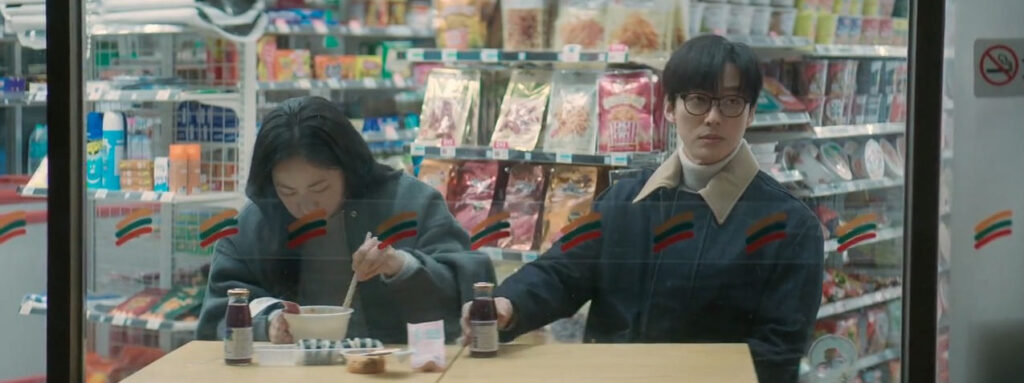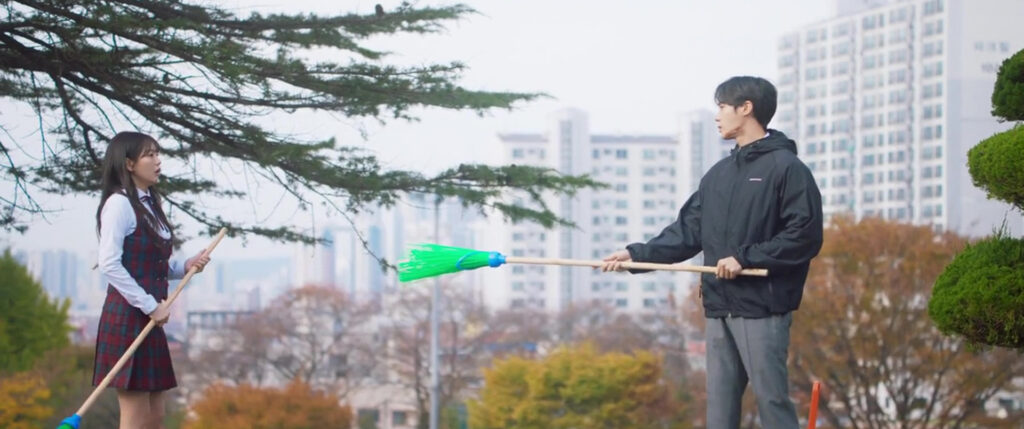

More
    Home Blog Page 29

    Head Over Heels Episodes 3–4: Shamanic Sparks & Ghostly Encounters

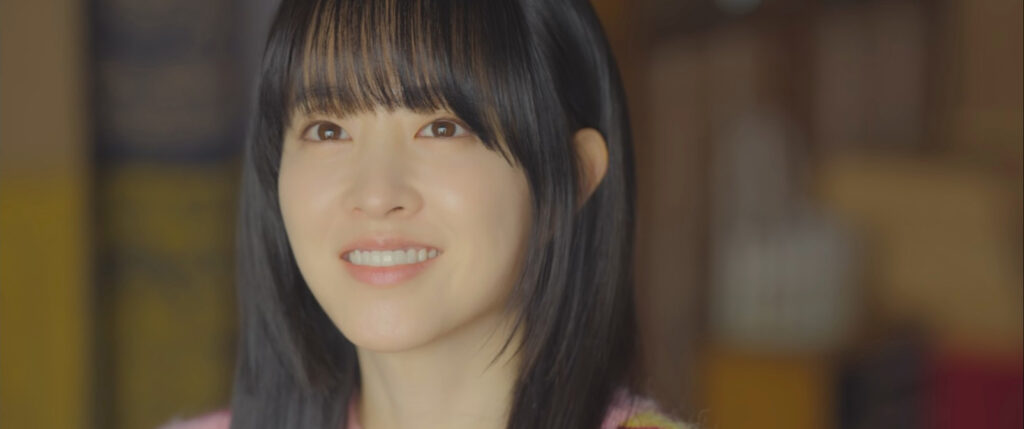
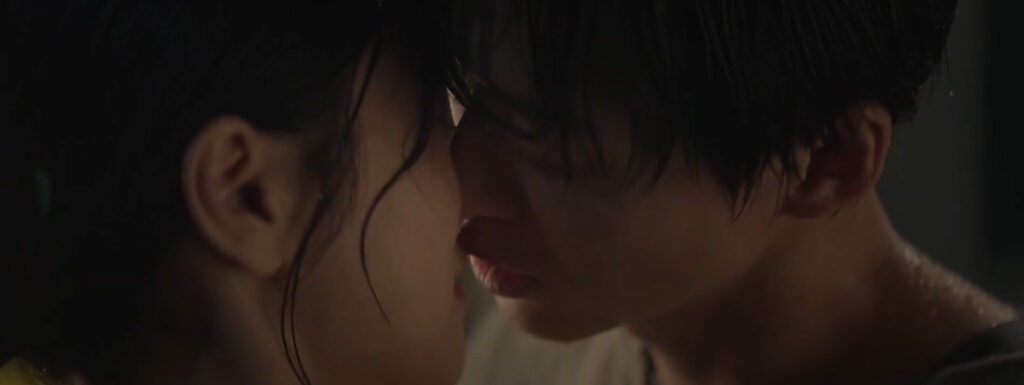
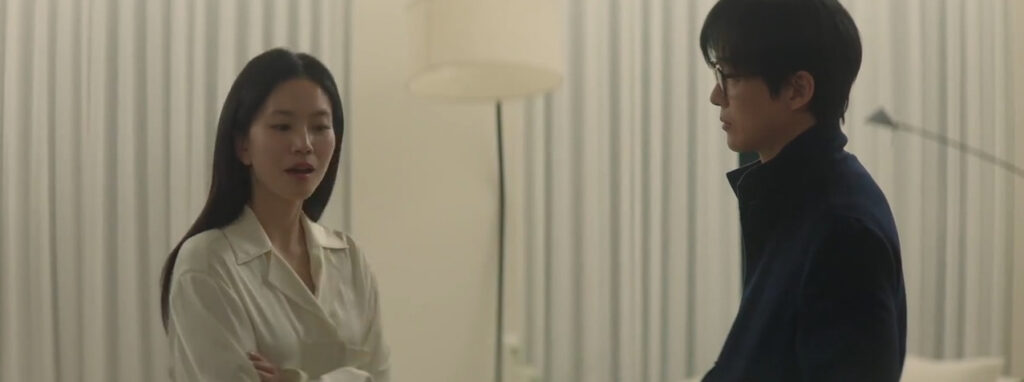
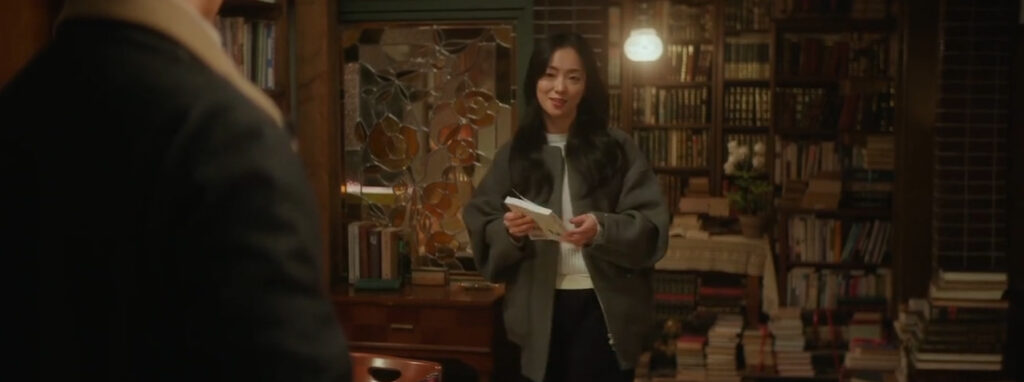
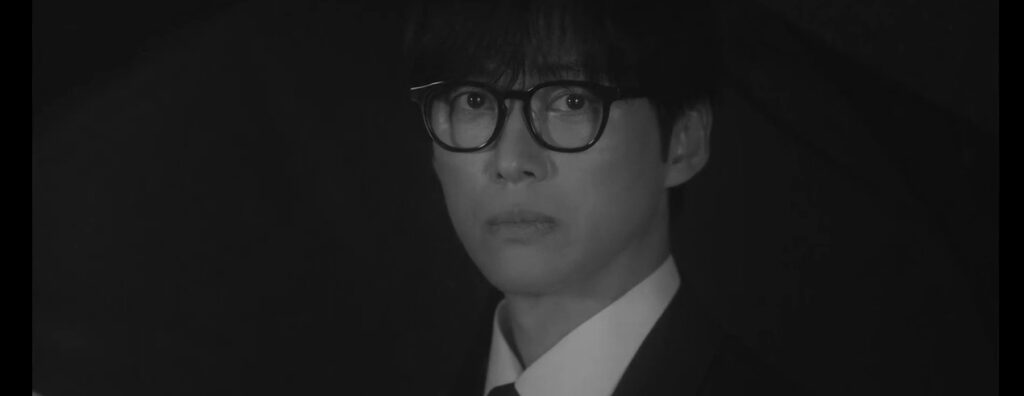
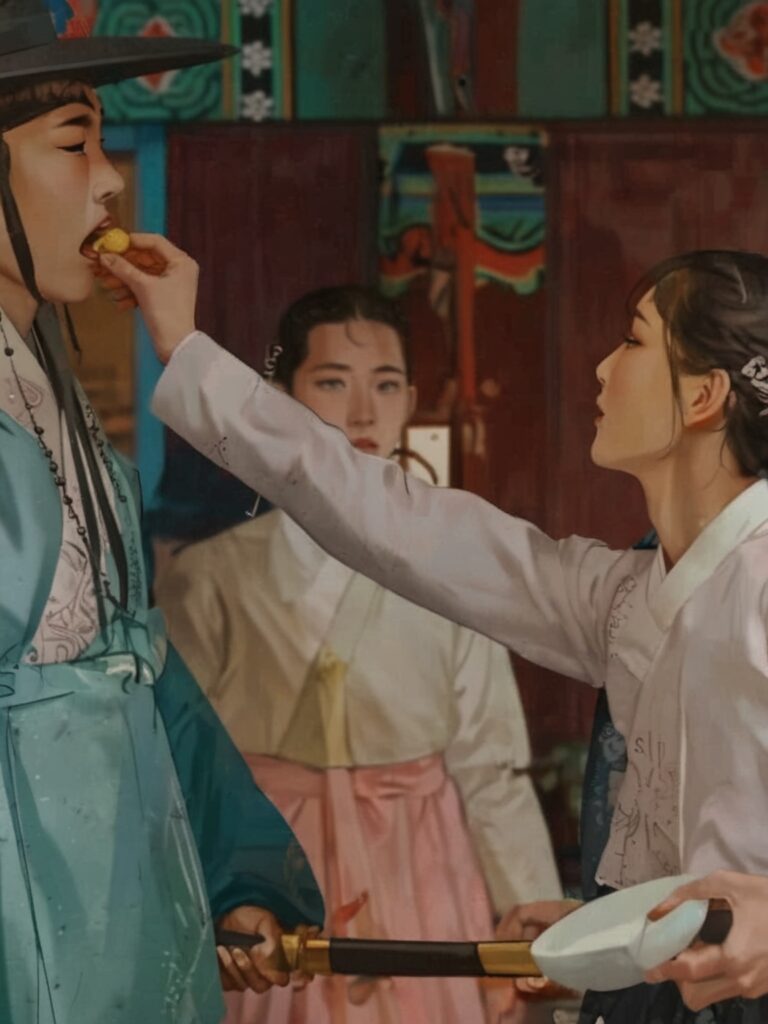
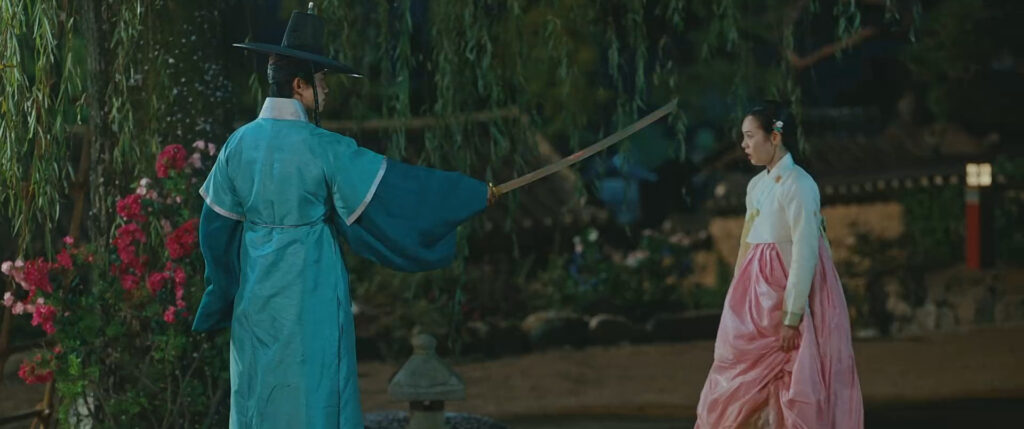
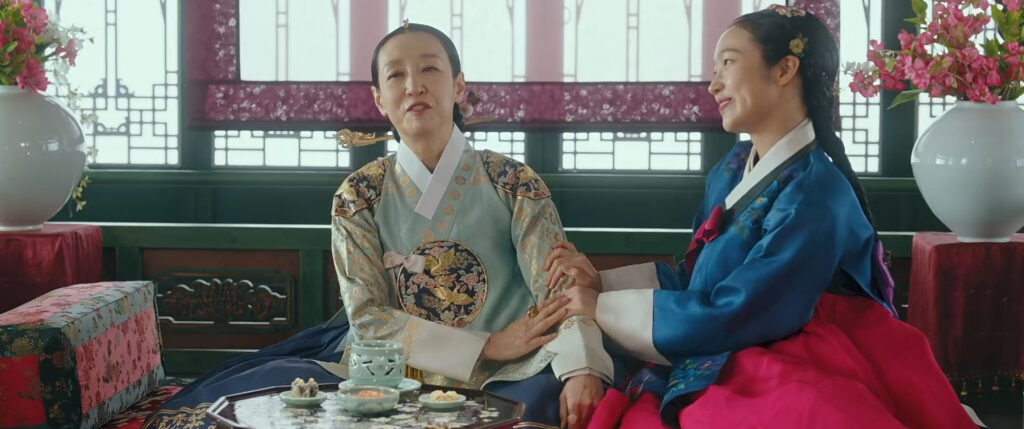
    When you dive into Head Over Heels Episodes 3 and 4, buckle up. A whirlwind of family feuds, reluctant archers, and flirting shamans awaits. The show continues its compelling blend of heart-tugging drama, subtle humor, and supernatural chills, keeping us on our toes as Kyun‑woo grapples with a family that blames him for his grandmother’s death and Sung‑ah tries every mystical trick to chase away his misfortune. Along the way, hidden crushes ignite, ghosts linger, and a viral haunted‑house video threatens to expose more than just haunted corridors. If you thought Episodes 1 and 2 set the bar high, these installments vault over it—sometimes literally, when Kyun‑woo picks up that bow again.

    TL;DR:

    • Kyun-woo faces intense family blame after his grandmother’s death, battling a “suicide ghost” fueled by their judgment.
    • Sung-ah becomes Kyun-woo’s “human amulet,” with their physical contact subtly healing him and fostering a deep bond.
    • Kyun-woo finds renewed purpose and healing through archery, supported by Coach Yang.
    • A viral haunted house video and the arrival of rival shaman Yeom Hwa threaten Sung-ah’s reputation and expose the dark side of commercialized spirituality.
    • Friendships deepen, and romantic tensions rise, especially with Ji-ho’s confession of his feelings for Sung-ah.
    • A “park date in the dark” scene beautifully shows vulnerability leading to intimacy and dispelling fear.
    • The episode ends on a thrilling cliffhanger at the haunted house, leaving Kyun-woo, Sung-ah, and Yeom Hwa in a dangerous confrontation.

    Episode 3: Grief, Blame, and a First Smile in Ages

    Family Drama Unleashed
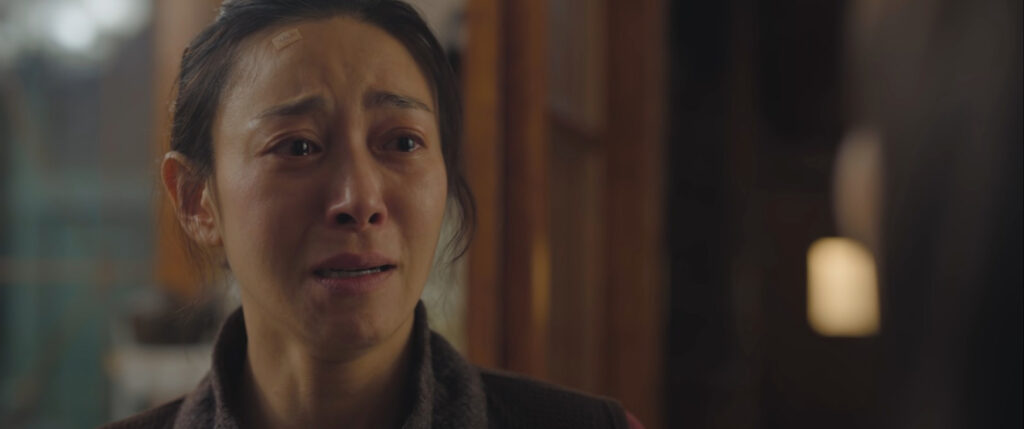
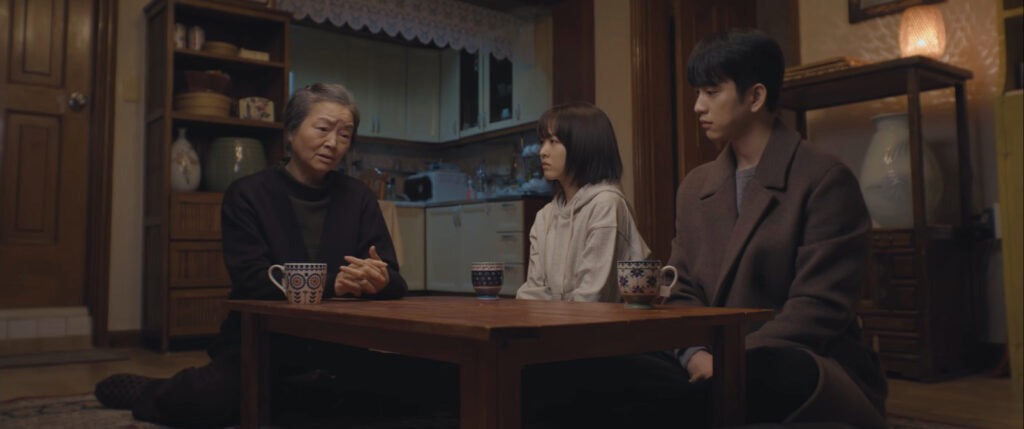
    Kyun‑woo’s world implodes at his grandmother’s funeral. His aunt and uncle, fueled by grief and superstition, heap blame on his shoulders. Suddenly, the show’s tone shifts from tender sorrow to bitter conflict. Sung‑ah, our endearing shaman-in-training, swoops in with holy water and hopeful incantations, only to be met with scorn—because who invites a shaman to a funeral and expects applause? The wake spirals into chaos, and Kyun‑woo is shunned, forced to watch from the sidelines. The injustice practically begs for a heroic comeback.

    A Suicide Ghost Warning
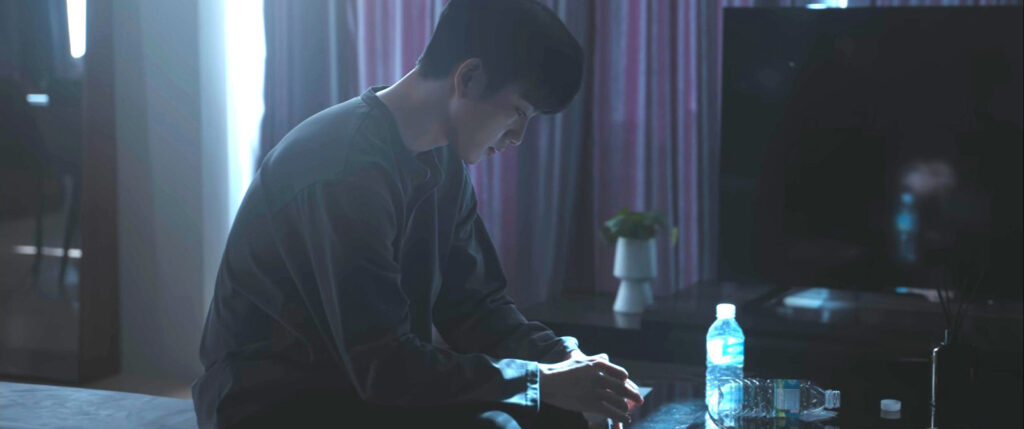
    Determined not to let misfortune win, Sung‑ah sneaks into Kyun‑woo’s home, only to spot a spectral figure lurking in the corner. This “suicide ghost” is a psychological mirror—his family’s harsh judgment has driven him to the edge. The rules are clear: to banish this spirit, Kyun‑woo needs a reason to live, a tether to hope. Cue Sung‑ah’s heartfelt pep talk, surprisingly effective despite her unorthodox methods.

    The Power of Memories
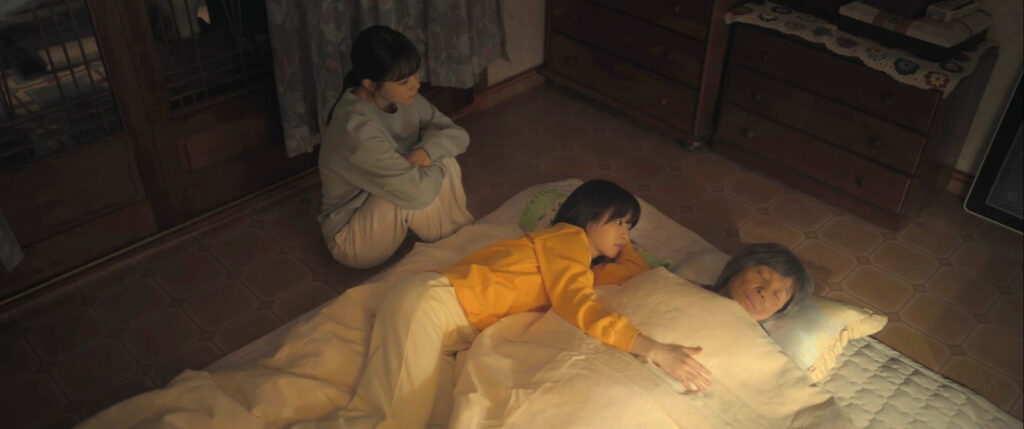
    When Kyun‑woo’s uncle finally asks for photos of Grandma to place beside her urn, the very request speaks volumes: outward love can be hollow without genuine memories. As Kyun‑woo selects snapshots of herself smiling at his archery victories, he cracks a small smile too—his first in weeks. In that fleeting expression, the show captures the healing potential of cherished moments. Even the ghost, witnessing this innocence, retreats. It’s a poignant reminder: sometimes, joy is contagious.


    Episode 4: Archery, Skinship, and Shamanic Rivalries

    Human Amulet 101
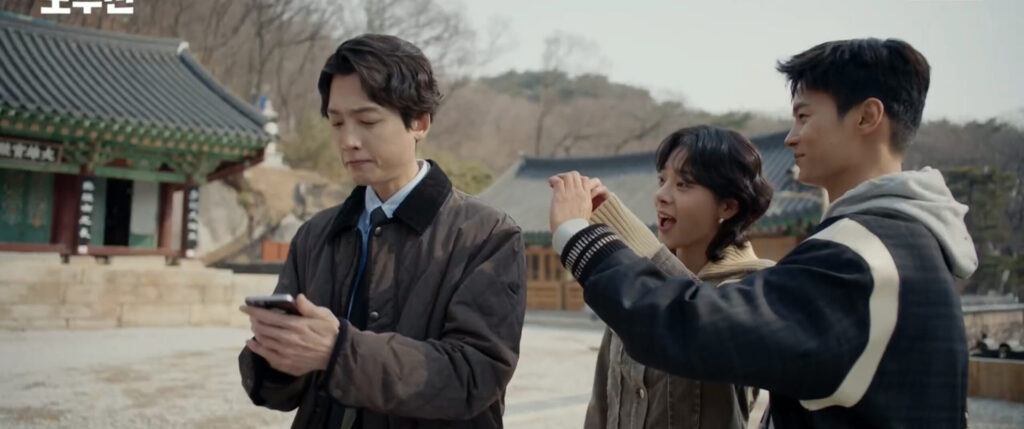
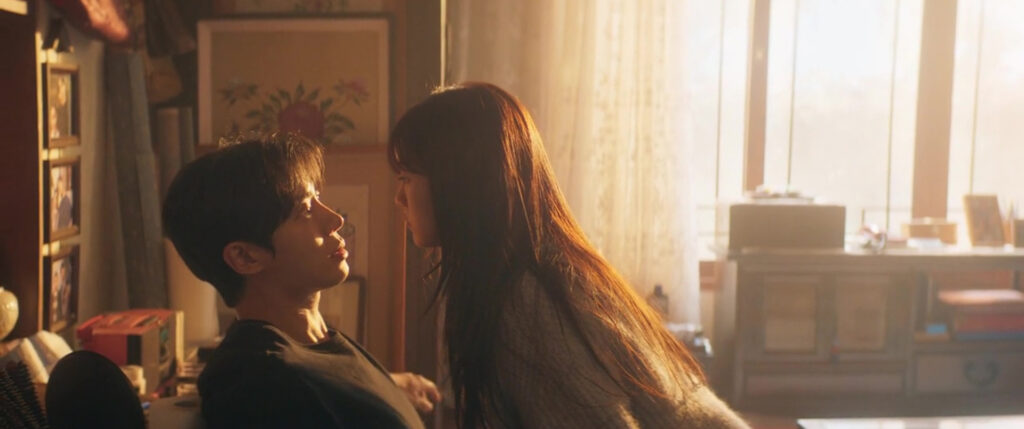
    Dongcheon, the veteran shaman, introduces the concept of a “human amulet”—a person who, through touch, absorbs misfortune from another. Enter Sung‑ah, volunteering as Kyun‑woo’s personal talisman. The result? Adorable scenes of her reaching for his hand, his reluctant recoil, and then, magic: every accidental brush weakens the ghost’s grip. It’s playful, it’s silly, and it works, reinforcing that sometimes hope is as simple as human contact.

    Back to the Columbarium
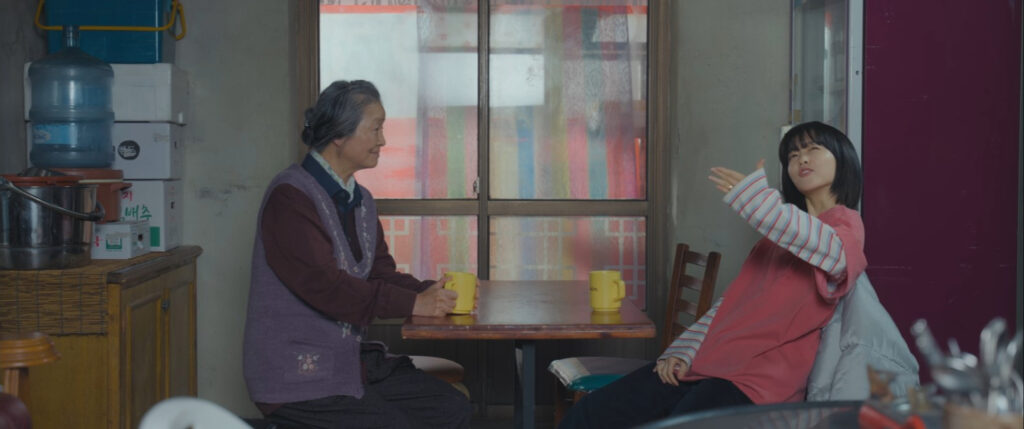
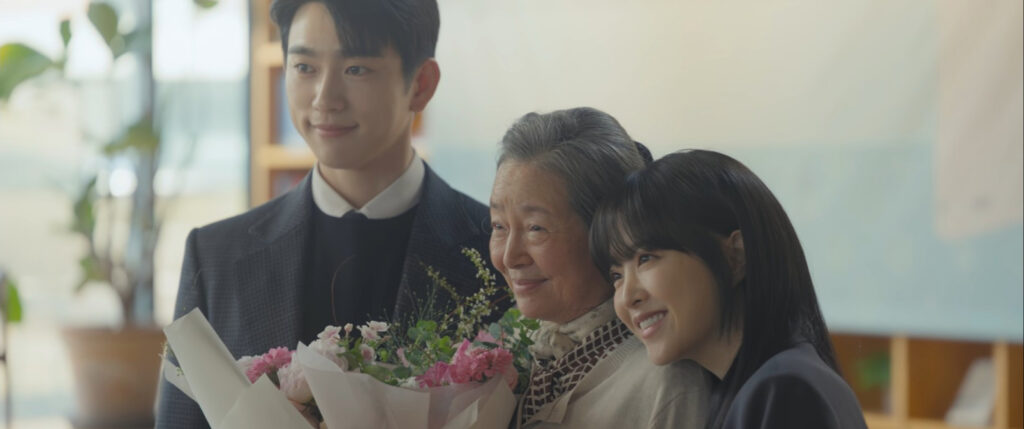
    At the columbarium, Sung‑ah points out that Grandma’s genuine smiles only appeared when Kyun‑woo’s arrow hit the mark. That moment crystallizes Kyun‑woo’s relationship with archery—it’s not just a sport; it’s a link to happier times. This epiphany sets the stage for Coach Yang’s entrance: one of two decent adults in Kyun‑woo’s life (the other being Sung‑ah). Yang debunks rumors of arson—Kyun‑woo isn’t burning down buildings, just melting hearts. With a cheeky grin, Yang gifts him a locker key and practice kit, offering both literal and metaphorical arrows for Kyun‑woo to reload his purpose.

    From Pity to Friendship
    Sung‑ah probes Kyun‑woo’s feelings about archery. He admits it feels empowering to watch an arrow slice through wind resistance. In a tender gesture—stroking his hair—she tells him he deserves protection, not pity. When he asks if her care comes from pity, she corrects him: “It’s friendship.” Here, Head Over Heels blends supernatural support with genuine human connection. The ghost, sensing this new bond, finally dissipates, and Kyun‑woo returns Sung‑ah’s high five… with a finger interlock and a smirk that says everything words can’t.


    The Haunted House Viral Scare

    Vloggers in Danger
    Just as romantic vibes settle, the tone darkens. A haunted house, home to a vengeful spirit fueled by a living sacrifice, becomes the setting for a viral tragedy. A vlogging duo ignores shamans’ warnings and returns after they leave—only to become the spirit’s next victims. Their screams, caught on camera, spread online, and suddenly everyone suspects Sung‑ah, the mysterious masked shaman in their footage.

    Schoolyard Accusations
    Rumors swirl at school, and Sung‑ah’s classmates corner her, demanding proof she’s not the masked phantom. Kyun‑woo, fueled by protectiveness, leaps to her defense. It’s touching when a boy notorious for avoiding emotional entanglements stands up to bullies for someone he cares about. Watching him roar for Sung‑ah, you can’t help but root for this duo, especially when it feels like the world is out to tear them apart.


    Enter the Shaman-Influencer: Yeom Hwa

    Old Wounds Reopened
    Yeom Hwa arrives with style—designer hanbok, flawless makeup, and an influencer’s aura of untouchable confidence. Former spiritual daughter to Dongcheon, she now charges top dollar for her services, cutting corners with cynicism. When she dumps Grandma’s photos at Kyun‑woo’s feet and taunts him about his lingering misfortune, our hearts break for him all over again.

    The Branding of a Shaman
    Her signature earrings glint outside the haunted house, linking her to recent chaos. It’s a clever commentary on the commodification of spirituality—Yeom Hwa’s Instagram-worthy rituals lack the true care Sung‑ah embodies. The contrast deepens: one shaman performs for likes, the other for loyalty. As we watch Kyun‑woo recoil from Yeom Hwa’s salt toss, we realize his terror is more than ghostly—it’s human cruelty camouflaged in ritual.


    Twists in Friendship and Romance

    Ji‑ho’s Secret
    Ji‑ho, Kyun‑woo’s childhood friend, confesses he taught Sung‑ah to fake confidence with a smile. In a sweet flashback, we see shyer Sung‑ah blossoming under Ji‑ho’s encouragement. But in the present, Ji‑ho admits he has feelings for her—and hints he might play dirty to win her heart. Cue the classic second‑male‑lead dread. Will our OTP face a love triangle? Here’s hoping Head Over Heels navigates it without sinking into clichés.

    Mask Mishaps
    Kyun‑woo tries to photograph Sung‑ah’s masked face to stop rumors, but his gesture backfires when she panics, terrified of exposure. Minutes later, tears flow as she realizes she’s reinforced his distrust of shamans. This mix‑up underscores the series’ central theme: trust is fragile, and secrets—no matter how well-intentioned—can fracture bonds.


    Park Date in the Dark: Fear Meets Affection

    Lights Out Romance
    To cheer Sung‑ah, Dongcheon gifts her a new dress for a park meetup. The lights suddenly flicker off, turning romance into a blend of fear and intimacy. In darkness, humans and ghosts both sense each other more keenly. Sung‑ah reveals childhood fears of the dark, recalling how Dongcheon held her hands until dawn. Now she returns the favor to Kyun‑woo, their clasped hands warding off both phantom and dread. It’s a clever scene: vulnerability begets closeness, literally lighting up their connection once power—and hope—returns.

    Confronting the Past
    In the glow of the restored lights, Kyun‑woo opens up: forced smiles once masked terror under Yeom Hwa’s rituals. “Bad people keep at it until you cry,” he says, a haunting echo of emotional scars. Sung‑ah hugs him, promising to shield him from further harm. Their embrace banishes the last flickers of fear, reinforcing that love—safe, genuine love—can dispel even the darkest memories.


    Hazing Mission and a Cliffhanger Finale

    Team Initiation
    Kyun‑woo’s official induction into the archery team includes a hazing ritual: reach the haunted house and return within an hour. Of course, it coincides with Yeom Hwa summoning the world’s most dangerous specters—and Sung‑ah’s nightly cleansing rite. When Yeom Hwa snatches Sung‑ah’s mask, our jaws drop. Kyun‑woo arrives to find his enemies and crush united under the same eerie roof. The episode ends on a knife-edge: betrayal or misunderstanding? Either way, the next week’s episode can’t come soon enough.


    Key Themes and Character Growth

    1. Misfortune vs. Resilience
      Kyun‑woo’s inherited bad luck tests his spirit. Family blame, spectral hauntings, and shamans vying for his soul all press in. Yet, every crisis sparks growth: his first smile, renewed passion for archery, and deepening trust in Sung‑ah prove resilience can overcome fate.
    2. Authenticity Over Appearances
      Through Sung‑ah and Yeom Hwa, the show contrasts sincerity with spectacle. True care isn’t about perfect Instagram shots or flashy rituals—it’s about being present, vulnerable, and genuine.
    3. The Power of Touch and Trust
      Physical contact—skinship—becomes the series’ metaphoric heartbeat. Simple acts of holding hands, brushing hair, or linking fingers work wonders on both the living and the dead, reminding us that compassion is often tactile.
    4. Healing Through Passion
      Archery isn’t a random hobby; it’s Kyun‑woo’s lifeline. The sport’s focus and precision mirror his journey toward emotional stability. Coach Yang’s support cements archery as therapy in disguise.
    5. Friendship, Love, and Rivalries
      Ji‑ho’s confession injects classic K‑drama tension. Will he become a villain or an ally? As long as the show maintains its balance of humor, heart, and horror, any love triangle will feel fresh.

    Fresh Insights

    • Shamanic Metaphors for Mental Health
      Beyond supernatural thrills, the suicide ghost symbolizes depression’s lingering presence. The human amulet concept doubles as a metaphor for therapy—trusted individuals absorbing emotional pain until the burden lightens.
    • Family Dynamics and Blame Culture
      The aunt and uncle’s harsh accusations reflect how grief can warp love into resentment. Head Over Heels invites viewers to question how families assign blame and how true healing requires empathy, not scapegoating.
    • Social Media’s Double-Edged Sword
      The viral vlog incident and Yeom Hwa’s influencer persona critique how quickly content can distort truths. In an era obsessed with online validation, authenticity becomes the rarest currency.
    • Darkness as a Narrative Device
      The power‑out scene isn’t just a plot point; it’s a metaphor for confronting inner demons. Darkness strips away façades, forcing characters—and viewers—to rely on hope and human connection.

    My Point of View

    Personally, Head Over Heels is a refreshing take on the supernatural romance genre. It harnesses the playful chemistry between leads while never shying away from heavier topics like grief and depression. Sung‑ah’s earnestness balances Kyun‑woo’s brooding intensity, making their bond feel earned. The show’s willingness to critique commercialization—through Yeom Hwa—adds a layer of social commentary often missing in lighthearted dramas. Moreover, Coach Yang’s role as both comic relief and genuine mentor underscores the importance of supportive adults, a welcome change from the typical trope of absent parents. I’m also intrigued by how archery serves as more than a sport; it’s a therapeutic outlet, showing that passion can heal. While the cliffhanger in Episode 4 left me pacing the floor, it also promised more depths to explore—particularly how misunderstandings can threaten hard-won trust. If future episodes continue blending humor, heart, and horror this deftly, Head Over Heels might just be the must‑watch K‑drama of the season.


    Final Verdict

    Head Over Heels Episodes 3–4 soar with supernatural flair, genuine emotion, and moments that’ll make you both laugh and cry. With dynamic performances, clever metaphors, and a plot that never stands still, these installments deserve a solid rating.

    Rating: ★★★★☆
    Our Unwritten Seoul: What we learned in the finale

    As “Our Unwritten Seoul” reaches its final two episodes, our beloved characters take those tentative first steps toward brighter futures. After a season of heartbreak, misunderstandings, and silent battles, Episodes 11 and 12 wrap up each character’s healing arc with tenderness and hope. The twins—Mi‑ji and Mi‑rae—along with their circle of family and friends, discover that vulnerability isn’t weakness, and that opening your heart can pave the way to genuine happiness.

    From the very first moments, we sense that the writers want us to leave this world feeling uplifted. Where earlier episodes felt jagged—laced with trauma, regret, and self-isolation—the finale feels like the soft exhale after holding your breath. Here, every conversation, gesture, and plot thread knits together into a cozy, reassuring blanket of closure.

    TL;DR

    • “Our Unwritten Seoul” finale focuses on healing and hope after a season of struggle.
    • Ho-soo confronts his hearing loss and fear of burdening loved ones, eventually accepting help and love.
    • Mi-ji champions honesty and resilience, inspiring Ho-soo’s journey.
    • Family plays a crucial role in healing, especially Boon-hong’s unwavering support and Wol-soon’s poignant farewell.
    • Mi-rae finds happiness and self-discovery in a new career path, embracing uncertainty.
    • The drama highlights that true strength comes from vulnerability and connection, not isolation.

    Ho‑soo’s Hard Road to Acceptance

    Facing the Unthinkable

    While the twins confront their own demons, Ho‑soo’s journey is the most heart‑wrenching. After a grim prognosis on his hearing loss, he retreats into silence—literally and emotionally. When a medical update gives him back just a sliver of hearing in his right ear, he’s torn between relief and despair. Treatment can’t promise full recovery, and pain shadows his days.

    Hiding behind gruff silence, Ho‑soo delegates Mi‑rae’s harassment case to Choong‑gu, the ace lawyer among them. Choong‑gu shrewdly diagnoses Ho‑soo’s true ailment: an inability to be seen as vulnerable. When Ho‑soo finally confides in Sang‑wol—his gentle confidante—about his hearing, you almost brace for a turning point. But his old trauma resurfaces. Consumed by guilt, he ends things with Mi‑ji, citing a flimsy “we’re too different” excuse.

    Guilt around being a “burden” is a universal theme. By externalizing his fear, Ho‑soo almost loses the one person determined to stay.

    The Breakup Nobody Asked For

    Mi‑ji, far from a damsel in distress, refuses to swallow his half‑truths. She demands honesty—hers is a love that refuses to bend to silence. When Ho‑soo admits his fear of inconveniencing her, Mi‑ji counters with fierce devotion: she’ll learn sign language, adapt, and thrive alongside him. Yet he still can’t accept that her care isn’t a burden.

    Mi‑ji’s heartbreak is palpable. She channels her own past wounds—when she lost her athletic future and withdrew from life—into understanding why Ho‑soo shuts her out. It’s a painful mirror: she spent months locked in her room, petrified that the world would forget her. Now she watches him do the same.


    Mi‑ji’s Moment of Truth

    Mi‑ji comes to a profound realization: healing isn’t a solo act. It takes a chorus of voices, hands that reach out, and the willingness to knock on someone’s heart—her signature talent. Though Ho‑soo’s door stays shut, Mi‑ji practices resilience. She closes her own door, then opens it again, proving to herself that fear can be overcome.


    Family Ties That Can’t Be Broken

    Boon‑hong’s Unwavering Love

    When Ho‑soo disappears into self‑imposed exile, it’s his stepmother Boon‑hong who refuses to give up. She bursts into his home—police in tow—and finally confronts his self‑loathing. Boon‑hong’s fierce maternal love shatters Ho‑soo’s defenses: she reveals that being his mother was her life’s purpose.

    Her rebuke of “noble idiocy” (a reference to his father’s past breakup) crystallizes one of the drama’s core messages: “Love isn’t about never hurting; it’s about being on the same team.” Watching Ho‑soo break down underscores how long he’s carried the weight of “being a burden.”

    Generational Echoes

    Boon‑hong’s story with Ho‑soo’s father mirrors his fear of hurting loved ones. The parents’ unresolved history seeps into their children’s lives. This passing‑down of trauma highlights a potent theme: healing requires facing—and breaking—old patterns.


    Mi‑rae’s New Beginning

    Mi‑rae’s subplot offers a gratifying counterpoint to her sister’s more relationship‑focused arc. After exposing corporate corruption with Se‑jin’s insider help, she decides to walk away from her high‐pressure job.

    • Career Reinvention: Mi‑rae turns down Se‑jin’s U.S. offer in favor of running his strawberry farm back home.
    • Self‑Discovery: Farming becomes her laboratory for testing resilience—and for finding joy in small victories.
    • Family Reconciliation: Her mother Ok‑hee, initially expected to be disappointed, instead offers unwavering support.

    This choice represents Mi‑rae’s core journey: finding happiness within before connecting with others. By the finale, she’s not just Mi‑ji’s twin switched in name; she’s a distinct soul ready to embrace uncertainty.


    A Bittersweet Family Finale

    Just when the mood feels all sunshine, the show reminds us of life’s fragility. Wol‑soon—Ok‑hee’s mother and Mi‑rae’s grandmother—collapses. Through tears, mother and daughter confront a lifetime of unspoken pain: Wol‑soon’s silence about an abusive past father left Ok‑hee feeling unloved. Their final heart‑to‑heart before Wol‑soon’s peaceful passing closes a generational loop of secrecy and sorrow.

    Her death isn’t exploitative—it’s poetic closure. She leaves knowing the family is whole. And by the time she takes her last breath, the camera lingers on a family united, stronger for having faced their ghosts together.


    One Year Later: Dreams Take Flight

    In the denouement, we get a classic “one year later” montage that feels earned:

    • Mi‑rae sends daily farm updates and studies the stock market in her off-hours. Se‑jin’s return to Korea hints at a future romance—tentative and real.
    • Mi‑ji triumphs in college entrance exams and joins Sang‑wol’s restaurant staff, studying psychology with dreams of becoming a therapist.
    • Ho‑soo wears a discreet hearing aid, learns sign language, and advocates for Deaf clients. His confidence in vulnerability blossoms.
    • Sang‑wol masters literacy to read Ro‑sa’s poetry aloud, staging a public recital that moves us to tears.
    • Mi‑ji and Ho‑soo plan to move in together. Ho‑soo even buys a ring, foreshadowing a proposal after Mi‑ji’s grad school graduation.

    By the final scene—Mi‑ji leafing through a photo album—our hearts brim with hope. These characters didn’t get off scot‑free; they carried scars. Yet each scar now tells a story of connection, courage, and community.


    Personal Reflections

    1. Balance of Sisters: Mi‑ji’s emotional transparency made her instantly relatable. Mi‑rae’s quieter introspection took more investment. A more equitable focus in early episodes might have deepened our bond with Mi‑rae.
    2. Healing Over Hookups: The absence of gratuitous romance makes this drama stand out. Instead of sensational plot twists or murder mysteries, we get soul‑searching—a true rarity.
    3. Family as Foil and Foundation: From Ho‑soo’s stepmother to Wol‑soon’s final confession, the series excels at showing how family can both wound and heal. That duality gives the finale its emotional heft.
    4. The Power of Small Gestures: Whether Mi‑ji knocking on Ho‑soo’s door or Boon‑hong showing up with the police, the series affirms that consistency in love matters more than grand gestures.

    In my view, “Our Unwritten Seoul” redefines what a healing drama can be. It’s unflashy, sincere, and anchored by characters who learn that vulnerability is the truest form of strength.


    Final Verdict: ★★★★☆

    This isn’t a perfect bow‑wrapped package—no drama is. But it’s a rare gem that chooses heart over hype. The sisters’ stories could’ve been more balanced, and some secondary arcs feel lightly sketched. Yet the show’s unwavering commitment to exploring trauma, family, and hope makes Episodes 11 and 12 a fitting farewell. For anyone craving a drama that heals rather than wounds, “Our Unwritten Seoul” delivers a satisfying, tear‑stained, and ultimately uplifting finale.

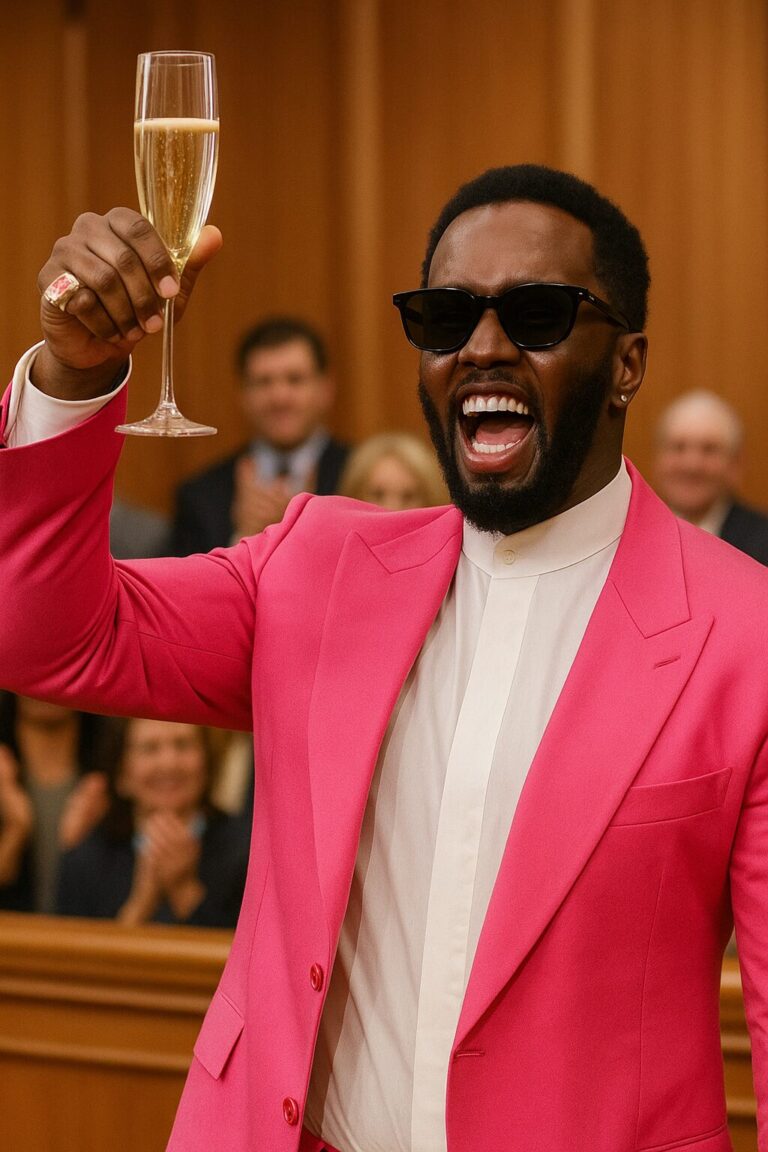
    Diddy won the Jury

    0

    1. 🎭 Opening Scene: A Prosecutorial Fiasco

    Today marks a massive loss not for Diddy—but for the prosecutors who built and launched a high-stakes federal case (complete with Homeland Security flair) that ended in near-total failure. They hauled seventy agents, lavish resources, and salacious headlines into court, only to walk away with… not much. It’s almost poetic.

    After all, if this were just about whether he flew a sex worker across state lines, they probably wouldn’t have even bothered. True, the Mann Act charges stuck, but everything else? Not guilty on racketeering. Not guilty on sex trafficking related to both Cassie and Jane. Those were the core allegations. And the jury? They simply didn’t bite, they lost BIG TIME.

    TL;DR:

    • Diddy acquitted on major racketeering and sex trafficking charges.
    • Jury quickly rejected core allegations, seeing consensual but messy relationships.
    • Convicted only on two Mann Act counts (interstate transport for sex work), a decades-old law.
    • Prosecution’s case criticized for sensationalism and lack of substantive evidence on key charges.
    • Verdict signals a jury distinguishing between personal misconduct and federal criminality.
    • Raises questions about prosecutorial overreach and resource allocation in celebrity cases.

    2. The Core Counts: Racketeering and Sex Trafficking

    2.1 RICO Razzle-Dazzle

    They called it racketeering. They painted a picture of an organized criminal enterprise. But guess what? The jury said no. There was no evidence of a formal enterprise, no systematic crime syndicate lurking behind the scenes—just an increasingly desperate ex-boyfriend behaving badly.

    What exactly is racketeering?

    AspectDescription
    DefinitionCoordinated illegal activities used to generate ongoing profits. (en.wikipedia.org, law.cornell.edu)
    Legal FrameworkPrimarily prosecuted under the RICO Act (18 U.S.C. §§ 1961–1968), established in 1970.
    Core ElementsRequires an “enterprise” + a pattern of ≥ 2 criminal acts within 10 years.
    Racketeering ActsIncludes murder, robbery, bribery, extortion, fraud, drug trafficking, money laundering, and more.
    Typical TargetsUsed against organized crime, gangs, corrupt officials, and some businesses.
    Criminal PenaltiesUp to 20 years in prison per count—potentially more if life threats are involved.
    Civil RemediesAllows triple damages in civil suits for those harmed by racketeering.
    Examples of UseCases have included mob bosses (e.g., Mafia Commission Trial), R. Kelly, FIFA officials.
    CriticismsSometimes considered overbroad, with application beyond traditional organized crime.

    🧠 Quick Takeaways

    • Racketeering isn’t just one crime—it’s a whole pattern of coordinated criminal acts, especially when tied to a structured organization.
    • Under RICO, the government needs two or more “predicate” crimes within ten years.
    • It’s powerful: potential decades in prison, plus heavy civil penalties.
    • But, it attracts criticism for sometimes being stretched beyond its original purpose of fighting mob-style crime.

    2.2 Cassie and Jane: No Coercion, No Trafficking

    Charges alleged he coerced and abused Cassie and Jane. However, despite racy videos and explicit texts about “freak-offs,” the jury concluded those were consensual, complicated dynamics—not illegal trafficking. They saw long-term relationships with mixed emotions—not hostage scenarios. The prosecution failed to prove coercion, and the jury saw straight through it.


    3. The Jury Room Drama

    Here’s where it gets even juicier: Deliberations took less than an hour. One holdout (Juror #25) allegedly wasn’t following instructions—but quickly reversed. In less than sixty minutes, the jury ran through vote after vote, clearly aligned: guilt? Nope. Not here. That’s not a sign of a tight case; that’s a sign the evidence didn’t hold water.


    4. The Mann Act Convictions: Historic but Hollow

    Yes, Diddy was found guilty on two counts under the Mann Act. But—let’s be real—this is a decades-old law targeting interstate transport for sex work. Let’s apply a little modern common sense:

    • If a starlet from the San Fernando Valley is flown to Beverly Hills for paid sex, that’s not federal. Not even a misdemeanor. The City Attorney, in most cases, wouldn’t file it.
    • Even if they did, max penalty is generally 6–12 months in county jail—and they seldom serve that.
    • Here, the Mann Act was used to turn a misdemeanor moral tidbit into a federal charge with sky-high stakes. Sexy headlines, lower burden of proof—but questionable legal overreach.

    5. The Baby Oil Press Conference: Salacious, Not Substantive

    Remember the press briefing that whiffed of baby oil? It left everyone wondering: what on earth does baby oil—and astro­glide—have to do with transporting someone across state lines? The answer: nothing. But it sure sells headlines, doesn’t it?

    • The detailed recounting of personal lubrication choices screams publicity stunt, not airtight legal strategy.
    • Think about it: why does a federal prosecutor—70 HSI agents at your disposal—feel compelled to highlight bedroom stuff to the media? For clicks. Not necessarily truth.

    6. Abuse Allegations Are Real (But Not Trafficking)

    Let’s be very clear: abuse likely happened. The video at the Intercontinental Hotel tells its own story.

    But abuse ≠ trafficking under federal law. The distinction is critical, and the jury understood it:

    • Abuse: preparing the case for interpersonal violation.
    • Trafficking: proving coercion, force, or lack of consent.

    Here, the prosecution blurred the lines, but failed to bridge them. The jury wasn’t buying the leap.


    7. One Crazy, Disorganized Relationship—Not a Criminal Enterprise

    The prosecution portrayed a RICO-style criminal syndicate. In reality? It was a simmering, chaotic ex‐relationship that got messy. Think roommate who refuses to move out, screwing your reputation into the dirt—but that doesn’t make it Mob‑style crime.

    There were break-ins, car bombs (seriously), attempted kidnappings and lie‑detector tests. All mayhem, undoubtedly—but lack of organization. No board meetings. No paper trail. Just a desperate ex. The jury saw that, unanimously.


    8. If It Happened Inside One State…

    …this would’ve been a misdemeanor. The City Attorney might file. Maybe. If they did—6–12 months maximum. And usually? No jail. This entire opera? It was built on a tiny seed and inflated into a media-driven federal juggernaut.


    9. So… Why Go All-In?

    Was it a legitimate case, or a PR bonanza?

    • If you’re a prosecutor, you need to believe in your case. So maybe they truly thought they had something.
    • But the aggressive press conference—open details about baby oil and astro-what-not—feels like they were primed for scoops, not convictions.
    • Either way? Risky. When you hype it publicly, you magnify every failure into a spectacle.

    10. Why Those Videos Helped Diddy, Not Hurting Him

    A lot of people assume intimate videos = guilt. But juries look deeper. They saw:

    • Emotional context.
    • Recurring patterns in a long relationship.
    • Mixed consent, ambivalence—not forced duress.

    Seeing Cassie and Jane clearly participating, while it might look damaging at face value, actually undermined the federal coercion argument. Those videos showed agency, however messy.


    11. Catching Diddy for a Double Standard?

    Let’s talk fairness. If any rich and famous person flies a sex worker between states and pays, we don’t shred them in federal court. We let misdemeanors slide.

    The key question: Do we want federal resources hunting this kind of “crime”? If worse crime exists, why spend so much time on this? If the law seems vague, or pretextual, why push it?


    12. The Mann Act: Outdated and Selective

    Originally deployed to prevent immoral travel across state lines, this law has a historic reputation of being used unevenly. It’s been used to go after targets based on virtue policing, not public harm.
    Here, it’s more “your reputation is worth dragging,” not “you violated federal law in a dangerous way.”

    Expect a legal future littered with appeals. The statute is dated. The defendants are too public. And due process—occasionally—is fickle.


    13. Consequences: What Happens Now?

    Will Diddy face meaningful jail time? Probably not.

    • Two Mann Act counts are real.
    • But given the misdemeanor flavor, short sentencing norms, and judge’s likely leniency? We’re leaning months—not years.
    • Even lengthy probation or community service might be a bigger outcome than prison.

    The prosecution may hope to “make a statement,” but the jury already told them that their statement… didn’t stick.


    14. This Sets a Precedent

    What gets thrown into federal court today can shape tomorrow’s headlines.

    If Diddy walks away with a slap on the wrist, it anchors these kinds of prosecutions. Do they chill future cases? Or just rewrite the playbook?

    And more broadly: how far will prosecutors chase sex and scandal when there are deeper crimes out there still unaddressed?


    15. My Take: Publicity Meets Legal Overreach

    Personally, I smell a combination of things here:

    1. Hype Over Substance – If your case has to get sold with baby oil soundbites, maybe it’s not strong by itself.
    2. Resource Misallocation – Seventy agents for a case that collapsed in an hour? Worth pondering.
    3. Blurred Lines = Dangerous Precedent – The leap from consensual yet unseemly romance into federal trafficking territory raises alarm. We need clear lines in law enforcement.

    The verdict reflects judicial balance—a jury that says, “Just because it’s messy doesn’t mean it’s criminal. Not in the big legal sense.” And that’s a reminder: when you inflate private conduct into grand conspiracies, the public and court may quietly roll their eyes.


    16. Final Thoughts: A Legal and Cultural Signal

    This isn’t just a “he’s guilty” or “he’s innocent” story. It’s a signal. A test. We’re watching a dramatic moment in how federal prosecutors wield statutory power—not solely against organized criminals, but sometimes in headline-chasing cases.

    The jury said “no.” And in doing so, they reinforced that federal justice must transcend celebrity scandal—and true criminality must remain grounded in real, provable harm. Let’s hope future cases keep that lesson in mind.

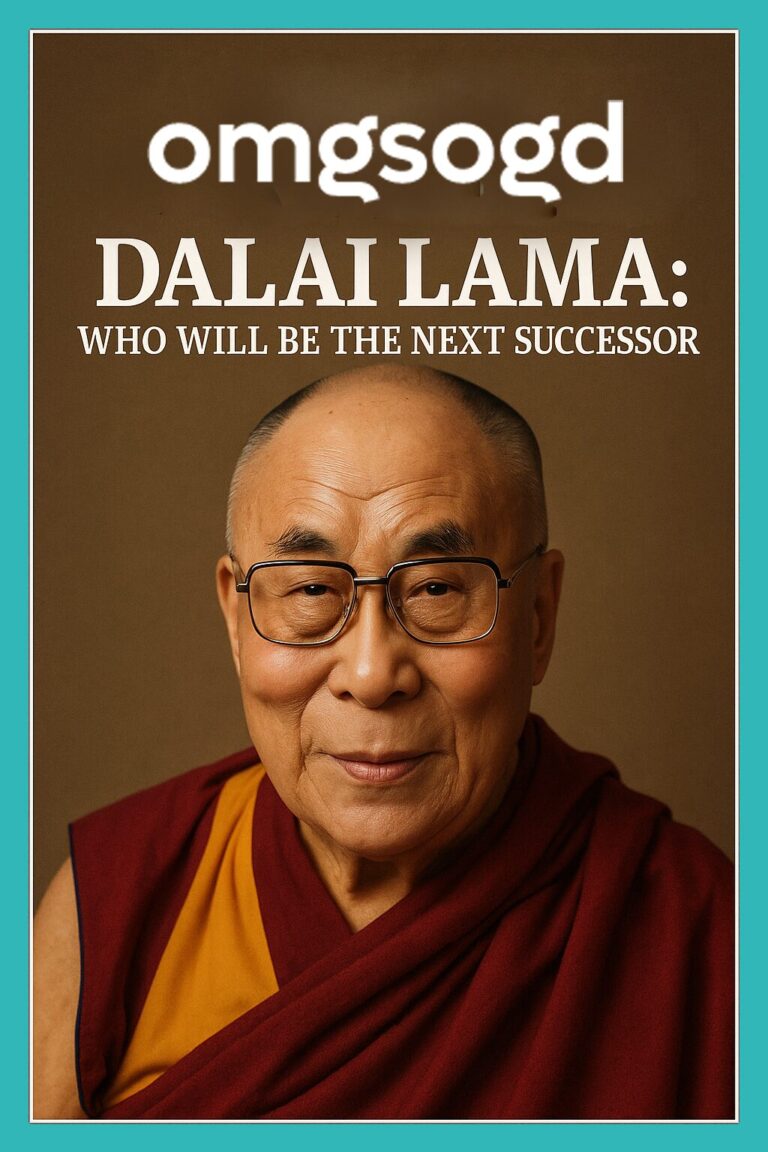
    Dalai Lama: Who will be the next successor?

    0

    When a revered institution faces mounting political pressure, it needs both a clear strategy and a sense of humor. That’s exactly what the Dalai Lama has delivered on the eve of his 90th birthday—a master plan for choosing his next incarnation. At 89, he’s laid out the roadmap, and yes, he’s doing it with the grace of a spiritual leader who’s seen more world dramas than a Netflix series.

    TL;DR:

    • The 89-year-old Dalai Lama revealed a clear plan for his succession to prevent Chinese interference.
    • His office, the Gaden Phodrang Trust, will solely manage the next Dalai Lama’s recognition.
    • This move is a direct response to China’s past attempts to control spiritual leaders, like the Panchen Lama.
    • The process involves traditional spiritual methods, potentially with modern twists like digital archives.
    • The plan aims to ensure the next Dalai Lama’s legitimacy and protect Tibetan identity and global advocacy.

    The Backdrop: Why This Matters Now

    Let’s rewind. The institution of the Dalai Lama is not your average title—it’s a lineage of spiritual guides believed to reincarnate, leading Tibetan Buddhists around the world. Since the Chinese annexation of Tibet in 1950 and the Dalai Lama’s escape to India in 1959, the world has watched his exile government and global advocacy efforts with rapt attention. For decades, he’s been the face of peaceful resistance, earning the Nobel Peace Prize in 1989 for preaching nonviolence despite living under the shadow of a superpower with zero chill about dissent.

    Fast-forward to today. Authorities in Beijing have made it abundantly clear they view any Tibetan spiritual authority as a threat to national unity. The past attempts at state-sanctioned reincarnations—like the infamous case of the Panchen Lama—serve as stark warnings. If China is allowed to pick and choose spiritual leaders, Tibet’s culture risks becoming a political puppet show.

    The Bold Proclamation: A Clear Chain of Command

    In a video message released at a Tibetan religious leaders’ gathering, the Dalai Lama stated unequivocally: the continuation of his lineage is a responsibility of the Gaden Phodrang Trust—his own office. No one else, not even the might of the Chinese Communist Party, has the right to meddle. Here are the key takeaways:

    1. Institutional Continuity: He confirmed that the Dalai Lama institution will live on beyond his earthly tenure.
    2. Sole Authority: The recognition and validation process falls exclusively to his office and trust. Point blank.
    3. Preemptive Shield: By issuing these instructions before passing, he aims to undercut future political interference.

    Learning from 2011: Why a Do-Over Was Necessary

    Back in 2011, our wise friend hinted at his plans but left wiggle room. He floated ideas: appointing his successor during his lifetime or even discontinuing the line. While philosophically intriguing, such ambiguity invited all kinds of speculation—and Beijing was only too happy to exploit that.

    So, why revise the script now? Simple. The sands of geopolitics shift faster than a Himalayan gust. By the time he crosses the threshold of 90 on July 6, 2025, he expects to have the guidelines firmly in place. That way, when the inevitable happens, his office has a playbook rather than a “wing it” memo.

    The Hurdles: Politics Meets Spirituality

    Bringing a new Dalai Lama into the world usually involves recognizing a young child as the reincarnation of the previous holder of the title. Translation: innocent kid is thrust into global spotlight—and Beijing can’t wait to hijack the script. The Chinese government insists any reincarnation must be approved by the state, claiming historical precedent. This is like saying only one family should host the next Olympics—because they’ve never let anyone else try.

    Remember the Panchen Lama saga? In 1995, the Dalai Lama recognized a six-year-old as the rightful Panchen Lama. China promptly detained the child and his family. Then, in a move as subtle as a sledgehammer, they introduced their own Panchen Lama. Flash forward three decades, and China’s version is being paraded around by Xi Jinping himself, who urges him to promote nationalist religion and sinicize Tibetan Buddhism. Talk about a hostile takeover of the spiritual sector.

    A Race Against Time: The Search Process

    Identifying the next Dalai Lama isn’t like filling out a job application. It requires mystical signs: dreams, omens, and the alignment of stars… okay, maybe not the last one. But traditionally, senior lamas consult sacred artifacts, meditate for visions, and follow clues like breadcrumb trails across Tibetan plateaus.

    Here’s how the process might unfold under the new rules:

    1. Retirement of the Seat: Upon his passing, the Gaden Phodrang Trust convenes a council of senior monks.
    2. Sacred Signals: They examine visions and relics, including the Dalai Lama’s own personal items, to pinpoint a region and family.
    3. Confirmation: Prospective children undergo tests—selecting the Dalai Lama’s belongings from an array of objects.
    4. Official Declaration: Once validated, the child is enthroned, trained, and groomed to inherit the mantle.

    Understand, though, this could take years. During that time, Beijing might try to fast-track a state-chosen candidate. The Dalai Lama’s preemptive decree ensures Tibetans worldwide won’t have to guess who’s legitimate.

    Why It’s More Than a Technicality

    At first glance, you could shrug and think, “It’s just religious mumbo-jumbo.” But it goes deeper. The Dalai Lama isn’t merely a figurehead; he symbolizes Tibetan identity, culture, and resilience. Allowing a state-controlled reincarnation would effectively erase any genuine spiritual leadership separate from political ideologies.

    Moreover, the Dalai Lama has fostered global goodwill. He’s a moral compass for billions, from Hollywood stars to schoolchildren learning about compassion. His successor inherits not just a title, but a worldwide network dedicated to education, environmental activism, and human rights. Ensuring the next Dalai Lama is genuine safeguards those initiatives.

    Repercussions for Global Diplomacy

    Expect fireworks on the international stage. Countries with deep ties to China may quietly align with Beijing’s choice to avoid economic backlash. Others might diplomatically back the Dalai Lama’s successor, emphasizing religious freedom. Watch for two tracks:

    • Official Channels: Beijing’s diplomatic corps insists only its nominee is valid. They’ll frame opposition as interference in China’s domestic affairs.
    • Civil Society: NGOs, human rights groups, and governments valuing religious liberty will rally behind the Gaden Phodrang Trust’s nominee.

    This dual-track approach means we could see a Sino-Tibetan cold war playing out in cultural symposiums, United Nations debates, and perhaps even in the soccer stadiums if China’s soccer ambitions need a controversy.

    Hidden Opportunities: Modernizing the Institution

    If there’s a silver lining in this reincarnation conundrum, it’s innovation. The Dalai Lama’s proactive stance could be the catalyst for modernizing how reincarnations are recognized:

    • Digital Archives: Imagine storing prophecy visions encrypted on the blockchain. No state can tamper with that.
    • Global Voting: What if key lamas around the world could cast digital votes? Sure, it sounds like a spiritual parliament, but it might strengthen legitimacy.
    • Interfaith Panels: Bringing in respected leaders from other faiths could underscore transparency—because nothing says unbiased like an inter-religious task force.

    These aren’t far-fetched. The current Dalai Lama has always embraced science and technology—remember how he invited neuroscientists to study the mind? A bit of modern flair could reinforce the ancient tradition.

    Potential Pitfalls: When Good Intentions Go Awry

    Let’s not paint too rosy a picture. Injecting technology and global processes could backfire:

    1. Security Risks: Storing sensitive data online invites hacking, especially by state actors.
    2. Bureaucratic Drift: More stakeholders can mean slower decisions—hardly ideal when spiritual guidance is at stake.
    3. Dilution of Tradition: Turn it into a referendum, and you risk reducing mystical depth to a popularity contest.

    Balancing innovation with tradition will be the tightrope walk for the Gaden Phodrang Trust.

    Why It All Boils Down to Legitimacy

    In the end, the core issue is legitimacy. Who do Tibetans—and the global Buddhist community—recognize as the real deal? Legitimacy can’t be bought with state endorsement or orchestrated media campaigns. It emerges from faith, cultural continuity, and moral authority.

    By issuing clear guidelines now, the Dalai Lama aims to ensure that authenticity prevails. His office will have the final say. And if China wants to play spiritual kingmaker without consent from the Tibetan community, well, they’ll find themselves presiding over an unmistakable facade.

    Personal Reflections: Why I Care

    I’ll confess: watching this spiritual-political chess match unfold fascinates me. It’s not just about one institution or one faith. It’s about how culture and power intersect. When spiritual traditions face authoritarian pressure, they either bend or break.

    The Dalai Lama’s preemptive strategy demonstrates foresight and courage. He’s not waiting for history to shove him aside; he’s shaping his legacy. That matters in a world where heroism often gets lost in tweets and sound bites.

    On a human level, I’m also moved by the poignancy of it all. This leader, who’s spent his life advocating compassion and understanding, now lays out a plan to protect future generations from the same political storms he’s navigated. That’s leadership.

    Looking Ahead: What to Watch For

    As the Dalai Lama turns 90, here’s where you’ll want to keep your eyes:

    • Formal Documentation: Will the Gaden Phodrang Trust publish a detailed constitution for the succession process?
    • International Endorsements: Which governments or institutions formally back the Dalai Lama’s guidelines?
    • China’s Response: Early statements from Beijing will reveal whether they plan to contest this outright or attempt subtler forms of influence.
    • Tech Innovations: Any announcements about digital archives or global consultation platforms will signal a modern twist.
    • Grassroots Movements: Tibetan communities in exile, from Dharamsala to Kathmandu, will play a critical role in affirming the chosen reincarnation.

    Keep these on your spiritual-political radar.

    Conclusion: A Legacy Reinforced

    The Dalai Lama’s succession plan is more than administrative detail. It’s a declaration of faith—faith in Tibetan culture, in the global Buddhist community’s discernment, and in the resilience of spiritual institutions against political coercion.

    By defining the rules of the game now, he’s raising the stakes. Anyone who challenges the legitimacy of his successor will have to reckon with a clear blueprint endorsed by the man himself. That’s a masterstroke worthy of a leader who has spent nine decades teaching the world about compassion, wisdom, and the art of remaining unshaken by adversity.

    The next Dalai Lama will carry immense responsibilities. But thanks to this rehearsal, he—or she—will step onto the stage with the confidence of genuine authority. And that, dear reader, is how you turn a centuries-old spiritual tradition into a model of 21st-century resilience.

    The Rise and Fall of Jay Mazini’s Halal Hustle

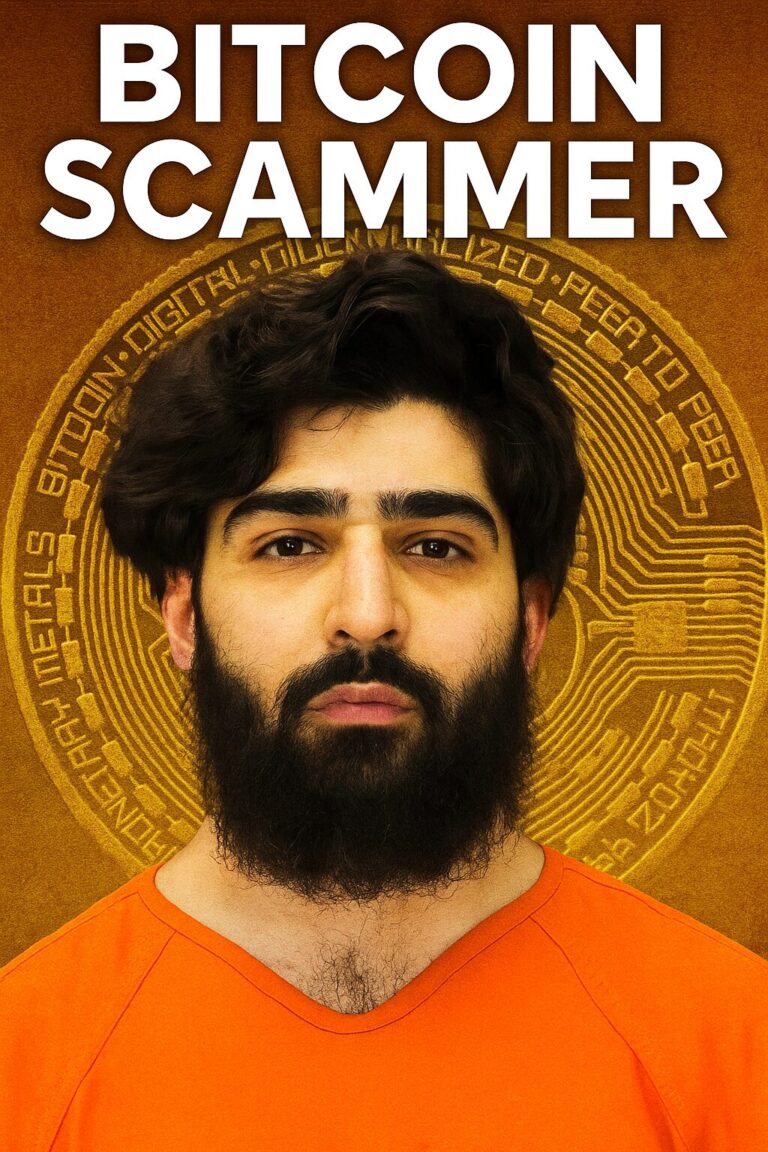
    You’ve seen those feel‑good clips: an influencer hands a wad of cash to a stranger, the recipient’s eyes light up, hearts melt, likes skyrocket. It feels genuine. Uplifting. Maybe even life‑changing. But what happens when that kindness is just another marketing ploy? When “giving back” masks a multi‑million‑dollar swindle? Meet Jay, a 23‑year‑old from New Jersey whose empire of “Halal” investment advice and flashy giveaways turned out to be less angelic than advertised—and more like a textbook Ponzi scheme.

    In this deep dive, we’ll trace Jay’s journey from wide‑eyed philanthropist to infamous fraudster. We’ll dissect every twist: the spiritual branding, the Halal Capital LLC launch, the spiraling Ponzi dynamics, the Bitcoin buyback ruse, and the shocking kidnapping plot. Along the way, you’ll pick up red flags for spotting social‑media cons. Finally, I’ll share my own take on how charisma, trust, and faith can be weaponized online—and how you can protect yourself.

    CategoryDetails
    Real NameJebara Igbara
    NicknameJay Mazini
    Age28 (as of 2024)
    LocationNew Jersey, USA
    Social MediaNearly 1 million Instagram followers
    Business ClaimRan Halal Capital LLC
    Scam TypeInvestment fraud and crypto scam
    Total Money TakenOver $8 million from fans and investors
    Target AudienceMainly Muslim-Americans
    Fraud TrickPromised halal investing and fake Bitcoin buybacks
    LifestyleFlaunted luxury cars, cash giveaways, and jewelry
    Celebrity LinksAppeared with 50 Cent and Fabolous in videos
    KidnappingKidnapped a former associate over an Instagram troll account
    ArrestedYes, in 2021
    Guilty PleaPled guilty to wire fraud and kidnapping
    Prison Sentence7 years in federal prison (sentenced in April 2024)
    RestitutionOrdered to forfeit $10 million
    Media FeatureFeatured in Hulu’s The Age of Influence

    How Jay Built the Illusion of Wealth and Spiritual Credibility

    The Early Grind on Instagram

    At 23, Jay was your average aspiring influencer. But he had a killer hook: video‑documented generosity. He’d film himself handing out hundreds—sometimes thousands—of dollars to cashiers, construction workers, baristas, even complete strangers. Clips of grateful tears and stunned smiles? Viral gold. Within months, he amassed nearly one million followers on Instagram.

    Key tactics:

    1. High production value. Sharp cuts. Upbeat music. Slow‑motion confetti.
    2. Authentic feel. Candid reactions, unscripted thanks.
    3. Spiritual undertone. Jay often interlaced giveaways with religious reflections. “Praying where the Prophet once prayed,” he’d whisper reverently. Cue the devotional soundtrack.

    These elements created a powerful cocktail. Jay looked wealthy, generous, and devout. In the influencer era, that’s a triple threat to win trust.


    Enter Halal Capital LLC

    By late 2019, Jay had cachet. His fans saw him as a successful entrepreneur and a devout Muslim influencer. So when he announced Halal Capital LLC, the pitch sounded sensible:

    “Invest with me the halal way. I’ll pool your funds, buy stocks, electronics, PPE—ethical assets only—then share the profits.”

    He even offered online courses promising a fast track to wealth. The first 1,000 sign‑ups would get personal mentorship. Red flags? Sure. But who questions a million‑follower spiritual guru.


    The Mechanics of the Scam

    Phase 1: Simple Misappropriation

    Rather than channel cash into legitimate assets, Jay diverted investor money straight into his personal bank account. This paid for:

    • More lavish giveaways (to sustain his philanthropic image).
    • Luxury goods and lavish lifestyle posts.
    • Production budgets for higher‑quality merch drops and brand deals.

    Because his branded generosity kept trending, few fans suspected foul play. “Look at him—helping people and praising God. He wouldn’t steal from us,” investors rationalized.


    Phase 2: Ponzi Scheme Emergence

    As money flowed, the math caught up. Jay still needed fresh capital to honor promised returns. So he used funds from newer investors to pay earlier ones: classic Ponzi.

    1. Initial hype. Early investors saw small “returns,” reinforcing trust.
    2. Referral momentum. Jay encouraged supporters to recruit friends.
    3. Compounding delusion. More recruits meant larger “profits.” Jay publicized fabricated success stories.

    This mirage held up—until it didn’t. By mid‑2020, liabilities outpaced incoming cash. Jay faced angry messages from fans demanding withdrawals. Yet, instead of insolvency, he doubled down.


    The Bitcoin Buyback Ruse

    Next up: cryptocurrency. In July 2020, Jay rolled out a new offer:

    “Sell your Bitcoin to me at a premium in cash. Immediate payout guaranteed.”

    Followers loved it: free profit, zero hassle. But when it came to final cash transfers, Jay had a fresh trick: he’d send a doctored screenshot of a wire‑transfer confirmation. The image looked legit. Meanwhile, no funds ever landed.

    • Key takeaway: If a deal sounds too good to be true—i.e., buy low, sell high immediately—it probably is.
    • Reminder: Screenshots and PDFs are trivial to fake.

    By the end, Jay had siphoned over $8 million from his community—predominantly Muslim American followers who trusted the “Halal” branding implicitly.


    Celebrity Cameos: Fuel for the Hype Machine

    Jay’s videos started featuring big names:

    • 50 Cent cruised through a drive‑thru as Jay handed out cash.
    • Fabolous popped up in another clip, rapping praises for his “brother.”

    These cameo drops added a veneer of legitimacy. Who’d suspect fraud when major artists were in on the action?


    The Downward Spiral: Rumors, FBI, and IRS

    Online Reckoning

    Despite glossy posts, word got out. A groundswell of skepticism took root in comment sections and independent blogs. “Where’s our money?” posts multiplied. Criticism morphed into outright rumors.

    By late 2021, the FBI and IRS had opened investigations. They subpoenaed bank records. They interviewed investors. And they discovered a startling truth: Jay’s investment promises were a house of cards built on lies.


    The Kidnapping Plot: When Scammers Get Desperate

    Here’s where the saga takes a darker turn. Enter Um Jud, a 29‑year‑old former associate. An anonymous Instagram account—“Jay Mazini Scam”—had been relentlessly exposing Jay’s schemes. Jay believed Um Jud was behind it.

    One evening, Jay invited Um Jud for “coffee.” Instead, two masked men jumped into the backseat of Jay’s car. Their target: kidnap and intimidate Um Jud into deleting the exposé account. Police reports and witness accounts piece together the terrifying sequence:

    1. Chase through alleyways. Jud bolted free of the slowing car.
    2. Near‑fatal balcony jump. He leapt two stories, spraining his ankle.
    3. Beating and basement confinement. Masked assailants pummeled him.
    4. Machete threats. They demanded Instagram credentials.
    5. Release and escape. Jud escaped hours later, battered but alive, and fled to the police.

    Legal Fallout: Arrests and Bribery Scandal

    Two days after Jud’s rescue, law enforcement arrested Jay for kidnapping and assault. But prosecutors didn’t stop there. Once Jay was in custody, investigators slapped him with a raft of charges:

    • Securities fraud for the sham investment company.
    • Wire fraud related to the Bitcoin buyback scheme.
    • Conspiracy for the kidnapping plot.

    Then came a bizarre twist. Jay’s wife approached Jud with an outlandish proposal:

    “Tell the police Jay didn’t kidnap you. Here’s $200,000.”

    Jud accepted. He recanted. But federal agents had already recorded his original testimony. Within 48 hours, police rolled back in. They arrested Jay’s wife for offering a bribe and Jud for accepting a bribe.


    Lessons Learned: Spotting Social‑Media Cons

    1. Charity porn ≠ charity. Flash giveaways can be funded by genuine goodwill—or stolen funds.
    2. Spiritual branding is powerful. Religious or ethical claims build trust quickly. Always verify credentials.
    3. High‑pressure scarcity tactics. “Only 1,000 spots!” pitches often rush decisions. Legitimate opportunities don’t vanish in minutes.
    4. Too good to be true returns. Guaranteed profits—especially no‑risk, high‑reward promises—are classic hallmarks of Ponzi and pyramid schemes.
    5. Digital receipts can lie. Never rely solely on screenshots or PDFs. Confirm with bank statements or direct transfers through reputable platforms.

    My Perspective

    I’ll level with you: Jay’s scheme is a cautionary tale, not just about fraud, but about the seductive power of social proof and emotional marketing. We live in an era where one viral video can redefine public perception overnight. Combine that with faith‑based messaging and a polished aesthetic, and you have a recipe for mass persuasion—good or ill.

    Here’s what I find most troubling: Jay’s community was, in many ways, underserved by traditional financial institutions. He promised an ethical investment aligned with religious values. That gap created fertile ground for deception. My takeaway? Financial literacy and regulatory oversight must evolve alongside social‑media trends. People need accessible education on halal finance, cryptocurrency, and basic fraud prevention.

    Let’s also recognize the silver lining. The victims spoke up. Investigators followed the paper trail. The law caught up. And despite the brutality of the kidnapping attempt, Um Jud survived—and his courage helped topple a major scofflaw. That’s worth noting: In the face of intimidation, accountability prevailed.


    Final Thoughts and Next Steps

    • Stay critical. Always question the motives behind viral generosity.
    • Do your due diligence. Research investment managers, check licensing, review audited statements.
    • Support whistleblowers. Online whistleblowing accounts can be vital early warnings.
    • Push for transparency. Influence platforms should enforce stricter verification for financial pitches.

    If you or someone you know encounters a “too‑good‑to‑be‑true” influencer deal, speak up. Share your concerns in public forums. Alert regulators. Because the next Jay could be just around the corner, and only collective vigilance can keep these schemes from flourishing.

    Stay savvy—and remember: not everything that glitters on your feed is gold.

    Oh My Ghost Clients: What we learned in the end

    From the very first courtroom apparition to the tear‑jerking final scene, Oh My Ghost Clients has kept us perched on the edge of our seats. In its two‑episode grand finale, this delightfully off‑beat drama wraps up its tale of spectral teamwork, white‑collar greed, and blue‑collar valor with a fittingly dramatic flourish. It brings together all the loose ends—USBs, crooked CEOs, secret handshakes, and even long‑lost brothers—into one electrifying crescendo.

    Oddball friendships bloom. Corporate sins get laid bare. And, unexpectedly, our hero’s heartache finds its healing. If you thought a labor attorney thriller couldn’t pair well with ghostly cameos, think again. By the time the credits roll, you’ll be juggling a fistful of tissues, a rogue chuckle, and a newfound respect for factory workers everywhere.

    Oh My Ghost Clients Screenshot

    TL;DR

    • Ghostly legal drama ends big: “Oh My Ghost Clients” wraps up with an electrifying two-episode finale.
    • Corporate villains get their due: Crooked CEOs and corrupt politicians face karmic consequences.
    • Hero finds healing: Mu-jin confronts his grief and finds reconciliation.
    • Unexpected alliances win the day: Mortals and ghosts team up to fight for justice.
    • Powerful message on labor rights: The show highlights the importance of human dignity in the workplace.

    Episode 9 Recap: USBs, Plant‑Pot Flinging, and Self‑Rescue Mechanics

    Oh My Ghost Clients Screenshot

    The morning opens on an ominous note: Manager Choi has supposedly taken his own life. Guilt‑ridden and stunned, Mu‑jin (our labor rights crusader) spirals into silence, avoiding calls from friends and even the booth where his ghostly partners dwell. Cue the hovering specters, worriedly poking their ethereal heads around corners.

    But rewind eight hours earlier: our plucky duo Hee‑joo and Gyeon‑woo infiltrate Myungeum Foods’ factory office, now scored for the precious USB drive holding damning evidence. Imagine a heist scene, only instead of black‑clad ninjas, you have a pizza‑lunch‑fuelled ghost slinger armed with potted plants. The USB is cleverly taped under a gochujang tub lid—very Korean twist—and Gyeon‑woo snatches it. In classic sitcom fashion, Hee‑joo stays behind to lob greenery at oncoming thugs, turning the office into a botanical battleground.

    Just when escape seems assured, the USB slips from Hee‑joo’s deep pocket. Our dynamic duo pause mid‑tussle, puzzled by why their pursuers stop to high‑five. Meanwhile, the drive bounces across the floor as slow‑motion triumph music swells in the villain’s background. And indeed, we learn that Manager Choi, cajoled by a prosecutor on Myungeum’s payroll, handed over the location in a shaky plea bargain that culminated in tragedy.


    Mu‑jin’s Guilt Trip and the Turning Point

    Oh My Ghost Clients Screenshot

    When Mu‑jin learns of Choi’s death via the morning news, he vanishes into depression. He ignores phones. He drowns in regret. Even the ghosts—Bo‑sal and Co.—find him a tougher client than any boardroom bully. Finally, he drags himself to Choi’s funeral. Surrounded by grieving family, Mu‑jin steels himself. The seeds of resolve sprout amid the black‑clad mourners.

    Back at the office, Hee‑joo and Gyeon‑woo press him to push on. Instead, Mu‑jin feigns that Myungeum paid him off. It’s a bluff to protect his friends. Gyeon‑woo’s soft “I’m disappointed, hyung” cuts deeper than Hee‑joo’s scathing retort ever could. Yet, underneath the put‑on betrayal, Mu‑jin’s true plan unfolds: rally the ghosts and storm Myungeum’s fortress one last time.


    Episode 10 Recap: From Boardroom Tempests to Cosmic Pocket Dimensions

    Enter Assemblywoman Moon Jung‑eun (Moon So‑ri), corporate lobbyist extraordinaire, hawking “pro‑business policies” in exchange for campaign cash. She grins smugly while justifying corporate carnage. But across the table stands Mu‑jin, now wearing the mantle of an avenging specter. Labor violation stats rain down like tearing headlines: crushed fingers, suffocating dust, unpaid overtime.

    With a theatrical kick‑open, Mu‑jin bursts into the conference room—lights flicker, walls quake, and ghosts swirl. It’s both hilarious and legitimately spooky. Chairman Kim breaks under the pressure, blurting out every corrupt deal into Mu‑jin’s recorder. Cue photo‑finish: the scene freezes into Mu‑jin’s triumphant grin.

    But Myungeum’s sorry engineering soon shows. The office tower creaks perilously. Rather than ghost magic, it’s shoddy cement and crooked welds giving in to physics. Karma never looked so literal. As beams buckle, a hapless worker tumbles toward oblivion. Chairman Kim, ever the villain, hesitates—prying the man’s fingers off the ledge while still muttering about “compensation packages.” Instant karmic payback: Kim himself plummets, dragging Mu‑jin into the abyss.

    They awaken in Bo‑sal’s pocket dimension—a purgatorial waiting room with just enough breeze to make you question your life choices. Our guardian ghost exacts divine terror. Smack‑bang in the middle of his celestial audit, Kim scribbles a contract to obey every labor law in sight. Divine mic drop.

    In a blink, time rewinds. The building stands firm again. This time, Kim evacuates workers without second thought. He signs off on expensive repairs. Assemblywoman Moon flips her stance, championing stricter corporate oversight—because reputation matters, apparently. Mu‑jin closes the chapter on criminal hearings by representing bereaved families in court, while the ghosts join their loved ones one final time, releasing their earthly ties.


    Final Scenes: Healing Wounds and Cryptocurrency Wins

    Oh My Ghost Clients Screenshot

    With the press frenzy behind him, Mu‑jin takes a call from Mi‑joo—his girlfriend—reminding him that real life awaits. On his way home, his late brother Woo‑jin appears in spectral form at the doorstep. Family supper is lonely without him. For ten years Mu‑jin has shouldered grief alone; now Woo‑jin gently encourages him to cry, to voice the pain instead of bottling it up. His final “I love you, little brother” echoes in Mu‑jin’s sobs.

    Cut to morning: Mu‑jin, buoyed by a lucky crypto surge, repays Mi‑joo every cent of the severance she covered. No more solo decisions. He whispers “I love you,” their reconciliation sweet enough to make you forget your own bills.

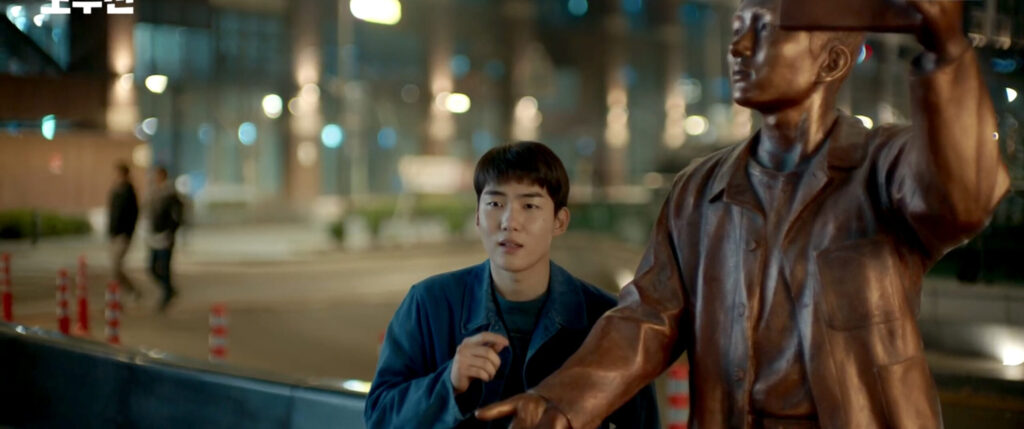
    Returning to Jeon Tae‑il’s statue—symbol of Korea’s labor rights movement—Mu‑jin and Bo‑sal share a quiet moment. “The world’s slow, but it’s moving,” the ghost intones. It’s a recognition that change happens one step at a time. Hee‑joo and Gyeon‑woo join the scene, snapping selfies with the statue—only Bo‑sal remains blissfully out of frame. Gyeon‑woo jokes, “Your invisibility still works, spirit friend.”

    As they stroll away, a familiar voice beckons Mu‑jin. He spins around and pouts—still seeing ghost clients, it seems. Because some cases never close.


    Fresh Insights and Deeper Meanings

    Oh My Ghost Clients Screenshot
    1. Labor Rights as Human Rights.
      By shining a spotlight on factory workers, the drama elevates the conversation beyond mere courtroom theatrics. It reminds viewers that labor laws aren’t legal loopholes—they safeguard human dignity.
    2. The Power of Unlikely Teams.
      Mortals and ghosts teaming up might sound ridiculous. Yet it underscores the notion that progress often requires unexpected alliances. History’s social movements thrived when diverse voices united.
    3. Healing Through Confrontation.
      Mu‑jin’s emotional journey from guilt to release dramatizes the importance of facing grief. Suppressing pain only prolongs suffering. Acknowledgment becomes a catalyst for growth.
    4. Karmic Architecture.
      There’s an ironic poetry in a building of exploitation collapsing under its own flaws. It reminds us that shortcuts in justice, construction, or relationships almost always backfire.
    5. Regulation as Morality.
      Assemblywoman Moon’s flip‑flop wryly suggests that policy isn’t just about votes—it’s a moral compass. Public pressure and media scrutiny can steer lawmakers toward the common good.

    My Two Cents (No Ghost Required)

    I’ll admit, I’m picky about legal dramas. Court scenes often feel like PowerPoint presentations—dry and overstuffed with exposition. Oh My Ghost Clients broke that mold. It gave us a spectacle: haunted courtroom theatrics, plant‑pot brawls, and a hero who not only bangs gavels but also bangs heads… literally sometimes.

    What truly won me over, though, was the emotional honesty. Mu‑jin’s silent suffering and eventual breakdown at Woo‑jin’s memorial hit like a freight train—so relatable that even the ghosts paused their pranks to hand him a tissue. The show dared to blend absurdity with raw humanity, and that’s no small feat.

    Plus, the pacing? Chef’s kiss. Each twist felt earned. Foreshadowing hid in casual gags. Payoffs landed with satisfying thwacks. And amid the macabre humor, the series never lost its heart.


    Final Verdict

    AspectRating (out of 5)
    Story & Pacing★★★★★
    Characters & Chemistry★★★★☆
    Emotional Depth★★★★★
    Humor & Sarcasm★★★★☆
    Social Commentary★★★★★

    Overall Rating: ★★★★½

    Oh My Ghost Clients delivers a finale that’s equal parts spine‑tingling, tear‑jerking, and side‑splitting. It honors its characters, champions the underdog, and leaves just enough mystery for a potential sequel. If you haven’t plunged into this supernatural legal world yet, grab the popcorn—and maybe a stress ball—and prepare to be haunted by more than just ghosts.

    Our Movie Episodes 5–6: Scandals, Secrets, and a Sledgehammer Romance

    By the halfway mark, Our Movie isn’t just flirting with meta—it’s full-on dating it. Suddenly, the series that had you cozy under a blanket of “cute leading-lady vibes” pulls the rug out, revealing a hero who’s as unpredictable as a viral tweet. Even better, the two women orbiting him are now engaged in a strategic tug-of-war for his attention—and let’s be honest, his heart (or what’s left of it). Meanwhile, Da‑eum’s health crisis simmers like an unspoken spoiler, inching closer to the danger zone. Things are about to get messy… in the best way possible.

    TL;DR

    • “Our Movie” gets meta, pulling the rug out from under typical K-Drama romance.
    • Je-ha is a fascinatingly unpredictable lead, constantly shifting between cold and smoldering.
    • The “rain kiss” scene is deconstructed, revealing Je-ha’s emotional blocks and manipulative tendencies.
    • Je-ha rewrites the in-show film, “Love in White,” from a tragedy to a cold, calculated story, mirroring his own character.
    • Da-eum’s health crisis looms, but she actively fights against being a damsel in distress.
    • Seo-young is revealed as a two-faced antagonist, fueled by envy and past trauma.
    • Je-ha’s backstory involving his parents and a past scandal explains his complex emotional armor.
    • The show sharply critiques inappropriate power dynamics and gender double standards in the entertainment industry.
    • Despite Je-ha’s flaws, Da-eum’s resilience and the show’s bold social commentary keep the viewer hooked.

    Episode 5: Deconstructing the Rain Kiss

    Revisiting the “Romantic” Scene
    At first glance, that rain-drenched kiss felt like textbook K‑Drama romance. Soft lighting. Dramatic downpour. Heartfelt music. Yet, rewind a few seconds and you’ll see Je‑ha roll his eyes. He literally calls cut on Da‑eum’s “poor positioning”—as if he were critiquing a contestant on Project Runway, not experiencing a tender first kiss. You’d think he was reviewing B‑roll footage. Ouch.

    Sudden Jerk Alert
    Once you realize Je‑ha’s critique is more camera angle than Cupid, your interest spikes. Why? Because his abrasive commentary exposes something deeper: he’s emotionally blocked. By design, the show makes him impossible to decode. One minute, he’s icy. The next, he’s smoldering. There’s a method in that madness.

    Diving into the Script’s Rewrite
    We learn that the in‑show film, Love in White, was originally a tragic love story—two souls falling for each other, knowing death was inevitable. But in Je‑ha’s hands? It becomes a cold tragedy. The male lead uses the dying woman for personal gain. No romance. Just calculation.

    Why the Rewrite Matters

    • Character Mirror: Je‑ha’s version of the script reflects his real-life attitude.
    • Emotional Armor: By stripping away genuine love in the film, he keeps his own heart shielded.
    • Audience Hook: We’re left wondering: is he a jerk, or just brilliant at hiding pain?

    Episode 6: Secrets in the Hospital and On‑Set Schemes

    Da‑eum’s Health Scare

    Return to the Clinic
    After the cinematic rainstorm, Da‑eum collapses with a high fever. In her condition, every degree on the thermometer could be life‑or‑death. Her father’s fierce protectiveness morphs into hostage tactics: “Stay here, or I’ll never let you act again!” But Da‑eum isn’t exactly a damsel in distress. She escapes, like every heroine who refuses to let illness write her story.

    Seo‑young’s Double Game
    Seo‑young shows up, pretending to be a helpful friend. Spoiler: she’s not. Beneath that polished exterior lies pure envy. She noses through Da‑eum’s files, hungry for any dirt. When she feigns concern, you can practically see the “evil step‑sister” aura glowing around her.

    Confrontation at Seo‑young’s Apartment

    • Je‑ha’s Dramatic Entrance: He storms into Seo‑young’s place, orders Da‑eum out, then proceeds to be two parts hero, three parts, well… a jerk.
    • Predictability Roast: Seo‑young complains she can’t read him anymore. His comeback? “If you want predictability, expect it from someone who loves you.” Translation: “I’m not your comfort blanket.” Mic drop.

    Location Scouting & Love Confessions
    On the road scouting for backdrops, Da‑eum tries an encore performance: confessing her crush via the script metaphor. She argues that if “Actress kisses Director first,” it signals a budding romance—and hey, aren’t we living that story? Je‑ha shoots back:

    “One week is enough to destroy love.”

    That line stings harder than a broken umbrella in a monsoon.

    Discovering Da‑eum’s Backstory

    It turns out Da‑eum almost starred in Je‑ha’s debut film. She aced round one, then vanished—thanks to her illness. Seo‑young seized the spotlight. Later, Da‑eum stalked Je‑ha in the hospital, planting the seed of her crush. Suddenly, her feelings feel less whimsical and more… inevitable.


    Unpacking Je‑ha’s Motivations

    Parental Wounds

    • Mother’s Illness: Je‑ha watched his mom suffer.
    • Father’s Betrayal: She died while his father allegedly dallied with his lead actress.
    • Self‑Punishment: During his own romance scandal with Seo‑young, he broke up in the harshest way possible—mirroring his dad’s cruelty. He vowed, “I won’t be like him,” yet ended up worse.

    The Push‑Pull Dynamic

    Je‑ha’s behavior is a puzzle of extremes:

    1. Cold Distance: He dismisses feelings as plot devices.
    2. Overprotective Gestures: He hospitals Da‑eum’s health needs, promising to remove her from the film if she’s at risk.
    3. Random Sweetness: That late‑night guilt‑ridden mirror scene suggests his conscience might be catching up.

    This roller coaster keeps us invested. We’re simultaneously rooting for his redemption and horrified by his selfishness.


    Themes & Broader Social Commentary

    Inappropriate Power Dynamics on Set

    A side plot follows two scandals:

    1. Director Dating Fiasco: A director secretly dates multiple actresses.
    2. Last‑Minute Nudity Plots: Another director forces actresses into compromising scenes on a whim.

    Seo‑young’s history with the second scandal leaves her scarred. When a makeup artist calls out on‑set behavior at a crew event, the camera operator’s seemingly innocent gesture (offering his coat) sparks an “Inappropriate!” outburst. It’s a clever way for the show to spotlight how small actions can reinforce power imbalances.

    Scandal’s Double Standard

    As rumors swirl about Je‑ha and Da‑eum’s “inappropriate” closeness, we see how women bear the brunt of suspicion. Yet male directors emerge unscathed, careers intact. The series skewers this hypocrisy, making the viewer question whose story really matters.


    Fresh Insights You Might Have Missed

    1. Script as Soul Mirror: Every tweak Je‑ha makes to Love in White reveals a new layer of his psyche.
    2. Illness as Plot Device—and Empowerment: Da‑eum’s disease is more than a secret. It marks her resilience and agency.
    3. Seo‑young’s Sympathetic Antagonist Arc: She’s not pure villain; her pain from past harassment gives her a valid, if flawed, perspective.
    4. Visual Metaphors: Notice how Je‑ha’s glasses frames often cast shadows on his eyes—symbolizing his blurred morality.
    5. Intertextual Nods: The show’s commentary on film scandals parallels real-life Korean entertainment controversies, adding a deft layer of realism.

    Personal Perspective

    When a drama makes me dislike its male lead, it usually loses me. Yet Our Movie flips that trope. My aversion to Je‑ha’s arrogance only deepens my fascination. I’m compelled by a character who refuses to be decoded. He’s a Schrodinger’s jerk: equal parts heartless and heartbreakingly human.

    Moreover, I appreciate how Da‑eum, despite her frailty, drives the narrative. She’s not a passive love interest. Instead, her spirit ignites change in others—even Je‑ha. I find that dynamic electrifying.

    Finally, the series’ willingness to tackle on‑set misconduct without melodrama gives it an edge. It reminds me that fiction can—and should—challenge industry norms. By weaving scandal threads into the main plot, Our Movie asserts its commentary on power imbalances without sacrificing its romantic core.


    Final Verdict

    • Storytelling Boldness: ★★★★☆
    • Character Complexity: ★★★★★
    • Emotional Impact: ★★★★☆
    • Social Commentary: ★★★★☆
    • Rewatch Value: ★★★★☆

    Overall Rating: ★★★★☆
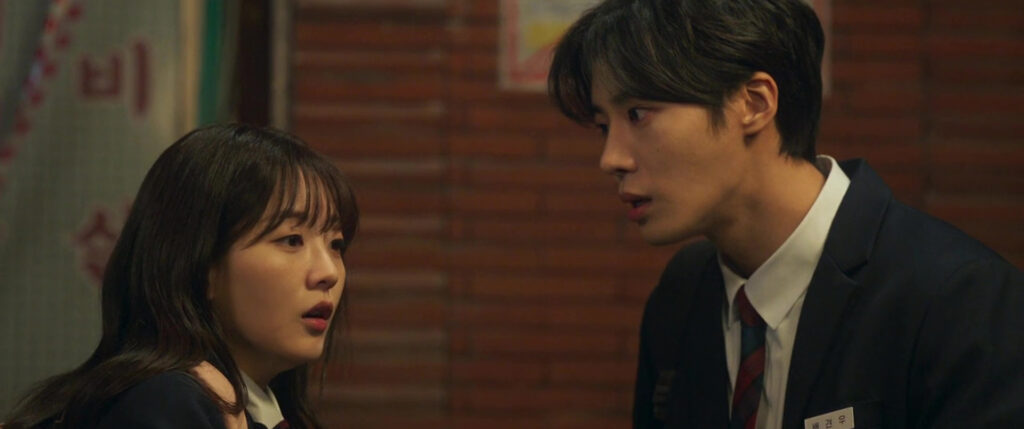
    Our Movie Episodes 5–6 deliver a potent mix of meta‑drama, emotional stings, and biting industry critique. Even as Je‑ha’s cold logic makes you cringe, Da‑eum’s warmth keeps your heart tethered to the screen. Trust me—once you hit Episode 6, you’ll be counting down the minutes until Episode 7.

    Head Over Heels Episodes 1-2: When a Shaman Falls for a Cursed Boy

    0

    Let’s be honest. If you’re a high school student juggling math homework and midnight spirit battles, life isn’t exactly average. But for Park Sung-ah, ordinary is just a pipe dream. She’s a teenager by day and a full-blown shaman by night, with a side hustle saving handsome boys from supernatural doom. Welcome to the chaotic, emotionally-charged, ghost-infested world of Head Over Heels.

    TL;DR:

    • Shaman by night, student by day: A high school girl with supernatural powers wants a normal life and a college dream.
    • Cursed cutie: A handsome transfer student is haunted by a curse that gives him only 21 days to live.
    • Love at first ghost sighting: The shaman girl falls for the cursed boy and makes it her mission to save him from supernatural doom.
    • Supernatural meets high school drama: The series balances ghost-hunting chaos with relatable teen themes of loneliness, friendship, and first love.
    • More than just a ghost story: The show uses spirits as a metaphor for the characters’ personal struggles and emotional baggage.

    Meet Sung-ah: The Shaman with a Campus Dream

    Our heroine, Park Sung-ah (played with quirky charm by Jo Yi-hyun), resides at the bustling Heaven and Earth Fairy shrine. Raised by her spiritual mentor Dongcheon (Kim Mi-kyung, delivering as always) and eccentric auntie (Lee Soo-mi), she’s surrounded by incense, rituals, and spirits 24/7. But instead of embracing her inherited destiny, Sung-ah dreams of something wild and forbidden: normalcy. More specifically, college life filled with crushes, cafeteria food, and the occasional group project.

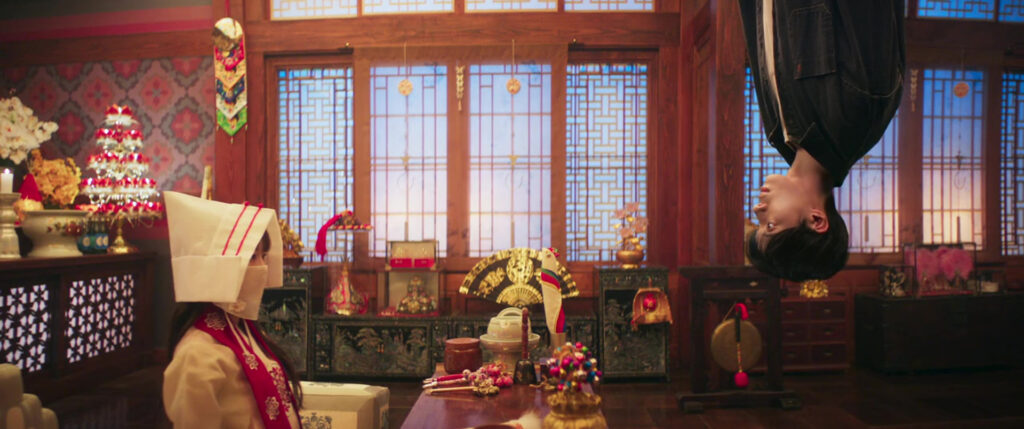
    Why college? Because it lets her pretend, even briefly, that she’s just another girl navigating adolescence instead of battling curses. Sung-ah yearns for dates, drama clubs, and dreamy guys. So when fate drops Bae Kyun-woo (Choo Young-woo) into her shrine one day, looking like he stepped out of a skincare commercial, she’s understandably smitten. That is, until she realizes he’s literally walking upside down in the spirit world.

    Kyun-woo: The Walking Red Flag

    Kyun-woo isn’t your average transfer student. No, he’s the human embodiment of a final destination checklist. Plagued by near-death experiences and cursed with just 21 days left to live, he radiates disaster. Sung-ah sees it immediately – quite literally, thanks to her supernatural sixth sense. He’s one of the upside-down people: souls dangling precariously between life and death, with doom knocking at their door.

    Of course, our girl can’t just let that kind of handsomeness go to waste. When he passes her ideal-type test (handsome, kind, and willing to stand next to a crying stranger), she takes it as a divine sign. Sung-ah makes it her mission to save him, even if it means risking her own life. Because what’s a little mortal danger when you’ve found your dreamboat?

    Transfer Student, Spiritual Chaos

    Naturally, Kyun-woo transfers into Sung-ah’s class the very next day because, of course he does. When he pretends to recognize her to get her out of an awkward situation, she takes it as another cosmic hint. But here’s the twist: he doesn’t actually know who she is. Sung-ah always wears a mask at the shrine, so their spiritual encounter is a mystery to him.

    Meanwhile, she’s swimming in her fantasy world while he’s doing laps in the pool of existential dread. He’s given up, waiting passively for his countdown to hit zero. When a falling signboard nearly flattens him and Sung-ah shoves him to safety, he doesn’t even blink. But just seconds later, he pulls her out of danger when the signboard crashes down. So yes, even the cursed can be lifesavers.

    Ghosts, Bathrooms, and Misunderstandings

    Things get juicier – and wetter. Sung-ah has a vision of Kyun-woo drowning, and lo and behold, she finds a water ghost chilling in the boys’ bathroom. Attempting to negotiate, she offers the ghost alternatives. The spirit, however, is thirsty for Kyun-woo’s misfortune. Enter: water-hose exorcism. Picture this: a shaman girl blasting spirits with holy water in a boys’ bathroom. Predictably, the school sees a deranged stalker, not a heroic act. Both she and Kyun-woo are punished, and he sternly tells her to stay away.

    Yeah, as if that’s possible.

    Friends, Medals, and Secret Amulets

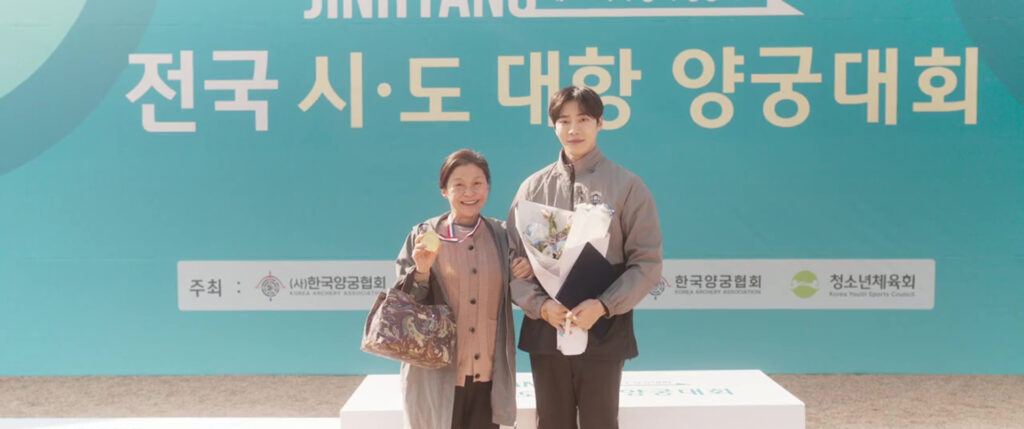
    Enter Pyo Ji-ho (Cha Kang-yoon), the low-key MVP of this mess. He’s Sung-ah’s classmate and the only one who knows she moonlights as a shaman. Together, they sneak an amulet into Kyun-woo’s phone, score a dinner invite to his house, and end up digging into his past. Turns out, Kyun-woo used to be an archery prodigy with a shelf full of medals.

    But there’s always a catch, isn’t there? Rumor has it he was expelled from his old school for starting a fire. Naturally, the students begin to avoid him like he’s contagious. He doesn’t mind. In fact, he prefers it. Less drama, fewer chances to drag people down with him.

    Yet, Sung-ah remains unfazed. Her belief system? Actions speak louder than gossip. He served her warm water, saved her from a falling signboard, and didn’t once flinch in the face of a ghost-induced fire hazard. That’s enough for her.

    The Fire Ghost Incident

    Speaking of hazards, here comes a fire ghost ready to barbecue Kyun-woo in a storage shed. The spirit locks him inside and sets the place ablaze. Cue another supernatural showdown: Sung-ah with her shaman salt, Ji-ho with a fire extinguisher. Teamwork makes the dream work, and they save him just in time.

    This time, Kyun-woo thanks Sung-ah. But he still refuses her help, and won’t clear his name when others blame him for the fire. Why? Because he believes nothing good ever comes from getting close to him.

    The Truth About Grandma

    Kyun-woo’s grandmother has been a warm presence in the shadows, but something feels off. She knows who Sung-ah is. She sees her beyond the veil. Turns out, Grandma is already dead. That conversation? That confession? It was a ghostly goodbye.

    The loss hits hard. Not just for Kyun-woo but for Sung-ah, who promised to stay by his side. She shows up at the funeral, ready to follow through. Because she’s not just trying to save his life — she’s trying to give it back to him.

    The Hidden Layers of Kyun-woo

    Kyun-woo isn’t just cursed; he’s heartbroken. Abandoned by his parents and labeled a walking disaster, he’s built emotional walls thicker than his school uniform. The more you look, the more you realize it’s not the curse killing him — it’s the isolation. As Grandma so poignantly says, when people treat someone like they’re already dead, it’s not the spirits that do the damage. It’s the living.

    This is what Sung-ah sees. Beyond the misfortune, beyond the ghostly chaos. She sees a boy who needs a reason to believe in life again. And she’s willing to be that reason.

    Ji-ho: The Bestie Who Might Want More

    Let’s not forget Ji-ho, the supportive sidekick. He helps without hesitation, smiles through the chaos, and always has Sung-ah’s back. Whether he’s harboring a secret crush or just a sense of loyalty, one thing’s clear: he’s not just a side character. He’s the emotional anchor.

    Sure, he could be more assertive when others treat Sung-ah like a weirdo, but he plays his role with quiet strength. He’s the kind of friend (or potential second lead heartbreak victim) that every K-drama needs.

    Final Thoughts: Drama, Feels, and Potential

    Head Over Heels launches with an emotional gut punch wrapped in comedy and exorcism rituals. It balances supernatural thrills with real-world themes: loneliness, the desire for connection, and the struggle to be seen for who you are.

    Sung-ah is an endearing lead who manages to shine, not because she’s quirky, but because she’s real. Her dreams are relatable. Her courage is quiet but unwavering. She doesn’t wallow in pity when classmates mock her. Instead, she focuses on what matters: saving someone who has no idea how to save himself.

    Kyun-woo’s pain is deeply felt. His character is less about broody mystery and more about emotional depth. He’s broken, but not beyond repair. There’s a tenderness in him, buried beneath layers of trauma and spiritual interference.

    The ghost subplot adds spice without overwhelming the emotional core. Each spirit — water, fire, and possibly more to come — serves as a metaphor for internal struggles. They’re not just spooky enemies but symbols of the baggage each character carries.

    The pacing is tight, the character arcs are promising, and the cinematography walks that fine line between eerie and beautiful. It’s stylish but not distracting. Emotional but not melodramatic.

    My Takeaway

    This show doesn’t just flirt with themes of fate and love — it jumps headfirst into them. And despite all the ghostly chaos, it still finds time to ask: what if someone saw the real you and chose to stay?

    If the rest of the series keeps this balance of heart and haunt, Head Over Heels could become the sleeper hit of the year.

    Final Verdict: ⭐⭐⭐⭐✩ (4.5/5 Stars)

    It’s touching, unpredictable, and just the right amount of spooky. I’m in. Let’s see if Kyun-woo survives, if Sung-ah passes her exams, and if Ji-ho ever stops being the best second lead ever.

    Our Unwritten Seoul Episodes 9–10: Identity Swaps, Family Secrets, and Unbreakable Bonds

    0

    Episode 9–10 of Our Unwritten Seoul hurtle us toward the finale with double-edged twists, sibling stakes, and revelations that leave you breathless. Every choice feels monumental—should the twins stay in their comfort zones or leap headlong into the unknown? Here, we unpack the highs and lows, untangle the emotional knots, and ponder what these crossroads mean for each character. Plus, you’ll get fresh insights on identity, loyalty, and whether it’s ever too late to rewrite your story.

    TL;DR:

    • Twin Switcheroo: The twins revert to their original roles, saving Mi-rae from a crisis but halting her self-discovery.
    • Burnout is Real: Mi-rae experiences burnout and retreats, refusing to help with the corporate exposé.
    • Betrayal & Empowerment: Sang-young’s manipulation is exposed, and Mi-rae finds the courage to fight back with her sister’s help.
    • Unexpected Romance: Mi-ji and Ho-soo’s relationship deepens, leading to a long-awaited kiss.
    • Generational Trauma: A mother-daughter confrontation exposes years of favoritism and deep-seated family insecurities.
    • Shocking Revelation: Sang-wol’s true identity is revealed, proving her immense sacrifice for a friend.
    • Cliffhanger: Ho-soo’s hearing loss returns, leaving his future uncertain on the eve of a major victory.

    1. The Fingerprint Fiasco: Twins Back to Original Roles

    Last week’s cliffhanger resolved in a blink. Mi-rae’s cunning colleagues gloated as the fingerprint scanner awaited confirmation of identity. All eyes were glued, jaws clenched. Yet when Mi-rae pressed her finger, the scanner beeped approval. Relief—and a twinge of frustration—ripples through the office. The twins have switched back…for now.

    But this victory is bittersweet. While the switch saved them from immediate disaster (and possible termination), it yanks Mi-rae off her self-discovery high. She was blossoming—dabbling in risk, chasing her own happiness—until word reached her that Se-jin was leaving. In an instant, her confidence evaporated.

    She recoiled into that familiar defensive shell and retreated from the bold, idealistic choices she’d just made. That hesitation speaks volumes: Mi-rae favors practicality over passion, safety over unknown detours. When she stood by Se-jin despite the odds, it marked her most courageous moment—yet also nudged her past her breaking point.


    2. Mi-rae’s Retreat: When Burnout Becomes a Break

    Burnout is a sly beast. It doesn’t barge in—it creeps up with missed lunches, jittery anxiety, and the urge to hide under the desk. For Mi-rae, the sudden reversal after a taste of risk felt like tumbling off a cliff. She’s accomplished great things: facing workplace bullies, pairing idealism with pragmatism, even daring to love. Yet one setback—rumors, betrayal, the fear of dependency—snuffed out her spark.

    Now, when Tae-yi begs her to help expose the company’s unethical antics, she declines flatly. It’s not a moral failure but a survival tactic. She has nothing left to give. Fighting corruption requires more than righteous fury; it demands energy she simply can’t muster…yet.


    3. Sunbae Turned Saboteur: Sang-young’s Betrayal

    Enter Sang-young, the ever-charming sunbae who transformed into a two-faced villain. He wooed Mi-rae with mentorship veiled as kindness—until it suited him otherwise. One drunken night, he crossed boundaries and blamed her when rumors spiraled. His victim-blaming howl left Mi-rae questioning her own memories, eroding her resilience.

    Now, his sloppy “concern” to transfer her to another branch reeks of manipulation. When Mi-rae records his harassment on her phone, flags are raised. But the true turning point arrives when Mi-ji intervenes—belt bag swung, righteous justice delivered—forcing Mi-rae to reclaim her voice and vow to press charges. This moment reignites her dormant courage and reminds us how trauma can galvanize, not permanently shatter, the human spirit.


    4. Whistle-blowing Showdown: Corporate Exposé Chaos

    Meanwhile, Tae-yi’s frustration bubbles over. Mi-rae won’t hear reason, so he anonymously pens a scathing exposé on the company forum. Of course, suspicion lands squarely on Mi-rae. Although she’d love to help root out corruption, she’s adrift, fearing she’d drown if she adds another fight to her plate.

    Mi-ji, never one to stand by idle, clashes with Mi-rae in a verbal showdown. Frustrated tears and pointed accusations fly—until Mi-ji stomps out. This sparks a domino effect: Mi-rae finds refuge at Ho-soo’s place. Awkward tension gives way to meaningful conversation. Eventually, walls crumble, and the two share a breathless kiss—proof that vulnerability can bloom into something beautiful, even amid chaos.


    5. Mi-ji & Ho-soo: From Awkward Tension to Tender Moments

    Mi-ji and Ho-soo’s relationship arc feels like watching two shy dancers learning each other’s steps. Initially, their bond revolves around convenience—Mi-rei needs a couch, Ho-soo offers one. Yet forced proximity unleashes comfort, shared secrets, and, yes, that long-anticipated smooch.

    Their dynamic highlights the drama’s core theme: love often emerges in unexpected ways. It’s not lightning-bolt romance; it’s gentle, fumbling, and real. While their chemistry simmers, we also see how Mi-ji’s fierce loyalty can both protect and alienate her loved ones—a duality that sets up beautiful conflict and growth.


    6. Choong-gu’s Poisonous Plot: Ro-sa’s Test of Trust

    If corporate intrigue is one dish, family betrayal is another. Choong-gu gleefully weaponizes Ro-sa’s secret—her grown son who resides in a nursing home. By implying he unearthed this through spies, he fractures the trust between Ro-sa, Mi-ji, and Ho-soo. Suddenly, Ro-sa walls off, terrified her past will undermine her future.

    Mi-ji’s confession—admitting she’s been posing as Sang-wol—only deepens the wound. Ro-sa banishes her, a gut-wrenching blow that leaves Mi-ji questioning her entire Seoul adventure. Amid the fallout, Ho-soo stands by his friend’s side with unwavering support, reinforcing that chosen family can be just as powerful as the one you’re born into.


    7. Homecoming Confessions: Mi-ji and Ok-hee’s Heart-Opening

    Reeling from isolation, Mi-ji retreats to her hometown. There, Ok-hee—their mother—finally pieces together the twin switch. What follows is the first genuine heart-to-heart these two have shared.

    Mi-ji confronts Ok-hee about the years of favoritism toward Mi-rae. Her mother confesses: she never mastered motherhood, never knew how to show love. The scars of that failure mushroomed into Ok-hee’s own insecurities, which she unwittingly passed on. Yet in that vulnerability, they discover common ground. Ok-hee begs Mi-ji to chase her own dreams rather than remain tethered to familial expectations.


    8. Mother-Daughter Ripples: Generational Patterns Exposed

    The drama doesn’t stop there. The next day, Ok-hee tags along to confront her own mother, Wol-soon. Once a stoic matriarch, Wol-soon’s facade crumbles, revealing a childlike ache for connection. This reversal terrifies Ok-hee, who’s unsure how to navigate a parent so raw.

    Boon-hong—ever the voice of wisdom—reminds Ok-hee that it’s never too late to break these cycles. Watching three generations grapple with love, regret, and hope is both painful and cathartic. It underscores that family legacies aren’t predetermined scripts; they’re living stories we can edit, if only we muster the courage.


    9. Echoes of the Past: Sang-wol’s Hidden History

    Back in Seoul, Tae-yi introduces Mi-rae to his sister, who’s been cloistered in her room for months. Through the closed door, they converse—echoes of guilt, pain, and a longing for forgiveness passing between them.

    Then comes the bombshell: Ro-sa isn’t who everyone thinks. “Ro-sa” is actually Sang-wol, the ex-convict who served time for a crime her friend committed. When Ro-sa was sentenced to death (for killing her abusive husband in a protective rage), Sang-wol confessed and went to prison instead. After release, she adopted Ro-sa’s identity to escape stigma and care for Ro-sa’s son. A notarized will—tucked away until now—cements her legal claim.

    This revelation electrifies the public and blows legal proceedings wide open. What was once mere rumor now becomes a powerful testament to loyalty, sacrifice, and the lengths people go to protect loved ones.


    10. Surprising Legal Victory—And the Calm Before the Storm

    With the will’s unveiling, Sang-wol’s case turns in her favor. Courts and media alike rally behind this unconventional heroine. Celebrations bubble up—texts ping with congratulations, restaurant staff cheer, even Choong-gu looks momentarily deflated.

    Yet the showrunners lock eyes with us, signaling that no victory is safe. As Ho-soo answers a phone call and silence crashes over his ear, the music cuts out…leaving us with one chilling realization: trouble is just around the corner.


    11. Cliffhanger: Ho-soo’s Silent Crisis

    That final shot of Ho-soo, clutching his phone as the world grows quiet, packs an emotional gut punch. His hearing has plagued him before—ringing, muffled words, half-heard pleas—but never total silence. If he goes fully deaf, does he retreat? Initiate a self-destructive breakup? Or lean on Mi-ji and finally accept the support he’s so long denied?

    It’s a masterstroke of suspense: personal health crises often hit hardest because they strip away agency. Now, our gentle giant may face his greatest test—learning to rely on someone else.


    12. Fresh Take: My Perspective on the Twin Saga

    You know, at first I thought Our Unwritten Seoul was just another run-of-the-mill identity-swap romp. Twins and secrets? Yawn. But after episode 10, I’m eating my words. This drama nails the small details: how a single act of kindness—or cruelty—can echo for years, shaping destinies.

    • Mi-rae’s arc isn’t about changing careers or finding love (though that’s delightful). It’s about reclaiming her voice after trauma. Watching her spiral, then rebound, reminds us that progress is messy.
    • Mi-ji’s loyalty teaches that sometimes, “rescuing” someone means giving them space to fight their own battles. Yet when it counts, you unleash the fiercest version of yourself—bag-smack and all.
    • Family dynamics here are so raw. The shift from obligation to genuine connection, generation to generation, mirrors our own real-world struggles. It’s a reminder that love isn’t a static gift; it’s learned, practiced, and often painfully imperfect.

    And let’s not forget Sang-wol—a character who embodies the ultimate “found family.” Her journey from convicted felon to media darling subverts every stereotype. She’s flawed, fierce, and deeply human.


    14. Final Verdict ⭐️⭐️⭐️⭐️☆

    • Storytelling: 4.5/5. Rich with thematic depth, although at times the plot threads risk overcrowding.
    • Characters: 5/5. Every major and minor player feels fully realized, driven by authentic motivations.
    • Emotional Impact: 4/5. Hits hard in spots, but a few twists stretch credibility.
    • Rewatch Value: 4/5. You’ll pick up new layers on a second run, especially in the mother-daughter scenes.

    Overall, these episodes remind us why K-dramas captivate: they marry high-stakes emotion with cultural nuance. If you haven’t dived into Our Unwritten Seoul yet, now’s the time. And if you have, let me know—what moment shook you the most?


    Stay tuned for the season finale!

    The First Night with the Duke Episodes 3–4: Twists, Royal Proposals, and Matchmaking Mayhem

    0

    From transmigration troubles to princely rescues, Episodes 3–4 of The First Night with the Duke ramp up the romance, drama, and plenty of “did-that-really-just-happen?” moments. As our modern-day heroine Seon-chaek continues her mission to rewrite a doomed novel plot, the male lead Yi Beon doubles down on gallantry—often to her frantic dismay. Meanwhile, side characters hatch schemes, villains plant poisons, and masked agendas bubble beneath the surface.

    Whether you’re here for Taecyeon’s brooding charm or you just love a sassy narrator who’s not afraid to ask “Seriously?,” buckle up. We’re diving deep into every laugh, swoon, and plot twist.

    TL;DR:

    • Seon-chaek’s past as a college dropout due to a campus scandal explains her fear of romance.
    • Yi Beon goes to extreme lengths (mountain climb, tiger fight, exorcism) to save Seon-chaek after she faints.
    • Seon-chaek’s matchmaking attempts to pair Yi Beon with Eun-ae fail spectacularly.
    • A garden “meet-cute” backfires with a name mix-up and a rat, leading to Eun-ae falling in a pond.
    • At a party, Yi Beon publicly declares his intent to marry Seon-chaek, causing chaos and a fire.
    • A formal royal proposal brings political tension and Seon-chaek’s surprising hesitation.
    • Hwa-seon and the Queen Mother plot Seon-chaek’s demise, leading to her being poisoned and exiled.
    • Yi Beon’s unwavering devotion at Seon-chaek’s “plague bed” solidifies her resolve to fight for their happy ending.
    • The article explores themes of identity, agency, true care vs. performative kindness, and the clash of tradition with modernity.

    1. Clarifying Seon-chaek’s Past: From College Dropout to Hermit

    Last week left us puzzled over why Seon-chaek turned hermit after transmigrating into her favorite novel. Now, we finally get her backstory—however cartoonishly executed.

    • Campus scandal: In her former life, Seon-chaek’s best friend’s boyfriend asked her out. She declined—publicly, amid a courtyard full of filming smartphones.
    • Viral rumor: Within hours, she was painted as the seductress who stole her friend’s man.
    • Social exile: Ostracized and humiliated, she quit college. Consequently, she retreated to solitude, vowing never to let another romance mess up her life.

    Frankly, the premise is dumb. But it does explain her fierce reluctance to become Yi Beon’s love interest. After all, who wants to be labeled the villainess again?


    2. Peasants’ Princess Rescue: Yi Beon’s All-Night Quest

    Despite Seon-chaek’s stubborn refusal to play heroine, Yi Beon swoops in with maximum effort. After she faints:

    1. Mountain climb to fetch a rare cure-all herb.
    2. Tiger fight that would make any seasoned warrior wince.
    3. Spirit exorcism to free a trickster spirit and secure the remedy.

    Finally, he staggers to her door—bruised, muddy, but victorious. In that moment, Seon-chaek nearly melts. However, true to form, she clenches her resolve and vows to steer the story back on track.


    3. Matchmaking 101: Seon-chaek’s New Plan

    Abandoning the “run away forever” tactic, Seon-chaek opts for proactive matchmaking. After all, if she can’t ditch Yi Beon, maybe she can pair him with her friend Eun-ae.

    • Venue: A private gathering of the Seonmun Club.
    • Wardrobe sabotage: She dons a drab hanbok to fade into the background.
    • Seating scheme: She insists Eun-ae sits beside Yi Beon.
    • Diplomatic praise: She extols Eun-ae’s virtues nonstop.

    Yet nothing works. Yi Beon sees only Seon-chaek. Even when she force-feeds him Eun-ae’s dessert, his gaze never strays.


    4. Cherry Blossoms & Name Flubs: The Garden Fiasco

    Next up: a scavenger hunt with all the trappings of a meet-cute—a tree full of cherry blossoms, a hidden maid scattering petals, and a romantic setup ripped straight from novel pages.

    • Execution: Maid Bong Wool-yi showers Yi Beon and Eun-ae in petals.
    • Yi Beon’s reaction: He sneezes. Then, horror of horrors, he calls Eun-ae “Hwa-seon”—the original villainess’s name.

    Cue ominous foreshadowing. Meanwhile, backup plan? Releasing a rat. Instead of a princely rescue, Yi Beon stands by as Eun-ae flails. She slips, plunges into a pond, and rises shivering—only to have Yi Beon fish out his sword first. Chivalry 0, sword obsession 1.


    5. Party Chaos & A Wedding Declaration

    Returning to the Seonmun Club’s evening festivities, things spiral magnificently out of control:

    1. Bartending gone wrong: A truth-or-dare round of Jenga devolves into confessions.
    2. Hypothetical spiral: Yi Beon refuses to answer whether he’d kill or save his love if she turned into a bug—“too preposterous,” he says.
    3. Lip service: When Seon-chaek fibs about her first kiss, Yi Beon calls her out—publicly confirming he and she have been intimate.
    4. Grand announcement: He declares his intent to marry her, thunderstriking the crowd.

    As if that weren’t enough, Eun-ae then suffers an allergic reaction, Seon-chaek knocks over a candle, and soon half the room is ablaze. Of course, Yi Beon dashes in, rescues her (again), and reignites her heart.


    6. The Royal Proposal & Family Standoff

    Just when you think the drama peaks at the party, we get a formal marriage proposal delivered to Seon-chaek’s family home.

    • Father’s fury: Ho-yeol rails against royal entanglements, fearing for his daughter’s safety.
    • Yi Beon’s silence: He knows the palace is a hotbed of plots—his own mother died in a rebellion.
    • Father’s respect: Rather than bulldoze his will, he asks Seon-chaek if she wants the match. To everyone’s shock, she hesitates.

    Suddenly, the stakes soar from “cute romantic chaos” to “life-or-death political marriage.”


    7. Rumors, Rivalries & the Queen Mother’s Maneuver

    Word of the engagement spreads like wildfire. Even Hwa-seon—the spurned villainess—catches wind. Predictably, she drags in her influential aunt, the Queen Mother, to throw a marriage selection at Yi Beon.

    Meanwhile:

    • Mark’s arrival: A foreign castaway who Seon-chaek once helped.
    • Poison plot: Hwa-seon fakes Mark’s poor Korean to mask him slipping Seon-chaek a deadly concoction.
    • Exile: Seon-chaek is whisked outside the city walls, presumed dying of plague.

    This is where the series pivots from lighthearted romance to pulse-pounding loyalty test.


    8. Plague Bed & Princely Devotion

    Isolating Seon-chaek in a plague house might have doomed a lesser woman. Yet Yi Beon:

    • Breaks through city guards.
    • Cradles her as if she’s the world’s only treasure.
    • Utters the chilling vow: “Die if you can; I will chase you to the end.”

    Such fierce dedication cracks even Seon-chaek’s hardened heart. When the trickster spirit blows the marriage selection poster into her sickbed, she resolves: “I will fight for my happy ending.”


    9. Race to the Royal Marriage Selection

    Despite weakened limbs, Seon-chaek sprints back before the deadline. Unbeknownst to her, she’s not the only applicant: Eun-ae enters too—perhaps out of filial duty or her own blossoming ambition.

    Speculation alert:

    • Will Eun-ae’s sweet facade hide a dragon’s cunning?
    • Could Yi Beon’s early name slip reveal deeper loyalties to a Hwa-seon legacy?

    One thing’s for sure: the OTP (One True Pairing) of Seon-chaek and Yi Beon is barreling toward a showdown with tradition, villainous schemers, and the rigid structures of a faux-Joseon world.


    10. Insights & Themes

    1. Identity and agency: Seon-chaek’s struggle isn’t just romantic; it’s about reclaiming narrative control in a world written for her.
    2. Performative kindness vs. true care: Yi Beon’s selective gallantry raises questions: is he inherently selfish outside his chosen love, or is there a method to his madness?
    3. Female solidarity tested: Seon-chaek and Eun-ae’s friendship buckles under societal expectations, past betrayals, and genuine affection.
    4. Tradition vs. modernity: Seon-chaek’s contemporary mindset clashes with archaic royal customs—mirroring real-world struggles between progressive individuals and entrenched institutions.

    11. Point of View

    Personally, I’m enthralled by this blend of sassy narration, high-stakes romance, and political drama. Although Seon-chaek’s maiden-matchmaking schemes sometimes border on farce, they underscore her fierce loyalty and unwillingness to become a passive prize. Taecyeon’s portrayal of Yi Beon—stoic yet incandescently devoted—grounds the fantasy, giving emotional weight to every rescue and proposal.

    Despite some plot contrivances (rat releases, sneeze-induced revelations), the series nails that “beach read in cinematic form” vibe: predictable in all the right ways, yet inventive enough to keep us bingeing. Plus, the father-daughter dynamic during the proposal scene offers a rare, refreshing portrait of parental respect—a strong counterpoint to the usual “royal family is all backstabbers” trope.


    12. Final Verdict

    The First Night with the Duke Episodes 3–4 manages to juggle multiple storylines without dropping any balls—though it occasionally tosses in a few curveballs of questionable logic. Still, the emotional crescendos, romantic declarations, and glimpses of genuine character depth make it compulsively watchable.

    ElementRating (out of 5)
    Romance & Chemistry★★★★★
    Plot Twists & Intrigue★★★★☆
    Character Development★★★★☆
    Pacing & Excitement★★★★☆
    Overall Enjoyment★★★★★

    Overall: ★★★★☆
    If you crave fairy-tale moments spiked with political scheming—and you don’t mind an occasional logic hiccup—this drama is absolutely worth your time.