



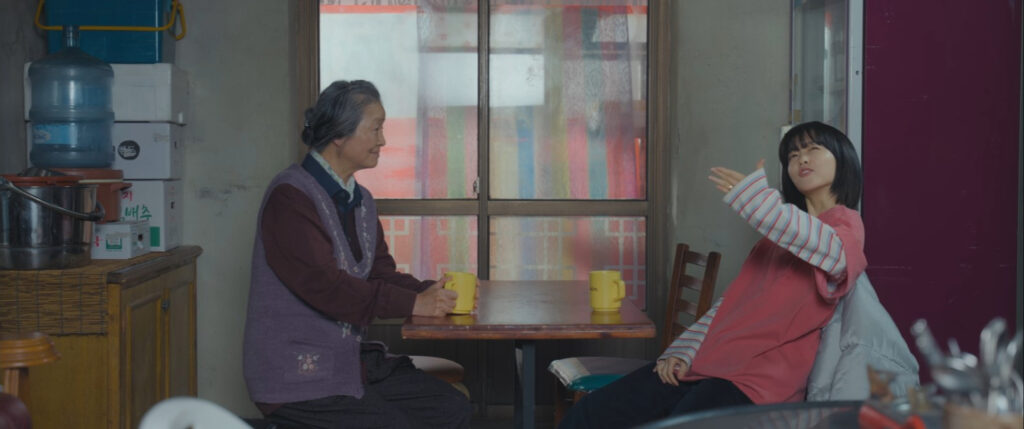
As “Our Unwritten Seoul” reaches its final two episodes, our beloved characters take those tentative first steps toward brighter futures. After a season of heartbreak, misunderstandings, and silent battles, Episodes 11 and 12 wrap up each character’s healing arc with tenderness and hope. The twins—Mi‑ji and Mi‑rae—along with their circle of family and friends, discover that vulnerability isn’t weakness, and that opening your heart can pave the way to genuine happiness.
From the very first moments, we sense that the writers want us to leave this world feeling uplifted. Where earlier episodes felt jagged—laced with trauma, regret, and self-isolation—the finale feels like the soft exhale after holding your breath. Here, every conversation, gesture, and plot thread knits together into a cozy, reassuring blanket of closure.
TL;DR
- “Our Unwritten Seoul” finale focuses on healing and hope after a season of struggle.
- Ho-soo confronts his hearing loss and fear of burdening loved ones, eventually accepting help and love.
- Mi-ji champions honesty and resilience, inspiring Ho-soo’s journey.
- Family plays a crucial role in healing, especially Boon-hong’s unwavering support and Wol-soon’s poignant farewell.
- Mi-rae finds happiness and self-discovery in a new career path, embracing uncertainty.
- The drama highlights that true strength comes from vulnerability and connection, not isolation.
Ho‑soo’s Hard Road to Acceptance
Facing the Unthinkable
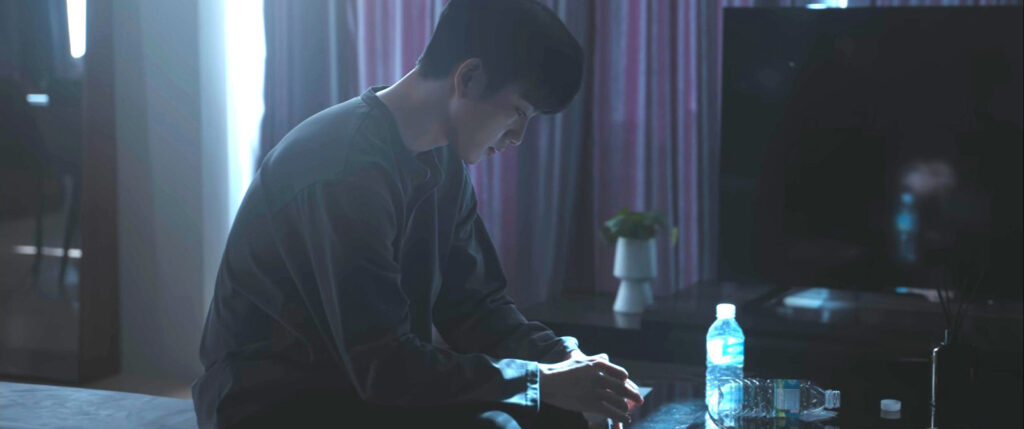
While the twins confront their own demons, Ho‑soo’s journey is the most heart‑wrenching. After a grim prognosis on his hearing loss, he retreats into silence—literally and emotionally. When a medical update gives him back just a sliver of hearing in his right ear, he’s torn between relief and despair. Treatment can’t promise full recovery, and pain shadows his days.
Hiding behind gruff silence, Ho‑soo delegates Mi‑rae’s harassment case to Choong‑gu, the ace lawyer among them. Choong‑gu shrewdly diagnoses Ho‑soo’s true ailment: an inability to be seen as vulnerable. When Ho‑soo finally confides in Sang‑wol—his gentle confidante—about his hearing, you almost brace for a turning point. But his old trauma resurfaces. Consumed by guilt, he ends things with Mi‑ji, citing a flimsy “we’re too different” excuse.
Guilt around being a “burden” is a universal theme. By externalizing his fear, Ho‑soo almost loses the one person determined to stay.
The Breakup Nobody Asked For
Mi‑ji, far from a damsel in distress, refuses to swallow his half‑truths. She demands honesty—hers is a love that refuses to bend to silence. When Ho‑soo admits his fear of inconveniencing her, Mi‑ji counters with fierce devotion: she’ll learn sign language, adapt, and thrive alongside him. Yet he still can’t accept that her care isn’t a burden.
Mi‑ji’s heartbreak is palpable. She channels her own past wounds—when she lost her athletic future and withdrew from life—into understanding why Ho‑soo shuts her out. It’s a painful mirror: she spent months locked in her room, petrified that the world would forget her. Now she watches him do the same.
Mi‑ji’s Moment of Truth
Mi‑ji comes to a profound realization: healing isn’t a solo act. It takes a chorus of voices, hands that reach out, and the willingness to knock on someone’s heart—her signature talent. Though Ho‑soo’s door stays shut, Mi‑ji practices resilience. She closes her own door, then opens it again, proving to herself that fear can be overcome.
Family Ties That Can’t Be Broken
Boon‑hong’s Unwavering Love
When Ho‑soo disappears into self‑imposed exile, it’s his stepmother Boon‑hong who refuses to give up. She bursts into his home—police in tow—and finally confronts his self‑loathing. Boon‑hong’s fierce maternal love shatters Ho‑soo’s defenses: she reveals that being his mother was her life’s purpose.
Her rebuke of “noble idiocy” (a reference to his father’s past breakup) crystallizes one of the drama’s core messages: “Love isn’t about never hurting; it’s about being on the same team.” Watching Ho‑soo break down underscores how long he’s carried the weight of “being a burden.”
Generational Echoes
Boon‑hong’s story with Ho‑soo’s father mirrors his fear of hurting loved ones. The parents’ unresolved history seeps into their children’s lives. This passing‑down of trauma highlights a potent theme: healing requires facing—and breaking—old patterns.
Mi‑rae’s New Beginning
Mi‑rae’s subplot offers a gratifying counterpoint to her sister’s more relationship‑focused arc. After exposing corporate corruption with Se‑jin’s insider help, she decides to walk away from her high‐pressure job.
- Career Reinvention: Mi‑rae turns down Se‑jin’s U.S. offer in favor of running his strawberry farm back home.
- Self‑Discovery: Farming becomes her laboratory for testing resilience—and for finding joy in small victories.
- Family Reconciliation: Her mother Ok‑hee, initially expected to be disappointed, instead offers unwavering support.
This choice represents Mi‑rae’s core journey: finding happiness within before connecting with others. By the finale, she’s not just Mi‑ji’s twin switched in name; she’s a distinct soul ready to embrace uncertainty.
A Bittersweet Family Finale
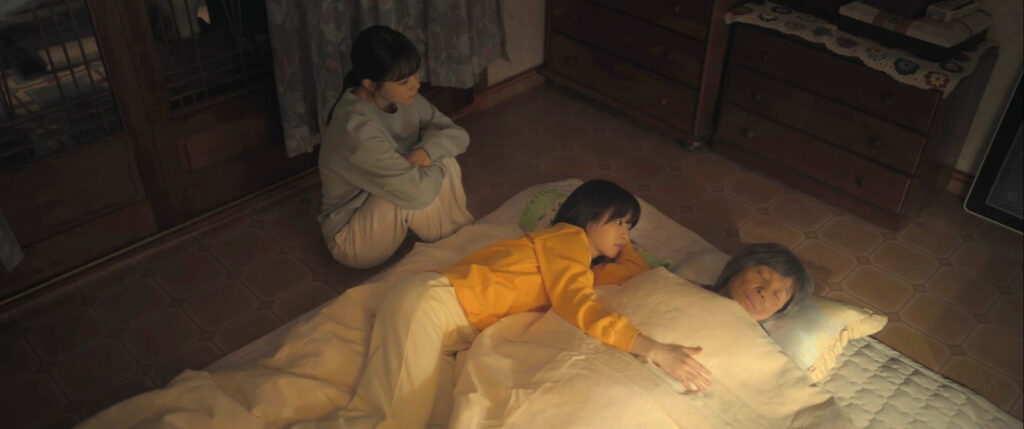
Just when the mood feels all sunshine, the show reminds us of life’s fragility. Wol‑soon—Ok‑hee’s mother and Mi‑rae’s grandmother—collapses. Through tears, mother and daughter confront a lifetime of unspoken pain: Wol‑soon’s silence about an abusive past father left Ok‑hee feeling unloved. Their final heart‑to‑heart before Wol‑soon’s peaceful passing closes a generational loop of secrecy and sorrow.
Her death isn’t exploitative—it’s poetic closure. She leaves knowing the family is whole. And by the time she takes her last breath, the camera lingers on a family united, stronger for having faced their ghosts together.
One Year Later: Dreams Take Flight
In the denouement, we get a classic “one year later” montage that feels earned:
- Mi‑rae sends daily farm updates and studies the stock market in her off-hours. Se‑jin’s return to Korea hints at a future romance—tentative and real.
- Mi‑ji triumphs in college entrance exams and joins Sang‑wol’s restaurant staff, studying psychology with dreams of becoming a therapist.
- Ho‑soo wears a discreet hearing aid, learns sign language, and advocates for Deaf clients. His confidence in vulnerability blossoms.
- Sang‑wol masters literacy to read Ro‑sa’s poetry aloud, staging a public recital that moves us to tears.
- Mi‑ji and Ho‑soo plan to move in together. Ho‑soo even buys a ring, foreshadowing a proposal after Mi‑ji’s grad school graduation.
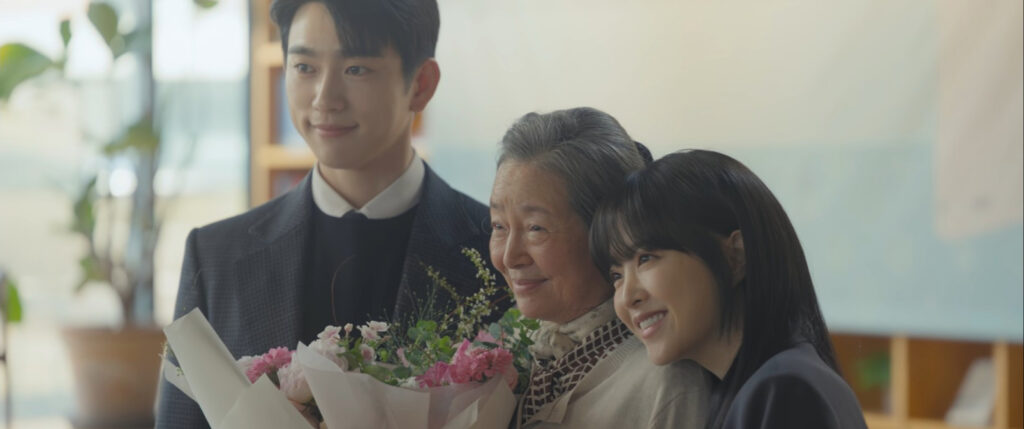
By the final scene—Mi‑ji leafing through a photo album—our hearts brim with hope. These characters didn’t get off scot‑free; they carried scars. Yet each scar now tells a story of connection, courage, and community.
Personal Reflections
- Balance of Sisters: Mi‑ji’s emotional transparency made her instantly relatable. Mi‑rae’s quieter introspection took more investment. A more equitable focus in early episodes might have deepened our bond with Mi‑rae.
- Healing Over Hookups: The absence of gratuitous romance makes this drama stand out. Instead of sensational plot twists or murder mysteries, we get soul‑searching—a true rarity.
- Family as Foil and Foundation: From Ho‑soo’s stepmother to Wol‑soon’s final confession, the series excels at showing how family can both wound and heal. That duality gives the finale its emotional heft.
- The Power of Small Gestures: Whether Mi‑ji knocking on Ho‑soo’s door or Boon‑hong showing up with the police, the series affirms that consistency in love matters more than grand gestures.
In my view, “Our Unwritten Seoul” redefines what a healing drama can be. It’s unflashy, sincere, and anchored by characters who learn that vulnerability is the truest form of strength.
Final Verdict: ★★★★☆
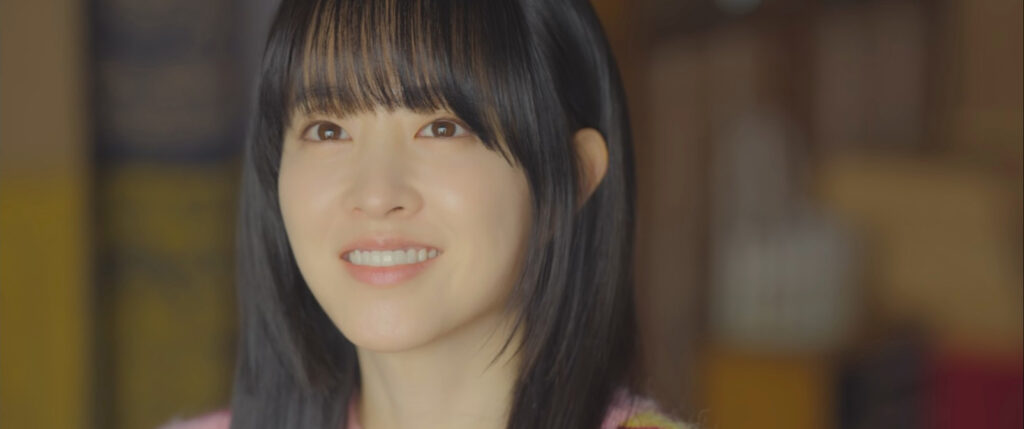
This isn’t a perfect bow‑wrapped package—no drama is. But it’s a rare gem that chooses heart over hype. The sisters’ stories could’ve been more balanced, and some secondary arcs feel lightly sketched. Yet the show’s unwavering commitment to exploring trauma, family, and hope makes Episodes 11 and 12 a fitting farewell. For anyone craving a drama that heals rather than wounds, “Our Unwritten Seoul” delivers a satisfying, tear‑stained, and ultimately uplifting finale.