


By the halfway mark, Our Movie isn’t just flirting with meta—it’s full-on dating it. Suddenly, the series that had you cozy under a blanket of “cute leading-lady vibes” pulls the rug out, revealing a hero who’s as unpredictable as a viral tweet. Even better, the two women orbiting him are now engaged in a strategic tug-of-war for his attention—and let’s be honest, his heart (or what’s left of it). Meanwhile, Da‑eum’s health crisis simmers like an unspoken spoiler, inching closer to the danger zone. Things are about to get messy… in the best way possible.
TL;DR
- “Our Movie” gets meta, pulling the rug out from under typical K-Drama romance.
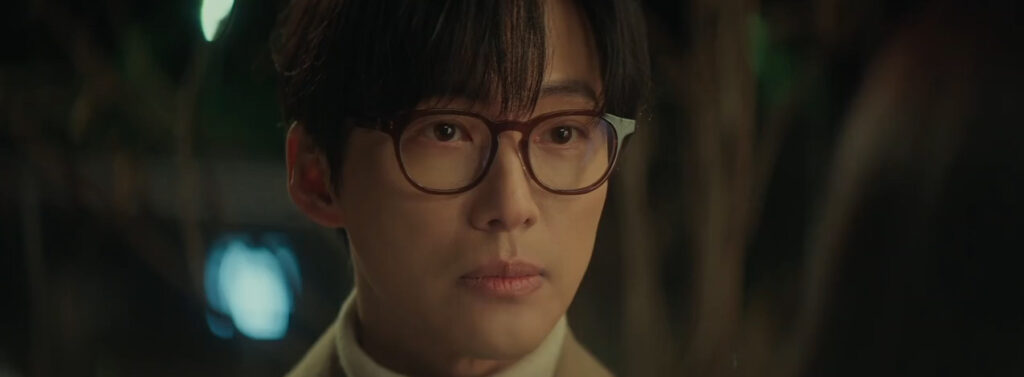
- Je-ha is a fascinatingly unpredictable lead, constantly shifting between cold and smoldering.
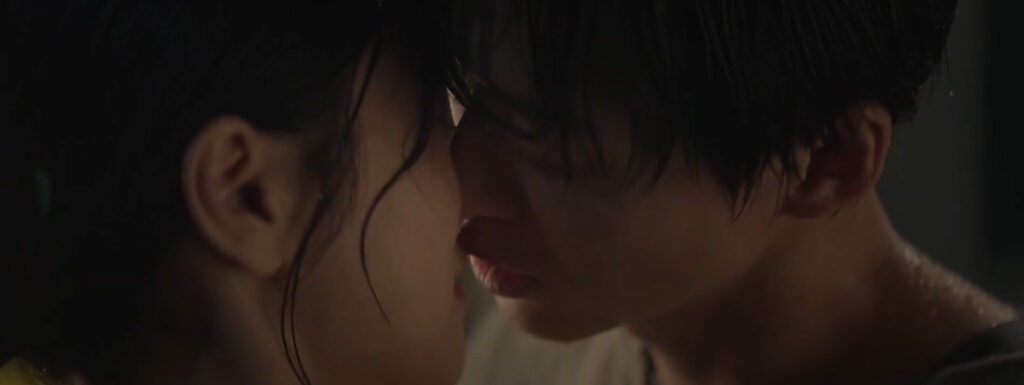
- The “rain kiss” scene is deconstructed, revealing Je-ha’s emotional blocks and manipulative tendencies.
- Je-ha rewrites the in-show film, “Love in White,” from a tragedy to a cold, calculated story, mirroring his own character.
- Da-eum’s health crisis looms, but she actively fights against being a damsel in distress.
- Seo-young is revealed as a two-faced antagonist, fueled by envy and past trauma.
- Je-ha’s backstory involving his parents and a past scandal explains his complex emotional armor.
- The show sharply critiques inappropriate power dynamics and gender double standards in the entertainment industry.
- Despite Je-ha’s flaws, Da-eum’s resilience and the show’s bold social commentary keep the viewer hooked.
Episode 5: Deconstructing the Rain Kiss
Revisiting the “Romantic” Scene
At first glance, that rain-drenched kiss felt like textbook K‑Drama romance. Soft lighting. Dramatic downpour. Heartfelt music. Yet, rewind a few seconds and you’ll see Je‑ha roll his eyes. He literally calls cut on Da‑eum’s “poor positioning”—as if he were critiquing a contestant on Project Runway, not experiencing a tender first kiss. You’d think he was reviewing B‑roll footage. Ouch.
Sudden Jerk Alert
Once you realize Je‑ha’s critique is more camera angle than Cupid, your interest spikes. Why? Because his abrasive commentary exposes something deeper: he’s emotionally blocked. By design, the show makes him impossible to decode. One minute, he’s icy. The next, he’s smoldering. There’s a method in that madness.
Diving into the Script’s Rewrite
We learn that the in‑show film, Love in White, was originally a tragic love story—two souls falling for each other, knowing death was inevitable. But in Je‑ha’s hands? It becomes a cold tragedy. The male lead uses the dying woman for personal gain. No romance. Just calculation.
Why the Rewrite Matters
- Character Mirror: Je‑ha’s version of the script reflects his real-life attitude.
- Emotional Armor: By stripping away genuine love in the film, he keeps his own heart shielded.
- Audience Hook: We’re left wondering: is he a jerk, or just brilliant at hiding pain?
Episode 6: Secrets in the Hospital and On‑Set Schemes
Da‑eum’s Health Scare
Return to the Clinic
After the cinematic rainstorm, Da‑eum collapses with a high fever. In her condition, every degree on the thermometer could be life‑or‑death. Her father’s fierce protectiveness morphs into hostage tactics: “Stay here, or I’ll never let you act again!” But Da‑eum isn’t exactly a damsel in distress. She escapes, like every heroine who refuses to let illness write her story.
Seo‑young’s Double Game
Seo‑young shows up, pretending to be a helpful friend. Spoiler: she’s not. Beneath that polished exterior lies pure envy. She noses through Da‑eum’s files, hungry for any dirt. When she feigns concern, you can practically see the “evil step‑sister” aura glowing around her.
Confrontation at Seo‑young’s Apartment
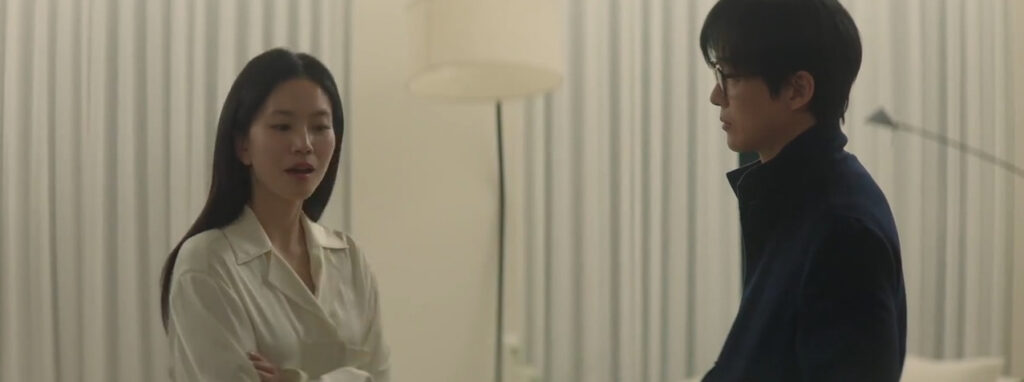
- Je‑ha’s Dramatic Entrance: He storms into Seo‑young’s place, orders Da‑eum out, then proceeds to be two parts hero, three parts, well… a jerk.
- Predictability Roast: Seo‑young complains she can’t read him anymore. His comeback? “If you want predictability, expect it from someone who loves you.” Translation: “I’m not your comfort blanket.” Mic drop.
Location Scouting & Love Confessions
On the road scouting for backdrops, Da‑eum tries an encore performance: confessing her crush via the script metaphor. She argues that if “Actress kisses Director first,” it signals a budding romance—and hey, aren’t we living that story? Je‑ha shoots back:
“One week is enough to destroy love.”
That line stings harder than a broken umbrella in a monsoon.
Discovering Da‑eum’s Backstory
It turns out Da‑eum almost starred in Je‑ha’s debut film. She aced round one, then vanished—thanks to her illness. Seo‑young seized the spotlight. Later, Da‑eum stalked Je‑ha in the hospital, planting the seed of her crush. Suddenly, her feelings feel less whimsical and more… inevitable.
Unpacking Je‑ha’s Motivations
Parental Wounds
- Mother’s Illness: Je‑ha watched his mom suffer.
- Father’s Betrayal: She died while his father allegedly dallied with his lead actress.
- Self‑Punishment: During his own romance scandal with Seo‑young, he broke up in the harshest way possible—mirroring his dad’s cruelty. He vowed, “I won’t be like him,” yet ended up worse.
The Push‑Pull Dynamic
Je‑ha’s behavior is a puzzle of extremes:
- Cold Distance: He dismisses feelings as plot devices.
- Overprotective Gestures: He hospitals Da‑eum’s health needs, promising to remove her from the film if she’s at risk.
- Random Sweetness: That late‑night guilt‑ridden mirror scene suggests his conscience might be catching up.
This roller coaster keeps us invested. We’re simultaneously rooting for his redemption and horrified by his selfishness.
Themes & Broader Social Commentary
Inappropriate Power Dynamics on Set
A side plot follows two scandals:
- Director Dating Fiasco: A director secretly dates multiple actresses.
- Last‑Minute Nudity Plots: Another director forces actresses into compromising scenes on a whim.
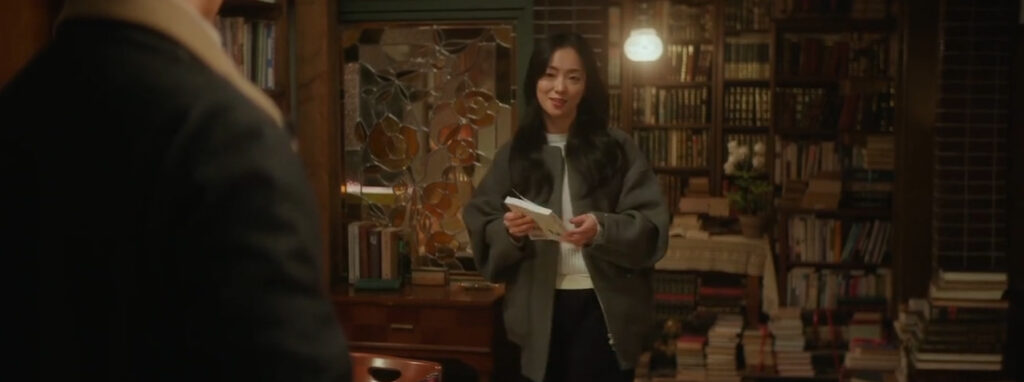
Seo‑young’s history with the second scandal leaves her scarred. When a makeup artist calls out on‑set behavior at a crew event, the camera operator’s seemingly innocent gesture (offering his coat) sparks an “Inappropriate!” outburst. It’s a clever way for the show to spotlight how small actions can reinforce power imbalances.
Scandal’s Double Standard
As rumors swirl about Je‑ha and Da‑eum’s “inappropriate” closeness, we see how women bear the brunt of suspicion. Yet male directors emerge unscathed, careers intact. The series skewers this hypocrisy, making the viewer question whose story really matters.
Fresh Insights You Might Have Missed
- Script as Soul Mirror: Every tweak Je‑ha makes to Love in White reveals a new layer of his psyche.
- Illness as Plot Device—and Empowerment: Da‑eum’s disease is more than a secret. It marks her resilience and agency.
- Seo‑young’s Sympathetic Antagonist Arc: She’s not pure villain; her pain from past harassment gives her a valid, if flawed, perspective.
- Visual Metaphors: Notice how Je‑ha’s glasses frames often cast shadows on his eyes—symbolizing his blurred morality.
- Intertextual Nods: The show’s commentary on film scandals parallels real-life Korean entertainment controversies, adding a deft layer of realism.
Personal Perspective
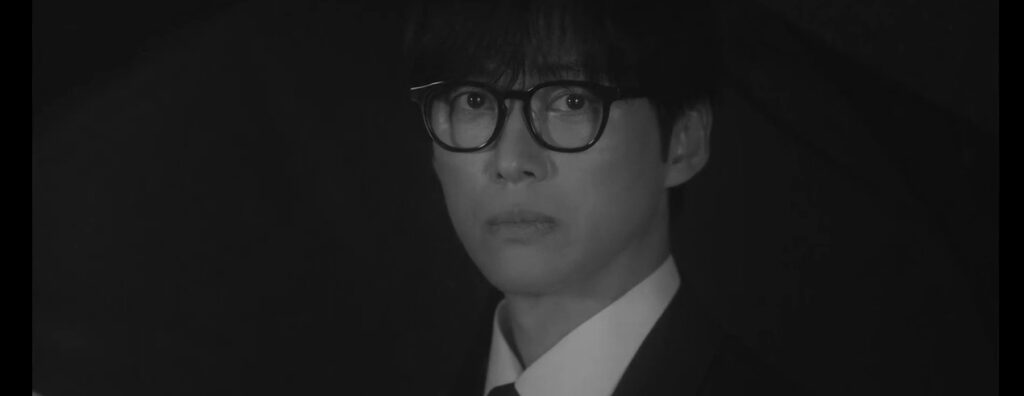
When a drama makes me dislike its male lead, it usually loses me. Yet Our Movie flips that trope. My aversion to Je‑ha’s arrogance only deepens my fascination. I’m compelled by a character who refuses to be decoded. He’s a Schrodinger’s jerk: equal parts heartless and heartbreakingly human.
Moreover, I appreciate how Da‑eum, despite her frailty, drives the narrative. She’s not a passive love interest. Instead, her spirit ignites change in others—even Je‑ha. I find that dynamic electrifying.
Finally, the series’ willingness to tackle on‑set misconduct without melodrama gives it an edge. It reminds me that fiction can—and should—challenge industry norms. By weaving scandal threads into the main plot, Our Movie asserts its commentary on power imbalances without sacrificing its romantic core.
Final Verdict
- Storytelling Boldness: ★★★★☆
- Character Complexity: ★★★★★
- Emotional Impact: ★★★★☆
- Social Commentary: ★★★★☆
- Rewatch Value: ★★★★☆
Overall Rating: ★★★★☆
Our Movie Episodes 5–6 deliver a potent mix of meta‑drama, emotional stings, and biting industry critique. Even as Je‑ha’s cold logic makes you cringe, Da‑eum’s warmth keeps your heart tethered to the screen. Trust me—once you hit Episode 6, you’ll be counting down the minutes until Episode 7.