
More
    Home Blog Page 26

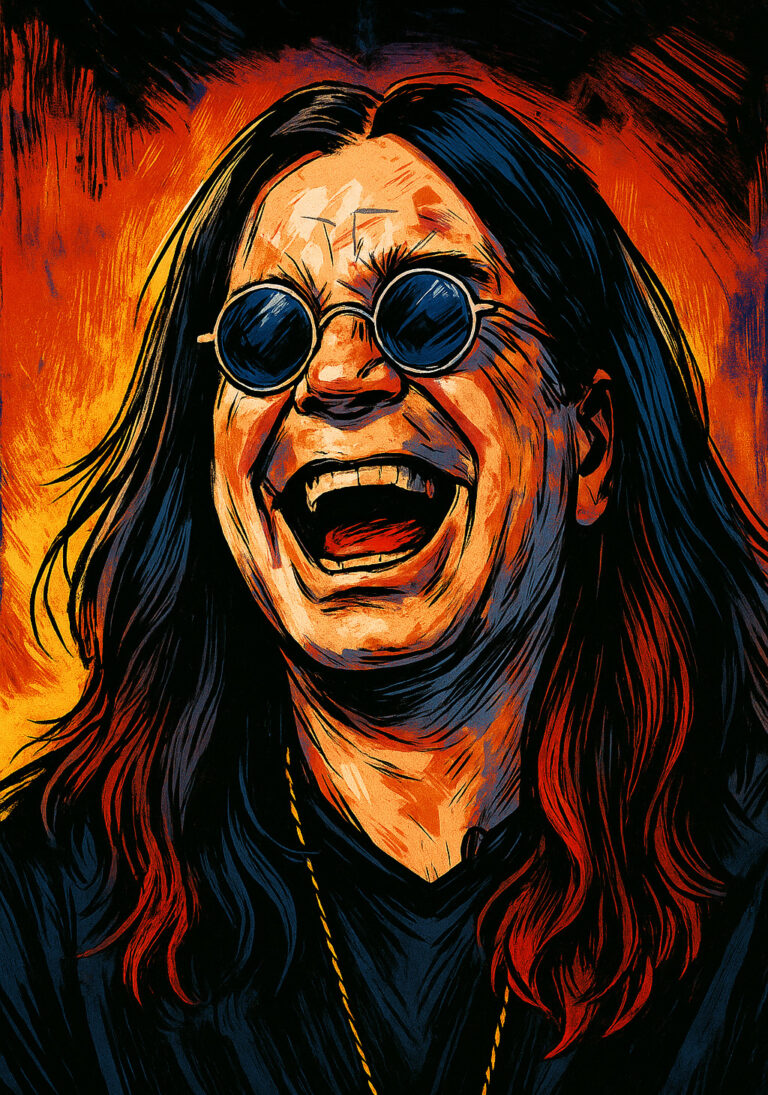
    R.I.P Ozzy Osbourne: The Father of Heavy Metal

    0

    On a quiet morning this past Tuesday, the world lost one of its most electrifying voices. Ozzy Osbourne—better known as the “Prince of Darkness”—passed away at age 76. Reportedly, he spent his final hours surrounded by the people who mattered most: his loving wife Sharon and their six children. His family’s public statement was succinct yet heart-wrenching: “It is with more sadness than mere words can convey that we have to report that our beloved Ozzy Osbourne has passed away this morning. He was with his family and surrounded by love. We ask everyone to respect our family’s privacy at this time.” Though he leaves behind a legendary catalog of music, what endures beyond the guitars and the screams is the story of a man whose life was as tumultuous and raw as the heavy metal he helped define.

    TL;DR

    • Ozzy Osbourne, the “Prince of Darkness” and rock icon, has reportedly passed away at 76.
    • His early life was marked by hardship and crime before he co-founded Black Sabbath, a band that revolutionized heavy metal.
    • Despite being fired from Black Sabbath due to substance abuse, Ozzy launched a highly successful solo career.
    • He was known for controversies, including the infamous bat-biting incident, and later became a beloved figure on the reality show The Osbournes.
    • His life was anchored by his enduring marriage to Sharon Osbourne and their family.
    • Ozzy battled significant health issues, including Parkinson’s and spinal injuries, but showed remarkable resilience.
    • His legacy includes pioneering heavy metal, inspiring countless artists, and humanizing the rock star archetype.

    Early Life: From Birmingham’s Factories to the Birth of a Rock Icon
    Born John Michael Osbourne in 1948 in Aston, Birmingham, Ozzy grew up in a working-class household. His parents toiled in local factories, and the family scraped by month to month. As a child, Ozzy faced unthinkable hardships. At just 11 years old, he endured repeated sexual abuse at the hands of neighborhood boys—a trauma he candidly revisited decades later. The dark clouds of his childhood undoubtedly shaped his artistic vision: bleak, unapologetic, and ready to confront taboos.

    Soon, Ozzy was dabbling in petty crime. He later confessed that burglary was a bungled affair for him: “I was no good at that. Fucking useless.” Nevertheless, these brushes with the law provided a gritty education in survival. Ironically, that very survival instinct propelled him onto center stage, where he would become one of rock’s most formidable showmen.

    Black Sabbath: Forging the Sound of Doom
    In 1968, Ozzy teamed up with guitarist Tony Iommi, bassist Geezer Butler, and drummer Bill Ward. Drawing inspiration from horror films, bleak industrial landscapes, and their own disenfranchisement, they christened themselves Black Sabbath. Their eponymous debut album, released in 1970, rattled listeners with downtuned riffs and occult-tinged lyrics. Suddenly, rock music had a face: one that snarled in minor keys.

    Paranoid, their sophomore effort, soared to the top of the UK charts and delivered anthems like “Iron Man” and “War Pigs.” Meanwhile, Master of Reality slowed things down with chugging grooves that laid the groundwork for doom metal. Remarkably, they achieved this seismic shift in just two albums. By mixing apocalyptic imagery with menacing rhythms, Black Sabbath redefined the boundaries of popular music.

    Yet, obscured behind the thunderous applause was a burgeoning addiction. Ozzy’s substance abuse spiraled out of control, culminating in his dismissal from the band in 1979. In his own words, he felt betrayed:

    “I was fired like a dog,” he later admitted. “But at least I had all these scars and stories to tell.”

    Solo Stardom and the Birth of Blizzard of Ozz
    Rather than retreat, Ozzy pivoted to a solo career that would rival his Sabbath glory. In 1980, he dropped Blizzard of Ozz. The album racked up five-time platinum status in the U.S., thanks largely to Randy Rhoads’s virtuosic guitar work and Ozzy’s haunting vocals. Tracks like “Crazy Train” became instant classics, capturing the ambivalence of a man teetering between triumph and self-destruction.

    Over the next four decades, Ozzy released 13 studio albums as a solo artist. He flirted with glam metal, reunited with Sabbath for chart-topping comebacks, and even experimented with pop ballads—remember “Changes,” his duet with daughter Kelly? Each record offered a new chapter in his ongoing experiment with fame, legacy, and personal redemption.

    Controversies, Headlines, and Bat Bites
    It wouldn’t be an Ozzy Osbourne story without a pinch of the macabre. In 1982, while performing in Des Moines, Iowa, he bit the head off a bat—allegedly mistaking it for a prop. He later underwent a rabies inoculation, but the incident cemented his reputation as rock’s mischievous, boundary-pushing madman. Plus, it made for excellent tabloid fodder.

    In a less whimsical era, Ozzy’s excess turned violent. In 1989, he was arrested for strangling Sharon while intoxicated. At the time, he recalled waking up in a cell smeared with human waste, hearing the words “You’re charged with attempting to murder Mrs. Sharon Osbourne.” He described the moment as a numbing plunge into remorse—a misstep that nearly ended his life, marriage, and career. Miraculously, the couple reconciled and eventually celebrated more than four decades together.

    Reality TV Royalty: The Osbournes Phenomenon
    By 2002, the world was ready for a new side of Ozzy. On MTV’s The Osbournes, fans witnessed the heavy-metal patriarch attempting to navigate everyday tasks: calling dog therapists, enduring “vagina doctors” visits for Kelly, and delivering a continuous stream of imaginative expletives. Viewers were spellbound. Suddenly, the same man who bit bats was also struggling to discipline a teenager or find his misplaced car keys.

    The show won an Emmy for Outstanding Reality Program and turned Ozzy into a cross-generational star. He was no longer just a dark crooner; he was Dad, husband, and living legend rolled into one. It was a rare, if ironic, type of redemption arc: the once-feared rocker had become a reluctant poster child for family-friendly television.

    Marriage and Family: Unbreakable Bonds
    Ozzy and Sharon exchanged vows on July 4, 1982, in a quintessentially rock-and-roll ceremony in Hawaii. Over the years, they built an empire together—from Sharon managing Ozzy’s career to launching Ozzfest, the iconic metal festival that dominated the ’90s and early 2000s. Their partnership was equal parts business savvy and unfiltered devotion.

    The couple raised six children: Jessica and Louis from Ozzy’s first marriage to Thelma Riley, and Kelly, Jack, Aimee, and Elliot (adopted) with Sharon. Ozzy’s memoirs often lampooned his early absences—he admitted he couldn’t remember Jessica and Louis’s births due to his alcoholism. Yet, with Sharon’s guidance, he slowly reclaimed his role as a father. Family became his anchor, especially as health crises loomed on the horizon.

    Assisted-Suicide Pact: Facing Mortality Head-On
    In her 2007 memoir, Survivor: My Story – The Next Chapter, Sharon disclosed a pact she and Ozzy had forged. If either of them developed dementia, they would seek physician-assisted suicide in Switzerland with the help of Dignitas. The agreement stalks the shadows of their relationship, informed by Sharon’s heartbreak watching her father, Don Arden, succumb to Alzheimer’s. She described:

    “He became a shell—dribbling, wearing a diaper, tied into a wheelchair because he didn’t realize he could no longer walk.”

    In a 2023 episode of The Osbournes Podcast, Jack asked, “Do you think we’re gonna suffer?” Sharon’s reply was measured: “Mental suffering is enough pain without physical. So if you’ve got mental and physical, see ya.” Ozzy himself weighed in during a 2014 interview: “If I can’t live my life the way I’m living it now… then that’s it. [Switzerland].” He even told Sharon, “Just turn the machine off” if he were hooked up to tubes and unable to move. It’s a pact that reads like a rock ’n’ roll twist on Romeo and Juliet—only with Euthanasia instead of poison.

    Health Battles: Parkinson’s, Spine Surgeries, and the Toll of Time
    In 2005, Ozzy was diagnosed with Parkin syndrome, a form of Parkinson’s that causes tremors and stiffness. His quad-biking accident in 2003 nearly left him paralyzed; he broke his neck, collarbone, and ribs, then stopped breathing for 90 seconds. Doctors warned he might never walk unaided again. Yet, he soldiered on.

    A fall in 2019 worsened his spinal injuries, leading to multiple surgeries and experimental Cybernics (HAL) treatments. By 2020, he publicly announced his Parkinson’s diagnosis. Then in 2022, he underwent a spinal fusion surgery after years of living with agony. Despite these setbacks, he attempted one final world tour—No More Tours 2—only to postpone dates due to recurrent health issues.

    Retirement and a Farewell to Remember
    Earlier this month, Ozzy joined his original Sabbath bandmates for Back to the Beginning, an all-star farewell concert. In his typically candid opening remarks, he told the crowd, “I’ve been laid up for six years, and you’ve got no idea how I feel. Thank you from the bottom of my heart.” It was his swan song—a last hurrah that celebrated four-plus decades of pushing musical boundaries.

    Less than three weeks later, that microphone went silent forever. Though no cause of death has been disclosed, Ozzy’s final years were a testament to resilience. He kept performing despite broken bones, neurological disease, and unrelenting public scrutiny. His commitment to his art—and to his family—never wavered.

    Legacy: Music, Impact, and the Prince of Darkness
    Ozzy Osbourne’s impact on music is immeasurable. He pioneered heavy metal vocals, inspired generations of bands, and helped shape a culture that thrives on rebellion. Paradoxically, he also humanized the rock star archetype. The bat-biting antics and near-fatal accidents were only half the story; the other half was a man who cracked jokes with his kids, protected his loved ones, and stared down death with defiant humor.

    His influence ripples through metal subgenres: doom, thrash, black metal, and everything in between. From Metallica to Ghost, countless artists owe a debt to Ozzy’s pioneering spirit. Meanwhile, Ozzfest changed the live-music landscape—democratizing festivals by showcasing both legends and newcomers on the same stage.

    Personal Perspective
    “I grew up with Ozzy—not in the tabloids, but in my headphones. ‘Crazy Train’ was one of the first riffs I ever learned on my electric guitar, and I wore that little moment of musical pride like a badge. Like so many fans around the world, Ozzy’s music wasn’t just something I listened to. It was something I lived. His voice blasted through the walls of adolescence, and somehow, it made us all feel a little more alive.

    Ozzy’s life was a masterclass in contradiction. He was both predator and protector, sinner and survivor. He reveled in chaos yet cherished domestic rituals—family dinners, birthday candles, and bedtime kisses. In that tension lies his genius.

    What fascinates me most is his refusal to go quietly. Many rock icons burn out or fade into obscurity. Ozzy never did. Even when bedridden, he found new treatment options, new creative outlets, and new ways to inspire. His assisted-suicide pact might shock some, but it underscores one unwavering principle: autonomy. He believed in controlling his narrative—not just on stage, but off it too.

    Closing Thoughts
    Ozzy Osbourne’s departure leaves a void few can fill. Yet, his music endures. Those grinding Sabbath riffs and Ozzy’s haunting wail echo in concert halls worldwide. His children carry his legacy forward—Kelly’s music, Jack’s podcast, Aimee’s acting, and the family’s continued public engagement.

    Most importantly, his life story remains a cautionary tale and an anthem of redemption. From a battered childhood in Birmingham to the global heights of rock superstardom, Ozzy’s journey proves that even the most battered souls can find grace. He didn’t just live; he electrified existence itself.

    So, here’s to the Prince of Darkness: you may have left the stage, but the encore is infinite.
    How North Korea’s Hit Drama Is Redefining Social Norms and Farm Life

    0

    For decades, North Korean television has peddled a predictable palette of ideological grandstanding and stern moral lessons. Yet, from April 16 through June 24, Korean Central Television (KCTV) dared to try something different. Its 22-episode drama, A New Spring in the Field of Manchurian Cranes, not only broke a two-year hiatus in original scripted fare—it also shook up viewers at home by depicting men in aprons, tearful declarations of love, and farm bureaucrats getting a public dressing-down. In short, this series has become a lightning rod for conversations about how even the most buttoned‑up societies can slip in unexpected doses of warmth, whimsy, and outright critique.

    TL;DR

    • Groundbreaking Drama: KCTV aired “A New Spring in the Field of Manchurian Cranes,” its first new drama in two years, breaking from typical ideological fare.
    • Gender Role Reversal: The show controversially features men performing household chores, like the male lead wearing a floral apron, challenging patriarchal norms.
    • Romantic Focus: It includes a genuine, emotional love story, a stark departure from the usual taboo on open displays of affection in North Korean dramas.
    • Bureaucratic Critique: The series directly addresses corruption and exaggerated reporting within agricultural bureaucracy, reflecting real-world frustrations.
    • Subtle Production Shift: The drama exhibits refined production values with softer aesthetics and emotional musical cues, signaling a change in state media investment.
    • Mixed Public Reaction: While some praise its realism, others question the critique’s depth, pointing to higher-level systemic issues.
    • Potential for Change: The drama suggests a possible softening of rigid cultural and emotional norms in North Korea, offering rare insight into daily life.

    Setting the Stage: KCTV’s Long-Awaited Return to Drama
    To appreciate just how daring this series feels, remember that KCTV hadn’t launched a new drama since January 2023’s Memoirs of a Prosecutor. So when Kumsugangsan magazine touted this creative-unit–produced series in its July issue, readers took notice. Indeed, the moment credits rolled on episode one, chatter surged about the fresh writing style, the surprising emotional depth—and, yes, the flower‑patterned aprons men were wearing around the kitchen island. Simply put, after more than two years of formality, viewers were thirsty for something different. Enter this spring’s sleeper hit.


    Floral Aprons and Fumbled Norms: Men at the Stove


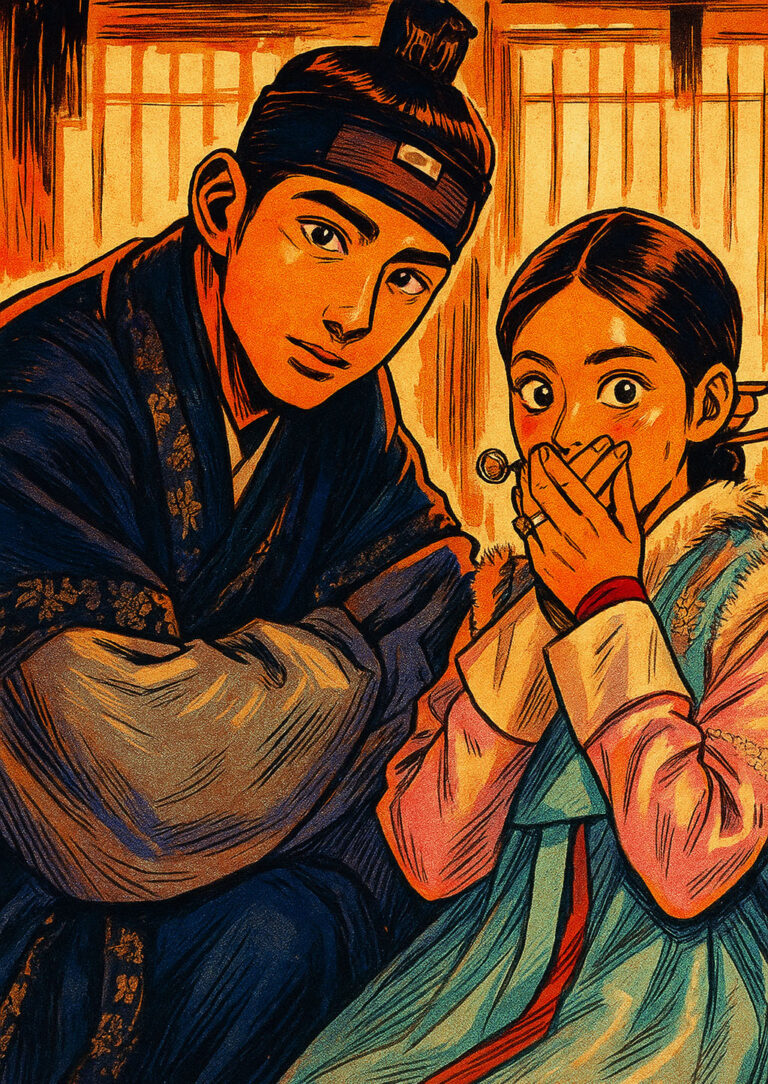
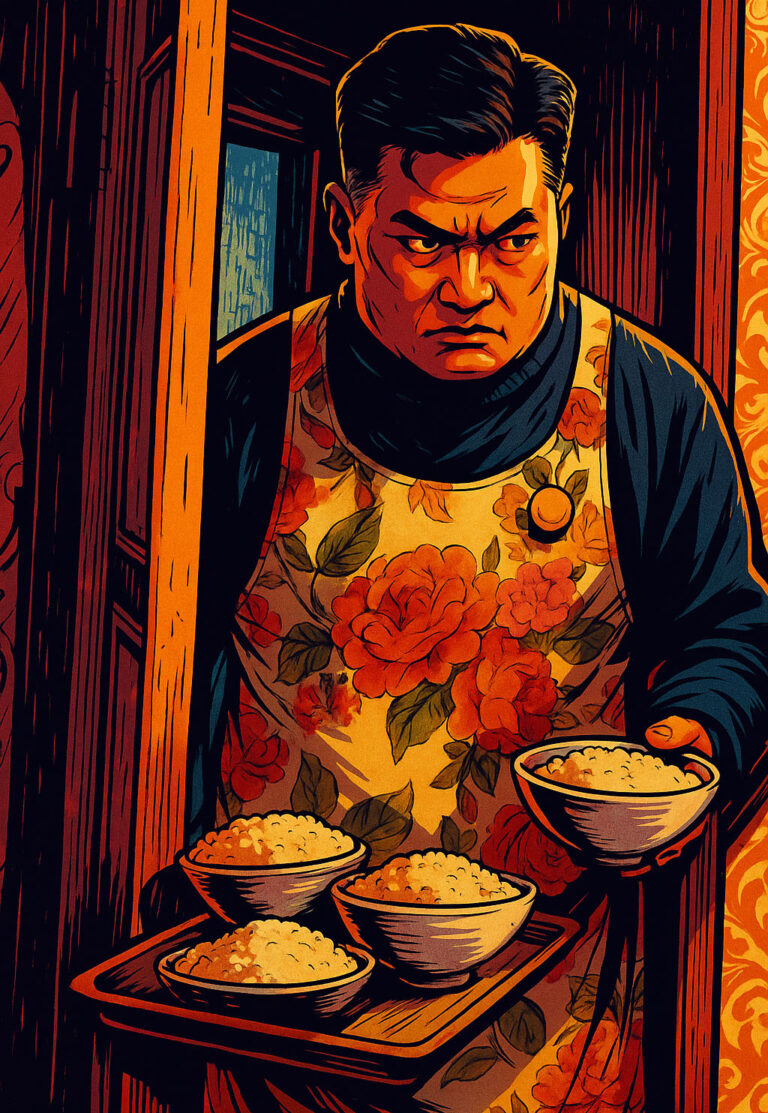
    Arguably the most talked‑about scene features our male lead, Young‑deok, gingerly serving rice and kimchi to his wife and daughter while sporting an unapologetically floral apron. In many corners of the world, this might go unnoticed. Yet in North Korea—where patriarchal tradition typically dictates that household chores belong to women—this moment felt revolutionary. There was no sniff of mockery from the script; no punch‑line suggesting the apron was a goofy gag. Instead, Young‑deok’s apron simply underscored that caring for one’s family isn’t a gendered chore but a human duty. Transitioning seamlessly from boardroom to breakfast table, his character quietly challenges centuries of unspoken rules.


    From Ideology to Intimacy: Romance Takes Center Stage


    Then there’s the love story—genuine, messy, and achingly human. Kyong‑mi, an agricultural researcher portrayed by Ri Yu‑gyong, has been dating prosecutor Young‑deok (Choe Hyon) for four years. Their drama doesn’t revolve around espionage or grand political betrayal; instead, it zeroes in on the tension between parental expectations and personal happiness. When Young‑deok’s mother demands that Kyong‑mi walk away—“I want you to be the one to turn away first”—Kyong‑mi’s tearful hesitation and Young‑deok’s passionate vow to defy familial pressure crack open the door to feeling. In doing so, the series borrows a trope from South Korean melodramas yet repurposes it for a context where open displays of romantic agony are normally taboo.


    Breaking the Mold: Emotional Honesty in Pyongyang


    Traditionally, North Korean dramas sidestep such flourishes. Instead, they deliver wholesale ideological messaging: the supremacy of the state, the virtue of self‑sacrifice, the glory of collective labor. By contrast, A New Spring pares back that broader sermon to focus on what happens when people let their guard down. One scene has Kyong‑mi whisper through tears, “Marriage doesn’t always turn out the way we want, does it?” To which Young‑deok responds, “We didn’t come together just to drive a painful knife into our hearts. I’ll stand up to my father and mother.” These lines, short and simple, hit home precisely because they feel personal rather than programmatic.


    Production Values: A Subtle Upgrade
    Of course, the series isn’t just novel in tone; it also demonstrates technical refinement. The art direction leans into pastel hues for domestic interiors, softening the austere style viewers might expect. Cinematography favors close‑ups during intimate moments and wider, almost pastoral shots when showing farm landscapes under the shadow of craggy mountains. Even the musical cues defy convention, trading triumphant brass for gentle strings when characters reveal vulnerability. Together, these elements signal that the state’s film bureau is willing to invest in a drama that looks—and, more importantly, feels—different.


    A Mirror to Reality: Critiquing Agricultural Bureaucracy


    Yet the heart of the show pulses strongest in its critique of exaggerated reporting and bureaucratic red tape. Grounded in the “Exaggeration Prevention Act” of May 2022, the drama introduces viewers to Paekhak Village’s struggling farm. There, officials boast inflated harvest numbers while farmers starve. Enter a newly appointed party secretary who systematically unravels this cycle of falsehoods. By spotlighting exaggeration as the villain, the show echoes real‑world frustrations with officials who pad reports while ordinary people bear the consequences. It’s an uncharacteristically direct indictment of local corruption, and it has resonance precisely because it feels ripped from the headlines.


    The Exaggeration Prevention Act: From Lawbooks to Soap Opera
    You don’t have to be a specialist in North Korean policy to see the link. As the drama unfolds, farm hands murmur about how they “have no food, with officials working together to steal what little they can.” They lament being forced to procure seeds and fertilizer on their own while overseers fill their pockets. In fact, an insider from Daily NK reports that citizens in Pyongsong and nearby counties have praised the show’s realism. “It’s true that farm officials who know conditions best file false reports and enrich themselves,” they say. The fact that this conversation now enters living rooms across the country marks a level of creative boldness long absent from state television.


    Mixed Reactions: Sympathy and Skepticism
    But not everyone applauds the show’s stance. Some viewers argue it’s too easy to fault local officials when, in reality, the pressure cooker of top‑down quotas forces them into exaggeration. They point out that central authorities often seize excess grain during the autumn harvest, leaving farmers with less than planned. Under various pretexts, they argue, the system devours its own. Thus, while A New Spring ostensibly aims to tighten discipline among farm managers and boost yields, it ironically stokes frustration with higher‑ups who designed the very quotas that set the drama’s crisis in motion.


    Footnote on Reception: Sparks or Molehills?
    Ultimately, the show’s reach remains limited by North Korea’s closed network. Yet anecdotal reports suggest that conversations in rural tea houses and urban apartment blocks have shifted. Neighbors debate whether a man in an apron is a harmless affectation or a harbinger of deeper cultural churn. Meanwhile, young women reportedly swoon over Choe Hyon’s portrayal of Young‑deok, who, according to Kumsugangsan, “sparked new fondness among young women with another unique performance.” In short, the country’s rigid emotional palette now includes a few new shades.


    Expanding the Narrative: What Comes Next?
    Looking forward, one can’t help but wonder whether this drama will remain a one‑off experiment or set a precedent for more nuanced storytelling. Could future KCTV projects explore other taboo subjects—mental health, generational divides, even more honest takes on class inequality? For now, A New Spring stands alone as an unexpected olive branch, an invitation to view North Korean citizens not just as ideological archetypes but as flawed, feeling individuals.


    My Perspective: Beyond the Censor’s Scissors

    Let’s be real: the idea of a North Korean drama candidly portraying a man in a frilly apron could be dismissed as kitschy fan service. Instead, it matters because it signals a sliver of creative freedom. When a state broadcaster allows men to cry, love, and cook alongside women, it subtly acknowledges that rigid gender roles can bend. Likewise, when local officials get called out on national television for padding statistics, even under official guidance, it hints at an appetite for accountability.

    Transitioning from command‑driven propaganda to storytelling that prizes human connection is no small feat. If only to watch a son publicly challenge his mother’s prejudices—or to see farmers decry empty promises—it marks progress. Will it spark systemic reform? Probably not overnight. Yet if television can mirror discontent, then art may eventually inspire action. And sometimes, a single flower‑patterned apron can do more to soften a populace’s hard edges than generations of edicts ever could.


    A New Chapter for North Korean Media
    With A New Spring in the Field of Manchurian Cranes, KCTV has shown that even the most insular regimes crave stories that resonate on a human level. By interweaving tender romance, domestic realism, and pointed social critique, the series has opened a narrow window into evolving norms. Above all, it illustrates how change often begins with small acts of defiance—be it a man slipping on a floral apron or a party secretary daring to admit that exaggeration is the real problem. For international audiences, the show provides rare insight into North Korean daily life and governance. For North Koreans themselves, it offers a taste of emotional honesty rarely seen on their screens.

    As spring yields to summer, the echoes of this drama will linger in living rooms and communal conversations. And perhaps, just perhaps, the nation that once defined its people solely by their loyalty to the state will start to recognize that every apron‑clad husband has a story worth telling.

    Andy Byron Quits

    0

    When the curtain fell on the Coldplay concert in Foxborough, Massachusetts, one unexpected performance stole the show—and not from Chris Martin. A kiss cam moment between Astronomer’s CEO Andy Byron and the company’s head of HR, Kristin Cabot, went viral overnight. What followed was a rapid unraveling of reputations, a boardroom shake‑up and a company scrambling to protect its data‑driven brand. Now, Byron has resigned, leaving certain truths laid bare about leadership, corporate culture and the hazards of public exposure in the digital age.

    TL;DR

    • Astronomer CEO and HR head caught in a viral “kiss cam” moment at a Coldplay concert.
    • The incident led to the CEO’s resignation and the HR head being placed on leave.
    • The company, Astronomer, emphasized accountability and adherence to company values.
    • The event sparked widespread debate on social media about executive conduct, privacy, and corporate ethics.
    • The scandal highlights the lasting impact of digital permanence and the importance of consistent leadership.

    The Kiss Cam Moment That Broke the Internet

    It all began innocuously. During a Friday night show at Gillette Stadium, attendees were surprised when the Jumbotron cut away from Coldplay’s electrifying performance to a close‑up of Byron and Cabot, arms entwined. Rather than a sweet moment of friendly camaraderie, it soon appeared more charged—especially given that Byron is married. In the footage, both executives initially cover their faces, flashing nervous laughter. Byron even ducks completely out of view. Quick as lightning, a concertgoer named Grace Springer captured the exchange on her phone and shared it to TikTok. Moments later, followers began speculating: Was this an innocent workplace flirtation or something deeper?

    @instaagraace

    hey andy, pls don’t sue me 🫶🏼

    ♬ original sound – Ellies discord kitten

    Surprisingly, the duo remained relatively composed amid the embarrassment. They watched the rest of the show without incident, even sharing a laugh when Chris Martin cheekily quipped, “Either they’re having an affair or they’re just very shy.” By Monday, the internet had dissected every frame. Memes proliferated. Comment threads overflowed. And Astronomer’s leadership found itself under a microscope it never applied to its own machine‑learning models.


    Astronomer’s Formal Response

    By Saturday morning, the boardroom had convened. In a LinkedIn post, Astronomer announced, “Andy Byron has tendered his resignation, and the Board of Directors has accepted.” The statement continued, “As stated previously, Astronomer is committed to the values and culture that have guided us since our founding. Our leaders are expected to set the standard in both conduct and accountability, and recently, that standard was not met.” In effect, the board closed ranks around the notion that executives must embody company values—both on and off the clock.

    Earlier, on Friday, the startup had placed Byron and Cabot on administrative leave. This immediate action signaled that Astronomer took the matter seriously. For a company that prides itself on pioneering the DataOps movement—integrating analytics workflows, production AI and governance—the optics of having its top executive caught in a compromising Jumbotron moment were untenable. More than anything, it spoke to a gap between public image and private behavior.


    A Closer Look at the Players

    Andy Byron joined Astronomer as CEO in early 2023. With a background in enterprise software and a reputation for steely focus, Byron helped steer the company through a successful Series B funding round. Under his leadership, Astronomer expanded its customer base across fintech, healthcare and retail—sectors hungry to operationalize AI at scale.

    Kristin Cabot came on board in 2024 as the head of human resources. A veteran of talent management and organizational design, Cabot was heralded by Byron himself: “Her exceptional leadership and deep expertise will be critical as we continue our rapid trajectory.” She never shied from tough conversations, and her people‑first approach won praise from employees and industry watchers alike.

    Until this incident, both were seen as the dynamic duo driving Astronomer’s cultural and strategic ambitions. Their personalities complemented each other: Byron, the data‑obsessed strategist; Cabot, the empathetic culture custodian. Together, they embodied the promise of a tech startup that could balance ruthless innovation with genuine care for employees.


    From Coldplay Stage to Boardroom Crisis

    The timeline moved swiftly. Friday night’s spectacle prompted Saturday’s leave. By Monday, rumors swirled that Byron’s wife, Megan Kerrigan Byron, had quietly removed “Byron” from her Facebook profile before deactivating the account altogether. Tabloid outlets barely had time to fact‑check before publishing “All the Details on the Coldplay Kiss Cam Affair.” Astronomer’s LinkedIn update served as damage control, but the fallout extended far beyond the boardroom.

    Internally, the company faced tough questions: How did two senior leaders end up in such a public scenario? Were they representing the company values? Did their behavior compromise Astronomer’s reputation with clients who entrust the firm with sensitive data? Externally, observers pointed to the perils of executive visibility in the social media era. A single 30‑second clip, taken out of context, can eclipse years of polished presentations and product demos.


    Public Reaction: Schadenfreude, Sympathy and Outrage

    Social media users fell into distinct camps. Some reveled in the spectacle, sharing GIFs of Byron ducking behind his hand like a cartoon character. Others expressed genuine sympathy for the executives, arguing that a moment of misplaced affection should not define a professional career. A third group criticized both for hypocrisy—championing integrity in the office while engaging in potentially inappropriate conduct in public.

    Few voices weighed the legal or contractual implications. Employment agreements for C‑suite executives often include morality clauses, allowing boards to sever ties when personal actions threaten business interests. Given the viral nature of the video, Astronomer’s board likely felt compelled to act swiftly to preempt shareholder lawsuits or client defections.


    Corporate Ethics Under the Spotlight

    At the heart of this saga lies a universal question: What separates personal freedom from professional accountability? In today’s hyper‑connected world, personal actions—even those unrelated to work—reflect on an organization’s brand. Companies invest millions in crafting cultural narratives. They host workshops on unconscious bias, publish diversity reports and celebrate workplace milestones. Yet when leaders falter, these efforts can feel hollow.

    Astronomer’s swift response emphasized accountability. Their board statement underscored that leadership extends beyond revenue and growth metrics. It demands adherence to company values, visible in boardrooms and bleachers alike. For employees, this incident may spark introspection: How do I align my personal conduct with our cultural aspirations? For clients, it might raise doubts: Can I trust this team with my data‑driven projects?


    The Impact on Astronomer’s Business

    While awareness of Astronomer skyrocketed—if only through scandal—the core business continues unchanged. The company reiterated, “Our product and our work for our customers have not.” Indeed, Astronomer’s DataOps platform still powers analytics pipelines, automates model deployment and ensures data governance across landscapes. Clients didn’t sign up for viral gossip; they signed up for scalable AI solutions.

    However, the shadow of the scandal may linger. Prospective employees might question Astronomer’s leadership stability. Venture capitalists could factor reputational risk into valuation considerations. Existing clients may demand reassurances or sight new leadership roadmaps. Rebuilding trust will be a task not just for the next CEO, but for every team member who carries the Astronomer banner.


    Lessons in Leadership and Visibility

    This episode offers poignant takeaways for any professional navigating public spaces:

    1. Photo‑Ops Have Consequences
      Public appearances carry unpredictable risks. What feels like a light‑hearted moment can be replayed for global audiences.
    2. Consistency Builds Credibility
      Leaders must align their on‑stage persona with behind‑the‑scenes habits. Discrepancies erode trust faster than any market downturn.
    3. Moral Clauses Are Real
      Most executive contracts include provisions that allow boards to act when behavior threatens stakeholder interests. The details may lie in fine print, but the impact is headline‑loud.
    4. Digital Permanence
      A single cellphone clip can outlast press releases and whitepapers. In the age of TikTok, every gesture is a potential case study.

    Byron’s departure serves as a cautionary tale. In industries grounded in precision—like AI data analytics—the cost of a misstep can ripple unpredictably. It’s not just code that must be debugged; reputations require careful maintenance too.


    The Broader Conversation on Workplace Relationships

    While workplace romances aren’t new, power dynamics introduce complexity. When one party holds sway over hiring, promotion or compensation, any personal relationship can raise conflict‑of‑interest alarms. Many companies maintain strict policies: prohibiting supervisor‑subordinate relationships, requiring disclosure to HR and enforcing cooling‑off periods.

    Astronomer’s handbook likely contains such provisions. Whether Byron and Cabot breached formal policies remains unclear. Yet the perception of impropriety can be as damaging as an actual violation. In the wake of #MeToo and corporate accountability movements, employees scrutinize how organizations handle interpersonal conduct. Boards and HR teams must navigate a fine line: safeguarding privacy while upholding fairness and transparency.


    Reputation Management in the Digital Age

    Astronomer’s response team faced a triple headline challenge: contain the scandal, reassure stakeholders and protect brand equity. Their LinkedIn announcement was concise. It acknowledged the breach of standards without delving into salacious detail. Next steps presumably involved briefing major clients, preparing internal FAQs and aligning communications across social channels.

    Reputation experts often recommend three parallel tracks: swift action, honest communication and forward momentum. Astronomer ticked each box. Byron’s resignation demonstrated accountability. Public statements reaffirmed commitment to core values. And the company emphasized business-as-usual for its DataOps services. Yet only time will tell if this strategy suffices to eclipse the flash of that kiss cam.


    What Comes Next for Astronomer?

    With Byron’s exit, the board must appoint a successor capable of stabilizing the ship. Potential internal candidates include the COO or senior product leads—figures already versed in the company’s toolkit and client base. Alternatively, an external hire could bring fresh perspective and signal a clean break from controversy.

    Regardless of who steps into the CEO role, the new leader will inherit a cultural crosswinds: employees processing embarrassment, clients seeking reassurance and investors weighing growth projections against reputational risk. Addressing these concerns will demand more than technical prowess. It will require emotional intelligence, crisis‑tested communication skills and an unwavering commitment to modeling the very values Astronomer espouses.


    Reflections on Personal Branding and Privacy

    For executives, personal branding often blurs into corporate branding. Byron’s public persona—a visionary helming a DataOps pioneer—amplified the shock when he appeared on a stadium screen in a moment that belied boardroom polish. This raises existential questions: How much privacy can even C‑suite leaders expect? When personal moments unfold under public spotlights, who retains narrative control?

    Some argue that leaders who crave public attention must accept the trade‑off: less personal privacy. Others believe a clear boundary should exist between personal expression and professional reputation. Finding equilibrium is no easy task. Today’s executives must assume that every public gesture, however innocent, may invite scrutiny, reinterpretation and, in unfortunate cases like this, career consequences.


    The Human Side of Corporate Drama

    Beyond headlines and boardroom memos, this saga underscores one fundamental truth: executives are human. Mistakes happen. Embarrassment hurts. Careers can pivot on a single misjudgment. While professional consequences may seem harsh, public figures inevitably face amplified fallout.

    Yet there’s room for compassion. A viral kiss cam moment does not necessarily reflect underlying character or professional acumen. It’s a snapshot—literally and figuratively—of an awkward second. As observers, we often rush to judgment. Social media algorithms reward sensationalism. In the rush to share and comment, the nuance of human complexity can be lost.


    Lessons for Professionals at Every Level

    Whether you’re a startup founder or an entry‑level analyst, the contours of this story hold relevance:

    • Maintain Awareness: Recognize that in public spaces, anything can become magnified.
    • Align Actions with Values: If you preach transparency and integrity, ensure your conduct mirrors those ideals.
    • Document Agreements: Understand your employment contract, especially clauses related to personal conduct.
    • Practice Scenario Planning: Just as companies test data models, individuals can rehearse responses to unexpected events.
    • Cultivate Empathy: When peers falter, resist schadenfreude. Extend grace while upholding standards.

    My Perspective: Navigating the Tightrope of Leadership

    Here’s where I weigh in. Watching the Astronomer episode, I couldn’t help but think: We’ve elevated CEOs to demigod status, yet they remain fallible humans. We demand they engineer billion‑dollar outcomes and embody moral exemplars in equal measure. Is that realistic? Perhaps not. Companies thrive when they build systems, not individuals, as the true seat of accountability. Policies, training and cultural norms should distribute responsibility. When a leader stumbles, the organization can absorb, learn and adapt—rather than collapse under the glare of a viral video.

    That said, accountability must exist. A kiss cam misadventure shouldn’t be the sole determinant of professional worth, but it does matter. Public trust is fragile. Clients delegate crucial workloads to companies based on confidence in leadership. If that trust fractures, tangible business consequences follow. The ideal path forward for Astronomer involves a transparent search for new leadership, reinforced policies on workplace relationships and investments in media and ethics training for all executives.


    Beyond the Kiss Cam

    In the end, the Astronomer scandal offers a mirror to every professional: we operate in a world where private moments can become public tests. Our behavior, intentional or not, shapes perceptions that influence careers, companies and communities. Andy Byron’s resignation marks a closing chapter in this particular drama—but the broader narrative continues. It calls for a recalibration of how leaders balance humanity with the expectations of their roles.

    As we stream the next viral moment or draft the next press release, let’s remember: real growth comes not from punishing the occasional misstep, but from building resilient cultures that learn, evolve and embrace the messiness of human nature. After all, data may power AI, but empathy and insight power meaningful progress.

    Who are the Ethiopian Girl Skaters?

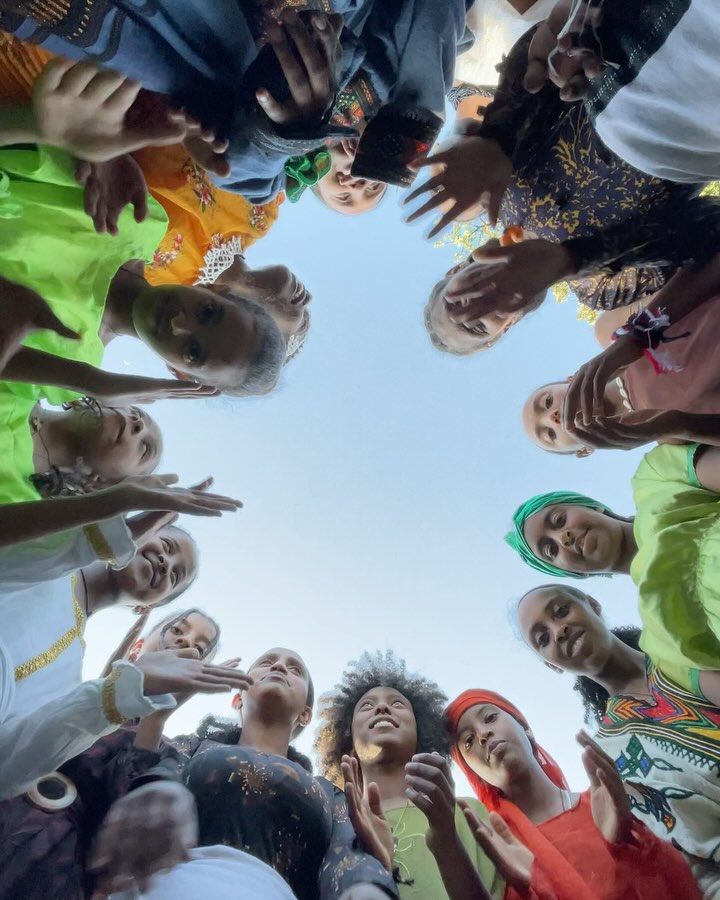
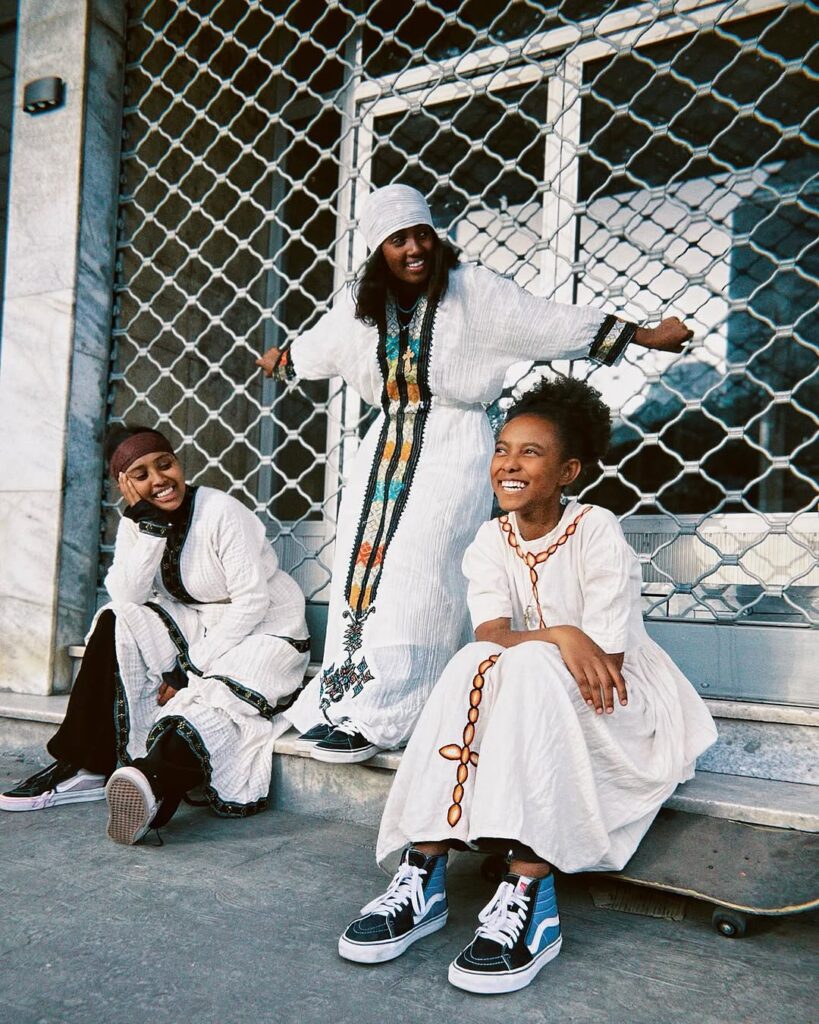
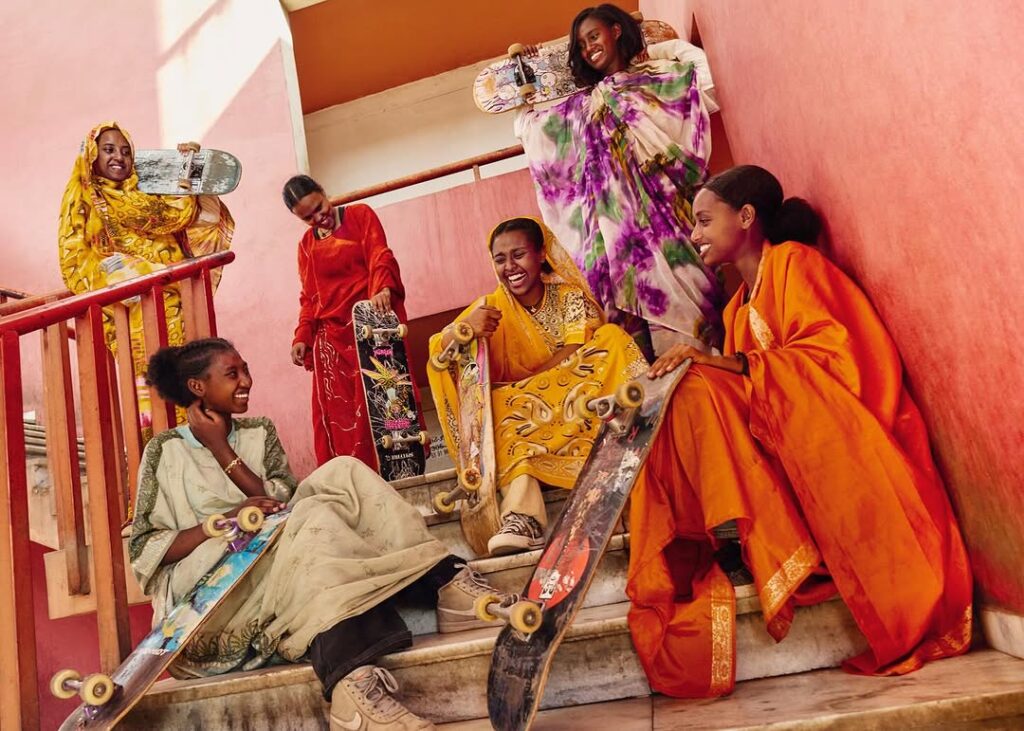
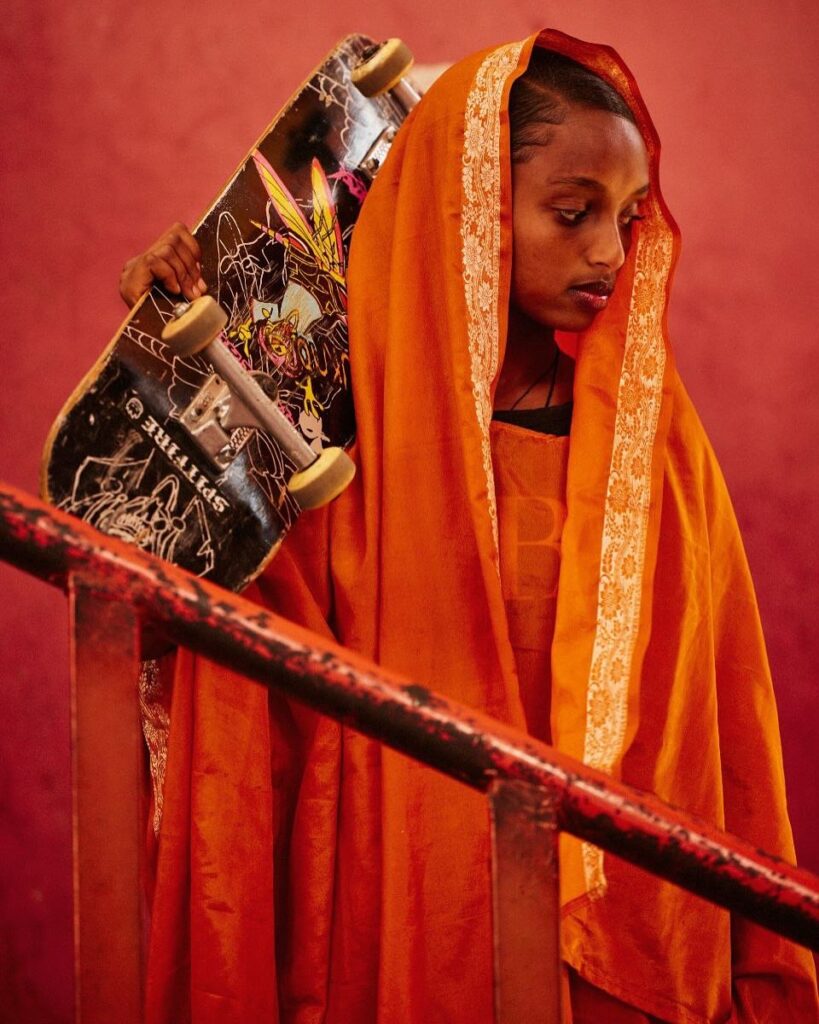
    Every Saturday morning, a vibrant scene unfolds at Addis (not Adidas) Skatepark in the heart of Ethiopia’s capital. Clad in a mix of traditional Habesha Kemis and urban skatewear, a group of daring young women glide across concrete ramps. This isn’t just about mastering ollies or kickflips. It’s a bold declaration that public spaces, sports culture, and even deep-rooted societal norms can—and should—shift to accommodate everyone. Welcome to the world of the Ethiopian Girl Skaters (EGS), Africa’s first all-female skateboarding collective that is propelling a cultural revolution on four wheels.

    TL;DR

    • Ethiopian Girl Skaters (EGS) is Africa’s first all-female skateboarding collective, transforming public spaces in Addis Ababa.
    • Founded by Sosina “Soisy” Challa in 2020, it started with free lessons and quickly built a strong community.
    • EGS challenges traditional male-dominated skateparks, creating a supportive “sisters’ sanctuary.”
    • They embrace a unique style, blending traditional Habesha Kemis with urban skatewear, symbolizing cultural fusion.
    • Despite challenges like poor infrastructure and equipment costs, EGS provides a safe space for self-expression and solidarity.
    • The DESTA Skate Co. initiative produces local boards, promoting economic sustainability for the group.
    • EGS is more than just skateboarding; it’s a movement for empowerment, resilience, and redefining gender roles in Ethiopia.
    IG: Ethiopian girl skaters

    Origins of the Movement
    In 2020, an unexpected spark ignited a movement when medical student-turned-skateboarding advocate Sosina “Soisy” Challa posted a simple flyer on Telegram advertising “free skateboarding lessons for girls.” Though she had no professional coaching credentials, Soisy understood a universal truth: breaking barriers starts with opening doors. Her first session drew over forty eager girls aged 10 to 25, each drawn by curiosity, courage, or a single rebellious spark. They came seeking balance training, wrist guards, and the euphoric rush of gliding downhill. Instead, they found each other—and a new collective identity.

    IG: Ethiopian girl skaters

    From Boys’ Territory to Sisters’ Sanctuary
    Traditionally, skateparks in Addis Ababa have been viewed as testosterone-fueled arenas. Yet EGS has quietly transformed these male-dominated spaces into hubs of sisterhood. What began as hesitant pushes and tentative rides quickly evolved into synchronized group drills and flash mob-style performances in the city center. Onlookers pause mid-scroll on their phones as Habesha skirts whirl beside Vans Old Skool sneakers. Passersby now witness not just stunts but a powerful intersection of tradition and modernity, rebellion and respect.

    IG: Ethiopian girl skaters

    Crafting a Unique Skate Style
    EGS refuses to conform to a single aesthetic. Some members embrace oversized hoodies and ripped denim, emblematic of global skate culture. Others layer traditional embroidered shawls over streetwear, crafting a look that’s uniquely Ethiopian. Their signature move? Rolling down Churchill Road wearing full Habesha Kemis, boards gliding over cobblestones with grace and grit. This visual language sends a clear message: you can honor your heritage while rewriting its rules.

    IG: Ethiopian girl skaters

    The Weekend Ritual
    By 8 a.m. every Saturday, an informal procession converges at Addis Skatepark. Helmets buckle, protective pads snap into place, and playlists of Afrobeat and indie rock reverberate across ramps. Some bring spare wheels; others pack injera snacks for an impromptu picnic. Laughter mingles with the scrape of griptape. There are no scoreboards here—only encouragement for wipeouts, cheers for progress, and shared water bottles. This weekly ritual has become a cornerstone for dozens of young women seeking both community and self-discovery.

    IG: Ethiopian girl skaters

    Navigating Real Challenges
    The path hasn’t been smooth. Ethiopia’s infrastructure can be unforgiving—pothole-strewn roads and budget-strapped skate parks pose constant hazards. During the Tigray conflict, governmental funding shifted toward military needs, delaying upgrades to public sports facilities. Equipment costs soar, too: imported decks and safety gear remain luxuries for families on modest incomes. Still, borrowing boards and pooling resources has only strengthened EGS’s resolve. As founder Soisy often reminds members, every tumble yields lessons more valuable than any medal.

    IG: Ethiopian girl skaters

    A Space of Solidarity and Safety
    For many EGS skaters, the collective isn’t just about tricks—it’s a refuge from harassment, skepticism, and rigid gender roles. Members like Hermela Denkneh Seble recall the first time they heard derogatory taunts in the boys’ section. At EGS, such slurs dissolve into supportive roars. Public shaming and street harassment vanish under the canopy of friendship. In this concrete courtyard, girls learn to fall without fear, stand tall despite setbacks, and trust that a helping hand will always be there.

    IG: Ethiopian girl skaters

    Expanding Impact: From Local to Global
    EGS’s story caught international attention via social media and the documentary Skatepark Sisterhood. Film crews captured moments of pure exhilaration—flip tricks performed against the backdrop of colonial-era architecture, group photo shoots in front of modern bike lanes under construction—underscoring a city in transition. Global skate brands and NGOs have reached out to sponsor camps, donate boards, and create mentorship programs. Yet EGS remains selective; authenticity trumps funding, and every offer is weighed against the group’s core mission: creating a genuine space for self-expression.

    IG: Ethiopian girl skaters

    Building a Sustainable Future: The DESTA Initiative
    To counter the persistent shortage of boards, Challa teamed up with designer Micky to launch DESTA Skate Co.—named after the Amharic word for “joy.” DESTA partners with local artisans to craft boards using Ethiopian hardwoods and recycled materials. A portion of every sale funnels back into EGS’s free lessons and protective gear fund. By fostering an in-country production line, DESTA tackles equipment scarcity and generates livelihoods, steering the movement toward economic sustainability.

    Breaking the Mold: Cultural Fusion as Empowerment
    EGS’s greatest insight might be how seamlessly they blend cultural reverence with daring innovation. On one hand, their outfits pay homage to ancestral weaving techniques. On the other, their tricks push the boundaries of what it means to be a skateboarding woman in Africa. This duality resonates with a generation straddling tradition and global modernity. Rather than rejecting heritage, they infuse it into every kickflip, proving that empowerment isn’t about erasing roots—it’s about reshaping them.

    My Perspective
    Watching the Ethiopian Girl Skaters in action, it’s clear that their boards carry more than rubber wheels and wooden decks—they transport stories of resilience, ambition, and unity. In a world where female voices are often sidelined, this collective rewires the narrative, demonstrating that freedom can be handcrafted in local workshops and practiced beneath humble city lights. Their movement offers a blueprint for communities everywhere: start small, lean on each other, innovate within your cultural context, and never underestimate the power of a shared passion.

    Conclusion
    The Ethiopian Girl Skaters prove that transformation often begins with a simple idea—like a free skate lesson poster—and expands into a full-fledged revolution. Through cultural fusion, communal support, and entrepreneurial ingenuity, these young women are carving out new paths—both literal and figurative. As they roll over Addis Ababa’s streets, they carry the aspirations of countless girls who, with every push, remind us that changing the world can start with the tap of a foot on a skateboard.

    The First Night with the Duke: What we learned in the end…

    0

    When a K‑drama finale promises to tie up loose ends, you expect fireworks, grand confessions, and perhaps a final swoon under moonlight. Yet The First Night with the Duke didn’t just pull out the stops—it literally rewrote its story. In episodes 11–12, our transmigrated heroine Seon‑chaek stares down execution, existential annihilation, and a power‑hungry villain bent on usurping both throne and heart. In turn, we’re treated to a meta‑narrative that bends reality (and our expectations) in delightfully chaotic ways. Buckle up for a deep dive into the final chapters, packed with intrigue, romantic daring, and a spin‑off tease that might just break the internet.

    TL;DR

    • Heroine Hacks Reality: Seon-chaek gains the power to rewrite her own fictional world.
    • Meta-Narrative Brilliance: The show breaks the fourth wall, becoming a story about storytelling.
    • Villains Unmasked: Yi Gyu’s ambitious turn and Eun-ae’s flat villainy drive the conflict.
    • Redemptive Arcs: Yi Beon and even the King undergo significant positive transformations.
    • Romance & Risks: The wedding scene is a triumphant blend of love and existential dread.
    • Spin-Off Tease: The ending sets up a future with “six kids” and endless story possibilities.

    1. The Charm That Triggered the Crisis

    From the moment Seon‑chaek clutches that shaman’s charm, you know things are about to spiral. This talisman—identical to the one the “original” Seon‑chaek received—was meant to spark a “new life,” but instead it signals an apocalypse: the end of the novel’s world the moment the plot closes. Upon awakening, Seon‑chaek confronts the shaman’s haunting prophecy that “everything concludes when you reach the ending.” In a drama paradox, our heroine now worries her fictional realm might vanish once the credits roll—leaving her (and us) stranded in narrative limbo.

    Seon‑chaek’s mounting existential dread is oddly relatable. Who hasn’t wondered, halfway through a binge‑watch, what happens when you finish the last episode and the characters you love simply…stop? Yet here, the stakes are infinitely higher: finish the “web novel,” and the characters literally cease to exist. This smartly plays on our fan‑fiction obsessions and the transmigration trope’s self‑awareness. Importantly, it raises the central question driving the finale: can Seon‑chaek hack her own story before it deletes her?


    2. Yi Gyu’s Ambition Unmasked

    Meanwhile, Yi Gyu—our second male lead turned archvillain—is busy poisoning the king and plotting a coup. After planting his fateful incense in the royal bedchamber, rumors of Yi Beon’s death spread like wildfire through the capital. The Heuksa Clan cheers, ministers jockey for power, and Seon‑chaek clings to the hope that “male leads don’t die.” Yet as Yi Gyu tightens his grip, he frames Seon‑chaek’s father for treason and orders her family’s execution. Talk about a hostile takeover.

    Yi Gyu’s transition from puppy‑eyed suitor to merciless schemer is unsettling but compelling. He weaponizes gratitude, loyalty, and even Seon‑chaek’s genuine kindness to justify ruthless ambition. In scenes dripping with dramatic irony, Yi Gyu’s genteel facade dissolves, exposing his entitlement: royal blood is his birthright, and anyone standing in his way—family included—must be swept aside. As a critique of power’s corrupting influence, these episodes don’t hold back. They remind us that in a world built on fiction, villains often get the best character development.


    3. When Fiction Freezes: The Meta‑Break

    Just as the executioner’s blade is poised above Seon‑chaek’s neck, the fictional world halts. Cue the “loading error”—the web novel’s website crashes, and suddenly Seon‑chaek finds herself back in her modern apartment. OG Seon‑chaek is there, too, lounging amid air‑conditioning vents and indoor plumbing. It’s a masterstroke of meta‑commentary: the real‑world author (aka the Trickster Spirit/Cupid) reminding our hero that she’s both reader and protagonist.

    This unexpected rescue reframes the drama as a story within a story. We’ve seen similar transmigration plots, but few lean so heavily into the mechanics of storytelling itself. By literally pulling the plug on the narrative, the show forces Seon‑chaek—and us—to confront authorship. Who writes your fate, and can you overwrite it? It’s a delight for anyone who’s ever griped about a character’s direction on a fandom forum. Moreover, it sets up the high‑stakes “three sentences” challenge: Seon‑chaek must hack her own plot with a few keystrokes.


    4. Enter the Trickster Spirit & the Three‑Sentence Rewrite

    Behold, Trickster Spirit: the shapeshifting author of The Obsessive Tyrant, who breezes into Seon‑chaek’s apartment as if he’s ordering takeout. Initially sent to punish her for trash‑talking his novel, he stayed for the entertainment. Now, he offers Seon‑chaek a lifeline: type three sentences that will reset her fictional world and save both her and Yi Beon. The catch? Seon‑chaek and OG Seon‑chaek must decide who remains in which realm.

    This device cleverly blends fantasy and commentary on creative control. By reducing world‑saving to a mere tweet‑length challenge, the show satirizes clickbait culture (“Can you fix Harry Potter with five words or less?”). It also underscores Seon‑chaek’s growth: she isn’t a passive pawn but an active author. When she finally types, time resumes in the novel—demonstrating that even small edits can have massive repercussions.


    5. The Bedchamber Showdown & Forced Intimacy

    Back in the story, Seon‑chaek’s near‑execution delays just long enough for Yi Gyu to decide he’d rather blackmail her into marriage than see her head roll. His demands escalate: he intends to force himself on her in his private chambers. In true heroine style, Seon‑chaek bolts, only to be cornered by guards. Yi Gyu raises his sword—until Yi Beon crashes the scene by shooting the blade from his hand with a single arrow.

    This twist blends suspense with a dash of romantic heroism. It’s peak K‑drama: a lone arrow, a miraculous rescue, and a villain’s comeuppance. Yet it also highlights Seon‑chaek’s agency. She fights, stalls, and survives long enough for Yi Beon to intervene. Her resourcefulness—and the Bracelets+Solar Eclipse combo—feels earned rather than contrived. Bottom line: this showdown cements the leads’ bond and demonstrates why the second male lead’s supervillain arc was necessary.


    6. Yi Beon’s Return: From Battlefield to Courtroom

    While Seon‑chaek wrestles for her life, Yi Beon is on his own cliffhanger: his narrow escape from barbarian execution. Clutching the bracelet she gave him, he rewrites his fate with a solar eclipse—an ingenious nod to Seon‑chaek’s story hack. By sparing the barbarian warlord instead of killing him, Yi Beon not only embodies chivalry but also secures safe passage home. It’s a gesture of compassion that foreshadows his later mercy on Yi Gyu.

    Once reunited in the capital, Yi Beon leads the charge: he rounds up Heuksa Clan members, dispatches doctors for the poisoned king, and takes command of the crisis. In rapid succession, he transforms from tragic hero to savior‑general to moral compass. These scenes underscore his multifaceted heroism: swordmaster, statesman, and sage. He’s the anchor Seon‑chaek needs, and their chemistry (sparked by near‑death and creative rewrites) feels authentic.


    7. The King’s Arc: From Tyrant to Redeemer

    Arguably the drama’s most surprising turnaround is the king himself. Once a paranoid usurper who turned enemies into weapons—and sons into swords—he endures a genuine transformation. Terrified by what he believes to be Yi Beon’s ghostly vengeance, he gradually softens under his protege’s pleas. When the king learns his own methods have perpetuated violence, he resolves to break the cycle: ordering Yi Gyu’s execution, then stepping back to let Yi Beon advocate mercy.

    This redemption arc works because it’s earned, not telegraphed. The king remains flawed—his paranoia still flickers—but his willingness to trust Yi Beon, even at his own peril, redeems him in small but meaningful ways. It also sets up a meta‑moral: power without compassion breeds fear, while compassion transforms power into service. Given how many K‑dramas rehash villains as one‑note shadows, The First Night with the Duke deserves credit for giving its monarch a credible turn.


    8. Eun‑ae’s Villainous Reveal & Envy’s Price

    If Yi Gyu is the drama’s main antagonist, Eun‑ae is its wildcard. Initially framed as a friend‑turned‑rival, she’s arrested for kidnapping Seon‑chaek. In a climactic jailhouse scene, Seon‑chaek confronts Eun‑ae, asking when envy twisted her into a would‑be murderer. Eun‑ae shrugs off any innocence: she claims her dark streak predates Seon‑chaek’s arrival and that love simply amplified it. Her parting line—“Someone who hurts others out of envy doesn’t deserve the lead role”—lands like a cold splash.

    This twist is…tricky. On one hand, it subverts the “redeemed villainess” trope, forcing viewers to admit some characters just are jerks. On the other, it feels like a wasted opportunity: the charming second male lead could have been Eun‑ae’s match, offering a redemptive romance instead of a flat defeat. Fans who shipped Soo‑gyeom and Eun‑ae may feel robbed. Yet it underscores a theme: the protagonist’s presence changes destinies—for good or ill—and not everyone handles that well.


    9. The Wedding That Almost Ended Everything

    With the villains dispatched, our couple inches toward their ceremony—but true to form, Seon‑chaek fears the wedding will trigger narrative deletion. Yi Beon questions her reluctance until she admits the existential threat: their world literally ends at “happily ever after.” Yi Beon, however, embraces the unknown. He’d rather face oblivion with her than live forever apart. Cue a ceremony blending period pageantry with modern quirks—complete with a bouquet toss and delighted gasps when Hwa‑seon catches the flowers.

    The wedding is a triumph of tone: heartfelt, whimsical, and self‑aware. It riffs on fairy‑tale tropes with playful irony, then grounds its sentiment in raw commitment. When Seon‑chaek and Yi Beon share that final kiss, you can almost hear the author typing the last lines—and sighing in relief. It’s the perfect moment to remind us why we invest in K‑drama finales: the blend of grand spectacle and intimate emotion.


    10. Epilogue & Spin‑Off Tease: Six Kids and Endless Stories

    Just when we think we can close our laptops, OG Seon‑chaek’s phone buzzes with a “spin‑off announcement.” Back in the novel’s world, our duo has six children (with dreams of a dozen), setting the stage for future tales. Will it focus on the next generation’s romantic escapades? Perhaps a Bridgerton‑style cycle for each child? Or maybe it explores Soo‑gyeom’s and Eun‑ae’s second‑chance arc at an orphanage? The possibilities are endless—and that’s the point.

    This epilogue cleverly acknowledges genre saturation: transmigration dramas, family sagas, second‑male‑lead redemption stories—you name it, it’s out there. By teasing multiple spin‑offs, The First Night with the Duke both winks at its own formula and promises more meta‑mayhem to come. It’s a savvy move for fans hungry for an extended narrative universe.


    11. Fresh Insights & Final Thoughts

    • Narrative Authority: Few finales give protagonists actual authorial power. Seon‑chaek’s ability to retype her fate elevates the drama from passive spectator entertainment to a commentary on storytelling itself.
    • Villain Complexity: Yi Gyu’s arc is far more compelling than Eun‑ae’s; his transformation from earnest suitor to power‑mad schemer offers a mirror to Yi Beon’s mercy, while Eun‑ae’s flat villainy feels like a missed chance.
    • Thematic Resonance: Themes of authorship, agency, and compassion run deep. Yi Beon’s mercy isn’t just romantic—it’s narrative medicine, repairing broken plots and hearts alike.
    • Genre Playfulness: The finale expertly juggles sageuk aesthetics, modern humor, and meta‑commentary. It reminds viewers that drama tropes can be both honored and subverted.

    12. My Take: What Worked & What Barely Landed

    I’ll be frank: I adore a smart, self‑aware finale. Letting Seon‑chaek type her own fate is the kind of creative risk I crave. Yet, the uneven villain landscape and rapid pacing in the second half left me craving more depth—especially for Eun‑ae and certain political machinations. The king’s redemption felt earned, but the show’s rush to tie up every subplot in two episodes occasionally sacrificed nuance for spectacle.

    Still, The First Night with the Duke deserves applause for pushing genre boundaries. It reminded us that happy endings aren’t just about romance—they’re about reclaiming agency. And while I’d love a full spin‑off exploring OG Seon‑chaek’s real‑world academic hustle (seriously, we need to see her college transcripts), I’ll happily return to Dramaland for another round of self‑referential fun.


    Final Verdict

    ⭐⭐⭐⭐☆ 4/5 stars
    A bold, meta‑drama that blurs fiction and reality. While its villain arcs sometimes wobble, Seon‑chaek’s authorial coup and the unforgettable wedding scene make for a finale worthy of repeat viewings. Here’s hoping the spin‑off extends the magic.

    The Li Xinshi 李欣莳 Live Stream Controversy

    0

    Last month, Dalian Industrial University (DIU) sent shockwaves through China’s academic and gaming communities by announcing the expulsion of student Li Xinshi (李欣莳). On July 13, DIU’s Student Affairs Office released a terse statement. It pointed to “improper conduct” and “serious negative impact,” and promptly revoked her student status. Naturally, the news exploded online—trending across social media platforms and splashing across hot-search charts nationwide.

    But what, exactly, did Li Xinshi do to deserve the ultimate academic penalty?

    TL;DR

    • DIU expelled student Li Xinshi for “improper conduct” after she live-streamed an intimate moment with esports player “Zeus.”
    • Zeus posted the video with the derogatory hashtag #ChineseEasyGirl, causing global outrage and damaging China’s image.
    • DIU justified the expulsion citing university rules about “improper relationships with foreigners” that harm national dignity or reputation.
    • The decision sparked debate due to a perceived double standard compared to a less severe punishment in a similar case at another university.
    • The incident highlights tensions between individual privacy, institutional reputation, and the educational mission of universities.

    From Fan to Fumble: How a Tournament Turned Awry

    In late 2024, Shanghai became the epicenter of Counter-Strike fandom. From November 30 to December 15, the Counter-Strike World Championship—boasting a $1.25 million prize pool—landed in Asia for the very first time since the game’s debut in 1999. Titans of the scene flocked to the host city. Among them was “Zeus,” a retired Ukrainian legend who captained his team to glory back in 2017.

    When news broke that Zeus would grace a side exhibition match, fans went into overdrive. Among them was DIU sophomore Li Xinshi, a fervent esports devotee. She booked her trip to Shanghai, armed with merch, banners, and boundless excitement. At the stadium, she cheered—maybe a bit too loudly—and caught Zeus’s eye. Before long, they exchanged contact details.

    That very evening, what began as fangirl enthusiasm morphed into something far more intimate. Reports say the two retired to a hotel room together. On its own, that might have stayed as a private anecdote—iffy behavior, perhaps, but nothing unprecedented in subcultures where one-night flings run rampant. Even so, the real scandal lay elsewhere.


    Livestream Gone Wild: Crossing the Line

    Quite simply, Zeus and Li turned their rendezvous into content. With cameras rolling, they live-streamed their intimate moment. For esports fans used to victory dances and post-match analyses, this tiki-torch illumination of private acts was jaw-dropping. Although the footage lasted mere minutes, it broke all boundaries.

    Then, in a move that dashed the last vestige of discretion, Zeus published snippets on his social channels. His caption?

    “China girl is easy, one day!”
    with the hashtag #ChineseEasyGirl.

    Within hours, that hashtag climbed hot-search charts in twelve countries. Views skyrocketed past 230 million.


    Global Backlash: China’s Image Under Fire

    Unsurprisingly, the stunt ignited fury. Commentators lambasted Zeus for misogyny. Chinese netizens bristled at the crude stereotype. Even tourists’ guidebooks and marketing brochures suddenly had to tread softly when depicting Chinese women—an absurd tangential fallout.

    And just to underscore the point, only days later a foreign influencer livestreamed their China trip. They quipped:

    “Chinese girls are easy to chase, like getting a bargain steak in Brazil.”

    Cue more backlash. At that point, esports gossip became a proxy for national pride. The uproar reached such fever-pitch that DIU had no choice but to act decisively.


    Enter “Old Media” Hu: Poking the Bear

    As the controversy broadened, veteran media personality Hu “nosedived” headfirst—predictably. Hu, known for his spicy takes and boundary-pushing buzzwords, seized the moment on Weibo. In May, he had even coined the term “sexual depression”, blaming it for slump in consumer spending. Now, he denounced DIU’s expulsion as “excessive censorship.”

    His argument: If universities are truly bastions of moral guidance, they must wield discipline sparingly. In supporting this, he referenced a separate incident at Sichuan University—when graduate student Zhang Wei falsely accused a migrant worker of voyeurism on the subway. That episode involved public shaming, doxxing, and online mobs. Yet Zhang faced only probationary measures.

    According to Hu, DIU’s punishment of Li Xinshi—a single student who “only” live-streamed a private act—was a double standard. Fair? Hardly. Consistent? Not really.


    A Tale of Two Disciplinary Cases

    To assess Hu’s critique, let’s contrast both scenarios:

    CaseWrongdoingPunishment
    Li Xinshi (DIU)Live-stream of intimacy. International-scope scandal. Alleged dissemination of obscene content.Expulsion (revoked student status)
    Zhang Wei (Sichuan Uni)Falsely accused a man of voyeurism. Launched an online smear campaign.Probation / campus monitoring

    At first glance, Liu’s expulsion seems heavier. But look closer: Zhang’s lies triggered malicious cyberbullying and harmed an innocent person’s reputation. Yet the university stopped short of expulsion. Meanwhile, DIU faced global humiliation. Its name got splashed across headlines alongside #ChineseEasyGirl.


    The Rulebook: Why DIU Had Grounds to Expel

    DIU cited two legal pillars:

    1. Article 30, Clause 6 of the National University Student Management Regulations
    2. Article 19, Clause 6 of DIU’s Disciplinary Provisions

    Translated loosely, these rules decree that students who engage in “improper relationships with foreigners” that damage national dignity or the university’s reputation may receive demerits up to expulsion.

    Crucially, the regulation addresses three elements:

    • Improper relationship: Non-consensual or ethically dubious conduct.
    • Damage to national dignity: Actions harming China’s global image.
    • Damage to university reputation: Conduct that brings shame or ridicule.

    By livestreaming intimacy—alongside Zeus’s mocking caption—Li ticked all three boxes.


    Procedure Matters: Due Process or Deficient Delivery?

    Some observers fretted about DIU’s process. Public announcements in university gazettes (akin to newspaper notices) are typically reserved for students who vanish or fail to respond to summons. Here, DIU claimed repeated failed contacts with Li—phones unanswered, dorm room empty. Thus, the university resorted to “public notification” to fulfill its legal duty to inform.

    Critics argue that, had Li engaged with the school—shown remorse, apologized in writing—her punishment might have been lighter: perhaps a formal reprimand or probation. Yet silence speaks volumes. When students go off-grid, institutions often escalate penalties rather than negotiate.


    Beyond the Rulebook: Cultural and Ethical Underpinnings

    One might ask: Is it fair to punish a student for consensual intimacy, however ill-advised? After all, adults are free to make their own choices. Yet when those choices become high-profile spectacles, they reflect on the institutions that fostered them.

    • Universities as moral guides. Campuses aren’t just knowledge factories. They also cultivate values. When students brandish ignorance or self-indulgence, the institution’s moral authority erodes.
    • National image in an interconnected world. In 2025, a viral clip crosses borders in seconds. Students, willingly or not, become brand ambassadors—for better or worse.
    • Consistency matters. If a university disciplines one student heavily, it must explain why similar or worse offenses elsewhere drew lighter sanctions. Otherwise, rules become arbitrary sledgehammers.

    Alternative Viewpoints: Was This Overkill?

    Source: https://x.com/ZeusCSGO

    Let’s entertain some counterarguments:

    1. Privacy vs. Publicity. Critics say DIU effectively punished a girl for poor judgment in consenting to a livestream. Should schools regulate students’ private lives? Especially when both parties willingly participated?
    2. Gendered double standards. Would Zeus face comparable consequences in his homeland? Unlikely. Some see this as disproportionately targeting a female student while letting the foreign male off the hook.
    3. Educational mission. Universities should educate first, punish second. DIU could have opted for counseling, workshops on digital citizenship, or restorative justice approaches.

    These critiques underscore a broader tension: balancing institutional reputation with individual rights.


    My Take: Navigating a Gray Zone

    Here’s my two cents. On one hand, I sympathize with DIU’s desire to protect its name. A hashtag mocking Chinese women isn’t trivial. It feeds into stereotypes that demand pushback.

    On the other hand, the reflexive expulsion strikes me as pedagogical abdication. Universities should be arenas for growth—academic, personal, ethical. When students err, the first instinct ought to be guidance, not immediate expulsion. A restorative approach—structured dialogue between Li, university officials, and perhaps gender-rights advocates—could have delivered both accountability and learning.

    Moreover, the double standard with Sichuan University’s case stings. If malicious false accusations warrant only probation, shouldn’t live-streaming explicit content carry similar weight? And if the latter truly inflicts greater reputational harm, why wasn’t the male participant (Zeus) subjected to any formal censure—perhaps a public apology or ban from future events?

    Ultimately, DIU answered a PR crisis with a disciplinarian hammer, rather than a teaching scalpel.


    Lessons for Universities and Students Alike

    This controversy offers takeaways for both sides:

    1. For universities:
      • Design clear, transparent disciplinary pathways. Make sure students know the range of possible sanctions and the steps to mitigate them.
      • Embrace educational interventions. Offer workshops on digital ethics before threats to reputation arise.
      • Ensure consistent enforcement. Avoid lopsided punishments that feed perceptions of bias.
    2. For students:
      • Understand digital footprints. A private moment becomes public at the click of a button.
      • Read the fine print. University handbooks often outline behavioral expectations—foreign relations, social media conduct, etc.
      • Engage proactively. If you find yourself in hot water, open communication with authorities can make all the difference.

    Conclusion: Beyond Outrage, Toward Nuance

    The Li Xinshi case underscores the collision of personal freedom, digital culture, and institutional responsibility. On one side stands a university protecting its brand in an unforgiving social-media era. On the other stands an individual whose poor decision spiraled into national embarrassment.

    Rather than settling for finger-pointing, we should dissect the gray areas. Where does personal autonomy end? Where does institutional duty begin? In a world where a fleeting moment can define a reputation, we need balanced approaches—ones that prioritize both accountability and education.

    After all, universities are not merely gatekeepers of prestige. They are crucibles where young adults learn to navigate complex moral landscapes. If the response to missteps leans too heavily on punishment, we risk trading genuine growth for performative virtue.

    So, next time a scandal goes viral, let’s demand clarity, fairness, and above all, humanity—from both students and their alma maters.

    How HongKongDoll Scored S$13.8 Million on OnlyFans—And Why That Mask Matters

    Imagine losing almost everything to crypto. Then, pivoting into adult content, wearing a perpetual mask—and still raking in over US $10.79 million since 2021. That’s the story of Wang Jia Le, better known online as HongKongDoll, the “Mask Goddess.” Her face got unfiltered in early 2024—and yet her bank balance didn’t bat an eye. In fact, her earnings soared while controversy swirled.

    TL;DR

    • Crypto to Riches: Lost US $8M in crypto, now a multi-millionaire on OnlyFans.
    • Masked Mystique: Built her brand around a mask, calling herself “ugly.”
    • Face Reveal, No Fall: Identity leaked, but earnings and popularity unaffected.
    • Long-Term Play: Has 5-8 years of content stockpiled; views it as a business, not forever.
    • Resilience & Strategy: Masterclass in turning financial devastation into a thriving enterprise.

    💰 Crypto Crash to OnlyFans Goldmine

    Jia Le started on OnlyFans in 2021 after a brutal financial crash. Once boasting crypto holdings worth US $8 million, she plummeted to just US $3 in her bank account. Ouch. That financial black hole pushed her to turn content creation into a business—and business, as it turns out, was booming.

    Then recently, in a candid post on Threads, she dropped the bomb: US $10.79 million earned in just four-ish years. That number alone is enough to make most crypto bros jealous.


    So… the Mask: Why It’s Her Whole Thing

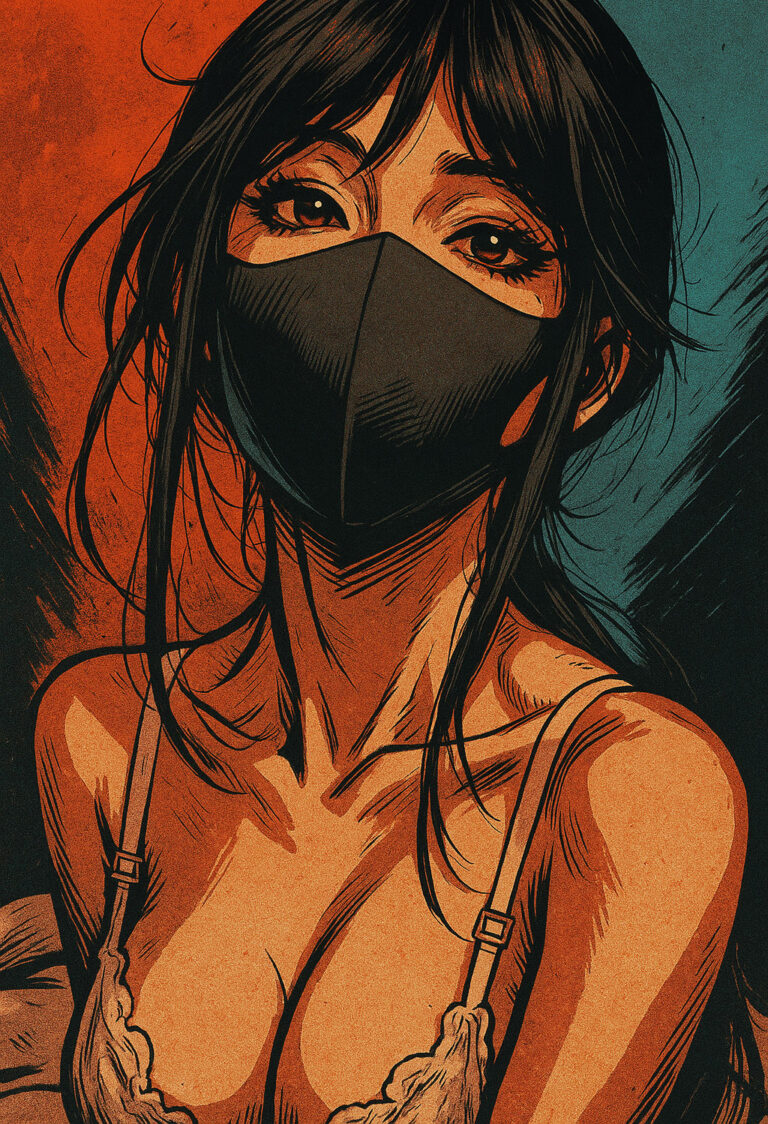
    The mask isn’t just quirky branding. It’s the central piece of her persona. She bluntly says, “I wear it because I’m ugly.” Harsh? Maybe. Brave? Definitely. That raw honesty feeds fascination—and buttresses the mystique she’s built up over time .

    Fans feared the worst when her actual face came out in early 2024. Yet surprise: she didn’t shrink in popularity. No massive follower drop, no revenue cliff. If anything, she upgraded from fantasy to legend.


    Backlog Content = Years of Future Income

    Think she’s gonna drop off? Not even close. She claims to have enough content in stock to keep her channel active for another five to eight years. That’s long-term planning, baby .

    She treats this like a business, not a fling. She’s not thinking in likes or short-term clout—she’s strategizing like a CEO plotting out quarterly earnings.


    Netizen Reactions: Shock, Outrage, Disbelief

    When her real identity (name and face) leaked via Chinese platforms’ real-name mandate for big influencers, fans reacted with disappointment. Comments like “We’ve been lied to” or “My fantasies are ruined” flooded in.

    A certain HardwareZone forum didn’t hold back either:

    “She looks like a completely different person with no mask on.”
    “Perhaps they set their expectations too high?”

    forums.hardwarezone.com.sg

    It’s a contrast between curated fantasy and unfiltered reality—and the reaction was savage.


    What Lies Ahead for Her Career

    Jia Le insists this isn’t forever. She calls her online content a job—one she doesn’t plan to hold forever. She has career and educational ambitions beyond the mask. She promises skilling up, perhaps diversifying—maybe launching a brand beyond adult content.

    Yet fans needn’t panic. With that massive backlog, she’s not disappearing anytime soon. She’s playing the long game—investment-grade content that pays dividends years from now.


    Point of View: My Take on the Masked Mogul

    First up: resilience. Losing millions is no joke. Your wallet emptied to literal cents. Most people wouldn’t recover. But she flipped devastation into opportunity. That’s guts.

    Second: branding genius. The mask is simple, repeatable—and ripe for intrigue. She built an entire career around what fans can’t see. That’s rare control in an image-saturated world.

    Third: authenticity in irony. Her claim of being “ugly” while flaunting an idealized body and aesthetic seems contradictory. Yet honesty—even brutal honesty—sometimes sells better than perfection.

    Fourth: sustainability concerns. Having stockpiled years of content is smart, but will it age well? Will she evolve or plateau as audience tastes change? A constant flood of fresh offerings will matter.

    Finally: fan psychology. People pay for fantasy and ritual. Her mask, voice, aura—they serve as triggers. When fantasy shifts to face reveal, some crack. But her earnings prove it didn’t crumble—somewhat of a case study in how much fans really care about performance vs. person.


    Behind the Mask: How HongKongDoll (aka Wang Jia Le) Built a S$13.8 Million OnlyFans Empire

    Let’s get this straight—this isn’t your usual rags‑to‑riches tale. Start with an US $8 million crypto portfolio. End up scraped to just US $3. That fall alone is the kind of drama that gets people binge‑reading hot takes and thinking, I would never. And yet, here comes Wang Jia Le—HongKongDoll—turning tragedy into 7-figure triumph on OnlyFans.

    1. Glam Zip: Financial Collapse to Content Crash

    She kicked off on OnlyFans in 2021, scrambling to recover from devastating crypto losses. From US $8 million to only US $3 in her bank. In simplest terms: huge debt, big ego blow, zero cash flow. Her solution? A pivot to adult content, trading fantasy for steady subscription revenue.

    2. Revenue Rumble

    Fast forward to early 2025: she boasts US $10.79 million in earnings—roughly S$13.8 million. That’s on a platform where everyday creators struggle. That’s an entire commercial-scale venture. And yes, that number survived the face reveal unscathed, which is saying something about her brand pull.

    3. The Mask: Mystery as a Business Weapon

    You might think she’s hiding something. She says it bluntly: “I wear it because I’m ugly.” And somehow that raw humility became her golden ticket. The mask distinguishes her from model‑perfect influencers. It stirs curiosity. It shields her identity. It is the differentiator in an oversaturated sea of filtered female creators .

    4. Face Reveal Fallout—But Fans Stayed Put

    When Chinese platforms like Bilibili and Weibo began enforcing real-name registration for influencers with over 500K followers, Jia Le’s true face came to light in early 2024. The backlash was swift: netizens shouting, “We’ve been lied to”; “My fantasies are ruined.” Yet surprisingly, her sales didn’t breathe. Her OnlyFans continued producing profit while the online drama writhed (CNA Lifestyle).

    5. Stocked for the Long Haul

    She says she’s stored enough photos and clips to power her channel for five to eight more years. That signals strong foresight—and a readiness to treat content as long-term inventory rather than viral bait .

    6. A Work‑First, Not Passion‑Only Approach

    Jia Le treats this as a job. She’s not romanticizing her adult content career with promises of eternal fame. She’s exploring education, new ambitions, and long-term diversification. She doesn’t plan to vanish, but she also doesn’t intend to stay confined to one platform forever.


    My Two Cents (Or S$0.02)

    • Scarcity sells. Her mask is clever scarcity marketing—fans crave what they can’t see, and she leverages that without exploiting deceit.
    • Resilience reads well. Losing the kind of money she did and bouncing back impresses people more than most curated story arcs.
    • Audience admiration is fragile. The face reveal revealed cracks in fandom—but the bottom line didn’t break. That tells you something about what mattered more to subscribers: performance over perfection.
    • Future risk: content depreciation. Even with a massive backlog, trends evolve—what’s spicy now could feel stale in a few years. Adaptation is key.
    • Authenticity paradox: she calls herself “ugly” while curating an ideal body image. That contradiction is weirdly compelling—an honesty that markets better than flawless.

    Summary: Why She’s More Than Just a Mask

    • Earnings: Over US $10 million (~S$13.8 million) from OnlyFans since 2021
    • Trigger: Crypto losses that wiped out her fortune
    • Brand angle: The mysterious mask, the name “Mask Goddess”
    • Backlash: Face reveal controversy; netizen outrage; yet minimal impact on revenue
    • Sustainability: Stockpiled content projected to last five to eight more years
    • Diversification: Plans for career education and expansion beyond adult content

    Final Thoughts

    HongKongDoll’s journey is about more than just risqué content or masked branding. It’s about resilience, adaptability, and strategic self‑presentation. She turned a financial crisis into a brand that thrives on mystique. She embraced transparency at the right time, but held onto her advantage when it mattered. Her story is a masterclass in turning loss into leverage—and doing it under a mask that millions nonetheless paid to imagine lifting.

    Andy Byron: Astronomer CEO’s Kiss Cam Fiasco

    Chris Martin’s spotlight hit Andy Byron and HR chief Kristin Cabot during a mid‑concert kiss cam moment at Coldplay’s Foxborough show on July 16, 2025. Instead of serenading fans with “Yellow,” the band unwittingly launched a digital witch hunt around Astronomer’s newly minted CEO. What happened next reshaped every rule about privacy, reputation, and startup leadership in the age of viral video.

    TL;DR:

    • Astronomer CEO Andy Byron and HR chief Kristin Cabot were caught on a kiss cam at a Coldplay concert, sparking viral speculation.
    • The 10-second clip led to widespread misinformation, including fake apologies and policy changes attributed to Coldplay.
    • The incident raised critical questions about privacy, reputation risk for high-growth startups, gender dynamics in leadership, and the rapid spread of misinformation.
    • Byron’s LinkedIn disappeared, and Astronomer remained silent, fueling further rumors.
    • The event underscores the need for robust crisis management, transparent communication, and digital literacy in the age of viral content.

    The Real Andy Byron: Who is he?

    In July 2023, Andy Byron took the helm at Astronomer, a data‑infrastructure platform riding high on investor buzz. Under his guidance, the startup vaulted to unicorn status—meaning a private valuation north of $1 billion. For any tech executive, that’s headline material: strong growth, major clients, and the promise of a juicy exit or IPO.

    Before Astronomer, Byron sharpened his revenue chops at Lacework, Cybereason, and Fuze. He reportedly scaled one company’s sales from $20 million to $100 million. Those wins weren’t just résumé fluff. They came with six‑figure pay packages, stock options, and the corner‑office perks many dream about. Put simply, scaling revenue and scaling valuation both came easy.

    Yet fame comes with a price. In a world glued to TikTok and X, the line between private life and public spectacle grows thinner by the minute. Byron discovered that the hard way.


    The Kiss Cam Moment Heard ’Round the Internet

    Coldplay’s Thursday night show in Foxborough, MA, was packed with die‑hard fans. The band paused mid‑set for the classic “kiss cam” segment. Instead of awkward embraces or shy waves, the camera found Byron and Cabot locked in a friendly hug. Onscreen, laughter bubbled as Chris Martin quipped:

    “Oh, look at these two.”

    Byron ducked behind a barrier. Cabot covered her face with both hands. Martin riffed, “Either they’re having an affair—or they’re very shy.” Cue roaring laughter.

    That split‑second snippet, barely 10 seconds long, was all the internet needed. A clip hit X. Then TikTok. Memes exploded overnight. “Affair or camera shy?” turned into a catchphrase. Within hours, amateur sleuths claimed to identify Cabot’s ex‑husband, Byron’s wife, and even photos of family vacations.


    When Facts Bend: The Misinformation Maelstrom

    Social media’s thirst for scandal is relentless. Almost immediately:

    • Fake Apology: A post claimed Byron issued a mea culpa, praising his love for Coldplay’s early albums and recent tracks. It garnered 4.6 million views before fact‑checkers debunked it.
    • Band “Policy Change” Prank: Another viral meme purported that Coldplay would ban kiss cams to protect “sidepieces.” Totally fabricated.

    Every rumor propelled itself with retweets and duets. Meanwhile, the real apology—or any genuine comment—from Byron or Astronomer was nowhere to be found. His LinkedIn disappeared. Cabot went radio silent.

    Behind the scenes, Astronomer’s PR team scrambled. They weighed legal warnings against the risk of drawing more attention. No public statement emerged as of late July 18, 2025.


    Why This Matters Beyond Celebrity Gossip

    Source: https://www.reddit.com/r/Fauxmoi/comments/1m2lun5/andy_byron_astronomer_ceo_caught_at_coldplay/

    You might wonder: Who cares if a CEO flinches on a kiss cam? Here’s why the fallout matters for tech, leadership, and corporate culture:

    1. Reputation Risk for Unicorns
      Investors prize growth metrics. But they also monitor public image. A viral scandal can spook board members and potential acquirers. For startups teetering on IPO filings, a reputation blip can trigger financial scrutiny or even regulatory probes.
    2. Privacy in the Digital Age
      Everyone carries a camera now. A joke in the stands can become tomorrow’s headline—or a long‑term Google search. Leaders must accept that personal moments may go public. That reality demands robust social‑media policies and crisis‑response playbooks.
    3. Gender and Leadership Dynamics
      Cabot, Astronomer’s Chief People Officer, found herself equally thrust into the spotlight. Women in tech often face harsher judgment for identical behavior. The “who ducked first” scrutiny underscored double standards around professionalism, marital status, and workplace relationships.
    4. Misinformation’s Speed
      Within minutes, false claims can eclipse facts. Startups lacking full‑time communications teams are especially vulnerable. What began as a bit of onstage fun mutated into a reputational black hole.

    Dispelling the Rumors: What We Actually Know

    Let’s separate solid ground from spinning wildfires:

    • Byron’s Career Trajectory: CEO of Astronomer since July 2023. Previously held senior roles at Lacework, Cybereason, and Fuze.
    • Event Facts: Kiss cam moment on July 16, 2025, at Gillette Stadium. Byron and Cabot hugged on camera and reacted by hiding their faces.
    • Marital Status: Court records and public filings suggest Byron is married; Cabot is divorced. No evidence of an ongoing romantic relationship beyond professional ties.
    • Fake Statements: Multiple apology letters and band policy memes attributed to Byron or Coldplay are baseless. Reputable fact‑check outlets label them fabricated.
    • Company Silence: As of July 18, 2025, Astronomer has issued no formal statement. Byron’s LinkedIn profile was deactivated, fueling more questions than answers.

    The Corporate Playbook for Viral Crises

    Source: https://www.reddit.com/r/Fauxmoi/comments/1m2lun5/andy_byron_astronomer_ceo_caught_at_coldplay/

    If you’re steering a fast‑growing company, you can’t wait for a scandal to strike before drafting plans. Here’s a blueprint every executive team should review now:

    1. Preemptive Monitoring
      • Set up real‑time alerts for key executives’ names on social platforms.
      • Subscribe to media‑monitoring services that flag trending mentions.
    2. Rapid‑Response Team
      • Identify spokespeople and legal advisors.
      • Draft templated statements for common scenarios (pranks, leaks, misquotes).
    3. Internal Communication
      • Inform employees about conduct guidelines at high‑visibility events.
      • Offer discreet counseling for those at risk of privacy breaches.
    4. Transparent Engagement
      • When misinformation arises, respond quickly with verifiable facts.
      • Use the company blog, social channels, or press release as primary outlets.
    5. Post‑Mortem Analysis
      • Once the dust settles, convene stakeholders to assess response effectiveness.
      • Update crisis‑management protocols accordingly.

    Startups often race toward product launches and fundraising milestones. Yet, the Astronomer kiss cam saga proves that brand resilience demands equal attention.


    Lessons for Leaders (and the Rest of Us)

    Source: https://www.reddit.com/r/Fauxmoi/comments/1m2lun5/andy_byron_astronomer_ceo_caught_at_coldplay/

    Beyond boardrooms and stock options, this episode offers universal takeaways:

    • Own Your Story
      If an awkward or misinterpreted moment goes public, shape the narrative. Silence often breeds rumor. Timely clarification beats a day‑late denial.
    • Humanize Your Response
      Audiences crave authenticity. A brief, sincere note acknowledging confusion can be more effective than a boilerplate legal statement.
    • Cultivate Digital Literacy
      Before you hit “retweet,” verify. The same scrutiny a CEO needs applies to every social‑media user.
    • Balance Visibility and Privacy
      Decide what you’re comfortable sharing online. But also prepare for the unexpected. Even a simple concert outing can become headline news.

    My Two Cents: Beyond the Headlines

    Here’s my view: The kiss cam kerfuffle is less about impropriety and more about the perils of public life. We’ve crossed a threshold where private moments can instantly become global spectacles. CEOs, HR heads, and everyday attendees all share the same risk now.

    1. Empathy Over Outrage
      Let’s stop treating viral mishaps as criminal conspiracies. Not every startled hug equals an office romance. A little human empathy goes a long way.
    2. Cultural Shift in Leadership
      Tomorrow’s leaders must be digital natives and crisis‑savvy. Their résumés will include “reputation management” alongside “revenue growth.”
    3. Shared Accountability
      Astronomer’s board—alongside Byron—bears responsibility for crisis readiness. Startups can’t delegate that entirely to communications interns.
    4. A Call for Balanced Discourse
      Seeing misinformation spread should remind us to pause. Facts matter more than clicks. It’s high time we emphasize credible sources over sensational soundbites.

    The Astronomer CEO’s kiss cam moment may fade from trending lists, but its lessons are long‑lasting. Whether you’re an executive plotting the next funding round or a fan sharing concert clips, remember how small sparks can ignite wildfires online.

    Jonouchi: The man with the World’s Longest Chin

    0

    Imagine being born with an ordinary jawline—only for it to transform into the most talked‑about facial feature on the internet. That’s the real‑life story of a Japanese content creator known simply as Jonouchi. With nearly 350,000 subscribers on YouTube and 40,000 followers on TikTok, he’s made an unprecedented claim: he has the world’s longest chin. Rather than hide what some call a flaw, he’s built an entire online persona around it, encouraging followers to embrace even the strangest differences.

    TL;DR

    • Unusual Growth: Jonouchi’s chin began growing significantly in early childhood, baffling medical professionals.
    • Embraced Difference: Instead of hiding his unique jawline, he built a thriving online persona around it.
    • Online Sensation: With nearly 350,000 YouTube subscribers and 40,000 TikTok followers, he’s a viral inspiration.
    • Positive Message: He promotes self-acceptance and encourages others to embrace their own quirks through challenges like #ChinUpChallenge.
    • Community & Brand: Jonouchi fosters a supportive community and has successfully merchandised his unique trait.

    The Chin That Wouldn’t Quit: Early Years

    In the first few months of his life, Jonouchi’s jawline looked like that of most babies. You won’t find childhood photos online until he was about two years old, and even then, nothing hinted at the dramatic change to come. But by age three, his chin began to grow more pronounced. By five, what was once a gentle curve had sharpened into a noticeable point.

    Puberty and Acceleration

    By the time he reached 10, peers in elementary school were no longer whispering—they were pointing. The nickname “Chin” followed him through hallways, lunchrooms, and playgrounds. Teachers shrugged; parents worried; classmates laughed. For Jonouchi, every taunt added another layer of self‑consciousness. He couldn’t know then that his most persistent critic would become his biggest platform.


    Behind the Bones: Medical Mysteries

    Seeking answers, Jonouchi and his family consulted specialists across Tokyo. X‑rays revealed an elongated mandibular bone structure unlike anything the doctors had seen. Genetic testing turned up no mutations known to affect jaw growth. Excessive calcium intake—often blamed for irregular bone conditions—was ruled out. In fact, although Jonouchi drank milk daily to boost his height, he reached just 168 cm (5’6″)—2 cm short of average for Japanese men. The irony was not lost on him: every milk‑fuelled cell in his body obeyed nature’s instructions, except his chin.

    “I drink milk like everyone else, hoping to grow taller,” he once quipped. “Only my chin did the homework.”

    Experts floated theories: benign tumors, undiagnosed endocrine issues, or even subtle childhood trauma. But none fit perfectly. One oral surgeon admitted, “I’ve treated over a thousand mandibular irregularities. I’ve never seen such a chin.”


    From Teasing to TikTok: Crafting a Persona

    Instead of seeking surgical correction or withdrawing from the world, Jonouchi leaned into his difference. He posted his first video on YouTube at 17, presenting a simple introduction:

    “Hi, I’m Jonouchi. This is my chin.”

    The video blew up. It wasn’t sympathy that drew eyeballs but curiosity and admiration. Here was someone who refused to be ashamed. Viewers saw a confident young man with a sense of humor about his uniqueness.

    Content That Connects

    His channel mixes casual vlogs, Q&A sessions, and chin‑centered challenges (yes, there’s a “how many coins can I balance on my chin” video). Followers send questions like, “Can your chin tap the floor?” or “Do you use it to open soda bottles?” He responds with genuine joy, debunking myths with each clip.

    On TikTok, short clips capture his best facial angles, accompanied by catchy music and playful captions. He tags videos with #WorldsLongestChin, #BeUniquelyYou, and #EmbraceYourDifferences—keywords that resonate with an audience hungry for authenticity.


    Riding the Wave of Online Fame

    With social platforms rewarding the unusual, Jonouchi’s subscribers soared. He leveraged brand partnerships: specialty razors designed for long chins and custom collar extenders for shirts, each product sponsored in a brief, tongue‑in‑cheek segment. He donates a portion of proceeds to anti‑bullying charities. His strategy? Turn personal oddity into positive action.

    Community Building

    He hosts live streams where fans share their own stories of feeling different—be it a visible scar, a rare birthmark, or an unconventional hobby. He reads comments like:

    “I was born with clubfoot and felt ashamed. Watching your videos gave me courage.”

    Such interactions create a safe space. His chin became more than a novelty; it symbolized resilience.


    Trolls, Haters, and Hilarious Comebacks

    Not all feedback is glowing. Internet trolls relish opportunities to degrade. Comments range from pseudo‑scientific jabs (“Did your parents use you as a measuring tool?”) to downright cruelty (“Your chin is an affront to evolution.”).

    Yet Jonouchi’s responses flip hate on its head. In one viral clip, he reads insult after insult in deadpan style. Then he quips, “If future archaeologists dig up this jawline, they’ll think humans evolved to hold smartphones.” The laughter that follows drowns out the hate.


    The Science of Chin Growth: What We Know

    While Jonouchi’s case remains unique, researchers have documented conditions like mandibular prognathism—where the lower jaw protrudes beyond the upper. Causes include:

    1. Genetic Predisposition: Certain families carry genes that encourage excessive jaw bone growth.
    2. Hormonal Imbalances: Overproduction of growth hormone during adolescence can affect bone tissue.
    3. Environmental Factors: Dietary habits, vitamin intake, and childhood injuries sometimes play hidden roles.

    However, none of these fully explain Jonouchi’s singular chin. His story raises questions: Could there be undiscovered genetic mutations? Subtle endocrine factors? Or simply normal variation in human anatomy? Scientists remain intrigued.


    The Psychology of Physical Difference

    Feeling different is a universal experience. Whether it’s a rare skin condition, a non‑binary identity, or an unusual hobby, humans fear exclusion. Studies show that childhood teasing can lead to lifelong self‑esteem issues. Yet overcoming stigma often fosters empathy and resilience.

    Jonouchi’s journey illustrates this principle. By owning his difference, he rewired his self‑perception. What once caused shame now brings community and purpose. His evolution mirrors research on post‑traumatic growth—when adversity becomes a catalyst for positive change.


    Turning a Unique Trait into a Movement

    Jonouchi’s chin is no longer just a personal story. It has become a symbol for embracing uniqueness. He launched the #ChinUpChallenge, inviting people to post one thing they used to be ashamed of but now celebrate. Participants range from survivors of childhood bullying to artists with unconventional styles.

    Celebrities have joined in. A K‑pop idol posted a makeup tutorial focusing on her freckles, tagging Jonouchi for support. A fashion blogger shared her experience of wearing bold prints despite body‑image pressure. Together, they amplify a simple message: difference is power.


    Business of Self‑Expression: Merchandise and Beyond

    Smart merchandising turned his chin into a brand. His online store sells:

    • Custom Face Masks imprinted with caricatures of his chin.
    • Chin‑Shaped Keychains, popular among teens.
    • Caps and T‑shirts with slogans like “Chin Up, Stand Out.”

    Recently, he partnered with a cosmetic company to design a limited edition beard shape that mimics his jawline for men who want to try something daring. Sales outpaced expectations by 50%. Critics ask whether it’s gimmicky; fans see it as another way to champion confidence.


    What the Future Holds

    At 23, Jonouchi shows no signs of slowing down. He’s exploring:

    • Documentary Appearances: Film crews have reached out to document his story in feature‑length format.
    • Public Speaking: Schools invite him to speak about anti‑bullying and self‑acceptance.
    • Research Collaborations: A Tokyo university’s orthodontics department wants to study his case for possible academic papers.

    Whether he accepts every opportunity or chooses his own path, his chin remains the linchpin of his narrative.


    Fresh Insights: Beyond the Jawline

    1. The Currency of Authenticity

    In a digital world saturated with filters and facades, Jonouchi’s transparency is gold. Every chipped tooth, scar, and curve of bone tells a story. People crave authenticity; they crave real.

    2. Community Over Criticism

    By fostering dialogue, he highlights a shift in online culture. Gone are the days when viral meant cruel. Today’s audiences often rally around narratives of acceptance.

    3. Self‑Definition vs. Society’s Labels

    We assign labels quickly—tall, short, shy, bold. But as Jonouchi shows, we have the power to reclaim words. “Chin” went from insult to identity.


    My Perspective

    When I first stumbled upon Jonouchi’s channel, I braced for shock value. Instead, I found a lesson in courage. He could have hidden in surgery rooms or retreated from public view. Instead, he chose to spotlight his most unusual trait, turning potential vulnerability into strength.

    This story resonates because it challenges our definitions of normal. It reminds us that difference isn’t a drawback—it’s an invitation. An invitation to expand our empathy, question our biases, and celebrate individuality.

    His journey isn’t just about a chin. It’s about the stories we tell ourselves when no one’s looking. It’s about the scars we cover and the features we flaunt. And most of all, it’s about the power we find when we stop apologizing for everything that makes us, us.


    Conclusion

    Jonouchi’s world‑record chin isn’t a freak show attraction but a testament to human resilience. Doctors may still puzzle over bone X‑rays. Trolls may still type cruel remarks. Yet his platform thrives on authenticity, community, and empowerment.

    So, chin up: in a world that strives for perfection, sometimes our quirkiest traits are our greatest strengths. And as long as people like Jonouchi keep sharing their stories, we’ll all have a chance to learn, grow, and—yes—smile at the unusual wonders of human variation.

    What Happened to Jollibean?

    0

    A Sour Sip Before the Soy: What Happened to Jollibean?

    If you’ve scrolled through your feed lately, you might’ve stumbled upon news of Jollibean owing months of salaries and CPF contributions. Shocked? Don’t be. Behind the headlines lies a saga that kicked off last year—one that, surprisingly, saw signs of recovery well before 2025. Buckle up, because this tale is messier than a spilled beancurd bowl.

    TL;DR

    • Jollibean’s financial woes led to sudden outlet closures and unpaid employee salaries in July 2025. 📉
    • The brand isn’t Jollibee or Mr Bean, focusing on soy-based snacks and pancakes. 🧇🥛
    • Ownership changed hands multiple times, becoming fragmented after a fire-sale in 2022. 🎭
    • Government agencies (MOM, TADM) intervened, helping employees recover some dues. ⚖️
    • Warning signs, like landlord repossessions, were evident as early as late 2024. 🚩
    • The saga highlights issues in F&B: lack of focus, poor cashflow, and fragmented ownership. 💡

    The Name Game: Jollibean vs. Jollibee vs. Mr Bean

    First things first: Jollibean is not Jollibee. Nor is it Mr Bean. Yes, they all share a love for alliterative, food-related names and a red-and-yellow palette. However:

    • Jollibee is the famous fast‑food chain known for Chickenjoy.
    • Mr Bean sells soy drinks and pancakes in Singapore.
    • Jollibean sits squarely in the soy-snack lane—serving soy milk, beancurd desserts, and the ever-popular min jiang kueh pancakes—usually at MRT stations or mall basements.

    Think Coke, Pepsi, and Dr Pepper. Similar vibes. Totally different fizz.


    Roots of the Brand: From 1995 to Today

    • 1995: Jollibean pops up on the scene in Singapore.
    • 2012: Malaysia’s F&B giant Berjaya Food scoops it up for $7.5 million, hoping to sprinkle some soy magic across its Starbucks and Paris Baguette outlets.
    • Post‑COVID 2020: The pandemic slugged them hard. By 2022, Berjaya offloaded Jollibean for a mere $637,000—a fire‑sale price that spoke volumes about the brand’s struggles.

    Since then, ownership has been a shell game across various entities. Here’s the cliff notes version:

    1. Jollibean Foods Pte. Ltd. took the reins, only to morph into a sole proprietorship.
    2. The actual owner? Joybean Inc Pte. Ltd., a holding outfit formed in 2023.
    3. It boasts 13 shareholders—individuals from Singapore, Hong Kong, China, Taiwan, plus a handful of fresh-faced companies incorporated after 2022.

    In short: a brand with deep roots but a very tangled branch structure.


    The 2025 Blowup: Salaries, Closures, and Mediations

    CNA’s 10 July 2025 Scoop

    On 10 July 2025, CNA dropped the bomb: dozens of Jollibean outlets shuttered abruptly. Staff arrived, doors were locked, and pay was missing months in arrears. Some hopeful employees even trekked to the Pasir Panjang office—only to be met with vague promises and empty envelopes.

    The company’s listed director—remember, that’s a hired executive, not the owner—labeled it a “downsizing exercise.” He announced he’d resign and a “new shareholder with 30 years in F&B” would inject fresh capital. Cue the skeptical raised brows.

    Government Stepping In

    Within 48 hours, both the Ministry of Manpower (MOM) and Tripartite Alliance for Dispute Management (TADM) swooped in. Result?

    • 29 employees received mediation assistance.
    • 22 workers secured installment‑based payout agreements.
    • 3 workers won court orders forcing Jollibean to settle in full.
    • 4 cases still pending litigation.

    Meanwhile, MOM launched a probe under the Employment Act. Clearly, this spiral was no casual oversight.


    The Warning Signs: Landlord Repossessions in 2024

    By the way, the writing was on the wall back in late 2024. The Facebook page Singapore Atrium Sale flagged Jollibean’s Pioneer MRT outlet as “repossession in progress.” Understand this: landlords don’t just snap their fingers and retake premises overnight. There’s a paper trail—deposit forfeiture, multiple warnings, failed negotiations. Months’ worth of red flags.

    So when the CNA article broke in July 2025, it felt more like the grand finale of a tragedy you’d already watched in slow motion.


    Ownership Labyrinth: Who’s Really in Charge?

    Delving through ARCA business profiles can be like spelunking a cave of shell companies. Here’s what unspooled:

    1. Jollibean Foods Pte. Ltd.: ceased operations as a sole prop.
    2. Joybean Inc Pte. Ltd.: the current holding company, birthed in 2023 with 13 shareholders.
    3. Majority of these stakeholders are fresh entities (2022 onward) or private individuals from across Asia.

    In other words, a brand once valued at millions now rests in the hands of a fragmented, recently formed shareholder group. Not exactly inspiring stability.


    Breaking Down the Mediation Wins (and Losses)

    • Mediated Agreements: Payment in instalments to 22 staffers.
    • Court Judgments: Full settlement for three employees after Jollibean “lost” in court.
    • Pending Hearings: Four more hang in legal limbo.

    Mediation is the civil world’s hush-hush chat room—where you hash out disputes with a third-party referee instead of cluttering court calendars. The fact that Jollibean agreed to instalments hints at cashflow issues. If they could pay in lump sums, they would’ve.


    Why the Repossessions Matter

    Imagine you rent a condo. You miss one month’s rent—and your landlord calls. You explain you’ll pay next week. They bite their lip and wait. Miss two months? They yank the keys. Multiply this by a business scale—deposits, utility arrears, lease renegotiations—and you get one hefty repossession notice.

    When Pioneer MRT’s outlet got repossessed, that was the ultimate alarm bell. Yet mainstream chatter only picked up seven months later. That lag speaks to how fast news cycles move—and how slow some companies react.


    What This Means for F&B in Singapore

    1. Consolidation Over Fragmentation
      – Brands with dispersed or recent ownership risk agility. Investors demand clear governance.
    2. Digital Footprints Tell All
      – Social‑media whispers (like land‑sale groups) can signal deeper financial woes.
    3. Employee Relations Are Front and Center
      – In an era of instant reviews, unpaid salaries become PR nightmares. Future hires will think twice.
    4. Regulatory Scrutiny Is Intensifying
      – MOM and TADM involvement isn’t just paperwork. It’s a warning to all F&B operators: comply or face public upheaval.

    My Two Cents

    Here’s my take: Jollibean’s troubles stem from trying to be everything to everyone—soy‑snack vendor, pancake specialist, mall kiosk operator. In the F&B world, focus is currency. Brands that excel do one thing, then expand. Starbucks didn’t sprint into hotdogs. They mastered coffee. Likewise, Jollibean could’ve doubled down on a hero product—say, artisanal soybean pudding—then scaled.

    Next, a brand’s backbone is cashflow discipline. You can’t chase expansion deals while ignoring payroll. It’s not glamorous, but paying staff on time is non‑negotiable. If budgets tighten, shrink footprints. Don’t ghost employees.

    Lastly, transparency is your friend. If the new “30‑year” investor is legit, show us. Crowdsource goodwill. Let customers know you’re turning the ship. Silence breeds suspicion.


    What’s Next for Jollibean?

    • Ownership Shakeup Completion: Will that mystery 30-year F&B veteran actually pony up? Or is this a PR pivot?
    • Outlet Reopenings: Some branches may return under new management. Others could vanish for good.
    • Staff Settlements: Expect more court judgments if instalments stall.
    • Brand Refresh?: A rebrand with a solid online presence could save face—or signal an admission of failure.

    If all goes well, Jollibean could re-emerge leaner, smarter, and customer-focused. If not, it’ll join the graveyard of once‑loved F&B names.


    Final Thoughts

    Jollibean’s saga is a cautionary tale for anyone in food and beverage. From tangled ownership to unpaid salaries and landlord repossessions, the fallout has been swift and unforgiving. Yet, buried beneath the chaos are lessons in brand focus, fiscal prudence, and open communication.

    Remember: a snack stall at an MRT station depends on trust—between owners, staff, landlords, and customers. Once that breaks, it’s a steep climb back. For now, we watch, wait, and maybe sip a safer latte.


    Thank you for spending these five minutes—or perhaps ten—digging into Jollibean’s financial rollercoaster. Here’s hoping the next chapter serves up stronger governance and sweeter success. In the meantime, stay curious, keep your soy milk chilled, and watch out for those kpods!