



Every Saturday morning, a vibrant scene unfolds at Addis (not Adidas) Skatepark in the heart of Ethiopia’s capital. Clad in a mix of traditional Habesha Kemis and urban skatewear, a group of daring young women glide across concrete ramps. This isn’t just about mastering ollies or kickflips. It’s a bold declaration that public spaces, sports culture, and even deep-rooted societal norms can—and should—shift to accommodate everyone. Welcome to the world of the Ethiopian Girl Skaters (EGS), Africa’s first all-female skateboarding collective that is propelling a cultural revolution on four wheels.
TL;DR
- Ethiopian Girl Skaters (EGS) is Africa’s first all-female skateboarding collective, transforming public spaces in Addis Ababa.
- Founded by Sosina “Soisy” Challa in 2020, it started with free lessons and quickly built a strong community.
- EGS challenges traditional male-dominated skateparks, creating a supportive “sisters’ sanctuary.”
- They embrace a unique style, blending traditional Habesha Kemis with urban skatewear, symbolizing cultural fusion.
- Despite challenges like poor infrastructure and equipment costs, EGS provides a safe space for self-expression and solidarity.
- The DESTA Skate Co. initiative produces local boards, promoting economic sustainability for the group.
- EGS is more than just skateboarding; it’s a movement for empowerment, resilience, and redefining gender roles in Ethiopia.
Origins of the Movement
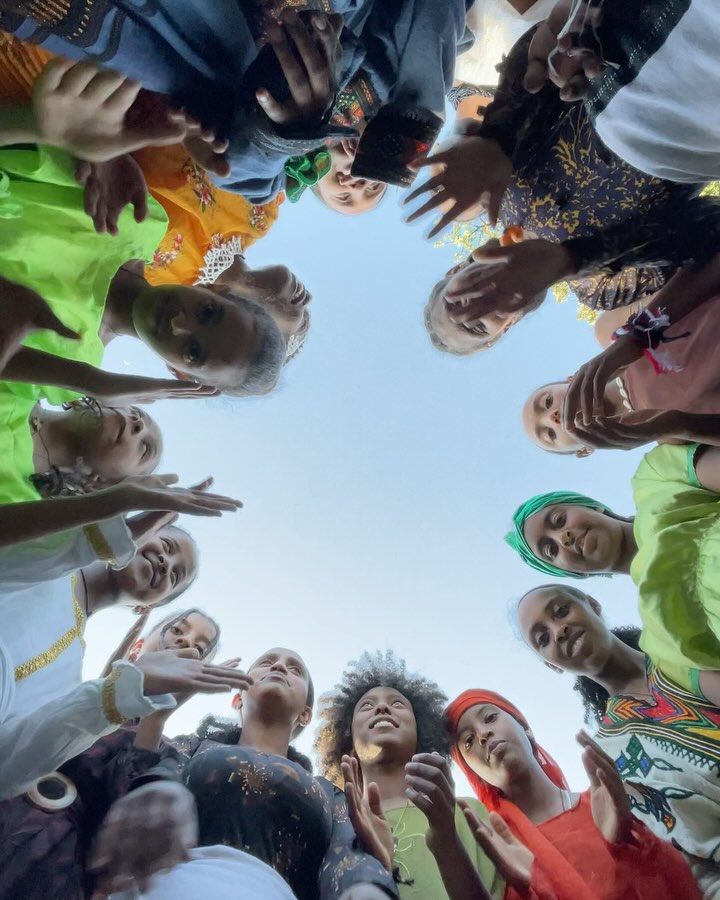
In 2020, an unexpected spark ignited a movement when medical student-turned-skateboarding advocate Sosina “Soisy” Challa posted a simple flyer on Telegram advertising “free skateboarding lessons for girls.” Though she had no professional coaching credentials, Soisy understood a universal truth: breaking barriers starts with opening doors. Her first session drew over forty eager girls aged 10 to 25, each drawn by curiosity, courage, or a single rebellious spark. They came seeking balance training, wrist guards, and the euphoric rush of gliding downhill. Instead, they found each other—and a new collective identity.
From Boys’ Territory to Sisters’ Sanctuary
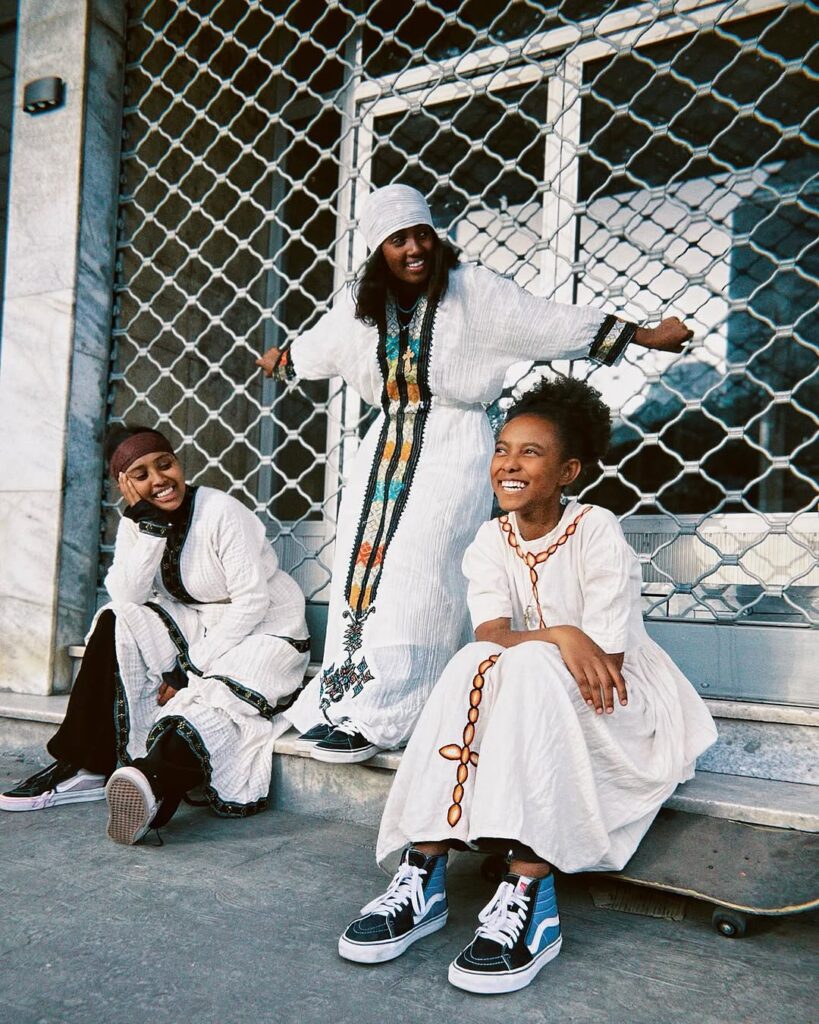
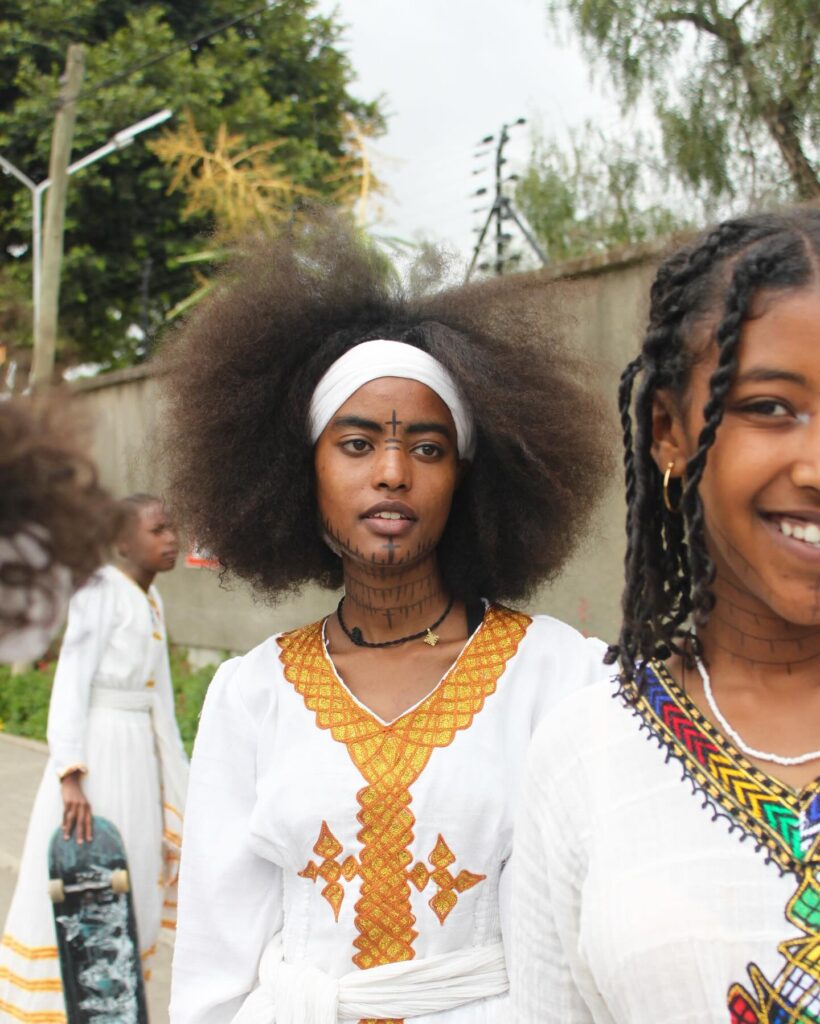
Traditionally, skateparks in Addis Ababa have been viewed as testosterone-fueled arenas. Yet EGS has quietly transformed these male-dominated spaces into hubs of sisterhood. What began as hesitant pushes and tentative rides quickly evolved into synchronized group drills and flash mob-style performances in the city center. Onlookers pause mid-scroll on their phones as Habesha skirts whirl beside Vans Old Skool sneakers. Passersby now witness not just stunts but a powerful intersection of tradition and modernity, rebellion and respect.
Crafting a Unique Skate Style
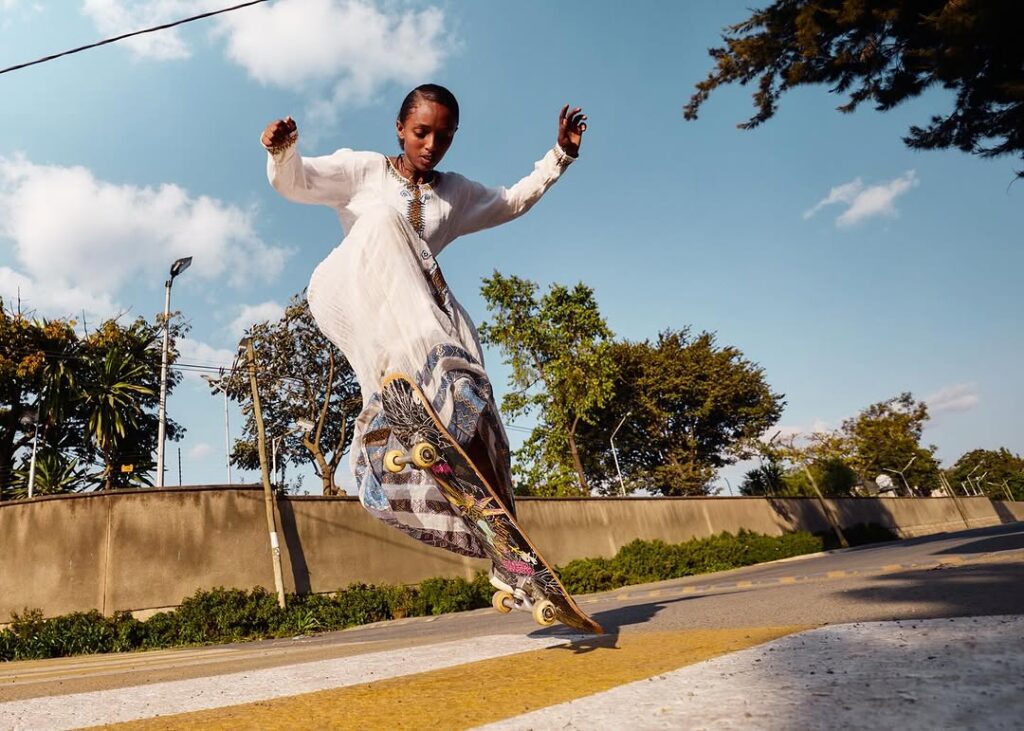
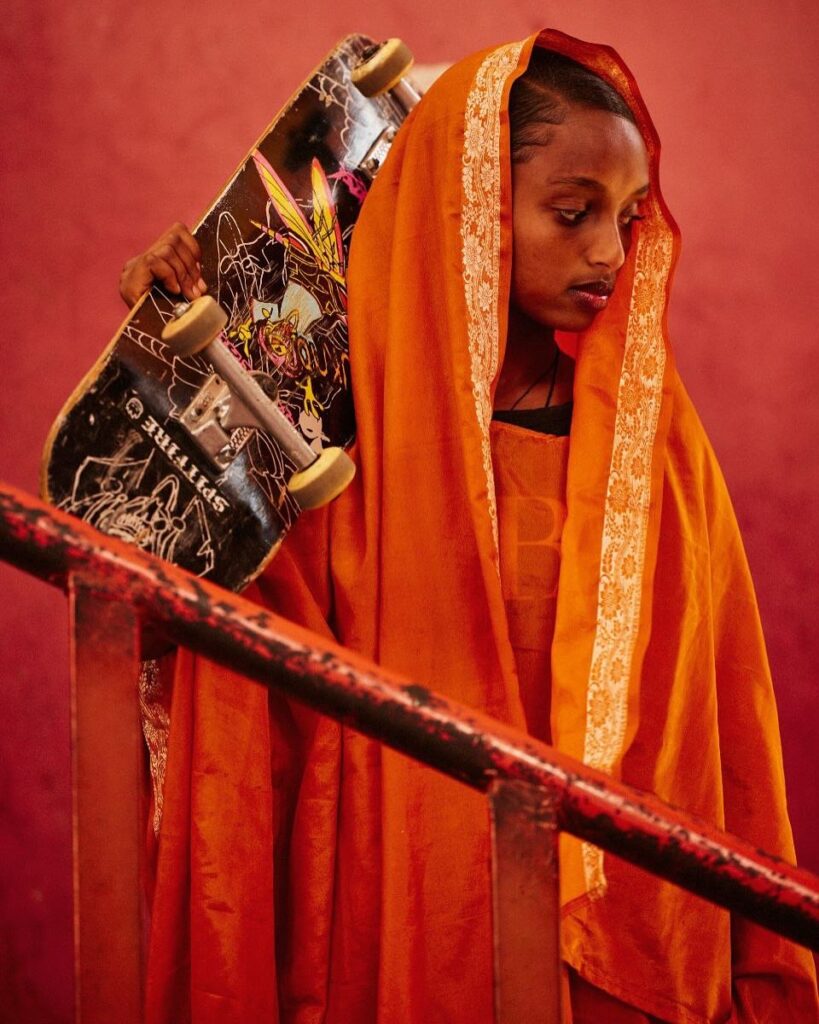
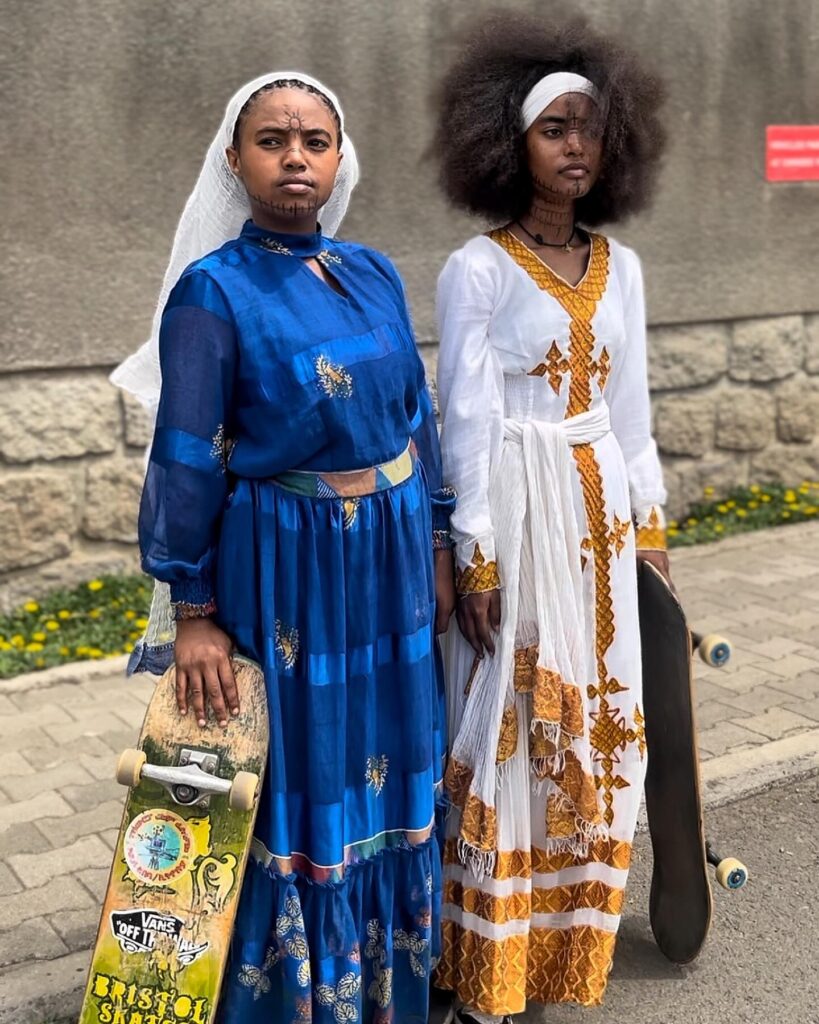
EGS refuses to conform to a single aesthetic. Some members embrace oversized hoodies and ripped denim, emblematic of global skate culture. Others layer traditional embroidered shawls over streetwear, crafting a look that’s uniquely Ethiopian. Their signature move? Rolling down Churchill Road wearing full Habesha Kemis, boards gliding over cobblestones with grace and grit. This visual language sends a clear message: you can honor your heritage while rewriting its rules.
The Weekend Ritual
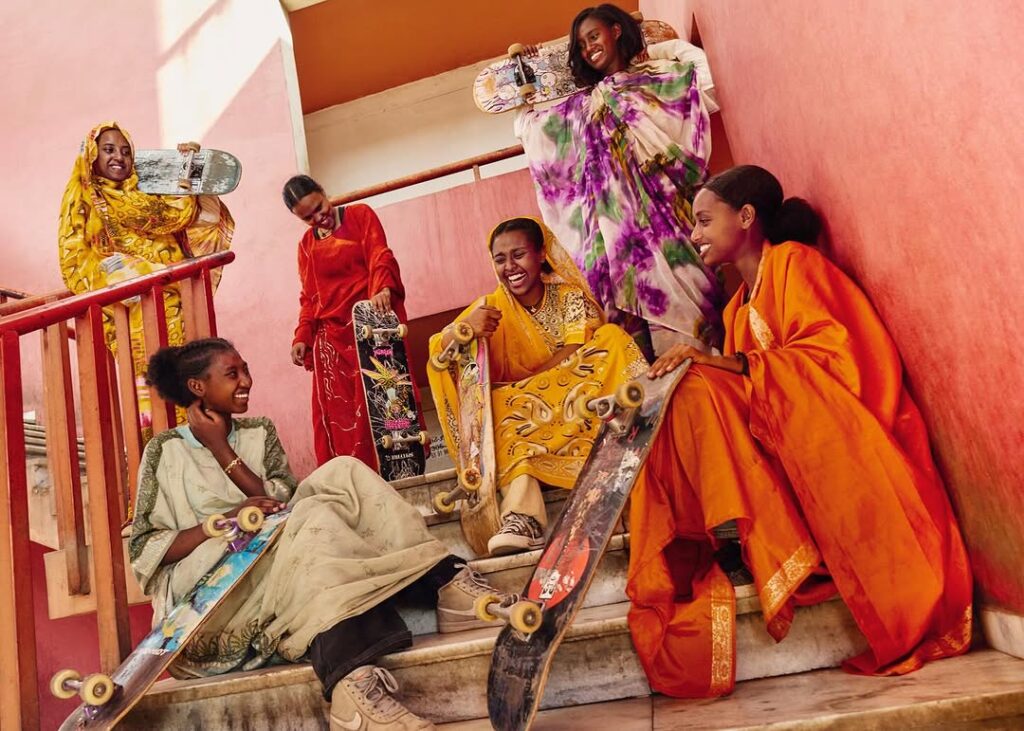
By 8 a.m. every Saturday, an informal procession converges at Addis Skatepark. Helmets buckle, protective pads snap into place, and playlists of Afrobeat and indie rock reverberate across ramps. Some bring spare wheels; others pack injera snacks for an impromptu picnic. Laughter mingles with the scrape of griptape. There are no scoreboards here—only encouragement for wipeouts, cheers for progress, and shared water bottles. This weekly ritual has become a cornerstone for dozens of young women seeking both community and self-discovery.
Navigating Real Challenges
The path hasn’t been smooth. Ethiopia’s infrastructure can be unforgiving—pothole-strewn roads and budget-strapped skate parks pose constant hazards. During the Tigray conflict, governmental funding shifted toward military needs, delaying upgrades to public sports facilities. Equipment costs soar, too: imported decks and safety gear remain luxuries for families on modest incomes. Still, borrowing boards and pooling resources has only strengthened EGS’s resolve. As founder Soisy often reminds members, every tumble yields lessons more valuable than any medal.
A Space of Solidarity and Safety
For many EGS skaters, the collective isn’t just about tricks—it’s a refuge from harassment, skepticism, and rigid gender roles. Members like Hermela Denkneh Seble recall the first time they heard derogatory taunts in the boys’ section. At EGS, such slurs dissolve into supportive roars. Public shaming and street harassment vanish under the canopy of friendship. In this concrete courtyard, girls learn to fall without fear, stand tall despite setbacks, and trust that a helping hand will always be there.
Expanding Impact: From Local to Global
EGS’s story caught international attention via social media and the documentary Skatepark Sisterhood. Film crews captured moments of pure exhilaration—flip tricks performed against the backdrop of colonial-era architecture, group photo shoots in front of modern bike lanes under construction—underscoring a city in transition. Global skate brands and NGOs have reached out to sponsor camps, donate boards, and create mentorship programs. Yet EGS remains selective; authenticity trumps funding, and every offer is weighed against the group’s core mission: creating a genuine space for self-expression.
Building a Sustainable Future: The DESTA Initiative
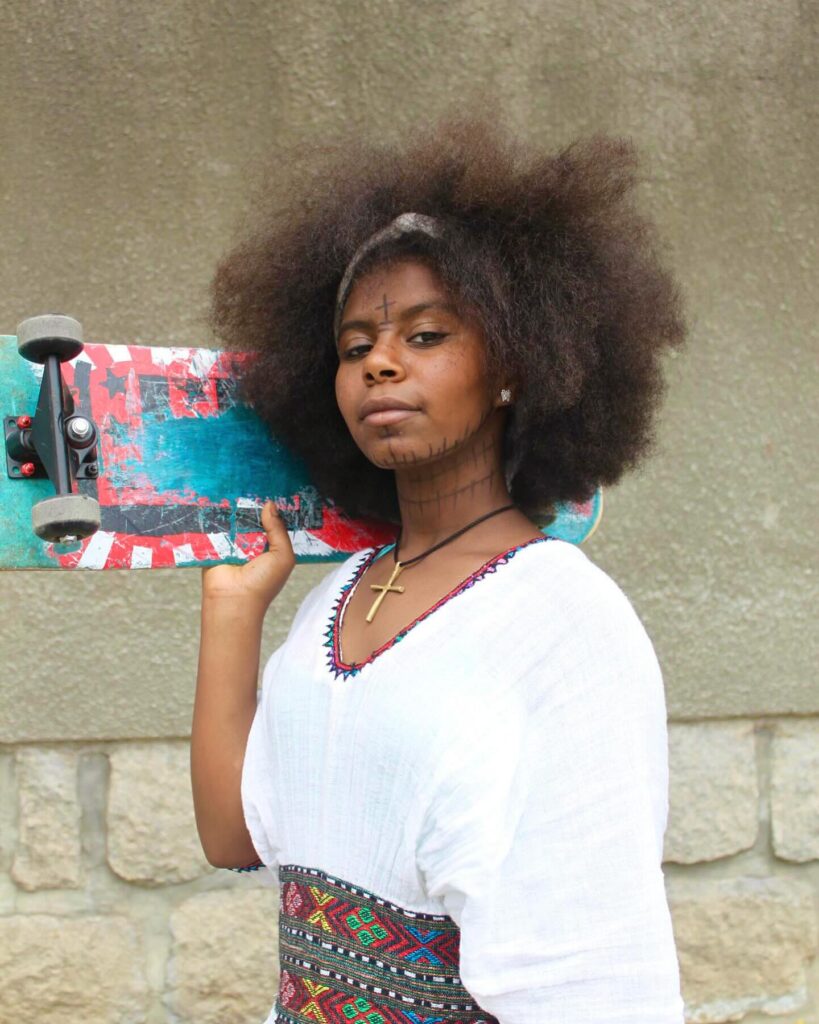
To counter the persistent shortage of boards, Challa teamed up with designer Micky to launch DESTA Skate Co.—named after the Amharic word for “joy.” DESTA partners with local artisans to craft boards using Ethiopian hardwoods and recycled materials. A portion of every sale funnels back into EGS’s free lessons and protective gear fund. By fostering an in-country production line, DESTA tackles equipment scarcity and generates livelihoods, steering the movement toward economic sustainability.
Breaking the Mold: Cultural Fusion as Empowerment
EGS’s greatest insight might be how seamlessly they blend cultural reverence with daring innovation. On one hand, their outfits pay homage to ancestral weaving techniques. On the other, their tricks push the boundaries of what it means to be a skateboarding woman in Africa. This duality resonates with a generation straddling tradition and global modernity. Rather than rejecting heritage, they infuse it into every kickflip, proving that empowerment isn’t about erasing roots—it’s about reshaping them.
My Perspective
Watching the Ethiopian Girl Skaters in action, it’s clear that their boards carry more than rubber wheels and wooden decks—they transport stories of resilience, ambition, and unity. In a world where female voices are often sidelined, this collective rewires the narrative, demonstrating that freedom can be handcrafted in local workshops and practiced beneath humble city lights. Their movement offers a blueprint for communities everywhere: start small, lean on each other, innovate within your cultural context, and never underestimate the power of a shared passion.
Conclusion
The Ethiopian Girl Skaters prove that transformation often begins with a simple idea—like a free skate lesson poster—and expands into a full-fledged revolution. Through cultural fusion, communal support, and entrepreneurial ingenuity, these young women are carving out new paths—both literal and figurative. As they roll over Addis Ababa’s streets, they carry the aspirations of countless girls who, with every push, remind us that changing the world can start with the tap of a foot on a skateboard.