
More
    Home Blog Page 27

    How One Woman Spent $300K and Never Unboxed a Thing

    0

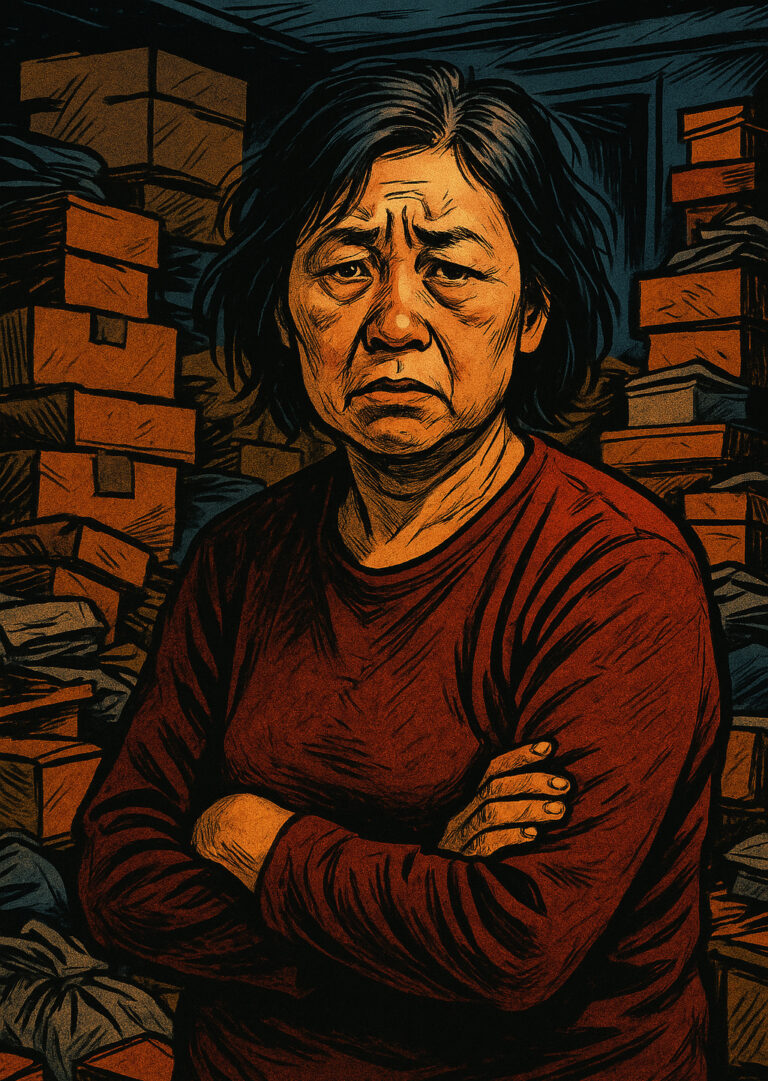
    When you hear about retail therapy gone wrong, this story might make you clutch your wallet. In Shanghai, a 66‑year‑old retiree nicknamed Aunt Wang turned online shopping into a full‑blown lifestyle—spending a staggering RMB 2 million (approximately S$358,387) and never once cutting open a single box. Instead, she stacked unopened parcels floor to ceiling, transforming her flat into an avalanche waiting to happen.

    Source: https://www.scmp.com/

    TL;DR

    • Aunt Wang spent S$358K on online shopping but never opened a single parcel. Her flat became a floor-to-ceiling cardboard pile, creating fire hazards and pest infestations. 📦🔥
    • Her behavior is a mix of compulsive buying and hoarding disorder, fueled by emotional voids and a desire for control/deterrence.
    • Living alone with a lost-contact daughter, her case highlights a lack of social support for isolated seniors. 👵🏽
    • Interventions failed due to a lack of sustained support and alternative activities.
    • This phenomenon is growing in China as more seniors embrace e-commerce, revealing broader societal challenges.

    The Great Parcel Pileup: From Convenience to Crisis

    Initially, it all began innocently enough. Like many of us, Aunt Wang discovered the thrill of scrolling through live‑selling streams. First came bulk nut packs. Then, luxury health tonics. Before long, jewellery, skincare sets and electronics joined the spree. And while most buyers repose their purchases on a shelf, she left them sealed. Consequently, every surface in her 90‑square‑metre home vanished beneath cardboard jungles.

    Source: https://www.scmp.com/

    However, this convenience soon morphed into calamity. By May 2024, neighbours grew alarmed. Parcels pressed against windows. Piles threatened fire exits. A rancid odour wafted through corridors, inviting cockroaches and mice. Most shocking of all: the avalanche of packages left Aunt Wang with nowhere to sleep—she could only perch against the boxes like a beleaguered mountain goat.


    When Hoarding Meets Online Shopping Addiction

    Experts often distinguish hoarding disorder from compulsive buying, yet in Aunt Wang’s case, the two collided head‑on. On one hand, buying in bulk satisfies a dopamine rush. On the other, refusing to open parcels reveals a deep emotional blockade. After all, every new package presents a fork: to unbox or to hoard?

    • Compulsive buying thrives on novelty. Live‑stream influencers pitch limited‑edition creams and one‑of‑a‑kind trinkets. Viewers click “buy now” without hesitation.
    • Hoarding disorder festers in clutter. When objects accumulate beyond one’s capacity to manage them, they become both comfort and prison.

    As a result, Aunt Wang’s addiction didn’t subside once payment cleared. Instead, unopened boxes offered an illusion of control—an unboxing decision she perpetually postponed.


    Fire Hazards and Pest Infestations: The Hidden Costs

    Of course, cardboard can’t stack to the ceiling without consequences. When local fire inspectors peeked through the gaps, they found a potential tinderbox. Complaints from neighbours triggered official visits. Inspectors warned of blocked escape routes. They flagged electrical sockets buried under parcels. They also discovered rotting perishables tucked inside snack boxes, spreading mold.

    Moreover, whiffing through the pile revealed another disaster: rodent droppings and cockroach eggs. As boxes decomposed in humid Shanghai weather, they became breeding grounds for pests. Consequently, Aunt Wang’s once‑pristine flat resembled a horror movie set—minus the jump scares.


    Family Ties and Isolation: A Daughter Abroad

    When authorities reached out, they discovered that Aunt Wang lived alone. Her husband had passed years before. Meanwhile, her only daughter moved overseas for work—and had since lost contact. With no immediate kin nearby, social services faced a quandary: how to help someone without a support network.

    Nevertheless, local volunteers persisted. They obtained consent, arranged cleaning crews, and cleared hundreds of parcels. Yet when they checked back a year later, the flat and its adjoining garage had reverted to chaos. Piles of pristine, unopened envelopes obstructed every hallway once more. Even more astonishing: Aunt Wang had rented a second 90‑square‑metre unit within the same community to accommodate her shopping habit.


    Money as Messaging: Why Spending Becomes a Statement

    In conversation with reporters, Aunt Wang revealed her rationale. She sold her previous flat downtown and moved to Jiading’s suburbs—purportedly to signal she still had financial clout. “When people see a suburban home, they assume I’m well‑off,” she quipped. From her perspective, lavish spending served two purposes: self‑gratification and deterrence.

    • Self‑gratification: Each purchase offered a fleeting thrill. Bulk health supplements. Designer jewellery. The click‑to‑checkout ritual fulfilled a craving that daily routines no longer did.
    • Deterrence: By hoarding thousands of dollars in parcels, Aunt Wang believed friends and neighbours would think twice before borrowing money. “When they see my home buried in boxes, they won’t dare ask,” she explained.

    Thus, the unopened boxes morphed into armour—fortifying her against financial requests and social encounters alike.


    Beyond the Boxes: Psychological Underpinnings

    To understand Aunt Wang’s predicament, it helps to peer into the psychology of compulsive hoarding and buying:

    1. Emotional voids. Retirement can induce purposelessness. With decades of unstructured time and few social ties, elderly individuals sometimes turn to shopping as a surrogate hobby.
    2. Dopamine dependency. Each purchase triggers a chemical reward, akin to a slot‑machine jackpot. Over time, the brain craves more frequent hits.
    3. Deferral of disappointment. Unopened parcels represent untapped potential. Confronting the contents could trigger guilt (for overspending) or disappointment (if the product fails to satisfy). By never unboxing, Aunt Wang preserves the fantasy.
    4. Social shielding. In cultures where debt is stigmatized, ostentatious spending can both signal prosperity and discourage requests.

    Ultimately, Aunt Wang’s behaviour embodies a sophisticated coping mechanism—sadly, one that only magnifies her isolation.


    The Wider Context: China’s Silver Tsunami and E‑Commerce Boom

    Remarkably, Aunt Wang is not alone. Across China’s megacities, seniors increasingly embrace smartphones and e‑commerce. Singles and empty‑nesters find amusement in live‑stream shopping. Alipay and WeChat Pay make transactions frictionless. At the same time, apartment sizes shrink, and community ties fray.

    Consequently, incidents of parcel hoarding have spiked. Social media abounds with videos of retirees hosting “unboxing parties” for themselves. In a country where retail therapy once catered primarily to younger generations, the silver-haired segment now drives surprising e‑commerce growth.


    Health and Safety Interventions: What Worked—and What Didn’t

    When local authorities first intervened, they assembled a task force:

    1. Risk assessment. Fire marshals, pest controllers and community workers inspected the flat.
    2. Family outreach. Officials attempted to contact distant relatives.
    3. Voluntary clean‑ups. Teams packed away over 1,000 parcels for recycling.
    4. Psychological counselling. Volunteers offered support sessions to discuss compulsive behaviours.

    Yet, within months, Aunt Wang’s habit rebounded. Why? Because structural issues went unaddressed:

    • No sustained counselling programme.
    • Little community engagement to alleviate loneliness.
    • No alternative activities offered to replace shopping.

    In contrast, successful cases in other districts paired clean‑ups with regular social gatherings (e.g., mahjong clubs or tai chi classes) and peer support groups. These programmes foster accountability and healthy routines—reducing relapse rates by over 50%.


    Practical Tips: How to Spot and Address Parcel Hoarding

    If you suspect a friend or relative is veering down the same path, consider these steps:

    1. Observe patterns. Are parcels accumulating faster than they’re opened? Do they block living spaces?
    2. Open gentle dialogue. Express concern calmly. Avoid accusatory language.
    3. Offer alternatives. Suggest in‑person shopping trips, hobby clubs or volunteering opportunities.
    4. Involve professionals. When clutter poses safety risks, alert community services. In China, neighbourhood committees can coordinate interventions.
    5. Encourage small wins. Celebrate opening and using one parcel per week. Over time, build momentum.

    By combining empathy with practical support, you can help loved ones reclaim their homes—and their autonomy.


    My Take: Lessons from Aunt Wang’s Amazon Avalanche

    Here’s where I weigh in. On the surface, it’s easy to chuckle at a woman who never unboxes her haul. Yet beneath the spectacle lies a deeper truth: in an era of hyper‑consumerism, empty packages have become emotional crutches.

    • Isolation fuels excess. When social circles shrink, shopping fills the void—offering illusory connection via live‑stream hosts.
    • Technology accelerates addiction. With one tap, seniors join young influencers. Payments happen faster than the impulse to think.
    • Prevention beats cure. Once clutter sets in, reversing it demands coordinated efforts—far beyond a single community clean‑up.

    Ultimately, Aunt Wang’s S$360K parcel pyramid invites us to reflect on our own digital pockets. How many of us have impulse buys gathering dust? And more importantly, how do we balance convenience with consciousness?


    The Takeaway: Unboxing a Healthier Future

    At first glance, this saga reads like clickbait. However, it underscores urgent social and psychological challenges: aging alone, unchecked consumerism, and gaps in community care. While Aunt Wang’s case may be extreme, it urges us to ask tough questions:

    • Are we using shopping to cope rather than to enjoy?
    • Do our devices empower us, or enslave us to fleeting dopamine hits?
    • How can communities offer purpose and companionship to seniors?

    Answering these questions requires more than regulation of e‑commerce platforms. It calls for holistic programmes: mental‑health outreach, social clubs, and financial literacy workshops tailored to older adults. Only then can we transform parcel mountains back into helpful packages—delivered, unboxed, and enjoyed.
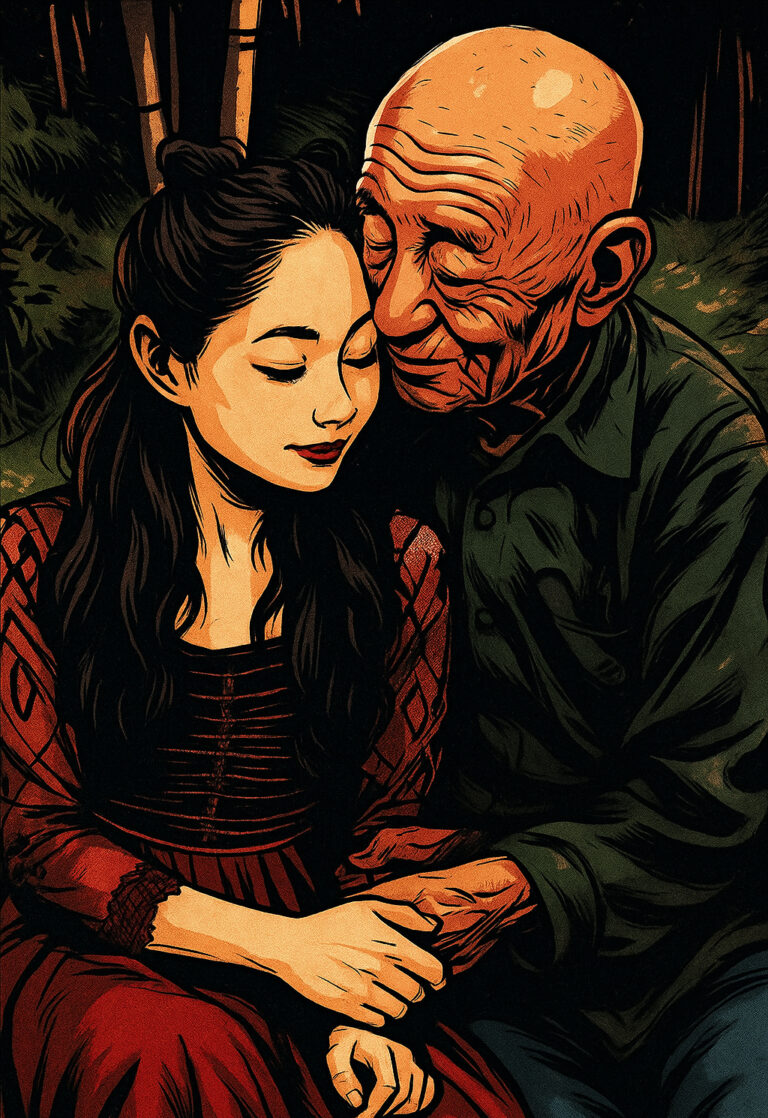
    Women 23 Marries Old Man 80 Yr-Old

    0

    Love stories usually come with butterflies, stolen glances and maybe a rom-com soundtrack. But every so often, one arrives that makes you pause, raise an eyebrow—and then question everything you thought you knew about romance. In a small town in Hebei, China, 23‑year‑old Xiao Fang and 80‑year‑old Mr. Li have done just that. Their relationship, born in the quiet halls of a nursing home volunteering gig, has challenged norms, broken families apart and—most surprisingly—captured hearts across social media.

    TL;DR

    • Unlikely Romance: A 23-year-old volunteer falls in love with an 80-year-old resident at a nursing home.
    • Significant Age Gap: Their 57-year age difference sparks widespread attention and debate.
    • Family Disapproval: Xiao Fang cuts ties with her family to pursue her relationship with Mr. Li.
    • Simple Wedding: They have a low-key ceremony at the nursing home, symbolizing their authentic commitment.
    • Health Challenges: Xiao Fang becomes Mr. Li’s primary caregiver as his health declines, deepening their bond.
    • Public Scrutiny: Their relationship faces both criticism and admiration on social media.
    • Advocacy & Hope: They plan to launch a non-profit to promote cross-generational understanding and support unconventional relationships.

    1. Loving in the Nursing Home

    It all started as many volunteer programs do—with good intentions and a bright-eyed 23‑year‑old. Xiao Fang signed up to spend a few hours each week at a local nursing home. She was full of life, talkative and eager to learn from residents whose life stories were as aged and rich as the antique teacups they sipped from.

    Then she met Mr. Li.

    At 80, he was the wisest man in the place—metaphorically speaking—and had the gentle patience of someone who’s seen enough winters to know warmth can come from more than sunshine. They bonded over calligraphy, traditional poetry and a mutual love of green tea. It was friendship at first sight, but in retrospect, you can almost see the beginnings of something deeper.


    2. When Friendship Blooms into More

    Over the next few months, their visits turned into private tea sessions in the garden. Laughter echoed among the chrysanthemums as they debated Confucian teachings, Japanese haiku and which decade had the best music (spoiler: they never agreed).

    Meanwhile, Xiao Fang noticed something irresistible in Mr. Li’s measured speech and sharp wit. His decades of life didn’t feel heavy or stifling—rather, they added a warmth and security she’d never known her own age could lack. From her side, youthful energy and an open heart brought out a twinkle in Li’s eyes that hadn’t surfaced in years.

    It wasn’t long before casual conversations gave way to long silences spent simply enjoying each other’s company. It was charming. It was unlikely. And yet, it was real.


    3. WHAT ARE YOU THINKING, Xiao Fang??

    Romance, as it often does, bloomed. But romantic clichés rarely prepare you for the seismic shock of a 57‑year gap. Here’s what happened next:

    1. Acknowledgment of Reality: Xiao Fang and Li paused to ask themselves—“Are we deluding ourselves?”
    2. Fear of Judgment: In a world quick to judge, they braced for ridicule.
    3. Decision to Lean In: Despite doubts, they chose authenticity over convention.

    It took courage. It took vulnerability. Most of all, it took a willingness to be weird in public—something we millennials can all relate to.


    4. Family Fallout: When “Love” Becomes “Problem”

    Here’s where the plot thickens: Xiao Fang’s parents were not on board. They viewed Li as someone who might be using their daughter’s youth for selfish ends. They worried about inheritance, gossip and public shame. They wept. They argued. They issued ultimatums.

    In the end, Xiao Fang made a decision that even the boldest among us might hesitate to make: she cut ties with her family.

    In an instant, the safety net disappeared. College tuition? Paid. Family dinners? Cancelled. The result? Total freedom. She chose unconditional partnership with Li over conditional love from her kin. Whether you cheer or cringe, it was a statement about who controls your narrative: you—or everyone else’s expectations.


    5. A Simple Wedding That Spoke Volumes

    Forget white doves and an orchestra. Their wedding was low‑key. Held in the nursing home courtyard, surrounded by a handful of staffers and a few delighted residents, the ceremony was intimate.

    • Venue: A row of plastic chairs under a paper lantern canopy
    • Attire: Xiao Fang in a modest cheongsam; Li in a well‑worn suit
    • Vows: Promises to support each other in health, in sickness, in mornings that start with creaky joints, and evenings when you’re too tired to talk

    There were no viral fireworks. Instead, the applause came from people who knew these two souls best. It was enough.


    6. Everyday Magic: How They Thrive

    The romantic peak might be the wedding day—but real love glows in the mundane. For Xiao Fang and Li, happiness looks like:

    • Morning Strolls: Walking side by side, arms linked. She slows her pace. He quickens his. They meet in the middle.
    • Shared Meals: Cooking simple noodles. He teaches her to tweak the broth. She shows him how to garnish with fresh chives.
    • Household Chores: Washing dishes together. Folding laundry. Laughing when socks go missing.

    They document these snippets on social media, not for clout, but to celebrate their life. Onlookers get a peek at a partnership built on respect, playfulness and genuine affection.


    7. The Health Crisis: Love in the Eye of the Storm

    2024 brought a test: Mr. Li’s health began to decline. Age, after all, is biologically relentless. Where once he walked unassisted, now he sometimes needed a cane. Days of clear speech became punctuated by slurred words. Even so, his spirit remained unbowed.

    Suddenly, Xiao Fang was no longer just a partner—she was his primary caretaker, financial manager and emotional anchor. The nursing home’s staff offered support, but Li’s care became her mission.

    • Daily Routine: Morning medications, afternoon check‑ins, nighttime reassurance
    • Financial Shift: Xiao Fang took control of bills, medical appointments and pension paperwork
    • Emotional Labor: Comforting him on bad days, encouraging him on good ones

    It would have been easy to resent the burden. Instead, she leaned in, discovering reserves of patience she never knew existed. This phase of their life revealed a deeper layer of love—where sacrifice isn’t heroic, but simply part of the deal.


    8. Public Reaction: From “Gold Digger” to “Age‑Defying Romance”

    No love story sails through its journey without external commentary—especially one that defies conventions. Their social media posts sparked a wildfire of opinions:

    • Skeptics: Labelled Xiao Fang a “gold digger” and Li a “cruella” exploiting youth.
    • Romantics: Declared it “true love that transcends time.”
    • Philosophers: Used it as a case study in societal norms around marriage.

    Through it all, the couple remained unshaken. Negative comments were deleted. Positive ones were cherished. And every time someone applauded their bond, they shared a sincere “thank you”—no grandstanding, just gratitude.


    9. Lessons We Can Borrow

    If there’s one takeaway from Xiao Fang and Li’s story, it isn’t “go and marry someone 57 years older than you.” Rather, consider these insights:

    1. Challenge the Status Quo: Love isn’t a one‑size‑fits‑all garment. Sometimes, the fit feels off until you try it on.
    2. Choose Authenticity: Following your heart can mean cutting ties with expectations you never agreed to.
    3. Embrace Uncertainty: There are no guarantees in love. Commitment means moving forward without a roadmap.
    4. Value Everyday Moments: Grand gestures fade. The magic lives in the small, repeated acts of care.
    5. Redefine Strength: True resilience is not invulnerability. It’s the ability to keep loving when everything else feels hard.

    10. My Take: Why This Story Resonates

    Here’s where I get off my soapbox—but not before sharing why this story sticks with me:

    • It’s Fearless. In a world obsessed with metrics—career milestones, follower counts, net worth—witnessing someone toss aside the scoreboard and play by their own rules feels invigorating.
    • It’s Human. We talk so much about ageless souls, but rarely do we let go of baggage tied to birthdays. Their union reminds us that emotional connection can be the great equalizer.
    • It’s a Mirror. We all harbor secret judgments. When confronted with a romance this unexpected, we see our biases reflected back. How will you react when someone falls in love outside your comfort zone?

    In short, Xiao Fang and Li’s journey is more than a novelty. It’s a prompt to reevaluate what matters when it comes to relationships. Their love asks us: If you stripped away every expectation about “right” timing and “proper” partners, what would remain?


    11. Beyond the Headlines: What’s Next?

    As of mid‑2025, life has settled into a rhythm. Li’s health will always require vigilance. Xiao Fang’s career—once a nursing‑home volunteer gig—has pivoted into elder‑care advocacy. Together, they’re launching a small non‑profit to train volunteers in empathy, patience and cross‑generational dialogue.

    In the pipeline:

    • Workshops: Teaching young adults how to communicate with seniors
    • Storytelling Events: Showcasing unconventional relationships to break down ageism
    • Support Networks: Creating safe spaces for families navigating unconventional romances

    Will their initiative succeed? Time will tell. But if there’s one thing we’ve learned so far, it’s that when two people choose each other against all odds, possibilities multiply.


    12. Final Thoughts: Love Without Limits

    Age is, without question, a number. Yet society often treats it like an iron gate—dividing lovers, labeling relationships “acceptable” or “tragic.” The tale of Xiao Fang and Li shows how arbitrary those gates can be. When you replace caution with curiosity, assumptions with questions, fear with openness, life can surprise you.

    Ironically, the more they’re misunderstood, the clearer their message becomes: Real love isn’t neat. It doesn’t fit in the boxes we build. It isn’t polite. It isn’t convenient. But it is powerful enough to remake lives, heal wounds and even inspire whole communities.

    If their story teaches us anything, it’s to let go—of timelines, checklists and the need for approval. To seek connection over convention. To believe, as they do, that love can bloom even in the most unexpected fields.

    So next time someone tells you “age is just a number,” remember Xiao Fang and Li. Because they didn’t just say it—they lived it. And in that choice lies a little bit of hope for the rest of us: that when we dare to love on our own terms, we might discover the kind of story worth telling.

    What is the Sharpie Lip Liner Trend?

    0

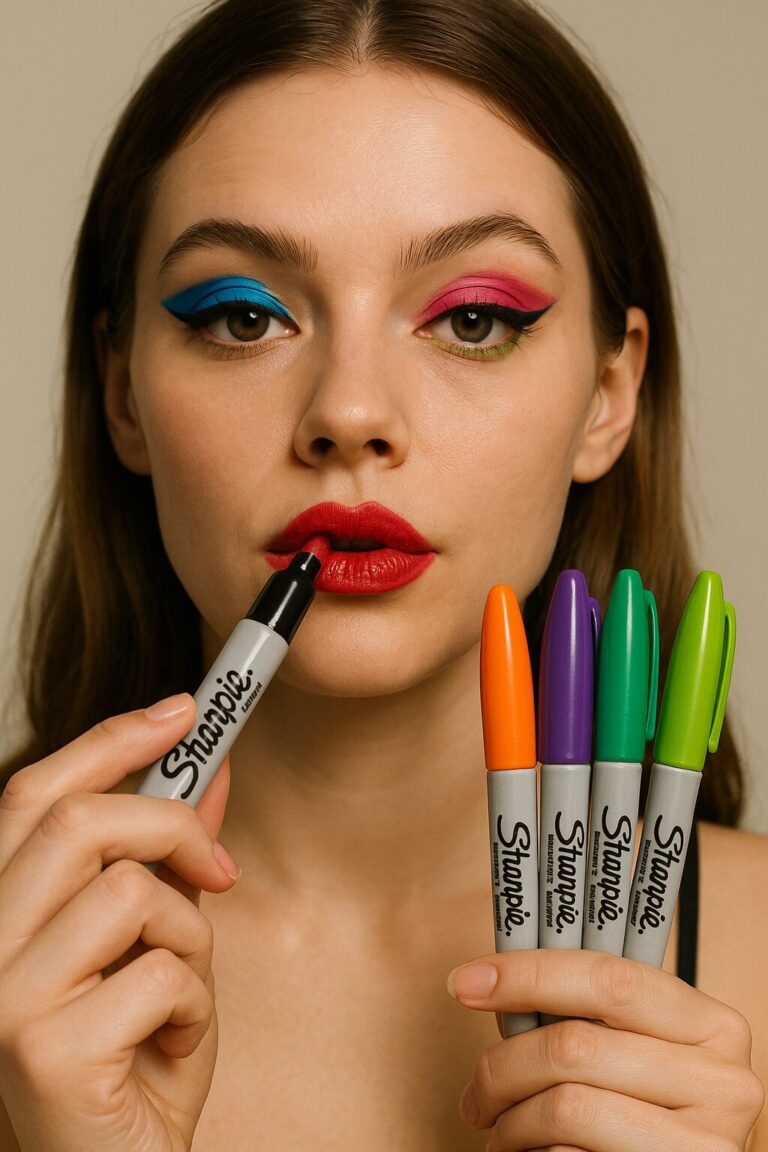
    Almost every few weeks, beauty “hack” enthusiasts on social platforms discover some clever—or downright bizarre—way to cut costs on cosmetics. The latest viral challenge involves using a plain ol’ Sharpie permanent marker as your go‑to lip liner. Yep. You read that right.

    It’s simple, it’s cheap, and evidently, it’s eyebrow‑raising. In this deep dive, we’ll unpack what exactly this trend entails, why so many are tempted to try it out, and—most importantly—why you might want to swipe that Sharpie right off your vanity. Plus, I’ll share safer, wallet‑friendly alternatives and sprinkle in a few hard‑won opinions along the way.

    TL;DR

    • Sharpie on Lips is Trending: People are using Sharpies as cheap lip liner alternatives.
    • It’s Dangerous: Sharpie ink contains toxic chemicals like xylene and toluene not meant for skin.
    • Side Effects Include: Dryness, irritation, chemical taste, and potential allergic reactions.
    • Experts Advise Against It: Dermatologists and Sharpie itself warn against skin application.
    • Safer Options Exist: Many affordable and safe lip liners are available on the market.
    @lebaneseangel22

    @Sharpie we need more shades 🫣 CREATOR CREDIT: @Rachel Carlisle

    ♬ original sound – Lebaneseangel22

    What Is the “Sharpie Lip Liner” Trend?

    In case you’ve been hiding under a beauty‑blender‑shaped rock, here’s the gist:

    1. Grab a Sharpie. Usually red or coral shades, because, duh, those mimic classic lip‑liner hues.
    2. Line your lips. Trace the outer edges of your mouth with the marker tip.
    3. Swipe on gloss or lipstick. The Sharpie acts as your “liner,” supposedly keeping color in place and preventing that dreaded feathering.

    Videos showing this in action have racked up millions of views. Commenters are quizzing each other: “Which Sharpie shade did you use?” “Is this permanent?” “How long does it last?”

    Yet, amidst the excitement, a whisper of doubt reverberates through the comments. “It smells weird.” “My lips felt dry.” “I could taste the chemicals.” And trust me—that’s putting it mildly.


    Why Are People Falling for This Hack?

    Wallet-Friendly Makeup

    Let’s be honest: investing in a good lip liner can cost you upward of $20 or $30. Sharpies? They’re $2–$3 a pop. For budget‑minded teens or thrifty makeup mavens, that’s tempting.

    Viral FOMO

    We live and breathe social media. When you see your favorite influencer nail a full pout using nothing but stationery supplies, FOMO kicks in. “If they can do it, so can I, right?”

    DIY Enthusiasm

    There’s a thrill in discovering—and sharing—a hack. It feels clever, renegade even. And any hack that flirts with “forbidden territory” (like using a writing tool on your face) seems twice as exciting.


    The Uncomfortable Truth: What’s in That Ink?

    Contrary to what many beauty gurus imply, Sharpies are not designed for human skin. Here’s what you’re smearing on those lips:

    • Xylene
    • Toluene
    • Urethane resin

    These chemicals give Sharpie ink its permanence on paper. On human skin, they can trigger dryness, irritation, and a chemical taste in your mouth. The Northern New England Poison Center warns that these compounds aren’t meant for cosmetic use—and for good reason.

    “Permanent markers, including popular brands like Sharpie, contain ink that is made from the chemicals xylene, toluene and urethane resin.”
    (Northern New England Poison Center)

    Even Sharpie’s own website cautions you:

    “While Sharpie markers are safe for artistic purposes, caution is advised against using them on skin, as they are not designed for that application.”

    So, when that nice red line seeps into smile lines or requires nail‑biting removal, you’ll know exactly why.


    Short‑Term Side Effects: Mild to Moderate Annoyances

    1. Dryness and Flaking
      • Those ink solvents strip moisture. Expect tight, dehydrated lips within minutes.
    2. Chemical Smell and Taste
      • It’s not just you—the scent and aftertaste of industrial ink are real.
    3. Stinging or Burning
      • If you have micro‑cuts or sensitive skin, that harsh marker tip can feel like sandpaper.
    4. Ink Migration
      • Sharpie markers aren’t designed to bond with lip‑skin cells. So, they can bleed and smudge unpredictably.

    Long‑Term Dangers: When Annoyance Turns Hazardous

    Allergic Contact Dermatitis

    Repeated exposure to xylene and toluene can lead to allergic reactions. Symptoms include redness, swelling, blistering—and not in a cute Spike Lee “blistering sun” sort of way.

    Potential Toxicity

    Inhaling or ingesting marker solvents over time may pose health risks. While a one‑off experiment might feel harmless, daily use raises red flags (literally).

    Lip Barrier Disruption

    Your lips rely on a delicate balance of oils and moisture. Disrupt that with harsh chemicals, and you could end up with chronic chapping or fissures.


    What the Experts Say

    • Dermatologists unanimously discourage applying non‑cosmetic inks to skin.
    • Poison Control reports a rise in calls linked to DIY makeup hacks using permanent markers.
    • Cosmetic Chemists remind us: lip liners are formulated with skin‑safe pigments, oils, and emollients—none of which are in a permanent marker.

    The Sharpie Brand’s Take

    Unsurprisingly, Sharpie doesn’t recommend this trend. Their official website clarifies that their markers are intended for paper, plastic, metal, and other non‑porous surfaces—not your pout.

    Key takeaway: If you value your lips, take the brand at its word.


    Cost‑Effective and Safe Alternatives

    You don’t need to sacrifice safety for savings. Here are some wallet‑friendly lip liners that deliver quality without emptying your purse:

    ProductPrice RangeKey Features
    NYX Slim Lip Pencil$5–$6Creamy formula, long‑wear, wide shade selection
    e.l.f. Lip Liner Pencil$3–$4Smooth application, travel‑friendly
    ColourPop Lippie Pencil$6Highly pigmented, vegan, cruelty‑free
    Maybelline Color Sensational$7–$9Built‑in sharpener, glossy finish
    Essence Long Lasting Lip Liner$2–$3Ultra‑affordable, surprisingly smooth

    Tip: Look for liners with nourishing oils (like jojoba or vitamin E) and waxes that lock in moisture.


    How to Choose the Right Lip Liner

    1. Check the Ingredients
      • Avoid parabens, formaldehyde donors, and known irritants.
    2. Consider Texture
      • Do you prefer crayon‑like stiffness or a creamy glide?
    3. Match to Your Lipstick
      • Neutral liners suit most shades; vibrant reds need precise matching liners.
    4. Test Durability
      • Swipe, sip, and see if it stays put—without bleeding.

    Step‑By‑Step: Professional Lip Lining for Beginners

    1. Prep Your Lips
      • Exfoliate gently. Apply a thin balm. Let it sink in.
    2. Outline Carefully
      • Use small, feather‑light strokes to trace your natural shape.
    3. Fill In
      • For added staying power, fill the entire lip with the liner base.
    4. Layer Your Lipstick
      • Apply lipstick or gloss over the liner for intensity.
    5. Clean Edges
      • Dip a concealer brush in a bit of foundation. Sharpen your edges.

    Budget‑Friendly DIY Hacks (Without Toxic Markers)

    • Talcum‑Free Baby Powder + Translucent Gloss
      • Blot lips with powder before adding gloss. Creates a matte base.
    • Tinted Lip Balm + Clear Gloss
      • Mix for a sheer, safe tint that hydrates.
    • DIY Stain: Beetroot or Hibiscus Tea
      • Natural pigments can give a lasting stain—just patch‑test first.

    Social Media Responsibility: When Influence Becomes Liability

    Influencers hold power. A single viral video can shape beauty norms—and health behaviors—for millions. Here’s what content creators should remember:

    • Include Disclaimers. Always clarify when you’re experimenting.
    • Invite Expert Opinion. Link to dermatologist or poison control guidelines.
    • Show The “Aftermath.” Don’t only post the “wow” shot. Show the removal process.
    • Promote Safe Alternatives. Share your budget‑friendly finds.

    Frequently Asked Questions (FAQ)

    Q: Will Sharpie stain my lips permanently?
    A: Thankfully, no. Sharpie ink fades over a few days with regular washing—but the chemical residue can linger.

    Q: Can I remove Sharpie from my lips easily?
    A: Oil‑based cleansers and makeup removers work best. Rubbing alcohol may remove ink but it also strips moisture—so proceed with caution.

    Q: Are there any “natural” permanent markers safe for skin?
    A: No. Permanent markers of any kind contain solvents and resins unsuitable for skin.

    Q: What if I already tried the hack and now have irritation?
    A: Gently cleanse with a fragrance‑free cleanser. Apply a barrier ointment (like pure petroleum jelly). If irritation persists, consult a dermatologist.


    My Point of View

    Let’s be real: I get the thrill of discovering a rebellious beauty hack. After all, who doesn’t love feeling like they cracked the system? But using office supplies as makeup crosses a line. It’s a classic case of “just because you can, doesn’t mean you should.”

    Here’s what concerns me most: We’re glamorizing risky behavior for a few seconds of online fame. What’s next? Correction‑fluid contouring or highlighter made from white-out? The line between clever and careless is razor‑thin.

    On the flip side, I appreciate the inventive spirit driving these trends. It highlights a genuine demand for affordable cosmetics. Rather than shooting toxic ink across our lips, let’s push brands and retailers to offer quality, low‑cost options. That’s a hack I can get behind.

    If you’re craving drama in your makeup routine, invest in a bold red liner. Experiment with edgier lip‑color gradients. But let’s leave the Sharpies for your note‑taking, not your next night out.


    In Conclusion

    The Sharpie lip liner trend might be the most talked‑about beauty hack of the moment, but it’s hardly the smartest. From chronic dryness to potential health hazards, the cons far outweigh any cost savings. Thankfully, the beauty industry is brimming with wallet‑friendly, skin‑safe options that won’t leave you breathing solvent fumes or explaining chemical burns.

    So next time someone pops up in your feed drawing on their lips with a permanent marker, share this article. You’ll spare them a trip to the poison control hotline—and help them find a proper lip liner that offers color, comfort, and confidence, minus the toxicity.

    Stay savvy, stay safe, and please, keep the Sharpies in your desk drawer.

    The Leongatha Mushroom Murders

    0

    Well now, isn’t this a delightful little tale of familial discord and lethal fungi? It truly makes you wonder what goes on behind closed doors, doesn’t it? In July 2025, Erin Patterson, a 50-year-old Australian mother of two, found herself entangled in a web of accusations. Ultimately, she was convicted for the tragic demise of three of her estranged husband’s relatives. They were his parents, Don and Gail Patterson, and his sister, Heather Wilkinson. The alleged weapon of choice? A seemingly innocuous beef Wellington, cunningly laced with death cap mushrooms, served at her home in Leongatha, Victoria.

    TL;DR

    • Family Feud Turns Fatal: Erin Patterson, 50, allegedly poisoned her estranged husband’s family with death cap mushrooms.
    • Deadly Dinner Party: Three family members died after eating a beef Wellington cooked by Patterson.
    • Deception and Denial: Patterson faked illness and tried to cover her tracks, but was ultimately arrested and convicted.
    • Survivor’s Account: The sole surviving uncle’s testimony was crucial in the police investigation.

    A Recipe for Ruin: The Backstory

    So, let’s unpack this domestic drama, shall we? Our protagonist, Erin, was approximately 48 years old when this grim saga began to unfold in Australia. Evidently, she had some rather significant issues with her estranged husband, Simon. They were separated but, interestingly enough, never officially divorced. One might call it a rather prolonged pre-divorce period, fraught with increasing tension.

    As time wore on, Erin and Simon found themselves locked in perpetual conflict. Their disagreements, as is often the case, revolved around money, child support, and other predictable points of contention. Erin, by all accounts, was quite vocal in her accusations, reportedly labeling Simon a “deadbeat” and claiming he wasn’t pulling his weight for their children. Simon, predictably, countered these claims, asserting he had been a supportive parent for years. This back-and-forth, as you can imagine, hardly fostered an atmosphere of warmth and reconciliation.

    But the animosity, it seems, wasn’t confined to just Simon. Erin, by her own perception, felt the entire paternal side of the family was ganging up on her. She specifically singled out Simon’s parents, believing they consistently sided with their son, rather than considering what was “right” for her and the children. This simmering resentment, it appears, eventually reached a boiling point.

    The Ominous Invitation: A Seemingly Innocent Lunch

    At some point, Erin seemingly reached her breaking point. She decided, with chilling resolve, that it was time to permanently remove Simon from her life. Not content with just one target, she also aimed to eliminate his entire family. In 2023, she meticulously concocted a plan that, in her mind, was foolproof. Her objective: to “unalive” her ex-husband and his parents. Her chosen method? Foraging for wild poisonous mushrooms, cooking them, and then surreptitiously slipping them into her ex-husband’s food.

    To facilitate this macabre endeavor, Erin began scouring online plant databases. Specifically, she was searching for reported sightings of poisonous mushrooms in her vicinity. These websites, as it happens, often serve as crucial resources for mushroom foragers, warning them of dangerous species and helping prevent accidental poisonings. On one such site, Erin struck what she likely considered a goldmine. She discovered reports of death cap mushrooms in two nearby towns. For those unfamiliar, death caps are exceptionally potent and, tragically, responsible for the vast majority of fatal mushroom poisonings worldwide.

    Picture of death cap mushroom (Amanita phalloides)

    What is the death cap mushroom (Amanita phalloides)

    AttributeDetails
    Scientific nameAmanita phalloides (Wikipedia)
    FamilyAmanitaceae
    Toxic compoundsAmatoxins (especially α‑amanitin), plus phallotoxins and virotoxins
    IdentificationCap 5–15 cm across, olive‑green to yellowish, white gills and skirt‑like ring on the stem
    Habitat & distributionForms mycorrhizal partnerships with broadleaved and coniferous trees; native to Europe, now also found in North America and Asia
    Onset of symptomsTypically 6–12 hours (up to 24 h) after ingestion
    Clinical symptomsSevere vomiting, watery diarrhea, abdominal cramps; followed by liver and kidney failure
    Case fatality rateApproximately 10–20% even with modern medical care
    TreatmentEmergency care: gastric decontamination (activated charcoal), aggressive IV fluids, specific therapies (e.g., silibinin), and, if needed, liver transplant

    Armed with this information, Erin ventured out to the reported locations. She meticulously gathered as many of these deadly fungi as she could find. To further her plan, she also purchased a dehydrator. Once home, she processed the mushrooms, dehydrating and then pulverizing them into a fine powder. This insidious powder was then ready to be discreetly incorporated into the beef Wellington she was preparing.

    With all her preparations complete, Erin extended an invitation to Simon for lunch. Interestingly, she also invited his parents, his aunt, and his uncle. Her rationale for this rather unusual gathering? A fabricated “medical issue” that she purportedly wished to discuss with them, specifically whether or not to inform her children about it. Of course, the concerned family, assuming she was dealing with a serious illness like cancer, readily agreed to attend.

    A Fatal Feast: The Day of Reckoning

    On the morning of the ill-fated lunch, Erin set about preparing the meal. She carefully infused the poisonous mushroom powder into both the mushroom paste used in the beef Wellington and the mushroom gravy she prepared. However, demonstrating a chilling degree of self-preservation, Erin also prepared a separate batch of mushrooms for her own meal, ensuring they were entirely free of toxins.

    When lunchtime finally arrived, Simon’s parents, aunt, and uncle appeared at Erin’s doorstep. Simon, however, was conspicuously absent. He had, it turns out, canceled the day before, citing Erin’s recent “attitude” as the reason. While Simon’s absence may have thrown a slight wrench into her original plans, Erin, seemingly unfazed, pressed on with her deadly agenda, apparently content to target the rest of his family instead.

    At the dining table, Erin served four gray plates of beef Wellington to her guests. Her own meal, tellingly, was placed on a distinct orange plate, ensuring she wouldn’t accidentally poison herself. As they ate and conversed, Erin delivered another carefully constructed fabrication. She announced to her unsuspecting guests that she had cancer. This was, of course, a complete falsehood, but it served to maintain the charade she had established during her initial invitation. The guests, completely unaware of the grim reality, offered their condolences and advice on how to break the news to her children.

    The Unfolding Horror: A Slow and Painful Demise

    Eventually, lunch concluded, and the guests departed, returning to their respective homes. Later that evening, the insidious effects of the death cap mushrooms began to manifest. These toxins typically take 6 to 12 hours to wreak havoc. Simon’s family members, now back in their own residences, started experiencing severe symptoms. They were plagued by relentless vomiting throughout the night.

    By morning, their conditions had deteriorated to such an extent that they were all forced to seek medical attention at the hospital. Upon learning of their hospitalization, Erin, ever the manipulator, began devising a cover-up. She understood that her remaining healthy would raise immediate suspicion. Consequently, two days later, she too presented herself at the hospital, feigning illness to divert any potential scrutiny.

    Meanwhile, the condition of Simon’s family members continued its downward spiral. The persistent vomiting gave way to debilitating diarrhea and severe dehydration. Alarming, their organs began to fail, a clear indicator of the mushrooms’ devastating impact. They received a battery of treatments, with one individual even undergoing an emergency liver transplant—a desperate, last-ditch effort to save their life.

    Despite these intensive medical interventions, the outcome was tragically inevitable. Within a week, Simon’s mother, father, and aunt all succumbed to the poisoning in the hospital. Simon’s uncle, remarkably, managed to survive. Although still severely poisoned, he fell into a coma and spent weeks in the hospital before eventually pulling through.

    A Performance for the Press: The Art of Deception

    In the aftermath of these horrific events, Erin, with audacious temerity, chose to engage with the news media. In a chilling display of feigned grief, she spoke publicly, pretending to be devastated by the tragedy. “It’s a tragedy what’s happened with some of the best people I’ve ever met,” she lamented. “They never did anything wrong to me and I’m so devastated about what’s happened.” When pressed for details about the lunch, she offered evasive responses. “What I can tell you is that I just can’t fathom what has happened,” she stated. “That Ian and Heather have lost their lives and Gail has lost her life and Donna is still in hospital and I pray I pray that he pulls through. I just can’t believe it.”

    Simultaneously, she was actively engaged in destroying evidence. She disposed of the food dehydrator—the very device she used to process the mushrooms—at a local trash dump. Furthermore, she repeatedly factory reset her phone, wiping crucial data. To add another layer of intrigue, she reportedly possessed multiple burner phones, which she also discarded, presumably to eliminate any further incriminating evidence. One can only wonder about the need for burner phones in a mushroom poisoning plot; it certainly adds a bizarre twist to an already macabre tale.

    The Investigation Unravels: The Truth Emerges

    Given the suspicious nature of the deaths and the doctors’ suspicions of death cap mushroom poisoning, the police were promptly alerted. Their investigation began swiftly. Early in their inquiries, detectives interviewed Erin, questioning the source of the poisonous fungi. Her response—that she purchased them at an Asian supermarket—was quickly debunked. Her narrative simply didn’t align with the emerging facts.

    As the investigation progressed, the surviving uncle proved to be a pivotal source of information. He provided crucial details, including the fact that Erin had used a distinct orange plate for her own food, and her earlier, false claim of having cancer. With a growing mountain of evidence, the police eventually had enough to make their move. Erin Patterson was arrested. While her mug shot is not publicly available, a photograph of her appearing to feign distress at the scene of the crime circulated widely, serving as a stark reminder of her cold-hearted deception.

    Her trial concluded just days ago, and she was found guilty of all charges. As of now, she has not yet been sentenced, but she faces a potential sentence of life in prison. This case serves as a stark and unsettling reminder of the depths of human cruelty and the devastating consequences of unresolved conflict.


    My Two Cents: Musings on the Leongatha Tragedy


    Alright, let’s peel back the layers of this particular onion, shall we? As a professional observer of human behavior – and someone who has, on occasion, seen some truly baffling situations – this case really takes the cake. It’s a masterclass in premeditated malice, cloaked in the guise of a domestic squabble.

    First off, the sheer audacity of it all. Imagine inviting your estranged partner’s family over for a meal, knowing full well you’ve spiked their dinner with a deadly toxin. It’s not just evil; it’s a chillingly calculated move that speaks volumes about the perpetrator’s state of mind. We’re not talking about a crime of passion here, where emotions run high and judgment is clouded. Oh no, this was meticulously planned, from the research into poisonous mushrooms – and frankly, who casually researches death cap mushrooms unless they have a very specific, very dark agenda? – to the deliberate act of preparing separate, safe portions for herself. It’s almost… surgical in its precision.

    Then there’s the cancer lie. Seriously? As if poisoning three people isn’t enough, she fabricates a life-threatening illness to garner sympathy and, one assumes, to provide a plausible reason for gathering her victims. It’s a move that’s both manipulative and, frankly, a bit theatrical. One has to wonder if, in her twisted logic, she thought this added a touch of tragic irony to her murderous plot. “Oh, poor me, I’m dying, and by the way, so are you.” It’s an extra layer of cruelty, a psychological jab before the physical one.

    And the media appearances! This is where the sheer chutzpah truly shines. To stand before cameras, shedding crocodile tears, expressing feigned devastation, and then, in the same breath, subtly trying to shift blame or express ignorance – it’s a performance worthy of an Oscar, if only the stakes weren’t so profoundly grim. It speaks to a profound lack of empathy, a complete detachment from the human cost of her actions. One can almost picture her practicing her mournful expressions in the mirror.

    The cover-up attempts, too, are fascinatingly amateurish for someone who clearly put so much thought into the initial crime. Disposing of the dehydrator, wiping phones, burner phones – it’s almost as if she thought she was in a spy movie, not a suburban home in Victoria. It highlights a certain level of arrogance, a belief in her own cleverness that ultimately proved to be her undoing. One might say she thought she was smarter than the law, a classic miscalculation.

    From my perspective, this case underscores several critical points about human nature and the justice system. Firstly, the dark side of interpersonal conflict. While financial disputes and family feuds are common, very rarely do they escalate to such a horrific extent. This isn’t just about money or resentment; it speaks to a deep-seated pathology, a willingness to cross every ethical and moral boundary imaginable.

    Secondly, the silent suffering of victims. Imagine the terror and confusion of those guests as the poison slowly took hold. The initial nausea, the vomiting, the organ failure – a slow, agonizing descent into death, all while believing they had just enjoyed a friendly meal. The uncle’s survival, while a blessing, must also be a curse, as he carries the unbearable memory of that day and the loss of his family.

    Finally, the relentless pursuit of justice. Despite the cleverness of the crime – an untraceable poison, a seemingly innocent setting – the truth, as it often does, found a way to surface. The doctors’ suspicions, the police investigation, and the crucial testimony of the survivor all converged to reveal the grim reality. It serves as a reminder that even the most cunning plans can unravel under scrutiny.

    This case…I’m thinking…that the most dangerous people aren’t the ones you fear on a dark street, but the ones you invite to your dinner table. It’s a chilling narrative, one that should give us all pause and perhaps make us think twice about accepting that mysterious beef Wellington from an estranged family member. Just a thought.

    Where is Haidilao Xiaobai now?

    0

    When everyday routines collide with unexpected creativity, magic can happen. That’s exactly what unfolded at a Haidilao hotpot restaurant in Butterworth, Malaysia, where a 21‑year‑old receptionist transformed steaming pots and simmering broths into her very own stage. Meet Bai Huining, affectionately known as “Xiao Bai ” on Xiaohongshu, a name now synonymous with viral dance videos and the irresistible charm of spontaneous performance.

    TL;DR:

    • Haidilao receptionist Xiao Bai went viral with spontaneous dances.
    • Her fame led to a Haidilao tour and company ambassadorship.
    • She then launched a successful agar-agar stall, prioritizing well-being.
    • Her story proves passion and creativity can turn any job into a launchpad.

    The Spark: A First Whirl on TikTok’s Chinese Cousin

    It all began on June 29, when Xiao Bai dared to press “upload” on her first dance video. Clad in her Haidilao uniform, she and a colleague busted out choreography to “Malatanghulu,” a peppy tune that quickly found an audience. The video captured the playful contrast: strict restaurant rules on one side, and an unleashed burst of joy on the other.

    Within days, customers who once came solely for a bubbling soup were now jostling for a better view of her routine. Phones were out. Cameras rolled. And those dining patrons became her unwitting promoters, sharing clips with captions like:

    “Wait, is this Haidilao Malaysia’s secret performance?”
    “She just turned my dinner into a show!”

    Before long, her follower count soared past 100,000 on Xiaohongshu and 60K on IG. A quiet receptionist became a bona fide social media star, all thanks to a smartphone camera and a dash of confidence.


    Riding the Wave: From Butterworth to Singapore

    As her digital footprint grew, so did opportunities. Haidilao’s Singapore branch took notice—and swiftly organized the “Xiao Bai Dance Tour,” which saw her grace stages at 10 outlets from September 23 to 27, 2024. Fans in Paya Lebar Quarter and beyond flocked to see her real‑life moves. The once‑local sensation was now a regional draw.

    Haidilao International itself even featured her in a promotional video for their Celebrity Buddy Program. The clip showed Xiao Bai in full dance mode, her smile infectious. That nod from the brand cemented her status. She had officially graduated from viral clip to company ambassador.


    Inside the Kitchen: More Than Just Moves

    On the surface, it might seem like dancing in a restaurant is all fun. In reality, it’s a tightrope act. Haidilao is famous for its top‑notch service, and mixing performance with meal service requires discipline. Xiao Bai balanced uniform precision with choreographed flair. She learned to read a room: when orders piled up, she’d rein in her routine; when the pace slowed, she’d spring into action.

    Her colleagues became her backup dancers—and staunch supporters. They’d cue her music, clear the floor, and even help with impromptu costume changes (aprons off, jazz hands on). This behind‑the‑scenes teamwork turned each performance into a mini‑production. The result? Diners felt special, and the restaurant’s atmosphere skyrocketed from casual dining to full‑on entertainment.


    Viral Amplification: The Role of Xiaohongshu

    Why did her videos explode on Xiaohongshu rather than on, say, Instagram or Douyin? Simple: context. Xiaohongshu thrives on authentic, day‑to‑day experiences. A waitress breaking into dance during dinner fit perfectly with the platform’s vibe. Plus, Xiaohongshu’s algorithm favors engaging content from real people. Fans tagged their friends, and the platform’s recommendation engine took over. In a matter of weeks, her dance clips racked up millions of views.

    The hashtag #小白热舞 (Xiao Bai Hot Dance) trended in Malaysia. Chinese users, always on the lookout for fresh, shareable moments, lit up her comments section with heart emojis and GIFs. Food bloggers started rating not just the soup bases but her moves as well. Suddenly, Haidilao reviews read like concert reviews:

    “Spicy mala at 8/10, Xiao Bai’s pirouette at 11/10.”

    That playful hyperbole fueled more clicks and drove curiosity‑hungry watchers straight to her page.


    The Big Leap: Trading Soup for Agar‑Agar “夏日冰粉”

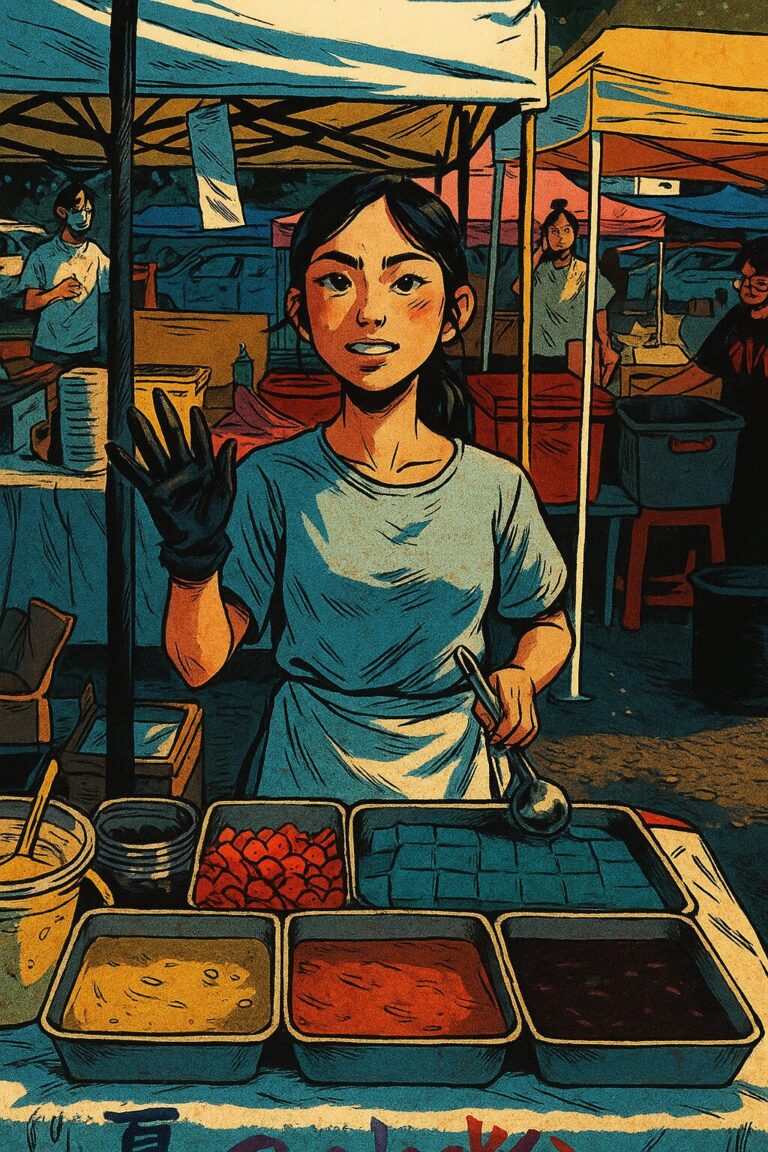
    Fame has its perks, but it also brings questions. What’s next? Xiao Bai found her answer in a surprising turn: agar‑agar ““bingfen” with her stall name “夏日冰粉”. You read that right—she swapped ladles for jelly cups. This year, she left Haidilao to launch a two‑day‑a‑week agar‑agar stall at Penang’s Nine Emperor Gods Temple in Butterworth. Every Thursday, she sets up at Tow Boo Kong Temple. On Saturdays, she’s at the Nine Emperor Gods festival grounds.

    It wasn’t a knee‑jerk decision. She’d been planning the pivot long before her dancing went viral. The timing just aligned. Malaysia’s heat makes agar‑agar a crowd‑pleaser. Plus, running a stall gave her control over income, schedule, and, most importantly, stress levels.


    Entrepreneurship on a Shoestring

    Launching a small food business in a temple precinct doesn’t require venture capital. But it does demand grit. Xiao Bai invested her savings in equipment, ingredients, and signage. She sourced colorful molds to set her jelly desserts apart. She experimented with pandan, coconut milk, and even aloe vera flavors. Each week brought tweaks—more sugar for one batch, less water for another. Customer feedback was instantaneous. One stall visit might yield five stellar reviews and two “could be sweeter” suggestions. She adjusted on the fly.

    Her stall’s low‑tech charm became an asset. No flashy neon lights—just a white canopy, a handwritten menu board, and Xiao Bai’s ever‑present smile. Diners posted fresh photos of her desserts on the very app that launched her fame. The cycle repeated: someone sees the jelly on Xiaohongshu, decides to visit, snaps a pic, and the next wave of customers arrives.


    Balancing Passion, Flexibility, and Wellness

    Transitioning from a regimented restaurant schedule to a weekend stall offered more than higher margins. It provided breathing room. Xiao Bai credits her new routine with reduced anxiety. No more juggling dinner rushes and dance rehearsals back‑to‑back. Instead, she sets up shop on her own terms.

    Weekdays? For now, they’re blank slates. She uses them for content planning, live streaming, and, yes, dancing at home. She’s said on her socials that she hasn’t abandoned her signature routines. Instead, she’s exploring other creative outlets. Some weeks, she livestreams recipe trials. Others, she films dance challenges in new locations—by the seaside or in a Penang mural alley.

    Self‑care took center stage. She carves out time for skincare routines, short workouts, and photo shoots. It’s a far cry from her August nights at Haidilao, racing to clear tables. This balanced schedule feeds her creativity and keeps her audience engaged. After all, a refreshed creator makes better content.


    Reinventing the Service Industry Narrative

    Xiao Bai’s journey challenges the stereotype of service jobs as dead‑end roles. She proves that passion and initiative can turn any position into a launchpad. By injecting performance art into customer service, she unlocked a path to entrepreneurship and personal branding.

    Her story also highlights the merging of hospitality and entertainment. Today’s diners don’t just want good food; they crave memorable experiences. Restaurants that recognize this can foster loyalty and garner free publicity. Flip this idea to any industry—airlines, retail, even healthcare—and the lesson holds: a human touch sets you apart.


    My Point of View

    I find Xiao Bai’s evolution fascinating. Here’s why:

    1. Authenticity Wins
      She didn’t script her success. Her dance moves were genuine expressions of joy. Audiences sniff out authenticity like a truffle pig finds mushrooms.
    2. Platform Fit Matters
      Choosing Xiaohongshu over other platforms wasn’t luck. She tapped into a community seeking real‑life snippets.
    3. Flexibility Beats Rigidity
      By shifting from fixed shifts to an agile weekend venture, she gained control over her time and mental health. That’s a trade many of us crave but few achieve.
    4. Diversification Is Key
      Her résumé now spans receptionist, viral performer, entrepreneur, and online creator. In a gig economy, wearing multiple hats isn’t just trendy—it’s survival.
    5. Community Amplifies Impact
      Her fans aren’t passive consumers; they’re active promoters. When they share her content, they become partners in her brand.

    In short, Xiao Bai’s trajectory offers a blueprint. Identify your unique spark. Find the right stage. Cultivate your audience. And, above all, remain adaptable.


    Looking Ahead: What Lies Beyond Jellies and Jigs?

    With live streaming on her horizon, we might soon see Xiao Bai hosting cooking‑dance mashups, or perhaps teaching agar‑agar art classes online. She could collaborate with other Xiaohongshu influencers, branching into lifestyle vlogs or digital workshops.

    One tantalizing possibility: a pop‑up Haidilao‑style performance at festivals, where servers double as dancers. Food and entertainment—again, the winning combo. And who knows? A brand deal might be next. After all, companies crave faces that embody both relatability and reach.

    Yet, the real takeaway isn’t how many followers she’ll accrue. It’s the reminder that personal branding isn’t reserved for celebrities. It thrives in everyday moments. Xiao Bai turned a lunch rush into a runway. You can turn your daily grind into your spotlight, too.


    Final Thoughts

    The tale of Malaysia’s most popular Haidilao waitress isn’t just about a girl dancing in a restaurant. It’s about spotting opportunity in routine. It’s about the courage to share your passion, even if it means stepping outside your uniform’s comfort zone. It’s proof that with creativity and persistence, service roles can catapult you into the entrepreneurial spotlight.

    So next time you’re stuck in a 9‑to‑5, remember Xiao Bai. Your stage might already be set—be it a cubicle, a classroom, or a kitchen. All it takes is a spark and the nerve to ignite it. You never know who might be learning your moves.

    The First Night with the Duke Episodes 9-10: Betrayal, Power Struggles, and Isekai Intrigue

    0

    From the moment our heroine, Seon‑chaek, is kidnapped to the heart‑rattling choices made by princes and scheming nobles, Episodes 9 and 10 of The First Night with the Duke deliver a whirlwind of twists. Even if you’ve binge‑watched for the transmigration trope, this pair of episodes shifts into high gear, raising stakes, unraveling secrets, and testing loyalties.

    In this in‑depth breakdown, we’ll explore every dagger‑sharp betrayal, every tender glance, and all the narrative gears clanking behind the drama’s royal machinations. Whether you’re an isekai addict or a sageuk traditionalist, you’ll find fresh insights here—and perhaps a few plot puzzles that demand solving.

    TL;DR:

    • Seon-chaek kidnapped, makes daring escape with Yi Beon’s help.
    • Yi Beon’s trauma and the king’s paranoia are key conflicts.
    • Eun-ae becomes a ruthless, manipulative villain.
    • Yi Gyu emerges as a cunning political schemer.
    • Secret wedding, but danger looms with ambushes and betrayals.
    • Transmigration trope is present but underutilized.
    • Strong character development and engaging political intrigue.

    1. A Daring Escape and the Drums of Doom

    First things first: Seon‑chaek’s abduction. Cut to her bound hands. No backup. Just a ginseng digger’s shaky testimony about a suspicious palanquin. It’s do or die—and she chooses do.

    • Resourceful heroine: Against all odds, she frees herself, stabs her captor, and sprints for help.
    • Drum signal: Grabbing a ceremonial drum, she summons Yi Beon—but so does the kidnapper’s hunt.
    • Prince to the rescue: Sword in hand, Yi Beon bursts in, threatening gruesome justice. Seon‑chaek’s mercy wins the day—her kidnapper lives to confess another day.

    Rather than a one‑and‑done kidnapping trope, this scene underscores Seon‑chaek’s grit. Plus, it cements Yi Beon’s fierce devotion—he’d rather face the king’s wrath than see her in danger.


    2. A Toast, a Challenge, and Sleepless Nights

    Back at home, gratitude flows as freely as soju:

    Seon‑chaek’s father offers Yi Beon permission to wed his daughter—if the prince can outdrink him.

    Of course, Yi Beon wins. But then reality bites: nightmares of his wife slain because of his power. Seon‑chaek soothes him, yet trauma lingers. Suddenly, overthrowing a king and battling barbarians doesn’t feel like a side quest—it’s life or death.

    As the drama stirs its next pot, seeds of deeper conflicts start to sprout.


    3. Savior Complex vs. Dark Allegiances

    Our modern heroine vows to save her “obsessive tyrant.” She wants to cleanse Yi Beon’s bloodstained hands. Noble, yes—but also fraught with peril:

    1. Misread motives: Yi Beon kills only under orders, not for pleasure.
    2. Real enemy: The king’s paranoia, not Yi Beon’s sword.
    3. Plot armor gamble: How can Seon‑chaek’s outsider savvy alter destiny without ancient foreshadowing?

    This section highlights a nagging question: if the original web novel didn’t reveal a fail‑safe against the king, why does Seon‑chaek believe she can rewrite fate? The writers flirt with self‑aware drama but seldom deliver on its time‑travel promise.


    4. Eun‑ae: From Red Herring to Ruthless Villainess

    Earlier, you might have cheered when Hwa‑seon appeared shady—and then blamed her for Seon‑chaek’s fall into a pond. Classic. But true villainy blooms in Eun‑ae:

    • Forgery and frame‑ups: Staged handwriting practice, kidnapped heroine.
    • Double‑cross madness: Pretend friend, then drive a knife home.
    • Sibling scandal: Soo‑gyeom’s heartbreak when he uncovers her plot.

    Eun‑ae’s machinations escalate the tension—and she’s not above murder. Yet her cold indifference at Soo‑gyeom’s plea adds chilling depth. She’s a reminder that power lust wears many faces.


    5. Ooze‑Prince Yi Gyu and Web of Secrets

    Enter Yi Gyu: exiled heir, charming interloper. Beneath puppy‑dog eyes lurks a viper:

    Yi Gyu’s alliance offer: conceal bodies, whisper poison in court.

    He manipulates Seon‑chaek’s empathy and Yi Beon’s honor. Rumors fly—blood on a sleeve, suspicious glances—while the real marionettist hides behind silk and courtesy.

    The rivalry of princes isn’t just battlefield blades—it’s whispered rumors that cut deeper.


    6. Trust, Betrayal, and a King’s Ultimatum

    With Eun‑ae in custody, Yi Beon has leverage—but he hesitates. He knows killing another to prove loyalty is savage. Meanwhile, Yi Gyu poisons the king’s mind:

    • Political chess: Yi Gyu kills the exiled prime minister to curry favor.
    • Blame game: Soo‑gyeom’s lineage revealed; the Heuksa Clan lurks in shadow.
    • Knife’s edge: Yi Beon awaits the king’s verdict—and faces exile to the barbarian frontier.

    Transitioning from palace intrigue to battlefield exile, the drama underscores how fragile life is when royalty dances under a mad king’s gaze.


    7. Private Vows, Public Pain

    Before departure, a secret wedding. Two hearts, whispered promises—and then a comical patriarchal protest as Seon‑chaek’s father insists on moving in. Comedy meets tragedy in one breath.

    Cliffhanger moments:

    • Seon‑chaek faints over a real‑world charm.
    • Eun‑ae is released.
    • Yi Beon is ambushed en route to war.

    8. Transmigration Trope: Underused or Overrated?

    This drama’s tagline is a woman from our world dropped into Joseon’s brutality—but after Episode 2, the isekai sheen fades. Sure, Seon‑chaek cracks quips, but so did earlier sageuk heroines. The unique hook feels dormant.

    Insight: When time‑travel stops altering plot mechanics, it becomes mere window dressing. Scripts risk betraying their own premise—readers and viewers sense that.


    9. Character Arcs: Growth and Gripes

    • Seon‑chaek: From feisty outsider to strategic player. She learns the art of subtle influence…though sometimes she overestimates her sway.
    • Yi Beon: The reluctant hunter becomes a man torn between honor and love. His nightmares lend genuine weight to his stoicism.
    • Yi Gyu: A textbook antihero. His charisma masks ambition, inviting both loathing and grudging respect.

    Despite occasional pacing lags, these arcs ground the story’s fantastical elements in believable emotion.


    10. Writing, Pacing, and Production Notes

    • Dialogue: Snappy, albeit occasionally expository.
    • Editing: Action scenes flow well; political exposition drags mid‑episode.
    • Cinematography: Lush landscapes and palace interiors ache with detail. Costumes shine, but occasionally overshadow character moments.

    Future episodes should tighten court scenes and lean into character interplay to maintain momentum.


    My Take

    Frankly, The First Night with the Duke teases an epic blend of isekai and sageuk but often plays it safe. Episodes 9 and 10 shine in their character moments—Seon‑chaek’s daring escape and Yi Beon’s vulnerability hit home. Yet, the show’s greatest asset, its transmigration twist, feels undercooked. I wanted more world‑hopping logic, fewer recycled palace power plays.

    Still, Eun‑ae’s turn as mastermind villainess and Yi Gyu’s sly politics kept me glued to the screen. If the final episodes commit to sharper pacing and deliver on the isekai promise, this could cement itself as a genre‑bending classic.


    Final Verdict

    AspectRating (★ out of 5)
    Acting★★★★☆
    Storytelling★★★☆☆
    Use of Transmigration★★☆☆☆
    Character Development★★★★☆
    Production Design★★★★☆
    Overall Enjoyment★★★★☆

    Overall: ★★★★☆

    Despite some underutilized premises, Episodes 9 and 10 deliver thrilling rescues, shocking betrayals, and enough political intrigue to warrant tuning in for the finale. Bring on the showdown!

    CHANEL’s Countryside Reverie at Paris Couture Week

    0

    This year at Paris Haute Couture Week, CHANEL dialed down the drama and dialed up the intimacy. In the hushed grandeur of the Grand Palais’ Salon d’Honneur, the house unveiled its 2026 Autumn/Winter haute couture collection—a serene homage to nature’s quiet poetry. Gone were the oversized bouquets; in their place, brides cradled sheaves of golden wheat. Simple? Maybe. Powerful? Absolutely. Beneath that unassuming stalk lies a story of family, memory, and timeless elegance.

    TL;DR:

    • CHANEL’s A/W 2026 couture focused on intimacy and natural elegance.
    • The collection paid homage to Gabrielle Chanel’s personal world and love for nature.
    • Key motif: Golden wheat, symbolizing prosperity, memory, and a nod to Chanel’s birth.
    • Tweed was reimagined, often with subtle feather integration.
    • Silhouettes emphasized freedom and ease, with sturdy boots as a key accessory.

    A Return to the Roots

    Step inside the Salon d’Honneur and you’d swear you were walking into 31 Rue Cambon itself. No towering chandeliers or sweeping staircases—just a creamy carpet, mirrored walls, and quilted panels. Willo Perron, CHANEL’s award-winning set designer, swapped grand narratives for personal nostalgia. This was Gabrielle Chanel’s world, distilled. Every silhouette, every texture whispered her name and her unwavering reverence for the natural world.

    The Mood: Rustic Symphonies

    If you closed your eyes, you’d hear a pastoral hymn. Soft ivory mist. Sunrise lambs. Earthen browns. Olive-green heartbeats. Occasional touches of sky-blue and pale yellow—morning light through drifting clouds. Midnight blacks, too, for depth. This palette wasn’t just pretty; it was an Impressionist landscape come alive in cloth.

    Tweed, Reimagined

    Tweed has always been CHANEL’s comfort food. This season it morphed effortlessly: a cozy knit, then a Bouclé masterpiece, its loops evoking dewy hillsides. A forest-green-and-purple horsehair suit felt like autumn leaves underfoot. But the real mic drop? Feathers woven into tweed, blurring the line between fabric and fur. Long coats, embroidered cloaks, and cropped blousons breathed life into trompe l’œuvre illusions.

    Feathers in Hiding

    Feathers didn’t strut—they sneaked. At hems, cuffs, collar edges. They fluttered like wind-kissed wheat on a summer hill, teasing you with every step.

    Freedom by Design

    Chanel’s DNA is liberation. Cut, drape, and proportion free women from corsets and constraints. Here, boxy jackets, wide-leg trousers, and sheath coats borrowed from menswear. Yet they spoke of ease and strength. Miniskirts paired with long vests struck a perfect yin-yang of softness and steel.

    Boots Made for Walking

    Models strode in sturdy knee-high boots—part countryside wanderer, part urban explorer. These weren’t fashion statements; they were declarations of independence.

    Behind the Golden Wheat

    Every finale needs a showstopper, and CHANEL saved the best for last. The white bridal gown was poetic: lamé skirt glowing like sunset over rippling fields. The veil? Embroidered with wheat and stars. But instead of roses, each bride held a sheaf of wheat—an emblem of fertility, fortune, and personal lore.

    Why Wheat? A Secret Symbol

    Gabrielle Chanel was born August 19, at summer’s end, a time of harvest. Wheat meant prosperity. It evoked her father’s fond nickname for her: “My good wheat.” She cherished this imagery—embedded it in décor at 31 Rue Cambon, in gilded ornaments, even in Salvador Dalí’s paintings.

    Golden Threads of Memory

    This season, wheat threads weave through every stitch. Feather trims on black satin dresses, delicate embroidery at the bodice of wedding gowns, and crowns that crown brides as harvest goddesses.

    From Farmyard to Fine Jewelry

    CHANEL’s wheat iconography blossomed into the dazzling Les Blés de CHANEL jewelry line. So replacing bouquets with wheat at its 110th couture anniversary wasn’t just poetic—it was destiny.

    A Poised Handover

    This collection was Karl Lagerfeld’s flash of inspiration meeting Matthieu Blazy’s fresh brushstrokes. A transitional act. No explosions of change, just a slow fade from one era to the next, stitched together by memory, detail, and craftsmanship.

    My Two Cents

    Here’s the scoop: CHANEL played it smooth. While other brands race for headlines, CHANEL opts for depth. In an age of hype, it’s revolutionary to whisper. The wheat motif? Genius. It ties a brand’s heritage and a founder’s personal story into a single, unmissable icon. And those boots? Perfect balance—practicality meets poetry. In short, this show was a masterclass in subtlety and soul.

    In a world where louder often means better, CHANEL chose quiet. They showed us that elegance isn’t about volume. It’s about meaning. And sometimes, the most potent symbols are the simplest stalks of wheat.

    Pop Mart’s Labubu 3.0 Flood Tanked a ¥200 Billion Empire

    0

    1. From Buzz to Backlash: The Pop Mart Labubu 3.0 Launch

    Just weeks ago, Pop Mart had every collector wiping sweat from their brows. Why? Because the company unleashed its hottest IP—Labubu—in a tidal wave of inventory called the “3.0 Series.” Instead of trickling out figures in neat, suspenseful dribs and drabs, Pop Mart did a mass drop. Think of it as giving every fan a lottery ticket… and then printing a million more.

    Suddenly, queues at flagship stores shrank. Grab rates soared. The usual secondary‑market frenzy turned into frantic sell‑offs. With so many Labubu blind boxes flooding the ecosystem, the unspoken rule that “rare equals precious” got trashed. Prices on resale platforms dived by nearly half overnight. Collectible valuations collapsed, leaving scalpers and speculators gasping for air.

    Then came the bombshell: Pop Mart’s stock plunged over 6% in a single trading day. Market cap? Vaporized by around ¥200 billion—roughly HK$218 billion (NT$825 billion). One moment, Labubu wore the crown of the craze; the next, it found itself scrambling for damage control.

    Source: Popmart

    TL;DR

    • Pop Mart’s mass release of Labubu 3.0 crashed its own collectible market.
    • The long-held belief that “rarity equals value” was shattered as prices plummeted.
    • Investors panicked, leading to a significant stock drop for Pop Mart.
    • The incident highlights the risks of turning hobbies into speculative investments.
    • Pop Mart needs to diversify IP and rebalance supply to recover.
    • The “ugly-cute” Labubu’s overexposure threatens its iconic status.
    • New challengers like Fuggler are emerging, offering cheaper, edgier alternatives.

    2. Rethinking “Rarity Is Value”: The Faith That Cracked

    Source: Popmart

    Long held as gospel in the toy‑collector subculture, the mantra “rarity makes value” just got a brutal reality check. For years, fans and flippers alike believed that if a figure was scarce, its secondary‑market price would only climb. The scarcer, the shinier the trophy.

    Yet this orchestrated oversupply shattered that illusion. Suddenly, what was once a “limited‑run treasure” became a dime‑a‑dozen commodity. Long‑time collectors—those who had practiced patience and waited for every drop—felt the rug pulled out from under them. Where once they basked in the glow of exclusivity, they were left staring at plummeting e‑commerce listings.

    • Before: Labubu Series 1 and 2 figures routinely doubled or tripled in price on Taobao.
    • After: 3.0 Series volumes pushed average resale values down by 40–50%.

    This isn’t just a liquidity event. It’s a philosophical fracture. If rarity can be weaponized simply by printing more units, then scarcity loses its mojo.


    3. The Chain Reaction: Scalpers, Collectors, and Investors Flee

    What is Anti-scalping

    Initially, the strategy felt noble. Pop Mart positioned the deluge as an anti‑scalping maneuver—making it impossible for secondary merchants to jack up prices. And sure enough, overnight, many scalp‑hungry resellers “cut losses” and dumped tens of thousands of yuan in inventory.

    But fast forward a few hours, and another swarm arrived: institutional and retail investors. A Bloomberg dispatch noted panic among shareholders. They weren’t merely jittery about a one‑off price wobble; they dreaded Pop Mart’s overreliance on Labubu as a cash cow, and wondered if the overall designer‑toy boom had peaked in China.

    • Investor Concern #1: Too much dependency on one IP—Labubu.
    • Investor Concern #2: Signs of a saturated trendy‑toy market.

    The result? A swift flight to safety. Pop Mart’s ticker went red. Headlines blared “Blind‑Box Bubble?” and forums buzzed with “Is it time to short?”


    4. A Harsh Lesson: Why Blind Boxes Are No “Get‑Rich” Scheme

    Let’s be real. When blind‑box mania gripped China, everyone felt a whiff of easy money. But here’s the cold, hard truth: you’re not buying cuteness. You’re buying the hope of a price surge.

    Blind boxes monetize three emotions:

    1. Surprise – the thrill of not knowing what you’ll unpack.
    2. Scarcity – the fear of missing out on that elusive variant.
    3. Speculation – the gamble that your tiny plastic friend becomes a gold mine.

    Pop Mart’s misstep shows that turning a playful hobby into a financial instrument is fraught. Once toy fandom morphs into a speculative market, it invites volatility. It attracts day‑traders just as much as die‑hard fans. And volatility? That’s kryptonite for brand goodwill.


    5. What’s Next for Pop Mart? Strategy or Scramble?

    So, what’s Pop Mart going to do now? They’ve been conspicuously silent beyond an acknowledgment of the stock dip. Yet the company has some clear paths forward:

    • Diversify IP Portfolio. Lean less on Labubu. Develop fresh characters to spread risk.
    • Rebalance Supply Dynamics. Foster controlled scarcity to maintain premium resale levels.
    • Boost Community Engagement. Reward genuine fans with loyalty programs instead of mass drops.

    At stake isn’t just share price. It’s the entire “blind‑box economy.” Regulatory talk in China is heating up—particularly around youth protection and anti‑addiction measures. Pop Mart must tread carefully between hype and harm.


    6. Labubu’s Journey: From Beijing Corner Shop to Global Icon

    Believe it or not, Labubu didn’t pop up overnight. Its origins trace back to a modest Beijing design shop in 2010. Back then, the founder—Wang Ning—wondered why adult consumers were sidelined by the toy industry. Why couldn’t grown‑ups have stylized, attitude‑driven pieces?

    Pop Mart cut its teeth on designer toy imports and indie collaborations. By 2019, the company teamed up with Belgian artist Kasing Lung to birth Labubu. That “rabbit‑sprite” hybrid rocked the toy world.

    Over the next few years, Pop Mart:

    • Signed deals with dozens of influencers.
    • Rolled out global flagship stores.
    • Cemented Labubu as its cash engine, accounting for a large chunk of annual revenue.

    In essence, Labubu was both the hero and the Achilles’ heel. Its triumph drove growth—and now, its overexposure threatens to undo that success.


    7. The Allure of “Ugly‑Cute”: Labubu’s Offbeat Charm

    What makes Labubu stand out isn’t pastel fur or kawaii smiles. It’s the intentional “offness.” One moment you think, “Aww, how sweet.” The next, you spot those mischievous fangs and realize: “Wait, is this adorable… or a little sinister?”

    This ugly‑cute ethos hits modern emotional sweet spots:

    • Imperfection. We embrace quirks over polished blandness.
    • Personality. Every Labubu feels like it has its own backstory.
    • Rebellion. It flouts traditional toy design norms.

    By capturing this niche, Pop Mart tapped into millennial and Gen Z cravings for authenticity over uniformity.


    8. The Mechanics of Addiction: Blind‑Box Alchemy at Work

    Pop Mart perfected a behavioral loop:

    1. Tease Announcement. A teaser on Weibo or Instagram hints at a new series.
    2. Limited Release. Small drops fuel FOMO (Fear of Missing Out).
    3. Surprise Pull. Low‑odds “chase” figures drive redemptions and re‑buys.
    4. Community Content. User‑generated unboxing videos flood TikTok, Douyin, and Instagram.

    The result? A potent cycle of dopamine hits. But any addiction machine can backfire. When supply suddenly overwhelms, that cycle snaps. Instead of excitement, you get exhaustion. Instead of urgency, you get apathy.


    9. New Challenger on the Horizon: Fuggler’s “Toothie” Uprising

    Fuggler’s “Toothie” … source: Reddit

    As Labubu’s saga unfolds, another underdog is climbing the ranks: Fuggler, nicknamed “Toothie.” These British‑designed plush toys sport comical misshapen features and real-looking teeth.

    What makes Fuggler relevant now?

    • Price Point. Significantly cheaper than Labubu rarities.
    • Absurdist Edge. Far edgier “ugly‑cute” sensibility.
    • Viral Buzz. TikTok and Reddit have crowned it the “poor‑man’s blind box.”

    Collectors are already comparing “Labubu vs. Toothie.” Some loyalists see Fuggler as a breath of fresh air—a way to get novelty without breaking the bank.


    10. My Take: Finding Balance Between Fun and FOMO

    Here’s my unvarnished view: the blind‑box craze thrived because it tapped into something primal—the joy of the unknown. But convert that joy into an investment vehicle, and you invite chaos.

    Pop Mart’s overproduction of Labubu 3.0 felt like a user‑experience misstep. The company traded emotional capital for short‑term volume. In doing so, they reminded us that what makes collectibles special is the story behind the hunt, not the spreadsheet.

    So, next time you’re lured by the thrill, pause. Ask yourself:

    • Am I chasing joy or profit?
    • Do I value the design, or the ROI?
    • Will this toy still make me smile in six months?

    Collecting should be fun. It shouldn’t feel like day trading with crunching numbers and white‑knuckle stress. When we lose sight of that, we turn whimsical art into a sterile market.

    At its best, blind‑box culture bridges playfulness and community. At its worst, it becomes a speculative land grab. Pop Mart’s Labubu 3.0 chapter reminds us to temper excitement with reason. Because after all, the happiest collectors aren’t those who spent the most—they’re those who genuinely love what adorns their shelves.

    Who Is Morgan Riddle? Wimbledon’s Most “Eye‑Catching” Leading Lady

    0

    In the 2025 Wimbledon Championships, beyond the fiercely competitive players, one figure emerged as the “most beautiful focus” for fans and photographers alike: Morgan Riddle. As the girlfriend of American tennis star Taylor Fritz, Morgan not only boasts a massive following on social media but has also leveraged her distinctive fashion sense to fully realize the power of the “WAG economy.”

    TL;DR

    • Morgan Riddle, Taylor Fritz’s girlfriend, is the “most beautiful focus” at Wimbledon 2025, driving the “WAG economy.”
    • She’s built a massive personal brand beyond just being a WAG, leveraging her fashion sense.
    • Morgan has official collaborations with Wimbledon and other major brands, showcasing her influence.
    • She’s also a key emotional and strategic support for Taylor Fritz’s career.
    • Morgan is redefining the WAG stereotype, proving partners can be independent business powerhouses.

    1. Who Is Morgan Riddle? Building Her Personal Brand Empire at Wimbledon

    Photograph courtesy of IG @moorrgs

    At the 2025 Wimbledon Championships, while rackets flew and balls whizzed by, the real heat was off‑court. Step into the players’ box—home to the famed “WAGs” (Wives and Girlfriends)—and you’ll spot the one who makes every camera click with delight. That woman is Morgan Riddle. Dubbed by The New York Times as “the most famous girlfriend in men’s tennis,” she has become the ultimate emblem of the 2025 WAG economy.

    AttributeDetails
    Full NameMorgan Riddle Kimm
    Birth DateJuly 31, 1997
    HometownSaint Paul, Minnesota, USA
    NationalityAmerican
    EducationB.A. in English Literature, Wagner College, NYC (Wikipedia)
    OccupationSocial media influencer, model
    Years Active2022–present
    Social MediaInstagram: ~436K followers; TikTok: ~600K followers
    PartnerTaylor Fritz (professional tennis player), dating since June 2020
    Early CareerMedia director at Love Your Melon & Gamers Outreach Foundation before full‑time influencing
    Notable CollaborationsHost of Wimbledon’s “Wimbledon Threads” series (official partnership since 2023)
    Signature StyleHigh‑fashion “Barbie chic” court‑side looks that blend luxury with daily wear

    All figures are current as of mid‑2025.


    2. More Eye‑Catching Than the Players: How Morgan Rose to Fame

    A post shared by Morgan Riddle (@moorrgs)

    Sure, Morgan Riddle is Taylor Fritz’s girlfriend. But defining her by that label alone would be too shallow. Born in 1997 in Minnesota, with Polish heritage, she is anything but the quiet fan in boyfriend’s jersey, smiling sweetly. Instead, she has turned herself into a powerhouse personal brand.


    3. The WAG Economy: Winning Attention from the Sidelines

    Photograph courtesy of IG @moorrgs

    Every Grand Slam—whether it’s Masters events, Wimbledon, or the Australian Open—Morgan’s outfits steal the spotlight. From polished athletic wear to elegant evening attire, she consistently out‑styles the other WAGs. Her refined sense of fashion blends luxury and everyday wear, earning enthusiastic support from both brands and followers.

    She candidly admits her influencer career is built upon her boyfriend’s tennis success:

    “I know some people think I should just sit quietly and be a pretty accessory,” she says. “Yes, I get more exposure because of who I’m dating, but I’m not going to waste that opportunity.”

    By upgrading the “player’s girlfriend” role into a key part of brand partnerships, Morgan redefines what it means to sit court‑side.


    4. Wimbledon’s Official Collaborations: How Barbie Chic Became One of Her Signature Moves

    Photograph courtesy of IG @moorrgs

    Wimbledon itself is eager to work with her. The world’s oldest and most tradition‑steeped Grand Slam invited Morgan in 2023 to create its “Wimbledon Threads” short‑film series, where she serves as a fashion correspondent capturing the diverse looks of off‑court attendees. That’s official stamp approval right there. Beyond tennis, she’s landed content collaborations with F1 and major fashion houses.


    5. Showcase: Morgan’s Effortless Chic Court‑Side Looks

    Effortless Chic
    At this year’s Miami Open, she donned a custom Thom Browne netted top and pleated skirt—playful yet high‑fashion, epitomizing effortless chic.

    Light Summer Elegance
    In the scorching summer heat, Morgan chose a breezy beige dress with simple white footwear, perfectly capturing laid‑back luxury.

    Sweet & Playful
    A pink mini‑skirt with delicate bow details made her look like a real‑life Barbie—youthful yet refined, the quintessential WAG aesthetic.

    Urban Sport‑Chic
    Her gray suit paired with sneakers struck a bold balance between sporty and formal, showcasing her commanding fashion presence both on and off the court.


    6. Not Just a WAG, but Fritz’s “Secret Weapon”

    Photograph courtesy of IG @moorrgs

    Think she only excels at outfits and selfies? Think again. Fritz has publicly thanked Morgan many times for providing not just emotional support, but also for expanding his fanbase across different communities. He credits her for helping him climb the rankings and live a healthier, more disciplined life, joking that she sometimes nags him like a “mother”—though he quickly realizes that isn’t exactly romantic. Everyone in the arena can feel the calm confidence she brings, functioning not as a background supporter but as his most reliable off‑court coach and emotional anchor.


    7. Redefining the WAG Stereotype with Business Acumen

    Photo from IG@taylor_fritz

    Morgan Riddle has shattered stereotypes about WAGs. She proves that an athlete’s partner can be more than just an accessory; she can be an independent powerhouse with her own business ecosystem. With sharp marketing instincts and a keen fashion eye, she has turned “WAG” from a simple identity into a lucrative economic model—“WAG‑onomics.”


    8. The Future of the WAG Economy: Morgan as the New Benchmark

    Photograph courtesy of IG @moorrgs

    Morgan demonstrates that WAGs can not only cheer silently in the box but also dominate social media as fashion icons, forging entirely new career paths. With her commercial savvy, style sensibility, and irresistible charm, Morgan Riddle is set to lead the WAG economy forward—and remain the brightest spot in everyone’s viewfinder. Are you ready to follow in her footsteps?

    Unraveling Manti Te’o’s Crazy Catfishing by Naya

    0

    When whispers turn into headlines, and sympathy morphs into schadenfreude, you know you’re in for one wild ride. That’s exactly what happened to Notre Dame linebacker Manti Te’o in 2013, when the college football world watched in awe—then horror—as his gripping tale of personal loss turned out to be a carefully constructed illusion. Strap in, because this saga has more plot twists than a Netflix thriller.

    TL;DR

    • Notre Dame star Manti Te’o’s inspiring story of playing through personal tragedy (girlfriend’s death) was a complete hoax.
    • His “girlfriend” Lennay Kekua was a fabricated identity created by Naya Tuiasosopo using stolen photos.
    • The elaborate catfish involved fake voices and layered lies, fooling Te’o and the media.
    • The scandal caused outrage, debate about victimhood vs. deception, and questions about media vetting.
    • Both Te’o and Tuiasosopo (who later came out as transgender Naya) moved forward, and the incident raised awareness about online identity and media literacy.

    A Promising Star and a Heartfelt Story

    Source: CNN

    In 2012, Manti Te’o was everything you’d want in a Heisman contender: dominant on the field, humble off it, and apparently battling crushing personal tragedies. In the span of 24 hours, he announced the deaths of both his beloved grandmother and his girlfriend, Lennay Kekua. National news outlets covered his grief. Fans sent messages of support. Pundits lauded his resilience. His stock skyrocketed.

    Except… there was no girlfriend.

    Behind every great lie is a shred of plausibility, and Te’o’s story had plenty. Here’s the nutshell version:

    1. Online Romance: Te’o received a Facebook friend request from “Len,” a student at Stanford he’d never met in person. They struck up a flirtatious friendship. Texts and calls flew back and forth. Late-night conversations became the highlight of his days.
    2. Long-Distance Love: Despite the 2,000-mile gap between South Bend and Palo Alto, they fell hard. Virtual dates, whispered secrets, and mutual encouragement kept the spark alive.
    3. Tragedy Strikes (Or So He Believed): Out of nowhere, Len supposedly crashed her car and landed in the hospital. While recovering, doctors claimed she’d been diagnosed with leukemia. Next, word came: Len passed away—just hours after Te’o’s grandmother died from complications of lung cancer.
    4. The Locker-Room Breakdown: Battling grief for two special women in his life, Te’o broke down before a big game. But remembering a prewritten letter from his late “girlfriend” urging him to play on her behalf, he channeled his heartbreak into 12 tackles and two interceptions. Cue the tears, the tributes, the Heisman buzz.
    5. Skepticism and Secrets: As critics poked holes in the narrative—questions like “Where’s her obituary?” and “Why no photos?”—a handful of sports-blog sleuths dug deeper. Their anonymous tip triggered an investigation that culminated in a bombshell: Lennay Kekua never existed.
    6. The Catfish Revealed: The architect of the hoax was “Naya” Tuiasosopo, who used stolen images of a real woman to invent Len. Over months, Naya impersonated not only “Len” but also her entire family in phone calls—complete with distinct voices.

    Suddenly, Manti Te’o went from grieving hero to internet punchline. His “dead girlfriend” was exposed as a fabrication. Social media erupted. Late-night hosts roasted him. Even Saturday Night Live couldn’t resist. Te’o, the wounded warrior of college football, became collateral damage in a twisted stunt.


    Anatomy of the Hoax

    Many factors made the catfish plausible. Let’s break down how Naya pulled it off:

    • Stolen Identity: Using a friend’s photos—real, beautiful, plausible—lent instant credibility. After all, you trust pictures.
    • Voice Modulation: Naya mastered a female voice so convincingly that even intimate phone calls felt genuine. Te’o and his teammates heard it. They believed it.
    • Layered Lies: When Len’s “sister” called to confirm her death, it was the same puppet master. Every character in the drama was a one-person show.
    • Emotional Investment: Te’o was a 20-year-old star with everything to lose. He wanted the relationship to be real. Desire obscures judgment.
    • Media Validation: Once ESPN and other outlets ran with the story, it became self-reinforcing. No one wanted to backtrack on sympathetic coverage.

    In hindsight, you can sketch red flags: never meeting in person, inconsistent details, no social-media footprint. But when tragedy seems to strike, you give people the benefit of the doubt—especially a high-profile athlete in mourning.


    Fallout and Finger-Pointing

    When the truth surfaced, reactions spanned a wide gamut:

    • Outrage: Fans felt deceived. Critics accused Te’o of manufacturing a sob story to win the Heisman.
    • Sympathy (Again): A faction defended him as a victim. Who wouldn’t feel manipulated by someone professional enough to pull off a months-long con?
    • Homophobia and Rumors: In an era when being gay in college sports was still taboo, some speculated Te’o staged the hoax to hide a same-sex relationship. Rumors ranged from “he’s gay” to “he’s ashamed of coming out.” Te’o vehemently denied both.
    • Media Reflection: Journalists faced backlash for not vetting the story before amplifying it. The episode became a case study in “if it bleeds, it leads”—and in confirmation bias.
    • Legal and Ethical Debates: Could Naya be held liable? Was Te’o entitled to damages? The scandal highlighted gaps in privacy, online identity regulation, and sports journalism ethics.

    In the end, Te’o wasn’t charged with wrongdoing. Nor was Naya, at least not to the public’s knowledge. The scandal closed like some high-stakes Greek tragedy: reputations battered, lessons learned too late.


    Beyond the Headlines: What Really Happened Next

    Manti’s Professional Path

    Despite the fiasco, Te’o’s NFL prospects remained intact. The San Diego Chargers drafted him in 2013. Over eight seasons, he earned modest success as a hard-hitting linebacker. Today, he works as a football analyst—transforming insider knowledge and personal pain into commentary that resonates with viewers.

    Naya’s Journey

    Naya Tuiasosopo on Netflix

    Ronaiah “Naya” Tuiasosopo came out publicly as transgender in 2018. Taking the name Naya, she described the catfishing as a misguided expression of identity confusion and unrequited admiration. While critics scoffed—and some victims of her hoax still bristle—others pointed to her later openness as a form of accountability.

    Cultural Ripples

    • Catfishing Awareness: Te’o’s ordeal became the marquee example in talks about online deception. Colleges began incorporating “digital literacy” into freshman orientation.
    • Media Literacy: Journalists now have horror stories about “double deaths” and “star athletes” going for sympathy. Fact-checking protocols tightened—if only slightly.
    • Mental Health Conversations: Te’o’s vulnerability helped destigmatize male emotional expression. Even in a hyper-masculine sport, grief is real.

    Overlooked Angles

    The Victim of Identity theft, source: CNN
    1. Empathy vs. Scrutiny: We rush to comfort when someone grieves. But that same empathy slows to a crawl when facts don’t align. How do we balance compassion with healthy skepticism?
    2. Identity and Validation: Naya’s actions, while indefensible, hint at a deeper craving: to be seen, valued, loved. In the digital age, where “likes” and DMs carry disproportionate weight, the lines between self-worth and online attention can blur catastrophically.
    3. Media Economics of Tragedy: News outlets capitalize on tearful interviews and tragic backstories. There’s a perverse incentive to sensationalize personal loss. Te’o’s case unveiled that cycle in real time.
    4. Male Grief: Te’o cried on camera. That moment alone cracked open stereotypes about “tough” athletes. Today, we’re still dissecting whether society was more upset about the hoax or the idea of a male star showing raw emotion.
    5. Tech Tools and Trust: Deepfakes and AI-generated voices are just around the corner. If one person fooled half the sports world with a rented smartphone and voice practice, imagine what sophisticated bad actors can do next.

    What I Think

    Look, at its core, this story is a cautionary tale—for athletes, journalists, and anyone who taps “Accept” on a friend request from a stranger. We live in a world that rewards tragedy. A heartfelt sob story gets airtime. Social media amplifies it. And in the scramble for eyeballs, we sometimes forget to pause.

    Manti Te’o was young. He was famous. He was vulnerable. He got played. Then he got roasted. That sequence feels cruel—but isn’t it also a reflection of our collective impatience? We rush to believe the worst or the most tear-jerking narrative. Rarely do we take a breath and ask for proof.

    As for Naya—well, let’s not mince words. What she did was malicious and hurtful. But in criminalizing her completely, we risk ignoring why she did it. The pain of invisibility, the thrill of attention, the escapism of a fantasy. That doesn’t excuse her misdeeds, but it reminds us that empathy must hold even for the worst among us.

    Finally, if there’s a silver lining, it’s this: Manti Te’o survived. He carved out a respectable NFL tenure. He transitioned into broadcasting with integrity. And he’s spoken publicly about a chapter that could have broken him. That resilience deserves applause.


    Lessons for the Digital Age

    1. Verify Before You Virtue-Signal: A friend’s funeral fundraiser? A viral sob story? Do two minutes of digging. A quick obituary search. A reverse-image lookup.
    2. Guard Your Heart—and Your Data: Oversharing online creates vulnerabilities. Use privacy settings. Ask for a video call before emotional investment.
    3. Hold Media Accountable: Journalists must double-check sources, especially when tragedy is involved. If you catch a glaring inconsistency, speak up.
    4. Champion Authentic Connection: Real relationships happen face-to-face. If that’s impossible, demand transparency: scheduled video chats, mutual connections, shared social circles.
    5. Practice Compassion with Boundaries: You can feel empathy without abandoning common sense. Grief is genuine. Scams are real. Both can coexist.

    Final Takeaway
    In an era of screens and stories, truth can feel fluid. Manti Te’o’s saga reminds us that empathy, verification, and accountability aren’t optional—they’re essential. As we scroll, click, and share, let’s commit to honoring genuine loss and exposing deceit, so the next viral heartbreak doesn’t come at the cost of our collective credibility.

    Stay curious. Stay cautious. And never underestimate the power of a well-timed video call.