
More
    Home Blog Page 20

    Nepal’s Digital Blackout: Why 26 Social Platforms Went Dark

    0

    I was watching a true-crime video — Rotten Mangoes — when a YouTube comment stopped me. It read (verbatim):

    That comment is the kind of small, urgent note that turns out to be the first page of a much larger, harsher chapter. Within days, Kathmandu exploded — literally and figuratively — as tens of thousands of mainly young people poured into the streets to protest a government decision that has cut off access to huge swathes of the internet. This isn’t just a technical spat about paperwork. It’s a tug-of-war over free speech, power, corruption, and how a nation stays connected in the 21st century.

    “Hi Stephanie (rotten mangoes), I hope you take a moment to read this. I know it’s unrelated to your video, but I wanted to share what’s happening in my country right now. I’m from Nepal, and our government has started banning major social media platforms including YouTube, Facebook, Instagram, Messenger, and WhatsApp… The official excuse is ‘registration issues,’ but that’s just a cover-up… Families are now disconnected from loved ones abroad, businesses that rely on online ads are suffering, and digital creators have lost their platforms overnight. People outside Nepal need to know what’s happening. Please!!”

    Below is a clear, human-first breakdown of what happened, why it matters, and what the fallout looks like — plus my plain-spoken point of view at the end.


    What the government did (short version)

    On September 4, 2025, Nepal’s government ordered the blocking of about 26 major social media and messaging platforms. The official reason: the companies failed to register with Nepal’s communications ministry and appoint local liaisons required by new rules. Platforms affected include Facebook, Instagram, WhatsApp, X (formerly Twitter), YouTube, Reddit, LinkedIn, Pinterest and several others. The government says the rules are about accountability and curbing misuse; critics call it censorship and control.


    The legal cover — and the likely politics behind it

    On paper, the government frames this as a compliance issue. New directives require platforms to register locally, implement grievance redressal mechanisms, and be reachable by Nepali authorities. Many platforms apparently did not meet the government-set deadlines for registration or did not set up the liaison offices the state demanded. That administrative gap provided the legal grounds for the block.

    But the timing and the context matter. In recent months across the region, social media has been the main vector for young people and independent creators to expose corruption and lavish lifestyles of political elites and their families. Governments that feel exposed often reach for controls that look technical but function politically. In Nepal’s case, the ban landed right as a wave of youth-led online calls for accountability were gaining traction — making it hard to accept the move as merely bureaucratic.


    What people saw on the ground: protests, clashes, and curfews

    What began as online anger quickly spilled into the streets. Tens of thousands — mainly Gen Z and younger millennials — organized rallies in Kathmandu and other cities. Protests converged on symbolic spots: Maitighar Mandala, the Federal Parliament, New Baneshwor and nearby areas. Demonstrators demanded the ban be lifted and accused authorities of silencing dissent rather than regulating platforms fairly.

    Clashes between demonstrators and security forces escalated. Police used water cannons, teargas, rubber bullets and other crowd-control measures. At multiple points, crowds pushed through barricades and gathered outside Parliament. The government imposed curfews in key areas. The scene, for many, looked like a literal and metaphorical breaking point between the country’s youth and its political establishment.


    Casualties and injuries — the hardest facts

    Protests turned violent in places. Local reporting has confirmed at least two protester deaths linked to clashes in Kathmandu and dozens injured, with some reports citing dozens more hurt (numbers vary by outlet and are still being updated). Medical facilities treated the wounded; journalists and bystanders were among those hit. These are the kinds of on-the-ground details that make a political decision into a national emergency for families and communities.


    Who’s blocked — and who’s still working

    The blocked list is extensive: the big global platforms that act as news hubs, marketplaces, and lifelines for diaspora connections are included. At the same time, some apps complied with registration rules and were left accessible — TikTok, Viber and a few local platforms reportedly remained operational because they met the government’s demands. That uneven enforcement only deepens suspicion among critics that the process isn’t purely about regulation.


    Why it matters — not just to activists but to everyday people

    Don’t let the phrase “social media ban” make the problem sound niche. Here’s how it hits the ordinary person:

    Families and diaspora ties: Migrant workers and relatives abroad use WhatsApp, Facebook and YouTube to share news, money-transfer links, and family updates. The ban severs those fast channels and makes routine contact clunky and expensive.

    Small businesses and freelancers: In Nepal — as in many developing economies — small shops, artisans, tour operators and gig workers rely on social media for customers and payments. Overnight, ad funnels vanish and businesses lose bookings and orders.

    Creators and journalists: Independent content creators, YouTubers, podcasters, and freelance journalists lose distribution channels and ad revenue. For many, these platforms are their livelihood.

    Students and educators: With many learning resources hosted on YouTube and collaborative tools using social apps, students and teachers suddenly lose easy classroom continuity.

    Civil society and whistleblowers: When social platforms act as the only place to publish and share evidence of corruption or wrongdoing, a ban effectively reduces transparency. That’s not theoretical; it’s exactly what triggered the initial outrage.


    The government’s line — “nation first”

    Nepal’s leaders argue the move is about national security, dignity and preventing misuse. Officials have highlighted concerns around fabricated accounts, hate speech, fraud, and misuse for criminal activity. Prime Minister KP Sharma Oli defended the decision as putting the nation’s interest above other considerations. That rhetoric — “nation first” — is not new in politics, but it matters because it frames dissent as unpatriotic rather than as civic argument.


    The regional echo: why neighboring countries matter

    This isn’t the first time we’ve seen governments in the region demand local registrations or enforce content rules. Indonesia, the Philippines, and other countries have had public fights with platforms over takedowns, registration and local accountability. Social media’s exposure of elite behavior in nearby countries seems to have inspired Nepali youth to do the same — and, in a predictable move, the state clamped down. The cycle looks familiar: exposure → outrage → attempts to silence exposure → protests → international scrutiny.


    Short-term workarounds people are using (and why they matter)

    When you cut off official routes, people improvise. VPNs and proxy services spike in downloads. Local developers and entrepreneurs scramble to set up alternative networks, messaging solutions and islanded apps. Digital activists try to mirror content on decentralized platforms and messaging protocols. But these are stopgaps. They don’t replace the millions of users or the ad infrastructures that sustain creators. They don’t fully restore the connective tissue between family members, small businesses, and audiences.


    What international observers and press freedom groups are saying

    Human rights and press freedom organizations warn that the ban risks serious restrictions on freedom of expression. They emphasize that rules designed to enhance accountability can be misused to silence critics. Tech companies are in a tricky spot: comply and risk being accused of enabling censorship, or resist and lose audiences and services in entire nations. That tension underpins a lot of how this story plays out in the global press.


    Longer-term effects to watch (not guaranteed, but plausible)

    1. Digital economy hit: If access remains restricted for weeks or months, expect measurable GDP impact in sectors tied to tourism, digital advertising, e-commerce and freelancing.
    2. Political polarization: When youth movements gain momentum, they either radicalize or channel energy into organized civic movements — both of which reshape national politics.
    3. Migration of platforms: Companies may decide the cost of local registration outweighs business, or they’ll meet requirements but under pressure to comply with censorship demands. Either choice reshapes where Nepalis go online.
    4. Legal precedent: New laws and directives passed now will be used later — either to protect citizens better, or to control them more tightly. The precise wording and oversight mechanisms matter.

    These are not imminent certainties. But if history teaches us anything, temporary controls have a way of becoming permanent unless there is sustained pressure and negotiation.


    Quick myth-checking (because rumors will fly)

    “The ban will make things safer.” Maybe in some edge cases. But a blunt block does not fix disinformation; it often pushes it into harder-to-monitor channels.
    “This is just a temporary admin measure.” That’s the official line. But the asymmetric impact — which platforms are blocked, who gets left online, and which communities are targeted — makes it political almost instantly.
    “VPNs will make it irrelevant.” Tech savvy users can circumvent blocks, but most citizens — elderly family, remote businesses, public services — won’t. So the pain is real and inequitable.


    My point of view (a straight answer)

    This move smells like a political shortcut dressed in regulatory clothing. Requiring registration and local liaisons can be legitimate. Governments should have channels to respond to harm, scams, or illegal content. But the blunt enforcement — a blanket block of mass communication tools used by millions — looks like overreach. It punishes ordinary people far more than the elites whose actions allegedly sparked the online outrage.

    If the goal is accountability, then the better route is targeted enforcement, meaningful judicial oversight, transparency about the process, and a timeline with clear benchmarks. If the goal is control, then the result will be distrust, more protests, and long-term damage to civic life and the economy. In short: regulation without safeguards is censorship in slow motion.

    Also: whenever a government invokes “national dignity” to justify cutting off basic communication tools, treat the claim skeptically. National dignity isn’t served by isolating your citizens from their jobs, families, and the global marketplace. It’s served by accountable governance that can stand up to scrutiny.
    Yamuna River Tragedy: 19-Year-Old Swept Away After $5 Dare

    0

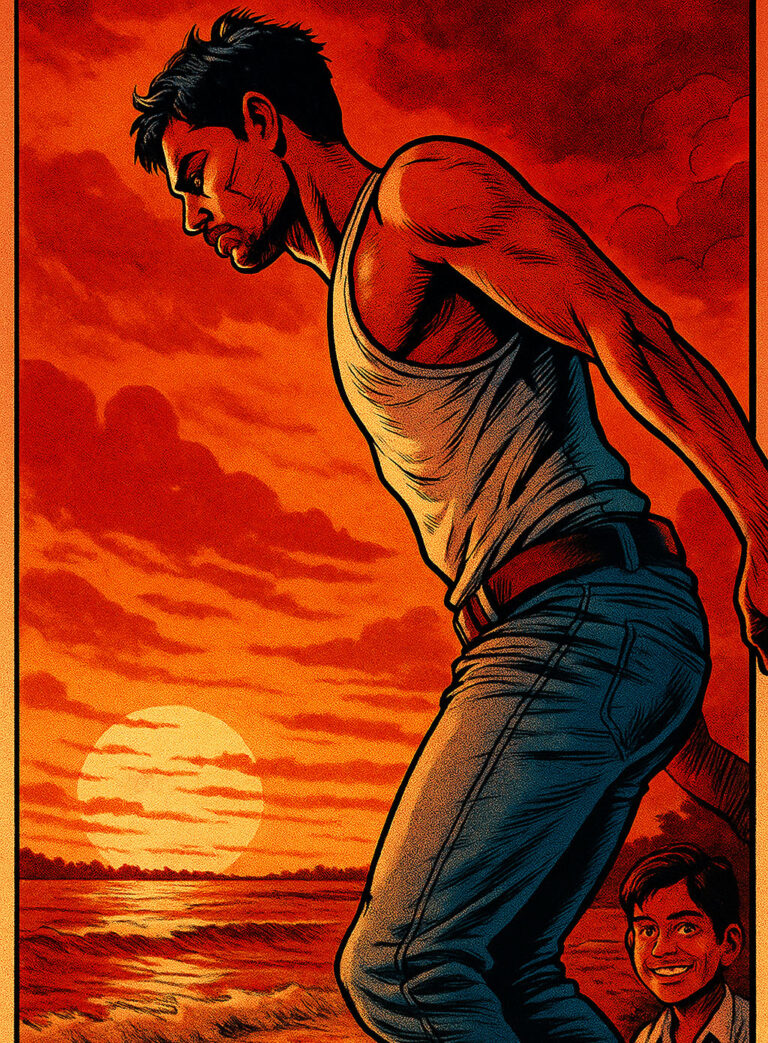
    A dare. A small sum of money. A video that went viral within hours. And a life that may now be lost. On the banks of the Yamuna in Uttar Pradesh, a 19-year-old named Junaid accepted a ₹500 bet from friends and jumped into dangerously swollen water. Within seconds he was gone, pulled under by a current that moved faster than any of the friends filming him could react.

    This is the story of what happened, why it turned catastrophic so fast, and — more importantly — what it tells us about risk, responsibility, and how social pressure and online attention can escalate a silly bet into a life-threatening situation.

    TL;DR

    • A teenager jumped into a swollen river for a viral video and a small bet, and was instantly swept away.
    • Authorities responded quickly, but rescue efforts were hampered by dangerous currents and poor visibility.
    • The tragedy highlights the dangers of peer pressure and the role of social media in amplifying risky behavior.
    • The article calls for better safety measures, public education, and a reevaluation of how online platforms handle dangerous content.

    What happened — the short version (and yes, it’s ugly)

    Junaid and his friends were on the riverbank when someone suggested a bet: jump into the Yamuna for ₹500 (about $5). The river was running high and fast. Heavy rains and the release of water from a nearby barrage had pushed levels above the danger mark. Still, he jumped.

    A video recorded by the group shows him struggling for a few seconds before the current swallowed him. The clip spread quickly online. Police and rescue teams — including divers and the State Disaster Response Force (SDRF) — launched searches. But with continuous rainfall and the barrage’s releases, the river’s fury made finding him extremely difficult. At the time of reporting, there has been no trace of Junaid.

    Rescue efforts — swift on paper, hampered in practice

    Authorities responded quickly. Divers and SDRF teams were mobilised. Rescue boats were deployed. Yet rescue operations faced two brutal realities:

    1. Hydrological conditions — Heavy rains and controlled releases from the barrage created strong, unpredictable currents and significantly increased water volume. That makes searching, diving, and even boat operations much more dangerous and less effective.
    2. Visibility and time — Fast currents carry people downstream rapidly. Sediment and debris reduce underwater visibility. The window to reach someone alive in those conditions is slim.

    Because of these combined factors, the search has been extensive but fruitless so far.

    Legal consequences for friends and the wider reaction

    Police say they’ll file a case against the friends who placed the bet and filmed it. Officials called the act “negligence” and warned that such behaviour will not be tolerated. Local residents, rattled by the incident, demanded tighter monitoring and better safety measures on riverbanks. Many pointed out the ugly cocktail of peer pressure and the lure of online clout as catalysts for the tragedy.

    Why a bet that small can cause such big trouble

    It’s tempting to dismiss ₹500 as pocket change. But money here is secondary. The real drivers are psychological and social:

    • Peer pressure: In friend groups, the social cost of refusal can feel huge, especially for younger people. Saying “no” can mean losing face, being mocked, or being excluded.
    • Public validation: A filmed dare carries the promise of likes, shares, and internet attention. That micro-fame can be addictive.
    • Risk discounting: People — especially young adults — often underestimate low-probability, high-impact risks. “I’ll be fine” becomes the default assumption, despite evidence to the contrary.
    • Groupthink: When a group normalises risky choices, individual judgement weakens. One person’s hesitation can be drowned out by the group’s momentum.

    Put those together and even a trivial wager becomes dangerous.

    The science: why rivers get so lethal after heavy rain and barrage releases

    Rivers aren’t just “a lot of water.” They’re dynamic systems with flows, eddies, hydraulic jumps, and rapid changes in velocity depending on topography and man-made structures like barrages.

    • Increased flow = higher velocity. Higher water volume often means faster current. Faster water reduces a swimmer’s ability to control direction or reach shore.
    • Turbulence and undertows. Water moving around obstacles creates powerful, unseen forces beneath the surface that can pull a person under or push them into submerged hazards.
    • Hydraulic jumps caused by barrages. A barrage or dam can create sudden changes in flow downstream that form dangerous hydraulic conditions — strong recirculating currents that trap swimmers close to the structure.
    • Cold shock and fatigue. After jumping into cold, fast water, muscles can cramp and breath can be hijacked by involuntary gasping. Even strong swimmers can panic or lose coordination.

    In short: a river that looks splashing and fun on the surface can hide deadly physics below.

    Social media and the virality problem

    Everyone saw the clip. It spread fast. Videos of risky behaviour often perform well online. That’s because extreme emotions (shock, awe, horror, joy) drive engagement. Yet virality also has a perverse effect:

    • Rewarding dangerous acts. The attention becomes implicit encouragement. The clip increases the perceived value of risk.
    • Delayed moral consequences. Fame can come before accountability. By the time authorities respond, the video has already inspired copycats or created irreversible harm.
    • Public shaming vs. helpfulness. People react online in different ways — some offer condolences, some point fingers, others sensationalise. That noise can drown out calls for constructive change (safety measures, education, enforcement).

    If a social platform rewards the clip with views and shares, the incentive structure is broken.

    What should change — practical safety fixes

    This kind of tragedy is preventable. Not all fixes are expensive. Here are practical steps that would reduce risk:

    • Physical deterrents and signage: Fences, clear danger signs, and designated no-entry zones around high-risk stretches.
    • Regular monitoring: Local authorities or community volunteers monitoring popular gathering spots during high-risk seasons.
    • Early warning systems: Alerts that clearly communicate water releases from barrages so people know when conditions are dangerous.
    • Education campaigns: Targeted outreach in schools and communities about river safety and the specific hazards of hydraulic structures.
    • Enforcement with nuance: Legal consequences for instigators are important. But enforcement should be coupled with education, not solely punitive measures.
    • Safe recreational alternatives: Create supervised swimming areas or community programs that teach water safety and give youth safer outlets for risk and thrill.

    These steps lower both the chance of an accident and the social incentives that lead to risky stunts.

    My take — not blameless, but not simple either

    Here’s my blunt, unsentimental read: this isn’t just a story about foolish friends and a kebab-shop bet. It’s a collision of human psychology, institutional gaps, and digital incentives.

    On the human side, we need to stop pretending peer pressure is harmless. Young people are social beings. They do reckless things not because they’re moral failures but because the reward systems in their environments — friends, likes, short attention spans — nudge them in that direction.

    On the institutional side, authorities must accept a degree of responsibility. Barrage releases are a known hazard. If rivers and floodplains are being used by the public, those areas need active management during monsoon seasons. Period.

    On the tech side, platforms should consider how virality amplifies harm. The clip did two things at once: it documented a tragedy and helped broadcast the conditions that made it possible in the first place. Platforms can do more to detect and flag content that depicts dangerous stunts and to amplify safety messages alongside viral clips.

    Finally, justice should be more than retribution. If friends face legal action, that’s appropriate when negligence is clear. But long-term prevention requires investment and education. That means building safer spaces, not just blame bowls.

    Chinatown Complex Incident: Arrest After Public Urination and Indecent Exposure

    0

    Chinatown Complex is the kind of place that smells like chilli, history, and twenty different types of comfort food. It’s loud, crowded, and very much public. So when someone decides to unzip their dignity and pee in plain view on Level 2, people notice. A short, shocking video of a man standing in front of a stall with his trousers down — and apparently unbothered about it — made its rounds online. Passersby filmed. Some recoiled. Some swore. Police arrived and the man was arrested.

    If you were at the hawker centre that day, you got more than a plate of noodles. You got a reminder: public spaces are meant for eating, chatting, and sometimes awkward small talk — not exhibitionism or bodily functions turned performance art. Below, we unpack the incident, the laws it touches in Singapore, the public-health angle, how bystanders should react, and why this isn’t just “gross” but also legally serious. I’ll finish by offering a frank point of view on the social and psychological underpinnings that often get ignored.

    TL;DR

    • A man was arrested for public indecency and urinating at Chinatown Complex Food Centre, with the incident captured on video and shared online.
    • The behavior is a violation of Singaporean laws, including the Penal Code, the Miscellaneous Offences Act, and the Environmental Public Health Act.
    • The laws are in place to maintain public order, hygiene, and social safety.
    • Authorities responded quickly, and penalties could include fines, imprisonment, or both.
    • The public is advised to prioritize safety, report incidents promptly, and responsibly handle any footage.
    • The incident highlights deeper issues like mental health, and the importance of supporting hawkers and the community against reputational damage.

    The Short Version (for the TL;DR crowd)

    A man exposed himself and urinated at Chinatown Complex Food Centre on Level 2. The episode was filmed and shared. Police responded quickly and made an arrest. The individual may face charges related to indecent exposure and public urination under Singapore law.


    What actually happened (the scene)

    The clip circulating online shows a man standing in front of a food stall. His trousers were down. He appeared unashamed, even content — at least according to witnesses. People nearby recorded the act on their phones. Stallholders and customers were left stunned and uncomfortable. Police were alerted and arrived at the scene; they arrested the man and took control of the situation. The video’s spread on social platforms amplified the incident almost instantly.

    This wasn’t a private lapse in judgment. This happened in a public, busy space where families, tourists, and stallholders intersect. The psychological effect of watching someone perform an obscene act in a communal dining area ranges from disgust to fear. That reaction is exactly why authorities treat this seriously.


    Which laws might apply?

    Singapore’s legal framework has clear provisions that cover both the indecent and the hygienic sides of the behaviour:

    • Obscene or Indecent Acts (Penal Code — “Obscene acts”)
      The Penal Code criminalises doing obscene acts in public that are to the annoyance of others. Conviction can yield up to three months’ imprisonment, a fine, or both. This is the typical route when someone intentionally exposes themselves in a public place and causes public annoyance.
    • Appearing Nude in Public (Miscellaneous Offences (Public Order and Nuisance) Act — Section 27A)
      Separately, the Miscellaneous Offences Act makes appearing nude in public — or in a private place that is exposed to public view — an offence. Penalties can include a fine of up to $2,000, imprisonment of up to three months, or both. This section also covers clothing “that offends against public decency,” so flashing or partial nudity can still fall within this law.
    • Public Urination (Environmental Public Health Act and related regulations)
      Urinating in public is an offence under environmental and public-health laws. The Environmental Public Health Act and its regulations prohibit urinating or defecating in public areas not designated for that purpose. Fines are routinely applied; first-time penalties are typically modest but can escalate on repeat offences or if the act creates larger health or sanitation risks. The National Environment Agency (NEA) and courts have consistently treated public urination as a hygiene and nuisance violation.

    So: the behaviour can trigger both indecency-related criminal charges and public-health / environmental offences. In practice, prosecutors may pursue multiple counts or choose the most applicable charges based on context, intent, and prior conduct.


    Why authorities take this seriously

    First, law and order: Singapore’s public spaces are shared and heavily regulated to ensure they remain usable by everyone. Acts that upset that balance — especially those that sexualise or invade public spaces — are met with enforcement to deter repetition.

    Second, health and hygiene: Hawker centres are food spaces. Urine is a biohazard if left unattended. It contaminates surfaces, draws flies, and creates an unpleasant environment for vendors and customers. The Environmental Public Health Act exists to keep these areas safe and clean.

    Third, social norms and safety: Public indecency is not just “embarrassing.” It can alarm vulnerable people and disturb the sense of safety in communal spaces. Quick intervention matters. That’s why many members of the public reported the incident and why police acted promptly.


    How the public usually reacts — and how they should

    People’s reactions vary. Some people instinctively film. Others step in to stop the behaviour. Some call the police right away. All of these reactions are understandable. Yet, recording can complicate matters when it crosses into harassment or public shaming; at the same time, footage often becomes useful evidence for investigations.

    Recommendation for bystanders:

    • Prioritise safety. Avoid confrontations that could escalate. Do not physically block someone unless you’re trained and it’s safe to do so.
    • Record responsibly. If you capture footage, avoid posting identifying personal details where it could lead to harassment or vigilante behaviour. Hand footage to police.
    • Report quickly. Use emergency lines or the SGSecure/NEA/Police reporting channels. Prompt reporting helps enforcement and protects public order.

    What penalties might actually look like?

    Penalties vary depending on which charge sticks and whether the offender has prior convictions. Here’s a rough sense of possible outcomes:

    • Obscene acts in public (Penal Code): Up to 3 months’ jail, a fine, or both.
    • Appearing nude in public (Section 27A MOPONA): Fine up to $2,000, imprisonment up to 3 months, or both.
    • Public urination (Environmental Public Health Act / regulations): Fines (first-time penalties commonly in the hundreds; can increase up to $1,000 or more on conviction; repeat offenders face stiffer fines). For serious or repeated breaches, court fines and even jail time are possible under broader EPHA provisions.

    In short, the law combines public-order and public-health tools. That makes sense: one prevents indecent exposure, the other preserves hygiene. When both apply, expect the courts to consider all aggravating factors: location, audience (were children present?), intent, and history.


    Businesses, stalls and the community — collateral effects

    Hawker stall owners don’t sign up for this. Their livelihoods depend on a pleasant dining environment. An incident like this can hit foot traffic, create fear, and prompt negative online chatter. It can also create operational headaches: cleaning, stray media attention, and possible health-code checks. For a hawker whose stall is suddenly the backdrop of a viral video, the fallout can feel unfair.

    Community-level fallout includes reputational damage to popular spots like Chinatown Complex. Which is precisely why authorities emphasise swift handling. They want people to keep coming back for char kway teow, not to be tested by strangers performing “public stunts.”


    The bigger picture: Why people do this (and why it’s not just “bad manners”)

    Sometimes, these incidents are the result of intoxication, mental-health crises, or deliberate provocations. Context matters. A person who’s drunk and out of control is not the same as someone intentionally seeking attention or testing boundaries. Recognising that difference matters for legal outcomes and public responses.

    Mental health: Some exhibitionistic acts stem from untreated psychiatric issues. When that’s the case, the courts and social services have options beyond punishment: medical assessment, mandated counselling, or supervision. That said, courts still expect a standard of public decency. A mental-health defence may explain behaviour but does not automatically erase consequences.

    Recidivism: Repeat offenders often face stiffer consequences. The law escalates responses for repeated public-hygiene or nuisance breaches. That’s both punitive and preventive: the aim is to stop ongoing harm to the community.


    What happens next (procedural outline)

    After an arrest:

    1. Police investigations typically check the footage, interview witnesses, and ascertain whether any additional offences (assault, trespass, or aggravated behaviour) occurred.
    2. Charges may be filed depending on evidence and intent. Prosecutors choose the most fitting charges; sometimes multiple counts are applied.
    3. Court outcomes will reflect both the facts and the offender’s history. Fines, short jail terms, or mandatory supervision/counselling are all possible.

    My take — blunt, honest opinion

    Public indecency in a food hub is disgusting, yes. But let’s not make this only about moral outrage. Two things deserve attention.

    First, prevention beats spectacle. If the man was intoxicated or mentally unwell, we need better safety nets — outreach programs, quicker intervention by social services, and humane but firm pathways to treatment. Criminalising behaviour without addressing root causes will funnel people between jail and street, without solving anything.

    Second, we should be smarter about evidence and reaction. Filming is useful. So is reporting. But social media trials are not justice. A viral clip can ruin a life before courts even see the evidence. That’s not to defend the act. It’s to caution the bystanders: capture, report, then hand the footage to the police. Let the legal system do its job. Vigilantism helps no one and distracts from structural fixes.

    Finally, hawker centres like Chinatown are fragile ecosystems. They need protection — from literal contamination and from the reputational damage of a single viral misdeed. The public’s role is simple: call it in, don’t amplify the humiliation, and support the vendors who get dragged into the mess.


    Closing thought

    Chinatown Complex is about food, history, and everyday human messiness — the good kind, like spilled chilli oil. The sort of public behaviour that crosses into indecency and hygiene risks isn’t just socially offensive; it’s legally actionable and often avoidable with the right supports. When people behave badly in public, we shrug, we film, and sometimes we laugh nervously. But we should also do better: protect the vendors, report responsibly, and push for the social services that stop repeat incidents before they become viral content.

    Don’t Let ChatGPT Make You Dumber

    0

    You love speed. So does your phone. It types cleaner, finds facts faster and will happily draft your emails at 2 a.m. while you binge a show. That’s glorious—until you open a blank document and your brain waves a tiny white flag. Suddenly, thinking feels like lifting a couch with one finger. Sound familiar? You’re not alone.

    Generative AI—ChatGPT, Claude, Bard, and their cousins—are rewriting how we do knowledge work. They’re brilliant assistants. They’re also seductive habit-formers. And if we don’t set rules, the convenience they offer can quietly hollow out the very skills we prize: problem-solving, memory, nuanced judgment and the awkward, beautiful labor of original thought.

    This isn’t techno-fearmongering. Real studies now show real cognitive effects when people over-rely on LLMs. Rather than panic, however, it’s smarter to learn a few practical habits that let you enjoy the power of AI while keeping your brain in the game. Below are four habits I use and recommend—practical, evidence-friendly, and intentionally low on moralizing. Try them. Your future self (and future boss) will thank you.

    TL;DR

    • AI is a powerful tool but a seductive habit-former. Over-relying on it can lead to “cognitive debt” and a measurable loss of problem-solving and critical thinking skills.
    • Treat mental work like a muscle. The best way to use AI is to do the hard thinking first—drafting, outlining, and brainstorming—before asking the tool to help.
    • Use AI as a tutor, not a vending machine. Ask for hints and guided steps rather than immediate, finished solutions to encourage deeper learning.
    • Force yourself to check AI output. Use checklists, timeouts, and “reverse-engineering” to prevent “automation bias” and ensure you understand the content.
    • Take strategic “AI-fasts.” Intentionally unplug and do creative work without AI to preserve skills and maintain intellectual independence.

    Why this matters: the subtle shrinkage of thinking

    We’ve always outsourced parts of our cognition. We use calculators, calendars, and maps. That’s fine. The problem is scale and scope. Calculators solve arithmetic. A GPS gives coordinates. LLMs can draft arguments, summarize theory, and mimic expertise across domains. When the tool covers broad cognitive territory for you, the temptation is to let mental effort slip away.

    A growing body of research shows measurable consequences. For example, a large field experiment in high-school math found students who used a standard GPT-style tutor got better at practice problems but later performed worse on unassisted tests—suggesting short-term gains can mask long-term losses.

    Meanwhile, an MIT Media Lab study that compared people writing essays alone, with search engines, or with an LLM showed lower neural engagement and weaker recall in participants who relied on an LLM, especially over repeated sessions—what the authors call “accumulation of cognitive debt.” In short: the brain can get lazy when you outsource too much.

    The evidence isn’t monolithic or doom-laden. Some AI designs—tutors that nudge rather than hand over answers—can help learning. Still, the overall pattern is clear: tool design and user habits matter. Ignore that pairing and you’ll trade convenience for genuine, measurable skill loss.


    1) Draft first. Ask the bot second.

    Think of mental work like a muscle. If you always let someone else lift the weights, your muscle shrinks. Drafting first—outline, sketch, write a terrible paragraph—is the cognitive equivalent of strength training.

    How to do it:

    • Set a 10–20 minute “pre-AI” rule. Start the task using only your brain and paper (or a plain text file).
    • Jot the problem, your approach, and two possible solutions. Bullet points are fine.
    • Only after you’ve committed something do you open the chat and ask the model to improve, criticize, or polish.

    Why it works:

    • You force retrieval and synthesis—the parts of cognition that create durable learning.
    • You give the AI something to work on and evaluate, rather than asking it to do everything from nothing.
    • You preserve ownership: when you explain or correct the AI’s output, you exercise judgment instead of passively accepting generated text.

    Small trick: set a timer. The discomfort of starting is normal. After three attempts, your “draft muscles” start to wake up.


    2) Use AI like a tutor — not a vending machine

    Asking “Give me the answer” trains dependence. Asking “Help me solve this” trains you.

    A practical way to flip the script:

    • Make the model your Socratic coach. Ask for step-by-step hints rather than finished solutions.
    • Pose the problem, then say: “Give me the next step, but not the final answer.” Repeat until you can finish the logic yourself.
    • After you get help, close the window and explain the solution aloud or write a short summary in your own words.

    Why: Studies show that versions of AI that withhold direct answers and instead scaffold reasoning encourage deeper engagement and better learning outcomes. When the tool nudges your thinking rather than replacing it, memory and understanding stick.

    Use cases:

    • Learning math? Ask for the first hint, then a second hint—don’t ask for the full solution.
    • Preparing a presentation? Ask for critique on structure, then defend your choices before applying the edits.
    • Researching? Ask the model to list questions you should answer about the topic; research to answer them; come back and ask the model to summarize your findings.

    If you want to be fancy: tell the model to “act as a teacher who gives progressive hints.” It works better than “write my essay.”


    3) Force deliberate checks: timeouts, checklists, and “reverse-engineering”

    Automation bias is real: we tend to trust machine outputs too quickly. That’s dangerous. The fix is humility plus structure.

    Adopt these micro-habits:

    • Pause before paste. Whenever you copy AI output into a document, make it a habit to wait 90 seconds, read it aloud, and ask: “Does this match my intent? What assumptions are hidden here?”
    • Use a short checklist. Example checklist before finalizing any AI-assisted content:
      1. Does this match the facts I know?
      2. Who’s missing from this perspective? (Bias check)
      3. Could this be misleading out of context?
      4. What would a skeptic say?
    • Reverse-engineer. For technical answers, try to recreate key steps without the model. If you can’t, that’s a hint you relied on the AI for understanding, not scaffolding.

    Why these work:

    • The aviation and medical fields use timeouts and checklists to catch costly mistakes under automation. Pilots are encouraged to fly manually sometimes so skills don’t degrade; similarly, forced reflection prevents mental atrophy and stops you from internalizing a model’s blind spots.

    A quick experiment you can do now: ask your AI for an explanation of a concept. Then, 30 minutes later, write a paragraph explaining the concept without looking. If it’s messy or empty, consider using the tutor approach next time.


    4) Try strategic AI-fasts (yes, actually unplug)

    Sometimes the best policy is to intentionally not use the tool. This isn’t about moralizing; it’s about training.

    How to implement:

    • Daily mini-fasts. One hour a day where no AI tools are used—do creative work, plan, or brainstorm.
    • Project mode. For a high-stakes project or a skill you want to keep (writing, drafting arguments, coding), declare the first draft “AI-free.” Use AI only for later polish.
    • Switch weeks. Once a month, commit to an “AI light” week where you rely on traditional research methods and pen-and-paper planning.

    Evidence suggests these intentional blackouts preserve skills better than passive moderation. When people alternate between assisted and unassisted modes, they keep both efficiency and competence. The point is balance, not prohibition.


    Guardrails for teams and classrooms

    If you run a team or teach, the stakes change. Tools that make teams faster can also make them collectively dumber if everyone depends on the same shortcuts.

    Practical policies:

    • Define roles. Who is the “idea generator” and who is the “verifier”? Rotate these roles to keep people sharp.
    • Set rules per task. For example: research can use AI; final analysis must include a human-written executive summary.
    • Assess process, not just product. Grade or evaluate drafts and reasoning steps, not just the polished deliverable.

    A field experiment in education found that AI assistants designed with pedagogical guardrails (scaffolding, hints) helped more than off-the-shelf chatbots. In short: tool design and usage rules matter as much as availability.


    My point of view — a little blunt honesty

    Here’s the truth, unvarnished: AI is a miracle and a trap. It will make you faster, and sometimes smarter. But it will also tempt you to outsource the most valuable part of your work: the hard thinking. The long-term cost isn’t just memory or skill—it’s the erosion of intellectual independence.

    Companies that prize quarterly output over long-term capability will push tools without training or guardrails. Institutions that panic and ban AI outright will fail to prepare people for a world where these tools exist. The sweet spot is simple: design systems that demand human effort where it matters and let AI handle tedium.

    If you want one blunt rule to follow: never let AI do what you don’t understand. If the output is useful but you can’t explain why it’s correct, you’re outsourcing judgment—not labor. Over time, that’s a path to brittle teams and fragile expertise.

    What do you think—one small rule to try this week, or are you already living that “AI-free hour” life? Tell me which habit you’ll test and I’ll help you make it annoyingly easy to follow.

    Teen Loses Tongue During Dangerous “Tap Out” TikTok Stunt

    0

    He thought it was a stupid prank. His friends thought it was a laugh. And for a tense, terrifying few seconds in a Lincolnshire park, 15-year-old Lucas Howson’s life hung on the thinnest of lines: oxygen. The result was almost cinematic — except it was real, ugly, and could have been fatal. He bit through roughly three-quarters of his tongue. He had amnesia for a while. He woke up disoriented and bleeding. His friends were distraught. His mother was shaken to her core.

    TL;DR

    • A teen named Lucas Howson was severely injured after attempting a “tap out” challenge he saw online, biting off three-quarters of his tongue.
    • The incident highlights the physical dangers of viral stunts, including brain injury, amnesia, and severe physical trauma.
    • The author argues that responsibility lies with everyone: teens, parents, schools, and social media platforms.
    • The article offers practical advice for adults, emphasizing open communication, media literacy, and teaching kids how to say no.

    The night everything went wrong

    On the evening of July 17, Lucas and a group of friends were at a local park. They were “play-fighting,” trading headlocks and dares. At some point, the group tried the so-called “tap out” challenge — a stunt where one person holds another in a chokehold until the other nearly passes out. The idea is to test limits and prove toughness. The reality is oxygen deprivation. The result is unpredictable.

    Lucas went unconscious for about 20 seconds. He fell from standing to the ground. He hit his chin hard. He bit his tongue so severely that doctors said about three-quarters of it was gone. He came to confused. He couldn’t remember basic things. He kept repeating himself. He asked his mother over and over what had happened.

    First-aiders at the park helped. Friends cried. Paramedics and hospital staff stepped in. Miraculously, Lucas recovered physically after treatment and time. But a near-fatal injury is not the same as a clean escape. Scars remain, both visible and invisible. And the clock ticking on his oxygen deprivation is a brutal reminder that a few seconds of bravado can cost a lifetime.

    How these stunts spread — and why they’re so seductive

    If you’ve scrolled social media in the last five years, you know the pattern. A short video shows someone attempting something dumb. The clip gets a reaction. Others copy it. The format rewards extremes. Algorithms amplify content that creates shock. Soon, a dangerous stunt becomes a trend.

    Challenges like this tick several boxes for kids and teens:

    • They’re quick to learn.
    • They offer instant social currency.
    • They can be filmed and shared for likes.
    • They create a sense of belonging — “everyone’s doing it.”

    That social currency is real. For young people, the fear of missing out (FOMO) and the promise of attention are powerful motivators. Add group dynamics — where a teen surrounded by friends feels emboldened — and you have a recipe for risky decisions.

    The physical harm — more than bruises and embarrassment

    These blackout and chokehold challenges are not simply “pranks gone wrong.” They inflict real physiological damage. Short periods without oxygen can lead to:

    • Loss of consciousness.
    • Brain injury due to lack of oxygen.
    • Amnesia and cognitive confusion.
    • Physical trauma from falls.
    • Severe oral injuries, like Lucas’s tongue damage.
    • In extreme cases, death.

    A few seconds of oxygen deprivation can cause lasting brain effects. People sometimes wake up thinking they are somewhere else. They repeat the same questions. They may not remember recent events. In children and teens, whose brains are still developing, the stakes are higher. What starts as a dare can become a lifetime of rehab, regret, and medical complications.

    Who’s responsible: kids, parents, schools, or platforms?

    Answer: all of the above.

    Yes — peer pressure plays a massive part. Teenagers are wired to seek approval from their social groups. Yes — parents can and should be vigilant. But expecting every parent to watch every move is unrealistic. Many parents work and rely on schools and communities to keep kids safe.

    Schools have a role. So do community organizations. They should teach media literacy and the real consequences of risky behavior. They should create spaces where kids can talk honestly about the pressures they face without fear of punishment.

    And then there are platforms. Social apps make imitation cheap and attention immediate. These platforms have content policies and moderation teams. They also use algorithms designed to maximize engagement. That combination is dangerous when engagement curves reward sensational and risky content.

    When a platform’s moderation systems flag dangerous clips, removal helps. But deletion after the fact is reactive. The content has already seeded. Clips can spread rapidly across networks and reappear under different captions and edits. The challenge for tech companies is to be proactive: better detection, swifter takedowns, and transparent reporting that actually builds trust.

    The nebulous line between “stunt” and “harm”

    Some argue that banning or policing everything risky infantilizes youth. Let them learn from mistakes, the thinking goes. But “learning from mistakes” has limits when the mistake involves brain injury or loss of bodily function. You don’t “learn” by being oxygen deprived.

    Cultural context also matters. Some schools glorify toughness. Some friend groups equate silence to strength. Those social scripts make dangerous activities feel heroic rather than hazardous. Reframing what bravery looks like is crucial. Bravery doesn’t mean risking your life for a viral clip. Bravery can be walking away, laughing it off, or saying “no” when the group pushes.

    What parents and adults can actually do (practical, not preachy)

    If you want something real and useful to do beyond shaking your head, here’s a short, direct list:

    1. Talk early and often. Have short, direct conversations about online trends. Don’t wait for catastrophe. Make this an ongoing dialogue, not a one-time lecture.
    2. Ask questions, don’t accuse. “What have you seen online?” opens doors. “Do you think it’s safe?” gets kids to reflect.
    3. Model critical thinking. Show how to spot red flags in videos: lack of safety gear, people laughing inappropriately, or attempts to hide the real consequences.
    4. Teach basic first aid. Knowing how to respond if something goes wrong saves time and lives.
    5. Work with schools. Encourage media literacy programs. Push for assemblies that show real-world consequences of viral stunts (not moralizing fearmongering).
    6. Create alternatives. Help channel energy into creative or competitive activities that don’t risk health — sports, drama, film projects where safety matters.
    7. Monitor without micromanaging. Use screen time tools and parental controls, but pair them with trust and explanation.
    8. Make reporting easy. Show kids how to report dangerous content and why it matters.

    These are not magic bullets. But they’re practical moves adults can take right now.

    Why “it’s just a joke” isn’t good enough

    A common defense is: “It was all in good fun.” That defense evaporates once someone gets hospitalised. Humor that harms isn’t funny. Normalising risky behavior contributes to a culture where injuries are shrugged off as part of growing up. That’s a dangerous cultural expectation.

    The core problem is not adolescent curiosity. It’s the systems that reward spectacle and the group dynamics that prioritize status over safety. When a platform rewards sensational content with visibility, and when friend groups prize daringness, you create a pipeline from video to injury.

    What platforms say — and why that’s only half the story

    Platforms like TikTok have policies against content that promotes dangerous behavior. They report taking down problematic videos and improving detection. That’s good. But reactive removal doesn’t stop a clip from being seen by millions in the first few critical hours. Nor does deletion fix the fact that kids can easily find similar content on other apps.

    So yes, platform moderation matters. But so does algorithm design and corporate accountability. Transparency about what is removed, how it was found, and how repeat uploads are handled would go a long way toward restoring trust. Public data about takedowns is also useful. When companies publish clear, verifiable metrics — not PR numbers — we can better evaluate whether their actions match their words.

    The legal angle — an awkward tangle

    Legal responsibility for peer-to-peer stunts is messy. In some severe cases, criminal charges have been considered against people involved in dares that resulted in death or serious injury. But prosecutions are rare. Proving intent is difficult. Group dynamics make it hard to isolate a single culprit.

    From a policy perspective, clearer school rules and community standards could help. But law alone won’t fix a cultural problem that thrives on attention.

    A note on recovery — what “full recovery” actually means

    If someone says “he made a full recovery,” it’s worth a pause. Acute physical recovery — being released from the hospital, walking home — is incredible and often real. But recovery can be layered. There may be long-term cognitive effects, speech issues, or psychological trauma. The social aftermath — guilt among friends, shame, altered self-image — also plays a role.

    So while Lucas’s survival and rehab are reasons for relief, the community must remember this: scars are not always visible.

    My take — direct and unvarnished

    This incident is avoidable. It’s tragic, but it is also preventable. We live in an era where attention is a currency, and young people are prime producers of that currency. Platforms, parents, schools, and peer groups all share blame. Algorithms that elevate shock, poor adult supervision, peer pressure, and a culture that rewards risk over safety built the stage for this.

    The solution needs to be systemic. One parent yelling at a kid won’t cut it. One takedown by a platform isn’t enough. We need better education about media literacy. We need school programs that teach the physical effects of dangerous dares with clinical clarity. We need platforms to be more transparent and proactive. And we need to teach kids that social capital doesn’t have to come from self-harm.

    If you’re a parent reading this: don’t wait for a clip to show up on your child’s device. Talk now. Keep the conversation short, honest, and free from hysteria. If you’re a teen: popularity that costs you your health is not worth it. If you work at a social platform: put your money and your engineering teams behind meaningful prevention, not just PR statements.

    Final thoughts

    We can admire the creativity and the social energy of young people. But we should not celebrate stunts that risk life and limb. Lucas’s near-tragedy should be a wakeup call. Viral content is not virtual when bodies and brains are on the line.

    If one good thing comes from this, let it be a renewed effort to teach young people how to find attention without risking their health. Let it be an insistence that platforms build better guardrails. Let it be schools that treat media literacy as crucial as math. And let it be a culture that values real courage — the kind that walks away when the crowd says “do it.”

    Decathlon Became a €16.2B Lifestyle Powerhouse

    0

    Remember that tiny, slightly-dusty corner of retail where your parents swore by the “sturdy” tracksuit and a pair of slightly aggressive sneakers? That used to be Decathlon’s brand shorthand. Fast-forward to 2024 and the story has pivoted hard: Decathlon posted €16.2 billion in net sales and—yes—profit dipped but stayed healthy at €787 million. More interestingly, digital now counts for one in five euros the company earns. Those are not the numbers of an old-school chain clinging to discounts. They’re the scorecard of a brand that quietly rebuilt itself into something young people actually want to browse, buy, and brag about.

    TL;DR

    • Decathlon successfully rebooted its brand, moving from “cheap” to “premium-in-disguise” with high-performance product lines like Kiprun.
    • The company is overhauling its stores into interactive, Instagram-ready lifestyle hubs that offer repair and rental services.
    • Digital is a key growth engine, now accounting for 20% of revenue, thanks to a seamless omnichannel strategy.
    • Decathlon’s new strategy, led by CEO Javier López, involves strategic investment in brand and experience, accepting short-term margin pressure for long-term customer value.

    The facelift you didn’t expect: stores that feel like mini lifestyle hubs

    Decathlon didn’t just swap logos and call it a day. Stores have been transformed into interactive playgrounds—curated, Instagram-ready spaces where product displays read like lifestyle scenes rather than warehouse shelving. They added rental and repair services, which are brilliant for two reasons: one, they nudge customers to think in terms of experience and care, not just disposable gear; two, they double as sustainability signals. Shoppers now stroll through sections that mix retro-academia vibes with streetwear energy. The result? A physical trip to Decathlon feels less like grocery-shopping for gym socks and more like a low-stakes date with fitness culture.

    This physical upgrade is not stylistic fluff. It’s strategic real estate: better dwell times, higher conversion, and a store that can host events, pop-ups, or collaborations—things that draw younger crowds and create social buzz.


    The product play: from “cheap and cheerful” to premium-in-disguise

    Decathlon has long succeeded on one principle: make useful gear affordable. But recently it started to show it can also make premium gear that actually competes with the big-name brands. Case in point: the Kiprun running line. Using advanced materials and thoughtful design, Kiprun aims to sit in the same conversation as mid-to-high tier running shoes from the usual suspects. Meanwhile, Quasi-premium ranges and in-house tech upgrades for brands like Quechua say loud and clear: Decathlon can do both value and credibility. When a brand nails both, it captures budget-conscious buyers and the gear-obsessed alike.

    What that means on the ground: shoppers come for the price, stay for the performance, and might even pay up when they see the value. That’s how a mass retailer graduates into product-maker status.


    New collections, fresh culture: “Late Bloomers” and creative collabs

    Product innovation isn’t just technical; it’s cultural. Enter the “Late Bloomers” lifestyle collection—targeted at people who prefer slow living but still want thoughtful, functional pieces. The theme resonates with a lot of urban young adults who value comfort, aesthetics, and sustainable choices over flex culture.

    Decathlon also increasingly works with artists and designers. Collaborations—like limited drops with street artists or visual creatives—inject immediate trend currency into the brand. That trick works: limited edition drops create FOMO, give media-friendly visuals, and turn a practical store into a brand that can appear in fashion roundups as well as fitness blogs.


    Digital and sustainability: an omnichannel remix that actually works

    The digital shift has been real. By combining e-commerce, marketplaces, and connected in-store orders, Decathlon lifted digital’s share to around 20% of revenue. That’s a massive leap for a business built on large-format stores. Seamless click-and-collect, reliable online inventory, and user-friendly product pages all helped. In practice, customers can discover a product online, try it in-store, and get it repaired or rented back at the same location. It’s the retail version of having your cake and jogging in it too.

    On sustainability, Decathlon has layered on repair, rental, and recycling services. These do more than greenwash. They change the economics of ownership: if you can rent or repair, you buy less and keep what you own longer. That reduces waste and positions Decathlon as a brand that’s conscious of its footprint—important when Gen Z and younger Millennials judge brands by more than price.


    Why the board brought in a new coach: Javier López’s arrival

    Leadership matters when you’re shifting gears at scale. In March 2025, Decathlon tapped Javier López as CEO. He’s a longtime insider with deep operational experience, and his appointment signals a push to marry the company’s retail muscle with a faster, digital-first mindset. There’s a logic: appoint a leader who understands the company’s DNA but can also move it at startup speed. Expect sharper omnichannel playbooks, faster product cycles, and continued store modernization under his watch.


    The economics: more revenue, leaner margins—why that’s ok

    Revenue rose, but net profit fell—partly because transformative moves cost money. Store renovations, tech investments, premium product development, and marketing for newer audiences are not cheap. But smart investments yield sticky customers and higher lifetime value. If you spend to upgrade the experience and the product, you can trade short-term margin for long-term brand equity. Investors sometimes hate this. Customers tend to love it.

    Here’s the other nuance: increasing digital share and modernizing stores often shows up as temporary margin pressure. But once those investments pay off—higher basket sizes, more frequent visits, better cross-sell—the margin line usually recovers. That’s the playbook Decathlon looks to be following.


    Competitors: what Nike and adidas should be watching

    Big brands have strength: image, celebrity deals, and high adrenaline marketing. Decathlon brings different weapons: product breadth, pricing, distribution muscle, and now—a more modern aesthetic. For incumbents, the worry isn’t that Decathlon will suddenly out-spend them on endorsements. The risk is that Decathlon eats the middle: it attracts people who want good design and performance at a friendlier price. If Decathlon nails premium offerings across several categories, it can slice market share from both budget and mid-tier segments.

    So, if I were sitting in a rival boardroom, I’d not only watch product specs and materials but also scout which categories Decathlon is willing to elevate to “premium” status next.


    What this means for consumers

    Short version: better options. You’ll see more thoughtfully designed gear at accessible prices. Stores will be places to try, tweak, and even borrow gear. Sustainability-friendly services will let you experiment without commitment. And yes, you’ll likely find things that actually look and feel cool enough to wear outside the gym. If you hate overpaying and also hate boring designs, this is the silver lining.


    Risks and what could go sideways

    1. Over-expansion fatigue. Renovating too many stores too fast can stretch teams and dilute the experience.
    2. Premium pricing mismatch. If premium lines don’t deliver real performance, customers will leave.
    3. Supply chain complexity. More product tiers and collaborations mean tighter demands on manufacturing and logistics.
    4. Cultural friction. A brand trying to be both mass-market and premium needs exceptional product management to avoid confusing customers.

    These are solvable. Decathlon’s advantage is scale and an existing product development pipeline. Execution is the wild card


    My two cents

    Decathlon’s pivot is one of those rare retail stories where sensible strategy and cultural timing converge. They didn’t chase hype for hype’s sake. Instead, they layered product credibility, store experience, omnichannel competence, and sustainability into a coherent package. That’s why the numbers make sense: growth in sales coupled with short-term margin pressure from healthy reinvestment.

    If you’re a customer: expect better design and smarter services. If you’re a competitor: don’t sleep on the quiet evolution. For investors: patience could be rewarded if these investments convert into higher margins later on.

    Bon Appetit, Your Majesty — Episodes 3–4 Recap

    0

    Welcome to the most chaotic dining hall in Joseon. If you thought palace life meant silk, etiquette, and delicate smiles, episodes 3–4 of Bon Appetit, Your Majesty are here to prove you deliciously wrong. The king has smuggled a mysterious modern chef into his court. Predictably, it detonates the social order. Also predictably: there’s food, scandal, hair-raising power plays, and a simmering, very distracting romance. Buckle up — and make sure your fork is ready.

    This recap-and-review will walk you through the plot beats, the character drama, the cooking showdown that threatens literal dismemberment, and what all of this means for the show’s mood and momentum. Expect food porn, emotional tugging, and an increasingly obvious time-loop mystery. Let’s eat.

    • A modern chef, Ji-young, is transported to the Joseon era, causing chaos in the royal palace with her unique cooking.
    • She faces a brutal cooking competition with literal life-and-death stakes, winning by serving a simple yet emotionally resonant meal that connects with the dowager queen.
    • A romance develops between Ji-young and the broody king, Yi Heon, fueled by food and shared vulnerability.
    • The series introduces a mysterious “mangunrok” notebook, hinting at a time-loop or fated connection between the main characters.

    Quick recap: what happens in episodes 3–4

    Ji-young, a 21st-century chef accidentally deposited in Joseon, is the palace’s new mystery woman. Immediately, everything goes sideways. Mok-ju — the scheming senior court lady — smells danger and launches a whisper campaign. The court gossips. Ministers petition for Ji-young’s head. Meanwhile, King Yi Heon acts like a beautiful, broody storm: cruel at a glance, oddly tender at a bite.

    Seong-jae, a palace insider with a conscience and sarcasm problems, gets fed up with Mok-ju’s control and quietly nudges things toward a Heon × Ji-young entanglement. Heon sends his secret agent/jester, Gong-gil, to help Ji-young and Gil-geum escape a palace jail prank, then immediately pretends to be angry about the escape. Classic. Gil-geum, cheerful and gullible, falls fast for Gong-gil, and the show gives us the cutest side-ship subplot.

    Ji-young earns the king’s favor after cooking a deer steak that hits like a revelation. She’s promoted to chief royal cook — a move that enrages conservative cooks and jealous courtiers. It gets worse: the Grand Queen Dowager demands a cook-off to test Ji-young. The prize: survival of dignity. The penalty for losing: severed arms. Yes, really. Joseon is not a gentle place.

    The contest features a theme — filial piety — and Ji-young wins with humble rice and a doenjang soup that reads the dowager’s hidden hunger better than anyone else’s opulent plate. She notices that the dowager’s shaking hands and poor balance need nutritious greens, so she adds spinach. The simple meal triggers the dowager’s tears and memories, and Ji-young’s victory saves the day. The senior cooks are spared, lectured, and humiliated into learning from the young interloper.

    Outside the kitchen, Heon quietly chases the truth behind his mother’s death. He orders a secret search for the draft record that might reveal the conspiracy. Predictably, the search is sabotaged. An assassin attacks a principal drafter; the record is stolen. The palace lights dim: someone in Heon’s inner circle betrayed him.

    Tension meets tenderness when Heon tastes Ji-young’s doenjang pasta — a comfort dish that connects her to home. After a late-night scene fueled by drink and vulnerability, Heon kisses Ji-young. Meanwhile, a jaw-dropper: Ji-young’s mangunrok — a mysterious notebook — disappears when Heon names his journal the same title. Time loops? Fate? The narrative is hinting that Ji-young and Heon are twined across years in ways neither fully understands.


    Characters on the move (and why you should care)

    • Ji-young — Not your typical historical heroine. She’s a modern chef dropped into a rigid world. She cooks with empathy. She sees people more than protocol. That makes her dangerous. Also extremely watchable.
    • King Yi Heon — Charming tyrant archetype with a sob backstory and a dangerous temper. He dishes cruelty like seasoning but melts for food that stirs memory and comfort. He is both a threat and an emotional safe-crack.
    • Mok-ju — Court mastermind. She manipulates with subtle cruelty and moral high ground. Her opposition provides the show with its political teeth.
    • Seong-jae — A man tired of being bossed. He’s pragmatic, tired, and quietly decides to break the rules for the right reasons.
    • Gong-gil — Jester + secret agent = chaotic good. He rescues people, flirts with trouble, and makes the show sparkle. Also very ship-worthy.
    • Gil-geum — Ji-young’s eager assistant and palace hopeful. She’s a ray of sunshine and the audience’s emotional anchor.

    The cooking competition: more than a food fight

    The contest feels like MasterChef meets political execution. Stakes are literal: the king orders the losing cooks to submit their arms for cutting. It’s gruesome, but also a clever narrative device. The show uses danger to explain why tradition resists change. The chefs who have faithfully fed the dowager for years see their pride on the chopping block. Ji-young’s response is not culinary showmanship; it’s moral intelligence.

    She chooses a simple menu: rice and doenjang soup, with spinach added for the dowager’s fragile health. This choice flips expectations. The senior cooks served prestige and garnish; Ji-young served understanding. The dowager’s tears when tasting the soup connect food to memory. That moment is the show’s emotional core. It’s not about culinary complexity. It’s about tasting a human story.

    Also: getting clams in Joseon requires subterfuge. Ji-young bets both her arms and risks sabotage to secure the ingredients. The show turned a small ingredient hunt into adventure cinema. That’s the formula: elevate small acts into high drama. It works.


    Themes and tone: what the show is telling us

    1. Food as language. Food here translates love, memory, and resistance. Ji-young speaks in flavors; the palace listens.
    2. Tradition vs. innovation. The show pits ritual against modern technique. It’s not a blanket praise for progress; it’s a careful look at what’s lost and what’s gained.
    3. Power and loneliness. Heon’s authority isolates him. His fits and private grief show how power can be a vacuum.
    4. Identity and time. The mangunrok twist hints at a loop or fate tying Ji-young and Heon beyond the present.
    5. Humor amid cruelty. The show leans into dark humor. One minute you’re laughing at a prank; the next you’re recoiling at a threat of amputation. That tonal wobble keeps you on edge — in a good way.

    What works (the show’s strengths)

    • Character chemistry. The push-pull between Ji-young and Heon is magnetic. He’s infuriating and soft in the span of a single scene. She’s blunt and compassionate. They create sparks.
    • Food as storytelling. The series brilliantly uses dishes to reveal personality and history. The doenjang pasta scene is a highlight: it’s intimate, domestic, and surprisingly moving.
    • Supporting cast. Gong-gil and Gil-geum add warmth, levity, and stakes. Mok-ju fuels the conflict without being a caricature.
    • Visuals and staging. Frames of the kitchen, the court, and the contest are cinematic. The show makes the act of cooking a visual pleasure.
    • Balancing humor and stakes. Dark threats coexist with ridiculous palace antics. You laugh, then clutch your chest. The ambiguity works.

    What could improve (the show’s weaknesses)

    • Tonality sometimes wobbles. The show flirts with rom-com beats while dangling brutal palace punishments. It can be jarring.
    • Pacing in exposition. The mystery about Heon’s mother and the stolen draft feels rushedly planted. The show teases a conspiracy and then moves to the next emotional beat. Slow-burning the mystery could increase tension.
    • Power dynamics. Heon is charming, yes, but his coercive behavior is sometimes played for swoon. The show could better negotiate empathy for his trauma without normalizing abuse.

    My take — point of view (straight talk)

    This series is a delicious mess. It blends food porn with political thriller and rom-com flirting. That mix should not work, yet somehow it does. The secret is emotional honesty: when the show commits to the intimacy of a meal, it lands. When it asks you to root for a tyrant, it leans on his vulnerability to justify empathy. That’s dangerous, but not inherently wrong — except when discomfort is framed as romance.

    The daring part? Ji-young isn’t passive. She uses food to heal and to disarm. She’s not bowing to power; she’s teaching it. That’s satisfying. The show also understands that food can be subversive. A bowl of soup deconstructs centuries of hierarchy. Delivering social critique through domesticity is clever.

    Do I worry the romance is borderline problematic? Slightly. Heon’s control and public unpredictability could be romanticized. But Ji-young pushes back. She cooks, resists, and survives. That balances things.

    Also, the mangunrok/time loop angle is intoxicating. If handled well, it could elevate the show from charming food drama to something mythic. If handled clumsily, it risks turning significance into contrivance. I’m optimistic — and hungry.


    Final verdict

    Bon Appetit, Your Majesty serves a spicy, soulful dish in episodes 3–4. The writing balances humor, danger, and domestic warmth effectively. The time-loop hints add a deliciously speculative layer, and the cook-off sequence is emotionally resonant. The king’s volatility raises ethical questions about power and attachment, and the show often asks the audience to hold two conflicting feelings at once. That complexity is precisely why it’s bingeable.

    Rating: ★★★★☆ (4 out of 5 stars)
    Why not five? Because the tonal wobble and the risky romanticization of coercive behavior prevent this from being flawless. Still, it’s bold, entertaining, and emotionally satisfying — and it will leave you thinking about soup for days.

    Influencer visits remote ‘cannibal tribe’ for TikTok views

    0

    There are attention-seekers, and then there’s whatever Dara Tah decided to do last week. In a TikTok clip that now has millions of views, the Irish travel creator and self-styled daredevil recorded an encounter with a group of people on a riverbank in Papua. He called them a “cannibal tribe,” offered a packet of salt as some kind of peace offering, and—surprise—was met with suspicion, a spit-taste, and a chorus of online backlash that ranged from weary sighs to righteous fury.

    TL;DR:

    • An Irish travel influencer went viral for a TikTok clip where he calls a remote community in Papua a “cannibal tribe,” sparking outrage.
    • Critics argued that the video was performative, exploitative, and dangerous, misrepresenting a complex culture for views.
    • The incident highlights the dangers of sensationalism, lack of informed consent, and health risks when outsiders approach isolated communities for content.
    • The author urges content creators to prioritize ethical practices, respect boundaries, and use their platforms to inform rather than exploit.

    The scene: awkward, risky, and performative

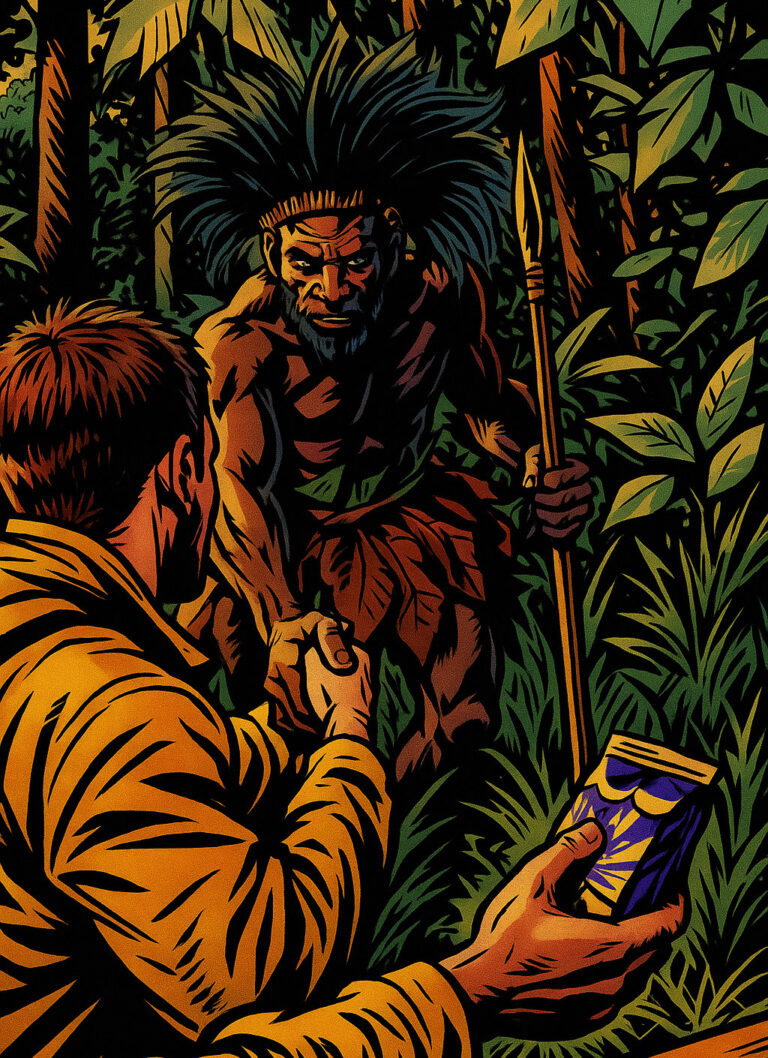
    The clip begins like a lot of modern travel clickbait: a wooden boat, a rickety camera, a guide named Demi, and people on the shore who look ready to defend themselves. One of the men raises a bow and arrow. Tah and his crew move closer. He pours salt into his hands and offers it. The man tastes some, spits it out, and adopts a defensive stance. The guide warns, “We have to move…we’re not welcome,” and the boat retreats. Tah’s caption reads something along the lines of “Just tried to make contact with a cannibal tribe LOL — will try again tomorrow.” The tone — casual, flippant, oddly proud — is what convinced many viewers this wasn’t a genuine cultural exchange but a stunt engineered for views.

    @daratah

    Deep in the jungle of Papua… Just tried to make contact with a cannibal tribe LOL Will try again tomorrow. Wish us luck 😅 #cannibal #tribe #adventure #deadly #survival

    ♬ original sound – Dara Tah

    A couple of things jump out immediately. First, approaching remote communities with cameras and calling them “cannibals” is sensationalism, not journalism. Second, offering a foreign edible or commodity as a “peace offering” and filming the result is basically the old colonial narrative dressed up in a TikTok filter: outsiders treat local people like props in their own story.

    Why people are angry (and not just for clicks)

    The outrage online was swift and predictable. Commenters accused Tah of trespassing, exploiting people who deserve privacy, and sensationalizing cultures for cheap engagement. Some said the villagers were being presented as exotic “others” or even as dangerous primitives. Others noted that the footage might be staged or at least heavily framed to produce a reaction. The pushback wasn’t just performative outrage — viewers flagged real harms: misrepresentation, risk of disease transmission, and putting isolated people in the unchosen role of entertainment.

    Let’s be blunt. Remote communities are not auditioning to star in your feed. They have lives, histories, and legitimate reasons to be suspicious of strangers, especially strangers with cameras and gifts. And even if your intent is curiosity, the consequences can be ugly: exploitation, stereotyping, and health risks to communities who may have little immunity to outside pathogens.

    The salt bit: cringe anthropology

    Offering salt as a “peace offering” is the kind of dramatic gesture that plays well on camera. It’s also the kind of thing that exposes ignorance. Salt is a valuable commodity in many places historically, sure — but context matters. Dumping it into your palm and holding it out to a stranger for the camera is more performative than diplomatic. In the clip, the tribesman tastes the salt and spits it out. Whether he rejected it because it tasted off, because he found the gesture disrespectful, or because he simply didn’t want the interaction is unclear — but what isn’t unclear is how the scene looks: a staged ritual of contact, captured and edited for virality.

    Also: local guides often mediate these encounters to protect both visitors and the community. If the guide is telling you to back away, listen. Not because it ruins the content, but because people’s safety and dignity come first.

    Historical background — yes, there’s nuance about “cannibalism”

    If you hear “cannibal tribe” and immediately think of movies and myths, pause. The cultural history of New Guinea is complicated. Some communities historically practiced forms of ritual cannibalism — often tied to specific beliefs about spirits, justice, or mourning. One well-documented outcome of funerary cannibalism in New Guinea was the spread of kuru, a prion disease among the Fore people, which led to research and eventual behavior change in the mid-20th century. In other words, the existence of historical practices doesn’t justify labeling living people as “cannibals” in 2025. Many of these traditions have not been practiced for decades, or they were misinterpreted and sensationalized by outsiders.

    That’s important because throwing the “c” word around without nuance flattens complex histories into a single terrifying label. People aren’t forever pinned to a sad or shocking chapter in their past. And sensationalizing those chapters sells well, but it also strips away agency, context, and humanity.

    Geography and diversity: stop lumping people together

    Papua (the Indonesian provinces) and Papua New Guinea (the independent country to the east) are vast and staggeringly diverse. The western half of New Guinea (the Indonesian portion) is home to roughly 300 tribes, each with distinct languages and customs; Papua New Guinea to the east often gets described with numbers in the 600+ tribes range, depending on the count and definitions used. This region is not a single “tribe” or a single culture to be exoticized. Treating it as such is intellectually lazy and ethically problematic.

    So when someone drives a boat to a random riverbank and calls the people they meet “cannibals,” what they’re doing is not anthropology — it’s a mashup of ignorance, spectacle, and old-school exoticism.

    The public-health and ethical dimension

    This is not only a cultural problem. It’s a public-health concern. Introducing outsiders to isolated populations can bring diseases the community hasn’t been exposed to. The COVID-19 pandemic taught us that germs don’t need to be dramatic to be devastating. More than that, the very act of staging contact for content often bypasses informed consent — the people filmed didn’t sign a release. Filming someone in a vulnerable setting for entertainment, then posting it globally, raises serious ethical and legal questions. Many critics pointed this out in the comments, and they were right to.

    So was it staged?

    Some viewers think the clip was staged. Others think it was real but edited to look scarier. The truth may fall somewhere between: even if the encounter happened, how it was filmed, framed, and captioned transforms it into performance. Authenticity doesn’t get a free pass when the result is the same: communities misrepresented and people used as props for likes.

    Independent travelers, journalists, and anthropologists who work in the field will tell you that responsible contact with remote communities requires permission, time, cultural mediation, and often institutional support. A two-minute clip snatched for virality is not that.

    The influencer’s next move: doubling down or learning?

    The original caption suggested he’d “try again tomorrow” — which, if true, is baffling. There’s a fine line between persistence and recklessness. Returning to press an interaction after a clear “no” is disrespectful and potentially dangerous. Not for shock-value reasons, but because someone could be harmed — the visitors, the villagers, or both.

    The internet is forgiving of mistakes if the creator learns and shows accountability. An influencer who responded by educating their audience about the community, funding local initiatives, and genuinely amplifying local voices might begin to tip the balance toward repair. Promising more visits and making the same spectacle, however, is only going to multiply harm.

    A checklist for anyone who travels near people: basic ethics, not hot takes

    If you’re planning to visit remote communities (and you should, only with deep care), here’s a short checklist:

    • Get informed permission. Not a nod from a guide; meaningful consent from the community.
    • Hire knowledgeable local mediators, not just drivers and cameras.
    • Prioritize health protocols: vaccinations, quarantine, and minimal contact if necessary.
    • Pay fairly for any access, and consider direct benefits to the community (not just a “donation” that appears once).
    • Avoid sensational labels. If you can’t describe it without calling people monsters or relics, don’t post it.
    • Publish context, not spectacle: histories, languages, voices from the people themselves.

    These are not bureaucratic annoyances. They are the difference between curiosity and exploitation.

    My take — plain and unfiltered

    Here’s my point of view. This video is emblematic of a larger pattern: content creators lean on trauma, mystery, and apparent danger to produce engagement. The problem isn’t curiosity. The problem is how curiosity is packaged. There’s a robust market for “I went to a dangerous place and almost died” content. It’s thrilling, sure, but it often comes at the expense of dignity and truth.

    If you want to explore other cultures for content, do better. Fund the guide properly. Bring a translator. Share the mic. Explain the context. Pay attention to health and consent. And if a community says “no,” that’s the end of the conversation. There’s no heroism in ignoring boundaries to get a reaction shot.

    Also, influencers: you have a platform. Use it to lift voices, not to make them background scenery for your thrill-seeking. If your brand relies on “authentic” contact with remote peoples, build relationships first. Don’t parachute in with a camera and call it anthropology.

    Final thoughts

    The river in that clip is not just water. It’s a boundary between two worlds — and sometimes the right thing is to respect that boundary. The camera is powerful, but it’s not permission. Many viewers felt that Dara Tah’s stunt crossed a line, not least because it reduced people to props and risked real harm. They were right.

    We live in a world that rewards spectacle. But the reward is fleeting; the harm can be lasting. If anything useful comes from this episode, it’s the reminder that curiosity without care is cruelty disguised as content. And for everyone who makes or consumes this kind of stuff: maybe ask yourself whether the view is worth the cost.

    DW Aesthetic Denies Staff Involvement After Viral “Doctor BMW” CCTV Clips

    0

    Something ugly went viral this week: two short CCTV clips tied — by the internet, not by evidence — to the ongoing “Doctor BMW” controversy. In one clip, a woman stands at a clinic counter. In the other, a person walks down a hallway toward a consultation room. That alone turned social feeds into rumor mills. Within hours, speculation pointed at staff from DW Aesthetic.

    Except DW Aesthetic and one of their employees say: nope. Not us. Not her.

    Let’s unpack the mess without choking on the tea.

    TL;DR:

    • Two grainy CCTV clips went viral and were wrongly linked to a clinic’s staff member.
    • The staff member and clinic officially denied any connection, but not before she faced online harassment.
    • The incident highlights how easily misidentification can happen and the severe damage it causes to innocent people.
    • The article argues for more responsible online behavior: verify facts before sharing, and recognize the legal and emotional costs of viral rumors.

    What the clips showed — and why people jumped to conclusions

    Screenshot of CCTV

    Short, grainy videos are social media’s favorite snack. They’re quick to watch, easy to share, and perfect for conclusions that require zero fact-checking. These two clips were no exception. One shows what appears to be a clinic counter; the other shows a person walking toward an examination room. That’s it. No name tags. No timestamps tied to relevant events. No context.

    Screenshot of CCTV

    But context doesn’t matter once a clip is “juicy.” People saw what they wanted to see. A couple of guesses turned into accusations. Screenshots circulated. Comments multiplied. And just like that, someone’s face became a public target.

    The staff member’s response — calm, clear, firm

    A DW Aesthetic staff member went public with a statement that’s worth reading carefully. She said she is not the person in either clip. She described how her face was misidentified and how that misidentification spiralled into harassment and accusations. She also confirmed she’d filed a police report to protect herself.

    Her plea was simple: stop sharing pictures of me or my colleagues. The legal part — filing a police report — is important. But so is the human part. She called out the emotional cost and the damage that baseless viral rumors can do to everyday lives and careers.

    DW Aesthetic’s official stance

    The clinic itself released a public clarification. Their main points:

    • The nurse seen in the viral footage is not a DW Aesthetic employee.
    • Management urged netizens to stop making baseless claims and to think before they share.
    • They reminded the public that online slander can have real consequences, for individuals and for institutions.

    So, two short clips plus a confident assertion on social media equals a public relations headache for the clinic — even though their statement denies any link.

    Social media’s reaction: sympathy, snark, and still more guessing

    Of course, social media didn’t behave elegantly. Reactions split into three messy camps:

    1. People who sympathised with the staff member. Some users apologised once they realised the identification looked shaky.
    2. People who kept speculating. For them, the lack of proof was a feature, not a bug.
    3. People who leaned into drama for likes and shares.

    Thousands of comments popped up on Facebook and TikTok. Screenshots of the staff member were shared like collectibles. A few voices tried to calm things down. But calming down rarely goes viral.

    The damage done before facts arrive

    Here’s what happens when you let speculation run wild:

    • Lives get disrupted. The wrongly accused can receive threats, lose sleep, or be ostracised by clients and acquaintances.
    • Careers are shaken. Even an unproven allegation can scare customers away or put an employer on edge.
    • Families get dragged into it. Harassment rarely respects boundaries; spouses, children, and parents can be affected.
    • Reputations take a long time to rebuild. People forget apologies faster than they forget viral accusations.

    In short: a single mistaken tag, share, or screenshot can ripple outward and leave real damage.

    Why misidentifications happen so fast

    There are three simple reasons:

    1. Low-resolution evidence. CCTV footage rarely provides the clarity you think it does. Angle, lighting, and poor image quality are all enemies of certainty.
    2. Confirmation bias. If you already suspect someone or something, you’ll interpret fuzzy footage to fit that suspicion.
    3. Social pressure. Once a story gains speed, people pile on because not piling on feels like missing out.

    Put these together and you get a crisis recipe that’s been used over and over — and will be used again unless we change how we behave online.

    Legal risks — yes, there are consequences

    Accusatory viral posts aren’t just morally questionable. They can be legally risky. Spreading false allegations or defamatory content can expose individuals to civil suits and, in some places, official complaints. Filing police reports, pursuing defamation claims, or seeking protective orders are options open to those who are harmed.

    That said: legal processes take time. They don’t turn back the clock on the damage done in the first 24 hours of virality. The fastest fix is often prevention — i.e., don’t amplify unverified claims in the first place.

    The emotional toll on staff in sensitive professions

    Beauty and healthcare staff operate in fields where trust is everything. A professional’s reputation is their currency. A smear — even if temporary — can mean losing loyal clients, job offers, or future bookings. It can also make workplaces tense. Employers may feel forced to respond publicly. Colleagues could become suspicious. And all of this happens while the accused is expected to keep showing up to work and acting normal.

    Imagine dealing with hostile DMs, whispered conversations at work, and increased scrutiny from clients — while you’re still expected to do your job. That’s the overt damage of the viral rumor. The covert damage is anxiety, stress, and potential long-term mental health effects.

    What responsible online behaviour looks like (hint: it’s not sharing screenshots)

    If you want to be the kind of person who helps instead of harms online, do this:

    • Pause. Think for five minutes before sharing.
    • Look for primary sources. Has the clinic made a statement? Has anyone involved confirmed the facts?
    • Don’t repost identity photos if you don’t know their context.
    • Resist the urge to speculate in public comments. If you’re curious, ask clarifying questions privately or encourage others to wait for verified information.
    • Report abusive or harassing content to the platform. Platforms tend to move only when it’s reported.

    Telling yourself, “I’m just sharing, not harming,” is a convenient lie. Sharing is part of how these things spread. The more eyes on a false claim, the worse the impact.

    For professionals: how to protect your team (and your brand)

    If you run or work at a clinic, salon, or clinic-like business, build a basic crisis plan now. Yes, now.

    A simple playbook should include:

    • A designated spokesperson. One voice is better than ten conflicting ones.
    • A template statement for misidentification incidents. Keep it calm, factual, and immediate.
    • Guidance for staff about what to do if they are harassed (report, save evidence, avoid engaging with harassers).
    • Clear rules about sharing internal images or staff photos publicly.
    • Legal contacts who understand defamation and privacy issues in your jurisdiction.

    Proactive measures reduce panic. Panic produces poor public statements and often makes things worse.

    Why this matters beyond one clinic

    This isn’t just about DW Aesthetic. It’s about the ecosystem that lets a shaky clip become someone’s ruin overnight. It’s about how our online culture prizes emotional reactions over due diligence. It’s about the way anonymity and the speed of sharing amplify error.

    When we normalise calling out people based on half-evidence, we normalize cruelty. That has consequences beyond a single scandal — it makes the internet less accountable and more unsafe for everyone. And, ironically, it also makes it harder to hold genuinely culpable people to account, because signal and noise get mixed together.

    What the public can do while investigations continue

    The staff member asked for time and space to let the police and any official investigations run their course. That’s reasonable. If you want to act responsibly right now, you can:

    • Stop sharing non-official footage.
    • Encourage patience and fact-based discussion.
    • If you’ve already shared, consider deleting the post and posting a correction if you were wrong.
    • Offer support to the wrongly accused if you know them personally. Sometimes a private message of support matters more than a public apology.

    My take — blunt, but fair

    People love a narrative where they’re the smart ones who discovered “the truth.” Problem is, being first is rarely the same as being right. The DW Aesthetic case is less a mystery to solve and more a test of digital maturity. Will we pounce on fuzzy footage for likes, or will we wait for facts?

    Here’s what I think: anyone who jumps to identify someone from low-grade CCTV and then shares their image is engaging in reckless behaviour. It’s lazy investigative work disguised as activism. If you’re genuinely committed to accountability, do the work: confirm, contact, and, if necessary, escalate through formal channels. Don’t weaponise other people’s faces for clout.

    At the same time, it’s worth acknowledging that institutions and public figures often use official statements to deflect. So yes, healthy scepticism is good. But scepticism isn’t a permission slip to pounce. It means withholding judgment until evidence is robust.

    Finally, the person at the centre of a mistaken ID deserves more than an apology in the comments. They deserve the public to stop amplifying the claim, and the platforms to enforce their harassment policies. That’s the baseline of decency in a world where a mistake can cost someone their livelihood.

    A short checklist if you find a viral clip you think is important

    • Is the source credible? (No = don’t share.)
    • Has anyone involved confirmed the video? (No = wait.)
    • Can you identify the full context without guessing? (No = wait.)
    • Are you sharing to inform or to inflame? (If inflammation wins, don’t share.)
    • Could this harm an innocent person? (If yes, refrain.)

    In closing: a plea for restraint

    Virality is seductive. It makes us feel influential. It also makes us dangerous if we don’t take responsibility. The DW Aesthetic incident is one of countless examples where speed beats truth and a person’s life gets tossed into public debate on the basis of pixels and hearsay.

    If you’re going to be on social media — and you will be — try this radical move: pause. Verify. Consider consequences. The people you might help by sharing aren’t always the people the clip points to. Sometimes, the best action is to do nothing until facts arrive.