



Something ugly went viral this week: two short CCTV clips tied — by the internet, not by evidence — to the ongoing “Doctor BMW” controversy. In one clip, a woman stands at a clinic counter. In the other, a person walks down a hallway toward a consultation room. That alone turned social feeds into rumor mills. Within hours, speculation pointed at staff from DW Aesthetic.
Except DW Aesthetic and one of their employees say: nope. Not us. Not her.
Let’s unpack the mess without choking on the tea.
TL;DR:
- Two grainy CCTV clips went viral and were wrongly linked to a clinic’s staff member.
- The staff member and clinic officially denied any connection, but not before she faced online harassment.
- The incident highlights how easily misidentification can happen and the severe damage it causes to innocent people.
- The article argues for more responsible online behavior: verify facts before sharing, and recognize the legal and emotional costs of viral rumors.
What the clips showed — and why people jumped to conclusions
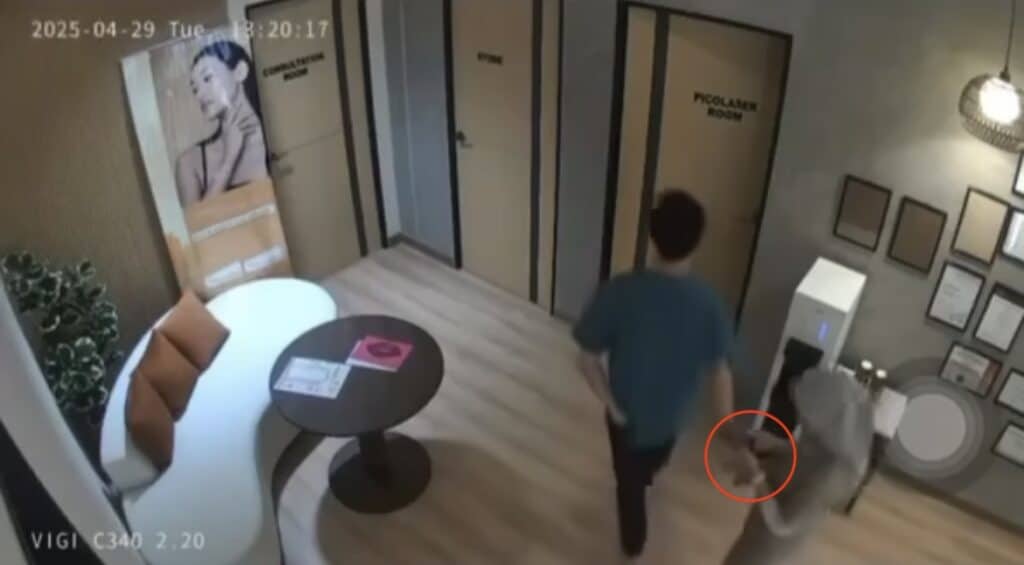
Short, grainy videos are social media’s favorite snack. They’re quick to watch, easy to share, and perfect for conclusions that require zero fact-checking. These two clips were no exception. One shows what appears to be a clinic counter; the other shows a person walking toward an examination room. That’s it. No name tags. No timestamps tied to relevant events. No context.
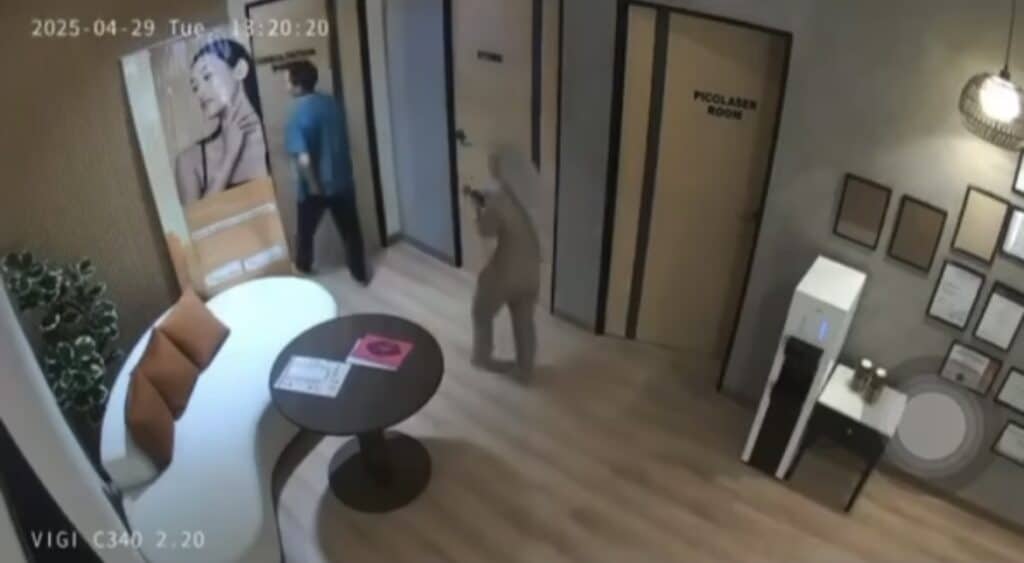
But context doesn’t matter once a clip is “juicy.” People saw what they wanted to see. A couple of guesses turned into accusations. Screenshots circulated. Comments multiplied. And just like that, someone’s face became a public target.
The staff member’s response — calm, clear, firm
A DW Aesthetic staff member went public with a statement that’s worth reading carefully. She said she is not the person in either clip. She described how her face was misidentified and how that misidentification spiralled into harassment and accusations. She also confirmed she’d filed a police report to protect herself.
Her plea was simple: stop sharing pictures of me or my colleagues. The legal part — filing a police report — is important. But so is the human part. She called out the emotional cost and the damage that baseless viral rumors can do to everyday lives and careers.
DW Aesthetic’s official stance
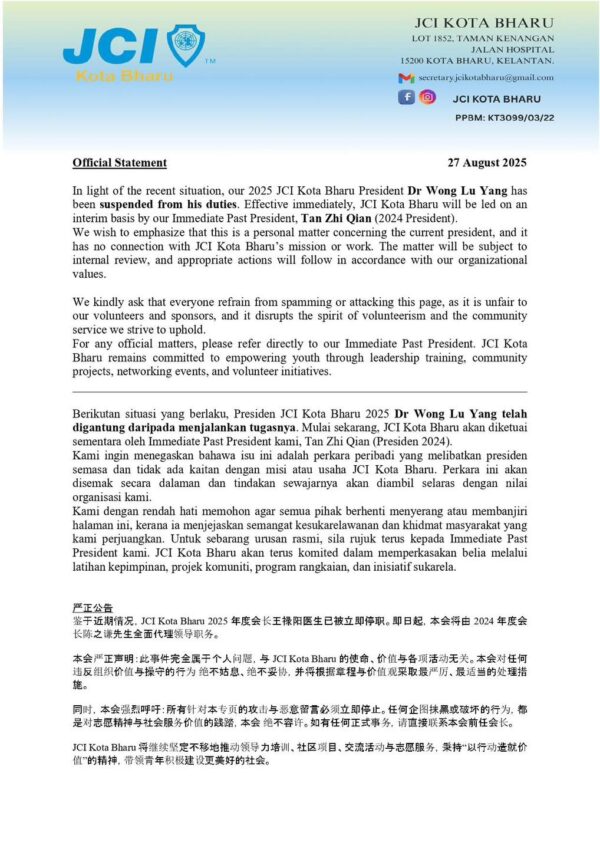
The clinic itself released a public clarification. Their main points:
- The nurse seen in the viral footage is not a DW Aesthetic employee.
- Management urged netizens to stop making baseless claims and to think before they share.
- They reminded the public that online slander can have real consequences, for individuals and for institutions.
So, two short clips plus a confident assertion on social media equals a public relations headache for the clinic — even though their statement denies any link.
Social media’s reaction: sympathy, snark, and still more guessing
Of course, social media didn’t behave elegantly. Reactions split into three messy camps:
- People who sympathised with the staff member. Some users apologised once they realised the identification looked shaky.
- People who kept speculating. For them, the lack of proof was a feature, not a bug.
- People who leaned into drama for likes and shares.
Thousands of comments popped up on Facebook and TikTok. Screenshots of the staff member were shared like collectibles. A few voices tried to calm things down. But calming down rarely goes viral.
The damage done before facts arrive
Here’s what happens when you let speculation run wild:
- Lives get disrupted. The wrongly accused can receive threats, lose sleep, or be ostracised by clients and acquaintances.
- Careers are shaken. Even an unproven allegation can scare customers away or put an employer on edge.
- Families get dragged into it. Harassment rarely respects boundaries; spouses, children, and parents can be affected.
- Reputations take a long time to rebuild. People forget apologies faster than they forget viral accusations.
In short: a single mistaken tag, share, or screenshot can ripple outward and leave real damage.
Why misidentifications happen so fast
There are three simple reasons:
- Low-resolution evidence. CCTV footage rarely provides the clarity you think it does. Angle, lighting, and poor image quality are all enemies of certainty.
- Confirmation bias. If you already suspect someone or something, you’ll interpret fuzzy footage to fit that suspicion.
- Social pressure. Once a story gains speed, people pile on because not piling on feels like missing out.
Put these together and you get a crisis recipe that’s been used over and over — and will be used again unless we change how we behave online.
Legal risks — yes, there are consequences
Accusatory viral posts aren’t just morally questionable. They can be legally risky. Spreading false allegations or defamatory content can expose individuals to civil suits and, in some places, official complaints. Filing police reports, pursuing defamation claims, or seeking protective orders are options open to those who are harmed.
That said: legal processes take time. They don’t turn back the clock on the damage done in the first 24 hours of virality. The fastest fix is often prevention — i.e., don’t amplify unverified claims in the first place.
The emotional toll on staff in sensitive professions
Beauty and healthcare staff operate in fields where trust is everything. A professional’s reputation is their currency. A smear — even if temporary — can mean losing loyal clients, job offers, or future bookings. It can also make workplaces tense. Employers may feel forced to respond publicly. Colleagues could become suspicious. And all of this happens while the accused is expected to keep showing up to work and acting normal.
Imagine dealing with hostile DMs, whispered conversations at work, and increased scrutiny from clients — while you’re still expected to do your job. That’s the overt damage of the viral rumor. The covert damage is anxiety, stress, and potential long-term mental health effects.
What responsible online behaviour looks like (hint: it’s not sharing screenshots)
If you want to be the kind of person who helps instead of harms online, do this:
- Pause. Think for five minutes before sharing.
- Look for primary sources. Has the clinic made a statement? Has anyone involved confirmed the facts?
- Don’t repost identity photos if you don’t know their context.
- Resist the urge to speculate in public comments. If you’re curious, ask clarifying questions privately or encourage others to wait for verified information.
- Report abusive or harassing content to the platform. Platforms tend to move only when it’s reported.
Telling yourself, “I’m just sharing, not harming,” is a convenient lie. Sharing is part of how these things spread. The more eyes on a false claim, the worse the impact.
For professionals: how to protect your team (and your brand)
If you run or work at a clinic, salon, or clinic-like business, build a basic crisis plan now. Yes, now.
A simple playbook should include:
- A designated spokesperson. One voice is better than ten conflicting ones.
- A template statement for misidentification incidents. Keep it calm, factual, and immediate.
- Guidance for staff about what to do if they are harassed (report, save evidence, avoid engaging with harassers).
- Clear rules about sharing internal images or staff photos publicly.
- Legal contacts who understand defamation and privacy issues in your jurisdiction.
Proactive measures reduce panic. Panic produces poor public statements and often makes things worse.
Why this matters beyond one clinic
This isn’t just about DW Aesthetic. It’s about the ecosystem that lets a shaky clip become someone’s ruin overnight. It’s about how our online culture prizes emotional reactions over due diligence. It’s about the way anonymity and the speed of sharing amplify error.
When we normalise calling out people based on half-evidence, we normalize cruelty. That has consequences beyond a single scandal — it makes the internet less accountable and more unsafe for everyone. And, ironically, it also makes it harder to hold genuinely culpable people to account, because signal and noise get mixed together.
What the public can do while investigations continue
The staff member asked for time and space to let the police and any official investigations run their course. That’s reasonable. If you want to act responsibly right now, you can:
- Stop sharing non-official footage.
- Encourage patience and fact-based discussion.
- If you’ve already shared, consider deleting the post and posting a correction if you were wrong.
- Offer support to the wrongly accused if you know them personally. Sometimes a private message of support matters more than a public apology.
My take — blunt, but fair
People love a narrative where they’re the smart ones who discovered “the truth.” Problem is, being first is rarely the same as being right. The DW Aesthetic case is less a mystery to solve and more a test of digital maturity. Will we pounce on fuzzy footage for likes, or will we wait for facts?
Here’s what I think: anyone who jumps to identify someone from low-grade CCTV and then shares their image is engaging in reckless behaviour. It’s lazy investigative work disguised as activism. If you’re genuinely committed to accountability, do the work: confirm, contact, and, if necessary, escalate through formal channels. Don’t weaponise other people’s faces for clout.
At the same time, it’s worth acknowledging that institutions and public figures often use official statements to deflect. So yes, healthy scepticism is good. But scepticism isn’t a permission slip to pounce. It means withholding judgment until evidence is robust.
Finally, the person at the centre of a mistaken ID deserves more than an apology in the comments. They deserve the public to stop amplifying the claim, and the platforms to enforce their harassment policies. That’s the baseline of decency in a world where a mistake can cost someone their livelihood.
A short checklist if you find a viral clip you think is important
- Is the source credible? (No = don’t share.)
- Has anyone involved confirmed the video? (No = wait.)
- Can you identify the full context without guessing? (No = wait.)
- Are you sharing to inform or to inflame? (If inflammation wins, don’t share.)
- Could this harm an innocent person? (If yes, refrain.)
In closing: a plea for restraint
Virality is seductive. It makes us feel influential. It also makes us dangerous if we don’t take responsibility. The DW Aesthetic incident is one of countless examples where speed beats truth and a person’s life gets tossed into public debate on the basis of pixels and hearsay.
If you’re going to be on social media — and you will be — try this radical move: pause. Verify. Consider consequences. The people you might help by sharing aren’t always the people the clip points to. Sometimes, the best action is to do nothing until facts arrive.