
More
    Home Blog Page 12

    The Life, Fight, and Final Chapter of Lee Hwee Ling

    1

    A Love That Didn’t Back Down

    When you meet someone whose life feels stitched together with equal parts grit, grace, and downright stubborn hope, you don’t forget them. That was Lee Hwee Ling. Her story wasn’t just another heartbreaking headline about cancer. Instead, it was the kind of journey that forces you to sit still, breathe deeper, and rethink what truly matters.

    Her husband, Bob, once said something that stays with you long after you close the tab: “It might sound cheesy, but sometimes I feel like asking, can I take this disease from you?” You can almost hear the ache behind those words. And honestly, if love alone could bulldoze cancer, she would’ve outlived us all.

    Source: FB

    A Life Suddenly Rewritten

    Hwee Ling was only thirty when life threw its first brutal curveball. One moment she was celebrating her birthday; the next, she was staring at a Stage 4 diagnosis that made the future evaporate almost instantly. Plans became tiny. Time shrank. Instead of thinking in years, everything became about hours, days, maybe months if the universe felt kind.

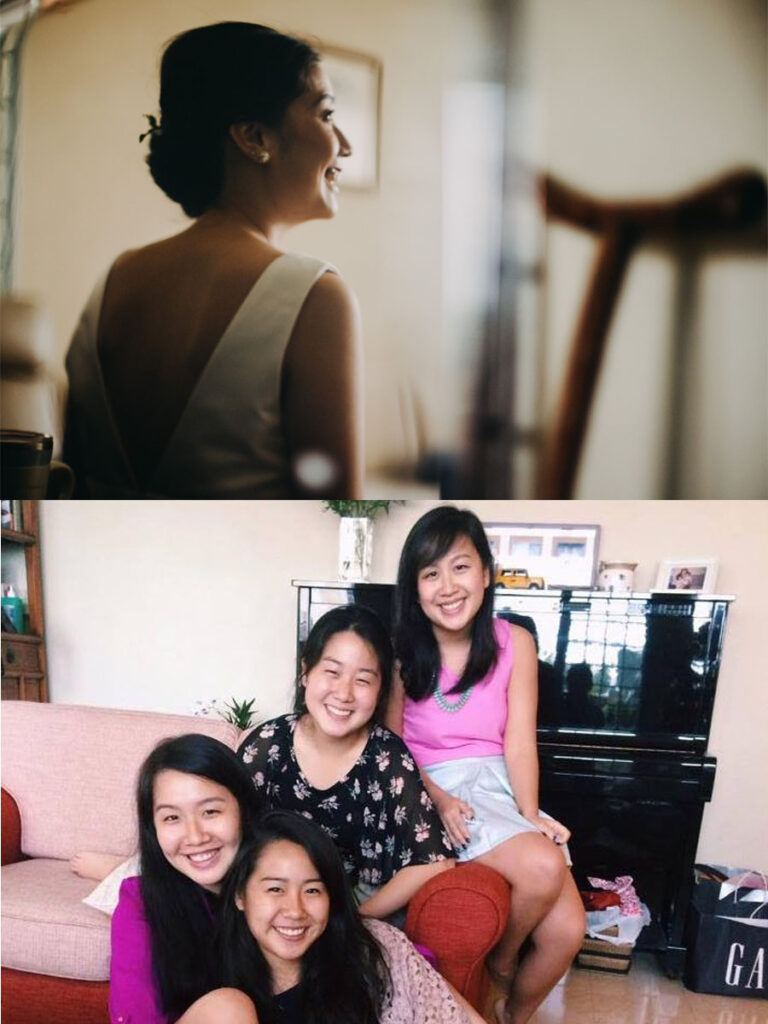
    And yet, she didn’t face any of it alone. Her mother, Siam Kheng, her three sisters, and her husband Bob held her close. The house became home base for everything—meals, laughter, breakdowns, naps, and all the tiny moments that suddenly felt priceless.

    If it takes a village to raise a child, it definitely takes one to walk with someone through cancer. Her village showed up.

    When Love Means Staying, Even When It Hurts

    Here’s what made her story even more extraordinary. Just one month after her diagnosis, she and Bob still went ahead with their wedding. Imagine fainting at your own ceremony, then heading straight from the celebration to your oncologist. They literally sorted out marriage and mortality on the same day.

    Their vows weren’t just recited; they were lived. Every line. Every promise. No shortcuts.

    Her first surgery? Nineteen hours. That alone tells you how intense things were. Appendix, womb, large intestine, gallbladder, spleen—gone. And then came chemotherapy, round after round. Yet through it all, they still found softness, humor, and joy. They even became godparents to EJ.

    The World Got to See Her Heart

    In February 2025, her story aired on national TV. It wasn’t staged or polished. Instead, everyone got a front-row seat to her raw honesty—the tears, the fears, the tiny wins, and the moments she let her faith hold her together. She didn’t hide the hard parts.

    Her courage was contagious. Her vulnerability was disarming. Viewers weren’t just watching a documentary; they were rooting for her like she was family.

    Holding On to the Small Things

    Despite everything happening inside her body, she still dreamed big. She planned a family trip for May 2025. Traveling with Bob was one of their favorite things, and she was determined to keep some normalcy in a world that kept shifting beneath her feet.

    But cancer doesn’t care about itineraries. The cells kept spreading quietly. And on November 11, 2025, surrounded by the same family who held her through it all, she took her last breath. She was only thirty-five.

    She crossed the finish line of this world and into God’s arms, leaving behind a legacy stitched with love, resilience, and a whole lot of soul.

    What She Taught Us Without Trying

    Source: FB

    Her life was a reminder of something we often speed past: joy is usually found in the ordinary.

    A hug.
    A warm smile.
    A silly laugh.
    A hand squeeze that says, “I’m here.”
    A shared meal, even if all you can manage is a few bites.

    These moments became her treasures. And honestly, they should be ours too.

    My Take on Her Journey

    Source: FB

    If I’m being real, her story hits differently. We scroll past sad news all the time, but this? This feels like someone tapping your shoulder and quietly asking, “Hey… are you appreciating your life, really?”

    What gets me most is the way she kept choosing hope, not because it was easy, but because it was all she had. And Bob? That man walked the talk. His loyalty wasn’t dramatic—it was steady, grounding, and fiercely gentle.

    We always talk about “true love,” but rarely do we get to see it stretched this far without breaking. Their relationship did more than survive cancer. It defined what commitment looks like when everything gets stripped away.

    A Final Goodbye to a Warrior Princess

    Hwee Ling wasn’t just a patient, a wife, or a daughter. She was light. She was warmth. And she was brave in ways most of us won’t ever have to be.

    Her journey wasn’t long, but it was full. Deep. Beautiful in its own painful way.

    Rest well, Warrior Princess. You left more behind than you’ll ever know.

    The Story of Mdm Tan Siu Hong and Famous Eunos Bak Chor Mee

    0

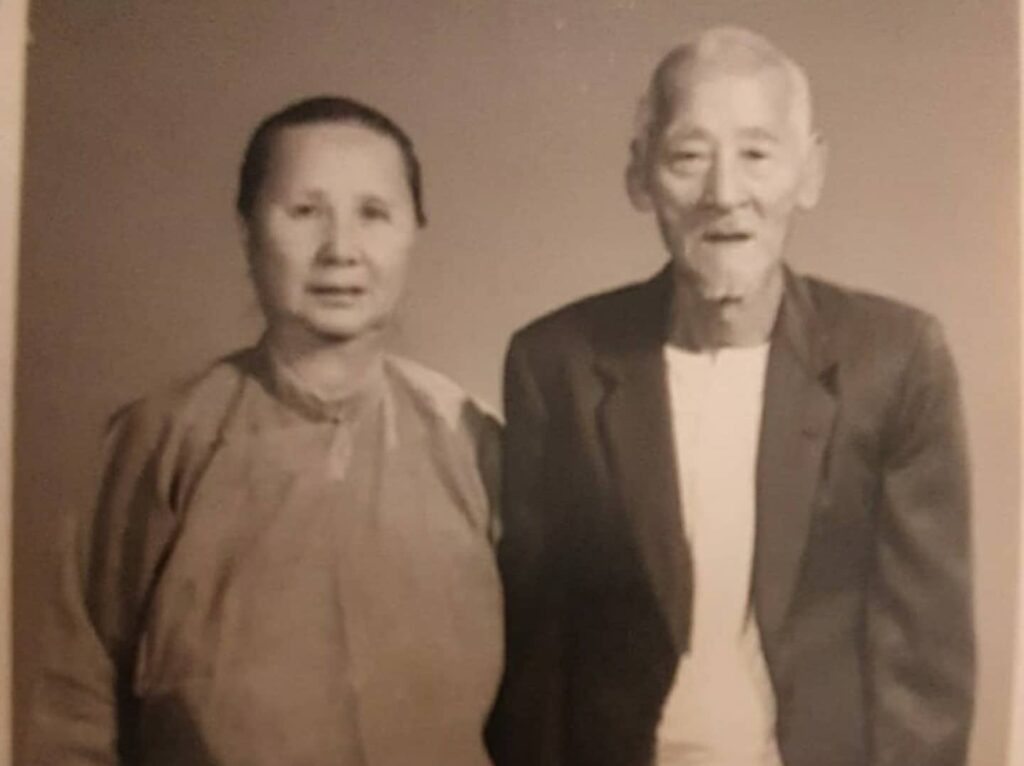
    Tan Siu Hong, 88 — d. 10 November 2025

    July 5, 1999, 12:35 a.m. — a fire ripped through the market and hawker centre at Block 4, Eunos Crescent. In 75 minutes, a busy community hub turned into a burnt-out shell. Tables were charred. Signboards melted. Ceiling fans hung lifelessly. In total, 234 stalls were affected — including the bak chor mee stall run by Siu Hong and her husband.

    This is a simple story about food, family, and stubbornness. It’s also about how a small stall grew into a local institution.

    Roots: the noodle that carried a name

    The story begins long before Siu Hong. In 1923, Tan Lian Hock left Zhao’an county in Fujian. He arrived in Singapore and carried his life on his shoulders — literally. He hawked soup-style bak chor mee around Kampong Chai Chee. The weight of his stall and stove hunched his back. People nicknamed the dish “hunchback noodles (驼背面).” Over time, his soup-based recipe became what many Singaporeans now call bak chor mee. In short: Tan Lian Hock is one of the founding figures behind the city’s beloved noodle style.

    The 1999 fire and the stall that didn’t die

    The 1999 blaze could have ended the story. Instead, it became a plot twist. After they lost their stall, the family found a new spot at Block 7, Eunos Crescent — where the main stall still sits today. Every morning, Siu Hong rose early to prep the broth, cut the pork, and get the stall ready. Day after day, she wore the work like an apron: plain, essential, relentless.

    Her hands shaped the food. Her patience made the broth sing with garlic and depth. Her timing gave the noodles perfect bite. Her care made every dumpling generous. In other words: the food tasted like the work that went into it.

    Passing the ladle, not the love

    Hawkering is not easy. The daily grind takes a toll on any body. As the years went by, Siu Hong’s daughter, Sim Bee Yong, took over the stall. In 2017, the team rebranded to Famous Eunos Bak Chor Mee. Today the stall runs with the fifth generation at the helm. The matriarch’s daughter and grandson, Jie Wei, keep the family rhythm alive. They know the recipes, the timing, and — most importantly — why customers come back: continuity, trust, and good noodles.

    Why this matters (besides it being delicious)

    First, it’s about cultural memory. When a hawker recipe survives decades, it becomes a small public archive — a bowl that carries history. Second, it’s about resilience. The fire reduced a place to ashes, yet the family rebuilt. Third, it’s about people. For three generations of diners, that bowl was more than dinner; it was continuity. Tuesday dinners, late-night comfort, rainy-day solace — all wrapped in noodles.

    My take

    Here’s my view, plain and honest. In Singapore, hawkers do more than sell food. They are memory keepers. They stitch neighborhoods together. They resist fast-change with slow craft. Mdm Tan’s life reads like an instruction manual for stubborn love: wake early, work hard, share the results. There’s a kind of courage in that — not loud, but steady. And yes, we should celebrate that kind of courage without turning it into a fetish. Respect the craft. Support the stall. Bring cash or pay electronically — whatever keeps the lights on.

    If you’re in Eunos and you want to taste history, go. But go with patience. Expect queues. Expect simple goodness. Expect a bowl that tastes like someone’s lifetime of mornings.

    • Mdm Tan Siu Hong, aged 88 — passed away 10 November 2025.
    • Wake: Block 9, Eunos Crescent, Singapore 400009. Open until 14 November 2025.
    • Cremation: Mandai Crematorium, Service Hall 02 — 14 November 2025 at 3:45 p.m.

    Rest in peace, Mdm Tan. Thanks for the bowls, the mornings, and the memories.

    What is The Lost Civilization of Sanxingdui?

    0

    Imagine this: it’s a scorching afternoon in July 1986. A brick factory worker in Sichuan Province, China, is doing his usual grind when his shovel clinks against something solid. Probably a rock, right? But as he brushes off the dirt, there’s a flash of gold — and then a face staring back. Not a human face either — more like something out of a sci-fi movie. Huge almond eyes, a broad nose, and pupils that bulge like they’re about to laser you into next week.

    That discovery cracked open one of the greatest archaeological mysteries in Chinese history — Sanxingdui, or “Three Star Mound.” Archaeologists soon realized this wasn’t just another dig site. They’d stumbled upon an entire Bronze Age civilization that had somehow gone unnoticed for over three thousand years. And honestly? It made everything we thought we knew about ancient China look like amateur hour.

    TL;DR

    • A 1986 discovery in Sichuan, China, unearthed Sanxingdui, a lost Bronze Age civilization that flourished between 1200 and 1000 BCE.
    • The artifacts, including huge, alien-looking bronze masks and advanced castings, are unlike anything found in the contemporary Shang dynasty.
    • The civilization, known as the Shu Kingdom, was highly advanced with master metalworking skills, but it mysteriously vanished around 1100 BCE.
    • All major artifacts were intentionally destroyed and ritually buried, leaving behind no writing and no clear explanation for their sudden end.
    • Sanxingdui proves ancient China was a mosaic of powerful, sophisticated cultures that existed independently.

    The Discovery That Shook Archaeology

    source: VCG Photo

    The site got its name because locals said the three mounds looked like Orion’s Belt — three bright stars in a row. What they found buried beneath those “stars,” though, was beyond anyone’s imagination: bronze masks with wide eyes and gold foil faces, elephant tusks where elephants hadn’t roamed for millennia, and an eerie sense that these artifacts weren’t just decorative — they meant something big.

    It wasn’t long before a second pit was uncovered, filled with ivory, gold, bronze human figures, and animal heads so massive they couldn’t possibly fit a normal person’s face. Some of them looked like they belonged to literal giants. The weird part? Every single item seemed intentionally destroyed before burial, as if some ancient ritual demanded the destruction of their most prized possessions.


    The Civilization That Shouldn’t Have Existed

    Carbon dating placed the artifacts between 1200 and 1000 BCE — the same time Egypt was building tombs for pharaohs. But this culture? Totally different. The Sanxingdui people had bronze-casting skills so advanced that even modern metallurgists are scratching their heads. Their alloys and designs were unlike anything found in the Shang dynasty or anywhere else in China.

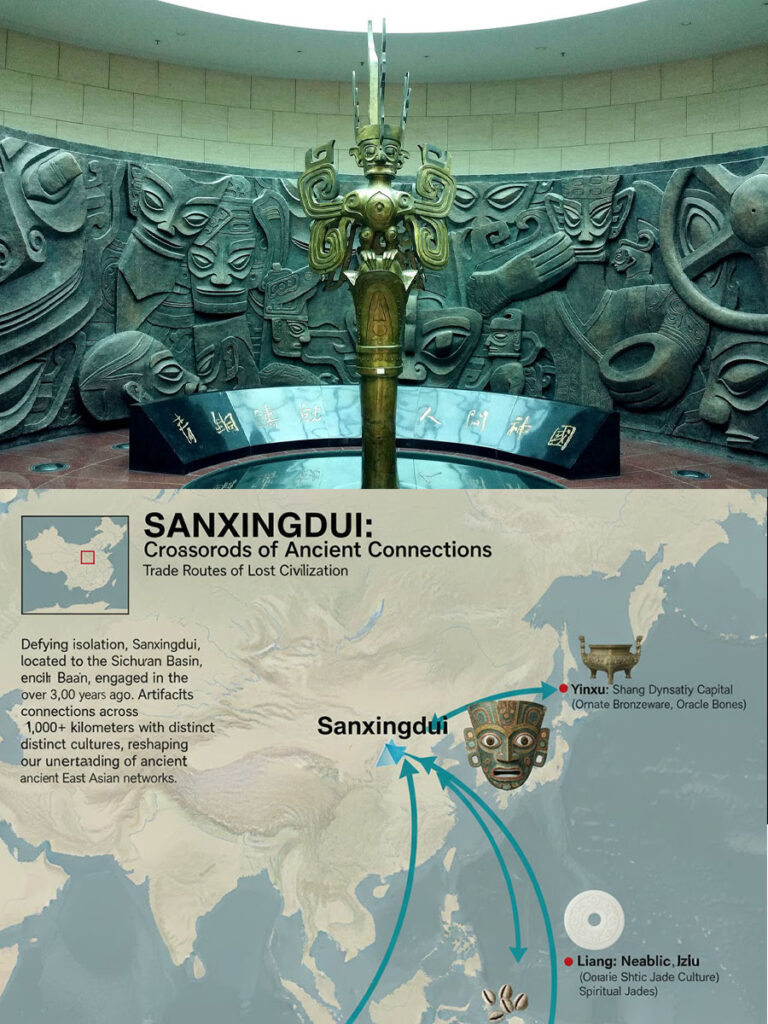
    And then there’s the crown jewel — a 2.6-meter-tall bronze statue of a man, hands positioned as if holding something now lost to time. Maybe an ivory tusk? Maybe a scepter? No one knows. But what’s crystal clear is that this civilization was creating art and technology centuries ahead of its neighbors.

    Nearby stood a four-meter-tall bronze tree, branches spiraling upward with birds and dragons woven between them. Scholars say it might symbolize a “cosmic tree,” a bridge between heaven and earth — a motif found in mythologies from Sumeria to Scandinavia. Coincidence? Maybe. But Sanxingdui loved its cosmic metaphors a little too much for that to be random.


    Alien Theories, Ancient Myths, and the 30° North Line

    source: VCG Photo

    Naturally, when humanity finds something this bizarre, the first instinct is to point at the sky. Many Chinese theorists claim Sanxingdui was part of the “30° North Latitude Mystery Line,” a supposed cosmic highway connecting the Egyptian Pyramids, Babylon, the Mayan ruins, and — yep — Sanxingdui.

    Did aliens help them? Or were they the aliens themselves? Okay, that’s the wild theory. The more grounded explanation is that they were a lost civilization that developed independently — but way too fast to make sense. Their art looked extraterrestrial, their tech was advanced, and their culture just appeared, fully formed, like someone pressed “skip tutorial” on civilization building.


    A Civilization Hidden in Plain Sight

    source: VCG Photo

    For centuries, the Shu Kingdom — which supposedly ruled this region — was treated like a myth in ancient Chinese records. But Sanxingdui changed everything. It proved that Shu wasn’t just folklore. It was real — and it was powerful.

    The Shu people built a massive walled city spanning 12 square kilometers. They traded with other cultures, sculpted massive bronze idols, and mastered goldwork far beyond their time. Yet by around 1100 BCE, it all vanished. No writing, no explanation, no clear successor. Just a trail of artifacts buried under dirt, smashed to pieces.

    So what happened? Some archaeologists blame a massive earthquake that might’ve rerouted the local river, effectively killing the city. Others think a rebellion or ritualistic end wiped it out. Whatever it was, Sanxingdui fell fast and hard, and the world forgot it existed.


    Lost Knowledge and Cosmic Art

    source: VCG Photo

    Here’s what fascinates me — these people knew things. Their metalwork shows traces of phosphorus bronze, a technique nearly impossible to pull off even by later civilizations. Their art clearly had spiritual depth — cosmic trees, upward-gazing faces, celestial motifs. It’s like they were obsessed with the stars. Maybe they weren’t worshiping aliens — maybe they were just trying to reach the divine in their own language of metal and fire.

    And about that missing object the bronze statue was “holding”? I love to think it symbolized something intangible — power, knowledge, or even the connection between heaven and earth. Maybe it wasn’t about what he held, but what he represented — humanity reaching upward.


    My Take: The Beauty of the Unknown

    source: VCG Photo

    Now, let’s get real for a second. I don’t think little green men built Sanxingdui, but I do think the people behind it were extraordinary. They remind us that human history isn’t a straight line — it’s a wild collage of forgotten brilliance. Every so often, someone digs in the dirt and finds proof that the past was far weirder, smarter, and more creative than we give it credit for.

    Sanxingdui’s people weren’t anomalies. They were proof that genius can rise — and disappear — anywhere. Their mystery isn’t about aliens. It’s about us. About how civilizations bloom, burn bright, and vanish, leaving behind gold masks and unanswered questions.

    And honestly? That mystery makes them immortal

    Warren Buffett’s Final Letter: What I learned…

    1

    One of the greatest heroes of my life is quietly stepping off the stage.

    It feels strange even saying it — Warren Buffett, the Oracle of Omaha himself, has written what he calls his final letter to shareholders. He’s 95 years old now, and as he closes this remarkable chapter, I can’t help but reflect on how deeply his teachings have shaped my life.

    The man didn’t just teach us how to invest. He taught us how to live — with patience, humility, and a little bit of common sense that somehow feels rare these days.


    The Power of Compounding (and Patience)

    Buffett didn’t build his empire overnight. Nope, no crypto shortcuts, no “get rich quick” schemes. His wealth was the product of relentless compounding over six decades — 63 years, to be exact.

    He started investing at the ridiculously young age of ten, buying his first stock while most kids were still collecting marbles. By 32, he’d earned his first million dollars — and that was way back in 1962, when a million dollars was serious money.

    Fast forward to 1986, and he was a billionaire. By 2010, $50 billion.
    Today? Roughly $130 billion — and he’s given away $51 billion of that to charity.

    But here’s the kicker: 99% of his fortune came after he turned 60.
    Yeah, let that sink in. While most people his age were planning retirement, Buffett’s wealth was just getting started. So, the next time someone says they’re too old to invest, remember — Buffett didn’t just age like fine wine; his money did too.


    The Magic Number: 18.6%

    This is the number Buffett fans (like me) never forget. His average annual growth rate over his lifetime of investing was 18.6%. That’s compounding magic.

    People today love chasing 30%, 40%, even 50% returns — usually through risky bets and overnight hype. But here’s the truth: sustaining 18% for decades? That’s god-tier performance.

    Personally, I’ve never even come close. My portfolio averages around 15% on a good year — and that’s mostly in equities. Throw in safer stuff like CPF, T-bills, or fixed deposits, and the blended return drops even more.

    So, when someone claims they can “easily make 50% a year,” I just smile and think, Sure, buddy — even Warren Buffett couldn’t.

    Let’s be real: a steady 10% return is already phenomenal. Consistency always beats hype. Buffett proved that slow compounding, not flashy gambling, builds unshakable wealth.


    Living Simply When You Can Afford Anything

    This part of Buffett’s story hits me right in the chest.

    He’s worth billions but still lives in the same Omaha house he bought in 1958 for $31,000. Today, that house is worth around $14 million — and he’s been there for 67 years.

    That’s not frugality for the sake of it; it’s comfort in simplicity. He’s warm in winter, cool in summer, and surrounded by memories. It made me realize something: it’s not the house that makes a home — it’s the people in it.

    That’s why I still live simply, too. Sure, I could splurge, but I’d rather see my money grow quietly in the background. My home doesn’t need to scream success — it just needs to feel warm.


    The Modest Car, The McDonald’s Breakfast, and The Coke Habit

    If you ever thought billionaires drive flashy cars and dine on gold-plated caviar — think again.

    Buffett drove an old car for years before his daughter begged him to upgrade. Even then, he went for a 2015 Cadillac — not exactly a Lamborghini.

    And his breakfast routine? Straight out of a sitcom. Every morning, he swings by McDonald’s. If Berkshire Hathaway had a bad day, he orders the cheaper meal — a $2.61 burger. If it’s a good day, he splurges on one with cheese.

    Oh, and he doesn’t drink water. He drinks Coca-Cola — like, all the time. The man’s blood type might as well be “Coke Positive.”

    But honestly, it’s iconic. Buffett’s wealth doesn’t control him. He enjoys what he likes, lives simply, and never pretends to be something he’s not.


    The Humble Office and His $51 Billion Gift

    Now, you’d think a man who runs a multi-billion-dollar company would have a massive, futuristic headquarters. Nope.

    Berkshire Hathaway’s HQ? One floor. Twenty-five employees. One old-school phone. No computer. That’s it.

    Even my own workspace is fancier — and that’s saying something.

    Buffett doesn’t need luxury to lead. His empire runs on trust, not tech. And his humility extends far beyond business — he’s donated over $51 billion through four family foundations and the Bill & Melinda Gates Foundation.

    He admits he’s not good at giving money away — so he lets others handle it. That kind of self-awareness is rare and refreshing.


    Lessons from His Final Letter

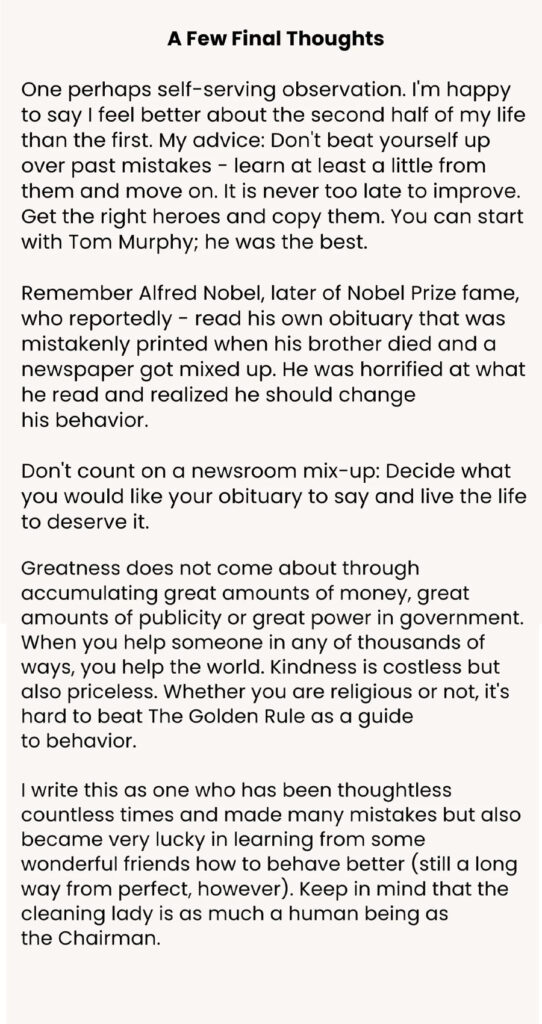
    Buffett’s last letter wasn’t about money. It was about life.

    He reminded us not to beat ourselves up over mistakes. If you live long enough, he said, those mistakes won’t matter much. That hit me hard. I’ve made my share of stupid decisions — said the wrong things, missed opportunities, nearly burned out. But Buffett’s message? Let it go. Learn. Move forward.

    He also said, “Choose your heroes wisely.” His were Benjamin Graham and Charlie Munger — two men who shaped his thinking. Graham taught him discipline. Munger taught him wisdom. Together, they shaped the greatest investor of our time.


    The Real Enemy: Envy and Comparison

    Buffett once warned about the “toxic culture” of envy in corporate America — especially around money. He believed that comparing salaries and success only breeds unhappiness.

    And he’s right. Comparison is the thief of joy. I’ve seen people lose themselves chasing someone else’s lifestyle, forgetting what truly matters.

    Buffett earns a modest salary by billionaire standards, yet he radiates contentment. He reminds us that greatness doesn’t come from wealth or power, but from kindness, humility, and helping others — whether it’s the CEO or the janitor.

    That’s something I’ve tried to practice myself. When I meet people — whether in business or life — I make it a point to greet everyone with equal respect. You never know how much a smile or a handshake can mean to someone.


    My Take: Staying Grounded in a World of Noise

    One thing that really struck me was when Buffett said both he and Berkshire Hathaway did better because they were based in Omaha. Away from the chaos of Wall Street, he could think clearly and act rationally.

    That’s something I can relate to. When I left corporate life, I finally felt free. No more endless comparisons, toxic egos, or fake smiles. Just me, doing what I love — on my own terms.

    Sometimes, the best investment you can make is walking away from noise.


    Wealth Without Ego

    This is a lesson the world desperately needs. Wealth doesn’t need to be loud. Buffett proves you can be rich without flaunting it.

    In Singapore and Malaysia, I’ve seen how wealth often turns into a fashion show — new cars, branded watches, giant houses. But true wealth is quiet. It’s security. It’s peace of mind. It’s knowing you don’t have to prove anything to anyone.

    Buffett built his empire on patience, humility, and a long-term mindset. And that’s what I want to carry forward — not just financial wealth, but wealth in spirit.


    A Legacy Worth Carrying On

    So yes, it’s bittersweet to see Warren Buffett slowly fade from public life. But his legacy? That’s not going anywhere.

    He taught us that compounding doesn’t just apply to money — it applies to kindness, humility, and gratitude. Every smile, every act of generosity, every bit of time you give away compounds into something much bigger than yourself.

    That’s the real wealth he left behind. And I, for one, plan to keep that compounding.

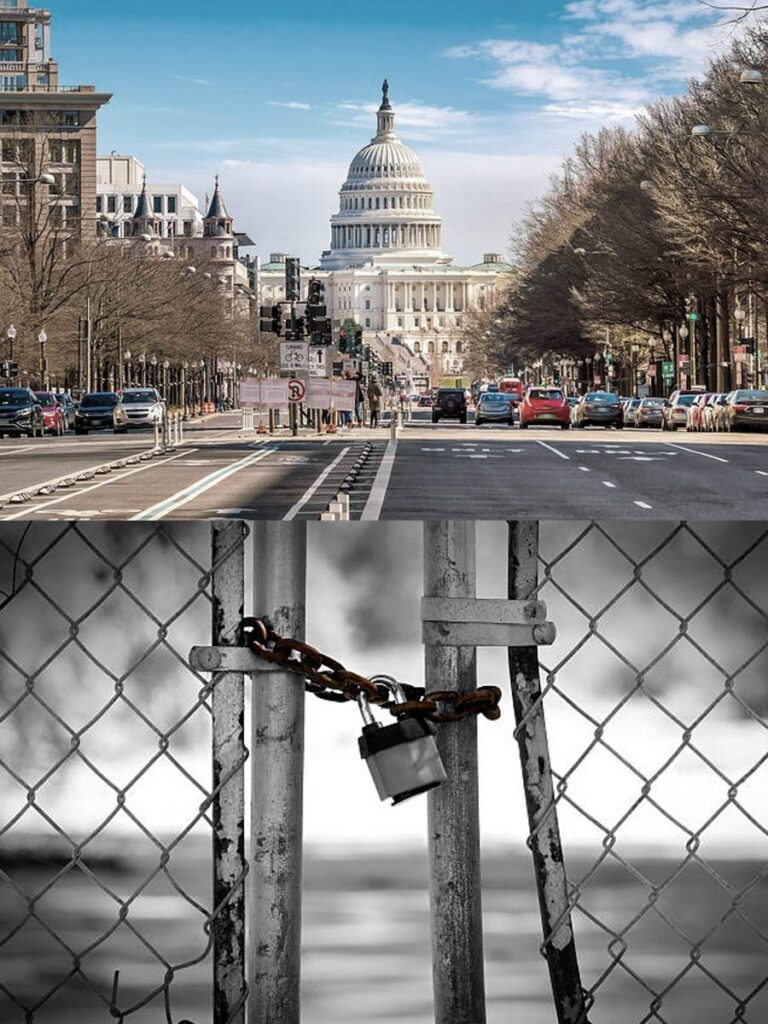
    US Govt Shutdown fixed (for now)

    0

    Good news: Congress appears to have moved to end the shutdown. The Senate cleared a procedural hurdle late Sunday by advancing a short-term funding package in a 60–40 roll call. Several Democrats joined most Republicans to get the bill past the filibuster stage. That means the measure now heads to the House, where Speaker Mike Johnson has called members back to vote. If the House passes it, the bill will go to President Trump and is expected to be signed.

    TL;DR

    • The Senate advanced (60–40) a short-term funding bill, which is expected to pass the House and be signed, ending the government shutdown.
    • The stopgap funds the government through January 30, 2026, and guarantees back pay for furloughed federal workers.
    • The deal includes a guaranteed December vote on extending ACA premium tax credits, but not guaranteed passage.
    • The shutdown shaved 0.8 percentage points ($55 billion) off quarterly GDP growth, causing real pain for SNAP recipients and federal workers.
    • This is only a temporary fix, kicking the core spending and health-care fights down the road to late January 2026.

    The vote and the deal — quick, plain version

    • The Senate vote to advance the bill was 60–40. Eight Democrats crossed over to clear the procedural hurdle.
    • The package is a stopgap that funds most government operations through Jan. 30. It also bundles a few full-year appropriations bills (like veterans’ programs and some military construction).
    • As part of the bargain, Democrats won a guaranteed vote on extending the Affordable Care Act premium tax credits — scheduled for early December — but not a guarantee that the subsidies will actually pass. Many Democrats are frustrated by that.

    Who switched — and why that matters

    A handful of Democrats — worried about people going hungry or being laid off — decided the immediate harm was worse than holding out for a bigger deal. That choice let the bill advance. Senate negotiators also agreed to reverse shutdown-era layoff notices and promise back pay for federal workers — things that persuaded some fence-sitters.


    What this bill does (and doesn’t)

    Yes: it reopens large parts of the government for now. It:

    • Restores funding through Jan. 30.
    • Ensures states will be reimbursed if they spent money to keep SNAP and WIC running.
    • Guarantees a December vote on ACA premium tax credits, but not passage.

    It does not permanently solve the health-care fight. That fight is just moved down the calendar. Expect the ACA tax-credit issue to come back — and hard — before January ends.


    Who got hurt — and who’s still waiting

    Millions felt the shutdown right away. SNAP benefits — which support around 42 million people — were in real jeopardy during the lapse. That stark number is one big reason momentum built to end the shutdown quickly.

    Federal workers are also owed back pay. By law, back pay is supposed to be paid out as soon as possible after the shutdown ends. Practically, payouts and exact timing will vary by agency and by state payroll logistics, but the legal requirement is clear: furloughed workers get made whole.


    The economic scorecard

    A long shutdown leaves a dent. Ernst & Young estimates this shutdown shaved roughly 0.8 percentage points off quarterly GDP growth — about $55 billion in lost output so far. If the shutdown had kept dragging, those costs would have climbed. The travel and food-aid disruptions make the economic hit worse.

    On markets: shutdowns usually spook people for a minute and then markets move on. This one lifted stocks when the reopening news hit. Historically, the stock market is rarely derailed long-term by funding standoffs. Still, for ordinary families and workers, the pain was real.


    The Fed and the data blackout

    Shutdowns pause key government data releases — jobs, inflation metrics, etc. That “data blackout” complicates Federal Reserve decisions. The Fed’s December meeting (Dec. 9–10 on the calendar) will come with more uncertainty because of missing official reports. Policymakers have said they’ll use available data, but missing government numbers make decisions tougher.


    The risk: this could come back in February

    Important context: this is a temporary fix. The continuing resolution runs only to Jan. 30. That means the big policy fights (ACA credits, spending priorities) could blow up again. If the underlying disagreements aren’t resolved, Congress could face the same crisis all over — and faster this time, because end-of-January is less politically delicate than holiday travel season.


    My take

    Short version: reopening the government was the right emergency move. People were hungry, workers were unpaid, and air travel chaos around Thanksgiving would have made the mess worse for millions. That practical pressure mattered — and it’s why politics sometimes chooses the least awful option.

    That said, this is a bandage, not a cure. Pushing the ACA fight into December without a path to resolve it is risky. If leaders don’t actually negotiate a real solution, we’ll be right back here in eight weeks. Also: using brinkmanship to force concessions while millions are in limbo is a miserable way to govern. It works politically sometimes, but it’s terrible policy.

    If you’re an investor: don’t panic over this alone. If you’re a worker on SNAP or a federal paycheck, keep an eye on your state agency notices — states differ on timing for benefit fixes and back pay processing.


    What to watch next

    1. House vote — will the House pass the Senate’s package? (Expected this week.)
    2. President’s signature — will the White House sign promptly? (Administration has signaled support.)
    3. ACA vote in December — outcome and whether it’s more than a symbolic exercise.
    4. State-level SNAP notices — check your state agency for timing on benefits and reimbursements.
    5. Fed meeting (Dec. 9–10) — watch for how the Fed treats its policy stance amid missing official data.

    Final word

    This patch buys time. It also punts the big fights. So yes — the shutdown looks like it’s ending. But if you want a real, durable fix for health-care subsidies, benefit stability, and budget sanity, Congress needs to stop treating everyday people like pawns in a game. Until then, plan for more drama in early 2026.

    Dear X: What we learned so far…

    0

    Dear X opens hard and fast. It’s tense. It’s grim. It’s the kind of K-drama that makes you want to peek through your fingers — then rewatch the scene five minutes later. Kim Yoo-jung owns the role of Baek Ah-jin: cold, clever, and terrifying in the best way. These first four episodes build her origin story like a crime novel. You get trauma, manipulation, and a ruthless rise to fame. If you like moral messes wrapped in glamour, this one’s for you.

    TL;DR

    • Dear X is a bleak, sharp, psychological thriller focused on the ruthless rise of antihero Baek Ah-jin.
    • The first four episodes build Ah-jin’s traumatic origin story: detailing her abuse, manipulation tactics, and eventual leap to fame.
    • Ah-jin uses people as tools: most notably Yoon Joon-seo (her loyal fixer) and Kim Jae-oh.
    • The major climax involves Ah-jin framing a kind man (Jung-ho) and letting Joon-seo take the fall for a crime to secure her escape and stardom.
    • Key themes are power, survival, and moral consumption. The tension comes from watching her succeed despite her monstrous methods.

    What happens in episodes 1–4 (spoiler-heavy)

    From the first frame, the show sets a mood: bleak, sharp, and unflinching. Ah-jin grows up in an abusive home. Her father, Baek Sun-gyu, is violent and vile. Her mother is drunk and helpless. Young Ah-jin literally steps over her injured mother. It’s brutal, and the series doesn’t shy away from that cruelty.

    Ah-jin survives. She learns to use people. She studies people. She makes them useful. Early on, she finds leverage: secrets about Yoon Joon-seo’s family. She uses it to avoid being sent to an orphanage. From there, Joon-seo becomes her ally — and her fixer. Their bond is twisted, loyal, and fragile.

    High school is where Ah-jin sharpens her tactics. She gets rid of a rival, Shim Sung-hee, with a plan so cold it clicks into place like clockwork. Ah-jin manipulates classmates, teachers, and a few boys who desperately need someone to believe in them — namely Jae-oh. Together they gaslight and destroy Sung-hee’s reputation. It’s cruel, efficient, and textbook sociopathy.

    Plans collapse. Her father returns, steals their college money, and beats her. Jae-oh ends up killing his abusive father and goes to prison. Ah-jin’s dreams of a university law degree vanish. She takes a café job and blows up into stardom after photos of her go viral. Fame comes with danger: a stalker attacks her. Joon-seo shows up. He cleans up the mess. He covers tracks. He confesses to a murder he didn’t commit so Ah-jin can escape. She uses a kind man, Jung-ho, to finish her plan. He gets framed. Joon-seo takes the fall. Ah-jin leaves to become a star and cuts Joon-seo loose.

    Now, present day, Ah-jin is famous. She’s also slippery and dangerous. The show ends these early episodes with her at the top of the world — and the rest of us wondering when, how, and to whom the wreckage will catch up.


    Characters and the chemistry that works

    • Baek Ah-jin (Kim Yoo-jung): The show’s axis. She’s brilliant and chilling. Kim Yoo-jung plays her with a flat, surgical calm that makes every choice look inevitable. Ah-jin isn’t cartoon evil. She’s created by cruelty. That makes her both repulsive and strangely magnetic.
    • Yoon Joon-seo (Kim Young-dae): Loyal, guilt-ridden, and wrecked by love. He’s the classic fixer who keeps getting pulled deeper. His devotion feels real. It also feels unstoppable — and risky.
    • Kim Jae-oh (Kim Do-hoon): Angry, damaged, grateful. He follows Ah-jin because she gives him power and respect. That’s a dangerous mix for anyone.
    • Choi Jung-ho (Kim Ji-hoon): Kind, naive, manipulated. He’s the tragic instrument in Ah-jin’s plan. The show uses him to show how easily good people can become collateral.

    The chemistry among the trio (Ah-jin, Joon-seo, Jae-oh) is the show’s emotional engine. Their loyalty and betrayals carry real weight. The show doesn’t rely on romantic beats to create tension. It uses codependency, guilt, and power.


    Themes and tone

    This is a thriller about power, survival, and consumption. The show asks: what does someone become when every adult they’ve relied on fails them? The answer here is sharp and uncompromising. Ah-jin is a product of violence and neglect, and she turns those scars into strategy.

    Tone-wise, it’s dark but stylish. The cinematography loves close-ups. The score is sparse. The mood is claustrophobic in the best way. This is not a comfort watch. It’s a study of cruelty and control.


    Pacing and storytelling

    The first four episodes favor setup over payoff. That’s intentional. We get long arcs of manipulation and small scenes that reveal how Ah-jin plans ahead. Scenes are compact. Dialogue is lean. The show trusts its actors to carry the weight. The payoff is promise rather than immediate reward. If you want constant action: slow your expectations. If you like slow tension building to an inevitable snap, you’ll be hooked.


    What the show does well

    • Character work: Ah-jin is complex. The writers let her be monstrous and human at once.
    • Atmosphere: The series creates a steady, oppressive mood.
    • Moral ambiguity: You root for survival even as you recoil from the methods.
    • Performances: Kim Yoo-jung’s performance is the stand-out. The supporting cast matches her well.

    What could be better

    • The show is brutal. If you’re sensitive to child abuse and heavy emotional manipulation, this may be too much.
    • Some plot moves feel engineered to shock rather than to develop character. It’s fine for thrills, but it can feel a little too neat when crimes line up like dominoes.

    My point of view (straight talk)

    I love a female lead who breaks the mold. Ah-jin isn’t written as trendy evil. She’s real in the sense that her choices feel inevitable given what she endured. The show smartly refuses to moralize early on. Instead, it lets us watch cause and effect. That tension — wanting her to succeed while fearing what her success costs — is what kept me glued.

    Also: the moral cost will be the show’s long game. My bet? Ah-jin’s empire will fracture because relationships built on manipulation can’t hold forever. People she hurt will come back. Loyalties will betray her. That’s the delicious part. Watching the walls she built from fear and lies slowly crack is the payoff I’m waiting for.


    Favorite moments (no spoilers beyond episode 4)

    • The school takedown of Sung-hee. Cold, efficient, and so well-executed.
    • Joon-seo’s confession scene. Painful and paradoxical.
    • Ah-jin’s café-to-stardom leap. It’s a small moment with huge consequences.

    Who should watch this

    • Fans of psychological thrillers.
    • Viewers who like morally gray antiheroes.
    • People who appreciate character-driven plots over action.

    Avoid if you’re sensitive to child abuse, domestic violence, or graphic cruelty.


    Final verdict

    Dark, unsettling, and compelling. The first four episodes set a slow-burning trap that keeps snapping inward. Kim Yoo-jung gives a career performance. The world-building is tight. The moral questions are messy. And that’s the point.

    Rating: ★★★★☆ (4 out of 5 stars)
    Reason: Bold, well-acted, and engrossing. Loses one star for brutality and occasional plot convenience.

    My Tribute to Marina Xavier

    0

    Marina Xavier died on Nov. 6, 2025, at Singapore General Hospital. She was 68. Her niece, singer Karen Xavier, says Marina had battled stomach cancer before — it went into remission for a while but came back in 2024.

    If you remember Singapore’s jazz clubs from the 1980s and ’90s, Marina’s voice probably lives in the back of your head: warm, husky, and a little bit dangerous in the best way. She could make a line of lyrics sound like a wink. And sure, she was glamorous — but she was never all gloss. There was grit there, too. Musicians and friends describe her as smoky, swingy, and wildly alive onstage.

    A life in quick phrases (because she sang like that)

    • Born in Singapore to a Dutch-Portuguese mother and a Burmese-Indian father.
    • Cut her teeth in local clubs — think Carriage Bar at the York Hotel in the early 1980s.
    • Moved to Paris in 1989 and split time between Europe and Singapore for decades.
    • Released several albums that moved between jazz, Latin, pop and dance. One notable record is A Jazzy Christmas in Paris.

    The music — short, sharp, and memorable

    Marina’s catalog blended genres the way a stylish person blends accessories: with confidence. She topped charts with tracks that flirted with world music and pop as much as jazz. Songs like “Do The Dut (Dangdut)” and a radio hit called “Made in India” showed that she could pivot from club jazz to dance-friendly tunes without losing her identity. Her 2003 jazz album When the World Was Young even had to be repressed multiple times after selling out.

    She also had collaborations and multicultural detours that read like a passport. Big-picture: Marina didn’t stay in one box. She sang in Parisian clubs, performed across Europe and South America, and jammed with a wide circle of musicians. That reach made her both local treasure and international nomad.

    The voice and the person

    Listen to her and you’ll hear layers: raspy and theatrical one second, intimate the next. Friends called her “kind and chaotic,” “naughty and epic,” and someone who could “move like a cat.” Those descriptions aren’t metaphors — they were shorthand for a singer who gave everything to each phrase. Jacintha Abisheganaden and Jeremy Monteiro — names people in Singapore will nod at — both paid tribute to Marina’s presence and craft.

    She carried a cross-cultural charm too. Audiences often felt a mix of “Eurasian warmth” and “European glamour” in her music — a reflection of her roots and the musical lanes she loved.

    Little-known (or at least rarely told) bits

    Some online posts and community pages say her first recording was a track called “Lagu Cinta,” linked with Tony Fernandes (yes, the same Tony Fernandes who later ran AirAsia). These claims circulate in heritage groups and social posts about Marina’s life; they show how stories about artists sometimes travel first through fans and local memory before broad media picks them up. Treat this one as an interesting claim rather than a verified chapter of her official discography.

    Other sources and artist pages list albums and licensing ties that show how her work found homes beyond Singapore — a sign she reached listeners and distributors across borders.

    Why Singapore will miss her

    Marina wasn’t just another voice. For people who followed the local jazz scene, she was a connecting thread — a performer who brought colour to stages from old-school clubs to commemorative community projects. In September 2024, she joined more than 120 other local jazz musicians for a group photo organised by the Jazz Association (Singapore) — a snapshot that, in hindsight, reads like a who’s-who farewell portrait for a golden generation. Colleagues remember her warmth and how she supported fellow artists.

    Her funeral arrangements were made public: a wake at St Joseph’s Church in Victoria Street, followed by a funeral service and cremation on Nov. 10. These details close a chapter that began on small Singapore stages and carried on around the world.


    My take

    Marina Xavier belonged to an era when singers were performers first: they owned a room, they lived in stories, and they left traces. In our current streaming-playlist era, that kind of presence can feel rare. Marina had it. She mixed glamour with grit, and she did not bend to trends; she folded them into her sound instead.

    If you’re under 40, you might have missed her prime years. That’s okay — music survives. Spin one of her albums, watch old footage, and you’ll meet a performer who lived exactly how she sounded: dramatic, unpredictable, and utterly real.

    Can Trump’s $2,000 “Tariff Dividend” Actually Happen?

    0

    Donald Trump publicly promised a $2,000 payment to most Americans and said tariff money would fund it. That sounds huge. But the math, the politics, and a few legal surprises make this far from guaranteed. Below, I unpack what he said, what the numbers actually look like, and why you should treat this as a possibility — not a promise.


    What he said

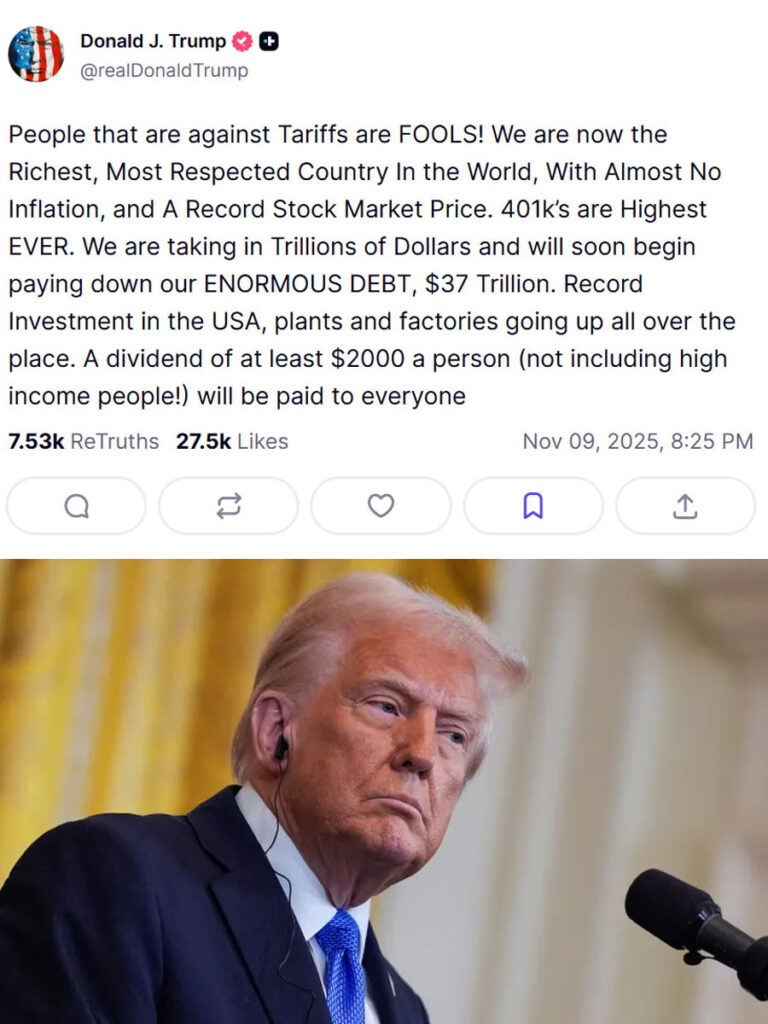
    Source: Truth Social

    On November 9, 2025, the president posted that a “dividend of at least $2,000 a person, not including high-income people, will be paid to everyone.” That was framed as a firm promise tied to increased tariff revenue.


    Why I care

    Words matter. A few months back the administration floated other stimulus-like ideas in tentative language. This time, the wording sounded absolute. That matters politically: a casual “we’ll think about it” is very different from “we will do this.” So people read this as a promise. Fair. But promises still need backing — money, law, and votes.


    The raw numbers — what the government actually has and takes in

    • The national debt sits in the $38 trillion range today. That’s the baseline reality you can’t ignore.
    • Tariff receipts have jumped in 2025. Recent monthly totals have been around $30–31 billion, and the administration tallied record increases this year. But even those big months are a sliver compared with total government outlays.
    • For fiscal year 2025, the federal deficit ran roughly around $1.7–1.8 trillion. The government still spent far more than it collected.

    Put bluntly: even if tariffs keep flowing at current elevated rates, they do not magically wipe out multi-trillion deficits overnight.


    The simple math

    Let’s do a tiny thought experiment. Suppose tariff collections averaged about $30 billion a month. That’s roughly $360 billion a year — a lot by past standards, but still much less than an annual $1.7–$2.0 trillion deficit. That gap matters. If you want to fund a one-time $2,000 payment to, say, 250 million eligible people, you need roughly $500 billion just for that check. That’s doable on paper for one year if you redirected a lot of tariff money — but it would still leave no cushion for the rest of the budget.


    Legal and political hurdles

    • Congress controls spending. A $2,000 payment would require legislation (House + Senate) or a reconciliation workaround. That means votes, debates, and compromises.
    • Senate math matters. Passing big spending measures often needs 60 votes unless done via reconciliation. Reconciliation is limited and political. Expect a lot of resistance from budget hawks, including in the president’s own party.
    • The tariffs themselves face legal risk. The Supreme Court recently heard arguments on whether the president’s tariff moves are lawful under existing statutes. If the tariffs get curtailed or rolled back, expected revenue would fall.

    In short: legal rulings or Senate opposition could sink or shrink any “tariff dividend” before checks hit bank accounts.


    Will this spark inflation?

    Inflation is the wild card. The official Consumer Price Index (CPI) showed about 3.0% year-over-year recently, not near-zero. Adding a large stimulus during a time when prices are still elevated can push inflation higher. The Federal Reserve watches this closely. More money chasing the same goods tends to lift prices. So a big one-time $2,000 payment could add fuel to the inflation fire — especially if broader monetary policy is already loosening.


    The jobs and investment claim

    The post also claimed record investment in U.S. plants and factories. The truth is mixed: while tariffs and tax moves can shift investment patterns, 2025 also saw a surge in layoff announcements in some sectors. Hiring and investment aren’t uniform across the economy. Headlines about “plants everywhere” can gloss over pockets of weakness. Recent data showed a sharp increase in announced layoffs through October.


    So what are the chances this actually becomes a $2,000 check?

    Realistically: possible, but far from certain. Here’s why:

    1. Money: Elevated tariff receipts help. But they don’t erase multi-trillion deficits.
    2. Law: If the courts cut down the tariff program, revenue expectations drop fast.
    3. Politics: Congress must sign off. That’s the biggest hurdle. Getting 60 Senate votes for a big spending measure during a time of inflation concerns? Tough.
    4. Economics: Even if checks go out, inflation risk rises — possibly forcing the Fed to act in ways no one wants.

    So yes, it’s on the table. But the path from a social-media post to money in your account is long and bumpy.


    My take — straight talk

    I don’t hate the idea of people getting relief. But I’m skeptical about presenting this as a guaranteed plan. The proclamation reads like a campaign-friendly headline. The reality reads like a budget meeting with lawyers, judges, and a very grumpy Senate.

    If you’re hoping for a $2,000 deposit, don’t spend the money yet. But also don’t panic: if the economy worsens sharply, politicians historically reach for checks to blunt the political pain. That’s when the odds of a big payment rise — and that’s also when inflation and debt problems get worse. In other words, the check could come as a cure that makes the disease harder to manage later.


    What to watch next

    • Weekly Treasury and Monthly Treasury Statement updates — track customs/tariff receipts.
    • Supreme Court rulings on the tariff litigation. A decision for or against could halve expected revenue or worse.
    • Congressional action: any draft bills, reconciliation moves, or Senate maneuvers.
    • CPI and Fed statements — inflation trends and Fed posture will shape the political appetite for any stimulus.

    Moon River: What we learned so far…

    0

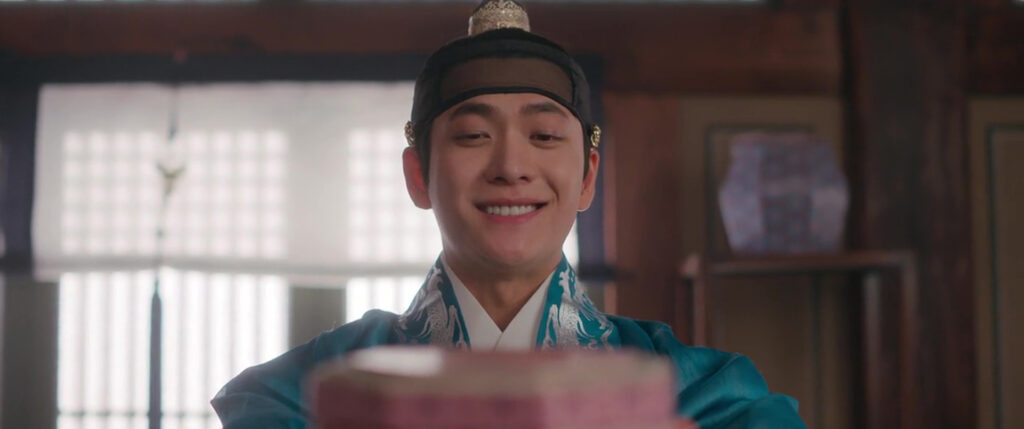
    If you’re diving into Moon River, buckle up. The drama starts like your typical sageuk cocktail — royal betrayal, forbidden love, scheming ministers, and, of course, the ever-popular amnesia twist. Yet, beneath all the palace gossip and tragic backstories, there’s an oddly charming rhythm to the madness. Let’s wade into this “Moon River” and see if it’s smooth sailing or a full-blown typhoon.

    TL;DR (Too Long; Didn’t Read)

    • Moon River is a high-octane sageuk combining royal betrayal, political scheming, and a supernatural amnesia twist.
    • The King, Yi Kang, is secretly plotting revenge against Minister Kim Han-Cheol for murdering his wife and mother.
    • Park Dal-Yi, a bubbly peddler, is actually the supposedly dead Crown Princess whose memory was wiped to protect her.
    • The first two episodes are praised for their fast pace, gorgeous cinematography, and the simmering chemistry between the leads.

    The Red Thread of “You’ve Got to Be Kidding Me”

    The series opens in a mystical realm, where an old man gives us a fairy-tale narration about the Red Thread of Fate — that invisible string tying two destined lovers together. Sweet, right? Until it’s not. The tale quickly turns into tragedy when Crown Prince Yi Kang (played by Kang Tae-oh) loses his beloved crown princess to palace greed.

    Enter Minister Kim Han-Cheol (Jin Gu), the royal snake in silk robes. Through murder, deceit, and a hefty dose of ambition, he seizes power, poisons Kang’s mother, and pins the blame on the innocent crown princess. Official story? She drowned herself out of despair. Real story? Kim made sure she did. And now Kang’s left with mommy issues, trust issues, and, apparently, a hatred for all things aquatic. Because why blame the villain when you can blame the fish, right?

    Fast forward to the present — Minister Kim runs the kingdom from behind the curtain, while Kang plays the charming fool on the throne. But don’t be fooled. Beneath the jest, Kang’s plotting revenge.


    Enter the Bromance: Yi Kang and Lee Woon

    Kang finds an unlikely ally in Lee Woon (Lee Shin-young) — the dethroned former crown prince whose own mother was framed and executed in the same bloody incident. You’d think they’d hate each other. But nope. Turns out shared trauma is the strongest glue.

    Together, they investigate the source of the poison used to kill Kang’s mother. Woon travels to Qing and discovers it originated from a mysterious Zhen bird sold the same year Minister Kim conveniently took a “business trip.” Suspicious? Oh, absolutely.


    Meet Park Dal-Yi: Sunshine with a Secret

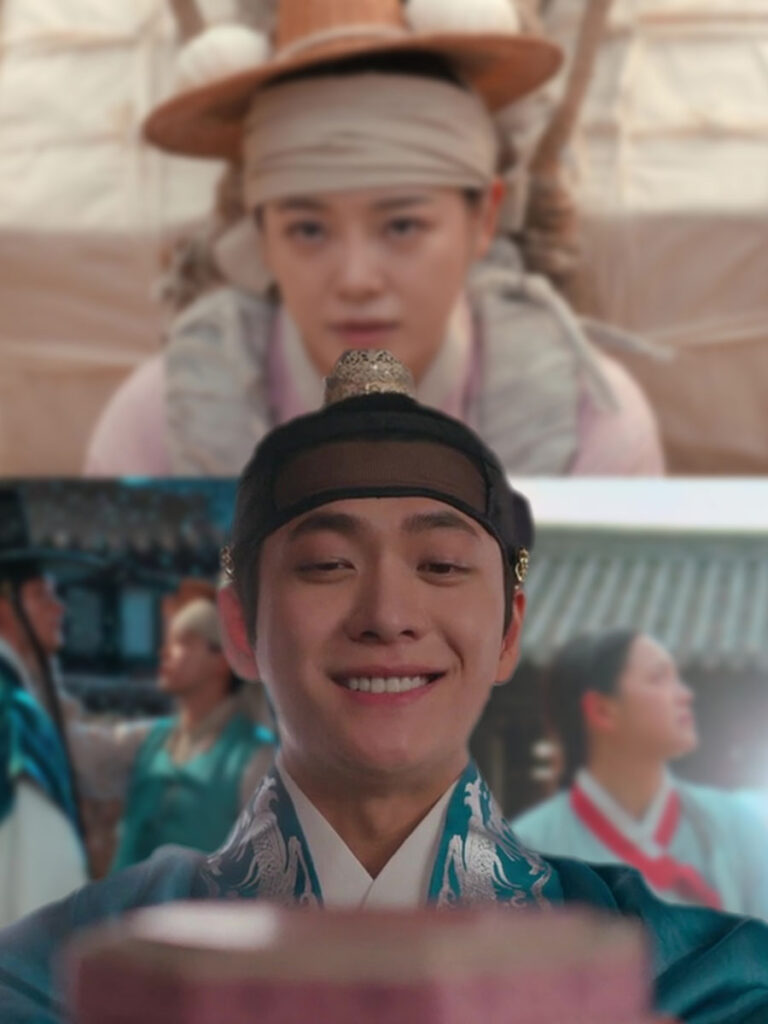
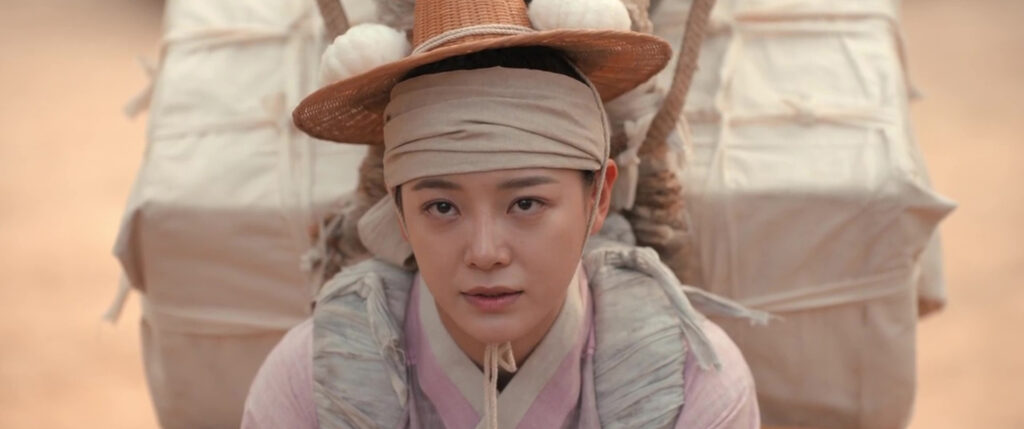
    Now, let’s talk about Park Dal-Yi (Kim Se-jeong) — our bubbly, sharp-tongued peddler who’s just trying to survive. She lives with her adoptive merchant parents, blissfully unaware that she’s smack in the middle of a royal conspiracy. Why? Because she has amnesia (ding ding ding — the K-drama jackpot).

    Dal-Yi used to be someone important. But for now, she’s hustling through life, helping widows fake suicides (yes, that’s a thing), and dodging trouble like a pro. One job takes her to Hanyang — the capital — where she catches the eye of Kang. He’s gobsmacked because she’s the spitting image of his dead wife. Dal-Yi, on the other hand, thinks he’s a creepy nobleman trying to buy her. Miscommunication? Check. Romantic tension? Double check.


    Of Falling Petals and Gukbap Dates

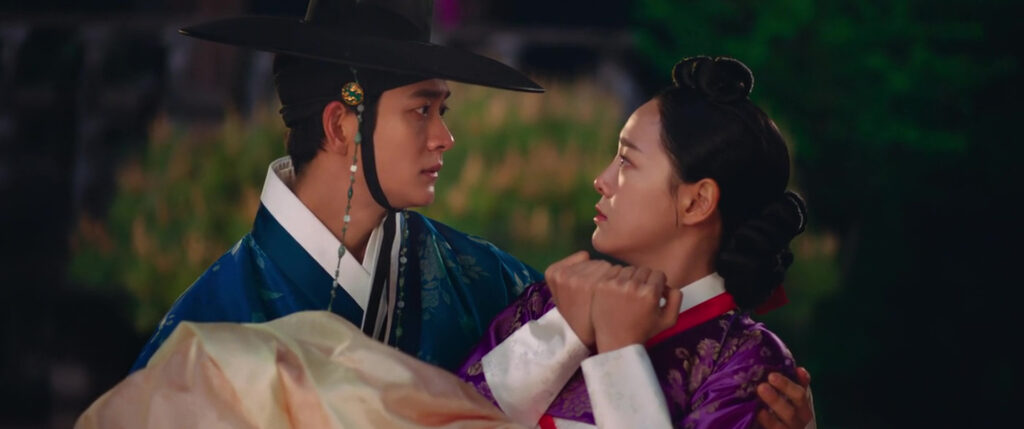
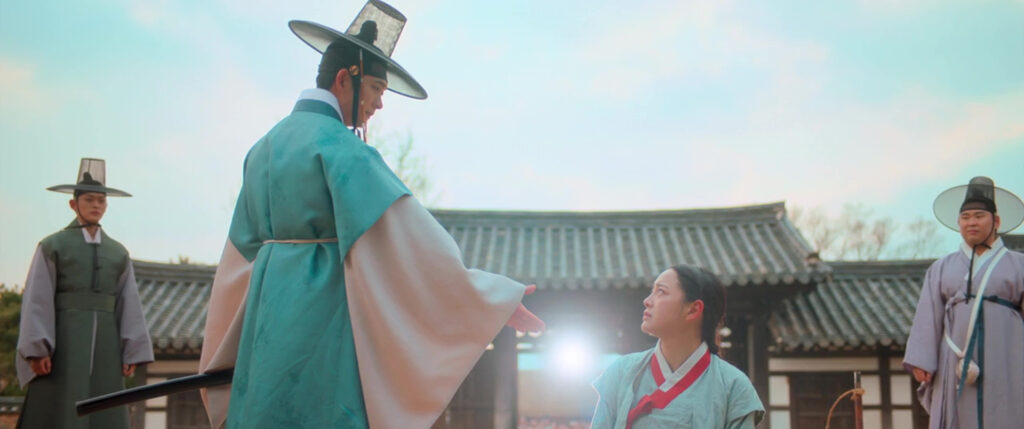
    After a string of chaotic encounters — including a hilarious tree accident, a broken clock, and an acrobatic rooftop chase — Kang literally catches Dal-Yi in his arms. The déjà vu is strong, but he refuses to believe she could be his lost love. I mean, he identified her decomposing body himself!

    Still, he can’t let go. So he tests her with a memory game: “What happens if you catch a falling petal?” Dal-Yi answers, “You become the person who caught the petal.” Not exactly poetic, but bold. The original crown princess’s answer? “Your first love will come true.” Ouch.

    Kang, half convinced and half delusional, invites her for gukbap. She agrees, but her foster parents crash the party. Turns out they used to work in the palace — a court lady and a eunuch who broke every royal rule to be together. Talk about forbidden love being contagious.


    The Plot Twist: She’s Not Just a Look-Alike

    Here comes the mind-bender. Flashback time! Dal-Yi is the real crown princess. When she “drowned,” her court lady Hong-nan saved her and took her to that mystical realm we saw earlier. There, her red thread was sealed, her memories wiped, and she got a brand-new identity. Hong-nan faked her death and raised her as Park Dal-Yi — all under divine orders to keep her from Kang.

    So yeah, our girl’s been living a lie.


    Chaos, Confrontations, and Cliffhangers

    Dal-Yi tries to help a widow escape, but Kang misreads the scene and thinks she’s encouraging suicide. Dude, read the room. She snaps back, comparing him to the corrupt noblemen she despises, and suddenly drops a Chun Hyang reference that only his late wife would know. Cue another round of “Wait… who are you?”
    By the end of episode two, Dal-Yi’s framed for theft, beaten, and rolled up like a burrito for punishment — until Kang storms in, heroic and slightly traumatized. The moment mirrors the tragic scene of his wife’s death, and it’s clear: this man is never getting emotional rest.


    My Take

    Moon River isn’t shy about throwing its entire plot deck in the first two episodes — reincarnation, political corruption, secret identities, divine meddling — all of it. And honestly? I’m here for the chaos. The pacing is fast, maybe too fast, but it’s refreshing to skip the usual 10-episode buildup.

    Minister Kim is the perfect “I’m evil because I can be” villain, while Kang walks that fine line between tragic hero and palace drama king. Dal-Yi steals every scene she’s in — bubbly yet mysterious, righteous yet reckless. Her chemistry with Kang already simmers, and I’m rooting for their reunion, memory or not.

    My only gripe? They teased a body-swap premise in early promos, but it hasn’t shown up yet. Fingers crossed it’s not another K-drama case of “forgotten marketing promises.”

    Still, between the gorgeous cinematography, tight dialogue, and layered characters, Moon River is shaping up to be the sageuk rollercoaster we didn’t know we needed.

    What Are The Vimana Flying Machines

    0

    In 2012 a viral story claimed U.S. troops found a 5,000-year-old flying machine in an Afghan cave — and that soldiers who touched it vanished. Seriously dramatic. Then the internet did what it loves: spun theories, named presidents, and turned a rumor into a legend overnight. But before we pack our bags for a sci-fi road trip, let’s untangle the mess. Here’s a clearer, sass-friendly look at vimanas — what the old texts say, what modern fans claim, and what’s actually plausible.

    TL;DR

    • Vimanas are linguistic chameleons: The Sanskrit word means “palace,” “spire,” or “flying craft,” blurring the lines between myth and machine.
    • The ancient texts are vivid but vague: Epics like the Ramayana describe flying chariots, but the details are poetic, not blueprints.
    • The technical manual is fake: The 20th-century Vaimānika Śāstra is widely considered modern fan-fiction that ignores basic physics.
    • The mercury engine link is circumstantial: The mention of mercury in propulsion is a fascinating coincidence, not proof of lost technology.
    • The 2012 cave story was a viral hoax: There is zero credible evidence for the Afghan cave discovery.
    • The key proof is missing: We have no physical fragments or archaeological traces of ancient, advanced aircraft.

    What is a vimana

    A vimana in Sanskrit can mean many things. At its simplest: a palace, temple spire, or chariot. In epic stories, though, it’s often a flying craft — sometimes a bright cloud, sometimes a flying palace. So yes, the word flexes between poetry and machine.


    The ancient stories — vivid, repeated, and weirdly specific

    First, the epics. The Ramayana tells of the Pushpaka vimana, a stolen flying chariot that can float into the higher sky. It’s used like a vehicle: people get in, it rises, it moves. Then the Mahābhārata adds more of these aerial chariots — with wheels, cabins, and passengers. Across other texts and temple carvings, flying beings and hovering chariots show up again and again.

    So here’s the puzzle: multiple stories, multiple sources, and even stone carvings. That makes the idea stick in people’s heads. Repetition makes a myth feel real, especially when the details sound technical: cabins, directional change, even interplanetary ranges in some lists.


    The Vaimānika Śāstra — blueprint, fanfic, or forgery?

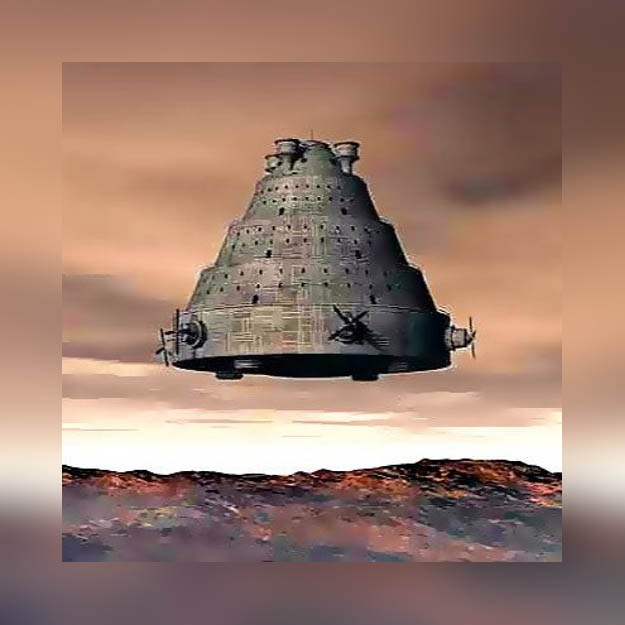
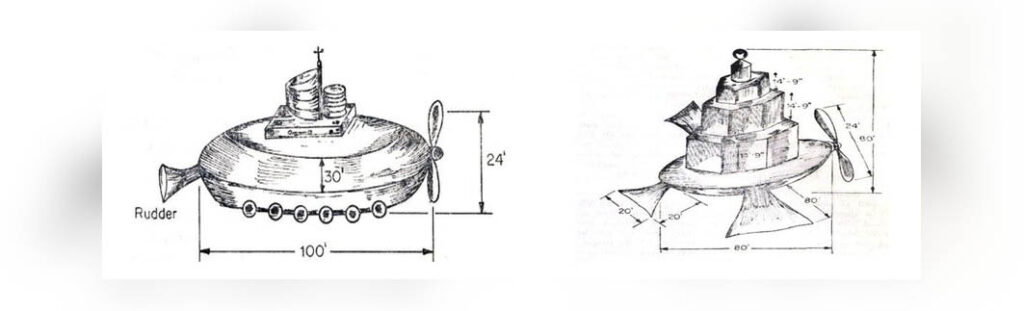
    A 20th-century text called the Vaimānika Śāstra bills itself as a technical manual for building vimanas. It reads like a weird mashup of medieval imagination and modern sci-fi: spinning gyros, mercury engines, pilot training, and exotic alloys.

    However, critics point out big problems. The style and ideas match later imagination more than ancient engineering. Scientists who examined it argued the designs ignore aerodynamics and basic physics. In short: cool reading, poor engineering.


    Modern claims: lost tech, aliens, and Shivkar Talpade

    There are three big modern flavors of belief:

    1. Lost advanced civilization: Maybe our ancestors had tech and it vanished. Texts preserved it in myth. Possible? Maybe. Evidence? Not so much.
    2. Ancient astronauts: Aliens arrived, handed us propulsion notes, and left. Popular, cinematic, and fun. Evidence is anecdotal and interpretive.
    3. Early aviation experiments: Some stories name individuals like Shivkar Bapuji Talpade, who is said to have flown a model plane in the 1890s based on ancient formulas. That’s an intriguing claim, and it’s been repeated by nationalists and enthusiasts. But reliable documentation is missing, and independent verification is thin.

    Also, historical writers like Desmond Leslie popularized nuclear-like descriptions in epics (bright flashes, scorched fields), pushing the “ancient nukes” reading. Again: dramatic, but not airtight proof.


    The mercury engine idea — coincidence or prophecy?

    One weird detail: some ancient passages and the Vaimānika Śāstra mention mercury in propulsion. Modern engineers note an interesting echo: mid-20th-century ion thrusters once used mercury as a propellant. Coincidence? Maybe. People like a tidy link: ancient writer mentions mercury, modern tech uses mercury, therefore ancient tech predicted space engines.

    But hold up. That’s pattern-finding, not proof. Independent archaeological evidence of mercury-powered craft is nonexistent. Still, the detail is eyebrow-raising — and it’s one reason the story won’t die.


    Visual “evidence” — carvings, temples, and interpretation

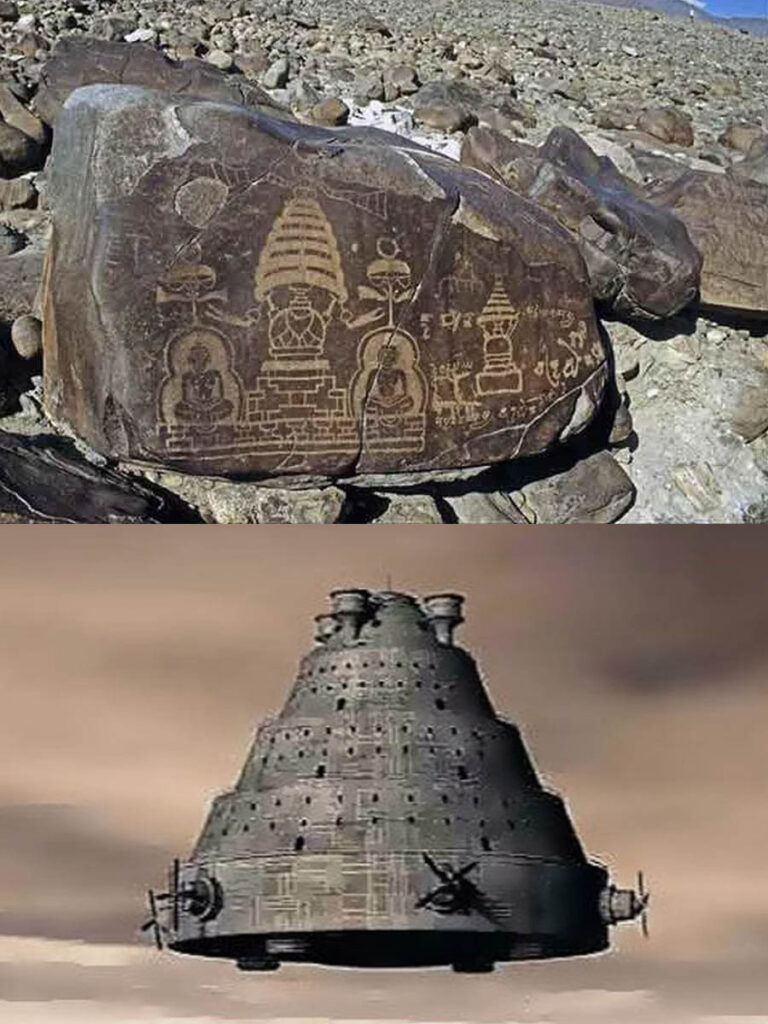
    Temples in India and Southeast Asia show celestial beings riding clouds or chariots. Sites like Ellora and others have reliefs that enthusiasts point to as proof of vimanas. But art is symbolic. Temple spires called vimanas complicate interpretation: the same word for a tower also gets used for a flying thing. So sculptures that look “like flying machines” might simply be divine imagery rendered in stone.


    The 2012 cave story — viral hoax

    That dramatic 2012 tale about U.S. soldiers finding a 5,000-year-old flying machine in Afghanistan? Viral, cinematic, and unverified. No credible military or academic report backs it up. Global leader visits tied to the find? Also unproven. Short version: high on drama, low on verifiable facts.


    Skeptical take — why we should be careful

    • No wrecks, no spare parts. Complex tech leaves traces. We have ancient iron tools and surgical instruments, but no aircraft fragments, blades, or engine bits from prehistory.
    • Words shift. Vimana evolves in meaning: palace → temple spire → (later) aircraft. That linguistic shift fuels misreadings.
    • Modern imagination colors the past. Early 20th-century authors, national pride, and UFO culture all reshape how people read ancient texts.
    • Extraordinary claims need extraordinary evidence. Right now, we have stories, carvings, and modern texts — not a clear artifact or data point.

    Why the story keeps coming back

    Because it’s emotionally satisfying. The idea that humans once did the impossible — and that knowledge vanished — is comforting, heroic, and conspiratorial. It feeds national pride, wonder, and the belief that reality is stranger than we think. Also, conspiracy narratives travel fast online. So do romance and myth.


    My point of view

    I love the drama. I also like reasonable history. So here’s my take: vimanas are mostly myth and metaphor, with a few possible kernels of old tech ideas or experiments. Ancient people imagined flight — clearly. They described it in stunning ways. Sometimes they proto-engineered ideas on paper. But the jump from poetic chariot to fully engineered, physically tested aircraft with engines and spare parts? That leap needs real objects or records, and we simply don’t have them.

    That said, legends can carry real clues. Maybe ancient builders experimented with gliders or simple aerodynamics. Maybe certain descriptions preserve real but misunderstood technologies. Maybe some creative inventor centuries ago sketched a clever machine and myth absorbed it. But until archaeology gives us a literal piece of metal you can test in a lab, treat the hard claims with healthy skepticism.

    Personally: I’ll read the stories with my imagination hat on — but I’ll keep my evidence hat within reach.