



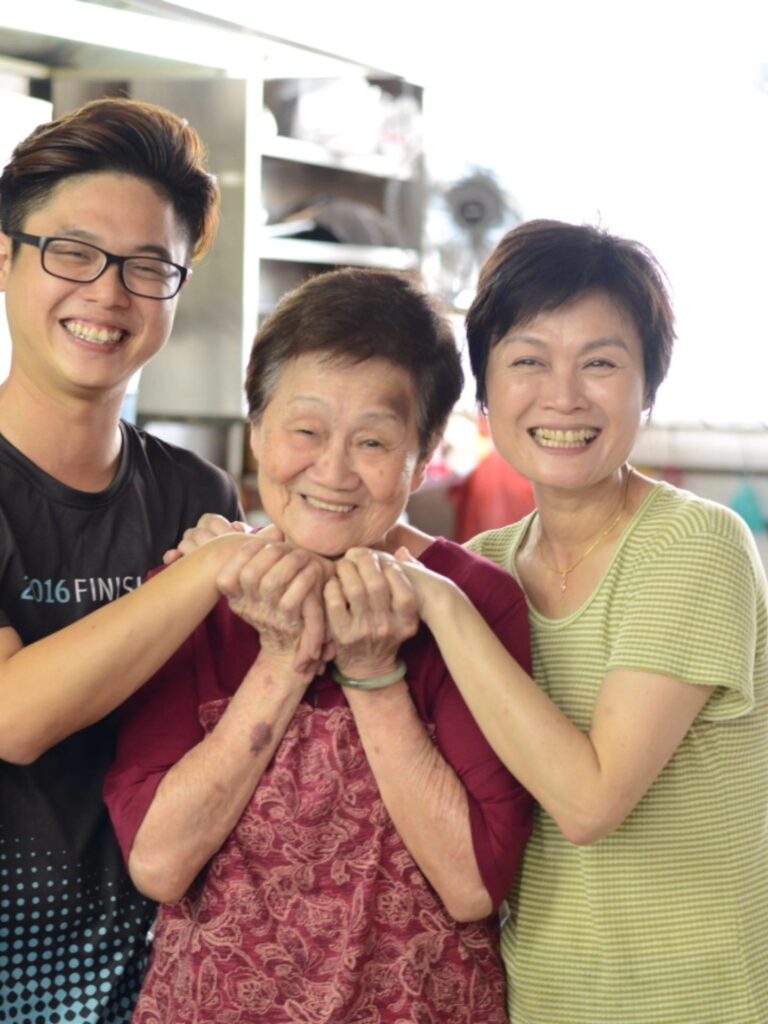
Tan Siu Hong, 88 — d. 10 November 2025
July 5, 1999, 12:35 a.m. — a fire ripped through the market and hawker centre at Block 4, Eunos Crescent. In 75 minutes, a busy community hub turned into a burnt-out shell. Tables were charred. Signboards melted. Ceiling fans hung lifelessly. In total, 234 stalls were affected — including the bak chor mee stall run by Siu Hong and her husband.
This is a simple story about food, family, and stubbornness. It’s also about how a small stall grew into a local institution.
Roots: the noodle that carried a name
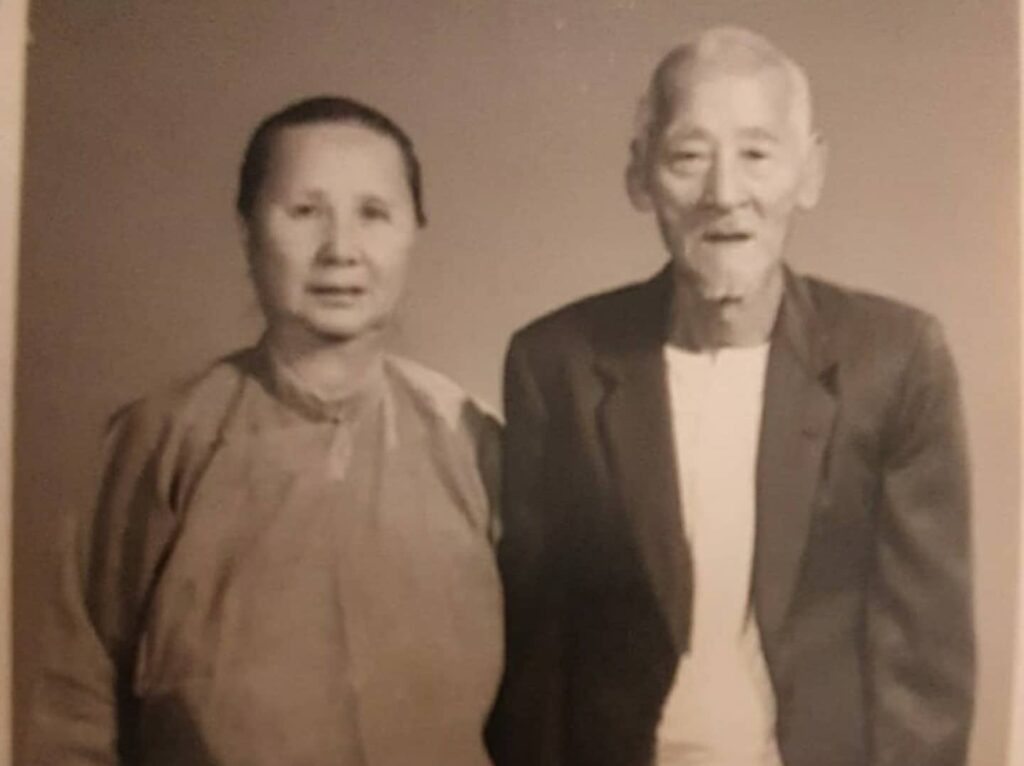
The story begins long before Siu Hong. In 1923, Tan Lian Hock left Zhao’an county in Fujian. He arrived in Singapore and carried his life on his shoulders — literally. He hawked soup-style bak chor mee around Kampong Chai Chee. The weight of his stall and stove hunched his back. People nicknamed the dish “hunchback noodles (驼背面).” Over time, his soup-based recipe became what many Singaporeans now call bak chor mee. In short: Tan Lian Hock is one of the founding figures behind the city’s beloved noodle style.
The 1999 fire and the stall that didn’t die
The 1999 blaze could have ended the story. Instead, it became a plot twist. After they lost their stall, the family found a new spot at Block 7, Eunos Crescent — where the main stall still sits today. Every morning, Siu Hong rose early to prep the broth, cut the pork, and get the stall ready. Day after day, she wore the work like an apron: plain, essential, relentless.
Her hands shaped the food. Her patience made the broth sing with garlic and depth. Her timing gave the noodles perfect bite. Her care made every dumpling generous. In other words: the food tasted like the work that went into it.
Passing the ladle, not the love
Hawkering is not easy. The daily grind takes a toll on any body. As the years went by, Siu Hong’s daughter, Sim Bee Yong, took over the stall. In 2017, the team rebranded to Famous Eunos Bak Chor Mee. Today the stall runs with the fifth generation at the helm. The matriarch’s daughter and grandson, Jie Wei, keep the family rhythm alive. They know the recipes, the timing, and — most importantly — why customers come back: continuity, trust, and good noodles.
Why this matters (besides it being delicious)
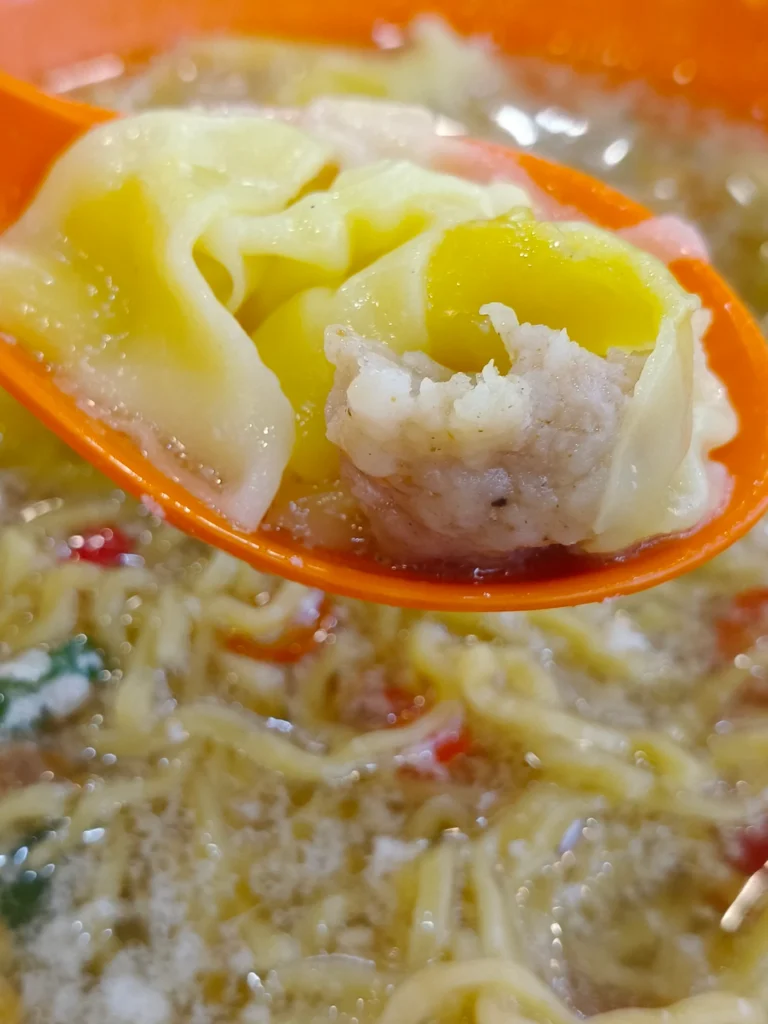
First, it’s about cultural memory. When a hawker recipe survives decades, it becomes a small public archive — a bowl that carries history. Second, it’s about resilience. The fire reduced a place to ashes, yet the family rebuilt. Third, it’s about people. For three generations of diners, that bowl was more than dinner; it was continuity. Tuesday dinners, late-night comfort, rainy-day solace — all wrapped in noodles.
My take
Here’s my view, plain and honest. In Singapore, hawkers do more than sell food. They are memory keepers. They stitch neighborhoods together. They resist fast-change with slow craft. Mdm Tan’s life reads like an instruction manual for stubborn love: wake early, work hard, share the results. There’s a kind of courage in that — not loud, but steady. And yes, we should celebrate that kind of courage without turning it into a fetish. Respect the craft. Support the stall. Bring cash or pay electronically — whatever keeps the lights on.
If you’re in Eunos and you want to taste history, go. But go with patience. Expect queues. Expect simple goodness. Expect a bowl that tastes like someone’s lifetime of mornings.
- Mdm Tan Siu Hong, aged 88 — passed away 10 November 2025.
- Wake: Block 9, Eunos Crescent, Singapore 400009. Open until 14 November 2025.
- Cremation: Mandai Crematorium, Service Hall 02 — 14 November 2025 at 3:45 p.m.
Rest in peace, Mdm Tan. Thanks for the bowls, the mornings, and the memories.