
More
    Home Blog Page 13

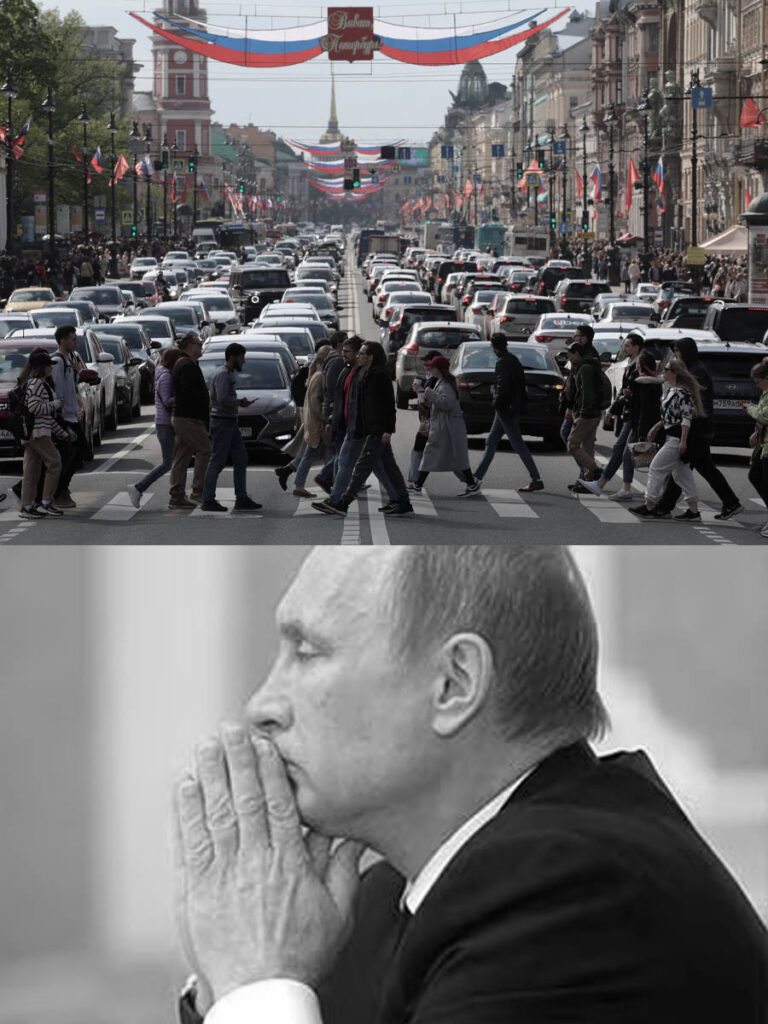
    Russia Looks Likely to Slip into Recession

    0

    Short version: Russia’s economy is wobbling. GDP growth slowed to 0.6% in Q3 2025. Oil and gas revenues plunged 27% year-on-year in October and are down 21% across the first ten months of 2025. Since hydrocarbons still fund roughly one-third of GDP, half of budget revenue, and about two-thirds of exports, that’s a big hit. Mix in tighter sanctions and rising global supply, and the odds of an official recession in early 2026 are high.

    Now for the juicy details — explained simply.


    What happened in the latest numbers

    First, the raw facts you need to know.

    • Q3 2025 GDP growth: +0.6%. That’s a slowdown — it was 1.1% in Q2 and 1.4% in Q1.
    • Oil & gas revenues: -27% YoY in October; -21% over the first 10 months of 2025.
    • Russia still lives and breathes hydrocarbons for tax revenue and exports.

    So yes: the economy is losing steam. And it’s losing the part that pays the bills.


    Why oil price dynamics matter so much

    Think of Russia as a company that sells one product: oil. When that product’s price falls, everything else gets harder.

    • Global benchmark Brent is trading much lower than its wartime spike in 2022. Back then it hit about $120/barrel. Now it’s roughly in the low $60s.
    • Russian oil typically trades at a discount to Brent. Why? Risk, sanctions, and the need to find buyers push the price down further.
    • There’s also a price cap mechanism aimed at limiting what buyers will pay for sanctioned Russian oil — which further reduces revenue per barrel.

    Because the budget was built assuming a higher oil price (the 2026 budget was modeled on roughly $70/barrel), revenue shortfalls are baked in. At current price levels — closer to $56–63 depending on source and grade — the budget gap is large.


    Sanctions + less willing buyers = double whammy

    It’s not just price. It’s trust.

    • Major state buyers have been stepping back. China, India, and Turkey — previously big buyers — are buying less on record.
    • Two of Russia’s biggest oil players were hit by direct sanctions. That makes trading with them risky. Foreign partners avoid secondary sanctions. So volumes fall, not just prices.
    • Some exports shift to shadowy “gray fleet” routes or pipeline deals that are hard to track. But those usually fetch lower prices and higher costs.

    So revenues drop both because the oil sells for less and because less of it is being sold at all.


    A short history: Russia and recessions (a quick recap)

    Russia’s modern economy has been sensitive to oil cycles.

    • Early 1990s: collapse after Soviet breakup — GDP tumbled.
    • Late 1990s: oil price shock (briefly as low as ~$11/barrel) triggered crisis.
    • 2008–2009: global financial meltdown pushed prices from $147 to $35 — another shock.
    • 2014 and onward: sanctions after Crimea started structural weakness.
    • 2022: full-scale invasion of Ukraine created new, heavier sanctions and market exclusion.

    The pattern is clear: big oil price swings + sanctions = pain for Russia. Rinse and repeat.


    Why a recession in early 2026 is likely

    Official recession = two consecutive quarters of falling GDP. In Q3 2025 Russia still had slight growth (+0.6%). But:

    • Oil revenues sharply down in Oct and across 10 months.
    • Sanctions tightened recently — effects lag in official stats. So Q4 2025 data will pick up more of that pain.
    • Global supply is rising (OPEC+ production decisions, US/Brazil/Argentina output), while demand expectations are being downgraded worldwide. That pushes prices lower.
    • Russia’s war-related spending and state support for industry keep the fixed cost base high. Meanwhile, the National Wealth Fund is shrinking.

    Put these together, and it’s easy to see Q4 2025 contracting and Q1 2026 following — hence a likely technical recession by around March 2026.


    The fiscal problem: spending vs. shrinking revenue

    Russia set its 2026 budget assuming higher oil prices and healthier export flows. Reality check:

    • Current oil revenue is well below budget assumptions.
    • The National Wealth Fund (the rainy-day fund) is already much smaller than before. Estimates put it around $35 billion — not endless cash.
    • To cover gaps, Russia may issue debt. But who will buy ruble debt? Foreign demand is thin. So expect more yuan-denominated deals or internal financing — both are imperfect solutions.

    If the fund runs low, and markets refuse to buy new debt, the state will face painful choices: cut spending, raise taxes (hard under sanctions), or print money (risking inflation and currency weakness).


    So what’s the outlook? Short and medium term

    • Short term (next 6–9 months): Weak. Expect rising economic pain, especially if oil stays weak and sanctions hold. Official recession probable in early 2026.
    • Medium term (1–3 years): Depends on whether sanctions stay, global oil price trajectory, and whether Russia can diversify income. Right now, it’s not positioned well to pivot fast.
    • Wildcard risks: A sharp global slowdown would push oil prices down further. Conversely, a major geopolitical shock could spike prices back up — but that would be temporary relief.

    My take (straight talk)

    Russia’s current situation is the textbook case of being over-reliant on one volatile export. When your macro balance sheet depends on a commodity whose price and market access can be cut off by politics, you’re asking for trouble.

    Relying on wartime spending to prop up GDP is a short-term booster with long-term costs. It hides structural decay rather than fixing it. Meanwhile, the rest of the world has alternatives and is increasing supply. That leaves Russia squeezed between falling prices and fewer willing buyers.

    Long story: the economy is fragile, and the quick fixes are running out.


    Quick summary

    • Q3 2025 growth slowed to 0.6%.
    • Oil & gas revenues: -27% YoY in October; -21% over Jan–Oct 2025.
    • Oil prices are much lower than during the 2022 spike; Russian oil sells at a discount.
    • Sanctions and fewer buyers reduce both price and volume.
    • Budget assumes ~$70/barrel — current reality is much lower. Big fiscal gaps loom.
    • Official recession (two shrinking quarters) is likely in early 2026.

    Final thought

    This isn’t a mystery. Low oil prices, fewer buyers, sanctions, and heavy fixed spending create a perfect storm. Russia can survive it — but only by changing how it earns money. And that’s the hard part. Structural economic shifts don’t happen overnight. They take investment, access, and trade partners — all things currently in short supply for Russia.
    Nice to Not Meet You: What we learned so far…

    0

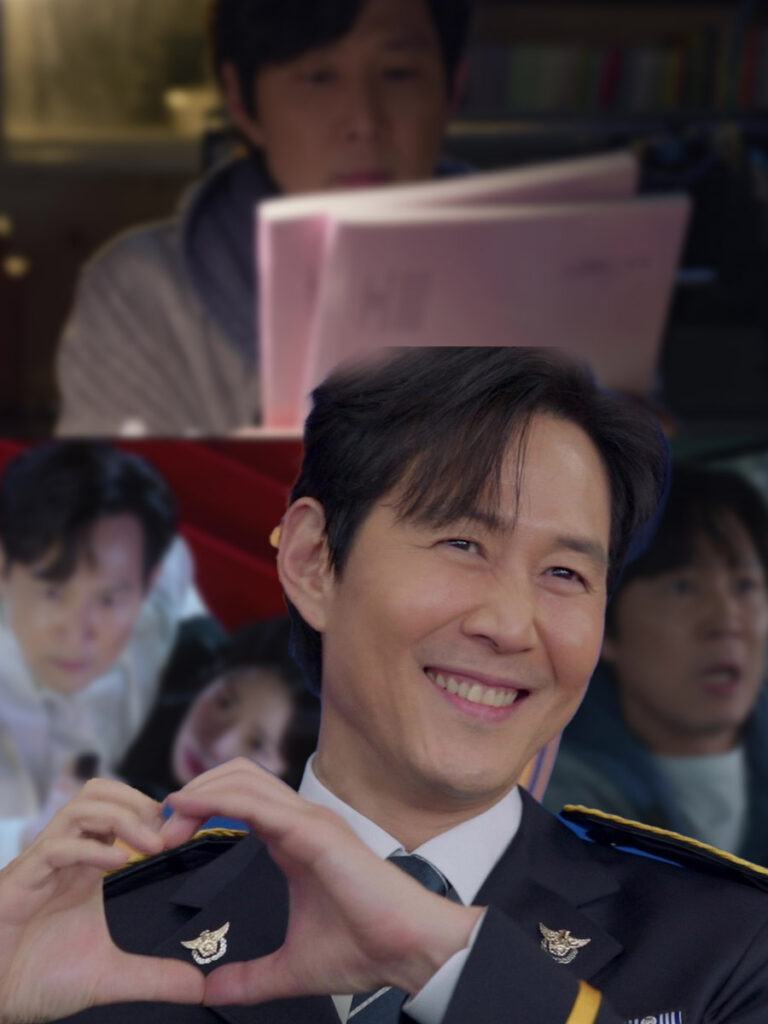
    If you thought fate had a sense of humor, Nice to Not Meet You proves it’s downright cruel — and kind of hilarious. The series launches with two leads whose lives are basically one long “why me?” moment. One’s a washed-up actor turned print shop co-owner. The other’s a reporter demoted from chasing corrupt politicians to covering celebrity drama. And because the universe is petty, they keep bumping into each other… usually at the worst possible times.


    When Life Hands You Scripts and Scandals

    Let’s start with Im Hyun-joon (Lee Jung-jae). Once a promising actor, he’s now running a print shop and pretending that printing scripts is somehow “ironic” and not depressing. His latest job? Delivering a script to his ex, Kwon Se-na (cameo by Oh Yeon-seo) — the same actress who saved her career by accusing him of stalking. Ouch.

    Hyun-joon tries to keep things low-key, hoodie and all, but Se-na’s radar for drama is top-tier. She recognizes him instantly, confronts him, and makes it painfully clear she’s not buying his “just delivering paper” act.

    Meanwhile, over in the political chaos corner, Wie Jung-shin (Im Ji-yeon) is busy trying to expose a corrupt assemblyman’s underling. Her source got murdered, the bad guy tries to bribe her, and she — in true “I’m so done” fashion — mixes the bribe money with alcohol and downs it like a champion.

    Cue her passing out in the back of Hyun-joon’s truck. He’s too busy ranting about his ex to notice the human hangover hiding under his tarp. When Jung-shin wakes up, she assumes she’s been kidnapped and calls the cops on her own ride. Yes, it’s that kind of show.


    From Small Screens to Big Screams

    After that disaster, Hyun-joon does the decent thing — he drops off a tonic for Jung-shin and tells her to hang in there. But life doesn’t exactly reward good behavior. He soon meets Park Byung-ki (Jeon Sung-woo), a hyper-focused film student who decides Hyun-joon must star in his indie project.

    Hyun-joon resists, but Byung-ki’s persistence is Olympic-level. Eventually, Hyun-joon caves — and it turns out to be the most torturous shoot ever. Byung-ki pushes him so hard that the poor guy ends up bruised, hoarse, and emotionally scarred. The movie wraps, Hyun-joon screams that he never wants to see Byung-ki again, and you just know karma’s giggling somewhere.

    Fast forward seven years. The indie film becomes a cultural phenomenon, then a hit drama, then a multi-season franchise. And guess who’s forever stuck playing the same detective character? Yep, Hyun-joon — now typecast as “Nice Detective Kang Pil-gu,” the most wholesome man in Korea. He’s rich, famous, and utterly miserable.


    Enter Jung-shin, Again

    Just when Hyun-joon’s boredom hits critical levels, Jung-shin comes crashing back into his orbit — literally. Their encounters are the definition of secondhand embarrassment gold.

    • Meeting #1: Jung-shin’s undercover at a hostess bar, gets exposed, and escapes through the men’s bathroom… right above Hyun-joon on the toilet. Classy.
    • Meeting #2: At an award show, she waves a USB at someone, Hyun-joon mistakes it for a knife, and they both tumble down the stairs — revealing his bright red underwear to the world. The internet has a field day.
    • Meeting #3: Jung-shin’s covering an idol’s airport arrival but gets swallowed by a mob of fans. She spots Hyun-joon, silently screams for help… and he bolts.
    • Meeting #4: Finally, she interviews him. Or tries to. Turns out she’s never seen Nice Detective Kang Pil-gu. Hyun-joon’s offended, cancels the interview, and sparks a PR war.

    Soon Jung-shin’s writing smear articles, Hyun-joon’s banning her from press events, and both are too stubborn to back down. It’s pure chaos — and we’re living for it.


    When the Tables Turn

    Eventually, Jung-shin’s boss, Yoon Hwa-young (Seo Ji-hye), calls her out for her attitude. Being transferred from politics to entertainment doesn’t mean she can slack off. That slap of reality stings, but it works. Jung-shin finally gives Nice Detective Kang Pil-gu a chance.

    Cut to a montage of her binge-watching like a woman possessed — tissues, snacks, and emotional breakdowns included. By the time she finishes, she’s a full-on Pil-gu fangirl. The next morning, she’s practically glowing… until she walks into work and sees the real Pil-gu — Hyun-joon himself — waiting for her. Fate, you messy drama queen.


    Side Quests and Hidden Threads

    The show teases a few subplots worth bookmarking. That airport chaos links Jung-shin to Lee Jae-hyung (Kim Ji-hoon), a retired baseball player turned media CEO — yep, the same outlet she’s now working for. Plus, both leads have younger brothers who just happen to be classmates. Because clearly, this story wasn’t tangled enough already.

    What’s refreshing, though, is how Nice to Not Meet You doesn’t paint its leads as perfect opposites destined for instant love. Their first encounter may have been a disaster, but it ended on empathy — and that’s a good sign. Beneath the chaos, the show hints at something real: two people trying to rebuild after being publicly wrecked by their careers.


    My Take

    I’ve got to say, Nice to Not Meet You is like watching two trainwrecks collide — but in the most entertaining way possible. The humor is sharp, the pacing zips along, and the chemistry between Lee Jung-jae and Im Ji-yeon is delightfully messy.

    Sure, the coincidences stretch believability. But honestly? That’s part of the fun. It’s a satire on fame, redemption, and the absurdity of Korean drama tropes — from toilet escapes to meme-worthy wardrobe malfunctions.

    The show manages to juggle slapstick humor with deeper themes about identity and resilience. Both leads are flawed, both trying to start over, and both keep tripping over each other’s egos. It’s chaotic. It’s heartfelt. It’s… relatable.


    Final Verdict

    Storyline: 4.2/5 — Messy but magnetic.
    Cast Chemistry: 4.5/5 — Sparks, sass, and undeniable energy.
    Pacing: 4/5 — No dull moments, though maybe a few too many coincidences.
    Rewatch Value: 4/5 — You’ll want to catch the small comedic details again.
    Overall Rating: 4.3/5 — A fun, fast-paced start that promises emotional depth under the chaos.

    Exposed: How Seph Lawless Misrepresents Marineland Antibes Orcas (Wikie & Keijo)

    0

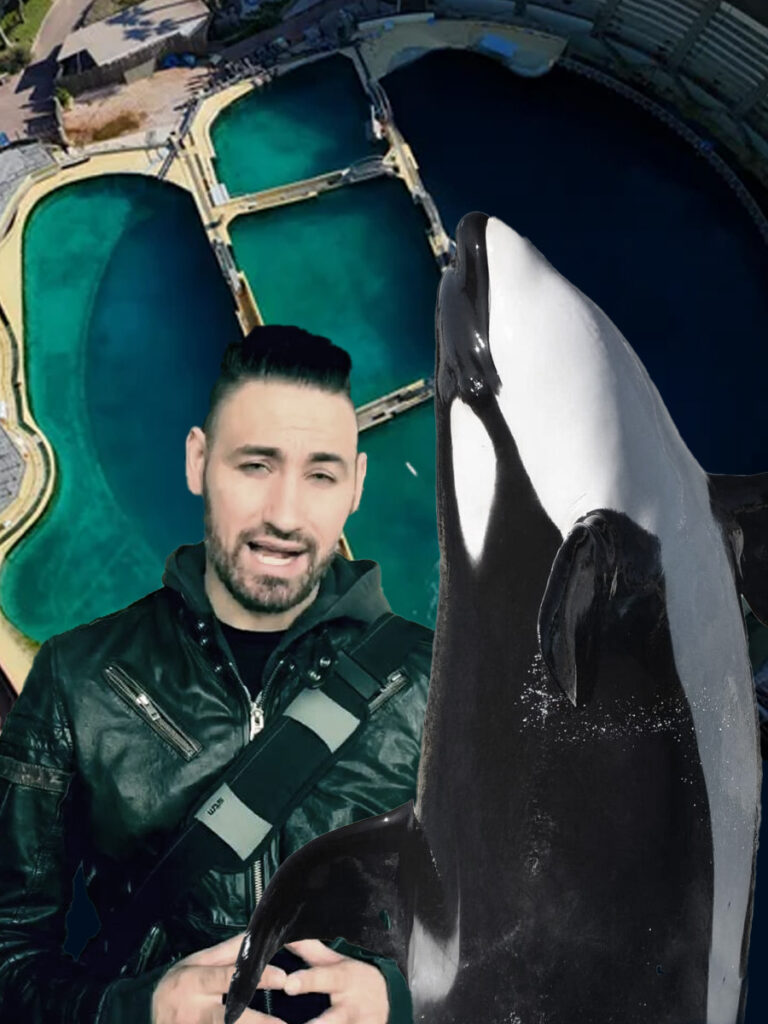
    Something ugly crawled out of the comments and straight into the spotlight: a content creator pumping out dramatic videos about Wikie and Keijo — two orcas held in Marineland Antibes — while other activists say those videos are mostly noise. In short: TideBreakers and allies claim the creator’s footage is misleading, and that the theatrics are hurting real rescue efforts. Here’s the cleaned-up version of what’s happening, why it matters, and what you should actually do if you care about these animals.

    TL;DR

    • Activist Conflict: An activist group (TideBreakers) is calling out a content creator (Seph Lawless) for producing viral, sensationalized videos about the captive orcas Wikie and Keijo at Marineland Antibes.
    • The Charge: TideBreakers claims the videos are full of misinformation (false claims, incorrect context, edited footage) and are primarily for self-promotion, not advocacy.
    • The Harm: This performative, inaccurate content damages real rescue efforts by stressing animals, confusing the public, and making legitimate negotiations and long-term sanctuary work more difficult.
    • The Solution: Stop sharing dramatic, context-lacking clips; instead, support reputable, transparent advocacy groups working on long-term solutions like sanctuary relocation.

    The official charge (what TideBreakers say)

    TideBreakers’ video

    TideBreakers put out a blunt statement. They say a creator named Seph Lawless is posting videos about Marineland Canada and Marineland Antibes that are full of misinformation. According to TideBreakers, this content:

    • Spins scenarios for clicks and brand growth, not for advocacy.
    • Repeats false claims — for example, that he’s working with certain Canadian groups (he isn’t), or that the French government planned to arrest him (they didn’t).
    • Equates separate parks as if they share the same owner (they don’t).
    • Shows footage edited to remove trainers and context, making the animals look more mistreated than the raw situation warrants.
    • Includes trespasses that stress the animals and disrupt careful conservation work.
    • Blocks requests to correct these falsehoods from responsible groups who’ve tried to reach him.

    Their ask: stop supporting manipulative content that looks like activism but is actually self-promotion.

    What the videos actually do — and why that’s a problem

    Seph Lawless’ video

    A viral clip that rips trainers out of frame and adds ominous music gets fast shares. Feels alarming. Feels urgent. Which is great—urgency helps activism. But urgency without accuracy is a trap.

    Here’s the damage:

    • Misinformation distracts real advocates. Fundraising, negotiations, and long-term rescue work require trust and credible partners. Viral hysteria makes institutions dig in their heels, or worse, ignore legitimate offers.
    • False narratives confuse the public. People think they’re helping by sharing, but they might be amplifying lies that make practical solutions impossible.
    • Direct interference (trespassing, drone harassment, staging) can stress animals. Stress undermines welfare and any legal case for relocation or rehabilitation.

    So yes, viral attention can move hearts. But if it moves nothing toward an actual rescue plan, it’s performative cruelty disguised as help.

    My take

    I’ve got mixed feelings about TideBreakers. Sometimes they’re blunt for the right reasons. They call out lazy or harmful “activism” even when it’s unpopular to do so. Props for that. Accountability isn’t always pretty, but it’s necessary.

    Now about the creator in question: if these allegations are accurate, what we’re seeing is someone harvesting suffering for views. That’s gross. It’s also dangerous. Stories about returning captive orcas to the wild make for viral headlines, but wild release isn’t always realistic — especially for animals born or long-held in human care. Oversimplifying that complex reality can kill momentum for realistic solutions like improved enclosures, veterinary care, and carefully planned sanctuaries.

    I get it: people want bright heroes and immediate fixes. The internet thrives on simple narratives. But wildlife rescue is messy, slow, and usually requires experts, permits, and quiet negotiation. The last thing animals need is someone turning their struggle into a clout-chasing reality show.

    Why AI and the social era make this worse

    We live in the heyday of polished misinformation. Deepfakes, hyper-edited clips, and attention-first content trick people into believing anything that fits their worldview. Add confirmation bias and a fast-scrolling public, and you have a dangerous feedback loop: sensational content gets engagement, platforms amplify it, and reality gets buried under layers of retweets and memes.

    That means even well-meaning people can unintentionally support harmful messages. “At least it raises awareness” is not a free pass. Awareness without accuracy often makes the problem worse.

    So what should you do instead?

    If you genuinely want to help Wikie, Keijo, or other animals in captivity:

    1. Follow and support reputable advocacy groups doing measurable work. They’ll have donation pages and transparent plans.
    2. Avoid amplifying dramatic clips that lack context. Ask: who benefits from this share? Is this reporting or promotion?
    3. Demand accountability. If someone is misrepresenting facts, raise it calmly with evidence. Public pressure works when it targets truth, not theatrics.
    4. Support long-term solutions: sanctuaries, legal pressure, scientific assessments — not stunt-driven narratives.
    5. Educate your crew: push friends to check sources before sharing. The easiest weapon against misinformation is one less share.

    Final thoughts

    Animals don’t need influencers’ pity or viral pity parties. They need consistent, informed action. If a creator’s content is genuinely helping (i.e., pushing practical solutions, connecting funders and experts, or exposing abuses with evidence), then fine—share it. But if it’s primarily skin-deep drama, don’t be the echo. The difference between help and harm is context. Verify before you amplify.

    Who Was Tham Wai Keong? The Pulau Tekong Mystery That Became a Ghost Story

    0

    He started as a name on a list. Then he became a story. After that, he became a ghost.

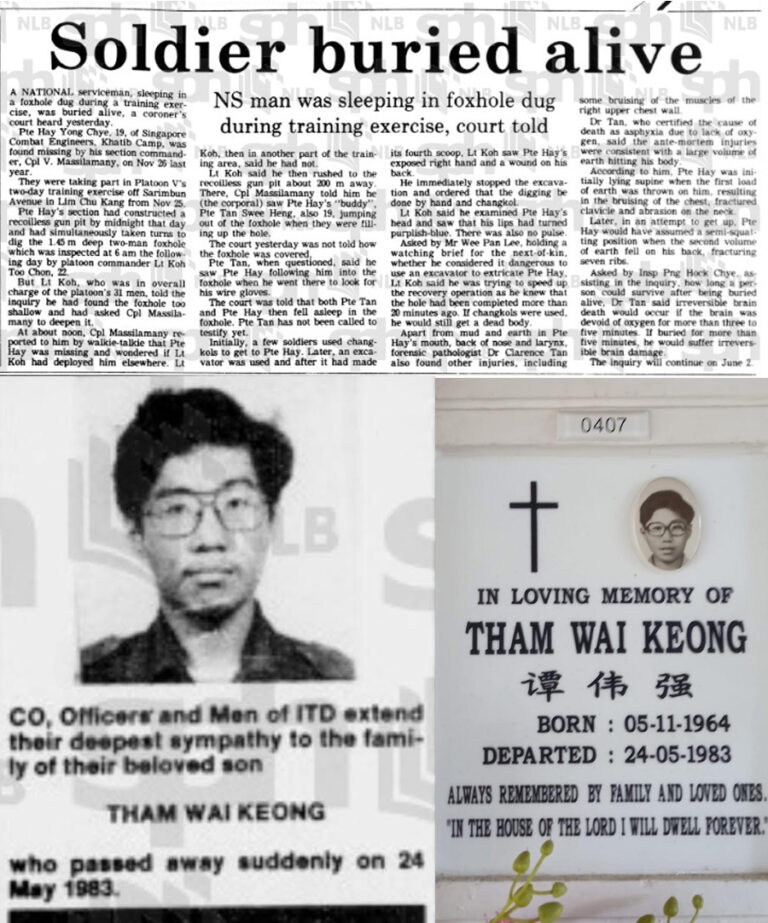
    First things first: Tham Wai Keong was a real person. He was born on 5 November 1964 and died on 24 May 1983. He wasn’t “the ghost in the bunk with the third door.” He was a young man who was training at the Infantry Training Depot on Pulau Tekong. But somewhere between reality and rumor, his life turned into legend.

    Here’s what actually happened — or at least what online says.

    The basic facts (short and blunt)

    • Date: 23–24 May 1983.
    • Place: Pulau Tekong, during an infantry training route march.
    • Found: Dead about 20 metres from the march track, helmet and webbing on, M16 between his legs, muzzle full of mud.
    • Nearby: Fullpack and uncapped water bottle in a bush; an entrenching tool (a changkul) lay close by.
    • Official finding: Coroner recorded a ruptured stomach and returned an open verdict. Investigators didn’t rule out being struck by an object. No definitive cause like assault or natural illness was established.

    So the mystery is real because the verdict was open. The rumor machinery took over from there.

    How the story turned into a ghost

    After his death, whispers expanded like mould. People love a spooky outline: a recruit who vanishes, a third door in a bunk, gore, suspense. Local papers later ran features calling Pulau Tekong a “place with a dark past,” and the story fit perfectly into playground whispers and late-night bunk tales.

    Consequently, small facts were blown up. Details were rearranged. And the man — Tham Wai Keong — got swallowed by the myth.

    What likely didn’t happen

    Let’s clear the absurd. The idea that he was some mythical ghost trapped behind a bunk’s third door? That’s folklore. The gruesome versions where this becomes a serialized horror script? Also folklore.

    Available documents show exhaustion and an unexplained ruptured stomach. There were no clear signs of struggle. The investigators even raised the possibility of blunt-force trauma — possibly from the entrenching tool found nearby — but there was no conclusive proof. Technology in 1983 wasn’t exactly forensic gold. And procedures around safety and tracking during national service were not what they are today.

    Why the story got worse over time

    People like horror. We retell scary things, and every retelling perks the drama. Also, national service is a shared trauma for many Singaporean men. So when you mix fear, shared experience, and an unexplained death, you get a legend. Tham’s story became a vessel for our anxieties about Tekong: the brutal training, the isolation, the fear of things going very wrong in an environment that felt out of control.

    The human cost

    Here’s the thing that bothers me: behind every urban legend is a real life. Tham was reportedly one of the stronger recruits — possibly top 10–20% of his cohort — and was training to be an officer. He had family, friends, a future. Instead, decades later, people know only the scary version of his end.

    We turned a young man into a lesson in fear. We made his name useful for a scare story. That’s cheap — and a little cruel.

    The unanswered questions (still haunting)

    • Why was he left behind during a 136-strong route march?
    • How did two headcounts fail to catch his absence for hours?
    • What happened in that gap between being exhausted at 5 km and being found dead?
    • Who was the other man unaccounted for that day? What happened to him?

    We might never know. Records from 1983 are thin. Technology for tracking and forensics was basic. People didn’t fight for full transparency like they might today. So we live with that open verdict.

    My point of view

    Okay, here it is: this isn’t just a spooky yarn. It’s a cautionary example of what collective memory can do. When facts are blurry, stories rush in to fill the void — and they don’t always fill it nicely.

    I think three things matter most:

    1. Remember the person, not the scare. Names matter. Tham Wai Keong deserves to be remembered as a human, not a horror prop.
    2. Ask for better accountability. If you’re part of a system where people can disappear from a march and be found dead hours later, that system needs better checks. This isn’t about finger-pointing now; it’s about learning so the same mistakes don’t repeat.
    3. Respect uncertainty without inventing cruelty. Speculation is human. But when speculation turns into cruelty — when a life becomes a cautionary ghost tale — we cross a line.

    If anything good can come from this, maybe it’s a sense of humility. We should be careful how we talk about the dead. We owe them that.

    What we should do now

    • Use his real name when we tell the story. Not “the ghost” — “Tham Wai Keong.”
    • If relatives want to talk, let them. Let memory be chosen, not manufactured.
    • Learn from the gaps: better safety, better tracking, better headcounts. If nothing else, that’s a practical honor to those who trained and suffered.

    Final note

    Pulau Tekong will keep its bunk tales. Singapore will keep its folklore. But Tham’s life was not a bedtime story. It was a young life that ended in confusion and left people with questions. Let’s give him the small respect of truth, or at least of not making him a monster in a story he didn’t write.

    Rest easy, Tham Wai Keong. You were more than a ghost story.

    Mount Austin Accident: Family Demands Justice

    0

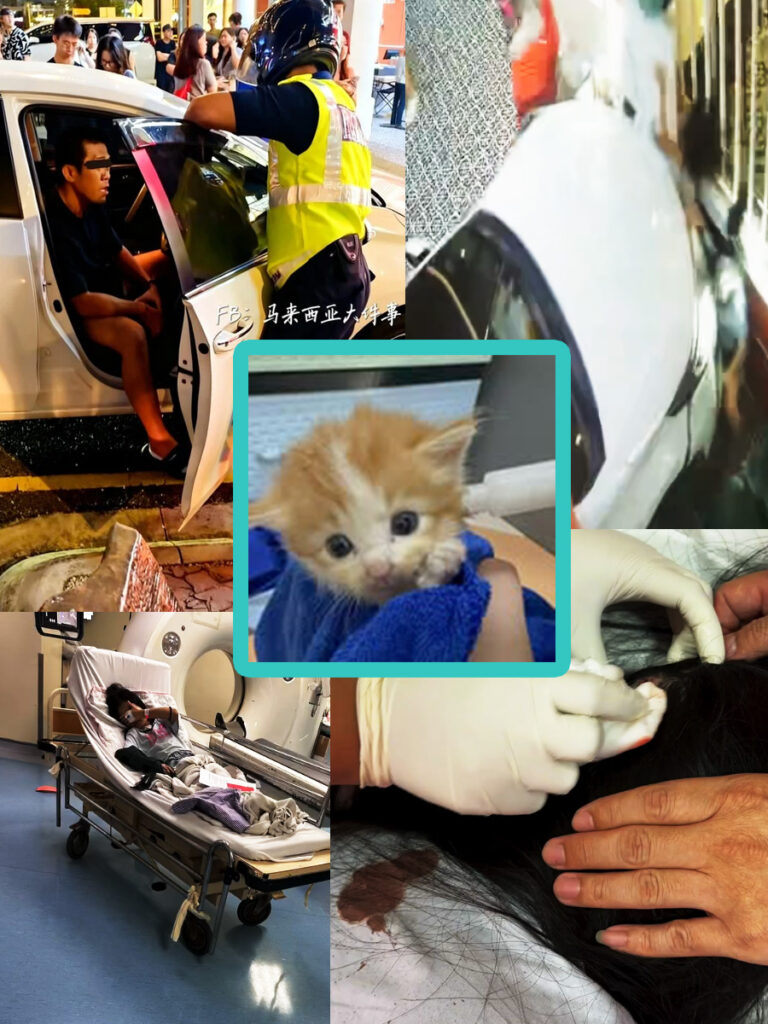
    This one hits hard. Late on the night of 1 November 2025, a white sedan ploughed into the five-foot walkway outside a restaurant on Jalan Nanyang, Taman Mount Austin (Johor Bahru). Two little girls — sisters, aged 6 and 9 — were struck while they were near the shop eating and caring for their pet kittens. One kitten later died from catastrophic injuries. The other and the children were rushed to hospital. The family is distraught and publicly begging for answers.

    What happened — quick and ugly

    Video that began circulating online shows the car making a left turn into a one-way stretch, then driving straight into the restaurant’s walkway before reversing and spewing smoke. Witnesses say the vehicle didn’t look like it was moving at a terrifying speed, so people are asking how it ended up lodged on the five-foot way in the first place. Two girls were hit and knocked to the ground. One small orange kitten was killed at the scene; photos and videos that people shared online showed the animal badly injured.

    The family’s plea

    The girls’ mother posted a raw plea online asking for people to share the footage so the case would get traction. She described the moment she first saw the CCTV: total disbelief and crushing grief. Her children were being examined in hospital — CT scans, stitches, X-rays and blood tests — and still asking about their cat even while in pain. The father tried to shield them from the worst. The mother says she wants one thing: a fair and transparent outcome from the police and authorities.

    Police update (what we know so far)

    Source: Chinapress

    Johor police identified the driver as a 32-year-old local man and said he is being investigated. Crucially, police reported that urine tests for drugs and alcohol came back negative, meaning investigators are currently treating this as a case of negligent driving rather than intoxicated driving. The police are probing the incident under the Road Transport Act (negligent driving). That doesn’t end the public questions — it just changes the angle of the investigation.

    Why people are so angry

    1. The victims were children and a helpless pet. That always stokes emotion.
    2. Witnesses said the driver didn’t immediately act like someone in shock who’d checked on victims; some called his behaviour odd or dazed. Netizens reacted fast and furious online.
    3. The idea that a vehicle can mount a public walkway and injure kids eating outside a shop feels terrifyingly random. Parents are asking: if this can happen in a casual eat-out, where are we safe?

    What the video and witnesses add

    Source: Chinapress

    Dashcam and CCTV angles show the vehicle turning into the one-way section before moving into the walkway. Locals pointed out that the left turn itself was already against traffic flow — a potential traffic offence before anything else. After impact the driver reversed and smoke rose from the car. These clips are short and shocking; they’ve been shared across social platforms and sparked heated debates about accountability, road design and public safety.

    The legal stuff — simple version

    Police are investigating under negligent driving provisions. If investigators find gross negligence — or other factors like mechanical failure or deliberate intent — more serious charges could follow. For now, authorities say toxicology checks were negative. Whether that satisfies a grieving family is a different question.

    My take (honest view)

    This is painful to watch and read about. Kids who worry about their cat while they’re being stitched up — that image sticks. The official tests reportedly discount drugs and booze, which narrows the causes but doesn’t explain why a car ended up on the walkway. Maybe it was driver error. Maybe a medical episode. Maybe a mechanical fault. The point is: the family deserves a transparent, speedy investigation and clear answers. If you’re a policymaker reading this: strengthen barriers between traffic and pedestrian dining zones. If you’re a parent: this is a reminder that our public spaces need to be safer. And to anyone who drives near street-front shops: slow down, and drive like someone else’s child is on the pavement.

    What the family wants now

    The suspect is sitting in his car, talking tothe police. Source: Chinapress

    They want media attention. They want the case handled fairly. They want to know what happened to the person who hit their children and their pet. They want reassurance that parents can take kids out to eat without fearing a car will come through the table. That’s not too much to ask.


    Quick facts (so you don’t have to hunt)

    • Date/time reported: Around 1 November 2025, late night.
    • Location: Jalan Nanyang, Taman Mount Austin, Johor Bahru.
    • Victims: Two sisters, 6 and 9 years old, hospitalised. One pet kitten died; another injured.
    • Driver: 32-year-old local man; urine test negative for drugs and alcohol. Police probing negligent driving.

    Why you should care

    Because this could happen anywhere. Simple safety upgrades and better enforcement of traffic rules protect kids, shoppers, and small businesses. Also, someone’s family is suffering, and the public spotlight can help push for clarity and justice.

    Namewee Reports to Johor Police, Rejects ‘On the Run’ Claims as Iris Hsieh Case Is Reclassified as Murder

    0

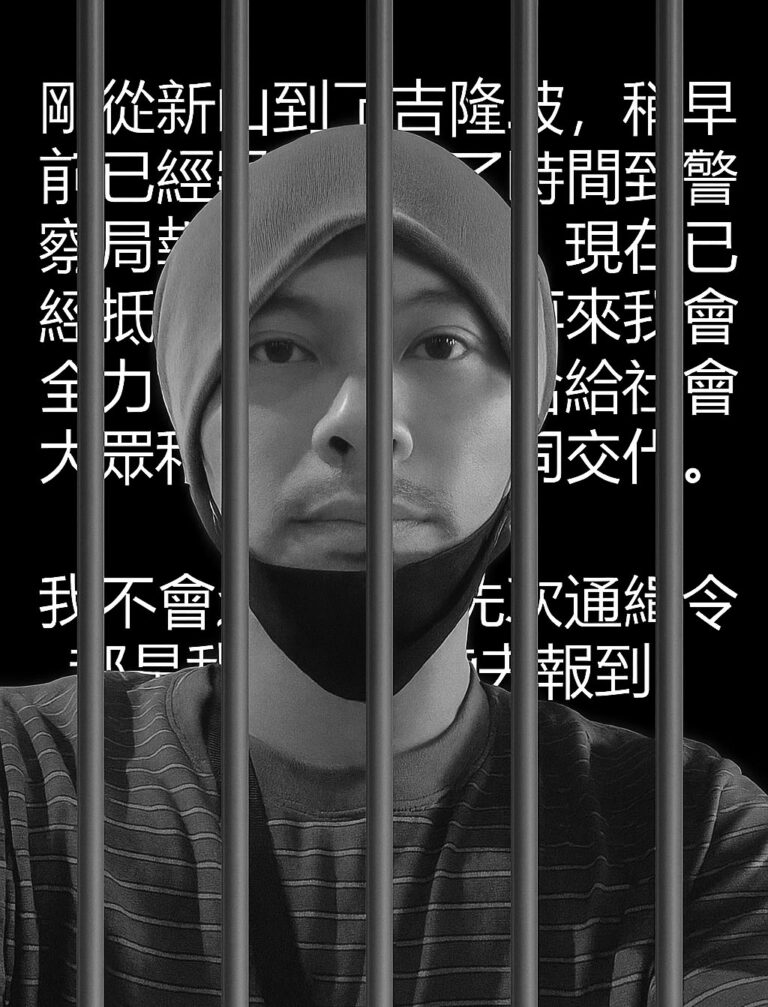
    Okay, let’s untangle this mess. Local rapper and filmmaker Namewee — real name Wee Meng Chee — turned up at a Johor police station to prove a point: he says he wasn’t hiding. He posted photos and an Instagram story showing himself outside the station. Then he doubled down in a follow-up post, saying he’d travelled from Kuala Lumpur to Johor Bahru (maybe went back home to visit his mum) as arranged and would cooperate fully with the investigation into Taiwanese influencer Iris Hsieh’s death.

    So no, he says he didn’t run. Again and again, he insists he never ran. He even reminded people that in past cases, whenever warrants were issued, he voluntarily reported himself. Short version: he’s calling the “on the run” talk fake news.

    What happened so far

    • Iris Hsieh was found dead at a hotel in KL last month. Initially, police treated it as a sudden death (SDR).
    • Later, the case was reclassified as a murder investigation under Section 302 of the Penal Code — the one that carries the gravest penalties.
    • Namewee was arrested at that same hotel on Oct 22 and charged with drug use and drug possession. He pleaded not guilty and was released on bail. The case is next listed for mention on Dec 18.
    • Police reported that drug tests showed positive results for amphetamines, methamphetamine, ketamine, and THC. Authorities also seized nine pills believed to be ecstasy.
    • After public attempts to locate him, an arrest warrant and a wider manhunt were reportedly issued when authorities couldn’t find him — a situation Namewee now says was based on misinformation.

    Namewee’s response

    He shared photos from outside the Johor station. He posted a caption saying he travelled there from KL as arranged. He reaffirmed his willingness to cooperate and said his goal is the same as everyone else’s: closure for the family and for the public. He also denied fleeing during this investigation and reminded followers of his past pattern — voluntarily turning up when required.

    In another public statement, he denied ever taking illegal drugs and suggested he had been blackmailed by unnamed people. He did admit, poetically, that the worst thing he’d done was “drink too much.” Charming.

    Police side

    Police Chief Datuk Fadil Marsus (right) addresses the media during a press conference at the Kuala Lumpur Contingent Police Headquarters on October 25, 2025. — Source: Bernama

    Kuala Lumpur police later clarified the case’s shift from sudden death to murder. The reclassification means the probe took a more serious turn after initial findings. Police handling the case also disclosed the drug test results and the seizure of pills when Namewee was arrested.

    Why people are watching

    Namewee’s previous post: Namewee said he didn’t use or carry any drugs (source)

    This story mixes celebrity, a sudden death, criminal charges, and a viral social-media scramble. That’s a potent cocktail. People want answers. The influencer’s family wants closure. Netizens want to know who did what and why. The police want evidence and due process. And Namewee? He wants to clear his name or at least push back hard against claims that he ran.

    My point of view

    Here’s the blunt take: drama is not evidence. Public posts and mugshots fuel gossip, but they don’t replace a proper investigation. If Namewee truly walked into the station as he says, good. If not, let the records show otherwise. Either way, two things matter most: the evidence collected by police, and a fair court process.

    Also — and this is crucial — social-media mobs are terrible judges. Viral outrage can ruin lives before a single witness is properly questioned. We should want the truth. Not just a headline. The family deserves that. So do the accused.

    What to watch next

    • The court mention on Dec 18. That will show how the charges proceed.
    • Official police updates on the murder probe and any forensic results.
    • Any new statements from Iris Hsieh’s family or their representatives.
    • Whether additional arrests or charges follow as the investigation continues.

    Bottom line

    Namewee says he showed up. The police reclassified Iris Hsieh’s death as murder. Drug charges against Namewee remain part of the record. The real answers will come from the investigation and, if it reaches court, from the legal process. Until then, consume the headlines carefully. Rumors are fast. Truth is slower — and far more useful.

    Last Summer Episode 1: What we learned so far…

    0

    Right away: this first episode of Last Summer gives you three things that are hard to argue with — a sleepy countryside, a heroine who’s emotionally exhausted, and Lee Jae-wook wearing glasses. Of those, his glasses win me over every time. Still, the show’s love of secrecy makes the K-drama episode feel oddly… shy. It hides too much, too long. As a result, it sometimes forgets to make us care.

    Quick recap

    First, we meet Song Ha-kyeong (Choi Sung-eun). She’s 29, doing local government work, and clearly miserable. Next, the drama flashes back to her childhood and shows her growing up next to Baek Do-ha (Lee Jae-wook). They lived in a divided house — two units under one roof. They were close as kids. Then something happened. At her father’s funeral, Ha-kyeong screams that she never wants to see Do-ha again. After that, they don’t talk for two years.

    Cut to present: Do-ha is now a famous architect who returns to town right as summer starts. Ha-kyeong wants to sell the childhood house. Trouble is, Do-ha legally blocks the sale. He claims his half. He also keeps sending “child support” money for their dog, Subak (yes, “watermelon,” and yes, it’s adorable). They trade terse messages. A lawyer shows up. They sit. Sparks and tension fly. Then we end with a forced cohabitation setup because Do-ha chooses to stay in his half. And yes — still no obvious twin in sight.

    What the episode does well

    • Lee Jae-wook presence: He’s shot like a walking moodboard. The camera loves him. The show clearly wants you to fall for him, and it mostly succeeds.
    • Tone: There’s a light, slightly whimsical feel to it. It hints at an old-school romance vibe. That’s comforting if you’re in the mood for gentle K-drama pacing.
    • Emotional hooks: The dog, Subak, functions as a small but effective emotional tether. It softens edges and connects the leads in believable ways.
    • Cohab tension: Immediate setup for long-term conflict: shared house, unpaid quarrels, and unresolved history. That’s classic and reliable.

    Where it trips up

    • Too mysterious, too soon. The episode withholds key facts. It wants to be clever, but sometimes it’s just confusing. If viewers need to be curious, they also need just enough grounding to care.
    • Twin subplot feels absent. The drama’s official description teases twins, yet Episode 1 gives zero signals. That mismatch creates whiplash.
    • Jargon clutter. Bits about government roles and contracts wiggle into the story in ways that don’t always land. Simplify or explain them; otherwise viewer attention drifts.
    • Emotional distance. Because the show refuses to explain what broke them, Ha-kyeong’s anger can feel like anger for anger’s sake. We want context, not mystery theater.

    A few smart choices worth noting

    • The use of summer as a motif is neat. Summer = memory triggers for Ha-kyeong. That seasonal idea gives the series a natural rhythm if the writers commit to it.
    • The contrasting adult images — Ha-kyeong’s hot temper vs. Do-ha’s cool veneer — is a classic and effective emotional pairing. It sets up slow-burn friction.
    • Small-town setting helps the show breathe. It opens space for intimate moments, not just plot mechanics.

    New insights (stuff the show should lean into)

    1. Make the summers mean something. If Ha-kyeong’s trauma ties to seasonal events, use sensory storytelling. Smells, heat, cicadas — these will sell emotional flashbacks faster than cryptic lines.
    2. Turn the house into a character. A divided house is a strong visual metaphor. Show more of its quirks. Let rooms hold memories. That gives viewers context without dumping exposition.
    3. Use the dog smartly. Subak can be the gentle reveal device. Dogs don’t lie; their reactions can foreshadow or soften reveals.
    4. Drop the twin cliffhanger until it’s useful. If the twin plot is coming, plant subtle clues now — a stray photograph, a different handwriting, inconsistent timelines — so the eventual reveal lands, not feels cheated.

    Pacing and watchability

    If you like slow-burn K-drama with gorgeous lead shots and unresolved tension, you’ll be happy. If you want crisp plotting and clear emotional beats, this episode may test your patience. The show trades clarity for mystery. Sometimes mystery pays off. Other times, it’s just an excuse for vague drama.

    Point of view

    I’m intrigued but not sold. Lee Jae-wook’s charm covers a lot of sins. The cohab angle and the dog make this easy to keep watching. However, the writers need to decide what they’re hiding and why. If this is a character-first story, give us a few emotional anchors now. If it’s a puzzle-first story, then lay down clearer clues. Either route works — just pick one.

    In short: it flirts with being addictive. But right now it flirts while wearing a bandana over its mouth.

    Who should watch this?

    • Fans of romantic slow-burns and character friction.
    • Viewers who don’t mind waiting for payoff and love cinematic shots of the lead.
    • Not great for people who need tight plotting or immediate emotional clarity.

    Final verdict

    This premiere has charm, eye candy, and a promising setup. Yet it also holds back too much. That restraint could become a signature if future episodes reward patience. Or it could become an endless tease.

    Rating: ★★★☆☆ (3 / 5)

    The Real Iris Hsieh: Who was she?

    0

    Let’s be honest — when a name suddenly explodes across headlines, the internet has a nasty habit of reducing a whole person to a single tragic headline. That’s what happened with Iris Hsieh Yu-hsin, the Taiwanese influencer whose sudden death in Malaysia shocked fans, friends, and pretty much anyone scrolling through social media that week. But before all the rumors and chaos, who exactly was Iris Hsieh? Let’s peel back the clickbait and talk about the real woman behind the posts, the fame, and the heartbreak.

    ItemDetail
    Full NameIris Hsieh Yu-hsin (謝 育馨)
    Age at Death31 years old
    Nickname“Nurse Goddess” — due to her nursing background and influencer persona
    Education / Early CareerStudied nursing at the Central Taiwan University of Science and Technology; worked as a nurse before influencer career
    Social Media ReachOver 500,000 + followers on Instagram; also active on TikTok and OnlyFans
    OnlyFans StatusJoined OnlyFans in 2022, claimed top creator status in Taiwan (among top 0.05%)
    Accident in YouthAs a teenager she lost the tip of her right ring finger in a factory machine accident
    Date & Place of DeathFound dead in a hotel bathtub in Kuala Lumpur, Malaysia, during a video-shoot assignment in late October 2025 (reported 22–30 Oct)
    Reported Cause of DeathPreliminary cause: suspected heart attack; investigation still ongoing
    Controversy Surrounding DeathWork project with M’sian artist Namewee; drug-possession investigation, rumours of misconduct, family seeking clarity

    A Life Lived Loudly Online

    Iris wasn’t just “another influencer.” She built her empire with equal parts confidence and controversy. On Instagram, she had over 540,000 followers; on TikTok, around 350,000. Her videos were cheeky, bold, and unapologetically her — think swimsuits, laughter, and a dash of “don’t care what you think” energy.

    Her last post, uploaded on October 19, showed her dancing poolside with friends — vibrant, smiling, and full of life. Just days later, the news broke that she had been found unresponsive in a Kuala Lumpur hotel room. The contrast between her online presence and her tragic end hit fans hard.


    From Nurse to “Nurse Goddess”

    Long before she became a viral sensation, Iris studied nursing at the Central Taiwan University of Science and Technology (CTUST). Yes, she was a trained nurse — not just a costume for her photoshoots. Some people online doubted her qualifications (because of course they did), but Iris clapped back with proof: her license and certification, right there in a post.

    That’s where her nickname “Nurse Goddess” came from — a mix of her real background and her confident, self-branded image. It wasn’t a gimmick; it was a reinvention. She turned a respectable, everyday profession into something glam and iconic.


    The OnlyFans Era

    Then came 2022 — and Iris decided to own her brand entirely. She joined OnlyFans, claiming to be Taiwan’s No. 1 creator and ranking among the top 0.05% on the platform. It was a move that shocked traditional audiences but also earned her a loyal following that appreciated her honesty and empowerment.

    She wasn’t pretending to be wholesome or hiding behind filters. Iris understood the modern internet: if people are going to talk, you might as well give them something to talk about.


    A Childhood Mark That Shaped Her Humor

    Here’s something most people don’t know — Iris lost the tip of her right ring finger as a teenager in a factory accident. The incident could’ve been traumatic, but in true Iris fashion, she laughed about it.
    “Luckily, it wasn’t the middle finger,” she once joked. “Otherwise, how would I argue with people in the future?”

    That’s classic Iris — turning pain into punchlines, showing the world that nothing (not even an accident) could dull her spirit.


    The CEO Who Wanted Her

    In mid-2024, Iris made headlines again — not for her outfits or videos, but for an unexpected confession. She revealed that a well-known CEO surnamed Wang had pursued her romantically years ago. According to Iris, he was kind, generous, and nothing like the media painted him.

    She declined his advances, saying she wanted to follow her own path. It wasn’t gossip for clout — it was her way of reminding people that not everything is black and white. People can be complex, and sometimes walking away is the strongest thing you can do.


    The Tragic End in Malaysia

    Fast forward to October 2024, when Iris flew to Malaysia to reportedly collaborate with local filmmaker and rapper Namewee (Wee Meng Chee) on a music video. But on October 22, she was found dead in a hotel bathtub.

    Police initially said it was a heart attack, though her family expressed doubt — she was healthy, fit, and barely 31. Namewee was at the hotel and reportedly called for help after finding her. But soon after, he was arrested for drug possession and tested positive for amphetamines, meth, ketamine, and THC.

    He denied everything, claiming the tests were wrong and that the ambulance took over an hour to arrive. The case, understandably, became a media firestorm.


    Friends Say “No” to the Rumors

    After her death, the internet’s rumor machine went wild — escort allegations, drug use, secret parties. It got ugly fast. But her manager, Chris, quickly stepped up, saying those rumors were false and harmful. He also confirmed that her family had hired a lawyer to go after those spreading lies.

    Her close friend and fellow OnlyFans creator Sprite backed that up, saying Iris was not involved in drugs or sex work. “People need to stop talking like they knew her,” Sprite posted.


    What Made Iris Different

    Here’s the thing: Iris Hsieh wasn’t famous because she was perfect. She was famous because she was real. She didn’t chase validation — she built her own lane. In an industry obsessed with image control, she chose authenticity, even when it meant backlash.

    She was confident, messy, funny, and blunt — the kind of person who’d post a joke about her amputated finger and then drop a heartfelt message about chasing your dreams in the same breath.


    What We Can Learn From Her Story

    Iris’s story hits deeper than social media headlines. It’s about how easily the internet can glorify someone one moment and tear them apart the next. It’s about how fame, freedom, and burnout sometimes walk hand in hand.

    Most importantly, it’s about remembering that behind every viral post is a person — a daughter, a friend, a dreamer — not just a “scandal” or “click.”

    So if you ever find yourself scrolling through a stranger’s tragedy online, pause for a second. Ask yourself: am I reading this like a headline, or like a human story?


    Namewee Speaks Out

    Namewee broke his silence on Instagram. His post was written in Mandarin, but here’s the gist: he’s angry, defensive, and clearly over the rumors.

    In his statement, Namewee said he didn’t use or carry any drugs. He admitted that he’d been drinking more lately, but insisted he’s innocent. His tone was a mix of frustration and sarcasm — he even used the Hokkien slang “dulan,” which basically means pissed off.

    He also claimed that he’s been cooperating with the investigation, but can’t share details yet because the case is ongoing. He hinted that someone might be trying to blackmail him, saying, “If you want to keep playing this game, we’ll go all the way.”

    Then came his emotional moment — he expressed condolences to Iris, writing:

    “We deeply mourn Yu-hsin’s death. R.I.P.”

    He went on to slam the emergency response in Malaysia, saying the ambulance took nearly an hour to arrive after he called for help. He added, “I really don’t know what the 999 hotline is even for,” ending the post with some very unfiltered frustration.


    What His Post Reveals

    Let’s be real — this post was more than a statement; it was damage control laced with attitude. He wanted to clear his name, show some humanity, and vent his anger all at once. But it also raised new questions:

    • If he truly didn’t take drugs, why did the police test come back positive?
    • Who’s the mysterious “blackmailer” he mentioned?
    • And most importantly, what really happened in that hotel room before Iris was found?

    While Namewee’s followers flooded his comments with support, others weren’t convinced. Some saw the post as heartfelt; others saw it as a PR move in panic mode. Either way, it’s clear that Namewee isn’t backing down — he’s standing his ground and pushing back against what he calls false accusations.

    My Point of View

    Iris represented a generation of creators who refused to fit the mold. She blurred the line between traditional jobs and digital fame, between professionalism and playfulness. Her death is tragic, but her story shouldn’t be defined by that one night in Malaysia.
    Instead, maybe we should remember her as she wanted to be — confident, daring, and unfiltered. The kind of woman who lived on her own terms, even when the world didn’t understand her.

    What Happened: Twelve Cupcakes shuts down suddenly

    0

    So. Twelve Cupcakes — the homegrown cupcake chain many of us treated like a harmless sugar habit — abruptly closed its doors in another SG F&B closure. The company’s last day of operations was Oct 29, and a notice on its site said it’s been placed under provisional liquidation.

    This wasn’t a slow fade. It was a snap. Staff found out on the same day the public did. Roughly 80 people — shop crews, bakers, supervisors and managers — were affected. That includes rank-and-file staff who suddenly had to figure out rent, bills and their next job.

    TL;DR

    • Snap Closure: Twelve Cupcakes ceased operations on Oct 29 and entered provisional liquidation, with staff informed the same day.
    • 80 Workers Affected: Approximately 80 staff (crews, bakers, managers) suddenly lost their jobs with zero preparation time.
    • Union Outrage: The FDAWU called the zero-notice closure “unacceptable” and a breach of industrial practice; they are coordinating with the liquidator.
    • Pay Claims Pending: The liquidator is gathering records and plans a creditors’ meeting in about four weeks to begin verifying claims for unpaid wages and notice pay.

    What went down

    First, the basics. Twelve Cupcakes posted that operations have ceased and that the business is under provisional liquidation. The company’s website notice — and an Instagram post — said Oct 29 was the last day of trade. The site later went offline.

    Second, the union angle. The Food, Drinks and Allied Workers Union (FDAWU) says it only heard about the closure on the same day staff were told. The union called the sudden notice “completely unacceptable and unfair,” especially since the company was unionised and had a collective agreement in place. They’ve called for engagement with the liquidator on claims for notice pay, arrears and other entitlements.

    Third, the liquidator. AAG Corporate Advisory — the appointed liquidator — told media it’s “working closely” with the union and is gathering information. It plans to hold a creditors’ meeting within the next four weeks, as required under Singapore’s insolvency law. Until the liquidator verifies records, it won’t share details about finances or the reason for liquidation.

    A quick flashback: Twelve Cupcakes was founded in 2011 by Daniel Ong and Jaime Teo. The pair sold the chain to India’s Dhunseri Group in 2016. The brand grew fast and had a big presence at malls and transit hubs.

    Why people are upset — and why that matters

    Workers are furious. And frankly, you’d be too. Here’s why it stings:

    • No time to prepare. When a business closes overnight, staff lose the buffer time needed to find alternative work. That’s stressful for anyone living paycheck-to-paycheck.
    • Broken process. The union says that even though the business was unionised, management didn’t consult or try alternatives. That’s not just rude. It breaches the spirit of good industrial practice.
    • Money questions. Termination letters and proof-of-debt forms were reportedly handed out so staff could file claims. But collecting unpaid wages, notice pay or other dues is a process — and it can be slow.

    What the liquidator says (and the legal timeline)

    AAG Corporate Advisory says it’s collecting documents and will meet creditors in about four weeks to update them. That meeting is standard procedure under the Insolvency, Restructuring and Dissolution Act 2018. Until the liquidator completes verification, the full story — finances, causes, creditor list — won’t be public. In short: there’s a lot of paperwork ahead.

    Practical next steps for affected workers

    Source: MustshareNews

    If you or someone you know is affected, do the obvious things first:

    1. Keep ALL paperwork. Save termination letters, payslips, the proof-of-debt form and any messages from management.
    2. Contact the union. FDAWU says it’s on the ground helping members and non-members alike. They can guide claim filing and rights under the collective agreement.
    3. File a proof-of-debt. That’s how creditors (including employees) tell the liquidator what the company may owe them. It doesn’t automatically mean you’ll be paid — but it’s the formal route.
    4. Check government support. If needed, look into short-term financial support or job-matching services while you search for the next gig.
    5. Talk to colleagues. Pooling info — who has what document and who heard what from management — makes it easier to build a solid claim.

    My take (yes, the opinion bit)

    Source: Daniel Food Diary

    Companies sometimes fail. That’s business reality. But there’s basic human decency that should survive. Shutting up shop with zero notice is avoidable in most cases. If liquidation was truly the only path, why not give staff a heads-up, run consultation meetings, or coordinate with the union earlier? The silence looks like either very poor planning or very poor communication. Or both.

    Also, after being a visible homegrown brand for years, Twelve Cupcakes had a reputation. Reputation isn’t just PR — it’s goodwill held by staff and customers. Closing overnight tosses that goodwill into a box and sets it on fire. Not the best legacy move.

    Finally, liquidators have rules and duties. So do employers. Workers deserve clarity and speed when it comes to pay and entitlements. The faster the documents are shared and the quicker the union and liquidator coordinate, the less pain for staff.

    What is Neo, the $20,000 Housekeeper?

    0

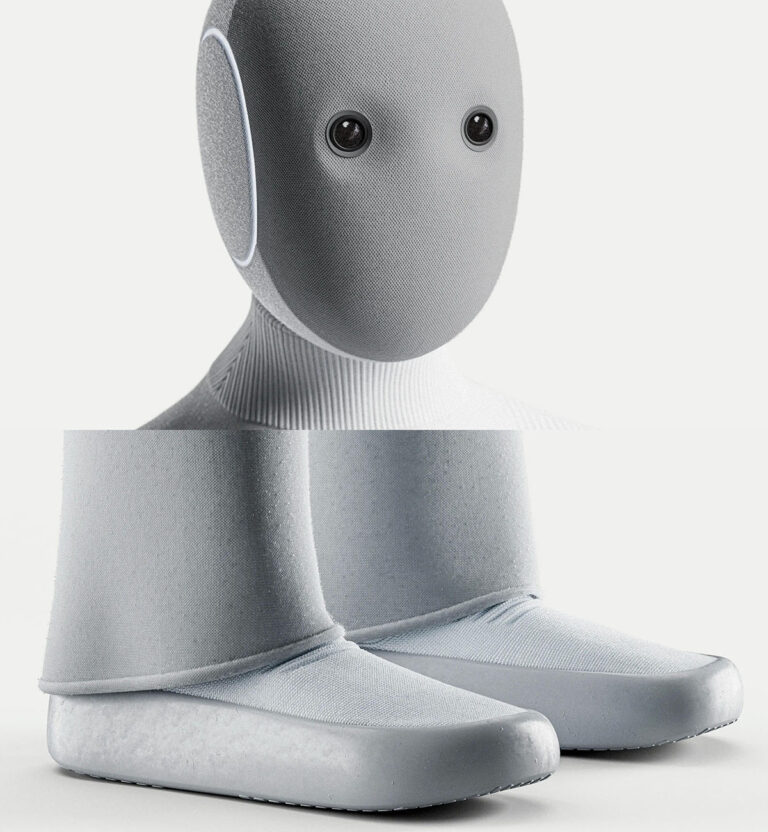
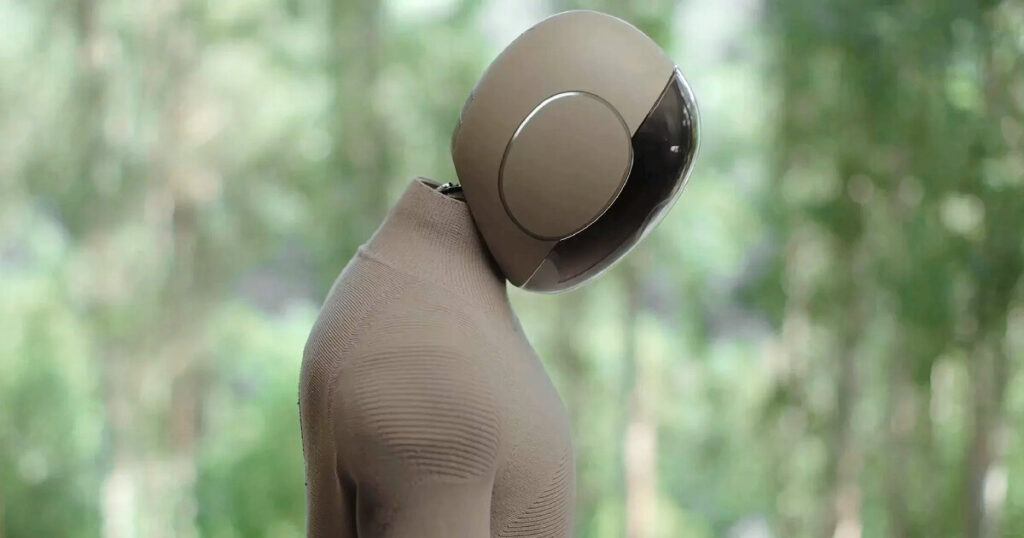
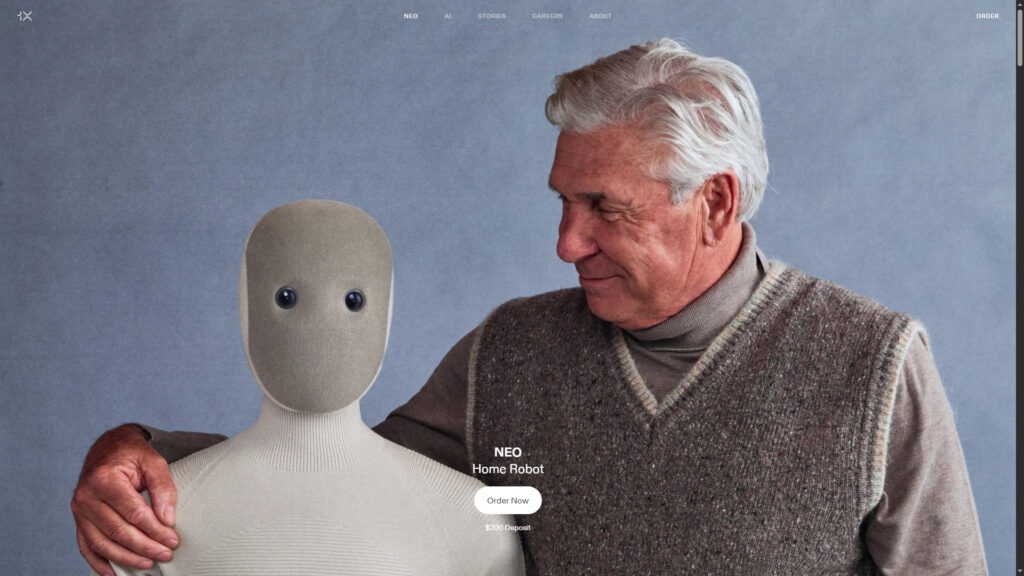
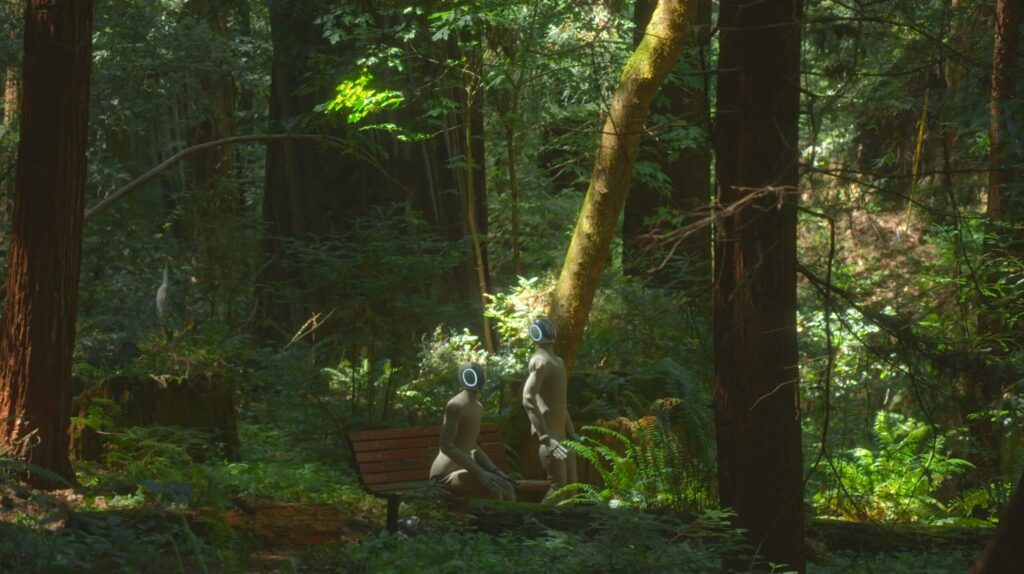
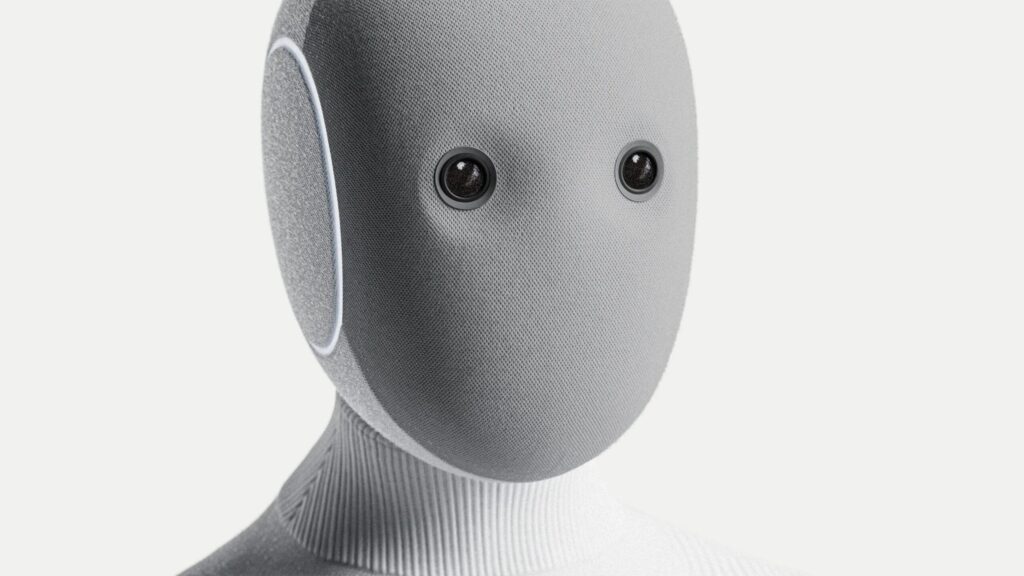
    Okay, we need to talk. You’ve probably seen the ads: a 5’6″ humanoid, 66 lbs, walks like a human, has 10 fingers, folds laundry, loads and unloads the dishwasher, waters plants, finds the remote, and then tucks itself into a little dock to sleep. It sounds like Rosie from The Jetsons. It sounds magical. It sounds perfect. Also: don’t open your wallet yet.

    Here’s the short version: Neo is being sold like an autonomous, always-productive home robot. But most demos? They were controlled by humans in another room. In demo land, the robot moonwalks through chores. In reality, it mostly waves at the dream and asks for help.

    Below is a simple, clear breakdown of what Neo promises, what it actually does (so far), who it might help, and why the timing of this launch feels… rushed.


    What the product claims (the shiny promises)

    • Humanoid shape, human-like dexterity.
    • Walks on two legs and uses 10 fingers.
    • Folds clothes, loads and unloads dishwashers, vacuums, waters plants — autonomously.
    • Self-charging dock and 4-hour battery life.
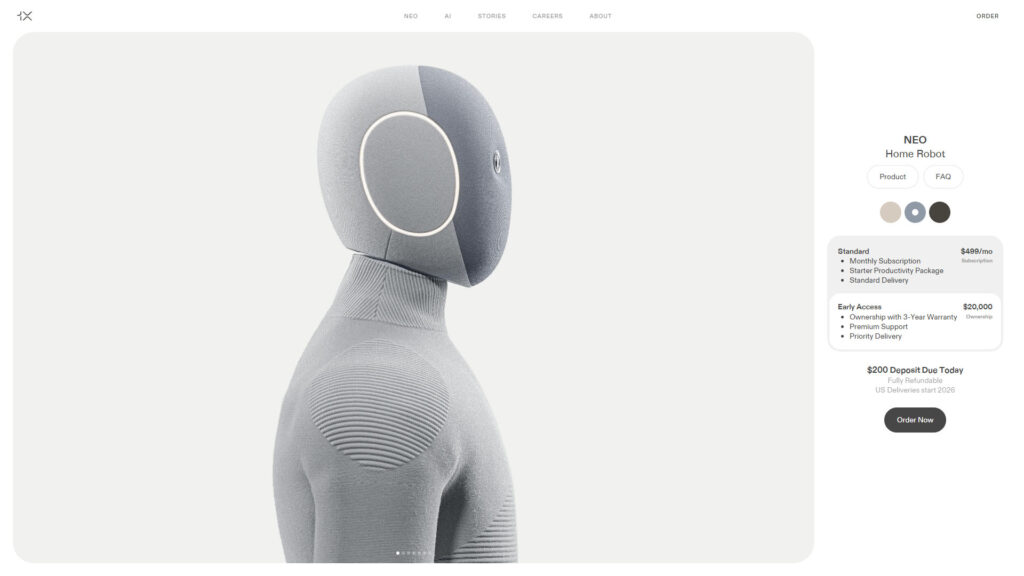
    • Available to pre-order: $500/month subscription or a $20,000 one-time buy with a $200 refundable deposit. Deliveries “start next year” in the U.S. (allegedly).

    These dots together paint one picture: a robotic housekeeper that will save you hours every week. And sure — that would be life-changing for many people. But hold up.


    What actually happened in the demo

    • The demo videos are polished. They’re meant to sell a future.
    • In third-party testing, everything shown in one big hands-on was remote-controlled by a human operator in VR. Not a little; everything.
    • The company does label moments where actions were autonomous. There were very few of those moments. For most tasks, a human was guiding the robot through controllers.

    Translation: the “robot did it” scenes? Mostly theater. The gaps between the demo and actual capability are huge.


    Why this gap matters

    First, expectations. When people see a humanoid walking around doing chores, they assume autonomy: object recognition, safe navigation, task planning, learning your home layout. That would require insane amounts of training data and edge-case handling.

    Second, safety and privacy. If the robot’s “learning phase” happens in your home, that likely means cameras, microphones, and remote operators peeking into your private spaces. Also: what if it drops a glass, mistakes a pill bottle, or trips over a toddler’s toy? Those are real risks.

    Third, the economics of early adoption. Companies often rely on early buyers to beta test and provide real-world data. Tesla did something similar with self-driving features: let early users run betas, collect millions of miles of data, and slowly improve the system. The same idea applies here — except houses are way messier than roads. Every home is unique. That makes training a household robot orders of magnitude harder.


    The “teleoperation” angle (yes, it’s real)

    The company openly offers an “expert mode”: if Neo can’t do a task, a remote operator logs in, guides the robot through it, and that data helps the robot learn. That’s honest. It’s also a sign they expect many early tasks to need human help.

    So, the reality for early adopters: you pay a lot. You welcome cameras and remote viewers into your home. You act as a live training environment. You get some autonomous wins. You get many teleoperated ones. That may be fine for some people — but not everyone.


    Who this product actually serves (right now)

    • Wealthy early adopters who love being first.
    • People whose time is literally worth more than money — CEOs, entrepreneurs, people who monetize time saved.
    • Tech labs and researchers who want the data.
    • People with mobility issues could benefit massively — if the robot gets reliable at critical tasks (like safe medication delivery). But those people are often the least likely to be early testers.

    So yes, there’s real value. It’s just not fully baked yet.


    Risks you should care about

    • Privacy: Cameras + microphones + remote operators = a lot of data leaving your home.
    • Safety: Fragile objects, medication, stairs, pets, kids — a lot can go wrong.
    • Durability & capability: It’s small, a bit clumsy, and apparently slow for heavy lifting.
    • Cost vs. reality: $20k upfront or $500/month? Either way, you’re paying to help build the product.

    Why companies launch like this

    Two reasons, mostly: money and data. Companies get early revenue and, critically, training data from real homes. They announce early to build hype, secure pre-orders, attract talent, and gather the messy but essential real-world use data that simulators and labs can’t replicate.

    This strategy works sometimes. It fails spectacularly other times. The humane pin, the Rabbit R1, and other “post-smartphone” promises remind us: hype does not always equal readiness.


    Real upside — if it works

    • Imagine reliable, discreet help for daily chores.
    • Imagine consistent assistance for people with limited mobility.
    • Imagine time reclaimed every week. That’s the dream. And it’s worth the hype — in theory. It’s just not here yet.

    My take

    I’m excited about the idea of a home robot. I want it. I want my floors cleaned and my laundry folded without moving a finger. But excitement doesn’t equal evidence.

    Right now, Neo feels like a polished demo built to sell a future rather than a finished product you can trust in your home. That doesn’t mean it’s a scam. It means the product is in development and will need years of real-world data, careful safety work, and honest customer expectations before it becomes the thing the ads promise.

    If you’re an early adopter who loves bleeding-edge toys, privacy trade-offs, and watching tech evolve live in your own living room, then maybe this is for you. If you want something reliable that simply works without drama — wait.

    Either way, watch closely. If the company starts shipping meaningful autonomous capability in the next year, great — I’ll eat crow and cheer. If they ask you to pay top dollar to train their system with your private life for an unclear timeline, pump the brakes.


    Quick checklist before you pre-order

    • Do you understand that much of the “wow” demo may be teleoperated? Yes/No.
    • Are you comfortable with cameras and remote access in your home? Yes/No.
    • Will you accept being an active beta tester for months or years? Yes/No.
    • Is your budget okay with a $20k hit or $500/month plus ongoing unknowns? Yes/No.

    If you answered “no” to two or more of those — maybe wait.


    Bottom line

    Robotic housekeepers are the future. But announcing a dream and shipping a finished, reliable product are two different things. Neo is interesting and worth watching. It’s not yet the household helper the marketing videos sell. If you buy one today, don’t be surprised if you’re buying both a robot and a multi-year job as its training environment.