


He turned up in the small hours. He didn’t call. He chose a dangerous shortcut. And before anyone could react, a 25-year-old man was dead.
On Friday, Aug. 22, a man identified as Chen Jin Qin (name transliterated) died after slipping while trying to climb along a narrow wall ledge to reach his girlfriend’s condominium unit in Bukit Jalil, Kuala Lumpur. He fell from the 20th floor and landed around the ninth. He was pronounced dead at the scene. The police have said there was no sign of foul play. The body was taken for a post-mortem.
This is not a short news blurb. It’s a human life. It’s also a sequence of choices and circumstances that ended tragically. Below I break down the facts we know, the likely chain of events, the immediate aftermath, and — yes — the lessons we can take away. If you want something clinical, read the police statement. If you want to understand how a moment of impulse turned fatal and how to avoid those moments, keep reading.
TL;DR
- A 25-year-old man, Chen Jin Qin, died after falling from the 20th floor of a condominium in Kuala Lumpur while trying to climb to his girlfriend’s unit.
- He arrived unannounced in the early morning and attempted a dangerous shortcut instead of using the main entrance, highlighting the role of impulsivity and poor judgment.
- The article warns against romanticizing risky actions seen in movies, emphasizing that real-life consequences are often tragic.
- It also provides practical lessons for individuals and building managers on how to prevent similar accidents by improving safety, communication, and emotional self-control.
The facts (what the police confirmed)

- The victim: 25-year-old Chen Jin Qin (name transliterated), from Perak.
- Time: Reported arrival at the condominium about 3:30 a.m.
- Action: He reportedly attempted to reach his girlfriend’s flat by climbing along a narrow external wall ledge of a neighbouring unit without prior contact.
- The fall: He slipped and fell from the 20th floor and landed near the ninth floor.
- Injuries: He sustained severe head injuries and died at the scene.
- Discovery: Police received a report of a suspected fall and arrived at about 10:45 a.m., when the body was found.
- What he had: He was wearing black shorts and a black t-shirt and carried a sling bag. Inside were his ID card, ATM cards, passport, and his apartment access card.
- Police conclusion: Cheras police chief ACP Aidil Bolhassan said no foul play was involved. The body was sent for a post-mortem examination.
Those are the hard facts. Everything else is context, analysis, and inference — which we’ll handle carefully.
Scene and timeline — how the morning unfolded
It’s worth laying out the timeline, because it helps make sense of the small decisions that preceded a catastrophe.
- ~3:30 a.m. — The man arrived at the condo block. The report says he did not call or contact his girlfriend before arriving.
- Shortly thereafter — Instead of using the main entrance, calling up, or waiting, he attempted to access the neighbouring unit’s external ledge and traverse to his girlfriend’s balcony or window.
- The attempt — The ledge was narrow. At some point during the crossing he slipped.
- The fall — He fell from the 20th floor and impacted near the ninth floor.
- ~10:45 a.m. — Police received a report and discovered the body. Officers began their investigation and confirmed no signs of foul play.
The hours between the fall and discovery are tragic to think about. In many condominium settings, external areas are CCTV-monitored. It’s possible the fall was unseen by most residents, or that those nearby assumed the sound was something else. The police will examine CCTV, building access logs, and statements. But again: those are investigative steps, not certainties.
The immediate aftermath — belongings and what they suggest
When officers found him, he had on typical casual nightwear: black shorts and a black t-shirt. His sling bag contained personal items: ID, ATM cards, passport, and his own apartment access card.
Two small but telling details:
- He still had access to his own apartment. That means he wasn’t desperate to get in because he was locked out. Whether he couldn’t—or wouldn’t—use official access for his girlfriend’s unit is unknown. But having his access card raises questions: why choose a dangerous external route when other, safer options existed?
- He arrived unannounced and didn’t call. That detail suggests impulsivity. It may also point to a relationship dynamic where showing up uninvited was normal — or it may reflect poor judgment in the moment. We cannot know his motive. But we can point to human patterns: when people rush and improvise to reach someone, accidents can happen.
Police confirmed no foul play. That does not explain motive, but it rules out a third party intentionally causing harm. The post-mortem will provide the final medical cause of death and help clarify other forensic questions.
Why would someone do this? (Caution: careful, qualified speculation)
We don’t have access to Chen’s inner thoughts. So nothing below is presented as fact. But human behavior is predictable in some ways. Here are several plausible reasons people attempt risky actions like this:
- Impulse and urgency. Late-night emotions can push people to take shortcuts — literally. “I’ll do it quickly” is rarely followed by “and everything will be fine.”
- Avoiding confrontation or awkwardness. Maybe he didn’t want to buzz the intercom, wake the security guard, or risk being seen. Maybe he thought the balcony would be easier.
- Alcohol or fatigue. Late at night, judgment gets sloppy. It’s possible he was impaired, though there is no public confirmation of that.
- Romantic grandstanding. People sometimes attempt theatrics to impress a partner. That can include showing up dramatically. It rarely ends well when heights are involved.
- Locked out or timing issues. If the girlfriend’s unit had limited access and he thought the balcony was the only way, he might have taken the risk.
Again: the point here is not to diagnose. It’s to recognize common motives so we can learn how similar tragedies might be prevented.
Buildings, design, and risk — a reminder that architecture matters
High-rise living is mostly safe. Modern condominiums are engineered with safety in mind. But certain design features, when combined with human recklessness, create hazards.
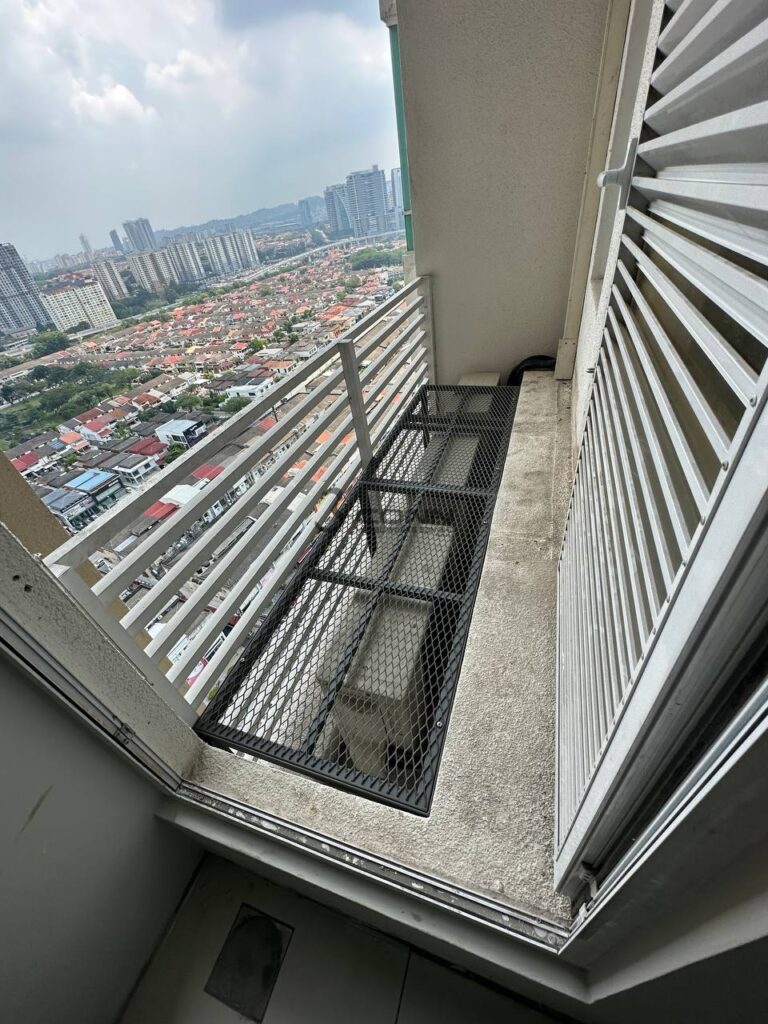
- External ledges and balconies. These are not designed for foot traffic. They’re for aesthetics, maintenance, or to house AC units. Walking along a ledge is playing with physics.
- Lack of visible signage. Not every building has clear warnings that external surfaces are off limits. Even when signs exist, adrenaline can drown them out.
- CCTV and lighting. Good CCTV can deter dangerous behavior or hasten rescue. However, not all areas are well covered. Too many buildings leave blind spots.
- Access control. Some residents might use ladders, scaffolding, or other ad hoc methods to reach neighboring units. That’s risky. Building managers should enforce rules against unsafe external access.
Buildings can do more. Residents can too. But no design choice completely removes personal responsibility. The architecture sets the stage; people write the script.
The discovery — why it took hours
We’re told the body was discovered around 10:45 a.m. after police received a report. Why the delay between the fall (in the pre-dawn hours) and discovery?
A few possibilities:
- The fall went unnoticed. In multi-unit complexes, an external fall can land in a quiet zone. Sound travels oddly in concrete structures. Early morning hours are also the quietest.
- Residents assumed a noise was something else. People hear bangs, drops, and thumps in big buildings and often shrug them off.
- No direct witnesses. If no one saw the fall or heard a scream, there may have been no immediate call to emergency services.
This again points to the value of good surveillance, responsive building management, and neighbors who check on unexpected noises.
Legal and procedural notes (what the police will and won’t do)
From what has been reported, the police ruled out foul play. That typically means:
- No obvious signs of a struggle.
- No evidence to suggest another person pushed or forced the victim.
- The fall appears consistent with an accidental slip.
Still, investigations continue. The police will typically:
- Review CCTV footage.
- Check access records for the building.
- Interview neighbors and building staff.
- Conduct a full post-mortem.
If the post-mortem reveals toxicology or other findings, that will be recorded in official reports. Until those results are released, it’s responsible to avoid conjecture.
The human element — the girlfriend, family, and community
The reports focus on the physical facts. But the human fallout is far larger.
- For the girlfriend: She might be dealing with shock, grief, guilt, or a thousand fragments of what-ifs. Even if she did not know he was coming, she may wonder if she could have prevented this.
- For the family: Losing someone so young is devastating. They will want answers. They will want to understand why.
- For neighbors and residents: Traumatic incidents in close quarters unsettle communities. People will ask whether it was safe to live here. They’ll wonder if their entrances and exits are secure.
When an accident like this happens, there’s a ripple effect. Grief travels fast. So does the urge to assign blame. Try to resist rushing to conclusions. Let the official investigation finish. But also recognize the emotional needs of those affected.
Practical lessons — how to reduce the odds of “I’ll just do this quickly”
Some of the most useful parts of tragic stories are the practical lessons they offer others. Here are concrete things residents, building managers, and individuals can do:
If you live in a high-rise
- Treat ledges and balconies like cliffs. They are not pathways.
- Don’t attempt to enter units via external means.
- Use the intercom. Use the main entrance. Use the elevators and stairs.
- If you see someone attempting a risky maneuver, call security immediately.
If you manage a building
- Ensure external areas have restricting railings, signs, and no easy footholds.
- Review CCTV placements; add coverage to blind spots where feasible.
- Post clear warnings about the dangers of external ledges and balconies.
- Train staff to respond quickly to reports of falls or unusual noises.
If someone turns up late at night
- If you didn’t expect a visit, use the intercom to verify the visitor.
- Don’t open access to strangers or people who refuse to follow security protocols.
- If someone seems desperate to get in, involve building security rather than creating an ad hoc rescue.
If you’re emotionally overwhelmed and heading to someone’s home
- Call them first. Yes, first.
- Ask for permission. It’s funny how civility can save lives.
- If you feel too emotional to make safe choices, call a friend or a helpline instead of driving or climbing.
Mental health and impulsivity — a gentle but important acknowledgement
This section is not a diagnosis. It’s a reminder.
Human beings are impulsive. Under stress, the part of the brain that thinks short-term often wins. Romance, aggression, shame, alcohol—any mixture of these can lead to risky decisions.
If you or someone you know repeatedly makes dangerous choices while emotionally charged, consider seeking support. That could mean:
- Talking to a trusted friend before making big moves.
- Contacting a mental health professional.
- Calling a crisis hotline if emotions feel out of control.
Impulse control is a skill, and like any skill it benefits from practice, boundaries, and sometimes professional help.
Social norms and relationships — why “romantic gestures” shouldn’t involve risk
We’ve all seen the movies where lovers climb balconies or show up dramatically. Movies gloss over physics and consequence. In real life, those gestures can be lethal.
If you’re in a relationship, remember:
- Showing up unannounced can be invasive and scary.
- Boundaries matter. They protect both people.
- Grand romantic gestures that involve physical risk are not noble; they are reckless.
- Consent matters. If your partner didn’t ask for a midnight balcony climb, don’t assume the stunt will be appreciated.
Relationships grow stronger through respect and communication, not through dangerous theatrics. Real romance is often mundane and safe, and that’s a feature, not a bug.
My point of view — blunt, slightly opinionated, and sincere
Here’s the part where I step off the neutral podium and speak plainly.
First, this is heartbreaking. He was 25. He had whole years ahead. Families don’t get a redo. Friends don’t get more time to joke around. That should temper how we talk about the incident.
Second, the decision to climb an external ledge to reach a flat is baffling, but also not rare. People make stupid choices under emotion, and sometimes those choices are deadly. We have to stop romanticizing risky behavior in culture. A movie scene where someone climbs a balcony and everything ends with a kiss should not be the script we follow in real life.
Third, it’s easy to point fingers at the building or at relationship dynamics. But ultimately, adults make choices. We need stronger community norms around safety. We also need building management that closes loopholes and reduces temptation. And, crucially, we need people to have the presence of mind to call or buzz or wait.
Fourth, there’s a tiny, bitter irony in the detail that he was carrying his own apartment access card. He had a safe, legal way to get back inside his life. Yet he chose a perilous side route. That choice will haunt his family and the people who knew him. It should haunt us too — not to shiver in moral superiority, but to remind us how fragile decision-making can be in the dark.
Finally, we should offer compassion rather than ridicule. Some will say he was foolish. They will be right. But the right response to folly is to learn. Shame doesn’t save lives. Better design, better norms, clearer rules, and better emotional support do.