



McDonald’s might have built its empire on golden arches and dollar menus, but a growing wave of consumer dissatisfaction is proving that brand glitter doesn’t always equal goodwill. Starting this week, a grassroots movement is calling for a week-long boycott of the fast food giant, alleging everything from price gouging and unfair labor practices to tax dodging. Spoiler alert: It isn’t just about skipping your morning Egg McMuffin—this is a struggle over corporate accountability and people power.
TL;DR:
- A week-long boycott of McDonald’s is underway, starting this week, June 24, 2025.
- Reasons include alleged price gouging, unfair labor practices, tax avoidance, and “performative diversity.”
- The boycott is part of a larger push for corporate accountability.
- McDonald’s is also dealing with recent E. coli outbreak fallout and decreased sales.
- Celebrity endorsements are amplifying the boycott’s reach.
- The goal is to hit McDonald’s financially and force changes in their practices.
The Call to Boycott: More Than Just a Quick Bite
When The People’s Union USA announced the boycott on Instagram, their message was simple yet powerful: “This is about more than burgers and fries, this is about power.” And they aren’t messing around. Previous boycotts targeted heavyweights like Amazon, Nestlé, and Walmart. Now, McDonald’s is on the chopping block.
Accusations on the Table
Price Gouging
Forget the dollar menu: critics argue that McDonald’s has been quietly inflating prices at a rate that outpaces inflation, all while promising affordability. According to boycott organizers, this stealthy upcharge has left consumers feeling squeezed at the register.
Labor Practices Under Scrutiny
McDonald’s has long touted its community-focused image, but whistleblowers claim a different story behind the kitchen doors. Reports of stifled union efforts, worker silencing, and inconsistent scheduling have painted a picture of a chain more interested in controlling labor costs than empowering its employees.
Tax Strategies That Raise Eyebrows
While families struggle to fill their freezers, McDonald’s allegedly employs sophisticated tax strategies that funnel profits through global supply chains and low-tax jurisdictions. Critics argue these tactics shift the burden onto everyday taxpayers, widening economic inequality.
Performative Diversity
Rolling out rainbow-colored fries on Pride month doesn’t absolve a corporation from meaningful action. Activists point out that while McDonald’s takes public stances on diversity, its political donations and lobbying efforts have supported legislation that some believe undermines labor rights and equity.
Timing Isn’t Exactly Ideal
Late last year, McDonald’s faced an E. coli outbreak linked to its iconic Quarter Pounders, causing a public relations nightmare. On top of that, same-store sales have dipped, and a recent decision to roll back some diversity programs ignited internal backlash—does it ring a bell? Many other major companies have made similar moves in the wake of 2024’s election cycle.
McDonald’s Official Stance
In response, McDonald’s has called the price gouging allegations “inaccurate” and reiterated that franchisees set menu prices independently. The company emphasizes its commitment to affordability and claims robust practices to ensure food safety and community engagement.
Unionization: A Slow Burn
California’s fast food workers made headlines last year by forming a union affiliated with SEIU—a significant milestone in an industry notorious for low union density. McDonald’s responded by boosting its messaging around career growth and education programs, but skeptics view these efforts as a public relations band-aid.
Celebrity Endorsements and Public Reaction
When luminaries like Stephen King, John Leguizamo, and Bette Midler back a cause, it grabs headlines. Their social media shout-outs have amplified the boycott’s reach, prompting questions like: If Hollywood’s tweeting about it, maybe there’s more to the story than Happy Meals.
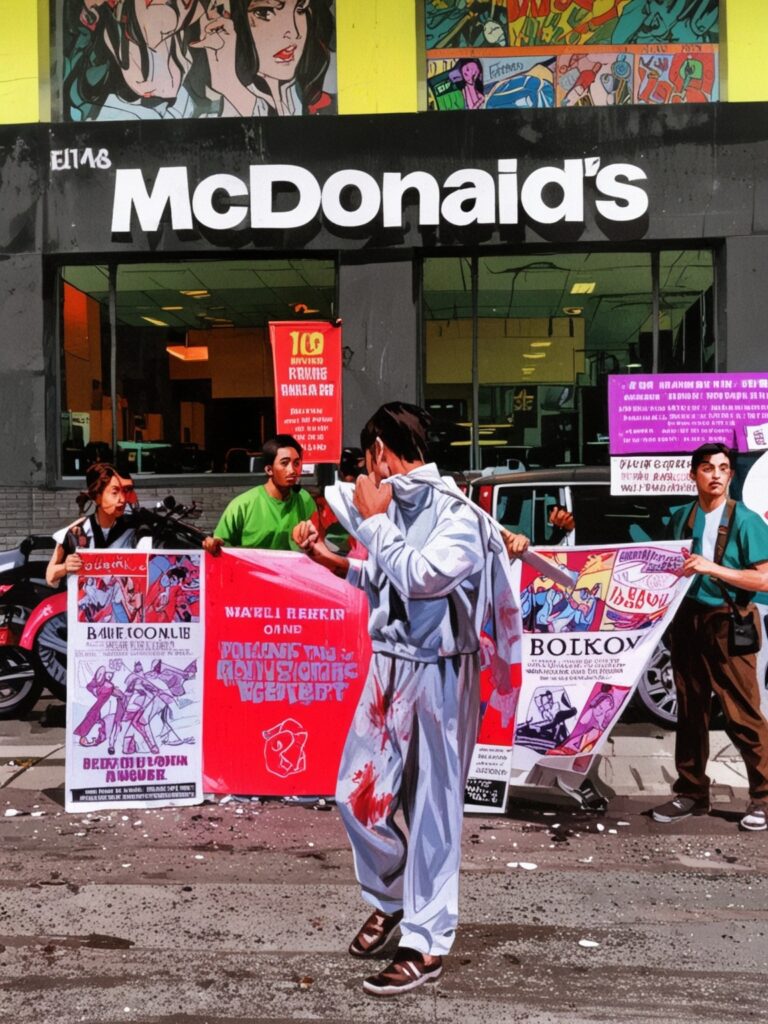
A Week-Long Boycott: What Does It Look Like?
Skipping one meal isn’t the same as committing to seven days without selling out. Participants are urged to avoid all McDonald’s transactions—dine-in, drive-thru, and delivery apps. Instead, they’re encouraged to support local eateries, cook at home, or try plant-based alternatives. The idea is simple: hit McDonald’s where it hurts—in the wallet.
Potential Impact on McDonald’s and Consumers
Economists warn that a single week-long strike won’t topple the Golden Arches, but small ripples can evolve into a tidal wave. A noticeable dip in sales could force franchisees and corporate executives to reconsider pricing, labor, and tax strategies.
Real People, Real Stories
Employee Voices: Jane, a former shift manager in Texas, says unpredictable schedules made it impossible to plan childcare. She left after five years, despite her love for the job.
Consumer Frustration: Mike, a university student, laments the steady climb of combo meal prices that eat into his ramen budget.
Why Now? The Perfect Storm
Political polarization, economic anxiety, and heightened awareness of corporate malfeasance have primed consumers for collective action. Social media accelerates the spread of news, making boycotts viral in minutes, not months.
Alternatives to the Golden Arches
From local food trucks to meal-prep kits, there’s a world beyond McDonald’s. Many small businesses offer fresher ingredients, transparent sourcing, and fair wages. And hey, your wallet might thank you.
Challenges for the Boycott
Sustaining participation isn’t easy. Weekend cravings, busy schedules, and the lure of convenience could derail momentum. Plus, McDonald’s marketing machine is nothing if not persuasive.
Metrics for Success
How will we know if this boycott actually matters? Look for dips in same-store sales, social media engagement metrics, and statements from McDonald’s. Any concession—like renewed franchisee pricing autonomy or revamped labor policies—counts as a win.
Expert Opinions
Economist Dr. Laura Chen from Stanford notes that boycotts work best when sustained and widely publicized. She argues that hitting a company’s revenue for multiple quarters, not just a week, is key. Meanwhile, labor rights advocate Aaron Fields points out the importance of worker-centered demands, like fair scheduling and living wages.
Your Role in Corporate Accountability
Even if you don’t join the boycott, you can still make your voice heard. Sign petitions, follow boots-on-the-ground activists online, and tip generously when you dine local. Corporate power isn’t invincible—people power can shift the balance.
My Take: Breaking Down the Golden Arches
Full disclosure: I relish a Big Mac now and then. But let’s be honest: comfort food can’t mask systemic issues. The week-long slowdown won’t dismantle the fast food empire, but it’s a reminder that we have choices. If enough of us say “no thanks,” corporations might actually start listening.
Conclusion: More Than a Meal
A McDonald’s boycott isn’t just a protest against a menu. It’s a statement about fairness, power, and the kind of world we want. So, for one week, let the Golden Arches shine without your dollars—it might be the jolt this corporate giant needs.