

More
    Home Blog Page 77

    Dear Hyeri: What we learned so far…

    Who would have thought a drama about a woman with Dissociative Identity Disorder (DID) could be so funny? “Dear Hyeri” takes a bold approach, using DID as a comedic device while also exploring the serious implications of the condition. It’s a balancing act that’s not always executed perfectly, but it’s undeniably entertaining.

    And then there’s the love triangle (or should we say love square?) that keeps us guessing. Eun-ho, Hyeri, Hyun-oh, and Ji-on form a complex web of relationships that’s as tangled as a ball of yarn. It’s a love story that’s both heartwarming and frustrating, filled with misunderstandings, missed opportunities, and a whole lot of drama.

    So, what have we learned so far? Well, for starters, we’ve learned that life is full of surprises. We’ve learned that even the most serious of topics can be treated with humor. And we’ve learned that love is a complicated thing, full of twists and turns that can leave you feeling both hopeful and heartbroken.

    TL;DR

    1. The drama follows Eun-ho, who has Dissociative Identity Disorder, leading two distinct lives as Eun-ho and Hyeri.
    2. Eun-ho and her ex-boyfriend, Hyun-oh, share a complicated love-hate relationship, with unresolved feelings on both sides.
    3. Eun-ho starts dating her colleague Ji-on, who has had a long-standing crush on her, adding complexity to her love life.
    4. Hyeri’s impulsive actions bring her close to announcer Joo-yeon, forming an unlikely bond.
    5. The portrayal of Dissociative Identity Disorder is largely inaccurate, reducing a complex condition to a plot device.
    6. The show explores themes like love, heartbreak, identity, and the messiness of relationships.
    7. Key takeaway: Life and love are messy, and embracing imperfections is part of the journey.

    “Dear Hyeri” gives us all the drama, chaos, and questionable decision-making one could ask for—and then some. Featuring a woman with dissociative identity disorder (DID), who leads two very different lives, this drama might just leave you with more questions than answers. But there’s something about its offbeat heroine and her unpredictable world that keeps you coming back, even if it feels like watching a car crash in slow motion. Let’s unpack this, shall we?

    Two Lives, One Face: Meet Eun-ho and Hyeri

    In “Dear Hyeri,” we follow Joo Eun-ho (played by Shin Hye-sun), a brash and fiery announcer with a complicated past and an even more complicated present. As it turns out, Eun-ho lives another life—a bubbly, cheerful parking attendant named Joo Hyeri. The catch? Eun-ho isn’t just living a double life; she has Dissociative Identity Disorder. Enter Hyeri, the other half of Eun-ho who has no recollection of her counterpart’s existence. Imagine living one life as a struggling announcer and the other as a chirpy parking lot attendant—it’s a wild ride, to say the least.

    In the premiere, we’re introduced to both Eun-ho’s and Hyeri’s lives. It’s chaotic and rushed, with a tone that swings between lighthearted comedy and deep drama. But here’s the rub: the serious nature of Eun-ho’s mental health condition is glossed over in favor of making her life into some kind of absurd soap opera. It’s not quite the sensitive portrayal of DID that we hoped for. Still, it’s early in the series, and there’s time for improvement—maybe.

    DID Done Wrong: Dramaland, We Need to Talk

    Let’s get real for a moment: how “Dear Hyeri” handles Dissociative Identity Disorder is problematic at best. It seems like the writers decided that Eun-ho having DID would be a neat plot twist without bothering to accurately portray what DID is all about. Instead, the disorder feels like a gimmick, conveniently creating two characters who pop in and out at scheduled times—4:00 am and 4:00 pm sharp, as if mental health works on a clock. This feels less like an exploration of a complex condition and more like an easy way to throw in extra plot twists.

    Imagine if they had taken a different approach. The drama could have explored what it’s like to live with DID, showing both the struggles and triumphs of navigating such a condition. Instead, it’s more of an excuse for funny situations and dramatic misunderstandings. Is it too much to ask for some accuracy in the portrayal of mental health?

    The Ex-Files: A Relationship Built on Snark

    Moving beyond the problematic portrayal of DID, let’s talk about Eun-ho’s love life. Back in 2015, Eun-ho and her boyfriend, Jung Hyun-oh (played by Lee Jin-wook), were madly in love. Fast forward to the present, and their love has turned into passive-aggressive jabs and not-so-subtle disdain. Both are announcers at a broadcast station, with Hyun-oh considered the talented golden boy while Eun-ho remains in the shadows.

    Yet, it’s clear as day: these two are far from over each other. Eun-ho insists she hates Hyun-oh, but it’s that specific kind of hate that only exists when there are lingering feelings. And Hyun-oh? Well, he keeps giving her opportunities to boost her career, despite claiming he wants nothing to do with her. Sounds like someone’s not quite as detached as they pretend to be.

    The truth is, Eun-ho’s disdain for Hyun-oh is just her way of coping with heartbreak. She wanted marriage; he didn’t. What’s left is the mess of trying to move on while still being thrown together daily.

    A New Love Interest… Sort Of

    Enter Moon Ji-on (Kang Sang-joon), Eun-ho’s younger colleague who’s had a crush on her for what feels like forever. He’s intrigued by her fiery personality, and she, somewhat reluctantly, agrees to go on a date with him. It’s a date that quickly turns into a work excursion—oh, the romance! Ji-on seems undeterred by the fact that Eun-ho isn’t exactly over Hyun-oh. He’s determined to give their relationship a shot, even after she tells him point-blank that she “hates” Hyun-oh only because she can’t have him.

    At least Ji-on’s persistence is admirable, if a bit naïve. His affection seems genuine, and it makes for an interesting contrast with the complicated, toxic dynamic between Eun-ho and Hyun-oh. But is Ji-on really ready for what Eun-ho brings to the table? Or does he just like the idea of taming the wild card?

    Hyeri’s Chaotic World: From Crushes to Crisis

    On the flip side, we have Hyeri. She works as a parking attendant and is hopelessly crushing on news announcer Kang Joo-yeon (Kang Hoon). She’s shy, awkward, and downright terrified of talking to him. But when a protester attacks Joo-yeon with a pickaxe (yes, a pickaxe), Hyeri springs into action, saving him in the most absurd way possible—by slapping a box over the assailant’s head and dragging Joo-yeon away.

    And just when you think she’s done enough, she kisses him—no warning, no reason, just a random kiss. Naturally, Joo-yeon is stunned. The entire situation is bizarre, but somehow, it works for Hyeri’s quirky personality. She’s impulsive, driven by her emotions, and doesn’t quite think things through. It’s chaotic, but in a weird way, it’s also endearing.

    Plot Twists Galore: DID Takes Center Stage

    Hyeri’s therapist eventually reveals that she is actually Eun-ho, and that she’s been diagnosed with DID. But the way the drama treats this revelation is, well, confusing at best. It’s as though Eun-ho and Hyeri are two completely separate people, with Hyeri being a made-up identity—possibly created due to grief over her sister’s death. Except that’s not how DID works. Once again, the disorder is used more as a plot device than a genuine exploration of a mental health issue.

    And then there’s the whole “switching at 4:00 am and 4:00 pm” thing. Really? It’s a convenient way to keep Eun-ho’s and Hyeri’s lives from intersecting too much, but it makes no sense from a mental health standpoint. The whole situation feels too neatly packaged—real life, and real mental health, are far messier than this.

    The Unlikely Romance: Hyeri and Joo-yeon

    Now, let’s talk about the whirlwind romance between Hyeri and Joo-yeon. After Hyeri’s surprise kiss, Joo-yeon confronts her to demand an explanation. She can’t even form words and ends up bursting into tears—somehow, her over-the-top display softens Joo-yeon’s anger, and he finds her behavior “intriguing.”

    What follows is a strange series of events where Joo-yeon invites Hyeri to his home to chat, shares his personal family trauma, and even lets her sleep over. All this after just their second conversation. One has to wonder: does Joo-yeon lack any kind of judgment? Or is he really that taken by her eccentricity? It’s certainly a stretch, but hey, this is Dramaland.

    My Take on “Dear Hyeri”: The Good, The Bad, and The Cringe

    There’s a lot going on in “Dear Hyeri,” and it’s not always easy to follow. The pacing is uneven, the tone is all over the place, and the portrayal of mental health leaves a lot to be desired. But at the same time, there’s something captivating about the messiness of it all.

    The characters are flawed, sometimes unlikeable, and often make questionable choices—but isn’t that what makes them feel human? Eun-ho’s and Hyun-oh’s dysfunctional relationship is a reminder that love doesn’t always end just because it should. Sometimes, it lingers, and we’re left trying to figure out how to navigate the aftermath. Ji-on’s unrequited love for Eun-ho is also a familiar tale of putting yourself out there, even when the outcome seems bleak.

    And then there’s Hyeri. Sure, her actions are sometimes borderline stalker-ish, and the way Joo-yeon responds to her advances doesn’t always make sense. But there’s something relatable about her awkwardness and her desire to break out of her mundane routine.

    “As I watched ‘Dear Hyeri,’ I couldn’t help but feel like I was caught up in the same whirlwind as Eun-ho. Her struggle between two identities felt like an exaggerated, yet somehow relatable version of the chaos I face every day—trying to balance my professional persona with who I really am. Sure, the portrayal of her disorder might be over the top, but isn’t that what drama is for? It’s messy, it’s flawed, but it reminds me that no one has it all figured out. And when Hyun-oh still looked at her with that softness, despite all the complications, it made me believe that love, even when broken, is worth holding onto.”

    Name: Min-jun Lee
    Age: 27
    Location: Busan, South Korea

    What Can We Learn from “Dear Hyeri”?

    If there’s one thing “Dear Hyeri” teaches us, it’s that life is complicated. Emotions are messy, relationships are unpredictable, and sometimes, we don’t get the happily-ever-after we want. Instead, we get something far less perfect but perhaps more honest.

    Here are a few life lessons we can take away from the drama:

    1. Love Is Messy: Whether it’s Eun-ho and Hyun-oh’s toxic dynamic or Ji-on’s unrequited feelings, love is rarely neat and tidy. It’s full of ups and downs, misunderstandings, and moments of vulnerability. Embrace the mess, because it’s a part of what makes love so real.
    2. Being True to Yourself Isn’t Always Easy: Eun-ho is struggling to be the person she wants to be, while Hyeri is trying to figure out who she is. It’s okay to feel lost sometimes; the important thing is to keep moving forward.
    3. Don’t Let Past Relationships Define You: Eun-ho might still be hung up on Hyun-oh, but that doesn’t mean she has to let her past dictate her future. Moving on is hard, but it’s possible.

    The Aftermath of Hassan Nasrallah’s Death: What’s Next for Hezbollah?

    0

    The political landscape of the Middle East, a region known for its seismic shifts and unexpected turns, has once again been rocked to its core. The sudden and unexpected demise of Hassan Nasrallah, the enigmatic leader of Hezbollah, has left a void that threatens to destabilize not only Lebanon but the entire region.

    Nasrallah, a figure both revered and reviled, was more than just a leader; he was a symbol, a rallying point, and a guiding force. His death is akin to the removal of a cornerstone from a grand edifice. The question now is: can the structure withstand the loss?

    TL;DR

    • Hezbollah faces a leadership crisis: The death of Hassan Nasrallah leaves a power vacuum within the organization.
    • Internal power struggles: The succession process could be fraught with internal disagreements and potential instability.
    • Regional implications: Nasrallah’s death could alter the regional power balance, impacting Lebanon, Iran, Israel, and other actors.
    • Global consequences: The event could have wider implications for international security and counterterrorism efforts.

    So, you thought politics in the Middle East couldn’t get more complicated? Well, buckle up because we’re about to dive into the murky waters of Hezbollah’s current predicament after the sudden exit of their long-time leader, Hassan Nasrallah. Let’s be honest, whether you were a fan or a critic, Nasrallah was a big deal—a polarizing, charismatic figure whose speeches echoed across the Arab world. Now, with his death in an Israeli strike, we’re left wondering: What happens next?

    PositionLeaderNotes
    Secretary-GeneralHassan NasrallahKilled in an Israeli strike on September 27, 2024.
    Potential SuccessorHashim SafieddineHead of Executive Council, cousin of Nasrallah, ties to Iran.
    Deputy Secretary-GeneralNaim QassemLong-time deputy, lacks strong connections to Iran.
    Leadership StructureExecutive CouncilMost powerful council overseeing Hezbollah operations.

    Nasrallah’s Death: A Huge Blow to Hezbollah

    Nasrallah wasn’t just any leader; he was the leader of Hezbollah for over thirty years. His passionate speeches, his iron grip on Hezbollah’s power structures, and his unwavering stance against Israel made him an iconic figure not just in Lebanon, but across the Middle East. But on September 27th, an Israeli strike ended his reign—and in the blink of an eye, Hezbollah found itself without its long-time anchor.

    Now, let’s make one thing clear: Hezbollah, with its militant, political, and social branches, isn’t disappearing overnight. The organization has a deep-rooted presence in Lebanon and is likely to endure, but it sure has a lot of sorting out to do. As of now, the group has gone radio silent; none of the potential successors have made any public statements. You know what they say—silence speaks volumes.

    Hezbollah’s Leadership: Who’s Next?

    So, who’s next in line for the top job? Enter Hashim Safieddine, the head of Hezbollah’s executive council, and also Nasrallah’s cousin. This guy isn’t a stranger to Hezbollah’s inner workings, and with his connections to Iran (fun fact: he even married Qassem Soleimani’s daughter), he’s got the credentials. But here’s the twist—if he survived the same Israeli airstrike that killed Nasrallah, that is. If not, well, Hezbollah’s in even deeper trouble.

    Now, let’s take a look at what we’ve got: Hezbollah’s leadership structure is a lot like a family business, but one with a military twist. And at the top of that family tree is a council overseeing several specialized councils—including the executive council, which happens to be the most powerful of the bunch. So far, Naim Qassem, Nasrallah’s long-time deputy, isn’t seen as a strong candidate—mainly because he lacks those essential ties with Iran. Without those, he doesn’t have the clout to lead.

    The Fallout: What It Means for Hezbollah’s Future

    Hezbollah’s challenges have just begun. Let’s face it: whoever steps up next is going to have a pretty tough time ahead. Nasrallah’s charisma was a glue that held Hezbollah together. Whoever succeeds him won’t just face challenges from the outside (Israel, the West, etc.), but also internal dissent. And it’s safe to say that Safieddine—or whoever takes over—won’t command the same respect Nasrallah did.

    Israel’s been busy lately, taking down Hezbollah’s communication systems, leaders, and even detonating pagers and walkie-talkies. It’s almost as if they’re trying to dismantle Hezbollah one tiny piece at a time. And boy, has it been effective! Israel’s attacks have killed many of Hezbollah’s top commanders and cut off important lines of communication—leaving what remains of Hezbollah’s leadership scrambling for cover.

    Hezbollah’s arsenal, once a mighty collection of precision-guided missiles and rockets capable of causing widespread havoc, has taken a significant hit too. No one’s quite sure how much of it remains operational. And in case you’re wondering if Hezbollah’s going to unleash its most powerful weapons any time soon, analysts believe cooler heads may prevail. After all, lashing out now could be akin to adding more gasoline to an already raging fire. But, hey, nothing’s off the table. Iran could still decide that Israel’s latest moves have crossed the line, or maybe some hotheaded Hezbollah member will do something rash.

    Point of View: Where Does Iran Stand in All This?

    Let’s not kid ourselves: Iran is the puppet master here. They provide the money, the weapons, the training—it’s practically a family affair. And with their prized leader, Nasrallah, taken out, they’ve got some big decisions to make. Do they send in Iranian commanders to directly lead Hezbollah? That’s risky. Or do they prop up a Lebanese commander with less experience? Not great either. Or maybe, just maybe, they step back, give the situation time to cool down, and regroup? It’s a tough call, and none of the options are ideal.

    Iran’s strategy of using militias like Hezbollah to project power across the Middle East has taken a major hit, and it’s not going to be easy to fix. Without Nasrallah at the helm, Hezbollah’s future doesn’t look so bright. Its role in coordinating with other Iranian-backed militias is now in question.

    So, what’s my take on all of this? Well, let’s just say Hezbollah’s got three choices, and none of them look like a walk in the park. Replacing Nasrallah with someone new and inexperienced could lead to disarray. And putting an Iranian commander in charge? It’s a recipe for increased tension—and potentially a much bigger war. On the other hand, taking a tactical retreat and “restructuring” might just save Hezbollah from complete collapse. Sure, it would be humiliating, but it’s better than the alternative.

    Israel’s Strategy: Decapitate and Dismantle

    Israel’s approach to Hezbollah is as clear as day. It’s a strategy of decapitation—take out the leadership, and watch the rest crumble. In just a few weeks, Israel has bombarded Hezbollah with airstrikes, decimated their leadership, and taken out key elements of their arsenal. The result? Hezbollah, once an ominous shadow looming over northern Israel, is now a shell of its former self.

    I think Israel isn’t stopping. They’re massing troops near the border, and the word on the street is that a ground invasion could be next. If that happens, it’s going to get ugly. Hezbollah’s got tunnels, fortifications, and enough experience with guerrilla warfare to make any invasion a nightmare for Israel. But this time, without Nasrallah’s guidance, it’s hard to see how Hezbollah will effectively hold its ground.

    Let’s not forget about Tel Aviv—Hezbollah did fire a missile in its direction, the first time they’ve aimed at such a high-profile target. But as expected, they pulled back from launching a broader attack. Why? Simple. They know they can’t afford a full-on war right now, especially without Nasrallah.

    The Bigger Picture: Hezbollah’s Role in Lebanon

    Hezbollah was never just a militia. In Lebanon, it was the power player. Forget about the official military; Hezbollah was the real force to reckon with. But that kind of power comes with its own set of challenges. Over the years, they made a lot of enemies. Plenty of Lebanese people blame them for some of the worst events in recent history—like the assassination of former Prime Minister Rafiq Hariri in 2005, the Beirut port blast in 2020, and, of course, the ongoing confrontation with Israel.

    Now, with their leadership in disarray, one has to wonder: Can Hezbollah keep its hold on Lebanon? Its dominance over Lebanon’s fractured political landscape is a product of decades of careful maneuvering. But all that could come undone if its new leadership doesn’t prove up to the challenge.

    And if Iran doesn’t step up to stabilize Hezbollah? Then what? Will Hezbollah just quietly fade into obscurity? Not likely. But it certainly won’t be the same powerhouse it once was.

    Hezbollah’s Choices: Stay the Course or Step Back?

    So, what’s Hezbollah’s next move? They’ve got a few options, none of them easy, and all of them risky. They could stay the course, continue attacking Israel, and risk annihilation. They could step back, regroup, and hope to rebuild their strength over the next few years. Or they could escalate the conflict, maybe even draw Iran into a full-scale war.

    But here’s the thing: each of these choices comes with consequences. Staying the course could lead to more losses, more deaths, and more destruction—ultimately weakening Hezbollah’s influence in Lebanon and beyond. Stepping back would be a humiliating admission of defeat, but it might just be the smart move to ensure Hezbollah’s survival. And escalating the conflict? Well, let’s just say all bets are off if that happens.

    Recent Events Related to Hezbollah and Its Leadership

    Note: As of September 2024, there hasn’t been a confirmed death of Hassan Nasrallah. However, given the potential implications of such an event, here are some recent events related to Hezbollah and its leadership that could serve as examples:

    1. Increased Israeli Airstrikes: Israel has intensified its airstrikes against Hezbollah targets in Lebanon, targeting leaders, infrastructure, and weapons caches.
    1. Hezbollah’s Response to Israeli Attacks: Hezbollah has retaliated with rocket attacks on Israel, targeting civilian areas and military installations.
    1. Internal Power Struggles Within Hezbollah: There have been rumors of internal disagreements and potential power struggles within Hezbollah, particularly among those vying for leadership positions.
    1. Iran’s Increased Support for Hezbollah: Iran has stepped up its support for Hezbollah, providing weapons, training, and financial assistance.
    1. Lebanese Public Opinion on Hezbollah: Public opinion in Lebanon towards Hezbollah has been mixed, with some supporting the organization’s resistance against Israel and others criticizing its involvement in domestic politics and its role in the Beirut port explosion.

    “As I watched the news of Nasrallah’s death, a part of me felt an unsettling mix of fear and relief,” Layla Hadi, a 32-year-old shopkeeper from Tyre, said. “On one hand, I fear what comes next—whether Israel will push harder or if Hezbollah will unleash more violence. But on the other hand, there’s a small hope that maybe, just maybe, without Nasrallah, Hezbollah’s hold over Lebanon could weaken. Perhaps this could bring us closer to a real change, a moment where we can live without the looming shadow of war. But then again, every time I dare to hope, something comes along to remind me that peace here is a fleeting dream.”

    Name: Layla Hadi
    Age: 32
    Location: Tyre, Lebanon

    Final Thoughts: The Beginning of the End?

    Nasrallah’s death is a turning point in the history of Hezbollah, no doubt about it. Whether this is the beginning of the end for the group or just another chapter remains to be seen. The new leadership will have to prove itself quickly, and they’ll be doing so under the worst possible conditions—facing internal dissent, Israeli aggression, and waning support at home.

    Iran, for its part, is likely to continue supporting Hezbollah, at least in the short term. But if things keep going south, even Tehran might decide that it’s time to rethink their strategy in Lebanon.

    Hezbollah’s future will depend on whether they can adapt to this new reality. Without Nasrallah, they’ve lost their figurehead, their unifying force. The question now is whether someone else can step up, fill that void, and keep Hezbollah alive in a world that seems increasingly determined to bring them down.

    And for Israel? Well, they’ve already gotten what they wanted—the death of Hassan Nasrallah. Now it’s a question of whether they can capitalize on this moment, dismantle Hezbollah once and for all, and put an end to one of their oldest and fiercest enemies.

    No Gain No Love Episodes 9-10 Recap: Secrets, Betrayals, and Romance Galore

    0

    Our penultimate week of “No Gain No Love” is a rollercoaster filled with secrets, betrayals, unexpected revelations, and, of course, heaps of drama. But don’t fret—this show still manages to keep us hooked with plenty of laughs and a generous side of romance. So, let’s dive right in!

    TL;DR

    • Uncover the truth: Ji-wook’s birth secret is revealed, causing chaos and betrayal.
    • Love and loyalty: Hae-young’s unwavering support for Ji-wook shines through.
    • Family drama: The labor union leader and her husband face difficulties.
    • Confessions and revelations: Gyu-hyun’s feelings for Ja-yeon are exposed, and Ja-yeon’s past is revealed.
    • A painful goodbye: Hae-young’s heartbreak as she asks Ji-wook to leave.

    Picking Up the Pieces

    We begin right where we left off—at the cliffhanger from last week. Hae-young and Ji-wook are just about to kiss when, surprise, surprise, Gyu-hyun barges in demanding answers. He wants to know if Ji-wook is really the product of his father’s affair. And wow, we’re seeing Gyu-hyun truly angry for the first time! It’s clear the revelation of Ji-wook’s birth isn’t what bothers him most—it’s the betrayal of trust. Ji-wook knew, and yet he kept it hidden. Gyu-hyun doesn’t care that Ji-wook only recently found out. Betrayal is betrayal. He wants both Ji-wook and Hae-young out of Ggulbi, and he’s not playing.

    Ji-wook is worried Hae-young will get caught up in this mess, but our strong-willed Hae-young stands by his side. Her solution? She advises Ji-wook to take control of the company and overthrow Gyu-hyun. Pfft, overthrowing your own brother to avoid some drama—classic!

    Family Drama—It’s Never Simple

    But before Ji-wook and Hae-young can even begin to hatch their plan, more trouble comes their way. Our labor union leader and her husband are demoted and suspended respectively. And, in classic Ji-wook fashion, he steps up to protect Hae-young. He announces his divorce to Gyu-hyun, aiming to shield Hae-young from the storm. And here comes the funny part: the staff in the lobby immediately start imagining a “BL fantasy” starring the brothers. Oh my, the drama’s more intense off-screen!

    Gyu-hyun, however, isn’t buying this divorce story. He threatens Ji-wook—either leave the country permanently (as per Madam Fangirl’s wishes), or everyone Ji-wook cares about will be dragged into this mess. Seriously, why must everyone suffer because of the chairman’s affair? Honestly, cutting off his hair is just not enough. Chairman Bok should strip down to his white underwear and bow on all fours in true Joseon style. Even that might not do justice to this mess!

    Gyu-hyun’s Unexpected Confession

    Meanwhile, Gyu-hyun decides it’s time to confess his feelings to Ja-yeon. Ms. Writer is stunned—an enemies-to-lovers trope in real life? Well, who would’ve thought! Still, she refuses him. “Our story ends here,” she says. Sorry Gyu-hyun, but it looks like you’re not getting that happy ending. Not on Ja-yeon’s watch.

    The drama doesn’t stop there, though. Just as Gyu-hyun is pouring his heart out, Ha-joon walks in on them. Oops! Ha-joon quickly apologizes to Ja-yeon for his hate comments and even thanks her for naming her male lead after him. It’s a touching moment, finally bringing some closure to the whole hate-comment arc—hopefully for good!

    Gyu-hyun and the “Please Excuse Me” Whiskey

    Later, a lightweight Gyu-hyun finds himself outside Ja-yeon’s house, drunk on some “please excuse me while I hug you” whiskey. And who happens upon this little scene? You guessed it—Hae-young and Ji-wook. What follows is an absolute comedy of errors. They rush to pry Gyu-hyun off Ja-yeon, assuming he’s an assailant. Once they realize who he is, Hae-young decides to hit him with an umbrella, demanding, “How dare you like her?” It turns out Ja-yeon likes him too. And, in the confusion, Ji-wook ends up being the one getting hit instead. You can’t make this stuff up!

    With all the excitement over, Gyu-hyun ends up spending the night at Ji-wook’s place. And would you look at that—DNA really doesn’t lie. The brothers even share the same sleeping habits!

    Awkward Breakfast and Truth Bombs

    The next morning, we are treated to an awkward yet hilarious breakfast with our lead quartet. It’s all going well until Gyu-hyun’s innocent small talk inadvertently drops two major truth bombs. Ja-yeon is planning to move out of the house, and Ji-wook is planning to leave the country. Whoops! If this were a makjang drama, Hae-young’s reaction would’ve been to spit out her orange juice in shock. But this is a rom-com, so instead, she kicks Ji-wook and Ja-yeon out—to finish their breakfast at Subway. Lol. As for Gyu-hyun, she orders him to stay away from Ja-yeon. There’s more to this than meets the eye.

    A Painful Past Revealed

    It turns out that Ja-yeon’s father was an abusive man, and ten years ago, he murdered Hae-young’s father. Ja-yeon was moved to another foster home to hide from her dad before he ended up killing her foster father. Now that he’s out on parole, Ja-yeon wants to move out again. And this tragedy is why she thinks she’s never meant to have a happy ending. Sniff Despite everything, Hae-young has always been there for Ja-yeon, but she’s unsure if Gyu-hyun will do the same when he learns about Ja-yeon’s past.

    A Ride Through Wisdom

    Meanwhile, Manager Jang takes Ji-wook out for some random horse-riding advice session. And in true Jang fashion, he tells Ji-wook that his travel plans are “an idiotic waste of time.” Lol. He advises Ji-wook not to let others dictate the course of his life. Forget noble idiocy—follow your heart, Ji-wook! I must say, Manager Jang is the father figure Ji-wook needs. Sorry, Chairman Bok, but you could learn a thing or two here.

    Communication Breakdown? Not Today!

    Hae-young tries to pretend she’s okay with Ji-wook’s decision to leave. She’s used to foster siblings leaving, after all. But Ji-wook is hurt that she sees him as just another temporary person. For a moment, I thought we were about to witness a complete communication breakdown—but nope, not today! Instead, we get Hae-young’s angsty outburst, Ji-wook’s heartfelt “I love you,” and, well, a lot more than just a kiss. This show really knows how to keep us hooked!

    Gyu-hyun and Ja-yeon’s “Research” Date

    Elsewhere, our secondary romance heats up as Ja-yeon asks to do some research at Ggulbi, and Gyu-hyun is all too eager to give her a tour. He’s so invested in the “research” that he ends up acting out one of the scenes from her novel—and Ja-yeon joins in! Lol, are we setting the stage for a spin-off here? Their chemistry is undeniable, and they even rewrite the scene to include a kiss. Kyaa!!

    Unfortunately, their cute date is cut short when they have to hide from Woo-jae and Yi-lin, who are clearly there for the drama’s sake. Why else would two people who live together decide to confront each other in the office, late at night, on a weekend? Woo-jae brings up Hae-young’s dad’s murder, while Yi-lin mentions Ji-wook’s birth secret. And just like that, Ja-yeon is reminded of why she can never have a relationship with Gyu-hyun. Nooo!!

    The Ultimate Betrayal

    The week ends with Hae-young finding out that Ji-wook was her mom’s foster kid. Just like Gyu-hyun, she’s more upset that Ji-wook kept this a secret from her. They had promised each other there’d be no more secrets! Hurt and angry, Hae-young tells Ji-wook to pack up and get lost. Oof! This is one painful cliffhanger. But, hey, the good news is that we have just a week left to resolve this mess.

    One Last Lap Before Goodbye

    It’s bittersweet knowing that we’re down to our final week with “No Gain No Love.” This show has truly been a wild ride filled with laughter, tears, and everything in between. We’ve grown to love these characters, and it’s hard to say goodbye.

    In other news, Hee-sung is pregnant! Her main boyfriend is totally on board with being the father, and he’ll support her whether she decides to keep the baby or not. It’s a heartwarming moment when Hee-sung’s mom congratulates her, while Hae-young and Ja-yeon’s reactions are more on the worried side. Their concern is valid—Hee-sung herself is conflicted. But whatever decision she makes, we hope it’s one that makes her happy.

    As Emily sat in her tiny Chicago apartment, sipping on her lukewarm cup of coffee, she couldn’t help but think about how wildly dramatic “No Gain No Love” had become. She loved every minute of it, though—especially those awkward breakfasts and over-the-top cliffhangers. Sure, the betrayals and family secrets were a bit much, but who wouldn’t love to see Gyu-hyun stumble his way into Ja-yeon’s heart, whiskey and all? She wished her own love life had a fraction of that excitement, minus, of course, the hidden parentage dramas and late-night secret reveals. But still, maybe a little bit of a grand romantic gesture wouldn’t hurt. If nothing else, it was a reminder that love, no matter how complicated, could be hilariously entertaining.

    Name: Emily Carter
    Age: 27
    Location: Chicago, Illinois

    World-Renowned Photographer Stephen Shore Walks Off Stage in China

    0

    A world-renowned photographer, known for capturing the mundane in the extraordinary, took a rather extraordinary step himself. In a dramatic twist worthy of his own lens, he walked off stage during a lecture in China. Was it a staged performance, a calculated move, or a genuine expression of frustration? Or perhaps, something entirely different?

    The incident has sparked a flurry of discussions, from the mundane to the profound. Some see it as a simple misunderstanding, a clash of cultures, or a diva-esque tantrum. Others perceive it as a symbolic act, a protest against the encroaching digital age, or a poignant commentary on the human condition.

    TL;DR

    1. Stephen Shore’s Walk-Off: The iconic photographer halted his lecture after noticing many in the audience were focused on their phones.
    2. Frustration Over Attention: Shore emphasized the importance of attention, stating it’s key in both art and everyday life.
    3. Audience’s Defense: Some attendees claimed they were taking notes on their phones, leading to a misunderstanding.
    4. Cultural Etiquette: The situation raised questions about lecture etiquette and possible cultural differences.
    5. Technology and Distraction: Shore’s reaction reflects the growing issue of technology distracting us from being fully present in important moments.
    6. A Broader Message: Beyond the specific event, the incident highlights our need to focus more in a world dominated by distractions.
    7. The Resolution: After seeing the audience’s notes, Shore felt better, and the organizers promised to improve lecture etiquette in the future.

    Let’s dive right in. Imagine you’ve flown across the globe, prepared a thoughtful lecture about your life’s passion, and instead of people being captivated by your words, they’re glued to their phones. Sounds frustrating, right? That’s precisely what happened to Stephen Shore, the iconic American photographer, during a recent lecture in Beijing. And boy, did he let his audience know about it!

    The Great Phone Showdown: Shore’s Unexpected Walk-Off

    On September 19, Stephen Shore was all set to share “Five Experiences That Transformed My Life and How They Motivated Me to Become an Artist.” Now, if you’re a fan of photography, you know Shore’s work redefines the mundane. He has an eye for turning the everyday—things we typically ignore—into art. Ironically, it seems his audience missed the memo on “attention to detail.” Instead of focusing on his lecture, many in the audience appeared more interested in their smartphones. Big mistake.

    So, what does Shore do? Midway through his talk, he calls out the audience for their inattention. Through a live interpreter, he says, “Sorry, let me interrupt and apologize, because what I say next may be a little offensive.” Now, at this point, you know something serious is coming. He continues, “Since I’m talking about attention, you should understand the importance of it in daily life. But many of you have been looking at your phones from start to finish. You came to hear this lecture, yet you can’t even concentrate.

    Ouch! And then, in a move that could only be described as legendary, Shore walks off stage, leaving his audience—and us—stunned.

    Source: Singtao

    A Lesson in Attention: More Than Just a Rant?

    Now, let’s take a step back. Was this just Shore being a diva? Or was there something deeper going on here? While it’s easy to dismiss his actions as dramatic, let’s consider the subject of his lecture: attention. Shore wasn’t just talking about photography. He was talking about the power of paying attention to the world around us. As someone who has built a career on seeing beauty in the ordinary, it must have been disheartening to face an audience that couldn’t even offer him the same respect.

    And he’s got a point, doesn’t he? In a world where we’re constantly bombarded with notifications, likes, and comments, how often do we truly focus? Whether it’s the taste of food or the warmth of the sun on our skin, our attention spans are shrinking. Shore’s frustration wasn’t just about the phones—it was about the broader issue of how we engage with the world.

    But Wait—The Audience Was Taking Notes, Right?

    Here’s where things get interesting. Some members of the audience later explained they weren’t distracted—they were taking notes on their phones. One audience member even went as far as to show Shore photos and videos of these notes, to which Shore reportedly replied that he “felt much better.”

    So, was this all just a big misunderstanding? Maybe. But should it have happened in the first place? Not really.

    While it’s easy to argue that the audience was simply multitasking (you know, the thing we all think we’re good at but research says we’re not), the truth is, multitasking itself might be the problem. In a situation where a world-class artist is sharing personal insights, maybe—just maybe—the focus should’ve been entirely on him, not on our little glowing screens.

    My Take: Are We Addicted to Distraction?

    Let’s be real for a second. We all do it. You’re listening to someone speak, or watching a movie, and your hand instinctively reaches for your phone. It’s not because what’s happening isn’t interesting—it’s just that our brains have become wired for constant stimulation.

    And it’s not just social media. Think about how many times you’ve zoned out during a conversation with a friend because your mind wandered off to your to-do list or the latest drama on Netflix. The bottom line? Attention is hard to come by these days. And Shore’s outburst—whether justified or not—reminds us of something we all need to hear: Put the phone down and focus on the moment.

    Art, Attention, and Etiquette: A Cultural Divide?

    This situation also raises some questions about etiquette. Should we expect more from an audience at an art lecture? And what about cultural differences? Perhaps the Chinese audience, more accustomed to taking notes on their phones, didn’t see their actions as disrespectful.

    However, the co-organizing art center did weigh in, suggesting that there should be “standards for lecture etiquette.” A staff member from the Central Academy of Fine Arts Museum added, “We will communicate with the artist and try to help him understand the situation.” Ah, the classic “lost in translation” defense.

    Yet, even if this was a cultural misunderstanding, we can’t ignore the message here: our overreliance on technology is causing us to lose sight of the present.

    My Point of View: Is This the New Norm?

    Here’s where I give my two cents. If Shore’s walk-off teaches us anything, it’s this: our addiction to distraction is real. I get it, we live in a digital age. Taking notes on your phone seems harmless, even practical. But there’s something to be said about presence—about being fully engaged in the moment without the crutch of technology.

    I mean, what’s the worst that could’ve happened if those attendees had pulled out an old-fashioned notebook and pen? Maybe Shore would’ve finished his talk. Maybe the audience would’ve gained more insight. Maybe we wouldn’t be having this conversation. But hey, then we wouldn’t have this great story to talk about, would we?

    All jokes aside, Shore’s exit shines a light on a bigger issue: we need to reclaim our focus. Whether it’s in art, life, or just daily conversations, let’s start paying attention again. Maybe even put the phone on airplane mode once in a while. Who knows, you might just see the world in a whole new way—just like Stephen Shore does.

    The marketing screenshot of Shore’s talk. Source: singtao

    Recent Events Related to Digital Distractions

    1. Studies on the negative effects of smartphone addiction: Research has shown that excessive smartphone use can lead to a range of negative consequences, including anxiety, depression, and sleep disturbances.
    2. The increasing prevalence of “nomophobia”: Nomophobia, or the fear of being without a mobile phone, has become a growing concern among many people.
    3. The growing popularity of “digital minimalism”: Digital minimalism is a movement that encourages people to simplify their digital lives by eliminating unnecessary apps and devices.
    4. Government initiatives to address digital addiction: In response to the growing concern about the negative effects of technology, governments around the world have begun to implement initiatives to address digital addiction.

    These recent events demonstrate the increasing impact of digital distractions on our lives and the growing recognition of the need to address this issue. As technology continues to evolve, it is essential to find ways to balance its benefits with the potential negative consequences.

    As Lisa Tran watched the news about Stephen Shore walking off stage in Beijing, she couldn’t help but chuckle at the irony. “Isn’t it funny how we’re always glued to these little screens, even when there’s something incredible happening right in front of us?” she thought. Lisa, a social media manager herself, knew firsthand how technology hijacked attention. “It’s like we’ve forgotten how to just… be present,” she mused. Despite never attending the lecture, she sympathized with Shore, imagining how frustrating it must have been. “Maybe this is a wake-up call for all of us to put the phones down and actually live in the moment.”

    Name: Lisa Tran
    Age: 29
    Location: Shanghai, China

    The Aftermath: What Now?

    In the end, it seems the situation was smoothed over. Shore, after seeing the audience’s notes, was apparently “much better.” The event organizers also promised to provide feedback to management and encourage better lecture etiquette in the future. But let’s not kid ourselves—this wasn’t just about one lecture. It’s about all of us learning to disconnect in order to connect.

    So next time you’re at a lecture, or even just having a conversation with a friend, try this: leave the phone in your pocket. You might be surprised by how much you actually notice when you pay attention. And hey, you’ll avoid being called out by a famous photographer. Win-win, right?

    Final Thoughts

    Stephen Shore’s lecture may have ended on a dramatic note, but the message it sends is timeless. In a world where attention is the most valuable commodity, let’s take a lesson from the master of seeing the unseen. Look up from your screen, engage with the world, and who knows—you might just create a masterpiece of your own.

    Life Lessons from ‘Good Partner’, What I Learned in the End

    0

    They say life is a courtroom drama, full of unexpected twists, turns, and the occasional legal battle of the heart. And if that’s the case, then ‘Good Partner’ is our very own legal textbook. It’s not just about the cases; it’s about the lessons learned in the hallways, the boardrooms, and most importantly, the courtroom of our own lives. So, let’s dive into this legal brief, where the real verdict isn’t guilty or not guilty, but the wisdom we gain from the courtroom of life.

    TL;DR

    • Embrace personal growth: Just like Yuri, constantly strive to learn and improve.
    • Build strong relationships: Foster open communication and understanding with loved ones and colleagues.
    • Balance career and personal life: Find a healthy equilibrium between your professional and personal goals.
    • Be a mentor and learn from others: Share your knowledge and experience while also seeking guidance from others.
    • Overcome challenges with resilience: Face setbacks with determination and a positive outlook.

    After an intense journey through legal battles, emotional turmoil, and heartwarming moments, “Good Partner” leaves us with a breezy yet satisfying finale. But hey, what’s a legal drama without a few unresolved issues and a last-minute personal crisis, right? Our beloved lawyers end up more self-assured, content, and emotionally supported by the people around them. So, as we breathe a sigh of relief, it’s time to dig into the life lessons “Good Partner” offers—and trust me, there are plenty.

    But before we dive into the finale, let’s discuss the rollercoaster ride that took our characters to this happy place. Spoiler alert: the last case is a bit personal for the new CEO, Woo-jin, so buckle up for some family drama!

    Character Growth and Workplace Dynamics: Lessons Learned

    Let’s start with our main legal eagle, Yuri. She’s a bit taken aback when she’s promoted from mentee to mentor, having to guide the newbie junior attorney, Lee Hana, played by the ever-charming Go Ah-Sung. Now, if you’ve ever been promoted to a leadership role and found yourself feeling more like a deer in headlights than a confident boss, you’ll relate to Yuri.

    Hana fangirls over Yuri, much to her shock and awkward delight. But here’s the kicker—Hana isn’t just some naive rookie. She’s direct, assertive, and, dare I say, idealistic. Sound familiar? Yep, she’s basically Yuri 2.0. Watching Yuri squirm as she deals with a younger version of herself is hilarious, and it serves as a great example of how growth is a never-ending process.

    Being a mentor is no joke, folks. It’s one thing to receive guidance, but offering it to someone as fiery as you once were? That’s next-level character development. Yuri has come a long way, not just in her career but also in her personal life. She’s less cynical and, dare I say it, she’s even considering marriage with Eun-ho. Yep, our formerly skeptical lawyer is now contemplating saying “I do.” Talk about growth!

    The Case That Hits Close to Home

    Woo-jin’s family drama takes center stage in this final act. His father, Dae-gyu, has just asked Eun-kyung to represent him. Cue the awkward tension, because Woo-jin’s stepmom, Park Ae-yeon, beat him to the punch by retaining Woo-jin’s former firm. It’s a classic case of “let’s make this as uncomfortable as possible.”

    Woo-jin is caught between a rock and a hard place. He can’t represent his stepmom, so he ropes Yuri into the fray, much to his father’s dismay. And just like that, we have a courtroom showdown. Ae-yeon and Dae-gyu end up in a shouting match, turning the courtroom into a soap opera set. And guess who has to clean up the mess? Yep, Woo-jin, Yuri, and Eun-kyung.

    As cringe-worthy as this family squabble is, it’s a reminder that communication (or lack thereof) can either make or break relationships. Ae-yeon feels unappreciated; Dae-gyu feels like a walking ATM. Sound familiar? It’s a classic tale of miscommunication—one that’s all too common in both personal and professional settings.

    But here’s the silver lining: after all the drama, the solution is surprisingly simple. All Ae-yeon wanted was a little acknowledgment, a heartfelt “thank you” for her years of sacrifice. Dae-gyu’s apology—on his knees, no less—melts her heart, and the divorce is called off. Ah, the power of words!

    And just like that, the family atmosphere shifts. Woo-jin even starts calling them “mother” and “father,” a small yet significant gesture that shows healing is possible, even in the most strained relationships.

    My Take on the Drama

    Now, let’s talk about what “Good Partner” really teaches us. First, relationships—whether personal or professional—require constant work. Whether you’re mentoring a younger colleague or resolving a family feud, communication is key. Yuri’s journey from mentee to mentor is a perfect example of how growth is a never-ending process. Just when you think you’ve got it all figured out, life throws a curveball (or in this case, a junior attorney with a bit too much enthusiasm).

    Then there’s Woo-jin’s family saga. It’s a classic example of how unresolved issues can fester for years, only to erupt in the most inconvenient of ways. But here’s the thing: most problems can be solved with a little bit of empathy and a whole lot of communication. Dae-gyu’s apology was the emotional reset that his family needed, proving that sometimes, it’s the simplest gestures that make the biggest difference.

    For the viewers, it’s a reminder that life’s complications—whether they come in the form of family drama or workplace challenges—can always be navigated with the right mindset and a bit of humility.

    “As I watched the finale of Good Partner, I couldn’t help but reflect on my own life. Like Yuri, I’ve struggled with balancing my career and personal life, often feeling like I had to choose one over the other. But seeing her grow into a confident mentor while opening up to love gave me hope. It’s a reminder that even in high-pressure jobs, there’s room for relationships, forgiveness, and learning to communicate better—both at work and with the people we care about. Sometimes all it takes is one good partner, in work or in life, to make you see things differently.”

    Name: Sarah Lim
    Age: 32
    Location: Seattle, Washington

    Life Lessons from the Drama: More Than Just Legal Battles

    This isn’t just a legal drama. It’s a study in how to balance career ambitions with personal growth. Yuri and Eun-kyung’s bond is a prime example of female friendship that evolves naturally. Mentorship, respect, and competition—this trio made their way through tough cases while respecting each other’s strengths.

    And then we have the case of Jae-hee, Eun-kyung’s daughter, who is struggling with her feelings toward her father post-divorce. Yuri steps in as a wise older sister, guiding Jae-hee to reconnect with her father on her own terms. Life lesson here? You don’t have to fully forgive someone to start healing. Sometimes, taking small steps is enough.

    Final Thoughts: A Fulfilling, Nuanced Drama

    In the world of legal dramas, “Good Partner” stands out because it doesn’t rush to a “happily ever after.” Instead, it embraces the messiness of life and relationships, showing that happiness is a work in progress. Sure, there’s a lighter tone towards the end, but it’s not some grand resolution. Our characters are still navigating life’s complexities, albeit with more wisdom and emotional support.

    The cast? Stellar. Yuri and Eun-kyung’s chemistry was a highlight, and even the supporting characters had their moments to shine. Whether it was the courtroom drama, the mentorship dynamic, or the heartwarming family moments, “Good Partner” gave us everything we could hope for—and more.

    Here’s hoping we get more dramas that handle their characters with such care and nuance, offering us not just entertainment but also valuable life lessons along the way.

    A Message to the Future: What We Can Learn

    So, what’s the takeaway here? Well, whether you’re in a boardroom or a courtroom, communication matters. Mentorship is tough but rewarding. And when it comes to family drama, a little empathy goes a long way. Life is messy, but that doesn’t mean you can’t find your own version of happiness.

    “Good Partner” serves up these lessons with a side of wit and wisdom. The cases may be fictional, but the truths behind them are very real. Here’s to more dramas that don’t just entertain but also make us reflect on our own lives—because, let’s face it, we could all use a little more self-awareness.

    From Cute to Creepy: The Japanese Baby Sign That Became a Viral Horror Story

    0

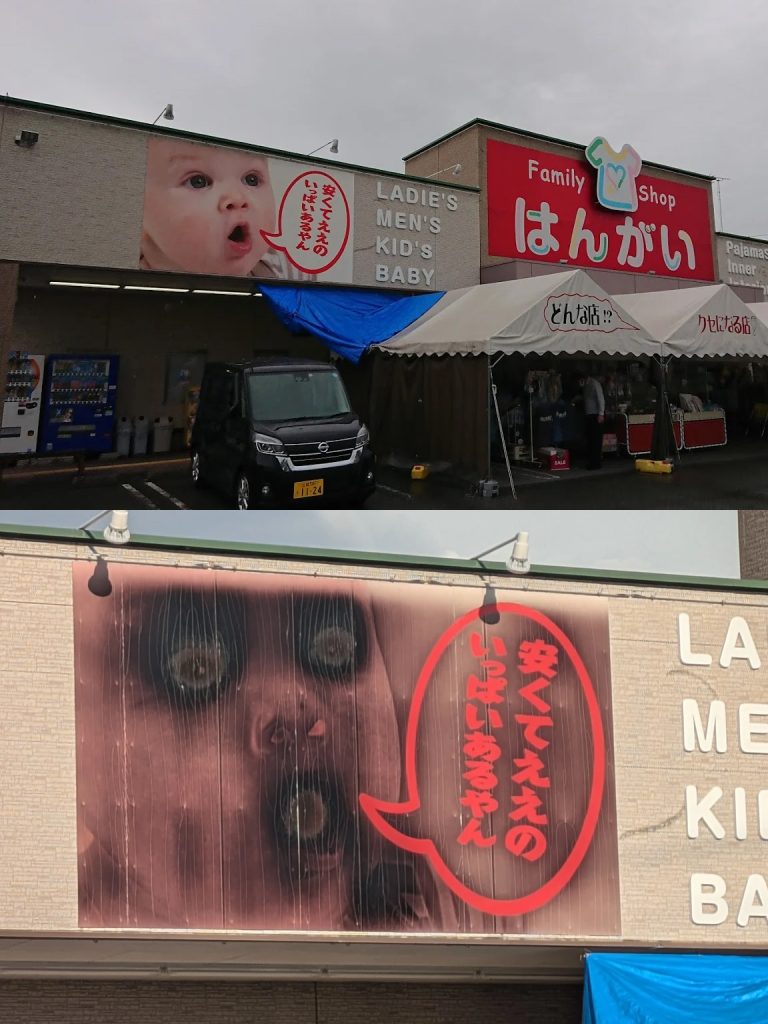
    Imagine strolling through the charming town of Nagahama, Japan, known for its serene atmosphere and rich history, when suddenly you’re greeted by a baby. But not just any baby—a chubby-cheeked infant on a store sign, which once radiated the innocence of a newborn but now looks like it crawled straight out of a nightmare. Yes, it’s not your average day in the streets of Shiga Prefecture.

    But how did this seemingly adorable baby sign go from “aww” to “AHH!”? Spoiler alert: it wasn’t the result of an evil curse or a misplaced horror movie prop. Nope. Just the good ol’ work of extreme weather conditions. Let’s dive into this bizarre story that blends cuteness, horror, and…poor maintenance.

    TL;DR

    • Extreme heat can have unexpected consequences.
    • A seemingly innocent baby sign melted and became terrifying.
    • The incident became a viral sensation on the internet.
    • The store owner creatively turned the situation into a marketing opportunity.
    • The story serves as a reminder to appreciate the beauty of things while they last.

    The Sign Before It All Went Wrong

    Once upon a time, this sign was a symbol of innocence, like the viral Thai hippo calf Moo Deng that captured hearts worldwide. It was a charming addition to Hangai Nagahama, a well-known store in Nagahama founded in 1933. The store, which boasts over 70,000 items—from clothes to bedding and knick-knacks—decided that a happy, chubby baby would be the perfect face for their establishment. And it was…for a while.

    Back in its glory days, this baby sign was cute enough to make you go, “aww.” You know, the kind of chubby-cheeked innocence that makes people stop in their tracks.

    But as with all things in life, nothing stays perfect forever—especially when Mother Nature decides to play her hand.

    When Heat Meets Baby Sign: The August 2023 Horror Story

    Fast forward to August 2023, and the scorching heatwave that hit Japan decided to melt more than just ice cream. As temperatures soared, so did the discomfort of the once-cute baby on the store sign. The relentless heat caused the ink to melt and distort, transforming the cheerful baby into what can only be described as a child starring in its own horror flick.

    Cue ominous music 🎶

    Suddenly, the baby’s eyes and mouth were no longer the adorable features they once were. Instead, they had become dark, gaping voids—eerily resembling the ghostly figures from the Japanese horror film The Grudge.

    And let me tell you, nothing screams “shop here!” quite like a sign that looks like it’s trying to curse your ancestors.

    An Accidental Summer Horror Attraction

    The store’s owner, probably a little shocked at his sign’s sudden transformation into a Junji Ito nightmare, told Fuji News Network that this was the first time the sign had melted in the nine years since it was installed. In early August, he noticed the spooky makeover and thought, “I should probably replace that… eventually.” But then, the Obon holidays came around—a time in Japan when people honor their ancestors. Who has time for signage maintenance when you’re busy with spiritual responsibilities, right?

    The owner, in what can only be described as an unintentional marketing move, decided to leave the terrifying baby sign up as part of a “summer horror experience.” Honestly, I admire the creativity. Why not turn a disaster into an attraction?

    Visitors flocked to the store, eager to snap photos of the now-famous baby ghost sign. I can only imagine the conversations:

    • “Hey, you wanna go take a picture with that demonic baby sign?”
    • “Oh, absolutely. I love wholesome nightmares.”

    Horror Escalates: The Sign Melts Even More

    As if things couldn’t get creepier, they did. Because, of course, they did.

    On September 12th, a user on X (formerly Twitter), @MokeibaseYamat, posted an updated picture of the sign’s continuing meltdown. After another wave of scorching weather, the ink spread even further, making the baby look like something pulled straight from a Junji Ito horror manga.

    Now, we’re not talking cute, spooky. We’re talking “this baby is coming for your soul” vibes. The once-friendly face of Hangai Nagahama had officially become a full-blown horror story, and the internet loved it.

    But let’s be real: unless the owner plans to repurpose this sign as free, organic Halloween décor, it’s probably time to finally swap it out. Before long, this accidental horror attraction might just start driving away customers. And while some might come for the photos, I doubt anyone wants to shop while feeling like they’re being watched by the ghost of an infant.

    Meet Haruto Yamashita, a 27-year-old graphic designer from Osaka. “I was just in Nagahama for a quick stop, and there it was—the infamous baby sign. At first, I thought people were exaggerating. But no, seeing it in person is like stepping into a horror film. You could feel the uneasy stares of tourists snapping photos, not sure whether to laugh or run. It’s crazy how something so innocent can turn so unsettling. I’m half-convinced the baby’s watching me every time I blink. Whoever thought heat could do this to a sign? It’s like Nagahama’s got its own urban legend now!”

    My Two Cents: Time for a Spooky Rebrand?

    Alright, I get it. Running a business is tough. Things slip through the cracks, and sometimes, your baby sign starts looking like it’s possessed. Happens to the best of us, right? But here’s the thing: this could be a golden opportunity. Why stop at just leaving the creepy baby sign up during the summer?

    Picture this: Hangai Nagahama: Your One-Stop Shop for Goods and Ghosts. Lean into the horror angle. You could start selling spooky memorabilia, limited-edition horror-themed merchandise, and maybe even throw a few ghost tours in the mix. The baby sign could become the face of a whole new brand identity!

    Think of it as Halloween all year round, but without the tacky plastic decorations. It’s an aesthetic—a vibe, if you will. You’re not just selling clothes and bedding; you’re selling an experience. Besides, with the internet’s obsession with all things creepy and viral, you could ride this spooky wave for years. Just imagine the marketing campaigns!

    The Final Scare

    This story about a melting baby sign in Nagahama is more than just a cautionary tale about what happens when you don’t replace your signage on time. It’s a reminder that sometimes, life throws us strange curveballs. You never know when your innocent baby sign will morph into a ghostly figure that haunts the dreams of passersby.

    So, here’s the big takeaway: whether you’re running a shop or just walking through life, always expect the unexpected. And maybe, just maybe, check your signage during a heatwave.

    Oh, and if you’re in Nagahama anytime soon, don’t forget to swing by Hangai Nagahama for a picture with the now-iconic baby ghost sign. Because really, who needs cute when you’ve got creepy?

    Cross-Border Chaos: Israel and Hezbollah Edge Closer to War

    0
    • Escalating Conflict: Israel and Hezbollah have ramped up cross-border attacks, bringing the region to the brink of war.
    • Key Targets: Hezbollah struck Israeli defense systems near Haifa, while Israel launched pre-emptive airstrikes on southern Lebanon.
    • Civilian Impact: Civilians on both sides have been displaced, with many injured or killed.
    • International Concern: The U.S. urged its citizens to leave Lebanon amidst rising tensions.
    • Leadership Responses: Israeli Prime Minister Netanyahu vowed to restore security, while Hezbollah refuses to back down.
    • Potential for War: Both sides show no signs of retreat, raising fears of full-scale regional conflict.

    The Slow-Motion Collision of Israel and Hezbollah

    Imagine you’re sitting at home, enjoying a quiet evening, when suddenly the sky lights up with rockets and explosions. Well, for the people living along the Israel-Lebanon border, that’s become their grim reality. Israel and Hezbollah have been engaging in increasingly dangerous cross-border skirmishes that are now teetering on the edge of full-scale war.

    Saturday night into Sunday saw a rapid escalation as Israel launched a barrage of airstrikes on southern Lebanon. The Israeli military called it a “pre-emptive attack” against Hezbollah’s planned rocket-launching positions. The residents of southern Lebanon, however, described it as one of the heaviest bombardments in recent memory. Imagine trying to sleep through that.

    And it didn’t stop there. On Sunday, Hezbollah responded by targeting Israel’s Rafael Advanced Defense Systems near Haifa—a key player in developing Israel’s famous Iron Dome. You know, the defense system that stops missiles from raining down on cities? Well, apparently Hezbollah thought it was time to take a crack at it. The attack followed a major hit earlier in the week when Hezbollah lost more than 30 people, including civilians, due to an explosion attributed to Israel.

    Key AspectDetails
    Conflict PartiesIsrael and Hezbollah
    Trigger of ConflictHezbollah initiated the conflict on Oct. 8, supporting Hamas after the Oct. 7 attacks on southern Israel.
    Recent EscalationOvernight cross-border attacks accelerated into Sunday, with Israel launching pre-emptive airstrikes in southern Lebanon and Hezbollah targeting Israeli sites.
    Major TargetsHezbollah targeted Israel’s Rafael Advanced Defense Systems and Ramat David Airbase near Haifa. Israel retaliated with strikes on southern Lebanon.
    CasualtiesOver 30 civilians killed in Lebanon; Hezbollah claims over 500 fighters lost. Israel has lost civilians and military personnel, with homes hit in Kiryat Bialik.
    Civilian ImpactTens of thousands displaced on both sides of the Israel-Lebanon border. U.S. urged its citizens to leave Lebanon.
    Hezbollah’s PositionPromises to continue fighting until the Gaza war ends. Refuses to back down despite Israeli attacks.
    Israel’s PositionCommitted to security and stopping Hezbollah. Prime Minister Netanyahu warned of continued actions until security is restored.
    Potential OutcomeFear of full-scale war that could drag the region into deeper conflict. Both sides showing no signs of retreat.
    Current International ResponseU.S. urging its citizens to evacuate Lebanon. Concerns growing internationally about escalating tensions in the region.

    Israel and Hezbollah: Trading Blows Like Heavyweights

    The exchange of blows continued with Hezbollah firing rockets at Israel’s Ramat David Airbase. The Israeli military, true to form, didn’t confirm the target but did admit Hezbollah hit deeper into Israeli territory than they’re used to. So, we’re not just talking about a few skirmishes here—this is heavy-duty stuff.

    By now, you’re probably wondering, “Why can’t these two just call a truce and get back to their lives?” Well, it’s not that simple. This isn’t just a recent spat. Hezbollah kicked things off on October 8, standing in solidarity with Hamas following the October 7 attacks in southern Israel that left 1,200 people dead and 250 taken hostage. So, it’s not just Israel vs. Hezbollah—it’s a tangled mess of alliances, grievances, and decades-old conflicts.

    Israel, in response, has been trying to hammer Hezbollah into submission, hoping the group will retreat. Spoiler alert: that hasn’t happened yet. Instead, Hezbollah continues to hit back, undeterred by Israel’s bombardment, meaning the tit-for-tat violence is likely to go on. Cue Israeli Prime Minister Netanyahu stepping in with an ominous warning: “If Hezbollah doesn’t understand the message, I promise them—they will understand the message.”

    Yep, nothing says “peace talks” like a cryptic, saber-rattling threat.

    Escalating Conflict: No End in Sight

    So far, over 500 Hezbollah fighters have been killed since this round of fighting began, with tens of thousands of civilians forced from their homes on both sides of the border. Just this Sunday, the Israeli military reported 115 projectiles fired from Lebanon into Israel, most intercepted, but some hit residential areas, leaving four people injured.

    As expected, Israel responded with more airstrikes, killing at least three people in southern Lebanon. Lebanon’s Health Ministry might as well have an auto-responder at this point, announcing casualties daily as the strikes intensify.

    In one Lebanese town, a resident named Fatima shared her experience of hearing explosions every half hour. “They’ve left no place untouched,” she said. This isn’t just a military conflict anymore; it’s a full-blown assault on daily life.

    Funeral Marches and a Brewing Storm

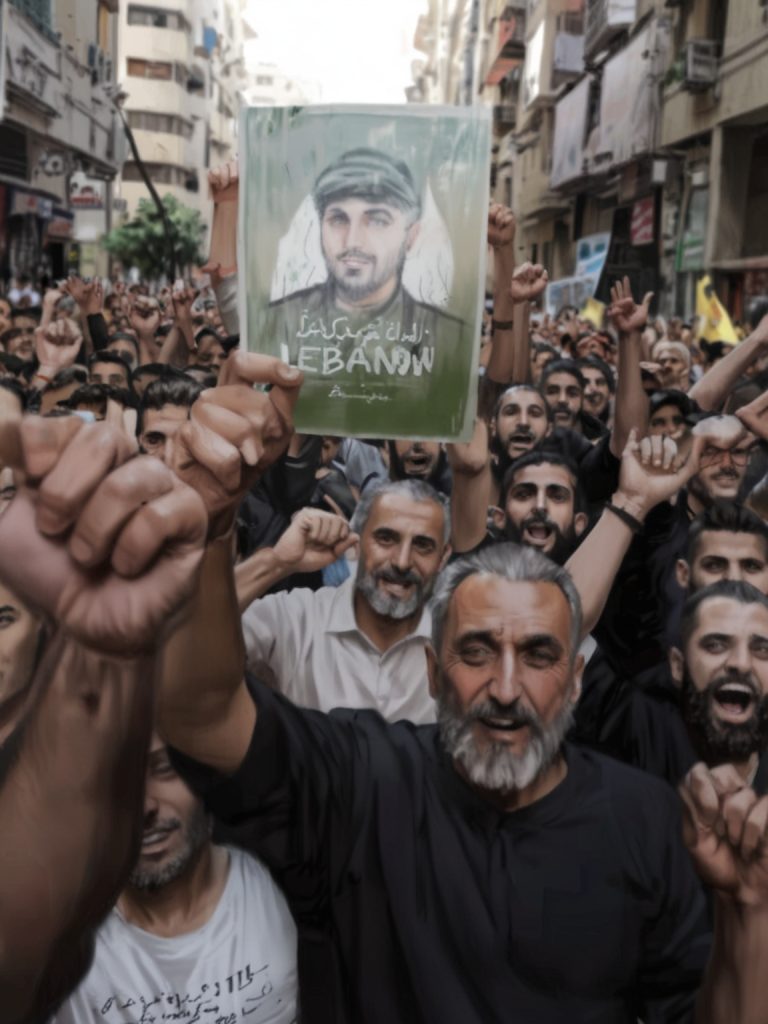
    The situation grew even more intense Sunday with a massive funeral procession for Hezbollah’s Ibrahim Aqil, a senior commander killed in an Israeli strike. Thousands gathered in Beirut, packing the streets to pay their respects. Some even cheered Hezbollah’s calls to continue the fight, chanting “death to Israel” and “death to America.” Well, that’s one way to keep a conflict going.

    And let’s not forget Hezbollah’s leadership. Their deputy secretary-general, Naim Qassem, promised escalation, saying, “Threats will not stop us.” You don’t need to be a conflict analyst to know that this isn’t going to end with a handshake and a peace treaty anytime soon.

    Point of View: Where Is This Headed?

    Let’s face it. Israel and Hezbollah are like two heavyweight boxers who refuse to throw in the towel. Each side is waiting for the other to back down, but that’s unlikely to happen. Israel has made it clear they’re in this fight until Hezbollah stops launching attacks, while Hezbollah shows no sign of retreating. Both sides have dug in their heels, and the people caught in the middle—the civilians on both sides—are paying the highest price.

    You’d think that after decades of conflict, they’d figure out that these escalating clashes don’t really lead to a long-term solution. But no. Instead, we’re watching a slow-motion collision, with both parties ramping up the stakes.

    Is Anyone Trying to Stop This?

    Even the U.S. is throwing up its hands at this point. The State Department on Sunday urged American citizens in Lebanon to get out while commercial flights are still an option. They didn’t mince words either, telling those who choose to stay to “be prepared to shelter in place.” That’s government speak for “things are about to get a whole lot worse.”

    Meanwhile, in Israel, the Health Ministry has started moving hospitals underground in the northern regions, preparing for a potential all-out war. Imagine needing to move your healthcare facilities underground because you’re that sure bombs will fall. Haifa’s Rambam Hospital is already transferring patients to its underground facility, bracing for what could be a repeat of the 2006 Israel-Hezbollah war.

    And if that’s not enough, Israel has ordered civilians in the north to stay near protected shelters and closed schools in the region. It’s like a community-wide fire drill, except the threat is very, very real.

    Final Thoughts: What Happens Next?

    At this point, all we can do is watch as Israel and Hezbollah edge closer to the brink of full-scale war. With neither side showing any sign of backing down, it’s safe to say things are likely to get worse before they get better. And that’s bad news for everyone living in the region.

    Both sides seem determined to keep pushing until something breaks—and it’s not likely to be them. The real casualties here? Civilians. As the bombs continue to fall and the body count rises, it’s hard not to wonder: How much longer can this go on before someone finally says, “Enough”?

    We’re watching a chess game where every move seems destined to lead to checkmate—and unfortunately, there’s no winner in sight.

    Fur-Real or Fake? Painted Dogs = Pandas

    0

    Imagine walking into a zoo, expecting to be awestruck by the majesty of nature. You envision majestic lions, graceful giraffes, and, of course, the adorable, bamboo-munching pandas. But then, you spot them—the cutest little creatures, black and white, with fluffy fur. Your heart skips a beat. Pandas! Or do they seem a bit… too perfect?

    As you draw closer, something feels amiss. The pandas seem a little too eager to please, a little too playful. They’re panting like they’ve just run a marathon, and one even dares to bark. A moment of disbelief, followed by a wave of realization: these aren’t pandas. They’re dogs, cleverly disguised in a coat of black and white paint.

    • Zoos should prioritize animal welfare and ethical practices over deceptive marketing tactics.
    • Visitors should be aware of the potential for deception and demand transparency from zoos.
    • Public pressure can help hold zoos accountable and prevent future incidents of animal mistreatment.

    Zoos are supposed to be magical places where we connect with nature’s wonders. You expect majestic lions, graceful giraffes, and pandas—yes, the adorable, bamboo-munching celebrities of China. But what if those “pandas” were actually… dogs in disguise? No, this isn’t a plot twist from a B-movie, it’s real life. Grab your popcorn (and maybe your dog’s black-and-white paint) because things are about to get wild.

    Welcome to the Shanwei Zoo, where, for a brief moment in time, visitors thought they were basking in the glory of actual pandas. What they got instead was something, well, barkier. That’s right. Those cute, “pandas” were just fluffy Chow Chows with an impressive dye job. If you were one of the duped visitors, you probably had that sinking feeling like realizing your knock-off designer bag was really from a street market.

    Painted Pandas or PANdogs? Let’s Break It Down

    The Shanwei Zoo visitors started feeling like something was off when their “pandas” didn’t seem to be acting very… panda-like. In a now-viral video, one of these so-called pandas was seen panting like it had just run a marathon. Maybe pandas in captivity work out? Unlikely.

    @dailymail

    A Chinese zoo has sparked fury after it painted dogs black and white and presented them as pandas. A video shared on YouTube shows the puppies with black ears, limbs, and ears and with dark circles around their eyes. Visitors said they became suspicious when the ‘pandas’ started panting in their enclosure. When quizzed, the zoo admitted that they had dyed two Chow Chows, a type of spitz dog from northern China with a thick coat. The zoo, however, has denied they misled people as they never claimed the dogs were pandas, explaining instead they were ‘panda dogs’. #panda #pandas #zoo #dogs #chowchow #animalsoftiktok #news #chinazoo #china

    ♬ I am sneaking into you Pink Panther Parody – moshimo sound design

    The panda imposter drama escalated when the not-so-bear-like creature started barking. Yes, barking! At this point, even the least observant visitor was raising an eyebrow. A few more minutes of these “pandas” wagging tails and panting, and the secret was out. These weren’t pandas at all, but Chow Chows in disguise, rocking some fabulous black-and-white fur dye.

    When Pandas Bark, People Talk

    After the jig was up, people were understandably upset. It wasn’t just a case of mistaken identity, it was full-on animal fraud! Imagine paying to see a national symbol of China, only to find out you’re really just watching someone’s pet, dressed up like it’s Halloween.

    Social media had a field day with this. One viewer of the viral video quipped, “It’s a PANdog,” while another chimed in with, “That’s the Temu version of a panda.” Burn.

    The zoo eventually admitted to painting two Chow Chows (a dog breed that’s fluffy enough to pass as a panda on a bad day) to look like pandas. I mean, at least they owned up to it, right? But that didn’t stop visitors from demanding their money back. After all, no one signs up to see a dog cosplay as a bear. Or maybe they do, but that’s another story.

    A Repeat Offender

    If you think this is an isolated incident, think again. This wasn’t the first time a Chinese zoo has been caught red-pawed. Back in May, the Taizhou Zoo in Jiangsu Province tried a similar stunt. They dyed Chow Chows, too, claiming these dogs were some rare “panda-dog” hybrid. Spoiler alert: Panda dogs are not a thing. It’s like calling a penguin a “fish-bird” to explain why it swims.

    Zoo officials in Taizhou tried to justify their fuzzy deception by saying, “We don’t have any real pandas, so we improvised.” Well, that’s one way to keep your budget low, I guess.

    The Dyeing Debate: Is It Humane?

    Now, before you start thinking this is just an innocent, albeit bizarre, stunt, there’s another side to this fur-coloring fiasco. Chow Chows are known for their thick coats and sensitive skin. And some people were not amused by the idea of dying these dogs to look like pandas, no matter how cute or funny it might seem. One concerned social media user took to Weibo (China’s version of Twitter) to express, “It’s not funny to dye Chow Chows to attract tourists. Their skin is sensitive and can get irritated easily.”

    Despite the backlash, zoo officials defended their choice, insisting the dogs were not harmed and that dyeing their fur was no different than humans dyeing their hair. “People dye their hair all the time,” one official said. “So why can’t dogs?” Sure, because dogs sit in salons every weekend choosing the latest ombré trend.

    From Dog Cafes to Zoos: Panda Pandemonium Continues

    This isn’t the first time dogs have been given a panda makeover for entertainment. Back in 2019, a dog café in Sichuan dyed six Chow Chows to resemble pandas. The trend even went viral again in 2020 when a woman was seen walking her panda-painted dog in the same province. So, clearly, there’s something about the mix of black-and-white fur that people just can’t resist.

    But is it ethical? That’s where things get murky. Some argue it’s harmless and cute, while others worry about the physical and emotional well-being of the dogs. After all, unlike humans, they didn’t sign up for a day at the salon.

    Jessica Palmer, a 32-year-old animal rights advocate from Portland, couldn’t believe what she was seeing when she came across the news about painted dogs being passed off as pandas in China. “Seriously? Painted dogs? As if pandas weren’t already rare and special enough, now zoos are literally creating knock-off versions?” she thought, shaking her head in disbelief. For someone who’s always been passionate about ethical treatment of animals, Jessica felt this was just another example of how far some places would go to lure in visitors, even if it meant disrespecting the very creatures they’re supposed to care for. “It’s absurd and unethical,” she mused. “I wouldn’t pay to see a panda if it’s just a painted dog in disguise. It’s like going to a concert and getting a cover band instead of the real deal.”

    Name: Jessica Palmer
    Age: 32
    Location: Portland, Oregon

    My Point of View: Where’s the Line Between Creativity and Deception?

    Let me be clear: while a little creativity is always welcome, there’s a fine line between clever marketing and flat-out deception. Sure, the dyed Chow Chows might look cute for a few minutes, but zoos are supposed to educate and preserve nature, not run a side hustle in creative dog grooming. Pandas are a beloved symbol of conservation, and pretending a dog is one feels like a betrayal to both the audience and the animals.

    Also, from a practical standpoint, if I wanted to see a dog, I could just go to a dog park. Zoos offer a chance to see animals you’d never get the opportunity to see up close, and pandas are right at the top of that list. Instead, visitors got duped with what can only be described as “panda-lite.”

    Recent Events Related to Zoo Animal Deception

    1. Cairo Zoo Allegedly Painted Donkey to Look Like a Zebra (2018)
      In 2018, visitors to a Cairo zoo were shocked to discover that what they thought was a zebra was actually a donkey painted with black stripes. The incident went viral, sparking outrage and prompting a discussion on animal treatment and honesty in zoos.
    2. Chinese Zoo Labels Golden Retriever as Lion (2023)
      A zoo in the Henan province of China came under fire when it labeled a Golden Retriever as a lion. Visitors quickly noticed the deception when the “lion” began barking, leading to widespread criticism of the zoo’s practices.
    3. Yunnan Zoo Promoted a Dog as a Wolf (2023)
      In another case from China, a zoo in Yunnan was criticized for displaying a dog in a wolf enclosure. The dog, which was introduced as a wolf, caused outrage after visitors pointed out the clear difference, sparking calls for better transparency.


    These events highlight a growing trend of zoos and other establishments using deceptive tactics to present animals as something they are not. The Cairo Zoo’s painted donkey, the Chinese zoo labeling a Golden Retriever as a lion, and other recent incidents demonstrate a recurring issue of misleading visitors with false animal exhibits. While some cases might seem humorous, they point to a broader concern about transparency, ethics, and animal welfare in tourist attractions. The common theme is that institutions often attempt to increase foot traffic through sensationalism, but this can lead to public outrage, legal consequences, and damage to their reputation when the truth comes out.

    Final Thoughts: More Transparency, Please!

    Here’s the deal: we all get it, pandas are a huge draw. But what visitors want is honesty. If your zoo can’t afford a real panda, maybe just skip the whole panda concept. And while we’re at it, maybe focus more on actual conservation efforts than on fur dyeing experiments.

    The fact that this has happened more than once is a little concerning. Zoos need to do better. Otherwise, people will stop showing up, and then what? More painted dogs? I shudder to think.

    But at least we’ve all learned something valuable here. If you see a “panda” with a curly tail and a bark louder than your neighbor’s dog, it’s probably time to ask for a refund. Oh, and maybe stop buying discount zoo tickets.

    In conclusion, while the dog-to-panda transformation might be amusing for a few minutes, it leaves a bad taste in your mouth once you realize the extent of the deception. If you’re ever visiting a zoo and start hearing barks coming from the panda enclosure—well, now you’ll know.

    No Gain No Love: When Drama Meets Romance in Hilarious Chaos

    0

    They say love is a battlefield, but in “No Gain No Love,” it’s more like a comedic circus. This K-drama isn’t just about the usual heartbreaks and happy endings; it’s about the hilarious chaos that ensues when romance collides with the absurd.

    Think of it as a romantic comedy gone wild, a rollercoaster ride of emotions that will leave you laughing, crying, and scratching your head in confusion. It’s a show where love is a game, and the stakes are higher than ever.

    TL;DR

    • Embrace the chaos: Life is full of unexpected twists and turns, and “No Gain No Love” perfectly captures that.
    • Don’t take yourself too seriously: Sometimes, the best way to deal with life’s challenges is to laugh at them.
    • Love is a journey: It’s not always smooth sailing, but the journey is part of the adventure.

    Ah, “No Gain No Love,” where romance flourishes amid the delightful chaos of K-drama life! As we dive into Episodes 7 and 8, buckle up, because things are about to get wonderfully wild. The stakes are higher than ever, and our favorite characters are tangled in a web of emotions, secrets, and hilariously awkward moments. So grab your popcorn, and let’s break down this rollercoaster ride of love and confusion!

    Morning After Madness: A Not-So-Romantic Awakening

    We kick things off with Hae-young, Ji-wook, and Woo-jae waking up in a hotel room, presumably after a night of shenanigans. Now, imagine the sheer panic when they realize they’re all in bed together. Cue the freak-out session! Cue laughter and eye-rolling. It’s a classic K-drama moment that sets the tone for the delightful absurdity ahead.

    Enter Yi-lin, our ever-busy bee, with exciting news: Woo-jae is joining Hae-young’s team, and Ji-wook will be working under him. What could possibly go wrong with this dynamic trio? Oh, just the fact that Woo-jae knows Hae-young’s love habits all too well, which means he might figure out that their marriage is as real as a mirage in the desert. Spoiler alert: it’s not looking good!

    Honeymoon Phase: The Art of Pretend

    In a valiant attempt to avoid suspicion, our faux couple activates full honeymoon mode. Picture this: Ji-wook, naturally skilled at charming skinship, and Hae-young, trying her best to keep her cool. But when he suggests moving in together to sell their “marriage,” we all know the drama is just beginning. Welcome to the penthouse! It seems Ji-wook’s past as one of Mom’s foster kids adds a delightful twist to the mix. Can you say awkward family reunion?

    Now, here’s where the fun escalates. Ji-wook encounters Hae-young’s scandalous box of… let’s just say, “adult toys.” Cue his shocked reaction! “My body is my own!” he proclaims, clearly feeling overwhelmed. Oh, the innocence! This moment brings a hearty chuckle, and it’s just the beginning of their comedic journey.

    Housewarming Party: Tension Rises

    To solidify their act, Hae-young throws a housewarming party and invites Ha-joon. Meanwhile, CEO Gyu-hyun is left pouting on the sidelines, trying to crash the party through Ji-wook. His attempt to redefine their friendship as “volunteering brothers” is pure comedy gold. If only he knew the tangled web of secrets!

    At the party, Hae-young learns that Ji-wook was quite the heartthrob among new recruits. Cue the jealousy! She awkwardly apologizes for their fake relationship preventing him from dating. But when Ji-wook asks if she wants him to date around, the tension thickens. “I can do that now if that’s what you want,” he teases, leaning in closer. Oh boy, someone’s playing with fire!

    Then, just as Ji-wook seems ready to initiate a steamy moment, Hae-young closes her eyes, and what happens? He leans in to pick up keys behind her! Facepalm. This guy is a master of teasing, leaving us all wondering what will happen next.

    The Kiss: More Confusion, Less Romance

    Fast forward to Ji-wook heading back to his apartment, only for Hae-young to chase after him for an unexpected kiss. But wait—she only does it because Woo-jae is watching from below! What a chaotic love triangle! Ji-wook, understandably disappointed with this “dead fish” kiss, decides it’s time to show Hae-young what a real kiss should be like. Oh, honey, he’s about to give her a masterclass!

    Ji-wook’s confidence skyrockets as he flirts and confesses throughout these episodes. When Hae-young finally asks him to wait until she can sort out her work pressures, he responds with a promise so sweet it could put candy to shame. “I’ll wait for you so patiently, you won’t even realize that I’m waiting.” Swoon. Clearly, they missed the K-drama contract couple memo about dragging out feelings!

    Secondary Romance: The Plot Thickens

    Meanwhile, let’s not forget our secondary romance: Ja-yeon and Gyu-hyun. Ja-yeon sneaks into the orphanage where Gyu-hyun volunteers and tries to hide her identity as an erotic writer. Classic! Gyu-hyun, in a moment of gallantry, whisks her away before Ha-joon can catch on. Points for stealth!

    But the real drama unfolds when Ja-yeon discovers Gyu-hyun is the CEO of Ggulbi Education, Hae-young’s boss. With this revelation, she quickly withdraws her lawsuit, pleading with him not to let it affect Hae-young. The chemistry between them grows stronger as Gyu-hyun comforts her during a vulnerable moment, giving us all the feels.

    The Climactic Showdown: Secrets and Revelations

    As tensions build, the week concludes with a shocking twist: Ji-wook is revealed to be Chairman Bok’s secret son. Cue gasps and drama! This revelation creates a complicated rivalry for Gyu-hyun, especially with his mother, Madam Fangirl, determined to keep her son at the top. Just when we thought things couldn’t get more complicated, here comes a family rivalry worthy of the soap operas!

    And in the midst of all this, Woo-jae discovers Hae-young’s marriage is a sham and shamelessly asks to get back together. Seriously? The audacity! He’s not only grappling with his career under Yi-lin’s control but also trying to wade through the mess he’s created. Can we say “hot mess express”?

    “I swear, ‘No Gain No Love’ is like my weekly therapy session, but instead of venting to a therapist, I’m just screaming at my TV. The drama? Out of control. The romance? Don’t even get me started—how does Ji-wook manage to be both adorable and frustrating at the same time? One minute, I’m rooting for Hae-young to finally get her act together, and the next, I’m questioning my entire dating life. If my love life had half the chaos and accidental hotel stays as theirs, I’d need a vacation and a therapist on speed dial. Seriously, this show is a wild ride.”

    Name: Sarah Kim
    Age: 28
    Location: Los Angeles, California

    The Joy of K-Drama Chaos

    So, what do we take away from Episodes 7 and 8 of “No Gain No Love”? First, the delightful absurdity of romantic entanglements proves that chaos can be entertaining. The characters’ ability to miscommunicate while also forming genuine connections gives us all the laughter we crave.

    Moreover, the show’s clever use of comedic moments amid serious themes keeps us hooked. Hae-young and Ji-wook’s journey from fake to real is a delightful reminder that love can blossom in the most unexpected circumstances.

    As we eagerly await what’s next, one thing is certain: we’re in for more twists, more laughter, and definitely more romance. Here’s to hoping our favorite characters navigate the choppy waters of love with a little more finesse next time!

    What’s your take on the latest developments? Are you rooting for Ji-wook and Hae-young? Or are you secretly hoping for some sort of redemption for Woo-jae? Let me know your thoughts!

    Putin’s Plan to Save Russia: Sex on Your Lunch Break?

    0
    • Putin urges Russians to procreate during work breaks to counter a declining birth rate.
    • Russia faces a demographic crisis with a natural population decline and fewer births.
    • Government officials echo Putin’s call for intimate time during work breaks, dismissing work as an excuse.
    • Financial incentives and abortion restrictions are also part of Russia’s efforts to boost the birth rate.
    • Communist Party deputies liken the population issue to a military effort, calling for a “special demographic operation.”
    • Economic and social challenges play a significant role in Russia’s population struggles.

    Russian President Vladimir Putin, known for his audacious policies and bold declarations, has come up with a rather unusual proposal to tackle Russia’s alarming demographic crisis. His latest suggestion? Have sex during your work breaks. Yes, you read that right.

    Facing a rapidly declining population, thanks to a historically low birth rate (hovering at 1.5 children per woman) and compounded by an ongoing war with Ukraine, Russia is in a bit of a pickle. With fewer babies being born and more Russians heading to the afterlife, drastic measures are needed. But lunchtime procreation? Let’s unpack this.

    Russia’s Population Decline: A Crisis in the Making

    Russia’s population is shrinking, and it’s happening faster than ever. With 325,100 deaths recorded in the first half of this year alone—49,000 more than the same period last year—Russia’s natural population decline has sped up. For a country as vast as Russia, this is a major problem. Fewer people mean fewer workers, a smaller economy, and less influence on the global stage. Not to mention, there’s an existential threat to the “preservation of the Russian people,” something Putin has identified as the country’s top national priority.

    With birth rates hitting rock bottom and the war with Ukraine draining resources and lives, Russian officials have been brainstorming ways to reverse the trend. Putin’s solution? A bit of lunchtime loving.

    Lunchtime Lovin’: Putin’s Push for Procreation

    According to Metro, Putin isn’t beating around the bush (pun intended) when it comes to addressing the population issue. He emphasized that Russians need to prioritize having children. After all, without more babies, what’s going to happen to Russia in a few decades? So, why not encourage a little afternoon delight during the workday?

    In steps Yevgeny Shestopalov, a Russian health official who is clearly on board with Putin’s proposition. Shestopalov didn’t mince words, claiming that “being very busy at work is not a valid reason, but a lame excuse” for not making babies. Because, of course, if you’re working 12-hour shifts, what you really need is to squeeze in some intimate time during your break. Forget your sandwich—why not make a baby instead?

    In all seriousness, his logic seems to stem from the idea that time is precious. “Life flies by too quickly,” Shestopalov said. So why not maximize those precious few minutes of downtime? But is this really a viable solution?

    “Special Demographic Operation”—Is This Russia’s New Battle?

    If the term “special military operation” rings a bell, that’s because it’s the Kremlin’s preferred way of describing the war in Ukraine. Now, Communist Party Deputy Nina Ostanina is calling for a “special demographic operation.” She compared the country’s population crisis to their military efforts, essentially saying, “We’ve got to mobilize, people!”

    Her point? Russia needs a concerted, organized effort to boost the birth rate, akin to a military campaign. Forget tanks and soldiers—what Russia really needs are more babies. And just like a military operation, it’s going to take some planning and, apparently, some lunchtime procreation.

    Russia’s Stance on Abortion: Restriction as a Population Fix?

    Russia’s demographic crisis hasn’t just led to quirky suggestions about lunchtime sex—it’s also resulted in much more serious measures, such as restricting access to abortion. As if things weren’t already tough for Russian women, new policies are putting more pressure on them to keep those babies coming.

    According to BBC, it’s now illegal to persuade women to have abortions, and private clinics are under pressure to stop performing the procedure altogether. The government has even gone as far as encouraging doctors to dissuade women from considering abortion. Teenage girls, in particular, are being told that young parents bond better with their kids because, well, they’re practically from the same generation. Let’s not even get into the psychological gymnastics behind that argument.

    Single pregnant women? Don’t worry, the government’s got you covered. They’re reassuring women that having a child won’t stop them from finding a partner. Because nothing says “eligible bachelorette” like being a single mom in a country facing a population crisis.

    Money Talks: Financial Incentives for Baby-Making

    If sweet-talking doesn’t work, maybe cold, hard cash will. The Russian government is offering financial incentives to women who give birth, with rewards reaching up to 524,500 roubles (around S$7,300). Sure, it’s a nice bonus, but is it enough to encourage people to have more kids?

    Russia’s government clearly hopes so, and they’re banking on these financial incentives, along with restrictions on abortion and Putin’s work-break sex suggestion, to turn the tide. But is that enough to fix a problem that’s been brewing for decades?

    Point of View: Is This a Real Solution or Just a Desperate Plea?

    Now, let’s get real for a moment. I can’t help but wonder if this approach is really the best way to address Russia’s population problem. Encouraging people to have sex during their work breaks is, well, creative. But is it realistic? Most people can barely squeeze in a coffee break, let alone a procreation session. And are people really going to take Putin’s advice and make babies between Zoom calls and spreadsheets?

    The demographic crisis in Russia is serious, but solutions like this seem like a Band-Aid on a much bigger wound. Sure, it’s important to encourage population growth, but there are deeper, systemic issues at play here—economic instability, social challenges, and the ongoing war with Ukraine, just to name a few. Fixing those problems might go a lot further toward solving the population crisis than asking people to get busy in the break room.

    Recent Events Related to Russia’s Demographic Crisis

    1. Continued Restrictions on Abortion

    2. Ongoing War in Ukraine

    • Event: The war in Ukraine continues to have a devastating impact on Russia’s population, including casualties, displacement, and economic hardship.
    • Source: BBC News, “Ukraine war: How Russia is suffering a demographic crisis,” https://www.bbc.co.uk/news/world-europe-66376561
    • Implication: The war can lead to increased mortality rates, decreased fertility, and emigration, further exacerbating Russia’s demographic challenges.

    3. Economic Hardship

    4. Government Incentives for Childbearing

    • Event: The Russian government has continued to offer financial incentives for childbearing.
    • Source: The Moscow Times, “Russia offers new cash bonuses to families with children,” https://www.youtube.com/watch?v=N2EmCpVyO8A
    • Implication: While these incentives can provide some support to families, they may not be sufficient to address the underlying causes of the population decline.

    5. Demographic Projections

    • Event: Recent demographic projections suggest that Russia’s population decline may continue for decades to come.
    • Source: United Nations Department of Economic and Social Affairs, “World Population Prospects 2022,” https://population.un.org/wpp/
    • Implication: These projections highlight the urgency of addressing Russia’s demographic crisis and the long-term consequences of inaction.

    New Insights: The Real Challenges Behind Russia’s Population Decline

    Let’s not forget that population decline isn’t just about people not having enough babies. It’s about why they’re not having babies. Economic instability, job insecurity, housing issues—these are the real barriers keeping people from starting families. And they’re issues that can’t be solved by a 15-minute break between meetings.

    The government’s focus on restricting abortion and offering financial incentives is a step, but it’s only addressing the surface of the problem. What Russia really needs is long-term solutions—improving living conditions, providing more support for families, and creating a stable future where people feel confident about raising children.

    At the end of the day, lunchtime sex might be an interesting talking point, but it’s not going to fix Russia’s demographic crisis. What the country really needs is a comprehensive plan that addresses the root causes of the problem. Until then, Putin’s suggestion will remain just that—a suggestion.

    Conclusion: A Bold Plan, But Is It Enough?

    So, will Russians take Putin’s advice and start scheduling intimate moments during their work breaks? Maybe some will. But unless the government addresses the bigger picture—like improving the economy, supporting families, and resolving the war in Ukraine—it’s unlikely that lunchtime lovin’ will be enough to solve the crisis. In the meantime, Russia’s population decline remains a serious issue that demands more than just creative solutions.

    Let’s hope Russia’s next plan is a little less, shall we say, tongue-in-cheek. Or, in this case, cheek-to-cheek.