

More
    Home Blog Page 78

    Boom, Boom, Beirut: Hezbollah’s Pagers Detonated in Coordinated Attack

    0

    “Beep, beep, boom!” That’s not the sound of a late night text message, but a chilling reality that unfolded in Lebanon. In a twist that would make even the most seasoned tech journalist raise an eyebrow, Hezbollah’s pagers, those relics of a bygone era, became the unwitting protagonists of a coordinated attack.

    It’s like a scene straight out of a spy thriller, but with a dash of unintentional comedy. Imagine receiving a page, not from a long-lost friend, but from a device that’s about to go boom. It’s a plot twist that would make even Alfred Hitchcock blush.

    But this isn’t just a quirky news story. It’s a stark reminder of the fragile nature of technology and the potential for it to be weaponized. In a world where we’re increasingly reliant on digital devices, this incident serves as a chilling warning. So, the next time you reach for your phone, take a moment to appreciate the fact that it’s not about to blow up in your face.

    TL;DR

    • Hezbollah’s pagers were used in a coordinated attack.
    • Israel is suspected of sabotaging the pagers.
    • The incident has increased tensions between Hezbollah and Israel.
    • The attack highlights the growing role of cyber warfare in modern conflicts.
    • The crisis in Lebanon is complex and multifaceted, with economic, political, and social dimensions.

    It’s safe to say that things have been getting pretty heated in Lebanon lately—quite literally, in fact. On a normal Tuesday afternoon, as Beirut prepared for yet another funeral, something unexpected happened: explosions. Yes, plural. We’re not talking about fireworks here. These were the kind of booms that send everyone scrambling for answers.

    Reports of explosions came in from Beirut’s southern suburbs and even towns scattered across Lebanon, north and south. It was like an ill-timed fireworks show no one asked for. But this wasn’t a random occurrence, and it wasn’t your typical misfiring. Oh no. It was something far more sinister.

    The culprits? Not some rogue faction or a spontaneous gas leak. Nope, the explosions seemed tied to pagers. Yes, you read that right: pagers. The retro communication devices that most of us left behind in the ’90s were back, and they weren’t just buzzing with nostalgia. They were detonating.

    Paging Disaster: Hezbollah’s Pagers Go Boom

    Now, if you’re thinking, “Who still uses pagers?” you’re not alone. The good folks at Hezbollah, apparently. In a strange twist of tech horror, these pagers, given to Hezbollah operatives, turned into miniature bombs.

    According to reports, it all started at around 3:30 p.m. on that fateful Tuesday. The pagers, part of a new shipment Hezbollah received, suddenly decided they had other plans. Survivors said the devices beeped (always a bad sign), showed a series of numbers (ominous), and then five seconds later—boom.

    Naturally, Hezbollah is left scratching their heads—and possibly a few other injuries—trying to figure out how Israel, their longtime foe, had managed to infiltrate their supply chain and turn their brand-new pagers into explosive devices. Talk about an unwelcome tech upgrade.

    Israel’s Top General Throws Shade (and Explosives?)

    Meanwhile, Israel’s top general, Herzi Halevi, was busy touring the military’s northern command when news of the explosions broke. He didn’t mince words. According to Halevi, Israel is determined to secure its northern border, making sure that the displaced thousands of Israelis can return home—minus the pagers, of course. He also hinted that Israel had plenty of tricks up its sleeve that hadn’t even been revealed yet. Well, if pagers are just the beginning, we’re almost afraid to ask what’s next.

    In any case, Israel’s role in this little technological debacle is being investigated. The Lebanese government quickly jumped into action, with Economy and Trade Minister Amin Salam launching a probe and even considering bringing in international experts. One has to wonder if these experts specialize in sabotaged pagers—something tells me that’s a very niche field.

    Paging the Fallout: Hezbollah’s Response

    Hezbollah’s leadership is understandably rattled. It’s not every day that you hand out tech gadgets to your operatives only for them to blow up in their faces (literally). This pager-gate has prompted the group to launch its own broad investigation. They’re trying to trace the point of sabotage—did Israel sneak into the supply chain and plant explosives? Or do they have an inside collaborator tipping them off? Either way, Hezbollah now has to figure out who they can trust.

    As if things couldn’t get worse, the explosions revealed something even more dangerous for Hezbollah than exploding pagers: the exposure of their operatives’ identities. In the world of covert operations, staying anonymous is key. But with pagers blowing up, that anonymity may have gone up in smoke.

    And now, Hezbollah faces a tricky choice. Should they retaliate with force and risk escalating into full-blown war with Israel? Or do they go for the “measured” response and potentially look weak? No easy decisions here, folks.

    What Does This Mean for Hezbollah and Israel?

    The explosions not only exposed Hezbollah’s weaknesses but also sent a clear message: Israel is playing by a different set of rules. This wasn’t just your average back-and-forth exchange of fire. This was Israel saying, “We know how to get to you, and we’re not afraid to use it.”

    For Hezbollah, which has been carefully calibrating its responses to avoid a full-scale war with Israel, this poses a serious problem. Some of their members are arguing that being cautious isn’t cutting it anymore. They believe Hezbollah’s reluctance to escalate has cost them tactically, allowing Israel to displace residents in northern Israel and gain the upper hand.

    Omar Haddad, a 28-year-old journalist from Beirut, leaned back in his chair, his fingers hovering over the keyboard as he processed the chaos outside. “Boom after boom—Beirut never seems to catch a break. The city’s resilience feels like a sick joke now, especially after the Hezbollah pagers went off like synchronized death traps. I’ve covered conflict for years, but something about today felt different. We’re always teetering on the edge, yet no one ever thinks the next explosion will be theirs. Maybe it’s foolish, or maybe it’s hope—either way, it’s how we survive this madness.”

    Still, despite the saber-rattling from some of its members, Hezbollah’s leadership isn’t keen on sparking an all-out war. They’re trying to weigh their options carefully, but in the meantime, tensions continue to simmer just below the surface.

    The Cyber Sabotage Theory: An Inside Job?

    It seems likely that Israel didn’t just luck out with these pager explosions. According to Israeli cybersecurity experts, the attack was meticulously planned over a long period of time—at least a year. The pagers worked perfectly fine until they received a specific signal, at which point they detonated. It’s a chilling thought, but the reality is that Israel might have found a way to compromise Hezbollah’s communication systems, leaving them vulnerable to future attacks.

    What’s more, this wasn’t the only case of high-profile sabotage in recent weeks. Israel has been busy with intelligence operations in and around Lebanon and Syria, with reports suggesting that Israeli commando raids have targeted Iranian military facilities supplying Hezbollah.

    So, what’s next? Could we see a new wave of cyber warfare? With Hezbollah already grappling with leaks and insider threats, it’s clear that information security is becoming a battleground in its own right.

    Let’s Talk Escalation

    This situation has all the makings of a conflict that could spiral out of control. The explosions were dramatic, yes, but they’re just a symptom of a much bigger issue. Both Hezbollah and Israel have been locked in a low-simmering conflict for years, and incidents like these only raise the temperature.

    If Hezbollah chooses to retaliate aggressively, we could be looking at a dangerous escalation that spreads beyond Lebanon’s borders. On the other hand, if they play it safe, they risk losing face in front of their supporters.

    But here’s the thing—wars aren’t won by who’s the loudest. Both sides know that a full-blown conflict could lead to massive casualties and destruction. So maybe the smart move here is to keep things tactical, not emotional. After all, no one really wins when the bombs start flying.

    Beautiful Beirut

    Recent Events Related to Lebanon’s Crisis

    1. Economic Collapse: Lebanon has been experiencing a severe economic crisis, characterized by hyperinflation, currency devaluation, and widespread poverty. This crisis has contributed to social unrest and political instability.
    2. Political Deadlock: Lebanon has been unable to form a stable government for several years, leading to a political vacuum and hindering efforts to address the country’s economic challenges.
    3. Protests and Unrest: Protests against the government and economic conditions have been frequent in Lebanon, sometimes turning violent. These demonstrations reflect the deep dissatisfaction of the population.
    4. Regional Tensions: Lebanon is situated in a region with a history of conflict and instability. The ongoing tensions between Israel and Iran, as well as the Syrian civil war, have had an impact on Lebanon’s security and economy.
    5. Refugee Crisis: Lebanon has hosted a large number of Syrian refugees, which has put a strain on its resources and contributed to social tensions.

    These events are interconnected and have exacerbated the crisis in Lebanon. Understanding these factors is essential for comprehending the broader context of the “Boom, Boom, Beirut” incident and its potential implications.

    The Big Picture: Where Do We Go From Here?

    In the midst of all this chaos, one thing is clear: both Hezbollah and Israel are upping the ante in a game of brinkmanship. Israel’s cyber tactics, from sabotaging pagers to commando raids, show they’re willing to hit Hezbollah where it hurts most. And Hezbollah, for its part, is struggling to keep its house in order, facing not only external threats but also internal divisions.

    This all comes at a time when the U.S. is pushing hard for a ceasefire in Gaza. But with Israel’s continued operations against Hezbollah, those diplomatic efforts seem to be on shaky ground. Even U.S. officials are worried that Israel’s actions might be escalating the conflict at a time when cooler heads should prevail.

    For now, the explosions may have stopped, but the tension? It’s still building. We can only hope that this latest round of technological warfare doesn’t spiral into something far worse.

    But hey, if nothing else, at least Hezbollah has learned one valuable lesson: maybe it’s time to upgrade to smartphones. Just make sure to check for any suspicious beeping first.

    Dive into more mind-bending stories about technology, espionage, and the bizarre. Check out our other articles in the news for more thrilling tales that will keep you on the edge of your seat.
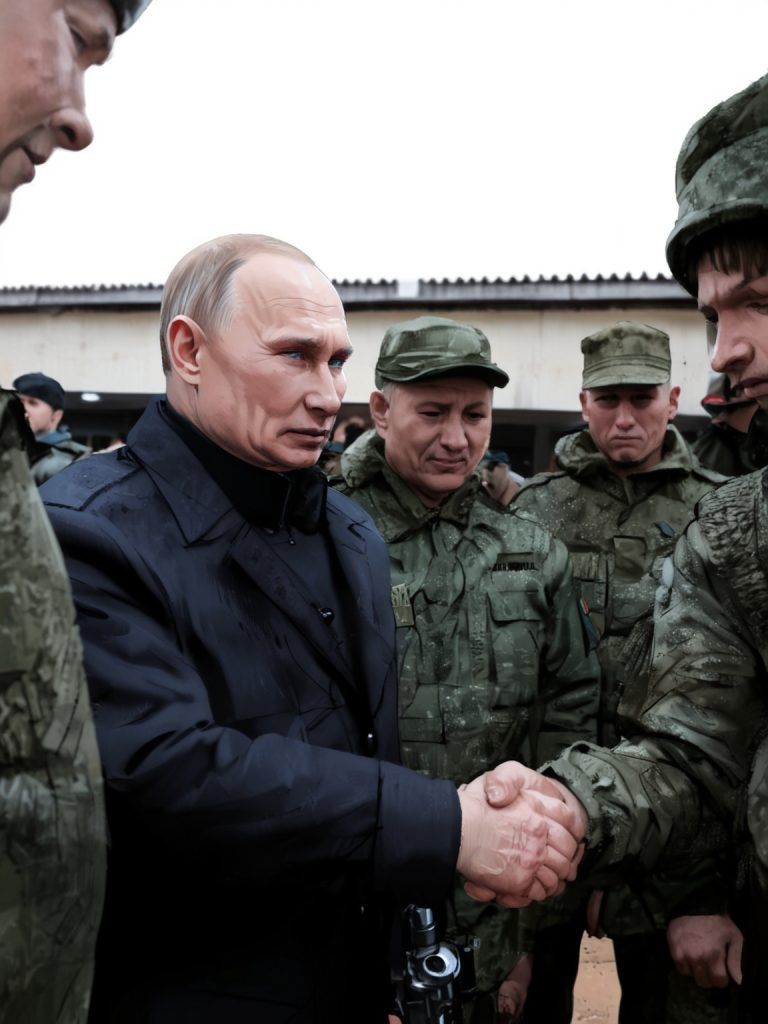
    Russia Faces Troop Shortage as Putin Weighs New Mobilization

    0
    • Putin resists a new troop mobilization despite Defense Ministry pressure due to potential political fallout.
    • Western estimates suggest Russia is losing more troops in Ukraine than it can replace through voluntary recruitment.
    • Ukraine’s incursions into Russian territory further strain Russian manpower, with military leaders pushing for more drastic actions.
    • Russia’s first post-invasion mobilization in 2022 sparked protests, making Putin hesitant to repeat it.
    • Casualty numbers remain high, leading Russia to rely on young and inexperienced conscripts to maintain the front lines.
    • Recruitment efforts, including financial incentives, continue across Russia, but they might not be enough to offset losses.
    • A new mobilization could have serious political consequences for Putin, as public opinion on the war remains divided.

    The topic of military mobilization in Russia has been a hot one for quite some time, especially after President Vladimir Putin dismissed a recent push from Defense Ministry officials to bring more troops into service. You might be wondering, why the hesitation? Why not just recruit more soldiers and call it a day? Well, let’s dive into the thick of it, with some wit, insight, and a sprinkle of sarcasm to keep things interesting.

    Putin’s Dilemma: Recruit More or Keep It Quiet?

    Months before Putin’s inauguration in May, he was urged by top military brass to roll out another round of mobilization to offset losses on the front lines in Ukraine. It sounds like a no-brainer, right? More troops equal more firepower. But, in true Putin style, he dismissed the idea, sticking with a strategy of using only volunteers who were signing up for military contracts. It’s as if he’s saying, “We don’t need to twist arms—those who want to fight will come willingly.” But, is that enough?

    Here’s the crux of the matter: while Putin avoids large-scale mobilization to prevent any political fallout, Western intelligence suggests Russia’s battlefield losses are outpacing their ability to replace fallen soldiers. Sounds like a classic case of trying to patch up a sinking ship with duct tape, doesn’t it?

    The Ukraine Incursion: The Heat is On

    As Ukraine pushes deeper into Russian territory, Moscow’s manpower is stretched thinner than ever. Russia’s military leaders are once again calling for mobilization, pushing to get fresh boots on the ground. Yet, even after more than a month of Ukraine’s incursions into Russian territory, Russia hasn’t managed to mount a significant counteroffensive. You’d think that would set off alarm bells in the Kremlin, but apparently not enough to act decisively—at least, not yet.

    Neither the Kremlin nor Russia’s Defense Ministry have had much to say on the matter. Classic move—silence sometimes speaks louder than words, but in this case, it just raises more questions.

    A Look at Russia’s Mobilization History

    Let’s rewind to Russia’s first post-invasion mobilization in 2022. Back then, 300,000 reservists and former soldiers were called up. It was a messy process, to say the least. Protests erupted across major cities, recruitment offices were set ablaze, and the borders turned into a stampede of men trying to escape the draft. This chaos is probably why Putin is so hesitant to pull the trigger on another round of forced recruitment.

    For Russia, mobilization can mean calling up anyone from reservists to military-aged civilians with zero experience. Sounds like a recipe for success, right? Especially when one of your earlier strategies involved recruiting prisoners to fight. When your recruitment efforts include inmates, it’s safe to say you’re scraping the bottom of the manpower barrel.

    Russia’s Manpower Woes: More Than Just Numbers

    Despite Russia’s larger population, they still struggle to keep up with Ukraine on the battlefield. The number of casualties is staggering—The Wall Street Journal reports around one million casualties in the war. Yes, Russia has a population advantage, but clearly, it hasn’t translated to a decisive military edge.

    Here’s the kicker: while Putin’s army is running on fumes, Ukraine has managed to hold its ground, even when faced with waves of Russian soldiers. Moscow has been forced to shuffle troops around from various units, including pulling soldiers from other front lines to defend against Ukraine’s advances into Russian territory.

    Russia has even resorted to deploying young and inexperienced conscripts to fill the gaps. This strategy is akin to trying to fix a leaky dam with a bunch of rookies—sure, it might work for a little while, but it’s not a long-term solution.

    Recruiting the Unwilling: Russia’s Latest Efforts

    In a desperate bid to replenish its forces, Russia has been recruiting volunteers left and right. By mid-July, the Defense Ministry claimed to have recruited around 190,000 men since the start of the year. But let’s be real: when you have to recruit from metro stations, handing out pamphlets like it’s a summer job fair, the optics don’t scream “well-oiled military machine.”

    To sweeten the deal, Putin doubled the one-time payment for new recruits to 400,000 rubles, or about $4,300—a tempting offer in many parts of Russia. But with fatalities reportedly climbing to 1,100 soldiers per day, it’s safe to assume that even this hefty paycheck might not be enough to convince everyone to sign up.

    “As I sip my morning coffee in my small apartment in St. Petersburg, I can’t help but wonder if Putin’s reluctance to mobilize more troops is just another miscalculation in a long series of blunders. I’ve seen the news and heard the rumors—our losses are mounting, and the pressure is clearly getting to the top brass. While the government insists everything is under control, it feels like we’re just patching over a sinking ship with bandages. How long can we keep this charade up before the whole thing unravels? I fear that the situation might get much worse before it gets better.”

    Natalia Ivanova, 47, St. Petersburg, Russia

    Russia’s Offensive in Ukraine: A Costly Gamble

    Earlier this year, Russia launched an offensive against Kharkiv, Ukraine’s second-largest city. They gained some ground but at a steep cost. Casualties were high, and the offensive eventually stalled, with Ukrainian forces halting their advance. The lesson here? Throwing more bodies at the problem doesn’t necessarily lead to victory.

    Commanders have been pushing their troops forward with the idea that it’s better to be in a strong position for potential peace talks. It’s like playing a game of poker where you go all-in, hoping the other player folds—except this time, there are actual lives on the line.

    My Take: Putin’s Balancing Act

    Now, Putin is walking a tightrope. On one hand, a new mobilization could strengthen his military. On the other, it could spark unrest and shift public opinion against the war. The last thing Putin wants is to disrupt the delicate narrative the Kremlin has built—that this war is a noble but distant cause, not something that should impact everyday life.

    Russians have been led to believe they can go on living normally, with rising incomes and promises of wealth redistribution. But a new wave of mobilization could shatter that illusion. Suddenly, the war isn’t just something happening “over there.” It’s at their doorstep.

    In a recent poll by the Levada Center, 46% of Russians feared a new wave of mobilization. That’s up 12% from earlier this year. It’s clear that the Russian public is becoming more aware of the war’s potential consequences on their own lives.

    But here’s the twist: despite this growing fear, support for continuing the war has bounced back to 41%, especially after Ukraine’s incursion into Russian territory. It’s a strange contradiction, isn’t it? Russians fear mobilization, yet many still support the war’s continuation. This duality is what makes Putin’s next move so crucial—and potentially so risky.

    A Mobilization Reckoning?

    So, where does this leave us? Putin faces a daunting choice. He can stick with the current strategy of volunteer recruitment, risking further losses and military setbacks. Or he can push for another mobilization, bringing the war home to Russian citizens in a way that could spark unrest and political instability.

    Either way, the situation is looking more precarious for Russia as the war drags on. The manpower shortage is no longer just a military problem—it’s becoming a political one. Putin may have managed to dodge the issue for now, but sooner or later, something’s gotta give.

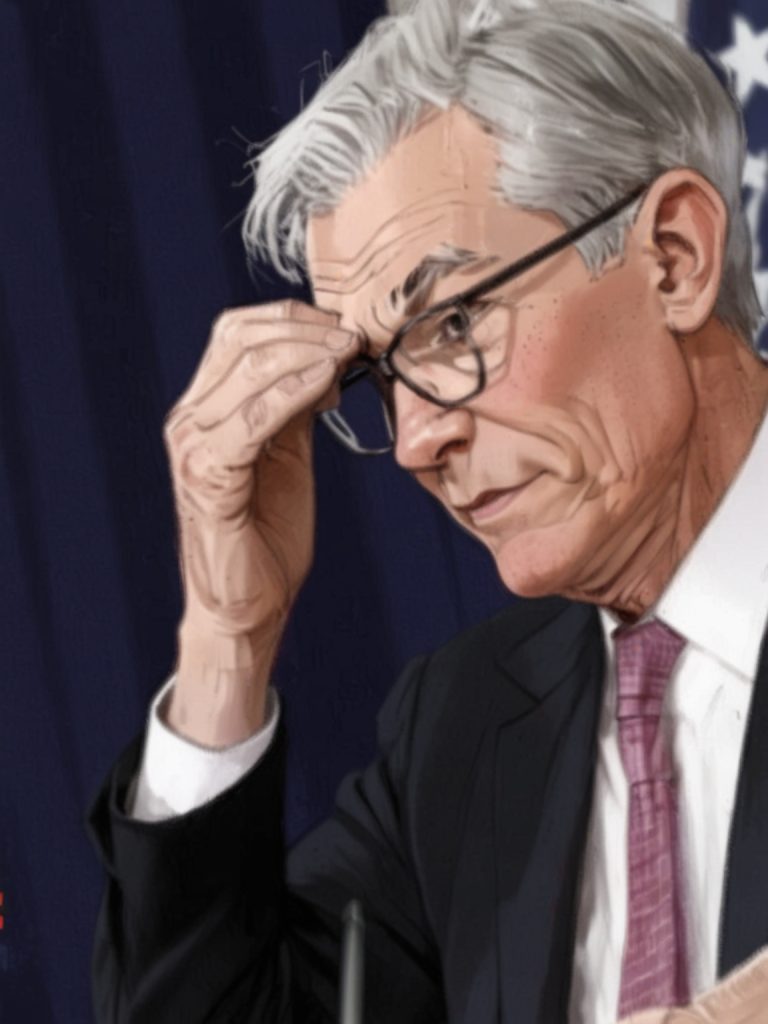
    Jerome Powell’s Bold Half-Point Cut

    0
    1. Federal Reserve’s Bold Move: Jerome Powell and the Fed cut interest rates by half a point, signaling a shift in monetary policy.
    2. Inflation and Labor Market: With inflation slowing down, the Fed is aiming to prevent a recession while keeping the labor market steady.
    3. Uncertainty in Rate Cuts: Despite this bold step, the Fed is unclear on how fast or far they will lower rates in the future.
    4. Political Reactions: Politicians have mixed views on the Fed’s decisions, with concerns about the timing and impact on upcoming elections.
    5. Housing and Corporate Impact: While the rate cut may offer some relief, challenges in housing affordability and corporate refinancing remain.
    6. Global Context: The Fed is joining other global central banks in adjusting interest rates after an aggressive fight against inflation.
    7. Future Outlook: The Fed is walking a fine line between preventing a recession and overcorrecting, with more cuts likely on the horizon.

    Fed Chair Jerome Powell has done it again—he’s thrown another twist into the economic game by lowering interest rates with a bold half-point cut. Now, for those of you keeping track, this isn’t just a small nudge; it’s a pretty significant move. And with it, Powell has opened the door to a whole new set of questions that even the Fed itself seems a little stumped on.

    The Bigger Picture: Powell’s Soft Landing Mission

    So, what’s really going on here? In case you’re wondering why Powell decided to drop rates like they’re hot, it all boils down to one big goal: trying to land the U.S. economy gently without smashing it into a recession. Inflation is finally simmering down, and Powell wants to make sure those previous rate hikes don’t spiral into an economic nosedive. Sounds simple, right? But here’s the kicker—the Fed doesn’t exactly know where it’s going with rates next, or how fast it will get there.

    The ‘Neutral Rate’ Guessing Game

    One of the big mysteries here is what economists call the “neutral rate.” This elusive figure is the sweet spot for interest rates—a rate that neither speeds up nor slows down the economy. Trouble is, nobody knows where that rate is anymore. Before the pandemic, many Fed officials thought it hovered around 2.5%. But now? That’s anyone’s guess. Rising government deficits and demand for investment may have pushed it up, but no one’s quite sure.

    Powell, being the ever-cautious guy he is, hinted that the neutral rate is “probably significantly higher” than it was pre-pandemic. How high? Well, in his own words: “I just don’t think we know.”

    How Fast Is Too Fast?

    Speaking of uncertainty, there’s also the question of speed. Powell made it clear that while the Fed just gave us a half-point cut, don’t expect that pace to become the new normal. He stressed, “There’s no sense that the committee feels it’s in a rush.” Translation? Buckle up, folks. This could be a slow and bumpy ride.

    Emily Grant, a 25-year-old marketing analyst from Seattle, couldn’t help but feel a mix of confusion and hope after hearing about Jerome Powell’s bold half-point interest rate cut. “I don’t know much about the Fed, but everyone keeps talking about how this affects everything from groceries to rent. Am I finally going to catch a break with my student loans or will it make things even messier?” she thought while scrolling through financial news on her phone. With the economy constantly in flux, Emily wondered if this was the moment her paycheck might actually stretch a bit further, or if another curveball was coming her way.

    The Economic Crystal Ball

    The truth is, nobody—including the Fed—has a perfect crystal ball for the economy. Case in point: the labor market. We’ve got two more months of job data before the next Fed meeting, and things are looking a bit mixed. The unemployment rate crept up to 4.2% last month, which suggests the job market is cooling. But here’s the thing: while it’s cooling, it’s not freezing over just yet.

    Powell and the Fed are trying to strike a balance between not choking off the economy and not letting inflation get out of control again. It’s like walking a tightrope with no safety net—and everyone’s watching.

    A Little Flashback: The Fed’s Inflation War

    Let’s take a trip down memory lane. For the past two and a half years, the Fed has been laser-focused on taming inflation, which shot up to a whopping 7% at its peak. And trust me, the Fed was not about to let that 1970s inflation nightmare repeat itself. You know the one—when they waited too long, and inflation spiraled out of control.

    But now, inflation has cooled off, thanks to healed supply chains and more workers reentering the job market. Things were looking up. But with the job market softening and unemployment ticking up, Powell shifted his focus. Now, it’s all about making sure we don’t go from cooling to outright freezing in the labor department.

    My Take: Is Powell the Hero or the Villain?

    Okay, let’s get real here. Is Powell some kind of economic superhero for making this bold move, or is he just winging it and hoping for the best? Honestly, it’s probably a little bit of both. On one hand, you’ve got to admire the guy for trying to thread the needle—taming inflation without tanking the economy. But on the other hand, let’s face it: the Fed is playing a high-stakes guessing game.

    One thing is for sure—Powell’s walking a tightrope. Too many rate cuts, and we might be looking at runaway inflation again. Too few, and the labor market could start spiraling downward faster than a broken elevator. It’s not an easy job, and while Powell’s calm demeanor might suggest he’s got it all under control, there’s no denying the uncertainty ahead.

    The Big Rate Cut Decision: Bold Move or Too Much, Too Soon?

    The Fed’s choice to slice rates by a bold half-point? Some say it’s like slamming on the brakes when you’re already going downhill. Eleven out of twelve Fed members were on board with it, but there was one dissenter—Michelle Bowman, a Trump-appointed governor, thought a smaller cut would’ve been just fine. Her argument? The economy isn’t weak enough to justify such a big move. She might have a point. But others felt the job market cooling and the slowing payroll growth were signals the Fed had to act quickly. The question now is whether they’re overcompensating for waiting too long.

    Powell seems to have opted for this bigger cut in what’s called a “risk management” approach. It’s like playing a game of chess—you make a bold move now to avoid worse problems down the line. But that doesn’t mean it’s a guaranteed win.

    Impact on Wall Street

    You’d think Wall Street would be jumping for joy with the rate cuts, right? Well, not quite. Stocks initially rose after the announcement, but then reality set in, and the markets dipped. The S&P 500 closed 0.3% lower, and the Dow Jones dropped 0.25%. It’s a reminder that nothing is straightforward in this economy. Investors were hoping for a softer approach, but now they’re facing the unpredictability of what comes next.

    What’s Next for Consumers?

    For everyday folks, there’s a silver lining. Credit card holders and small businesses with variable-rate debt should feel some immediate relief. Long-term borrowing costs—think mortgages and corporate loans—had already started to drop in anticipation of the rate cuts. But, before you start thinking it’s time to buy that dream house, take a breath. Even with lower mortgage rates, housing affordability is still a huge issue. Mortgage applications haven’t surged despite the rate drop, and housing activity remains sluggish.

    The Fed’s Wild Ride

    In conclusion, Powell and the Fed are navigating some seriously choppy waters. Sure, they’ve made a bold move to lower rates, but the real question is whether this will pay off in the long run. The economy is still a mixed bag, and while the Fed hopes this will prevent further job losses and keep things steady, it’s clear that we’re in uncharted territory.

    If there’s one takeaway here, it’s this: we’re all on this wild ride together. The Fed is doing what it can to steer the ship, but how smooth the landing will be is anyone’s guess. So, buckle up and enjoy the ride—because it’s going to be a bumpy one.

    Rate Cut Debate – Quarter or Half Point?

    0
    1. The Federal Reserve may cut interest rates to support a slowing job market while inflation eases.
    2. The debate revolves around whether to reduce rates by 25 or 50 basis points, balancing risks of inflation and unemployment.
    3. Recent economic data shows inflation trending toward the 2% goal, but job growth has slowed significantly.
    4. The Fed must weigh risks carefully—cutting too much could fuel inflation, but not cutting enough could harm growth.
    5. Quarterly projections will provide more insights on future interest rate decisions and their impact on loans and mortgages.
    6. Some experts believe a larger rate cut may prevent further economic downturns, but the Fed remains cautious.
    7. The decision reflects broader concerns about managing inflation while preserving economic stability.

    The Federal Reserve’s Rate Cut Conundrum: What’s the Best Move?

    Ah, the Federal Reserve. Our economic wizards, always trying to balance inflation and unemployment like it’s some kind of financial Jenga. And now, after months of sky-high interest rates, they’re pondering a move. Will they cut rates by a modest quarter point, or will they go all in with a hefty half-point cut? It’s like deciding whether to just trim your bangs or go for a full haircut.

    At the end of their two-day meeting this Wednesday, all eyes will be on Chair Jerome Powell. His decision could shift the course of the economy, and we’re all anxiously waiting to see if he’ll surprise us or play it safe. Spoiler alert: it’s not that simple.

    Inflation Is Cooling, So What’s the Hold-Up?

    Here’s the good news: inflation is finally simmering down. After years of stress at the grocery store, prices are stabilizing, and the Federal Reserve’s 2% target is in sight. Not quite there yet, but close enough to exhale a little.

    But wait, before you start planning a celebration, there’s a catch—the job market is cooling too. Unemployment, which was a solid 3.7% at the end of last year, is now creeping up to 4.2%. Meanwhile, monthly payroll growth has slowed down from an impressive 212,000 in December to a much more modest 116,000 by August.

    So, what does this mean for the Fed? It’s decision time. Cut rates to keep the job market strong, or hold back to avoid reigniting inflation? Tough call, right?

    Powell’s Balancing Act: A Tightrope Walk

    Jerome Powell, no doubt, has some sleepless nights ahead of him. The question he faces is a classic risk management dilemma: what’s more dangerous, keeping rates high and potentially hurting jobs or cutting too fast and letting inflation roar back?

    On one hand, we’ve got slower job growth. Even the Fed itself expects job gains to drop to around 100,000 per month. As Powell’s colleague, Christopher Waller, pointed out, that’s “nothing to be afraid of.” Easy for him to say, but for families that depend on stable jobs, slower growth could be scary.

    Shifting Expectations: The Markets Are Watching

    For months, investors assumed we’d be looking at a modest quarter-point cut. That’s been the narrative, and it’s what most people are expecting. But recently, some signals have hinted that maybe, just maybe, the Fed could surprise us with a half-point move.

    And that’s the crux of it—uncertainty. Powell will likely try to build consensus, but this decision is not an easy one. If the Fed chooses a larger cut, they’re signaling concern about the economy’s future. If they go smaller, they’re banking on stability.

    My Take on the Situation: Why Not Go Bold?

    If I were a betting person—and let’s face it, watching the Fed is a bit like gambling—I’d say, go bold, Powell! A half-point cut might be what we need to keep the economy humming along. Sure, inflation isn’t entirely under control, but is it worth risking jobs just to be cautious?

    The job market is already softening. Why not give it the boost it needs before things get worse? A bigger cut now could prevent a series of smaller cuts later, which only makes the Fed look reactive rather than proactive. Plus, with a larger cut, there’s a buffer. Even if the economy strengthens more than expected, we’ll still be at a manageable rate level.

    But hey, what do I know? I’m just someone watching from the sidelines, popcorn in hand, waiting to see how this all plays out.

    Looking Ahead: What’s Next for the Fed?

    After Wednesday’s meeting, the Fed will release its quarterly economic projections. This is where things get even more interesting. These projections will give us a sneak peek into what Powell and his team think about the future of interest rates, inflation, and unemployment.

    Will there be more cuts in store? Possibly. If the Fed signals that they expect another half-point cut later this year, that could shake things up even more. But if they go the cautious route, expect smaller cuts spread over the remaining meetings.

    One thing’s for sure: this decision is a close call. It’s not black and white, and there will likely be debates among policymakers. But whatever happens, let’s hope they strike the right balance between supporting the job market and keeping inflation in check.

    After all, the Fed has been here before. They’ve raised and lowered rates in increments to study the effects. But when push comes to shove, they move fast if they think their stance is out of whack. Remember 2022? Those 50- and 75-point hikes came at us quickly when inflation was spinning out of control. So, don’t be shocked if this week’s decision comes with a bit of drama.

    “I don’t know much about the Fed, but if these rate changes mess up my chances of buying a house anytime soon, I’ll definitely start paying attention.”

    Name: Jake Thompson
    Age: 28
    Location: Austin, Texas

    Recent Events Related to the Federal Reserve’s Interest Rate Decisions

    1. July 2023 Rate Hike
      In July 2023, the Federal Reserve raised interest rates by 0.25%, pushing the federal funds rate to a range of 5.25% to 5.5%. This marked the 11th hike in just over a year, showing the Fed’s ongoing efforts to control inflation while balancing economic growth concerns.
    2. August 2023 Job Market Report
      The U.S. labor market showed signs of cooling in August 2023, with the unemployment rate rising to 4.2%. Payroll growth slowed to an average of 116,000 jobs per month from June to August, reflecting softer labor demand.
    3. September 2023 Fed Meeting
      In September 2023, the Fed faced a tough decision: whether to cut rates due to cooling inflation or hold steady to avoid reigniting inflationary pressures. The meeting underscored the central bank’s delicate balancing act between controlling inflation and supporting employment.
    4. Jackson Hole Symposium 2023
      At the annual Jackson Hole symposium in August 2023, Federal Reserve Chair Jerome Powell signaled that while inflation was decreasing, the Fed remained cautious about declaring victory too soon. This emphasized the uncertain nature of future rate cuts and their potential impact.
    5. U.S. Inflation Data (July 2023)
      Data from July 2023 showed inflation moderating to an annualized rate of 3.2%, down from over 9% in 2022. While this signaled progress, the rate remained above the Fed’s 2% target, complicating decisions on rate cuts.

    These recent events highlight the Federal Reserve’s ongoing struggle to balance inflation and employment goals. July’s rate hike and August’s labor market report show both progress and uncertainty, which the Fed must consider in its rate decisions. The Jackson Hole Symposium offered insights into the central bank’s cautious stance, emphasizing that while inflation data looks better, challenges remain. These events paint a picture of the complex economic environment in which the Federal Reserve operates, illustrating the delicate decisions it faces in adjusting interest rates.

    Sources:

    Who Will Win – Jobs or Inflation?

    In the end, the Federal Reserve’s decision boils down to a tricky balancing act. The stakes are high. On one side, we have a slowing job market that could use a little TLC. On the other, inflation, still lingering in the background, reminds us not to get too comfortable.

    Powell’s choice will set the tone for the rest of the year, and we’re all just waiting to see which way the scales tip.

    What we learned about Queen Woo Ending

    4

    So, we’ve reached the end of “Queen Woo,” and let me tell you, it’s been quite the rollercoaster. Episode 8 dives deep into a flashback from 18 years ago—talk about digging up old family drama! We see King Go Na-mu giving his brother’s nose a trim. No, this isn’t a family feud over a missed haircut appointment; it’s a brutal message to anyone considering treason. Fast forward to today, and the Crown Prince is back, angrier than ever and ready to reclaim his throne with the help of his new BFF, Bal-ki.

    Key PointDetails
    Crown Prince’s ReturnThe Crown Prince returns after joining forces with Bal-ki to reclaim the throne, seeking revenge for past wrongs.
    Queen Woo’s StrategyQueen Woo sends ancestral swords to the five clans, asking for their loyalty. She wins over the Jwa family and Eastern clans.
    Seol-joo’s LoyaltySeol-joo supports Queen Woo due to her belief that she will marry Yeon-woo, motivated by political advantage.
    Queen’s DeterminationDespite the odds, Queen Woo prepares to fight for her people, showing her resilience and leadership in the face of war.
    Fifth Prince’s ChoiceGo Gye-su supports Queen Woo out of loyalty to his brother, King Go Na-mu, although he disapproves of her levirate marriage.
    Bal-ki’s AlliancesBal-ki gains support from the mounted warriors, Hae family, and Crown Prince, but trust issues and betrayals remain among the factions.
    Cliffhanger EndingThe season ends with Queen Woo leading her soldiers into battle, but the actual battle is not shown, leaving viewers eager for a second season.
    This table highlights the main events and themes of the “Queen Woo” finale.
    Queen Episode 8. Credits: TVING

    Mo-chi’s Loyalty and Queen Woo’s Strategy

    Over at the palace, Mo-chi, our dedicated warrior, refuses his payment. Instead, he swears his loyalty to Queen Woo. She, in turn, gives him a pardon and lets him rejoin the Wangdang. With a renewed sense of purpose, the team gears up for battle.

    Eul Pa-so, ever the skeptic, doubts their chances of victory. But Queen Woo isn’t just playing the game; she’s rewriting the rules. She’s ready to abandon the capital if it means saving her people. Talk about dedication!

    Queen Episode 8. Credits: TVING

    The Queen’s Tactical Moves

    So, what’s Queen Woo’s grand plan to win this war? Mu-gol suggests making a quick play for the five clans. In a move that’s equal parts dramatic and strategic, she sends each clan their ancestral swords—because nothing says “we mean business” like a historical heirloom. She asks them to honor their ancestors’ pledge to King Chu-mo.

    To seal the deal, she sends the Jwa family a message about their daughter’s untimely demise at the hands of Bal-ki. Guess what? This sympathy card works wonders in gaining their support. She also secures the backing of the Eastern families led by Seol-joo, who’s on her side mainly because she thinks Queen Woo is about to marry Yeon-woo. Oh, the tangled webs we weave!

    Seol-joo, it turns out, is suspected of collaborating with Sa-bi. After Sa-bi’s death, she orders his body buried and his father to be executed. Because, you know, why stop at one form of treachery when you can go for a family double whammy?

    Queen Episode 8. Credits: TVING

    Bal-ki’s Moves and Queen Woo’s Growing Support

    On the other side, Bal-ki is not sitting idly by. He gains the support of the mounted warriors, the Hae family, and the Crown Prince. But here’s the twist: most of his subjects are fleeing to the capital to seek Queen Woo’s protection. Yeon-bi decides to sit on the fence until the war kicks off, and one tribe plays the ultimate game of “Not Involved” to save their own skins.

    Meanwhile, Queen Woo’s army isn’t made up of just anyone; citizens are rallying with enthusiasm. Able-bodied men and women are sharpening their sword-fighting skills and practicing archery. If this doesn’t scream “warrior spirit,” I don’t know what does.

    Queen Episode 8. Credits: TVING

    The Fifth Prince’s Loyalty

    So, where does the Fifth Prince, Go Gye-su, land in all this drama? He’s still mourning his brother Na-mu but vows to protect his legacy. Despite his reservations about Queen Woo’s marriage plans, he stands by her side. It’s all very noble of him, especially since he’s not exactly thrilled about her choice of husband. He begrudgingly supports her, which turns out to be a crucial boost for her cause.

    Queen Episode 8. Credits: TVING

    No-eum and the White Tigers

    Now, onto No-eum and his band of White Tigers. They capture Gye-su’s family, but instead of a warm welcome, they deliver them to Bal-ki. Bal-ki, already in a foul mood from failing to capture the queen, goes ballistic and kills one of the White Tigers. No-eum is practically bursting with rage, but he holds back and joins Bal-ki’s campaign against the queen.

    Queen Episode 8. Credits: TVING

    Song-woo’s Betrayal

    Eul Pa-so uncovers a potential betrayal from Song-woo. He arrests Song-woo and promises to squeeze out the truth. Turns out, the King and Queen were already suspicious of Song-woo even before the King’s death. They had Mil-woo keeping an eye on him, under the guise of being allies.

    Eul Pa-so’s Redemption

    Eul Pa-so, caught in the web of betrayal, is also under scrutiny. The Queen knows about his underground revenge room and his dubious activities. Initially, she suspected him of killing the King. Imagine her relief when she finds out he didn’t. She offers him a chance to redeem himself by joining her side in the quest to build a new Goguryeo. Eul Pa-so agrees and heads to war, realizing that despite his opposition to the war, the Queen’s determination is unwavering. It’s almost poetic: the Queen’s dream of becoming a warrior is finally coming true, albeit posthumously for the King.

    Queen Episode 8. Credits: TVING

    The War and Its Outcome

    As the episode builds to its climax, Bal-ki and the Crown Prince are poised to attack the palace. Even though they’ve teamed up with the Hwa family, there’s no love lost there. The Crown Prince remembers the Hwa family’s past betrayals and plans to get his revenge after the dust settles. The two princes also get reinforcements from their enemies, making this a real nail-biter.

    Queen Episode 8. Credits: TVING

    The Finale: Queen Woo’s Big Moment

    How does “Queen Woo” end? With a dramatic flourish, Queen Woo breaks free from her father’s constraints. She declares that, despite being a woman, she’s ready to fight for her people. She’s tired of being a pawn in a male-dominated game. This is why she chose Yeon-woo—he won’t stifle her dreams.

    The episode wraps up with Queen Woo leading her soldiers into battle, bronze sword in hand. Based on the initial flashback, it’s safe to assume she emerges victorious. But did we really need to be left hanging?

    Queen Episode 8. Credits: TVING

    The Episode Review

    Here’s the thing: after seven episodes of intense build-up, the finale left us high and dry. We were promised a climactic battle, but instead, we got a cliffhanger. It feels like the show pulled the rug out from under us. What about all the gut-spilling action we were eagerly anticipating?

    Still, let’s give credit where it’s due. “Queen Woo” managed to keep us hooked with its strong female lead and its ambitious narrative. Queen Woo’s character development is commendable—she’s a warrior with a heart of gold, fighting against the odds. Hollywood, take note: this is how you craft a compelling female protagonist.

    We do have lingering questions, though. Why did the King keep Eul Pa-so close despite knowing his treachery? What’s the real story behind Song-woo? Will Bal-ki and the Crown Prince turn on each other? And, most importantly, did Queen Woo and Yeon-woo tie the knot?

    In the end, “Queen Woo” delivered a decent finale, but it lacked that unforgettable punch. Here’s hoping for a second season to tie up the loose ends and give us the epic conclusion we’ve been waiting for.

    “I can’t believe Queen Woo ended with that massive cliffhanger—if there’s no season two, I’ll never forgive them!”

    Ji-hye Park, 25 year old female

    New Insights and My Take

    Watching “Queen Woo,” it’s clear that the show has crafted a strong, multi-dimensional female lead who defies conventional expectations. Queen Woo’s journey is not just about war but also about breaking free from societal constraints. Her choice to fight for her people, despite the personal costs, is both empowering and inspirational.

    As for the cliffhanger, it’s both frustrating and exciting. It leaves viewers yearning for more while appreciating the character depth and complex plotting that has been built throughout the series. Here’s to hoping that the next season delivers on the promises left hanging in this finale.

    Until then, keep your swords sharp and your hopes high!

    Love Next Door Recap: When Your Rom-Com Turns Into a Soap Opera

    0

    Picture this: a quaint neighborhood, two neighbors falling in love, and a sprinkle of heartwarming moments. Sounds like a classic rom-com, right? Well, think again. “Love Next Door” has taken a dramatic turn, veering off the well-trodden path of romantic comedies and plunging headlong into the turbulent waters of a full-blown soap opera.

    TL;DR

    • Episodes 9 and 10 Recap: A deep dive into the dramatic shift from lighthearted rom-com to heavy melodrama, focusing on Seok-ryu’s health crisis.
    • Hyun-joon and Seok-ryu’s Relationship: Flashbacks reveal a bittersweet love story, revealing how illness and depression strained their bond.
    • Seung-hyo’s Heartbreak: Seok-ryu turns down Seung-hyo’s feelings, triggering emotional chaos and heartache for the character.
    • Emotional Confrontations: Tense moments between Seok-ryu, her family, and Seung-hyo after the revelation of her past illness.
    • A Dramatic Goodbye: Hyun-joon leaves Seok-ryu and her family behind after years of support, giving the drama a tear-jerking twist.
    • Seok-ryu’s Future: The latest biopsy shows Seok-ryu is healthy, but the drama leaves the door open for more heartbreak or romance.
    • Viewer Insights: Reflects on the emotional rollercoaster and questions whether the drama should have stuck to its rom-com roots.

    Let’s face it, folks. Our cute, breezy rom-com has taken a detour. What started as a light-hearted story of neighbors falling in love has somehow transformed into a melodramatic soap opera about health crises, broken hearts, and enough angst to last us a lifetime. I’d like to propose we rename the show Angst Next Door because the romance we signed up for is nowhere to be found.

    Seok-ryu’s Saga: More Flashbacks Than I Asked For

    Episode kicks off with Seok-ryu getting checked out at the hospital, and what do we get? A delightful (read: excessive) series of flashbacks about her life with Hyun-joon in the States. Oh yes, the cute engagement, her diagnosis, treatment—basically, a lifetime’s worth of drama crammed into five minutes. Here’s my issue: while this is supposed to make us feel bad for her, it mostly just makes me feel robbed. Robbed of the fun, romantic banter I came for.

    Now, don’t get me wrong, I’m glad she had someone like Hyun-joon to support her. But seriously? She couldn’t talk to her own family during all this? Was there no group text available? No “Hey fam, I might be dying over here” kind of message? Apparently not. And now, it seems like we’re all stuck in her never-ending drama.

    The Plot Twists Keep on Coming

    Oh, but wait, there’s more. The drama seems to love toying with us, cutting scenes short, flashing back and forth, and keeping us on edge about Seok-ryu’s health. Is she sick again? Are we about to go through all this mess a second time? Who knows, because the show sure isn’t telling us.

    In a classic K-drama twist, we find out Hyun-joon didn’t actually cheat on Seok-ryu after all. Remember that Pool Party Girl? She wasn’t a mistress; she was just helping Hyun-joon with the oh-so-romantic task of… taking out his contact lens. Yes, you read that right. A little anticlimactic, huh?

    But the real reason their relationship fell apart is something much more somber. After Seok-ryu’s treatment, she went into a deep depression, which caused their relationship to crack. Realistic? Absolutely. Belonging in my fun rom-com? Not so much.

    The Jungle Gym Heartbreak

    Fast forward to the present, and Hyun-joon is here to stay. He even proposes again, and for a hot second, we’re led to believe Seok-ryu is going to say yes. But no. Instead, we get a heart-wrenching scene where Seung-hyo—our dear boy-next-door—confesses his feelings to Seok-ryu. Does she take it well? Of course not. Instead, she brutally shuts him down, calling him just a “little boy” in her eyes. Ouch.

    Seung-hyo is crushed, and honestly, so am I. This poor guy has been nothing but sweet, and Seok-ryu doesn’t just friend-zone him—she tosses him into the recycling bin and rolls him to the curb.

    Cue The Heartbreak Fever

    As if Seung-hyo’s heartbreak wasn’t enough, the poor guy gets a fever. Oh sure, they call it “seasonal,” but we all know what’s really going on here: it’s the Fever of Heartbreak™. Even though she crushed him earlier, Seok-ryu can’t help but nurse him back to health. Classic.

    It’s during this little caretaking moment that Seung-hyo finally sees some medical paperwork sticking out of her purse. Yes, folks, because why wouldn’t she carry around such private documents for all to see? Cue the big reveal: Seok-ryu was sick. And Seung-hyo? He’s devastated.

    Let’s Add Some Family Drama to the Mix

    And if that wasn’t enough emotional chaos, both their moms walk in. Yep, you read that right. We’ve now got a full-blown family crisis on our hands. Seok-ryu’s mom is devastated. And to make things even worse, she finds out her daughter kept all of this a secret for three years. Not cool, Seok-ryu. Not cool.

    In one of the most gut-wrenching scenes of the entire series, Seok-ryu’s mom drags her home, spilling the beans to Dad and Dong-jin. Honestly, at this point, I feel like I need a drink. Or a vacation. Or both.

    Where’s My Rom-Com?

    Here’s where I start asking myself, “Why am I even watching this?” I signed up for a cute story about two neighbors falling in love, not a soap opera about cancer and broken families. It’s all a bit much, don’t you think?

    Now, don’t get me wrong. The acting? Fantastic. Park Ji-young as Seok-ryu’s mom delivers a powerhouse performance, saying more with her silence than words could ever do. The rest of the cast does a stellar job too. But honestly, I didn’t come here to cry. I came here to swoon, laugh, and get butterflies in my stomach. This level of grief and angst doesn’t belong in my rom-com.

    My Hot Take: This Drama Missed the Mark

    If I may offer my two cents, this show had all the ingredients for a fun, heartwarming romantic comedy. But somewhere along the way, it took a hard left into melodrama-ville, and now we’re left with a show that doesn’t know what it wants to be. Sure, the message that you need your loved ones during hard times is a valuable one. But here’s the thing: there are better ways to tell that story without completely abandoning the lighthearted tone we fell in love with.

    Seok-ryu’s bitterness and tendency to push people away is a major theme, and that’s fine. But the execution? Messy. We’re left with characters who are supposed to be falling in love, but instead, they’re drowning in unresolved grief and trauma. This isn’t the show we were promised.

    Hyun-joon Deserved Better

    Of all the emotional outpouring in these episodes, Hyun-joon’s storyline hit me the hardest. He stayed by Seok-ryu’s side through everything—her diagnosis, treatment, depression, and eventual recovery. And yet, in the end, he’s the one who leaves. Why? Because he sees that Seok-ryu has a strong support system now and figures it’s time to bow out gracefully. Honestly, I hate this for him. He deserved better.

    Thankfully, Seung-hyo comes to the rescue, rushing Seok-ryu to the airport to say a proper goodbye before Hyun-joon flies off into the sunset with his U.S. passport. Seung-hyo thanks Hyun-joon for taking care of her, which, honestly, is a classy move. And then, Seok-ryu? She… shakes Hyun-joon’s hand. Yep. That’s it. No emotional hug, no heartfelt goodbye, just a handshake. And that’s when I lost it. I wanted to cry for days, but honestly, I’m too mad at this show to let it have the satisfaction of my tears.

    Mo-eum’s Moment (Finally)

    Amid all the drama, we do get a sweet little moment with Mo-eum and Dan-ho. After hearing about Seok-ryu’s health scare, Mo-eum opens up to Dan-ho about her own feelings. In return, he shares the traumatic story of how his wife died in an accident and how Yeon-du barely survived. It’s a tender moment, and for a second, I thought, “Ah, here’s the romance we’ve been missing.” But nope. It’s all quickly undercut by Mo-eum planting a dead fish kiss on Dan-ho before head-butting him and running away. Sigh. Show, we deserve better than this.

    Is There Any Hope for Romance?

    By the end of Episode 10, it seems like we’ve finally closed the door on Seok-ryu’s health crisis. She’s fine, by the way. Her latest biopsy came back normal. But something tells me that this drama isn’t done torturing us just yet. With only a few weeks left, I’m torn. Do I want the show to shift gears back to the romance we were promised, or am I too emotionally exhausted to care?

    Honestly, I’m not sure. All I know is, I came for the rom-com, and what I got was a rollercoaster of grief, heartbreak, and medical scares. Let’s hope the final episodes bring us some long-overdue romance because after all the tears, we deserve a happy ending.

    Final Thoughts: What’s Next?

    If you’ve made it this far, congratulations. You, like me, are invested enough to see how this whole mess plays out. And despite all the angst, heartbreak, and tears, I’m holding out hope that the final episodes will give us the sweet, romantic payoff we’ve been waiting for. So, here’s to hoping we finally get that window-peeking, bedroom-whispering, heart-fluttering romance we signed up for. Because after all the drama, we could all use a little love next door.

    Want more dramatic twists and turns? Check out our other K-drama recaps for a dose of emotional rollercoaster action. And remember, sometimes, the most unexpected things can happen in the most ordinary places.

    New Covid Variant XEC: Should We Be Worried or Just Stay Vaccinated?

    0

    A double-edged sword hangs in the air, its blade poised between fear and resilience. A new chapter has been written in the pandemic saga, a chapter titled “XEC.”

    The XEC variant, a mischievous blend of Omicron’s subvariants, has emerged from the shadows, ready to dance its deadly waltz. Its name, a cryptic acronym, evokes a sense of unease, a warning that something sinister is lurking. But is it truly a cause for alarm, or merely a tempest in a teacup?

    TL;DR

    • Stay informed: Keep up-to-date with the latest information from reputable sources like the CDC, WHO, and local health departments.
    • Get vaccinated: Ensure you and your eligible family members are fully vaccinated against COVID-19, including booster shots.
    • Practice good hygiene: Wash your hands frequently, avoid touching your face, and maintain social distancing.
    • Wear a mask: In crowded indoor settings or when around vulnerable individuals, consider wearing a high-quality mask.
    • Monitor your health: Be aware of COVID-19 symptoms and seek medical attention if necessary.

    Just when we thought the world had a grip on Covid, it’s time to brace ourselves for a new chapter in the pandemic saga: the XEC variant. Yep, it’s here, and it’s not shy about making its rounds. Identified in Germany back in June, this newcomer is already making itself at home in the UK, US, Denmark, and beyond. Let’s break this down, shall we?

    CategoryDetails
    Variant NameXEC Variant
    First IdentifiedJune 2024, Germany
    SpreadUK, US, Denmark, Germany, Slovenia, Poland, Ukraine, China, and more
    OriginHybrid of Omicron subvariants KS.1.1 and KP.3.3
    Key MutationsFLiRT (KS.1.1) and FLuQE (KP.3.3) mutations on the spike protein
    SymptomsFever, sore throat, cough, body aches, tiredness, loss of smell, appetite
    RiskPotential for rapid spread and becoming dominant strain
    Vaccination ProtectionVaccines expected to protect against severe illness, not specific to XEC
    Current MonitoringBeing closely tracked by scientists for potential growth and behavior
    PreventionVaccination, hygiene, booster shots, air quality improvement
    This table provides a quick overview of the XEC variant and its key characteristics.

    What’s New with XEC?

    So, what makes XEC so special? It’s essentially a mash-up of two Omicron subvariants, KS.1.1 and KP.3.3 (we know, they sound more like robot names than viruses). KS.1.1 is a FLiRT variant—yes, you read that right—characterized by mutations that affect how the virus attaches to human cells. Meanwhile, KP.3.3 is a FLuQE variant with its own mutations that make it even more efficient at binding to human cells. Lovely, right?

    According to scientists, these new mutations give XEC an edge when it comes to spreading, particularly as we head into the autumn months. Eric Topol, director of the Scripps Research Translational Institute, even said, “At this juncture, the XEC variant appears to be the most likely one to get legs next.” Translation: it’s gaining momentum, and fast.

    How Is It Spreading?

    As of now, over 500 samples of XEC have been found across 27 countries, including Poland, Ukraine, China, and Luxembourg. It’s especially thriving in Denmark and Germany, where it’s showing “strong growth,” according to Covid data analyst Mike Honey. And let’s not forget Slovenia, where over 10% of Covid cases in August were linked to XEC.

    But here’s the kicker: with less routine testing these days, we don’t really know how much Covid is lurking around. So, while XEC is undoubtedly spreading, the true extent of its reach might be a bit of a mystery.

    Symptoms: Same Old, Same Old?

    Before you hit the panic button, let’s talk symptoms. They’re pretty much the same as previous Covid variants: fever, cough, sore throat, tiredness, and body aches. Sound familiar? That’s because it’s still part of the Omicron family. Most people, according to experts, will recover within a few weeks—though it can take longer for some.

    So, should you be worried? Not really. The good news is that vaccines should still offer strong protection, especially against severe illness and hospitalization. That’s the part we all really care about, right? The booster shots, offered for free by the NHS to those at higher risk (like adults 65 and over, or people in care homes), are updated to match recent variants—though, admittedly, not XEC specifically. But they should still do the trick.

    My Two Cents: Should We Be Worried?

    I’m here to offer a bit of perspective. Yes, XEC sounds like the villain in a bad sci-fi movie, and yes, it’s spreading. But here’s the thing: we’ve been through this before. Remember Delta? Omicron? We managed to keep things in check by doing the basics—vaccination, hygiene, and a dash of common sense.

    So, should we freak out about XEC? Probably not. Should we stay informed, get our boosters, and keep washing our hands like civilized humans? Absolutely. If you’re part of a higher-risk group, consider taking that extra step for protection. The rest of us? We’re likely in the same boat we’ve been in for the last few years. Stay cautious, but there’s no need to stockpile toilet paper just yet.

    The Bigger Picture

    Viruses mutate—it’s what they do. The UK Health Security Agency (UKHSA) even reminds us that it’s completely normal for viruses like Covid to change over time. This isn’t some freak occurrence, but part of the virus’s natural evolution. And while XEC might be more contagious, it’s not reinventing the wheel. The same prevention methods we’ve been using still apply: vaccines, boosters, good hygiene, and a pinch of common sense.

    The Role of Vaccines

    One of the key takeaways from the rise of XEC is the continued importance of vaccination. Even though the new variant has a few fresh mutations, experts still believe that current vaccines will offer solid protection against severe outcomes. And let’s be honest, that’s what really matters—nobody wants to end up in the hospital.

    The NHS is offering free booster shots to those most at risk, including adults over 65, care home residents, and frontline healthcare workers. The vaccines have been updated to better match recent variants, but not XEC specifically. Still, the consensus is that they should offer decent protection.

    The Future of XEC

    Scientists are keeping a close eye on XEC to see how it behaves over the coming months. Some experts predict that it could become the dominant strain, especially as we move into colder weather and people spend more time indoors. But again, it’s not the first variant to threaten a “takeover,” and it likely won’t be the last.

    For now, it’s all about staying informed and taking the necessary precautions—without losing sleep over it.

    Recent Developments Related to the XEC Variant

    1. XEC Variant’s Rapid Spread in Europe:
      • Source: European Centre for Disease Prevention and Control (ECDC) – https://www.ecdc.europa.eu/en
      • Description: The ECDC has reported a significant increase in XEC cases across multiple European countries, highlighting its rapid spread and potential for becoming a dominant variant.
    2. Impact on Hospitalizations and Deaths:
      • Source: World Health Organization (WHO) – https://www.who.int/about
      • Description: The WHO has released data on the number of hospitalizations and deaths associated with XEC infections, providing insights into its severity and the effectiveness of vaccines and treatments.
    3. Emerging Subvariants of XEC:
      • Source: Centers for Disease Control and Prevention (CDC) – https://www.cdc.gov/
      • Description: The CDC has identified new subvariants of XEC, potentially with different characteristics or levels of transmissibility. These findings underscore the ongoing evolution of the virus and the importance of continued surveillance.
    4. Vaccine Effectiveness Against XEC:
      • Source: National Institutes of Health (NIH) – https://www.nih.gov/
      • Description: The NIH has conducted studies to evaluate the effectiveness of existing COVID-19 vaccines against XEC infections, providing information on their ability to protect against severe illness and hospitalization.
    5. Impact on Vulnerable Populations:
      • Source: Johns Hopkins University Center for Health Security – https://www.centerforhealthsecurity.org/
      • Description: The Center for Health Security has analyzed the impact of XEC on vulnerable populations, such as the elderly, immunocompromised individuals, and healthcare workers, highlighting the need for targeted interventions and protections.

    My Final Take: Should You Care?

    Look, I get it. New variant names pop up, and suddenly it feels like we’re back in the early days of the pandemic. But here’s the thing: we’ve learned a lot since then. We’ve got vaccines, boosters, and a wealth of knowledge about how to manage this virus. XEC is a reminder that Covid isn’t going anywhere just yet, but it’s also not some unstoppable force. As long as you’re taking the right precautions, you’re doing your part.

    And honestly, if you’re reading this and thinking, “Here we go again,” I don’t blame you. But maybe take this as an opportunity to stay vigilant without getting overwhelmed. Wash your hands, get your booster, and trust that we’ve come a long way since 2020.

    Who knows? Maybe XEC is just another blip on the Covid radar. Let’s hope so.

    Want to stay informed about the latest health trends and emerging threats? Check out our other articles in the Health category for more insights and expert advice.

    Queen Woo: When A Woman Outwits Kings but Can’t Outwit the Script

    0

    In a world where women were relegated to the sidelines, Woo Hee reigned supreme. A chess player in a court of pawns, she outmaneuvered kings and nobles with a cunning that rivaled Machiavelli. But as the series unfolded, it became apparent that even the most brilliant queen couldn’t outwit the script’s limitations.

    Like a beautifully wrapped gift that turns out to be a lump of coal, Queen Woo promised a captivating tale of political intrigue and female empowerment. However, the execution fell short, leaving viewers feeling as disappointed as a child on Christmas morning who finds their stocking stuffed with socks.

    TL;DR

    • Strengths: Queen Woo is a compelling character, and the show’s political intrigue is initially captivating.
    • Weaknesses: The narrative becomes scattered, the ending is rushed, and the characters lack depth.
    • Key Takeaway: A strong female lead and intriguing premise can’t overcome a flawed execution.

    Ah, Queen Woo. A drama that had so much potential, yet ended up like that cake you accidentally left in the oven too long—burnt at the edges and hollow in the middle. What starts as a promising narrative of intrigue, political strategy, and family betrayal unravels into a tangled mess of missed opportunities. But let’s dive in, shall we?

    Our titular queen, Woo Hee, is sharp, resourceful, and undeniably the backbone of this series. She outmaneuvers enemies and manipulates alliances like a master chess player—but, oh boy, does the script let her down with all the sex scenes. You’d think that with all this scheming, the story would build to a satisfying climax, right? Wrong. Instead, we’re left with a hurried, lackluster ending that leaves more questions than answers.

    A Queen’s Wit Versus A Thin Plot

    The show begins with Woo Hee navigating a complex political landscape. She’s constantly dodging enemies, plotting escapes, and outsmarting the men who seek to control her. It sounds thrilling, and for a while, it is. One of her standout moments comes when she uses an old anecdote to lure her enemies into a trap. Rocks come crashing down, enemies get squashed, and Woo Hee is one step closer to survival. Impressive, right?

    But here’s the thing: As exciting as those action-packed scenes are, the show spends too much time on spectacle and too little on substance. The narrative quickly becomes scattered, leaving us chasing after loose plot threads that don’t lead anywhere satisfying.

    The Fourth Prince, or the Human Soggy Noodle

    Woo Hee then turns her attention to the fourth prince, Go Yeon-woo. If ever there was a royal who should’ve been left to sit in a corner and twiddle his thumbs, it’s this guy. He’s shallow, vain, and all too easily manipulated by Woo Hee. She practically has him agreeing to a levirate marriage just by batting her eyelashes. A lesser queen might’ve wasted her time with a more strategic suitor, but Woo Hee knows exactly who she’s dealing with—someone easily controlled.

    Still, it’s hard not to feel like the whole marriage scheme is a distraction from the real issues at hand. Woo Hee’s cunning is clear, but the plot? Not so much.

    Family Betrayal at Its Pettiest

    Then there’s Woo Hee’s sister, Woo Sun. Talk about sibling rivalry gone horribly wrong. Woo Sun betrays her sister, and it’s not even for a noble cause. It’s pure jealousy. She’s not content with what she has until it becomes something Woo Hee has. Woo Hee, ever the pragmatic queen, confronts her sister and sets up a tense showdown. Both draw their bows, both fire—only Woo Hee’s arrow hits its mark. The tension is palpable, but it also feels like a wasted opportunity to explore deeper themes of guilt or internal conflict. Instead, the show moves on at breakneck speed, barely pausing to let the emotional weight sink in.

    A Game of Chess No One Wins

    The ongoing chess match between Woo Hee and Eul Pa-so is one of the series’ more interesting elements. It’s a metaphor for the political power plays that happen throughout the drama. Eul Pa-so, a brilliant strategist in his own right, seeks revenge for his family’s downfall. He’s smart, calculated, and willing to bide his time.

    Woo Hee had already predicted all his moves. It’s a classic “I’m three steps ahead of you” moment that reinforces her brilliance. The problem? We don’t see enough of their dynamic. The show gives us tantalizing glimpses into their relationship but never fully explores the tension between these two intellectual powerhouses. And, honestly, that’s a shame.

    The Court of Missed Opportunities

    Now, the court intrigue should’ve been the juicy center of Queen Woo, but instead, it’s a hollow shell. When Woo Hee announces the king’s death and manipulates the court into accepting her chosen heir, you expect fireworks. Instead, you get a few sparklers. Even Go Bal-ki, the violent third prince, is reduced to a comical figure when Go Yeon-woo cowers behind Woo Hee as he brandishes his sword. The whole scene should feel tense and threatening, but it comes off more like a schoolyard scuffle.

    My Thoughts

    Look, there’s no denying that Queen Woo had all the ingredients for a captivating drama. It had a strong, intelligent female lead, complex political maneuvering, and a web of betrayals that could’ve been the stuff of legend. But like a soufflé that falls flat, it just didn’t rise to the occasion.

    The characters were compelling—Woo Hee, Eul Pa-so, even the bumbling princes had their moments. But the narrative structure just didn’t give them room to breathe. Instead of focusing on their relationships, the show spent too much time on action sequences and superficial conflicts.

    In my humble opinion, if the show had leaned more into the emotional and psychological toll these power struggles take on the characters, it would’ve packed a much stronger punch. We barely got a glimpse into Woo Hee’s thoughts or feelings, and that’s a tragedy in itself. After all, a queen as smart and resourceful as her deserves more than to be reduced to a pawn in a chaotic plot.

    Final Thoughts: A Drama That Could’ve Been Great, But Wasn’t

    At the end of the day, Queen Woo is a drama that wanted to be too many things at once: a historical thriller, a story of empowerment, a political saga. In trying to tick off every box, it ended up falling short in all of them. The scattered narrative, underdeveloped characters, and rushed ending left viewers feeling unsatisfied and wondering what could’ve been.

    There was so much potential here—potential that was sadly wasted. If Queen Woo had taken the time to delve into its characters’ minds and build a cohesive narrative, we might’ve had a masterpiece. Instead, we’re left with a series that, like a beautiful gown, looks impressive from afar but falls apart upon closer inspection.

    But hey, maybe you’ll find it more satisfying than I did. After all, beauty is in the eye of the beholder, and so is enjoyment. So, why not give it a watch and see for yourself? Just don’t expect a flawless masterpiece.

    And while you’re at it, check out some of our other reviews in the K-drama category. We’ve got everything from heartwarming dramas to mind-bending thrillers. Trust us, there’s something for everyone. So, grab your popcorn, sit back, and let’s dive into the world of Korean dramas together!

    Pastor David Lin’s Released by China after 17 years

    0

    Pastor David Lin’s release from Chinese captivity after a staggering seventeen years is a tale that weaves together threads of faith, diplomacy, and the complex tapestry of human rights. It’s a story that invites us to consider the delicate balance between individual freedom and national interests, and the enduring power of hope in the face of adversity.

    But let’s take a moment to ponder the symbolism of the number seventeen. In numerology, seventeen is often associated with transformation, spiritual awakening, and a journey towards higher consciousness. Could Lin’s ordeal be seen as a metaphorical pilgrimage, a test of his faith and a spiritual rebirth? Or perhaps it’s a cosmic joke, a cosmic reminder that even the longest nights must eventually give way to dawn.

    TL;DR

    • Wrongful Detention: Be aware of the risks of traveling to countries with a history of detaining foreign citizens.
    • Human Rights Advocacy: Support organizations working to promote human rights and protect the rights of individuals around the world.
    • Diplomatic Engagement: Encourage governments to prioritize diplomatic efforts to resolve disputes peacefully and prevent the use of detention as a political tool.
    • Faith and Resilience: Find inspiration in the story of Pastor David Lin and his unwavering faith in the face of adversity.

    When Pastor David Lin was released by China, one could almost hear the collective sigh of relief from his family and supporters. After all, it’s not every day that a U.S. citizen who’s been wrongfully detained for nearly two decades gets to return home. It was a long, harrowing ordeal, and the Biden administration finally secured his release, which leaves us both happy for Lin and scratching our heads over how such cases continue to happen.

    DetailInformation
    NamePastor David Lin
    BirthplaceChina
    CitizenshipNaturalized American
    ProfessionPastor and businessman
    Year Detained2006
    Reason for DetentionCharged with fraud (supporters claim it was for religious activities)
    ReligionProtestant Christianity
    SentenceLife imprisonment (reduced multiple times)
    Year Released2023
    Time Spent in Prison17 years
    Health ConditionPoor, as noted by his family
    Support GroupsDui Hua Foundation, ChinaAid
    U.S. Government StanceConsidered “wrongfully detained”
    Family MembersDaughter: Alice Lin
    Release DetailsReleased in September 2023 and returned to the U.S.
    Current LocationUnited States

    The Story Behind Pastor David Lin’s Detention

    Let’s roll back the clock a bit. David Lin, a naturalized American born in China, wasn’t just any U.S. citizen. He was a pastor who frequently traveled to China, spreading the Christian Gospel. Now, if you’re thinking, “Wait, isn’t Protestantism one of China’s five recognized religions?” you’d be right—kind of. It’s allowed, but only under very strict government control, and Lin wasn’t exactly playing by those rules.

    In 2006, as China prepped for the Olympics, Lin was swept up in a campaign—elegantly named “Typhoon No. 5”—which aimed to rid the country of foreign missionaries. The government had bigger plans, and Lin’s church-building efforts didn’t fit into them. So, he was charged with fraud, which his supporters claim was just a thinly veiled excuse to punish him for his religious activities. And just like that, the pastor’s freedom was stripped away, leaving him in a Chinese prison, far from the U.S. and his loved ones.

    A Release, but Not a Full Victory

    Fast forward to today, and Lin’s release feels like a bit of a diplomatic breakthrough. His abrupt return home raises hopes for improved U.S.-China relations. But before we get too excited, let’s temper that optimism. Sure, Lin is back, but there are still two other U.S. citizens—Mark Swidan and Kai Li—who remain behind bars in China, with their families and the U.S. government insisting their detentions are equally unjust. For them, the road to freedom seems a little longer.

    The Biden administration has been pushing for these releases, and Lin’s return is seen as a small step forward. However, it’s not exactly the sweeping success the White House had in mind. For example, compare it to the administration’s diplomatic wins in getting Americans out of countries like Russia and Venezuela. China, it seems, is playing a longer game.

    Wrongful Detention: A Stubborn Thorn in U.S.-China Relations

    Let’s take a moment to talk about wrongful detentions, which the U.S. defines based on a checklist that includes a person’s U.S. citizenship as a factor in their detention. It’s like a bad plot in a movie where you’re punished not for what you’ve done, but for who you are. In Lin’s case, his faith—and his boldness in preaching it—made him a target.

    The release of Lin doesn’t mean the problem has been solved. In fact, the U.S. is still grappling with over 200 Americans held under coercive measures in China, according to estimates by the Dui Hua Foundation, a human-rights group. And more than 30 of those are facing exit bans, which, let’s be honest, feels like China’s way of keeping its options open.

    The U.S. State Department has even gone as far as to slap a “D” on its travel advisories for countries like China, Iran, Russia, and Venezuela, indicating an elevated risk of wrongful detention. So, while Lin may have made it back, the warning for other Americans stands loud and clear: travel at your own risk.

    Why Now? A Strategic Move by China

    Lin’s release at this time feels like a strategic decision on China’s part. Beijing hasn’t exactly been forthcoming with the details, but we can make some educated guesses. First, Lin’s health had been deteriorating, so China may have seen this as a way to avoid more negative attention. Additionally, as U.S.-China relations remain strained, releasing Lin could serve as a goodwill gesture to improve dialogue.

    But make no mistake—this isn’t a full concession. China still holds significant leverage by keeping other Americans behind bars. It’s almost as if they’re saying, “We’ll give you a little, but don’t expect too much.” And that, my friends, is classic diplomacy.

    My Take on Lin’s Ordeal: Faith Under Fire

    Now, let’s get personal for a moment. Imagine being locked away for 17 years for simply following your faith. It’s a gut punch. But what stands out about Lin’s story is how he never wavered. Instead of letting his circumstances crush him, he used his time in prison to start a prayer group and continue his ministry. If that doesn’t show resilience, I don’t know what does.

    In my opinion, Lin’s case underscores the broader issue of religious freedom in China—or, rather, the lack of it. Sure, the country officially recognizes Protestantism, but the hoops you have to jump through to practice legally? That’s not freedom; that’s control. And Lin, in his determination to spread the Gospel, walked right into that buzzsaw. But his unwavering faith? That’s a testament to human strength.

    The Bigger Picture: China’s Tight Grip

    What’s fascinating, if not frustrating, is how China continues to play this game of cat-and-mouse with the U.S. on detaining its citizens. Lin’s release might seem like a victory, but it’s also a reminder of just how many others remain in limbo. Businesspeople like Mark Swidan and Kai Li are still stuck in Chinese prisons, and their families continue to wait for the call that Lin’s daughter, Alice, received.

    And it’s not just Americans who are at risk. China has increasingly used “exit bans” to prevent people, including foreigners, from leaving the country. These bans aren’t just about detaining individuals; they’re about controlling them—keeping them in China as pawns in a larger geopolitical chess match.

    The U.S. Response: Diplomatic Tug-of-War

    The U.S. government is stepping up its efforts to address these wrongful detentions, but it’s a delicate dance. On one hand, you have officials raising the issue with their Chinese counterparts every chance they get. On the other hand, Beijing is lobbying hard for the U.S. to drop its travel warnings, which it argues are bad for bilateral relations.

    It’s a tug-of-war with no clear winner, and the stakes are incredibly high. Americans like Lin, Swidan, and Li are caught in the middle, their fates hanging in the balance as both countries jockey for position. The U.S. may have won this round by getting Lin back, but the broader battle over wrongful detentions? That’s far from over.

    Recent Events Related to Wrongful Detention in China

    1. Detention of U.S. Journalist Evan Gershkovich

    2. Detention of Canadian Michael Kovrig and Michael Spavor

    • Event: In December 2018, Canadian citizens Michael Kovrig and Michael Spavor were detained in China shortly after the arrest of Huawei executive Meng Wanzhou in Canada.
    • Relevance: These cases illustrate the potential use of diplomatic hostages as leverage in international disputes.
    • Source: Global News: https://www.cbc.ca/news/politics/spavor-kovrig-in-canada-1.6189640

    3. Ongoing Detention of U.S. Citizens in China

    • Event: Several U.S. citizens, including business executives and academics, remain detained in China on various charges.
    • Relevance: These cases highlight the ongoing challenges faced by foreign citizens in China’s legal system.
    • Source: Dui Hua Foundation: https://duihua.org/

    4. Increased Scrutiny of Chinese Government’s Human Rights Record

    • Event: International organizations and human rights groups have intensified their scrutiny of China’s human rights record, including its treatment of Uyghurs and other ethnic minorities.
    • Relevance: These developments have increased pressure on China to improve its human rights practices and release wrongfully detained individuals.
    • Source: Human Rights Watch: https://www.hrw.org/

    The cases of Evan Gershkovich, Michael Kovrig, and Michael Spavor highlight the potential for diplomatic hostage-taking and the use of detention as a tool in international disputes. Additionally, the ongoing detention of U.S. citizens and increased scrutiny of China’s human rights record underscore the need for continued advocacy and pressure to ensure the fair treatment and release of wrongfully detained individuals.

    Final Thoughts: A Cautious Celebration

    We’re left with a bittersweet sense of accomplishment and a lingering unease. While his release is a victory for human rights and a testament to the enduring power of hope, it also serves as a stark reminder of the challenges that lie ahead.

    So, what can we do? How can we ensure that stories like Lin’s become less frequent, rather than more? The answer, perhaps, lies in our collective ability to weave a new tapestry – one that is woven with threads of empathy, understanding, and a relentless pursuit of justice.

    By staying informed about global events, supporting organizations dedicated to human rights, and advocating for policies that promote international cooperation, we can play a vital role in shaping a world where freedom and dignity are not mere ideals, but tangible realities. So, let’s unravel the tangled web of injustice together, one thread at a time.

    OpenAI o1: A Game-Changer in AI Reasoning

    0

    Imagine a chessboard, but instead of wooden pieces, you have lines of code. The grandmaster isn’t a human, but a machine. Welcome to the realm of AI reasoning, where OpenAI o1 is the new, enigmatic player. It’s more than just a tool; it’s a paradigm shift.

    OpenAI o1 isn’t merely a language model; it’s a logician, a mathematician, a scientist, all rolled into one. It’s like having a Swiss Army knife of intelligence, capable of dissecting complex problems with surgical precision. Think of it as the AI equivalent of a Renaissance man, mastering multiple disciplines with ease.

    But why is it a “game-changer”? Because it’s not just playing the game; it’s rewriting the rules. It’s challenging the very definition of what an AI can do. With its ability to reason, to think critically, and to learn from its mistakes, OpenAI o1 is ushering in a new era of artificial intelligence, one where machines aren’t just following instructions, but crafting their own strategies.

    TL;DR

    1. Introduction to OpenAI o1: A new AI model designed for complex reasoning, surpassing previous models like GPT-4o.
    2. Features and Performance: OpenAI o1 excels in STEM tasks, outperforming PhD-level experts in various scientific fields and achieving high success rates in competitive exams and programming contests.
    3. Technical Innovations: Utilizes chain-of-thought reasoning and reinforcement learning for improved problem-solving.
    4. Benchmark Results: Demonstrates superior performance in math and science benchmarks, with notable improvements over GPT-4o.
    5. Safety and Future Plans: Includes enhanced safety measures and future plans for further model improvements and feature additions.

    Welcome to the future of artificial intelligence, where the boundaries of reasoning are stretched and the limits of thought are tested. Enter OpenAI o1, the latest marvel in the AI world, designed not just to churn out responses but to actually think before it answers. Buckle up as we embark on a journey through the features, performance metrics, and groundbreaking implications of this new model. Spoiler alert: It’s as impressive as it sounds.

    FeatureDescription
    Model NameOpenAI o1
    FocusComplex reasoning tasks, STEM fields (Science, Technology, Engineering, Math)
    Key FeatureChain-of-thought reasoning
    Learning MethodReinforcement learning
    PerformanceExceeds human PhD-level performance in physics, biology, chemistry
    Benchmark Achievements– 74% success rate on USA Math Olympiad qualifier (AIME)
    – Elo rating of 1807 in Codeforces programming contests
    Comparison to GPT-4o– Outperformed GPT-4o in math and science benchmarks
    – Achieved higher accuracy in programming contests
    Safety MeasuresEnhanced safety protocols to prevent misuse and ensure responsible usage
    Availability– OpenAI o1-preview available through ChatGPT and API
    – OpenAI o1-mini for coding and STEM tasks at a lower cost
    Future PlansOngoing improvements, including browsing and file upload features

    Meet OpenAI o1: The Reasoning Revolution

    Imagine a large language model (LLM) that doesn’t just spit out answers but engages in a mental gymnastic routine before responding. That’s OpenAI o1 for you. This isn’t your run-of-the-mill chatbot; it’s a model that simulates human-like problem-solving with a flair for complex reasoning. Gone are the days when AI could only handle basic tasks. With OpenAI o1, we’re talking about a model that excels in programming, mathematics, and scientific reasoning like a scholar with a PhD in every field.

    The Genius of Chain-of-Thought Reasoning

    Let’s dive into the magic sauce—chain-of-thought reasoning. Traditional models might give you an answer quicker than you can say “AI,” but OpenAI o1 takes its time, simulating a long internal chain of thought. This meticulous approach means it’s not just solving problems; it’s dissecting them, analyzing them, and then delivering a well-thought-out response. Think of it as your very own AI Einstein, minus the eccentricity.

    Technical Marvels: Reinforcement Learning Unleashed

    What makes OpenAI o1 tick? It’s reinforcement learning—a method where the model learns from feedback, refining its problem-solving techniques over time. Picture a student who learns from every test, every error, and every correction. This model doesn’t just get better with age; it gets better with each problem it tackles.

    While older models relied heavily on scaling up dataset sizes, OpenAI o1 improves its reasoning abilities with more time and training. It’s like watching a chess grandmaster who, after every game, gets a little bit better at predicting the opponent’s moves.

    Benchmarks and Bragging Rights

    Let’s get to the juicy part: the performance metrics. OpenAI o1 has been flexing its muscles across various benchmarks, and the results are nothing short of astounding.

    • Math Competitions: On the USA Math Olympiad qualifier (AIME), OpenAI o1 scored like the top 500 math students in the U.S. Meanwhile, its predecessor, GPT-4o, managed to solve a mere 12% of the problems. Talk about raising the bar!
    • Scientific Prowess: When it comes to advanced physics, biology, and chemistry, OpenAI o1 has outperformed even the PhDs on the GPQA diamond benchmark. It’s like having a scientific wizard who’s up to speed with every complex problem you can throw at it.
    • Programming Prowess: In simulated Codeforces programming contests, OpenAI o1 achieved an Elo rating of 1807, leaving GPT-4o’s 808 in the dust. It’s like watching a coding prodigy surpassing seasoned programmers with ease.

    Chain-of-Thought: AI’s New Superpower

    What’s a superpower without a bit of finesse? OpenAI o1’s chain-of-thought reasoning is its secret weapon. This model doesn’t just solve problems; it thinks about them, breaks them down, and then crafts a solution with the precision of a master craftsman. This is a game-changer, especially for tasks requiring deep reasoning, such as coding and deciphering complex puzzles.

    For example, in coding and cryptographic challenges, OpenAI o1 demonstrated its prowess by working through problems step-by-step. It’s like having an AI that doesn’t just throw spaghetti at the wall but carefully crafts each noodle to ensure it sticks.

    Safety and Preferences: A Balanced Approach

    Now, let’s address the elephant in the room: safety and preferences. OpenAI o1 wasn’t just built to be smart; it was built to be responsible. The model incorporates advanced safety measures to prevent misuse and ensure ethical interactions. It’s like having a superhero with a built-in moral compass.

    Human evaluators have shown a preference for OpenAI o1-preview over GPT-4o, particularly in areas requiring reasoning. However, it’s not the go-to choice for every task, especially those outside its narrow focus. So, while it excels in STEM fields, it might not be the best at trivia about historical dates or celebrity gossip.

    Looking Ahead: The Future of AI Reasoning

    The introduction of OpenAI o1 marks a significant leap forward in AI capabilities. It’s not just about having a smarter AI; it’s about having an AI that can reason like a human. This model’s advanced reasoning framework opens doors to applications in research, software development, and more. The potential is limitless.

    As for the future, OpenAI is not hitting the brakes. Plans are underway to enhance these models further, with improvements in reasoning abilities and the addition of features like browsing and file uploads. The promise of even smarter, more versatile AI models is on the horizon.

    A Friendly Reflection

    OpenAI o1, the AI that’s not just playing chess, but designing the board. It’s a testament to human ingenuity and a glimpse into the future of artificial intelligence. But remember, this isn’t just a technological marvel; it’s a conversation starter. It’s a challenge to our understanding of intelligence itself.

    So, what do you think? Are we merely spectators in this AI revolution, or are we the architects of its future? The choice is yours. But one thing’s for sure: the game has changed. And the next move is up to us.

    Want to dive deeper into the world of AI and its implications? Check out our other articles in the AI category for more thought-provoking insights and cutting-edge analysis.