


More
    Home Blog Page 76

    Will Biden Back Israeli Strikes on Iran?

    0

    The oil market is buzzing, and not in a good way. Rising tensions between Israel and Iran have sparked a significant surge in oil prices, and it seems President Biden’s remarks have only added fuel to the fire. I’ll break down what’s happening here, add a sprinkle of insight, and help you understand the real stakes. Spoiler alert: it could mean higher gas prices and more election drama.

    TL;DR

    1. President Biden hinted at U.S. support for Israeli strikes on Iranian oil facilities.
    2. Oil prices surged, marking the largest increase since Israel’s conflict with Hamas began.
    3. Israel has vowed to respond to Iran’s recent missile attacks, raising concerns of wider conflict.
    4. The global oil market is on edge, with analysts predicting potential major price hikes.
    5. Possible disruptions in Iranian oil could affect both global energy supply and diplomatic relations.
    6. Investors are uncertain about the long-term impacts of the Middle Eastern tensions.
    7. The conflict may have significant political consequences ahead of the U.S. presidential election.

    Biden’s Suggestion and the Spike in Oil Prices

    Oil prices shot up on Thursday after President Biden hinted that U.S. officials are considering whether to back an Israeli attack on Iranian oil facilities. It wasn’t a clear-cut declaration, but enough to send oil traders into a frenzy. For context, benchmark U.S. crude rose 5.1%, hitting $73.71 a barrel—a move that immediately affected stock markets, and certainly did no favors to the wallets of Americans.

    When asked directly about supporting Israel’s attack, Biden replied, “We’re discussing that,” and left the rest hanging. Classic cliffhanger. He followed up by saying that the U.S. advises the Israeli government on its military operations but doesn’t control them—adding a comforting (or not-so-comforting) “nothing’s going to happen today.” Not today, perhaps, but in the near future? Well, that’s anyone’s guess.

    The Broader Picture: Oil Market and Middle East Tensions

    The price jump came amidst a backdrop of escalating violence in the Middle East. Iran just launched roughly 180 ballistic missiles at Israel, escalating fears of a broader regional conflict. This move is part of a more extensive back-and-forth between Israel and Tehran-backed Hezbollah—a situation that has oil traders biting their nails and bidding up prices. It’s like watching an action movie where everyone knows the climax will be explosive, but nobody’s sure when it’ll happen.

    Israel has been quite busy these past few weeks, carrying out strikes against Hezbollah. They’ve made it clear that retaliation will be swift and forceful, but their exact response remains a bit of a mystery. So, naturally, traders started hoarding oil supplies in response, which led to the recent price spike.

    The Election Angle: Will Oil Prices Affect Voter Sentiment?

    Ah, the election. We’re less than five weeks away, and higher gas prices are exactly what any presidential candidate does not want on their record. Over the summer, the situation looked promising: gasoline prices had dropped, inflation appeared to be cooling down, and drivers were finally feeling some financial relief. But if oil prices keep climbing due to Middle East tensions, this could all change—and fast.

    Biden, for better or worse, seems to have walked himself into a bit of a bind here. On the one hand, supporting Israel’s actions could increase tensions (and prices). On the other, staying out of it might risk losing a key ally. It’s a lose-lose situation, and the American voter might ultimately end up footing the bill at the gas pump.

    The Oil Market’s ‘Boy Who Cried Wolf’ Moment

    So, why did oil traders react so strongly to Biden’s vague comments? Robert McNally, president of Rapidan Energy Group, compared the situation to “The Boy Who Cried Wolf.” In recent months, oil prices have remained oddly placid despite the ongoing violence in the Middle East. People kept predicting chaos, but nothing major really happened—until now. The problem? Just like in the fable, complacency can lead to people getting caught off guard.

    Traders started betting big on oil, with many predicting it could hit $100 a barrel—an audacious leap from the $73 we saw earlier this week. In other words, folks are scrambling, trying to cover themselves in case the worst happens.

    Point of View: Biden’s Quandary and Election Politics

    If I could offer Biden some friendly advice—it would be this: clarity is key. Vague statements do nothing but scare people, especially when it involves the already jittery oil market. Right now, Americans are worried about inflation, high living costs, and whether they’ll be able to afford gas. Saying “We’re discussing that” is hardly the comforting answer anyone wanted.

    From a strategic point of view, Biden is also walking a tightrope. He needs to project strength and support for allies like Israel, but at the same time, he has to keep domestic energy prices in check. There’s also former President Trump in the background, criticizing Biden’s handling of the economy and promising to bring down gasoline costs if re-elected. The last thing Biden needs right now is oil prices going through the roof.

    Iran, Israel, and the Potential for a Wider Conflict

    The real fear here is whether an escalation between Israel and Iran could drag other countries into the mix. Take the Strait of Hormuz, for example—a vital chokepoint where a huge chunk of the world’s oil passes through. If Iran tries to close it in retaliation for any Israeli strikes, we could see oil prices rise by as much as $28 per barrel, adding about 67 cents to the price of a gallon of gasoline. Yeah, it’s not pretty.

    Iran, currently producing around 3.3 million barrels of oil a day, isn’t exactly a small player. And while much of what Iran produces is used domestically, any disruption to its exports could trigger significant ripple effects across the global market. A senior analyst from Eurasia Group, Gregory Brew, highlighted that while Iranian oil infrastructure is somewhat outdated and in disrepair, strikes against it could still have serious economic consequences for Iran and potentially the world.

    Then, there’s Kharg Island, a massive export terminal in the Persian Gulf that serves as a hub for shipping Iranian oil to refineries in Asia. A successful strike on this facility could add another $12 to the price of a barrel. It’s these kinds of uncertainties that make the oil market react as violently as it did after Biden’s comments.

    A Tug of War: Supply, Demand, and Investor Reactions

    The oil market’s reaction wasn’t just about Biden’s vague remarks; it’s also about supply and demand dynamics. Take, for example, the recent announcement by Libya’s eastern administration that it had ended its month-long production and export blockade. Couple this with the Saudi-led OPEC+ oil cartel’s plans to raise production starting in December, and you can see why the market is a bit all over the place.

    Traders are trying to balance the potential for more supply with the risks of disruption. It’s a delicate game, and unfortunately, it’s one that often leaves average people dealing with the fallout—like paying more at the pump.

    Rachel sat at her kitchen table, her morning coffee slowly cooling as she read the headlines on her phone. “Will Biden Back Israeli Strikes on Iran?” The question gnawed at her, as she thought of her grandparents who had fled the turmoil of the Middle East decades ago, seeking peace in America. She wasn’t sure what to think—on one hand, she understood Israel’s need to defend itself, but on the other, she dreaded the possibility of another endless cycle of violence. “Will this ever end?” she murmured, wondering if the leaders of today ever truly considered the weight of their decisions on the ordinary lives of people like her family. – Rachel Klein, Age: 34, Location: Brooklyn, New York

    Key Takeaways: What This Means for You and the Economy

    Now, let’s cut to the chase. How does all this affect you, the reader?

    1. Gas Prices Could Increase: With oil prices jumping, gasoline prices could follow suit, especially if there’s further escalation in the Middle East. Keep an eye on your budget—it might be time to rethink that cross-country road trip.
    2. Market Volatility: If you have investments in the stock market, you’ve probably seen some red in your portfolio lately. The increased tension means uncertainty, and that has investors nervous. Ride it out, though—volatility comes with the territory.
    3. Election Drama: Rising gas prices could become a major talking point as Biden and Trump go head-to-head in the coming weeks. Expect to hear a lot about how each candidate plans to handle the energy crisis.
    4. The Bigger Picture: Any major conflict in the Middle East could have a domino effect on global energy prices. It’s a reminder of just how interconnected the world is, especially when it comes to resources like oil.

    The Oil Rollercoaster and Election Crossroads

    In the end, what we’re seeing now is a classic case of geopolitical tensions meeting election-year politics. With Biden’s vague remarks and Israel’s potential response hanging in the air, the oil market is understandably rattled. Higher prices could affect consumer sentiment and, ultimately, the results of the election.

    President Biden is in a tough spot, trying to juggle international diplomacy while keeping domestic gas prices low. And while traders and investors are making moves based on possible outcomes, the rest of us are just left to wait—and pay whatever price the pump tells us.

    So, while Biden might not have directly said, “Yes, we’re backing Israel in this attack,” his words were enough to send a strong signal to the markets. And as with any rollercoaster, we’re all just hoping the ride smooths out soon.
    Rwanda Faces Marburg Virus Outbreak

    0

    Rwanda, a nation renowned for its resilience and natural beauty, finds itself grappling with a double-edged sword. The country, once synonymous with hope and healing, now faces the daunting specter of the Marburg virus. This insidious pathogen, a relic of a bygone era, has resurfaced, casting a long shadow over the nation’s idyllic landscape.

    The Marburg virus, a silent assassin lurking in the shadows of the rainforest, has emerged as a formidable adversary. Its name, a chilling echo of a distant German city, evokes a sense of dread and foreboding. Yet, it is not merely a historical footnote but a stark reminder of the fragile balance between humanity and nature.

    TL;DR

    • Rwanda faces a Marburg virus outbreak, with 27 cases and nine deaths.
    • Most affected are healthcare workers; international aid has been mobilized.
    • Symptoms resemble severe flu; the virus is deadly with a 50% mortality rate.
    • No treatment or vaccine is available; cross-border efforts aim to contain the spread.
    • Mpox also complicates the situation, with four cases reported in Rwanda.

    Rwanda has officially declared a public outbreak of the Marburg virus, with nearly 30 infections and at least nine confirmed deaths by the end of September. This new health crisis isn’t just a blip on the radar—it’s a full-fledged emergency that’s causing significant concern across the region.

    AspectDetails
    OriginFirst identified in Marburg, Germany in 1967.
    Virus FamilyFiloviridae, related to Ebola virus.
    TransmissionContact with bodily fluids of infected persons or animals (e.g., bats).
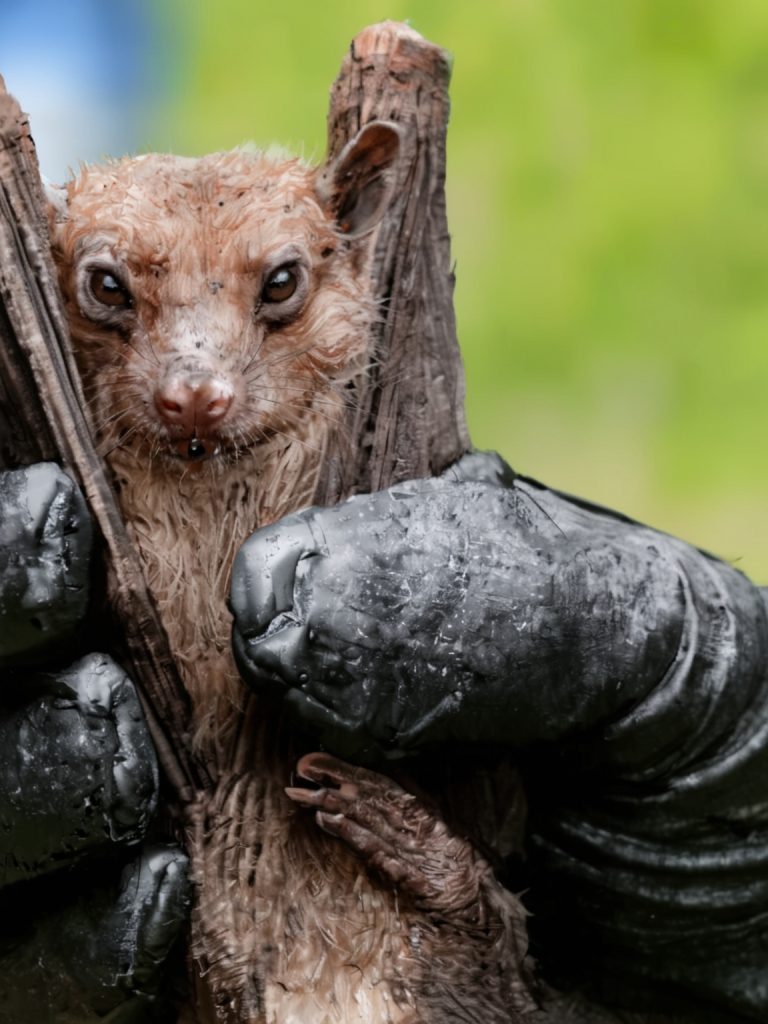
    Primary HostEgyptian rousette bats.
    SymptomsFever, chills, headache, muscle aches, rash, sore throat, vomiting, diarrhea.
    Mortality RateApproximately 50% on average (can range from 24% to 88%).
    Affected AreasPrimarily African countries: Uganda, Guinea, Ghana, Rwanda.
    TreatmentNo specific treatment or vaccine; supportive care provided.
    PreventionAvoid contact with bats, practice good hygiene, avoid contaminated items.
    Recent OutbreakRwanda, 2024, with nearly 30 infections and at least 9 deaths.

    Health Workers in the Crosshairs

    First off, let’s talk about the real heroes here: healthcare workers. The ones putting their lives on the line, often for little recognition and even less reward. According to the Africa Centres for Disease Control and Prevention (Africa CDC), most of the 27 reported cases and nine deaths occurred among healthcare workers. That’s right—the very people fighting this virus are being infected, which only makes the situation more complex and dangerous. It’s like being on a battlefield where even the medics are being taken down.

    The Africa CDC wasted no time dispatching a team of experts to assist Rwanda in containing the outbreak. Thankfully, this isn’t just Rwanda’s problem. Neighboring countries, including Burundi, Uganda, Tanzania, and DR Congo, are joining forces to address the cross-border threats. Collaboration across borders is essential—after all, viruses don’t care about passport control, do they?

    The U.S. Offers a Helping Hand, But No Need to Panic

    In an interesting turn of events, the U.S. Centers for Disease Control and Prevention (CDC) also jumped in to offer assistance. No Marburg cases have been reported in the U.S., but the CDC wants healthcare providers to be prepared, just in case. It’s reassuring, though perhaps a little unnerving, that the CDC is already bracing for the possibility of “imported cases.” This is how our interconnected world works—when a sneeze in one country can mean a tissue shortage in another, we have to stay vigilant.

    A Brief History of Marburg: Rare, Deadly, and Definitely Unwanted

    For those who need a crash course in this rare but deadly disease, Marburg isn’t exactly new to Africa. Recent outbreaks have occurred in countries like Guinea and Ghana, but this is Rwanda’s turn to wrestle with the virus.

    Marburg virus is part of the same family as Ebola, meaning it’s nasty. It’s spread by Egyptian rousette bats—cute little critters, until you realize they can be harbingers of a deadly disease. Once a human gets infected, Marburg can spread through bodily fluids or even contaminated fabrics like clothing or bedsheets. It’s a bit like a nightmare game of tag, where “you’re it” means you’re seriously in trouble.

    Symptoms: Not Just the Common Cold

    Marburg symptoms start with flu-like signs—fever, chills, headaches, and muscle aches. But it doesn’t stop there. It can escalate to a rash across the torso, nausea, vomiting, sore throat, and diarrhea. Imagine feeling like you have the worst flu of your life, combined with a rash and digestive issues. It’s a tough ride, and the World Health Organization (WHO) estimates the average case mortality rate is a staggering 50 percent. Yes, you read that right—half of the people infected might not make it. Sobering, isn’t it?

    No Cure, No Vaccine—What Now?

    And if you’re wondering about treatments or vaccines, well, there aren’t any. Nada. Zilch. Supportive care is all they can offer. Basically, that means keeping patients hydrated, managing pain, and hoping for the best. The medical world is moving at a fast pace, but for now, Marburg remains one of those diseases we can’t just “fix” with a shot or a pill.

    Amina Mukamana stared at the news alert on her phone, her heart pounding. Living in Kigali, she had seen enough health scares in her lifetime, but the Marburg virus felt different—closer, more real. “First Ebola, now this,” she thought, shaking her head as she looked out at her bustling neighborhood. She worried for her brother, a nurse at the local clinic, who was already working long hours amid fears of infection. “How do we protect ourselves when the enemy is something we can’t even see?” Amina sighed, wishing for a swift resolution but feeling a growing anxiety that lingered with every headline.

    Mpox Complicates Matters

    If Marburg wasn’t enough, Rwanda is also dealing with the effects of the mpox outbreak primarily coming from neighboring DR Congo. The WHO reported four confirmed cases of mpox in Rwanda as of August, with no deaths so far. While mpox hasn’t caused as much of a crisis as Marburg, dealing with two outbreaks simultaneously is not exactly an easy feat. It’s like trying to juggle flaming torches while riding a unicycle—you’d rather not, but sometimes, you just have to.

    Expert Opinions & My Take: When It Rains, It Pours

    Now, let’s pause for a second and reflect on what’s happening here. Rwanda, a country already facing economic and social challenges, now has to deal with two serious health crises at the same time. It’s almost like life has this cruel sense of humor—throwing Marburg and mpox at Rwanda, just to see if they’ll juggle.

    From my point of view, there are a few important lessons here:

    1. Healthcare Workers Need More Protection: They’re at the frontlines, and they’re paying the price. This is a stark reminder of why investments in personal protective equipment (PPE) and healthcare infrastructure are so crucial. We can’t afford to lose the people who are saving lives.
    2. International Collaboration is Key: No country can handle an outbreak like this alone. Africa CDC and the U.S. CDC’s involvement show the importance of collaboration. When a crisis hits, it’s all hands on deck.
    3. The Value of Preparedness: Rwanda’s neighbors are stepping up to help with surveillance and containment. This kind of proactive response is critical, not just for Rwanda, but for the entire region. An outbreak in one country is a threat to all.

    Prevention Tips: Don’t Panic, Just Be Smart

    Let’s talk about what people can do. If you’re in Rwanda or neighboring countries, awareness is crucial. Avoid contact with bats or primates—maybe skip that exotic wildlife tour for now. If someone shows symptoms, seek medical help immediately. It’s also a good time to practice good hygiene, something we all learned during the COVID-19 pandemic. Wash those hands, keep a safe distance, and don’t share personal items. It’s basic but effective.

    Why Should the World Care About Marburg?

    You might be reading this from halfway across the globe and wondering, “Why should I care?” Here’s the deal: viruses like Marburg don’t respect borders. They spread wherever they can find a host. Rwanda’s fight against Marburg is not just their fight—it’s a global concern. The more we learn now, the better prepared we are when (not if) the next outbreak happens.

    The economic impact of outbreaks like these is also significant. Tourism declines, healthcare costs surge, and the effects can ripple through economies. So yes, even if you’re far from Rwanda, the global economic impact can reach you.

    The Human Factor: Remember the People Behind the Numbers

    Let’s not forget that these aren’t just statistics. Each of those 27 cases represents a person—a healthcare worker, a parent, a friend. Every death is a tragedy. While the Marburg virus might sound like something out of a sci-fi thriller, it’s a real threat impacting real lives.

    Below is a list of recent events related to the Marburg virus outbreak and relevant references to support the claims made in the article:

    1. Marburg Virus Outbreak in Equatorial Guinea (2023)
      • Equatorial Guinea experienced an outbreak of the Marburg virus in early 2023, which led to significant international concern and response efforts. This outbreak involved several cases and deaths, highlighting the highly contagious nature of the virus.
      • Reference: World Health Organization (WHO)
    2. Tanzania’s Marburg Virus Cases (2023)
      • Tanzania also confirmed cases of Marburg virus in 2023, becoming another hot spot for this deadly disease. Health officials worked alongside international organizations to contain the spread and ensure proper treatment.
      • Reference: Centers for Disease Control and Prevention (CDC)
    3. WHO’s Response to Marburg Virus in Rwanda (2024)
      • The World Health Organization (WHO) has been assisting Rwanda in addressing the Marburg virus outbreak. This has included deploying experts to coordinate surveillance, laboratory testing, and provide essential medical supplies.
      • Reference: World Health Organization (WHO)
    4. U.S. CDC Advisory on Marburg Virus for Travelers (2024)
      • The U.S. CDC issued an advisory for travelers and healthcare providers regarding the risks of Marburg virus, urging caution and preparedness for potential imported cases, especially given global travel.
      • Reference: U.S. Centers for Disease Control and Prevention (CDC)

    These recent events illustrate the re-emergence and spread of the Marburg virus across different parts of Africa, affecting not only the local populations but also raising global health concerns. The international response, led by organizations like WHO, Africa CDC, and U.S. CDC, showcases the importance of collaboration and timely intervention in preventing a wider outbreak. The references provided are from reputable organizations actively monitoring and responding to viral outbreaks, ensuring the credibility of the information.

    Final Thoughts: Hope Amidst the Crisis

    Despite the gravity of the situation, there’s still hope. Rwanda is not facing this outbreak alone. The rapid mobilization of experts, cross-border collaborations, and the global response are signs that we’ve learned something from past outbreaks. There may be no vaccine for Marburg yet, but there’s resilience, and that counts for a lot.

    So, if you’re feeling worried after reading about this outbreak, remember: the best defense we have right now is awareness, empathy, and collective action. Viruses may spread, but so can hope—and that’s something worth spreading far and wide.

    No Gain No Love: A Bittersweet Finale

    0

    Imagine a garden, lush and vibrant, filled with flowers of every hue. But nestled amidst the beauty lies a thorny rose, a symbol of both love and pain. This is the essence of “No Gain No Love,” a bittersweet finale that leaves us pondering the complexities of human relationships.

    TL;DR

    • Embrace the bittersweet: Life is a mix of joy and pain, just like “No Gain No Love.” Cherish the good times and learn from the challenges.
    • Love is a journey: Relationships are not always smooth sailing. Be patient, understanding, and willing to work through difficulties.
    • Family is everything: Appreciate the love and support of your loved ones, especially during tough times.
    • Grieve and heal: It’s okay to feel sad and express your emotions. Allow yourself time to grieve and heal.
    • Find your own path: Don’t let anyone dictate your life. Follow your heart and pursue your dreams.

    We’re finally at the end of “No Gain No Love,” and it’s hard to say goodbye to a show that’s given us so much joy and laughter over the past six weeks. But alas, all good things must come to an end. Now, let’s unpack these final episodes that had us all over the emotional spectrum. A bit of an emotional rollercoaster? Absolutely. But despite the bumps, we got a happy ending, with most of the plot points nicely tied up—sort of.

    A Not-So-Secret Past

    We resume with Hae-young finding out that Ji-wook was her mom’s foster child. Oh, the drama! Ji-wook explains that her mother had made him promise to keep it a secret. Of course, in classic K-drama style, Hae-young doesn’t take this news well. She storms out of the house, upset that her mom was willing to take in another foster child despite her father losing his life for fostering. Can’t say we blame her for feeling like that—who knew fostering could come with such high stakes?

    Meanwhile, Ja-yeon takes a more mature approach. She feels relieved that their mom wasn’t alone after their dad’s death, and she assures Ji-wook that Hae-young just needs time to process everything. Isn’t it nice when people are level-headed? Too bad that’s rare in drama-land.

    Six years ago, Mom had visited Ja-yeon to apologize for blaming her for their dad’s death. Back then, Ja-yeon had been drowning in guilt, but Mom told her it wasn’t her fault. Ja-yeon has since operated under the assumption that Hae-young didn’t know who killed their dad. She even moved back home to take care of Hae-young in their parents’ stead. Now that’s what you call family loyalty.

    Foster Memories and Cigarette Moments

    Ji-wook manages to track Hae-young down to her mom’s old house in the countryside. There, he shows her a video of her mom at the nursing home, which clearly indicates that Mom still remembers Hae-young, even though Hae-young had assumed otherwise. Cue all the feels.

    Then they talk about his foster days, and he mentions a random incident—they once ran into each other outside the house. Hae-young, flirting with a pack of cigarettes, had impulsively asked him, a passing high-schooler, for a lighter. Surprise! Ji-wook was that student, and this was Hae-young’s first time smoking. It all suddenly makes sense why we had that “you never forget the person who taught you how to smoke” line last week. Ah, foreshadowing.

    Trouble and Unexpected Heroes

    On their way back to Seoul, Hae-young starts to worry because Ja-yeon isn’t answering her calls. Ji-wook calls Gyu-hyun to check up on her, which turns out to be timely—Ja-yeon’s father has broken into the house to attack her. Just when you think things couldn’t get crazier, they do. Thankfully, Gyu-hyun swoops in to save the day.

    And because we all need a little comic relief after so much melodrama, Gyu-hyun grabs one of Hae-young’s glow-in-the-dark…ahem…toys, and uses it to beat Ja-yeon’s crazy dad. I kid you not. I was rolling on the floor. There’s something about a serious rescue mission ending with glow-in-the-dark objects of intimacy that just…works.

    Love, Family, and Glow-in-the-Dark Drama

    Hae-young and Ji-wook arrive home just in time to witness the aftermath. Ja-yeon hides, but Hae-young, not holding back, grabs the glow-in-the-dark prop and smacks her dad across the face. His crime? Claiming parenthood when he obviously didn’t deserve it. Hae-young then tells Ja-yeon she knew all along about her father and kept Ja-yeon around because she didn’t want to lose her sister too. Ja-yeon’s reply? She hung in there because of Hae-young. Cue the waterworks.

    The show then cuts to a hilarious scene involving Ji-wook and the Bok half-brothers discussing the number of “bananas” in Hae-young’s bunch. I think it’s safe to say we’ve officially entered uncharted comedic territory. Gyu-hyun thanks Ji-wook for the chance to protect Ja-yeon and addresses him informally—it’s a heartfelt moment. But am I the only one wondering if this makes up for Gyu-hyun’s previous insults? Hmm.

    Saying Goodbye to Mom

    In our final episode, Mom passes away, and it’s time to grieve. Ji-wook helps the sisters with the funeral arrangements, and we meet Mom’s other foster children who arrive to say their goodbyes. It’s bittersweet. Through the stories shared, Hae-young realizes just how impactful her mother’s life was. The woman gave so much to so many people. Finally, she acknowledges that Mom lived a full life and didn’t suffer a loss. Growth? We love to see it.

    After the funeral, Ji-wook tells Hae-young about the promise he made to her mom—to hold onto Hae-young. But Hae-young, at her limit with all the promises, tells Ji-wook he doesn’t need to stay with her out of obligation. She wants him to prioritize himself for once. “I don’t want to be the reason and purpose of your life,” she says, before dramatically removing her wedding ring and walking away. Ouch.

    Six Months Later…

    Fast forward six months, and we see Hee-sung thriving in her career as a voice actor. Oh, and she’s keeping the baby. She’s even raising the child with her boyfriend—they broke up and got back together in true K-drama fashion. Meanwhile, Ja-yeon has embraced her true self and has started giving guest lectures. Gyu-hyun, ever the achiever, has taken Ggulbi to the top spot in the industry, with the company now offering equal benefits for both single and married employees. Finally, some progress.

    As for Hae-young, she’s had enough of Woo-jae thriving off her hard work, so she quits and starts her own company. She even manages to poach Ha-joon, whose dream is to write code. Of course, Gyu-hyun ends up investing in their startup because—well, why not? He’s rich and she’s family.

    And Finally, Ji-wook’s Return

    Ji-wook returns to Korea with a mysterious woman, and the show tries to convince Hae-young that they’re getting married. Of course, it turns out they’re not romantically involved—just relatives. Classic misdirection! Ji-wook informs Hae-young that he’s back for her, no strings attached. Hae-young finally tells him she loves him, they exchange rings, and we get that obligatory final kiss.

    My Take: A Finale That Almost Made It

    Let me just say, we were so close to a perfect ending. So close! But, like clockwork, K-dramas will always K-drama. Why do they insist on throwing logic out the window as soon as we get to the last episode? It’s like all reason was buried alongside Hae-young’s mom.

    Don’t get me wrong, I get it—in theory. Hae-young wanted Ji-wook to be free from all the obligations and promises, but there were definitely better ways to handle this than a forced separation. There were ways to reunite Ji-wook with his mom in Canada that didn’t require him to walk away from Hae-young.

    Honestly, I was hoping to see a real wedding for Hae-young and Ji-wook. Sure, it’s not always about a big ceremony, but after everything they’ve been through, can’t a girl get a bit of romance without all the angst? And don’t even get me started on how we went an entire episode without a single romantic scene between the leads. One kiss at the end is not enough! Where’s my lovey-dovey moments?

    But, with all that said, “No Gain No Love” still delivered a fantastic ride for eleven episodes. The romance, the humor, the heartfelt moments with the sisters, it all worked. And let’s not forget Hae-young, one of the most complex and wonderfully-written female leads we’ve had in a while. So what if the show fumbled a little at the end? A solid 9/10 in my book is still worth celebrating.

    A Final Thought

    Here’s the thing: no show is perfect, and while I have my gripes, “No Gain No Love” gave us some truly iconic moments. Glow-in-the-dark shenanigans, a well-rounded portrayal of foster family dynamics, and a lead who knows her worth. Yes, there was a lot of running around, a few plot holes you could drive a truck through, and the occasional moment of illogical melodrama. But all of that is just part of the K-drama charm.

    So, cheers to a rollercoaster six weeks. I laughed, I cried, and I’m pretty sure I’ll be recommending this one for a while—glow-in-the-dark weapons and all.

    What Comes After Love: What we learned so far…

    0

    What comes after love? It’s a question as old as time, a riddle wrapped in an enigma, shrouded in a mystery. And What Comes After Love is the latest drama to delve into this age-old query. But don’t expect a straightforward answer. This series is a love story, a heartbreak story, and a puzzle all rolled into one.

    Think about it: “What comes after love?” Could it be heartbreak? A new love? Or perhaps a lifetime of loneliness? The drama offers a tantalizing glimpse into all three possibilities. It’s like a literary Rubik’s Cube, where each twist and turn reveals a new perspective, a new interpretation.

    TL;DR

    • Love can be both beautiful and painful.
    • Sometimes, the best thing to do is let go.
    • It’s okay to feel lost.
    • There’s always hope for a new beginning.
    • Don’t be afraid to express yourself.


    Ah, the world of dramas—where hearts break, heal, and then get shredded again, just for good measure. This weekend, Coupang Play’s newest addition, What Comes After Love, managed to hit my screen and my heart in equal measure. With its unique blend of Japanese and Korean languages, the drama is a story of love, loss, and all the complicated mess in between. Imagine two lovers, reuniting after a five-year hiatus—one that was filled with pain, regret, and some badly timed decisions. Yes, it’s officially pulled me out of my drama slump.

    So, let’s dive into what we can learn from Episodes 1-2 of What Comes After Love, while also exploring why we’re all hooked by these two tragically beautiful people.

    Episodes 1-2: A Journey of Emotional Rollercoasters

    The story kicks off five years in the past, in 2019, with our heroine, CHOI HONG (played by Lee Se-young), freshly arrived in Tokyo. If you think she has a grand plan in mind, you’d be dead wrong. She’s not running toward a bright, exciting future—she’s running away from her past, her mother, and all the things that felt suffocating back in Korea. Ever had that kind of urge? Yep, we’ve all been there.

    But Tokyo is less of a deliberate choice and more of an “accident”—she’s crashing with a friend who’s willing to split the rent. Still, life seems to have other plans for her. After all, we soon learn that she’s been to Japan before, and her fluent Japanese reveals deeper roots.

    And then there’s AOKI JUNGO (Sakaguchi Kentaro), the love interest, who enters Hong’s life in the cutest meet-cute I’ve seen in a while. When Hong fumbles through a Tokyo turnstile, luggage spilling everywhere, it’s Jungo who rushes over to help her. This moment, complete with the obligatory slow-motion look, manages to turn the everyday into the extraordinary. Hong is immediately captivated, and honestly, who wouldn’t be?

    It’s moments like these that remind us of the spontaneity and beauty of new connections. Love sometimes starts from seemingly insignificant instances—a spilled suitcase, a kind stranger, and a dimpled smile. That’s the magic of it.

    The Flirty, Adorable Mess of a Relationship

    Soon enough, fate brings these two lovebirds together again. They both apply for the same server job at a ramen shop, and the chemistry is palpable. In a kind of “polite competition,” they try to outdo each other, but Hong eventually gets the job—only after a customer criticizes her (impeccable) Japanese. No worries, though. Jungo comes to her rescue, standing up for her, and thus begins the budding romance.

    While Hong’s inside the ramen shop, Jungo is conveniently stationed across the street at a hot dog truck. This setup, of course, leads to numerous lingering stares and shy flirtations across the street. Eventually, Jungo takes the plunge and asks her on a date. Spoiler alert: it’s as adorable as you’d hope.

    The date involves a lot of drinks, a fair amount of honesty, and an excess of laughs. Hong opens up about her uncertainties—should she stay in Japan, or head back to Korea and face her unresolved family issues? She wants to go to grad school, study literature, but has no idea how things will turn out. The real kicker, though, is when she drunkenly asks Jungo whether he believes in love that never changes. His answer—“It must exist somewhere”—is sweet, sincere, and exactly what she needed to hear in the moment.

    And with that, Hong decides to stay in Japan.

    Life Lessons from Their Romance

    This brings us to our first life lesson. Love, at least in its early stages, should be simple. The more complications, the harder it becomes to really connect. Hong and Jungo don’t overthink their initial attraction—they embrace the giddiness, the laughter, the shared moments. Their relationship is built on this foundation of simplicity and authenticity. How often do we complicate our relationships by overanalyzing every tiny gesture? Sometimes, it’s best to just smile, laugh, and share an umbrella in the rain.

    As the two start dating, their chemistry just keeps getting better. Jungo learns his first Korean word—”yeppeuda,” which means “pretty”—just to tell Hong she’s beautiful. If that doesn’t make your heart melt, well, check your pulse. Everything about their love feels natural, from the small exchanges to the grander gestures.

    In their love story, there’s a pivotal question about lasting love. Does such a thing even exist? Or is it simply a myth we chase, hoping to find that one person who’ll never change? The drama subtly explores this idea without being heavy-handed, and it allows the viewer to form their own opinion.

    The Present-Day Heartache

    Fast-forward to 2024. Hong is back in Seoul, and something’s clearly missing. She’s engaged to SONG MIN-JUN (Hong Jong-hyun), the “safe” choice—a guy who adores her, but there’s just no spark. We’ve all been there too. The “nice” one, the “secure” option, but not the one who sets your soul on fire. It’s all very “going through the motions,” and Hong looks distant—even when her fiancé does everything to please her. You can almost hear the emotional disconnect, louder than ever.

    And just when you think she’s left her past behind, Jungo re-enters her life—like some cruel twist of fate orchestrated by the universe. Now a famous author, Jungo’s book is inspired by their relationship, but with a happy ending. Cue the tears. He paints an alternate universe in which their love story never ended, and the two are left grappling with what could have been.

    My Perspective

    Okay, let’s take a step back and be real for a moment. Why do we do this to ourselves? Why do we so often hold onto the past, replaying it in our minds, imagining a different outcome? Hong’s story teaches us the painful lesson that sometimes we have to let go of what we think should have happened. Sure, she could’ve stayed with Jungo, could’ve fought harder for their love. But in the end, she chose a different path, one that left her with lingering regrets.

    From Jungo’s side, he’s idealized their relationship, immortalizing it in his novel. But that’s not the reality. The past was messy, painful, and perhaps even too much for either of them to handle. Writing a happy ending in a book doesn’t change the truth. It’s just a beautiful, bittersweet way of trying to rewrite the pain.

    Another Insight—On Cross-Cultural Relationships

    The show also provides a fascinating look into cross-cultural relationships, showcasing the challenges of different languages, different expectations, and the loneliness that can sometimes come from living away from home. When Hong tells Jungo about her loneliness, and he fails to understand because, well, she’s “with him,” it shows the disconnect that sometimes happens when our experiences are so different.

    These differences can be a source of tension or strength, depending on how we approach them. For Hong and Jungo, their love seemed like a bubble—beautiful but fragile, something that could be popped by the smallest shift.

    Hana sat in her tiny Kyoto apartment, scrolling through episodes of What Comes After Love on her tablet, her thoughts lingering on the bittersweet reunion of Hong and Jungo. “It’s funny how love can be so strong and yet so fragile at the same time,” she mused. Having gone through her own heartbreak a few years ago, watching the characters struggle with unresolved feelings hit too close to home. “It’s almost like no matter how much time passes, love doesn’t just disappear,” she thought, sipping her tea. “It just hides, waiting for the right moment to surface again—just like in the drama.” – Name: Hana Nakamura Age: 29 Location: Kyoto, Japan

    What Comes After Love?

    So, what does come after love? When you’re left with regrets, what then? In What Comes After Love, we see a love that was real but flawed. They couldn’t make it work, despite the overwhelming attraction. Now, five years later, they’re forced to face each other and come to terms with their history.

    It’s a story of heartbreak, of learning to move forward despite the pain, and of recognizing that sometimes love isn’t enough. Sometimes, we need more—timing, emotional maturity, or even just plain luck. Not every love story has a happy ending, but every love story leaves us with something. In the case of Hong and Jungo, it left them with questions and a longing for what might have been.

    And isn’t that the hardest part? Accepting that some stories are incomplete, that we may never get the closure we desperately crave. But maybe that’s okay. Maybe it’s enough to know that, at one point in time, there was love—real, messy, imperfect love.

    Wrap-Up

    What What Comes After Love does so well is draw you in with relatable, human emotions. The Japanese and Korean languages add a beautiful layer to the storytelling, emphasizing the cross-cultural experience. The visuals are stunning, the leads are natural, and the emotional beats are raw.

    The life lessons here are poignant. Love can be sweet and messy, short-lived, or leave a lasting impact. But when it comes down to it, love changes—and it’s okay if it does. Just as long as you don’t let the changes break you.

    Watching Hong and Jungo navigate their past, we’re reminded of our own loves—the ones that ended and the ones that stayed. It’s impossible not to root for them, even knowing that their reunion might not solve everything. But who knows? Sometimes, getting a second chance means more than rewriting a happy ending. It means closure. It means growth. And it might even mean finding peace with what comes after love.

    Middle East Tensions Shake U.S. Stock Markets as Oil Prices Surge

    The Middle East, a region often synonymous with conflict and instability, has once again emerged as a formidable force. Recent tensions in the region have sent shockwaves through the U.S. stock markets, much like a seismic event rattling the foundations of a seemingly tranquil financial landscape.

    This latest upheaval, however, is far from a solitary occurrence. The Middle East has long been a geopolitical hotbed, its volatile nature casting a long shadow over international markets. The region’s strategic importance, coupled with its rich reserves of natural resources, particularly oil, makes it a perennial source of market anxiety.

    As the saying goes, “A rising tide lifts all boats.” But in the case of the Middle East, it seems the reverse is also true. When tensions rise, it’s often the financial markets that bear the brunt. The mere mention of a flare-up in the region can send investors scurrying for cover, their confidence shaken like a fragile glass by the turbulent winds of geopolitical uncertainty.

    TL;DR

    • Geopolitical events can have a significant impact on financial markets.
    • Investors should be prepared for market volatility during times of uncertainty.
    • Diversification can help mitigate the risks associated with geopolitical events.
    • Safe-haven assets, such as gold and Treasuries, can provide a degree of protection during times of crisis.
    • Stay informed about developments in the Middle East to make informed investment decisions.

    The mere mention of a widening conflict in the Middle East has once again sent shivers through global financial markets. Investors barely had time to enjoy record highs before major U.S. stock indexes were dragged back down on Tuesday. Oil prices, however, had no qualms about skyrocketing. Oh, the irony.

    Let’s break it down. Iran launched a missile attack on Israel, which had an instant effect—sending oil prices shooting up at a pace we haven’t seen since the opening days of the Israel-Hamas conflict a year ago. Nervous investors scrambled to buy safe-haven assets like Treasurys and gold, while stocks took a nosedive. At one point, benchmark U.S. crude futures rose as much as 5%. Imagine that, all in a day’s panic.

    The fear began to ease a little later when the situation appeared under control, and Israelis were told it was safe to leave bomb shelters. But the damage had already been done. By the end of the day, crude futures settled 2.4% higher at $69.83 a barrel—still a bit lower than where it was a week ago, but enough to cause a few palpitations among traders.

    Stocks: Up, Down, and All Over the Place

    Let’s talk stocks. By the time the dust had settled, the S&P 500 slipped 0.9%, though it had been down by as much as 1.4% earlier in the day. Meanwhile, the Dow Jones Industrial Average closed 0.4% lower, and the Nasdaq Composite, well, it had the worst day, falling 1.5%. To add some salt to the wound, all of this came after record highs the day before. Just goes to show how quickly things can turn when international tensions spike.

    Energy markets have, surprisingly, been holding their composure despite months of spiraling violence in the Middle East. Traders and analysts seem to agree that things would get serious if a broader war affected Iranian oil shipments through the Strait of Hormuz—a key chokepoint for crude deliveries to China and elsewhere. As you might guess, that would mean an even bigger headache for everyone involved.

    Is the Panic Over Yet?

    As it became clear that Iran’s attack hadn’t led to widespread casualties, the initial panic began to fade. Investors breathed a cautious sigh of relief. However, the real fear hasn’t completely left the building. As Quincy Krosby, chief global strategist at LPL Financial, so astutely pointed out, “Military conflicts can escalate in the blink of an eye, causing markets to nosedive while assets like gold and Treasurys experience heavy inflows.” So, while the market’s current calm may feel like a relief, it’s a fragile one. Let’s not get too comfortable just yet.

    At the same time, the yield on the benchmark 10-year Treasury fell to 3.742%, down from Monday’s 3.798%, signaling that investors are still feeling skittish and rushing to safer investments. Now, if you’re a fan of watching economic indicators (and let’s be real, who isn’t?), you might have also noticed that the S&P 500 and the Dow were riding high Monday after Fed Chair Jerome Powell assured us all that the U.S. economy is in “solid shape.” But a lot can change overnight when you have a couple hundred ballistic missiles flying across borders.

    Tech Stocks Feeling the Heat

    While oil prices basked in the chaos, tech stocks, on the other hand, had a bit of a meltdown. Apple’s shares tumbled nearly 3% after an analyst at Barclays suggested the company might be cutting production orders for its latest phones. Investors weren’t thrilled, to say the least. And if Apple was sneezing, other tech stocks caught a cold too—Nvidia, Micron, and Intel were all among the S&P 500’s worst performers. It’s like the tech sector decided to throw a pity party, and everyone’s invited.

    On the flip side, companies tied to energy were living their best lives. Occidental Petroleum and Marathon Oil were among the day’s best performers, thanks to the boost from rising oil prices. All this upheaval led the S&P 500 energy sector to rise by 2.3%. It’s funny how one person’s crisis can be another’s golden opportunity.

    My Point of View: What Should Investors Take Away from All This?

    You might be wondering, “What does all this mean for me?” Well, here’s the deal. Markets are unpredictable, and international conflicts only add fuel to the fire—sometimes literally. If you’re holding onto tech stocks right now, you might be feeling the burn. Meanwhile, energy stocks are partying like it’s 1999. Does that mean you should start buying barrels of crude oil? Probably not, unless you also have the space for it.

    The truth is, this type of volatility is a reminder of why diversification is important. Imagine putting all your savings into tech right before a missile attack? Yikes. But owning a mix of assets—including those safer options like gold or Treasurys—can help weather the storm. And trust me, the storm always comes. Maybe not tomorrow, or the next day, but it will. Investors need to be prepared for these events because, as much as we’d all like to avoid global conflicts, they’re part of the reality we live in.

    Key Insights for Investors: How to Navigate This Rocky Terrain

    • Diversify, Diversify, Diversify: Don’t be the investor who puts all their eggs in one basket. Spread your investments across different sectors. When one tanks, another might save the day.
    • Expect the Unexpected: If 2023 taught us anything, it’s that anything can happen. Prepare for the curveballs—because life, and markets, have plenty to throw at us.
    • Safe Havens are Not Just Myths: There’s a reason people flee to gold and Treasurys when panic strikes. These assets might not make you rich, but they’re the comforting safety blanket you’ll want when things get rough.
    • Energy Is Hot, But Don’t Get Burned: Sure, energy stocks are doing well now, but remember that they’re also tied to unpredictable factors. Timing is key—getting in at the wrong time can burn your portfolio.

    A Glimpse at the Bigger Picture

    So, are we expecting this to be the beginning of a much bigger conflict in the Middle East? Honestly, it’s anyone’s guess. The market clearly doesn’t think we’re in “all-out war” territory yet, as reflected in current oil prices and stock volatility measures. But let’s not pretend things can’t escalate quickly. Geopolitics can be a messy business, and the market’s memory is short—until the next headline hits.

    1. Investor flight to safe-haven assets: The article notes that investors sought refuge in safe-haven assets such as gold and Treasuries. This is a common strategy during times of crisis.
    2. Tech stocks underperforming: The article highlights the underperformance of tech stocks during the market turmoil. This is often attributed to their sensitivity to economic uncertainty.

    These recent events provide concrete examples of the themes discussed in the article. They demonstrate how geopolitical tensions in the Middle East can have a significant impact on global financial markets. By understanding these events and their implications, investors can better navigate the complexities of the investment landscape.

    The Wrap-Up: Strap in, It’s Going to Be a Bumpy Ride

    The takeaway here is simple: The markets are riding the wave of Middle East tensions, and it’s a ride that could get a whole lot bumpier. Oil prices are reacting, tech stocks are diving, and investors are seeking refuge in Treasurys. The best thing you can do? Stay informed, diversify your holdings, and don’t make any panic moves—whether you’re into tech, energy, or just like keeping your money safe.

    In times like this, it’s important to remember that no one can predict the future, no matter how smart their ties are or how many years they’ve worked at an investment bank. Volatility can create opportunities, but it can also wipe you out if you aren’t careful. So, as we watch the events unfold, stay calm, stay informed, and invest wisely.

    Iran Launches Missiles at Israel: Could This Escalate into War?

    0

    In a dramatic and concerning escalation, Israel’s military confirmed that Iran has launched missiles at the country, a move that significantly raises fears of a wider regional conflict. It comes in the aftermath of Israel’s cross-border raids into Lebanon, where they sought to target Hezbollah—a group that’s not exactly known for playing nice. It’s not hard to see that tensions are simmering to a boiling point, and frankly, it looks like we’re watching a firework show that’s getting a bit too out of hand.

    TL;DR

    1. Iran launched missile strikes against Israel, heightening fears of a broader regional war.
    2. Israel has conducted dozens of cross-border raids into Lebanon, targeting Hezbollah positions.
    3. Hezbollah denies Israeli troops entered Lebanon, countering with its own attacks.
    4. Bomb shelters were activated across Israel in response to the missile attack.
    5. Israel’s operations aim to push Hezbollah away from its borders and prevent further attacks.
    6. The conflict follows a series of escalations since the Hamas-led attacks from Gaza.
    7. Diplomatic efforts are underway to prevent a full-scale ground war.

    Cross-Border Raids: Are We Nearing the Edge?

    Let’s back up a bit. Israel said that on Tuesday, they conducted dozens of cross-border incursions into Lebanon. The aim? To dislodge positions held by Hezbollah, which is backed by Iran. This isn’t just a one-off spat; in fact, these incursions have become almost routine, a continuation of tensions that have been simmering since last year’s Hamas-led attacks from Gaza.

    In the past couple of weeks, Israel escalated its strikes against Hezbollah. We’re talking about blowing up electronic devices, dismantling infrastructure, and ultimately, the killing of Hezbollah’s leader, Hassan Nasrallah, at the end of September. It’s as if Israel was sending a clear message, “We see you, and we’re not holding back.”

    The Ongoing Chaos in Lebanon

    So, what’s happening on the ground in Lebanon? Hezbollah denies that Israeli troops have set foot inside the country. Instead, they claim they’ve been busy targeting Israeli soldiers as they maneuvered along the border orchards. To top it off, Hezbollah fired artillery at Israeli forces within Israel itself—nearly 30 miles away from the infamous Blue Line, a boundary established by the U.N. after Israel’s withdrawal from southern Lebanon in 2000.

    On the other side of the fence, nearly all of Israel was sent scrambling for bomb shelters as air-raid sirens wailed through the streets, accompanied by the echoes of explosions above Tel Aviv. To make matters even spicier, Iran openly admitted to the attack, issuing a stern warning: any further Israeli retaliation would be met with a “subsequent and crushing response.” A diplomatic way of saying, “Don’t even think about it.”

    Lebanon: No End in Sight?

    October 1st marked yet another chapter in this ongoing saga, as Israel launched what they referred to as a “limited operation” in several villages near the border in southern Lebanon. No major combat was encountered, and according to a security official, this operation was narrowly focused on areas right along the border. Moving toward Beirut? Not on the agenda—at least, not yet.

    But here’s the catch. Diplomats are now nervous that these repeated operations could spiral out of control, eventually morphing into a broader ground war between Israel and Hezbollah. And considering the high-stakes tension between these two, it’s safe to say those diplomats have every right to be concerned.

    Israel’s Secretive Raids

    Tuesday’s revelation that Israel has secretly conducted dozens of raids into Lebanon over the past year was hardly a surprise to those paying attention. This effort has aimed to dismantle Hezbollah’s weapons and military infrastructure as a prelude to a potential larger ground incursion. With Israel escalating its tactics, including ground raids and weeks of airstrikes, the objective seems clear: push Hezbollah fighters back from the border, eliminate rocket and missile attacks, and prevent a repeat of that infamous Oct. 7-style invasion.

    Israel vs. Hezbollah: Not Quite War, But Close Enough

    Has Israel officially declared war on Lebanon? Well, not exactly. According to Israel, the fight is with Hezbollah, not the people of Lebanon. But, tell that to the civilians caught in the crossfire.

    In the past year, more than 11,000 projectiles have been launched from Lebanon into Israel. Israel, in turn, has retaliated with over 8,000 strikes on Lebanon using air, drones, missiles, and artillery—all before September’s latest round of bombardments. It’s a tit-for-tat on a colossal scale, and the average Lebanese citizen is feeling the brunt of the violence. Lebanon’s caretaker prime minister recently called the attacks the largest displacement crisis in the nation’s turbulent history.

    The United States, always ready with an opinion, has urged Israel to keep things diplomatic and limit its ground operations. Whether Israel listens or not? Well, that remains to be seen.

    Hezbollah: A Powerhouse in Lebanon

    So, what exactly is Hezbollah’s influence in Lebanon? Simply put, Hezbollah isn’t just some ragtag group of fighters. It’s the world’s most heavily armed non-state militia, and even after Israel’s recent attacks, it remains a dominant force in Lebanon. If anything, Hezbollah is more influential than Lebanon’s own U.S.-funded army. They’ve got seats in Parliament and control large swathes of Lebanese territory, where they’re effectively in charge of security and social services. Their influence goes far beyond rockets and missiles—they’ve become an essential part of the country’s political and social structure.

    Interestingly, Hezbollah’s political leash has been notably looser lately. As tensions with Israel escalate, many Lebanese have shifted their frustrations away from Hezbollah and focused on Israel, especially considering Israel’s war in Gaza.

    Hezbollah vs. Hamas: Same Cause, Different Faces

    For those still confused, let’s quickly clear up the Hezbollah-Hamas relationship. Yes, both are militant groups opposed to Israel. But they’re not exactly identical twins. Hezbollah is a Shiite militant group backed by Iran, whereas Hamas, also an Iranian ally, is a Sunni Islamist group. They’ve found common cause against Israel, but their differences lie in the great sectarian divide of Islam.

    Historical Snapshot: Israel and Lebanon’s Long Dance

    The conflict between Israel and Lebanon has been ongoing for decades, with enough twists and turns to rival a soap opera. Israel’s first invasion of Lebanon came in 1978 to drive the PLO away from its border, but they soon retreated, pressured by the international community. Fast forward to 1982: tensions escalated again, prompting another Israeli invasion to target the PLO, which led to the birth of Hezbollah as a resistance force against Israel. This culminated in a complete Israeli withdrawal in 2000.

    But that wasn’t the end. Conflict re-emerged in 2006 when Hezbollah launched rockets into northern Israel and captured two Israeli soldiers. In retaliation, Israel launched an aerial and ground campaign that lasted for over a month until a cease-fire was brokered by the United Nations.

    Fast forward to today, and things aren’t looking much different. In the wake of the recent Hamas-led attacks on October 7, Hezbollah, in solidarity with Hamas, began firing projectiles into Israel. The tit-for-tat exchanges of violence have continued, leading both sides closer to an all-out war.

    “As I watched the news last night, I couldn’t help but feel a mix of fear and resignation. Another missile launch, another retaliation, and yet another step toward what might become a full-blown war. My brother serves in the army, and I can’t shake the thought of him being sent into harm’s way because of decisions made far above us. We’re all just trying to live our lives, but these endless cycles of conflict keep pulling us back. I wish we could just stop this madness—no more attacks, no more fear—just a chance to breathe and move forward.” says Amir Haddad, 34, Tehran, Iran.

    My Point of View: A Crisis That Needs Less Posturing and More Negotiation

    To be brutally honest, we’ve seen this movie before, and it never has a happy ending. The recent escalation feels like a poorly written sequel to an old blockbuster, with the same tired plotlines of missile exchanges, retaliatory raids, and civilian suffering.

    Israel insists it’s targeting Hezbollah, not the people of Lebanon. But how can we ignore the human toll? Tens of thousands are displaced, livelihoods shattered, and hopes for peace dimmed. If Israel truly wants to deal with Hezbollah while sparing the Lebanese people, perhaps more innovative solutions and diplomatic efforts are needed—less force and more dialogue.

    The international community also has a role to play here. The U.S. has called for a limited ground operation, and while that’s a start, what about real efforts at conflict resolution? It’s time for influential nations to push for meaningful dialogue and genuine compromise—because, let’s face it, missiles are clearly not working as peacemakers.

    Final Thoughts

    The entire Israel-Hezbollah-Lebanon saga is a tragic cycle of violence that continues to replay, leaving destruction in its wake. The missile attacks, the raids, and the ongoing threats create a climate of fear where civilians on both sides are the real victims. Both Israel and Hezbollah seem unwilling to back down, and as things stand, a wider regional conflict looks more likely than peace.

    Let’s hope that cooler heads prevail and that someday soon, the missiles will be replaced by meaningful conversations. Until then, all we can do is watch from the sidelines and hope that this dark chapter doesn’t get any worse.

    Losing a Pet vs. Losing a Child: Why Both Pains Deserve Empathy and Understanding

    0

    Imagine a world where grief had a hierarchy, where some sorrows were deemed more noble than others. In such a realm, the loss of a pet might be relegated to the footnotes of life’s tragedies, while the loss of a child would be etched in the heart of human history. But is this truly the case? Is one pain more valid than the other? Or perhaps, like the intricate tapestry of life itself, both threads are woven together with equal importance, each carrying its own weight of loss.

    Let us explore this delicate question, not with a scalpel of judgment, but with a gentle touch of understanding. For in the realm of grief, there is no right or wrong, only the raw and enduring pain of loss.

    TL;DR

    • Grief is personal: Everyone’s experience of loss is unique and should be respected.
    • Empathy is essential: We should strive to understand and support others, regardless of their loss.
    • Comparison is harmful: It’s unhelpful to compare the pain of losing a pet to losing a child.
    • Respect is key: We should treat each other with kindness and understanding, especially during difficult times.
    • Loss is loss: Whether it’s a pet or a child, grief is a significant emotional experience that deserves our attention and compassion.

    Let’s get real for a second. I’ve seen this sentiment a few too many times, and I must admit, it always gets under my skin. The sentiment? The belief that losing a pet is nothing compared to losing a child. Now, hold on—before the internet starts tearing me apart, let’s take a moment to consider this from a human perspective, with a dash of empathy, and maybe just a pinch of wit.

    The Bond We Share with Pets: More Than ‘Just a Dog’

    Yes, pets—particularly dogs—seem to have been elevated to a high pedestal in society. It’s fully accepted, and even expected, that dog owners view their pets as surrogate children. And you know what? That’s fine. If you’ve never experienced it, let me spell it out for you. Dogs aren’t “just dogs.” They’re loyal companions, emotional support systems, and in some cases, lifesavers. They’re there through thick and thin, providing comfort when words won’t do, and love when the world seems bleak.

    And yet, I get it. I understand why some people balk at the idea of comparing the loss of a dog to the loss of a child. One expects to outlive their pet—that’s the unspoken contract we enter when we decide to adopt a furry friend. But losing a child? That’s a heartbreak no parent is prepared for, and it feels fundamentally different from losing an animal, no matter how beloved that pet might be.

    AspectLosing a PetLosing a Child
    ExpectationExpected, as pets have shorter lifespans.Unexpected, as children are meant to outlive their parents.
    Emotional ImpactDeep emotional pain and sense of loss.Overwhelming grief, often described as the worst kind of loss.
    Societal PerceptionOften seen as less significant by some.Universally acknowledged as an immense tragedy.
    Support SystemsSupport may vary; some dismiss as “just a pet.”Usually receives strong societal and community support.
    Relationship TypeCompanion, loyal, often a “family member.”Parent-child bond; highly emotional and nurturing.
    Grief DurationLong-lasting, but often shorter than child loss.Lifelong, with intense emotional aftereffects.
    Public ExpressionSome people may hide their grief due to fear of judgment.Public grief is accepted and widely understood.
    This table highlights the fundamental differences between these types of losses while emphasizing that both experiences involve valid and meaningful grief.

    The Fundamental Differences and Our Reactions

    When we talk about the differences between losing a pet and losing a child, we need to acknowledge that the bond we share with each is unique. One’s a human, with all the complexities of human relationships. The other is an animal, a loyal companion who asks for little but offers unconditional love.

    I’m not trying to be sarcastic when I say this, but isn’t it funny how we humans need to categorize grief and compare pain? It’s like we’re in some emotional Olympics where everyone is trying to win the gold medal for suffering. But here’s a reality check: grief isn’t a competition.

    The Misunderstanding: Empathy Isn’t a Limited Resource

    A while ago, I came across a forum where a thread was discussing pet loss and how utterly devastating it can be. Naturally, we can all relate to that pain, right? It’s raw, real, and comes with a heavy ache that doesn’t easily fade. But one particular poster dared to compare their experience of losing a pet to that of losing a child. And oh boy, did the parents on that thread lose their minds. They absolutely tore that poster apart, and their rage was almost palpable. They were deeply offended.

    Now, that reaction made me sad. It really did. I have a dog, and the thought of losing her is gut-wrenching. It’s one of the worst things I could imagine, but do I think it’s comparable to losing a child? No, I don’t. However, I respect that, for some people, their pets are their whole world. And the death of that pet would shatter them in ways that might resemble, to them, the pain of losing a child.

    Emma had never imagined how deeply losing her golden retriever, Max, would impact her. She knew losing a pet was inevitable, but when it happened, the weight of grief caught her off guard. To Emma, Max had been more than just a dog—he was a confidant, a source of comfort during her darkest days, and an unwavering friend. Though she understood that losing a child is an incomparable level of pain, she wished others would recognize the depth of her sorrow rather than dismiss it as “just a dog.” People often fail to realize that love is love, no matter if it’s for a pet or a child, and the pain of loss deserves compassion and empathy, not judgment or comparison.

    Why Must We Compare?

    Why do we feel the need to set one person’s pain against another’s? Why is there this unspoken rule that there’s a hierarchy of grief? There’s no right or wrong answer here, but something about the viciousness of those parents’ responses truly made me sad.

    For those who are broken by the death of their pet, the pain is real. And yet, because of reactions like those, they might be too scared to express that pain for fear of offending someone else. Imagine having to minimize your feelings because society tells you they aren’t valid enough.

    When Grief Becomes a Battle of “Who Hurts More”

    I don’t know about you, but grief is something I’ve experienced in different shades. I lost my dog in November, and he was my companion for nearly 13 years. We were attached at the hip. You can’t lose someone you’ve shared your life with for that long and not feel like you’ve lost a piece of yourself. That’s the reality. I still cry every day because I miss him so much.

    So, to anyone who dares to tell me, “It’s just a dog,” here’s my friendly, yet oh-so-sarcastic reply: “Maybe to you, it’s just a dog. But to me, he was a family member, and his loss has left a void that cannot easily be filled.”

    Growing Up with Pets: Bonds That Defy Words

    I grew up with a dog, and by that, I mean we grew up together—we were both 18 when he began to show signs of severe dementia. He’d forget he was peeing even while he was peeing. Charming, I know. But my connection with him ran deep, like a sibling. We took care of each other when no one else did, and when the time came, euthanasia was the only humane option. Six years have passed, but it still gets me choked up to write about him.

    The truth is, my dogs have been my absolute best friends. My current pup has saved my life more than once, in more than one way, and I’d gladly go hungry if it meant keeping her healthy. “It’s just a dog?” Yeah, right. That phrase is an emotional dagger, and hearing it makes me think some pretty violent thoughts about the speaker.

    My Point of View: Grief Is Personal, Let’s Respect That

    Grief is deeply personal. It’s messy, it’s complex, and it’s absolutely subjective. Who are we to judge someone else’s pain, especially when that pain is genuine and heartfelt?

    Let’s say someone loses their dog. The dog had been their companion through the darkest times—a divorce, a financial crisis, or even a battle with depression. That pet represented hope, love, and stability. To that person, the loss is earth-shattering. Should we, from the comfort of our own experiences, tell them that their grief is somehow less valid?

    On the other hand, losing a child is a heartbreak I wouldn’t wish on my worst enemy. It’s a devastating reality that no one is ever prepared to face. But just because we acknowledge the depth of this grief doesn’t mean we must dismiss the grief of others.

    New Insights: Why We Need to Change Our Approach to Grief

    It’s time we redefine how we think about grief. Here are some new insights that might help:

    1. Grief Is Not a Contest: The pain you feel isn’t greater or lesser than someone else’s. It’s different. Just because someone else experiences pain doesn’t take away from your own experience. This isn’t a game where the person with the greatest loss wins.
    2. Empathy Is Endless: Empathy is not a finite resource. You can empathize with someone who has lost a pet without diminishing the empathy you have for a grieving parent. You can hold space for both.
    3. Let People Feel Their Feelings: It’s easy to tell someone, “It’s just a dog” or “It’s not the same as losing a child,” but those statements are dismissive and hurtful. Instead of comparing, why not simply say, “I’m so sorry for your loss. I can’t imagine what you’re going through.”
    4. Grief Shapes Us: Whether it’s the loss of a pet, a child, a parent, or a friend, grief changes us. It shapes how we view the world and how we move forward. There is no right or wrong way to grieve.

    Events Related to Pet Loss and Grief

    1. The rise of pet memorial services: As pets become more central to family life, there’s a growing trend of personalized memorial services, reflecting the deep emotional bonds people form with their animals.
    2. Increased public awareness of pet grief: Celebrities and influencers often share their experiences of pet loss, helping to normalize grief and encourage open conversations about the topic.
    3. Scientific research on pet-human bonds: Studies continue to explore the complex emotional connections between humans and animals, providing evidence for the profound impact of pet loss.
    4. Online communities and support groups: The internet has created spaces for people to connect and share their experiences of pet loss, offering support and understanding.
    5. Changes in workplace policies: Some companies now offer bereavement leave for pet loss, recognizing the significant emotional impact it can have on employees.

    These recent events highlight the increasing recognition of pet loss as a significant emotional experience. As society becomes more accepting of the human-animal bond, there is a growing movement to provide support and understanding for those grieving the loss of a beloved pet.

    Let’s Be Better to Each Other

    If there’s one takeaway from all this, it’s that we should try to be kinder to one another. Grief is universal, but the way we experience it is unique. We should never make someone feel that their pain isn’t valid just because it doesn’t fit our own narrative.

    So, to those parents who tore apart that poster on the forum, I understand where your anger comes from. Your pain is deep, and your grief is valid. But remember, the person you attacked was grieving too. Their grief may look different from yours, but it is still real, and it still matters.

    And to those who have lost a pet and feel afraid to share their grief: I see you. Your loss is real, and it is worth mourning. Don’t let anyone tell you differently.

    In the end, whether it’s a pet, a child, or any loved one, loss is loss. It hurts. It changes us. And it deserves to be treated with compassion, empathy, and understanding. Let’s try to be better to one another, and maybe, just maybe, we can make this grieving process a little less lonely for everyone involved.

    Love Next Door Episodes 13-14: A Nostalgic Reunion with Bumps, Bruises, and Banter

    0

    Love Next Door has been a rollercoaster of emotions, and Episodes 13 and 14 are no exception. In these episodes, we’re treated to a nostalgic reunion filled with bumps, bruises, and banter that will leave you both laughing and swooning.

    The episode kicks off with a bang (literally) as Seok-ryu and Seung-hyo find themselves in a rather precarious situation. But fear not, their playful banter quickly takes center stage, reminding us why we fell in love with this chaotic duo in the first place. As they navigate their way out of trouble, we’re reminded of the undeniable chemistry between them and the way they effortlessly complement each other.

    But it’s not all fun and games. The episode also takes a more serious turn as Seok-ryu grapples with her feelings for Seung-hyo and the possibility of a future together. Her internal conflict is palpable, and her vulnerability is both heartbreaking and relatable. Meanwhile, Seung-hyo is determined to win her heart, and his unwavering love and support are truly heartwarming.

    Of course, no Love Next Door episode would be complete without a healthy dose of family drama. The parents are back in town, and they’re just as meddling as ever. Their attempts to interfere in Seok-ryu and Seung-hyo’s relationship are both frustrating and hilarious, adding another layer of complexity to the story.

    As the episode draws to a close, we’re left with a cliffhanger that will have you eagerly anticipating the next installment. Will Seok-ryu and Seung-hyo finally confess their feelings for each other? Or will their parents continue to stand in their way? Only time will tell.

    TL;DR

    • Friendship: The bond between Seok-ryu and Seung-hyo is the heart of the show, evolving into a deep and meaningful connection.
    • Family: Family plays a significant role, with parents meddling in their lives and unexpected revelations about relationships.
    • Love: The journey of love and understanding between the main characters is both heartwarming and relatable.
    • Humor: The series is filled with witty banter and comedic situations that will keep you laughing.

    Life has a funny way of pulling you back to where you least expect. In Love Next Door, two childhood friends, Seok-ryu and Seung-hyo, return to their hometown as adults, bringing with them the echoes of their playful (and sometimes annoying) childhood dynamic. Their bickering may seem lighthearted, but as the story progresses, it’s clear there’s more beneath the surface. Will their chemistry evolve into something deeper? Well, it’s complicated. And if we’ve learned anything from Korean dramas, “complicated” is practically a genre in itself.

    As we inch closer to the finale of this drama, the plot seems to be tying up loose ends—or is it just dragging its feet? Hard to tell, honestly. Either way, our main couple (or OTP, for you romance fans) is slowly finding their groove. But of course, no Korean drama would be complete without the usual misunderstandings, secret-keeping, and parents meddling in their kids’ love lives. Let’s dive into this mess, shall we?

    The Morning After: Breakfast with a Side of Shenanigans

    Seok-ryu and Seung-hyo, after what can only be described as a “successful” night, are enjoying their morning when—surprise! Both sets of parents return from their trip and walk in on them. Naturally, everyone ends up at the breakfast table. And what’s the topic of conversation? Oh, nothing major, just how the moms have decided their kids should be married off within the year. But don’t worry, it never crosses their minds to marry the two to each other. Classic oblivious parent move. Meanwhile, Seok-ryu and Seung-hyo are secretly dating, which means we get to enjoy their awkward interactions as they keep their relationship hush-hush. Delightful, right?

    The Struggles of Real Life (And Job Hunting)

    Seok-ryu’s life isn’t all sunshine and romance, though. She takes her culinary exam and gets her certificate, but her joy is short-lived when her classmates start getting job offers and she doesn’t. You know that feeling when everyone else seems to have their lives together and you’re stuck refreshing your email? Yeah, Seok-ryu’s feeling it too. She considers moving to New York for culinary school, thanks to a suggestion from Hyun-joon. Unsurprisingly, Seung-hyo isn’t thrilled when he finds out. Cue yet another argument in their long list of spats. But things take a turn when Seung-hyo gets injured at a construction site, reminding Seok-ryu just how much he means to her. It’s almost as if near-death experiences are the ultimate romance fuel in dramas.

    The Redemption of the Annoying Brother (Sort Of)

    Let’s shift gears to Dong-jin, the younger brother who’s been lurking in the background with his ridiculous get-rich schemes. His latest scam? Protein powder. And shocker—he gets scammed instead. His family’s less than thrilled, but at least it gives him the motivation to finally go back to the gym and focus on becoming a trainer. It’s a tiny arc, but at least it’s something.

    Meanwhile, his potential love interest, Lee Na-yoon (the snarky Gen Z office worker), continues to steal the show. She’s been a breath of fresh air throughout the series, delivering biting one-liners with a side of wisdom. Frankly, she’s the hero we didn’t know we needed.

    Plot Twist: Dan-ho’s Not the Dad?!

    If you thought things were dramatic enough, hold onto your seat. Dan-ho, who’s been raising Yeon-du as his daughter, drops a bombshell: he’s not actually her dad. Yup, in a twist that feels straight out of a soap opera, we learn that the woman we thought was his wife was actually his sister-in-law. Tragic? Yes. Necessary for the plot? Debatable. But hey, it adds another layer to Dan-ho’s character. Now, instead of just being the quiet, brooding father figure, he’s the quiet, brooding uncle who’s been playing dad. Deep stuff.

    A Confession for the Ages

    In one of the more heartwarming moments, Dan-ho confesses his feelings for Mo-eum, the show’s secondary female lead, in front of her mother. It’s the kind of swoon-worthy confession that makes you momentarily forget about all the drama surrounding them. Dan-ho declares that he can no longer cut ties with Mo-eum and wants to be with her. Of course, Mo-eum’s mother isn’t too thrilled about it (because drama), but at least we’re treated to some cute moments between the two. Who doesn’t love a good forbidden romance, right?

    Seok-ryu’s Job Hunt Blues (And a YouTube Surprise)

    Back to our main couple. Seok-ryu is struggling with the fact that she hasn’t found a job yet, and she’s taking it pretty hard. Seung-hyo, ever the supportive boyfriend, encourages her to make cooking videos. One of these videos wins a contest (although Seok-ryu isn’t thrilled about getting third place), and a touching comment from a viewer brings her to tears. It’s moments like this that remind us why we stick with dramas through all the ups and downs.

    Seung-hyo’s Proposal Fails Spectacularly

    If you thought Seung-hyo was going to get his big romantic moment without any hiccups, think again. His proposal plan goes off the rails in the most spectacular fashion. A burned shirt, a car accident, and a smashed cake—all in a day’s work for Seung-hyo. By the time he finally gets the chance to propose, Seok-ryu turns him down. Not because she doesn’t love him, but because, well, we’ve got two more episodes to go. Gotta keep that tension alive!
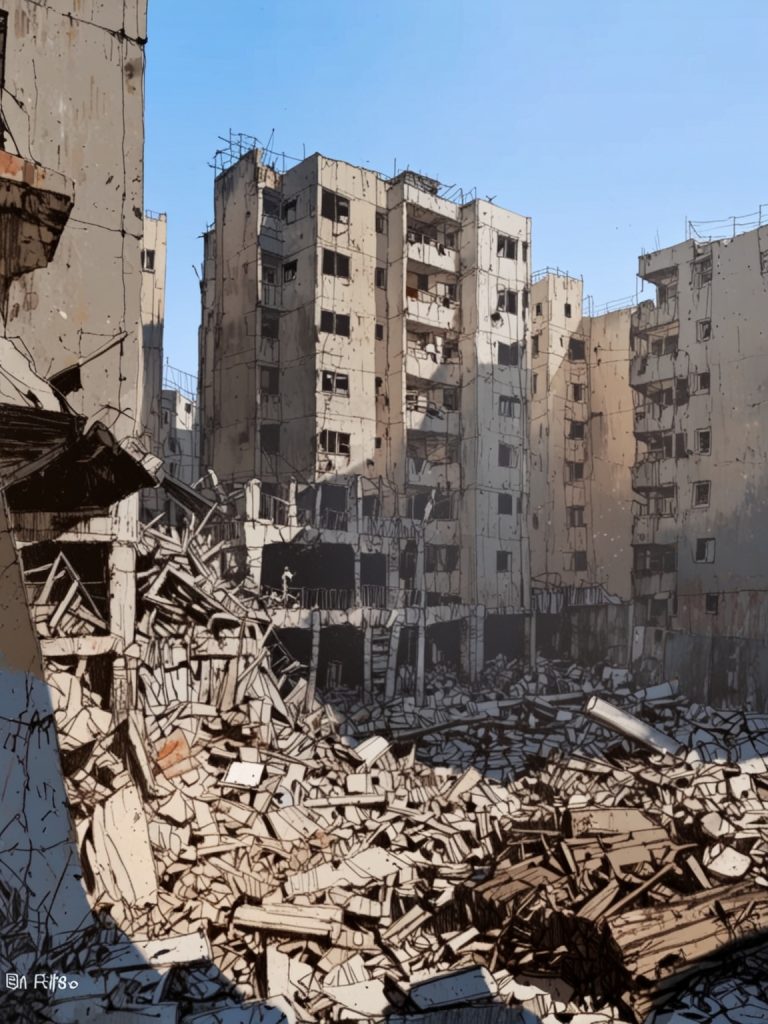
    My Point of View: Love, Life, and All the Chaos in Between

    I’d say this drama is a lot like life itself—messy, unpredictable, and full of awkward breakfasts with your parents. It’s easy to relate to Seok-ryu’s job search woes or Seung-hyo’s well-intentioned but clumsy attempts at romance. We’ve all been there. But what makes this drama stand out is its heart. Beneath all the misunderstandings and plot twists, there’s a genuine warmth to these characters. They’re flawed, sure, but they’re trying. And isn’t that what we’re all doing?

    I will say, though, the whole “Dan-ho’s not the dad” plot twist? Totally unnecessary. Sometimes simplicity is better. But hey, that’s drama for you.

    What’s Next? The Finale Awaits

    As we head into the final episodes, all eyes are on Seok-ryu and Seung-hyo’s relationship. Will they finally get their happy ending, or will their parents throw yet another wrench into the works? And let’s not forget about Dan-ho and Mo-eum, whose found family dynamic has been one of the sweetest parts of the show. I’m betting Seok-ryu takes over her dad’s snack shop and turns it into a massive success. And as for the rest? Well, we’ll just have to wait and see.

    The finale is just around the corner, and if Love Next Door has taught us anything, it’s that nothing ever goes quite as planned. But isn’t that half the fun?

    Israeli Ground Operation in Lebanon: How Far Will the Conflict Escalate?

    0

    Israel has taken a bold step. Launching a ground operation in Lebanon, it has sharply escalated its offensive against the militant group Hezbollah. This follows the airstrike that killed Hezbollah’s top leader, Hassan Nasrallah, in Beirut. The question now is: how far will this conflict go?

    TL;DR

    • Israel launches a ground operation in southern Lebanon to target Hezbollah.
    • Over 60,000 Israelis have been displaced near the Lebanon border.
    • The operation follows targeted strikes and intelligence operations.
    • The conflict risks expanding into a broader war, drawing in the U.S. and Iran.
    • Lebanon faces worsening turmoil, with thousands displaced and its economy in crisis.
    • The U.S. urges a diplomatic solution, fearing Iranian retaliation.
    • The situation represents a new phase of Israel’s ongoing conflict with Hezbollah.

    Israel’s Ground Operation Explained:
    On Tuesday morning, Israel launched a limited operation targeting several villages in southern Lebanon. According to the military, this was necessary to eliminate Hezbollah targets that pose an “immediate and real threat” to Israeli settlements near the northern border. Sounds intense, right? Well, that’s not even half of it.

    This latest move is a continuation of weeks of Israeli airstrikes, targeted killings, and a broader effort to dismantle Hezbollah’s command, supply lines, and firepower. The aim, as Israel puts it, is simple: to end nearly a year of relentless attacks by Hezbollah, including rockets, drones, and missiles launched from Lebanon.

    Life for the Displaced:
    Approximately 60,000 Israelis have been displaced from their homes near the Lebanese border for nearly a year due to the ongoing conflict. They, quite understandably, want to return home. The government is under serious pressure to make that happen. But with threats like Hezbollah just across the border, ensuring the safety of these citizens is no easy feat. The haunting memory of Hamas’ October 7th attack on southern Israel lingers, adding to the urgency.

    The Tensions Mount:
    Israel is stepping onto Hezbollah’s turf. The last time this happened, it ended in a stalemate—and not just once, but twice in the past 25 years. Now, the stakes are higher. This conflict could spiral into a broader war, potentially drawing in not just regional powers like Iran, but also major players like the United States. Nobody wants that, but here we are, walking that tightrope again.

    And let’s not forget about Lebanon. The country is already reeling from economic collapse, with its economy teetering on the brink of failure. Hundreds of thousands of Lebanese have fled their homes in recent weeks due to the bombing, and now, a ground war would only make things worse.

    America’s Stance:
    The U.S. has urged Israel to keep things “diplomatic.” Sounds easy, but it’s not when bombs are flying and enemies are at the gates. There’s no clear answer on how long Israel intends to hold any seized territory in Lebanon, or if this incursion will be a series of raids instead of a full-scale occupation.

    Washington is also concerned about the prospect of Iranian retaliation. After all, Tehran isn’t known for keeping quiet when its allies are under attack. There’s some serious strategic positioning happening in the background. For instance, the U.S. has kept two carrier strike groups in the region as a precaution. Normally, one would suffice, but these are no ordinary times.

    Israel’s Triple Battlefront:
    Israel isn’t just fighting Hezbollah. Its military is spread thin, with active conflicts in Gaza and the West Bank. In Gaza, the fight against Hamas continues, and the West Bank has seen its own unrest in recent months, including settler violence and militant attacks. Talk about multitasking on a dangerous scale.

    The bulk of Israel’s forces are now stationed in the north, facing Hezbollah. This front is becoming the primary focus of their military efforts, especially since Hezbollah began firing across the border soon after the October 7th attacks on southern Israel.

    History Repeating Itself?
    If Israel chooses to seize and hold territory in Lebanon, it might just be repeating history. Remember, Israel occupied southern Lebanon for 18 years, only to leave in 2000 after facing relentless attacks from Hezbollah, which itself was born out of Israel’s 1982 invasion. Fast forward to 2006, Israel and Hezbollah clashed again, resulting in a month-long conflict that many would call a military disaster for Israel.

    So, what’s different this time? Israel’s current strategy seems to play to its strengths: air power, intelligence, and technological superiority. But taking and holding land? That could be a whole new challenge. According to former senior Israeli military official Amir Avivi, Hezbollah may be weakened right now, but the real question is how far Israel is willing to go before retreating. The risks of getting bogged down in another prolonged occupation are obvious.

    A Lebanese Perspective:
    In Lebanon, the situation is dire. The country can barely cope with the massive displacement and the humanitarian fallout of recent bombings. An escalation could tip Lebanon into an even deeper crisis. For the Lebanese, it’s not just a question of political maneuvering; it’s a question of survival.

    The Lebanese army has already pulled back from the border in response to Israel’s warnings. They know what’s coming. Yet, amidst all the chaos, Hezbollah’s leaders remain defiant. In the first public comments since Nasrallah’s death, Hezbollah’s deputy leader Naim Qassem declared that they are ready for a ground engagement. Whether they have the capacity to back up those words remains to be seen.

    Elias Haddad, a 36-year-old teacher from Tyre, Lebanon, sat by his window, watching the distant glow of explosions on the horizon. He couldn’t help but wonder how much longer this would go on—how much more suffering his people would endure. The sounds of artillery fire had become a grim backdrop to daily life, making him question if peace was even possible. Would this ground operation be just another chapter in an endless cycle of retaliation, or would it escalate into a full-blown conflict that would consume everything they had built? The uncertainty gnawed at him, and he worried about the future of his young students, who deserved so much more than the fear and chaos that had become their normal.

    The American Conundrum:
    Over in Washington, the Biden administration has a lot on its plate. Keeping the USS Abraham Lincoln and the USS Harry S. Truman stationed in the area shows the level of concern. The last thing the U.S. wants is to get dragged into a full-blown war between Israel, Hezbollah, and potentially Iran. But with tensions this high, every move is a calculated risk.

    Point of View:
    I can’t help but wonder about the bigger picture here. Both sides claim to be defending their people, and yet, it’s the civilians who suffer the most. Is this really the best solution? History shows us that conflicts like these rarely end with a clear winner, just an endless cycle of pain and loss.

    Both sides claim to be defending their people, and yet, it’s the civilians who suffer the most.

    The people displaced from their homes, both in Israel and Lebanon, aren’t interested in geopolitical games. They want safety, stability, and a chance to return to some semblance of normal life. One has to question whether more boots on the ground and more bombs will ever provide that.

    Future Risks and Considerations:
    So where does that leave us? Israel’s latest moves certainly escalate the situation, but there are no easy answers. If the incursion turns into a full-blown occupation, we could be looking at another drawn-out conflict that benefits no one, least of all the civilians on either side. And then there’s Hezbollah—crippled, perhaps, but not defeated. That organization has shown a tenacity to fight back before, and there’s no reason to think it won’t try again.

    A broader war also means heightened risk for everyone involved. The region can’t afford it, and neither can the world. Iran’s potential involvement could change the entire dynamic, dragging in powers from far and wide. This isn’t just about Israel and Lebanon anymore; it’s a complex chess game with too many players, all with their own stakes.

    Conclusion:
    In the end, we’re left to watch, hope, and perhaps pray that this doesn’t turn into the wider war many fear. If both sides could find a way to step back from the brink, it might save thousands of lives. But until then, the drums of war keep beating, and the innocent continue to bear the burden of leaders making impossible decisions.

    Let’s be clear here: no one really wins in situations like this. Both sides are so consumed with their “rightness” that the human element gets lost. The displaced, the frightened, and the wounded are the ones who ultimately pay the price. Perhaps it’s time to rethink how we define victory.

    Why Apple’s Password Manager Is a Game-Changer

    0

    In the grand chessboard of online security, passwords are the pawns, and hackers are the rooks, ever-seeking to breach our digital fortresses. But what if we could turn the tables? What if we could elevate our passwords from mere pawns to powerful queens, capable of thwarting even the most cunning attacks? That’s where Apple’s Password Manager comes into play, a knight in shining armor for the digital age.

    Think of your passwords as keys to your online kingdom. A weak password is like a skeleton key, easily duplicated and used by anyone with malicious intent. But with Apple’s Password Manager, your passwords become complex, unbreakable fortresses, forged from the finest materials of digital security. Imagine a world where you never have to remember a single password again, where your online identity is protected by a digital guardian that never sleeps.

    TL;DR

    • Apple’s Password Manager is a powerful tool for protecting your online security.
    • It generates strong, unique passwords and autofills them for you.
    • The app is easy to use and integrates seamlessly with other Apple devices.
    • It offers features like password sharing, two-factor authentication, and security alerts.
    • By using Apple’s Password Manager, you can reduce your risk of data breaches and identity theft.

    The Internet Is a Jungle, and Your Password Is Your Only Weapon

    Let’s be real: the internet is a dangerous place. People lurking around trying to get into your accounts, and the sad truth is, many of us are just sitting ducks. Why? Because we insist on reusing the same tired password for everything. It’s like using a single key for your house, car, office, and who knows what else. Seriously, why make it easier for hackers?

    So, what’s the answer? Setting up a password manager is necessary, even if it feels like a hassle. If you’ve got an iPhone or Mac, you officially have no more excuses: Apple’s latest updates are making it simpler than ever with their new Passwords app.

    Apple’s New Passwords App: Finally, A Proper Password Manager

    The new Passwords app—available on the latest iPhone, iPad, and Mac software—acts as a bona fide password manager. Forget about struggling to think up new passwords for every account or getting locked out because you can’t remember them. This app suggests complex, unguessable passwords for you and fills them in when needed. It’s like having a personal assistant for your online life.

    But that’s not all! If you have kids who seem to need your Netflix password every other day, the app lets you share passwords with family members. And if you change the password later, everyone in the group gets updated automatically. No more “Mom, what’s the Netflix password?” (You’re welcome, parents.)

    Wait, Didn’t Apple Already Do This?

    Yes, you’re correct! Apple’s iCloud Keychain has saved logins for years, suggesting and storing passwords. But in the past, finding your passwords was an adventure—digging through the settings, trying to locate where they were saved, or adding that mysterious two-factor code.

    Now, with the Passwords app, all those logins are conveniently placed in one easy-to-access spot. Finally, right?

    Apple vs. The Competition: Should You Stick With Built-In or Go Pro?

    I usually recommend subscription-based security apps like 1Password over free built-in options. Why? Because they’re more feature-rich and cross-compatible. However, if you’re looking for a solid starting point, Apple’s Passwords is pretty good. It may not have advanced features like full cross-platform compatibility, but for the basics, it’s definitely a win.

    How to Boost Your Password Security With the Passwords App

    According to a recent Verizon analysis, data breaches have reached an all-time high this year, with over 10,000 breaches. Want to guess the leading cause? Stolen credentials. Using a password manager like Apple’s Passwords can make it much harder for hackers to get in. Yet, only 24% of people actually use one, according to a survey by Yubico.

    The average person has around 255 passwords (yikes!) to remember between work and personal accounts. So if you think you’re going to keep all that in your head… good luck! A password manager is the smarter way to go.

    Getting Started With Apple’s Passwords App

    You will need iOS 18 or later to use the Passwords app

    Apple’s Passwords app recognizes websites where you’ve saved logins and autofills those pesky, hard-to-remember passwords. And, here’s the beauty: once you update to iOS 18, iPadOS 18, or MacOS Sequoia, the app comes pre-installed on your devices and syncs with your Apple account. Already been using Apple to save passwords? Great news: everything is already set up.

    If you haven’t saved any passwords before, don’t worry! The Passwords app will start saving them as soon as you type them in. The next time you create or change a password, the app will suggest a safe, unique one for you and store it for future use. It’s as easy as that.

    Apple’s Passwords app works best within the company’s ecosystem—in apps and Safari on your Apple devices. If you use Google Chrome or Microsoft Edge, you can install the iCloud Passwords extension. Although I found that the extension mostly worked, there were moments when it didn’t save new logins. Apple claims they’re working on it, so fingers crossed!

    How to Turn On and Use Passwords

    Screenshot

    Worried about security? You should be. Fortunately, Passwords is locked with Touch ID, Face ID, or your device’s passcode. Basically, no one’s snooping without your permission.

    Your passwords are divided into different sections for easy access:

    • All: Where you find every password saved with iCloud Keychain.
    • Codes: Time-based two-factor authentication codes.
    • Passkeys: A list of websites where you’ve signed up to log in without a password.
    • Wi-Fi: Network logins.
    • Security: Weak or exposed passwords that need updating.

    Want to share passwords with family? The Shared Groups feature lets you share passwords with contacts—as long as they’re using Apple devices, of course.

    To make things even easier, follow these steps:

    1. Go to Settings > General > AutoFill & Passwords to activate it on your iPhone, iPad, or Mac.
    2. Enable password syncing across your devices by navigating to Settings, tapping your name, then iCloud, and selecting Passwords and Keychain.

    Did you store passwords somewhere else, like Chrome? No problem! You can import them to Passwords on your Mac.

    Apple Passwords vs. Third-Party Alternatives: My Two Cents

    Apple’s updated password manager is ideal for the low-tech folks among us. It’s free, and set-up is a breeze. As Romeo Gardner, CEO of Nehlos Cybersecurity, wisely said, “Using something is better than nothing.” He’s right—Passwords could be a stepping stone to a third-party app with even more security features.

    And here’s the reality: cross-platform compatibility is essential. Unfortunately, Passwords doesn’t work on Android devices or certain browsers, like Firefox. Also, Apple’s app doesn’t let you set a unique master password. That’s a big deal! I prefer password managers that encrypt using a single master password that even the app maker can’t access—meaning only you have the key.

    Apple’s Passwords uses the same passcode that unlocks your device. That means if someone gets your device and knows your passcode, well, they have the keys to the kingdom. This is the problem: thieves have stolen iPhones and used their passcodes to break into accounts. It’s why I think you need more protection.

    Passwords’ recommendations on compromised passwords

    My Take: Are You Better Off With Apple’s Passwords or Not?

    Let’s talk plainly: Should you just use Passwords and call it a day? If you’re the type who likes simplicity, convenience, and zero effort, then yes—it’s better than nothing, and it’s right there on your iPhone or Mac. No fuss, no subscription, no getting out your wallet.

    However, if you value control and want the best possible security, consider looking beyond Passwords. Apple’s offering works well, but it’s restricted to Apple devices. The fact that it uses your device passcode as its master key is a limitation if you care about ultimate privacy. With 1Password or Bitwarden, you get more cross-platform options, better encryption, and a master password that no one else knows but you.

    At the end of the day, keeping your passwords secure should not be an afterthought. Passwords are the first line of defense, and we live in a world where every little piece of data seems to be a target for hackers. Whether you go with Apple’s Passwords, Bitwarden, or 1Password, the important thing is to get started.

    Sophie Tran, a 34-year-old marketing consultant from Portland, Oregon, couldn’t help but be amazed at how seamlessly Apple’s new Password Manager integrated into her everyday life. “Honestly, I’ve always been that person with the sticky notes and the ‘super secure’ passwords like ‘Password123,'” she laughed, reflecting on her past attempts at digital security. “But now, with everything synced across my Mac and iPhone, it feels like I finally have my life together—at least when it comes to passwords. No more frantic ‘Forgot Password’ clicks; Apple’s got my back, and it’s actually kind of a game-changer.”

    Recent Events Related to Password Security

    1. Major Data Breaches:

    2. Phishing Attacks:

    • Netflix Phishing Scam: In recent years, there have been numerous phishing attacks targeting Netflix users. These scams attempt to trick users into revealing their login credentials by sending fraudulent emails or messages. [Source: https://help.netflix.com/en/node/65674]
    • Amazon Phishing Scam: Amazon users have also been targeted by phishing scams, which often involve emails claiming that their accounts have been compromised or that they need to update their payment information. [Source: https://www.techradar.com/tag/amazon]

    3. Ransomware Attacks:

    These recent events underscore the ongoing threat of cyberattacks and the importance of strong password security. The data breaches, phishing attacks, and ransomware incidents demonstrate the potential consequences of compromised accounts and the need for proactive measures to protect personal and sensitive information. By following best practices for password management and staying informed about emerging threats, individuals can significantly reduce their risk of falling victim to cyberattacks.

    Wrap-Up: It’s Password Protection Time!

    So, here’s what it all comes down to: the internet is not getting any safer, and we need to protect ourselves. If you’ve been putting off setting up a password manager, it’s time to stop procrastinating. Apple’s Passwords makes it easy, especially for Apple users, but if you want more control, flexibility, and security, don’t be afraid to take a step up to third-party options.

    Just remember, no matter which option you choose, two-factor authentication is a must for that added layer of security. Hackers might be clever, but with the right tools, you can be one step ahead in tech.