

More
    Home Blog Page 70

    Who Keeps the TikTok in a Divorce?

    0

    Divorce is complicated, but in the world of influencers, it comes with a twist. Forget splitting assets and bank accounts—welcome to the bizarre battlefield of social media accounts. When a couple that builds their entire life (and brand) online splits up, the question of who walks away with what isn’t just about houses, cars, or even pets. It’s about who gets the TikTok account with hundreds of thousands of followers, the Instagram with lucrative brand partnerships, and maybe even a YouTube channel where the audience is just as invested in the relationship as they are.

    So, let’s dive into this messy realm of digital asset division and how social media has transformed what’s “valuable” in divorce. Why do social media accounts, once considered fun and frivolous, now matter as much as the cash in the bank? And how do these couples even begin to decide who keeps what? Read on as we break down the financial, emotional, and even slightly absurd reality of dividing social media accounts during a divorce.

    TL;DR

    • Social media accounts are now valuable assets in divorces, especially for influencer couples.
    • Courts struggle to handle digital assets, often leaving couples to figure out fair solutions themselves.
    • Dividing followers isn’t easy, and couples may face a loss in audience post-split.
    • Some couples try co-managing accounts, while others start new ones to move forward.
    • Fights over social media accounts reveal how followers have become a form of currency in modern relationships.

    The New “Assets” of Divorce: Social Media Accounts

    First things first: how did social media accounts become so valuable that people are willing to fight over them? In the past, dividing up property in a divorce involved the house, cars, and maybe even the family pets. But in today’s digital economy, a couple’s most valuable asset might just be a shared TikTok account or Instagram page. Why? Because some social media accounts are income-generating machines. Influencer couples, especially, rely on their social platforms for everything from ad revenue to brand deals, partnerships, and even direct sales. A single TikTok post can bring in thousands of dollars, which makes that TikTok account no less valuable than a physical storefront in the business world.

    How Courts Handle Digital Assets

    So, where does the legal system stand on this? It turns out that divorce courts, often more used to property deeds than influencer contracts, are not fully prepared to handle the complexities of these digital assets. The primary challenge lies in assessing the accounts’ worth and deciding who actually deserves them. Should the person with the biggest “influence” keep the account, or should both partners get a fair cut of the potential revenue?

    Without set guidelines, courts often rely on the couple’s ability to reach a mutual agreement. Yet, that’s like telling two people fighting over a rare collector’s item to “just figure it out.” It’s a task many couples find impossible to tackle on their own. And when they can’t, the mess spills out in public, with each side vying not just for assets but for the loyalty of followers. After all, audiences are the real “currency” in the influencer world.

    Why It’s Not Just About the Money

    While money is certainly a big part of the equation, for many couples, the fight goes deeper. These social media accounts often represent years of hard work, creativity, and, in some cases, intimate memories. Fans and followers may have become emotionally invested in the couple’s relationship, further complicating things when a breakup occurs. Dividing the account can feel like tearing apart a part of one’s identity, as these platforms often showcase their lives and personalities.

    Moreover, a social media account with a massive following can become a public battleground. Each party has their narrative, and no one is shy about airing dirty laundry if it means they get to keep their following. This leads to messy, public disputes that can damage the “brand” each individual has worked so hard to build. In the court of public opinion, sympathy often falls on one side, potentially leaving the other without an audience—or worse, with a damaged reputation.

    Dividing Followers: Is It Possible?

    So, how do you divide a fanbase? The answer is… you don’t. Followers are people, not assets, and they don’t always stick around after a breakup. It’s not as simple as saying, “I’ll take half the TikTok followers, and you can keep the Instagram crowd.” In reality, both influencers usually take a hit in followers, as fans often pick sides or lose interest altogether. This makes the decision even harder since followers aren’t exactly predictable, nor are they bound by any “ownership” in the divorce decree.

    But here’s where some influencers get creative. In the best-case scenario, some couples agree to co-manage the account, each taking a turn or even splitting revenue from it. However, this requires an impressive level of maturity and cooperation—qualities not always abundant in the aftermath of a messy breakup. When that doesn’t work, some go for the nuclear option: starting fresh. It may sound daunting, but for some, beginning a new channel or account offers the clean slate they need.

    My Take: Divorcing the Digital Way

    Now, here’s where I throw in my two cents. Personally, I think there’s something a little ironic, maybe even a tad ridiculous, about fighting tooth and nail over followers. Don’t get me wrong—social media platforms have value, and losing a steady income stream is no joke. But it’s a curious commentary on our modern world when people care more about who keeps the Instagram than who gets the couch.

    From my perspective, I’d advise couples in these situations to take a step back and look at the bigger picture. Think long-term. Will a million followers really mean that much in ten years? Or would it be more beneficial to let go and focus on building something new, something that reflects who you are post-breakup? Because, let’s face it, keeping a platform that feels like an ex’s shadow is bound to get old fast. Instead of fighting over digital memories, why not create a new path that truly represents the person you’ve become?

    Recent Cases of Social Media Account Battles in Divorce

    In recent years, several high-profile cases have highlighted just how contentious and complicated the division of social media accounts can become in a divorce. Below are some examples that underscore the complexities of this modern issue and provide context for the points discussed in the article:

    1. Myka and James Stauffer (YouTube and Instagram)
    • When parenting influencers Myka and James Stauffer divorced, there was significant media attention surrounding their YouTube channel and Instagram following. Known for their adoption-related content, their followers were deeply invested in their family journey. The breakup prompted debates on who would retain access to the audience they had built together.
    • Source: The Washington Post
    1. Addison Rae’s Parents’ Divorce and Social Media Drama
    • TikTok star Addison Rae’s parents, Sheri Easterling and Monty Lopez, experienced a very public split, which affected their individual social media followings. Both parents tried to establish their own online identities, and tensions rose as they navigated personal branding post-breakup.
    • Source: People Magazine
    1. Juanpa Zurita and Lele Pons’ “Social Divorce”
    • Latin influencers Juanpa Zurita and Lele Pons, who were once collaborators and close friends, had a very public falling-out. Though not a romantic couple, their shared content and joint fanbase faced similar issues of division, with both influencers claiming “rights” to joint content. This example underscores the challenges faced by digital influencers when personal and professional relationships overlap.
    • Source: Forbes
    1. The Ace Family’s Ongoing Legal Battles
    • Influencers Austin and Catherine McBroom of the Ace Family have been surrounded by rumors of a potential split amid numerous lawsuits and financial issues. Although they haven’t confirmed any divorce, speculation about a potential split raises questions about how they would divide their massive social media empire if it were to happen.
    • Source: Insider

    Key Factors to Consider for Couples Facing Digital Divisions

    1. Valuation: Understanding the actual financial value of the account can be tricky but crucial. Consulting a digital marketing expert or influencer management specialist might help in valuing the asset realistically.
    2. Revenue Potential: Think not only about current earnings but also future potential. Is the account’s popularity likely to grow, or has it plateaued?
    3. Follower Loyalty: If your fanbase is loyal to the “couple brand,” consider that splitting the account could lead to a major drop in followers. Losing a big chunk of the audience is often inevitable, so be prepared.
    4. Content Rights: Determine who holds the creative rights to past posts and content. If one partner was the creative driver, they might be entitled to a larger share.
    5. Brand Impact: Consider whether dragging this fight into the public sphere will do more harm than good to both parties. Sometimes, the cost of losing an audience’s respect isn’t worth the prize.

    Can You Ever Truly Move On?

    In the end, keeping a shared social media account might just mean dragging the past along, like digital baggage that never goes away. And as we all know, moving on requires letting go. While it may sound dramatic, there’s some wisdom in “digital separation” post-breakup. New followers, new fans, and new opportunities await, often bigger and brighter than the ones left behind.

    So, if you’re an influencer couple on the brink of divorce, consider whether that shared TikTok account is worth the headaches. Is it a source of future income or a weight that pulls you both down? In the end, the choice is yours—but sometimes, starting over is the best move you can make.

    Splitting social media accounts in a divorce isn’t just a legal hassle; it’s a modern love story with a twist of satire and a side of hard truths. Just remember, followers come and go, but your sanity? That’s worth holding onto.
    The Real Gandhi: Who is he?

    0

    DisclaimerThe views and opinions found in this article are for entertainment purposes only, readers are encouraged to do their research.

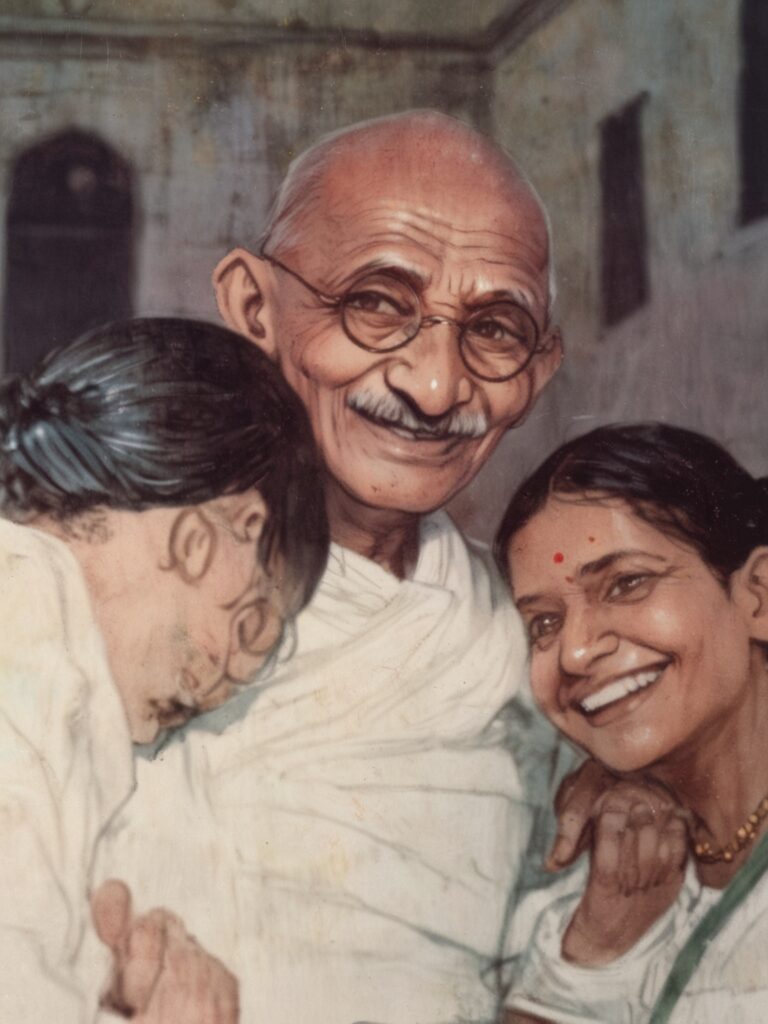
    Ah, Mahatma Gandhi. A name that conjures images of peaceful protests, spinning wheels, and the kind of spirituality that makes you feel all warm and fuzzy inside. But hold your horses, dear reader! Before you get too comfortable with the idea of the saintly figure, let’s take a stroll down the less glamorous path of his life and beliefs. Spoiler alert: It’s going to get a little uncomfortable. By the end, you may find yourself reconsidering the legacy of the man who is often hailed as the “Father of the Nation.”

    Born Mohandas Karamchand Gandhi on October 2, 1869, in Porbandar, India, Gandhi enjoyed a relatively comfortable upbringing. His father was the chief minister of the region, which, let’s be honest, gave him a front-row seat to the perks of colonial privilege. And his mother? Well, she was a pious woman whose devotion to simplicity and ethics became the bedrock of Gandhi’s philosophy. So far, so good, right? But fasten your seatbelts, folks.

    AspectDetails
    Full NameMohandas Karamchand Gandhi
    BornOctober 2, 1869, in Porbandar, India
    EducationStudied law in London, England
    Key Contributions– Led the Indian independence movement through non-violent resistance.
    – Advocated for civil rights in South Africa.
    – Championed social reforms for untouchables (Harijans).
    PhilosophyNon-violence (Ahimsa) and civil disobedience
    Controversial Views– Held racist views towards black South Africans.
    – Advocated controversial opinions on how to respond to the Holocaust.
    – Engaged in questionable personal practices regarding young women.
    Legacy– Recognized as the Father of the Nation in India.
    – Inspired global movements for civil rights and freedom.
    DeathAssassinated on January 30, 1948, by Nathuram Godse
    Modern CriticismViewed as a complex figure with both admirable qualities and significant flaws.

    From Law School to Activism: The Unlikely Journey

    Gandhi’s journey took a turn when he headed to London to study law. Now, picture this: a young Indian man, away from home, trying to uphold his mother’s teachings while dodging the temptations of city life. Spoiler: He wasn’t always successful. While he vowed to avoid meat and women (good luck with that, young Gandhi!), he was soon exposed to the stark reality of late 19th-century London—grimy streets, poverty, and a distinct lack of golden pavements.

    Gandhi’s time in London was eye-opening, to say the least. He saw not only the opulence that came with industrial wealth but also the struggles of the less fortunate. This exposure laid the groundwork for his activism. Yet, it was South Africa that truly sparked his indignation. As a man of color, he quickly learned that his education and status meant little in the face of racial discrimination. In fact, he faced a harsh wake-up call when he was thrown off a train for sitting in the wrong carriage. Ah, the irony!

    His experiences in South Africa ignited a fire within him, and he resolved to fight for the rights of Indians living there. Armed with the conviction that change could be achieved peacefully, he began to carve out his niche as an activist. Gandhi famously declared, “Every revolution begins with a single act of defiance,” and boy, did he take that to heart. However, while he may have been the champion of non-violence, he wasn’t entirely free from controversy.

    The Saintly Image and the Uncomfortable Truth

    Now, let’s pause for a moment to appreciate Gandhi’s more noble achievements. He fought tirelessly for Indian rights, enduring beatings, imprisonment, and various forms of oppression while steadfastly preaching peace. But, as we delve deeper, we discover a complex figure who held some shockingly contradictory views.

    For instance, Gandhi’s relationship with women has drawn scrutiny over the years. While he preached equality and respect, he often surrounded himself with young women, including his grandnieces, and practiced some rather peculiar sleeping arrangements. It’s one of those things that leaves you scratching your head—what exactly was he thinking?

    Then there are his views on race, which, let’s just say, were less than progressive. Despite his significant role in fighting for the rights of Indians, he held some decidedly unflattering beliefs about other races. In fact, Gandhi’s comments about African people have sparked outrage and debate in recent years, particularly in countries like Malawi and Ghana, where hashtags like #GandhiMustFall are becoming a rallying cry. How’s that for a plot twist?

    The Conundrum of Non-Violence

    If you thought Gandhi’s life story was already filled with contradictions, hold on to your hats, because we’re about to dive into the deep end of the pool. During World War II, when many countries were mobilizing to fight against the atrocities committed by the Nazis, Gandhi had some rather controversial opinions. He suggested that the British should not resist Nazi aggression, arguing that surrender would provoke a moral awakening. His infamous quote, “I would like you to lay down the arms you have as being useless for saving you or humanity,” raised more than a few eyebrows.

    Imagine, if you will, a world where countries simply capitulated to tyrants. While it’s commendable to promote peace, there’s a fine line between advocating for non-violence and enabling cruelty. It’s safe to say that history has shown us the dangers of inaction in the face of evil.

    A Legacy of Complexity

    So, what do we make of this complex figure? Is Gandhi a hero, a hypocrite, or a bit of both? The truth lies somewhere in the gray areas of morality and history. While he championed the cause of Indian independence and inspired countless others, his shortcomings cannot simply be swept under the rug.

    Gandhi’s legacy raises important questions about the nature of activism and the responsibilities that come with it. Is it enough to fight for one’s own people while holding discriminatory views about others? Can a person’s achievements be celebrated when they’re accompanied by a history of prejudice?

    My Take: A Cautionary Tale

    In my humble opinion, Gandhi’s story serves as a cautionary tale about the complexities of human nature. No one is perfect, and our heroes often have flaws. While it’s essential to honor Gandhi’s contributions to Indian independence, it’s equally important to engage in open discussions about his less-than-stellar beliefs. We must strive for a more inclusive understanding of history—one that acknowledges both the triumphs and failures of influential figures.

    Furthermore, this legacy should remind us that our own activism must be rooted in genuine equality and respect for all, regardless of race or background. We should take a lesson from Gandhi’s journey and hold ourselves accountable for the ways in which our beliefs align with our actions.

    Gandhi—A Hero for All Times?

    Who is Gandhi? Ultimately, the life of Gandhi challenges us to reconsider what it means to be a hero. His commitment to non-violence and justice cannot be overlooked, but neither can his problematic views. As we continue to discuss and dissect his legacy, let’s do so with a blend of admiration and critical thought.

    In this age of social media and global awareness, it’s crucial to recognize the nuances in historical figures. Let’s aim to learn from their journeys—both the inspiring moments and the uncomfortable truths. After all, history is not merely a collection of heroic tales; it’s a tapestry woven from the threads of human complexity. So, next time you find yourself idolizing a historical figure, remember: there’s often more beneath the surface than meets the eye.

    China in WWII: The Forgotten Ally

    2

    For decades, the annals of World War II have been dominated by the tales of European and Pacific theaters. Yet, a colossal chapter, often overlooked, unfolded across the vast expanse of Asia. A sleeping dragon, awakened by the roar of imperial ambition, rose to meet the challenge.

    China, a nation with a rich history and a resilient spirit, found itself at the forefront of a brutal conflict. While the world’s attention was drawn to the battles of Normandy and the Pacific islands, the Chinese people endured a relentless war of attrition against the Japanese Empire.

    This forgotten ally, a silent giant, bore the brunt of Japanese aggression for over a decade. Its sacrifices, its strategic significance, and its ultimate contribution to the Allied victory are narratives that deserve to be illuminated. As we delve into this often-neglected chapter of history, we invite you to rediscover a forgotten ally, a dragon that roared and a nation that endured.

    TL;DR

    • China fought against Japan for 14 years, the longest of any Allied nation.
    • Despite limited resources, China tied down significant Japanese forces.
    • China’s resistance diverted Japanese attention from other theaters of war.
    • The Chinese people endured immense suffering and loss.
    • Recognizing China’s contributions is essential for a complete understanding of WWII.

    When you think of the Allied powers in WWII, which nations come to mind? The United States, Britain, and the Soviet Union might be your first guesses. But there’s one crucial ally that history often forgets—China. Overlooked, misunderstood, and usually buried under Eurocentric narratives, China’s war efforts, sacrifices, and resilience are largely overshadowed. Yet, China was not only an Allied power; it bore the brunt of a relentless invasion long before other nations even joined the conflict. So, let’s dive into this lesser-known chapter of WWII history and see why China’s role deserves more recognition.

    1. The Forgotten Start: China’s Early Struggles Against Japan

    To set the record straight, China’s involvement in WWII didn’t start in 1941 or even 1939. It began way back in 1937 when Japan launched a full-scale invasion, following a brutal campaign of violence and occupation. Imagine fighting a war on your own for four long years, all while global powers looked on with mild interest. That’s exactly what China faced. Japanese forces rampaged through cities, seizing resources and committing atrocities—events still etched in China’s collective memory.

    In Europe, France fell in mere weeks, and yet it’s remembered as a valiant Ally. China, which endured 14 grueling years of warfare, tends to be brushed off. This is where the Eurocentric bias becomes crystal clear, but that’s only scratching the surface.

    2. Aid and Allies: The Confusing Relationship Between China, the U.S., and Other Powers

    Here’s where things get messy. While most assume the U.S. always supported China, this wasn’t exactly true. Initially, aid from the West was minimal. China had to rely on unconventional sources for assistance, with supplies arriving through difficult and ever-shifting channels.

    At first, the Germans and Soviets surprisingly offered support. The Soviets saw an opportunity to keep Japan at bay and maintain their focus on the Chinese front. However, once Germany allied with Japan in 1938, Germany withdrew its support. In 1941, when the Nazis invaded the Soviet Union, the last Soviet aid routes were cut off. Meanwhile, the U.S. sat on the sidelines, reluctant to commit until Japan attacked Pearl Harbor.

    When U.S. aid finally arrived, it was riddled with logistical nightmares. Limited routes for supplies into China made every shipment a costly and dangerous affair. Supplies often had to be flown over perilous mountains, limiting what could realistically reach Chinese forces. For China, “aid” was often a slow trickle rather than the flood of support enjoyed by Europe.

    3. Leadership Conflicts: General Stilwell and Chiang Kai-shek’s Tense Partnership

    Nothing reveals the struggles of China’s alliance with the West quite like the strained relationship between U.S. General Joseph Stilwell and Chinese leader Chiang Kai-shek. Sent to assist China’s military effort, Stilwell was expected to work with Chiang, but their personalities clashed from day one. Stilwell often dismissed Chiang’s strategies, insisting on implementing his own plans with little regard for China’s war experience or limited resources.

    Chiang, on the other hand, viewed Stilwell’s approach as arrogant and misguided. After all, China had been battling Japanese forces for years and had developed its own strategies out of sheer necessity. Yet Stilwell saw these tactics as “cowardice,” leading to a public feud that soured U.S.-China relations for years. This toxic dynamic, unfortunately, became a part of how the Western world viewed China’s war effort—perpetuating a sense of incompetence rather than acknowledging China’s resilience and sacrifice.

    4. Burma’s Fall and the Impact on China’s Supply Lines

    Now, imagine this: you’re fighting a formidable opponent, and just as you’re about to receive crucial support, your lifeline is cut. That’s what happened when Japan seized Burma, effectively closing one of the last supply routes into China. Chiang offered troops to help defend the route, but British hesitation delayed their deployment, and the coordinated response failed. By the time they were mobilized, Japan’s swift maneuvers had left Allied forces scrambling.

    This disaster only added fuel to the discord between Allied leaders and left China stranded with dwindling resources. It became nearly impossible to send significant aid, forcing China to rely on costly airlifts over the Himalayas. This wasn’t just about logistics; it was a lifeline severed at the worst possible time.

    5. My Take: Why China’s Story Deserves the Spotlight

    Now, let’s get real. It’s ironic, even a bit tragic, that China’s monumental efforts have been so widely overlooked in history. Maybe it’s because Hollywood’s classic WWII stories rarely step outside the European theater. Or perhaps it’s due to lingering political divides post-war. Either way, it’s clear that China’s sacrifices and struggles have never quite received the recognition they deserve.

    There’s something profoundly unfair about a narrative that glosses over the 14 years China spent resisting Japanese occupation. It’s a chapter rich in courage, resilience, and strategic endurance that deserves to be remembered, not sidelined. Perhaps the next time we discuss WWII, we should give China a seat at the table—right alongside the other Allied powers that fought for freedom.

    “The more I learn about World War II, the more it blows my mind that China fought so hard against Japan for so long, yet it’s barely mentioned in history classes. It’s like everyone just remembers the flashy battles in Europe but forgets about the intense struggle in China. I mean, 14 years of fighting and all we hear about is the quick stuff! It’s frustrating that the sacrifices of the Chinese people are overlooked. They deserve more recognition for their bravery and resilience during such a brutal time.” – Jian Liu, 29, Shanghai

    6. The Aftermath: China’s Devastated Economy and the Legacy of War

    By the end of WWII, China was left battered and drained. Hyperinflation ravaged the economy, infrastructure lay in ruins, and millions of lives were lost. Even as U.S. aid flowed in, it came too late to restore what had been broken. In 1944, Japan launched a final offensive that decimated Chinese forces and left cities in ruins. The aid that finally arrived in 1945 was too little, too late.

    Following the war, China faced internal strife that led to a bitter civil war and the eventual rise of the People’s Republic. With so many other crises at hand, the story of China’s role in WWII was all but forgotten. But it’s time we change that. Remembering China’s contributions isn’t just about rewriting history; it’s about honoring a people who stood against unimaginable odds and never backed down.

    History, as they say, is written by the victors. But sometimes, it’s also written by those with the loudest voices. China may not have been part of the European theater, and its efforts may not have fit the Hollywood narrative, but make no mistake—China was an essential Allied power. They deserve recognition, respect, and perhaps even a re-evaluation of their role in WWII’s story.

    So, next time the subject of WWII arises, let’s not just think of the Allies as the “Big Three.” Let’s remember that, across the Pacific, China was there too, fighting, sacrificing, and holding the line—often alone and against the odds. It’s high time we gave China its rightful place in the history books.

    Did Biden Really Call Trump Supporters Garbage?

    0

    Key Takeaways:

    • Biden’s comment was directed specifically at a Trump rally speaker, but Republicans interpreted it as an insult to Trump supporters.
    • The White House clarified that Biden meant only the speaker’s rhetoric was “garbage,” not the supporters as a whole.
    • Republicans have seized the remark, likening it to Clinton’s “basket of deplorables” comment.
    • Even some Democrats are choosing to distance themselves from Biden’s words to avoid backlash.
    • This incident highlights both Biden’s tendency for “gaffes” and the increasing polarization of the American political landscape.

    Biden’s ‘Garbage’ Gaffe: Clarifying the Confusion

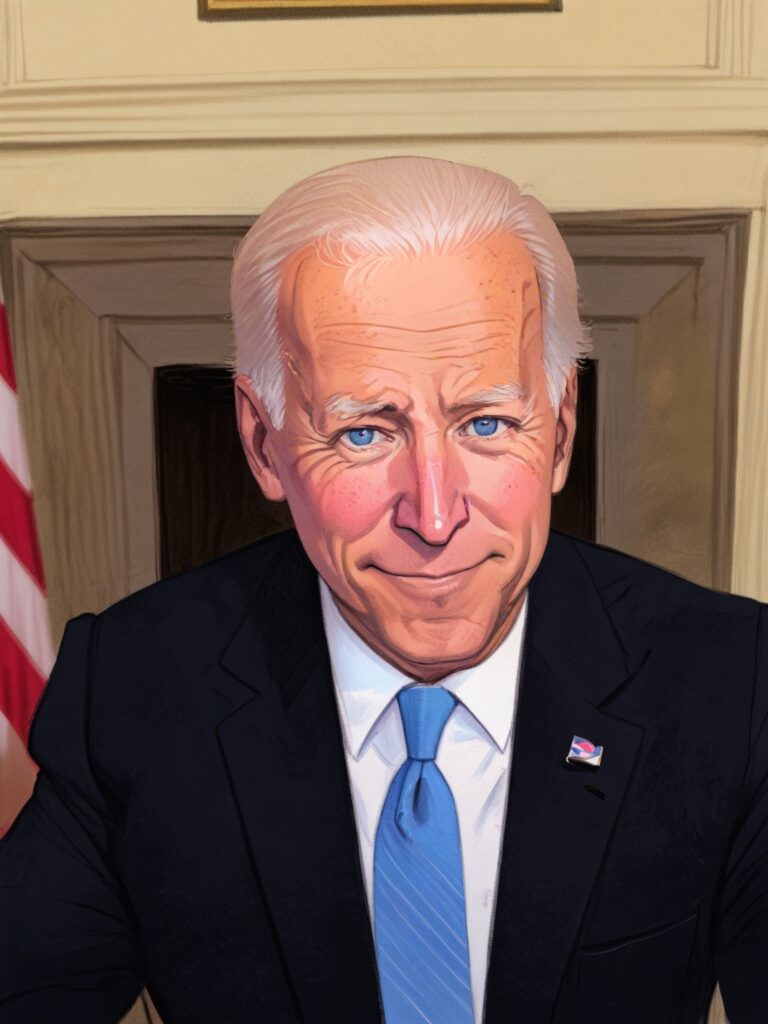
    In yet another political misstep, President Joe Biden found himself needing to clarify his words after appearing to refer to Donald Trump’s supporters as “garbage.” The incident unfolded during a livestream event with Voto Latino, an advocacy group, where Biden was denouncing rhetoric from a Trump rally at Madison Square Garden. The rally, known for its racially charged and divisive comments, sparked heated reactions. But Biden’s response, though arguably passionate, quickly spiraled into a frenzy of misinterpretation.

    So, What Did Biden Really Mean?

    During his address, Biden specifically criticized remarks made by Tony Hinchcliffe, a comedian and Trump supporter who called Puerto Rico a “floating island of garbage.” Biden fired back, describing Hinchcliffe’s words as “garbage,” adding that “the only garbage I see floating out there is his supporter’s — his hatred — his demonization of Latinos.” But in the world of politics, words are scrutinized to the letter. Conservatives interpreted Biden’s words as a broader insult to Trump supporters, bringing back memories of Hillary Clinton’s infamous “basket of deplorables” remark.

    A Quick Rewind to Clinton’s ‘Deplorables’ Moment

    Clinton’s 2016 comment about Trump supporters being a “basket of deplorables” marked a major blunder in her campaign, further alienating voters she may have otherwise won over. With Biden’s latest words echoing those memories, Republicans pounced. President Trump, among other GOP figures, pointed to Biden’s words as evidence of a “coastal elite” disdain for ordinary Americans. And just like that, Biden’s remarks became a flashpoint in the political divide, despite his team’s clarification.

    White House Damage Control Mode

    The White House didn’t waste any time jumping into clarification mode. Andrew Bates, a spokesman, stated unequivocally that Biden’s critique was squarely directed at Hinchcliffe’s rhetoric, not at Trump’s supporters. In fact, the White House even went so far as to clarify that Biden’s use of “supporter’s” was possessive, referring to Hinchcliffe alone. A typo? Maybe. Or maybe just another example of how in politics, even the placement of an apostrophe can launch a thousand headlines.

    Biden himself took to X (formerly known as Twitter) to further explain, saying, “Earlier today I referred to the hateful rhetoric about Puerto Rico spewed by Trump’s supporter at his Madison Square Garden rally as garbage…The comments at that rally don’t reflect who we are as a nation.”

    The Republican Response: Outrage and Campaign Fuel

    Republicans didn’t let Biden’s remarks pass quietly. Trump’s campaign responded in full force, painting the Democrats as out-of-touch elitists who look down on regular Americans. A Trump campaign statement said, “President Trump is backed by Latinos, Black voters, union workers, angel moms, law enforcement officers, border patrol agents, and Americans of all faiths — and Harris, Walz, and Biden have labeled these great Americans as fascists, Nazis, and now, garbage.”

    Among the most vocal was Trump’s running mate, JD Vance, who condemned Biden’s remarks as “disgusting.” Similarly, Senator Marco Rubio of Florida, who has long prided himself on his Cuban American heritage, demanded an apology on behalf of the Latino community, which Trump has increasingly courted in key states like Pennsylvania.

    From Biden’s Own Party: Mixed Reactions

    Even within Biden’s party, responses were mixed. Some Democrats distanced themselves from Biden’s words, perhaps to avoid a repeat of Clinton’s “deplorables” fiasco. Pennsylvania Governor Josh Shapiro, for instance, chose to walk a diplomatic line, saying he would “never insult the good people of Pennsylvania or any Americans, even if they chose to support a candidate I didn’t support.”

    The Bigger Picture: Are These Comments Really Just “Gaffes”?

    It’s worth pausing to consider: Are Biden’s remarks just a matter of “misspeaking,” or do they reveal something deeper? Biden, at 81 years old, has frequently faced criticism for occasional slips of the tongue or factual confusion. While his team is quick to downplay these as minor gaffes, Republicans argue that such comments expose a lack of coherence in his leadership. Vice President Kamala Harris, seen by many as the “new generation” in the Democratic Party, has had to frequently clarify or defend Biden’s statements, raising questions about the party’s unity heading into the election.

    My Take on Biden’s ‘Gaffe’ Game

    Here’s the thing: Every politician has off-the-cuff moments, but Biden’s frequent need to backpedal might signal a disconnect. Perhaps he genuinely aimed to attack only the hateful rhetoric at the Trump rally. But Biden’s comment—whether due to poor phrasing or a calculated jab—illustrates the communication pitfalls of his administration. While his intentions might be benign, Biden often struggles to maintain clarity in the face of his critics’ scrutiny. To Republicans, this “garbage” comment becomes a golden opportunity to fuel their narrative of a presidency that’s allegedly out of touch.

    Conversely, Biden’s supporters can argue that he’s simply passionate about standing up to hate and division, two forces that are undeniably potent in today’s America. And as history shows us, the closer we get to an election, the sharper the rhetoric from both sides.

    The Election Countdown and What’s at Stake

    With just seven days to go before the election, Biden’s “garbage” moment might come and go in the grand scheme of campaign blunders. Yet, it offers a telling glimpse into the strategies both sides are likely to pursue as the clock winds down. Republicans, focusing on a message of unity across diverse demographics, seek to paint Biden’s words as an elitist dismissal of half the country. Democrats, on the other hand, are attempting to present themselves as the guardians of inclusivity and tolerance, despite occasional verbal missteps.

    In this charged environment, one can only expect more moments like this as both parties strive to define “what America truly stands for.” So, buckle up! The political theatrics are just getting started, and if this “garbage” saga is any indication, neither side plans on holding back.

    In Conclusion: A Lesson for Future Speeches

    As Biden moves forward, there’s a lesson here that any politician should take to heart: words matter—especially during election season. And while a passionate defense of marginalized communities is always warranted, a little extra caution on the mic wouldn’t hurt. Just a thought, Joe.

    As election day looms, the stakes are high, the rhetoric is sharp, and every word counts.

    Tycoon Ratan Tata Leaves $100,000,000 for His Dog

    0

    Ratan Tata, the industrial titan known for his empire-building feats, has left an unexpected legacy. In a twist that would make even the most seasoned Wall Street wolves raise an eyebrow, the billionaire has bequeathed a staggering $100 million to his beloved canine companion. This isn’t just a generous gesture; it’s a testament to the profound bond between man and beast, and a reminder that sometimes, the most valuable things in life aren’t measured in dollars and cents. As the saying goes, “A dog is a man’s best friend,” and in Tata’s case, a very, very expensive one.

    TL;DR

    1. Ratan Tata, a respected billionaire and former chairman of Tata Group, recently passed, leaving a large part of his fortune to his beloved dog, Tito.
    2. His unique inheritance choices reveal a deep bond with his pet and his aides, whom he trusted deeply.
    3. Bombay House, Tata’s headquarters, reflects his compassion, as he ensured stray animals were always welcome.
    4. Tata’s fortune distribution challenges traditional family legacies, showing that love and loyalty can be expressed in unexpected ways.
    5. This story highlights how Tata’s caring legacy goes beyond wealth, offering a refreshing perspective on compassion and priorities.

    An Unconventional Inheritance: Tata’s Love for Tito

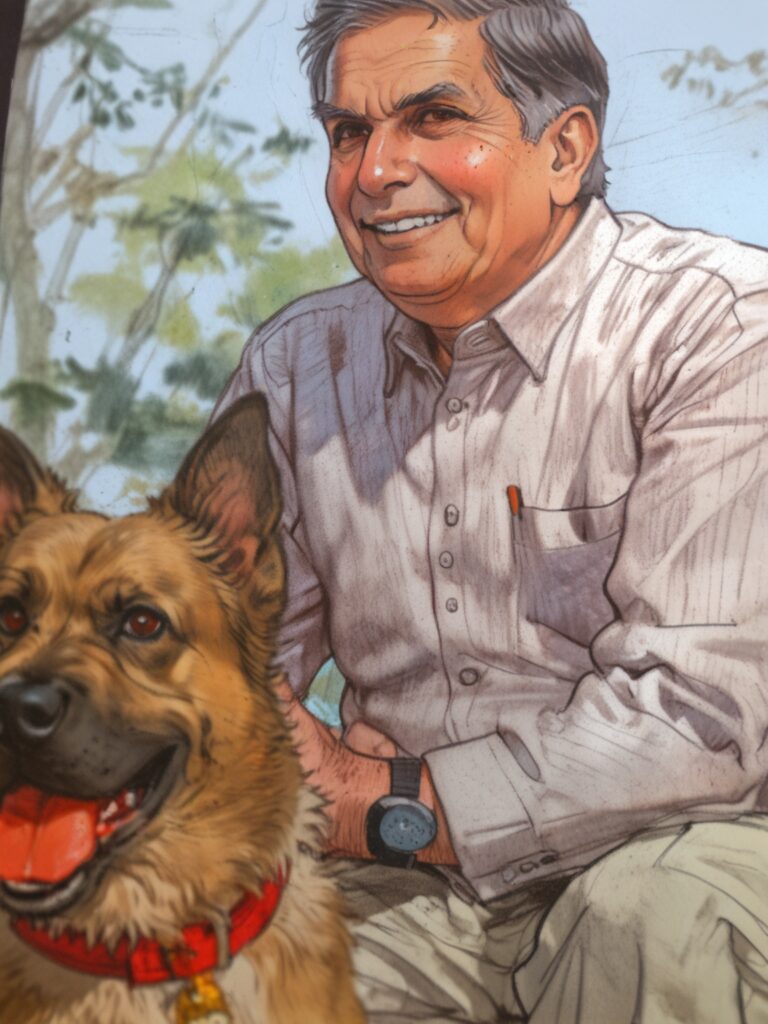
    When it comes to a heartfelt legacy, you might think of philanthropy or family trusts. But billionaire Ratan Tata, the former chairman of Tata Group, took a creative turn with his wealth distribution. Following his passing on October 9 at 86, Tata left a substantial chunk of his fortune to… wait for it… his dog Tito, a loyal German Shepherd he adored. If this sounds surprising, think again—this man’s devotion to animals was legendary.

    It’s not every day that you hear about a tycoon prioritizing his pet over, say, extended family. But Tata’s bond with Tito is no ordinary tale. Known for his compassionate spirit, he’s made sure his loyal four-legged friend will live in comfort and luxury, likely envied by canines worldwide. But how did a dog manage to fetch so much of a billionaire’s fortune?

    The Loyal Beneficiaries: Tito, Aides, and a Lasting Love for Animals

    According to sources like The Daily Mail, Tata left a significant portion of his $98 million estate to Tito, ensuring “unlimited care” for his beloved dog. A man who never married nor had children, Tata made provisions for Tito and a few trusted aides who were practically family. His butler, Konar Subbiah, and cook, Rajan Shaw, also received considerable portions of his wealth with one condition: they are to care for Tito.

    Both men, who are reportedly in their 50s, have earned the right to retire in style—thanks to Tata’s heartfelt gratitude. As for his actual family? They’ll be inheriting a portion of his estate, though maybe not as lavishly as Tito and the caretakers. It’s clear that Tata was very intentional in his bequests, giving his wealth to those who meant the most to him in life.

    Tata’s Love for Animals Wasn’t a Secret

    If you think leaving money to a dog sounds eccentric, Tata’s animal-friendly approach to life will give you perspective. At Tata Group’s headquarters, the famous Bombay House, animals were always welcome, thanks to Tata’s directives. Stray dogs, often ignored in busy cities like Mumbai, found a warm welcome, food, and shelter at the headquarters. The Times of India even reported that Tata’s team was instructed never to turn away an animal in need—a policy that made Bombay House a unique, heartwarming space.

    In a memorable instance back in 2018, Tata reportedly canceled an appointment with Prince Charles to stay by Tito’s side when the pup was unwell. Clearly, for Tata, loyalty went both ways.

    Ratan Tata: Building an Empire, Nurturing Compassion

    Let’s not forget that Tata’s legacy goes beyond his love for dogs. This man is credited with transforming Tata Group into one of India’s most powerful business conglomerates. Under his leadership, Tata Group expanded into global markets, acquired Jaguar Land Rover, and established itself as a leader in steel, automotive, and more. His influence shaped India’s economy, and Tata Group’s legacy stands strong as India’s largest car and steel company today.

    Yet, alongside his corporate achievements, Tata’s generosity and humility made him a unique figure in the business world. Leaving wealth to a pet might seem quirky, but for Tata, it was about recognizing those—furry or otherwise—who brought joy and loyalty into his life.

    “The idea of leaving that much to a dog? Honestly, I think it’s brilliant. Shows that even a billionaire can prioritize loyalty over legacy. People might roll their eyes, but if a dog was his family, then why not? Tito’s probably the only one who didn’t care about Tata’s wealth anyway.” – Priya Sharma, 32, Pune

    A Different Kind of Legacy: My Take on Tata’s Final Wishes

    As I reflect on Tata’s choices, it’s tempting to see this as eccentric. Yet, perhaps this says more about what makes a meaningful life than meets the eye. By including Tito and his aides in his will, Tata didn’t just leave wealth; he left a message: a legacy can reflect loyalty, companionship, and values that go beyond societal norms. We often think inheritance is about family bloodlines, but Tata’s final act shows us it’s also about who stands by us day in and day out.

    So, yes, leaving a portion of his fortune to his dog might seem unusual. But really, it’s a reminder that love and loyalty are universal. Tata’s decision reflects the warmth that made him beloved among those who knew him. In a world focused on the bottom line, his story gives us a refreshing perspective on what true wealth looks like.

    The Bigger Picture: Wealth, Legacy, and Loving Unconditionally

    For a man like Tata, who never married or had children, this unique inheritance plan sheds light on an alternative perspective on wealth. He could have poured millions into any traditional cause, but his decision to include Tito suggests a recognition that love comes in many forms. Perhaps, there’s something beautiful in that.

    In the end, Tata’s bequests, whether to his dog or his faithful aides, challenge us to consider what legacies we wish to leave. What does wealth mean if not shared with those we care for—be it family, friends, or even a beloved pet? For Tata, his fortune wasn’t just about money; it was a token of appreciation, a gesture of warmth, and a final thank-you.

    Final Thoughts: The Inheritance No One Saw Coming

    If there’s a lesson in Tata’s story, it might be this: don’t underestimate the bonds we form, even with animals. They teach us loyalty, love, and the beauty of simple companionship. And for Tata, this was something worth honoring even beyond his lifetime.

    In life and in death, Ratan Tata’s priorities made people stop, think, and even chuckle a bit. It’s an endearing tale of a billionaire who dared to be different—who left a piece of his heart and wealth with a dog named Tito. And as for Tito? Let’s hope he’s chasing balls in greener pastures, grateful for an owner who truly understood the value of unconditional love.

    A Virtuous Business Episodes 5-6: Divorce Drama New Beginnings & Dangerous Encounters

    0

    Jung-sook’s life is a tangled web of emotions and unexpected turns. As she navigates the treacherous waters of divorce, her business ventures are blooming. But is she ready for the storm that’s brewing?

    In these episodes, we witness Jung-sook’s journey from a woman trapped in a loveless marriage to a confident entrepreneur. She’s shedding the shackles of the past, one messy divorce at a time. But as she steps into the light, a dangerous shadow looms large.

    A new romance, a risky business deal, and a mysterious past threaten to derail her hard-earned progress. Can Jung-sook balance it all, or will she be swept away by the tides of chaos?

    TL;DR

    • Jung-sook faces her estranged husband’s manipulative return and finally takes a stand for herself and her son.
    • Her close-knit friends support her through the chaos, helping her embrace a fresh start in both life and business.
    • Detective Do-hyun digs deeper into his past, uncovering shocking truths about his origins.
    • Jung-sook and her friends successfully grow their business, even tackling high-society clients.
    • A dangerous encounter puts Jung-sook at risk, but her friends and Do-hyun come through in her time of need.
    • The series explores the value of friendships, resilience, and redefining happiness in life.

    Our heroine Jung-sook’s life seems to be on a perpetual rollercoaster. Her rocky marriage hits new lows this week, while her career and friendships bring sparks of joy—and unexpected drama. With her ex-husband Sung-soo back in the picture and her business blossoming, Jung-sook is juggling more than she ever anticipated. Let’s dive into these eventful episodes and see where things are headed.

    Episodes 5-6: A Reality Check on Love and Loyalty

    Just when things start to look up, Sung-soo, Jung-sook’s soon-to-be ex, breezes back into town, shamelessly bringing his baggage—and his ego. He moves in with his new flame, Mi-hwa, and her husband, In-tae, as if this whole situation isn’t the epitome of dysfunction. Sung-soo seems oblivious to the mess he’s causing, casually dismissing the idea that he and Jung-sook are going through anything more than a “rough patch.”

    Naturally, Jung-sook is disgusted by his blithe attitude, and frankly, so are we. Her expression alone could be the definition of “over it.” Then, just to add more fuel to the fire, Mi-hwa drops a bomb: she’s pregnant. The twist? She claims the baby belongs to In-tae. Jung-sook, of course, confronts Sung-soo, hoping for at least a flicker of honesty. Instead, Sung-soo proves himself as trashy as we feared, dismissing the pregnancy and focusing only on his firstborn, Min-ho. He even attempts to guilt Jung-sook with digs at her own upbringing, but she retaliates with a slap—a beautifully delivered slap, with a side of chives.

    Jung-sook Finds Her Inner Strength

    The emotional weight of this ordeal pushes Jung-sook to lean on her supportive friends and her unwavering mom. Do-hyun, a family friend who’s quickly becoming a solid ally, even goes as far as to confront Sung-soo. Despite his cool exterior, Do-hyun’s protective instincts are clear as he glares at Sung-soo with an intensity that needs no words.

    As Do-hyun’s life begins to unravel, we learn a bit more about his backstory. Abandoned as a baby and determined to uncover his roots, he traces the steps of his mysterious past, which somehow connects to a series of arson cases from years ago. Captain Seo, Do-hyun’s boss, was involved in the case as a rookie and now holds clues that might lead Do-hyun to his biological mother.

    Divorcing Sung-soo: The Final Step

    Taking Do-hyun’s advice, Jung-sook decides to ask Min-ho about his feelings directly. True to form, Min-ho’s innocence shines through; he wants his family happy, no matter what that looks like. Feeling reassured, Jung-sook takes the plunge and finalizes her divorce from Sung-soo, officially liberating herself from his manipulation. Seeing Sung-soo finally out of her life feels like a breath of fresh air. It’s the kind of break Jung-sook deserves after years of emotional turmoil.

    “Jung-sook’s story hits close to home. So many of us put up with lousy relationships for the sake of tradition or because it’s ‘easier,’ but honestly, her boldness to just walk away and stand up for herself is inspiring. Seeing her take charge at work and in life? That’s the energy I want! Honestly, this drama shows how strong women can be once they decide they’re done with nonsense.” – Siti H, 32, Kuala Lumpur

    Point of View: Should Jung-sook Have Left Sooner?

    Now, let’s pause for a moment to reflect. Jung-sook’s decision to stay in her marriage for as long as she did might seem perplexing, but there’s an element of loyalty and deep history here. Sung-soo was her childhood protector, the one who stood by her when she was bullied for not having a father. That kind of bond doesn’t just fade. But if you ask me, the “childhood hero” excuse has an expiration date. Loyalty is essential, sure, but not at the expense of one’s self-respect.

    Business Blossoms Amid Personal Chaos

    Meanwhile, Jung-sook finds solace and purpose in her blossoming business. Her “gal pals” Geum-hee, Ju-ri, and Young-bok have found a successful formula, but they’re now looking to attract a wealthier clientele. Their ticket? Gaining the endorsement of the high-society wives at the Royal Club. But to do that, they’ll have to impress the notoriously hard-to-please Young-ja, the chairman’s wife, who sees their business as tacky.

    In an entertaining twist, Geum-hee brings out her charm, recounting stories of how her products have spiced up her marriage—an unexpected pitch that eventually wins Young-ja over. Soon enough, the Royal Club wives are buzzing about their products, and it’s only a matter of time before business soars.

    A Dangerous Encounter in the Suburbs

    Just when things seem to settle, Jung-sook’s life takes a dark turn. She’s invited to host a party for an old classmate’s wife, who supposedly needs cheering up. Despite her initial reservations, she agrees, wanting to keep her new clients happy. But something feels off. When her friend Young-bok can’t accompany her, she decides to tell someone where she’ll be—a smart move, as it turns out. Soon after she arrives, Jung-sook realizes the setup was far from innocent. Cornered and in danger, she’s forced to flee, but just when things look grim, Do-hyun appears in the nick of time to rescue her.

    The Power of Female Friendships and New Beginnings

    Jung-sook, Young-bok, Geum-hee, and Ju-ri all share one thing in common: resilience. While Jung-sook may have the most turbulent life at the moment, each of these women is a force to be reckoned with. Young-bok’s no-nonsense attitude, Ju-ri’s vibrant self-assurance, and Geum-hee’s subtle but fierce ambition create a dynamic group that refuses to be underestimated. Each woman has her own battles, yet they rally together, proving that a solid support system is invaluable.

    Final Thoughts: What Lies Ahead?

    So, where do we go from here? Sung-soo is officially out, Do-hyun has proven himself a true friend and protector, and Jung-sook is on the brink of professional success. But as past traumas and new challenges continue to emerge, it’s clear that this journey is far from over. Jung-sook is finally reclaiming her life, one step at a time, with each victory strengthening her resolve.

    Episodes 5 and 6 of this K-Drama remind us that sometimes, life’s challenges—no matter how draining—pave the way for growth. Jung-sook’s story teaches us that it’s never too late to stand up for oneself, rediscover one’s passions, and build a brighter future. Here’s to hoping that Jung-sook’s hard-earned peace continues and that her newfound independence leads her to happiness she truly deserves.

    Sitting = The New Smoking

    0

    We’ve all heard the adage, “Sitting is the new smoking.” It’s a stark warning, a modern-day health scare that’s quietly creeping up on us. But what does it truly mean?

    At its core, it’s a simple truth: prolonged sitting, a byproduct of our increasingly sedentary lifestyles, is wreaking havoc on our health. It’s the silent killer, the invisible enemy that’s slowly but surely chipping away at our vitality.

    Just as cigarettes once clouded our lungs and minds, excessive sitting is fogging our future with a host of health problems. From heart disease to diabetes, obesity to cancer, the risks are real and the consequences are dire.

    TL;DR

    • Move More, Sit Less: Make conscious efforts to incorporate more movement into your daily routine.
    • Break Up Sitting Stints: Get up and stretch every 30 minutes to keep your body active.
    • Prioritize Physical Activity: Engage in regular exercise, like walking, running, or cycling.
    • Choose Active Hobbies: Opt for hobbies that require physical exertion, such as gardening or dancing.
    • Stand While You Work: Use a standing desk or a treadmill desk to reduce sitting time.

    Let’s face it: we’re living in a world where sitting has become the new smoking. The average American is glued to their seat for far too long, and this sedentary lifestyle is a ticking time bomb for our health. But fear not! One of the simplest and least expensive remedies is as straightforward as putting one foot in front of the other—yes, I’m talking about walking.

    According to research from the American Heart Association, walking briskly for at least 150 minutes a week can work wonders. Not only can it help you sleep better and boost your memory, but it can also lower the risk of serious conditions like heart disease and diabetes. And let’s not forget the added benefits of enhancing bone health and preventing those pesky weight gain issues. Sounds good, right? But here’s the million-dollar question: how exactly do you pack in those 150 minutes?

    The Rediscovery of Walking: Getting It Right

    Ah, walking! You might think you mastered it back in your toddler days, but when it comes to exercising, there’s a bit more finesse involved. Proper walking form is crucial, so let’s dig into the nitty-gritty of how to walk effectively. Trust me; your body will thank you!

    The First Step: Body Awareness

    Before you hit the pavement, it’s time to get acquainted with your body—yes, all of it! According to Dr. Seth Cheatham, head team physician and chief medical officer for athletics at Virginia Commonwealth University, proper posture is paramount. Stand up straight with your feet together, shoulders relaxed, pelvis neutral, and engage that core of yours. Remember, those core muscles are your best friends when it comes to maintaining good posture while walking.

    Now, let’s talk arm movement. Swing those arms back and forth like a pendulum—no, not from the elbows, but from the shoulders. This may sound silly, but it makes a difference!

    Lighten Your Step

    Next up, let’s address your footfalls. Dr. John Chan, an orthopedic surgeon at Let’s Walk in Singapore, advises keeping your footsteps light. Roll from heel to toe, avoiding a heavy, flat-footed landing. And for heaven’s sake, avoid overstriding! Stretching your leg too far in front can lead to joint pain and injury. We don’t want that!

    Eyes on the Prize

    You might not think it, but where you direct your gaze matters. Most of us tend to look down—thanks to our beloved smartphones—but this habit can create tension in your neck and upper body. Plus, it’s a safety hazard! Dr. Cheatham suggests keeping your chin parallel to the ground and focusing your eyes 10 to 20 feet ahead. Occasionally shrug and relax those shoulders to relieve any built-up tension during your walk.

    The Talk Test: Finding Your Pace

    Now, how do you know if you’re really hitting that brisk pace? Here’s a fun little trick: use your words! Dr. Marie Kanagie-McAleese, a pediatric physician at the University of Maryland Upper Chesapeake Medical Center, introduces us to the “talk test.” If you can chat without gasping for breath, you’re likely cruising at a mild intensity. But once you start huffing and puffing and can only manage a few words at a time? Congratulations! You’ve entered the vigorous exercise zone.

    Typically, the average walker’s moderate pace clocks in at around 100 steps per minute or 3.5 to 4 miles an hour. And remember, your briskness will naturally vary based on your fitness level. If you’re less conditioned, you might walk a bit slower to reach that moderate pace.

    The Footwear Factor

    Let’s take a detour and chat about shoes—because, let’s be honest, most people don’t give them the attention they deserve. Tommy Li, the store manager at Sketchers, suggests that your walking shoes should actually be the biggest pair in your closet. Yep, you read that right! Your feet sweat and expand, especially during prolonged walking sessions.

    As a general rule of thumb, aim for a thumbnail’s space between your big toe and the end of the toe box. Your shoes should feel like a cozy hug, not a vice grip. And when lacing up, ensure there’s no tension on the tendons atop your feet—because bruising is definitely not on the agenda!

    The Benefits of Walking: More Than Just Exercise

    Walking is a low-impact exercise, meaning you don’t need a fancy gym membership or pricey equipment to get moving. As you age, you naturally lose bone density at an average rate of 1% per year after hitting the big 4-0. So, what better way to maintain your bone health than a simple stroll around the block?

    Walking is incredibly customizable, too. Whether you prefer to hit the treadmill indoors or stroll through your neighborhood, you can break it up into three 10-minute walks or tackle a solid 30-minute session. Want to spice things up? Consider adding a weighted vest to elevate the intensity!

    The Mental Health Perks

    Let’s not forget about the mental benefits. For avid walkers like Joe M, a 42-year-old author from New York, the mental health perks of walking keep her coming back for more. It’s not just about the physical; it’s about clearing your mind, reducing stress, and soaking in some fresh air.

    “I never realized how much sitting was affecting my health until I noticed I was winded just walking to the fridge. I used to think working at my desk was just a part of adulting, but now I see it as a silent killer, like smoking used to be. It’s alarming how easy it is to let those hours slip by without moving. Now, I set reminders to get up and walk around, and honestly, I feel way more alive.” – Sarah Jenkins, 34, Denver, Colorado

    My Two Cents: Why You Should Walk Daily

    Okay, let’s get personal for a moment. Walking is not just an exercise; it’s a lifestyle. Personally, I find walking to be a transformative experience. It clears my mind, gives me a chance to reflect, and, let’s be honest, I often solve my life’s greatest dilemmas during my strolls.

    Additionally, it’s a chance to disconnect from the digital world. Imagine leaving your phone behind (yes, it’s scary, but hear me out) and just enjoying the sights and sounds around you. You’ll be amazed at what you notice when you’re not glued to a screen.

    Also, consider inviting a friend! Walking with someone can make the time fly by and transform what might feel like a chore into a social event.

    Step Into a Healthier Future

    In conclusion, walking is an incredible, underrated form of exercise that offers a myriad of health benefits. From improving physical health to enhancing mental clarity, it’s a simple yet effective way to elevate your well-being.

    So, grab your best walking shoes, invite a friend, and get moving! And remember: it’s not about how fast you go or how far you travel; it’s about embracing the journey, one step at a time. Let’s get walking—your body and mind will thank you for it!

    Did the Ancient People Understand Time Zones?

    0

    Time. A concept as elusive as it is essential. We’ve all experienced the frustration of dealing with time zones, especially when scheduling a meeting across continents. But did our ancient ancestors, devoid of smartphones and jet planes, grapple with the same temporal challenges?

    At first glance, it might seem absurd to think ancient civilizations understood time zones. After all, they didn’t have the luxury of global travel or instantaneous communication. Yet, as we delve deeper into their astronomical observations and cultural practices, a surprising picture emerges.

    Were they truly lost in time, or did they possess a hidden wisdom about the passage of hours across the globe? Join us as we unravel the mysteries of ancient timekeeping and explore the fascinating ways our ancestors perceived the ever-flowing river of time.

    TL;DR

    • Ancient civilizations, despite lacking modern technology, had a basic understanding of time zones.
    • Celestial observations, particularly lunar eclipses, helped them recognize time differences.
    • Greek astronomers like Hipparchus and Eratosthenes made significant contributions to the understanding of time and longitude.
    • Roman society, while not strictly adhering to time zones, recognized the concept of local time and seasonal variations.

    Did Ancient People Have Any Concept of Time Zones?

    When we think about time zones today, it’s usually in terms of that dreaded jet lag, or the hassle of converting meeting times for friends across the globe. But what about ancient civilizations? Did they have any inkling that the sunlight in one place didn’t quite match the daylight hours in another? Although they didn’t have rapid communication or jet planes, they weren’t clueless. In fact, the concept of time differences was observed as far back as the 3rd century BCE by some pretty sharp Greek astronomers.

    Sure, many ancient people wouldn’t have noticed time differences because most stayed in their local regions. However, the larger empires, like Rome, did have some encounters with the concept—albeit indirectly. Let’s dive into how, and why, they understood time in ways that might surprise us. Plus, I’ll add some of my thoughts on why we should give these ancient astronomers more credit than we often do!

    Understanding Time Through Celestial Events

    One of the first ways ancient people noticed time differences was through celestial events, particularly lunar eclipses. Greek astronomers, around the 3rd century BCE, began noticing that people located in different parts of the world experienced these events at slightly different hours. Imagine the curiosity that sparked! Lunar eclipses were observed at varying times depending on an observer’s location. Greek astronomers, like the famous Ptolemy, noticed this and documented the phenomenon in his book, Almagest, around the 2nd century CE.

    Ptolemy writes about how lunar eclipses appeared at different times for observers east or west of each other. This wasn’t a coincidence; it was an early nod to the concept of time differences based on location. According to Ptolemy, eastern observers would record the hour of an eclipse as occurring later than those further west. This wasn’t yet a “time zone” as we know it, but it was a step toward understanding that time wasn’t fixed everywhere.

    Hipparchus and Eratosthenes: The Pioneers of Time Differences

    Before Ptolemy, other Greek astronomers were piecing together the puzzle. Hipparchus, another brilliant mind from the 2nd century BCE, is often credited with developing early theories about time differences. But perhaps the true pioneer was Eratosthenes, working in the mid-3rd century BCE. Eratosthenes wasn’t just any thinker—he’s the guy who calculated the earth’s circumference (with surprising accuracy!). He also introduced the concept of the meridian, which is essentially a north-south line of longitude where people experience noon simultaneously.

    The meridian wasn’t exactly a time zone, but it was a huge leap toward understanding that time varies by location. Eratosthenes’ meridian ran from Olbia (in modern-day Ukraine) to Meroë (in present-day Sudan), marking a line of simultaneous solar noon. This meant that people along this line would observe the sun at its highest point in the sky at the same time, even though they might be hundreds of miles apart. So, while the Greeks didn’t have time zones, they understood that different locations experience different times.

    So, Did Ancient Rome Use Time Zones?

    Let’s be clear: Ancient Rome wasn’t setting their sundials to a “Rome Standard Time.” Timekeeping in Rome relied heavily on the sun’s position, which was about as local as it gets. Romans typically divided their days into twelve “hours” of daylight, which varied in length depending on the season. So, instead of using synchronized clocks, they relied on local sundials.

    Now, you might be wondering—didn’t the vast Roman Empire, spanning from modern-day Britain to North Africa, run into problems without synchronized time? Oddly enough, it didn’t seem to be an issue. Roman society didn’t depend on precise timekeeping across vast distances. As long as people kept to their local time, life ran smoothly. Coordinated time, as a concept, only became essential with modern advancements like railways and telecommunication. In Rome, people weren’t too concerned if the sun rose a little later in one province than another.

    Ancient Observations, Modern Insights: My Take on Time Awareness in the Ancient World

    Here’s where I give ancient astronomers some credit—and then some. They may not have had world clocks or precise time zones, but they were astoundingly observant. Through tools like sundials and keen eyes on the heavens, they picked up on the earth’s natural rhythms. Their understanding of time differences, even if informal, laid the groundwork for the timekeeping systems we rely on today. Imagine Eratosthenes, plotting his meridian across the ancient world, and grasping that the sun didn’t behave the same everywhere—an insight that would set the stage for our modern understanding of time and space.

    It’s easy to dismiss ancient civilizations as “pre-time zone” because they didn’t need the precision we do today. But they weren’t blind to time’s quirks. Their observations of the earth’s curvature, the positioning of celestial bodies, and the movement of the sun sparked ideas that would eventually lead to our time zones. Their work reminds us that while modern technology has made it all second nature, it took thousands of years of observation, experimentation, and incremental learning to reach our current global timekeeping methods.

    Conclusion: Time Differences, Then and Now

    In summary, while time zones as we know them didn’t exist in the ancient world, the seeds of the idea were there. Observing celestial events, noting time variations, and understanding longitude differences showed that ancient scholars were on the right track. Though Romans may not have divided their empire by time zones, Greek astronomers were aware of time’s differences across locations, giving humanity a head start on the time zone journey.

    As we think about our own digital clocks and world clocks on our phones, we might want to give a nod to the ancient minds who first cracked the mystery of time differences. It took a leap of imagination and a lot of patience to look up at the sky and think, “Hey, time might not be the same everywhere.” And for that, the world—then and now—owes them a great deal of respect.

    Man Finds $20 in Parking Lot, Buys Lottery Ticket & Wins a Million

    0

    Imagine this: you’re walking through a parking lot, minding your own business, when you see something green on the ground. It’s a $20 bill, just lying there, waiting for you to scoop it up. Most of us might pocket it, maybe buy a coffee, or treat ourselves to a nice lunch. But for one man in Boone, North Carolina, that little bill turned out to be the key to a million-dollar jackpot.

    Jerry Hicks, a seasoned carpenter, probably didn’t expect that a small fortune was literally lying at his feet. But when he picked up that $20 bill on October 22, things took an unexpected and rather incredible turn.

    How It All Began

    With a found twenty in hand, Jerry decided to pop into a nearby convenience store. Now, you’d think he might have been in there for a quick snack or maybe a drink. But Jerry’s inner gambler must have kicked in, and he used that bill to buy an Extreme Cash scratch-off ticket. Ironically, he hadn’t even planned on choosing that particular ticket – his preferred one was sold out. Little did he know, the alternative would change his life forever.

    A few scratches later, Jerry stood there, holding a ticket worth a whopping $1 million! That’s right, from a casual $20 find to a seven-figure win. Sometimes life really does hand you miracles in the most unexpected ways.

    Collecting His Winnings: A Choice Between Lump Sum or Payments

    When Jerry claimed his prize at the North Carolina Education Lottery headquarters, he was faced with a choice that most of us only dream about. He could either take an annual payout of $50,000 for 20 years or receive a one-time lump sum. After a bit of thought, Jerry chose the lump sum – and ended up with a cool $600,000 before taxes. Post-tax, his winnings were still an impressive $429,007.

    Let’s pause for a moment. Imagine what you would do if you suddenly had half a million dollars. Pay off some bills? Take that long-overdue vacation? Maybe even quit your job? Well, Jerry, after a hard-working 56 years as a carpenter, had a few ideas of his own.

    A Retirement Celebration Like No Other

    For his first splurge, Jerry isn’t eyeing a mansion or a sports car. No, he’s setting his sights on an all-you-can-eat buffet at Golden Corral. In his own words, he’s ready to “eat everything they’ve got.” And honestly, who can blame him? After decades of hard work, Jerry deserves a feast to celebrate his luck – and Golden Corral seems like just the place.

    Planning for the Future

    But Jerry’s not stopping at a feast. The real joy of his winnings, he shared, will come from helping his family. With his new nest egg, Jerry plans to retire comfortably and lend a hand to his children. Imagine being able to provide that kind of support after years of hard work. Jerry’s decision to help his family speaks volumes about his character – he’s a family man at heart, and his newfound fortune means he can offer a little extra to those he loves most.

    ActionReason
    Take time to process the win and avoid making impulsive decisions.Prevents rash decisions and keeps your identity private.
    Sign the ticket, make copies, and store it safely (e.g., in a safe or with a trusted advisor).Ensures proof of ownership and security of the winning ticket.
    Consult a financial advisor, tax expert, and attorney.Helps manage taxes, investments, and protects assets.
    Learn about lump sum vs. annuity payments and tax obligations.Ensures you know how much you’ll keep and reduces surprises come tax season.
    Plan for long-term goals (e.g., retirement, children’s education, charity).Provides a roadmap for responsible spending and saving.
    Consider paying off high-interest debts before splurging.Reduces financial stress and improves overall financial health.
    Diversify investments (e.g., stocks, real estate, savings).Grows your wealth sustainably and provides future financial security.
    Keep a portion in an easily accessible fund for unexpected expenses.Prepares you for financial emergencies without dipping into other investments.
    Avoid overspending on luxury items immediately after the win.Prevents rapid depletion of winnings and encourages a sustainable lifestyle.
    Allocate a portion to charities or causes you care about.Can bring personal satisfaction and gives back to the community.
    The best actions to consider after winning the lottery

    Luck, Choices, and the Value of Taking a Chance

    Let’s break this down: a man finds $20 on the ground and decides to gamble it on a lottery ticket. What’s the takeaway here? Life is unpredictable, and sometimes it throws unexpected blessings your way. Yet, Jerry’s story also highlights something deeper. It wasn’t just about luck; it was his decision to take a chance, to seize the moment.

    Imagine how many people might have walked by that bill without noticing, or maybe picked it up but spent it on something ordinary. Jerry’s quick decision transformed a minor windfall into a life-changing event. It’s a reminder that opportunities can appear in unexpected places, but it’s our choices that determine the outcome.

    Is Luck Just Random?

    Now, let’s talk about luck for a minute. Is it random? Is it fate? Or does it come from taking risks, small or big, when life nudges you in a certain direction? Jerry’s story suggests that luck often favors those willing to take a chance. Maybe it’s not about waiting for big, obvious signs but embracing the little moments – like a stray bill on the pavement.

    Here’s a thought: what if luck is less about random fortune and more about mindset? Jerry didn’t think twice; he seized the moment. Maybe the rest of us can learn a bit from his spontaneity.

    And yes, you might say, “Well, that’s just luck!” But Jerry’s decision to use that money for a ticket instead of saving it or buying something trivial reveals a playful confidence, a willingness to take risks. Sometimes, life rewards those who say, “Why not?”

    Final Takeaways: Embrace the Unexpected

    Jerry’s tale is a fun, lighthearted reminder to stay open to life’s little surprises. You never know what’s around the corner – or lying on the pavement. His million-dollar win isn’t just a wild story; it’s a nudge for all of us to be a bit more adventurous. Maybe we won’t find a lottery-winning ticket every day, but that doesn’t mean the universe isn’t offering other small chances for joy, generosity, and even a bit of indulgence.

    So, next time you stumble across a lucky find, whether it’s money, a job offer, or a friendly encounter, take a page out of Jerry’s book. Take a chance, make the most of it, and who knows – you might just walk away a little bit richer, or at the very least, with a great story to tell.

    The Red Meat Debate: Should You Cut Back?

    0

    Red meat. A culinary cornerstone, a cultural touchstone, and, increasingly, a controversial topic. It’s a food that’s as deeply ingrained in our diets as it is in our hearts. But as the smoke clears from the grill and the sizzle fades from the pan, a new question emerges: Should we be cutting back on our red meat consumption?

    Is red meat a red herring, a distraction from healthier options? Or is it a red-hot commodity, a nutrient-rich powerhouse that we should embrace? As we delve into the juicy details of this debate, we’ll examine the science, the culture, and the sizzling controversy that surrounds this timeless food.

    TL;DR

    • Red meat can be part of a healthy diet, but moderation is key.
    • Consider the quality of the meat you consume.
    • Balance red meat with plant-based protein sources.
    • Consult with a healthcare professional for personalized dietary advice.

    Let’s face it—red meat is deeply embedded in American culture. From backyard BBQs to steakhouse dinners, meat has long held the starring role on our plates. But a recent draft by scientists advising the U.S. government on dietary guidelines could upend this tradition. Their recommendation? A sharp reduction in red meat, encouraging us instead to embrace a “plant-forward” diet with foods like beans, peas, and lentils. Cue the uproar from meat-lovers and the meat industry alike!

    This new guidance has already sparked major debate. Those in favor argue it’s a necessary shift to curb the nation’s rising heart disease and obesity rates. Meanwhile, the meat industry insists that red meat is unfairly blamed for health issues and remains vital to American diets. So, what’s really at stake here? Let’s unpack the arguments, explore the science, and weigh in on what this might mean for your diet—and health.

    Why the Red Meat Controversy?

    In recent years, health experts have increasingly raised concerns about red meat’s impact on our health. Studies have linked red meat—particularly when processed—to a range of health issues, including cardiovascular disease and even some cancers. This draft recommendation proposes we emphasize “plant-forward” diets: veggies, whole grains, legumes, fish, and unsaturated fats take center stage. Yet, in America, cutting back on red meat is practically an existential crisis.

    Transitioning to fewer steaks and more beans is easier said than done, especially since diets like the carnivore and paleo are trendy. Research even shows that American men eat significantly more red meat than health guidelines suggest. Our love for meat is not just about taste; it’s woven into social traditions, special occasions, and even ideas of masculinity. But are our dietary habits worth the potential health risks?

    The Health Arguments: For and Against

    Let’s break it down. Scientists emphasize the high cholesterol and saturated fats in red meats like steak and burgers. These fats can elevate LDL (the “bad” cholesterol), which heightens the risk of heart disease. Dr. Walter Willett from Harvard’s T.H. Chan School of Public Health points out that high LDL is a leading factor in heart attacks. Meanwhile, diets high in red and processed meats have been linked to conditions like diabetes and stroke.

    Yet, advocates for red meat—including scientists and dietitians from the meat industry—argue that it’s a nutritious source of protein, iron, potassium, and choline. Shalene McNeill, from the National Cattlemen’s Beef Association, insists that red meat provides essential nutrients we can’t easily replace with beans and lentils alone. After all, iron in red meat is more easily absorbed by the body compared to plant sources, which is crucial for preventing iron deficiencies.

    But there’s another angle: studies suggest that excess iron from red meat can cause inflammation, which might contribute to heart disease. This has led experts like Dr. Maya Vadiveloo from the University of Rhode Island to recommend caution. So, is it about cutting red meat entirely or simply finding a balance?

    Cultural Impact: Are Americans Ready to Go Plant-Forward?

    The draft recommendations aim to reshape the protein section of U.S. dietary guidelines, putting beans, nuts, and seafood at the top, while demoting “meat, poultry, and eggs” to the bottom. If this becomes official, it’s more than a subtle nudge—it’s a direct call to move away from our meat-heavy diets.

    But here’s where things get complicated. For many Americans, red meat is about more than just food; it’s cultural identity. And changing deeply rooted habits isn’t easy, especially when eating meat feels as American as apple pie. Lindsey Smith Taillie, a nutrition professor at the University of North Carolina, believes the shift won’t be simple. Strong cultural preferences for red meat, she notes, are “tied up in all sorts of social and cultural factors.” Let’s be real: it’s hard to see Uncle Joe switching out his ribeye for lentils at the next family gathering.

    “Honestly, I’ve always been a meat-and-potatoes kind of person, but lately, I’ve been wondering if it’s time to cut back. I keep seeing these studies about heart health, and it’s hard not to think twice when I look at a steak now. I love my weekend BBQs as much as anyone, but I’m open to the idea of a little balance—maybe swapping some red meat for beans or seafood. If it’s better for my health and the planet, I can ease into a few more veggie nights.” – Sarah Walters, 32, Portland, Oregon

    Public Health vs. Meat Industry Pushback

    The meat industry is not taking this lying down. Their representatives argue that red meat’s nutrient profile is valuable, especially in a time when many Americans struggle with nutrient deficiencies. They feel the draft recommendations are misguided, pointing to research that questions the link between moderate red meat consumption and health issues.

    Industry advocates argue that demonizing red meat could inadvertently increase nutrient deficiencies, especially in iron and B vitamins. They also remind us that other lifestyle factors—like physical inactivity and processed junk food—play a huge role in cardiovascular disease. So, they argue, why target red meat?

    And while these guidelines could inform school meals, health programs, and even what food companies produce, they aren’t exactly mandates. After all, in 2020, the government advisory committee pushed for stricter sugar and alcohol limits, only to have these suggestions dismissed. So, it’s anyone’s guess whether the 2025 dietary guidelines will reflect these “plant-forward” recommendations.

    Red Meat—To Eat or Not to Eat?

    Here’s my two cents: diet trends come and go, but the key is always balance. Cutting out red meat entirely? Maybe a bit drastic for some of us. But enjoying it as a treat rather than a staple? That’s a compromise that could work for everyone. You get the rich iron and protein benefits without overdoing the cholesterol and saturated fats.

    Consider your own health goals, lifestyle, and even genetic factors. If heart disease runs in the family, dialing back on red meat could be a smart choice. If not, maybe you can have that occasional steak guilt-free. Just be mindful of portion sizes and try to complement red meat with other healthy food groups.

    Plus, switching things up with fish, beans, or even a hearty lentil stew doesn’t mean you’re betraying your carnivore roots. In fact, introducing plant-based proteins and more diverse nutrients can actually improve your health and give your meals a flavorful twist. It doesn’t have to be all or nothing.

    What This Means for the Future of American Diets

    The final guidelines are yet to be decided, but whatever happens, the conversation alone is already a step toward rethinking our food culture. Whether the government adopts these “plant-forward” guidelines or not, the ongoing discussion could encourage Americans to diversify their diets. This shift isn’t about eliminating red meat; it’s about opening doors to other nutritious foods we might overlook.

    Maybe the ultimate takeaway here is flexibility. We don’t need to give up red meat completely, but we should consider it part of a broader dietary pattern that includes more plants, grains, and healthy fats. After all, life’s too short to skip out on the foods we love—but it’s also too precious to jeopardize our health for the sake of tradition.

    Wrapping Up the Meat Debate

    The final dietary guidelines won’t land until late 2025, but the red meat controversy is likely to continue. The guidelines may or may not shift radically, but one thing is clear: our eating habits are under the microscope, and that’s a good thing. If these new recommendations lead to better health outcomes and more balanced diets, it might be worth rethinking what’s on our plates.

    In the end, the choice is yours. Whether you’re a die-hard meat lover or curious about the plant-based path, there’s no single right answer. Just remember, moderation is key, and being mindful of our food choices is always a step in the right direction.