
More
    Home Blog Page 58

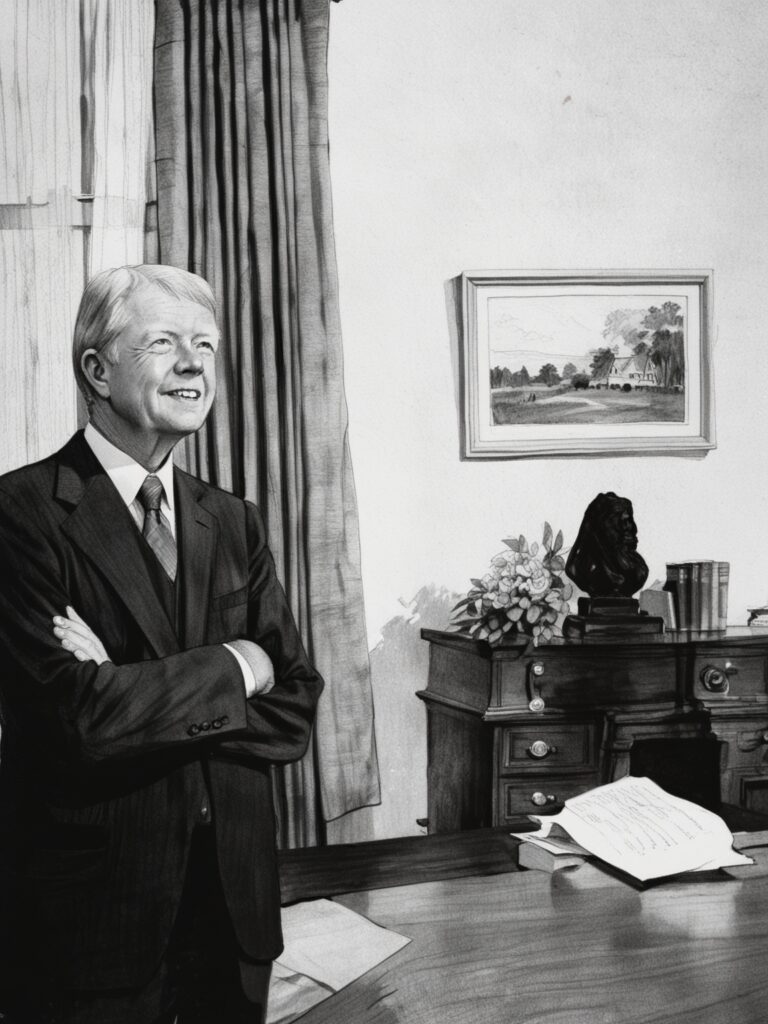
    Jimmy Carter: The Farmer Turned President

    0

    Jimmy Carter, the 39th president of the United States, is a figure who has often defied conventional expectations. From his humble beginnings as a peanut farmer in Plains, Georgia, to becoming one of the most respected global humanitarians, Carter’s life is a testament to the power of perseverance, integrity, and a commitment to public service.

    CategoryDetails
    Full NameJames Earl Carter Jr.
    BirthdateOctober 1, 1924
    BirthplacePlains, Georgia, USA
    EducationU.S. Naval Academy (Graduated in 1946)
    Career Before PoliticsNaval Officer, Peanut Farmer, Business Owner
    Political CareerGeorgia State Senator (1962-1966), Governor of Georgia (1971-1975)
    Presidency39th President of the United States (1977-1981)
    Major AchievementsCamp David Accords, Energy Conservation Initiatives, Department of Energy
    ChallengesIran Hostage Crisis, Economic Stagflation
    Post-PresidencyFounded Carter Center (1982), Habitat for Humanity Volunteer
    AwardsNobel Peace Prize (2002)
    Religious AffiliationDevout Baptist, Sunday School Teacher
    LegacyAdvocate for Peace, Human Rights, and Humanitarian Efforts

    Early Life: Roots in Rural Georgia

    Born on October 1, 1924, in Plains, Georgia, James Earl Carter Jr. was raised in a rural setting that shaped his character and values. His father, Earl Carter, was a farmer and businessman, while his mother, Lillian Gordy Carter, was a registered nurse known for her compassion and progressive views. Growing up during the Great Depression, Carter experienced the harsh realities of life in the segregated South. These experiences would later influence his dedication to civil rights and equality.

    Carter’s education began in local public schools, and he excelled academically. He went on to attend the United States Naval Academy, graduating in 1946. Carter served as a naval officer for several years, specializing in submarine operations. His military career instilled in him a sense of discipline and strategic thinking that would serve him well in his political life.

    A Return to Plains and Entry into Politics

    After leaving the Navy in the early 1950s, Carter returned to Plains to manage the family peanut farm following his father’s death. Under his leadership, the business thrived, and Carter became deeply involved in local community affairs. He also became active in the Baptist church, which played a significant role in shaping his moral and ethical framework.

    Carter’s political career began in 1962 when he was elected to the Georgia State Senate. During his time in the legislature, he gained a reputation as a reformer, tackling issues such as government transparency and racial segregation. Carter’s efforts to promote equality were particularly noteworthy in a state still grappling with the civil rights movement.

    In 1970, Carter successfully ran for governor of Georgia. His inaugural address surprised many by declaring that “the time for racial discrimination is over.” This marked a turning point in Georgia’s history and set the stage for Carter’s national political ambitions.

    The Road to the Presidency

    In 1976, Carter announced his candidacy for president, positioning himself as a Washington outsider who could restore trust in government following the Watergate scandal. His campaign emphasized honesty, transparency, and a commitment to the American people. Carter’s message resonated with voters, and he narrowly defeated incumbent President Gerald Ford in the general election.

    Carter’s presidency (1977-1981) was marked by both significant achievements and considerable challenges. On the domestic front, he championed energy conservation and environmental protection, establishing the Department of Energy and promoting renewable energy sources. He also expanded social programs and sought to reduce government waste.

    Foreign Policy: A Legacy of Peace

    One of Carter’s most enduring legacies lies in his foreign policy achievements. He brokered the Camp David Accords in 1978, a historic peace agreement between Egypt and Israel. This accomplishment earned him international acclaim and highlighted his skill as a mediator.

    Carter also prioritized human rights in U.S. foreign policy, often criticizing authoritarian regimes and advocating for democratic reforms. However, his tenure was marred by the Iran hostage crisis, during which 52 American diplomats and citizens were held captive for 444 days. The crisis overshadowed much of Carter’s presidency and contributed to his defeat in the 1980 election to Ronald Reagan.

    Post-Presidency: A Life of Service

    While Carter’s presidency received mixed reviews, his post-presidential career has been nothing short of extraordinary. After leaving office, Carter founded the Carter Center in 1982, a nonpartisan organization dedicated to advancing human rights and alleviating suffering worldwide. Through the Center, Carter has worked on initiatives ranging from disease eradication to conflict resolution.

    Carter’s commitment to public service has also included hands-on efforts, such as volunteering with Habitat for Humanity to build homes for low-income families. His humility and dedication have earned him widespread admiration, and in 2002, he was awarded the Nobel Peace Prize for his decades-long efforts to promote peace and human rights.

    A Man of Faith and Principles

    Carter’s deep Christian faith has been a guiding force throughout his life. As a devout Baptist, he has taught Sunday school for decades and often speaks about the importance of faith, compassion, and forgiveness. His religious beliefs have also informed his advocacy for social justice and equality.

    Despite facing criticism and setbacks, Carter has remained steadfast in his principles. His ability to admit mistakes, such as his acknowledgment of the challenges during his presidency, has further endeared him to many.

    Lessons from Carter’s Life

    Jimmy Carter’s life offers several valuable lessons:

    1. Integrity Matters: Carter’s commitment to honesty and ethical governance set a standard for leadership that transcends political affiliations.
    2. Perseverance Pays Off: From his early days as a farmer to his efforts to resolve global conflicts, Carter’s determination has been a hallmark of his success.
    3. Service Above Self: Carter’s post-presidential work demonstrates the impact of dedicating one’s life to serving others.
    4. Adaptability is Key: Carter’s ability to pivot from politics to humanitarian work showcases the importance of embracing new opportunities.

    The Legacy of a Peacemaker

    As Jimmy Carter approaches the later years of his life, his legacy as a peacemaker and humanitarian remains firmly intact. He has shown that true leadership is not about personal gain or political power but about making a positive difference in the world. Carter’s humility, resilience, and unwavering commitment to his values serve as an inspiration for current and future generations.

    Carter’s story is a reminder that greatness is not defined by titles or accolades but by the impact one has on the lives of others. From the fields of Georgia to the halls of the White House and beyond, Jimmy Carter’s journey is a testament to the enduring power of character and service.

    When the Phone Rings: Episodes 9-10

    0

    The phone rings. It’s a familiar tune, but the melody is off. The rhythm is frantic, a desperate heartbeat. Episodes 9 and 10 of ‘When the Phone Rings‘ aren’t just a series of calls; they’re full of deceit, a pack of lies, and a betrayal. Prepare for a dramatic ride where the truth is a ghost, and every answer raises more questions.

    TL;DR

    • Family Secrets: Uncover shocking revelations about Sa-eon’s past, including his true parentage and a dark family history.
    • Love Under Fire: Witness the unwavering bond between Hee-joo and Sa-eon as they face danger and betrayal.
    • Twist and Turns: Prepare for a rollercoaster ride of unexpected events, including fiery confrontations, shocking betrayals, and a suspenseful cliffhanger.
    • Unlikely Alliances: Explore the formation of unexpected alliances as characters navigate the web of deceit and danger.

    If you thought When the Phone Rings couldn’t possibly get more intense, think again. Episodes 9 and 10 are a full-blown rollercoaster of dramatic confrontations, shocking revelations, and heart-pounding suspense. Just one week away from the finale, the series is firing on all cylinders—and leaving us clutching our seats. Let’s unpack all the chaos, heartbreak, and, surprisingly, some tender moments too.

    A Fiery Beginning: Sa-eon in Danger

    Things kick off with Sa-eon unconscious in a burning fish shop, a situation that screams, “Get your act together, fate!” Meanwhile, Hee-joo is pacing anxiously at home, unable to report him missing without exposing the whole kidnapper-blackmail fiasco. Instead of running to the police, she corners Sa-eon’s parents, demanding answers. They, of course, deliver a heap of nothing useful, but one of their aides spills the tea: child Sa-eon had heterochromia—just like her kidnapper. Coincidence? Hardly.

    On the other side of town, Sang-woo pulls Sa-eon and fish shop owner Jin-seok from the flames, proving that not all heroes wear capes. He’s been following the breadcrumb trail of Sa-eon’s orphan past, which leads him right to the inferno. Sang-woo even steps up as an unlikely ally, taking Sa-eon to the hospital and informing Hee-joo, who’s been frantically calling. After observing their bond and hearing Sa-eon call Hee-joo his family, Sang-woo has a change of heart and joins the good guys. Finally, some teamwork!

    Twisted Family Ties: Skeletons Galore

    Jin-seok’s awakening brings a tidal wave of revelations. He raised Sa-eon under Chairman Baek’s orders, but the kicker? The original Baek Sa-eon was a murderous little terror who graduated from drowning animals to killing kids. Jin-seok’s moment of pity spared our Sa-eon—but not without consequences. Oh, and Sa-eon’s complicated family tree grows another branch: he’s actually Chairman Baek’s illegitimate son. So, his current adoptive father? Yeah, that’s his half-brother. Thanksgiving dinner at their place must be a blast.

    Love Amid Chaos: Hee-joo’s Stand

    After playing Florence Nightingale to Sa-eon’s injuries, Hee-joo decides to protect him by turning herself and the kidnapper’s phone over to the police. But Sa-eon, ever the protective partner, intercepts her and convinces her otherwise. Back at the hospital, the tables turn: Hee-joo climbs into bed to watch over Sa-eon, only to fall asleep wrapped in his arms. It’s a fleeting moment of peace before the storm resumes.

    Plot Thickens: Enter the Mastermind

    Just as things seem to settle, Sa-eon uncovers a shocking truth: the mastermind behind Hee-joo’s fall from the cliff is none other than Park Do-jae, one of the victims’ twins. Do-jae’s thirst for revenge blinded him to the reality that he was collaborating with the real murderer. Cue the ultimate betrayal. Do-jae leaves Hee-joo unconscious in a car while confronting the kidnapper. Chaos ensues, and Do-jae ends up taking a knife meant for Sa-eon. Thankfully, Hee-joo awakens just in time to escape and reunite with Sa-eon. But the kidnapper gets away—for now.

    My Take: Love vs. Manipulation

    Let’s pause and reflect. This tale of tangled family ties, selfish manipulation, and fractured love paints a bleak picture of humanity. Yet, Hee-joo and Sa-eon’s unwavering bond serves as a bright spot. Their love stands as a stark contrast to the greed and deceit around them. Here’s the kicker: real love isn’t selfish or manipulative. It’s selfless, brave, and enduring. Maybe if the rest of the cast took notes from this duo, we wouldn’t need to keep a running tally of kidnappings.

    Teamwork Makes the Dream Work

    The drama takes a welcome turn when unlikely alliances form. Do-jae, after surviving his stabbing, reluctantly agrees to help catch the kidnapper. Sang-woo, Jin-seok, and the police join forces to uncover the murderer’s trail. Meanwhile, Hee-joo and her sister In-ah dive headfirst into family drama, confronting manipulative parents and unveiling long-buried truths. In-ah’s on-air grilling of Sa-eon’s father about baby photos is pure gold. Someone give this woman a medal.

    Explosive Ending: A Cliffhanger—Literally

    The final act is nothing short of explosive—literally. An annual memorial service goes up in flames, Hee-joo vanishes again, and Sa-eon’s phone rings with the kidnapper on the line. In true Hee-joo fashion, she defies the odds, crashes the car into a river, and disappears. The nation watches as Sa-eon holds a tearful press conference, confessing his love and pleading for help to find her. It’s gut-wrenching, to say the least.

    My Two Cents: Hope Amid Chaos

    Call me a hopeless optimist, but I don’t believe Hee-joo’s story ends here. She’s survived cliffs and chaos before; this is just another chapter. What resonates deeply is the show’s exploration of love—real love—versus the destructive forces of greed and manipulation. Sa-eon and Hee-joo’s bond reminds us that even in the darkest times, love can be a guiding light.

    Wrapping It Up

    Episodes 9 and 10 of When the Phone Rings deliver a masterclass in suspense and storytelling. From fiery rescues to shocking family secrets, every moment is packed with emotion and intrigue. With just one week to go, all eyes are on Hee-joo and Sa-eon. Will their love triumph over adversity? Or will the sins of their families doom them? One thing’s for sure: this K-drama isn’t done keeping us on the edge of our seats. Stay tuned—it’s bound to be a wild ride.

    Jeju Air flight 2216: What Went Wrong?

    0

    Flight 2216 wasn’t just a number. It was a journey, a promise, a lifeline. For the 181 souls on board, it was supposed to be a smooth glide back to home. Just a few days ago, tragedy struck in Kazakhstan with the Azerbaijan Airlines crash. In a devastatingly short span, two aviation disasters have shaken the world.

    Helpful Pointers:

    1. Bird Strikes: While uncommon, bird strikes can have severe consequences, as seen in this tragedy.
    2. Landing Gear Failure: This critical system must be reliable, even under extreme duress.
    3. Pilot Training: Emphasize high-pressure decision-making and multitasking in emergency scenarios.
    4. Aircraft Design: Ensure critical systems have redundancies and can be operated manually.
    5. Safety Measures: Invest in advanced bird detection systems and improve communication protocols.

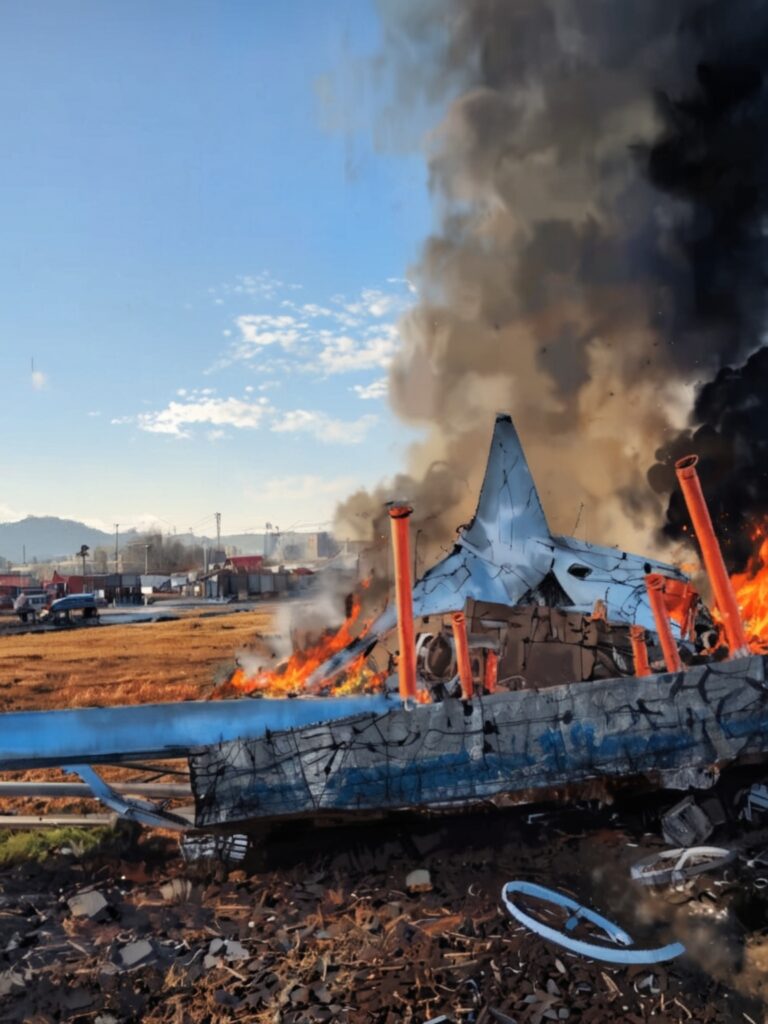
    A heartbreaking tragedy struck South Korea as a Jeju Air-operated Boeing 737-800 crashed during landing, claiming 179 lives and leaving just two survivors. This catastrophe is not only one of the deadliest aviation disasters in recent years but also a harrowing reminder of how fragile life can be when technology and nature collide. Let’s delve into the chilling details of this aviation disaster, analyze what could have gone wrong, and reflect on the larger implications for aviation safety.

    The Crash: A Timeline of Events

    Early reports paint a grim picture of the ill-fated flight. Here’s a breakdown of what transpired:

    1. The Takeoff: The Boeing 737-800, carrying 181 passengers and crew, departed Bangkok, Thailand, en route to Muang International Airport, South Korea.
    2. The Approach: As the plane approached its destination, air traffic control warned the pilots of bird activity near the runway—a seemingly innocuous advisory that turned deadly.
    3. The Bird Strike: At 8:57 a.m., the aircraft made its first distress call, reporting that birds had been sucked into the engine. This event likely caused severe hydraulic and mechanical issues.
    4. The Landing Attempt: By 9:03 a.m., the situation spiraled out of control. The plane’s landing gear failed to deploy, and it skidded across the runway before crashing into a barrier, exploding on impact.

    Survivors’ Miraculous Escape

    Two crew members seated at the rear of the aircraft defied the odds and survived. Both sustained severe injuries but are now conscious and providing critical insights into the crash. Their testimonies, along with data from the recovered black boxes, could unravel the mystery behind this horrific incident.

    Chaos on the Ground

    Witnesses described scenes of unimaginable horror:

    • Eyewitness Accounts: A local resident reported, “At first, I thought it was an oil tanker explosion. The dark smoke, the deafening bangs—it was like nothing I’ve ever seen.”
    • Grieving Families: The arrivals hall at Muang International Airport turned into a sea of despair as families waited for news about their loved ones, many only to learn they would never come home. “I am going crazy,” cried one bereaved father.

    What Went Wrong?

    This crash has sparked numerous questions and speculations:

    1. The Bird Strike

    Bird strikes are not uncommon, but they rarely result in complete engine failure. In this case, the severity of the strike seemingly compromised critical systems. Could modern engine designs be improved to withstand such events?

    2. Landing Gear Failure

    Initial reports suggest the landing gear was not deployed. Was this a mechanical failure, or were the pilots too overwhelmed by other issues to lower it manually?

    3. Pilot Error or Heroism?

    Early analyses indicate the pilots attempted to land the aircraft under extreme duress. While it’s easy to speculate about errors, their efforts to minimize loss of life—however tragically unsuccessful—deserve recognition.

    My Take: Is Aviation Getting Safer?

    Aviation is statistically one of the safest modes of transportation, but incidents like this remind us there is always room for improvement. While bird strikes are a known hazard, their catastrophic potential may be underestimated. Should we invest more in advanced radar systems or bird deterrents at airports? Absolutely.

    Moreover, this disaster highlights the immense pressure pilots face in emergencies. Simulators can replicate crises, but nothing prepares you for the real thing. Perhaps it’s time to revisit training protocols to better equip pilots for these rare yet deadly scenarios.

    Finally, the role of technology can’t be ignored. If the landing gear failure was indeed a mechanical issue, manufacturers like Boeing must take responsibility. Safety audits and improvements should be non-negotiable priorities.

    Lessons for the Future

    This disaster is a wake-up call for the aviation industry:

    • Improved Safety Measures: Enhanced bird-detection systems and better communication protocols could prevent similar tragedies.
    • Robust Pilot Training: Emergency drills should focus more on high-pressure decision-making and multitasking.
    • Aircraft Design Overhaul: Manufacturers must ensure that critical systems like landing gear can be deployed manually, even under the most challenging conditions.

    Final Thoughts

    As we mourn the 179 lives lost, we must also honor their memory by learning from this aviation tragedy. Aviation is a marvel of modern engineering, but it’s not infallible. Each incident teaches us something new, and it’s our responsibility to ensure that these lessons are not in vain.

    For the grieving families, no amount of analysis or reform can undo their pain. But for the rest of us, understanding what went wrong and demanding accountability is the least we can do to honor those who perished.

    Let’s hope this tragedy serves as a catalyst for change, making our skies a little safer and ensuring such calamities remain exceedingly rare. Until then, let’s hold those affected in our thoughts and push for answers, justice, and reform.

    Are Rocks Conscious? Understanding Panpsychism

    0

    Ever wondered if that pebble you kicked on your walk had a tiny mind of its own? Sounds crazy, right? But that’s the wild idea behind panpsychism. It’s like saying the universe isn’t just a giant machine, but a giant thinking machine – even the smallest bits have a spark of awareness.

    Imagine if rocks could whisper secrets, or that your coffee cup felt a little grumpy in the morning. That’s not exactly what panpsychism claims, but it gets at the heart of this mind-bending idea. It’s like asking if consciousness is woven into the fabric of reality, like threads in a cosmic tapestry.

    TL;DR

    • Panpsychism suggests that even basic units of matter might possess a rudimentary form of consciousness.
    • It challenges traditional views on the relationship between mind and matter.
    • There’s a debate between strong and weak emergence regarding the origin of consciousness.
    • Panpsychism is a philosophical framework, not a scientifically proven theory.
    • It raises questions about the nature of life and the interconnectedness of all things.

    Ah, panpsychism — the idea that consciousness might be as fundamental to the universe as space, time, or energy. It’s a concept that can make you feel like you’re either on the verge of enlightenment or spiraling into philosophical madness. So, are rocks conscious? And if they are, should we start treating our pet rocks with a little more respect? Let’s dig in (pun intended).

    What Panpsychism Actually Says

    Before we all start imagining rocks whispering secrets of the universe, let’s clarify what panpsychism really claims. Panpsychists aren’t saying that rocks are sitting around, pondering the meaning of life. Instead, they propose that the building blocks of matter — atoms and subatomic particles — have some form of proto-consciousness. Think of it as a rudimentary mental property, like consciousness in its infancy.

    It’s not about inanimate matter having complex thoughts or feelings. Rather, it’s the idea that the potential for consciousness exists inherently within the universe’s fabric. When matter is arranged in complex ways — like in a brain — this proto-consciousness blossoms into what we recognize as awareness.

    Still with me? Good, because it’s about to get even weirder.

    Strong vs. Weak Emergence: A Philosophical Tug-of-War

    Many philosophers prefer the idea of strong emergence, which holds that consciousness is a property that arises only when matter is organized in specific ways, like neurons firing in your brain. In this view, consciousness is a byproduct of complexity, not something inherent in matter itself.

    On the other hand, panpsychists argue for weak emergence. They say consciousness doesn’t magically pop into existence like a genie from a lamp. Instead, it’s a gradual evolution of mental properties already present in the universe. This means that consciousness isn’t an all-or-nothing phenomenon; it’s a spectrum.

    If you’re thinking, “Wait, does this mean everything, including my coffee cup, is conscious?” — the answer is… sort of. But your coffee cup isn’t dreaming of tropical vacations; it just has the potential for consciousness in a very, very basic form.

    The Science (or Lack Thereof)

    Now, let’s address the elephant in the room. Can panpsychism be scientifically proven? Not really. This is a philosophical framework, not a testable hypothesis. No one’s strapping electrodes to rocks to measure their dreams. Instead, panpsychism attempts to solve a major metaphysical puzzle: how does consciousness arise in a seemingly material world?

    Philosophical problems like this one are less about empirical data and more about creating a coherent model of reality. It’s like trying to explain how a movie projector works to someone who’s only ever watched films — you need to backtrack to the mechanics before they understand the big picture.

    Conscious but Not Alive? Say What?

    Here’s where things get even trickier. Panpsychism suggests that something can be conscious without being alive in the biological sense. To most of us, consciousness and life seem inseparable. After all, can you imagine something thinking or feeling without, well, living?

    But the definitions of “alive” are surprisingly murky. Are viruses alive? What about prions or organelles? Biologists have been debating this for decades. Panpsychists sidestep this mess by redefining consciousness as a property independent of life. They’re not worried about whether something breathes or metabolizes; they’re interested in whether it has some form of mental property, no matter how faint.

    Rocks, Electrons, and Chlorine: Breaking It Down

    So, are electrons conscious? Panpsychists might say they have a tiny glimmer of proto-consciousness. What about chlorine, which is made of 17 electrons? Well, it’s not “conscious” in the way you or I are, but the basic mental properties of its constituent parts could, theoretically, interact in meaningful ways under the right conditions.

    Does this mean your table salt is secretly plotting world domination? Probably not. But panpsychism challenges us to rethink our assumptions about the nature of consciousness and its relationship to matter.

    My Two Stones

    Let’s take a step back and breathe. Panpsychism might sound outlandish, but isn’t it a bit comforting? The idea that consciousness is a fundamental part of the universe means that our own awareness isn’t some cosmic accident. It suggests we’re part of a larger, interconnected whole.

    Now, does this mean you should start apologizing to rocks for stepping on them? Probably not. But it might encourage a little more humility. After all, if even the tiniest particles of matter have the seeds of consciousness, then who are we to act like we’re the center of the universe?

    A Few Parting Thoughts

    Panpsychism isn’t without its critics. Some say it’s just a philosophical rebranding of mysticism. Others argue it’s an unnecessary complication of an already baffling problem. But one thing’s for sure: it’s forcing us to ask better questions about what consciousness is and how it fits into the grand scheme of things.

    So, the next time someone asks if rocks are conscious, you can confidently reply, “Not in the way you’re thinking, but they might have proto-consciousness.” And if they stare at you like you’ve lost your mind, just smile and say, “Welcome to the wild world of panpsychism.”

    In Summary

    • Panpsychism suggests that proto-consciousness is inherent in all matter.
    • It contrasts with strong emergence, which sees consciousness as a property of complex systems.
    • The idea of being conscious but not alive challenges traditional definitions of life.
    • While unprovable, panpsychism offers a unique lens for understanding consciousness.
    • It’s not about proving rocks are alive but exploring how mental properties might emerge.

    In the end, whether you buy into panpsychism or think it’s just philosophical fluff, it’s a fascinating reminder that the universe is far more mysterious than we often give it credit for. Who knows? Maybe one day, we’ll crack the code. Until then, treat your rocks with care — just in case.

    Squid Game Season 2: A Game of Expectations

    0

    The first “Squid Game” was a global phenomenon, a thrilling race where players risked everything for a chance at unimaginable wealth. But like any high-stakes game, the sequel faces its own set of challenges. Can it survive the pressure of exceeding sky-high expectations? Will it be a thrilling victory lap, or a disappointing flop?

    This time around, the stakes are even higher. The world is watching, eager to see if the magic can be recaptured. Will the games be as deadly and the twists as shocking? More importantly, will the emotional impact resonate as deeply as before?

    TL;DR

    • High Expectations: The first season set an incredibly high bar, making it difficult for the sequel to replicate its success.
    • Mixed Reception: Critics and audiences have given Season 2 mixed reviews, with some praising its darker tone and others criticizing its pacing and emotional impact.
    • Worth Watching: Despite its shortcomings, Season 2 offers a compelling continuation of the story, with intriguing new characters and a focus on Gi-hun’s journey for revenge.
    • Limited Impact: While it may not reach the same level of cultural impact as the first season, Season 2 still delivers a gripping and thought-provoking experience.

    After a whopping three years of waiting, Netflix has finally served us the second season of Squid Game, the global sensation that became the streaming giant’s crown jewel. If you’ve been living under a rock, let me remind you: this South Korean survival drama took the world by storm in 2021, amassing record-breaking viewership numbers and enough awards to fill a small museum. Naturally, expectations for Season 2 were as high as the stakes in the deadly children’s games it portrays. But has it delivered? Let’s dive into the details.

    A Sequel No One Expected (But Everyone Wanted)

    Here’s the thing: Season 2 of Squid Game was never supposed to exist. Creator Hwang Dong-hyuk originally envisioned the show as a one-and-done masterpiece. But when your series becomes the most-watched Netflix show of all time, resistance is futile. Netflix greenlit not just one but two additional seasons, turning this standalone thriller into a full-blown franchise. The big question, of course, is whether the new season can recapture the magic that made the first one so iconic.

    Critical and Audience Reception: A Tale of Two Scores

    The early reviews are in, and the numbers paint an interesting picture. Let’s take a quick look at how the two seasons stack up:

    • Season 1: 95% critic score, 84% audience score.
    • Season 2: 83% critic score, 63% audience score.

    Now, an 83% critic score isn’t bad by any stretch, but it’s a noticeable drop from the first season’s stellar reception. The audience score, however, has taken a sharper dive. So, what’s going on? Some reviewers have pointed out that the new season’s episode count has been slashed from nine to seven. Considering it took three years to produce, that’s… less than ideal. Maybe Netflix has adopted the philosophy of “less is more,” but in this case, less feels like, well, less.

    The Story So Far: What Season 2 Brings to the Table (SPOILERS)

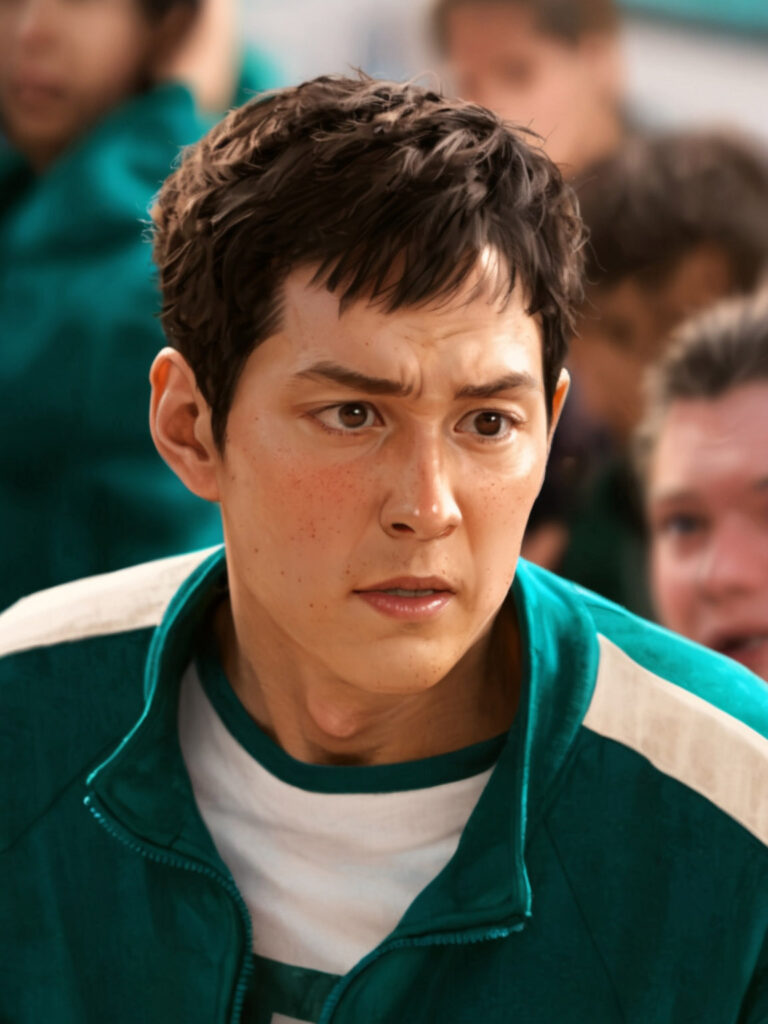
    Season 2 picks up where the first season left off, with Seong Gi-hun (played by Emmy-winning Lee Jung-jae) on a mission to end the Squid Games once and for all. Along the way, we’re reunited with familiar faces like the enigmatic Front Man (Lee Byung-hun), the mysterious Salesman (Gong Yoo), and Detective Hwang Jun-ho (Wi Ha-joon). But the real buzz is around the newcomers, including Park Gyu-young as No-eul and Choi Seung-hyun—yes, T.O.P from BIGBANG—as Thanos. No, not the purple Marvel villain; this one’s contestant No. 230.

    The season delves deeper into the twisted morality of the games, the shadowy organization behind them, and Gi-hun’s quest for justice. It’s darker, grittier, and—dare I say—even more brutal than before. But is it enough to keep viewers hooked?

    Why the Scores Might Be Lower

    Here’s a not-so-hot take: lightning rarely strikes twice. The first season of Squid Game was a cultural phenomenon, tapping into universal themes of desperation, greed, and survival in a way that resonated globally. It was fresh, shocking, and utterly binge-worthy. Season 2, by contrast, faces the Herculean task of living up to those sky-high expectations.

    Critics have pointed out pacing issues and a lack of the first season’s emotional gut punches. With only seven episodes, the storytelling feels a bit rushed at times, leaving less room for character development and world-building. And while the new characters add intrigue, they don’t quite match the depth of Season 1’s unforgettable ensemble.

    My Two Cents

    Now, let’s get real for a moment. As much as we all wanted Season 2 to be another masterpiece, was that ever truly possible? The first season set the bar impossibly high, and any sequel was bound to face unfair comparisons. But that doesn’t mean Season 2 isn’t worth watching.

    In fact, I’d argue that the new season’s darker tone and tighter focus offer a different kind of appeal. It’s less about shocking plot twists and more about exploring the psychological aftermath of the games. Gi-hun’s transformation from reluctant survivor to determined avenger is compelling, even if it doesn’t quite hit the same emotional highs as before. And let’s not forget the stunning production design, which remains as visually striking as ever.

    What Lies Ahead: Season 3 and Beyond

    Here’s the silver lining: Season 2 is just one piece of the puzzle. Creator Hwang Dong-hyuk has confirmed that Season 3 will wrap up the story, bringing Gi-hun’s journey to a satisfying conclusion. Filming for the third season is already complete, so we won’t have to wait another three years for answers. If Season 2 is the bridge, Season 3 promises to be the grand finale.

    Final Thoughts: Should You Watch It?

    So, is Season 2 of Squid Game worth your time? Absolutely. While it may not replicate the viral magic of its predecessor, it’s still a gripping, thought-provoking series that explores the darker corners of human nature. Just temper your expectations and appreciate it for what it is: a solid continuation of a groundbreaking story.

    And if you’re one of those people grumbling about the lower scores, maybe take a moment to consider the pressure these creators were under. As they say, it’s easy to criticize from the sidelines. Meanwhile, Netflix is probably laughing all the way to the bank. Also, for die-hard fans, you might be interested in snagging the Squid Game board game to keep the hype alive!

    In the end, Squid Game Season 2 may not be a perfect 10, but it’s a compelling 7. And sometimes, that’s enough.

    Storm De Beul: Lessons from the Wilderness

    2

    The wind howled, a storm raging outside and within. Storm De Beul found himself battling a different kind of tempest. This isn’t the story of a man against nature, but of a man grappling with the very essence of his own spirit – the thrill of the unknown versus the chilling reality of its power.

    TL;DR

    • Respect Nature’s Power: Never underestimate the force of nature, even when well-prepared.
    • Plan for the Worst: Always have a backup plan and consider worst-case scenarios.
    • Gear Up Right: Ensure your equipment is suitable for the specific environment and conditions.
    • Communicate Your Plans: Inform others of your itinerary and check in regularly.
    • Know Your Limits: Be aware of your own limitations and don’t hesitate to turn back if conditions deteriorate.

    Storm De Beul, a name that evokes adventure and courage, met a tragic end in October 2024. The 22-year-old Belgian YouTuber and survival enthusiast ventured into the Swedish Lapland for what was supposed to be another thrilling solo adventure. Instead, he faced a deadly snowstorm that claimed his life. His story is a poignant reminder of nature’s unforgiving power, even for the most seasoned adventurers. Let’s dive into what happened and unpack the lessons hidden in this heart-wrenching tale.

    What Happened in Swedish Lapland?

    In October 2024, Storm embarked on a solo survival trek in the remote wilderness of Swedish Lapland. Armed with minimal gear—a lightweight tent, a sleeping bag, basic rations, and his trusty camera equipment—he aimed to traverse the unforgiving terrain. Known for its extreme conditions, Lapland is no place for the faint-hearted. It’s a land of serene beauty, but its winters can turn deadly in an instant.

    On October 30th, as his trek neared its end, a sudden and violent snowstorm struck. With winds exceeding 100 km/h (60 mph) and temperatures plummeting to -18°C (0°F), the Arctic unleashed its fury. Storm’s final text messages to his grandmother and a friend paint a chilling picture of his fight against the elements. “It’s snowing heavily here, but don’t worry, I’ll survive,” he reassured his grandmother. His last video showed his tent struggling against the relentless wind, snow filling his gear, and a grim acknowledgment: “Tonight, it’s going to get worse. Jesus Christ.”

    A Rising Star with Big Dreams

    Storm wasn’t just a thrill-seeker. He was an adventurer, storyteller, and rising star in the YouTube survival community. His channel documented daring solo journeys into some of the world’s most remote landscapes, inspiring his growing audience to embrace nature and step out of their comfort zones. His videos reflected his love for the wilderness—and his respect for its dangers.

    But nature, as he well knew, is as unpredictable as it is beautiful. Lapland’s breathtaking vistas of snow-covered forests and frozen lakes mask its lethal potential. And while Storm was no stranger to such challenges, even the most prepared adventurer can’t always outwit Mother Nature.

    The Storm Within the Storm

    When the snowstorm struck, Storm did what any seasoned survivalist would: he sought shelter. He pitched his tent in a forested area, built a snow barrier to block the wind, and recorded updates for his YouTube followers. But as the storm intensified, his preparations proved insufficient.

    Temperatures dropped and wind chills made it feel closer to -18°C (0°F). Snow piled onto his tent, eventually collapsing it. Forced to abandon the flimsy shelter, Storm faced the full brunt of the storm. Hypothermia set in rapidly, robbing him of his coordination and mental clarity. Evidence suggests he fell and broke his nose, further disorienting him. Tragically, his body was found the next day, just meters from his collapsed tent.

    My Take: A Lesson in Respecting Nature

    I can’t help but reflect on the deeper lessons of Storm’s story. His bravery is undeniable, but bravery without humility can lead to tragedy. The wilderness doesn’t care about your confidence or your skill set; it plays by its own rules.

    Storm’s journey underscores the importance of preparation, not just physically but mentally. Solo survival challenges are thrilling, yes, but they also demand an acute awareness of risks. A few key questions adventurers should always ask themselves:

    • Is my gear adequate for worst-case scenarios?
    • Have I informed multiple people of my exact plans?
    • Do I have an exit strategy if conditions deteriorate?

    Nature is a powerful teacher, but its lessons can be harsh. As romantic as the idea of solo adventuring might seem, there’s no shame in asking for backup or opting for safer routes.

    The Haunting Reality of Arctic Survival

    Hypothermia is a silent killer. In extreme cold, the body prioritizes core organs, reducing blood flow to extremities. Frostbite sets in, causing numbness and tissue damage. Mental faculties begin to slip, leading to poor judgment. In advanced stages, victims experience paradoxical undressing—a chilling phenomenon where they feel overheated and remove their clothing, accelerating their demise.

    Storm’s final moments were likely a mix of confusion, exhaustion, and desperation. His story serves as a stark warning about the dangers of underestimating nature’s unpredictability. It’s a grim reminder that even the best-laid plans can go awry in the face of nature’s wrath.

    Key Lessons for Aspiring Adventurers

    1. Never Underestimate the Elements: No matter your experience level, nature’s power can surprise you. Plan for the worst-case scenario.
    2. Invest in the Right Gear: Storm’s lightweight tent wasn’t designed for Arctic conditions. Always match your equipment to the environment.
    3. Communication Saves Lives: Regular check-ins and GPS tracking can make a difference in rescue operations.
    4. Know When to Call It Off: There’s no shame in cutting an adventure short if conditions become unsafe.

    The Legacy of Storm De Beul

    Storm’s Youtube Channel: https://www.youtube.com/@StormOutdoorsy

    Storm’s death was a profound loss to his family, his followers, and the outdoor community. His courage, passion, and storytelling left an indelible mark. But his tragic end is also a sobering reminder of nature’s duality—its breathtaking beauty and its lethal power.

    Comment from his mom in his final video: “For all the viewers here: Storm passed away last Tuesday night, while trying to reach his car. He didn’t make it through the snowstorm, and the SOS service couldn’t fly, because of the storm. My baby was only 22, and started back- and bikepacking at the age of 19. He never had troubles before, this was bad luck.”

    So, here’s my friendly yet firm advice: Love nature, but respect it. Challenge yourself, but don’t let ego cloud your judgment. And if you’re venturing into the wild, remember—even the strongest storms can’t match the strength of a well-prepared mind.

    Edit (3rd January 2025): Big thanks to Anders for pointing out some mistakes in the article.

    Walking Your Way to Health: Mastering the Art of Steps and Staying Active

    0

    Let’s face it: we’re a nation glued to our screens and couches. Between binge-watching the latest shows and scrolling endlessly on our phones, it’s no surprise that sedentary behavior is becoming a full-blown epidemic. But before you spiral into a guilt-ridden self-lecture, here’s a glimmer of hope: moving more is simpler than you think. And guess what? You already know how to do it—walking.

    Walking is the ultimate low-cost, no-sweat-required fitness activity. Just lace up your shoes, put one foot in front of the other, and boom, you’re on your way to better health. But… not so fast. (Pun intended!) There’s more to walking for fitness than just wandering aimlessly. Let’s break down why walking matters, how to maximize its benefits, and—yes—even perfect your technique.

    TL;DR

    • Walk with Purpose: Aim for a brisk pace and focus on proper form (stand tall, swing your arms, engage your core).
    • Mix It Up: Vary your walking routine by changing terrain, incorporating intervals, and adding inclines.
    • Quality Over Quantity: Prioritize consistent, moderate-intensity walking over simply hitting a step goal.
    • Find Your Motivation: Walk with friends, listen to podcasts, or set personal goals to make walking enjoyable.
    • Make it a Habit: Integrate walking into your daily routine by walking during your lunch break, taking the stairs, or parking further away from your destination.
    • Invest in Good Shoes: Choose comfortable, supportive shoes that fit well and provide adequate cushioning.
    • Listen to Your Body: Rest when needed and don’t push yourself too hard, especially when starting.

    The Health Perks of Walking: More Than Just “Steps”

    You’ve probably heard the advice: “Get 150 minutes of brisk walking in every week.” That’s about 30 minutes a day, five days a week. Easy enough, right? But why exactly does walking deserve such a gold star? According to research from the American Heart Association, consistent walking can:

    • Improve Sleep: Forget counting sheep; count your steps instead. Walking helps regulate your circadian rhythm, making it easier to hit the hay.
    • Boost Brain Power: Want to keep your memory sharp? A brisk stroll gets blood flowing to your brain, improving cognition and focus.
    • Reduce Health Risks: From heart disease to diabetes, walking lowers your risk for serious illnesses.
    • Strengthen Bones: It’s weight-bearing, which means stronger bones and reduced risk of osteoporosis.
    • Control Weight: Walking helps curb weight gain and keep those pesky pounds at bay.

    Convinced? Great. But here’s the kicker: not all walking is created equal.

    Mastering the Art of Walking for Fitness

    Walking is simple, but doing it right takes effort. No, you don’t need to reinvent the wheel, but a little finesse can go a long way.

    1. Check Your Form

    Think walking doesn’t require technique? Think again. Proper form can help you avoid injuries and maximize your workout:

    • Stand Tall: Keep your head up, shoulders relaxed, and spine straight.
    • Swing Those Arms: Gentle arm swings add momentum and burn more calories.
    • Engage Your Core: Activate those abdominal muscles for better stability.
    • Take Short, Quick Steps: Long strides can strain your muscles. Keep it brisk but manageable.

    2. Choose the Right Shoes

    Those old sneakers from high school? Toss them. Investing in a pair of supportive walking shoes can make a world of difference. Look for:

    • Cushioning: For shock absorption.
    • Arch Support: To prevent foot pain.
    • A Good Fit: Your toes should have room to wiggle.

    3. Mix Up Your Routine

    Walking doesn’t have to be boring. Spice things up by:

    • Changing Terrain: Swap the treadmill for trails or city streets.
    • Adding Intervals: Alternate between a leisurely pace and a power walk.
    • Incorporating Inclines: Hills challenge your muscles and burn more calories.

    The Science of Steps: Quality Over Quantity

    Let’s talk numbers. The 10,000 steps-a-day rule? It’s nice, but not gospel. Research shows it’s not just about hitting a magic number—it’s about intensity. Walking briskly for 150 minutes a week packs a bigger health punch than leisurely strolling for hours. Focus on pace, posture, and purpose.

    My Take: Walking as a Lifestyle, Not a Chore

    Here’s where I step in (literally) with my two cents. Walking isn’t just exercise; it’s therapy. It’s the time to unplug, clear your mind, and reconnect with the world around you. Whether it’s a quiet morning walk or a mid-day power stroll, each step is a small rebellion against a sedentary life.

    Personally, I like to set mini-goals. One day, it’s about finding a new coffee shop. The next, it’s about beating my previous walking time. The trick? Make it fun. Walking shouldn’t feel like a punishment; it should feel like an escape.

    New Insights to Step Up Your Game

    1. Walk With Friends: Social walks make time fly and keep you accountable.
    2. Track Your Progress: Fitness trackers or apps can motivate you to keep going.
    3. Pair It With a Podcast: Learn something new while you rack up steps.
    4. Set a Walking Meeting: Replace office chairs with fresh air.
    5. Embrace the Weather: Rain or shine, a walk can invigorate your senses.

    Your Walking Checklist

    Before you hit the pavement, remember these essentials:

    • Hydrate: Even short walks can leave you thirsty.
    • Warm-Up: Start with a gentle pace to loosen your muscles.
    • Stretch Afterward: Avoid soreness with post-walk stretches.
    • Stay Visible: If walking at night, wear reflective gear.
    • Plan Your Route: Keep it safe and enjoyable.

    Take That First Step

    Walking isn’t just about fitness; it’s about freedom. It’s the easiest way to reclaim control over your health and your day. Start small, stay consistent, and remember: every step counts. So, what are you waiting for? Lace up those shoes, step outside, and start walking your way to a healthier, happier you.

    Now go on—stride with pride. Your future self will thank you.

    The Fastest Way to Mature as a Man: Embracing Responsibility

    0

    Growing up isn’t about getting older, it’s about growing wiser. And while some might think the fastest way to mature is to win the lottery (instant responsibility!), true wisdom comes from embracing the challenges life throws your way. Think of it like a video game – easy mode might be fun, but you don’t learn much. Hard mode, on the other hand, forces you to level up, unlock new abilities, and become a true boss. Responsibility is that hard mode. It’s the weight that shapes you, the pressure that forges you into the man you’re meant to be.

    TL;DR

    • Start Small: Begin with manageable tasks like doing your laundry or cooking simple meals.
    • Shift Your Mindset: View responsibility as a privilege and a stepping stone to personal growth.
    • Pursue Higher Standards: Don’t settle for the bare minimum; strive for excellence in all areas of your life.
    • Embrace Discomfort: Challenge yourself and step outside your comfort zone.
    • Celebrate Progress: Acknowledge and reward your accomplishments, no matter how small.
    • Focus on Key Areas: Prioritize responsibilities in areas like finances, health, and relationships.
    • Responsibility is a Journey: Embrace continuous learning and growth throughout your life.

    At 36 years old, I was still living under my parents’ roof. My degree gave me hope for a decent job with an average salary, but my job-hunting efforts were minimal, taking no more than an hour of my day. Living at home made this lifestyle possible. I didn’t pay for groceries, didn’t do my laundry, and had no pressing financial obligations. Looking back, my immaturity wasn’t just about avoiding these tasks; it was also reflected in my attitude toward life and responsibility.

    The Changing Landscape of Adulthood

    Many young men face similar challenges. Moving out of your parents’ house at a young age is less financially feasible than it used to be. However, this delay in independence often hinders the development of maturity. For men who aspire to build mental fortitude, carve their place in the world, and gain respect, taking on responsibility is the fastest path forward.

    Before diving into what responsibility means and how it fosters maturity, it’s important to address younger readers. If you’re in your teens, don’t rush. Enjoy your youth. Build friendships, learn from mistakes, and explore life without the weight of adult responsibilities. However, for young adults ready to step into maturity, embracing responsibility is essential.

    What Responsibility Isn’t

    Let’s start with an example. Imagine a 24-year-old man who wakes up at 1:30 PM. He has a part-time job that starts at 5 PM and spends his day lounging around. His room is spotless—not because he cleans it but because his mother does. Breakfast is pre-made, and his primary concern is getting through his three-hour shift. He doesn’t engage with school or work seriously and avoids difficult tasks unless forced. Despite his comfortable life, he feels no urgency to improve his situation.

    This story highlights a key point: having a job or performing basic tasks doesn’t equate to responsibility. Responsibility isn’t about what you do but how you approach it. The difference lies in taking ownership and embracing challenges.

    Embracing True Responsibility

    1. Compare Yourself Thoughtfully

    While constant comparisons can be harmful, evaluating your responsibilities against peers can be insightful. Are others your age doing their own laundry, paying bills, or pursuing goals with determination? If not, start small. For instance, take charge of your laundry or begin cooking your meals. These small steps build accountability and maturity over time.

    2. Change Your Mindset

    Maturity stems from viewing responsibility as a privilege. Tasks like budgeting, exercising, or managing a schedule may seem mundane, but they’re opportunities to build discipline. When you take ownership of your responsibilities, you develop self-respect and authority over your life. This shift in perspective transforms routine obligations into stepping stones for personal growth.

    3. Pursue Higher Standards

    Avoid doing the bare minimum. Push yourself to excel, whether in your job, education, or personal goals. This doesn’t mean overwhelming yourself but striving to meet challenges head-on. True maturity comes from voluntarily stepping up, even when it’s uncomfortable.

    Why Responsibility Matures You

    When you take responsibility, you signal to yourself and others that you’re dependable. It fosters qualities like perseverance, patience, and resilience—all hallmarks of maturity. Moreover, it builds confidence. Completing challenging tasks and seeing the results reinforces a sense of accomplishment and readiness for larger challenges.

    Consider responsibilities like managing finances, maintaining health, and nurturing relationships. These areas require consistent effort but yield significant personal growth. For example, taking control of your physical fitness not only improves your health but also demonstrates discipline and self-care.

    My Perspective: Responsibility as Freedom

    When I first embraced responsibility, it felt like a burden. I resented having to budget, plan meals, and meet deadlines. But over time, I realized responsibility isn’t a limitation—it’s freedom. By taking control of my life, I no longer felt at the mercy of external factors. I learned that responsibility isn’t about doing more; it’s about doing what matters with intention and pride.

    Practical Steps to Maturity

    If you’re ready to mature, start with these steps:

    1. Identify Areas for Growth: Assess where you lack responsibility, whether it’s finances, health, or personal habits.
    2. Set Small Goals: Begin with achievable tasks, like creating a budget or cooking one meal a week.
    3. Embrace Discomfort: Growth requires effort. Don’t shy away from challenges; face them with determination.
    4. Seek Feedback: Learn from others who’ve navigated similar paths. Their insights can guide your journey.
    5. Celebrate Progress: Acknowledge milestones, no matter how small. Progress fuels motivation.

    Responsibility as a Lifelong Journey

    Responsibility doesn’t end with adulthood. It evolves. As you grow, responsibilities will shift to include career aspirations, family commitments, and community involvement. Each stage offers opportunities for deeper maturity and fulfillment. Embracing this journey ensures you’re continually developing as a person.

    Maturity isn’t a destination but a process shaped by responsibility. By taking ownership of your life, you build the skills and mindset needed to thrive. Remember, responsibility isn’t about perfection; it’s about progress. Start small, stay consistent, and watch as you grow into a confident, capable man.

    How Video Games and Online Apps Created a Teenage Gambling Epidemic

    We’ve always known that teenagers love to gamble. On their futures, on their friendships, on the next big thing. But now, the stakes are higher, the odds are rigged, and the house always wins. Video games and online apps, once bastions of escapism, have become digital casinos, subtly hooking young minds with the allure of the unknown. From the tantalizing glow of loot boxes to the addictive dopamine rush of quick bets, these platforms are expertly designed to exploit our most primal desires: the thrill of the chase, the fantasy of instant gratification, and the desperate hope of striking it rich. But in this game of chance, the real losers are our children.

    TL;DR

    • Understand the Risks: Be aware of the addictive nature of loot boxes and gacha systems in games.
    • Limit Spending: Set strict budgets for in-game purchases and monitor your child’s spending.
    • Open Communication: Talk to your children about the dangers of online gambling and the importance of responsible gaming.
    • Seek Help: If you suspect your child has a gambling problem, seek professional help.

    When you think of gambling, you probably picture casinos, slot machines, or high-stakes poker games, right? Well, think again. In June 2004, the MMO RPG MapleStory quietly introduced an item that would change gaming and online spending forever: the gacha ticket. This seemingly innocent addition marked the dawn of modern “microtransactions” and, more disturbingly, a teenage gambling epidemic.

    Here’s a breakdown of how we got here, the devastating effects of these systems, and my own take on what we should do about it. Spoiler: It’s not as simple as banning loot boxes.

    Gacha: The Gateway Gamble

    The gacha ticket allowed MapleStory players to purchase tickets using in-game or real-life currency. With a click, players received a random item from a predetermined pool. The catch? The odds of getting something valuable were slim. Common items were abundant, while rare and legendary items appeared so infrequently that they might as well have been unicorns.

    This system was ingeniously diabolical. It didn’t just encourage players to spend money—it conditioned them to crave the thrill of a “lucky pull.” Soon, the psychological hooks of anticipation and reward had players hooked, spending their allowances or parents’ credit cards in pursuit of virtual treasures.

    The rest of the gaming industry took notice. By 2008, FIFA introduced its own version of the gacha system with Ultimate Team packs. In 2010, Team Fortress 2 and Counter-Strike popularized loot boxes. Now, virtually every AAA game incorporates some form of randomized item economy.

    Teenagers and Dopamine: A Perfect Storm

    Let’s pause for a quick science lesson. What makes gambling so addictive? The answer lies in dopamine—a chemical your brain releases when it anticipates something exciting. Here’s the twist: You produce the most dopamine before you get the reward, not after.

    In other words, it’s the thrill of the unknown that keeps people coming back. Combine this with flashy graphics, suspenseful sounds, and the slim chance of hitting a jackpot, and you have a recipe for addiction. Teenagers, with their still-developing brains and heightened sensitivity to dopamine, are especially vulnerable.

    Add in peer pressure, the allure of “cool” virtual items, and the ease of spending real money on digital platforms, and it’s no wonder so many teens fall into this trap.

    Gambling Beyond Gaming

    If you thought loot boxes were bad, consider how far the gambling epidemic has spread. These days, teenagers don’t even need video games to gamble. All it takes is a smartphone.

    Apps like Stake, FanDuel, and countless others offer quick and easy ways to bet on sports, play virtual casinos, or roll digital dice. Many of these platforms exploit legal loopholes by operating in jurisdictions with lax regulations. Worse, they’ve recruited influencers to promote their services to young audiences, normalizing gambling as just another form of entertainment.

    The Rise of Stake and Kick

    Take Stake.com, for example. Launched in 2017, this platform revolutionized online gambling by accepting cryptocurrency. This made it harder to track transactions and bypassed traditional regulations. But their true genius (or villainy) lay in their marketing.

    Stake didn’t just rely on ads; they partnered with big-name streamers like xQc and Trainwrecks, paying them astronomical sums to gamble live on platforms like Twitch. These streamers weren’t even risking their own money; Stake funded their accounts, ensuring no financial risk to the influencers while maximizing profit from their young, impressionable viewers.

    When Twitch finally banned gambling streams in 2022, Stake responded by creating its own platform, Kick. Today, they sponsor everything from football clubs to celebrity influencers like Drake, embedding their brand into the fabric of pop culture.

    My Take: The Root Problem

    Here’s my perspective: the issue isn’t just the companies or even the influencers. It’s the normalization of gambling as a harmless activity. We’ve blurred the lines between entertainment and exploitation.

    Parents, educators, and policymakers need to recognize that this is more than a financial problem. It’s a mental health crisis. Gambling exploits the same psychological mechanisms as drug addiction, and its consequences can be just as devastating. Debt, shame, and ruined relationships are just the tip of the iceberg.

    Here’s what I propose:

    1. Education: Schools should include lessons on the risks of online gambling, much like they teach about drugs and alcohol.
    2. Regulation: Governments need to tighten laws around loot boxes and gambling apps, especially those targeting minors.
    3. Accountability: Influencers promoting gambling should face stricter consequences.

    The Future: Hope or Despair?

    If current trends continue, the teenage gambling epidemic will only worsen. But it doesn’t have to be this way. By raising awareness, demanding transparency, and pushing for meaningful regulations, we can protect the next generation from falling into these traps.

    As for the gaming industry? It’s time they take a long, hard look in the mirror. Fun and profit don’t have to come at the expense of their most vulnerable players.

    So, the next time your teenager asks for just “one more pack,” remember: it’s not just a game. It’s a gamble.

    Deadly Azerbaijan Airlines Crash in Kazakhstan: Was It Russian Air Defense Gone Wrong?

    0

    Did a Russian missile take a wrong turn? Or was it just bad luck flying through a war zone? The plane crash in Kazakhstan has everyone scratching their heads. Was it a tragic accident, a terrible mistake, or a deliberate act? The truth, like the plane itself, seems to have vanished into thin air.

    TL;DR

    1. Tragic Crash: A passenger jet en route to Russia crashed in Kazakhstan, resulting in fatalities.
    2. Suspicion of Russian Involvement: Ukrainian officials and aviation experts suspect the plane may have been shot down by Russian air defense systems.
    3. Conflicting Narratives: Official investigations offer varying explanations, including weather and bird strikes, while some evidence points to missile damage.
    4. Airspace Risks: The crash highlights the dangers of flying through war-adjacent zones with active military operations.
    5. Call for Accountability: The incident demands a thorough investigation and a focus on improving aviation safety measures in high-risk areas.

    A Grim Tale of Chaos in the Skies
    In a tragic turn of events, a passenger jet bound for Russia met a catastrophic end in Kazakhstan, leaving 38 people dead and raising unsettling questions about the role of Russian antiaircraft systems. The incident has sparked a storm of speculation, with Ukrainian officials and aviation experts pointing fingers at Russian military defenses as the likely culprits.

    A Routine Flight Turned Nightmare
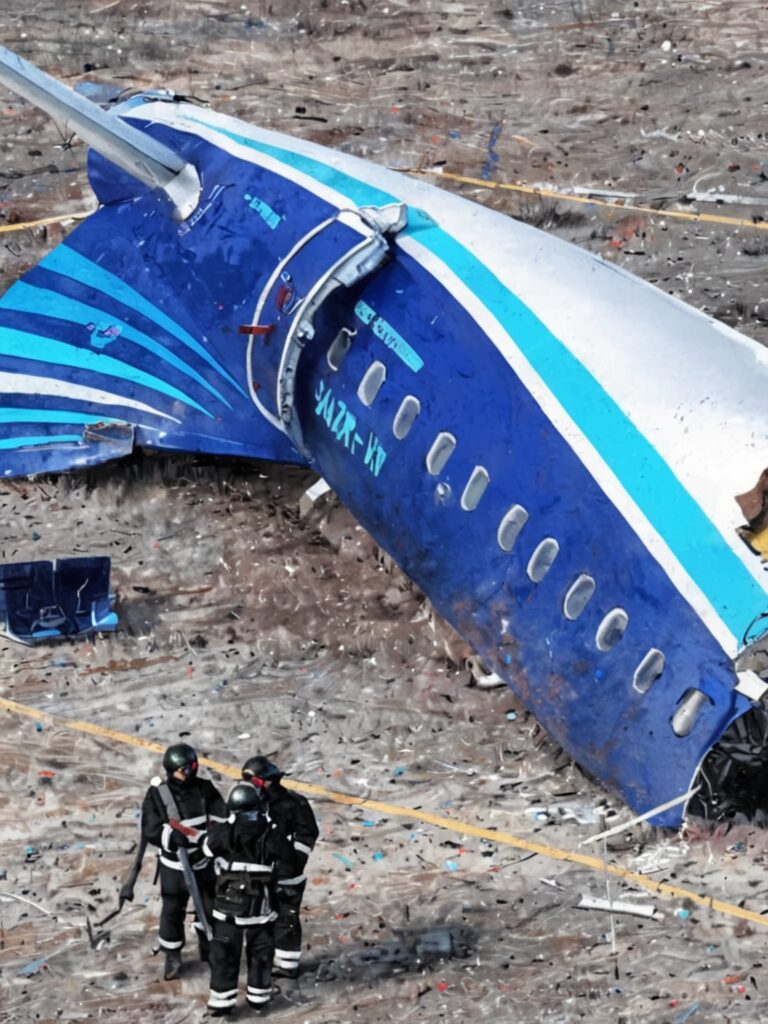
    The Azerbaijan Airlines Embraer 190 passenger jet was en route from Baku, Azerbaijan, to Grozny, Russia, when it veered off course over a volatile region. Recent weeks had seen Moscow’s air defenses intercepting Ukrainian drones in the same airspace. Tragically, the plane, carrying 62 passengers and five crew members, crashed near Aktau in western Kazakhstan. Miraculously, 29 passengers survived the fiery ordeal.

    Source: @Rahulyadav249 on X

    The Crash and the Claims
    Aviation-security firm Osprey Flight Solutions added fuel to the fire by suggesting the plane was “likely shot down by a Russian military air-defense system.” Matt Borie, the firm’s chief intelligence officer, cited visible damage to the wreckage and recent airspace activity as strong indicators of antiaircraft involvement.

    Ukrainian national security official Andriy Kovalenko doubled down on this theory, stating that the aircraft showed signs of damage from Russian defenses. “Russia should have closed the airspace over Grozny but failed to do so,” Kovalenko said, criticizing Moscow’s alleged negligence.

    Russian authorities, unsurprisingly, have been tight-lipped, declining to comment on these damning assessments.

    Official Investigations and Diverging Narratives
    Meanwhile, Azerbaijan and Kazakhstan launched a joint investigation. The explanations offered by officials varied wildly—from bird strikes to adverse weather conditions. Azerbaijan’s president mentioned poor weather as a factor, while aviation experts cast doubt on these claims. The plane’s black box has been recovered, but the true story remains elusive.

    The Crash Site: A Scene of Desperation
    Footage from the crash site paints a haunting picture. The aircraft, engulfed in flames, lay in a field just two miles from Aktau airport. Videos showed the plane’s erratic descent—plunging steeply before attempting to stabilize. Experts have suggested that the pilots faced significant control issues, possibly due to external damage.

    Missiles, Birds, or Something Else?
    Some aviation analysts noted perforations in the tail section of the wreckage, consistent with missile strikes or air-defense systems. Borie argued that the damage did not align with a bird strike but emphasized the need for more data before drawing conclusions.

    Adding to the intrigue, Flightradar24 reported heavy GPS spoofing in the area, which could have hampered the pilots’ navigation.

    The Bigger Picture: Drone Warfare and Airspace Risks
    The crash occurred against a backdrop of increasing drone warfare in Russia. Moscow’s air defenses had reportedly shot down 59 Ukrainian drones the night before the incident, with one intercepted near Vladikavkaz, close to the flight’s path. The growing use of antiaircraft systems, such as the SA-22, has heightened risks for commercial aviation in the region.

    My Point of View: When Danger Flies Under the Radar
    Now, let’s pause and unpack this chaos. The first question: Why on earth would any commercial airline fly over a war-adjacent zone with active military operations? It’s like playing a high-stakes game of dodgeball—with missiles. Airlines need to rethink flight paths in high-risk areas, even if it means longer routes or higher costs.

    Secondly, Russia’s apparent failure to close the airspace over Grozny is a glaring oversight. If the claims of missile strikes hold water, then we’re looking at a textbook example of negligence—or worse, indifference.

    Lastly, we can’t ignore the human cost. Pilots, passengers, and ground staff are being caught in the crossfire of geopolitics. Safety should never be a negotiable term, yet here we are, dissecting another preventable tragedy.

    A Call for Accountability
    This crash isn’t just a tragic headline; it’s a wake-up call. Whether the cause was antiaircraft fire, mechanical failure, or a bird strike, someone must take responsibility. Airlines, regulators, and governments need to collaborate to ensure the skies are as safe as they are supposed to be.

    A Tragic Reminder
    As investigators sift through the wreckage, the world watches with bated breath. The Kazakhstan crash is more than a tragic anomaly; it’s a stark reminder of the vulnerabilities in modern aviation. Until clear answers emerge, the victims and their families deserve our empathy—and a promise that lessons will be learned.