

More
    Home Blog Page 57

    When the Stars Gossip: Episodes 1-2

    0

    “When the Stars Gossip” blasts off with two episodes that are as chaotic as a newborn’s first bowel movement. A gynecologist finds himself hurtling through space, not to explore the cosmos, but to solve his girlfriend’s billionaire father’s “sperm problem.” Meanwhile, a brilliant scientist grapples with both rogue space debris and a surprisingly charming space tourist. It’s a cosmic comedy of errors, a love story brewing in zero gravity, and a hilarious commentary on the lengths we go to for love (and inheritance).

    TL;DR

    • Expect the Unexpected: This drama is a wild ride with a unique premise and plenty of unexpected twists and turns.
    • Character-Driven Story: The show explores themes of family pressure, societal expectations, and the importance of finding love on your own terms.
    • A Touch of Heart: Beneath the absurdity lies a surprisingly touching story about finding connection and overcoming personal challenges.

    What do you get when you mix a gynecologist, an astronaut, and a zero-gravity space station? No, it’s not the setup for a quirky joke—it’s the utterly bonkers premise of When the Stars Gossip, starring Lee Min-ho and Gong Hyo-jin. From chaebol family drama to space-suit satellites, the show’s first two episodes deliver a whirlwind of absurdity, charm, and surprising emotional depth. Let’s unravel this interstellar soap opera with a touch of wit and a side of sarcasm, shall we?

    Blast Off: The Space Mission from Hell

    We start smack in the middle of the action: Dr. Gong Ryong (Lee Min-ho), a gynecologist turned reluctant astronaut, and Commander Eve Kim (Gong Hyo-jin), a passionate scientist, board a rocket in Kazakhstan. Their mission? Conduct groundbreaking experiments on sperm activity and mouse reproduction in zero gravity. Sounds noble, right? But Ryong isn’t exactly brimming with excitement. Instead, he’s as jittery as someone about to ride a malfunctioning roller coaster. Turns out, he’s only here because his girlfriend’s chaebol father, Chairman Choi, gave him an ultimatum: fix the family’s problematic sperm situation or kiss the relationship goodbye.

    Cue the awkward flashback montage that explains Ryong’s backstory, complete with a Big Fish-style exaggeration of his life as a “birthing hero.” Raised by three doting aunties and celebrated for delivering a baby mid-train ride, Ryong’s over-the-top exploits feel more like folklore than fact. But his heroics didn’t save him from Chairman Choi’s wrath. After a medical emergency with Ryong’s girlfriend, Go-eun, left her infertile, Choi blacklisted him from the medical world—a petty move for a man obsessed with heirs. Now, Ryong’s space trip is less about science and more about proving himself to a man who’d rather see his son’s sperm straightened out than care about his daughter’s happiness.

    Space Station Antics: Vomit, Satellites, and Flying Toes

    Back in space, things go from bad to worse. Ryong, already queasy from the launch, peers out the window and spots a rogue space suit floating ominously. His panicked imagination turns it into a dead astronaut, causing him to lose his lunch in the most zero-gravity way possible. (Pro tip: Vomiting in space is just as gross as you’d expect.) To add to the chaos, their spacecraft collides with a piece of the “satellite suit,” forcing Commander Kim to save Ryong from choking on a chunk of regurgitated apple. Romantic, isn’t it?

    Eve, who initially finds Ryong’s “space tourist” status infuriating, soon discovers he’s not as useless as she thought. After injuring her toes during the satellite collision, she begrudgingly lets him stitch her up. The resulting banter—equal parts flirty and exasperated—lays the foundation for their inevitable love-hate chemistry. Let’s face it, though: Eve’s real passion lies with science. Case in point? Her excitement over two stowaway fruit flies mating mid-flight. (Yes, fly sex becomes a subplot. Don’t ask.)

    The Real Mission: A Heir’s Hail Mary

    Here’s where things get even weirder. The real reason Ryong is on this mission? Chairman Choi believes zero gravity can “fix” his deceased son’s crooked sperm. Armed with an ice-cream container doubling as a secret egg transporter, Ryong is tasked with sneaking fertilized eggs into the space station for a top-secret IVF experiment. Subtlety clearly isn’t the Choi family’s strong suit. Predictably, Eve’s curiosity about the ice cream leads to disaster. Her “testing” accidentally destroys the hidden eggs, leaving Ryong horrified and Choi’s heir dreams quite literally melted. Oops.

    Space, Love, and Power Games

    Now, let’s pause to reflect. What’s the real takeaway from this chaotic drama? First, the show’s absurdity is its charm. Sure, the premise is outlandish, but it’s a clever metaphor for how far people will go to prove themselves—to family, to lovers, and even to themselves.

    From a relationship perspective, Ryong’s willingness to endure this madness speaks volumes about his inner conflict. Is he doing this for love, or is it a desperate attempt to feel worthy? Meanwhile, Chairman Choi’s obsession with lineage highlights the toxic side of traditional family values. His disregard for Go-eun’s health in favor of a hypothetical heir is appalling yet sadly reflective of real-world patriarchal pressures.

    And Eve? She’s a breath of fresh air. Her passion for science and unapologetic nerdiness bring much-needed levity to the heavy themes. Plus, her growing bond with Ryong suggests that real connection often happens when you’re forced to confront your vulnerabilities—like threading a needle in zero gravity.

    New Insights: Why We’re Hooked

    Despite its absurdity, When the Stars Gossip taps into universal themes:

    1. The Weight of Expectations: Ryong’s journey reflects the pressure to meet societal and familial expectations, even when they’re unreasonable.
    2. Resilience in the Face of Ridicule: Eve’s determination to focus on her experiments, despite the chaos around her, is an inspiring example of staying true to your passions.
    3. Finding Love in Unexpected Places: The budding connection between Ryong and Eve reminds us that love often blooms in the most unlikely circumstances—even in space.

    Final Thoughts: Why This Drama Works

    When the Stars Gossip thrives on its ability to balance absurdity with heartfelt storytelling. The first two K-drama episodes may be a wild ride, but they’re also a testament to the show’s clever writing and character-driven plot. Sure, it’s ridiculous, but that’s exactly what makes it so endearing. Whether you’re here for the space shenanigans, the family drama, or the budding romance, one thing’s clear: this drama is out of this world—literally.

    So, buckle up, folks. If the first two episodes are any indication, this series is set to take us on an unforgettable journey. Just don’t forget your metaphorical vomit bag. You’ll need it for the turbulence ahead.

    Hidden Treasures: CDs That Could Be Worth a Fortune

    0

    Remember those shiny discs that once ruled our music world? The ones collecting dust in forgotten drawers and overflowing CD racks? Well, it turns out those old CDs might be more than just relics of the past. Hidden Treasures: CDs That Could Be Worth a Fortune reveals how these seemingly obsolete objects are experiencing a surprising resurgence, transforming from mere music carriers into potential goldmines. It’s time to dust off those forgotten collections and discover the hidden gems that might be worth a fortune – you might be surprised at what you find.

    TL;DR

    • Rarity is Key: Limited editions, recalled albums, and regional exclusives are highly sought after.
    • Condition Matters: Pristine condition with original packaging and inserts significantly increases value.
    • Demand Drives Value: Albums by popular artists with dedicated fan bases tend to appreciate more.
    • Nostalgia Plays a Role: Classic albums and those associated with significant cultural moments hold sentimental value.
    • Research is Essential: Use online resources like Discogs to research the value of your CDs.

    In an age where Spotify, Apple Music, and YouTube rule our playlists, the humble compact disc (CD) seems like a relic of the past. But before you dismiss them as shiny coasters or donate them to the local thrift shop, let’s pause for a moment. CDs are making a surprising comeback, not just for nostalgic reasons but also for the serious cash they can fetch.

    Yes, those dusty stacks of albums in your attic might actually hold some golden treasures. And here’s the kicker—some CDs are worth thousands.

    Why CDs Are Back in the Spotlight

    Let’s get real: modern life thrives on convenience. Streaming platforms deliver millions of songs at your fingertips, so why bother with CDs? Well, nostalgia has its grip on pop culture, and people are scrambling to relive their childhoods. That’s where CDs come in—bringing memories of simpler times when skipping tracks was the only inconvenience.

    In fact, Discogs, the online music marketplace, reported a 37% increase in CD sales in 2020, and the trend hasn’t slowed down. By the end of 2022, CDs accounted for one in five items sold on the platform. Who’s driving this resurgence?

    1. Collectors: Hardcore fans and music historians are hunting rare and iconic albums that are almost impossible to find in the digital realm.
    2. Nostalgia Seekers: Millennials and Gen Xers looking to own a piece of their past.
    3. Investors: Savvy individuals who see CDs as tangible assets with appreciating value.

    What Makes a CD Valuable?

    Not all CDs are created equal. While your Britney Spears Oops!… I Did It Again might hold sentimental value, don’t expect it to fund your next vacation. For a CD to be truly valuable, it needs to check a few boxes:

    • Condition: Scratches? Missing inserts? Sorry, those are deal-breakers.
    • Rarity: Limited editions, recalled albums, or regional exclusives are gold.
    • Demand: Is there a cult following for the artist or album?
    • Version: Original packaging or unique remixes can dramatically increase worth.

    Here’s where it gets exciting. Let’s dive into some CDs that are worth jaw-dropping amounts today.

    CDs That Could Make You Rich

    1. Paris Hilton’s Remix Album by Banksy

    Yes, that Paris Hilton. Her 2006 album Paris got a makeover by street artist Banksy and musician Danger Mouse. The result? A collector’s dream valued at $1,000.

    2. Super Mario RPG Soundtrack

    Game over? Not for this gem. The original soundtrack CD sold for $1,000, proving gamers will pay top dollar for nostalgia.

    3. Taylor Swift – Teardrops on My Guitar Promo

    Before Swifties were everywhere, promo albums like this one were underappreciated. Today, a copy can fetch over $1,200.

    4. Coldplay – The Safety EP

    Coldplay’s first public release was a small batch of 500 copies. With only 150 sold, this EP is now worth about $1,200.

    5. Michael Jackson – Smile

    This Australian single from 1997 is not just a rare piece of MJ memorabilia—it’s a collectible valued between $1,500 and $2,000.

    The Big Leagues: CDs Worth Thousands

    6. Nirvana – Pennyroyal Tea

    This 1994 single was recalled after Kurt Cobain’s tragic death. If you have one, you’re looking at $2,000.

    7. Bruce Springsteen – The Future of Rock and Roll

    A Japan-exclusive double-CD promo from 1988, this rarity recently sold for over $2,000.

    8. Bob Dylan – 50th Anniversary Collection

    With only 100 copies ever made, this four-CD set of Dylan’s work from 1962 is valued at $2,700.

    9. Rolling Stones – Steel Wheels Japan Tour

    A Japan-only promo featuring press materials and rare tracks. Value? $4,600.

    Record Breakers: The Top-Tier Collectibles

    10. Eminem – Slim Shady EP

    Released in 1997, this is Eminem’s debut under his Slim Shady persona. It’s so rare it’s worth a staggering $12,000.

    11. Wu-Tang Clan – Once Upon a Time in Shaolin

    The crown jewel of CDs. Only one copy was ever made, sold for $2 million in 2015, and resold in 2021 for $4 million.

    Why This Matters

    Let’s get philosophical here. CDs are more than shiny discs—they’re a snapshot of cultural history. In a world where everything is digital, owning physical media feels like reclaiming something real and tangible. Sure, they’re clunky, but that’s the charm. It’s like owning a rare coin or vintage car.

    Also, let’s not overlook the investment angle. Vinyl records had their renaissance, and now it’s CD’s turn. As supply diminishes, demand (and prices) soar.

    Tips for Aspiring Collectors

    • Do Your Research: Platforms like Discogs are great for understanding market value.
    • Preserve Condition: Store CDs in their cases, away from heat and light.
    • Start Small: Hunt for affordable rarities at thrift stores and garage sales.

    Dust Off Those Discs

    Whether you’re a music enthusiast, collector, or opportunistic investor, CDs are having a moment. The irony? Something deemed “obsolete” is now a treasure trove.

    So, what’s in your collection? Go ahead, take a look—you might just uncover a payday hidden in plain sight. And even if you don’t, you’ve got an excuse to relive some sweet tunes from the good old days.

    Trump’s Greenland Gambit: The Return of the Ice-Cold Real Estate Dream

    0

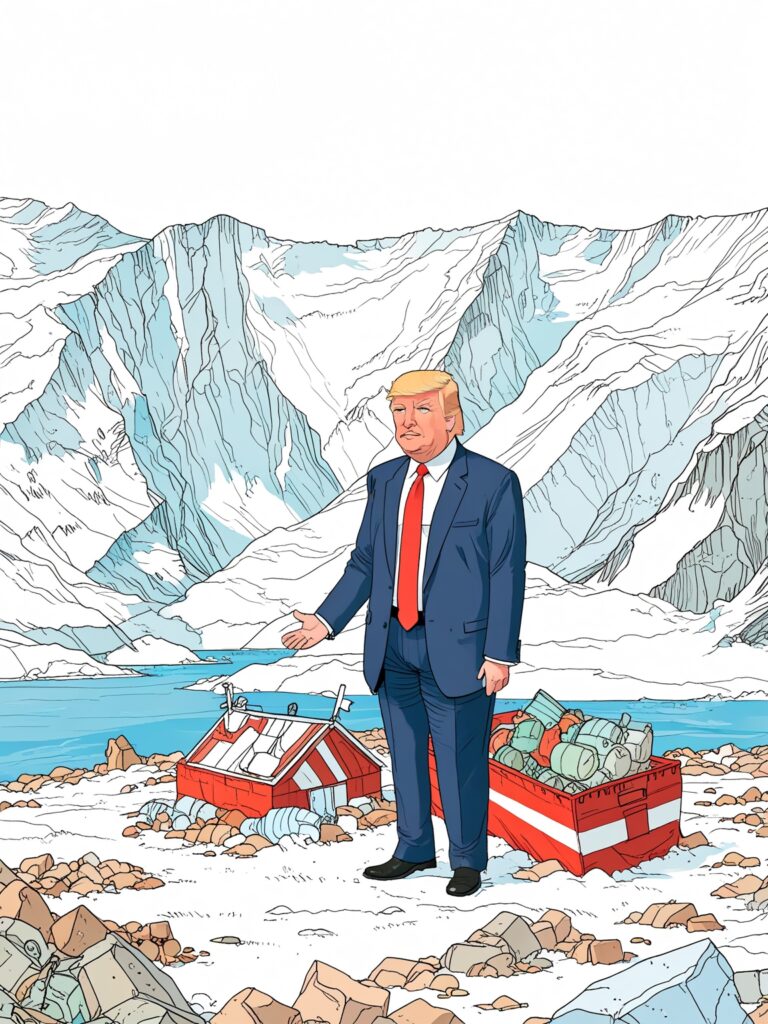
    Donald Trump is at it again, folks. Just when you thought his bold ideas couldn’t get any wilder, he’s reviving his grand vision to purchase Greenland. Yes, you heard that right—the icy, autonomous territory of Denmark has once again captured the former president’s imagination. But is this a genius move or just another audacious headline grab?

    TL;DR

    • Donald Trump revisits his 2019 proposal to purchase Greenland as he prepares for a potential second term.
    • His son, Donald Trump Jr., visited Greenland to further discuss the idea with local representatives.
    • Danish Prime Minister Mette Frederiksen firmly rejected the proposal, reiterating that “Greenland is not for sale.”
    • Comparisons to past U.S. land purchases, like Alaska and Louisiana, offer a financial perspective on Greenland’s potential value.
    • Greenland’s strategic location and resources make it a topic of geopolitical interest, but logistical and political hurdles remain.
    • Congressional approval is necessary for any acquisition, adding another layer of complexity to the proposal.
    • Public reactions range from humor to serious debates on international politics and U.S. diplomacy.

    The Frosty Beginnings of Trump’s Greenland Obsession

    The idea first surfaced back in 2019, during Trump’s initial term. Over a roundtable discussion with his senior advisers, he floated the notion of acquiring Greenland. The response? Mixed at best. Danish leaders laughed it off, and Greenland’s government firmly stated: “We’re not for sale.” Yet, Trump, being Trump, persisted.

    Fast forward to today: as he prepares for a potential second term, Trump has dusted off this frosty dream. To make things even more intriguing, his son, Donald Trump Jr., recently visited Nuuk, Greenland, along with a few key allies. Coincidence? Not likely. Their trip has stirred up speculation about whether this idea is actually back on the table.

    A Chilly Price Tag: What Would Greenland Cost?

    Let’s talk numbers. If Greenland were for sale—a massive if—how much would it cost? To find a starting point, analysts have compared it to historical land purchases:

    • The Alaska Deal (1867): The U.S. bought Alaska from Russia for $7.2 million, equivalent to $153.5 million today. Greenland, being 1.5 times larger than Alaska, could hypothetically command around $230 million using this metric.
    • The 1946 Attempt: The U.S. considered buying Greenland for $100 million in gold. Adjusted for inflation, that’s about $1.6 billion today.
    • Greenland’s GDP: In 2021, Greenland’s GDP stood at $3.24 billion, suggesting its value could far exceed historical purchase prices.

    Of course, these numbers are purely speculative. Greenland’s worth isn’t just about size or GDP; its strategic location and natural resources—notably oil and rare minerals—could push the price tag much higher.

    Why Greenland? A Strategic Play

    So, why Greenland? Here’s the scoop:

    1. Strategic Location: Greenland’s position in the Arctic makes it a valuable military and trade asset. It’s a gateway between North America, Europe, and the Arctic.
    2. Natural Resources: Beneath all that ice lies a treasure trove of untapped resources, including oil, gas, and rare earth minerals essential for modern technology.
    3. Global Influence: Owning Greenland could bolster U.S. dominance in the Arctic, especially as other powers like China and Russia eye the region.

    Trump’s own words during a speakerphone call with Nuuk residents sum it up: “You’re so strategically located. Our country needs it, and the whole world needs it.”

    A Frosty Reception: Denmark and Greenland Push Back

    Predictably, the idea hasn’t warmed the hearts of Danish and Greenlandic leaders. In 2019, Danish Prime Minister Mette Frederiksen called the proposal “ridiculous.” She pointedly added, “Greenland is not Danish. Greenland is Greenlandic.”

    This sharp rebuke led Trump to cancel a planned state visit to Denmark. If the proposal gets serious again, expect another icy response from Denmark and Greenland alike.

    Trump Jr. in Greenland: A “Personal” Visit?

    Donald Trump Jr.’s recent trip to Greenland—initially billed as personal—quickly turned political. Accompanied by conservative allies like Charlie Kirk and Sergio Gor, Don Jr. mingled with locals and even put his dad on speakerphone to address the community.

    The message was clear: this visit wasn’t just about sightseeing. It was a strategic move to gauge local sentiment and perhaps even soften resistance to the idea of a U.S.-Greenland partnership.

    Is This Deal a Wintry Pipe Dream?

    First off, I can’t help but admire Trump’s audacity. The man’s real estate ambitions apparently know no bounds. But let’s be real: buying Greenland is like trying to buy the Mona Lisa—not for sale, and if it were, you probably couldn’t afford it.

    Strategically, the idea has merit. Greenland’s location and resources are undeniably valuable. But diplomatically? It’s a disaster waiting to happen. The U.S. risks alienating allies and reigniting colonial-era debates about sovereignty.

    Economically, the cost of integrating Greenland—building infrastructure, boosting the economy, and supporting its people—would far outweigh any immediate gains. And let’s not forget Congress, which would need to approve such a monumental expenditure. Good luck convincing lawmakers to fund that, especially when domestic priorities loom large.

    Could This Actually Happen?

    Short answer: Probably not. Long answer: It’s complicated.

    While Trump has a knack for turning improbable ideas into reality, the hurdles here are immense. From diplomatic resistance to financial feasibility, this deal would be an uphill battle. And frankly, Greenlanders seem perfectly happy being autonomous under Denmark.

    But hey, stranger things have happened in U.S. politics. If anyone could turn this icy dream into a reality, it’s Trump—or so he’d like to believe.

    Making Greenland Great Again?

    Love him or hate him, Trump knows how to keep the world talking. His Greenland gambit is part real estate fantasy, part geopolitical strategy, and 100% vintage Trump. Whether it’s a bold vision for the future or a frosty folly remains to be seen.

    In the meantime, let’s appreciate the spectacle for what it is: a reminder that even in politics, dreams can be as big and icy as Greenland itself. And who knows? Maybe one day, we’ll all be toasting to MAGA—Make Greenland American Again.

    When the Phone Rings: Episodes 11-12 (Finale)

    0

    The phone rings. A simple act, yet it can hold the weight of a thousand emotions. In the gripping finale of “When the Phone Rings,” this everyday occurrence becomes a lifeline, a weapon, and a symbol of hope. As secrets unravel and truths are laid bare, the lines between life and death blur, and the characters find themselves caught in a whirlwind of twists and turns.

    Think about it: a ringing phone can be a joyous reunion, a dreaded notification, or a life-altering call. In this thrilling conclusion, every ring of the phone brings a new wave of suspense, leaving you breathless until the very last call.

    Is it a call for help, a love confession, or a chilling threat? The answer, like the drama itself, is never simple.

    TL;DR

    • Communication is Key: The biggest takeaway is the importance of open and honest communication within relationships.
    • Forgiveness is a Journey: The characters grapple with guilt and forgiveness, highlighting the complexities of moving forward after trauma.
    • Love is Messy: The show realistically portrays the ups and downs of love, showcasing its messy, unpredictable, and often illogical nature.

    Let’s face it: when it comes to K-dramas, finales are either jaw-dropping masterpieces or leave you wondering if the writers just threw darts at a board labeled “plot twists.” When the Phone Rings gives us a bit of both. From emotional reunions to laughable fakeouts, this last hurrah kept me hooked—and mildly baffled—until the credits rolled. Let’s break it down, one chaotic twist at a time.

    First Things First: Emotional Baggage Unpacked

    As the finale kicks off, Sa-eon is neck-deep in regret, pondering his frosty attitude during the first three years of his marriage. (Pro tip, Sa-eon: love isn’t a freezer—try defrosting those feelings sooner.) When Hee-joo’s belongings are found in the river, it seems like all hope is lost. But Sa-eon flips his trademark line, “Call me when there’s a corpse,” from icy indifference to fiery determination. It’s a surprisingly touching moment that reminds us he’s more than just a brooding face.

    Meanwhile, Sa-eon’s adoptive mother is up to her neck in secrets, but karma isn’t kind to her. Sa-eon plays his ace: footage of her smothering Chairman Baek in his hospital bed. (Yes, folks, we’ve reached peak soap opera.) The revelation leads to her arrest, uncovering a hidden storage chamber where Hee-joo and her kidnapper have been stashed away. Plot twist: the car accident that supposedly killed them didn’t finish the job.

    Twists, Turns, and Some Questionable Decisions

    Hee-joo, with her unyielding spirit, manages to escape her captor with help from a rogue aide. But of course, this is K-drama land, where no good deed goes unpunished. Her kidnapper breaks free and chases her through the woods, armed and dangerous. In a desperate move, Hee-joo throws herself in front of an approaching car—which, conveniently, is driven by Sa-eon. (Talk about timing!)

    Their reunion is tearful and dramatic, but the kidnapper isn’t done yet. Sa-eon confronts him, only to hear a whispered secret that leaves him guilt-stricken. What follows is a rollercoaster of fakeouts, gunshots, and a dreamy sequence where Hee-joo imagines Sa-eon being shot. But fear not: the police take down the bad guy, and Sa-eon is alive—albeit burdened by guilt over his father’s misdeeds.

    Secrets, Sacrifices, and Some Long-Overdue Honesty

    The big secret? Chairman Baek orchestrated the accident that killed Hee-joo’s family. Sa-eon, drowning in guilt, decided to punish himself by vanishing. (Because clearly, the best way to atone is to ghost your wife.) Hee-joo rightfully calls him out, asking how much longer she’s supposed to wait. Their eventual reconciliation is sweet, though it could’ve used a bit more accountability on Sa-eon’s part.

    Cue the romantic lighting as they finally consummate their marriage. A poetic sunrise—or was it sunset?—frames the scene, because no K-drama is complete without golden-hour drama.

    Fast-Forward to Happily Ever After

    A time skip reveals a new chapter for the couple, now re-married and living under Sa-eon’s new name, Baek Yu-yeon. Their home is filled with laughter, friends, and hopeful beginnings. Even Hee-joo’s fractured family starts to mend, thanks to her persistence. In true K-drama fashion, Yu-yeon is sent abroad for hostage negotiations, but it’s really just an excuse for one last flirtatious phone call. Their relationship, now built on open communication, feels solid for the first time.

    Lessons in Love and Chaos

    Let’s pause and reflect, shall we? If there’s one thing this finale hammered home, it’s that communication is key. Sa-eon and Hee-joo’s journey was one long lesson in the perils of silence. Relationships thrive on honesty, not noble idiocy. (Take notes, Sa-eon.)

    But let’s not ignore the elephant in the room: the sheer absurdity of this plot. From hidden chambers to whispered secrets to jungle escapades, it’s like the writers threw every trope they could find into a blender. And yet, amidst the chaos, there’s a charm to it all. Hee-joo’s fiery determination carried the show, proving that sometimes, the most unhinged character is also the most relatable.

    Was It Perfect? No. Was It Fun? Absolutely.

    No, this finale didn’t make a ton of sense. The pacing was all over the place, and some plot points felt like they were pulled out of thin air. But did it deliver the emotional payoff we craved? For the most part, yes. Hee-joo and Sa-eon’s story reminds us that love isn’t always neat or logical—it’s messy, complicated, and worth fighting for.

    While When the Phone Rings may not go down in history as the most coherent K-drama, it’s undeniably entertaining. If you’re looking for a finale that’s equal parts heartwarming and head-scratching, this one’s for you. Now, let’s hope Sa-eon finally learns to text back—because ghosting is so last season.

    The Pentagon Targets Tencent: Military Ties or Just Business as Usual?

    The Pentagon just threw a shade ball at Tencent, and the tech giant is scrambling for cover. Is this a direct hit on a military mastermind, or just another volley in the ongoing game of global tech dominance? You know, the one where every move is a calculated risk, every accusation a veiled threat, and every line of code a potential weapon.

    TL;DR

    • The Pentagon has designated several major Chinese companies, including Tencent, as potential military collaborators.
    • This designation raises concerns about national security risks and could lead to restrictions on US business dealings with these companies.
    • Chinese companies have denied any military ties and criticized the US government’s actions.
    • The move highlights the growing tensions between the US and China in various sectors, including technology and trade.
    • This situation underscores the complex and evolving nature of geopolitical competition in the 21st century.

    In a move that’s causing ripples across industries and stock markets, the Pentagon has added several prominent Chinese companies to its list of “Chinese military companies.” Yes, you read that right—some of China’s biggest names in technology, shipping, and science are now under Uncle Sam’s scrutiny. This decision, announced Monday, raises questions about whether these businesses are military collaborators or just victims of political drama. Let’s dig in, shall we?

    What’s This List All About?

    The Defense Department’s list isn’t just a roll call of random Chinese firms. It’s a collection of companies the Pentagon believes are cozying up to the Chinese military. According to a recent Pentagon report, China’s strategy involves blending commercial innovation with military technology. This approach includes leveraging cutting-edge advancements in artificial intelligence, quantum computing, biotechnology, and integrated circuits. Think of it as China’s version of a high-stakes fusion recipe—a little bit of commercial spice, a dash of military innovation, and a whole lot of global power ambition.

    But does being on this list mean these companies are guilty? Not exactly. It’s more about casting a spotlight on potential risks than slapping on immediate sanctions. Still, that spotlight can burn.

    Who’s On the Chopping Block?

    Some of the latest additions to this controversial list include:

    • China Overseas Shipping (Cosco): A shipping giant that’s practically synonymous with China’s global trade.
    • Sinotrans & CSC Holdings: Another heavyweight in the shipping and port industries.
    • China International Marine Containers: Because shipping containers apparently need a military twist?
    • Commercial Aircraft Corp. of China (Comac): Airplane production that’s now under scrutiny.
    • Contemporary Amperex Technology (CATL): The battery giant powering electric dreams worldwide.
    • Quectel Wireless Solutions: Telecommunications modular maker now flagged for military links.
    • SenseTime Group: A facial-recognition tech leader that raises eyebrows.
    • Tencent Holdings: Yes, the tech behemoth behind WeChat also made the list.

    And let’s not forget earlier additions like Huawei Technologies, Aviation Industry Corp. of China, BGI Genomics, and China Mobile. Clearly, the Pentagon isn’t playing favorites.

    Investor Panic: Tencent Takes a Hit

    The market, ever the drama queen, reacted swiftly. Tencent’s U.S.-listed shares plunged nearly 7% on Monday. Ouch! For a company that insists it’s no military ally, that’s a harsh slap. Tencent’s spokesperson was quick to call the inclusion “a mistake,” emphasizing that the listing doesn’t impact their operations. While that may be true, reputational damage can sting far longer than a financial dip.

    Other companies? They’ve chosen the silent treatment so far, declining to comment on their shiny new label as potential military collaborators.

    Source: eToro

    So, What’s the Real Impact?

    If you think being on this list means these companies are instantly shackled, think again. According to Craig Singleton of the Foundation for Defense of Democracies, the designation is more symbolic. It’s a red flag waving in the faces of U.S. entities, warning them about the national security risks of dealing with these firms. It’s also a stepping stone for potential future actions—think regulatory hurdles, investment restrictions, and maybe even sanctions down the road.

    In short, it’s like being on a “watch out” list at your favorite coffee shop. They’ll still serve you, but everyone’s giving you side-eye.

    China’s Take: Predictably Indignant

    Unsurprisingly, the Chinese Embassy in Washington had plenty to say about this latest development. They accused the U.S. of abusing the concept of national security to suppress Chinese businesses unfairly. They also labeled the move a violation of market competition principles and vowed to defend the rights of their companies.

    In essence, they’re not happy, but what else is new? It’s yet another chapter in the ongoing saga of U.S.-China tensions.

    My Two Cents (Because Why Not?)

    Now, here’s where it gets interesting. Let’s pause for a second and think about this: Are these companies really in bed with the Chinese military, or are they just collateral damage in a geopolitical chess match? From where I’m sitting, this feels like a mix of both.

    On one hand, it’s naive to think that big players like Tencent and Huawei aren’t at least somewhat connected to the Chinese government—it’s practically a prerequisite for survival in China. On the other hand, slapping the “military” label on these firms without clear evidence feels a bit like throwing spaghetti at the wall to see what sticks.

    And let’s not forget the broader implications. This isn’t just about protecting national security; it’s also about tilting the playing field in favor of U.S. businesses. By casting doubt on Chinese firms, the U.S. might be hoping to curb China’s growing influence in key industries. Smart strategy? Maybe. Fair play? Debatable.

    The Bigger Picture

    At its core, this is about more than just a list. It’s a reflection of the broader U.S.-China rivalry—a battle for technological, economic, and military supremacy. And let’s be honest: Neither side is going to back down anytime soon.

    For the U.S., this move signals a commitment to staying ahead of the curve, even if it means stepping on some toes. For China, it’s a reminder that its global ambitions come with strings attached—strings that the U.S. is more than willing to pull.

    What Does This Mean for You?

    If you’re an investor, this is a wake-up call to tread carefully when dealing with companies that operate in politically sensitive sectors. If you’re a consumer, it’s a reminder that geopolitics can shape the products and services you use, even if you don’t realize it. And if you’re just here for the drama, well, you’re in for a treat. This story is far from over.

    The Final Word

    So, where do we go from here? That depends on how both sides play their cards. The Pentagon’s list is just one piece of the puzzle. Whether it leads to meaningful action or just more political posturing remains to be seen.

    But one thing’s for sure: The U.S.-China relationship is anything but boring. Stay tuned, folks. This is one soap opera you don’t want to miss.

    Why We’re Not Having Babies

    The stork is on strike. Or maybe it’s just lost its GPS. Whatever the reason, fewer babies are arriving on our doorsteps. Is it a conspiracy? A cosmic joke? Or are we simply too busy chasing our own tails to chase the next generation? This essay will explore the delightful, the disconcerting, and the downright ridiculous reasons why we’re not having babies – from the practical to the profoundly philosophical, and everything in between.

    TL;DR

    • Declining birth rates are a global phenomenon: Fertility rates are falling significantly in many developed countries.
    • This trend has significant consequences: Aging populations, labor shortages, and economic stagnation are potential outcomes.
    • Economic pressures and societal shifts play a crucial role: Factors like rising costs of living, career ambitions, and changing family structures contribute to this trend.
    • Policy changes are needed: Governments and businesses need to implement policies that support families, such as affordable childcare, flexible work arrangements, and parental leave.
    • Individual perspectives need to evolve: Rethinking our priorities and embracing a more balanced approach to work and family life is essential.

    We’re in the midst of a ticking time bomb—one that isn’t fueled by climate change, wars, or global pandemics. Nope, this one is much sneakier, and we’re letting it slip under the radar, often unspoken. Unlike the buzz around climate protests and political rallies, this looming crisis isn’t getting the attention it desperately needs, despite being potentially more threatening to our future than any other issue we’re facing today. What’s the problem? Well, we’ve stopped having babies.

    Hold on, you might be thinking: “But the world’s population is growing! We’re at 8.2 billion right now and it’s only going up!” Yes, you’re correct in that assumption. The numbers are still climbing, and we’re on track to hit 10 billion by 2050. But here’s the plot twist: if we take a closer look at the fertility rates across the globe, you’ll see a different story unfolding. That’s right, we’re diving into something far more alarming than what the population numbers might suggest.

    The Numbers Don’t Lie: A Decline in Fertility Rates

    Let’s rewind the clock to the 1950s. Back then, the world was a very different place. Populations were booming, particularly in developed countries. For example, in the United States, the average woman was having about three children after marriage. Canada’s average was 3.5, and the UK hovered just above two. In Iraq, they were making babies like there was no tomorrow, with a whopping average of eight per woman.

    Fast forward to today, and the numbers paint a concerning picture. We’ve seen a massive decline, especially in developed nations. For example, the United States now sits at a fertility rate of 1.6, the UK at 1.5, and Australia isn’t faring much better with 1.5. Other European countries are performing even worse. Portugal, Greece, and Finland are down to 1.4, and Italy and Spain? They’re at the bottom of the barrel with just 1.3. This is where it gets really scary—Italy has declared a National Emergency, as their births dropped to a mere 400,000 in the past year.

    Take a minute to let that sink in. What’s happening? Have you noticed this yourself? It’s not just about demographics anymore; it’s about the cultural shift we’re witnessing. These days, 20- and 30-somethings would rather adopt a pet than have a baby.

    In fact, a few years ago, Pope Francis made headlines during one of his Vatican addresses. He openly criticized the trend, claiming that people were choosing pets over children and that this was a form of selfishness. He argued that it diminished humanity itself by denying fatherhood and motherhood. While I’m not about to play the role of the Pope (I’m not here to judge your pet preferences, after all), there’s no denying that something huge is happening, and it demands our attention.

    What’s Going Wrong?

    Let’s take a step back. Why is this happening? To answer that, we need to look at the historical and societal shifts that have unfolded over the past several decades. Let’s rewind to the 1950s when society’s emphasis on family, children, and economic prosperity was at its peak. Post-World War II, families were encouraged to embrace the traditional nuclear family model, which included a white picket fence and, of course, lots of children. It was seen as almost a patriotic duty to populate the nation and build a prosperous future.

    Fast forward to the 1960s, and that’s when everything started to shift. The sexual revolution, the advent of birth control, and the feminist movement led to major changes in how women viewed their roles in society. Birth control gave women more autonomy over their reproductive choices, and many opted for career advancements rather than starting families. This period marked the beginning of a steady decline in birth rates across developed nations. Women were delaying or forgoing motherhood, and as a result, families were shrinking.

    By the 2000s, this trend was accelerating, and by now, the idea of large families is almost foreign to younger generations. The priorities have changed; career ambitions and personal freedom now outweigh the perceived need to have children. But here’s where it gets tricky: the consequences of this shift are far more significant than we realize.

    Why Should We Care?

    Now, you might be asking, “So what? Who cares if people are having fewer children? Isn’t the world overcrowded anyway?” Well, let’s take a closer look at the potential fallout. Some experts argue that declining birth rates pose one of the biggest challenges to our survival. The issue isn’t just about having fewer children—it’s about the long-term economic, social, and environmental ramifications that stem from this trend.

    To fully grasp the magnitude of this issue, let’s take a closer look at South Korea, where the fertility rate is at a shocking 0.67. Yes, you read that right: 0.67. In other words, South Korea has reached a point where the number of births barely constitutes half of what’s needed to sustain the population. The country is facing a population crisis that could soon be irreversible.

    The South Korean Example: A Warning to the Rest of the World

    South Korea’s population crisis is a canary in the coal mine for the rest of the developed world. The country is aging rapidly. Back in the 1970s, the average age of the population was in the 20s. Today, the average age is 45, and by 2050, nearly half of the population will be over 65 years old. That’s a frightening thought, especially when you consider the implications on the workforce and economic stability.

    The labor shortage is already being felt across industries. South Korea’s economy is heavily reliant on a few key mega-corporations, like Samsung, which makes up an astounding 22% of the country’s GDP. But even these giants are struggling to find skilled young workers. As the pool of youth shrinks year by year, the country’s economic future looks increasingly uncertain.

    What’s more concerning is the social welfare system. With fewer people working and contributing taxes, there will be less money to support an aging population. South Korea is already seeing people delay retirement, working well into their later years, but even that won’t be enough to fill the gap.

    The Cycle of Economic Stagnation

    The issue doesn’t stop there. South Korea’s economy is not just facing a labor shortage—it’s grappling with a growing number of “ghost towns.” Abandoned villages and towns are becoming more common, especially in rural areas, where younger people have long since moved to the capital, Seoul, in search of work. This migration to the city is driving up the cost of living, pushing rents through the roof, and creating a financial trap for young people. As a result, many are putting off or abandoning the idea of starting families altogether.

    This vicious cycle is only deepening. The more young people leave rural areas, the more economic stagnation sets in. The fewer families there are, the more abandoned businesses we see. And the more abandoned businesses we see, the more people move to cities to escape the emptiness of rural life. It’s a never-ending loop that seems nearly impossible to break.

    Japan’s Parallel Struggles

    South Korea isn’t alone in facing this crisis. Its neighbor Japan is also battling similar issues, albeit with a stricter immigration policy. Japan’s birth rate is just as concerning, with a fertility rate of 0.69. The government has tried various incentives to encourage childbirth, including paying people to have babies, but so far, these measures have failed to reverse the decline.

    In fact, Japan has begun to import large numbers of low-skilled foreign workers to plug the gap left by its shrinking population. This marks a significant shift in a country that has long maintained a policy of minimal immigration. However, as Japan has learned, this solution doesn’t address the root of the problem.

    My Take: Are We Doomed?

    Here’s the thing: declining birth rates aren’t just a social curiosity; they’re a ticking time bomb. If we don’t address the root causes—financial pressures, work-life imbalances, and cultural shifts—we’re headed for trouble.

    But let’s not panic (yet). Governments can implement policies to ease the burden of parenthood: affordable childcare, parental leave, and housing incentives. Companies can foster work-life balance, allowing employees to pursue both career and family goals. And as individuals? Maybe it’s time to rethink the narrative that equates kids with financial ruin.

    The Human Factor

    At the end of the day, this issue strikes at the heart of what it means to be human. As Pope Francis once said (controversially, of course), pets aren’t a substitute for children. While I’m not here to judge your life choices (hey, dogs are adorable), it’s worth considering how we’ve veered so far from our biological instincts.

    Final Thoughts

    Declining birth rates aren’t just about economics or demographics; they’re about our collective future. If we don’t find a way to address this crisis, we’ll leave behind a world where vibrant communities become ghost towns and societies crumble under the weight of their own aging populations.

    So, whether you’re team baby or team fur baby, one thing’s clear: we need a serious conversation about how to balance personal fulfillment with societal survival. Until then, let’s keep debating—preferably over coffee with a side of optimism.

    It’s easy to feel hopeless when you look at the numbers and the trends in places like South Korea and Japan. But that doesn’t mean we should throw in the towel just yet. The truth is, the solution isn’t simple. It’s not just about encouraging people to have more kids. It’s about rethinking our entire approach to work, family, and life balance.

    We need to create a society where people feel they can have it all—work, personal fulfillment, and the joys of parenthood. This means reimagining how we structure our economies, how we treat the family unit, and how we approach gender equality. We need to provide the support necessary for young families to thrive, including affordable childcare, flexible work hours, and financial incentives. But most importantly, we need to shift cultural attitudes. Parenthood shouldn’t be seen as an obstacle to success; it should be seen as a shared responsibility and an integral part of a well-rounded, fulfilling life.

    Jeju Air Crash: Dog Left Alone After Family’s Death

    0

    Loyalty. It’s a word we throw around, but this dog truly embodies it. Left behind after a plane crash wiped out her entire family, Pudding the pup refuses to give up hope. She waits, and waits, and waits, for the familiar footsteps and the sound of their voices. It’s a heartbreaking story, yes, but also a powerful reminder that love, even in its most canine form, can outlast the worst tragedies. And maybe, just maybe, this story will inspire us all to cherish our own furry companions a little bit more.

    TL;DR

    • Cherish loved ones: Life is unpredictable, so make the most of every moment with your family and friends.
    • Animal welfare matters: Support organizations that help animals in need, especially during emergencies.
    • The power of loyalty: Even in the face of tragedy, the human-animal bond can be a source of strength and hope.

    South Korea is mourning a heartbreaking story that extends beyond human tragedy. Among the countless lives affected by the Jeju Air crash on December 29, 2024, is a loyal pet dog named Pudding. Left behind after its family of nine perished, Pudding’s loyalty and patience have touched the hearts of many.

    A Family Vacation That Ended in Tragedy

    The Bae family, a group of nine, had planned a trip to Thailand to celebrate their patriarch’s 80th birthday. What began as a joyful celebration turned into an unimaginable loss when their flight ended in disaster. The crash at Muan International Airport claimed the lives of 179 passengers, including Mr. Bae, his wife, two daughters, a son-in-law, and four grandchildren. Only one family member, a son-in-law who stayed behind, survived—but he now faces the crushing grief of losing his wife and children.

    The Heartbreaking Loyalty of Pudding

    Back home, Pudding remained blissfully unaware of the tragedy. As days turned into nights, this loyal pup continued to roam the village, waiting for the return of its beloved family. Neighbors tried to comfort Pudding, even attempting to take the dog home, but Pudding refused to stay away from its empty house.

    Imagine the heartbreak: a dog, full of hope, waiting by the door for a family that would never return. This visual alone pulls at our heartstrings, doesn’t it?

    Rescuing Pudding: A Community Comes Together

    Animal welfare organization Coexistence of Animal Rights on Earth (CARE) stepped in after receiving reports about Pudding’s plight. When CARE personnel arrived, Pudding’s reaction was both touching and heart-wrenching. The dog, believing perhaps that its family had returned, ran toward the rescuers with uncontainable excitement.

    CARE has since taken Pudding into their care, ensuring its safety and health. According to a spokesperson, the organization is working with the surviving family to find a permanent home for Pudding. Until then, the dog has been transported to Seoul and placed in a veterinary hospital for care and observation.

    Lessons in Love and Loss

    Let’s take a moment to reflect. While the story of Pudding is undeniably tragic, it’s also a testament to the enduring bond between humans and animals. Dogs, with their unwavering loyalty, teach us what it means to love unconditionally. And in Pudding’s case, this loyalty transcends even death.

    From a human perspective, the Bae family’s story reminds us to cherish every moment with loved ones. Life is unpredictable, and while we often take things for granted, stories like this serve as a wake-up call. Hug your family. Pet your dog. Let the little annoyances slide—because life is too short for anything else.

    The Broader Implications of Pet Care in Emergencies

    Pudding’s story also sheds light on a critical issue: the fate of pets during emergencies and disasters. Often overlooked, animals face displacement, abandonment, or even death when tragedy strikes their human families. Organizations like CARE are crucial in providing a safety net, but more needs to be done.

    How can we ensure that our pets are cared for if something happens to us? Here are a few tips:

    • Plan Ahead: Designate a trusted friend or family member as your pet’s temporary guardian.
    • Include Pets in Emergency Plans: Make sure emergency contacts know your pet’s needs.
    • Microchip and Register: Identification can help reunite pets with surviving family members.

    What Can We Do for Pudding?

    If Pudding’s story has moved you, consider supporting animal rescue organizations like CARE. Donations, adoptions, or even spreading awareness can make a world of difference. And if you’re in a position to adopt, you might just become the next chapter in a dog’s story of hope and healing.

    Final Thoughts: Hope Amid Tragedy

    While the Jeju Air crash is a profound loss for the Bae family and the world, Pudding’s resilience offers a glimmer of hope. The pet’s unwavering loyalty and the community’s efforts to protect it remind us of the goodness that exists even in the darkest times.

    So, let’s learn from Pudding. Let’s be patient, hopeful, and loyal—both to our loved ones and to the causes that matter. And most importantly, let’s cherish the moments we have because life, fragile as it is, is also full of beauty.

    Father Rains Money from a Plane for Son’s Wedding

    0

    Let it rain!” But not the kind most people pray for. In a move that’s sure to leave wedding guests both bewildered and bewildered, a Pakistani father decided to shower his son’s nuptials with a truly unique blessing: a literal downpour of cash. That’s right, instead of the traditional rice toss, this generous (or perhaps misguided) dad opted for an aerial money drop, turning the wedding reception into something resembling a chaotic game of airborne limbo

    TL;DR

    1. Lavish Wedding: A Pakistani father rented a plane to drop money on his son’s wedding.
    2. Viral Sensation: The event quickly went viral on social media, sparking widespread discussion.
    3. Mixed Reactions: Some praised the gesture, while others criticized it as excessive and insensitive.
    4. Cultural Context: The incident highlights the cultural significance of lavish weddings in South Asia.
    5. Ethical Considerations: The event raises questions about wealth inequality and the appropriate display of wealth.

    Weddings can be expensive, but some folks take extravagance to a whole new altitude — quite literally. In what could be the most “sky-high” gesture of generosity (or impracticality), a Pakistani man reportedly dropped millions of rupees from a rented plane to celebrate his son’s wedding. And yes, the internet had thoughts.

    Money Showers and Airplane Spectacles

    Source: @amalqa_ on X

    Social media was ablaze when a video, originally posted by a user named ‘@amalqa_’ on X (formerly Twitter), went viral. The video showed an airplane soaring over the bride’s home, releasing what appeared to be an actual cloudburst of cash. Imagine standing there, dodging flying rupees while trying to keep your wedding attire pristine.

    According to the poster, this airborne display of affluence was requested by none other than the bride’s family. The groom’s father, determined to make an unforgettable impression, reportedly rented a plane to make it rain — literally. In the video, attendees and even the hired musicians paused to witness the aerial spectacle. Phones were whipped out, and videos captured what could only be described as a modern-day twist on a money tree.

    One eyewitness claimed the plane circled twice, releasing millions of rupees on its first pass. While the second flyby didn’t feature more cash, the impact had already been made. The bride’s house became the epicenter of what seemed like a lottery gone airborne.

    Millions or Mere Pamphlets?

    Source: @amalqa_ on X

    For context, one million Pakistani rupees converts to approximately S$4,800. That’s a lot of cash to be swirling in the wind. However, not everyone believed the story at face value. Some skeptical commenters suggested the fluttering paper wasn’t cash at all but celebratory pamphlets inscribed with ‘Shadi Mubarak’ (“Happy Wedding”).

    If true, that’s an entirely different level of trolling. Imagine craning your neck skyward, thinking you’re about to snag a wad of cash, only to catch an invitation to wish the couple well. Well played, sir. Well played.

    Internet Reactions: Awe, Criticism, and Sarcasm

    As expected, the online community had plenty to say. While some praised the display as a fun and memorable wedding stunt, others weren’t impressed. Critics questioned the ethics of such a show of wealth in a country where many struggle to make ends meet.

    Source: Facebook

    “Why would anyone do that where the majority of people are living below the poverty line?” one commenter asked. A valid point. In a world where extravagant spending can often feel tone-deaf, the line between celebration and excess is thin.

    Another cheeky comment claimed, “Now the groom will be paying off his father’s debt for the rest of his life.” Touché. Whether it’s raining rupees or pamphlets, someone’s bank account undoubtedly felt the turbulence.

    My Take: Spectacle or Misplaced Priorities?

    Here’s where I weigh in. Weddings are about celebrating love and union, and everyone has their way of making the day special. But when celebrations start looking more like reality TV stunts, it’s worth asking: Who is this for?

    Dropping cash from the sky (if it was actual cash) might be thrilling in the moment, but it also sends a peculiar message. Instead of fostering goodwill, it’s more likely to stoke envy or criticism. In a nation where economic disparities are glaring, such acts can feel detached from reality.

    On the flip side, if these were simply celebratory pamphlets, the gesture becomes more symbolic — and slightly more palatable. It’s flashy without being excessively wasteful, though it still begs the question: Was this necessary?

    Weddings and Cultural Expectations

    This story also highlights the immense social pressure surrounding weddings in South Asia. Lavish ceremonies are often seen as a way to display status and honor familial expectations. For many, the goal isn’t just to celebrate but to outdo others. This “keeping up with the Joneses” mentality can lead to financial strain that lasts long after the last piece of wedding cake has been eaten.

    But does this level of extravagance truly enhance the joy of the occasion? Or does it overshadow what’s most important: the love and commitment between two people?

    A Few Final Words

    Let’s face it: This story is equal parts fascinating and absurd. Whether it’s money or pamphlets, the tale underscores our fascination with grand gestures and the lengths some will go to make an impression. However, one can’t help but wonder if simpler, more meaningful acts might resonate longer than fleeting displays of wealth.

    So, to anyone planning a wedding, here’s some friendly advice: Focus on what matters. Spend on memories, not just moments. And please, if you’re going to drop anything from a plane, let it be confetti. It’s cheaper, eco-friendly, and won’t land you in financial turbulence.

    Jeju Air Boeing 737-800: What Went Wrong?

    0

    The phrase “What Went Wrong” can mean many things. In the case of the Jeju Air Boeing 737-800 crash, it’s a question that haunts investigators and families alike. Did a series of unfortunate events conspire against the flight, or were there deeper, more insidious forces at play? Was it a simple case of bad luck, or a symptom of a larger problem within the aviation industry? This tragedy serves as a stark reminder that even in the age of advanced aviation, the sky is not always the limit.

    TL;DR

    • A Jeju Air Boeing 737-800 crashed at Muan International Airport in South Korea, killing all but two passengers.
    • The crash is being investigated by South Korean authorities with assistance from the U.S. National Transportation Safety Board.
    • The possible causes of the crash include bird strikes, mechanical failures, and pilot decisions.
    • The crash has raised concerns about aviation safety in South Korea and the role of wildlife in aviation accidents.

    Sunday morning at Muan International Airport in South Korea began like any other day. But by 9:03 a.m., the scene had devolved into chaos, with a Jeju Air Boeing 737-800 engulfed in flames at the end of the runway. Of the 181 passengers and crew, only two survived—both flight attendants seated at the back of the plane. This catastrophic crash has left investigators scrambling to piece together what went wrong.

    Time (Local)Event
    8:57 a.m.Muan International Airport’s control tower issued a warning about bird activity near the runway.
    8:59 a.m.The Jeju Air flight issued a mayday call, reporting a bird strike and gear issues.
    9:00 a.m.Passengers sent text messages to loved ones, reporting a bird lodged in the wing.
    9:01 a.m.The control tower cleared the plane for a second landing attempt from the north.
    9:03 a.m.The plane crash-landed without landing gear, hitting a barrier and erupting into flames.
    By EveningTwo survivors were hospitalized; most victims had been identified, with recovery efforts ongoing.

    A Routine Warning Turns Tragic

    At 8:57 a.m., the control tower issued a routine alert: “Caution: Bird Activity.” Such warnings are common at Muan International Airport, which is surrounded by bird habitats teeming with ducks and geese. However, just two minutes later, an urgent mayday call came from the cockpit: “Mayday, mayday, bird strike, bird strike, going around.” The gravity of the situation escalated quickly as the pilots attempted to regain control.

    Six minutes after the initial warning, the plane crash-landed without its landing gear deployed, smashing into a barrier and erupting into flames. This sequence of events has become the focal point of one of South Korea’s most significant aviation investigations in recent years.

    Investigating the Crash

    South Korea’s Transport Ministry is leading the investigation with assistance from the U.S. National Transportation Safety Board, Boeing, and the Federal Aviation Administration. The black boxes were recovered, but one was partially damaged, potentially delaying the decoding process by months. Meanwhile, Acting President Choi Sang-mok ordered an emergency safety inspection of the country’s entire airline operation system, including all 101 Boeing 737-800 aircraft operated by South Korean airlines.

    The Boeing 737-800, a predecessor to the 737 MAX, has an impressive safety record, with only 10 fatal accidents in its 27 years of operation. This model’s accident rate is significantly lower than the industry average, making Sunday’s crash an anomaly that has rattled public confidence.

    The Impact on Jeju Air

    In the aftermath, tens of thousands of passengers canceled their Jeju Air flights, and the company’s stock plummeted by 8.6%. Boeing also faced a 2% drop in its shares. For Jeju Air, the tragedy has not only cost lives but has also deeply shaken its reputation.

    Human Stories Behind the Numbers

    The passengers on board had diverse stories. Many were escaping South Korea’s winter for the warmth of Bangkok. Among them was a group of government workers, a 22-year-old Thai student training to be a flight attendant, and a three-year-old boy embarking on his first overseas trip with his parents. Tragically, the boy’s father had shared a proud Instagram post just a day earlier, celebrating his son’s first passport stamp.

    The Role of Birds in the Disaster

    Muan International Airport’s location near multiple bird habitats poses a constant risk of bird strikes. These incidents, while typically non-fatal, can cause severe engine damage. The airport is surrounded by resident birds like black-billed magpies and migratory species such as mallards and gray herons. Sunday’s crash highlighted the devastating potential of these avian encounters.

    A Closer Look at the Final Moments

    As the Jeju Air flight approached, the pilots performed a low-pass maneuver to confirm the landing gear’s position, a standard procedure in such situations. However, by 8:59 a.m., a mayday call indicated escalating trouble. The plane attempted a second landing from the north but touched down halfway down the runway without deploying its landing gear. The jet’s flaps and slats also appeared stowed, raising questions about potential mechanical failures.

    Passengers were able to send text messages during these harrowing moments. One message read, “A bird is stuck on the wing. Should I write a will?” These chilling words underscore the terror experienced on board.

    Structural Issues at Muan Airport

    Experts have pointed to the unique challenges posed by Muan Airport’s design. The runway’s localizer antennas, critical for guiding pilots during low-visibility conditions, were elevated on a mound at the runway’s end due to the surrounding terrain. This setup, while functional, created a dangerous obstacle for planes in distress. Simon Hatfield, an airport safety consultant, noted that without this barrier, the crash’s severity might have been mitigated.

    Survivors’ Stories

    Remarkably, two flight attendants survived. One, a 33-year-old identified as Lee, was rushed to an intensive care unit with multiple fractures but no burns. Despite the trauma, Lee has been able to communicate with doctors and recall buckling in for the landing before losing consciousness.

    The Investigation’s Focus

    Key areas of investigation include:

    • Bird Strike Impact: How the bird strike affected the engines and whether this led to a loss of power.
    • Mechanical Failures: Whether electrical or hydraulic issues prevented the landing gear from deploying.
    • Pilot Decisions: The choices made during the final moments, including the decision to attempt a second landing.

    My Take: A Preventable Tragedy?

    As a human who values human ingenuity, it’s hard not to question how such a disaster could occur in an age of advanced aviation technology. Bird strikes are not new threats; airports globally implement measures like bird repellents and radar systems to mitigate risks. Did Muan International Airport’s measures fall short? Could the elevated localizer have been redesigned to prioritize safety? These questions demand answers.

    Moreover, the pilots’ actions warrant close scrutiny. While it’s easy to criticize in hindsight, their decisions in those frantic moments may have been influenced by incomplete information or system failures. Nevertheless, a comprehensive review of training protocols and emergency procedures is imperative.

    Moving Forward

    This tragedy is a wake-up call for the aviation industry. South Korea must reevaluate airport designs, especially those in challenging environments, and strengthen wildlife management systems. Airlines must also ensure that pilots are equipped to handle mechanical failures under pressure.

    In Conclusion

    The Jeju Air crash is a sobering reminder of the fragility of human life and the critical importance of safety in aviation. As investigators work to uncover the truth, the victims and their families deserve not only answers but also assurance that such a tragedy will never happen again.

    Love Your Enemy Final Episodes 11-12

    0

    Love is a battlefield, they say. But in ‘Love Your Enemy,’ the final episodes prove that love can also be a minefield. Prepare for a chaotic cocktail of betrayal, laughter, and unexpected twists as our enemies-turned-lovers navigate a minefield of family feuds, hidden secrets, and disastrous wedding plans. Will love conquer all, or will their enemies – both internal and external – finally explode?

    • Love can bloom even in the most unexpected places.
    • Forgiveness and letting go of grudges are essential for personal growth.
    • True love can withstand even the most ridiculous obstacles.

    Our beloved enemies-to-lovers drama, Love Your Enemy, wraps up with an emotional and comedic bang! The last two episodes served a cocktail of betrayals, reconciliations, and a wedding fiasco, all while keeping us on the edge of our seats. Let’s dive into the final acts of this delightful rom-com and unpack the chaos, the charm, and, of course, the unexpected twists.

    Engagement Rings and Family Feuds

    The Ji-wons are officially engaged! Cue the confetti. Grandpa Yoon beams with approval as long as his granddaughter’s happy, but Daddy Seok? Oh, he’s throwing a tantrum that could rival a toddler denied candy. His solution? Drawing up a list of potential arranged marriage candidates for Seok-ji. Naturally, Yoon-ji swoops in with her signature confidence, declaring she’s leagues above the competition. “I’m the fairest of them all, right?” she quips, leaving Seok-ji nodding like a mesmerized bobblehead. Daddy Seok’s shock is palpable, while Mommy Seok blushes at the unfolding rom-com.

    Despite her efforts, Yoon-ji struggles to win over Daddy Seok. In a bold move, she reminds him of a long-forgotten rainy-day act of kindness when he bandaged her knee. The memory doesn’t melt his icy demeanor immediately, but hey, even glaciers take time to thaw. Meanwhile, Seok-ji tries to broker peace, earning a snarky remark from his dad: “You pay more attention to her now than you ever did in school!” Classic.

    Revealing Secrets and Righting Wrongs

    Just as Yoon-ji’s engagement rock becomes the talk of the town, the storyline takes a dramatic turn. Kyung-hoon, the epitome of shady businessmen, comes clean about his embezzlement—well, kind of. Armed with fake tears and sob stories, he convinces Daddy Seok to let him off the hook. But Seok-ji, ever the skeptic, digs deeper and unearths Kyung-hoon’s hidden real estate empire, funded by stolen company funds.

    Grandpa Yoon’s shock at Kyung-hoon’s betrayal leads to a health scare. While initially diagnosed with dementia, the good news is it’s just mild cognitive impairment. Phew! Medication and lifestyle adjustments promise to keep Grandpa sharp, though the family’s relief is short-lived as they unravel more of Kyung-hoon’s deceit.

    A Reckoning 12 Years in the Making

    Through a flashback, we learn the heartbreaking truth: Kyung-hoon’s greed indirectly caused Yoon-ji’s parents’ fatal car crash. His refusal to call for help sealed their fate. Present-day Grandpa Yoon confronts Kyung-hoon, leading to a physical altercation. Kyung-hoon attempts to flee, but Yoon-ji and Seok-ji, armed with a location tracker, swoop in just in time. Justice is served as Kyung-hoon is arrested, and Grandpa is rushed to the hospital.

    The Road to Redemption

    In a surprising twist, Daddy Seok begins his redemption arc. He apologizes to Grandpa Yoon for past grudges, leading to a heartfelt reconciliation. Together, they agree to end their decades-long feud for the sake of their children. It’s a touching moment, marred only by their bickering over wedding plans. Leave it to these patriarchs to turn peacemaking into a competition!

    Grandpa Yoon’s former flame—and Daddy Seok’s mom—returns to knock some sense into her son. Her presence is a sweet nod to first loves and second chances, and Grandpa Yoon’s obvious crush on her adds a layer of levity.

    Wedding Shenanigans

    Ah, the wedding. What should have been a picture-perfect affair becomes a comedy of errors. From Yoon-ji’s hideous wedding dress (seriously, who designed that monstrosity?) to Seok-ji’s lovestruck gaze that somehow made it all bearable, the chaos was almost poetic. If nothing else, it proved their love can withstand even the worst fashion disasters.

    Meanwhile, Seok-ji proposes an eco-park project, showcasing his growth and commitment to preserving the town’s natural beauty. Grandpa Yoon is roped in as a consultant, ensuring his expertise doesn’t go to waste.

    Supporting Cast: Wins and Losses

    Moon-soo, our lovable second lead, bows out gracefully. His decision to return to swimming—even without aspirations for medals—is a poignant reminder to follow your passion. Tae-ho and Soo-ah’s budding romance adds a sprinkle of sweetness, while Ji-hye’s redemption arc offers closure. Her unrequited love leads to a charming twist: a new math teacher who catches her eye. Talk about perfect timing!

    My Take on the Finale

    As a drama aficionado, I’d say Love Your Enemy ended on just the right note. It balanced drama with humor, delivered satisfying character arcs, and left room for growth. Was it flawless? Not at all. But its imperfections—like that wedding dress—made it endearing.

    The show’s central theme of forgiveness resonated deeply. Whether it was Grandpa Yoon letting go of his anger or Ji-hye seeking redemption, the message was clear: holding onto grudges only weighs you down. That said, some arcs felt rushed. Kyung-hoon’s downfall, while satisfying, could’ve been more fleshed out. And don’t get me started on that last-minute dementia scare—a cheap shot for drama if you ask me.

    Final Thoughts

    Love Your Enemy reminded us why enemies-to-lovers is such a beloved trope. It’s messy, it’s chaotic, and it’s downright hilarious. But beneath the laughs, it’s a story of growth, love, and the ties that bind us—even when they’re frayed.

    For anyone who hasn’t watched it yet, do yourself a favor and dive in. Just brace yourself for questionable fashion choices and the occasional melodramatic twist. In the end, it’s worth every laugh, tear, and eye roll. And to all the second leads out there: sometimes, letting go is the bravest thing you can do.