

More
    Home Blog Page 54

    When The Stars Gossip Episodes 5-6

    0

    Gravity gets a whole lot more complicated in Episodes 5-6 of ‘When Stars Gossip.’ Not only are our astronauts grappling with the pull of ambition, but also the inescapable force of attraction – and repulsion – between them. Drunken confessions collide with harsh realities, scientific breakthroughs crash into ethical dilemmas, and personal desires orbit around professional obligations.

    TL;DR

    • Love and Rejection: Explore the complexities of love and rejection in zero gravity, as characters navigate unrequited feelings and the consequences of impulsive decisions.
    • Science vs. Ethics: Examine the ethical dilemmas faced by scientists pushing the boundaries of human experimentation, and the devastating consequences of their choices.
    • The Human Condition: Discover how universal themes of ambition, betrayal, and the search for connection play out in the unique and challenging environment of space.

    The cosmic chaos continues in our favorite sperm-filled space drama, where high-stakes experiments and rising emotions among astronauts and civilians collide like comets in the void. With unsanctioned science, complicated relationships, and a gynecologist turned reluctant hero, Episodes 5-6 give us plenty to unpack. Let’s dive in, shall we?

    The Aftermath of a Drunken Confession

    Ryong, our lovable yet problematic protagonist, begins Episode 5 in his sleeping pod, sobering up and cringing at his recent drunken escapades. Flashbacks reveal the train wreck of a confession he made to Eve. His offer to give her time to think about his feelings was swiftly dismissed—Eve didn’t need a second. Her rejection was as decisive as swiping left on a cringe-worthy dating profile. Let’s be real: he’s engaged, drunk, and about to head back to Earth. Eve, a rational woman of science, sees the red flags waving in zero gravity.

    However, Ryong’s drunken boldness stemmed from the limited time they had left together. He claimed he’d break off his engagement, sever ties with the MZ Group, and wait for Eve. Predictably, Eve laughed it off, masking a flicker of emotion behind a wall of logic. “Even if I’m single in a year, the men I know are far better than you,” she quipped. Ouch.

    While Eve’s rejection felt justified, Ryong lost points for not taking the hint. Instead, he called his fiancée, Go-eun, to call off their engagement. Unfortunately, he took the coward’s route, feeding her the “I’m not good enough for you” trope. Dude, honesty is the best policy—even in space.

    Science, Drama, and Seven Morulas

    Meanwhile, the plot thickens with Kang-soo, the space station’s golden boy. All seven of the eggs he inseminated have developed into morulas, ready for implantation. This makes Kang-soo a hero in Chairman Choi’s eyes, solidifying his position as the ideal chaebol husband. Poor Go-eun, who thought things couldn’t get worse, now faces the reality of losing Ryong and her father’s approval.

    Min-jung, caught in the crossfire, painfully agrees to Chairman Choi’s terms. Her subdued celebration contrasts sharply with the chairman’s toad-like grin. The man even orders photos of the morulas, treating them like trophies. Min-jung’s betrayal of Go-eun and Ryong weighs heavily on her, but she’s trapped in a web of obligations and power plays.

    Alcohol, Betrayals, and Broken Trust

    Things take a soap-operatic turn when Eve accidentally discovers her best friend Tae-hui is sleeping with Dong-ah, a man rumored to have feelings for Eve. The overheard pillow talk stings, but Dong-ah’s dismissive comments about Eve cut even deeper. Men who can’t stay loyal for a year? Eve’s had enough.

    To channel her frustration, Eve embarks on a quest to find the smuggled alcohol aboard the station. Her investigation leads her to Ryong, who becomes an easy target for her wrath. As Eve lambasts the unfaithfulness of men, Ryong’s earlier promises to wait for her seem increasingly hollow. The tension between them simmers, but the search for booze keeps Eve focused.

    The Ethics of Experimentation

    Eve’s hunt for the contraband leads her to Kang-soo, who’s uploading images of the morulas. To protect Ryong and Min-jung, Kang-soo lies, claiming the eggs came from an anonymous donor and the sperm was Santiago’s. It’s a desperate move that backfires spectacularly. Eve, ever the stickler for rules, destroys the morulas, citing ethical concerns. Santiago’s devastation is palpable. His tears, floating weightlessly, underscore the emotional toll of this decision.

    Ryong pleads with Eve to reconsider, arguing that her actions contradict her scientific ambitions. Yet, Eve remains resolute. The scene is a gut punch, reminding us that even in space, morality and ambition often clash.

    Ryong’s Last Stand

    With Kang-soo’s experiment in ruins, Ryong turns his attention to Min-jung’s remaining three eggs. The odds are against him. Eve has locked away the equipment, and CCTV cameras monitor every move. But Ryong, ever resourceful, concocts a daring plan.

    Recruiting Santiago and Seung-joon, Ryong hatches a scheme involving pipettes and space suits. The visual gags—from Ryong’s awkward attempts to the allegorical archery contest his moms watch on Earth—provide much-needed comic relief. Yet, beneath the humor lies a poignant narrative about determination and hope.

    My Perspective

    This drama, while entertaining, mirrors real-life struggles. Ryong’s insistence on pursuing Eve despite her clear rejection highlights the importance of respecting boundaries. Meanwhile, Eve’s adherence to rules, though admirable, shows how rigid thinking can sometimes hinder progress. Kang-soo’s manipulations serve as a cautionary tale about the dangers of unchecked ambition.

    The space station’s drama also raises ethical questions about scientific experimentation. Is it right to push boundaries at the cost of individual well-being? And how do we balance personal desires with professional responsibilities? These are questions worth pondering as we navigate our own earthly dilemmas.

    1. Complex Relationships: The tangled web of love, betrayal, and ambition keeps viewers hooked.
    2. Ethical Dilemmas in Space: The destruction of the morulas sparks debates about science and morality.
    3. Humor Amid Chaos: Comic moments provide levity, making the drama both entertaining and thought-provoking.
    4. Lessons in Boundaries: Respecting others’ decisions and navigating rejection are timeless lessons.
    5. The Human Condition: Even in space, we grapple with universal themes of love, loyalty, and ambition.

    Episodes 5-6 of this interstellar drama deliver a rollercoaster of emotions, blending humor, heartbreak, and high-stakes decisions. As we hurtle toward the series’ climax, the characters’ struggles remind us that, no matter where we are—Earth or the cosmos—our humanity remains at the forefront.

    For fans of thought-provoking dramas, this series continues to shine brightly in the galaxy of K-dramas. Buckle up, because the final episodes promise to be a wild ride!
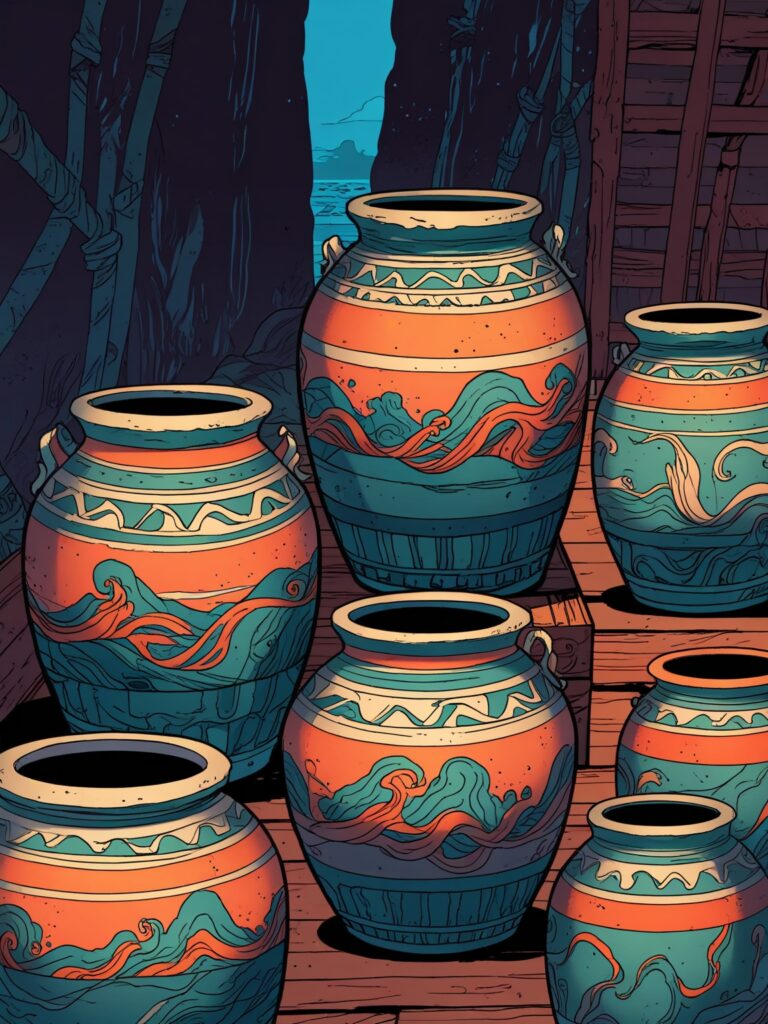
    How Did 17th-Century Sailors Keep Water Fresh? The Timeless Tale of Martaban Jars

    0

    When we think about life aboard 17th-century ships, the image of salty sailors braving endless horizons comes to mind. But let’s get real: surviving on the high seas was no glamorous cruise. One of the biggest challenges? Keeping water fresh. Enter the humble yet ingenious Martaban jar—a storage solution that stood the test of time and tides. Let’s dive into the fascinating story of how these jars became a lifeline for sailors navigating the unpredictable waters of the 1600s and 1700s.

    TL;DR

    • Martaban jars were sturdy ceramic containers crucial for long sea voyages.
    • They were used to store water, food, spices, and even gunpowder.
    • Their tight seals and non-porous material may have helped preserve water.
    • These jars were not only practical but also symbols of status and wealth.
    • Martaban jars represent human ingenuity and the interconnectedness of global trade.

    The History of Martaban Jars: Functional Artistry

    Martaban jars, named after the bustling port of Martaban (in present-day Myanmar), weren’t just practical; they were a symbol of ingenuity. Used as far back as the 9th century, these jars were a staple for storing liquids, powders, and even precious cargo. Archaeologists have discovered Martaban jars in shipwrecks like the Belitung, which sailed around 830. Their sturdy ceramic construction and glazed surfaces made them ideal for long voyages.

    These jars weren’t just limited to ships; they were household staples in Asia, used to store water, rice, oil, and spices. Onboard ships, they were versatile containers for everything from gunpowder to salted pork.

    Why Martaban Jars? The Secret to Their Longevity

    Unlike wooden barrels that could warp or leak, Martaban jars offered several advantages:

    • Durability: Made of glazed earthenware, these jars could withstand the harsh maritime environment.
    • Freshness: Travelers like Pyrard de Laval noted that water stored in these jars didn’t spoil. This claim has sparked debates—was it the ceramic material or the tightly sealed lids that worked the magic?
    • Status Symbol: On Portuguese ships, officers and merchants had the privilege of using Martaban jars, while the crew made do with barrels. It’s unclear whether this was purely practical or a way to display social hierarchy.

    A Glimpse at Their Global Appeal

    The fame of Martaban jars extended far beyond Asia. In the 16th century, Portuguese writer Duarte Barbosa admired their craftsmanship, noting their “black glazed earthenware” beauty. These jars weren’t just containers; they were prized possessions, often traded as valuable commodities.

    For instance, wealthy Bornean families used elaborately decorated Martaban jars, called “peska” or “pusaka,” as heirlooms. These jars were adorned with intricate dragon designs and vibrant glazes, showcasing both wealth and artistry.

    The Practical Side of Maritime Storage

    Let’s be honest: life at sea wasn’t exactly five-star dining. Ships had to carry enough provisions to last weeks or months. Martaban jars were perfect for this. They stored:

    • Water: Essential for survival, even if it sometimes tasted stale.
    • Salted Meat and Fish: These jars were often used to soak out the brine before consumption.
    • Spices and Gunpowder: The tight seals kept contents dry and secure.
    • Wine: Yes, even sailors needed a drink!

    The jars’ design, complete with lug handles, made them easy to transport and secure on ships. Think of them as the Tupperware of their time—only far more durable and stylish.

    European Alternatives and the Science of Fresh Water

    While Asian sailors embraced Martaban jars, European navies relied heavily on wooden barrels. They often stopped at ports to refill their water supplies or collected rainwater. Interestingly, most of the water onboard wasn’t for drinking but for soaking salt-preserved food.

    Here’s where things get tricky: did water stored in ceramic jars really stay fresh longer? There’s no definitive evidence to support this. It’s possible that the jars’ tight seals and non-porous material slowed bacterial growth. Or maybe sailors were just too seasick to notice the taste difference.

    My Take

    Imagine being a sailor in the 17th century. You’re crammed on a wooden ship, with limited fresh water and food that’s basically salted rubber. The Martaban jar? It must have felt like a small miracle—keeping your water drinkable and your gunpowder dry.

    These jars weren’t just practical; they were a lifeline. Their versatility and durability highlight human ingenuity at its best. However, let’s not romanticize it too much. Surviving on these voyages wasn’t a picnic. If I had to choose between a modern cruise and a 17th-century galleon, I’d pick the cruise every time. Sorry, history buffs.

    Fun Facts: Martaban Jars Beyond the Seas

    1. Heirlooms with History: In Borneo, Martaban jars were passed down generations as prized possessions.
    2. Decorative Delights: Wealthy families showcased ornate jars as symbols of status.
    3. Eco-Friendly Before It Was Cool: These jars were reusable and sustainable long before it was trendy.

    Why This Matters Today

    In a world obsessed with innovation, Martaban jars remind us that sometimes, the old ways were pretty ingenious. They also highlight the interconnectedness of global trade. These jars weren’t just practical; they were a product of cross-cultural exchange, with Chinese manufacturing meeting Burmese trade routes.

    Closing Thoughts: Lessons from Martaban Jars

    I’d say the Martaban jar is a metaphor for resilience. It withstood the test of time and history, adapted to different uses, and crossed oceans. Isn’t that what we all strive for? To remain strong, versatile, and valuable in the face of life’s storms.

    So next time you sip water from a plastic bottle, spare a thought for those sailors who relied on these ceramic wonders to quench their thirst. And maybe, just maybe, consider switching to a reusable bottle—after all, Martaban jars were the OG eco-friendly containers.

    Key Takeaways:

    • Martaban jars were essential for maritime survival in the 17th century.
    • They stored water, food, spices, and even heirlooms.
    • Their durability, design, and versatility made them invaluable.
    • These jars are a testament to the brilliance of ancient craftsmanship and cross-cultural trade.

    With that, let’s raise a glass (or a jar) to the unsung heroes of history—because even sailors needed a little hydration!

    Rewriting the Rulebook: Trump’s New Executive Orders Shake Things Up

    0

    President Donald Trump is back in the Oval Office, wasting no time stamping his unique brand on America with a fresh batch of executive orders. From immigration crackdowns to energy expansions, these actions are bold, controversial, and already stirring legal challenges. But what do they mean for everyday Americans?

    TL;DR

    1. Immigration Crackdowns: Mass deportations, reinstatement of the “Remain in Mexico” policy, and restrictions on birthright citizenship.
    2. Energy and Environment: Deregulation, expedited drilling, and withdrawal from the Paris Climate Accord.
    3. DEI Programs and Gender Identity: Elimination of diversity initiatives and redefinition of gender policies.
    4. Jan 6 Pardons: Full pardons for Capitol riot participants and commutations for several leaders.
    5. Public Health: U.S. withdrawal from the World Health Organization over reform demands.
    6. Federal Workforce Overhaul: Hiring freezes, return-to-office mandates, and rollback of employment protections.
    7. Miscellaneous Actions: TikTok extension, architectural reforms, and renaming landmarks.

    Immigration: Building Walls and Drawing Lines

    Trump’s immigration policies have always been a cornerstone of his platform, and his latest orders pull no punches. His national emergency declaration at the U.S.-Mexico border revives his promise to “build the wall”—only this time, he’s sending troops to make sure it gets done. While some cheer this move as a win for national security, others worry about the cost and the message it sends.

    Mass Deportations: An Expensive Promise

    Trump’s pledge to deport millions of undocumented immigrants is ambitious but vague. How will this be funded? Who will enforce it? These are questions that remain unanswered, leaving critics skeptical of its feasibility.

    The “Remain in Mexico” Policy Returns

    Reinstating this controversial policy means asylum seekers will once again wait in Mexico for their cases to be heard. For many, this is a grim reality; for Trump’s supporters, it’s a return to strict border control.

    Ending Birthright Citizenship

    In one of his most audacious moves, Trump signed an order targeting birthright citizenship. Critics argue this flies in the face of the 14th Amendment. Supporters hail it as a step toward ending what they see as exploitation of U.S. laws. Expect this one to be tied up in courts for years.

    Energy and Environment: “Drill, Baby, Drill”

    Trump’s energy policies take us back to his first term’s mantra of unregulated fossil fuel expansion. Declaring a “national energy emergency,” he’s fast-tracking drilling projects and reversing protections for Alaska’s coastal areas. While this delights oil executives, environmentalists are ringing alarm bells.

    Goodbye, Paris Agreement

    Trump’s withdrawal from the Paris Climate Accord marks another major reversal of Biden-era policies. Critics fear this undermines global efforts to combat climate change. Supporters, however, see it as putting America first in energy independence.

    The War on Wind

    Pausing offshore wind projects, Trump has ordered a review of federal wind leasing policies. Critics call it a step backward for renewable energy. Trump’s camp calls it a necessary pause to reassess priorities.

    Social Policies: Redefining “Woke” Culture

    Trump’s executive orders targeting diversity, equity, and inclusion (DEI) initiatives signal a broader cultural shift. By dismantling federal DEI programs and reinstating policies recognizing only two genders, Trump’s administration is doubling down on traditional values.

    Transgender Military Ban Redux

    Although he hasn’t outright banned transgender Americans from serving, his orders pave the way for restrictions. Critics argue this marginalizes an already vulnerable group. Supporters say it restores focus on military readiness.

    DEI Programs: Out the Window

    Within 60 days, federal diversity programs will be dismantled. While some view this as a necessary correction to “woke” overreach, others see it as a step backward for workplace inclusivity.

    Jan. 6 Pardons: A Controversial Gesture

    In a move that’s as polarizing as it is bold, Trump pardoned nearly all Jan. 6 defendants. While his supporters view this as justice for “political prisoners,” critics argue it undermines accountability for an attack on democracy.

    Healthcare and International Relations

    Leaving the WHO… Again

    Citing the World Health Organization’s mishandling of global health crises, Trump’s withdrawal isn’t surprising. Critics fear it isolates the U.S. in global health efforts. Supporters see it as cutting ties with inefficiency.

    Prescription Drug Costs

    Trump’s rollback of Biden’s efforts to lower drug costs is another hot-button issue. While pharma giants cheer, everyday Americans might feel the pinch.

    TikTok, Trade, and DOGE

    TikTok Gets a Reprieve

    The 75-day suspension of the TikTok ban gives the app some breathing room. Is this a sign of Trump softening his stance or a calculated move to renegotiate?

    Empowering Musk

    Trump’s creation of the Department of Government Efficiency, led by Elon Musk, has tongues wagging. Musk’s involvement is seen as a nod to innovation, but the specifics remain unclear.

    My Bag of Two Cents

    Let’s be honest. Trump’s executive orders are a mixed bag. Some are bold steps forward, depending on your perspective. Others feel like they’re ripped from a “how-to-rile-up-your-base” playbook. Here’s what stands out:

    1. Immigration Policies: While strong borders are essential, mass deportations and ending birthright citizenship feel more like political theater than practical solutions. The humanitarian cost? Huge.
    2. Energy Policies: The “drill, baby, drill” approach might boost short-term energy independence but risks long-term environmental harm. Balance is key here, and this feels off-kilter.
    3. Social Policies: The rollback of DEI initiatives and transgender military policies is divisive. Advocates of inclusivity will see these as setbacks. Supporters of traditional values will cheer.

    In the end, Trump’s orders will likely energize his base while alienating others. Legal challenges loom, and the nation remains divided. Still, one thing’s clear: Trump isn’t here to play it safe.

    Love Scout: A Recap of Episodes 5-6

    0

    Love Scout isn’t just about finding the perfect bag; it’s about navigating the tricky terrain of the heart. In these episodes, our intrepid CEO, Ji-yoon, and her charming secretary, Eun-ho, continue their delicate dance around their burgeoning feelings. Think “almost kisses,” awkward encounters, and the ever-present shadow of office romance.

    But “Love Scout” also refers to their own personal journeys of self-discovery. Ji-yoon is slowly shedding her armor, while Eun-ho grapples with the complexities of single fatherhood. As their professional and personal lives intertwine, they learn to “scout” for genuine connection amidst the chaos, all while trying to avoid the potential pitfalls of a workplace romance.

    TL;DR

    • Slow Burn Romance: “Love Scout” focuses on a gradual and realistic portrayal of love, emphasizing the importance of genuine connection and emotional vulnerability.
    • Character Development: The series showcases the growth of both Ji-yoon and Eun-ho, as they learn to overcome their past and embrace their true selves.
    • Workplace Dynamics: The show explores the challenges and complexities of workplace romances, highlighting the importance of professionalism and ethical considerations.
    • Themes of Vulnerability and Connection: The series emphasizes the importance of being authentic and vulnerable in relationships, demonstrating how these qualities can deepen human connection.

    Halfway through the rollercoaster of Love Scout, we’re seeing our characters tiptoe around their growing feelings, sprinkled with misunderstandings, tender moments, and just the right dash of awkwardness. As we dissect episodes 5 and 6, get ready for swoons, sarcasm, and some friendly advice from your resident drama counselor. So, grab your popcorn and let’s dive into this heart-fluttering ride!

    The Almost Kiss That Wasn’t

    Let’s set the scene: Last week’s cliffhanger had us convinced Ji-yoon and Eun-ho were about to kiss. But alas, drama logic prevailed. Instead, Ji-yoon falls asleep on Eun-ho’s shoulder, giving us a sweet moment where he pulls her closer and leans his head on hers. It’s the kind of scene that leaves you holding your breath, even if nothing technically happens. The next morning, Ji-yoon tries to brush it off as a dream, but her lingering doubts and newfound self-consciousness around Eun-ho tell a different story.

    She sketches his face in her notepad—because apparently, that’s what professionals do—and admits to herself that his nose is practically a sculpture. Let’s be real, Ji-yoon: when you’re noticing his nose, you’re already a goner.

    Dinner Plans and Cancelations

    Eun-ho, ever the thoughtful one, invites the Peoplez team over for dinner while his daughter, Byeol, is at a sleepover. Ji-yoon initially declines but later shows up because her fridge is empty and curiosity gets the better of her. Plot twist: She didn’t know the dinner was canceled. Cue embarrassment. Luckily, Eun-ho convinces her to stay, and we’re treated to a cozy dinner for two. Let’s not ignore the fact that he’s dressed casually in all black, which is basically the uniform for “I’m effortlessly attractive.”

    Eun-ho’s cooking skills shine, and Ji-yoon is disarmed by his killer stew. Over dinner, Eun-ho hints at his tough upbringing, and Ji-yoon’s heartfelt reassurance that he’s turned out well visibly moves him. If his love language is acts of service, hers is words of affirmation, and it’s lovely to see them connect on this level. But don’t get too comfortable; the next morning, Eun-ho is in full panic mode because Byeol is coming home. Drama trope alert: Byeol’s waiting for the elevator just as they’re leaving the apartment. Ji-yoon hides, but Eun-ho’s nervous hiccups give him away. Byeol’s suspicions are piqued. Classic.

    A Bond Over Books and Ice Cream

    Ji-yoon discovers that Byeol, the cool kid she bonded with over books and mint choco ice cream, is Eun-ho’s daughter. Through Byeol, we get a glimpse of Eun-ho’s struggles as a single dad. Meanwhile, Ji-yoon’s empathy shines when she comforts Byeol after a bike accident and reassures Eun-ho that he’s doing a great job. Their bond deepens, and it’s clear Ji-yoon is beginning to see Eun-ho in a new light. She even returns to the hospital to bring him dinner—a thoughtful gesture for a man who never misses a chance to mention the importance of good food.

    Office Politics and Bag Drama

    On the business front, Peoplez faces a challenge when their candidate for a luxury brand appraiser is poached by Career Way. Eun-ho proposes a skilled bag repairer as an alternative, but the client balks at her lack of a fancy résumé. When a competitor accuses the client of selling counterfeit bags, our repairer’s 37 years of expertise come to the rescue, proving the bag’s authenticity. Despite initial doubts, her skills save the client’s business, earning her the job and our applause. Meanwhile, Hye-jin’s scheming employee is gearing up for more drama, and Jung-hoon’s dad’s cryptic behavior around Hye-jin raises eyebrows. Stay tuned.

    Romantic Rivalries Heat Up

    As Ji-yoon and Eun-ho grow closer, tensions rise among their admirers. Jung-hoon, feeling the pressure, asks Ji-yoon about her relationship with Eun-ho. Her answer? “He’s my secretary.” Oh, Ji-yoon, denial isn’t just a river in Egypt. Meanwhile, Soo-hyun, Eun-ho’s “friend,” stakes her claim, and the rivalry is palpable. Let’s hope the show doesn’t drag these unrequited feelings into melodrama territory. Nobody needs that.

    Realizations and Recitals

    Ji-yoon’s insomnia returns, and she calls Eun-ho to ask about his sofa—because clearly, it’s not her feelings for him keeping her up. (Sure, Jan.) Meanwhile, Eun-ho scores tickets to a piano recital and invites Ji-yoon. She initially declines but later shows up, looking extra polished and carrying coffee for two. The moment Eun-ho sees her, it hits her: she’s falling for him. And just like that, we have liftoff!

    My K-Drama Take

    Now, let’s talk about what makes this story tick. Ji-yoon and Eun-ho’s relationship is a slow burn, which feels refreshing in a world of rushed romances. Their bond is built on mutual respect, shared vulnerabilities, and a sprinkle of humor. Ji-yoon’s transformation from a guarded CEO to someone who can let her walls down is a journey worth watching. And Eun-ho? His quiet strength and acts of service make him the ideal partner.

    But here’s the catch: the workplace dynamic adds a layer of complexity. Relationships between bosses and subordinates can get tricky, both ethically and emotionally. While their connection is heartwarming, it’s essential for them to establish boundaries and navigate this carefully. Drama aside, their story offers a lesson in emotional intelligence, showing how understanding and affirming others can deepen relationships.

    New Insights: The Role of Vulnerability

    One of the standout themes in Love Scout is vulnerability. Both Ji-yoon and Eun-ho have their guard up due to past experiences, yet they find comfort in each other. Eun-ho’s openness about his struggles as a single dad and Ji-yoon’s candidness about losing her mother highlight the importance of being authentic. Vulnerability isn’t a weakness; it’s a bridge that connects people on a deeper level. And that, dear readers, is a life lesson worth taking to heart.

    Final Thoughts

    Episodes 5 and 6 of Love Scout are a masterclass in storytelling, blending romance, humor, and heartfelt moments. From Ji-yoon’s growing feelings to Eun-ho’s steadfast support, their journey is a testament to the beauty of slow-burn relationships. As we head into the second half of the series, let’s hope the writers keep the K-drama engaging without veering into cliché territory. After all, we’re here for the ride, not the wreck.

    So, what do you think? Are Ji-yoon and Eun-ho destined for a happy ending, or will their office romance hit a snag? Either way, I’ll be here with my popcorn—and maybe a tissue or two—to find out. Stay tuned!

    Why “The Queen Who Crowns” Reigns Supreme

    0

    The Queen Who Crowns is a royal rumble. Forget the tired tales of kings and their conquests – this sageuk flips the script. Here, the queen isn’t just a pretty face on the throne; she’s a player, a schemer, and a survivor. She’s not waiting for her king to hand her power; she’s snatching it, one calculated move at a time. And trust me, the palace intrigue is so deliciously dramatic, you’ll be glued to your screen, whispering “more!” like a ravenous court jester.

    TL;DR

    • Focus on the Queen: “The Queen Who Crowns” shifts the spotlight from the king to the queen, offering a fresh perspective on Joseon history.
    • Intriguing Plot: The drama features compelling characters, political intrigue, and power struggles that will keep viewers hooked.
    • Strong Performances: The cast, led by Cha Joo-young and Lee Hyun-wook, delivers powerful and nuanced performances.
    • Thought-provoking Themes: The series explores important themes like gender dynamics, power, and the limitations placed on women in Joseon society.
    • Visual Spectacle: The show is a visual feast with stunning costumes, sets, and cinematography.

    Make way, folks! tvN’s “The Queen Who Crowns has rolled out its majestic red carpet, and the buzz is undeniable. Starring Cha Joo-young (“The Real Has Come”) as the fierce Queen Won-kyung and Lee Hyun-wook (“Song of the Bandits”) as the ambitious Lee Bang-won, this sageuk (historical drama) delivers regal drama with a side of power struggles and political intrigue.

    A Fresh Take on Familiar History

    If you’re thinking, “Oh great, another Joseon-era drama about palace intrigue,” buckle up because this one’s different. While history has seen countless adaptations of King Taejong’s reign – most recently in KBS’s The King of Tears, Lee Bang-won – this time, the spotlight shifts to Queen Won-kyung. Yes, the queen finally gets her due! Instead of being a mere accessory to the king’s story, she’s taking center stage, and frankly, it’s about time.

    The first teaser alone – featuring jaw-dropping costumes, an epic soundtrack, and just enough glimpses of our queen to leave us craving more – sets the tone for a visually stunning and emotionally charged journey.

    Plot: Love, Power, and Chaos in the Palace

    At its heart, The Queen Who Crowns explores the dynamic relationship between Queen Won-kyung and her husband, Lee Bang-won, as they strive to create a better Joseon. Sounds noble, right? Well, not so fast. While the queen’s ambitions align with supporting her husband’s rise to power, the royal palace is anything but peaceful. Cue the power struggles, betrayals, and drama that would make even modern reality TV look tame.

    Once Bang-won ascends to the throne as King Taejong, the couple’s love story takes a backseat to political chaos and personal conflicts. The palace becomes a battlefield, with ambitious concubines like Chae-ryung (played by Lee Yi-dam) and Young-shil (Lee Shi-ah) adding layers of complexity. These women—once allies, now adversaries—bring a tension that’s as compelling as it is heart-wrenching.

    Stellar Cast and Performances

    Speaking of performances, Cha Joo-young’s portrayal of Queen Won-kyung is nothing short of mesmerizing. She embodies a woman navigating the precarious tightrope of ambition, love, and survival in a male-dominated world. Lee Hyun-wook’s King Taejong is equally riveting, exuding a mix of charisma and ruthlessness that keeps you guessing his next move.

    The supporting cast deserves its flowers, too. From Choi Deok-moon and Park Yong-woo’s scheming government officials to So Hee-jung and Hwang Young-hee’s seasoned performances, every actor brings depth to the narrative. The ensemble creates a world so immersive you might find yourself Googling Joseon history for hours.

    Themes: More Than Just a Pretty Drama

    This isn’t just about royal robes and courtly bows. The show dives headfirst into themes of gender dynamics, power, and loyalty. Queen Won-kyung’s struggle for influence in a patriarchal society feels both historical and strikingly modern. It’s a poignant reminder of how far we’ve come…and how far we still have to go.

    The drama’s commentary on women’s lack of freedom during the Joseon era is bold and unflinching. One can’t help but wonder: if women wielded swords in Goryeo, how did they end up sidelined in Joseon? Regression, much? And don’t even get me started on the “every woman in the palace belongs to the king” trope. Ugh, can we not?

    My POV: Bang-won Needs a Reality Check

    Let’s talk about Lee Bang-won’s ego. The man can’t fathom the idea of ruling alongside his queen. Instead, he’s hell-bent on asserting dominance, even when it’s clear she’s his best ally. Newsflash, Bang-won: partnership doesn’t mean competition.

    And then there’s the hypocrisy. Asking the queen to save Hyosun, only to turn around and claim no one comforts him like Hyosun? Oh, please. Bang-won, the least you could do is grovel—and mean it.

    But let’s not forget Queen Won-kyung’s resilience. Despite being surrounded by scheming concubines and a husband who’d rather play mind games than collaborate, she remains steadfast in her ambition. Her determination to influence court matters and succession is nothing short of inspiring.

    Why “The Queen Who Crowns” Stands Out

    1. Complex Characters: The queen isn’t a damsel in distress. She’s a force to be reckoned with, even as she battles the odds.
    2. Realistic Intrigue: The palace drama is intense, but it never veers into the absurd. Every plot twist feels grounded in the brutal reality of royal life.
    3. Stunning Production: From the intricately designed costumes to the atmospheric sets, the show’s visuals are a feast for the eyes.
    4. Social Commentary: By addressing gender dynamics and power struggles, the series feels relevant even in today’s world.

    A Must-Watch Drama

    If you’re a K-Drama fan of sageuks or just love a good story about ambition, love, and betrayal, The Queen Who Crowns deserves a spot on your watchlist. It’s not just another historical drama; it’s a nuanced exploration of what it means to wield power—and the price one pays for it.

    As for me? I’ll be tuning in every week, popcorn in hand, ready to see Queen Won-kyung take on the patriarchy one royal decree at a time. And if you’re not watching yet, what are you waiting for? The queen commands your attention, and trust me, she’s worth it.

    Unmasked: What we learned so far…

    0

    We’ve pulled back the curtain. The secrets whispered behind closed doors are finally out in the open. Some of them are shocking, some are hilarious, and some are downright embarrassing. But whether it’s the truth about your favorite celebrity, the hidden history of your hometown, or the surprising reality behind your everyday habits, one thing’s for sure: the world is a lot more interesting (and sometimes a lot weirder) than we ever imagined. So, grab a cup of coffee, settle in, and prepare to be amazed, amused, and maybe a little bit horrified as we “Unmask: What we learned so far…

    TL;DR

    • Unmasked is a fast-paced Korean drama that combines investigative journalism with thrilling action.
    • The show follows Chief Oh So-ryong, a fierce and determined leader, and rookie PD Han Do, a jaded but intriguing character.
    • The plot involves a dangerous cult investigation and a brewing scandal within the broadcasting network.
    • The show explores themes of corruption, power, and the importance of truth in a captivating and entertaining manner.

    If investigative journalism could moonlight as an action thriller, “Unmasked” would take the top prize. Episode 1 doesn’t waste time easing viewers in—it hurls them headfirst into chaos. With cults, controversies, and a rookie drama PD caught in the crossfire, this show offers a dizzying mix of grit, humor, and suspense. Let’s dive into the madness that is “Unmasked” and see why this first episode is a promising (albeit chaotic) start.

    A Chaotic Dive into Investigative Journalism

    From the opening scene, “Unmasked” makes one thing clear: time waits for no one. This drama doesn’t offer preambles or leisurely introductions. Instead, it drags its viewers into the fray with an intense cult investigation. The lead program, Trigger, operates with a breakneck pace, reflecting the urgency of its mission—unearthing heinous crimes and exposing society’s worst offenders.

    At the forefront of this operation is Chief Oh So-ryong, played by the incomparable Kim Hye-soo. Her character is fierce, unyielding, and unapologetically bold. She’s the type of leader who stares down the barrel of a gun without flinching. But don’t be fooled—her unrelenting passion also paints a giant target on her back.

    The Unlikely Rookie: Han Do

    Enter Han Do, played by Jung Sung-il. This jaded drama PD wanted nothing more than to work on a nature show. Why? Because humans, in his words, “are hopeless.” Unfortunately for him, fate (and a meddling broadcasting president) had other plans. He finds himself tossed into the lion’s den of investigative journalism, a far cry from his dream of cuddly animals.

    The juxtaposition of So-ryong’s zeal and Han Do’s apathy creates a dynamic that’s as entertaining as it is dysfunctional. Within minutes of meeting her, Han Do is dragged—literally handcuffed—into the heart of a cult’s den. Talk about a first day on the job.

    Paragliding into Danger (Literally)

    In one of the episode’s wildest sequences, So-ryong and Han Do paraglide onto the roof of the cult’s compound. Yes, you read that right. This isn’t your average nine-to-five gig. Once inside, they uncover a field of poppies and a disturbing scene: a young man chained to the ceiling tending the flowers.

    But the chaos doesn’t stop there. So-ryong’s attempt to document the cult’s crimes leads to a near-death escape. She crashes through a second-floor meeting, is chased by gun-wielding cultists, and still manages to save the footage. Her priorities? Evidence first, safety later.

    The Scandal Behind the Scenes

    While the cult investigation serves as the episode’s central plot, there’s a darker subplot brewing within the Trigger team. An anonymous report about an extramarital affair sends shockwaves through the department. This scandal not only threatens the crew’s reputation but also hints at deeper corruption within the broadcasting network.

    Han Do’s involvement adds another layer to the intrigue. His interactions with the broadcasting president and his therapist suggest a personal vendetta against PD Jang Hak-ui, a figure tied to both the affair and Han Do’s own traumatic past.

    A “Human” Perspective: My Take on Episode 1

    Here’s the thing: “Unmasked” is like a rollercoaster—fast, thrilling, and occasionally disorienting. The pacing leaves little room to breathe, but that’s not necessarily a bad thing. The show captures the urgency of investigative journalism while sprinkling in enough humor to keep things light.

    So-ryong’s character is a standout. Her determination is inspiring, but it’s also her Achilles’ heel. She shines so brightly that she risks burning those around her. Meanwhile, Han Do’s cynicism serves as a refreshing counterbalance. Together, they form a dynamic that’s chaotic but promising.

    The subplot about the scandal intrigues me. In South Korea, where public image carries immense weight, a sex scandal can derail careers and credibility. But here’s my suspicion: this affair isn’t just about moral failings. There’s a systemic issue lurking beneath the surface, and I’m betting it ties back to Han Do’s vendetta.

    What Works (And What Doesn’t)

    What works:

    • The high-energy storytelling keeps viewers on their toes.
    • The chemistry between So-ryong and Han Do is electric.
    • The blend of humor and suspense strikes a perfect balance.

    What doesn’t:

    • The pacing can feel overwhelming, especially for new viewers.
    • The subplot about the scandal risks overshadowing the main story if not handled carefully.

    Insights into the Bigger Picture

    “Unmasked” is more than just a crime drama; it’s a commentary on societal corruption. The show highlights how power structures protect the guilty while silencing the victims. So-ryong’s determination to expose the truth reflects the importance of holding those in power accountable.

    On a personal note, I couldn’t help but think about the parallels between the cult’s control tactics and the manipulation often seen in real-world institutions. The scenes of public shaming and forced obedience hit uncomfortably close to home.

    Final Thoughts: Is “Unmasked” Worth Watching?

    Absolutely. The first episode sets a strong foundation for what promises to be a gripping series. While it’s not perfect, the show’s energy, characters, and themes make it a must-watch for fans of investigative dramas.

    If you’re looking for a K-drama that combines high-stakes action with sharp social commentary, “Unmasked” delivers. Just buckle up—it’s going to be a wild ride.

    Nintendo Switch 2: Bigger Screen, New Features, and a Bold Price Tag – Is It Worth It?

    0

    The Nintendo Switch, a device that once bridged the gap between home consoles and handhelds, is about to get a makeover. Bigger screen? Check. New tricks for the Joy-Cons? You bet. But with a price tag that might make some eyebrows raise, the question remains: is the Switch 2 more than just a glorified refresh? Is it a leap forward, or just a sideways shuffle? Buckle up, gamers, because we’re about to dive headfirst into the world of bigger screens, bolder prices, and the eternal question: is bigger always better?

    TL;DR

    • Bigger is Better (Maybe): The Switch 2 boasts a larger screen and improved controllers, but the rumored price increase might deter some buyers.
    • Backward Compatibility is a Big Win: Playing your old Switch games on the new console is a major plus.
    • Innovation or Iteration? The Switch 2 feels more like an evolution than a revolution, which could disappoint some gamers.
    • Price is Key: The final price will significantly impact the Switch 2’s success, especially with competitors like the Steam Deck.

    Nintendo has finally broken the silence! On Thursday, the gaming giant announced its much-anticipated Nintendo Switch 2 hybrid console. With promises of a bigger screen, upgraded controllers, and backward compatibility, Nintendo is betting big on this new release to reignite its hardware sales. But is the Switch 2 the innovative leap we’ve all been waiting for, or just another incremental upgrade?

    Let’s dive into the features, fan reactions, and my take on whether this console is truly worth the hype—and your dollars.

    What’s New in the Nintendo Switch 2?

    Nintendo unveiled the Switch 2 in a sleek video trailer that didn’t skimp on visuals. Here’s what we know so far:

    1. Bigger and Better Display The Switch 2 boasts a larger screen, giving gamers a more immersive experience. Although Nintendo hasn’t shared exact dimensions, the visual upgrade is evident in the trailer.
    2. Enhanced Joy-Con Controllers
      • The joy-con controllers have grown in size and now feature a matte black finish.
      • New variations in light blue and red have also been revealed, catering to those who crave a touch of personalization.
      • The controllers’ magnetic covers are a notable upgrade, making them easier to attach and detach.
    3. Improved Kickstand
      • The U-shaped kickstand is a game-changer for portability. It allows the console to rest nearly flat on any surface, offering more flexibility than its predecessor.
    4. Backward Compatibility One of the most exciting features: the Switch 2 will support games from the original Switch. For those with a hefty library of older games, this is a massive win.

    Release Date and Pricing Rumors

    Nintendo has kept mum about an official release date, teasing more details during its upcoming “Nintendo Direct” event on April 2. However, the rumor mill is already in overdrive.

    Source: X.com

    A post by Zuby_Tech on X (formerly Twitter) claims the Switch 2 will hit shelves on July 11, 2025, with a price tag of $399.99 USD. If true, this marks a $100 increase over the original Switch’s launch price in 2017.

    Predictably, fans are split. Some feel the price is justified given the upgrades, while others argue that the jump makes it less accessible, especially when compared to the Steam Deck’s entry-level model, which also starts at $399.99. Could this pricing strategy backfire? Only time will tell.

    A Brief Look at Nintendo’s Struggles

    The Switch’s original release in March 2017 was a massive success, but its hardware is starting to show its age. After nearly eight years on the market, it’s clear the console needs a refresh. Nintendo’s latest financial report highlights the urgency:

    • Net profit: 27.7 billion yen ($178.2 million) in the September quarter, a 69% year-over-year drop.
    • Revenue: 276.7 billion yen, down 17% year-over-year.

    The stakes are high. Nintendo desperately needs the Switch 2 to revive its console sales and maintain its relevance in a fiercely competitive market.

    Fan Reactions: Excitement or Skepticism?

    The announcement of the Switch 2 has been met with mixed reactions. While some gamers are thrilled about the upgrades, others remain skeptical:

    • Skeptics’ View: “A bigger screen and new controllers? That’s it?” Critics argue that the console doesn’t seem to offer groundbreaking innovations. The price point, if accurate, has also left many feeling hesitant.
    • Optimists’ Take: “Backward compatibility alone makes it worth it!” For fans who’ve invested in the Switch ecosystem, the ability to play older games is a significant draw.

    Additionally, leaked images have fueled debates about the console’s design and value. One viral post showing an alleged price tag of $399.99 has divided fans into camps: those who feel it’s a reasonable upgrade and those who think it’s overpriced.

    My Take

    Alright, let’s cut through the noise. As someone who’s seen console launches come and go, here’s my honest take on the Nintendo Switch 2:

    • The Good: The bigger screen and improved kickstand are nice touches. Backward compatibility? That’s a chef’s kiss for gamers who hate leaving their library behind. Plus, the new magnetic joy-con covers seem genuinely useful.
    • The Bad: If the rumored $399.99 price is accurate, Nintendo’s walking a tightrope. Yes, inflation is a thing, but in a market where budget-friendly options like the Steam Deck exist, this pricing could alienate a chunk of their audience.
    • The Meh: Let’s be honest—this isn’t the revolutionary leap we were secretly hoping for. It feels more like a “Switch 1.5” than a true sequel.

    My Advice: If you’re a hardcore Nintendo fan or someone with a massive library of Switch games, the Switch 2 might be worth the plunge. But if you’re looking for a console that breaks new ground, you might want to wait and see if the rumored features are worth the price hike.

    What Does This Mean for the Gaming Industry?

    Nintendo’s move is a calculated gamble. Here’s why:

    1. Competition is Fierce Consoles like the PlayStation 5 and Xbox Series X are powerhouses. While Nintendo has traditionally focused on innovation over horsepower, the Switch 2 will need more than just incremental upgrades to compete.
    2. Fan Loyalty Matters Nintendo has a fiercely loyal fanbase, but even they have limits. If the Switch 2 fails to meet expectations, it could erode trust in the brand.
    3. Portable Gaming Evolution Devices like the Steam Deck and ROG Ally have redefined portable gaming. The Switch 2 needs to stand out in this crowded field—and not just by being another hybrid console.

    Looking Ahead

    The Switch 2’s success will hinge on a few key factors:

    • The Final Feature Set: Will Nintendo surprise us with unannounced features? Fingers crossed.
    • Game Library: A strong lineup of launch titles could make or break this console.
    • Fan Reception: Will the rumored price scare people off, or will the improvements justify the cost?

    For now, all eyes are on Nintendo’s April 2 event. Until then, let’s keep our skepticism in check and our hopes cautiously high.

    The Nintendo Switch 2 has the potential to be a game-changer—or just another console upgrade. While the bigger screen, improved controllers, and backward compatibility are exciting, the rumored price and lack of groundbreaking innovations might hold it back.

    So, should you buy it? If you’re a die-hard Nintendo fan, probably. If you’re on the fence, maybe wait for more details. Either way, the Switch 2 is set to dominate conversations in 2025, and we’ll be here to dissect every move.

    Stay tuned, gamers. The console wars are heating up, and the next battle is just around the corner.

    Man Dies After Hospital’s Shocking Life Support Mix-Up

    0

    Life support, as the name suggests, is supposed to support life. But in this tragic case, it seems to have played a starring role in a morbid game of mistaken identity. A hospital’s shocking mix-up left one man tragically disconnected from life, while another man, thought to be dead, miraculously found himself resurrected – only to discover his life support had been pulled by the very people meant to save him.

    TL;DR

    • Double-check, triple-check: Patient identification should be a top priority in any healthcare setting.
    • Communication is key: Open and transparent communication between medical staff, patients, and families is crucial.
    • Advocate for your loved ones: Don’t hesitate to ask questions and ensure all decisions are made with proper checks and balances.

    It sounds like a plot straight out of a dark comedy movie, but sadly, this story is all too real. Imagine grieving over a loved one, only to find out they are alive and well, while another family discovers the devastating truth. That’s exactly what happened in Washington, USA, when a hospital’s colossal blunder led to the tragic death of David Wells in 2021.

    The Bizarre Beginning: A Dinner That Turned Deadly

    David Wells’s nightmare began on August 8, 2021, when he choked on his dinner. The incident left him struggling to breathe and eventually unconscious. He was rushed to PeaceHealth Southwest Medical Center, where the unimaginable happened: he was misidentified as his hospital roommate, Michael Beehler. Yes, you read that correctly. A simple, yet critical, error in patient identification set off a series of tragic events.

    With Mr. Wells mistaken for Mr. Beehler, the hospital contacted Mr. Beehler’s family to make the heart-wrenching decision about life support. The family, believing it was their loved one lying in that hospital bed, opted to end life support. It was a choice made out of love and grief, but one that would have devastating consequences.

    When Life and Death Hang on a Name

    “They said he’s basically brain dead. Do you want us to keep him on life support, or do you want to pull the plug?” recounted Debbie Danielson, Mr. Beehler’s sister. Unaware of the mix-up, she agreed to remove life support and began making funeral arrangements. She even informed other family members and posted an obituary. Can you imagine the shock when her supposedly deceased brother called her later? “I said, ‘You can’t be alive. You’re dead,’” she recalled. Awkward doesn’t even begin to describe it.

    Meanwhile, the Wells Family Was Left in the Dark

    While the Beehler family was grappling with their own peculiar rollercoaster of emotions, David Wells’s family remained entirely uninformed about the situation. After the Clark County Medical Examiner retrieved Mr. Wells’s body, they confirmed his identity and finally notified his next-of-kin, his son Shawn Wells.

    But the hospital, the medical examiner, and even the funeral home all failed to mention the glaring mix-up. Shawn Wells’s reaction? Understandably furious. “I’m at a loss for words at how badly they handled this,” he said. “I’ll never be able to get that decision back.” And who could blame him? Losing a parent is devastating enough without the added trauma of a preventable error.

    The Fallout: Legal Action and Protocol Changes

    After the incident, an investigation by the Washington Department of Health uncovered two major violations at PeaceHealth Southwest Medical Center:

    1. Lack of staff training in verifying patient identities.
    2. An unreliable system for identifying patients.

    Despite these findings, the hospital dodged citations because it had already taken steps to improve its processes. According to PeaceHealth spokesperson Debra Carnes, the hospital has since worked to strengthen its patient identification protocols. No further misidentifications have been reported.

    But for the families involved, the damage was done. Separate lawsuits were filed against the hospital, the ambulance company, the funeral home, and the medical examiner’s office. And honestly, who can blame them? When life—literally—hangs in the balance, there’s no room for mistakes.

    Lessons to Learn

    Let’s break this down. How does something this catastrophic even happen in today’s world of advanced technology and supposed healthcare standards? To me, this screams a classic case of negligence mixed with systemic failures.

    1. Identity Matters — Literally

    In a hospital, verifying a patient’s identity should be as routine as washing hands. One barcode, fingerprint, or extra confirmation call could have saved a life here. If you’re managing life-and-death decisions, triple-checking isn’t overkill—it’s common sense.

    2. Communication Breakdown

    Why didn’t the medical examiner, hospital, or funeral home think to inform Shawn Wells about the mix-up? Was everyone just too embarrassed? Newsflash: owning up to a mistake is better than letting people find out through lawsuits and headlines.

    3. Accountability Is Not Optional

    While PeaceHealth claims to have improved, it’s worth asking: how were these protocols not in place to begin with? It’s not like hospitals are new to dealing with patients. And let’s not forget the ripple effect here—the ambulance company and funeral home also have a lot to answer for.

    Moving Forward: Can We Trust Healthcare?

    It’s stories like this that make people question the reliability of healthcare systems. However, rather than losing faith entirely, let’s use this as a wake-up call. Hospitals are only as effective as the protocols they enforce. If you’re ever in a position to advocate for a loved one in the hospital, be vigilant. Don’t hesitate to ask questions, demand clarifications, and ensure all decisions are made with proper checks in place.

    And for healthcare professionals reading this, take it as a reminder that the “little things”—like confirming someone’s identity—can make all the difference. In this case, a man’s life.

    Final Thoughts: A Tragic Tale with Unfinished Business

    David Wells’s death was a tragedy that should never have happened. It’s a story of human error and systemic failure, but also a lesson in the importance of accountability and vigilance. Let’s hope that the legal actions and policy changes that follow ensure no family ever has to endure this kind of heartache again.

    For the Wells family, there’s no undoing the past, but perhaps their pursuit of justice will bring about meaningful change. And as for PeaceHealth, here’s hoping they keep their word and ensure their newfound diligence becomes the norm.

    So, dear reader, the next time you hear about a hospital mishap, don’t just shrug it off as a one-off mistake. Lives depend on getting it right. And let’s face it, no one wants to end up in the wrong obituary column.

    The Queen Who Crowns Episodes 3-4

    0

    The crown, once a symbol of power, now sits heavy on the king’s head, a constant reminder of the weight of his decisions. In these episodes, the cracks in his marriage widen faster than the palace gates can close, revealing a king more comfortable wielding a dagger than a scepter. But the queen, though wounded, refuses to be a mere pawn in his game. She plays her own hand, a dangerous game of chess where every move could be her last. Prepare for a royal rumble where loyalty is a fleeting illusion and the only certainty is that the crown, like a venomous serpent, will ultimately choose its own master.

    TL;DR

    • Power Corrupts: Absolute power can corrupt even the most virtuous individuals, leading to paranoia, distrust, and ultimately self-destruction.
    • Loyalty is Fragile: In the cutthroat world of court politics, loyalty is a fickle commodity that can shift with the wind.
    • Communication is Crucial: Misunderstandings and a lack of open communication can have devastating consequences, as seen in the deepening rift between the king and queen.
    • The Past Haunts Us: Past traumas and unresolved conflicts can have a profound and lasting impact on present relationships and decisions.

    As the cracks in our royal couple’s already strained relationship widen, our heroine finds herself under siege—not just as a queen but as a woman trying to navigate the treacherous waters of palace politics. Add a sprinkle of rebellion, a dash of betrayal, and a few allegiances switching faster than you can say “Long live the king,” and we’ve got ourselves a royal mess. Episodes 3 and 4 of The Queen Who Crowns do not disappoint, serving drama hotter than a royal banquet feast.

    Picking Up the Pieces: Family Feuds Turn Fatal

    We jump right back into the temple showdown, where Seong-kye decides it’s an excellent time to play “Catch the Flying Mace” with his son, Bang-won. Fortunately for the king, his ever-loyal wife, Won-kyung, steps in to save him, injuring herself in the process. Cue a fight between Seong-kye’s men and the king’s guards. Bang-won, ever the drama king, insists the ceremony continue, determined to save face despite the chaos.

    Later, we’re treated to a heartwarming (read: soul-crushing) father-son chat where Seong-kye tells Bang-won he should never have been born. Bang-won fires back, blaming his father for molding him into the man he is today. Family therapy, anyone? In a power move that’s equal parts petty and strategic, Bang-won places Seong-kye under house arrest. The message is clear: Watch me rule, Dad.

    Loneliness and Love Triangles

    Bang-won, emotionally battered, seeks comfort in the arms of his mistress, Hyosun, who tells him she’ll protect him. Protect him from what, though? His ego? Meanwhile, Won-kyung’s heroic temple rescue earns her no brownie points. Instead, Bang-won moves to depose her, citing fake accusations to justify his actions. The queen’s brothers are livid, but Won-kyung remains focused on the bigger picture: Seong-kye’s true intentions.

    Won-kyung rightly suspects that Seong-kye’s plan to eliminate Bang-won includes enthroning Bang-won’s older brother, Bang-hwa. Interestingly, Bang-hwa himself is less than enthusiastic about this idea. The guy’s just trying to keep people alive, not add another layer to the palace’s already thick drama.

    Palace Politics: Spies, Schemes, and Sword Bans

    Chae-ryeong, the queen’s lady-in-waiting, tries to regain Won-kyung’s trust. But let’s face it: In a palace where loyalty is as fleeting as spring blossoms, who can blame the queen for being wary? Meanwhile, Bang-won confronts Won-kyung about her private intelligence network, which he’s outlawed. She counters, pointing out that her intel saved his life. Touché, queen.

    In his continued efforts to clip Won-kyung’s wings, Bang-won bans her from sword practice. The man who once sparred with her now insists that “Joseon women don’t wield swords.” Sure, because nothing says “power move” like telling your wife she’s not allowed to defend herself.

    The Rebellion That Almost Was

    Won-kyung learns of a plot to overthrow the king, orchestrated by Seong-kye’s loyalists. Despite her brothers’ pleas to keep quiet, she informs Bang-won, risking her life in the process. Bang-won, ever skeptical, warns that she’ll pay dearly if the intel is false. When the plot is confirmed, he tasks her with escorting Seong-kye back to the palace. It’s dangerous, but Won-kyung’s up for the challenge. During the mission, Seong-kye’s men attack, but the royal forces prevail. The rebellion collapses, and Bang-hwa’s loyalists are left leaderless.

    Love and Loyalty: The Final Straw

    After the failed rebellion, Won-kyung’s brothers push for Hyosun’s execution, citing her involvement with the plot. Bang-won blames Won-kyung and her family for forcing his hand. He even declares that no one has given him as much comfort as Hyosun. Ouch. Hurt and humiliated, Won-kyung challenges Bang-won to beg her for Hyosun’s life. Instead, in a shocking twist, he stabs Hyosun himself.

    Bang-won’s actions reveal his unstable nature. One moment he’s professing undying love, and the next, he’s wielding a knife. If palace life has taught us anything, it’s that trust is a luxury no one can afford.

    Point of View

    Let’s pause and unpack this royal rollercoaster. Bang-won’s insecurities drive every decision he makes, often to catastrophic ends. He wants loyalty but alienates those closest to him. Won-kyung, on the other hand, is the epitome of strength and strategy, yet her sacrifices are continually overlooked. It’s a tragic dance where love, ambition, and power collide.

    As a counselor, my advice to Bang-won is simple: Seek therapy. Seriously. Your unresolved daddy issues are wreaking havoc on an entire kingdom. As for Won-kyung, you deserve better. A man who’d rather stab his mistress than admit he’s wrong isn’t worth your energy.

    Why This Matters

    Episodes 3 and 4 highlight the dangerous interplay of personal insecurities and political ambitions. They’re a story about the cost of unchecked power and the sacrifices required of those in leadership. Whether it’s the queen’s unyielding loyalty or the king’s spiraling paranoia, the dynamics at play are as relevant today as they were in Joseon.

    Key Takeaways for Modern Leaders

    1. Trust is earned, not demanded. Bang-won’s constant betrayal of those closest to him undermines his authority.
    2. Communication is key. Won-kyung’s attempts to bridge gaps are met with hostility, proving that leadership without open dialogue is doomed.
    3. Power is fleeting. Today’s ally could be tomorrow’s enemy. Bang-won’s rapid shifts in allegiance show how precarious the throne can be.

    A Game of Survival

    In the palace of The Queen Who Crowns, survival means playing your cards close to your chest. Episodes 3 and 4 lay bare the fragility of trust and the devastating consequences of ambition. With every twist and betrayal in this K-Drama, the stakes grow higher. The question remains: How far are these characters willing to go to secure their place in history? If these episodes are any indication, the answer is: All the way.

    Female Rock Stars Who Shaped Rock ‘n’ Roll

    0

    Who better to rebel than those who’ve been told they couldn’t? These proved that rock wasn’t a boys’ club, it was a battleground for individuality, a stage for voices that refused to be silenced. So let’s raise a glass (or a guitar pick) to the pioneers, the rebels, the legends – the female rock stars who not only shaped rock ‘n’ roll, but also reshaped our understanding of what it means to rock.

    TL;DR

    • Challenge the Status Quo: These women defied expectations and proved that rock music was not exclusive to men.
    • Embrace Individuality: They embraced their unique voices and styles, inspiring generations of musicians and fans.
    • Break Barriers: They fought against sexism and paved the way for future generations of female artists.
    • The Power of Resilience: Many of these artists faced adversity and overcame challenges to achieve success.
    • Music is a Form of Expression: Their music transcended entertainment, offering social commentary and personal narratives.

    Rock ‘n’ roll isn’t just about loud guitars and catchy lyrics; it’s about rebellion, creativity, and breaking barriers. Women in rock have done just that – and more. These incredible artists smashed stereotypes, influenced generations, and gave us some of the most iconic anthems of all time. So, buckle up as we revisit the legends, their groundbreaking achievements, and their indelible marks on music history.

    Christine McVie: Fleetwood Mac’s Soulful Architect

    Let’s start with Christine McVie, who was the backbone of Fleetwood Mac’s sound. Known for her smoky vocals and heartfelt songwriting, she penned classics like Little Lies, Everywhere, and Don’t Stop. During the band’s turbulent years, Christine remained a steady force, crafting the emotional core of their iconic album, Rumours. Her resilience stood out: though she retired in 1998 (blaming her fear of flying), she came back in 2014 to prove that her magic had never left. Christine McVie wasn’t just a rock star; she was a storyteller.

    My Take: Christine showed us that music can heal, even in chaos. She also proved that you can take a break, regroup, and still come back stronger than ever.

    Debbie Harry: The Punk Queen Who Turned Blondie Into Gold

    Debbie Harry’s allure lies in her ability to mix punk rebellion with new-wave sophistication. As Blondie’s lead singer, she gave us unforgettable hits like Heart of Glass, Call Me, and Rapture. With her platinum hair and sharp charisma, she redefined the image of a rock star. Decades later, Debbie is still rocking, reminding us that age is nothing but a number when you have the passion for music.

    My Take: Debbie Harry taught us that being unapologetically yourself is the ultimate rock ‘n’ roll move. And yes, she’s still cooler than most of us.

    Joan Jett: The Queen of Rock ‘n’ Roll

    When you think of Joan Jett, you think of leather jackets, killer guitar riffs, and her anthem I Love Rock ‘n’ Roll. But Joan is much more than a song. She co-founded The Runaways in the ’70s and showed the world that women could rock just as hard as men. Later, with her band Joan Jett & the Blackhearts, she carved a permanent place in rock history. She wasn’t just a performer; she was a movement.

    My Take: Joan Jett’s legacy is about smashing glass ceilings with a guitar. Her music screams, “Don’t tell me what I can’t do.”

    Gwen Stefani: The Ska-Punk Darling Who Became a Pop Icon

    Ah, Gwen Stefani’s No Doubt days – remember Just a Girl or Don’t Speak? Her mix of ska-punk energy and emotional vulnerability made her a trailblazer. While she’s transitioned into pop over the years, Gwen continues to honor her rock roots during performances. Her 1995 album Tragic Kingdom remains a masterpiece that showcased her unique voice and style.

    My Take: Gwen’s transformation shows that you can evolve without losing your essence. Nostalgia aside, she still rocks in her own way.

    Patti Smith: The Punk Poet Who Redefined Rock

    Patti Smith didn’t care about glitz or glam. She’s the poet who turned rock into art. With her groundbreaking album Horses, Patti introduced the world to a raw, intellectual, and feminist perspective. Her work wasn’t just music; it was a manifesto for anyone who felt like an outsider.

    My Take: Patti taught us that rock is about more than catchy hooks. It’s about challenging norms and sparking conversations.

    Dolores O’Riordan: The Voice of The Cranberries

    Dolores O’Riordan’s voice was haunting, unique, and unforgettable. With hits like Zombie, Linger, and Dreams, The Cranberries became one of the defining bands of the ‘90s. Dolores didn’t just sing; she conveyed raw emotion that resonated deeply with fans. Tragically, she left us in 2018, but her legacy continues to inspire.

    My Take: Dolores reminded us that vulnerability is a strength. Her music still gives goosebumps to anyone willing to listen.

    Courtney Love: The Controversial Rocker With Unmatched Grit

    Courtney Love may forever be tied to her marriage with Kurt Cobain, but her band Hole proved she was much more than a rock star’s wife. With albums like Celebrity Skin, Courtney showcased her raw, edgy voice and unfiltered lyrics. Yes, her life was messy, but isn’t that part of rock ‘n’ roll?

    My Take: Courtney’s chaos makes her human. She’s proof that imperfection can be powerful.

    Grace Slick: Psychedelic Rock’s Leading Lady

    Grace Slick was the face of Jefferson Airplane and later Jefferson Starship. Her anthem White Rabbit became a defining moment in the psychedelic rock era. Known for her unapologetic personality, Grace wasn’t afraid to challenge societal norms.

    My Take: Grace Slick made it clear that rock wasn’t just a boys’ club. She brought depth, artistry, and a touch of rebellion.

    Sinéad O’Connor: The Brave Balladeer

    Sinéad’s Nothing Compares 2 U is one of the most iconic ballads ever. She wasn’t afraid to use her platform to speak out on issues like abuse in the Catholic Church, famously tearing up a photo of the Pope on live TV. Her boldness earned her both admiration and criticism, but her raw talent always shone through.

    My Take: Sinéad’s courage to speak her truth, even at great personal cost, is a lesson in authenticity.

    New Insights and My Final Thoughts

    From Christine McVie’s tender ballads to Patti Smith’s punk poetry, these women were not just rock stars; they were trailblazers. They challenged norms, inspired movements, and gave us music that resonates even today. Rock ‘n’ roll has always been about rebellion, and these women reminded us that rebellion can take many forms – a haunting melody, a feminist anthem, or even a ripped photo on live TV.

    If there’s one takeaway here, it’s that the greatest rock stars don’t just make music; they make statements. And these women did just that, unapologetically. Long live rock ‘n’ roll – and long live the women who dared to reshape it.