

More
    Home Blog Page 32

    Apple River Stabbing in Wisconsin: Was Self-Defense Reasonable?

    0

    On a balmy summer day in 2022, what began as a carefree river float party turned into a tragic clash of generations. At the heart of this story is Nicolae Miu, a 54-year-old Wisconsin man. He ended up stabbing several teenagers, one of whom—17‑year‑old Isaac—died from his wounds. Shortly after, Miu claimed self‑defense. But does his version of events hold up? This in‑depth retelling examines every twist, from the missing phone to the courtroom drama.

    TL;DR:

    • Middle-aged man searches for lost phone, confronts teens.
    • Verbal altercation escalates to physical confrontation.
    • Nicolae Miu stabs multiple teenagers, one fatally.
    • Miu claims self-defense, but video evidence contradicts him.
    • Convicted of reckless homicide, sentenced to 20 years.

    Setting the Scene

    It all started on a sunny afternoon at the Apple River, a popular Wisconsin spot. On July 23, 2022, Miu and three friends packed inner tubes and cooler bags into their truck. Their plan? Drift downstream, sip cheap beer, and soak up the sun. No one expected a missing phone to become the spark for a deadly confrontation.

    The Lost Phone

    Floating lazily, the friends laughed at corny jokes and tossed empty bottles aside. Suddenly, one pal let out a groan: his phone had vanished. He retraced his tube’s path. No dice. The group guessed it slipped into the water somewhere upstream.

    Eager to help, Miu grabbed his snorkel mask and goggles. “I’ll find it,” he told them. But a simple dive for a misplaced gadget would quickly snowball into chaos.

    A Curious Discovery

    As Miu paddled backward toward where the phone might lie, he glanced across the river. There, a pack of thirteen teenagers—no doubt also enjoying the summer heat—loomed over something shiny. One held up an iPhone. His heart raced: That’s the missing phone.

    Stepping onto the muddy bank, he crossed over. In hindsight, this decision would prove fateful.

    Cultural Divide: Middle‑Aged Man Meets Partying Teens

    The teens, already buzzed on alcohol, stared at the newcomer. He was an awkward, middle‑aged man wandering into their turf. Understandably, they felt uneasy. A girl squealed and leveled her phone at him, recording.

    Miu opened his mouth to speak. Yet, amid the loud music and laughter, his explanation drowned out. No one heard: “I’m looking for my friend’s phone.”

    Escalation Begins

    They yelled at him. “Who are you?” “Get out of here!” A woman from another group chimed in, echoing the demand. Soon, accusations flew. Some alleged he was a predator, targeting young girls. “You looking for little girls?” they jeered. Their mockery stung. But Miu remained silent, perhaps too startled or too inebriated to form a coherent reply.

    Then everything changed.

    Feeling Outnumbered and Unsafe

    Thirteen bodies pressed in. Miu’s chest tightened. He noticed their faces—angry, accusatory. His mind raced: They’ll beat me up. In panic, he pulled a small pocket knife from his swim trunks. Hidden in his fist, he tucked it away, hoping to scare them off without using it.

    The First Strike

    Whether a teen threw the first punch remains disputed. The footage is too blurry. What is clear: Miu stumbled backward into the river, teens pushing him further. Then, a slap. A hard push. Cornered, chest heaving, he lashed out.

    One teen—identity unknown—charged at him. Miu thrust the knife forward, sinking it into the youth’s stomach. The group gasped. Blood bubbled from the wound.

    Still, most didn’t realize the severity. They hovered, prodding him. “You hit her!” they shouted. But the real carnage was about to follow.

    Chaos in the Water

    In the frenzy, Isaac—17—jumped forward to intervene. He gripped Miu’s arm. In that split second, Miu alleges he feared for his life. He twisted Isaac’s arm and plunged the blade into the teen’s chest. Isaac collapsed, eyes wide. The water around him turned crimson.

    In mere seconds, Miu slashed two more times, grazing other teens. Only when crimson swirls floated downriver did the group process the violence. “He’s killing us!” someone shrieked.

    The Escape

    Despite three victims, Miu remained eerily calm. He slipped from the fray, tossed the knife into the woods, and climbed back onto his floating tube. His friends, clueless, asked, “Where’d you go?” Miu shrugged: “Oh, nothing.” Then they resumed their float as if nothing had happened.

    911 and the Aftermath

    Meanwhile, frantic teens dialed 911. Minutes later, sirens wailed. Isaac, bleeding in the shallows, was loaded into an ambulance. Despite paramedics’ best efforts, he succumbed en route to the hospital.

    At the same time, officers traced the suspect description: a middle‑aged man in swim trunks, armed with a knife. They spotted Miu drifting by.

    The Arrest

    Officers approached: “You’re under arrest for homicide and attempted homicide.” Miu offered no resistance. He even blurted out his self‑defense narrative before invoking his right to counsel—an unwise move.

    In the squad car, Miu recounted the “wolf pack” attack. He claimed teens pulled knives on him—another lie. Unknown to him, a teen’s cell phone had captured the entire sequence. The police now had all the evidence.

    Pre‑Trial Confessions

    In interviews, Miu stuck to his self‑defense story. He insisted he only drew his knife to protect himself. He doubled down on the teens’ alleged aggression and purported weapons.

    However, every false claim—no teens with knives—crumbled once detectives played the video. His credibility vanished.

    The Trial

    At trial, prosecutors painted a stark picture:

    1. Miu was sober enough to hold a coherent conversation before the stabbing.
    2. He carried a weapon without provocation.
    3. He resumed floating calmly after stabbing.
    4. He lied repeatedly to police.

    By contrast, the defense argued temporary intoxication and fear of mob violence justified self‑defense.

    Jury Verdict and Sentence

    After deliberations, the jury delivered a harsh verdict: guilty of first‑degree reckless homicide. They rejected his self‑defense claim. Miu received a 20‑year prison sentence. The judge cited the “callous disregard for human life” displayed that day.

    Legal Analysis

    Self-defense law in Wisconsin requires an honest belief of imminent danger. Yet, the force used must be reasonable. Here:

    • Miu initiated contact by approaching uninvited.
    • He carried a concealed blade.
    • He stabbed multiple times, including when he could have retreated.
    • He resumed a leisurely float post‑stabbing.

    Together, these points undermined a legitimate self‑defense argument.

    1. Alcohol’s Role: Neither group monitored their alcohol intake. Intoxication blurred judgment on both sides. While Miu blamed the teens’ buzz, his own was equally potent.
    2. Lack of De‑Escalation: When tensions rose, a calm dialogue could have prevented bloodshed. Miu’s silence and abrupt appearance escalated fear. Teens, in turn, mocked rather than communicated.
    3. Weapon Ready: Carrying a knife into a public float trip suggests premeditation. Even if meant for utility, the decision placed the tool within immediate reach.
    4. Post‑Incident Behavior: True self‑defense often ends with immediate reporting to authorities. Miu’s retreat and nonchalance hint at guilt—or shock.

    My Perspective

    In my view, this tragedy underscores how quickly fun can spiral into disaster. A missing phone—a mere gadget—became the catalyst for death. Had Miu paused to explain, perhaps the teens would’ve returned the phone. Fear of “stranger danger” fueled a defensive circle. Yet, Miu’s choice to arm himself distorted the threat.

    Wisconsin’s hot summers lure us outdoors. Rivers become social hubs. But carrying weapons into such convivial settings is a recipe for catastrophe. I can’t help but wonder: Did Miu genuinely fear for his life, or did his panic unleash latent aggression?

    Ultimately, responsibility lies on both sides. Teens should have approached a stranger with questions, not hostility. But adults bear the heavier burden to de‑escalate. Miu’s failure to communicate his purpose and his lethal response overshadow any sympathy for being outnumbered.

    Conclusion

    The Apple River incident serves as a cautionary tale. In our rush for thrills, let’s not forget empathy and clear communication. And, most critically, let’s keep knives off public float trips. Nicolae Miu’s 20‑year sentence stands as a stark reminder: actions fueled by fear and poor judgment carry grave consequences.


    Tastefully Yours Episodes 9–10: What we learned in the finale

    0

    Discover how the final showdown in Tastefully Yours pulled out all the stops—three-star tensions, high-stakes cook-offs, and a serving of unexpected emotional twists. Keep reading for a detailed recap, fresh insights, and my unfiltered verdict on this short-lived culinary drama.

    Last Course Before Closing Time

    When a ten-episode drama promises a satisfying bite, your expectations are as high as a soufflé in a Michelin kitchen. Yet, by the final credits of Tastefully Yours, I had mixed feelings—like savoring a beautifully plated dish that just doesn’t taste as good as it looks. Over episodes 9 and 10, we witness revolts, reunions, and a literal restaurant war for the coveted three-star diamond.

    Episode 9 Recap: Broken Hearts and Business Wars

    1. Yeon‑joo’s Heartbreak and Hide‑Out
      • After discovering Beom‑woo’s secret alliance with La Lecel, Yeon‑joo bolts from Jungjae. She seeks solace at a remote temple, leaving her restaurant—and our hearts—in turmoil.
    2. Chairwoman Han’s Ruthless Pivot
      • With Beom‑woo out of the picture, Han closes La Lecel to pour all resources into Motto. She names Sun‑woo as head chef, gearing up for three-star domination.
    3. Curveball: Diamant Guide Confers Three Stars to Jungjae
      • Enter the gourmet French Dad—editor-in-chief of Diamant Guide—who recalls his unforgettable meal at Jungjae. Suddenly, Yeon‑joo’s temple retreat brims with vindication.
      Key Insight: Star ratings aren’t just about food quality; they’re marketing gold. Chairwoman Han knows this—hence her evil cackle when she learns Jungjae matches Motto.
    4. Ultimate Showdown Pitch
      • Han convinces (or coerces) a TV producer to stage a cook-off: Motto vs. Jungjae. One crown, two contenders, zero mercy.
      • Beom‑woo swears off competition, but maternal pressure—paired with industry exile threats—drags him back.

    Episode 10 Recap: Chicken, Secrets, and Shocking Twists

    1. Beom‑woo’s Redemption Tour
      • He returns to Jeonju, begging Myeong‑sook and Choon‑seung to fight for Jungjae. Forgiveness takes time, but loyalty prevails when tradition is on the line.
    2. Yeon‑joo’s Zen Moment
      • At the temple, she contemplates her identity: artist or entrepreneur? A pep talk from the head monk reminds her—three stars await, and ghosting your own restaurant isn’t an option.
    3. Cook‑Off Theme: Chicken
      • Thirty top food influencers join Han and French Dad as judges. Han resorts to sabotage, buying out Jungjae’s live chicken supply. Classic corporate villain move.
      • Undeterred, Jungjae’s team innovates with frozen chicken and a secret sauce riff on Yeon‑joo’s signature dish.
    4. Unveiling Han’s True Intentions
      • It’s revealed the cook-off is a stunt to launch Hansang’s new brand. Self-serving, yes—but sometimes these schemes sharpen hidden talents.
      • Young‑hye breaks free of clone-mode, craving original recipes. Choon‑seung’s dad praises his homemade liquor. Myeong‑sook shines. Even French Dad can’t help but nod.
    5. Nail‑Biting Results and the Rematch
      • Score: Jungjae 93, Motto 89. Han declares a tie, but nobody’s fooled—especially not French Dad.
      • Yeon‑joo storms in to accept Han’s rematch wager: if her food fails, she’ll shutter Jungjae. High drama.
    6. Family Flashback
      • Flashbacks explain Beom‑woo’s betrayal: a mother’s neglect, a son’s desperate crave for approval. Yeon‑joo’s influence softens him. Cute, but predictable.
    7. Emotional Climax
      • In a surprise twist, Yeon‑joo turns the bet into a love letter: she cooked for family, not ratings. Han reluctantly admits the dish’s brilliance and lets Jungjae live—PR footage guaranteed.
    8. Wrap‑Up and Cameos
      • Yeon‑joo forgives Beom‑woo. Han brothers reunite. Young‑hye opens a burger truck. Myeong‑sook earns her stripes. Choon‑seung inherits the family restaurant. Crime (literally Jungjae’s arsonist) pays off with a franchise.
      • Final scene: Beom‑woo and Yeon‑joo kiss, monologuing about flavor chemistry. Adorable, if a bit hollow.

    Fresh Insights: Where Tastefully Yours Hit—and Missed—the Mark

    1. Underused Visual Feast

    While the drama centers on haute cuisine, gorgeous plating is disappointingly scarce. We needed more slo‑mos of knives slicing truffles or gloss on demi‑glace. The show’s marketing could’ve flaunted these shots—and so could I.

    2. Female Chef Rivalry—But Not Really

    After a promising food‑truck duel between Yeon‑joo and Young‑hye, I expected a fierce, growth‑oriented arc. Instead, Yeon‑joo’s story eclipses Young‑hye’s moment of brilliance with a last‑second epiphany. Girl power deserved more airtime.

    3. Family Dynamics Left on the Cutting Board

    The parent‑child inheritance theme (Hansang matriarch vs. her sons, and Choon‑seung vs. Dad) brims with potential. Yet, once the cook‑off drama kicks in, those threads get knotted and buried, never fully explored.

    4. Lost Ingredients of Love Plot

    Beom‑woo’s transformation is serviceable: brooding to repentant. But Yeon‑joo’s feelings emerge out of thin air. A few more scenes—maybe a moment cooking together—would’ve grounded their relationship in true taste chemistry.

    5. Culinary Diplomacy Moments

    The ramen with chef Tatsuo and the temple cake girl scenes shine brightest: food as a bridge between worlds. More of these poignant interactions would’ve elevated the series.


    My Point of View: Final Thoughts from Your Snackable Critic

    I approached Tastefully Yours craving a tight, flavorful ten‑episode binge. Instead, I got a dish that looked promising but underwhelmed on key courses. The cook‑off spectacles brought energy, but the emotional beats sometimes fell flat. And yes, Han’s PR stunt was deliciously scheming—yet I wish it had fed more character depth.

    That said, this drama isn’t a total flop. Its brisk pace keeps you hooked, and the performances—especially by the actors playing Myeong‑sook and Choon‑seung—are solid comfort food. Watch it for the surface‑level glitz and occasional soul‑stirring bites. You’ll get a dash of satire, a sprinkle of corporate intrigue, and a final kiss that—at least—sticks the landing.


    Final Verdict: Star Rating

    CriterionRating (★/5)
    Plot Cohesion★★☆☆☆
    Character Development★★☆☆☆
    Culinary Eye Candy★★☆☆☆
    Emotional Resonance★★☆☆☆
    Overall Enjoyment★★★☆☆

    Overall: ★★½☆ out of ★★★★★

    While Tastefully Yours delivers on drama and a few standout moments, it leaves too many ingredients unbalanced. Tuck in if you’re curious, but don’t expect a Michelin‑level masterpiece.

    Vitaly Zdorovetskiy Cries all day in Prison

    0

    Prank culture thrived on shock value. Yet, even seasoned pranksters can overstep. In 2025, Vitaly Zdorovetskiy—better known as VitalyzdTv—crossed a line so sharp that it sliced his freedom away. What began as outrageous jokes morphed into international scandal. Today, he’s trapped in a Philippine detention facility, exiled by both his homelands, and left to question every stunt that once made him famous.

    TL;DR:

    • VitalyzdTv arrested in the Philippines for harassing locals and attempting theft.
    • Facing serious charges, denied bail, and rejected by both Russian and US governments.
    • His detention highlights the severe consequences of extreme prank content.
    • Sparks debate on ethical entertainment and creator responsibility.
    • A cautionary tale for the evolving landscape of online fame.

    From YouTube Stardom to Infamy

    First, let’s rewind. Vitaly emerged in the early 2010s, armed with a camera and a twisted sense of humor. He thrived on pranks that teetered between harmless fun and outright harassment.

    • 2014: Stormed the FIFA World Cup final in Brazil, sprinting across the pitch in nothing but sneakers and a grin.
    • 2016: Scaled the Hollywood Sign under cover of night.
    • 2016–17: Crashed NBA and World Series courts mid-game, earning swift arrests but light consequences.

    At every turn, he got two things: massive views and minimal legal fallout. His subscriber count soared, and brands lined up for sponsorship…until the pranks stopped being funny.


    The 2025 Turning Point in the Philippines

    Next, April 2025 came like a wrecking ball. Vitaly livestreamed himself harassing mall-goers and restaurant patrons in Tuguegarao City. He taunted security guards, attempted to steal property—yes, even a patrol motorcycle—and reportedly tried to kiss a woman against her will.

    He treated a developing nation like one of his YouTube backdrops. He laughed when locals warned him of jail. That laughter vanished the moment handcuffs clicked.

    Moreover, the Department of Interior and Local Government (DILG) filed multiple counts of unjust vexation, theft, and public disturbance. Lawyers scrambled. Headlines screamed: “Prank Turns Criminal.” Suddenly, Vitaly was no longer a goofy YouTuber—he was a criminal foreigner in an unfamiliar legal system.


    Diplomatic Rejection: Not Welcome Home

    Meanwhile, Vitaly looked to the safety nets of citizenship. He’s a dual Russian-American citizen. Yet:

    1. Russia: No help forthcoming. His stunts embarrassed Russian authorities and locals alike.
    2. United States: Eager to distance itself from a poster boy of bad behavior.

    Both countries issued statements refusing consular assistance. In effect, they washed their hands of him. He was now stateless—at least in practical terms—stranded in a jail cell with neither national flag to shield him.


    Life Behind Bars: A Physical and Mental Toll

    Then, reality hit harder than any prank comeback.

    • Weight Loss: His once-buff frame shrank. Photographs show hollow cheeks and sunken eyes.
    • Emotional Breakdown: Lawyers revealed he “cries all day” and “regrets everything.”
    • Religious Turn: To curry favor, he began daily Bible readings—an appeal to a nation that’s over 85% Christian.

    It sounds like an over-the-top reality show script. But it’s painfully real. Jail isn’t a set. It’s concrete walls, iron bars, and the deafening silence of remorse.


    The Bail Illusion

    Vitaly’s team tried to post bail. In many countries, bail is a right. Not here. Philippine law often denies bail to foreigners deemed flight risks or public hazards.

    • Legal Mindset, a local commentator, insisted bail “is not a right for foreigners.”
    • His lawyer implored the public: “He’s changed. Please forgive him.”

    Forgiveness is a cornerstone of Christianity. Yet, legal scholars argue that cultural empathy doesn’t override public safety or constitutional law. Bail was never a realistic escape hatch.


    Emerging Charges: The Threat of Boracay Offenses

    Just as Vitaly hoped for mercy, word leaked about potential Boracay infractions—crimes on the country’s famed island paradise. If substantiated, these charges could stack even more years onto his sentence.

    Thus, he risks being branded not only “that guy who harassed people” but also “the foreigner who ruined Boracay’s peace.” His YouTube bio might soon read: “Most Arrested Prankster in History.”


    A Legacy of Arrests: Two Decades of Legal Drama

    In addition, this Philippine saga is merely the latest in a long list:

    YearIncidentLocationOutcome
    2014Field invasion during FIFA World Cup finalBrazilBrief detention
    2016Trespassed on Hollywood SignUSAImmediate release
    2016Stormed NBA Finals courtUSAMinor fine
    2017Interrupted World Series in HoustonUSAReleased after questioning
    2020Arrest for aggravated batteryUSAShort jail stint
    2025Multiple harassment & theft chargesPhilippinesOngoing

    Twenty-plus arrests. Each time, the world laughed. Each time, consequences were fleeting. That streak of impunity finally crumbled in Southeast Asia.


    Public Reaction: From Fans to Critics

    Conversely, his global audience fractured:

    • Die-hard Fans: Still click “Play,” hungry for redemptive videos.
    • Casual Viewers: Scratched their heads. “Isn’t this guy over 30?”
    • Critics: Hailed his fall as overdue justice. They call it “a cautionary tale of clout-chasing gone wrong.”

    On social media, memes abound. Some depict him behind bars next to a #PrankShame hashtag. Others chart his arrest timeline like it’s a new Netflix docuseries—because, of course, it probably will be.


    The Ethics of Prank Content

    Furthermore, Vitaly’s case reignites a bigger debate: when does entertainment become exploitation?

    • Videos that provoke laughter can also spark fear.
    • Viral stunts often rely on non-consenting participants.
    • The chase for views can overshadow basic decency.

    Many content creators now ask themselves: “Are we contributing to a toxic ecosystem?” Vitaly’s downfall serves as a stark reminder that online fame carries real-world responsibility.


    Behind the Irony: Mental Health & Accountability

    Moreover, this saga has a mental health dimension. Encouraged to outdo himself with each upload, Vitaly chased adrenaline like a drug. The result:

    1. Burnout: Constantly one-upping prior stunts.
    2. Isolation: A support network replaced by cameras and click metrics.
    3. Identity Crisis: If you’re only “Vitaly the Prankster,” who are you without the pranks?

    His current breakdown suggests that the joke is on him now—and it’s neither funny nor easy to recover from.


    What’s Next? Legal Paths & Potential Sentences

    Meanwhile, legal experts outline potential scenarios:

    1. Guilty Verdict: Could mean anywhere from 2 to 10 years, depending on aggregated sentences.
    2. Sentence Reduction: Good behavior might shave off a few months.
    3. Deportation: Upon release, immediate expulsion—no re-entry.

    Either way, Vitaly’s brand will change irrevocably. Advertisers will flee, collaborations will vanish, and his channel could become a relic of “What Not to Do.”


    New Insights: The Turning Tide for Prank Culture

    Let’s zoom out for a moment. Vitaly’s downfall isn’t an isolated freak accident. It signals a broader crackdown on extreme digital antics:

    • Legal Backlash: Governments worldwide are drafting laws against non-consensual pranks.
    • Platform Policies: YouTube, TikTok, and Instagram tighten community guidelines, demonetizing risky content.
    • Audience Shift: Viewers crave authenticity and compassion over shock value.

    In this evolving landscape, creators must innovate ethically. The next “viral” sensation might just be a heartfelt story or a deep dive into community impact, rather than a trespass or public scare.


    My Perspective: Lessons Learned and Paths Forward

    Finally, here’s my two cents:

    1. Accountability Beats Apology
      Saying “sorry” in court video calls means little if actions repeat. True accountability requires real change.
    2. Content with Conscience
      Shock stunts are fleeting. Empathy-driven content builds lasting trust. Creators who uplift others will outlast prank veterans.
    3. Mental Well-being Matters
      The chase for views can erode self-worth. Platforms and fans alike must support creators’ mental health.
    4. Legal Realities
      Laws differ across borders. What seems funny at home can be criminal abroad. Research isn’t optional—it’s survival.

    In short, Vitaly’s saga should inspire a shift, not just in prank culture but in how we value entertainment itself. The line between “funny” and “felony” was blurry for years. Now, it’s sharply drawn.


    Conclusion: Redemption or Regret?

    Vitaly Zdorovetskiy’s 2025 arrest is more than a gossip headline. It’s a mirror reflecting the pitfalls of pranking for profit, the perils of ignoring local laws, and the mental toll of performative extremes.

    Whether he emerges from this ordeal with genuine reform or remains a cautionary footnote depends on choices made behind bars. One thing’s certain: the world will be watching.

    And if you’re a content creator, take heed. Your next “big prank” could be your last free one. Choose wisely.

    How the “Hero Cop” Joe Gliniewicz Faked His Own Murder

    0

    Ⅰ. Small-Town Idol—or a Masked Phantom?

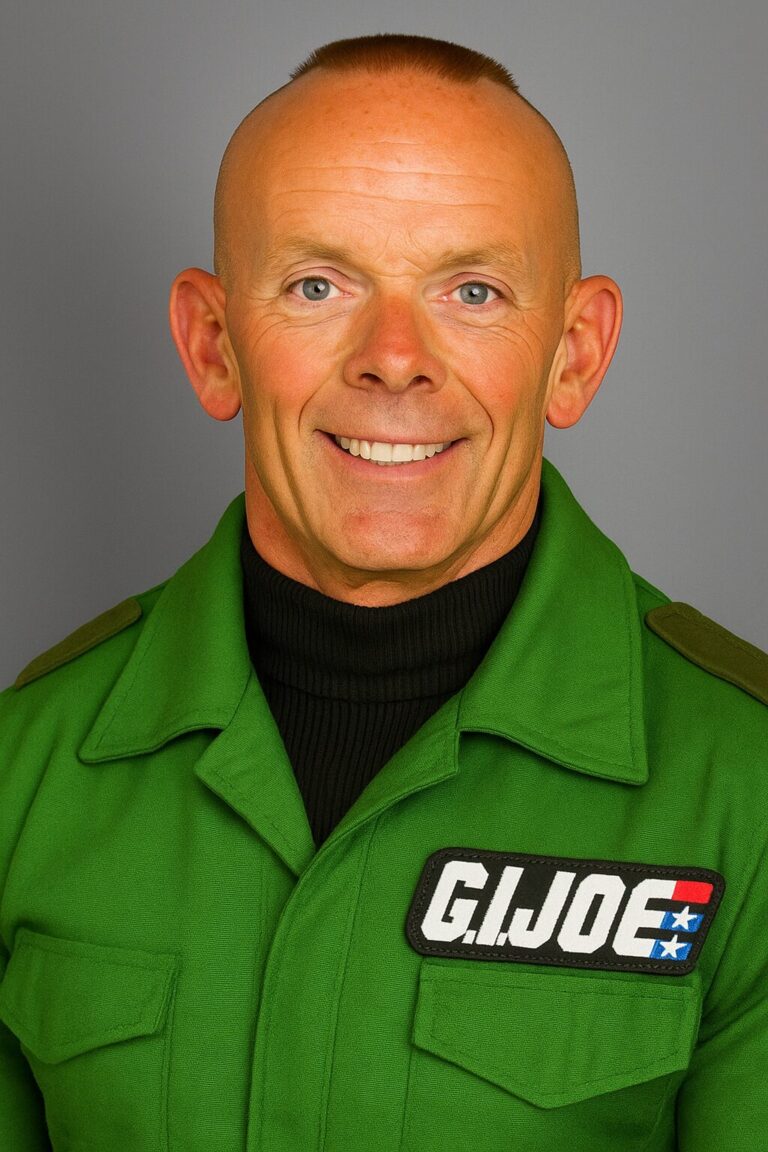
    Fox Lake, Illinois—your stereotypical sleepy hamlet. Clean lawns. Neighborly waves. A dog named Scout fetched by every kid on the block. Until the day their hometown hero, Commander Joe Gliniewicz (aka “G.I. Joe”), was allegedly gunned down by three shadowy figures behind an abandoned cement factory. Cue the manhunt. Cue the tears. Cue the national headlines.

    Everyone gasped. A decorated cop dead? Murders in Fox Lake aren’t on the “things that happen here” bingo card. And the timing? Perfect. Joe was the public face of the Explorer post program—an initiative meant to mentor teens toward law enforcement careers. Who would ever think a man with that image might be anything but a hero?

    TL;DR:

    • “Hero” cop Gliniewicz staged his own suicide to cover up years of stealing from a youth program.
    • He embezzled funds for personal use, including adult websites.
    • A new village administrator’s audit exposed his corruption.
    • His death shattered community trust in law enforcement and small-town security.
    • The case highlights the critical need for transparency and oversight in public programs.

    Ⅱ. The Man Behind the Badge—Or Was There One?

    All That Glitter Might Come From a Broken Bauble

    It turns out, all that hometown acclaim was built on a carefully polished façade. Scratch the surface—and fangs wait below.

    First, Joe had a problem with alcohol. One evening, he fell asleep drunk in his patrol truck on the highway shoulder. Another officer had to tow him home. Unconscious. Next morning? Joe calls dispatch: “My truck’s stolen.” Not “I got too drunk.” Nope. Instead of ownership, he threw himself into a drama. The predictable mess unraveled.

    But that was just the tip. As the years wore on, his missteps stacked up: tardiness, AWOL, multiple suspensions. Then came the demotion—from Commander to Sergeant—after he threatened to shoot a dispatcher. The department was already running out of chances.

    Bad behavior didn’t stop at schedule violations. A subordinate sued him for sexual misconduct. Anonymous letters to the mayor alleged he harassed coworkers, showed up wasted at public events, misused department vehicles—family vacations in the squad car—and groped women at the Christmas bash. It’s almost cartoonish, but it was real. This wasn’t a couple off‑duty incidents. This was serial, career‑long misconduct.


    Ⅲ. Theft from the Children: When Role-Model Becomes Rogue

    Enter the Explorer Post Embezzlement

    A youth mentoring program—sacred in small towns. A trust-bound trust fund. And Joe drained it for years. Let’s list the audacity:

    • Gym memberships
    • Mortgage payments
    • College tuition
    • Starbucks addiction—presumably venti-sized
    • And yes… adult website subscriptions

    Funding a bunch of teens’ law-enforcement dreams and using that money to pay for “spicy time” on the web? That’s taking betrayal to new levels.

    This went on for roughly seven years—84 months of pouring Explorer program funds into himself. Meanwhile, his wife and adult son allegedly participated. So it wasn’t just Joe’s downfall. It was a family conspiracy.


    Ⅳ. The Audit Queen Arrives: Not All Heroes Wear Capes

    Julie—or let’s call her Anne (the new village admin)—arrived to clean house. And she didn’t just do cursory number-crunching. She dove in head first. Receipts. Inventory lists. Audit requests. Her motto might have been: “If I don’t ask for it, you don’t get to hide it.”

    And yes, she did ask. Joe panicked. His mind shot through desperate solutions faster than you can say “entitlement.” He plotted:

    1. Planting DUI evidence on her.
    2. Stashing illicit drugs in her car.
    3. Hiring local motorcycle thugs for intimidation—maybe worse.

    It sounds like the outline of a B-action movie script. But this was real life. And Joe’s meltdown escalated. Finally, he hit what he thought was his masterstroke.


    Ⅴ. The Grand Finale—A Heroic Stabbing in Broad Daylight?

    At dawn one morning, Joe left for the abandoned cement mixer. He called dispatch: found three suspicious men—two white, one Black. Classic line, right? Except he saw no one. He radioed for backup and set the stage.

    He shot himself. The first shot hit his bullet‑proof vest. The second, after adjusting to expose his chest, succeeded. The town mourned. Candles. Vows for justice. A city’s grief broadcast to the world.

    Except the crime scene was staged. That pair of two white guys and one Black guy? Fiction. A flagrant framing to shift blame.


    Ⅵ. The Collapse of a Community’s Faith

    Local, state, and federal investigators spent over two months digging in. Blood spatters. No shell casings. No “Three mystery suspects.” Crime scene inconsistencies. Then the revelations poured in. No murder victim, only suicide. A cover-up. A man who’d spent years in denial, theft, and abuse.

    Fox Lake saw its hero commit the ultimate betrayal. The badge? Reduced to a prop in a fraud scheme.


    Ⅶ. Redemption—or Just the Mirror?

    The Real Lesson: How a Masked Reputation Dismantles Trust

    1. Reputation isn’t the same as character.
    He walked into this community draped in symbols of justice but carried seeds of corruption.

    2. Power wears blinders on justice.
    Joe assumed fame and uniform meant he could remain unchecked. That lie unraveled everything.

    3. Insights lie behind broad eyes.
    Sometimes it takes an outsider—or new blood—to ask the right questions. Not brandishing badges, but crunching numbers.

    4. The perfect script can still flop.
    He staged a hero’s death. He budgeted for blame. He expected to be lionized. But life isn’t a popcorn thriller. It doesn’t edit out awkward lines.

    5. One rotten apple can rot the barrel.
    This case didn’t just expose one bad egg. It shook the whole community’s faith in law enforcement and small-town security.


    My Two Cents: What This Case Really Means

    Owning up beats faking the scene. Even for someone with a history like Joe’s.

    What he wanted—self-preservation—could have come with public consequences, but so what? If he’d owned his embezzlement, he might’ve faced jail time—but also retained some shred of dignity, real accountability, a chance at reform. Instead, he buried himself under the weight of acting out yet another betrayal.

    Because here’s the truth: when you take from the vulnerable—especially kids—you’ve not just broken laws, you’ve busted bonds. And then you murder yourself in a hail of dishonesty? That’s not drama. That’s tragedy.


    Ⅷ. Flashing Broader Lights: The Systemic Lesson in a Local Breakdown

    Police Trust Isn’t Automatic

    • One officer’s fall undermines the credibility of thousands.
    • Trust is hard to build, and even harder to rebuild.
    • Transparency, audits, and whistleblowers aren’t buzzwords. They’re life support.

    Audits Aren’t Optional

    • A single unpaid invoice found in an Explorer post budget could’ve saved years of financial bleeding.
    • If cheating the system ever looks easy, let this be a warning: eventually someone checks.

    The Vulnerable Deserve the Most Protection

    • Teens. Young people with aspiration. They trusted Joe was shaping their future. Instead, he sold it short—literally—on the open market of his greed.
    • These kids need a safer system next time. Not a figurehead hiding behind a facade.

    Ⅸ. A Sketch of the Man in Real Life

    Unflattering portrait, anyone? But wait—don’t swallow everything at face value. Still, this was the man behind the myth:

    • A man who drank himself unconscious behind the wheel
    • Who threatened subordinates and verbally harassed staff
    • Who used public vehicles for vacations
    • Who spent his community bank account on adult sites
    • Who attempted to bury his guilt under the guise of martyrdom

    The public’s heartbreak wasn’t only at his death. It was in how little they really knew him.


    Ⅹ. Internet Footprint: What People Said Online

    “He acted like he was untouchable, like his badge was magical. Turns out it was just a costume.”
    “I feel sorry for the kids—the real casualties here. They lost a mentor and gained a villain.”
    “I want to believe in heroes. But now I’m asking: how do we vet them?”

    Social commentary shows the emotional fallout: skepticism, heartbreak, next-level betrayal. Moral: once trust evaporates, it doesn’t just hurt locally—it fuels every bar argument and social post nationwide.


    Ⅺ. Key takeaways (Because I Told You This Was Big)

    TopicInsight
    Trust Must Be EarnedUniforms don’t grant immunity—transparency does.
    Systems Beat IndividualsAudits, oversight, mental‑health checks—they’re not optional.
    Healing’s Harder Than MourningA staged hero death may slow healing, but once the lie pops, recovery is that much deeper.
    Education Over ExploitationYouth programs must guard funds or risk poisoning hope.
    Lasting WisdomThe truth doesn’t burst in blocks. It seeps out, slowly—but inevitably.

    XII. Final Take: Maybe the Greatest Theft Was the Trust

    A community rallied behind Commander Gliniewicz. They believed in him. They trusted him to shape tomorrow’s leaders. And he stole more than money. He stole their faith.

    He tried to script his own heroic end—but ended up writing the perfect cautionary tale. Small towns, big lessons. Heroes, real or imagined, deserve accountability—before blind worship turns into scandal.


    Whether you came here for the intrigue, the betrayal, or the lessons—this saga should haunt administrations, law enforcement, parents, educators—and teens who believed they had a mentor in Joe Gliniewicz. A man who wanted his story to end in glory died in dishonor. And maybe that’s the final chapter small‑town America needs right now.


    Could Someone Else Be the Next G.I. Joe?

    Absolutely. And unless every program, every badge, every fund is scrutinized—until the magic imagery meets harsh daylight—we risk covering ourselves in more mantra than enforcement.

    So, yeah. That’s me shaking my head. And hoping your Explorer post has better oversight than Fox Lake did.

    Let me know how you want the next version shaped.

    The Great Escape of Thabo Bester: How a Conman, a Doctor, and a Corpse Fooled South Africa

    0

    South Africa has seen its fair share of shocking scandals. But few come close to the twisted, jaw-dropping saga of Thabo Bester and Dr. Nandipha Magudumana. Picture this: a career con artist, a respected doctor, a fake modeling agency, luxury living, and a corpse burned beyond recognition. Sounds like a Netflix series waiting to happen, right? Let me break it down for you, and believe me—you’re going to want popcorn for this one.

    TL;DR:

    • Career con artist Thabo Bester faked his death in prison with a body swapped from a morgue.
    • Respected doctor Dr. Nandipha Magudumana, his ex-girlfriend, helped him orchestrate the escape and run scams.
    • They lived a lavish life after the escape, continuing their fraudulent activities.
    • Investigative journalists uncovered the truth, leading to a nationwide manhunt.
    • The duo was eventually captured in Tanzania and extradited back to South Africa.
    • The saga exposed significant flaws in the South African prison system.

    Meet Thabo Bester: The Scam Artist Extraordinaire

    Let’s start with Thabo Bester, the man behind the madness. Thabo wasn’t your everyday criminal. No, this guy took con artistry to professional levels. He lived in South Africa and spent his early days writing fraudulent checks like it was his nine-to-five. But fraud alone wasn’t thrilling enough for him.

    Soon, he graduated to darker scams. He created a fake modeling agency on Facebook, targeting young women eager to make it in the modeling industry. Once they showed up for their “auditions,” Thabo would rob them at knifepoint. Their cash, their laptops—he took it all. At his peak, he was reportedly stealing two to three laptops a day.

    Sadly, his crimes didn’t stop at theft. Thabo, being the absolute monster that he was, sometimes assaulted these women too. The modeling scam became his grim playground, running unchecked for years.

    Then came one of his darkest moments. After dating a woman for eight months, Thabo murdered her during an argument in a hotel room. After killing her, he stole from her too. Utterly heartless.

    Eventually, though, justice caught up with him. Thabo was arrested, convicted for murder, fraud, and various other charges. Originally sentenced to life in prison, that was later reduced to 30 years. You’d think that would be the end of the story. Oh, if only.

    Enter Dr. Nandipha: Beauty, Brains, and Really Bad Decisions

    While Thabo was locked up, in walked Dr. Nandipha Magudumana. A well-known doctor, entrepreneur, and influencer with over 150,000 followers on Instagram, she was running her own successful cosmetic surgery clinic. She was admired. Respected. Living the dream.

    But here’s the plot twist: Dr. Nandipha and Thabo knew each other from her college days. And for reasons only the universe knows, she decided to rekindle that relationship. Visits turned into affection. Affection turned into obsession. Before long, the doctor who fixed faces was now helping a convicted killer run scams from behind bars.

    With access to laptops, Thabo launched another fraud scheme. This time, he created a bogus event company and advertised a glamorous “Women in Media” conference, even claiming Halle Berry would be a guest speaker. Expensive tickets were sold to an event that didn’t exist. It was one of many scams they orchestrated together.

    But it gets even better (or worse, depending on how you look at it).

    The “Death” of Thabo Bester

    Thabo had been behind bars for nearly a decade when news broke that he had died in his prison cell. The story? His cell caught fire, and his body was discovered inside—burned beyond recognition. Dr. Nandipha identified the body. A tragic end to a wicked life.

    Except—plot twist number two—it wasn’t Thabo.

    Thabo’s biological mother, after hearing of his death, went to collect his remains. As protocol required, a DNA test was done to confirm their relation. The results? No match. Whoever was in that prison cell was not Thabo Bester.

    Then came the autopsy bombshell: the cause of death was blunt force trauma to the head, not the fire. The body also didn’t match Thabo’s height. Suddenly, the entire country was asking the same question:

    Where the hell was Thabo Bester?

    The Grand Escape: Straight Out of a Heist Movie

    It turns out, Thabo and Dr. Nandipha had plotted the entire thing like professional screenwriters. Dr. Nandipha found an unidentified corpse from a local morgue, claimed it was a relative, and removed it under the guise of giving it a proper funeral.

    With help from corrupt prison officials, they smuggled the corpse into Thabo’s cell, staged the fire, and fooled the world into thinking he had died by suicide.

    Meanwhile, Thabo dressed in a security guard uniform, casually walked out of prison, and started living his best conman life just hours away from the scene of the crime. Mansion? Check. Luxury cars? Absolutely. Designer clothes and jewelry? You bet.

    And because some people can’t help themselves, Thabo and Dr. Nandipha kept running scams on Facebook, robbing gullible victims of their savings, right from their luxury hideout.

    The Journalists Who Exposed the Truth

    For nearly a year, the world believed Thabo Bester was dead. But then, the curious minds of investigative journalists stepped in. They dug up the autopsy reports, cross-referenced details, and exposed glaring inconsistencies. Their exposé sent shockwaves across South Africa.

    Other media outlets quickly joined the frenzy, turning the once-forgotten story into headline news. The manhunt began.

    The Downfall: Caught in Tanzania

    With South Africa buzzing with his story, Thabo and Dr. Nandipha tried to pull one last trick: fleeing the country. They made it all the way to Tanzania, but they were arrested at the border before they could vanish completely.

    Thabo was dragged back to South Africa and re-imprisoned, likely for good this time. Dr. Nandipha was also arrested and is currently awaiting trial. Mug shots of the once-powerful influencer and the infamous scam artist plastered newspapers and social media feeds across the globe.

    My Take on the Madness

    What fascinates me the most here isn’t just the scandal itself. It’s how two people from wildly different worlds found themselves tied together by crime. Dr. Nandipha had everything—success, money, influence. Yet, she chose to risk it all for a criminal who treated everyone around him like disposable pawns.

    What kind of spell does someone like Thabo Bester have over people? Was it manipulation? Love? A twisted Bonnie and Clyde fantasy? Whatever it was, it speaks volumes about human weakness, especially when power and obsession collide.

    And let’s not forget the embarrassing gaps in the prison system. How does a convicted murderer, with laptops in prison, manage to run multiple fraud schemes and escape in plain sight? That’s not just a crack in the system—it’s a canyon.

    Final Thoughts

    This saga has everything: crime, deceit, betrayal, romance, and international scandal. And while Thabo Bester sits behind bars (again), his story serves as a massive wake-up call for institutions, media, and society at large.

    One thing is clear: when ambition turns into obsession, and love turns into crime, nobody walks away clean.

    Our Unwritten Seoul Episodes 5-6: Twin Tales Unraveled

    0

    Life becomes a labyrinth when two people swap lives—especially if they’re identical twins. In Our Unwritten Seoul Episodes 5-6, Mi-ji and Mi-rae step into each other’s shoes and discover that familiarity doesn’t always breed comfort. What starts as a temporary experiment spirals into emotional chaos, romantic entanglements, and unexpected revelations. With every twist and turn, the twins learn that identity, love, and communication are more fragile than they ever imagined.

    In this deep dive, we’ll uncover:

    • How the twin switch strains relationships and sparks new connections
    • Memorable moments that tug at the heartstrings
    • Key insights into identity and belonging
    • My personal take on how these episodes stack up

    1. Twin Swap Tangles: When Two Lives Collide

    Swapping lives with someone else sounds fun in theory. After all, who wouldn’t want a fresh start? Yet, for Mi-ji and Mi-rae, that spark of novelty soon fizzles into confusion. Their masquerade lasts long enough to blur lines. Suddenly, loyalties twist, and loyalties shift. Relationships they once took for granted start to crack.

    • Emotional Overlap: Both twins inadvertently build attachments to the people in each other’s lives. As days go by, running away feels like the simpler option.
    • Identity Tug-of-War: Who are you when you become someone else? Each sister’s core values are tested, sparking self-doubt.

    By Episode 6, the tangled web has dozens of threads. As they inch toward switching back, it’s clear: secrets don’t stay buried forever.


    2. Ho-soo’s First Love Confusion

    Who knew a mountain hike could spark lifelong devotion? Ho-soo insists that Mi-ji, not Mi-rae, enchanted him first—despite Mi-ji’s memory of his harsh words. That revelation hits her like a landslide:

    1. Ho-soo’s Confession: He recalls Mi-ji’s unwavering faith during that class hiking trip. When his injured leg slowed him down, she cheered him on.
    2. Mi-ji’s Skepticism: In her mind, Ho-soo yelled at her for waiting, not praising her persistence.

    Meanwhile, Ji-yoon, ever the opportunist, storms the field with her own advances, determined to win Ho-soo’s heart. Yet, Ho-soo only has eyes for the twin he believes to be Mi-rae—or is it Mi-ji? His friend Hwang Ji-soo suggests that he’s projecting old feelings onto the wrong sister.

    Insight #1: Memory is malleable. Your dearest recollections can shift when tinted by new emotions.


    3. The Power of a Promise

    When Ho-soo revisits that mountain peak—thinking he’s talking to Mi-ji—he thanks her for giving him hope. Yet, this scene resonates for Mi-ji in a different way:

    • Post-Stroke Determination: After her grandmother Wol-soon’s stroke, Mi-ji struggled to leave home. Recalling Ho-soo’s push up the mountain fueled her resolve.
    • A Grandmother’s Wisdom: Wol-soon made Mi-ji promise never to flee from hardship. That vow became Mi-ji’s anchor.

    New Insight: Small acts of encouragement can ripple through lives for decades.


    4. Communication Breakdown—and Breakthrough

    Ten years of silence come crashing down when the twins finally discuss Ho-soo. Misunderstandings that festered in the dark now see the light:

    • Mi-ji’s Assumption: She believed she and Ho-soo were a secret couple after that fleeting hug.
    • Mi-rae’s Reality: She was sick—Mi-ji fainted, he escorted her to the hospital, and they agreed to keep her condition private.

    After a night of liquid courage, Mi-ji nearly blows her cover with a voicemail confession. Thankfully, her words are ambiguous enough to spare the swap… for now.


    5. Brewing Love Triangles

    Romance turns into roiling suspense across two fronts:

    1. Mi-ji & Ho-soo: As they inch toward honesty, Ho-soo’s patience shines. He’s relieved to confirm she’s the Mi-ji, and now waits for her to take the next step.
    2. Mi-rae’s Dilemma: Torn between her ex Song Gyung-gu and the sweet Se-jin, Mi-rae faces open-hearted attention for the first time.

    Episode Highlights:

    • Supermarket Showdown: Gyung-gu and Se-jin bicker over her like rival generals. Town gossip fans the flames.
    • Rumor Trauma: Past accusations of “seducing the boss” haunts Mi-rae, sending her into a tailspin.

    Insight #2: Rumors wield more power than intentions. One whisper can reopen old wounds.


    6. Workplace Warfare and Hidden Agendas

    In the corporate arena, Mi-ji suddenly finds an unlikely ally: contract worker Kim Tae-yi. He helps her draft her first report, only to deliver critiques that cut deep.

    • Victory Amid Defeat: Despite the backlash, Mi-ji proves indispensable by updating the CEO directly. Her boss’s ego takes a blow.
    • Secret Tests: When Choong-gu is brought on as legal counsel, he shares confidential redevelopment plans—almost to see if Mi-ji will leak them to Ho-soo.

    Keyphrase: corporate intrigue Korean drama, office politics K-drama


    7. Family Ties & Identity Tests

    At home, Ok-hee grapples with her daughter’s mood swings. She still can’t distinguish Mi-ji from Mi-rae, a source of guilt given her distance as a parent.

    • Maternal Regret: Ok-hee admits she never truly bridged the gap with her twins.
    • Step-Mom Solidarity: Boon-hong, Ho-soo’s stepmom, shares her own journey of building bonds after tragedy.

    But the real twist comes when Gyung-gu’s slip at a wedding outing outs Mi-rae. He knows Mi-ji well enough to spot the imposter—straight away.

    Insight #3: Family roles shape identity, but secrets have a way of unraveling even the tightest bonds.


    8. Nature’s Interlude: Typhoon and Strawberry Fields

    As a typhoon batters the countryside, Mi-rae ends up stranded with Se-jin at his farm. Flooded fields and whispered confessions transform the scene into a romantic sanctuary:

    • Flooded Farm: The storm damages crops, trapping Mi-rae and Se-jin together.
    • Rumor Confession: Se-jin admits he likes the gossip about them, confessing his feelings in the rain.

    9. My Point of View

    Watching Episodes 5 and 6 felt like being caught in a whirlwind of emotions—and honestly, I loved every minute.

    • Character Depth: Both Mi-ji and Mi-rae evolve in believable ways, shedding old traumas and embracing new strengths.
    • Pacing Perfection: Each reveal lands at exactly the right moment, preventing the narrative from dragging.
    • Romantic Realism: Unlike some dramas that rush the feelings, here the chemistry simmers before boiling over.

    Moreover, the series tackles mental health with nuance. Mi-rae’s panic, Mi-ji’s imposter syndrome, and Ho-soo’s loyalty paint a realistic picture of love and loss. It’s proof that K-dramas can be heart-felt without resorting to clichés.


    Final Verdict: Star Rating ⭐⭐⭐⭐☆

    Twin Tales Unraveled: Deep Dive into Our Unwritten Seoul Episodes 5-6 earns a solid 4 out of 5 stars. The storyline dazzles with emotional complexity, and the characters shine with authenticity. Only minor hiccups—like the occasional slump in tension—keep it from a perfect score.

    Still, if you crave a drama that balances heart, humor, and heartache, these episodes deliver in spades. Grab some popcorn and settle in, because Mi-ji and Mi-rae’s journey is one wild and unforgettable Seoul ride.

    Allison Mack NXIVM Sex Cult DOS

    0

    Back in 2001, a bright-eyed actress named Allison Mack landed a breakout role on Smallville, playing Chloe Sullivan—the clairvoyant confidante to a young Clark Kent. Fast forward a decade, and that same actress would find herself at the epicenter of one of the most shocking showbiz scandals of the 21st century: the NXIVM cult and its secretive sex-trafficking ring known as DOS. What went wrong? How did a career that once soared on the wings of superstardom crash into a vortex of branding, blackmail, and betrayal? Let’s talk about her journey—from Hollywood hopeful to convicted conspirator—and explore the twisted mechanics of DOS, the exposure that brought it down, and what we can learn from her tragic fall.

    TL;DR:

    • Allison Mack, known for Smallville, joined NXIVM, a self-improvement group that became a sex cult.
    • She rose in the ranks, becoming a key figure in DOS, a secret master-slave subgroup.
    • DOS involved branding, blackmail (collateral), and sexual exploitation under the guise of empowerment.
    • Whistleblowers exposed NXIVM/DOS, leading to the arrest and conviction of Keith Raniere and Mack.
    • Mack received a shorter sentence, raising discussions about celebrity vulnerability and redemption.
    • The story highlights the dangers of manipulative groups and the importance of critical thinking.

    From Child Star to Cult Recruit

    Early Roles and Rising Fame
    Allison Mack’s acting résumé started young. At just 11, she starred in Camp Nowhere, followed by family flicks like Honey, We Shrunk Ourselves and a recurring spot on Seventh Heaven. Above all, though, her turn as Chloe on Smallville became her signature gig. That show didn’t just give her fame; it painted her as a trustworthy, earnest presence in the Superman mythos.

    A Seed of Doubt
    However, behind the scenes, life wasn’t all red capes and superpowers. By 2006, despite the accolades, Allison admitted feeling “something’s missing.” She had the career. She had the fame. Yet a nagging emptiness lingered. It was precisely that void that NXIVM preyed upon.


    The Lure of NXIVM: Promise of Empowerment, Delivery of Deception

    A Friend’s Invitation
    Enter Kristen (not her real name), a fellow Smallville colleague who noticed Allison’s restlessness. In a moment of friendly concern—or savvy recruitment—Kristen invited Allison to a meeting of NXIVM, promising tools to “unlock [her] true potential.”

    First Impressions
    At first glance, NXIVM billed itself as a cutting-edge self-improvement network. Workshops featured motivational talks, goal-setting sessions, and a community vibe. Moreover, early attendees raved about career boosts and newfound confidence—testimonials that read like entrepreneurial infomercials. Within days, Allison felt buoyed by the camaraderie and the charisma of its founder, Keith Raniere.

    The Charismatic Architect
    Keith Raniere, who styled himself as “Vanguard,” was a study in contradictions. On one hand, he painted himself a visionary, even a genius. On the other, he wielded manipulation like an artist wields a paintbrush—subtle, calculated, and utterly persuasive. Unbeknownst to newcomers, every handshake, every compliment, every “life-changing” exercise was part of a larger scheme to entrap them.


    Rising Through the Ranks: When Empowerment Masks Exploitation

    Gaining Trust and Influence
    Thanks to her fame, Allison soared quickly in NXIVM’s hierarchy. Within two years, she had become Raniere’s right-hand. She led group sessions, mentored new recruits, and even flew on private jets to promote the organization. Notably, she spearheaded recruitment drives—leveraging her celebrity to lend NXIVM an aura of legitimacy.

    The Birth of DOS
    Circa 2015, Allison uncovered Raniere’s top-secret project: DOS (an acronym for Dominus Obsequious Sororium, or “Master Over Slave Women”). Under its cover story of “female empowerment,” DOS was anything but liberating. Instead, it employed a master–slave hierarchy: women were told they’d find strength in submission, that relinquishing autonomy would somehow set them free.

    Branding, Blackmail, and Bondage
    Once initiated, DOS members underwent branding—literally. Using a cauterizing pen, they received a symbol combining Raniere’s and Allison’s initials on their pelvic region. To gain entry, they provided “collateral”—intimate photos or personal secrets—locked away to ensure obedience. Any wavering loyalty, and that collateral would be released. Consequently, the psychological leverage was total.


    The Mechanisms of Control: How DOS Kept Its Slaves in Line

    Psychological Manipulation
    Raniere and his cadre were masters of coercion. Through repeated rituals, public confession sessions, and staged “empowerment” seminars, they rewired members’ sense of self-worth. Slowly, recruits came to believe that their only value lay in servitude—first to their “masters,” then to Raniere himself.

    Isolation from the Outside World
    As Allison climbed NXIVM’s ladders, her old friendships frayed. She spent fewer evenings on set and more in windowless meeting rooms. Family dinners gave way to clandestine retreats. Moreover, DOS leaders insisted that any contact with skeptics would derail members’ spiritual progress. In effect, DOS operated like a social black hole: once you entered, escape became unthinkable.

    Sexual Exploitation Disguised as Consent
    One of the most insidious aspects of DOS was its veneer of consensual female mentorship. In reality, the power dynamic was irrevocably skewed. Masters—men or women—could demand sex from slaves. Refusal meant public shame via leaked collateral. Raniere, in particular, kept a revolving harem of more than 50 women, including those under 18—a fact that later fueled more severe charges against him.


    The Tipping Point: Exposure and Legal Reckoning

    The Whistleblower Effect
    By 2017, several DOS members began to question the morality—and legality—of what they were part of. A handful reached out to the New York Times, detailing the branding, the blackmail, and the sexual coercion. Their exposé unleashed a media firestorm. Suddenly, headlines screamed: “Smallville Star Implicated in Sex Cult.”

    FBI Investigation and Arrests
    Within months of the Times article, federal agents descended. Raniere, forewarned, fled to Puerto Vallarta, Mexico. However, the Feds tracked him down, and in March 2018, he was arrested and extradited. Shortly thereafter, Allison Mack was detained in New York. Together, they faced charges ranging from sex trafficking to racketeering.

    Sentencing: A Contrast in Outcomes
    In June 2021, after a high-profile trial, Keith Raniere received a cumulative sentence of 120 years. The court deemed him responsible for orchestrating a vast network of exploitation—including sexual exploitation of minors. In contrast, Allison Mack accepted a plea bargain: she admitted conspiring to commit racketeering, recruiting for forced labor, and identity theft. In 2023, she was handed three years in federal prison.


    New Insights: Beyond the Headlines

    1. Celebrity as a Double-Edged Sword
      It’s easy to vilify Allison as the “celebrity recruiter.” Yet, her relative naiveté underscores how fame can intensify vulnerabilities. Public figures crave control over their image—and that craving can drive them into echo chambers where flattery replaces genuine feedback.
    2. Cult Dynamics in the Digital Age
      DOS thrived on secrecy, yet it leveraged digital platforms—encrypted chats, burner phones, social media outreach—to expand its reach. Today’s cults aren’t bound by geography. Instead, they exploit the connectivity we take for granted to ensnare victims worldwide.
    3. Psychological Toll on Victims
      While media coverage focuses on branding scars and legal outcomes, less attention goes to the enduring trauma faced by DOS survivors. Many confront PTSD, depression, and shattered trust long after the headlines fade. Acknowledging this is vital for comprehensive healing.
    4. Lessons for Self-Help Consumers
      Self-improvement movements offer genuine benefits. However, as NXIVM illustrates, charismatic leadership coupled with deceptive practices can transform empowerment into enslavement. Critical thinking should remain non-negotiable—especially in environments that demand absolute loyalty.

    My Point of View: Accountability and Redemption

    Looking back, Allison Mack is neither an angel nor a monster. She sits in a gray zone inhabited by many who fall prey to manipulative networks. Yes, she bore significant responsibility: she orchestrated recruitment, sealed members’ fates with collateral, and endorsed branding rituals. Yet she also trusted too blindly, allowing admiration for her mentor to eclipse common sense.

    In my opinion, her three-year sentence struck a delicate balance. It acknowledged her wrongdoing without equating her culpability to that of Raniere, the architect of this sex-trafficking empire. Moreover, it offered room for rehabilitation. If Allison truly grasps the depth of harm she caused, she could someday pivot from perpetrator to advocate—perhaps counseling victims of coercive groups or speaking out against cult recruitment tactics.

    Ultimately, her story is a cautionary tale for all of us. It warns that desire for purpose can lure even the brightest into dangerous alliances. It reminds us that empowerment must never come at the cost of autonomy. And it teaches that redemption, while possible, demands unflinching honesty about one’s past misdeeds.


    Conclusion: From Superman’s Sidekick to Cautionary Icon

    Allison Mack’s transformation—from Smallville stalwart to NXIVM conspirator—shook Hollywood and beyond. Her rise and fall illustrate how seduction by a charismatic leader can upend lives, turning dreams of self-improvement into nightmares of exploitation. While the headlines have faded, the lessons endure: stay vigilant, question authority, and never surrender your agency—even when the promise of salvation sounds too good to resist.

    In the end, the most powerful antidote to any cult is education. By understanding the playbook of groups like NXIVM and DOS, we equip ourselves and others to recognize red flags before it’s too late. After all, true empowerment lies not in submission, but in the freedom to choose—to question, to dissent, and to reclaim our own narratives.

    Tonda Dickerson: $1 Lottery Tip Became a $10 Million Curse

    0

    On a sticky summer evening in 1999, Tonda Dickerson’s life took a turn she could never have imagined. Barely scraping by as a server at the Waffle House in Grand Bay, Alabama, Tonda was accustomed to long shifts and small tips. Yet on that fateful night, a familiar face—truck driver Edward Seward—left her with more than just a smile. He handed over a Florida lottery ticket as a tip. Little did she know it was the key to a $10 million jackpot and a saga of lawsuits, kidnappings, and IRS headaches that would make even the most seasoned storybook villain blush.

    TL;DR:

    • Waffle House waitress Tonda Dickerson wins $10 million lottery from a tipped ticket.
    • Coworkers and the ticket giver sue her, claiming a verbal agreement to share winnings.
    • Alabama Supreme Court rules verbal gambling agreements unenforceable, Tonda keeps the money.
    • Survives a harrowing kidnapping attempt by an ex-husband, using self-defense.
    • Battles the IRS over gift taxes on money transferred to family.
    • Highlights the complexities and challenges of sudden wealth.

    From Waffle House to Big-Time Winner

    First, let’s go back to the beginning. In her late twenties, Tonda worked double shifts and opened OJs for bleary-eyed patrons in a diner known for its all-night hash browns. Money was tight. Bills loomed. Future plans? Nonexistent. Then came Edward. He rolled in behind the wheel of his battered rig almost every Tuesday and Friday. And he had a habit: he tipped servers with lottery tickets instead of cash. At first, Tonda thought it was quirky. Then it became routine.

    One evening, after dousing a stack of waffles in syrup and coffee refills, Edward slid a shiny lottery ticket across the counter and said, “Here, honey. See what happens.” Tonda tucked it into her apron pocket without a second thought. The next morning, bleary and battling caffeine withdrawal, she flipped on the news. The lottery numbers flashed on the screen. Then she checked her ticket. One match. Two matches. Then three, four, five, and—wait—six? All six numbers aligned.

    Suddenly, Tonda wasn’t just a Waffle House waitress. She was a multi-million-dollar winner. In instant disbelief, she quit her job the next day. Right then and there, she sketched out her dream: a brand-new house, a reliable car, and a secure future. Rather than opting for a lump sum, she chose annual payments of $375,000 over thirty years—smart, steady, and sustainable. Yet as her excitement peaked, a storm was brewing.

    Enter the Lawsuits: Coworkers’ Claims

    Soon after Tonda filed her claim at the lottery headquarters, a lawyer’s letter arrived. Four of her coworkers declared that Edward’s ticket-tipping habit came with an unspoken promise: if one of them hit the jackpot, they’d split the spoils. They claimed a verbal pact. Naturally, the lottery commission froze the payout until the dispute was settled. Tonda was stunned. She never agreed to any split.

    Next, the four servers sued. They painted a picture of loyal colleagues who shared crack-of-dawn coffee shifts and bonding over pancake flips. Their lawyers argued that Edward and the staff had agreed to pool any winnings. Meanwhile, Tonda insisted the ticket was hers alone. She had no idea about any sharing arrangement. In the courtroom, the plot thickened when Edward himself testified against her, claiming he’d meant for everyone to benefit.

    At trial’s end, the jury sided with the coworkers. The judge ordered Tonda to hand over her lump-sum payment and divide it among the five of them. Humiliated and furious, Tonda appealed. In the meantime, she took a job at a different Waffle House—purely for the irony, one might presume.

    A Supreme Comeback

    A year later, in 2000, the Alabama Supreme Court delivered a landmark ruling. The state’s gambling statutes rendered any verbal agreement to share lottery proceeds unenforceable. Verbal pacts counted for nothing when it came to state-backed games of chance. As a result, Tonda’s victory became official: the full jackpot was hers alone. Cue triumphant music.

    Just when Tonda thought the nightmare was over, another legal curveball came her way. Edward filed his own lawsuit, contending the same sharing arrangement and adding that the winner had promised him a white King Cab pickup truck—a luxurious rig he figured was well within reach after a $10 million win. Despite his best efforts, his case failed. The court dismissed it, and Edward went home empty-handed, no truck in sight.

    Divorce Drama and the Ex’s Share

    Not long afterward, Tonda found herself in the throes of divorce #1. Her estranged husband claimed half of her newfound fortune. It’s unclear whether he succeeded—details remain hidden. Either way, Tonda was busy wrangling her lawyers and trying to keep her finances intact. Financial battles made for a costly distraction, but she pressed on.

    Then, out of left field, divorce #2 erupted. This time, an entirely different ex-husband—let’s call him Ex #2—loomed into the picture under far darker circumstances.

    A Harrowing Kidnapping on the Mississippi Backroads

    For reasons that remain murky, Tonda ended up in Mississippi with Ex #2. Without warning, he forced her into her own car and barreled off down country roads. Demands for money flew. Death threats slung through the stale cabin air. Tonda’s mind raced: How does one avoid a mugging, kidnapping, and attempted extortion all in one go?

    Then, her cell phone rang. Desperate, she reached for it, but Ex #2 clamped down on her wrist. His grip tightened. With options dwindling, Tonda made a split-second decision. Hidden in her purse under a pack of gum sat a .22-caliber pistol. She retrieved it and—when cornered by a madman—she shot him in the chest. He snagged the gun, but did not perish on the spot.

    Thinking quickly, Tonda offered to drive him to the nearest hospital, arguing that death at her hands would spell legal doom. Astonishingly, he agreed. At the ER, Ex #2 survived and law enforcement swooped in. While kidnapping charges likely stuck, the self-defense claim spared Tonda from prosecution. In the end, she walked away without criminal penalties, though the ordeal left emotional scars.

    The IRS Steps In: Gift Tax Woes

    By now, Tonda’s windfall had passed through countless courtrooms and nearly gone up in legal fees alone. Feeling magnanimous—yet sensible—she transferred portions of her winnings to family members she trusted. However, the IRS wasn’t impressed. According to federal gift tax law, transfers over the annual exemption threshold trigger taxes. The agency slapped Tonda with a massive bill: roughly $800,000 in gift taxes.

    In true legal drama fashion, Tonda contested. She maintained that the transfers were reimbursements or loans, not gifts. Yet the IRS held firm. The dispute dragged on for years. Finally, in 2012, the tax court sided with the government. Tonda had to pay—but miraculously, she retained the bulk of her fortune.

    Lessons from a Wild Ride

    Looking back, Tonda’s story reads like a cautionary tale. It underscores how sudden wealth can complicate life in ways no one anticipates. From coworker grudges to ex-spouses’ demands, from armed confrontations to IRS audits, she faced them all. Many winners dream of fast cars and luxury vacations. Tonda’s ordeal reminds us that a fat bank account doesn’t inoculate one from lawsuits, betrayal, or government intervention.

    Her saga also highlights the perils of verbal agreements. In an industry built on camaraderie and small talk, she learned that only written contracts hold weight. Moreover, her split-second choice during the kidnapping underscores how unpredictable life can be—and how critical self-defense laws can become.

    My Take: How I See It

    Frankly, this rollercoaster leaves me equal parts fascinated and exasperated. On one hand, Tonda’s resilience is admirable. She weathered a tsunami of legal and personal storms and still came out with her head above water. On the other hand, the entire fiasco could have been curtailed with a few simple actions: draw up a written agreement about the ticket, secure your windfall in a trust, and maybe avoid risky rendezvous with exes in remote locales.

    Most importantly, the story begs us to consider our relationship with money. Sure, a sudden windfall can solve immediate problems. Yet without planning and protection, it can spawn new headaches. Wealth, as Tonda discovered, is a double-edged sword—capable of granting freedom, yet also drawing vultures.

    Final Thoughts

    Today, no one really knows where Tonda Dickerson stands financially. She learned the hard way that a lottery ticket is just the beginning of a saga. She also learned that generosity, when not structured properly, can trigger more obligations than rewards. Post-legal fees and taxes, she likely retained enough to live comfortably. But the emotional toll? That, she’ll carry indefinitely.

    In the end, her story remains one of grit, quick thinking, and a reminder that life’s biggest surprises rarely come gift-wrapped. Whether you’re daydreaming about lotto odds or simply trying to juggle bills, remember Tonda’s tale: it’s not just about the money you win, but the battles you’re willing to fight afterward.

    How Virginia McCullough Lived with Her Parents’ Bodies for Four Years

    It sounds like something out of a twisted crime novel: a 32-year-old woman living with her parents’ corpses for years, racking up debts in their names and texting friends to pretend they were on holiday. Yet this grim tale is painfully real. Welcome to the Essex parricide case—the story of Virginia McCullough, gambling debts, betrayal, and an elaborate four-year deception.

    TL;DR:

    • Virginia McCullough murdered her parents due to overwhelming gambling debts.
    • She concealed their bodies for nearly four years, faking their lives through texts and postcards.
    • She used their identities to fund her lavish lifestyle and continued gambling.
    • The elaborate deception unraveled when a doctor grew suspicious, leading to her arrest and confession.
    • The case highlights the dangers of addiction, elder welfare neglect, and financial fraud.

    The Early Signs: A Close-Knit Family…Until It Wasn’t

    Virginia McCullough grew up in Essex, England, the only child of doting parents. On the surface, they appeared inseparable. Family dinners were warm, birthdays were celebrated with gusto, and weekend outings to the local parks made for cherished memories. Yet beneath this cozy picture simmered a private torment: Virginia’s growing gambling addiction.

    From casual online bets to high-stakes roulette, she plunged headlong into the digital casino world. At first, it was the thrill—just a few quid here and there. However, the stakes escalated rapidly. Within months, she blew through her savings. Eventually, the losses mounted to around £17,000 (about $26,000), a debt so staggering that even the promise of repayment looked distant.

    Meanwhile, her parents remained blissfully unaware. They doted on their daughter, unfazed by missed repayments or strange withdrawals. Little did they know, every credit card swipe, every loan application under their names, was sinking them deeper into this financial abyss. Virginia could have fessed up. She could have pleaded for help. Instead, she devised a far darker solution.

    Debt, Desperation, and Descent into Crime

    By the time her gambling debts spiraled out of control, Virginia faced a grim reality: confess or cover it up. She chose the latter.

    She started pilfering small amounts from her father’s card. Then she took a bolder step—applying for personal loans in both parents’ names. Every day brought new overdrafts and bounced Direct Debits. Despite a growing pile of unopened bank statements, her parents never suspected a thing.

    The ticking clock of debt collected interest mercilessly. The longer she waited to act, the deeper she sank. So she hatched a plan. Rather than risk a confession—an admission that would destroy her family—she decided to remove her parents altogether.

    The Planning Phase: Poison and Betrayal

    In early 2018, Virginia set her scheme into motion. She acquired prescription sedatives online—enough pills to affect two adults over multiple nights. Next, she spiked her parents’ evening drinks, aiming for a slow, undetectable decline. The first night, it worked partially. Her father slipped away in his sleep, but her mother simply fell into a drug-induced slumber.

    Disappointment turned to panic. With her dad gone, Virginia knew she’d need a backup plan to silence her mother. She fetched a hammer from the toolbox. Then she waited until her mother awoke groggy and disoriented. In quick succession, she struck—repeatedly. When the hammer proved too slow, she grabbed a kitchen knife and delivered the final blows: seven deep puncture wounds to her mother’s chest.

    In a matter of hours, both parents lay dead in the home they once filled with laughter. Yet the darkest chapter was only beginning.

    Concealing the Crimes: A Macabre Domestic Routine

    Rather than call the authorities, Virginia paid for body bags and zipped them up. She wrapped her parents in old sleeping bags, as if tucking them into bed. For her father, she built a makeshift memorial: a small shrine covered with a sheet and family photos in the living room. Her mother’s body found a more gruesome hiding spot—stuffed into the back of a wardrobe upstairs.

    Now came the real performance: pretending her parents were alive.

    She nabbed their mobile phones and began forging texts to relatives. “Dad and I are at Walton-on-the-Naze this week,” she typed, adding little heart emojis to make it seem authentic. Every few days, she concocted excuses: a sudden bout of food poisoning, an impromptu cruise in Scotland, even a mysterious work conference abroad.

    Postal deception followed. Virginia drove to seaside towns and mailed postcards bearing cheery messages: Wish you were here! Love, Mum and Dad. Meanwhile, she applied for yet more credit cards in their names and went on lavish shopping sprees. Dresses, gadgets, jewelry—you name it, she bought it. And she did it all from the very home where her parents’ corpses lay rotting in the walls.

    Four Years of Deception: Texts, Postcards, and Fake Vacations

    Lockdown in March 2020 might have stalled travel, but it worked to Virginia’s advantage. With relatives unable to visit, she convinced everyone that her parents had simply retired to the coast and were self-isolating. Video calls? No, they preferred to disconnect on holiday. Phone calls? Very spotty reception, of course.

    For nearly four years, shear nerve and a stack of stolen IDs kept her scheme alive. Monthly pension checks arrived; she tore off the coupons, pocketed the cash, and binged more online bets. Using her parents’ bank logins, she reordered groceries weekly—only to redirect the delivery to a local charity after pocketing the credit. Every transaction added another layer of deceit.

    Despite neighbors noticing odd odors and the faint hum of a freezer churning nonstop, no one smelled a crime. No one guessed that the creaks of that wardrobe held a corpse.

    The Collapse of the Facade: Doctor’s Concern and Police Raid

    In May 2022, an attentive long-time GP grew suspicious. Both patients hadn’t collected repeat prescriptions in months. When the local council reached out, Virginia stuck to her story: her parents were on a health retreat in Ireland. It was plausible—until the police decided on a welfare check.

    Armed with a search warrant, officers arrived one crisp morning. Virginia didn’t answer the door. Striking it down with a battering ram, they stepped into a house thick with stench. At the threshold, Virginia stood, hands in the air, eyes wide. No chase was needed. She was done.

    Within minutes, they recovered the bodies. Beneath family photos, the skeleton of deceit collapsed.

    Confession and Legal Consequences

    Strangest of all, Virginia didn’t resist. Shackled and seated in a cell, she confessed every detail: the timing of the poison, the number of hammer blows, the stab wounds. She even led police to the hammer—rusted and bloodstained—hidden under the stairs.

    In court, she pled guilty to two counts of murder. The presiding judge sentenced her to a minimum of 36 years in prison, citing premeditation, cruelty, and utter deceit. The Essex parricide case—once a secret buried under four years of rot—now stood exposed in full.

    Lessons from a Dark Case: Insights on Addiction, Deceit, and Justice

    Criminal psychology experts have weighed in. They note a toxic blend of unchecked gambling addiction, fear of familial shame, and a meticulous mind forged a deadly cocktail. Parricide is rare in the UK—making this case all the more shocking. Moreover, the methodical concealment shows how someone can weaponize digital communication to mask the reality of death.

    Meanwhile, the legal system faces questions: How did months pass without a welfare check? Why didn’t the stench trigger immediate concern? And what safeguards can prevent identity theft of this scale?

    My Take: Reflections on Mental Health and Systemic Gaps

    This case hits hard on several fronts. First, it underscores how addiction can warp priorities. Virginia didn’t stop when the losses got out of hand—she doubled down, choosing murder over confession. That’s a chilling testament to the power of compulsion.

    Second, the story spotlights societal blind spots around elderly welfare. In an age where digital connections abound, real human contact has dwindled. We need community networks to check on our most vulnerable—before tragedy strikes.

    Finally, identity theft and financial fraud share center stage here. In Virginia’s world, forged texts and stolen credentials bought her years of freedom. Stronger fraud detection systems—both in banking and pension services—could thwart similar crimes.

    Conclusion: Aftermath and Ongoing Questions

    Virginia McCullough’s four-year masquerade ended in a courtroom, not on a beach. Her parents, once the victims of an unwavering trust, now lie buried under headlines of betrayal. Now serving a lengthy sentence, she remains a stark reminder: unchecked addiction and secrecy can lead to unthinkable acts.

    As the Essex community grapples with the horror, important dialogues emerge: how to recognize early signs of gambling addiction, how to bolster elder welfare checks, and how to strengthen fraud prevention. If lessons are learned, perhaps the next tragedy can be averted.

    In the end, this grim tale isn’t just about murder—it’s about how a series of small choices, left unaddressed, can culminate in a crime beyond imagining. May we all take heed before we find ourselves complicit in silence or willful ignorance.

    Ina Thea Kenoyer: Fake $30M Inheritance Scam

    0

    When you hear someone stands to inherit $30 million, your first thought might be envy. But in North Dakota, that windfall turned deadly. Steven Riley, a 51-year-old mechanic from Grand Forks, got an email in early 2023 claiming a distant Irish relative had died—and left him a multimillion-dollar fortune. He was ecstatic. Plans for land purchases, a family auto shop, and financial security danced through his head. Unfortunately, his longtime partner, 47-year-old Ina Kenoyer, had darker designs on that money.

    TL;DR:

    • Steven Riley thought he inherited $30 million from an Irish relative.
    • His partner, Ina Kenoyer, learned he planned to leave her for the money.
    • Believing she was entitled to half via common-law marriage (not recognized in ND), Ina poisoned Steven with antifreeze.
    • Steven died, but suspicious friends triggered an investigation, revealing the poisoning.
    • The entire inheritance was a fake advance-fee scam; the “lawyer” and “fortune” never existed.
    • Ina pleaded guilty and was sentenced to 25 years in prison.

    A Living Situation and a Dream Inheritance
    Steven and Ina had shared a home—and a life—since the early 2010s. He fixed cars. She managed the household. Neither imagined that an email from London would upend everything. When Steven read that message, he felt guided by fate. Thirty million dollars could clear debts. It could set his sons up for life. It could buy acreage for hunting. He started plotting. Ina joined the excitement. Conversations shifted from mundane chores to budgeting millions. Both talked of a fresh start. Meanwhile, Steven confided in friends: come payday, he’d leave Ina behind.


    From Celebration to Betrayal
    Word of Steven’s planned exit leaked. Someone close to Ina told her that he’d vanish once he had the money. Ten years of co-habitation no longer mattered. And that’s when Ina’s ambition curdled into desperation. She believed common-law marriage made her entitled to half the inheritance. In North Dakota, though, common-law unions aren’t recognized. She either didn’t know—or she chose to ignore it. Either way, she hatched a sinister plan: if Steven died before transfer, she’d legally inherit through his estate.


    Common-Law Marriage Myths
    Across the U.S., a few states honor common-law marriage. Not North Dakota. Couples must wed in a ceremony for legal status. Yet Ina told friends she’d be “Mrs. Riley” by default. That misconception emboldened her. She researched estate law in Ireland. She claimed decades together counted. She learned that intestate rules would favor a spouse over blood relatives. In her mind, nothing could stop her.


    Antifreeze: The Unassuming Killer
    Ethylene glycol—the toxic ingredient in antifreeze—tastes deceptively sweet. That’s how Ina slipped it into Steven’s beloved iced tea. A few milliliters go a long way. Normally, victims suffer stomach pain, delirium, kidney failure, and death within hours to days. It’s cheap, accessible, and hard to detect without a specific toxicology panel. Ina stocked cans of antifreeze behind camouflage: a beer bottle, a Windex spray, even a coffee mug. How many drinks did she rig before Steven’s final one? We may never know.


    The Day of Doom
    On June 14, 2023, Steven drove to town with Ina and some friends. They planned to pick up paperwork at the airport. A London attorney—per the email—would finalize the inheritance. They’d sign documents. They’d split the money. Ina stirred antifreeze into Steven’s tea before he left the house. He sipped it without suspicion; after all, he trusted her. Hours later, at the waiting lounge, Steven’s face paled. Cramps knocked him to his knees. Friends urged him to go home. He refused. Thirty million was within reach. They convinced him to wait.


    Mounting Agony
    Minutes stretched into hours. Steven curled on a bench, groaning. His friends debated: take him to the hospital or stay put? The lawyer’s flight kept getting delayed—so they waited. Pain intensified. Steven begged for water. He looked anxious. One friend dialed an airport medic. No response. Another offered to drive Steven home. He refused. The promise of wealth kept him conscious.


    Homebound and Unresponsive
    Eventually, friends convinced Steven to leave. They carried him into a car. Ina played the caring partner. “It’s just heatstroke,” she claimed. At home, Steven collapsed into bed. His breathing grew shallow. He drifted in and out of consciousness for a full day. Only then did Ina call 911. By the time paramedics arrived, Steven’s kidneys were failing. He died en route to the hospital. Cause? “Acute renal failure,” the initial report said. No red flags. Yet.


    Suspicion and Investigation
    Steven’s friends, uneasy about celebration-delayed protocols, contacted police. They detailed off-hand remarks Ina had made about “needing him out of the picture.” They mentioned seeing antifreeze cans in odd containers. Police reopened the case. They exhumed Steven’s remains. Toxicology revealed high levels of ethylene glycol. The coroner confirmed antifreeze poisoning.


    Interrogating the Suspect
    When detectives interviewed Ina, her composure slipped. She insisted Steven’s friends were jealous. She blamed them for urging Steven to stay at the airport too long. She pleaded ignorance about any London lawyer. Then she admitted mentioning threats against Steven by “other people.” Police obtained a search warrant.


    Evidence in Plain Sight
    Officers combed the Riley-Kenoyer home. Behind a stack of newspapers, they pulled a Windex bottle. It contained antifreeze. A beer bottle held another stash. A coffee mug had lingering residue. Investigators followed the chemical trail straight to Ina. She sat in cuffs during her first mugshot hearing, eyes wide with disbelief.


    Courtroom Drama
    Prosecutors charged Ina with first-degree murder and poisoning. In pre-trial motions, defense lawyers tried to argue accidental ingestion. They claimed labeling mistakes. They pointed to Syd, the London lawyer who never showed. But emails showed the address was fake. Flight logs proved no attorney ever booked that trip. The inheritance was a sham. Every detail collapsed under cross-examination.


    Plea and Sentencing
    In May 2025, Ina pleaded guilty to poisoning Steven. She admitted she believed she’d snag half the fortune. She called it a “foolish gamble” spurred by fear of abandonment. The judge gave her 25 years behind bars. No parole until after two decades. As the gavel fell, Ina’s mask cracked. No tears. No apologies. Just a quiet realization that reality—unlike scammed riches—can be unforgiving.


    The Scam That Started It All
    It turns out the London lawyer was as real as a unicorn. No Irish relative died. The whole inheritance was a digital mirage. Steven and Ina both fell for a classic advance-fee scam. Con artists bank on our greed and trust. They target pristine credit records, middle-aged dreamers, small-town residents. The key is convincing victims to pay fees upfront or sign documents before funds arrive. Most walk away with empty pockets—some end up in tragedy.


    This Isn’t an Isolation
    Advance-fee schemes aren’t new. In 2024, U.S. citizens reported $650 million lost to inheritance scams—often via email or social media pitches. Antifreeze poisoning, meanwhile, shows up in domestic violence cases across America. It’s a tactic born from convenience and cruelty. When combined—scam plus poison—the results can be fatal.


    Legal Lessons in North Dakota
    North Dakota probate law doesn’t recognize common-law marriage. Had Ina understood that, she might have spared herself a quarter-century behind bars. Instead, she gambled on a legal fiction. Estate statutes distribute assets to blood kin if no spouse exists. That means an inheritance—even a real one—would have passed to nephews, nieces, or distant cousins first. Always consult an attorney before assuming your rights.


    Warning Signs You Shouldn’t Ignore

    1. Unexpected Windfall
      If you’re told you’ll inherit millions, pause.
    2. Upfront Fees or Real-World Meetings Required
      Legitimate estates rarely demand you fly overseas unaccompanied.
    3. Secretive Partners
      If your significant other suddenly hides financial details, alarm bells should ring.
    4. Off-Label Chemicals in the Home
      Ethylene glycol doesn’t belong in coffee mugs or spray bottles.

    My Take
    This case is tragic on so many levels. Steven’s blind optimism cost him his life. Ina’s cold ambition cost her freedom. Both fell prey to human flaws: greed, mistrust, and misunderstanding of the law. We live in an era where digital deception is as lethal as any weapon. Through their story, I see a warning: verify every inheritance claim. Lay out finances with transparency. And if you ever spot antifreeze in your neighbor’s kitchen, don’t brush it off as a cleaning supply.


    Final Thoughts
    Human nature hasn’t changed much in centuries. We still chase wealth. We still fear abandonment. We still suffer betrayal. But we also have tools to protect ourselves: legal counsel, solid relationships, and a healthy dose of skepticism. If you receive that too-good-to-be-true email, remember Steven and Ina. Because once you drink that “sweet” offer, you might never wake up again.