

More
    Home Blog Page 17

    Yishun murder case — suspect taken back to the HDB block.

    0

    On Monday morning, October 6, police brought a 66-year-old man back to the HDB block where a woman was fatally stabbed. The move was part of a reconstruction to help investigators piece together the scene.

    The stabbing happened on September 24 at 7:23 a.m. The location: block 323, Yishun Central, sixth-floor corridor just outside the lift. A couple were walking their two young sons to school when someone attacked them with a knife. The victim, Nguyen Phuong Tra, a 30-year-old Vietnamese woman, was wounded and later died in hospital.

    The suspect, a neighbour who lives one floor below, has been charged in court. Court documents say he allegedly stabbed the woman in the chest, causing injuries that led to her death.

    What happened during the reconstruction

    • At about 9:57 a.m. on October 6, the suspect was escorted back to the block by a team of five officers.
    • He arrived in a red top and black shorts and looked exhausted.
    • First, officers led him to the fifth floor and spent roughly an hour there with various items carried in plastic bags — presumably props or evidence used to reconstruct movements and timing.
    • Afterwards, he was brought up to the sixth-floor corridor where the attack occurred. He answered some brief questions from investigators before being taken downstairs.
    • In total, he stayed at the block for about one and a half hours, then returned to the police vehicle.

    Background and community context

    This case has drawn public attention because it appears to have started from a neighbour dispute allegedly over noise. According to the local Member of Parliament for Yishun GRC, the disagreement involved two households. Attempts to resolve the matter through the Community Mediation Centre reportedly stalled.

    Specifically, records show the deceased filed a mediation request on June 12 with the Community Mediation Centre. However, mediation could not proceed because the other party did not respond. The Ministry of Law and the Ministry of National Development later issued a joint statement clarifying that police investigations are ongoing and that they cannot comment further on the specifics while inquiries continue.

    The case was slated for the next court appearance on Thursday, October 9. Under Section 302(1) of the Penal Code, a murder conviction carries the possibility of the death penalty.

    My take

    First off — this is tragic. A life was lost, and a family is shattered. Second, the sequence here highlights a few worrying gaps:

    1. Neighbour disputes can escalate quickly. So-called “small” issues — noise, friction, or interrupted mediation — can spiral when communication breaks down.
    2. Mediation only works if both sides participate. If one party doesn’t respond, the process stalls. That leaves people without a peaceful route to resolution.
    3. We need better follow-up systems. Community services should flag cases that don’t progress and offer extra outreach, especially when tensions involve vulnerable people — elderly residents, newcomers, or those under stress.
    4. Mental health and support matter. When conflicts keep boiling, stress and isolation can make bad outcomes more likely. Practical support and early intervention could prevent escalation.
    5. Let the law run its course. Evidence will decide what happened. Public commentary should stay cautious — accusations are not convictions.

    Myanmar Maid Jailed 9 Months After Stealing S$10,130 from Wheelchair-Bound Employer

    0

    Singapore: A 25-year-old domestic worker from Myanmar, identified in court reports as Yin (transliteration), was sentenced to nine months in prison after admitting she stole S$10,130 from her employer — a 68-year-old woman who uses a wheelchair after suffering a stroke. The theft happened over several months in 2024 and was only uncovered when the employer’s nephew spotted strange bank activity on 10 November 2024.

    Here’s what happened, in plain terms.

    How it unfolded

    • Yin began working for Ms. Liu in October 2023.
    • Liu pays her S$550 a month and needs help with daily care after a stroke.
    • Because Liu’s nephew wasn’t always available, Liu would sometimes ask Yin to withdraw cash from the ATM using the employer’s card — and Yin therefore had access to the card and the PIN.
    • Between 26 April and 30 October 2024, Yin made 19 unauthorised withdrawals. Each one was between S$100 and S$500.
    • Yin deposited the cash into her own account and spent it on clothes and cosmetics. The total came to S$10,130 (about RM33,000).
    • No restitution has been made to date.
    • In court, Yin pleaded guilty to theft, expressed remorse, and asked for leniency. The judge sentenced her to nine months in prison.

    The human side

    source: https://www.zaobao.com.sg/

    Liu said she felt betrayed. She cooked for Yin and tried to be kind, she told reporters. She was especially upset that Yin did not apologize and that the money was not returned. Her nephew told the court his aunt still cries when she remembers the incident.

    Yin’s behaviour while working — frequent phone use and what Liu described as a lack of seriousness — plus a request from Yin to end her two-year contract early, were mentioned during the hearing.


    Why this matters (and not just for gossip)

    First, this is theft, and theft from someone who is vulnerable is especially ugly. But beyond that, the case highlights real, fixable gaps in how families and employers manage domestic care and finances:

    1. Access equals temptation. Handing over an ATM card and PIN is basically handing over money — and asking a worker to withdraw funds regularly makes it effortless to cross a line.
    2. Lack of checks. Families who rely on a single caregiver need straightforward controls — receipts for withdrawals, daily logs, or at least bank alerts.
    3. Power imbalance and vulnerability. Domestic workers are often in precarious positions. That doesn’t excuse crimes, but it does mean prevention and support matter for both sides.
    4. Restitution rarely happens fast. Recovering money taken this way is hard. Legal penalties may follow, but getting the money back is another battle.

    How to protect yourself (if you’re an employer)

    Okay, blunt talk time. If you care for someone who can’t handle their own banking, do better than “trust and hope.” Try these steps:

    • Never give out the full PIN. If a withdrawal must be made, supervise it or use bank services that let you set limits or withdraw via counters.
    • Set up account alerts so every debit triggers a text or email. Most banks will do this for free.
    • Use joint oversight: involve trusted family members or the employer’s legal guardian. Rotate responsibilities so one person isn’t the only signatory.
    • Keep a simple ledger: date, amount, purpose, and staff signature. Sounds old-school — because it works.
    • Consider using prepaid cards or a separate household account for daily expenses with small, fixed amounts.

    If you’re an employer, these steps aren’t about mistrust. They’re about being practical and protecting someone who already needs protection.


    My take — slightly opinionated

    Look, theft is theft. But context matters. Domestic workers often juggle low pay, isolation, and sometimes confusing employment terms. None of that excuses stealing from a disabled person. Still, before we line up pitchforks, consider two things:

    1. Systems vs. people. This was predictable. The setup — easy access to cash and a single caregiver handling money — was a system that needed fixing. Employers need to stop treating financial controls as optional.
    2. Care for both sides. Better training and clearer protocols for helpers, plus reasonable wages and support, reduce the pressure that can lead to desperate choices. Enforcement without prevention is just paperwork.

    Punishment mattered here — the court gave a prison sentence. But prevention could have kept this from ever happening. That’s where families and agencies should focus energy: screening, training, transparent finances, and humane treatment.


    Final notes

    If you’re managing someone’s care, don’t wait until the bank statements look weird. Put small, practical safeguards in place today. If you’re a domestic worker, know that theft risks your freedom and future; if you’re struggling financially, seek help through official channels — not someone else’s bank account.

    Sources: Shin Min Daily News

    Farewell to Kim Dae Mun: Another SG Restaurant Shutting Their Doors

    0

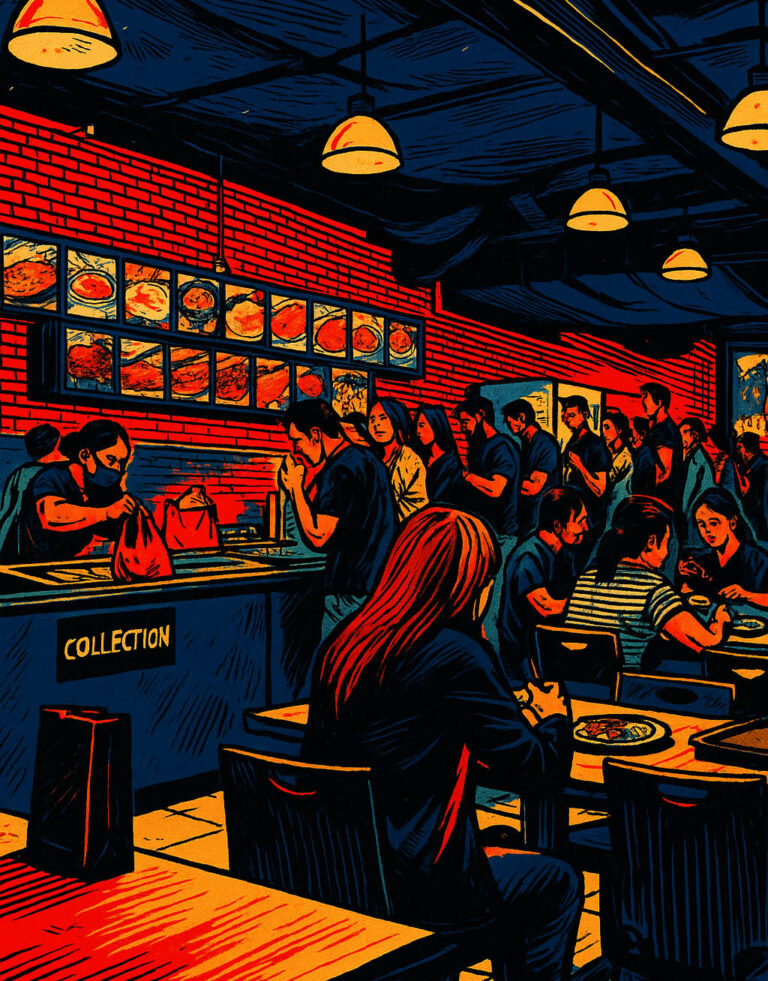
    Yesterday hit harder than expected. A scroll through my feed dropped the news: Kim Dae Mun, the humble yet wildly popular Korean eatery run by my primary school friend’s family, is shutting down for good. No relocation. No revival. Just a quiet end to a place where countless people enjoyed affordable, hearty Korean comfort food.

    The comments section was full of disbelief. Many were asking if it was moving elsewhere. Sadly, no—it’s gone. And it makes you wonder: did we only start caring when it was already too late?

    Source: Facebook

    TL;DR

    1. Beloved Korean eatery Kim Dae Mun is closing permanently due to the unsustainable pressures of Singapore’s F&B industry.
    2. The business environment is a “battlefield” defined by sky-high rents, rising ingredient costs, and chronic manpower shortages.
    3. Even established, popular, and affordable spots with razor-thin margins cannot survive without deep pockets or big backing.
    4. Closures are more than financial; they are the loss of the city’s “heartbeat” and shared memories built over affordable meals.
    5. It’s a “wake-up call”: If diners want local gems to survive, they must support them regularly, not just when a closure notice appears.

    Why the F&B Scene in Singapore Feels Like a Battlefield

    Restaurants in Singapore aren’t just fighting to stay relevant—they’re fighting to stay alive. Here’s why the struggle feels almost unfair:

    • Sky-high rents: Rental costs in prime areas are brutal, eating up a huge chunk of monthly revenue.
    • Rising ingredient prices: Imported goods and supply chain disruptions mean what used to be cheap is now expensive.
    • Manpower shortages: Fewer workers are available, and high turnover drains both time and money.
    • Cutthroat competition: Local favorites and flashy international brands are fighting for the same diners.
    • Evolving customer expectations: People want food that’s not just tasty but also affordable, tech-enabled, Instagram-worthy, and aligned with their values.

    Put all that together, and what do you get? Razor-thin profit margins and business owners stretched beyond exhaustion. Even established names—like Kim Dae Mun—can’t always keep up.


    More Than Just Food: Why Closures Hurt So Much

    When a restaurant like Kim Dae Mun closes, it’s not just about losing a food option. It’s about losing memories. For years, it was where students, office workers, and families grabbed a quick but satisfying bite. It was affordable, reliable, and full of character—qualities increasingly rare in Singapore’s polished but sometimes soulless dining scene.

    Restaurants like this carry the heartbeat of the city. They’re woven into our stories—birthdays celebrated, late-night suppers shared, friendships strengthened over steaming plates of kimchi and sizzling bulgogi. Watching them disappear feels personal, because in a way, it is.


    The Bigger Picture: Why This Keeps Happening

    This Korean restaurant isn’t the first casualty, and it won’t be the last. The food business has always been tough, but now it feels almost impossible without deep pockets or big-name backing. Global events, from pandemics to supply chain disruptions, have only amplified the pain.

    At the same time, consumer habits are changing fast. Diners now expect digital ordering systems, speedy delivery options, healthier menus, and even sustainability in packaging. Meeting all these demands requires cash and innovation—luxuries many family-owned businesses don’t have.


    My Take: A Wake-Up Call for Food Lovers

    Here’s my honest view: we love our local gems, but sometimes we take them for granted. We assume they’ll always be there. We wait for the day they’re about to close before rushing in to “show support.” That’s not sustainable. If we truly want these eateries to survive, we need to back them regularly, not just when a closure notice pops up online.

    Supporting local doesn’t always mean eating there daily. It could mean choosing them over chains when possible, spreading the word to friends, or even being willing to pay a little more for quality and authenticity. Otherwise, we’ll wake up one day to a food scene dominated only by big brands and cookie-cutter menus.


    Final Thoughts

    This line is a bittersweet sight. We only start caring the day we get the news. Don’t wait for the farewell post.

    Kim Dae Mun’s closure is more than just another business shutting down—it’s a reflection of the struggles many restaurants face in Singapore’s unforgiving F&B industry. Rising costs, changing consumer expectations, and relentless competition are forcing even well-loved spots out of business.

    So the next time you think of “supporting local,” maybe don’t wait until the farewell post shows up. Because by then, the wok has already gone cold.

    Support them here before 30 Nov 2025:

    Urgent Investor Warning for 2025 — Are Stocks Too Hot?

    0

    This is for every investor — whether you’ve been here five days or five decades. The market is loud, bubbly, and flirting with trouble. So before you FOMO your life savings into whatever the headlines are pushing, read this. It’s short. It’s blunt. And it actually helps.

    TL;DR

    • Follow the Pig Farmer: Buy quality when everyone is scared, and sell a little when the crowd is euphoric.
    • Structure Beats Emotion: Use Dollar-Cost Averaging (DCA) and a system for buying the dips to prevent panic selling.
    • Protection is Key: Trim winners and hold a bond sleeve; they are your insurance against a crash.
    • High Valuations Matter: Buying when prices are high can lead to disappointing returns over the next decade. Don’t mistake market concentration for safety.

    The pig farmer who outperformed Wall Street (yes, really)

    Back in 1978 a Forbes column told a tiny, brilliant story. A pig farmer — zero finance degree, zero trading screens — never had a losing year. How? He followed two simple rules from pig farming and applied them to stocks:

    1. Buy the little piglets. Nurture them.
    2. Sell them when they’re fat and wanted.

    Translated to stocks: buy quality when everyone’s scared. Sell when the crowd is euphoric. That’s it. No fancy math. No PhD. No predictions. Just basic sense.

    If an old pig farmer can outlast the market’s moods, so can you.


    Two rules you can’t escape: quality and seasonality

    Quality = the kind of company people will want long-term. Seasonality = timing in a broad sense — markets have seasons of fear and of frenzy.

    You can try to dodge this with day trading, hot tips, or algorithms. But these two ideas keep showing up, decade after decade. Markets are emotional. They swing wildly. They also repeat.

    So stop trying to predict. Start reacting to the cycle.


    Why this matters right now (short version)

    • The market’s near all-time highs.
    • Money’s concentrated in a handful of AI and mega-cap stocks.
    • Valuations look elevated by several historic measures.
    • People are pricing future profits as if they’re guaranteed — spoiler: they’re not.

    That doesn’t mean an immediate crash. But it does mean you should stop pretending everything’s normal and start protecting yourself.


    The market has memory (and it’s rude)

    History shows: buy at low valuations and returns tend to be great. Buy at high valuations and the next decade can be disappointing. That’s not a prophecy — it’s a pattern. The market has crashed before. It will crash again. That’s a feature, not a bug.

    Meanwhile, big stocks now make up a huge chunk of broad indexes. That concentration looks safe until it isn’t. When ten companies account for a massive slice of the S&P, the “safe index” feels less like safety and more like a single risky bet.


    What the pros actually do (spoiler: they don’t panic)

    While everyone’s partying in a bull market, professional investors get busy protecting their downside. Their toolkit:

    1. Diversify. Not because it’s boring, but because it keeps you alive for the next chance.
    2. Trim winners. Yes, sell a little when things run up. It’s insurance — not betrayal.
    3. Hold bonds. Yawn factor aside, bonds smooth out crashes. They’re the seatbelt.

    If you hate any of those ideas, you’re buying into the “I’m special” myth. Don’t.


    Practical, idiot-proof moves you can use today

    No crystal ball. No hot takes. Just a system that works.

    1. Budget your investing. Decide what you can regularly invest each month.
    2. Dollar-cost average. Invest the same amount on the same date, every month.
    3. Double down on the dips. If the market drops 20% from its 52-week high, increase your buy to 150% of your usual amount. Do it again if it drops more.
    4. Lump-sum? Split it. If you inherit money or get a windfall, don’t dump it all at once. Spread it over 12–24 months.
    5. Trim winners. When a stock runs, take some profit. Keep enough to still benefit, but lock some upside.
    6. Keep a bond sleeve. Not 100% bonds, just enough to prevent emotional panic selling. Even a modest bond allocation reduces drawdown.

    Do this, and corrections become less terrifying. You’ll miss some fireworks on the way up, but you’ll sleep. And sleep is underrated.


    The emotional game: your brain vs your wallet

    Losses feel worse than gains feel good. That’s human. So the number one reason people sell at the worst time is emotion. Structure beats emotion. Rules beat hot takes. If your plan prevents panic selling, half the battle is won.

    Also: survivorship bias is real. You see the winners everywhere. You don’t hear about the 90% that failed. Be humble. Be realistic.


    Common objections (with short answers)

    • “But the S&P always wins long-term.” Mostly true. But if you jump in at a very high valuation, your next 10 years may be underwhelming. Time helps, but entry matters.
    • “I want big gains — concentration is the way.” Concentration can deliver big gains. It can also blow up your portfolio. Decide which outcome you prefer and accept the risk.
    • “Bonds are boring.” Boring wins when volatility hits the fan. Boring keeps you invested.

    Quick checklist to sleep better tonight

    • Are you invested on a plan or a vibe? If vibe = panic.
    • Do you have rules for new money and dips? If no = risk.
    • Is your portfolio diversified enough to survive a market wobble? If no = rethink.
    • Do you trim winners occasionally? If no = beware greed.
    • Do you have some bond exposure? If no = you might sell at the worst time.

    My point of view (short, honest, and slightly blunt)

    I’m not screaming “sell everything.” Nor am I whispering “buy everything.” I’m saying the market looks expensive and concentrated. That’s a warning light, not a detonator.

    You don’t need to predict the crash to protect yourself. You need rules. Rules that force you to buy when others panic and sell a bit when others are irrationally hyped.

    If you follow a simple system — regular investing, extra buys on big dips, small profit-taking on winners, and a sensible bond sleeve — you’ll likely come out ahead over time. And more importantly, you’ll stay invested when the market’s best days show up (because staying in wins).

    If someone tries to sell you a “get rich quick” plan right now, thank them politely and walk away. The market rewards patience and punishes hubris.


    Final take

    Markets will continue to do their thing: boom, bust, repeat. Your job is not to outsmart the market. It’s to make sure you’re still around when the dust settles. Use quality and seasonality as your compass. Use structure as your safety net. And remember: the simplest rules are often the best rules.

    Indian vlogger flies 5,000 km to propose — rejected on the spot

    0

    Brave? Absolutely. Rushed? Also absolutely. Here’s the full tea: an Indian vlogger crossed nearly 5,000 kilometres to meet an Indonesian woman he’d been chatting with online — and then popped the question in person. Her answer: a very clear, very polite “No.” Cue the viral clips, pitying comments, and cultural hot takes.

    TL;DR

    • An Indian vlogger flew nearly 5,000km to Indonesia to meet and propose to an online friend on the first meeting.
    • She rejected the proposal, not personally, but because she belongs to the Baduy indigenous community with strict “marry within the community” customs.
    • The incident went viral, sparking debate on romantic courage versus unrealistic impulsivity.
    • The key lesson: Online rapport is not real-life history, and ignoring cultural context is a recipe for public heartbreak.

    From DMs to a plane ticket

    They chatted a lot. Meaningful? Maybe. Real-life-ready? Not necessarily. Still, their online messages convinced him there was something worth risking a long trip for. So he booked a flight, landed in Indonesia, and finally met her face to face.

    At first, things seemed normal. She greeted him warmly. He felt hopeful. Then he produced a ring and asked, “Will you marry me?”

    She froze. Then she said no.

    Ouch. But the whole story isn’t that simple.

    Why she said no

    It wasn’t personal—or at least, not the kind of personal you expect. According to the vlogger, the woman belongs to the Baduy community, an indigenous group in Indonesia that follows strict marital customs. The Baduy people place a strong emphasis on marrying within the community. Even members of the Outer Baduy, who have more contact with outsiders, often stick to those traditions.

    So when he proposed out of the blue, cultural rules and long-standing customs — not cold-hearted rejection — played a big role in her answer.

    The internet reacts (predictably)

    Reactions split into two camps.

    Some people said, “Respect — that’s courage.” They praised the vlogger for stepping out of his comfort zone and following his heart. Grand romantic gestures are catnip for a lot of us.

    Others were less impressed. They called it unrealistic and impulsive. “You don’t ask someone to marry you the first time you meet,” one common sentiment went. Netizens reminded him that chemistry on screens doesn’t automatically translate to in-person compatibility. Also: culture matters. A lot.

    What went wrong (and what went right)

    Let’s be honest. The plan had charm. It also had blind spots.

    What went right:

    • He acted on his feelings. That counts for something.
    • He made a bold move. Bold moves are memorable.

    What went wrong:

    • He moved too fast. Online rapport isn’t the same as real-life history.
    • He underestimated cultural context. Traditions can be dealbreakers — even if you think you’ve got a connection.
    • He put pressure on a first meeting. A ring during a first face-to-face meeting is a full-speed emotional sprint. Most people prefer a warm-up.

    Useful takeaways (because we love learning from awkwardness)

    First, don’t confuse frequent DMs with deep knowledge. Screens hide context. They hide family, history, and cultural rules too.

    Second, ask about culture early. If someone mentions a tight-knit community or specific traditions, listen. Ask respectful questions. Understanding those layers prevents public heartbreak and private confusion.

    Third, respect consent and timing. Proposals are sacred for many people. Rolling one out without signals of mutual intent is risky — emotionally and socially.

    Fourth, be ready for nuance. The woman said no for reasons bigger than the vlogger. That doesn’t make either person a villain.

    My take

    Okay, here’s my two cents: the vlogger deserves credit for courage. But courage without cultural awareness is like bringing a ladder to a pool party — impressive tools, wrong use. If you want a relationship that lasts, curiosity beats grand gestures. Ask questions. Meet a few times. Learn the boundaries. Also, learn the language of the family and community you’re trying to join — metaphorically and literally.

    If you’re the romantic type who wants to make a dramatic move, fine. But save the ring for when you’ve tested the waters. Save it for a moment that’s actually about both of you. Otherwise, you might end up viral for the wrong reasons.

    Final thoughts

    This story isn’t just about an awkward proposal. It’s a reminder that love online needs a solid bridge to cross into the real world. Culture, timing, and mutual understanding matter. So do manners. So does common sense.

    If you’re planning anything similar: travel if you must, but don’t propose on arrival. At least not the first time.

    Malaysian Wife Asks Public to Stop Sharing Viral Video after Slapping Husband

    0

    A confrontation at a Malaysian clinic has gone from tense to trending. On September 28, 2025, a video showed a woman slapping her husband after spotting him with another woman at a clinic counter. The clip spread fast. Within hours it had been shared, memed, and turned into parodies across social platforms. Now the wife has stepped forward, apologized publicly, and asked people to stop sharing the footage — for the sake of her family.

    TL;DR

    • Wife publicly confronted and slapped her husband after seeing him with another woman at a Malaysian clinic (Sept 28, 2025).
    • A bystander filmed the incident, which quickly went viral and was turned into memes and parodies across social platforms.
    • The wife posted a public apology, admitting she lost control, and is now begging the public to stop sharing the clip to protect her three children and family privacy.
    • The article urges users to stop sharing, report the content, and prioritize kindness over feeding the attention economy with ‘viral pain.’

    What happened (simple timeline)

    Source: https://www.instagram.com/iffahmzzln_/
    • At the clinic: The wife walked in and saw her husband with another woman who was apparently collecting medicine. The wife confronted them. The other woman told her to “ask your husband.”
    • The video: A bystander filmed the scene. In the clip, the wife repeatedly slaps her husband while he tries to calm her. The other woman quickly left the area.
    • Online spread: The confrontation was uploaded on TikTok and Instagram. Social media users and content creators soon turned it into reaction clips and parodies.
    • Public apology: On September 28, 2025, the wife posted an Instagram statement apologizing to the public. She asked people to stop circulating the video and to respect her family’s privacy while she addresses the situation through what she called “the proper channel.”

    Her message — in plain words

    She admitted she lost control of her emotions. She said the matter should have been handled privately between her, her husband, and the alleged third party. She apologized for the public scene and urged the online community to stop sharing the video, saying doing so harms not only her and her husband, but also their three children and other family members. Finally, she asked for space while she sorts this out.

    Why people are still sharing it

    Because humans. And algorithms. Viral clips feed attention economies: they get views, likes, shares, and sometimes money. Creators cobble together remixes and parodies. Viewers click because drama is easy to consume. Yet every re-share keeps the incident alive — and keeps real people hurt.

    The ripple effects (what most people forget)

    Source: https://www.instagram.com/iffahmzzln_/
    • The kids: Three children are part of this family. Viral shame follows a family home like an uninvited guest. Kids who see or hear about the clip at school may suffer bullying, embarrassment, and stress.
    • Work and reputation: Clips live forever online. Employers, schools, and relatives can find them months or years later. That can affect careers and relationships.
    • Emotional health: Public exposure of intimate problems can delay or complicate healing. Online attacks amplify pain rather than solve anything.
    • The legal side: Public confrontation footage doesn’t automatically prove guilt. It’s a snapshot — not the whole story. If wrongdoing occurred, proper legal or civil steps are the right route, not mob justice on social media.

    A few practical notes

    • If you saw the video: sharing it again multiplies the harm. Pause before you hit forward.
    • If you feel strongly: write a private message or use direct channels to help the people involved, but avoid broadcasting their private life.
    • If you want to comment: remember your words can add to the damage. Think of the kids.

    My point of view

    Okay, here’s the blunt take. Social media turned a tense family moment into public entertainment — and that says a lot about us. Yes, people are curious. Yes, cheating allegations are juicy headlines. But piling on is cheap and weak. Sharing the clip doesn’t help the family. It helps the post. It feeds attention seekers and the algorithm.

    Also, slapping someone in public is not ideal, but it’s a human reaction when trust is ripped. I don’t condone violence. But I also don’t want to watch a family get dragged through the mud for clicks. If the wife is serious about resolving the situation “through the proper channel,” then let that happen. Let them try to fix things without turning every private mistake into public punishment.

    Finally, if your first instinct is to laugh or make a meme, maybe redirect that energy. Use it to flag the clip for takedown or to send a message asking people to stop. We’re better than viral cruelty. Act like it.

    What could be done now

    • Stop resharing. That’s the simplest and the most effective immediate step.
    • Report the clip on the platforms where it’s posted if it violates privacy or harassment rules.
    • Give space. Allow the family to handle it privately or legally. Public pressure rarely leads to constructive results.
    • Be kinder online. If you wouldn’t say something to the person’s face, don’t type it.

    Final thought

    Drama sells clicks. People get hurt. That equation has been true since the dawn of tabloids, but social media multiplies the damage overnight. If you want to be part of the solution, stop forwarding viral pain for cheap entertainment. Respect privacy. Let families try to sort themselves out. And yes, be better online.

    Bon Appetit Your Majesty: What we learned in the end…

    0

    Quick take: the finale is a messy, delicious, emotional feast. It mixes palace politics, food romance, time-bending feels, and one chef who refuses to quit. If you loved the show’s vibe — food, flirt, and furious betrayals — this will stick the landing. If you wanted a neat, textbook finale with zero blood and zero melodrama, well… that’s not this drama’s brand.

    TL;DR

    • Emotional vs. Logic: The finale prioritizes the core romance and emotional payoff over airtight time-travel mechanics and political logic.
    • Chaos Climax: The plot rushes through a coup attempt, Heon’s near-tyranny, a friend’s sacrifice (Seong-jae’s death), and Ji-young’s life-saving stabbing.
    • Food as Fate: The mangunrok (Ji-young’s journal) and food memories, especially bibimbap, are the core devices connecting the lovers across centuries.
    • Happy Reunion: Ji-young returns to 2025; Heon keeps his promise and follows her, leading to a satisfying modern-day domestic ending.
    • Verdict: Rated 4/5 stars for strong chemistry and creative food metaphors, despite rushed plotting.

    What happens (short recap)

    After Heon’s proposal and that kiss, Ji-young still wants to go back to 2025. She loves him, yes. But she has a life and a dad waiting. Heon makes her promise to return someday. She makes him promise not to become a tyrant. Promises are cute, fragile things.

    Then the birthday banquet turns rotten. A record about Heon’s mother’s death surfaces. It looks horrible. Public shock. Coup Squad grins. Heon nearly slashes his way through the court. Ji-young stops him. Drama mode = full blast.

    Ji-young revives Heon’s maternal grandmother with chocolates. Grandma reveals the late queen wanted Heon to be a sage king. Heon breaks down. Instead of becoming the tyrant history recorded, he falters. The Coup Squad’s plan collapses — temporarily.

    Plot twist: Prince Jesan dons a mask and frames Heon for mass murder. Heon is later ambushed; Seong-jae dies protecting him. Tears, rage, guilt. Heon accepts being dethroned to protect the throne’s future, but Jesan’s ambition won’t stop there.

    Heon writes a note for Ji-young from prison — the touching “dearly beloved” lines. Gong-gil smuggles in a butterfly ornament and confirms Ji-young’s fate. Ji-young is trapped, mangunrok (her journal) reveals Heon’s food memories. She gets stabbed saving Heon and vanishes back to 2025 through the mangunrok’s magic. Heon collapses, but later shows up in 2025 to keep his promise. Cue modern bibimbap and happy domestic vibes.


    Standout scenes

    1. The banquet meltdown — perfect pressure-cooker moment. Food and power collide.
    2. Seong-jae’s sacrifice — raw emotional punch. The bestfriend death lands heavy.
    3. The mangunrok reveal — why the ornament mattered. Tear-triggering and clever.
    4. Heon’s time jump to 2025 — goofy logistics, wildly satisfying payoff.

    Characters & performances

    • Heon (Lee Chae-min) — multi-layered. Tyrant. Lover. Broken son. The actor sells every phase.
    • Ji-young (Yoona) — fierce and practical. She’s the moral compass and the chef with backbone.
    • Gong-gil, Seong-jae, Mok-ju — essential supporting crew who carry heart and comic relief. Mok-ju underused but memorable.

    Acting in the finale is mostly solid. The emotional beats land because the actors commit. Chemistry? OTP delivers. I laughed, gasped, and ugly-cried in roughly that order.


    Themes & food metaphors

    This show makes food a language for memory, healing, and identity. Bibimbap = home. A single dish becomes a tether between centuries. The series uses cuisine as emotional shorthand. That works. It also explores revenge vs. wisdom, and how history can be rewritten by small acts (and better seasoning).

    Time travel mechanics? Dodgy. But the emotional logic holds. If you’re okay with “rules-lite” time travel for the sake of romance, you’ll be fine.


    Pacing, tone, and structure

    The finale rushes through a lot. Revolt, family secrets, near-regicide, prison, rescue, a stabbing, and a time-travel reunion — all in two episodes. That density can feel crammed. Yet the show balances its heavier moments with the kitchen crew’s warmth. The tonal swings are loud — sometimes brilliantly so, sometimes a bit jarring.

    If you wanted more modern-day romance and less palace bloodshed, you’ll wish for an extra episode or two. But the writers prioritized stakes and catharsis, not an extended romance montage. Fair enough.


    What worked

    • Emotional core: Heon and Ji-young’s bond never lost credibility.
    • Food-as-story device: consistently clever and emotionally meaningful.
    • Supporting cast: they bring laughs and real sacrifice.
    • Finale payoff: the reunion is earned and satisfies.

    What didn’t

    • Time travel logic is fuzzy. Don’t analyze mechanics for too long.
    • A few characters deserved more screen time (Mok-ju, I’m looking at you).
    • The coup plotting leaned on classic melodrama tropes. Predictable? A little. Fun? Also a little.

    My take

    I’m willing to forgive messy mechanics if the heart is real. This show had heart in spades. The kitchen scenes gave it charm. The political scenes raised stakes. The emotional payoff? Chef’s kiss. Also, historically-themed food romance is rare and this one did it with flair. Yes, I wanted more modern-day domestic bliss, but the finale gave me the important promise — Heon keeps his word. That’s the main course.

    I also appreciate the irony: the Coup Squad who tried to create a tyrant ended up being the tyrants themselves. Poetic. And the decision to tie food to memory rather than a purely plot device made the ending feel personal, not just convenient.


    Final verdict

    Bon Appetit Your Majesty sticks its landing even when it stumbles. It’s messy, heartfelt, sometimes silly, and wonderfully watchable. If you care about chemistry, food, and a bittersweet-but-happy ending, this is a must-watch. If you’re a stickler for airtight logic, brace yourself for some leaps.

    Rating: ⭐⭐⭐⭐☆ (4 out of 5 stars)
    Reasons: Strong performances, emotional payoff, creative use of food and memory. Loses one star for rushed plotting and fuzzy time-travel rules.

    Indian influencer demands fans to chip in for iPhone 17 Pro Max

    0

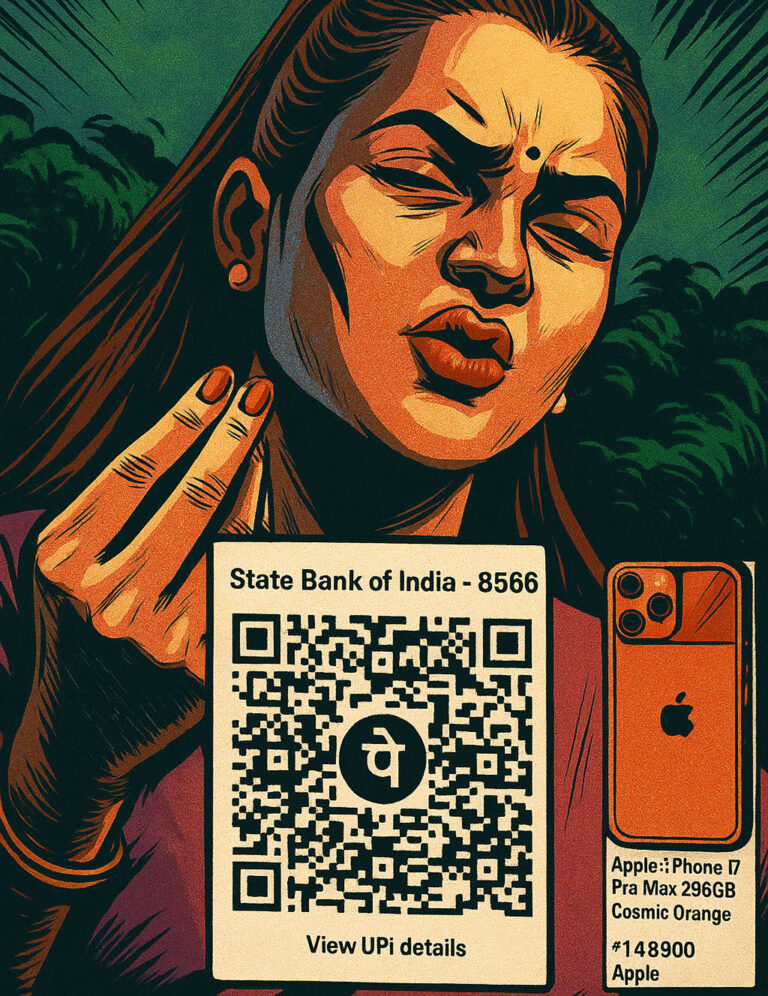
    A short video from influencer Mahi Singh went viral after she asked followers to help her buy the newly launched iPhone 17 Pro Max. Her pitch was simple: if each follower donates ₹1 or ₹2, together they could cover the phone’s price — roughly ₹149,000. The clip has since pulled tens of thousands of views and a storm of reactions.

    TL;DR

    • The Ask: Influencer Mahi Singh requested ₹1 – ₹2 donations from her followers to crowdfund the newly launched, expensive iPhone 17 Pro Max (₹149,000).
    • The Conflict: She made the request despite having been gifted an iPhone 16 just three months prior, leading to widespread backlash and accusations of entitlement.
    • Scale Lesson: The incident is a viral lesson in scale, showing how tiny micro-donations can fund a luxury item when multiplied across a large follower count.
    • Optics Fail: Asking for luxury funding, rather than for a meaningful cause, drew swift public scorn, blurring the line between genuine community support and exploitation.
    • Core Tension: The incident highlights the struggle between creators monetizing attention and followers expecting value/stories, not shopping lists.

    She said her father had already gifted her an iPhone 16 three months ago. Still, she wanted the new model for her birthday on October 21. In the video she smiled and said, “If each of you donates 1 or 4 rupees, I can buy this phone. I thank you all for making my dream come true.”

    As the post spread, many netizens called her spoiled and entitled. Others poked holes in the logic: isn’t asking random followers to fund a luxury item a little… much? Meanwhile, some viewers pointed out how tiny micro-donations add up when you have a big follower count.

    It’s not clear how much she actually got from the appeal. The video has stirred debate more than donations — at least publicly.

    First, the ask was bold. Asking strangers to fund a luxury purchase flips the usual influencer script. Typically, followers expect content, giveaways, or exclusive access — not being told to pay for the creator’s gadgets.

    Second, the idea of micro-donations is powerful. One rupee sounds harmless. Yet multiplied across millions of followers, that “harmless” rupee can pay for a luxury phone and then some. That’s a lesson in scale: small amounts become big when they reach the right audience.

    Third, there’s optics. Most people sympathize with creators who ask for help for meaningful causes — medical bills, disaster relief, charity. Asking for a shiny new phone? That tends to draw scorn. Social media users often demand authenticity and value. When a creator’s ask appears frivolous, the backlash is swift.

    Influencers live in a strange mix of personal branding and public expectation. Followers want access to a curated life, but they also expect boundaries and contribution-worthy content. This incident highlights a tension:

    • Creators monetize attention.
    • Followers want stories, not shopping lists.
    • When the line blurs, trust drops — fast.

    Also, social proof matters. An influencer’s perceived worth is shaped by engagement and reputation. If you constantly ask followers to bankroll lifestyle upgrades, you risk looking transactional rather than inspirational.

    My take

    Look, I get wanting the latest phone. The colors are probably gorgeous. But asking strangers to fund personal luxury crosses a social line. There’s a difference between crowdfunding for real need and crowdsourcing for wants. The former builds community. The latter can feel like exploitation.

    That said, it’s also a teachable moment about how small amounts scale. If you have a million followers, even tiny asks become real money. So creators should use that power wisely. Ask for support when it matters. Offer value or reciprocity. Or at least be upfront about why the purchase benefits your audience — not just your selfie game.

    Finally, followers should be choosy. Support creators whose content improves your life in some way: entertainment, education, community. If a request doesn’t sit right, scroll on.

    Bukit Kajang toll crash: What happened?

    0

    A short, ugly chain of events at the Bukit Kajang Toll Plaza on Saturday left a one-year-old boy dead and eight people hurt after a lorry lost control and smashed into vehicles waiting at the toll lanes. Witnesses, rescue crews and police rushed in. The driver has been arrested and the police say faulty brakes are to blame.

    TL;DR

    • A lorry with faulty brakes crashed into three vehicles at the Bukit Kajang Toll Plaza on Saturday (Sept 27).
    • Tragically, a 12-month-old boy was killed; seven to eight others were injured.
    • The 42-year-old lorry driver was arrested; he had prior records but tested negative for drugs/alcohol.
    • Police are investigating the crash for reckless driving causing death and seek witness footage.
    • The incident highlights the critical need for stricter vehicle maintenance and toll-lane safety measures.

    The basics — who, when, where

    • Where: Bukit Kajang Toll Plaza, on the route from Semenyih towards Putrajaya.
    • When: around 10:50–11:00 AM on Saturday (Sept 27).
    • What: a 3-tonne lorry carrying scrap iron reportedly experienced brake failure, lost control and hit three other vehicles queued at lanes eight and nine of the toll.

    Casualties and rescue

    Tragically, a 12-month-old boy (reported as a one-year-old in some news reports) was found trapped under a pickup and was pronounced dead at the scene. In addition, seven to eight people were hurt and taken to nearby hospitals — Kajang Hospital, Serdang Hospital and KPJ Kajang Specialist Hospital — for treatment. Emergency teams arrived quickly; firefighters extricated victims from under the vehicle.

    The driver and the investigation

    Police arrested a 42-year-old lorry driver to help with the probe. Early checks found he had past criminal records and outstanding traffic summonses, though his urine and breathalyser tests were negative for drugs and alcohol. Police say the crash is being investigated under Section 41(1) of the Road Transport Act 1987 (reckless or dangerous driving causing death). If convicted, penalties can include years behind bars, heavy fines and a long driving ban.

    Vehicles involved & rescue timeline

    Officials say the collision involved a 3-tonne lorry, a Public Works Department 4-wheel-drive pickup (Nissan X-Trail), a Honda City and a Proton X70. The Fire and Rescue Department (JBPM) received the distress call at about 11:00 AM and reached the scene within minutes. Crews worked to free people trapped beneath the pickup; the baby was removed at about 11:30 AM but sadly did not survive.

    What police are asking

    Authorities are urging anyone who saw the crash or has dashcam footage to come forward. You can contact the Kajang Traffic Investigation Officer, Inspector Mohd Raziman Rasid, at 019-4565502, or report to the nearest police station. The more independent footage and witness accounts investigators get, the clearer the sequence of events will be.


    My take — what this really means

    This accident is one of those reminders nobody wants but everyone needs. Several quick points:

    1. Vehicle maintenance matters. A heavy commercial vehicle with faulty brakes is a public hazard — not just a private problem. More frequent and enforceable inspections for heavy trucks would lower the odds of this sort of tragedy.
    2. Toll plazas are risk hotspots. Cars queue, drivers get impatient, and when something goes wrong the outcome is magnified. Better physical barriers or escape lanes could reduce casualties when a vehicle loses control.
    3. Driver screening and enforcement. Past offences and unpaid summonses don’t automatically mean someone will cause a crash. Still, the presence of prior violations should trigger tighter scrutiny for commercial drivers. Random checks and stricter licensing rules could help.
    4. Dashcams and witnesses help. Footage can close gaps in an investigation fast. If you drive, consider a dashcam — not because the world is a dark place (okay, sometimes it is), but because evidence saves time and can save lives.
    5. Public compassion matters. Behind every headline is a family grieving. Public discussion should focus on prevention and support, not just finger-pointing.

    I don’t pretend this will fix systemic problems overnight. But small, practical changes — stricter maintenance laws, better toll-lane design, and quicker enforcement — add up. And most importantly, we should remember the human cost behind the stats.


    If you witnessed the crash

    Call Inspector Mohd Raziman Rasid at 019-4565502 or go to your nearest police station. Any video or detail — however small — could be crucial.

    She Paid $450 and end sharing with 14 people in one house

    0

    People cut corners to save money. Fair enough. But there’s basic decency and then there’s whatever that flat was. A woman came to Singapore to work and rented a bed space for S$450. She paid S$900 up front — one month’s rent plus a deposit — before she even saw the place. Then she moved in and found the unit illegally partitioned and stuffed with at least 14 people. The photos? Crowded walkways, piles of shoes, towels used as curtains and one filthy shared toilet. She lasted ten days, quit her job, and flew home.

    TL;DR

    • Scam Victim: A woman paid S$900 sight-unseen for a bed space in Singapore for a three-room flat.
    • Illegal Overcrowding: The flat was illegally partitioned and housed at least 14 people, grossly violating the 3-room HDB occupancy cap of six.
    • Unsafe/Unsanitary Conditions: The unit was stagnant, foul-smelling, and had only one filthy shared toilet.
    • Immediate Exit: She quit her job and flew home after only ten days, forfeiting her S$900 deposit/rent.
    • The Lesson: Always view the property, verify the owner/address, and check the legal occupancy limits before paying any substantial amount.

    What exactly happened

    • The unit was a 3-room HDB flat that had been split into four tiny rooms. Two rooms had six people each. One room had a couple. The fourth room’s numbers were unclear. Tenants shared a single toilet. The air was stagnant and the place smelled foul.
    • The woman’s sister paid S$450 a month for a bed space. She paid S$900 upfront before viewing. After seeing the conditions, she left and didn’t even try to get the deposit back.

    The rules (short and blunt)

    Under current rules, a three-room HDB flat can only be rented to up to six unrelated persons. Meanwhile, the government relaxed some caps in 2024 for larger flats, allowing up to eight unrelated tenants for four-room or bigger units under a temporary scheme — but that does not change the limit for three-room units. In other words: packing 14 people into a three-room HDB is illegal.

    Why this happens (a quick list)

    • Landlords or subletters want more cash. So they cram more bodies.
    • Renters in a rush skip viewings and red flags.
    • Some listings look “too good” and lure people who urgently need housing.
    • Enforcement sometimes lags. That gives scammers space to operate.

    How to avoid this train wreck (practical checklist)

    Do these before you hand over cash:

    1. Always view first. No, not “I’ll see photos later.” Physically walk in. If you can’t, get someone to do it for you.
    2. Ask for the address and owner details. Then verify. Look up the block and unit, and check whether it’s an HDB flat.
    3. Don’t pay full rent and deposit before seeing the place. A small booking fee? Maybe. Full months before view? Red flag.
    4. Count the bathrooms and beds. If the ad says “spacious” and the photo shows a pile of towels and shoes, trust your instincts.
    5. Check tenancy rules. For HDB flats, there are clear occupancy caps and approvals needed. If the landlord claims “exceptions,” ask for proof.
    6. Get a proper receipt and contract. Names, NRIC/FIN numbers of owner, payment breakdown, and termination terms.
    7. Speak to neighbours (if possible). They’ll tell you if the place is a revolving-door mess.
    8. If it smells like a scam, report it. HDB has channels for complaints. URA covers private properties. If fraud seems likely, involve the police.

    If you already paid and you’re stuck

    • Try to negotiate with the person who took your money and ask for a refund.
    • If that fails, file a complaint with HDB (for HDB flats) or URA (for private properties). Keep receipts, screenshots and chat logs.
    • If it looks like fraud — money taken under false pretenses — file a police report.

    My take

    This is preventable. People rush when they’re desperate. Scammers love desperation. But we’ve also got systems: occupancy caps, registration processes, and enforcement channels. Use them. Do the small boring checks. They save time, money, and dignity. Also, landlords who cram flats like sardines are not “resourceful” — they’re risking lives and breaking the law. The short-term cash isn’t worth the long-term consequences for tenants or the landlord. Finally, if a deal seems impossibly cheap for the area and the pictures are low-effort, assume it’s a trap.