

More
    Home Blog Page 16

    The 1939 Experiment That Created Broken Kids

    0

    In 1939, researchers at a respected university ran an experiment on 22 orphans. The goal sounded academic: learn why people stutter. The method sounded cruel: tell some fluent kids they were stutterers and tell some stutterers they were fine. No consent. No warning. Just a rehearsed script, a notebook, and a theory that words could make or break a child. What followed was quiet, slow harm — and a lesson the field of psychology took decades to own.

    TL;DR

    • The Study: The “Monster Study” (1939) at the University of Iowa tested if adult criticism could cause stuttering, based on Wendell Johnson’s theory.
    • The Subjects: 22 vulnerable orphans (ages 5-15) were used without consent, told they were receiving “speech therapy.”
    • The Method: Fluent children were repeatedly told they were stutterers and harshly criticized; actual stutterers were either praised or criticized.
    • The Harm: Fluent children grew anxious, became quiet, and developed long-term self-consciousness about speaking. The damage was slow, quiet, and lasting.
    • The Cover-Up: The negative details were buried in a thesis; Johnson never publicized the full results due to the obvious ethical failures.
    • The Legacy: Decades later, the study was uncovered. It is now a critical lesson proving that ethics must always outweigh the desire for scientific “answers,” leading to modern, kinder speech therapy methods.

    What they wanted to prove

    Wendell Johnson, a speech pathologist who once stuttered himself, had a bold idea. Maybe stuttering wasn’t only a brain or body thing. Maybe it started in the reactions of adults. If parents and teachers kept correcting, worrying, or labeling a child, could that pressure turn normal speech into a stutter? Johnson believed the problem began not in the mouth but in the ear — in how other people responded.

    To test this, Johnson and his graduate student Mary Tudor designed an experiment. It was straightforward on paper. In practice it was ethically blind.


    The experiment — simple on paper, ugly in practice

    They selected 22 children, ages 5 to 15, from an Iowa orphanage. The kids were told the university was providing speech therapy. Staff at the home believed it too. That removed the need for parental consent — because there were no parents to ask.

    The kids were split into four groups:

    • Group 1A (positive for stutterers): Five kids who actually stuttered were told their speech was fine. They got praise.
    • Group 1B (negative for stutterers): Five stuttering kids were told their speech was bad and were criticized.
    • Group 2A (negative for fluent kids): Six fluent kids were told they were starting to stutter. They got scripted criticism and warnings.
    • Group 2B (positive for fluent kids): Six fluent kids were told they spoke very well and were praised.

    Mary Tudor visited the orphanage for about five months. She used a rehearsal script and spent roughly 45 minutes with each child every few weeks. For the fluent kids in group 2A, the script was chilling: lower voice, grave warnings, examples of other “stutterers,” and lines like “don’t ever speak unless you can do it right.” Imagine hearing that from a trusted adult at age 7. It didn’t need violent acts to be damaging — words did most of the work.


    What happened to the children

    The effects were obvious and fast. Kids who had been talkative grew quiet. Schoolwork slipped because they stopped participating. A five-year-old who had been lively suddenly refused to speak. A 12-year-old stopped talking to her best friend. Teenagers developed panic over simple sentences. Some began snapping fingers or using fillers because they were terrified of stumbling.

    Those who were told they were fine sometimes improved. But those told they were defective often developed long-term shame and anxiety about speaking. The study’s own notes record that some children never fully recovered.


    The attempted fix — too little, too late

    Researchers later realized the harm. Mary Tudor returned a few times after the official experiment ended and used positive therapy in an attempt to undo the damage. She praised the kids and told them the opposite of what she’d said before. But the negative labels had already been planted. In her own notes she admitted the recovery was slow and incomplete. Two years after the study, two girls ran away from the orphanage. The emotional cost was real.

    Wendell Johnson never publicized the experiment in his later writings. He backed the broad idea that harsh correction can worsen speech problems. He also quietly left out the details of the test and the obvious ethical failings.


    Aftermath and public discovery

    Decades later, the study — buried in a thesis — was uncovered by journalists. Survivors learned, often in old age, that their lifelong self-consciousness about speaking had been manufactured by an experiment they didn’t consent to. Several victims later received compensation (split among those in the negative-therapy groups). The episode remains a stain on psychological research and a reminder of why ethics matter.


    What science took from it

    Two mixed lessons came out of the wreckage:

    1. Nature vs. nurture matters. The study offered real evidence that social reaction can affect speech and self-image. How people respond to a child can shape that child’s behavior.
    2. Ethics matter more than “answers.” Even if a hypothesis looks promising, the cost of testing it can be too high. Science isn’t neutral if it hurts vulnerable people to get data.

    Speech therapy eventually moved toward kinder techniques. The idea that overreaction and harsh labels can harm a child became mainstream in therapy advice. But that doesn’t erase the human cost of the experiment.


    My take — straight talk

    Here’s how I see it. The Monster Study is both fascinating and infuriating. Fascinating because it shows — in a painfully direct way — how much power adults have over a child’s inner world. Infuriating because those adults used that power without consent or care.

    Words are tools. They can fix things. Or they can break things. The people running that study chose to experiment with damage. That choice is hard to justify. Not even “for science” is a clean umbrella for obvious harm — especially when the participants are kids with nowhere else to go.

    At the same time, the study pushed the field toward better therapy methods. That’s small comfort for the human damage. If you ask whether the later benefits justify the harms — that’s a moral maze. My gut says: no experiment that knowingly crafts trauma among children can be worth it. Ever.


    Final thoughts

    The Monster Study is a grim chapter in research history. It proves two things clearly: words can wound, and power without checks will eventually hurt someone. Today, psychologists and schools largely agree on kinder approaches. That’s progress. But the names and lives in that experiment deserve our attention. Not as a footnote for a paper. But as a real warning about what happens when curiosity outruns conscience.


    Lee Hsien Yang Asks “How Long More?” After Delay on 38 Oxley Road Demolition

    0

    Exactly one year after Dr Lee Wei Ling passed away, Lee Hsien Yang publically asked a simple, impatient question: “How long more will it take?” He wants the Government to decide the fate of 38 Oxley Road — the bungalow once lived in by founding Prime Minister Lee Kuan Yew.

    Short version (TL;DR)

    • Lee Hsien Yang says he applied to demolish the house and hasn’t seen follow-up from the heritage agency.
    • The house was the centre of a family dispute after Lee Kuan Yew’s death. A 2018 ministerial report listed options but made no recommendation.
    • Lee’s sister Dr Lee Wei Ling died on 9 Oct 2024; her passing left Lee Hsien Yang as the sole living executor.

    What actually happened (plain and quick)

    Last week, Lee Hsien Yang posted about the Oxley Road matter and said he’d sought permission to demolish the house shortly after his sister died. He wrote that the National Heritage Board told him it would take “several weeks” to assess the site — but, he added, nothing came after that.

    Back in October 2024, he publicly announced he would apply to demolish the bungalow and then build a small private dwelling for the family. That post makes clear he sees this as carrying out his parents’ wishes.


    A little history so this makes sense

    • After Lee Kuan Yew died in 2015, the family split over what to do with the house. Two siblings wanted it gone; another said the Government should decide.
    • In 2018, a ministerial committee studied the site and laid out three broad options: preserve it, preserve part of it (notably the basement dining room), or demolish and redevelop. The report did not force a decision at that time.
    • Dr Lee Wei Ling, who lived in the house until her death on 9 Oct 2024, supported demolition and is now deceased, leaving Lee Hsien Yang as the estate’s only living executor.

    Why Lee Hsien Yang is pressing now

    Several reasons stack up:

    1. He says he’s following the will and his parents’ wishes.
    2. He argues enough study has been done already and that more delay looks like kicking the can down the road.
    3. The house has been unoccupied since Dr Lee’s death, so the question is now live: preserve it as heritage? Keep part of it? Or allow demolition? The committee’s 2018 options remain the guide.

    Why this matters beyond family drama

    • Symbolism: The house once belonged to Singapore’s founding PM. It carries historical weight and public sentiment. Decisions here shape how a country treats political memory.
    • Precedent: A heritage designation would limit owners’ control. Demolition would mean private wishes trump public memorialising — or at least that’s how some see it.
    • Transparency and timing: People watch how quickly government bodies respond. Long delays fuel questions about motives, process, and fairness.

    My take — straight talk

    Okay, here’s the blunt bit. There are three things to hold in one hand and chew on:

    1. Wishes matter — If the will and family consensus truly point to demolition, that’s important. Executors exist for a reason.
    2. Public memory matters — But national heritage is not just a private matter. Buildings tied to national leaders have public value. The Government’s caution isn’t automatically bad.
    3. Fix the process — The mess here has dragged on since 2015. More clarity, faster timelines, and a public explanation of steps taken would calm people down. If “several weeks” becomes months with no update, critics will be loud — and rightly so.

    In short: both sides have a point. The healthy move is a clean, timely decision that explains itself. Not silence. Not drama. Just a clear answer.

    Yoon Ji-Ah: What happened to her?

    0

    A young South Korean influencer was found dead in a suitcase on a mountainside in Muju County, North Jeolla Province. Police say the suspect — a tech company CEO in his 50s — has confessed. The case has shocked fans, raised hard questions about livestream culture, and highlighted how money and power can twist ordinary online interactions into something dangerous.

    TL;DR

    • Influencer Found Dead: South Korean influencer Yoon Ji-Ah (20s) was found murdered inside a suitcase on a mountainside.
    • CEO Confesses: The prime suspect, Mr. Choi (a CEO in his 50s known as “Black Cat” and a heavy livestream spender), confessed to the crime.
    • Contract Dispute Likely Motive: The crime is linked to a dispute over an exclusive contract and money, highlighting the CEO’s desperation and debt.
    • Exposes Livestream Dangers: The case tragically shows how power imbalances and large financial tips can lead to dangerous coercion and control over online creators.

    What happened — the quick timeline

    • The influencer, Yoon Ji-Ah, was in her 20s and had over 345,000 followers on TikTok.
    • She went live. Around 30 minutes after her final livestream, she stopped responding to messages.
    • Her father grew worried when she didn’t reply to a comment after the stream. He tried again hours later and still got no answer.
    • On 13 September, rescuers discovered her body inside a suitcase on a mountainside in Muju. There were signs of strangulation and multiple bruises.
    • Within 12 hours of the discovery, police traced her last movements via security cameras and identified a prime suspect: Mr. Choi, a CEO in his 50s known online as “Black Cat.”
    • Mr. Choi initially denied involvement but later confessed after the body was found.

    Who the suspect is

    Police say the suspect is a middle-aged CEO who spent heavily on livestream platforms. Online sources report he used the handle “Black Cat” and had sent large sums to creators — roughly ₩100 million (about S$91,500). Local reports suggest he was in debt, facing housing repossession and auction. Investigators are looking into money as a likely motive.

    What may have led to the crime

    According to local reporting, the CEO had proposed an exclusive contract to Yoon — promising follower growth in exchange for exclusivity. CCTV footage showed him pleading on his knees with her shortly before she vanished. It’s believed Yoon planned to end the contract. Whether money, threats, or desperation triggered the violent act is under investigation. Authorities are still piecing together the motive.

    How police solved it fast

    Investigators relied on security cameras and digital forensics. They tracked Yoon’s last known movements and matched them to the suspect’s actions. That rapid lead helped police narrow down and arrest the CEO within a short window after the body was found. It shows how online lives leave digital trails — and how those trails can be both revealing and devastating.

    The wider issue: livestream culture and the dangers of big spenders

    Livestreaming platforms let fans tip and interact in real time. That can be great for creators who depend on audience income. But it also creates power imbalances. When a small number of viewers pour money into a creator’s stream, relationships can form that aren’t healthy. Sometimes those relationships are transactional. Other times, they can become controlling, possessive, or worse.

    Creators may feel pressured to keep high-value supporters happy. Meanwhile, wealthy or influential viewers can use cash and status to influence or coerce. This case painfully exposes that risk. Platforms, creators, and regulators all need to reckon with how real-world harms can grow from virtual interactions.

    Reaction from fans and the public

    Fans were stunned. Many expressed grief and anger online. Others called for safer creator protections and clearer platform rules. Some commentators pointed to the need for better checks on high-spending users and stronger safety nets for creators who want to end business relationships.

    Legal and safety takeaways

    • Digital evidence moves fast. CCTV and transaction logs were crucial here.
    • Contracts and business deals between creators and sponsors should be transparent and documented.
    • Platforms must do more to protect creators from harassment and coercion — especially when money and exclusivity deals are involved.
    • Creators should consider safety plans and trusted contacts if a business relationship becomes worrying.

    My take — plain talk

    This is tragic. A young person’s life ended because money, influence, and control tangled together badly. Online fame can be intoxicating. It also makes creators vulnerable to people who think cash buys loyalty — or even ownership.

    Platforms are partly responsible. They design systems that reward big spenders and then shrug when corners cut corners. That imbalance should bother anyone who cares about online communities. Creators need better education about legal protections, better access to advisors, and clearer reporting paths. Families need quick routes to help when a creator suddenly goes silent. And audiences should remember: sending money isn’t the same as being a friend.

    Most of all, this case is a reminder that the virtual world bleeds into the real world. If you follow creators, be kind. If you support them financially, do it responsibly. If you’re a creator, keep a safety plan and people who can check in. The internet should not come at the cost of someone’s life.

    Dr Anjani Sinha: He flubbed the hearing — and still got the job

    0

    Imagine bombing a job interview so badly your interviewer checks if you understood what job you were applying for — then getting hired anyway. That’s the short version of Dr Anjani Sinha’s road to becoming the U.S. ambassador to Singapore. He stumbled through a Senate confirmation hearing on 9 July 2025, where Senator Tammy Duckworth repeatedly pressed him on facts about Singapore and regional policy. Yet the Senate still confirmed him later in an en-bloc vote.


    Opening moves: what he told the committee

    In his opening statement, Dr Sinha thanked President Trump and Secretary Rubio. He called Singapore “a key strategic partner” and said he’d focus on defence, trade, and people-to-people ties if confirmed. Short, safe, and diplomatic.


    The Duckworth exchange — where things unraveled

    Senator Tammy Duckworth didn’t mince words. She warned him that ambassadorship isn’t a “glamour posting” and said Singapore matters — strategically and economically. Then she hit him with specifics.

    • She asked how big the U.S. trade surplus with Singapore was in 2024. He first said US$80 billion, then corrected to US$18 billion. Duckworth told him the correct figure was US$2.8 billion — and said he was off by a huge factor.
    • She asked how he would explain the president’s threat to slap tariffs of up to 25% on countries — and pressed him on recent U.S. tariff measures that hit Singapore at 10%. His answers were vague. He promised dialogue and a personal relationship with Singapore’s government, but he didn’t clearly endorse or oppose the tariff move.
    • Duckworth asked when Singapore will next hold the ASEAN chair. He couldn’t name the year (it’s 2027). When pushed on specifics about U.S. Navy cooperation with Singapore, his reply was judged too broad. The senator wasn’t impressed.

    Put simply: he fumbled numbers, dodged direct stances on tariffs, and struggled with concrete regional details. That’s not exactly the “know-your-host-country” starter pack.


    Backers, context, and the “why” behind the pick

    Source: Senate.gov

    Not everyone saw him as unfit. Senator Lindsey Graham gave him a warm intro and vouched for his regional understanding and fit with Singapore’s strong medical and biotech scene. GOP Senator Pete Ricketts highlighted some shared connections and contacts. Dr Sinha has long-standing ties to Trump — and to Trump’s social circles like golf clubs — which helps explain the nomination.

    Officially, the State Department’s nomination file describes him as an accomplished orthopaedic surgeon who built several practices and served as a consultant in Florida and New York. The file also notes philanthropic work and business ties. Critics point out a lack of diplomatic experience and a shaky hearing performance.


    Donations and politics

    Source: OpenSecrets

    Records show Dr Sinha has donated to political campaigns over the years, including a contribution to Donald Trump’s 2024 campaign. That history of donations and political ties is part of the broader picture of how some ambassador picks are made.


    How the confirmation finished

    Despite the rough hearing, the Senate confirmed him later on. His nomination was cleared in an en-bloc vote and then passed by the full Senate. So he’ll head to Singapore as the official U.S. envoy. Politics can be messy. Votes don’t always track with how well you answer the hard questions. That sucks..


    My take — straight talk

    • A medical background doesn’t disqualify you. Doctors manage crises and teams. Those skills do translate.
    • Still, diplomacy is a craft. You need regional know-how on day one. Singapore is too strategic for vague answers.
    • Political connections and donations clearly matter in ambassador picks. That’s not new. But competency should too — especially for a post in a critical partner country.
    • If he wants to succeed, he must do three things fast: learn Singapore’s priorities, meet top officials, and show concrete plans for trade and defence cooperation.

    Honda Civic Type R: Why It’s Leaving Europe

    0

    Sad news first: in June 2025, Honda said it will stop selling the Civic Type R in all European markets next year. Given the car world’s rush toward electric power, the move was expected. Still, it stings. The Type R is one of the most celebrated hot hatches ever. So let’s walk back through its story. Spoiler: it’s older and stranger than most people think.

    Civic Type R ModelYears
    EK91997–2000
    EP32001–2005
    FN2 / FD22007–2011
    Mugen specials (various)2009–2011 (examples)
    FK2 / FK8 (turbo era)2015–2019
    FL5 / 2022 (current gen)2022–present

    Quick snapshot

    • First “Type R” badge: 1992 (NSX).
    • First Civic Type R: 1997 (Japan-only).
    • First global Civic Type R built in the UK (Swindon): 2001.
    • First turbocharged Type R with >300bhp: mid-2010s.
    • Last Swindon-built Type R: 2017 model (plant closed 2021).
    • 2022 Type R: built only in Yorii, Japan.
    • 2025: Honda announces Europe withdrawal and releases an Ultimate Edition.

    How the Type R name began — and why it mattered

    Source: Honda.com

    Honda coined “Type R” in 1992 for a stripped-down NSX. The philosophy was simple: less weight, sharper handling, and focus. That NSX ditched sound deadening, air-con and even the stereo. Brutal? Yes. Effective? Also yes.

    Then came the Integra Type R in 1995. High-revving engine, light body, driver-focused feel. Initially Japan-only, it later appeared in the U.S. under the Acura badge. That move set the pattern: Type R meant a more extreme, more honest version of a Honda.


    The Civic joins the club (1997 onwards)

    Source: Honda.com

    The first Civic Type R arrived in 1997. It was a 1.6-litre, high-revving hatch sold only in Japan. It was small, loud, and surgical. Its five-speed close-ratio gearbox and helical limited-slip diff made it a true driver’s car.

    Soon after, Honda stretched the lineup with variations:

    • 1998 Motor Sports edition: basic, lightweight, no-frills.
    • 1999 Type Rx: posher, with climate control, keyless entry, and a CD player.

    So right away the Type R identity split into two threads — pure track-focused machines versus slightly tamer, more livable versions.


    Going global: Swindon and the K-series era (2001–2010)

    Source: Honda.com

    2001 changed the game. Honda built the Civic Type R in Swindon, UK. The engine grew to a high-revving 2.0 K-series. Power rose to roughly 197bhp. For the first time, Type R became a proper global product — but with local differences. Japanese-market versions often had higher outputs and different gearing.

    Over the years Honda celebrated the Civic’s history with limited editions: 30th Anniversary (2002), Premier Edition (2005), Championship White, and some Mugen variants. Mugen-tuned versions could be outrageously quick and outrageously expensive. One Mugen model pushed power beyond 230bhp and came with options like a Track Pack — deleting rear seats for the track-obsessed owner. Yes, people still bought those.

    Later, Honda pushed displacement up to 2.2 litres in some rare naturally aspirated Type Rs, producing sharp jumps in power and torque. They were the last of the naturally aspirated Type Rs before turbos took over.


    Turbo era and modern domination (2015–2022)

    A big shift arrived with turbocharging. The first turbo K-engine Type R appeared in the mid-2010s and pushed output well past 300bhp. Suddenly, a front-wheel-drive hatch was flirting with supercar territory for acceleration and cornering speed.

    Honda also got serious about structure and brakes. Bodyshell stiffness climbed. Special adhesives and reinforcements made the car feel planted. Brembo brakes, adaptive dampers, and a +R mode for track stiffness became part of the package. The result was a car that could lap circuits at astonishing speeds — sometimes beating cars with far higher price tags.

    Source: Honda.com

    The 2022 Civic Type R was built only in Yorii, Japan. It kept the turbo K-engine and nudged peak power even higher in some markets — up to 326bhp in the most potent tune. It also added an Individual mode so drivers could fine-tune damping, throttle, steering assistance, instrument displays and even engine sound. Basically, more control for the driver and more bragging rights for Honda.


    Records, circuits, and motorsport life

    Source: Honda.com

    Type R models have hunted lap records and won championships. In April 2022, a sixth-generation Type R set a new front-wheel-drive lap record at Suzuka: 2:23.120. Honda has also racked up strong results at Estoril, Hungaroring, Magny-Cours, Mount Panorama, Silverstone, and Spa.

    On the touring car scene, Civics — sometimes stripped of Type R badges — secured drivers’, manufacturers’ and teams’ titles multiple times in the British Touring Car Championship. Honda eventually pulled factory support in 2020, but the car’s competitive legacy persisted through private teams. In rally and rallycross, modest but notable successes popped up too, including European class wins and hillclimb feats that proved how adaptable the Civic platform could be.


    Why Honda is pulling the Type R from Europe

    Honda’s explanation was succinct: the industry is changing, and European regulations and market trends push toward electrification. In short, the cost of keeping a high-emissions, high-performance petrol halo car in a fleet facing strict CO₂ targets became harder to justify. So Honda chose to focus its model range and comply with evolving rules. Still, the brand honored the Type R story with an Ultimate Edition — a farewell wrapped in Championship White and red decals, paying homage to Honda’s early F1 history.


    The legacy: what Type R left behind

    • A blueprint for what a thrilling front-wheel-drive car can be.
    • A culture: tuners, privateers, and drivers worshipped the badge.
    • Engineering lessons: lightweight focus, rev-happy engines, and later, how to wring performance from turbos and clever chassis work.

    Put simply: the Type R showed it’s possible to make a brutally effective driver’s car without being an exotic supercar.


    My take, my honest opinion

    I get why Honda pulled the Type R from Europe. Regulations and electrification aren’t trends — they’re tectonic shifts. Still, losing the Type R feels like the end of an era. It was one of the last affordable, raw cars that punished mistakes but rewarded skill. That balance is vanishing from showrooms.

    However, the Type R’s spirit won’t die. The engineering lessons and the fan community will keep it alive. Expect spirited used-car markets, bespoke conversions, and maybe even hybrid or electric performance models that inherit the Type R ethos — but with batteries. Will they feel the same? Probably not. Will they be fast and clever? Very likely.

    So yes, I mourn the physical car. But I’m curious about what Honda does next. Will they make an electric Type R that still drives like a razor? That’s the big question.


    Final thoughts

    The Civic Type R went from niche badge to global legend. It evolved constantly — naturally aspirated to turbo, Japan-only to global, stripped-down racer to slightly pampered road car. In the end, market forces and emissions rules did what time does to everything. Still, for those who love a car that talks back and asks for skill, the Type R era was a golden ticket.

    Singapore’s F1 Night Race Became a $1.3B Pop-Culture Party

    0

    Singapore turned a car race into a full-on city spectacle. Over three days, more than 300,000 people showed up. Hotels sold out. Merch vanished. Economists say the event pulled in roughly SGD 1.3 billion in tourism revenue. Meanwhile, on stage and on track, stars fought for attention — and won. Here’s the cleaned-up, easier-to-read version of what went down, what it means, and what I actually think about the whole thing.

    TL;DR

    • Over 300,000 attendees across three days.
    • ~SGD 1.3 billion in tourism revenue for the event.
    • G-DRAGON drew ~65,000 at Padang and made the show a fashion moment.
    • George Russell won the race. McLaren locked the Constructors’ title.
    • Heat was real: cockpit temps near 60°C; cooling tech mandatory to install.
    • Audience is younger and more diverse — F1 is becoming lifestyle entertainment.
    • Debate remains: huge short-term gains vs. large hosting costs.

    When the track doubled as a concert arena

    First, the obvious: the Padang main stage wasn’t shy. Big names — think G-DRAGON, CL, Foo Fighters, Alan Walker (and even whispers of Elton John) — turned the race weekend into a music and fashion festival. The result? The F1 night race stopped being just a motorsport event. It became a pop-culture magnet.

    Second, this was deliberate. F1 wants new fans. So it mixed engines with chart hits. The effect: people who came for the concert might stick around for the next race. That’s smart marketing. Plus, when you film 65,000 screaming fans under city lights, the whole city looks like an ad.


    G-DRAGON’s Padang takeover

    G-DRAGON’s show was headline-level big. He performed for around 90 minutes. Over 65,000 fans crowded Padang (near City Hall MRT). That set a new attendance mark for an F1 concert in Singapore.

    He played tracks from his new album and dropped the classics too. More than the music, his styling made headlines. Think racing leather turned into museum-worthy fashion. Then a red suit for drama. Finally, a black-and-white checkered outfit that riffed on the race flag. In short: the stage, the track, and fashion collided — and the internet loved it.


    Heat hazard — racing in a moving sauna

    Let’s get real about the conditions. Singapore is hot and humid. The cockpit can reach about 60°C. Drivers can lose up to 3 kg in a race from sweat. That’s not a metaphor — it’s literal dehydration risk.

    So, F1 required every car to carry a driver-cooling system. It’s basically an ice-water vest with tubing. However, wearing it is optional. If a driver chooses not to wear it, the team must add ballast to the car as a fairness penalty. That gives drivers a small but tense choice: comfort and safety, or a tiny performance edge. It adds drama — and a real risk management problem.


    The race: Russell, Verstappen, and McLaren’s double

    On track, George Russell grabbed pole and then the win. He led most of the race and finished comfortably ahead. His victory felt like redemption — two years after a painful near-miss in Singapore.

    Max Verstappen chased, but came up short. Behind them, McLaren’s Lando Norris and Oscar Piastri finished strong and steady. Their combined points sealed the Constructors’ Championship for McLaren — back-to-back titles now. That’s huge for the team and a clear sign their program is firing on all cylinders.

    With six races left this season, the drivers’ standings look tense. Piastri leads narrowly. Norris is close. Verstappen, though behind in points, can’t be counted out. In short: the season just got spicier.


    Who’s watching F1 now? A new audience

    Here’s the big shift: F1’s audience is changing. No longer an almost-exclusively male, car-obsessed crowd. Younger fans are flooding in. Women and Gen Z viewers show up in big numbers. Why? A few reasons:

    • Netflix and documentaries made F1 feel human.
    • Social media turns every race moment into a viral clip.
    • Concert crossovers bring non-racing fans to the track.

    So the sport is expanding. Brands see this. Luxury labels, fashion shows, and DJs all want a slice of the F1 weekend. That transforms F1 from a niche sport into a global lifestyle platform.


    Dollars and debate: who wins, who pays?

    The headline numbers are flashy. For the weekend, tourism receipts jumped. Local restaurants, clubs, hotels, and shops made bank. Economists estimate the short-term tourism boost at about SGD 1.3 billion for the event.

    But there’s a wrinkle. Hosting F1 is expensive. Annual benefits for the city are real — some estimates put yearly tourism uplift around USD 150 million. Yet the hosting cost covered by taxpayers sits around USD 90 million per year. That leaves a real policy question: is the net gain worth the budget hit?

    Local motorsport people argue that the money doesn’t always trickle down to grassroots racing. They want more investment into local talent and infrastructure. So while Singapore gets global branding and immediate tourism dollars, critics ask for a clearer legacy plan.


    Why this matters for city branding

    This isn’t just about money. It’s a marketing play with a long tail. The city paid to host a world-class spectacle. In exchange, Singapore becomes a viral postcard. Young people around the world share clips from the race, the concerts, the skyline. That’s oxygen for tourism and foreign investment. So the government’s bet is that the branding value — the year-round exposure — offsets the hosting costs.


    Practical suggestions (because someone should say it)

    If a city is going to spend this much, it should demand more than a weekend of glitz. Concrete ideas:

    1. Ringfence part of F1 revenues for local motorsport development.
    2. Build youth-focused programs and driving academies.
    3. Require measurable tourism and jobs outcomes from event organizers.
    4. Use the concert side to promote local artists, not only global stars.

    These moves would turn a flashy show into sustainable value.


    My take

    I love the spectacle. It’s brilliant marketing and an unforgettable weekend. Music + sport + fashion = viral moments. That said, it’s also a costly luxury. If the government treats the race only as a billboard, then it’s short-sighted. But if it uses this global attention to fund local talent and real legacies, then yes — the price tag starts to make sense.

    In short: the weekend proved Singapore can host world-class culture and sport. Now the work is to make sure local communities and future athletes actually benefit, not just the party planners and luxury brands.

    Miami 21-Year-Old Arrested After Alleged Infant Abuse — Videos Found on His Phone

    0

    This is grim. But it matters, so let’s get the facts straight and keep the tone clear.

    A 21-year-old Miami man, Osher Joshua Pittman, is now facing serious charges after investigators say they found photos and videos on his electronic devices that allegedly show child sexual abuse — including footage involving an infant. He was already under arrest in a separate case when detectives uncovered the new material.

    TL;DR

    • A 21-year-old Miami man, Osher Joshua Pittman, was initially arrested following an allegation of inappropriate touching by an 8-year-old girl.
    • A subsequent cyber tip triggered a deeper investigation and the seizure of his electronic devices.
    • Investigators reportedly found over 100 images and multiple videos depicting child sexual abuse material (CSAM).
    • Pittman faces capital sexual battery charges related to four videos allegedly showing the abuse of a 2-3 month-old infant.
    • The charges were expanded after the discovery of the files, which also included alleged bestiality material.
    • The case remains an active investigation, with police urging anyone with information to contact the Special Victims Unit.

    What happened (short version)

    First, police say an 8-year-old girl reported being inappropriately touched at Pittman’s home in October 2024. That allegation kicked off an investigation in May 2025 and led to an arrest that month. Then a cyber tip to investigators about online child-abuse material triggered a search of his home. Detectives found electronic devices containing a large number of files depicting child sexual abuse. Among the items police say they recovered were four videos that allegedly show the sexual abuse of a 2–3 month-old infant.

    The charges

    According to police reports, Pittman faces multiple counts, including:

    • Sexual battery on a minor (capital counts related to the infant),
    • Possession of child sexual-abuse material, and
    • Allegations of sexual conduct involving animals or images.

    Those are heavy charges, and the case remains open as detectives continue to investigate.

    How investigators tied the materials to the infant

    Police say the infant’s mother identified her child in the footage and recognized Pittman’s voice and the bedroom where the videos were filmed. The mother had occasionally left the infant in the care of Pittman’s mother when she worked, according to the affidavit. Authorities emphasize Pittman and the infant are not related.

    Why this case exploded

    After the initial arrest, a tip from a national cyber center prompted investigators to dig deeper. That search reportedly turned up more than 100 images and multiple videos across Pittman’s phone and laptop. Some of the discovered files allegedly included bestiality material — a detail investigators specifically noted. Those findings led to new and more serious charges.

    What authorities are asking

    Miami police urge anyone who may have relevant information to contact the Special Victims Unit. Tips can help identify victims, trace how the material was shared, and possibly prevent further harm. If you know something, say something. It could make a huge difference.


    Plain takeaways (because this stuff is upsetting)

    • This is an ongoing criminal investigation. Allegations are grave, and charges are pending.
    • Authorities say digital evidence played a central role. Devices like phones and laptops were seized and analyzed.
    • The case highlights how online tips and cyber investigations are now key tools for catching people who share or create child-abuse content.

    My point of view (honest, no fluff)

    This is exactly the kind of story that makes your stomach drop and your blood pressure rise — and rightly so. When technology is used to create and spread abuse, it multiplies the harm. First, there’s the immediate trauma to the victim. Then there’s the risk that media files keep circulating, which re-victimizes them again and again.

    So here’s what I think, plain and blunt:

    1. Law enforcement needs tech tools, training, and resources. Period. These cases are fought online as much as they are in the real world.
    2. Communities should support victims and prioritize safe reporting channels. Survivors and families need protection and a clear path to help.
    3. Platforms must be responsible. If content pops up, it should be removed fast, and the proper authorities notified. That’s not optional.

    Finally — and this is important — people sometimes rush to conclusions on social media. Let the investigation run. But also, support better prevention and reporting systems so fewer kids ever end up in situations like this.

    What did Fumika Chang do?

    0

    A short clip on public transit blew up the internet — and with it, the online profile of the woman at the center of the video. In less than a week after the incident on a Taiwan MRT train, Fumika Chang’s Instagram followers rocketed from about 2,600 to 26,100. That’s a gain of roughly 23,500 followers in under seven days. Yep, the internet moves fast, and so do follower counts.

    What happened on the train

    Source: Facebook (@datviralshit)

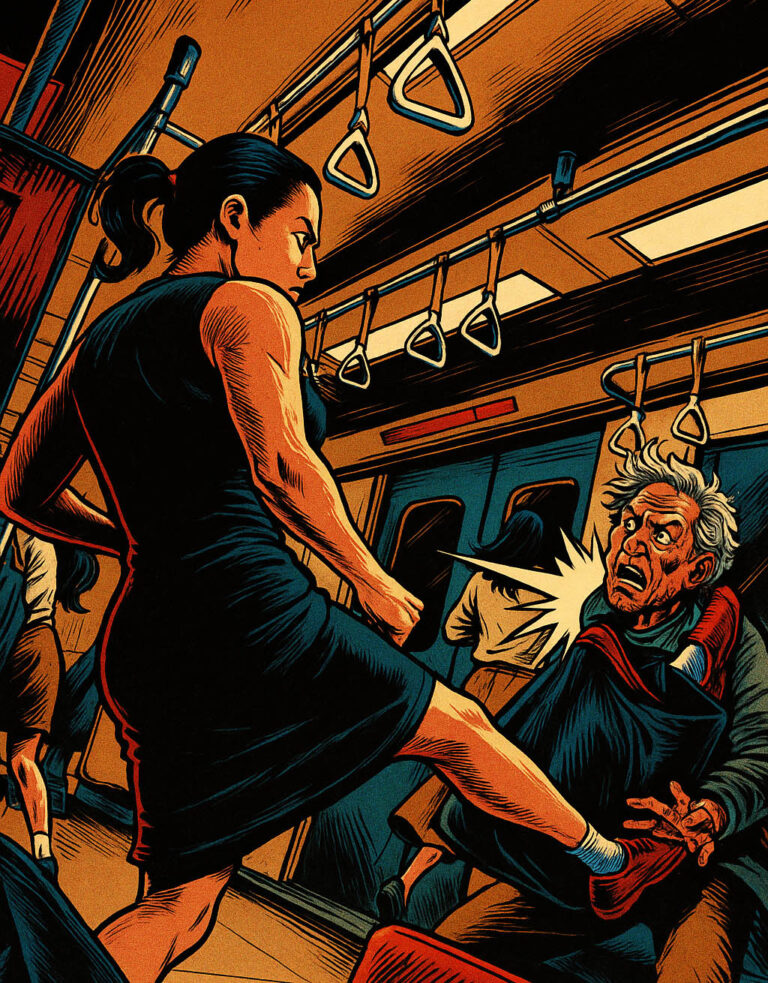
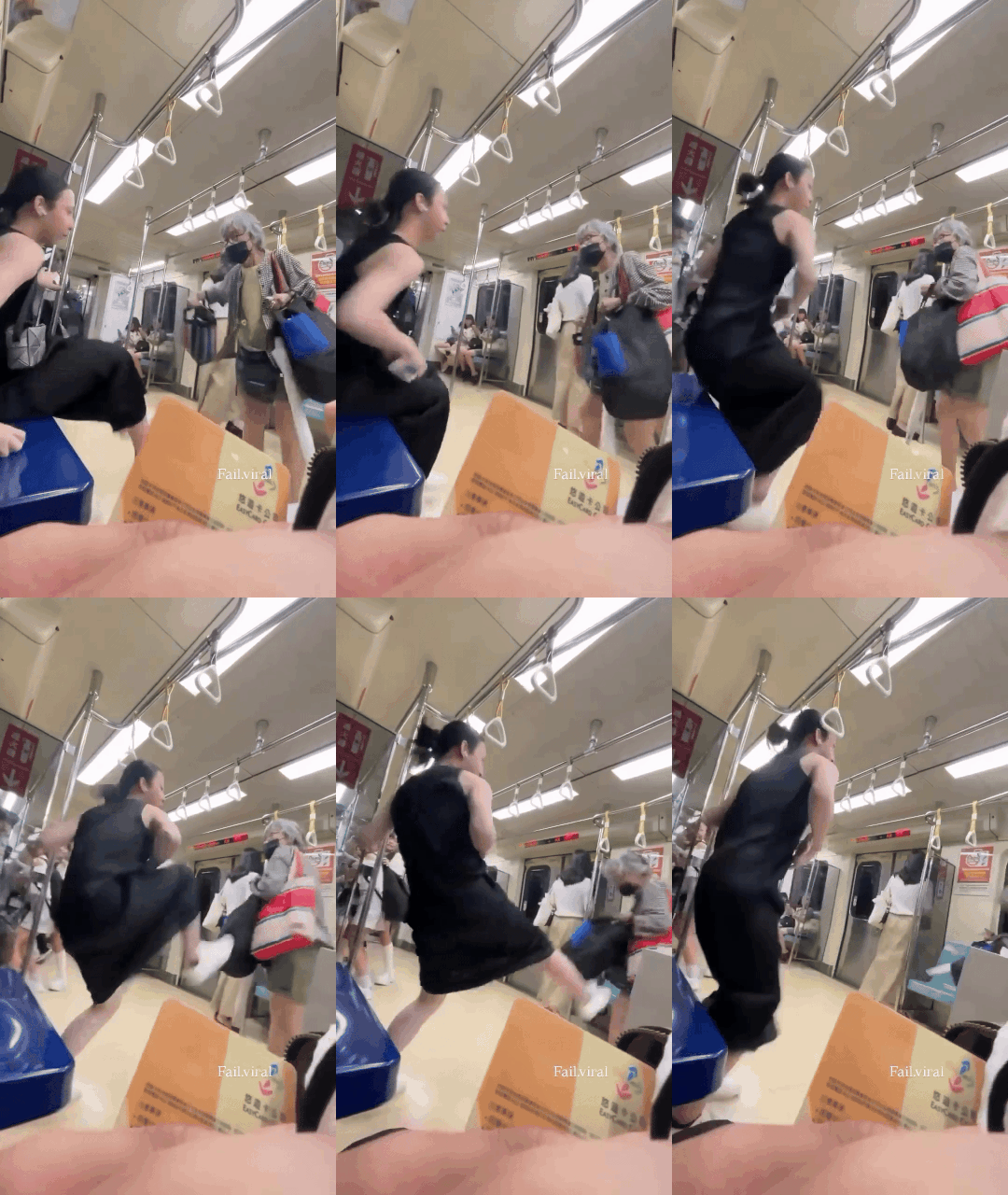
    In the widely shared clip, an elderly woman — later identified by users as Ms. Tseng — appears to strike Ms. Chang with one of her shopping bags while standing near her. Video shows Ms. Chang handing her own shopping bag to another person nearby. Moments later, as the elder woman swings her bag again, Ms. Chang stands and kicks her. The older woman then falls onto the empty seats across from them.

    Short, sharp, and instantly shareable — the kind of moment that fuels viral clips. People who saw the footage split quickly into camps: defenders, critics, and the keyboard commentariat who treat every train ride like a courtroom.

    The shopping bag mystery (solved)

    Curious netizens wanted to know what was hiding in the paper bag seen in the video. Ms. Chang later posted on Instagram and confirmed the item was a shawl — it came from a Homme Plissé Issey Miyake paper bag. Simple reveal, but it mattered to people who love details in viral drama.

    After the video spread, Ms. Chang archived most of her Instagram posts, leaving only one visible. At the time of writing, she had unarchived older posts again. The temporary archive may have been a privacy move, a damage-control tactic, or just someone trying to figure out how to deal with sudden attention. Either way, it didn’t stop the follower spike.

    Online commenters praised Ms. Chang with words like “strong,” “elegant,” and “beautiful.” One person even thanked her publicly, claiming Ms. Tseng had previously harassed them too.

    What the headlines don’t tell you

    Source: EBC news

    Viral moments compress complex interactions into a few seconds. They’re edited, repeated, and seasoned with emotional commentary. So while the footage shows a clear physical action, the full context is usually missing: what led up to the push or the alleged harassment, the tone of the exchange, what others on the train did or said, and the state of both parties afterward.

    Also, social media’s support can be selective. Someone gets praised in one thread and crucified in another. Yet this is how reputations form now — not through slow, careful investigation, but through the hive mind’s reflexive reaction.

    Possible ripple effects

    • Short-term fame: A sudden influx of followers often means DMs, interview requests, and targeted attention. That can be exhausting.
    • Public scrutiny: With attention comes digging. People will look for past posts, statements, and whatever else can be used to build a narrative.
    • Legal or civil fallout: Physical altercations can lead to police reports or civil claims. A viral video is often used as evidence, but it’s only part of the story.
    • Reputational risks for the elderly involved: The older woman’s identity and history may be exposed. That can be unfair and damaging, particularly if allegations about her behavior aren’t verified.

    Key takeaways for anyone scrolling through the drama

    1. Video clips are not courtrooms. A few seconds can’t fully explain motive, provocation, or intent.
    2. Viral applause can be fleeting — and costly. New followers are great for numbers, but they also bring pressure.
    3. Don’t confuse courage with inevitability. Standing up for yourself can be justified. But physical responses in public carry consequences.
    4. Treat claims of past harassment cautiously. One user’s comment that they were previously victimized doesn’t replace due process.

    My take

    Source: ETtoday

    Okay, let me be blunt: this is messy, human, and exactly the kind of thing the internet loves to snack on between headlines. I get why people cheered Ms. Chang — nobody wants to be bullied on public transport. Equally, I get the instinct to worry when physical retaliation happens in a public space. The right move? Ideally, de-escalation and getting staff involved. Reality? When you feel threatened and a train car is your only space, instincts take over.

    We also need to remember that viral validation isn’t the same as justice. Likes don’t determine truth, and followers don’t fix harm. If the elder woman truly was harassing others, that’s a social issue that should be addressed — with evidence and support systems, not just online applause. And if Ms. Chang truly felt threatened, it’s understandable she reacted. But acting and living with the aftermath are two different things.

    Finally, a little empathy goes a long way. The woman who fell is still a person. The woman who kicked is still a person. Both will likely face consequences both offline and online. Both deserve fair treatment beyond the bite-sized judgment that viral content encourages.

    Bottom line

    A brief confrontation on a Taiwan MRT turned into a social media phenomenon. Fumika Chang — an NTU graduate and reportedly a top student — saw her follower count surge from roughly 2,600 to 26,100 in under a week. The video exposed a moment of conflict, a shawl in a designer paper bag, and a cascade of public opinion. But viral fame doesn’t answer every question, and it doesn’t replace context, compassion, or proper investigation.

    What did Teo Rong Xuan do?

    0

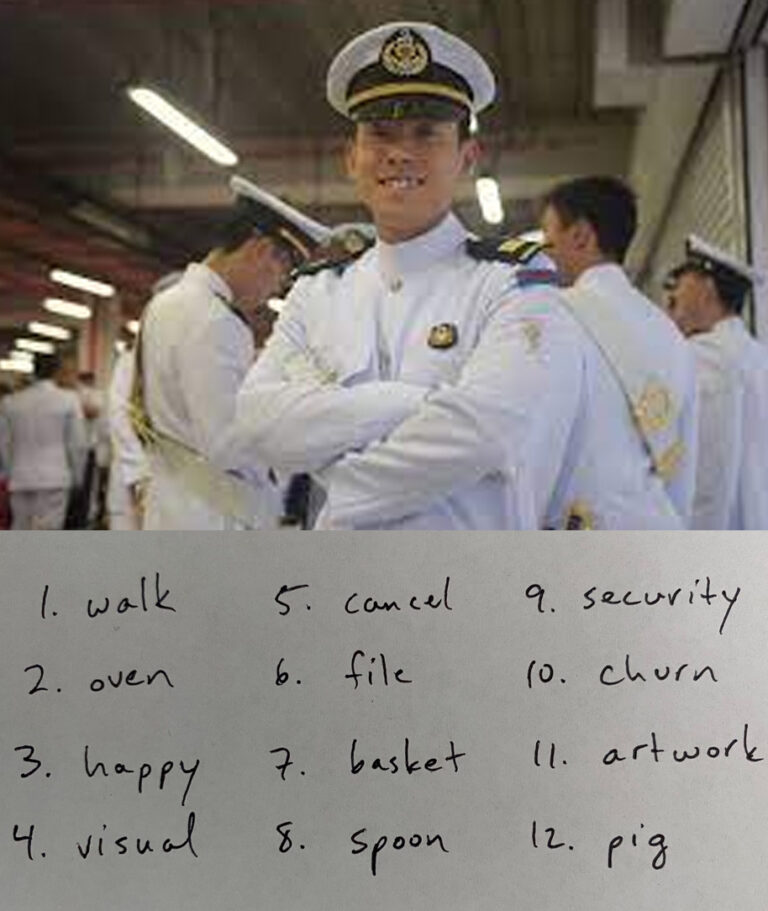
    A 34-year-old ex-SAF Naval Diving Unit captain, Teo Rong Xuan, admitted in court that he broke into a man’s condo and photographed the hardware wallet recovery phrase. Using those words, he drained about 1.7 million USDT (roughly S$2.2 million) and moved the funds into his own wallets. He later spent large sums on luxury watches, gambling losses and mortgage payments.

    What happened — quick timeline

    • June 2022: Teo met the victim through a mutual friend.
    • Dec 14, 2022: The victim deposited about 1.7M USDT into his offline (cold) wallet.
    • Dec 18, 2022: The victim invited Teo and the mutual friend over to watch football. Teo arrived early and asked to borrow the condo access card. He didn’t give it back.
    • Dec 31, 2022 (New Year’s Eve): While the victim was out, Teo used the retained access card to enter the unit, found the paper with the 24-word seed phrase, photographed it and left. The next day he imported the recovery words into his own hardware wallet and transferred the funds.

    How Teo know where the seed phrase was hidden?

    1. He’d already scoped the place. On the earlier visit (Dec 18) he arrived first and kept the access card. That’s a perfect opportunity to casually look around later or to memorise likely hiding spots.
    2. He snooped while he had access. If you can get back into someone’s home with their card, a quick search of obvious places (bedside table, drawer, safe, study desk) is all it takes. Seed phrases are often written on paper and left in plain-ish spots.
    3. It was in an obvious spot. Many people treat a written seed phrase like a note and tuck it in an obvious drawer or under a book. If it wasn’t well-hidden, anyone with access could find it.
    4. He may have observed the owner’s habits. Seeing where the owner stores important stuff during a prior visit could point you straight to the paper.
    5. Less likely: inside help or social engineering. There’s no public evidence he asked someone where it was, but it’s always possible. Reports don’t confirm this.

    How he spent the money

    After the transfers, Teo converted part of the stolen crypto to cash and used the proceeds to:

    • Pay off an HDB mortgage and top up his CPF.
    • Cover big gambling losses at both Singapore Pools and illegal online gambling sites.
    • Buy seven Rolex watches and put a down payment on an Audi A5.
    • Channel some funds into a company listed as “capital investment” and “team technical expense.”

    Discovery, confession and charges

    The victim only noticed the missing Tether in March 2023 and reported the theft. Blockchain tracing linked fees and movement to addresses tied to Teo. When the victim confronted him, Teo confessed. He told investigators he had suffered big losses after the 2022 collapse of the FTX exchange — which he said pushed him into this crime. Teo pleaded guilty on Oct 1, 2025 to housebreaking, misusing a computer system and dealing with ill-gotten gains. He faces sentencing on 14 November 2025.

    Military status and official response

    Teo joined the Naval Diving Unit in 2010 and left the SAF in 2023. The Ministry of Defence confirmed he has been discharged and reiterated that service personnel are held to high standards of discipline and integrity.


    What seed phrase actually is

    • It’s a sequence of simple English words (common choices: 12, 18 or 24 words).
    • It’s generated by your wallet using a standard (commonly called BIP39).
    • Those words encode the private keys to your crypto funds. If you enter them into a compatible wallet, that wallet recreates the exact same addresses and gives full access.

    Why it matters

    • Whoever has the seed phrase controls the crypto. Simple as that.
    • A seed phrase is not a password you can change. It is the account. Lose it or leak it = game over.

    Hot wallet vs cold wallet

    • Hot wallet = connected to the internet (phone apps, web wallets). Riskier.
    • Cold wallet = offline hardware device or paper. More secure — if you protect the seed phrase properly.

    Basic do’s and don’ts (read these)

    Do:

    • Write the phrase down on paper or use a metal backup.
    • Store that copy in a safe place (safe, safety deposit box, or split across trusted places).
    • Consider adding a passphrase (an extra word/password) for stronger security.
    • Plan inheritance: tell a trusted person how to access it if needed.

    Don’t:

    • Don’t take photos, screenshots, or store it in cloud notes or email.
    • Don’t share it — not with “helpful” strangers, not with friends, not with anyone.
    • Don’t enter it on websites you don’t fully trust. Phishing is real.

    Extra security options

    • Use a reputable hardware wallet and keep the recovery phrase offline.
    • Use Shamir’s Secret Sharing or split the phrase across multiple secure locations (advanced).
    • Add a BIP39 passphrase (a.k.a. 25th word) for extra protection — but don’t forget that passphrase.

    Why this case matters

    1. Seed phrases are like keys — not notes to stash on your bedside table. A physical copy is safer than a screenshot, yes, but if someone can access your home, a paper copy is useless.
    2. Self-custody demands paranoia. If you control your private keys, you also control the risk. Good security isn’t optional.
    3. Blockchain tracing works. Crypto crooks can convert and move funds, but on-chain footprints often lead investigators to off-ramps and fiat conversions. That’s how this case was cracked.

    My take — blunt and simple

    Look, this is a messy mix of bad choices and poor security. You don’t get sympathy points for being clever when you borrow someone’s access card and then exploit their trust. Two angles here:

    • Personal security: If you keep serious money in a hardware wallet, treat the recovery phrase like the nuclear codes. Put it in a safe, or better, split it using a secure method. Nobody beyond a trustee should know all 24 words.
    • Systemic lesson: Crypto’s promise of self-custody brings freedom — and responsibility. The tools are powerful, but the human element is often the weakest link. Tech can make mistakes harder to hide, and law enforcement plus blockchain investigators are getting better at following the money.

    Also: gambling your way out of losses rarely works. It’s an ancient trap in a digital suit.


    What to watch next

    Teo’s sentencing on 14 Nov 2025 will determine how the courts balance the seriousness of the theft against his motives and conduct since. Restitution to the victim has not been reported. Expect the case to be referenced in future discussions about self-custody risks and personal security for crypto holders.

    Yamashita’s Gold: The Baguio Discovery, Roger Roxas, and the Marcos Heist

    0

    Hello folks. Let’s talk about the mother of all treasure stories: Yamashita’s Gold. It’s the kind of legend that sounds like fantasy. Yet a man in the Philippines — Rogelio “Roger” Roxas — claimed he actually found a part of it. Spoiler: the story gets messy, violent, and painfully human.

    TL;DR

    • Massive WWII Loot: Japanese forces extensively looted Asia (Operation Golden Lily), melting valuables into gold bars and hiding them in the Philippines.
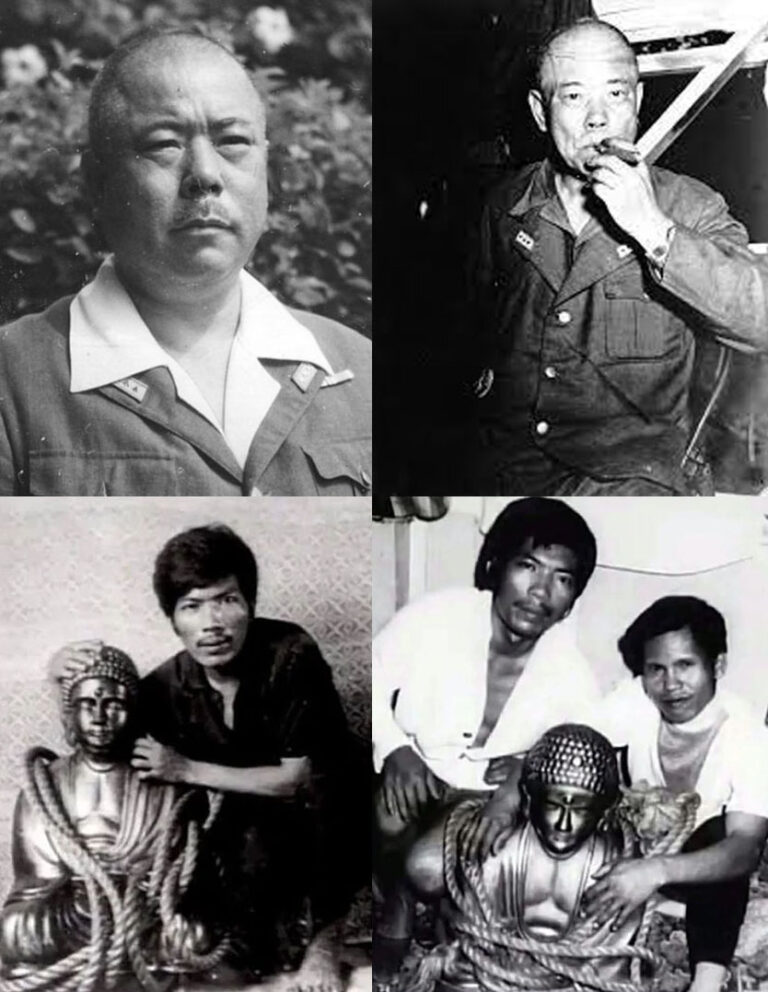
    • Yamashita’s Role: General Tomoyuki Yamashita was allegedly ordered to secure and hide this treasure in complex, booby-trapped vaults.
    • The Discovery: Filipino treasure hunter Roger Roxas found a vault in 1971, recovering a large gold Buddha and crates of gold bars.
    • Marcos Seizure: President Ferdinand Marcos allegedly used state force to seize the treasure, torturing Roxas to cover the theft.
    • Tragic Aftermath: Roxas sued and won a huge settlement ($43 billion), but the award was vacated, and he died before receiving justice or the gold.

    What the treasure is (and where it came from)

    During World War II, Japan didn’t just conquer land. It looted. Big time. Banks, museums, temples, and even black markets were stripped. The operation was organized and brutal. They melted valuables into plain gold bars so the loot could be moved and hidden easily. Those bars were stamped as Japanese-made to hide origins. Smart. Cold. Effective.

    Next, they needed a hub. The Philippines, sitting in the middle of Japan’s wartime reach, became the staging ground. Ships moved treasure around. Later, when Allied control of the seas made shipping impossible, stories say Japan buried or hid huge caches across the Philippine islands. Some shipments were even sunk.

    This whole effort is often linked to a name: the Golden Lily. Whether every detail is true is still debated. But the scale of wartime looting? That’s real.

    Enter General Tomoyuki Yamashita

    When the sea lanes closed, command reportedly turned to General Yamashita to secure and hide the wealth. He had a fearsome reputation. He stormed down the Malayan peninsula in 1941 and forced the British surrender at Singapore — a massive military humiliation for the Allies. For that he earned nicknames and infamy.

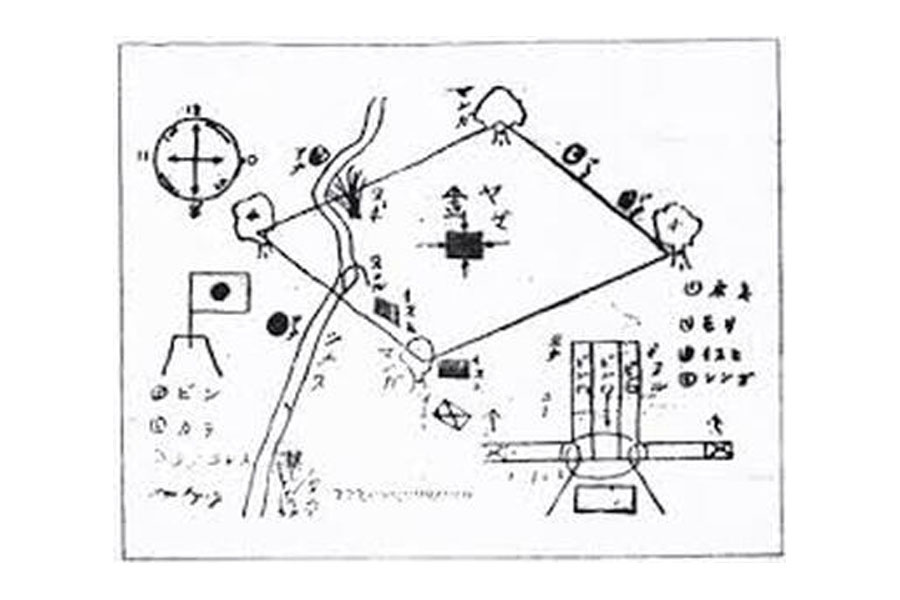
    Yamashita’s orders, as the story goes, were to hide treasure in secret vaults. These vaults were mapped in coded kanji, heavily trapped, and often sealed or buried. The maps were meaningless unless you could read the code. The vaults were sometimes built or sealed with slave labor and reportedly left guarded by men who never came back out. Grim stuff.

    Roger Roxas: obsession becomes discovery

    Roger Roxas grew up hearing the stories. He believed some of the treasure must lie near Baguio, where Yamashita made his last stand. For years he hunted. He bought a metal detector. He followed leads. Eventually, in 1961, he secured a map supposedly from a Japanese soldier and later met an interpreter named Okubo who claimed he’d helped move gold toward Baguio near the General Hospital.

    Armed with the map, cash, and stubbornness, Roger dug. After months in jungle and tunnels, creaking through collapses and skeleton-strewn passageways, his metal detector finally sang. He found a gold-coloured Buddha statue — about a metre tall — and, inside it, gems and diamonds. Around the statue were wooden crates. Inside those crates, Roger said, were gold bars. He estimated thousands of bars. He thought he’d hit the jackpot: a real Yamashita vault.

    Then the state swooped in

    News of Roxas’s find reached powerful ears. Ferdinand Marcos — then president of the Philippines and a man notorious for greed and corruption — had the resources to do what Roger could not: seize power, resources, and evidence. Marcos moved fast.

    In April 1971 men stormed Roger’s home and took the Buddha, the gold, and gems. Roger went public. The press called Marcos a thief. Marcos couldn’t shoot the story down easily. So, instead, he used state force and legal pressure. Roger was arrested, tortured, and coerced into signing documents saying Marcos had nothing to do with the seizure. He lost his sight in one eye. The state returned a Buddha later — but Roger and his family insisted it was a fake.

    Years later, Roxas sued. In 1996 he was awarded an enormous sum — reportedly $43 billion — but the award was later vacated or overturned amid legal confusion. Roxas died before he ever benefited. His bust of gold never resurfaced publicly. And the claims that he found a portion of Yamashita’s hoard remain disputed — but believable to many.

    The aftermath and the big, nagging questions

    So where does this leave us?

    • Did Yamashita’s vaults really exist? Probably some did. The looting was documented. Organized hiding of treasure is plausible.
    • Did Roger find a vault? His testimony, the skeleton-filled tunnels, and the recovered nearby boxes make his claims credible to many historians and treasure hunters.
    • Was Marcos involved in seizing the booty? Allegations, witness reports, and the later lawsuit point to powerful state involvement. The Marcos family’s wealth and the timing make the suspicion hard to ignore.
    • Where are the rest of the vaults? Legend claims up to 175 vaults. If that’s true, most remain unfound.

    My take — short and blunt

    I think part of the treasure is real. Wartime looting doesn’t vanish into fiction. Roger Roxas likely found something — the details align too well with wartime patterns for it to be pure fantasy. But when politics, power, and corruption enter the scene, truth gets scrambled. Records disappear. Witnesses get silenced. Evidence gets “lost” or replaced with fakes.

    Also, treasure fever makes people heroic and reckless. Roger was both: brave and stubborn, but painfully vulnerable to a ruthless state. That’s the human tragedy here — not only the lost gold, but the man who spent his life chasing it and got crushed in the end.

    Why the story still matters

    This isn’t just a pirate tale. It’s about history, justice, and the way power rewrites facts. It’s also a cautionary tale for treasure hunters: riches can change fortunes, but they can also get you hurt, jailed, or worse. Finally, it’s a living mystery that keeps people poking through archives, jungles, and court records. That’s part of the reason the legend survives.

    Final thoughts

    Yamashita’s Gold sits at the border between myth and fact. Plenty of smoke suggests a very real fire. Roger Roxas’s story is both inspiring and tragic. Whether the remaining vaults are found or not, the truth about what happened to many wartime treasures will probably keep historians and treasure hunters busy for decades.

    If you ever stumble on a strange metal detector beep in your backyard — maybe don’t immediately upload the footage. Check the law first. And maybe keep a flashlight handy.