
More
    Home Blog Page 15

    The Real Kratos: Who is he?

    0

    Greek myths are everywhere now — in books, on stage, and absolutely smashed into video games. Still, some mythic figures got a glow-up that divorced them from their old stories. Kratos is a perfect example: today he’s a complicated antihero in God of War. Back in the day, he was simpler, meaner, and a whole lot more…functional for Zeus.

    Below is a clearer, friendlier run-through of who Kratos was in the old myths, what he did to Prometheus, and how that ancient figure compares to the video-game titan. Short sentences. Sharp turns. No fluff.

    Who was Kratos in ancient Greek myth?

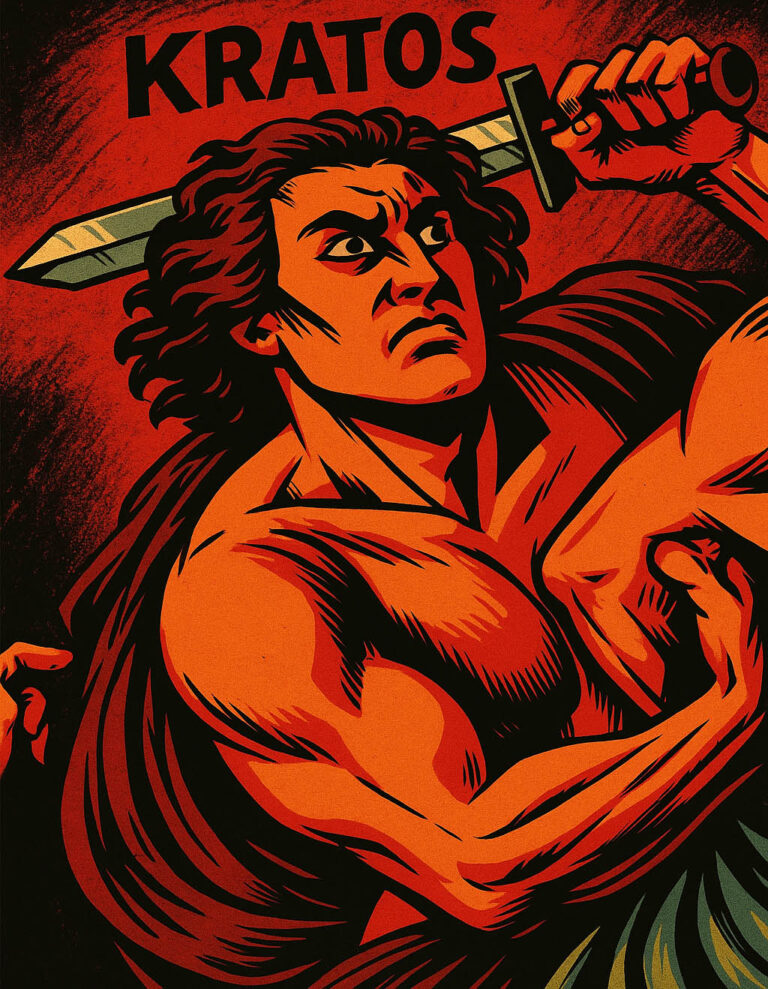
    Kratos literally means “strength.” He’s the personification of that idea — not a full-on major god with temples and cults, but definitely a force. His parents were the Titan Pallas and the Oceanid Styx. His siblings? Think of them as the other hard-hitters of divine personality:

    • Zelus (zeal and rivalry),
    • Bia (force, raw power),
    • Nike (victory).

    Together they’re basically Zeus’s executive squad. In Hesiod’s Theogony, they live in Zeus’s palace and do Zeus’s bidding. In short: they don’t get to pick sides. They follow orders.

    The famous job: punishing Prometheus

    Kratos shows up most memorably in the Prometheus story. Prometheus — the clever Titan who gave humans fire and useful skills — crossed Zeus. That did not end well.

    After the Olympians won the Titanomachy, Zeus wanted to keep humans weak and obedient. Prometheus disagreed. He gave them fire, craft, navigation, math — you name it. So Zeus decided Prometheus needed a brutal lesson.

    That’s where Kratos and his sister Bia enter. In Prometheus Bound (the classic play often linked to Aeschylus), Kratos and Bia escort Prometheus to Hephaestus, the godsmith, and force him to bind Prometheus to a rock. Hephaestus hesitates. Kratos isn’t having it. He pushes Hephaestus, he insists, and he helps make sure the punishment takes place.

    The punishment itself is grisly. Prometheus is chained and left to endless torment: an eagle pecks at him daily, his body heals, repeat. Zeus intended this as a permanent sign of his power. Kratos acts as Zeus’s iron fist. He’s harsh, efficient, and—depending on how you read the texts—a little cruel.

    Kratos in other myths

    Outside the Prometheus scene, Kratos mostly plays a supporting role. He shows up to help other gods when force or muscle is needed. Ancient artists sometimes pictured him as winged, rushing to carry out Zeus’s will. But his appearances are few. In the myths, Kratos is less a personality and more an idea: unstoppable strength that enforces the high god’s rule.

    How Kratos became a modern star — and how that differs

    Fast-forward to modern times. The name Kratos gets picked up by the creators of God of War because it sounds powerful. Reportedly, they didn’t even realize he was in Greek myth at first — they just liked the Greek word for strength. Coincidence? Nice one.

    The game’s Kratos is a full character: violent, deeply flawed, and eventually humanized through themes of fatherhood, guilt, and redemption. He echoes figures like Heracles and Perseus, both huge mythic heroes, and borrows the violent streak those myths sometimes have. But the game’s Kratos is far richer emotionally than his ancient namesake. Ancient Kratos doesn’t get inner monologues or soft moments. He enforces. He’s the policy, not the person.

    Why the difference matters

    First, modern storytelling loves complexity. Games, books, and TV can unpack a character over hours or seasons. Ancient myths often didn’t bother. Minor gods or personifications served a function in the myth — like a plot device — instead of existing as nuanced characters.

    Second, the modern Kratos lets us question power. In the old stories, Kratos carries out Zeus’s will, even when it’s brutal. In the games, Kratos questions, mourns, changes. That shift changes what the name “Kratos” means to us today: from raw enforcement to a complicated struggle with violence and choice.

    My take — bluntly and honestly

    Kratos in the ancient myths is a bit of a blunt instrument. He exists to show how Zeus keeps order. That’s not glamorous. It’s necessary, efficient, and frankly an emotional void. Modern writers gave him feelings because we prefer broken people to walking metaphors.

    Also: the Prometheus episode is one of those myths that asks us to choose a side. Do we admire Prometheus — thief, teacher, rebel — or do we nod at Zeus and accept the rule of gods? Kratos sits on the side of authority. Sometimes authority is right. Often it’s not. That gray area is where good stories live.

    If you want to see the original Kratos in action, read Prometheus Bound. If you want a version that will make you think about parenting, trauma, and second chances, play God of War. Both are valid. Both tell us different things about strength: one says strength obeys; the other asks what strength should protect.

    Final thought

    Names travel weirdly through time. Kratos began as an idea. Now he’s a man — or an antihero who acts like one. The shift shows how we rewrite the past to answer modern worries. Strength used to be the hand that struck. Now we ask what that hand could do if it learned to hold instead.


    Why So Many Mediacorp Stars Clash Out in the F&B Business

    0

    Let’s be honest — owning a restaurant sounds glamorous, right? You imagine a stylish café with perfect lighting, famous friends dropping by, and foodies tagging your place all over Instagram. But for many Mediacorp stars, that fantasy quickly turned into a financial nightmare.

    The truth? Singapore’s food-and-beverage scene is a battlefield. And it doesn’t care how many followers you have.

    5 Mediacorp Artists with F&B Ventures That Failed / Closed

    ArtistWhat happened
    1. Hong Junyang
    Thai street-food chain The Original Boat Noodle, also brought in Machi Machi (bubble tea), and other ventures like Caf (café-cloud kitchen), BananaBro (Indian banana leaf rice), Oppa Kitchen stall.
    Declared bankruptcy in Sept 2025. The food chain had expansion, but business was hit hard since Covid, many outlets closed; other ventures shut down in 2022; debts piled up from under-performing units.
    2. Ben Yeo
    Modern Chinese restaurant Tan Xiang Yuan; also other F&B concepts.
    Lost more than S$1 million over two years before deciding to shut down Tan Xiang Yuan in early 2025. Big cost overruns (e.g. on renovation, conservation-building regulations), difficulty recovering start-up costs.
    3. Sora Ma
    Retro-themed café “The Mama Shop” opened with Felicia Chin in Chinatown (2014)
    Closed in less than a year (August 2015). Didn’t build enough traction, possibly low foot traffic, maybe operational/marketing or cost issues.
    4. Chen Shucheng
    Bubble tea shop (Meme Xpress), restaurant ventures (The Chinese Kitchen: Taste of Taiwan; Teochew City); vegetarian stalls etc.
    His bubble tea shop closed after just 3 months. The restaurants and stalls were also closed down over time. Probably a mix of weak demand, oversupply, competition; perhaps undercapitalisation or not enough biz planning.
    5. Zhang Yaodong
    Multiple F&B outlets: Restoran Selayang (roast meat stall), Niu Taste (Taiwan- beef noodles in KL), fusion restaurant Maru in Tanjong Pagar.
    He ended up pulling out of all his eateries (as of 2017) because of busy acting commitments; many were already closed. So poor sustainability / management oversight was one issue.

    The Recipe That Went Wrong

    Hong Junyang’s Thai street-food chain The Original Boat Noodle

    Take Hong Junyang, for example. He once rode the wave of fame from Project SuperStar, only to find himself swept under by the tide of bad business luck. From bubble tea to banana leaf rice, he tried it all. Sadly, the ventures didn’t just fizzle — they collapsed, dragging him into bankruptcy. Turns out, passion doesn’t pay rent when your outlets are bleeding money faster than your Instagram grows.

    Ben Yeo‘s Tan Xiang Yuan

    Then there’s Ben Yeo, the TV heartthrob-turned-restaurateur. He poured his savings and soul into Tan Xiang Yuan, a modern Chinese eatery with all the right vibes. But even the best menu couldn’t save it. The restaurant shut down in 2025 after bleeding over a million dollars. Imagine cooking up dreams only to serve loss after loss — that’s brutal.

    Sora Ma and Felicia Chin’s The Mama Shop

    Next up, Sora Ma and Felicia Chin’s retro café The Mama Shop. It had nostalgia, heart, and a charming concept. Yet, within a year, the shutters came down. The lesson? Good vibes can’t beat bad foot traffic.

    Chen Shucheng, a respected veteran actor, tried his hand at bubble tea and themed restaurants. But the reality hit hard — the bubble burst in three months. No amount of star power could compete with oversaturated markets and rising rents.

    Lastly, Zhang Yaodong, the man with multiple eateries under his belt, found himself stretched too thin. Acting commitments pulled him one way, business another. Eventually, he bowed out completely. Fame is great for promo, but it can’t replace hands-on management.


    The Harsh Reality of Singapore’s F&B Scene

    Let’s call it like it is — running an F&B business in Singapore is not for the faint-hearted. The rent alone can make you cry before you even buy your first wok. Add manpower shortages, stiff competition, and customers who always want something “new,” and you’ve got yourself a recipe for disaster.

    Celebrities often start with hype and headlines, but when the buzz fades, the bills remain. You can’t just open a café and expect fans to eat there forever. Food trends are fickle. Today it’s mala everything; tomorrow, it’s oat milk bubble tea.

    And let’s not forget — being famous can be a double-edged sword. When a regular business fails, it quietly disappears. But when a celebrity’s venture collapses, the whole internet knows about it before dessert’s even served.


    My Two Cents

    Here’s what I think — fame might open doors, but business sense keeps them open. Many of these stars jumped into F&B with enthusiasm but not enough preparation. Maybe they underestimated how tough it is. Maybe they trusted the wrong partners. Or maybe, they just thought their names alone were enough to keep people coming.

    But success in F&B isn’t about who you are — it’s about what you serve and how well you run things. Passion helps, sure. But without experience, strategy, and a solid team, it’s like serving a meal without seasoning — looks great, tastes flat.

    If these stars ever want to give it another shot, they should spend time understanding the grind — not just the glory. Because, let’s face it, in Singapore’s F&B world, even Michelin chefs sweat to survive.


    The Takeaway

    So, what really happened to Mediacorp’s F&B dreamers? They had the fame, the fans, and the funds — but not the formula. The market doesn’t care about star power; it cares about staying power.

    At the end of the day, being a celebrity might get people through your doors once. But keeping them coming back? That takes more than a selfie.

    Olympia Relic Returned After 50 Years

    0

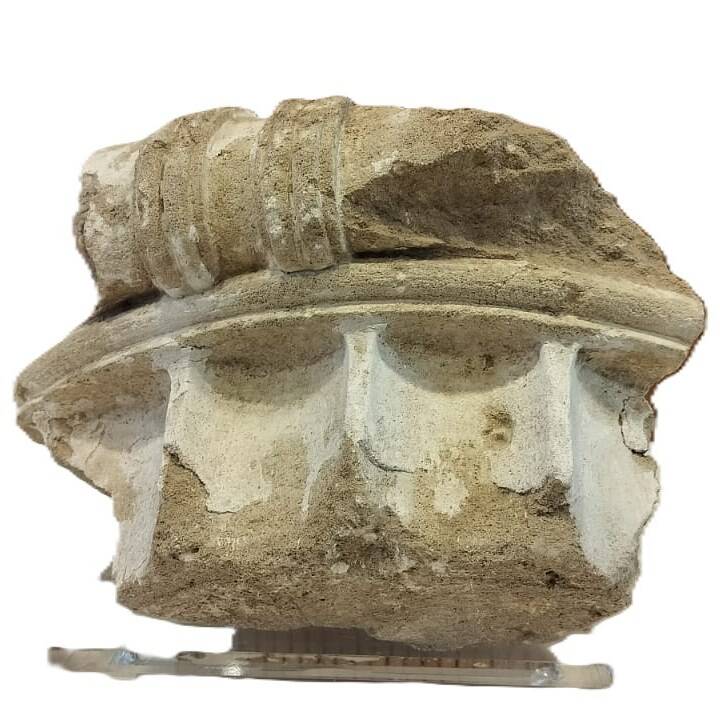
    A German tourist picked up a small stone fragment at Olympia in the 1960s, tucked it into her suitcase, and carried it home to Germany. She kept that bit of history — an Ionic column capital about 10 inches tall and 13 inches wide — for roughly five decades. Then, after reading about the rising wave of relic returns, she did something most people don’t: she handed the piece over to the University of Münster so it could be sent back to Greece.

    Simple act. Big ripple.

    TL;DR

    • A German woman returned a fragment of an Ionic column capital she took from Olympia, Greece, in the 1960s.
    • She was motivated to return the artifact after reading about a rising wave of repatriations.
    • The University of Münster facilitated the return, highlighting the key role institutions play as ethical bridges.
    • The act emphasizes that every artifact, no matter how small, is a crucial “clue” to history and that voluntary returns set an important precedent for cultural repair.

    What happened

    The fragment of an Ionic column capital. Source: www.culture.gov.gr

    Back in the 1960s, the woman visited the Leonidaion — the guesthouse where athletes and dignitaries once rested during the ancient Games. She took a fragment of a column’s decorative top. For fifty years it lived in a private home. In recent months, moved by stories of other repatriations and perhaps a nudge from conscience, she gave the stone to university officials. The university contacted Greek authorities, and the capital will return to Olympia — to its story, its place, and the public.

    Greek officials called the gesture “moving” and praised the cooperation between institutions. The University of Münster has already taken part in similar returns: a sixth-century B.C.E. cup known as the “skyphos of Louis” went home in 2019, and a Roman-era marble bust was returned in 2024.

    Why this matters

    First, it’s about context. A lone fragment isn’t just a souvenir; it’s a clue. In archaeology, every piece helps reconstruct the whole. Remove that piece, and the puzzle loses a sliver of meaning. So when objects get taken — intentionally or not — the site’s story is weakened.

    Second, it’s about ethics and history. Countries, museums, and universities around the world are confronting uncomfortable questions about how many artifacts left their places of origin under messy or unjust circumstances. Returning items isn’t just an administrative gesture; for many people it’s an act of recognition — of history, of ownership, and of respect.

    Third, it matters because of precedent. Each voluntary return makes the next one easier. It signals that repatriation is possible without headlines, legal battles, or diplomatic showdowns. Sometimes all it takes is an honest conversation, institutional goodwill, and a willing holder.

    Other notable returns

    The Skyphos of Louis — an ancient drinking cup — was sent back to Greece in 2019 with help from the University of Münster.
    • In 2019, the University of Münster returned the “skyphos of Louis,” a cup tied to the winner of the first modern Olympic marathon.
    • In 2024, the same university handed back a Roman-era bust from a Thessaloniki cemetery.
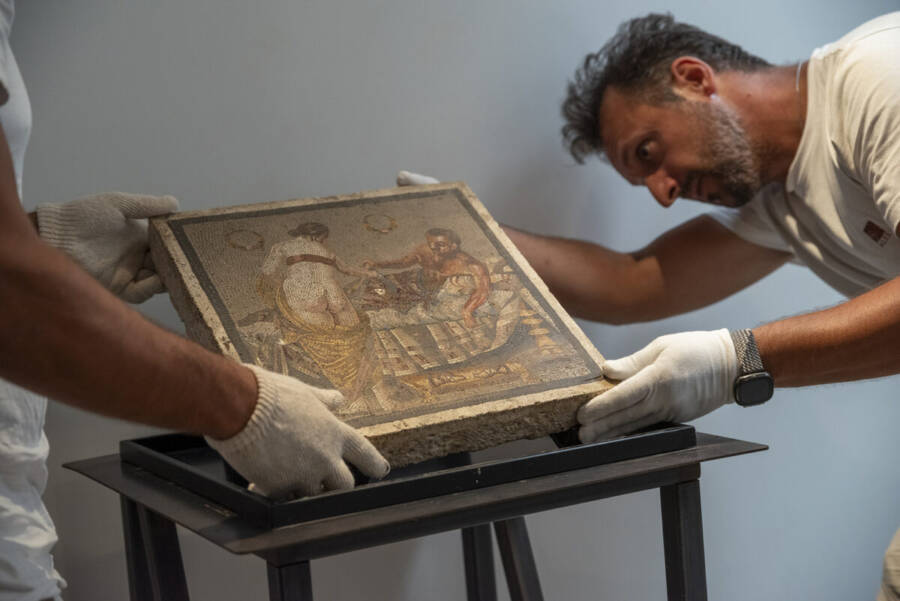
    • Elsewhere, universities and heirs have returned objects ranging from ancient mosaics to a 500-year-old mummy and a Native American ceremonial pipe. These moves show the trend isn’t limited to one region or one type of artifact.

    The messy human side

    Let’s be honest: people take things. Tourists pocket souvenirs. Soldiers, collectors, and even well-meaning academics have carried pieces across borders. Sometimes it’s ignorance. Sometimes it’s greed. Sometimes it’s the misguided thrill of holding the past in your hands. But aging, reflection, and changing cultural norms lead some of those people to do the right thing later on.

    The Canadian who returned items from Pompeii claimed the objects brought her bad luck. Heh — superstitions aside, whether motivated by remorse, shame, or a sincere wish to correct a wrong, the return is what counts.

    Why institutions like universities matter

    Universities occupy a useful spot between private ownership and state-level diplomacy. They can receive items quietly, verify provenance, and negotiate respectful returns without turning everything into a media circus. When universities act as partners — as the University of Münster has — they model a path that other institutions can follow. That matters.

    Bigger picture: cultural repair, not just logistics

    Eight decades after it was taken by a Nazi captain in World War II, the erotic mosaic was returned by his descendants.

    Returning an artifact isn’t merely shipping a thing back. It’s about acknowledging stories that were disrupted. Many nations are rebuilding cultural heritage after colonization, looting, war, or neglect. Each repatriated object helps reconstruct continuity. It can restore rituals, strengthen museums, and reconnect communities with their past.

    That said, repatriation raises hard questions: Who decides what returns? How are ownership claims proven? What about items exchanged across centuries? There are no one-size-fits-all answers. Each case needs a careful mix of legal clarity, moral judgment, and mutual respect.


    My take

    Good on the woman who returned the capital. It takes humility to admit you were wrong — especially when that wrong feels small in private but big in public. The quiet, human decisions add up. They make the loud, dramatic returns less necessary and more centered on justice than spectacle.

    We should also stop romanticizing the idea of “rescuing” artifacts. They weren’t always better off removed. Museums, collectors, and tourists must treat cultural objects the way we treat stories: they belong to the people who live with them, who know their meanings, and who can tell those stories best.

    Finally, institutions should make it easy to do the right thing. Offer safe, dignified channels for returns. Build partnerships. Share expertise. The University of Münster’s role shows how academic bodies can be bridges rather than gatekeepers.

    Bottom line

    A stone fragment returned after fifty years doesn’t rewrite history. But it nudges history back toward those it belongs to. That’s worth more than a museum label or a dusty shelf. It’s a small act of repair — quiet, corrective, and surprisingly hopeful.

    Boy Went Blind after Teacher Rubs Pig Lard on His Eye

    0

    A quick, terrible decision left a little kid with a life-long injury. In Ruichang, Jiangxi Province, a 5-year-old boy was poked in the eye at kindergarten. Instead of rushing him to a doctor, staff used pig lard on the wound. The result: a severe infection and permanent loss of vision in that eye.

    What happened

    During play, the child’s eye was accidentally injured by a classmate. The teacher saw the wound but did not get medical help right away. According to the family, the teacher smeared pig lard on the injured eye to “reduce swelling.” The wound then infected badly. Doctors later said the damage could not be undone.

    Medical and practical fallout

    The boy has already had at least one surgery and will likely need more. He will also need long-term rehabilitation and special support at school. The family says the road ahead is long — emotionally and financially. The kindergarten reportedly paid about ¥270,000 (around US$37k) toward medical bills, but the parents say that’s not nearly enough for all future care.

    What officials say

    Local education authorities have stepped in and held mediation meetings between the family and the school. The education bureau says it has mediated multiple times and will keep coordinating the case. The family is considering legal action.

    Why people are angry (and with good reason)

    First, staff at schools are expected to act fast and call medical help. Second, applying an unproven home remedy to a fresh eye wound is not just wrong — it’s dangerous. This case raised sharp questions about training, emergency procedures, and oversight at childcare centres. Parents and netizens are rightly demanding answers.

    Bigger picture — not just one teacher

    This isn’t only about one bad choice. It’s a system problem when caregivers at licensed schools either lack medical first-aid training or ignore protocols. If quick, proper action had been taken, the outcome might have been different. Now the family has to fight for compensation and for the kind of support the child will need for years.


    My point of view

    This hurts to read. Kids are tiny humans who rely on adults to protect them. When adults panic or reach for folk remedies instead of calling an ambulance, the child pays the price. Schools must do three things, immediately:

    1. Train every staff member on basic first aid — especially eye injuries.
    2. Make calling emergency services the default; no “home remedy” experiments.
    3. Have transparent incident logs and immediate family notification rules.

    Also: a one-off payout isn’t justice here. The child will need lifelong care, psychological support, and proper schooling adjustments. Accountability should match the harm — both to prevent repeat events and to provide the family real help.

    Pokémon Legends: Z-A — Why it’s the Switch 2’s must-play (real-time fights, Mega returns, and ranked chaos)

    0

    Pokémon Legends: Z-A arrives like a fireworks show in Lumiose City — loud, bright, and impossible to ignore. It borrows the best bits of past Pokémon experiments and then asks, “What if we really shook things up?” The result feels fresh, bold, and oddly cozy at the same time. If you want the short version: play it on Switch 2 for the smoothest ride, and bring snacks — the Ranked mode is addictive.

    TL;DR

    • Real-Time Combat: Battles are no longer turn-based; they’re fast-paced, real-time “momentum games” requiring strategy, timing, and positioning.
    • Switch 2 Recommended: The game runs on older hardware but is significantly smoother, faster, and more responsive on the Switch 2.
    • Addictive Ranked Mode: Lumiose City hosts a brilliant three-minute, four-player battle royale that uses a skill-based rank system (Z to A) with season rewards like Mega Stones.
    • Lumiose City Focus: The game centers on a dense, explorable Lumiose City with a dynamic night cycle and improved quality-of-life features from Legends: Arceus.

    A true evolution of the formula

    Pokémon has always been good at iterating. X and Y gave us full 3D and Mega Evolutions. Arceus ripped open the map and rethought encounters. Z-A does both in its own way: it keeps the franchise heart but pushes combat into real time. That means no more waiting around for turns while your Pikachu stares at you like it forgot its homework. Instead, both trainers and Pokémon move and act simultaneously. Battles feel like a chaotic dance — and it’s glorious.

    Why Switch 2 matters

    Yes, Z-A runs on older Switch hardware, but the Switch 2 edition is where the game truly sings. Faster frame rates, crisper visuals, and shorter load times polish the whole thing until it feels like a next-gen Pokémon. If you only care about gameplay, the Switch 1 version still works — but if you value responsive controls and silky movement in real-time fights, opt for the Switch 2 edition.

    Real-time combat — what changed and why you’ll love it

    Traditionally, moves were limited by Power Points (PP). Use up a move and you were out of luck until you healed. Z-A swaps PP for cooldowns. Use a move, wait a moment, then use it again. Simple. That shift turns battles into momentum games. Timing matters. Positioning matters. And yes — you’ll be dodging, weaving, and sometimes pretending you meant to run behind a trash can for tactical reasons.

    Moves like U-Turn and Volt Switch do new things beyond swapping Pokémon. They help you reposition on the battlefield to dodge or to get closer to an item drop. There’s no dedicated “dodge” button, but smart play and move choices act like one. In short: battles go from chess to fast street-dance. Fast, creative, and often brutal.

    Ranked Battles: the royale that hooks you

    Lumiose City hosts the Z-A Ranked scene, which plays like a four-player royale. You, plus three other trainers. Everyone moves and fights at once. Matches are short (three minutes), frantic, and filled with split-second reward moments. You earn points for things like first hit, last hit, supereffective streaks, and more. Hit the right combo, and you climb from Rank Z all the way to Rank A during a season. Want a bonus? Season rewards can include Mega Stones — yes, Mega Greninja made headlines — so competitive play actually pays off.

    The city, the vibe, the characters

    Lumiose is a perfect small-world: dense, characterful, and full of hidden corners. There’s a night cycle with a Battle Zone that flips the mood from touristy to dangerous in minutes. The side characters keep things lively — one friend, Naveen, brings a kind of effortless cool that’s destined for memes. Subplots satirize fandom culture and parasocial drama in ways that feel modern and sharp, but never heavy. The dialogue moves faster than Arceus’s more ponderous scenes, so pacing rarely stalls.

    Exploration, collections, and quality-of-life

    If you liked the research and Pokédex systems in Arceus, Z-A brings them back in a smarter package. Research tasks speed up endgame goals. The city rewards exploration with clothing, items, and little stories. Also: yes, there are more clothes. Players asked. Developers answered. Small, but delicious victory.

    The wins and the annoyances

    Wins:

    • Real-time battles that feel alive and tactical.
    • Switch 2 boosts that make everything smoother.
    • Ranked mode that rewards skill and keeps seasons interesting.

    Annoyances:

    • The real-time system has a learning curve. Expect some early frustration.
    • Minor visual hiccups still exist, even on Switch 2. They don’t ruin the game, but they’re noticeable.

    Practical tips for new trainers

    1. Practice movement as much as moves. Position wins fights.
    2. Pick items up fast — glowing items on the ground can swing a match. Green heals, red boosts attack, blue helps defense, and Mega orbs help Mega Power. (Yes, they matter.)
    3. Build a Battle Team in advance: move the Pokémon you want into Boxes, then create a three-Pokémon Ranked team. Don’t forget Mega Stones.

    My take

    This game felt like a reunion and a dare. It reconnects with classic Pokémon joy — collecting, battling, exploring — but then dares you to learn a new pace. That risk mostly pays off. The Ranked mode is brilliant because it gives both casual chaos and competitive depth. Switch 2 owners will laugh in the face of loading screens and say, “Finally.” If you’ve had your patience tested by Scarlet and Violet’s rough edges, Z-A is the redemption arc the series needed.

    Honestly? Z-A doesn’t just remix the old formula. It teaches the franchise new moves. It’s not flawless. But it’s bold, surprisingly emotional in places, and deeply replayable. If you care about Pokémon gameplay evolving rather than repeating, this is the one to play.

    Bandar Utama School Stabbing: What happened?

    0

    A quiet Tuesday morning at SMK Bandar Utama Damansara (4) turned into a nightmare. Around 9:30 a.m., a 16-year-old Form Four student was found with fatal stab wounds near the girls’ toilet. Despite teachers’ quick response, she died at the scene.

    By mid-day, police had arrested a 14-year-old male student in connection with the attack. Officers recovered two sharp objects believed to be the weapons. The school was immediately locked down while officers took statements and secured the area.

    What followed was chaos. Witnesses say the boy cornered the victim inside a toilet cubicle and stabbed her repeatedly. A classmate ran for help. Teachers tried to force the door open. When the suspect fled, he allegedly ran through classrooms, frightening students and staff before being restrained by teachers and his older brother. The police are investigating whether the pair knew each other beforehand.

    A post-mortem was later carried out and the victim’s family claimed her body. Authorities have remanded the suspect for seven days to allow investigators to collect more evidence and prepare charges under Section 302 (murder). Police say the motive remains officially under investigation, though early witness accounts indicate the suspect had confessed romantic feelings the night before and was reportedly rejected.


    What happened — step by step

    1. At about 9:30 a.m., screams drew teachers toward the toilet block.
    2. A Form Four girl was found with multiple stab wounds and later pronounced dead.

    3. The suspect, a 14-year-old boy from the same school, was detained at the scene. Two sharp objects were seized.

    4. Panic spread as students fled classrooms; some recounted the suspect moving between rooms with a bloodstained shirt.
    5. The suspect was taken to court and remanded for seven days as investigations continue.

    Why this hurts so much (and why we should care)

    This isn’t just another headline. It’s a school — a place we expect to be safe. When violence reaches that space, it shakes parents, teachers, and the whole community. The ripple effects are immediate: terrified students, grieving families, a traumatized staff, and a school suddenly forced into crisis management mode. Schools are meant to teach and protect, not become scenes of violence.

    A few other things to note that make this especially worrying:

    • Early reports say the weapons were bought online, which raises questions about accessibility and monitoring.
    • The suspect is very young — 14 — which means the case sits at the unsettling intersection of juvenile justice and public safety.

    How the investigation is proceeding

    Police and the Education Ministry have both moved quickly. Investigators are:

    • Interviewing classmates, teachers, and family members.
    • Examining CCTV footage and digital trails.
    • Tracing where the weapons came from and whether the suspect planned the act.

    Court proceedings are already underway. The suspect has been remanded until Oct 21 to help the police complete their investigations. Authorities are treating the case as murder under the Penal Code while keeping an open mind about motive until the evidence is clearer.


    What parents and schools should do right now

    If you’re a parent or teacher reading this, here’s a short checklist that matters:

    • Talk to children calmly. Don’t dismiss their fears.
    • Reassure them that schools and police are working on safety.
    • Encourage students to report worrying behavior early — even if it seems small.
    • Schools: review entrance checks, bag policies, and supervision in vulnerable areas (toilets, corridors).
    • Authorities: fast-track a review of how minors access weapons online and tighten marketplace enforcement.

    These measures won’t erase the trauma, but they can reduce risk and restore some sense of control.


    New insights (because repeating facts isn’t enough)

    1. Access matters. The flow of cheaply available blades online is an under-reported vector for youth violence. Limiting access and tightening marketplace rules can help. (Malay Mail)
    2. Prevention beats reaction. Schools that invest in early mental health checks and open lines for students to express concerns are less likely to be blindsided. It’s cheaper — and kinder — than crisis cleanup.
    3. Digital signals are clues. Social media, messages, and online purchases often leave trails. Faster, legally sound digital forensics can give investigators the leads they need. (South China Morning Post)
    4. Community response shapes recovery. How a school and neighbors react — with transparency, empathy, and real support — affects long-term healing.

    My take (plainly: my point of view)

    This is tragic beyond words. A life was taken. Lives were upended. Schools must be sanctuaries, and right now the system — from families to marketplaces to school safety policies — has a crack that needs fixing. We should stop asking whether “kids these days” are the problem and start asking which systems let desperate impulses turn deadly.

    Yes, kids can be intense and impulsive. But 14 is still a child. The response must balance accountability with rehabilitation. Locking someone up without understanding how and why they were radicalized does not prevent the next tragedy. At the same time, we can’t minimize the horror faced by the victim and her family. They deserve justice and compassion, not platitudes.

    Finally, the online marketplaces that sell knives need stricter vetting. And schools need to make it safer to speak up before someone snaps. Prevention is not romantic; it’s practical. Save the lectures for another day — right now, we need action.


    Short Q&A (quick answers people ask)

    Q: Was bullying involved?
    Police say initial findings did not reveal clear evidence of bullying; investigators are still checking all angles.

    Q: Were the weapons homemade or bought?
    Authorities say the suspect purchased at least some of the weapons online; probes are ongoing into which platforms were used.

    Q: What happens to the suspect now?
    He’s been remanded to assist with investigations. If evidence supports it, charges under the murder section will follow.

    Source: Malay Mail


    Final thoughts

    This story is raw. It’s painful. And it should make us uncomfortable — because discomfort wakes us up. Schools must be safe. Parents must stay engaged. Platforms must be accountable. And society must treat youth violence as the complex, systemic problem it is, not a one-line scandal to scroll past.

    Former AV star Momoka Akari faces school probe after viral campus photos — could she be expelled?

    Momoka Akari, the 22-year-old former adult-video actress known for her looks and figure, returned to university this year to finish her degree. However, her campus posts on social media quickly drew attention — and not the flattering kind. Now, the school has opened an investigation that could threaten her place at university.

    What happened — short version

    • She re-enrolled in April and started posting campus snapshots online.
    • Many of those posts showed revealing outfits that drew attention to her bust.
    • One photo — where she leaned over a desk, chest very visible — went viral on Japanese forums.
    • By May 11, the university issued a warning after several complaints about “indecent” behaviour.
    • On May 14, she got a second notice and was called to the student affairs office for an investigation.
    • Momoka later said, “Tragic! I might get expelled because of my K-cup figure. My university life could be over!”

    The timeline in plain terms

    First, she shows up to class and posts photos. Then, the internet notices. Next, complaints come in. After that, the university warns her. Finally, the school summons her for questioning. Simple chain of cause and effect. But the wider questions are anything but simple.

    Why this matters beyond gossip

    First, public figures often attract extra attention. Second, social media makes personal expression public and permanent. Third, universities have codes of conduct that students agree to follow. Put those three together and tensions are guaranteed.

    Moreover, the story raises two competing ideas. On one hand, there is personal freedom — people can choose how to dress and how to present themselves online. On the other hand, institutions have rules about behaviour and reputation. Universities claim a duty to maintain a certain standard on campus. Therefore, when one person’s choices create a fuss, the school has to respond.

    The debate online

    People reacted in two main ways. Some think the school is right to step in. They argue that campus is a shared space and behaviour that others find disruptive should be addressed. Others defend Momoka. They say returning to study is commendable and that a student’s past or appearance should not be used to punish them. Both sides have a point. Neither is the full story.

    Practical angle: what rules usually cover

    Most universities have codes that mention:

    • Respect for public decency and campus norms.
    • Behaviour that harms others’ learning or safety.
    • Disciplinary steps that range from warnings to suspension or expulsion.

    If the school finds the posts or actions violated written rules, they can act. If not, they should not — at least in principle. Still, public pressure can influence how strictly rules are enforced.

    What students (and public figures) should learn

    • Be mindful that online posts can affect real-life status.
    • Read your school’s code of conduct. Know the boundaries.
    • If you’re a public figure, expect higher scrutiny. That’s reality, not fairness.
    • Keep your online and campus personas aligned with what your school allows, or be prepared for consequences.

    My point of view

    Look, I get it — Momoka’s decision to finish her degree is a good one. Education matters. Also, people should be allowed some personal expression. Still, universities aren’t Instagram feeds. They are communities with rules. If a student’s posts are clearly outside those rules and cause disruption, the school is within its rights to act.

    At the same time, this shouldn’t be a witch hunt. Universities must be consistent. They should apply rules fairly, not pander to public outrage. If a campus rule exists, it should be clear and enforced across the board. Singling someone out because they were famous first or because people online made noise is unfair.

    Finally, blaming “the K-cup” reads like victim-blaming dressed up as policy. The conversation should focus on behaviour and impact, not body-shaming. Institutions can and should enforce standards without reducing complex people to body parts.

    Typhoon Family: What we learned so far…

    0

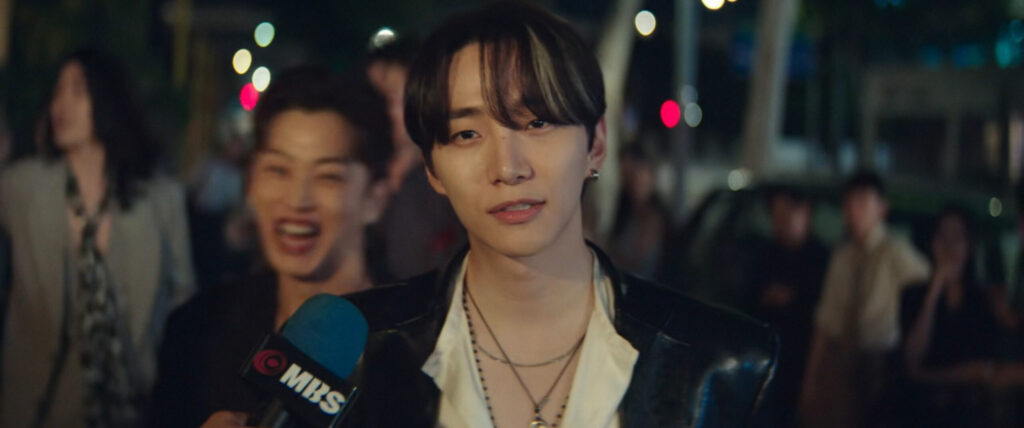
    Junho’s back, and yes — he brings bad highlights, a wallet-on-a-chain, and the kind of dumb charm you can’t help but root for. Typhoon Family drops us into 1997 Korea, right as the Asian Financial Crisis hits, and sets up a story that’s equal parts laugh, cry, and “oh no.” It’s playful but serious when it needs to be. Best of all: it moves fast and stays funny without feeling shallow.

    TL;DR

    • The Plot: Spoiled heir Kang Tae-poong (Junho) loses his CEO father, faces company debt during the 1997 IMF Crisis, and must transform from party animal to responsible businessman.
    • The Vibe: A successful blend of comedy and pathos. It’s funny and fast-paced but serious when dealing with the human cost of the economic fallout.
    • The Cast: Junho is lauded for his charismatic performance and growth; the dynamic with sharp bookkeeper Oh Mi-seon drives the workplace narrative.
    • The Style: Strong 90s nostalgia with great set design, soundtrack, and visual shorthand (like Tae-poong ditching the blonde highlights).
    • The Verdict: A warm, promising 4/5 star rating—a solid early K-drama for fans of light dramas with heart.

    The set-up (fast, clear, and messy — like life)

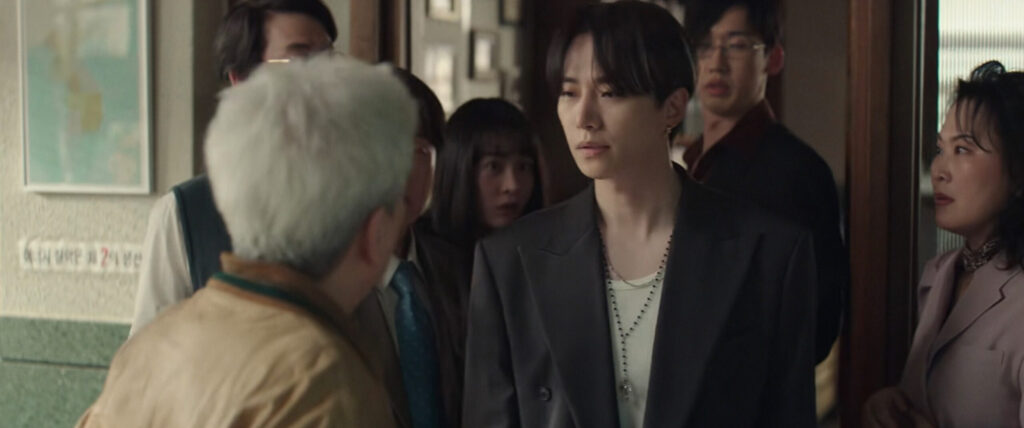
    First, meet Typhoon Trading. It’s a tiny import company holding on by grit and long hours. Meanwhile, the “Orange Tribe” — flashy 90s kids in Armani — party through the crisis like it’s not their problem. Among them is Kang Tae-poong (Junho): son of the Typhoon Trading CEO, a party animal who looks like he stepped out of a music video.

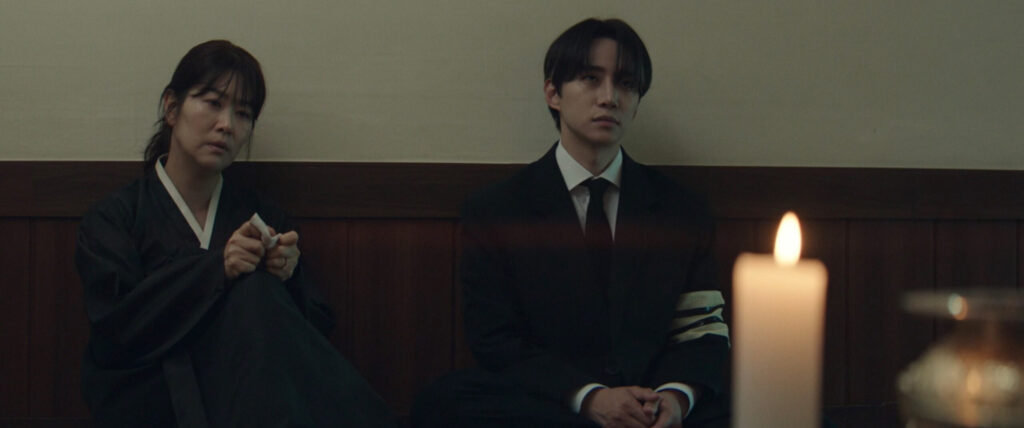
    Then everything changes. The economy collapses. Deals vanish. Bills pile up. Tae-poong’s dad, Kang Jin-young (Sung Dong-il), tries to keep the business alive. He collapses at the office. The timing is brutal: Tae-poong misses being at his father’s side because of a prank-like emergency. The father dies. The country braces for IMF austerity. Tae-poong, formerly careless, suddenly faces the wreckage.

    So he goes to claim his father’s things. Collectors show up. He steps up and says he’ll take responsibility for the debt — which is wild because this is the same guy who once asked his dad for money after getting arrested. Now he’s on the company payroll and out of the nightclub.


    Characters you’ll actually care about

    • Kang Tae-poong (Junho) — A doofus with heart. He’s not dumb mean; he’s lovable. He waters roses and dances while doing it. He’s goofy, but sincere. He messes up forms (writes taekwondo level for “qualifications”) and then surprises everyone with guts.
    • Kang Jin-young (Sung Dong-il) — The quiet, exhausted father. The actor sells the pain of holding everything together. His relationship with Tae-poong is complicated and deeply human.
    • Oh Mi-seon (Kim Min-ha) — The bookkeeper who actually runs things. Sharp, competent, and quietly protective of the company. She’s the brain to Tae-poong’s heart.

    They work together to save the company. It’s a buddy-office vibe with sparks — not quite a rom-com yet, but definitely moving toward something.


    Best scenes (no spoilers, but loud feelings)

    • The police station fight: It’s comic, and then real. The family tension lands hard after the laugh.
    • The safe discovery: Tae-poong finds bank books and something in his name — “for his dream.” That moment actually made him cry. It’s simple, and it works.
    • The delivery truck scene: Tae-poong lies down in the road to stop the trucks. It’s dramatic and oddly poetic. You feel the stakes.

    Tone, style, and production notes

    The show nails 90s nostalgia. Set design is obsessive in the best way — fax machines, chunky phones, and those terrible highlights. The soundtrack helps. Junho even sings on the OST, and that voice? Cute and oddly soothing.

    Direction balances comedy and pathos smoothly. Scenes flip from bright to somber without whiplash. The editing keeps the energy high. The pacing is brisk. Episodes feel tight and focused.

    Also — the costume and hair choices? Intentional. Tae-poong’s transformation (no more earring, no more blonde streaks) is visual shorthand for his growth. It’s not new, but it’s satisfying.


    Themes — what this show is actually about

    • Responsibility vs. privilege. Tae-poong starts out living off privilege. The crisis strips that away fast.
    • Family and legacy. The show asks what a family business really means, beyond money.
    • Stubborn compassion. People keep trying to do the right thing, even when it costs them.
    • Survival in crisis. It’s a reminder that markets crash, but people live with the fallout.

    These themes are clear without being heavy-handed. The series trusts the viewers to feel the emotions.


    What’s working (and what’s not)

    Working:

    • Junho’s charm — he sells both comedy and growth.
    • The ensemble — the supporting cast gives weight to every scene.
    • Energy and pacing — episodes never drag.
    • Visuals and sound — strong retro vibe.

    Needs work:

    • A few predictable beats. Some character choices are obvious.
    • The show flirts with mystery, but it’s early. If the plot wants to be darker, it’ll need to earn that tone without losing its comic edge.

    My point of view (the blunt truth)

    I love that this isn’t trying to be grim for the sake of depth. It’s a character drama wrapped in bright colors and dumb jokes. Junho’s Tae-poong is the kind of lead who makes you forgive his mistakes and celebrate his tries. The show smartly mixes laughter with real stakes. If it leans too hard into sentiment later, it could go saccharine. But if it keeps balancing humor with honest consequences, it’ll be great.

    Also: the romance angle? Keep it slow and let team dynamics drive it. Seeing Mi-seon and Tae-poong build trust over saving a company will feel earned. Honestly, I want more of their workplace teamwork — less instant chemistry, more real rebuilding.


    Who should watch this

    • Fans of light dramas with heart.
    • Viewers who like period pieces set in recent history.
    • Anyone who enjoys a comeback performance from a charismatic lead.
    • People into economic-crisis stories that focus on the human cost.

    Final verdict

    A sunny, messy, and surprisingly warm start. It knows when to be funny and when to make you feel punched in the chest. Junho’s performance alone is worth the watch — add in the smart supporting players, and you’ve got a solid early K-drama.

    Rating: ★★★★☆ (4 out of 5 stars)
    (Why not five? It’s early. Some threads are predictably set up. But it’s promising, funny, and genuinely moving.)

    Would You Marry Me? What we learned so far

    0

    If you love rom-coms with the usual guilty pleasures — fake marriages, chaebol drama, and a heroine who will not be played — then Would You Marry Me? will feel like reheated candy. It leans hard into classic K-drama tropes. Yet somehow it also pokes fun at the oldest, skeeviest bits of those classics. The result? Comfortable, silly, and oddly modern.

    TL;DR

    • Classic Tropes, Modern Bite: Leans heavily into K-drama tropes (contract marriage, chaebol) but updates the jokes and power dynamics.
    • Strong Leads: Me-ri (Jung So-min) has real agency and backbone; Woo-joo (Choi Woo-shik) is a decent, soft, and relatable chaebol.
    • Self-Aware Humor: Winks at and refuses to romanticize the toxic, skeevy elements of older K-dramas.
    • High Stakes & Chaos: Plot has real-world consequences (divorce, scams) and features a famously messy “cactus” first-meet.
    • Verdict: Highly recommended for trope-friendly viewers who enjoy comfort, chemistry, and smart pacing.

    Quick recap (no spoilers beyond Episodes 1–2)

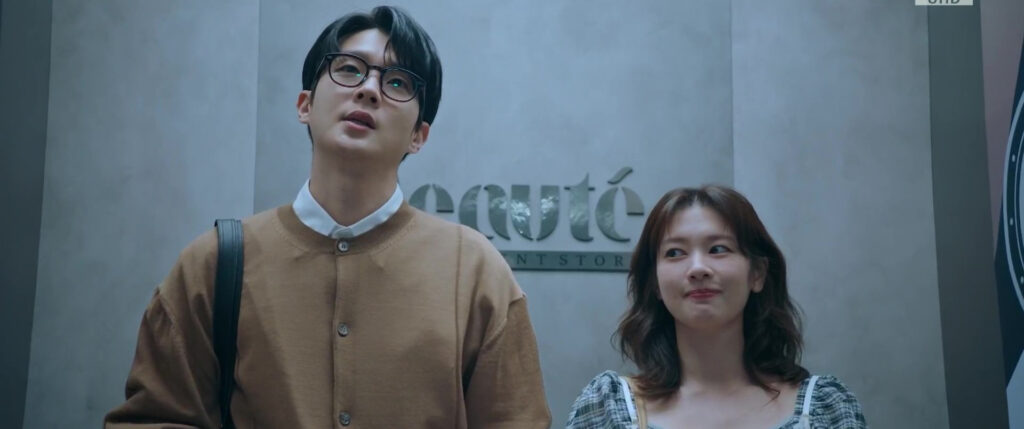
    Me-ri (Jung So-min) is an ad designer with backbone. She’s dumped, legally married but separated, and suddenly homeless after a renter scam steals her deposit. Lucky break: she wins a luxury house in a contest meant only for married couples. Problem: the contest rules demand a married couple claim the prize together. Problem two: her registered husband is incommunicado. So she needs a stand-in. Enter Woo-joo (Choi Woo-shik) — a sweet, decent chaebol who shares the exact same name as her ex. Hilarity, accidental cactus injuries, and a very messy first meeting follow. Then the contract marriage trope kicks in and the main plot moves forward.

    What the show is selling

    • Tropes: Contract marriage, drunk first-meet, chaebol vs. ordinary life, childhood connections, villainous relatives.
    • Tone: Bright, slightly nostalgic, and self-aware. It flirts with old-school K-drama energy but updates the jokes and the power dynamics enough to avoid feeling gross.
    • Vibe: Mid-2000s rom-com candy, but with a modern bite.

    The leads: why they work

    Me-ri is one of the better “everywoman” leads. She’s competent at work, she’s honest with herself, and she has real agency. When she calls out sexual harassment during a pitch meeting, it lands. It’s not melodrama for the sake of it — it’s a character moment that tells you she won’t be gaslit.

    Woo-joo is the softer chaebol: not a perfect golden heir, more of a decent, slightly bewildered guy who actually checks on people. His kindness is believable because it’s quiet. He’s not meant to be a flawless alpha — and that’s refreshing. The casting plays: he looks relatable, not a manufactured idol. That helps the chemistry be less fantasy and more human.

    The wrongs it gets right

    1. Calling out older toxicity. The show winks at cringe tropes from Full House era K-dramas and refuses to romanticize harassment or gross persistence. That self-awareness improves the emotional baseline.
    2. Real consequences. The fact that Me-ri has to actually divorce, deal with scams, and fight for her livelihood gives the plot stakes beyond “will they kiss?”
    3. Funny, believable first meet. Drunk mixups can be tiresome, but this one is staged so well it’s physical comedy rather than humiliation porn. Yes, she sits on a cactus. Yes, it’s as messy and embarrassing as it sounds.

    The weaknesses (so you don’t buy the whole bakery)

    • Side characters are thin. A lot of the supporting cast exist to be “the villain” or “the obstacle.” They’re fine as flavor, but don’t expect deep B-plots any time soon.
    • Some plot conveniences. The identical-name setup is cute and convenient. Expect other coincidences to glide in when the plot needs them.
    • Predictable beats. If you’ve binged a handful of rom-com K-dramas, you’ll see most twists coming. That’s not always bad — comfort is a genre tool — but don’t expect shocking originality.

    Style and pacing

    Episodes 1–2 move briskly. The writing balances physical slapstick with quiet moments. The show’s edits (split screens, montage) nod to older K-drama aesthetics. But those choices don’t feel stuck in amber. Instead, they enhance the humor and help establish character quickly. If you like clean, snappy scenes that don’t overstay their welcome, this will feel lean and binge-friendly.

    Themes worth noting

    • Agency vs. image: Me-ri fights for control of her life. The contrast with chaebol expectations — where image often replaces effort — is a recurring tension.
    • Modern dating disillusionment: The show laughs at how messy real relationships can be and refuses to sugarcoat scumbag behavior.
    • Do-overs and second chances: The contract marriage is a fake start that might lead to a real one. Classic rom-com engine. Works when the characters feel earned.

    Key moments that stand out

    • Me-ri walking out of a predatory pitch meeting. Short, sharp, satisfying.
    • The first meet with Woo-joo — a perfect blend of chaos and tenderness. The cactus scene should be meme-ready.
    • Me-ri winning (and then getting trapped by) the contest fine print. It’s both hilarious and exasperating — a good dramatisation of “read the contract.”

    My take

    I liked it more than I expected. The show takes familiar ingredients and adds enough self-awareness to keep them tasty. Jung So-min anchors the series with a lead who actually behaves like a functional adult when it matters. Choi Woo-shik remains a delightable presence; he brings warmth without pretense. The villains are satisfyingly detestable, which is sometimes what a rom-com needs — a clear, hate-able force to rile you up.

    If you want hard novelty, this isn’t it. But if you want a warm, entertaining rom-com that knows the rules and plays with them, Would You Marry Me? delivers. It’s not reinventing the wheel. It’s repainting it in pink and putting a tiny flag on top.

    A sweet, trope-friendly rom-com that knows how to poke fun at its own clichés while still making them feel fun. Solid leads, good pacing, and enough self-awareness to make the old tropes feel fresh.

    Rating: ★★★★☆ (4 out of 5 stars)

    Taylor Swift’s Giant Engagement Ring

    0

    Taylor Swift was back in the Arrowhead suite — ring sparkling, smile wide, and fully committed to the sideline drama. On Sunday, Oct. 12, the singer sat with Travis Kelce’s parents, Donna and Ed Kelce, and WNBA star Caitlin Clark. Meanwhile, cameras caught the moment she hugged her future father-in-law during NBC’s Sunday Night Football broadcast. Cute? Absolutely. Photo-op? Also absolutely.

    Swift’s appearance at the Chiefs-Lions game is her first publicly noticeable one at a Chiefs broadcast this season. She was reportedly at other Chiefs games earlier this year, but those visits didn’t make it into the live TV cut. This time, the engagement ring made sure no one missed her entrance.

    What happened at Arrowhead

    • Taylor sat in a star-studded suite with Kelce family members and Caitlin Clark.
    • NBC cameras cut to the suite during the first half. Viewers saw Taylor hugging Ed Kelce.
    • Her engagement ring was clearly visible — large, sparkly, and impossible to ignore.
    • The Chiefs were trying to steady their season. They’d had mixed results recently and were chasing a win streak.

    So yes: love, family vibes, celebrity energy, and a football team trying to find its groove. It’s the full pop-culture package.

    Why this matters (or why we care)

    Short answer: people love the crossover. Taylor brings pop heat; Travis brings NFL heat; the Kelce family brings warmth and meme fuel. When those worlds meet at Arrowhead, it becomes more than a game. It’s content, conversation, and a little bit of chaos — in the best way.

    Also, big moments like this shape the narrative. Fans parse every hug, every smile, and every cameo. The ring becomes a symbol. The presence becomes momentum. Teams get PR. Celebrities get headlines. Sports entertainment wins.

    The engagement — quick refresher

    Taylor and Travis announced their engagement on Aug. 26 with a joint Instagram post. The caption playfully read, “Your English teacher and your gym teacher are getting married,” alongside photos from the proposal. The post included a song that hinted at their story. Since then, the couple has made a few public outings and otherwise kept things mostly private. Sources say they plan a quiet, low-key wedding — no spectacle, just close friends and family.

    Quick context on the Chiefs’ season

    Kansas City has had a rocky start. They won a game against the New York Giants and lost others, including a matchup with the Jacksonville Jaguars on Oct. 6. Fans are eager to see consistency. Having celebrity air support in the suite is fun for headlines, but the team still needs to perform on the field.

    My take

    I get why people are fascinated. It’s a perfect pop culture mashup. The ring? Stunning. The hugs? Heartfelt. The spectacle? Delightful. But let’s be honest: none of it changes the scoreboard. Taylor cheering from the suite won’t fix a defensive gap or add points. Still, her presence gives the team some extra attention — and that attention helps sponsorships, TV numbers, and the general buzz. For the couple, keeping the wedding private feels smart. They’re public figures. Privacy is rare. Choosing quiet over spectacle is a mature move in a world that wants everything livestreamed.

    Also, if you’re hoping to see more of Taylor at games, don’t bank on constant sightings. She moves on her own timetable. She’ll show up when she wants. And when she does, the ring will probably steal the show — again.

    Final note

    This is the kind of wholesome, slightly flashy pop-culture moment that makes social feeds happy. It mixes sports, music, family, and genuine affection. If you were watching, you probably smiled. If you weren’t, now you know — and you’ll probably spot the highlights on your timeline soon.