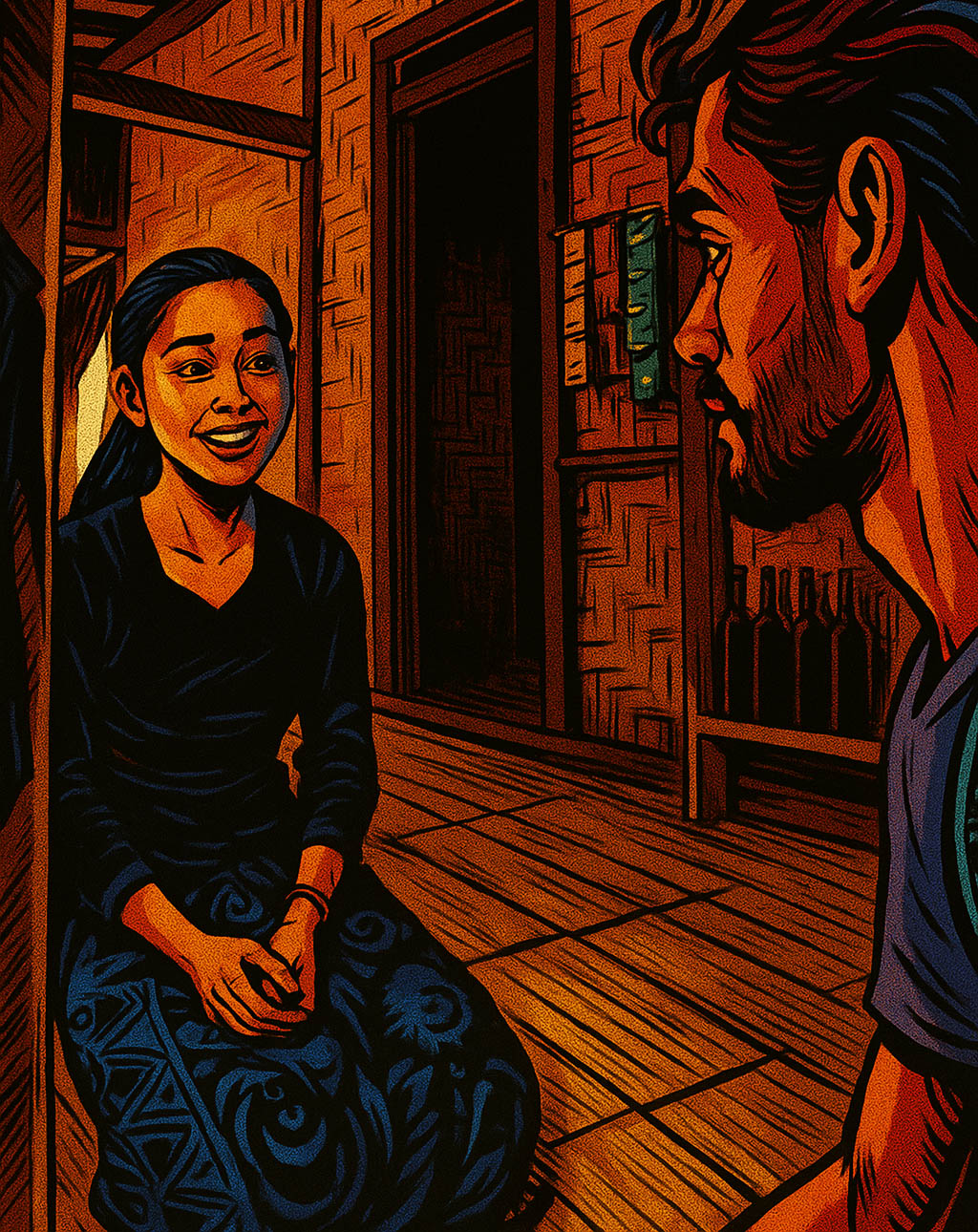



A confrontation at a Malaysian clinic has gone from tense to trending. On September 28, 2025, a video showed a woman slapping her husband after spotting him with another woman at a clinic counter. The clip spread fast. Within hours it had been shared, memed, and turned into parodies across social platforms. Now the wife has stepped forward, apologized publicly, and asked people to stop sharing the footage — for the sake of her family.
TL;DR
- Wife publicly confronted and slapped her husband after seeing him with another woman at a Malaysian clinic (Sept 28, 2025).
- A bystander filmed the incident, which quickly went viral and was turned into memes and parodies across social platforms.
- The wife posted a public apology, admitting she lost control, and is now begging the public to stop sharing the clip to protect her three children and family privacy.
- The article urges users to stop sharing, report the content, and prioritize kindness over feeding the attention economy with ‘viral pain.’
What happened (simple timeline)

- At the clinic: The wife walked in and saw her husband with another woman who was apparently collecting medicine. The wife confronted them. The other woman told her to “ask your husband.”
- The video: A bystander filmed the scene. In the clip, the wife repeatedly slaps her husband while he tries to calm her. The other woman quickly left the area.
- Online spread: The confrontation was uploaded on TikTok and Instagram. Social media users and content creators soon turned it into reaction clips and parodies.
- Public apology: On September 28, 2025, the wife posted an Instagram statement apologizing to the public. She asked people to stop circulating the video and to respect her family’s privacy while she addresses the situation through what she called “the proper channel.”
Her message — in plain words
She admitted she lost control of her emotions. She said the matter should have been handled privately between her, her husband, and the alleged third party. She apologized for the public scene and urged the online community to stop sharing the video, saying doing so harms not only her and her husband, but also their three children and other family members. Finally, she asked for space while she sorts this out.
Why people are still sharing it
Because humans. And algorithms. Viral clips feed attention economies: they get views, likes, shares, and sometimes money. Creators cobble together remixes and parodies. Viewers click because drama is easy to consume. Yet every re-share keeps the incident alive — and keeps real people hurt.
The ripple effects (what most people forget)

- The kids: Three children are part of this family. Viral shame follows a family home like an uninvited guest. Kids who see or hear about the clip at school may suffer bullying, embarrassment, and stress.
- Work and reputation: Clips live forever online. Employers, schools, and relatives can find them months or years later. That can affect careers and relationships.
- Emotional health: Public exposure of intimate problems can delay or complicate healing. Online attacks amplify pain rather than solve anything.
- The legal side: Public confrontation footage doesn’t automatically prove guilt. It’s a snapshot — not the whole story. If wrongdoing occurred, proper legal or civil steps are the right route, not mob justice on social media.
A few practical notes
- If you saw the video: sharing it again multiplies the harm. Pause before you hit forward.
- If you feel strongly: write a private message or use direct channels to help the people involved, but avoid broadcasting their private life.
- If you want to comment: remember your words can add to the damage. Think of the kids.
My point of view
Okay, here’s the blunt take. Social media turned a tense family moment into public entertainment — and that says a lot about us. Yes, people are curious. Yes, cheating allegations are juicy headlines. But piling on is cheap and weak. Sharing the clip doesn’t help the family. It helps the post. It feeds attention seekers and the algorithm.
Also, slapping someone in public is not ideal, but it’s a human reaction when trust is ripped. I don’t condone violence. But I also don’t want to watch a family get dragged through the mud for clicks. If the wife is serious about resolving the situation “through the proper channel,” then let that happen. Let them try to fix things without turning every private mistake into public punishment.
Finally, if your first instinct is to laugh or make a meme, maybe redirect that energy. Use it to flag the clip for takedown or to send a message asking people to stop. We’re better than viral cruelty. Act like it.
What could be done now
- Stop resharing. That’s the simplest and the most effective immediate step.
- Report the clip on the platforms where it’s posted if it violates privacy or harassment rules.
- Give space. Allow the family to handle it privately or legally. Public pressure rarely leads to constructive results.
- Be kinder online. If you wouldn’t say something to the person’s face, don’t type it.
Final thought
Drama sells clicks. People get hurt. That equation has been true since the dawn of tabloids, but social media multiplies the damage overnight. If you want to be part of the solution, stop forwarding viral pain for cheap entertainment. Respect privacy. Let families try to sort themselves out. And yes, be better online.