

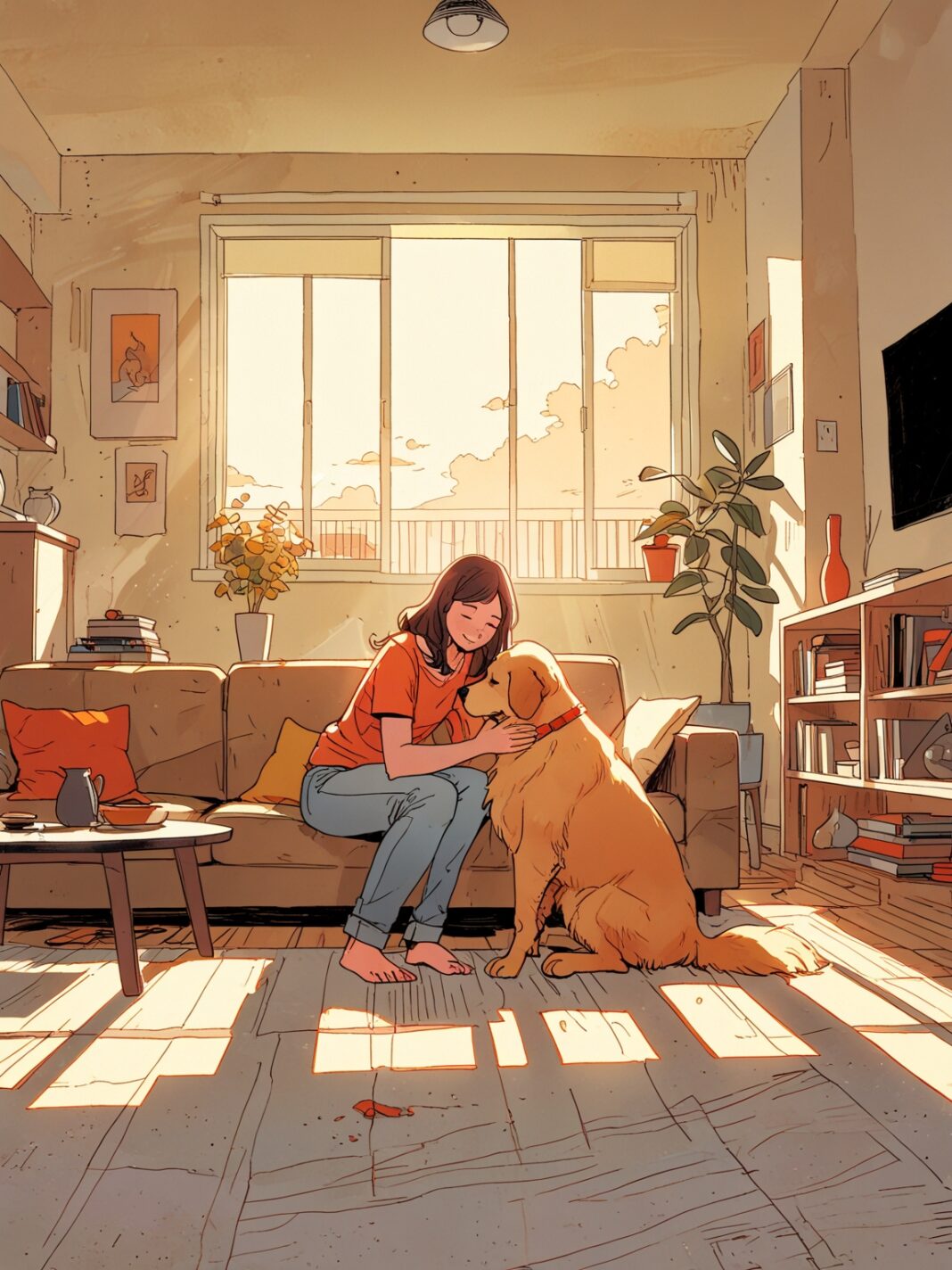

When you see a puppy tumbling across the floor, your heart might do a little somersault. Yet, someone next to you could be unmoved or even uneasy. In fact, the spectrum of human reactions to animals spans from utter devotion to absolute indifference. How is it that some of us treat our pets like family, while others would rather have a cactus? It turns out, science has plenty to say.
Below, we explore eight pillars—ranging from genetics to culture—that shape our feelings toward animals. Furthermore, we’ll dive into fresh insights and end with a candid take on where I stand. Along the way, you’ll find clear, snackable sentences, plenty of signposts, and a few surprises.
TL;DR
- Our feelings about animals are shaped by how we grew up and what our brains do.
- Genes play a part in if we like animals or not.
- What happens to us as kids, good or bad, really matters.
- Our culture and where we live change how we see animals.
- Some people are scared of animals, while others just don’t care much.
- Even our gut bugs might link us to our pets!
1. Evolutionary Roots of Our Animal Affinity
Firstly, humans and animals have coexisted for millennia. Early on, our ancestors depended on animals for food, clothing, and protection. Over time, a partnership formed. Dogs, in particular, were among the first to be domesticated about 15,000 years ago. In turn, they helped hunters track prey and guarded campsites.
- Mutual benefits: People provided food scraps. Dogs offered safety.
- Selection for friendliness: Wolves that tolerated humans fared better.
Consequently, we inherited an instinctual attraction to certain animal traits—think big eyes and floppy ears. Those cues trigger a “cute response” in our brains. Similarly, other species that coevolved with us developed signals that humans find appealing.
Nevertheless, evolutionary history alone cannot explain why some remain unmoved by wagging tails or purring cats. For that, we need to peek under the hood—into our brain chemistry.
2. Brain Chemistry and the “Cuddle Hormone”

Moreover, when you stroke a cat or cradle a puppy, your brain releases oxytocin. Often dubbed the “love hormone,” oxytocin plays a big role in social bonding:
- Oxytocin surge: Studies show levels spike during petting sessions, just as they do between new parents and infants.
- Dopamine boost: Meanwhile, dopamine—the pleasure molecule—gives you that buzz of happiness.
In contrast, individuals who don’t experience the same hormonal surge simply feel less attached. For them, snuggling a rabbit or parrot offers no extra jolt of feel-good chemicals.
On top of that, cortisol—our stress hormone—drops when we’re with calm animals. As a result, time with pets can lower blood pressure and reduce anxiety. Yet, if you startle easily or suffer from animal-related phobias, the benefit never kicks in.
3. Personality Traits and the Genetics Factor
At this point, you might wonder: “Is it nature or nurture?” The answer is both. Personality traits have a genetic component. Researchers estimate that about 40–60% of our basic temperament comes from our genes. Some key personality factors linked to pet affinity include:
- Openness to experience: Adventurous folks often embrace the unpredictability of living with animals.
- Agreeableness: Highly empathetic people tend to connect deeply with creatures.
- Neuroticism: Those prone to anxiety might avoid animals if they view them as a source of unpredictability.
Twin studies reinforce these links. Identical twins, even when raised apart, show similar levels of pet love. Consequently, if your DNA inclines you toward caution, you may keep your distance—literally and emotionally—from furry friends.
4. Early Experiences Shape Later Feelings
However, genetics isn’t destiny. Childhood experiences matter greatly. For instance:
- Positive encounters: Kids who grow up with pets often develop lasting bonds.
- Negative incidents: A bite, scratch, or traumatic event can instill fear that lingers into adulthood.
Parents and caregivers play a role, too. If mom and dad gush over the family dog, children learn to view pets as lovable. Conversely, if authority figures shoo away animals, growth of affection stalls.
Importantly, animal-assisted therapy relies on this developmental window. Hospitals and schools introduce therapy animals to shape children’s social and emotional skills. Yet, for some kids, those same visits exacerbate fears. The discrepancy often hinges on individual sensitivity—another nod to our genetic wiring.
5. Cultural and Societal Influences
Beyond the personal realm, broader culture steers our preferences. In many Western societies, pets are family members. People buy gourmet treats, celebrate “gotcha days,” and take dogs on social media outings. Meanwhile, other cultures view animals primarily as working partners or food sources.
- Urban vs. rural: City dwellers might prize companion animals for emotional support. Farmers rely on animals for labor.
- Religious views: Certain faiths hold animals in high esteem; others discourage close contact.
- Media representation: From viral cat videos to blockbuster pet movies, exposure matters.
At the same time, socioeconomic factors come into play. Owning a dog or cat requires time, space, and money. Therefore, financial constraints can dampen one’s ability to bond with animals, regardless of personal inclination.
6. Fear, Disgust, and Phobias

Conversely, let’s talk about those who actively dislike or fear animals. Phobias such as cynophobia (fear of dogs) or musophobia (fear of rodents) affect roughly 3–9% of the population. These fears often stem from:
- Classical conditioning: Experiencing or witnessing trauma involving an animal.
- Preparedness theory: Evolutionarily, we’re biased to fear creatures that once posed real threats—snakes, spiders, large carnivores.
- Disgust sensitivity: Some individuals have an elevated “yuck factor,” particularly toward animals associated with dirt or disease.
Interestingly, people with high disgust sensitivity often avoid not only live animals but also pictures or sounds. Even reading a story about a rat infestation can evoke nausea. On the flip side, those low in disgust find it easy to cuddle reptiles or insects.
7. Why Indifference Happens
Still, indifference is less dramatic than phobia. It’s more like “meh.” Indifference can result from a lack of:
- Emotional reward: If interacting with animals doesn’t feel particularly pleasant, there’s no incentive to pursue it.
- Exposure: Limited contact early on means no strong neural pathways form.
- Cultural encouragement: When society doesn’t romanticize pets, you might see them as optional.
Moreover, certain conditions—autism spectrum disorders, for instance—can induce neutrality. Some people on the spectrum appreciate animals but don’t seek the same emotional closeness typical in neurotypical pet owners. For them, animals can even serve as neutral, predictable companions without the complexity of human relationships.
8. New Insights: Beyond the Basics
At this stage, you might think we’ve covered it all. Yet, recent research uncovers surprising twists:
- Microbiome mirroring: A study found that pet owners share more gut bacteria with their dogs than with human family members. In other words, your dog might literally be a part of you on a microbial level.
- Virtual pets and digital therapy: Even robotic or virtual animals can trigger oxytocin release. For people allergic to dander or too busy for real pets, a digital dog could still hit the bonding circuit.
- Animal personality matching: Emerging apps match owners to pets based on both personalities. Imagine Tinder for tails: you could swipe right on a calm, couch-loving cat or a high-energy puppy, depending on your own vibe.
Additionally, environmental benefits surface. Dog-walkers get more exercise. Gardeners with chickens enjoy organic pest control. Consequently, animal affinity may stem partly from practical health incentives folded into affection.
My Point of View
Honestly? I fall firmly in the “pets as rescue therapists” camp. Nothing beats the sight of a wagging tail after a rough day. Yet, I also recognize the privilege embedded in pet ownership. It takes time, money, and emotional bandwidth. So when someone admits they don’t care for animals, the knee-jerk judgment doesn’t help. On the contrary, it’s better to respect boundaries.
Furthermore, I suspect our society sometimes over-romanticizes pets. While dog memes and cat videos fuel an entire economy, we forget that some animals aren’t meant for cuddling. They exist for ecological balance, not Instagram likes. Therefore, part of mature affinity is understanding where each species belongs—and where we do, too.
In sum, love or loathing—both reactions deserve nuance. We each walk a unique path, shaped by genes, stories, and culture. Recognizing that complexity makes room for empathy. And if we can empathize with fellow humans, why not do the same for our fellow creatures?
Conclusion
To recap, our diverse reactions to animals spring from:
- Evolutionary partnerships that shaped our instincts.
- Brain chemistry—oxytocin, dopamine, cortisol.
- Personality and genetics, wiring our openness and agreeableness.
- Childhood experiences, positive or traumatic.
- Cultural norms, economic realities, and religious views.
- Fears and phobias, rooted in survival bias.
- Neutral grounds, featuring mere indifference.
- Cutting-edge findings, from microbiomes to microchips.
Above all, our animal affinity (or lack thereof) reflects the beautiful messiness of being human. It’s okay to adore every paw and whisker. It’s okay to keep your distance. Both stances emerge from a tapestry of influences.
So next time you meet someone who’s allergic, fearful, or simply ambivalent, remember: these differences run deep. Rather than judging, consider asking: “What’s your animal story?” You might discover their perspective is just as fascinating as any wagging tail.