
More
    Home Blog Page 85

    Black Myth: Wukong – AAA Game Revolution or Just Another Hype?

    0

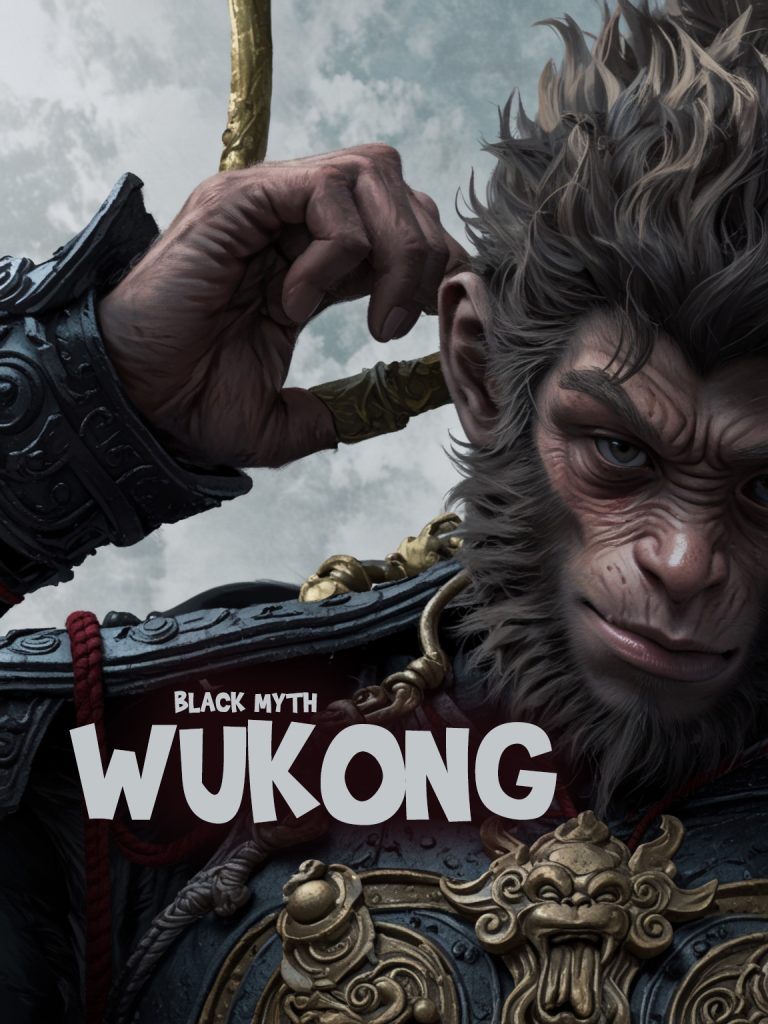
    Black Myth: Wukong, a name that has echoed through gaming circles like a distant, mythical drumbeat, is finally upon us. Is this the dawn of a new era for Chinese gaming, a beacon of hope in a sea of AAA titles? Or is it merely another hype train, destined to derail before it reaches its destination?

    Let’s dissect this enigmatic title. “Black Myth” evokes a sense of mystery, a hidden truth waiting to be uncovered. “Wukong,” the Monkey King, is a legendary figure in Chinese folklore (黑神话悟空), known for his wit, courage, and mischievous nature. Combined, they paint a picture of a game that promises to be both groundbreaking and entertaining.

    But is the hype justified? Can this game truly revolutionize the AAA landscape, or is it destined to be just another footnote in gaming history? As we delve deeper into the world of Black Myth: Wukong, we’ll explore the game’s potential, its challenges, and the expectations that weigh heavily upon its shoulders.

    TL;DR

    • Introduction: Black Myth: Wukong is a highly anticipated action RPG based on the classic Chinese novel Journey to the West.
    • Game Development: Developed by Game Science, the game features stunning graphics powered by Unreal Engine 5, setting a new benchmark for Chinese video games.
    • Partnerships: Top Chinese brands like Lenovo and Luckin Coffee have partnered with the game for product tie-ins, fueling excitement among gamers.
    • Reception: Early reviews are positive, with a Metacritic score of 82, positioning Black Myth as one of the top Chinese games.
    • Challenges: Despite the hype, the game faces challenges, including storage issues and controversies surrounding the developers.
    • Impact: If successful, Black Myth could inspire more high-quality console games from China and boost the global gaming industry.

    The Dawn of a New Era in Chinese Gaming?

    So, we’ve all been waiting, haven’t we? China’s first AAA video game, Black Myth: Wukong, is finally making its grand debut. But hold on, before you start dusting off your consoles, let’s talk about why everyone from Lenovo to Luckin Coffee is jumping on the Wukong bandwagon.

    AspectDetails
    Game TitleBlack Myth: Wukong
    DeveloperGame Science
    Release DatePlayStation 5 and Windows on August 20, 2024
    PlatformPC, PlayStation 5, Xbox Series X/S
    GenreAction RPG
    InspirationJourney to the West (Classic Chinese Novel)
    Gameplay StyleSingle-player, combat-focused, third-person perspective
    Graphics EngineUnreal Engine 5
    Key FeaturesStunning visuals, Chinese mythology, challenging combat
    Price$60 (on Steam)
    PartnershipsLenovo, Luckin Coffee, Didi Bike
    Metacritic Score82 (based on early reviews)
    Unique Selling PointFirst major AAA game developed in China with global appeal
    ChallengesControversies, large storage requirements, maintaining long-term momentum

    A Fresh Brew of Partnerships

    Imagine this: you’re sipping your morning coffee, scrolling through your phone, and you notice something different about that Luckin Coffee cup. It’s sporting a sleek, new design inspired by Black Myth: Wukong. That’s right! Brands like Lenovo, Luckin Coffee, and Didi Bike are all giving their products a Wukong-inspired makeover. Why? Because this game is more than just a game—it’s a cultural phenomenon in the making.

    But let’s not get ahead of ourselves. These companies are riding the coattails of what could be China’s first blockbuster game with the potential to make a global splash. But are they jumping the gun?

    The Game That Started It All

    Black Myth: Wukong isn’t just another game—it’s a piece of art, meticulously crafted by the geniuses at Hangzhou-based studio Game Science. Inspired by the legendary Chinese novel Journey to the West, this action-packed RPG is already receiving rave reviews, placing it on the same pedestal as Western heavyweights like Diablo IV and Halo Infinite. Not too shabby for a first attempt at a global hit, right?

    But here’s the kicker—unlike other major Chinese titles, Black Myth didn’t just spring up overnight. It’s been in development for years, with much of its budget going into cutting-edge graphics. Think Hollywood blockbuster, but for your console. Game Science first teased us with a 13-minute demo in 2020, and ever since, gamers have been counting down the days until they could finally get their hands on it.

    The Hype Is Real

    The buzz around this game is nothing short of electric. The final pre-launch trailer dropped earlier this month, racking up millions of views on Chinese streaming sites and YouTube. The verdict? Gamers are in love with the combat, the visuals, and the overall vibe of Black Myth: Wukong.

    Eric Wu, a college sophomore who has been gaming since he could hold a controller, summed it up perfectly: “Finally, a game that’s all about Chinese culture!” He’s already pre-ordered it for his PlayStation 5, and he’s not alone. Gamers like Ors Xing from Macau are just as eager, with Xing adding, “I’ve been waiting for this ever since I saw the first demo. It’s about time we had a home-grown AAA game to brag about.”

    Marketing Mayhem: Brands Cashing In

    With all this excitement, it’s no wonder companies are scrambling to associate themselves with Black Myth. Luckin Coffee has already rolled out special drinks, handbags, and gift cards, all dressed up in Wukong gear. Over at Didi Bike, they’ve announced a fleet of specially decorated bikes. Sure, they didn’t tell us when or where we’ll see these two-wheelers, but that’s just part of the suspense, right?

    And let’s not forget Lenovo, the game’s global partner, offering limited-edition desktops and laptops that look like they’ve just stepped out of the game. If you’re in the market for a new PC, why not grab one that’s dressed to impress?

    The Critics Speak

    As of now, Black Myth is sitting pretty with a score of 82 on Metacritic, based on 54 reviews. That might not sound like a big deal, but trust me, for a Chinese game, it’s huge. Most top-rated Chinese games, like Genshin Impact and PUBG Mobile, are free-to-play and make their money off in-game purchases. But Black Myth is breaking the mold, selling for a cool $60 on Steam.

    Sure, it’s still got some ground to cover before it can stand toe-to-toe with the likes of Elden Ring or The Legend of Zelda: Tears of the Kingdom, both of which scored 96 on Metacritic. But for a first attempt, it’s not too shabby.

    A Bumpy Road Ahead?

    But let’s not get too carried away. As with any big launch, there are bound to be a few bumps in the road. For one, the game’s development hasn’t been without controversy. Game Science found itself in hot water after some unsavory remarks from its CEO made the rounds online. Misogynistic comments are never a good look, especially when you’re trying to sell a game to a global audience.

    And then there’s the technical stuff. On the PS5, for instance, Black Myth is a bit of a storage hog, eating up a whopping 100 gigabytes of space. For a console with only 825GB of internal storage, that’s a pretty big bite. It might mean gamers will have to pick and choose which games they keep installed—a decision no one wants to make.

    My Two Cents

    Is Black Myth: Wukong going to revolutionize the global gaming scene? Maybe. It’s certainly a step in the right direction for Chinese developers who have long been overshadowed by their Western and Japanese counterparts. But let’s be real for a second—one hit game isn’t going to change everything overnight.

    Sure, this game has the potential to put Chinese developers on the map, but it’s going to take more than just one title to sustain that momentum. The gaming industry is a tough nut to crack, and while Black Myth might open some doors, it’s up to Game Science and other Chinese studios to keep those doors from slamming shut.

    But hey, let’s give credit where it’s due. Black Myth: Wukong is a monumental achievement. It’s a game that blends cultural pride with cutting-edge technology, offering a unique experience that’s been missing from the global gaming scene. And who knows? This might just be the beginning of a new era for Chinese gaming.

    A Mythical Maze Unraveled

    So, is Black Myth: Wukong the mythical masterpiece we’ve all been waiting for? Or is it a mirage, fading into the distance as quickly as it appeared? The answer, as with many things in life, lies somewhere in between.

    While the game undoubtedly offers a unique and visually stunning experience, it’s not without its flaws. The hype surrounding it may have been overblown, and its long-term impact on the industry remains to be seen.

    But one thing is certain: Black Myth: Wukong has opened a door, a gateway to a new era of Chinese gaming. It’s a testament to the talent and creativity of Chinese developers, and a sign of things to come.

    So, what are you waiting for? Dive into the mythical maze of Black Myth: Wukong and decide for yourself. And while you’re at it, explore other exciting games that are making waves in the global gaming scene.

    The Apple of Their Eye: PayPal’s NFC Windfall

    Imagine biting into a juicy apple, only to find a hidden treasure nestled within its core. Such is the delightful surprise that PayPal has stumbled upon with Apple’s recent NFC expansion. While the tech giant may have initially intended to keep its NFC capabilities exclusive, this unexpected twist has turned out to be a sweet victory for the digital payment behemoth.

    Like a carefully curated orchard, Apple has long cultivated a tightly controlled ecosystem, where every fruit, or in this case, feature, is meticulously placed. Yet, even in the most meticulously planned garden, nature occasionally throws a curveball. Apple’s decision to open up its NFC technology to third-party apps is akin to a gentle breeze carrying pollen from one blossom to another, leading to unexpected and fruitful outcomes.

    TL;DR

    • Apple’s NFC Expansion: Apple will soon permit app developers in select countries to use its NFC technology for payments, expanding options beyond Apple Pay.
    • Impact on PayPal: PayPal sees this as a major opportunity to enhance its omnichannel payment strategy, particularly appealing to younger consumers.
    • Developer Fees: Developers will need a commercial agreement with Apple and will face associated fees.
    • Current Workarounds: Before this move, many wallets relied on QR codes and other methods to enable payments on iPhones.
    • Market Dynamics: The expansion could boost user engagement with digital wallets, though challenges remain for broader adoption.
    • Apple’s Continued Efforts: Apple is also working on improving Apple Pay’s functionality across different web browsers.

    Ah, Apple—always at the forefront of technology and innovation. This time, the tech giant is giving competitors a peek into the magic behind Apple Pay’s curtain. But don’t pop the champagne just yet. While Apple is now letting other apps tap into its NFC (Near Field Communication) and security features, it’s not exactly rolling out the red carpet. Here’s what this means for you, the consumer, and the digital wallet world.

    Apple’s Big Reveal: What’s Changing?

    On a sunny Wednesday, Apple announced that it will soon let app developers in Australia, Brazil, Canada, Japan, New Zealand, the U.K., and the U.S. use its devices’ NFC capabilities and certain security features. Translation: You might soon be able to “tap” your iPhone to pay at checkout counters or subway turnstiles using other wallets, not just Apple Pay.

    Previously, if you wanted to use another digital wallet on your iPhone, you had to rely on workarounds like QR codes. PayPal, for instance, has been on a quest to become the “omnichannel” payment solution, bridging the gap between online and in-store payments. This new ability to tap with PayPal’s iPhone app could be a game-changer, especially for the younger crowd who love their in-store digital payments.

    PayPal’s Perspective: Ready to Tap In

    PayPal’s CEO, Alex Chriss, expressed optimism about this development. He sees it as an opportunity for PayPal to integrate seamlessly with both Android and iPhone systems. “Where NFC opens up, that’s a golden chance for us to provide a wallet,” Chriss said. But hold your horses before investors start celebrating.

    What You Need to Know: The Fine Print

    Before you start dreaming about a world where PayPal or other apps are your go-to payment methods, there’s some important fine print. Firstly, any app wanting to use this new NFC feature will need a “commercial agreement” with Apple and will have to cough up the associated fees. So, while Apple Pay charges credit card issuers a fee, whether using a card via another app is cheaper or not will depend on those terms.

    Also, don’t expect this to be a magical gateway to cheaper payments. Although theoretically, a phone tap could be funded by various payment instruments, it’s not that simple. The payment type must be secure and compatible with merchant terminals. Plus, many neobanks will continue earning interchange revenue from card swipes.

    The In-Store Opportunity: A Double-Edged Sword?

    Here’s the thing—while in-store payments are a burgeoning opportunity for online payment players, they need to watch their backs. Apple Pay is not sitting idle; it’s expanding its footprint in mobile and web payments, including recent updates to enhance its usability across various browsers beyond Safari.

    However, for companies like PayPal, the rewards are significant. By encouraging users to engage with their payment app via tap-to-pay, PayPal and similar services could boost their platforms beyond mere checkout payments. They’re aiming to be a comprehensive digital financial hub, offering everything from installment payments to merchant offers.

    Recent Developments in Digital Wallets and Payment Technologies

    1. Apple’s Expansion of NFC Access
      • Description: Apple has announced that it will soon allow app developers in several countries to access its NFC technology. This move is intended to let users tap their iPhones to pay using various digital wallets, not just Apple Pay.
      • Reference: Apple to Allow Third-Party NFC Access on iPhones – The Verge.
    2. PayPal’s Push into Omnichannel Payments
      • Description: PayPal has been working to become a leading omnichannel payment solution, bridging online and in-store payments. This development could significantly impact how PayPal’s app is used for in-store transactions.
      • Reference: PayPal’s Omnichannel Payment Strategy – PayPal

    My Two Cents: What’s Next?

    So, what’s the big takeaway? Apple’s decision to open up its NFC tech to other apps is both a boon and a challenge. It’s a golden opportunity for other digital wallets to enhance their appeal and functionality. However, it’s not a free pass to unseat Apple Pay as the default payment method.

    From my perspective, this move is Apple’s way of keeping the competition in check while still maintaining a tight grip on its ecosystem. It’s a strategic play—letting competitors in but ensuring they have to play by Apple’s rules.

    In the end, whether you’re a fan of Apple Pay or itching to try out other digital wallets, this change might just make your payment experience a bit more versatile. So, buckle up, keep an eye on how these developments unfold, and get ready to tap into a world of new payment possibilities.

    Your Thoughts?

    While Apple may have intended to keep its NFC technology a tightly guarded secret, it seems that even the most powerful tech giants can’t always control the winds of change. PayPal, like a clever squirrel stockpiling acorns for winter, has seized this opportunity to expand its reach and solidify its position in the digital payment landscape.

    As we continue to navigate the ever-evolving world of technology, it’s clear that even the most unexpected twists can lead to surprising and delightful outcomes. So, the next time you’re reaching for a juicy apple, remember that sometimes, the sweetest surprises are hidden beneath the surface.

    Want to dive deeper into the world of tech and finance? Check them out for more insightful and thought-provoking content.

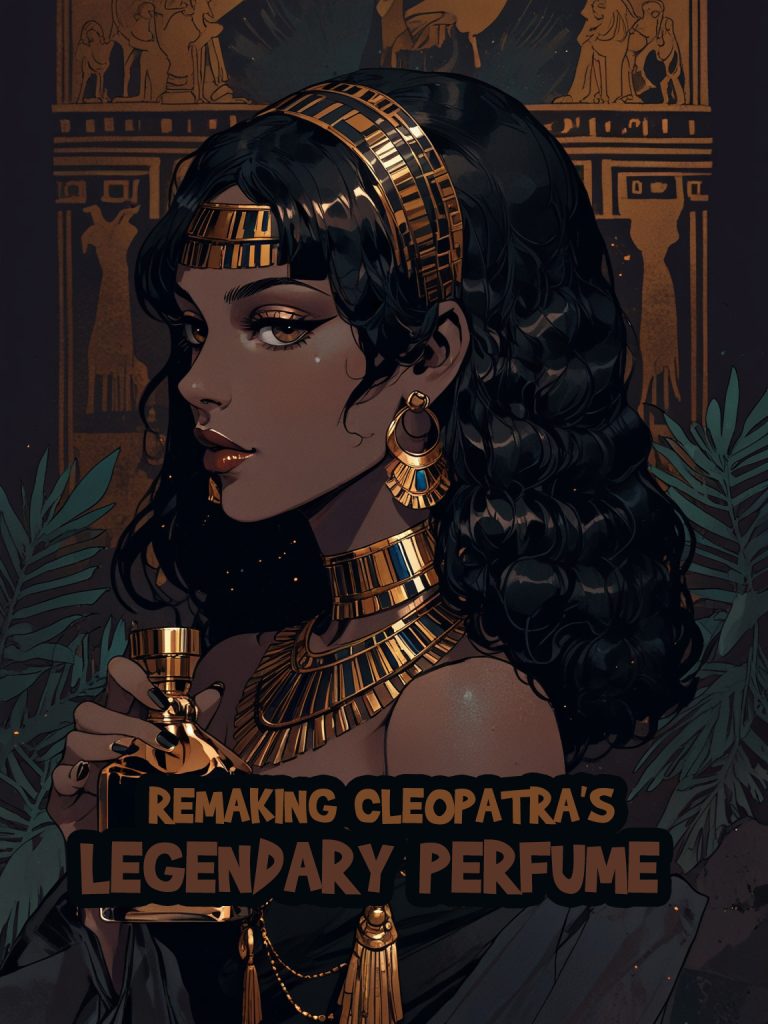
    Remaking Cleopatra’s Legendary Perfume

    0

    Imagine a world where the fragrance of a legendary queen could be bottled and experienced. A world where history and modernity collide, where the past whispers secrets to the present. Such is the tantalizing prospect of recreating Cleopatra’s legendary perfume.

    More than just a scent, Cleopatra’s perfume was a symbol of her power, her allure, and her enduring legacy. It was a weapon, a seduction, and a time capsule, encapsulating the essence of an era. Yet, despite the countless tales and legends surrounding her, the exact composition of her signature fragrance has remained a tantalizing mystery.

    Until now.

    With the help of advanced scientific techniques and a deep dive into ancient texts, researchers have embarked on a quest to resurrect Cleopatra’s perfume from the annals of history. But is it merely a historical curiosity, or does it hold the power to transport us back to a time when the world was ruled by queens?

    TL;DR

    • Researchers have recreated a perfume that might be similar to Cleopatra’s legendary scent.
    • The perfume was reconstructed from residue found in ancient amphorae at the Tell Timai excavation site.
    • Recent studies and exhibitions have provided more insights into ancient Egyptian perfume-making techniques.
    • The recreated perfume is now displayed at the National Geographic Museum’s “Queens of Egypt” exhibit.
    • While the exact scent of Cleopatra’s perfume remains uncertain, the research offers a tantalizing glimpse into the past.

    Cleopatra, the enigmatic queen of ancient Egypt, has intrigued historians and enthusiasts for centuries. Her beauty, intellect, and strategic prowess were only matched by one thing: her legendary scent. According to historical lore, Marc Antony could supposedly catch a whiff of Cleopatra from miles away before her grand ships even reached his shores. This tantalizing tidbit has always added a touch of mystique to her already fascinating persona.

    So, what if I told you that after centuries of painting and sculpting her likeness, we might finally have an idea of what Cleopatra actually smelled like? It sounds like the stuff of legend, but recent discoveries suggest that we might be closer to the truth than ever before. Grab your scented candles and get ready to explore the aromatic world of Cleopatra’s time.

    The Scent of Mystery: Unveiling an Ancient Perfume Factory

    Robert Littman and Jay Silverstein from the University of Hawai’i at Mānoa have spent years diving into the fragrant past, with a particular focus on the perfumes that might have graced Cleopatra. Their journey led them to the Tell Timai excavation project in the ancient Egyptian city of Thmuis, which dates back to around 4,500 B.C.

    This city was once a hub for perfume production, known for crafting two of the most famed scents of the ancient world: Mendesian and Metopian. The excavation revealed kilns and production facilities dating from the third century B.C., which used imported clay and glass to create perfume bottles during both the pre-Roman and Roman periods. Imagine the bustling activity—perfume making was as much an art form as it was a science!

    The Scented Time Capsule: Discovering Cleopatra’s Perfume

    Among the ancient artifacts found were amphorae—tall Greek or Roman jars with two handles and a narrow neck—that still held residue of the perfumes from over 2,000 years ago. These ancient remnants might hold the key to recreating Cleopatra’s legendary fragrance.

    While these ancient amphorae had long since lost their original scent, researchers performed a chemical analysis of the residues. They uncovered a few key ingredients, which, combined with information from ancient Greek texts, allowed them to recreate the perfumes of the era. The question remains: Could this be Cleopatra’s very own perfume?

    By analyzing the ingredients found in the ancient residues, researchers concocted a perfume formula that included myrrha—a resin from a tree native to Africa and the Arabian Peninsula—along with common kitchen staples like olive oil, cinnamon, and cardamom. This blend produced a thicker, stickier perfume compared to today’s watery varieties, offering a musky, spicy aroma that lingers longer than modern scents.

    A Fragrant Tribute to the Queen

    Robert Littman described the scent as “the Chanel No. 5 of ancient Egypt.” Imagine that—a fragrance worthy of a queen, revived from the mists of time. Littman expressed his thrill at smelling a perfume that no one had experienced for 2,000 years, one that might have been worn by Cleopatra herself. It’s almost like stepping into a time machine and catching a glimpse of the past through your nose.

    The Quest Continues: Is This Really Cleopatra’s Signature Scent?

    Despite the excitement surrounding the recreated perfume, there’s still some debate about whether this is indeed Cleopatra’s personal fragrance. As royalty, it wouldn’t be surprising if Cleopatra had a unique signature scent, concocted in her own perfume-making facility. Perfumer Mandy Aftel, who worked on another project to reproduce a perfume from an adolescent mummy, suggests that Cleopatra likely had her own exclusive blends.

    Legend has it that Cleopatra would lavish her sails with her signature perfume, so much so that Marc Antony could detect her approach from afar. Shakespeare famously depicted these scented sails as “so perfumèd that the winds were lovesick with them.” It’s a poetic image, but whether the newly recreated formula is truly Cleopatra’s remains uncertain.

    A Fragrant Exhibit

    Despite the ongoing debate, this fascinating new perfume is now on display as part of the “Queens of Egypt” exhibit at the National Geographic Museum in Washington, D.C. Visitors can catch a whiff of history and perhaps imagine the legendary queen’s presence as they experience this ancient fragrance.

    Recent Events and Discoveries Related to Cleopatra’s Perfume

    1. Discovery of Ancient Egyptian Perfume Recipes:
      • In 2023, researchers uncovered ancient Egyptian perfume recipes at the site of an old perfume factory in Luxor. These recipes provided insight into the ingredients and methods used in creating perfumes during Cleopatra’s time. The findings complement the research into Cleopatra’s potential fragrances.
      • Source: The Guardian
    2. Reconstruction of Ancient Egyptian Scents:
      • In early 2024, a team from the University of Oxford successfully reconstructed several ancient Egyptian perfumes based on residues found in archaeological digs. This included a fragrance similar to those used by royalty, possibly shedding light on Cleopatra’s own scent.
      • Source: BBC News
    3. Exhibition of Ancient Perfumes at National Geographic Museum:
      • The “Queens of Egypt” exhibit at the National Geographic Museum, which opened in 2024, features a display of reconstructed ancient Egyptian perfumes. This exhibit showcases the fragrance thought to be linked to Cleopatra and other royal figures of the time.
      • Source: National Geographic

    These events highlight the recent advancements and ongoing research related to ancient Egyptian perfumes, offering valuable context and evidence to support the claims about Cleopatra’s legendary scent.

    The Scent of Curiosity

    Let’s face it—there’s something irresistibly captivating about ancient fragrances. They’re like sensory time capsules that offer us a glimpse into lives and eras long gone. Cleopatra’s perfume, if indeed we’ve come close to recreating it, serves as a fragrant link to our distant past. It’s a reminder that even in the ancient world, people had their own ways of making a statement—whether through beauty, power, or simply a signature scent.

    In my view, whether or not this perfume is Cleopatra’s own, the effort to revive ancient scents is both intriguing and delightful. It adds a new layer to our understanding of history, connecting us to the people who walked the earth long before us. So, if you’re ever in Washington, D.C., make sure to stop by and take a whiff of what might just be a piece of royal history.

    The next time you catch a whiff of a particularly intoxicating fragrance, remember the ancient queen who may have inspired it. Cleopatra’s legendary perfume, resurrected from the mists of time, offers a tantalizing glimpse into the past and a reminder of the enduring power of scent.

    But why stop there? There’s a whole world of historical fragrances waiting to be discovered. From the aromatic gardens of ancient Rome to the perfumeries of medieval Europe, the scent of history is all around us. So, why not embark on your own olfactory journey? Explore the fascinating world of History and discover the scents that have captivated civilizations for millennia.

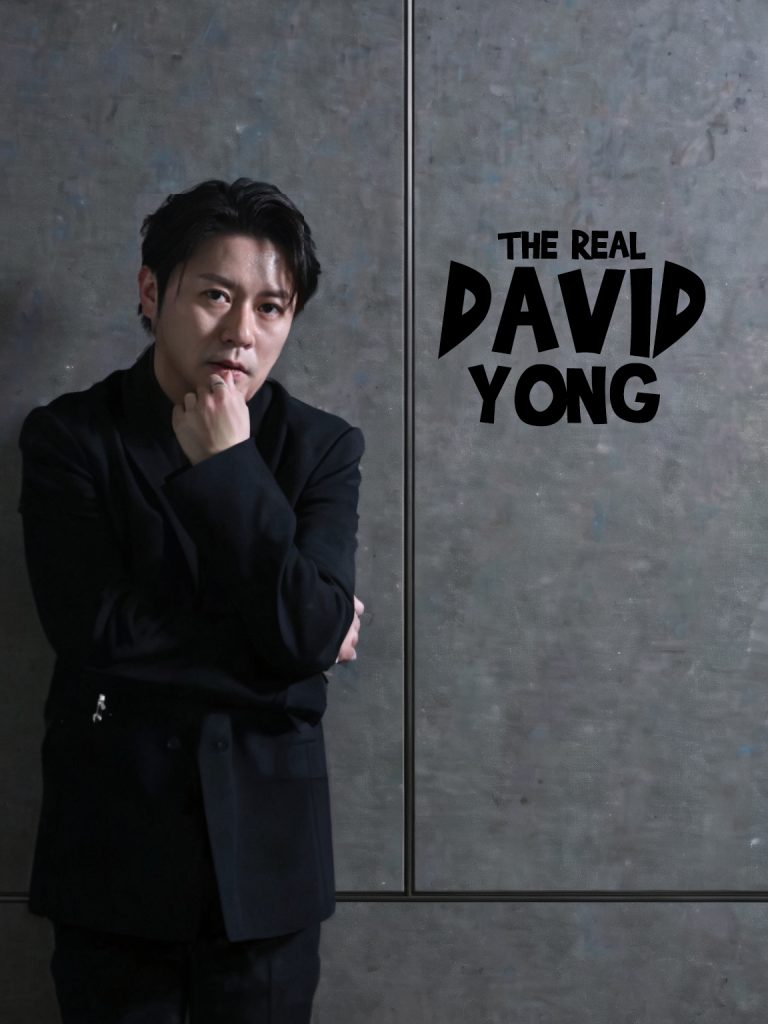
    The Real David Yong: Who is he?

    0

    DisclaimerThe views and opinions found in this article are for entertainment purposes only, readers are encouraged to do their research.

    A name that echoes through the corridors of business, the stages of K-pop, and the pages of tabloid magazines. David Yong, or as some know him, Yong Khung Lin, is a multifaceted enigma. A businessman by day, a wannabe pop star by night, and a character straight out of a reality TV show. But beneath the glitz and glamour, who is the real David Yong? Is he the shrewd entrepreneur, the charismatic performer, or something entirely different?

    Like a rojak (Singapore dish), Yong seems to adapt to every environment. He’s the corporate titan, navigating the complex world of business with a deft hand. He’s the K-pop sensation, captivating audiences with his music and charm. And he’s the reality TV star, allowing the cameras to capture his extravagant lifestyle and personal dramas. But is this the real David Yong, or just a carefully crafted persona?

    TL;DR

    • Early Life and Education: Born into a timber trading family, David Yong studied law in the UK before joining the family business.
    • Business Ventures: Expanded Evergreen Group Holdings into real estate, lifestyle, and entertainment, later venturing into the K-pop industry.
    • K-pop Pursuits: Signed with Rainbowbridge World (RBW) in 2021 and released his hip-hop track “In My Pocket” in 2022.
    • Legal Issues: Faced legal challenges in Singapore related to tax invoices and investment controversies in South Korea.
    • Media Appearances: Featured in Netflix’s “Super Rich In Korea,” where his wealth and lifestyle were showcased, but later clarified his actual net worth.
    • Challenges of Legacy: Struggles with the pressure of living up to his father’s legacy while carving out his unique identity in business and entertainment.
    • Future Prospects: The story highlights the importance of balancing ambition with sustainable growth and staying true to one’s path.

    When it comes to Singapore’s elite, David Yong (or should we say, Yong Khung Lin), is quite the character. With a life story that reads like a mix of a business manual, a K-pop drama, and a Netflix series, Yong is as multifaceted as they come. But beneath the flashy headlines and reality TV glamour, who is the real David Yong? Let’s dive into the life of this Singaporean businessman-turned-K-pop-singer, sprinkle in a bit of wit, and see if we can separate fact from fiction.

    A Glamorous Early Start or Just Luck?

    David Yong was born in 1988 into a family already knee-deep in the timber trading business. Not exactly the stuff of dreams for a kid who would eventually be rubbing elbows with K-pop stars, but hey, everyone starts somewhere. His early fascination with K-pop? That kicked off in 2017 when he took his younger brother to a Twice concert in Singapore. Ah, the things we do for family.

    But before he was chasing stardom in South Korea, Yong was hitting the books in the UK. He studied law at the University of Bristol, worked as a trainee lawyer, and then, like any good son, joined the family business in 2014. It’s like something out of a soap opera: lawyer by day, K-pop fanboy by night.

    AspectDetails
    Full NameDavid Yong (Yong Khung Lin)
    Birth Year1988
    Family BackgroundBorn into a family involved in the timber trading business (Evergreen Group Holdings)
    EducationStudied law at the University of Bristol, UK
    Career StartJoined the family business in 2014 after working as a trainee lawyer
    Business VenturesExpanded Evergreen GH into real estate, lifestyle, and entertainment sectors
    K-pop InvolvementPursued a career in K-pop starting in 2021, signed with Rainbowbridge World (RBW), released “In My Pocket” in 2022
    Legal TroublesFaced charges in Singaporean court in August 2024 for falsifying tax invoices related to Evergreen GH
    Net WorthEstimated at over $10 million (though he has mentioned assets worth $90 million, primarily family investments)
    Media AppearanceFeatured in Netflix’s “Super Rich In Korea,” portrayed as one of Singapore’s top 1% super-rich
    Personal ChallengesStruggles with the pressure of living up to his father’s legacy and making a name for himself in both business and entertainment
    ControversiesInvolved in disputes related to his investment in the South Korean entertainment agency Attrakt and questions about the true scale of his business ventures

    Business Expansion or Diversification Drama?

    After joining Evergreen Group Holdings (Evergreen GH), Yong helped expand the company beyond its timber roots. Today, Evergreen GH boasts interests in real estate, lifestyle, and entertainment. Sounds impressive, right? But wait, there’s more! Yong wasn’t content with just business; he decided to pursue his K-pop dreams in 2021, moving to South Korea to sign with Rainbowbridge World (RBW). And in July 2022, he dropped his hip-hop track “In My Pocket” featuring Kid Milli, which racked up over 10 million YouTube views. Not bad for a CEO moonlighting as a pop star.

    Investments or Illusions?

    Yong’s business ventures didn’t stop at music. He’s the CEO of Evergreen GH, a company that, under his leadership, ventured into real estate, lifestyle, and entertainment. One of their most interesting moves? Partnering with RBW to co-produce artists and establish K-pop training schools across Southeast Asia. Talk about a pivot from timber trading.

    But here’s where things get a bit murky. In 2022, Yong invested a hefty ₩10 billion (around $7.5 million) in the South Korean entertainment agency Attrakt. At that time, Attrakt was embroiled in a legal dispute with their only artist, the girl group Fifty Fifty. And just when you thought things couldn’t get more dramatic, Yong found himself facing charges in Singaporean court in August 2024 for falsifying tax invoices related to Evergreen GH. Despite these legal woes, Attrakt was quick to downplay Yong’s involvement, suggesting his investment was minimal and wouldn’t affect their operations. So, was this a case of too little, too late?

    Reality TV Stardom or Just Playing a Role?

    If there’s one thing David Yong knows how to do, it’s make an entrance. In Netflix’s “Super Rich In Korea,” Yong struts onto the scene from a private jet, Hermes bag in tow, ready to spend more money in one day than most of us see in a lifetime. He’s portrayed as a member of the “super-rich,” living a life of excess in Seoul’s wealthiest districts. At one point, he casually dismisses the 16 billion won price tag on a luxury apartment as if it were chump change. He even boasts about being among Singapore’s top 1% of the super-rich.

    But let’s not take everything at face value. In a follow-up interview, Yong estimates his net worth to be over $10 million, but when pressed about his appearance on the South Korean show “Unpredictable Fortunetellers,” where he mentioned assets worth $90 million, he backtracked. He clarified that the $90 million was more about the family’s combined investments and not his personal net worth. Ah, the magic of TV editing.

    A Business Empire or a House of Cards?

    Yong’s business empire is supposedly built on the foundations of his father’s timber firm, Evergreen Teak Trading, which later became Evergreen Grp Holdings. According to Yong, he diversified the business into finance, real estate, and even the entertainment sector across Southeast Asia. But when you look closer, things aren’t as rosy.

    For example, while Yong’s company is said to bring in over $70 million in annual revenue, the financial records from the Accounting and Corporate Regulatory Authority (Acra) paint a less impressive picture. In 2019, Evergreen Grp Holdings reported a revenue of just $7.8 million with a profit after tax of $221,033. There’s also the small matter of several companies associated with Yong being struck off over the years. Seven out of sixteen, to be exact. A coincidence? Or perhaps just part of the business cycle?

    Yong’s ventures in Cambodia with Evergreen Microfinance, a non-deposit microfinance institution, also raise eyebrows. Despite claims of having eight Cambodian employees, only two are listed in official records. Oh, and did we mention that Yong might have secretly obtained Cambodian citizenship under the name Duong Dara? He denies it, of course, dismissing the news as fake. But the plot thickens when you consider Singapore’s strict stance against dual citizenship.

    My Take on the David Yong Saga

    What do we make of David Yong’s story? On the one hand, you’ve got a young entrepreneur who’s done quite a bit: expanded a family business, dipped his toes into K-pop, and starred in a Netflix series. That’s no small feat. But on the other hand, there are enough red flags here to start your own parade.

    Yong’s story seems like a cautionary tale of ambition unchecked by realism. He’s clearly talented and driven, but there’s a fine line between diversifying a business and stretching it too thin. And while reality TV might make for good entertainment, it’s not necessarily the best indicator of success.

    So what’s the lesson here? Maybe it’s that in business, as in life, it’s better to be grounded in reality than to chase after every shiny new opportunity. Or maybe it’s that no matter how successful you are, the truth will always catch up with you.

    The Weight of Expectations and the Struggle for Identity

    Living under the shadow of a successful parent can be both a blessing and a curse. For someone like David, whose father’s achievements cast a long shadow, the pressure to not only follow in those footsteps but to also surpass them can be immense. The weight of these expectations is heavy, often leaving little room for mistakes or a gradual rise to success.

    David’s situation is unique, yet not uncommon among those who inherit a legacy. The constant scrutiny from both the public and those within the family business can create an environment where every move feels like it needs to be a grand statement. There’s a palpable urgency to prove oneself, to show the world that he’s not just a product of nepotism but a capable and innovative leader in his own right.

    However, this drive to make a name for himself can lead to a struggle for identity. In trying to distinguish himself from his father’s shadow, David might find himself making bold and rapid decisions—some of which may be more about setting himself apart than about what’s truly best for his path. This need to move quickly can result in him pushing the boundaries, taking risks that may seem premature.

    But in this race against time, there lies a danger. The faster the pace, the higher the likelihood of missteps. The desire to achieve quick success can overshadow the importance of building a solid foundation, learning from experience, and growing organically. It’s possible that in his pursuit to prove his worth, David may be moving too fast, potentially missing opportunities for deeper growth or, worse, setting himself up for burnout.

    In the end, the challenge for David is to find balance. While the pressure to step out from under his father’s shadow is real, true success may require patience, resilience, and a commitment to his values, rather than a hurried attempt to make his mark. By focusing on sustainable growth and staying true to his own path, David can carve out an identity that is both unique and enduring.

    Final Thoughts

    As we delve deeper into the enigmatic figure of David Yong, the questions only seem to multiply. Is he the shrewd businessman navigating the corporate world with ease? Or is he the wannabe performer captivating audiences with his music? Perhaps he is a blend of both, a man with the ability to seamlessly transition between different roles. Or maybe, just maybe, there’s a side of David Yong that remains hidden from the public eye, a man of contradictions and complexities.

    The truth about David Yong is like a puzzle with missing pieces. We have glimpses of his life, his business ventures, and his public persona, but the complete picture remains elusive. As readers, we are left to speculate, to connect the dots, and to form our own opinions about this fascinating figure.

    So, what do you think? Is David Yong the real deal? Or is he just a carefully crafted illusion? Join the conversation and let us know your thoughts in the comments below. And if you’re curious about other enigmatic personalities, be sure to check out our other articles in this category.

    Rachael Gunn Faces Olympic Backlash: Why Haters Need a Reality Check

    0

    Rachael Gunn, the Australian breakdancing sensation who electrified the Paris Olympics stage, found herself unexpectedly caught in a whirlwind of online vitriol. From the heights of Olympic glory to the depths of cyberbullying, Gunn’s journey mirrors the volatile nature of the digital age. The question remains: why do some feel compelled to rain on others’ parades, especially when those parades are as vibrant and inspiring as Gunn’s?

    In a world where clicks and comments often trump character and compassion, Gunn’s experience serves as a stark reminder of the toxic underbelly of social media. It’s a tale of resilience, a testament to the human spirit, and a call to arms for all those who believe that talent, hard work, and representation should be celebrated, not condemned.

    TL;DR

    • Rachael Gunn, also known as B-Girl Raygun, faced backlash after losing her breakdancing battles at the Paris Olympics.
    • Despite criticism, she emphasized her dedication and effort in representing Australia.
    • The Australian Olympic Committee defended Gunn, condemning false claims against her selection.
    • Gunn requested privacy for her family and friends, expressing the emotional toll of public scrutiny.
    • The article highlights the importance of compassion, the toxic nature of online petitions, and the value of celebrating effort over results.

    The Ripple of Recognition: A Breakdancer’s Journey

    So, you’ve heard about Rachael Gunn, right? The Australian breakdancer who rocked the Paris Olympics stage? Well, if you haven’t, let me fill you in. Rachael Gunn, or as she’s known in the dance world, B-Girl Raygun, made her Olympic debut in Paris, marking the first time breaking (yes, breakdancing!) was included in the Games. Now, you’d think that representing your country on such a prestigious stage would be met with cheers and applause, but for Gunn, it seems like the internet trolls were more interested in bringing her down than lifting her up.

    The Unexpected Blowback: When Success Breeds Criticism

    Gunn’s post-Olympic experience has been, in her words, “devastating.” After all, stepping onto the world stage and giving it your all should be a moment of triumph, not the start of a public takedown. Yet, here we are. Instead of basking in the glow of her hard work and dedication, Gunn found herself the target of harsh criticism online and in the mainstream media. And what, pray tell, was her crime? She lost all three of her round-robin battles. Gasp! Clearly, in the eyes of some, anything less than gold is a reason to sharpen the pitchforks.

    From the Dance Floor to the Digital Crossfire

    “I really appreciate the positivity, and I’m glad I was able to bring some joy into your lives,” Gunn shared in an Instagram post, sounding more like a saint than someone who had just been metaphorically dragged through the mud. But as she pointed out, the joy she brought to some also opened the door to a flood of negativity, which she described as “pretty devastating.” And honestly, who wouldn’t be devastated by an avalanche of hate just for stepping out onto the floor and doing what you love?

    Now, let’s be real. Competing at the Olympics is no small feat. Gunn didn’t just stroll into Paris on a whim; she worked her butt off to get there. And despite the haters, she did what she set out to do: she had fun and she represented her country on a global stage. But apparently, in the court of public opinion, having fun and giving it your all isn’t enough. Some folks need to see a gold medal or nothing at all.

    The AOC Steps In: A Stand Against Baseless Attacks

    The unwanted petition…

    In a move that was both necessary and overdue, the Australian Olympic Committee (AOC) stepped up to defend Gunn. They condemned an online petition that called for an investigation into her selection for the Paris Olympics, labeling it as full of “falsehoods aimed at inciting hatred.” Strong words, right? And rightly so. The petition, which had garnered over 54,000 signatures, accused Gunn of being selected unfairly, despite her selection process being, as the AOC described, “transparent and independent.”

    Matt Carroll, the AOC’s chief executive, didn’t mince words either. He called the petition “vexatious, misleading, and bullying,” which, let’s be honest, is a polite way of saying it was a load of rubbish. The AOC even went so far as to ask Change.org to remove the petition, which they did. But the damage had already been done. The online mob had already taken its toll on Gunn, her family, and the wider street dance community.

    Rachael’s Plea: A Request for Privacy and Respect

    Amidst all the chaos, Gunn made a heartfelt plea for privacy. “I’d really like to ask the press to please stop harassing my family, my friends, the Australian breaking community, and the broader street dance community,” she said. And honestly, who can blame her? It’s one thing to critique an athlete’s performance (though even that can be done with respect), but it’s a whole other level of low to drag their loved ones into the mess.

    Gunn also mentioned that she’s taking a much-needed break—a planned holiday in Europe to escape the madness and recharge. And let’s be real, she’s earned it. Competing at the Olympics is stressful enough without having to deal with an army of online trolls tearing you down.

    My Take: When Did Winning Become the Only Thing That Matters?

    Now, here’s where I get a bit personal. When did we become a society that only values winning? Seriously, what happened to celebrating the journey, the hard work, the sheer dedication it takes to even qualify for the Olympics? Gunn may not have walked away with a medal, but she did something most of us could only dream of—she represented her country on the world stage. And that, my friends, is worth celebrating.

    Let’s also talk about this toxic culture of online petitions. Yes, they can be powerful tools for change, but when they’re used to spread misinformation and hate, they lose all credibility. The petition against Gunn was nothing more than a witch hunt, and it’s a sad reflection of how quick we are to tear someone down based on unfounded rumors.

    The Broader Implications: A Lesson in Compassion

    The way I see it, Gunn’s experience is a wake-up call for all of us. It’s a reminder that athletes, celebrities, and public figures are human beings with feelings, families, and lives outside of the spotlight. The internet has given everyone a voice, but with that comes the responsibility to use it wisely. It’s easy to hide behind a screen and throw stones, but let’s not forget that those stones can leave lasting scars.

    And as for those who participated in the petition? Maybe it’s time to reflect on why you felt the need to tear someone down in the first place. Was it really about Gunn’s performance, or was it more about the thrill of joining a digital mob? It’s worth asking yourself that question the next time you feel the urge to sign your name to something that could hurt another person.

    A Final Thought: Let’s Bring the Joy Back

    At the end of the day, breakdancing is about self-expression, creativity, and yes, joy. Gunn may have lost her battles in Paris, but she won in a much bigger way—by staying true to herself and doing what she loves, despite the noise. So, let’s take a cue from her and focus on what really matters: the passion, the dedication, and the courage it takes to chase your dreams. The world could use a little more of that and a lot less of the hate.

    A Call for Respect and Kindness

    Let’s be real, the hate that Rachael Gunn faced online was just plain wrong. She’s a talented athlete who represented her country with pride. It’s time to stop the negativity and start spreading some love.

    So, next time you’re feeling the urge to drop a mean comment, take a deep breath and think twice. Is it really necessary to be a jerk? Let’s create a more positive online space where everyone feels safe and supported.

    Want to join the conversation? Share your thoughts on cyberbullying and the importance of supporting athletes like Rachael Gunn. Let’s make a difference together!

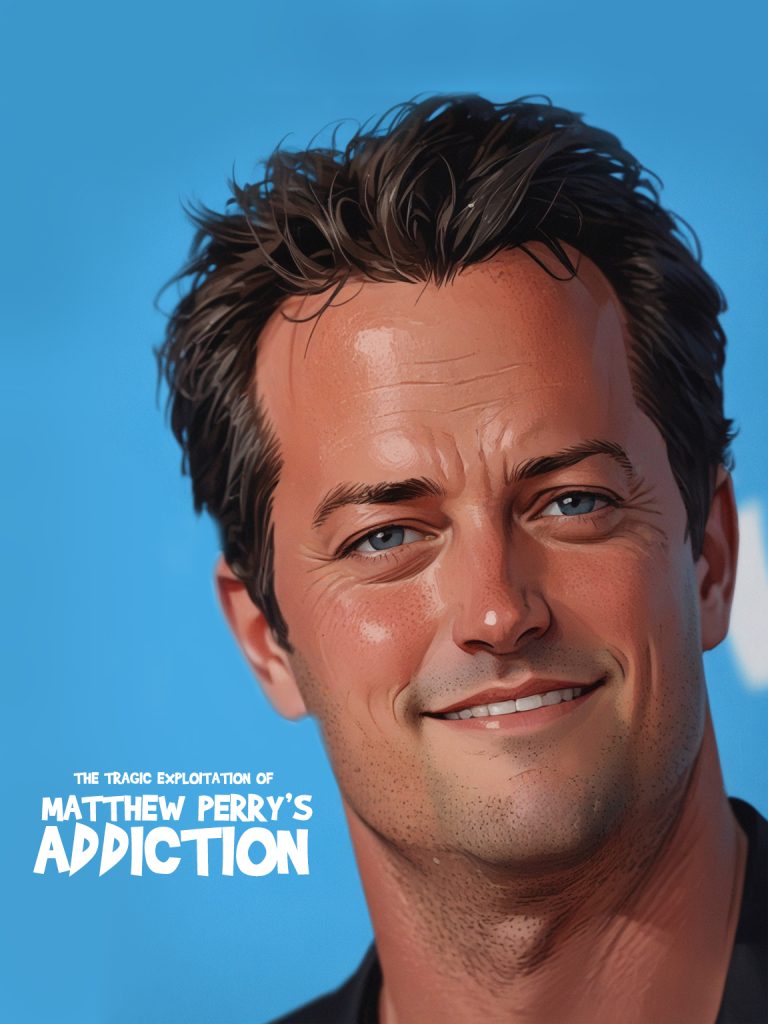
    The Tragic Exploitation of Matthew Perry’s Addiction

    0

    Behind the laughter-filled studio sets and the iconic character of Chandler Bing, there was a man grappling with a silent storm. Matthew Perry, the beloved star of Friends, was tragically caught in a whirlwind of addiction, a tempest fueled not only by personal demons but also by the very people entrusted with his care.

    This tale is not merely a cautionary tale about the perils of fame and fortune, but a chilling exposé of the exploitation that can lurk in the shadows of even the most glamorous industries. It’s a story where the lines between friend and foe, between care and cruelty, become blurred, and where the ultimate betrayal comes from those closest to you.

    As we delve into the depths of this tragic narrative, we’ll uncover a web of deceit, a conspiracy of silence, and a system that failed a man in his most vulnerable moments. So, buckle up and prepare to be shocked, saddened, and perhaps even a little disgusted, as we unravel the dark truth behind the tragic exploitation of Matthew Perry’s addiction.

    TL;DR

    • Matthew Perry’s Struggle: The article discusses the unfortunate death of actor Matthew Perry, who succumbed to a ketamine overdose in 2023.
    • Exploitation by Trusted Individuals: Those charged in connection with his death include two doctors, his personal assistant, and others who allegedly exploited his addiction for profit.
    • Legal Consequences: Legal actions have been taken against these individuals, highlighting the issue of exploitation and the need for accountability in the entertainment industry.
    • Hollywood’s Substance Abuse Problem: The case has drawn attention to the pervasive issue of substance abuse in Hollywood and the lack of adequate support systems for celebrities.
    • Public and Industry Response: There is growing public outrage and industry reflection on the need for better mental health and substance abuse support.

    Hollywood, the land of dreams and stardom, has a darker side—one where personal demons and public personas collide, often with devastating consequences. The untimely death of Matthew Perry, the beloved Chandler Bing from Friends, shines a glaring light on this harsh reality. Perry’s battle with addiction was no secret, but the events leading up to his tragic demise reveal a chilling story of exploitation by those who should have protected him.

    The Bitter Irony: Friends Who Weren’t

    Matthew Perry, the man who brought laughter to millions, was surrounded by people who were anything but friendly. On the surface, he had everything—fame, fortune, and a place in television history. But beneath that glossy exterior, Perry was fighting a battle that few could understand, and even fewer cared about. The irony? The very people who should have been his friends, his protectors, were the ones who enabled his downfall.

    You might think that a live-in assistant or a doctor would prioritize a patient’s well-being. Unfortunately, that wasn’t the case for Perry. Instead, these so-called “friends” saw dollar signs where there should have been concern and compassion.

    The Players in This Tragic Play

    The list of those charged in connection with Perry’s death reads like a rogue’s gallery of betrayal: two doctors, a live-in assistant, a broker, and a notorious North Hollywood dealer known as the “Ketamine Queen.” The charges against them? Conspiracy to distribute ketamine—a drug that ultimately led to Perry’s death.

    Let’s break down the key players:

    1. Dr. Salvador Plasencia: A doctor who supposedly took an oath to do no harm. Yet, he not only supplied Perry with dangerous amounts of ketamine but also mocked him in text messages, referring to him as a “moron.” Compassionate, right?
    2. Mark Chavez: Another doctor, equally unscrupulous, who joined forces with Plasencia to profit from Perry’s addiction. Together, they sold him 20 vials of ketamine for a whopping $55,000, all while knowing the harm they were causing.
    3. Kenneth Iwamasa: Perry’s live-in assistant, who should have been his support system. Instead, he was part of the scheme, administering the very drug that would take Perry’s life.
    4. Eric Fleming: The broker who facilitated the transactions, ensuring that Perry’s addiction was fed to the point of no return.
    5. Jasveen Sangha, a.k.a. “The Ketamine Queen”: A dealer with a sinister reputation, linked to the overdose death of another man. Her home was a veritable drug emporium, stocked with everything from methamphetamine to Xanax.

    The Grim Timeline Leading to Tragedy

    In the fall of 2023, Perry’s life was spiraling out of control. Despite years of battling his addiction, he found himself once again in its grip. This time, however, it wasn’t just the substances that were dangerous—it was the people around him.

    Over the course of two months, Plasencia and Chavez sold Perry an alarming amount of ketamine. The drug, often used as an anesthetic, is known for its hallucinogenic effects when abused. Perry, a recovering addict, was vulnerable, desperate, and in need of real help. Instead, he was handed the means to his end.

    In one chilling incident, Plasencia injected Perry with ketamine, only to watch as the actor’s blood pressure spiked and his body froze. Did he stop? Did he offer help? No. He simply left more vials for Iwamasa to administer later. Compassion clearly wasn’t part of his job description.

    And then there’s Sangha, the so-called “Ketamine Queen.” Her involvement took this tragedy to another level. It was her batch of ketamine, facilitated by Fleming, that ultimately ended Perry’s life. Her drug empire was a ticking time bomb, and Perry was one of its victims.

    A History of Struggle: Perry’s Battle with Addiction

    Matthew Perry’s struggle with addiction wasn’t a secret. He had been open about it, discussing his battles in interviews and even in his memoir, Friends, Lovers, and The Big Terrible Thing. He detailed the harrowing experiences of detox, relapse, and recovery, admitting that he had been mostly sober since 2001—except for “sixty or seventy little mishaps.”

    Perry’s addiction journey began at the tender age of 14 and intensified during his time on Friends. Despite his fame, or perhaps because of it, he found himself increasingly reliant on drugs and alcohol. In 2018, he suffered a near-fatal burst colon, a direct result of his drug abuse. It was a wake-up call, but one that, sadly, didn’t lead to lasting change.

    The Role of Ketamine: From Therapy to Tragedy

    Ketamine, the drug at the center of this tragedy, is a double-edged sword. On one hand, it’s used in controlled settings to treat depression and anxiety, offering hope to those who suffer from these debilitating conditions. On the other hand, when abused, it becomes a dangerous hallucinogen with potentially fatal consequences.

    In Perry’s case, ketamine was initially part of a supervised therapy. But somewhere along the way, the line between therapeutic use and dangerous abuse was crossed. The amounts found in Perry’s system were far beyond what would be used in therapy, leading to his untimely death.

    The Aftermath: Justice or Too Little, Too Late?

    As the legal wheels turn, those responsible for Perry’s death are facing serious charges. Plasencia and Sangha, the primary culprits, could spend the rest of their lives behind bars. But is that enough? Will it bring Perry back? Of course not. And that’s the bitter pill to swallow.

    These individuals saw Perry not as a person in need of help, but as an opportunity to make a quick buck. They exploited his addiction, ignoring the consequences until it was too late. Now, they’ll face the consequences of their actions, but the damage has been done.

    My Point of View: A Society Failing Its Own

    Now, let’s get real for a moment. What does this tragedy say about our society? Here was a man who, despite his fame and fortune, couldn’t escape the clutches of addiction. And instead of finding a support system, he found predators. This isn’t just about Matthew Perry—it’s about how we treat addiction as a whole.

    Even in fame, the fight with addiction is lonely; those who seem to help may not always have your best interests at heart.”

    We live in a world where the vulnerable are too often exploited, where those in power use their positions for profit rather than protection. It’s a sad reflection on us all. Yes, the individuals involved in Perry’s death are being held accountable, but what about the broader issue? What about the countless others who suffer in silence, without the resources or the voice that Perry had?

    Matthew Perry’s death is a reminder of the fragility of life and the importance of compassion. It’s a call to action for all of us to do better—to be better. Because if we don’t, tragedies like this will continue to happen, and the only ones to blame will be ourselves.

    The Price of Fame and the Cost of Neglect

    There you have it. A tale of fame, fortune, and the tragic consequences of unchecked exploitation. Matthew Perry’s story is a stark reminder that even behind the brightest smiles, the most beloved characters, and the seemingly perfect lives, there can be a world of pain and suffering.

    As we reflect on this heartbreaking narrative, let’s not just feel sorrow but also a sense of urgency. It’s time to demand accountability from those in positions of power, to foster a culture of compassion and support, and to dismantle the systems that allow such tragedies to occur.

    And remember, this is just one story. There are countless others out there, hidden in the shadows, waiting to be revealed. So, if you’re interested in exploring more tales of Hollywood’s dark side, be sure to check out True Crime. Together, we can shed light on these hidden truths and work towards a brighter, more just future.

    The Real “Geylang King” Tan Hock Keng: Who is he?

    0

    Geylang, a name synonymous with neon lights, bustling life, and a certain character. But beyond the stereotypes lies a man who once held this district, and much of Singapore’s real estate, in the palm of his hand. Tan Hock Keng. A king, they called him. A monarch of bricks and mortar. But was his reign one of prosperity or peril? Was he a visionary developer or a reckless gambler?

    Like the multifaceted jewel that is Geylang itself, Tan Hock Keng is a complex figure. His story is a “rojak” of success, failure, and controversy. It’s a tale of towering ambitions and crashing falls, of glittering facades and hidden depths. So let’s peel back the layers and discover the man behind the myth. Is he the architect of dreams or the master of illusions? The answer, as with most things in life, is probably a little of both.

    TL;DR

    • Tan Hock Keng, a former real estate mogul known as one of the “Geylang Kings,” faces legal and financial turmoil.
    • His high-profile projects, Laurel Tree and Sycamore Tree, have stalled due to financial mismanagement, leading to investigations.
    • Tan was fined S$600,000 for illegally converting private residences into dormitory accommodations.
    • The Asian Financial Crisis in 1997 significantly impacted Tan’s wealth, resulting in the loss of numerous properties.
    • The ongoing investigations and legal battles highlight the importance of ethical practices and financial transparency in real estate development.

    When you hear the name Tan Hock Keng, what comes to mind? For some, it’s a name steeped in scandal. For others, it’s a cautionary tale of what happens when ambition meets adversity. Either way, Tan Hock Keng has certainly made his mark on Singapore’s real estate landscape—whether that mark is a triumph or a blemish is up for debate. Let’s dive into the life of this controversial figure, sometimes referred to as one of the “Geylang Kings,” and see what lessons we can glean.

    The Rise of a Real Estate Mogul

    Tan Hock Keng didn’t just dabble in real estate—he dominated it, particularly during the booming 1990s. With a property portfolio that once boasted a value of around S$200 million, he was a major player in Singapore’s property market. Known as one of the “Geylang Kings,” he had significant holdings in the Geylang area, a district synonymous with both vibrant street life and, well, let’s just say less savory activities. The title wasn’t just for show; it reflected his influence and reach within the area.

    https://www.nlb.gov.sg/
    Katong Park Hotel, one of Singapore’s oldest hotels, was located at 46 Meyer Road, before it was sold in 1999 to make way for a residential project.

    However, Tan’s empire wasn’t confined to Geylang. His assets included notable properties like the Katong Park Hotel on Meyer Road and the Asia Radio Hotel on Bencoolen Street. He also owned land in various prime locations, including Delta Road, Zion Close, Jalan Kechot, Kembangan Estate and Upper Serangoon, not to mention multiple shophouses. By all accounts, Tan Hock Keng was sitting pretty, a real estate titan in his own right.

    The Fall: Asian Financial Crisis

    But as the saying goes, the higher you climb, the harder you fall. And fall he did—hard. The Asian Financial Crisis of 1997 was a tsunami that swept away much of Tan’s wealth. Suddenly, the man who once had everything was left scrambling to keep what little he had left. Properties were seized, debts mounted, and his empire began to crumble.

    One of the most striking examples of this downfall was the foreclosure of the Katong Park Hotel, a 170-room establishment that was once a crown jewel in his portfolio. Banks swooped in, and what was once a thriving business hub became another casualty of the financial storm. Tan’s life went from luxury to litigation, as he struggled to regain his footing in an unforgiving market.

    The Comeback Attempt

    You’d think that after such a massive financial setback, most people would pack it in, call it a day, and perhaps consider a quiet retirement. But not Tan Hock Keng. Ever the resilient entrepreneur, he attempted a comeback with two real estate projects: Laurel Tree and Sycamore Tree. These weren’t just any projects; they were supposed to be his grand re-entry into the property market, a chance to reclaim his former glory.

    Laurel Tree was a freehold condo project located in Hillview Terrace, featuring 70 apartments. Meanwhile, Sycamore Tree, a mixed-development project in Joo Chiat, was to include 96 residential units and 17 commercial units. Both projects were highly anticipated, and the market watched closely as Tan tried to pull off what many believed was impossible—a second act in a market that had nearly destroyed him.

    The Scandal: Projects Stalled and Questions Arise

    But then, the inevitable happened. By the end of 2018, both Laurel Tree and Sycamore Tree had stalled, and not just temporarily. These projects were declared indefinitely suspended, and the Urban Redevelopment Authority (URA) had to step in. The situation was dire: construction had halted, funds were missing, and buyers were left in the lurch, wondering if they’d ever see their investments materialize.

    So, what went wrong? According to reports, the accounts for these projects were alarmingly short on funds. The URA began to investigate whether there had been any misuse of funds or if the projects were simply undercapitalized from the start. Meanwhile, the projects were placed under receivership, with KPMG’s Bob Yap leading the charge to untangle the financial mess.

    This marked the first time since the Asian Financial Crisis that a developer in Singapore had gone bankrupt, and the market took notice. The fallout was severe, with many questioning Tan’s judgment and his ability to manage large-scale projects. Some even wondered if the “Geylang King” had lost his touch, or worse, if he’d never really had it in the first place.

    Legal Troubles and Public Outcry

    As if the stalled projects weren’t bad enough, Tan’s legal troubles didn’t end there. He was fined a staggering S$600,000 for converting 11 private residential properties into unauthorized dormitory accommodations. This was a blatant violation of Urban Redevelopment Authority (URA) regulations, which limit the number of unrelated occupants per property. But Tan, ever the risk-taker, flouted these rules, housing far more people than was legally allowed.

    The URA, along with the Ministry of Manpower (MOM), conducted inspections that revealed just how egregious these breaches were. Properties that were meant to house no more than six unrelated individuals were crammed with up to 17 foreign workers each. Tan’s actions not only violated the law but also put vulnerable occupants at risk, highlighting the potential dangers of such unauthorized conversions.

    The court wasn’t lenient, slapping him with the maximum penalty for his actions. This added another layer to Tan’s already tarnished reputation, further cementing his status as a controversial figure in Singapore’s real estate scene.

    My Point of View: A Cautionary Tale

    Now, you might be wondering, what’s my take on all this? Well, I’d say Tan Hock Keng’s story is a textbook example of what happens when ambition meets a lack of caution. On one hand, you have to admire his tenacity—few people could endure such a dramatic fall from grace and still attempt a comeback. On the other hand, his actions raise serious ethical questions. Was he just trying to rebuild his empire, or was he willing to cut corners at the expense of others?

    Tan’s story is a stark reminder that success in real estate—or any business, for that matter—requires more than just ambition and a bit of risk-taking. It requires transparency, ethical behavior, and, above all, a strong sense of responsibility. For potential investors, the lesson here is clear: always do your due diligence. Check a developer’s track record, and don’t be swayed by promises of high returns without considering the risks.

    References

    1. “Developer of Stalled Laurel Tree, Sycamore Tree Projects Investigated for Financial Mismanagement” – Detailed investigation into the suspension of the Laurel Tree and Sycamore Tree projects due to financial mismanagement.
      Link: The Business Times
    2. “Property Mogul Fined S$600,000 for Unauthorized Conversions of Private Residences into Dormitories” – Coverage of Tan Hock Keng’s legal troubles related to the illegal conversion of private properties.
      Link: Edge Prop

    Is Tan Hock Keng a Scandal or a Cautionary Tale?

    So, is Tan Hock Keng a scandal? In some ways, yes. His actions have certainly stirred controversy, and his legal troubles have cast a long shadow over his career. But more than that, he’s a cautionary tale—a reminder that the real estate market is fraught with risks, and even the most seasoned players can stumble.

    A name that echoes through the corridors of Singapore’s real estate history. Was he a visionary who dared to dream big, or a reckless gambler who bet it all on red? Perhaps he was both, a complex tapestry woven from threads of ambition, adversity, and a touch of enigma.

    Like the vibrant, ever-changing landscape of Geylang itself, Tan Hock Keng’s story is a reflection of Singapore’s journey. It’s a tale of boom and bust, of hope and despair. And while the final chapter remains unwritten, one thing is certain: his legacy will continue to spark debate and intrigue for years to come.

    So, who was the real Tan Hock Keng? The answer, like the city he helped shape, is a puzzle with infinite possibilities. Join us as we delve deeper into the lives of other influential figures who have left their mark on Singapore’s story.

    Nobody Sausage – I’m Broke (full song)

    0

    They say money can’t buy happiness, but it sure can buy a lot of things that make you happy. Like food. Or shelter. Or, you know, the basic necessities of life. But what happens when your bank account is as empty as a politician’s promises? That’s where Nobody Sausage comes in. Their song, “I’m Broke,” is more than just a catchy tune – it’s a financial autopsy, a comedic dissection of the modern-day struggle. It’s a culinary catastrophe where dreams are the main course, and hope is the dessert that never arrives. So, grab your metaphorical bread and prepare to be buttered up by the brutally honest lyrics of a song that’s as relatable as it is ridiculous.

    I’m a sausage
    I’m broke
    I don’t have any money
    I can’t buy a frappuccino
    Help me
    I’m poor
    No, no, no
    I have no money
    No, no, no
    I have no money
    Help me
    I’m poor
    When you’re too tired to go to work
    Too poor to quit the job
    Too young to retire
    I’m a sausage
    I’m broke
    No, no, no
    I have no money
    No, no, no
    I have no money
    Help me
    I’m poor
    Do you keep your money in your bank?
    I keep mine in my memories
    I’m not regular broke
    I’m high class broke
    I’m so broke
    Help me
    I’m poor
    Help me
    I’m poor

    @nobodysausage

    Nobody Sausage – I’m Broke (Official Music Video) #broke #nomoney #nobodysausage

    ♬ I’m Broke – Nobody Sausage

    Feelin’ Flat Broke? Nobody Sausage’s “I’m Broke” is Your Hilarious Anthem

    Ah, the universal experience of staring at your bank account balance with a mixture of horror and disbelief. You’re not alone, my friend. We’ve all been there, trapped in that soul-crushing purgatory between payday and… checks wallet lint collection …well, whatever passes for sustenance these days. Enter Nobody Sausage’s “I’m Broke,” a song that isn’t just catchy, it’s a financial struggle battle cry for the underpaid and overworked masses.

    Beyond the Catchy Tune: A Deep Dive into Broke-ness

    This isn’t your average whiny ballad about empty pockets. “I’m Broke” embraces the frustration with a dash of dark humor. Lines like “I’m a sausage. I’m broke,” with their blunt simplicity, perfectly capture the defeated sigh escaping your lips as you contemplate the sad state of your bank account. The repetitive “No, no, no, I have no money” isn’t just a catchy chorus – it’s a mantra for the chronic paycheck-to-paycheck (or, let’s be honest, sometimes memory-to-memory) warriors.

    It’s not just about being broke, though. It’s about that special brand of “high-class broke” where you maintain a facade of having it all together while your wallet silently screams the truth. We’ve all been there – sporting the fancy travel mug that remains empty, or wistfully eyeing that sale rack knowing even the discounted price is a pipe dream.

    Humor as a Weapon Against Financial Woes

    Nobody Sausage doesn’t shy away from the harsh reality. They even add a healthy dose of sarcasm for good measure. “I keep mine in my memories,” resonates deeply. It’s a bittersweet reminder of better times when a latte wasn’t a luxury, or perhaps a cynical laugh at the current state of your finances. But why does this song resonate so much? It’s because it taps into a universal struggle: the frustration of working hard yet feeling stuck, the exhaustion of being “too tired to work, too broke to quit, too young to retire.” It’s a vicious cycle, and Nobody Sausage captures it perfectly, all while making us laugh through the tears (or maybe that’s just sweat from staring at the bills).

    Laughter is the Best Medicine (For Broke-ness)

    Look, being broke sucks. There’s no sugarcoating it. But hey, sometimes a little laughter can go a long way. Nobody Sausage’s “I’m Broke” is like that friend who always knows how to crack a joke, even when things are bleak. They’re not dismissing your struggles, they’re just helping you find a way to smile through them.

    “High-class broke” is an art form, after all. It’s about maintaining appearances and finding joy in the little things, like a catchy tune that perfectly captures your financial woes.

    Why “I’m Broke” Should Be Your New Financial Anthem

    Why should you blast “I’m Broke” on repeat? Because it’s a powerful reminder that you’re not alone. In a world saturated with curated social media perfection, it’s refreshing to hear a song that embraces the messiness of real life. This song doesn’t sugarcoat the struggle – it owns it.

    There’s also a sense of camaraderie that comes from singing along to lyrics like “Help me, I’m poor.” It’s a shared experience, a knowing nod to everyone else who’s ever felt the sting of an empty wallet. And let’s face it, sometimes you just need to wallow in your broke-ness a little, especially when you can do it with a smile.

    It’s Okay to Laugh (Even at Your Bank Account)

    Now, if you’re looking for actual financial advice from a sentient sausage, you might be out of luck. Their best advice seems to be a chorus of “No, no, no, I have no money.” However, if you need a good laugh to brighten your day, then this song is pure gold. It’s a cheeky reminder that while being broke sucks, it’s not the end of the world.

    The Big Picture: Sausages Sizzling Through Life

    So, there you have it: the culinary masterpiece that is Nobody Sausage’s “I’m Broke.” It’s a dish served cold, with a side of sarcasm and a dollop of relatable despair. But remember, laughter is the best seasoning for life’s tough times. So, the next time you find yourself staring into the abyss of your empty wallet, put on this tune, and let the music be your financial therapist.

    And while you’re at it, why not explore other musical masterpieces that have managed to turn life’s lemons into lyrical lemonade? Our platform is a treasure trove of songs that will make you laugh, cry, and everything in between. So, dive in, explore, and discover your new anthem. After all, music is the universal language, and sometimes, the most relatable lyrics are the ones that hit closest to home (or, in this case, your bank account).

    A Contagion to Watch: The Mpox Crisis Unfolds in Africa

    0

    Mpox. A word that once conjured images of distant, exotic lands now casts a shadow closer to home. This isn’t your average viral sensation; it’s a contagion of a different kind—one that’s spreading fear as rapidly as the virus itself. Like a wildfire igniting in the heart of Africa, Mpox is a conflagration of health, human suffering, and global concern. It’s a disease that’s more than skin deep, a testament to our interconnected world and a stark reminder that even in our age of advancement, nature can still hold the upper hand. As this insidious invader marches across the continent, leaving a trail of illness and death, the world watches with a mix of apprehension and determination. Is this the beginning of a new chapter in the age-old battle between humanity and disease? Or is it merely a fleeting moment in time, soon to be eclipsed by the next global crisis?

    TL;DR

    • Mpox Outbreak: The article discusses the resurgence of the Mpox virus in the Democratic Republic of Congo (DRC), which has led to a significant health crisis.
    • New Variant: A new variant of the Mpox virus, Clade Ib, has been identified, raising concerns about increased transmissibility and severity.
    • International Response: Global organizations like the WHO, Africa CDC, and governments are working together to provide vaccines and aid to the affected regions.
    • Impact on Children: The outbreak has disproportionately affected children, with a high mortality rate among those under 15 years old.
    • Vaccine Distribution: Efforts are being made to distribute vaccines, with significant contributions from the U.S. and the African Union.

    When we think about global health crises, Mpox might not be the first thing that comes to mind. But if you haven’t been paying attention, let me bring you up to speed. The World Health Organization (WHO) recently declared an international health emergency over the rapid spread of Mpox in Africa. Yes, you read that right—the second time in just two years that this virus has triggered such a high-level alarm. So, what’s going on, and should you be concerned? Well, let’s dig into it.

    The Spread: Mpox Creeps Across Africa

    Mpox, transmitted through close physical contact (and yes, that includes sexual intercourse), has been surging in the Democratic Republic of Congo (DRC). The virus is not just lurking in the shadows; it’s actively spreading, particularly in camps for displaced people in the troubled eastern part of the country. From there, it’s making its way to neighboring countries like the Central African Republic, Burundi, Uganda, and Rwanda. And as if that wasn’t bad enough, it’s even reaching some African countries farther afield.

    Health officials are scratching their heads, trying to figure out how to contain this outbreak. Separate outbreaks have also been detected in parts of Congo, Cameroon, Ghana, Ivory Coast, and Nigeria. So, if you thought Mpox was a problem only in the DRC, think again.

    New Variant, New Challenges

    By the Numbers: A Grim Tally

    According to the Africa Centres for Disease Control and Prevention, there have been over 17,000 suspected Mpox infections across 13 African countries—an alarming jump from 14,957 in 2023 and 7,146 in 2022. The death toll? At least 517 confirmed fatalities, with Congo bearing the brunt of it—95% of infections and deaths. That’s not just a statistic; it’s a human tragedy unfolding in real-time.

    Dr. Tedros Adhanom Ghebreyesus, WHO’s director-general, didn’t mince words: “The potential for further spread in Africa and beyond is very worrying. It’s clear that a coordinated response is essential to save lives.”

    Why Mpox is More Dangerous Now

    Mpox isn’t new to Africa; it’s endemic in certain parts. But why the sudden concern? For one, the version of the virus causing havoc in Congo is Clade I—a deadlier variant than Clade II, which fueled the global outbreak in 2022. As if that wasn’t enough to keep health officials up at night, a new variant, Clade Ib, has also been detected in Congo. It might be more transmissible than other variants, though experts are still investigating.

    Dr. Samuel Boland, a public health expert with WHO’s Africa office, weighed in: “We’ve seen that Clade Ib spreads faster, but we do not know if this is because of something to do with the virus itself.” Well, isn’t that comforting?

    The Humanitarian Crisis in Eastern Congo

    It’s not just the virus that’s the problem. The health systems in these affected countries are, to put it mildly, woefully underfunded. Eastern Congo is grappling with one of the world’s worst humanitarian crises, with millions of people displaced and high rates of malnutrition. Hospitals, particularly in the hardest-hit areas, are struggling to keep up. Isolating Mpox patients is a luxury they can’t afford. In South Kivu province, for example, a 2-week-old baby contracted Mpox after sharing a room with an infected adult. It’s heartbreaking and preventable—if only there were enough resources.

    And the children? They’re suffering the most. In 2024 alone, Mpox has claimed the lives of at least 321 children under 15 in Congo. That’s more than 60% of the total confirmed deaths. The case fatality ratio for children under 1 year old is a staggering 8.6%, compared to 2.4% for people aged 15 and over. The virus is particularly brutal to those with weakened immune systems due to malnutrition or other health issues.

    My Take

    Now, let’s talk turkey. As a middle-aged man who’s seen a fair share of crises, let me tell you—this is bad. And by bad, I mean a catastrophe in slow motion. The spread of a deadlier variant of Mpox in a region already plagued by conflict and poverty is a perfect storm. It’s a ticking time bomb, and the clock is running out.

    But here’s the kicker: while the situation is dire, it’s not hopeless. What’s needed is a robust, coordinated response—one that not only treats the infected but also addresses the underlying issues like malnutrition, displacement, and inadequate healthcare. It’s a tall order, but it’s possible. And it starts with international cooperation and, crucially, funding.

    Why Children are Suffering More

    So, why are children so affected by this outbreak? Health experts aren’t entirely sure if there’s something unique about the new Mpox strain that makes kids more vulnerable. But one thing is clear: children in Congo live in difficult conditions. They have more physical contact through play and school, making them more susceptible to infection. And let’s face it—kids aren’t exactly known for their stellar hygiene habits.

    But here’s where things get a bit murky. In the 2022 global Mpox epidemic, the virus mostly affected adults, particularly those who contracted it through sexual intercourse. Fast forward to now, and we’re seeing a shift. The current outbreak in Congo is hitting kids hard, and that’s worrying. The health experts are still trying to figure out if it’s the strain, the living conditions, or a combination of both that’s causing this spike in child infections.

    A Ray of Hope?

    Is there any light at the end of this tunnel? Well, the WHO’s declaration of a “public health emergency of international concern” could be a game-changer. It’s like pulling the fire alarm—resources should start flowing, vaccines might be deployed faster, and international cooperation could ramp up. The U.S. has already chipped in $17 million this year to help with response efforts in East and Central Africa, and Washington is donating 50,000 Mpox vaccines to Congo.

    The African Union’s Centres for Disease Control and Prevention (Africa CDC) isn’t sitting idle either. They’ve signed an agreement with the European Union for the provision of 215,000 doses of a vaccine developed by Bavarian Nordic, a Danish vaccine maker. This shot has been used in the U.K. and U.S., so fingers crossed, it will help contain the outbreak in Africa as well.

    The Global Perspective: Are We Safe?

    For those of you outside Africa, you might be wondering, “Is this coming our way?” The short answer? It’s possible. Mpox can spread through close contact, and while it’s usually mild, it can be fatal in rare cases. The new Clade Ib variant seems to spread more easily, which is why the WHO’s alarm bells are ringing.

    But don’t panic just yet. The WHO’s response plan involves releasing more funds and ramping up research, which means we’re not entirely in the dark. We’ve been down this road before—remember the 2022 Mpox outbreak? It was eventually contained through vaccinations and behavioral changes in heavily affected communities. So, there’s a precedent for success.

    What You Can Do: Practical Advice

    So, what can you do to protect yourself? First off, stay informed. If you or someone you know starts showing symptoms—think flu-like symptoms followed by a rash—seek medical attention immediately. And no, Mpox isn’t a sexually transmitted disease, but it can spread through close contact, including sexual contact.

    For those in high-risk areas, maintaining good personal hygiene is crucial. Wash your hands frequently, avoid close contact with anyone who has visible skin lesions, and steer clear of wild animals that could carry the virus. If you’re traveling, especially to areas with known outbreaks, be extra cautious. And if you develop symptoms after returning from such areas, don’t just walk into a clinic—call ahead so they can take the necessary precautions.

    Related Recent Events and Supporting References

    1. WHO Declares Mpox as a Public Health Emergency of International Concern (PHEIC) Again
      • Reference: The World Health Organization declared Mpox a PHEIC in 2024 due to the rapid spread in Africa, particularly in the Democratic Republic of Congo (DRC) and neighboring regions. This marks the second time in two years that Mpox has prompted such a high-level international alert.
      • Source: World Health Organization (WHO) Press Release, July 2024
    2. Surge in Mpox Cases in the Democratic Republic of Congo (DRC)
    3. International Aid and Vaccine Distribution Efforts
      • Reference: The United States has provided $17 million in aid and 50,000 doses of the Mpox vaccine to the DRC. Additionally, the African Union’s Centres for Disease Control and Prevention (Africa CDC) has secured 215,000 doses of the Bavarian Nordic vaccine through an agreement with the European Union.
      • Source: U.S. Government and African Union Press Releases, August 2024

    The listed events highlight the ongoing and escalating Mpox crisis in Africa, particularly in the DRC. The WHO’s reclassification of Mpox as a Public Health Emergency of International Concern (PHEIC) underscores the gravity of the situation. The emergence of a new variant, Clade Ib, coupled with the virus’s devastating impact on children, has intensified international efforts to curb the outbreak. The involvement of global organizations like the WHO, Africa CDC, and various governments in vaccine distribution and aid efforts reflects the urgent need for a coordinated response. These developments are critical to understanding the broader context of the Mpox outbreak and the steps being taken to manage it.

    Final Thoughts: We Need to Act Now

    In closing, let me be blunt: Mpox is not just another virus making headlines. It’s a serious threat, particularly in Africa, where the combination of a deadly virus and fragile healthcare systems is creating a perfect storm. The WHO’s declaration is a wake-up call. It’s time for the global community to step up, provide the necessary resources, and prevent this from turning into a full-blown pandemic.

    Mpox is more than a medical crisis; it’s a mirror reflecting our world’s vulnerabilities. It’s a stark reminder that we are intricately connected, not just by trade routes and social media, but by the invisible threads of disease. As this chapter in the ongoing saga of human health unfolds, it’s crucial to remain vigilant, informed, and empathetic. This is not merely a story of a virus; it’s a narrative of resilience, hope, and the indomitable human spirit. To delve deeper into the complexities of this and other global health challenges, explore more articles in our Health section. Together, we can illuminate the path towards a healthier future.

    When Chess Turns Deadly: The Poisoning Scandal of Amina Abakarova

    0

    Chess, a battle of wits played on a checkered battlefield, has always been a game of strategy and intellect. But what happens when the pieces aren’t just plastic or wood, but pawns in a real-life drama of poison and betrayal?

    The hallowed halls of chess, traditionally a sanctuary of quiet contemplation, were irrevocably stained when Amina Abakarova allegedly transformed the game into a lethal contest. A queen’s gambit, perhaps, but with a deadly twist. The once pristine chessboard became a macabre canvas, where each square held the potential for tragedy.

    This is a story of a game gone awry, of a mind pushed to the precipice, and of a world turned upside down. It’s a tale where the lines between sport and crime blur, where the ultimate checkmate is a matter of life and death.

    TL;DR

    • Amina Abakarova, a chess champion, allegedly smeared mercury on her opponent’s chess pieces during a tournament in Russia.
    • The incident was captured on camera, leading to her suspension and potential criminal charges.
    • Her rival, Umaiganat Osmanova, fell ill but managed to finish the tournament in second place.
    • The case highlights the extreme lengths some athletes might go to win, sparking a broader discussion on ethics in sports.
    • If found guilty, Abakarova could face a lifetime ban from chess and up to three years in prison.

    Chess, a game of strategy, intellect, and patience, has always been known for its mental battles rather than physical confrontations. Yet, what happens when a chessboard turns into a crime scene? Well, you get the bizarre case of Amina Abakarova, a name now infamous in the world of chess—not for her brilliant moves, but for a scandal that has the entire chess community gasping.

    ABC News showing the Russian chess player in her act

    On August 2, 2024, during the Dagestan Republic Chess Championship, something happened that no one saw coming—or perhaps they did, if they were keen observers of a rivalry gone sour. Amina Abakarova, a seasoned chess player, was allegedly caught on camera in the act of poisoning her opponent’s chess pieces. Yes, you read that right—poisoning. And not just any poison, but mercury, a substance known for its deadly consequences.

    Checkmate or Check Yourself: A Closer Look at the Incident

    The tournament was in full swing, players deep in concentration, when Amina, with all the subtlety of a spy in an old-school thriller, allegedly snuck into an empty game room. The security footage reportedly shows her tentatively scanning the area before proceeding to smear what was later identified as mercury onto the chess pieces. Talk about taking the concept of a “poisoned pawn” to a whole new, literal level.

    Now, for those unfamiliar, mercury isn’t something you’d want to play with—let alone come into contact with. It’s a toxic heavy metal that can wreak havoc on the human body, affecting the lungs, kidneys, nervous system, and even the brain. The very thought of it sends shivers down the spine, especially when it’s linked to a game as mentally demanding as chess.

    A Rivalry Gone Too Far?

    Rivalries in sports are as old as time. They push competitors to be better, to outwit each other, to emerge victorious. But Amina and Umaiganat Osmanova’s rivalry seems to have crossed into dangerous territory. According to reports, these two have faced off in numerous tournaments, with Umaiganat recently besting Amina in another regional competition. Was it the sting of defeat that drove Amina to allegedly plot this toxic attack?

    Osmanova, the unfortunate recipient of this dubious tactic, reportedly fell ill shortly after touching the poisoned pieces. She complained of nausea, dizziness, and a metallic taste in her mouth—symptoms that scream “get medical help, stat!” And as if that wasn’t alarming enough, she noticed tiny metallic balls, which later turned out to be mercury, rolling out from under her board. Imagine the horror!

    In a moment that would make any thriller writer proud, Osmanova quickly put two and two together, alerting the tournament organizers. What followed was a discovery that turned the chess championship on its head: security footage that seemed to catch Amina red-handed. The revelation was enough to send shockwaves through the Russian Chess Federation, leading to her suspension and an ongoing investigation.

    The Fallout: Legal and Professional Consequences

    Now, let’s talk about consequences. If the allegations are true, Amina isn’t just facing a slap on the wrist. We’re talking about serious legal repercussions. Mercury poisoning is no joke, and the Russian authorities are treating this with the gravity it deserves. Abakarova could be looking at up to three years in prison if convicted, not to mention a lifetime ban from chess competitions. That’s a harsh reality for someone who dedicated years to mastering the game.

    But here’s the kicker—despite everything, Osmanova didn’t let a little thing like mercury poisoning stop her. In an incredible display of resilience, she pushed through her illness and managed to finish the championship in second place. Talk about grit! While Amina faces the possibility of jail time, Osmanova’s tenacity shines through, making her the real victor in this twisted tale.

    My Take: When Competition Becomes Catastrophic

    As a person who’s seen my fair share of competitive spirit, I can’t help but wonder where the line between healthy rivalry and dangerous obsession lies. Sure, competition can be motivating. It can push us to excel, to be our best selves. But when that drive turns toxic—quite literally in this case—it’s time to take a step back and reevaluate.

    What was Amina thinking? Did she really believe that resorting to poisoning would bring her the glory she sought? Or was this a desperate attempt to reclaim her place in the chess world, blinded by jealousy and frustration? Whatever the case, it’s clear that this was a move that will haunt her for a long time.

    Let’s face it, no one wins when the game turns deadly. The chessboard should be a place for intellectual duels, not a battlefield where lives are put at risk. This incident serves as a stark reminder that the pursuit of victory should never come at the cost of one’s humanity.

    Recent Scandals and Controversies in Competitive Sports

    1. Lance Armstrong Doping Confession (2013)
      Cyclist Lance Armstrong, once a symbol of perseverance and strength, admitted to using performance-enhancing drugs throughout his career. His confession tarnished his legacy and raised questions about ethics in professional sports.
      • Reference: BBC
    2. Russian State-Sponsored Doping Program (2014 Winter Olympics)
      The exposure of Russia’s state-sponsored doping program during the Sochi Winter Olympics led to the country’s ban from future Olympic Games. This case illustrates the extreme measures taken by some to dominate in sports, akin to the poisoning scandal in chess.
    3. Hans Niemann Is Innocent and Has Been Reinstated
      Chess Grandmaster Hans Niemann faced allegations of cheating during online and over-the-board tournaments, sparking debates about integrity in the game. This controversy mirrors the poisoning incident in showing the lengths to which competitors might go.

    The list above draws attention to various instances across different sports where the desire to win led to unethical and, at times, illegal behavior. From doping scandals to match-fixing and even physical sabotage, these cases reveal the darker side of competitive sports. They serve as reminders that while the pursuit of victory is a key element of sportsmanship, it must always be balanced with integrity and respect for the game and its participants. These incidents parallel the alleged chess poisoning case, showcasing how the drive to win can push some individuals to cross ethical boundaries, leading to scandal and consequences that extend far beyond the playing field.

    The Bigger Picture: Ethics in Sports

    This scandal also raises a broader question: What are we willing to sacrifice for success? In the world of sports, whether it’s chess, football, or any other competitive arena, the pressure to win can be immense. But does that justify crossing ethical lines? Absolutely not.

    We’ve seen it time and again—athletes using performance-enhancing drugs, coaches engaging in questionable tactics, and now, chess players allegedly resorting to poisoning. It’s a slippery slope, and once you start down that path, it’s hard to turn back.

    The key takeaway here is the importance of integrity. In any competition, the true victory lies in playing fair, in respecting your opponents, and in upholding the values that make the sport what it is. When we lose sight of that, we risk losing much more than just a game.

    Final Thoughts: A Lesson in Priorities

    The chessboard, once a realm of pure intellect, has been irrevocably stained by a toxic move. Amina Abakarova’s alleged actions serve as a stark reminder that even in the most cerebral of arenas, the human capacity for darkness can prevail. This is a cautionary tale, a chess match where the stakes were life itself.

    As the dust settles on this shocking affair, one thing is clear: the world of chess will never be the same. The game, once a sanctuary of strategy, has been invaded by a shadow of doubt. It’s a checkmate for trust, a pawn sacrificed on the altar of ambition.

    So, the next time you sit down to a game of chess, remember: the pieces may be inanimate, but the players aren’t. And every move, no matter how calculated, has consequences.

    Want to uncover more shocking stories of the unexpected? Dive deeper into our world of True Crime.