

More
    Home Blog Page 83

    Taeil Quits NCT Amidst Sexual Crime Allegations: What Really Happened?

    So, you thought the drama in K-pop couldn’t get any juicier? Well, buckle up, folks, because we’ve got a doozy. It’s a tale of allegations, accusations, and a shocking departure. NCT’s beloved vocalist, Taeil, has left the group amidst claims of a sexual crime. Now, before you start singing “90’s Love,” let’s dive into this tangled web of rumors, innuendos, and a whole lot of “what the heck” moments.

    TL;DR

    • The Scandal: NCT member Taeil has left the group due to accusations of a sexual crime.
    • Fan Reactions: Fans are devastated and confused by the news.
    • SM Entertainment’s Response: The agency has released a statement apologizing for the incident and confirming Taeil’s departure.
    • Industry Impact: The scandal has raised questions about the dark side of K-pop and the pressures faced by idols.

    Well, well, well, another day in K-pop and another scandal has surfaced. This time, it’s none other than Taeil, a member of the global sensation NCT, who’s stepping away from the spotlight after some serious accusations. If you’re wondering what’s happening, grab a cup of coffee and settle in because we’re going to dive deep into this drama.

    Let’s start from the beginning. South Korean singer Taeil, real name Moon Tae-il, has made headlines recently—but not for the reasons you’d want. His label, SM Entertainment, confirmed on August 28 that Taeil has left the K-pop group NCT due to being accused of a sexual crime. Yes, you read that right. And while the details of the allegations remain vague, one thing’s for sure—this is not the kind of news that any fandom wants to hear. So, let’s unpack this story.

    The Announcement That Shocked Fans

    In a statement shared on the social media platform X (formerly Twitter), SM Entertainment expressed their “deepest apologies” to fans, saying that Taeil had been accused in a criminal case related to a sexual crime. The label didn’t specify what exactly happened, which only adds more fuel to the fire of speculation. Their statement read, “We recognized the seriousness of the situation and have decided that Taeil can no longer continue his activities with NCT.”

    Now, if you’re thinking, “Hold on, this came out of nowhere!”—you’re not alone. Fans were blindsided. According to reports, Taeil has been cooperating fully with the police investigation. That’s right—he’s not ducking out or pulling a Houdini. But in the meantime, his bandmates have unfollowed him on social media, with some even scrubbing him from their timelines. Ouch. Talk about cold.

    SM Entertainment’s Role: Damage Control or Genuine Concern?

    Let’s talk about SM Entertainment for a second. When something like this happens, it’s easy to assume the label is just in full-on damage control mode. After all, K-pop is a billion-dollar industry, and one bad apple can spoil the whole bunch. SM Entertainment had no choice but to address the matter swiftly, especially since this isn’t the first time a scandal has rocked their artists. Earlier this year, members Johnny and Haechan were also embroiled in sexual misconduct rumors.

    Their official statement might sound like corporate-speak, but you can bet that behind the scenes, they’re working overtime to contain the fallout. With allegations like these, public opinion can shift faster than you can say “Neo Culture Technology,” and SM knows it. Their decision to let Taeil go may have been more about protecting their brand than anything else.

    Taeil’s Career: A Meteoric Rise, A Devastating Fall

    Taeil debuted with NCT back in 2016, quickly becoming a fan favorite with his smooth vocals and charming personality. He was part of NCT 127, one of the subunits of the larger NCT universe, which itself boasts over two dozen members. Known for its experimental blend of genres like pop, R&B, and hip-hop, NCT carved out a niche in the global music scene.

    NCT’s success wasn’t just confined to South Korea. Their albums have made it onto Billboard charts, and they’ve garnered an international fanbase thanks to their boundary-pushing music and slick choreography. But Taeil’s departure has left many fans reeling. Some loyal supporters are still in shock, while others have already started deleting his photos from their social media feeds.

    K-pop and Scandals: A Tale as Old as Time?

    It’s worth noting that K-pop and scandals go hand in hand—unfortunately. The idol culture in South Korea is intense, and one misstep can lead to a career-ending scandal. In 2019, the infamous Burning Sun scandal shook the industry, revealing a dark underbelly of sexual crimes, drug use, and corruption. That incident, involving several high-profile celebrities, changed the way the public viewed their idols.

    And now, it seems Taeil might be walking a similar path. Even though the details of the allegations against him haven’t been fully disclosed, the fact that they’re serious enough to warrant his departure from NCT speaks volumes.

    My Take on This Mess

    Alright, if you’re a fan, you’re probably heartbroken right now, maybe even furious. And hey, that’s totally understandable. When you support an idol, it feels personal. You follow their every move, buy their merch, attend their concerts—and then something like this happens. It’s like finding out your favorite TV character is being written off the show mid-season.

    But, and here’s the kicker—maybe we shouldn’t idolize these idols too much? K-pop stars, like all celebrities, are human. They’re not infallible, and they make mistakes. Some of those mistakes, like in Taeil’s case, seem to be life-altering. It’s a harsh reminder that sometimes the image we have of these stars doesn’t line up with the reality of who they are.

    And another thing—don’t you think SM Entertainment is playing it just a little too safe? Sure, they’re a business, and they have to protect their bottom line, but would it really hurt them to be more transparent with fans? Dropping vague statements doesn’t help anyone. If anything, it only encourages speculation and rumors. Fans deserve better.

    The Bigger Picture: What’s Next for K-pop?

    Looking at the bigger picture, Taeil’s scandal isn’t an isolated incident. The K-pop industry as a whole has a lot to reckon with. From burnout and mental health issues to more serious allegations like sexual crimes, it’s becoming clear that the pressure put on these idols is immense. Something’s gotta give, right?

    Will the industry change for the better? It’s hard to say. But one thing’s for sure: scandals like this aren’t going away anytime soon. As fans, it’s important to support the artists we love, but also to hold them accountable when necessary. After all, isn’t that what being part of a fandom is all about—celebrating the highs and sticking it out through the lows?

    Recent Events Related to the Taeil Scandal

    1. Burning Sun Scandal (2019)
      This landmark scandal exposed the dark side of South Korea’s K-pop industry, involving sexual assault, rape, and sex trafficking at the Burning Sun nightclub. The scandal revealed a pervasive culture of exploitation within K-pop, leading to the downfall of numerous celebrities.
    2. Seungri’s Criminal Case (2020-2021)
      Former Big Bang member Seungri was convicted of orchestrating prostitution services and embezzlement, adding to the controversies surrounding male idols in K-pop. His case garnered global attention, showing how serious criminal allegations could permanently damage a public figure’s career.
    3. Kim Garam’s Departure from Le Sserafim (2022)
      In another high-profile case, Kim Garam was removed from the group Le Sserafim after bullying accusations surfaced online. The swift action of her management reflected growing pressure for accountability in the K-pop industry.
    4. Jung Joon-young & Choi Jong-hoon Sentencing (2020)
      Jung Joon-young, a former singer, and Choi Jong-hoon, an ex-member of FT Island, were sentenced to prison for gang rape and sharing illegal videos of women. This case also highlighted the hidden misconduct within K-pop’s idol culture.
    5. Johnny & Haechan’s Controversy (2023)
      Earlier this year, NCT members Johnny and Haechan were embroiled in a sex scandal, though it didn’t reach the same criminal heights as the Taeil case. Still, it pointed to how idols are frequently involved in scandals that disrupt their careers and fandoms.

    Wrapping Up

    A K-pop scandal that’s as tangled as a bowl of ramen noodles on a bad hair day. While we may never know the full truth, one thing’s for sure: the world of K-pop is as unpredictable as a cat on a treadmill. But hey, that’s what keeps us coming back for more, right?

    Want to dive deeper into the world of K-pop drama and gossip? Check out our other articles in this category for more juicy tales, shocking revelations, and a whole lot of tea.

    Ariatna Lizeth Mata Esparza: How a 22-Year-Old Woman’s Passion for Fitness Turned Fatal

    0

    In a world where strength and resilience are often celebrated, the tragic story of Ariatna Lizeth Mata Esparza serves as a stark reminder that even the most determined spirits can be humbled by the unexpected. A young woman whose passion for fitness was as vibrant as her spirit, Ariatna’s life was tragically cut short in a gym accident. But this isn’t merely a tale of misfortune; it’s a poignant exploration of the delicate balance between ambition and vulnerability.

    Ariatna’s journey to fitness was one of dedication and perseverance. She embraced the iron as a tool for transformation, a symbol of strength and empowerment. Yet, in a cruel twist of fate, this very symbol became the harbinger of her demise. The irony is palpable: the very thing that had brought her so much joy and fulfillment ultimately claimed her life.

    As we delve into the circumstances surrounding Ariatna’s tragic accident, we’ll uncover the hidden dangers lurking beneath the surface of our seemingly innocuous pursuits. We’ll explore the complexities of human strength and the fragility of life itself. And perhaps, in the process, we’ll find a renewed appreciation for the delicate balance between our dreams and our realities.

    TL;DR

    • Understand your body and its limits: Be aware of your physical capabilities and avoid pushing yourself too hard.
    • Listen to your body: Pay attention to warning signs like dizziness or shortness of breath.
    • Seek professional guidance: Consult with a qualified trainer or healthcare provider for proper form and technique.
    • Acclimate gradually: If traveling to a high-altitude location, acclimate slowly to reduce the risk of altitude sickness.
    • Prioritize safety: Always put your health and safety first, even if it means modifying your workout routine.

    A Life Cut Short: A Tragic Gym Accident in Mexico

    Earlier this month, tragedy struck at a gym in Torreón, Mexico, where a 22-year-old woman lost her life in what can only be described as a devastating turn of events. The young woman, Ms. Ariatna Lizeth Mata Esparza, collapsed while lifting weights, a routine that should have been another step towards her fitness goals. Unfortunately, it turned into her last.

    Reports suggest that Ms. Esparza may have over-exerted herself, leading to her untimely death. While the exact details of her workout remain undisclosed, it’s clear that something went terribly wrong during her barbell squats. Paramedics rushed to the scene, but despite their efforts, she was pronounced dead on the spot.

    The Silent Danger: Anoxemia and Its Fatal Consequences

    Now, let’s dive into what exactly caused this tragic event. The autopsy revealed that Ms. Esparza died from anoxemia—a condition that’s as terrifying as it sounds. Anoxemia occurs when there’s a severe lack of oxygen in the blood, a situation that’s incredibly dangerous, especially during intense physical activity.

    Imagine your body is a car, and oxygen is the fuel. Without enough oxygen, your engine (in this case, your brain and other vital organs) can’t function properly. In Ms. Esparza’s case, the lack of oxygen led to a stroke and blood clots, ultimately causing her death.

    But why did this happen? Torreón sits at 3,600 feet above sea level, where oxygen levels are lower than at sea level. Combine that with the intense physical exertion of lifting weights, and you have a recipe for disaster. At higher altitudes, your body may use more oxygen than it can absorb, leading to oxygen depletion and increased blood pressure. This can result in a fatal brain hemorrhage, especially if your body isn’t accustomed to these conditions.

    Fitness and Altitude: A Deadly Combination?

    This tragic incident raises important questions about the relationship between fitness and altitude. While regular exercise is generally good for you, doing it at high altitudes comes with unique risks. The human body is adaptable, but it needs time to acclimate to different environments. Those who live at high altitudes are typically more resistant to conditions like anoxemia because their bodies have adapted to carry more oxygen. However, visitors or those who are not acclimatized may be at risk.

    In Ms. Esparza’s case, it’s unclear if she had any underlying health conditions that may have contributed to her death. But this incident serves as a stark reminder that when it comes to fitness, especially in challenging environments, one must be cautious and aware of their limits.

    More Than Just a Statistic: Remembering Ms. Esparza

    It’s easy to get lost in the details of what went wrong, but let’s not forget that Ms. Esparza was more than just a victim of a tragic accident. She was a vibrant young woman with a bright future ahead of her. A lover of animals, she frequently shared photos of dogs for adoption online. Her last social media post poignantly read, “It makes me laugh when people say ‘don’t humanize your dog,’ when he’s the one humanizing me.”

    She was also a dedicated nursery school teacher who had recently taken an exam for a new job. Heartbreakingly, she was expected to receive her test results on the very day she passed away. It’s clear that Ms. Esparza had a passion for life, animals, and education, making her loss even more tragic.

    Lessons We Can Learn

    Now, let’s step back and take a broader look at this situation. I can’t help but feel a deep sense of sorrow for Ms. Esparza’s family and friends. Losing someone so young, especially in such a sudden and unexpected way, is a heart-wrenching experience. However, there are lessons to be learned here, not just for those who knew her, but for all of us.

    First and foremost, this incident underscores the importance of understanding our bodies and their limits. Fitness is a journey, and like any journey, it requires preparation, knowledge, and awareness. Lifting weights, especially at higher altitudes, is not something to be taken lightly. It’s essential to know your body, understand the environment you’re in, and listen to the signals your body sends you.

    Furthermore, this tragic event highlights the need for proper training and guidance, especially when engaging in intense physical activities. Having a qualified trainer who can guide you and help you understand the risks involved can make a significant difference in preventing such accidents.

    Lastly, while it’s natural to push ourselves to achieve our fitness goals, it’s crucial to remember that health and safety should always come first. No goal is worth risking your life for, and it’s okay to take a step back, reassess, and prioritize your well-being.

    Recent Events Highlighting the Dangers of Over-Exertion in Fitness

    1. Bodybuilder in California Suffers Brain Aneurysm While Weightlifting (2023)
      • A 28-year-old bodybuilder was hospitalized after suffering a brain aneurysm during a heavy weightlifting session. Doctors believe that the strain from lifting excessive weight may have triggered the aneurysm.
    2. Marathon Runner Dies After Collapsing in Extreme Heat (2022)
      • A seasoned marathon runner collapsed and died during a race due to heat exhaustion and dehydration. The event took place under extreme weather conditions, emphasizing the dangers of physical activity in challenging environments.
    3. CrossFit Athlete Dies After Competing in a Strenuous Event (2022)
      • A CrossFit athlete collapsed and later died after participating in a particularly demanding event. Doctors pointed to dehydration, over-exertion, and the physical toll of the competition as contributing factors.

    Final Thoughts: Moving Forward with Caution

    Ariatna Lizeth Mata Esparza’s story is a poignant reminder that even in the pursuit of strength, vulnerability lies just beneath the surface. Her tragic demise serves as a stark contrast to the vibrant spirit she embodied. While the weight of her loss may be immeasurable, her legacy can inspire us to approach our own fitness journeys with a renewed sense of gratitude and caution.

    As we reflect on Ariatna’s story, let us remember that the pursuit of health and wellness should be a celebration of life, not a race against time. Let us strive to find balance in our lives, recognizing that even in the strongest of individuals, there is a delicate interplay between ambition and vulnerability.

    For more stories that explore the complexities of human experience, be sure to check out our Fitness section. We delve into the depths of the human psyche, uncovering the hidden truths that shape our lives.

    Pavel Durov’s Arrest: The Founder of Telegram Faces Scrutiny Over Online Criminality

    0

    Pavel Durov, the enigmatic founder of Telegram, has always been a man of contradictions. A tech visionary who built a messaging app that became a bastion for free speech and privacy, yet also a figure shrouded in mystery and controversy. Now, Durov finds himself facing scrutiny of a different kind: allegations of facilitating online criminality.

    The arrest of the man who once dined with world leaders is a stark reminder that even in the digital age, actions have consequences. It’s a tale of a platform that has become both a sanctuary for the oppressed and a haven for the illicit. And it raises the age-old question: where does freedom end and responsibility begin?

    As we delve into the details of Durov’s arrest and the implications for Telegram, we’ll explore the complex interplay of technology, law, and human behavior. Is Durov a victim of political persecution, or is he complicit in a web of online crime? The answers, as often happens in the digital age, are far from simple.

    TL;DR

    • The arrest of Pavel Durov, the founder of Telegram, highlights the challenges of balancing internet freedom with the prevention of online crime.
    • Tech companies have a responsibility to address illegal activities on their platforms while protecting user privacy.
    • The future of digital platforms depends on finding a sustainable solution that ensures both freedom and safety.

    Pavel Durov, the enigmatic founder of Telegram, has once again found himself in the spotlight—but this time, not for his cryptic posts or controversial tech. This isn’t just another story about an eccentric billionaire shaking things up in the tech world. Nope. This time, it’s about how Durov went from sharing lunch with President Emmanuel Macron in 2018 to landing in a French holding cell in 2024. Quite the trajectory, right?

    But what exactly led to his arrest? Was it because of his rebellious stance against government control, or was it something far more sinister? Spoiler alert: it’s not just about politics.

    From Lunches with Macron to Holding Cells

    In 2018, Durov was a guest of honor at a lunch hosted by none other than French President Emmanuel Macron. At that time, Macron was reportedly trying to woo the Russian-born founder to move Telegram’s operations to Paris. He even dangled the prospect of French citizenship in front of Durov. But here’s the twist: Durov declined. Yep, he turned down the president of France. Bold move, don’t you think?

    Fast forward to 2024, and things have changed dramatically. Instead of cordial lunches, Durov is now in a French holding cell. French authorities detained him in an investigation linked to online criminal activity, threatening the very foundation of Telegram’s anti-authoritarian ethos. The irony here is that the man who was once courted by governments is now being scrutinized for not playing by their rules. Oh, the sweet irony.

    What Did He Do, Exactly?

    Authorities aren’t holding back. They’re investigating Telegram for allegedly enabling illegal activities—everything from child pornography to drug trafficking. And while Durov hasn’t been officially charged with any crime (yet), the detention has sparked concern about whether platforms like Telegram are doing enough to prevent online criminality.

    Now, before you say, “Wait, I thought Telegram was just a messaging app,” let’s remember that this is no ordinary app. Telegram has long been a safe haven for people looking to dodge government surveillance. Pro-democracy demonstrators, dissidents, and yes, even shady characters like cybercriminals, have all flocked to the platform. With great freedom comes, well, great responsibility—or so they say.

    And it seems like governments have had enough of Telegram’s hands-off approach. Investigators want to know whether platforms like Telegram are breaking the law by refusing to cooperate with authorities in combatting illegal content. If you thought being a tech mogul was all ice baths and shirtless Instagram posts (more on that later), think again.

    The Rise of Telegram: From Russia with Rebellion

    Durov’s rise to tech stardom began in Russia. Back in 2006, he founded VKontakte, a Facebook-esque social media site that quickly gained popularity. By 2011, it had become a platform for political opposition, a tool for critics of Vladimir Putin. Naturally, the Kremlin wasn’t too pleased and pressured Durov to sell VKontakte to Putin’s confidant, Igor Sechin. Durov refused. But with Russia being, well, Russia, the pressure became unbearable, and Durov left in 2014.

    That’s when the birth of Telegram came into play—a messaging app that promised security and encryption, essential for anyone trying to evade Big Brother’s watchful eye. Telegram wasn’t just an app; it was a middle finger to surveillance.

    But as Telegram grew, so did its problems. Governments around the world started to take notice of the app’s role in enabling not just free speech, but also illegal activities. You know what they say: you live by the sword, you die by the sword.

    The French Spy Game

    As if Durov’s story wasn’t already James Bond-worthy, it turns out that in 2017, French spies—yes, actual spies—targeted him in a covert operation called “Purple Music.” They hacked his iPhone, all in an attempt to crack down on Islamic State operatives using Telegram to recruit members and plan attacks. The plot thickens, doesn’t it?

    Governments all over the world have had a love-hate relationship with Durov. They’ve tried to woo him, hack him, and now, arrest him. So, what’s next for the man who seems to be both a tech visionary and a thorn in the side of global authorities?

    My Two Cents on Durov’s Arrest

    Here’s where it gets interesting: Telegram, in many ways, reflects Durov’s own anti-establishment ethos. It’s all about freedom, privacy, and resisting control. And while that might sound great in theory, it’s also a double-edged sword. Sure, free speech is essential, but what happens when that freedom is used to fuel criminal activities? Is it time for Durov and Telegram to take more responsibility for what happens on their platform?

    Now, don’t get me wrong. I love the idea of sticking it to The Man as much as anyone, but when your app becomes a hub for crime, maybe—just maybe—it’s time to rethink the strategy. Durov has spent years dodging both Russian and Western intelligence agencies, but the noose seems to be tightening. Can he continue to play the anti-authoritarian card, or will he have to start playing ball with governments?

    The Fallout: What’s Next for Durov and Telegram?

    This isn’t just about one man’s arrest—it’s about the future of platforms like Telegram. The EU’s Digital Services Act, which mandates that platforms cooperate with authorities to counter illegal content, is a wake-up call for all tech companies. The days of ignoring subpoenas and hiding behind encryption might be coming to an end.

    And let’s not forget the bigger picture here: misinformation, racism, antisemitism, and illegal commerce are rampant on platforms like Telegram, TikTok, and X (formerly known as Twitter). The French government’s crackdown on Durov could be the start of a larger movement to hold tech companies accountable for what happens on their platforms.

    If Durov thought hopping between countries and collecting passports would keep him safe from the law, it seems he may have miscalculated.

    Durov: The Man, the Myth, the Multinational Sperm Donor?

    Now, I wouldn’t be doing my job if I didn’t mention some of Durov’s, uh, more “interesting” personal choices. Last month, Durov took to social media to announce that he’s a multinational sperm donor and has fathered over 100 children across 12 countries. That’s right. Not content with just being a tech mogul, Durov is apparently doing his part to populate the world—one child at a time.

    And if that wasn’t enough, he’s also a fan of extreme ice baths. In one of his recent Instagram posts, he claimed that “the best way to start a day is a few minutes in 0⁰C water mixed with ice.”

    Look, I’m all for wellness trends, but I think I’ll stick to my coffee, thanks.

    Recent Events Related to Pavel Durov and Telegram: Key Developments

    1. Pavel Durov’s Detention in France (2024)
      Durov was detained by French authorities, sparking concerns about the control and monitoring of Telegram and other platforms. His arrest has raised questions about his anti-authority stance and the app’s global impact.
      Reference: [https://www.nytimes.com/2024/08/27/business/telegram-pavel-durov-arrest-explained.html]
    2. Telegram’s Role in the Russia-Ukraine Conflict (2022 – Ongoing)
      Telegram has been a crucial tool for communication in the Russia-Ukraine war. Both Russian and Ukrainian sides use the platform to spread news, organize resistance, and broadcast narratives.
      Reference: [https://www.nytimes.com/2024/08/26/world/europe/telegram-russia-ukraine-war.html]
    3. EU’s Digital Services Act Enforcement (2024)
      New European Union regulations, including the Digital Services Act, require platforms like Telegram to comply with stricter content regulations, influencing how the app operates within Europe.
      Reference: [https://commission.europa.eu/strategy-and-policy/priorities-2019-2024/europe-fit-digital-age/digital-services-act_en]
    4. Allegations of Telegram Hosting Illegal Activities (2024)
      Investigations are underway in France to determine if Telegram has been used to facilitate illegal activities like drug trafficking, child pornography, and unauthorized encryption software sales.
      Reference: [https://www.washingtonpost.com/business/2024/08/26/telegram-pavel-durov-arrest/6c6787e0-63e7-11ef-a399-4245aabdb0ed_story.html]

    A Man at Odds with the World

    So, what lies ahead for Pavel Durov and Telegram? Will he be remembered as a fearless innovator who fought for internet freedom, or as the guy who got in over his head by refusing to cooperate with governments?

    Whatever the outcome, one thing is clear: Durov’s story is far from over. Whether he’s in a holding cell or back to ice baths and Instagram, his name will continue to stir debate in the tech world for years to come.

    And that’s the curious case of Pavel Durov—part tech genius, part rebel, and maybe, just maybe, part criminal mastermind.

    For more thought-provoking articles on the intersection of technology and society, be sure to check out our tech section.

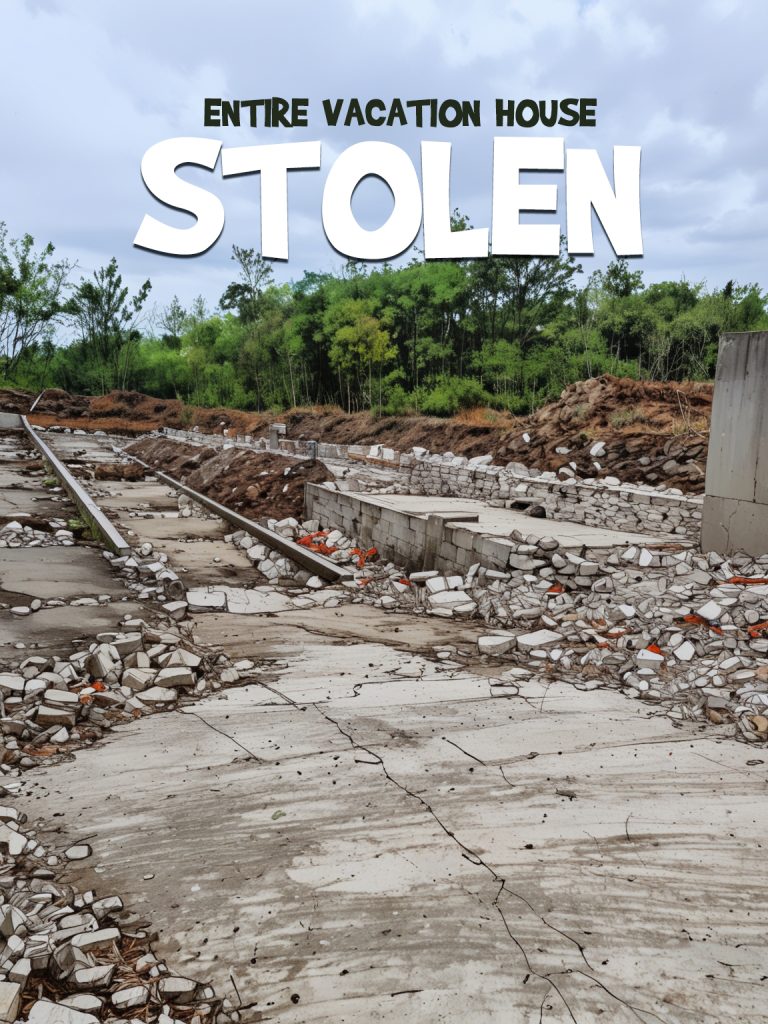
    Man in Thailand Finds Entire Vacation House Stolen—Yes, Seriously!

    0

    The ultimate vacation getaway: zero stress, zero possessions, and zero house. A man in Thailand recently discovered the secret to the perfect vacation—someone else stole it all. That’s right, his entire vacation home, including the walls, roof, and even the doghouse, vanished into thin air. It’s a tale that’s both baffling and hilarious, proving that sometimes, the most relaxing vacations can be the ones you don’t have to plan.

    TL;DR

    • Protect your property: Invest in security systems like cameras and alarms.
    • Know your neighbors: Build relationships with people in your community to keep an eye on your property.
    • Regular visits: Check on your vacation home frequently to deter thieves.
    • Insurance: Ensure you have adequate insurance coverage to protect against theft and damage.

    Imagine coming back to your vacation home after a month, ready to relax and unwind, only to find… well, nothing. Yes, nothing. No cozy sofa, no quaint little chicken coop, no doghouse. Absolutely zilch. That’s precisely what happened to a man in Thailand, who discovered his entire vacation home had been stolen—buildings, furniture, and all. It sounds like something out of a bizarre movie, but unfortunately, this story is very real. Let’s dive into the wild tale, explore some key details, and even get a little sarcastic about how this could’ve been avoided (spoiler alert: CCTV).

    Vacation House Gone in Thin Air (Or, in This Case, a Six-Wheeler)

    On August 22, the victim, whose property was located in Nakhon Pathom, Thailand, took to Facebook to share his shocking ordeal. Just a month earlier, on July 22, he had visited his 10-rai (roughly 4-acre) property. Everything was perfectly fine. He probably kicked back and enjoyed a nice break from city life. Fast forward to August 21, and all three of his buildings had vanished into thin air. That’s right—demolished, torn down, and stolen by thieves, who didn’t leave even a scrap of metal behind.

    Now, I know what you’re thinking: “How does one steal an entire house?” Believe it or not, the thieves didn’t just take a couch or a flat-screen TV—they took the entire foundation, walls, ceiling, and everything in between. The whole lot was dismantled and hauled away, like a bad magic trick that you don’t get to laugh at.

    The thieves even had the audacity to bring in a six-wheeler and spend two full days removing every last piece. And here’s the kicker—they reportedly told the locals that they had permission from the property owner to do so. Apparently, everyone believed them, because why wouldn’t someone give the green light to make their house disappear?

    Pro Tip: Befriend Your Neighbors and Install Cameras

    One of the most crucial details in this saga is that the thieves weren’t operating in secret. They rolled up with trucks, spent two days on the job, and nobody raised an eyebrow. According to the village leader, the perpetrators casually claimed they had permission to demolish the property. It’s as if someone said, “Oh yeah, we’re just borrowing your house for a while, you won’t miss it, right?”

    What does this teach us? First off, it pays to know your neighbors. Having someone keep an eye on your property when you’re not around is, as this man discovered, invaluable. Second, for the love of all things holy—get some CCTV cameras. As the homeowner later warned in his Facebook post, if you have a vacation home, investing in proper security is non-negotiable. Cameras, motion sensors, laser beams—go all out if you must.

    “I Didn’t Owe Anyone Money!”

    Interestingly, this wasn’t some sketchy incident involving unpaid debts or shady business dealings. The homeowner assured everyone that he had no outstanding financial obligations, putting to rest any theory that debt collectors might have been involved. This wasn’t a case of a financial dispute getting out of hand—it was pure theft. Brazen, audacious, and well-planned.

    Let’s not forget: they stole everything. The garage, chicken coop, dog house, fridge, TV, sofa—you name it. Honestly, at this point, I wouldn’t be surprised if they took the guy’s doormat. It seems like they were on a mission to leave nothing but memories behind.

    A Police Investigation… and a Cautionary Tale

    Once the shock wore off, the man lodged a formal police report. Local authorities are now investigating the incident, but so far, no suspects have been identified. If you’re thinking, “Who could possibly pull off something like this?”—join the club. It takes a special kind of boldness (and a solid work ethic) to demolish three buildings and haul them away in broad daylight.

    In his now-viral Facebook post, the victim issued a stark warning to fellow homeowners: if you own property in a different province and don’t have time to look after it, make sure you’ve got a comprehensive security system in place. Cameras, sensors, smart locks, even hiring a trusted neighbor to keep an eye on things—anything is better than coming home to a patch of dirt where your house used to be.

    My Take: How Can This Happen?

    Look, I’ve got to say it: This is one of those moments where you just shake your head and think, “Only in 2024, folks.” How do you steal three entire buildings without raising suspicion? I get it—times are tough, but when people start walking away with your literal walls, it’s time to reevaluate how we’re securing our homes.

    Here’s the lesson: When you leave your vacation home unattended for long periods, you’re practically inviting trouble if you don’t have a security system in place. Cameras are a great start, but you might want to think about other deterrents like security guards, automated gates, or even putting up a giant neon sign that says “This house is under constant surveillance by AI-powered drones.” Too much? Maybe. But when your alternative is discovering that all your possessions have been whisked away, it doesn’t sound so far-fetched anymore, does it?

    And let’s not forget the importance of community. If your neighbors don’t know who belongs on your property, they’re less likely to question strangers. Foster strong relationships with them, so they’ll alert you if something fishy is going on.

    How to Avoid the Same Fate: Practical Tips

    So, how do you ensure you don’t end up in a situation like this? Here are some practical tips that’ll help protect your property:

    1. Install security cameras: This is non-negotiable. Make sure they’re visible too—thieves are less likely to target a house that’s clearly being monitored.
    2. Foster strong relationships with neighbors: If your property is in a remote or different province, it helps to have locals who can keep an eye on it. They can alert you if something unusual happens, like a six-wheeler showing up and taking your house.
    3. Hire security services: If you’re away for long periods, it might be worth investing in some form of professional monitoring. Whether it’s a local guard service or an automated system, it’ll add a layer of protection.
    4. Regular visits: If possible, visit your property more frequently. The longer it’s left unattended, the greater the risk.
    5. Smart locks and alarms: Use technology to your advantage. Smart locks and alarms can notify you immediately if there’s a break-in attempt.

    Similar Recent Events and Supporting References

    1. Entire Bridge Stolen in India (2022)
      In Bihar, India, thieves dismantled and stole an entire 60-foot iron bridge. Local villagers reported seeing the thieves posing as government workers, using gas-cutters and machinery to take apart the structure.Source: The Guardian
    2. Man Finds House Moved Without His Knowledge in the U.S. (2023)
      In Texas, a homeowner returned to find his house had been physically relocated. Thieves with access to industrial moving equipment transported the house to an unknown location. It was later found, but the incident raised questions about how such a large-scale theft went unnoticed.Source: Washington Post

    At the end of the day, this Thai homeowner’s experience serves as a wake-up call for anyone with property that’s left unguarded. You may think it’s just a vacation home, but for thieves, it’s a goldmine. So, install those cameras, chat up your neighbors, and make sure your security measures are ironclad.

    Now, if you’ll excuse me, I’m off to double-check my home security system. Because if someone can steal an entire house, who knows what they’ll try next.

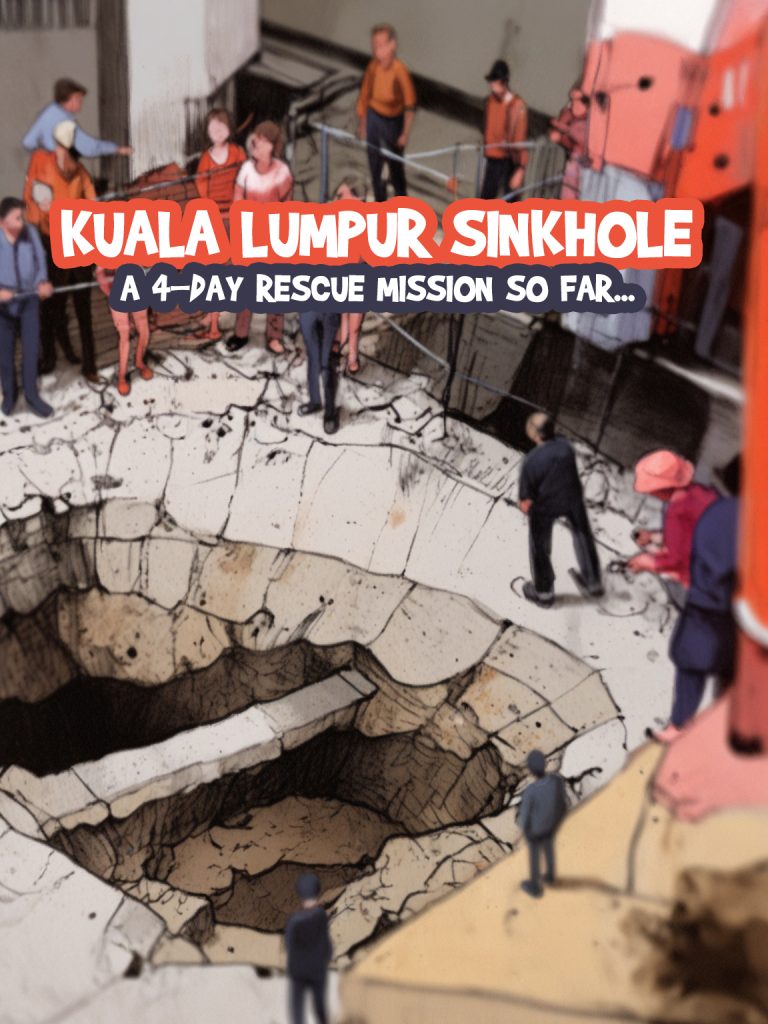
    Kuala Lumpur Sinkhole: A 4-Day Rescue Mission so far…

    0

    Imagine a city bustling with life, its streets teeming with tourists and locals alike. Then, in a blink, the earth itself swallows a woman whole. A sinkhole, a gaping maw in the city’s heart, has become the focal point of a rescue mission that’s been gripping the world.

    This isn’t just a tale of a tourist gone missing; it’s a metaphor for the hidden depths beneath the surface, a reminder that even in the most modern, bustling metropolises, the ground beneath our feet can be as unpredictable as the ocean’s depths.

    It’s been four days since Vijayalakshmi, a 48-year-old Indian tourist, vanished into the void. And as the rescue teams grapple with the challenges of navigating a labyrinth of debris and concrete, the city itself seems to be holding its breath.

    But this isn’t just a story of survival; it’s a reflection of our relationship with the environment, a stark reminder of the consequences of urban development and the fragility of our infrastructure. As the search continues, we’re left to ponder: what lies beneath the surface of our cities? And what does it take to truly understand the ground we walk on?

    The Unyielding Search for Vijayalakshmi: A Saga of Determination

    It’s been four long, grueling days, and the search for 48-year-old Indian tourist Vijayalakshmi continues without a break. The poor woman was simply walking toward a temple when, without warning, the ground beneath her collapsed, plunging her into an 8-meter-deep sinkhole in the heart of Kuala Lumpur. It’s every tourist’s worst nightmare—one minute you’re sightseeing, and the next, you’re swallowed whole by the earth itself. Dramatic? Absolutely. But that’s what makes this rescue effort so urgent.

    Despite time ticking away, Dang Wangi OCPD Assistant Commissioner Sulizmie Affendy Sulaiman has promised the search will continue. “We’ll keep searching for the victim until we find her,” he assured the public. Easier said than done, as debris, rocks, and concrete have made the rescue mission more like a battle against the elements.

    A Debris-Filled Struggle: Enter the Flushing Method

    If you’re imagining high-tech gadgets straight out of a sci-fi movie, think again. The reality of this search is much more laborious. In their determination, rescuers have resorted to what’s called the “flushing” method. No, this doesn’t involve a magical vacuum to suck the debris away but rather a procedure that involves blocking water flow to two manholes, building up pressure, and then unleashing it in hopes of flushing away the concrete and rocks.

    Sounds ingenious, right? Well, it hasn’t worked… yet. The woman remains missing, and rescuers have now moved on to using high-pressure jets to cut through debris along a sewage pipe between two manholes, 69 meters apart. This isn’t some simple “point and squirt” operation; it’s a strategic effort that’s been compared to threading a needle with a fire hose. Still, hope remains.

    Vijayalakshmi: A Tourist on the Verge of Homecoming

    Vijayalakshmi wasn’t just any tourist. She was nearing the end of her two-month holiday in Malaysia, a trip meant to be filled with memories of local culture, temples, and scenic views—not a horrific accident. Her family, who was just days away from boarding a plane back to India, now waits in agony as the search continues. It’s one of those situations where words seem futile, but the rescuers’ unyielding efforts provide some solace to the heartbroken family.

    Cutting Through the Chaos: A High-Pressure Battle

    Assistant Commissioner Sulizmie Affendy Sulaiman, the man with the plan, provided updates throughout the operation. On Sunday, rescuers had been using high-pressure jets to try and clear debris. A camera crawler was deployed to investigate the depths of the sewer system—about 4 meters down—and the team spotted what looked like large, hard rocks. Not exactly the jackpot they were hoping for, but progress nonetheless.

    The police chief clarified that the operation was being focused near the Wisma Yakin building, where a significant amount of debris had piled up. “We will clear Wisma Yakin first,” he said. “There’s still a lot of debris we haven’t removed. We’re afraid that something might be stuck behind it.” Translation: They’re cautiously optimistic but realize they still have a long way to go.

    My Two Cents: Sinkholes Aren’t Just a “Capital Problem”

    Now, let’s take a moment to talk about the elephant in the room—sinkholes. This incident has reignited claims from 2015 that suggested Kuala Lumpur could, at any moment, experience a massive sinkhole collapse. And while those posts were met with skepticism at the time, they’re making the rounds on social media once again. The city’s mayor, Maimunah Mohd Sharif, was quick to dismiss the fears. According to her, “Kuala Lumpur remains safe unless proven otherwise by studies.”

    Well, here’s the thing. Even if the city is technically safe, the fact that a sinkhole could swallow a pedestrian on a busy street says something about the infrastructure, doesn’t it? Perhaps a bit more vigilance in maintaining the city’s underground systems would prevent tragedies like this. Not that I’m pointing fingers, but when something like this happens, you’ve got to ask: could this have been avoided?

    Rescue Operations Continue: Local Expertise vs. Outside Help

    As of now, there’s no word on bringing in outside experts, even though a Singapore wastewater company offered their services. Assistant Commissioner Affendy believes local expertise will suffice for the time being. But it does raise a question—should international resources be called in sooner rather than later? After all, time is of the essence.

    The search efforts have also extended to the Pantai Dalam treatment plant, where the city’s sewer system ends. Authorities have been combing through the plant’s waste, hoping that by some miracle, Vijayalakshmi will be found.

    When Infrastructure Meets Tragedy: A Wake-Up Call?

    What really strikes me is the sheer unpredictability of this tragedy. One moment you’re walking to a temple, the next you’re vanishing into the earth. This wasn’t a freak storm or a natural disaster. It was a sinkhole—a product of weakened underground infrastructure. Kuala Lumpur has been a bustling metropolis for years, but with urban growth comes the risk of neglect in maintaining what’s beneath the surface.

    So, here’s my take: This incident should serve as a wake-up call, not just for Kuala Lumpur, but for any rapidly developing city. Urban planning must include a constant reassessment of underground systems, especially in areas where foot traffic is high. Waiting until someone literally falls into a sinkhole is, quite frankly, too late.

    The Waiting Game

    For Vijayalakshmi’s family, the waiting continues. Four days is a long time in a rescue mission, and every second feels like an eternity. It’s hard to imagine the emotions they’re going through as the search stretches on with no concrete answers. And for the rescuers, every day without progress must weigh heavily on their minds.

    But the good news is that they’re not giving up. The high-pressure jets continue, the debris is being cleared, and the flushing method, while unsuccessful so far, hasn’t been entirely ruled out. There’s hope yet.

    What is a Sinkhole? And what created it?

    A sinkhole is a depression or hole in the ground caused by the collapse of the surface layer. These depressions can vary in size from a few meters wide to massive craters that swallow entire buildings or roads. Sinkholes typically form when water dissolves soluble bedrock (like limestone, gypsum, or salt), creating underground voids. Over time, as the voids grow larger, the ground above them can no longer support its own weight, causing the surface to collapse and create a sinkhole. (source)

    How Sinkholes Form:

    1. Dissolution of Bedrock:
      Sinkholes are most common in areas with “karst” terrain, which is formed by the dissolution of soluble rocks. Rainwater, which absorbs carbon dioxide from the atmosphere, becomes slightly acidic. When this acidic water seeps into the ground, it reacts with the soluble bedrock and slowly dissolves it, creating cavities beneath the surface.
    2. Gradual Erosion:
      Over time, underground water flow can further erode the bedrock, creating more voids or tunnels. This gradual process can go unnoticed for years or decades until the cavity grows large enough to cause a collapse.
    3. Ground Collapse:
      Eventually, when the underground cavity becomes too large and the surface material (soil, rock, pavement) can no longer be supported, the ground suddenly collapses into the void below, forming a sinkhole.

    Types of Sinkholes:

    1. Dissolution Sinkholes:
      These occur slowly as surface water erodes the bedrock, causing the ground to gradually sink. They’re often shallow and wide.
    2. Cover-Collapse Sinkholes:
      These are more dramatic and sudden. When the ground above a cavity becomes too weak to support itself, it collapses quickly, leading to deep and often destructive sinkholes.
    3. Cover-Subsidence Sinkholes:
      These sinkholes form gradually as sandy or loose material slowly moves downward into underground cavities. They tend to be smaller but can still pose risks over time.

    Factors Contributing to Sinkhole Formation:

    • Heavy Rainfall: Excessive rain can accelerate the erosion of the bedrock, especially in areas with poor drainage.
    • Groundwater Pumping: Human activities, like pumping groundwater for irrigation or construction, can destabilize the underground structure and lead to sinkholes.
    • Construction and Urbanization: Buildings, roads, and other infrastructures can put additional pressure on the ground, contributing to collapse.
    • Natural Erosion: Natural processes like earthquakes, floods, and soil erosion can weaken the ground, leading to sinkholes.

    In cities, sinkholes are especially dangerous due to the presence of underground utilities like sewage pipes, which can amplify the problem if they leak or fail.

    Here’s a simple table ranking the top 10 cities with the most sinkholes:

    RankCityNotable Sinkhole Events
    1Guatemala CityLarge sinkhole in 2010 swallowed a street
    2MiamiFrequent sinkholes in various neighborhoods
    3IstanbulSinkholes have been reported across the city
    4CairoSinkholes in older areas with unstable foundations
    5Mexico CitySinkholes often occur in the historic center
    6Kuala LumpurRecent sinkhole swallowed a pedestrian
    7TampaSinkholes are common in this region due to underlying limestone
    8ChengduUrban development and groundwater issues have led to sinkholes
    9PhiladelphiaOccasional sinkholes due to aging infrastructure
    10AtlantaSinkholes can be seen in areas with limestone or clay soils

    This table provides a snapshot of cities known for their sinkhole issues and highlights notable sinkhole events associated with each location.

    In Conclusion: What’s Next?

    As the rescue mission for Vijayalakshmi continues, we’re left with more questions than answers. What does this incident reveal about the city’s infrastructure? How can we prevent such tragedies in the future? And what does it mean to truly understand the ground beneath our feet?

    This sinkhole isn’t just a hole in the ground; it’s a window into the hidden depths of our cities, a reminder that even in the most modern metropolises, nature can assert its power. It’s a call to action, a challenge to rethink our relationship with the environment and the structures we build upon it.

    So, the next time you walk down a busy street, take a moment to look down. Beneath the pavement, a world of hidden dangers and opportunities lies waiting. And who knows? Perhaps, like Vijayalakshmi, you might discover something truly extraordinary.

    Want to explore more stories about the unexpected? Check out our other news articles.

    Do you need a Life Coach? Let’s Talk About the Real Deal

    Ever felt like you’re stuck in a loop, running on a treadmill of life without reaching your destination? Or perhaps you’re staring at a mountain of goals, wondering how you’ll ever summit them? That’s where the question arises: Do you need a life coach?

    Let’s talk about the real deal. Not the motivational posters or the quick-fix seminars. We’re talking about a partner in your journey, a guide who sees the path ahead, even when you can’t. Think of it like having a GPS for your life, but one that understands the nuances of your personal landscape.

    A life coach isn’t just about telling you what to do. It’s about unlocking your potential, helping you discover the hidden gems within yourself. It’s about peeling back the layers of self-doubt and revealing the confident, capable person you’ve always been.

    So, if you’re ready to trade in the treadmill for a mountain bike, if you’re tired of wandering lost in the woods of life, let’s talk. Because the real deal isn’t just about reaching your destination; it’s about enjoying the journey.

    TL;DR

    • Self-awareness is key: Understand your strengths, weaknesses, and values to make informed decisions.
    • Set clear goals: Define what you want to achieve and create a plan to reach them.
    • Overcome obstacles: Develop strategies to overcome challenges and setbacks.
    • Seek accountability: Find a partner or support system to keep you motivated and on track.
    • Celebrate your successes: Acknowledge and reward your achievements to stay inspired.

    You’ve probably heard all the hype about life coaches. They promise to help you become your best self, reach your goals, and live the life of your dreams. Sounds great, right? But wait a minute—before you sign up for that overpriced motivational speech disguised as a one-on-one coaching session, let’s break it down.

    The Accountability Trap: Is It Worth the Price?

    So, what’s the most popular reason people hire life coaches? Accountability. The idea is that someone will keep you on track, make sure you’re not slacking off, and hold you to your goals. But here’s a thought—do you really need to fork out hundreds (or thousands) of dollars for someone to tell you what you already know? Think about it.

    There’s an old saying, “What got you here won’t get you there.” Sounds profound, right? Sure, but let’s not pretend it’s the key to unlocking all of life’s mysteries. Life coaches are great at delivering catchy lines, but when it comes down to actual, practical changes? That’s a different story.

    The truth is, most of us already know what we need to do. We’ve mastered the art of rationalizing why we haven’t done it yet. You don’t need a coach to tell you you’ve been procrastinating—you need to roll up your sleeves and take action.

    The Gap Between Where You Are and Where You Want to Be

    Now, a decent life coach can help you identify the gap between where you are and where you want to be. They might even get you to commit to a plan. But here’s the kicker—life doesn’t follow a neat little path where everything falls into place just because you’ve written down a few goals and promised to “be better.”

    What these coaches often fail to mention is that life’s messy. It’s unpredictable. A cookie-cutter plan won’t always work. And while it’s nice to have someone cheering you on, you can’t rely on external motivation forever. At some point, you have to develop your own grit.

    Reality Check: The Problem with Life Coaches

    Here’s the reality check. Life coaches, despite their best intentions, are often under-equipped and undertrained for the tasks they claim to accomplish. Sure, they may have a certificate from some weekend course, but do they really have the expertise to guide you through deep, life-altering decisions? Most likely, no.

    They’ll claim they can help you improve your relationships, start a successful business, or conquer anxiety. But these are serious issues that often require expertise far beyond the scope of a life coach’s training. You wouldn’t take your car to a hairdresser for repairs, so why trust life-altering decisions to someone without the proper qualifications?

    Life Coaches vs. Psychotherapists: Know the Difference

    For issues like anxiety, depression, or deeply ingrained habits, a life coach is not your best bet. You need a trained psychotherapist, someone who understands the complexities of the human mind. Life coaches will often dabble in these areas without the appropriate tools, which can be downright dangerous.

    In fact, life coaches might be more accurately called “ego coaches”—they often serve your ego more than your actual needs. They can help you feel good about where you’re headed, but they rarely challenge you in a way that brings real growth.

    Deciding whether you need a life coach or a therapist depends on your current situation, goals, and the type of support you require. Here are some guidelines to help you choose:

    You May Need a Therapist If:

    1. You’re Struggling with Mental Health Issues: If you’re experiencing anxiety, depression, trauma, or other mental health challenges, a therapist is trained to help you.
    2. You Need to Heal from Past Trauma: Therapists are skilled in addressing unresolved emotional pain, past trauma, or grief.
    3. You Want to Understand Your Emotions: Therapy helps you gain deeper insights into emotional struggles and behavioral patterns.
    4. You’re Dealing with Stress or Emotional Overwhelm: If stress, fear, or emotional breakdowns are affecting your daily life, therapy offers coping mechanisms.
    5. You Need Long-Term Support: Therapy often focuses on long-term healing, helping you build emotional resilience over time.

    You May Need a Life Coach If:

    1. You’re Seeking Personal or Professional Growth: If you have clear goals or want to improve aspects of your life (career, fitness, relationships), a coach can help you achieve them.
    2. You Feel Stuck or Unmotivated: A life coach provides motivation, helps break through roadblocks, and holds you accountable to your goals.
    3. You Want to Focus on the Future, Not the Past: Life coaching is action-oriented and focuses on what you can do now to improve your future.
    4. You Need Short-Term Goal Setting: Coaching is ideal for those looking for short- to mid-term support in making life changes or reaching specific objectives.
    5. You Need a Push for Self-Improvement: If you need a strategy for self-discipline or better habits, a life coach can guide you.

    If you’re unsure, start by assessing whether your challenges are more emotional or goal-driven. In some cases, people work with both a life coach and a therapist, depending on their needs.

    AspectLife CoachTherapist
    FocusFuture goals, personal growth, and self-improvementMental health, emotional healing, and trauma
    ApproachAction-oriented, goal setting, and accountabilityTherapeutic methods like CBT, psychoanalysis
    TrainingVaries; certification programs but not regulatedLicensed, requires formal education and training
    Target AudienceIndividuals seeking personal or professional growthPeople dealing with mental health or emotional issues
    MethodsCoaching techniques, motivational strategiesTherapy techniques, counseling
    Duration of WorkShort- to mid-term, focused on specific outcomesCan be long-term, depending on the nature of the issues
    RegulationNot strictly regulatedHighly regulated with legal and ethical guidelines
    Common Issues AddressedCareer, relationships, life transitions, personal goalsAnxiety, depression, trauma, emotional struggles
    AccountabilityHolds client accountable for their goalsHelps client understand and process emotions
    Professional BoundariesOften more casual, flexible boundariesClear, formal boundaries with strict confidentiality

    My Take: Why Life Coaching Misses the Mark

    Let me give you my two cents. Life coaches operate under a dangerous delusion—that anyone can do, be, or have anything they want if they just try hard enough. It’s the kind of wishful thinking that makes for great motivational posters but terrible life strategies.

    Not everyone can achieve anything. That’s not being pessimistic; it’s being realistic. Life has limits, and those limits aren’t a bad thing. Instead of chasing every possible dream, we should focus on what truly matters to us. But life coaches? They often feed into a culture of excess, where we’re told we need to have it all—perfect relationships, thriving businesses, and inner peace—all at the same time.

    The Flaw in Life Coaching Conversations

    Take a typical life coaching conversation. The client says they’re afraid of advertising their services to friends. The coach responds, “What would it feel like if you weren’t afraid?” This sounds empowering at first glance, but in reality, it’s surface-level. The client’s fear likely stems from a very real concern—maybe their service isn’t valuable. But instead of addressing this, the coach pushes the client to act from a place of “confidence,” ignoring the fact that confidence without substance is a recipe for disaster.

    When fears are ignored or suppressed in favor of a shiny, feel-good attitude, they don’t disappear. They fester. That’s why true growth requires more than just positive thinking—it demands self-awareness, patience, and a willingness to confront uncomfortable truths.

    My Point of View: Why the Coaching Industry Feels Like a Pyramid Scheme

    Let’s talk about the elephant in the room—the life coaching industry itself. In many ways, it resembles a financial pyramid. Here’s how it works:

    • You face a personal crisis and stumble upon life coaching.
    • You sign up for sessions, hoping to get your life in order.
    • You’re told that, in order to be successful, you need a life coach of your own.
    • Suddenly, you’re paying for life coaching to improve your life coaching business.

    See the cycle? It’s a well-oiled machine designed to keep the industry afloat, often at the expense of real personal growth. Coaches rely on each other for validation and reassurance, perpetuating a system that prioritizes appearance over substance.

    The coaching industry has faced scrutiny for sometimes resembling a pyramid scheme, especially due to questionable business practices within some segments of the field. One reason is the widespread promotion of high-ticket coaching programs that promise rapid financial success, often without transparency about the challenges of building a sustainable coaching business. These programs tend to focus on selling services to aspiring coaches, which can create a cycle where the main source of income is recruiting new coaches rather than actually providing value to clients​(JoCasey).

    Additionally, some critics highlight how many coaches invest heavily in courses but struggle to gain traction, leading to concerns about whether the industry preys on individuals’ hopes and dreams without providing sufficient support for long-term success. Some argue that the industry benefits primarily those at the top, similar to a pyramid scheme​(Yes Yes Marsha).

    Despite these criticisms, many ethical coaches are working to distance themselves from such practices, emphasizing transparency, clear expectations, and practical steps for building sustainable businesses​.

    The Selling Point: Do Life Coaches Have Any Real Value?

    At this point, you might be wondering—are life coaches completely useless? Not necessarily. There are some benefits, especially for people who thrive on external accountability. If you’re someone who just needs a little push, a life coach might help you stay on track with your goals. But it’s crucial to remember that they’re not miracle workers.

    A life coach can’t solve all your problems, no matter how enthusiastic they are. And they certainly won’t replace the need for self-discipline and internal motivation. So, if you’re thinking about hiring one, do so with a clear understanding of what they can—and can’t—do for you.

    Do You Really Need a Life Coach?

    Before you shell out your hard-earned cash for a life coach, ask yourself this: What do I really need? Is it accountability, or do I need deeper insights that come from within? A life coach might help with the former, but for the latter, you’ll need to dig deeper on your own.

    And if you do decide to work with a coach, make sure they’re realistic about what they can offer. Ask them tough questions. Challenge their assumptions. Because at the end of the day, you’re the one in the driver’s seat of your own life—don’t let anyone else take the wheel.

    Sven-Göran Eriksson Dies at 76: England’s First Foreign Football Manager

    0

    Imagine a man who navigated the hallowed grounds of Italian football, the unpredictable waters of English football, and even the exotic shores of the Asian game. A man who was both celebrated and criticized, loved and loathed. A man who was the first foreigner to lead England’s national team, yet whose legacy remains a subject of debate.

    Sven-Göran Eriksson, the enigmatic Swedish football manager, has left an indelible mark on the sport. His career, a tapestry woven with threads of triumph and controversy, is a testament to the complexities of modern football management. From the heights of European glory to the depths of tabloid scrutiny, Eriksson’s journey was anything but ordinary.

    As we delve into the life and times of this iconic figure, we’ll explore the highs and lows of his managerial career, the controversies that swirled around him, and the lasting impact he’s had on the beautiful game.

    TL;DR

    • Sven-Göran Eriksson was a successful football manager who led teams like Lazio, Manchester City, and the England national team.
    • He faced both triumphs and challenges throughout his career, including personal controversies.
    • Despite his ups and downs, Eriksson left a lasting impact on the sport.
    • His legacy is one of a skilled tactician and a controversial figure.
    • Eriksson’s story serves as a reminder that life is a mix of wins and losses, and it’s important to learn from both.
    Eriksson’s career was filled with ups and downs, reflecting the complexity of his personality.

    Sven-Göran Eriksson, one of the most famous football managers of our time, passed away at the age of 76, surrounded by family in his hometown of Sunne, Sweden. His passing on August 26, 2024, comes after a courageous battle with terminal pancreatic cancer, which he first revealed in January of the same year. His death marks the end of an era, but his legacy in the football world remains indelible. Let’s take a closer look at Eriksson’s extraordinary life, his contribution to football, and, of course, the controversies that never seemed to stray far from him.

    Early Beginnings: From Small Town Boy to Football Manager

    Born in the small town of Sunne, Sweden, Sven-Göran Eriksson’s playing career didn’t exactly set the football world on fire. As a player, he mainly occupied the lower rungs of Swedish football. But it was his transition to coaching in the late 1970s that set the stage for his meteoric rise. His ability to turn teams into champions caught the attention of many.

    By the 1980s, Eriksson was collecting trophies like stamps, coaching teams like Degerfors, Goteborg, Benfica, and Roma to victory. However, it was at Lazio where he hit his highest managerial stride, winning their second-ever league title in 2000. It’s fair to say, if he were a poker player, Lazio was his royal flush.

    Sven-Göran Eriksson’s Medals and Accomplishments

    YearTeamAccomplishment
    1982IFK GöteborgUEFA Cup Winner
    1983IFK GöteborgSwedish Champion
    1983IFK GöteborgSwedish Cup Winner
    1984BenficaPortuguese Champion
    1985BenficaPortuguese Cup Winner
    1986BenficaPortuguese Super Cup Winner
    1987RomaItalian Cup Winner
    1998LazioItalian Cup Winner
    1999LazioUEFA Cup Winners’ Cup Winner
    1999LazioUEFA Super Cup Winner
    2000LazioItalian Champion
    2000LazioItalian Super Cup Winner

    England’s First Foreign Manager: Breaking the Mold

    Now, let’s get real. England, a country that’s fiercely protective of its football, wasn’t too keen on bringing in a foreigner to lead their national team. But, hey, desperate times call for desperate measures. After years of disappointment, the Football Association thought, “Why not shake things up a bit?” And shake they did—Eriksson became England’s first foreign football manager in January 2001.

    His start? Oh, just a casual 3-0 victory over Spain. No big deal, right? Seven months later, he masterminded one of the greatest moments in English football history, a 5-1 demolition of Germany during a World Cup Qualifier. If there’s a highlight reel of Eriksson’s career, that game would be replayed on loop.

    Eriksson was known for his innovative strategies and ability to turn teams into winners.

    A Golden Generation That Didn’t Shine

    The English press dubbed his era as the era of the “Golden Generation.” Players like David Beckham, Steven Gerrard, and Frank Lampard were expected to lead England to glory. But, as with most high expectations, reality wasn’t quite as shiny. Sure, Eriksson’s England consistently reached the quarter-finals in two World Cups and one European Championship, but that’s where the dream ended every time. Penalties? England and penalties were like oil and water—they just didn’t mix.

    Did Eriksson deserve all the blame? Probably not. But, as England’s manager, he was the face of those gut-wrenching exits. Still, we can’t overlook his impressive 67% win rate, one of the best in English football history. Eriksson may not have won it all, but he didn’t leave empty-handed either.

    Despite his public image, Eriksson’s true genius often lay in his behind-the-scenes work.

    The Tabloid King: Scandals, Sting Operations, and More

    And now, let’s talk about what really kept Eriksson on the front page—his private life. You see, being England’s manager is one thing, but being fodder for tabloids? That’s another league entirely. Eriksson’s love life was the source of endless fascination for the British press. Affairs, sting operations, and the infamous “Fake Sheikh” scandal in 2006 when he was duped into revealing some less-than-savory details about a potential job with Aston Villa.

    The “Golden Generation” may have faltered on the pitch, but Eriksson’s private life certainly kept everyone entertained. If only the tabloids could have given him a break, but alas, that wasn’t to be.

    Achievements in Club Football: A Trophy Cabinet Full of Titles

    Now, back to where Eriksson truly shone—club football. If you’re a football fan, you probably know that Eriksson wasn’t just a national team manager. Oh no, he had quite the journey in club football, managing some of Europe’s biggest teams like Benfica, Roma, Fiorentina, and Lazio. In fact, at Benfica, he secured three league titles and two European final appearances. Not too shabby.

    In his native Sweden, Eriksson led Göteborg to the Swedish title and the UEFA Cup. Lazio was his crowning jewel though, where he won the Coppa Italia and, of course, the league title. Eriksson was known for his tactical acumen and ability to turn teams into title contenders, a skill that never went unnoticed in the footballing world.

    Even his stint at Manchester City, a club that was far from the powerhouse it is today, had its moments. Eriksson led City to victories over their fierce rivals Manchester United, giving City fans a reason to cheer back in the day.

    A Global Career: The Man Who Went Everywhere

    Eriksson wasn’t just a European sensation; he became a globe-trotting manager, coaching teams in Mexico, Ivory Coast, and even the Philippines. He brought his unique managerial style wherever he went, showing that football truly is a universal language.

    In March 2024, Eriksson fulfilled a lifelong dream by managing a Liverpool Legends team at Anfield for a charity game. His boyhood dream of managing Liverpool, albeit briefly, came true, as his team won 4-2. The iconic “You’ll Never Walk Alone” rang through the stadium as a final tribute to the man who gave so much to the game.

    Eriksson’s achievements and impact on the sport cement his status as a true football legend.

    My Point of View: The Legacy of Sven-Göran Eriksson

    Now, here’s the thing about Eriksson. Was he controversial? Absolutely. Did he make headlines for all the wrong reasons sometimes? Of course. But let’s not kid ourselves—Sven-Göran Eriksson was a brilliant football mind. His tactical genius and ability to navigate the complexities of modern football made him one of the most successful managers of his time.

    Sure, his private life may have added some spice to his legacy, but doesn’t everyone have a skeleton or two in their closet? When we think about Eriksson, we should remember the man who revolutionized England’s football and had the guts to take on the toughest challenges. Football is a results-driven world, and Eriksson delivered more often than not.

    His Final Message: Live Life, Don’t Be Sorry

    In his final days, Eriksson kept busy. He wrote a book titled A Beautiful Game, set to be released in November, and an Amazon Prime documentary about his life, aptly titled Sven, is also out. The man who lived football till his last breath had a poignant message for all: “Don’t be sorry, smile… Thank you for everything. Take care of yourself and take care of your life. And live it.”

    If you ask me, that’s the essence of Sven-Göran Eriksson. A man who didn’t apologize for living his life, who faced challenges head-on, and left an indelible mark on the world of football.

    Events Connected to Sven-Göran Eriksson’s Legacy

    1. Pancreatic Cancer Awareness Initiatives
      Eriksson’s diagnosis brought attention to pancreatic cancer. His openness about the disease led to increased awareness and contributions to cancer research. Football communities worldwide have since launched awareness campaigns and fundraising events, shedding light on the importance of early detection.
    2. Charity Matches in Eriksson’s Honor
      Following Eriksson’s death, various charity football matches were held in his honor, including a tribute at Anfield, where football legends gathered to raise funds for cancer research. These matches celebrate Eriksson’s contribution to football while supporting charitable causes.
    3. Documentary “Sven” Streaming on Amazon Prime
      Shortly before his passing, Amazon Prime released a documentary titled Sven, detailing Eriksson’s career, personal life, and his final message to fans. The documentary has received positive feedback, and many view it as a fitting tribute to his lasting influence on the game.
    4. Football Community Tributes
      Tributes poured in from players, managers, and fans alike. Figures like David Beckham and Steven Gerrard have publicly shared their memories of playing under Eriksson’s leadership, highlighting his calm demeanor and tactical expertise.
    5. Discussion on England’s Golden Generation
      Eriksson’s time managing the so-called “Golden Generation” of England has sparked renewed debate in the media, with many commentators analyzing whether his tenure maximized the potential of players like Beckham, Lampard, and Gerrard.
    6. Memorial Services in Sweden and Italy
      Memorials were held in both Sweden and Italy, where Eriksson’s contributions were celebrated. Lazio fans, in particular, honored his legacy with a special event in Rome, commemorating the club’s 2000 league title win under his management.

    The Final Whistle

    Is the final whistle blowing on Sven-Göran Eriksson’s legacy? Or is this just halftime? The debate continues. But one thing’s for sure: the game isn’t over yet. So, step onto the pitch and share your thoughts. Who’s your MVP in the realm of football management?

    Not Just Another Dog: Ashley Yi’s Nimbus

    0

    Not Just Another Dog: Ashley Yi’s Nimbus – a title that might initially seem ordinary, but upon closer inspection, reveals layers of meaning. It’s a tale of a beloved pet, a tragic loss, and a call to action. Yet, beneath the surface, it’s also a commentary on the complex relationship between humans and animals, the fragility of life, and the unintended consequences of our actions.

    Imagine a world where pets are more than just companions. They’re family, therapists, and even unwitting actors in the grand drama of life. Nimbus, the Pomeranian at the heart of this story, was more than just a dog; he was a symbol of joy, love, and the unwavering loyalty that only a canine can provide. His untimely demise, a victim of a coyote attack, serves as a stark reminder of the delicate balance between the natural world and our own.

    But this is not merely a tale of woe. It’s a cautionary tale, a wake-up call for those who share their lives with pets. It’s a plea for greater awareness, understanding, and action to protect our furry friends from the dangers lurking in our own backyards. And it’s a testament to the enduring power of love, even in the face of tragedy.

    TL;DR

    • Always supervise your pets outdoors, especially in areas known for coyote activity.
    • Invest in coyote-proof fencing to protect your pet’s yard.
    • Consider using coyote deterrents like motion-activated sprinklers or loud noises.
    • Never leave food or garbage outside, as this can attract coyotes.
    • Educate yourself about local wildlife and how to coexist safely.
    • Seek emotional support if you’ve experienced the loss of a pet.

    When tragedy strikes, it doesn’t always knock on the door—sometimes, it slinks over a fence. Just ask Ashley Yi, also known as @ashyizzle to her six million TikTok followers. Ashley’s beloved Pomeranian, Nimbus, met a devastating end after a coyote attacked him in her backyard. Her dad, who was supposed to be caring for Nimbus while she was away, left him outside, unsupervised, despite warnings about coyotes jumping fences like they’re auditioning for a wildlife Olympics. The outcome? Heartbreak, anger, and questions no amount of hindsight can answer.

    Pets offer more than companionship. They’re our emotional anchors, our confidants, and in Nimbus’s case, Ashley’s joy. But when such a bond is violently severed, it leaves a chasm no well-meaning “I’m sorry” can fill.

    @ashyizzle

    sorry for the sad news

    ♬ original sound – Ashley

    What Happened That Night?

    Imagine being away, trusting someone to look after your best friend, only to receive the news that your pet is gone. Nimbus’s story isn’t just about a dog and a predator. It’s about a devastating breach of trust. As Ashley herself said in her emotional TikTok video, all her dad had to do was stand outside for five minutes. But he didn’t. And now Nimbus is gone.

    Living in Los Angeles, where coyote sightings are as common as traffic jams, Ashley had warned her father about the dangers. “Coyotes can jump six-foot fences like it’s nothing,” she stressed, asking him to stay with Nimbus outside. Yet, her dad failed to heed the advice. What’s even more gut-wrenching is that someone on TikTok pointed out that coyotes are loud. Her father likely heard the entire attack unfold—something that turns stomachs and twists emotions.

    So why was Nimbus left alone, knowing the dangers? That’s a question with no satisfactory answer, one that will likely haunt Ashley for years to come…

    A Grim Reality Check: Coyotes and Urban Wildlife

    Let’s talk about the real culprits here—coyotes. They’ve adapted remarkably well to city life, moving from rural areas into urban jungles like LA, where food is abundant, and dangers are minimal. No longer confined to wildlife reserves or forests, these animals now roam our neighborhoods, and their territory is expanding rapidly.

    Why is that happening? For starters, our trash is their treasure. They scavenge on anything from leftovers to pets, making urban areas prime hunting grounds. As more people work from home and expand into green spaces, encounters with wildlife, including coyotes, become inevitable. Coyotes are also known as nature’s clean-up crew, reducing rodent populations and feeding on carrion. However, their increasing presence in residential areas has turned them into a threat—especially to small pets like Nimbus.

    And here’s a quick PSA: If you’re in a coyote-prone area, invest in a coyote vest for your dog. Think of it as literal armor. It’s no fashion statement, but it could save your dog’s life.

    How to Handle a Coyote Encounter

    If you see a coyote while walking your dog, what’s your first move? Here’s the drill: always supervise your pet and pay close attention to their body language. Dogs usually sense danger before we do. If they start barking, growling, or raising their hackles, it’s a clear signal that they’re not just irritated by a squirrel. If you spot a coyote, don’t panic—but don’t linger, either. Keep your distance, distract your dog, and move in the opposite direction.

    Never, and I mean never, let your dog chase a coyote. For them, it’s not a game—it’s a chase with potential fatal consequences. Instead, calmly lead your pet away and minimize the interaction. Coyotes are territorial, and any perceived threat can escalate quickly.

    AspectDetails
    Primary ThreatCoyotes, especially in urban areas, can attack pets (particularly small dogs)
    Common LocationsUrban and suburban areas, particularly those near forests, parks, or open spaces
    Prevention Method 1Supervision: Always supervise pets when they are outside, especially in coyote-prone areas
    Prevention Method 2Coyote-Proof Fencing: Install fences that are at least 6 feet high or use coyote rollers to prevent them from jumping
    Prevention Method 3Coyote Vests: Equip small pets with protective gear such as coyote vests to protect them from attacks
    Prevention Method 4Avoid Leaving Food Outside: Do not leave pet food or garbage outside as it attracts coyotes
    Prevention Method 5Loud Noise/Deterrents: Use whistles, horns, or throw objects to scare away coyotes if spotted nearby
    Key Sign of Coyote PresencePets raising their hackles, barking, or showing distress, indicating they’ve spotted a coyote
    Coyote BehaviorCoyotes are often curious but may attack pets if they feel threatened or if pets engage with them
    Interaction AdviceIf a coyote is seen, avoid direct interaction, distract pets, and calmly leave the area

    My Two Cents on Pet Loss

    Now, here’s where I weigh in. As a pet owner, the loss of a beloved animal is gut-wrenching, especially when it could have been prevented. Dogs like Nimbus aren’t just pets; they’re emotional support systems wrapped in fur. They offer a sense of grounding in a chaotic world, and when they’re gone, it’s like a piece of your heart is ripped out.

    To lose a pet to something as violent and preventable as a coyote attack adds layers of guilt, anger, and sadness. I can’t imagine what it feels like to know that someone you trusted, someone as close as your own father, allowed that to happen. It’s not just the loss of Nimbus but the sense of betrayal that Ashley will carry forward.

    We all know that accidents happen. But in this case, the circumstances were avoidable, and that’s what stings the most. Ashley, and others who’ve lost pets in similar ways, are left grappling with the “what ifs” that can keep them up at night. Could one more warning have made a difference? Would one more look outside have saved Nimbus?

    Why Pets Are More Than Just Animals

    We don’t give pets enough credit for the emotional support they provide. They’re our silent therapists, sitting by our sides without judgment. Nimbus wasn’t just a cute little dog for Ashley—he was her emotional rock, her “son,” as she called him. Losing a pet like that isn’t just sad; it’s life-altering.

    Pets teach us patience, empathy, and unconditional love. They help us grow, make us better versions of ourselves, and even when they’re gone, they leave an indelible mark on our hearts. That’s the real story here—not just a coyote attack, but the deep bond we share with our pets and the gaping void left when they’re no longer with us.

    @ashyizzle

    November 30th. Nimbus is running on his birthday 🥹❤️ #Nimbus

    ♬ original sound – ac

    Dealing with Grief: Moving Forward

    Losing a pet, especially in such a violent manner, can leave scars. For Ashley, grieving Nimbus isn’t just about saying goodbye to a dog; it’s about finding peace in a situation where peace seems impossible. As she said in her TikTok, she’s going to continue honoring Nimbus by spreading love to others—something he did for her every day.

    That’s one way to cope. Another is to channel that grief into action. If you’re in an area with coyotes, educate yourself and others on how to protect your pets. Install higher fences, use motion-activated lights, and always supervise your pets outdoors. Don’t wait until it’s too late.

    Final Thoughts: Honoring Nimbus

    So, what does it mean to be Not Just Another Dog? It’s about recognizing the profound impact that pets have on our lives. It’s about understanding that they are more than property; they are family. And it’s about taking responsibility for their safety and well-being.

    As we reflect on Nimbus’s tragic story, let’s not just feel sorrow. Let’s feel inspired to make a difference. Whether it’s by educating ourselves about local wildlife, taking steps to protect our pets, or simply appreciating the love and companionship they bring into our lives, every small action counts.

    So, the next time you look into the eyes of your furry friend, remember: they are Not Just Another Dog. They are a source of joy, a testament to love, and a reminder of the interconnectedness of all living things. Let’s honor their memory by ensuring a safer, more compassionate world for all creatures, great and small.

    We can’t control everything, but we can take steps to minimize risks. And for those who’ve lost a pet like Nimbus, know this: your grief is valid, your love for them endures, and you’re not alone in the heartbreak.

    Quan Hongchan: A Gold Medalist Under Fire for… Buying an iPhone?

    0

    In a sport where precision and grace reign supreme, Quan Hongchan, the diving prodigy, has etched her name in the annals of Olympic history. But beyond the gold medals and the world records, a seemingly innocuous act has ignited a storm of controversy. It wasn’t a daring dive, a controversial rule change, or even a heated rivalry that brought her under scrutiny. It was a humble purchase: an iPhone.

    In a nation where national pride and technological advancements are closely intertwined, the choice of a smartphone, particularly one from a foreign brand, can become a political football. Quan’s decision to gift her mother an iPhone has sparked a debate that goes far beyond the realm of consumer electronics. It’s a reflection of the evolving relationship between China and the West, the tension between tradition and modernity, and the delicate balance between personal freedom and societal expectations.

    TL;DR

    • Quan Hongchan, a Chinese Olympic gold medalist, faced criticism for purchasing an iPhone.
    • The controversy highlighted the tension between patriotism and consumerism in China.
    • The incident sparked a debate about personal freedom and societal expectations.
    • The story reflects the evolving dynamics of Chinese society.

    So, imagine this: you’re a world-class athlete, you’ve just snagged two Olympic gold medals, and you decide to treat your mom to a nice gift. Seems like a feel-good story, right? Well, not so fast if you’re Quan Hongchan, the 17-year-old Chinese diving prodigy.

    Recently, Quan found herself in hot water (no diving pun intended) for doing what most teenagers would probably do—buying a smartphone. Specifically, she purchased an iPhone 15 Pro Max. And while that sounds like a lovely gesture for her mother, the internet exploded. Why? Because it wasn’t just any phone; it was an American phone. The horror!

    The Incident That Sparked the Debate

    On August 21st, Quan was spotted in Guangdong purchasing an iPhone, allegedly as a gift for her mother. Sweet, right? Well, apparently not for some. Social media warriors quickly picked up on this “scandalous” act, noting her preference for the American tech giant over homegrown Chinese brands like Huawei or Xiaomi.

    And if the iPhone wasn’t enough to rile up the keyboard critics, Quan’s bag—decorated with Louis Vuitton’s turtle-shaped coin pouches—certainly did. Because nothing says “betrayal of patriotism” quite like owning luxury French accessories, right?

    But let’s take a step back and consider what’s really going on here.

    A Gift for Mom: Filial Piety or Foreign Treachery?

    Now, let’s get one thing straight. Quan Hongchan didn’t buy the phone for herself; she bought it for her mom. You know, the woman who raised her, supported her Olympic journey, and probably cheered louder than anyone when Quan took home two golds at the Paris Olympics. Apparently, Quan asked the store clerk for the best iPhone with substantial storage space—ideal for someone who might want to store family photos or videos of their gold-medal-winning daughter, perhaps?

    In traditional Chinese culture, filial piety (or respecting one’s parents) is a big deal. You might even say it’s the cultural equivalent of “honoring thy father and mother.” And what better way to honor mom than by giving her a gift she’d actually enjoy using? Yet, some netizens couldn’t resist turning this heartwarming act into a debate on patriotism.

    Patriotism vs. Personal Choice: Why the Hate?

    Here’s where things get dicey. The moment Quan’s purchase became public, online critics were quick to question why she didn’t buy a Huawei or Xiaomi—two prominent Chinese brands. Shouldn’t a nationally recognized athlete be supporting homegrown tech?

    In this age of hyper-awareness, especially surrounding global politics and national identity, Quan’s choice of an iPhone was seen by some as a betrayal of her roots. How dare she, a symbol of Chinese pride, choose an American brand?

    But let’s be real for a second. Athletes work incredibly hard, often sacrificing a normal life for years to achieve their dreams. Quan, like anyone else, has earned the right to spend her hard-earned money however she pleases. And guess what? A lot of people agree with that sentiment.

    The Supportive Side: Quan’s Money, Quan’s Rules

    Not everyone was quick to grab their digital pitchforks. Plenty of folks online defended Quan’s decision. Some pointed out the iPhone’s ease of use for older individuals (the app password protection feature is especially handy for preventing accidental downloads). Others simply said, “It’s her money. Let her live.”

    I mean, after years of grueling training and bringing home international glory, is it really so shocking that she might splurge a little on something nice? Plus, the Louis Vuitton pouches? Yeah, those might have been gifts. And even if they weren’t—so what? The girl’s earned her luxury.

    The Clash of Values: What This Says About China’s Growing Consumerism

    So, what’s at the root of this debate? Sure, on the surface, it’s about an iPhone, but dig deeper, and it reflects larger issues within Chinese society. The clash between supporting domestic products and embracing global luxury brands is becoming increasingly prominent.

    As China’s economy grows, so does consumer desire for foreign luxury goods. Owning an iPhone or a Louis Vuitton accessory has become a symbol of status, success, and, dare I say, worldliness. For some, this represents the tension between patriotism and the allure of Western brands.

    Quan’s actions highlight this growing cultural divide. She’s part of a younger generation that’s increasingly globalized, willing to make personal choices that don’t necessarily align with nationalistic expectations. And honestly? That’s probably a good thing.

    My Point of View: Is It Really That Deep?

    Allow me to offer this: should we really care what phone an athlete buys? Let’s put this into perspective. Quan Hongchan has achieved more in her 17 years than most people could dream of. Instead of criticizing her for buying an iPhone, how about we applaud her for being a responsible daughter?

    At the end of the day, personal choice trumps brand loyalty. Sure, supporting local brands is great, but that doesn’t mean someone should be publicly shamed for buying a product they prefer—especially when it’s for their mom. And frankly, this kind of criticism feels more like a misplaced projection of larger societal frustrations. Maybe instead of tearing down a young woman’s generosity, we should focus on the bigger picture: the incredible achievements of a 17-year-old who’s making waves, both in the pool and out of it.

    Recent Events Related to Patriotism, Consumer Choices, and Public Criticism

    1. iPhone Ban in China (August 2023)
      The Chinese government implemented restrictions on the use of iPhones among its officials. This ban is part of China’s push to limit dependence on foreign technology and promote homegrown alternatives like Huawei. The move intensified the debate over the use of foreign brands, making Quan Hongchan’s choice of an iPhone even more controversial.
      Source: Reuters
    2. Huawei’s Mate 60 Pro Release (August 2023)
      Around the same time that Quan bought the iPhone for her mother, Huawei launched its highly anticipated Mate 60 Pro. The release of this new Chinese flagship phone ignited further discussion on social media about supporting domestic brands, with many urging celebrities and public figures to switch to Huawei.
      Source: Bloomberg

    These recent events show that Quan Hongchan’s situation isn’t an isolated case. It’s part of a larger cultural and political climate where personal choices, especially those made by public figures, are scrutinized through a patriotic lens. China’s tech policies, the rise of domestic brands like Huawei, and the backlash against Western luxury goods all contribute to the criticism of figures like Quan who opt for foreign products.

    The Takeaway: Can We Let Quan Live?

    In closing, I’d say it’s time we cut Quan Hongchan some slack. She’s a teenager, an Olympic champion, and, above all, a daughter who wanted to buy her mom a nice phone. Let’s not overcomplicate this. Whether she buys an iPhone, a Huawei, or two Louis Vuitton pouches for herself doesn’t change the fact that she’s earned every bit of her success.

    So, to all the critics out there: maybe save your energy for something more meaningful? Because in the grand scheme of things, the brand of phone Quan buys really isn’t that important. What’s important is that she’s making her mom happy—and that’s something we should all celebrate.

    Gaza Under Siege: Shrinking Space, Growing Desperation, and the Fight for Survival

    0

    Gaza Under Siege: Shrinking Space, Growing Desperation, and the Fight for Survival

    In a land where borders are both visible and invisible, Gaza’s story unfolds like a tragic play — with shrinking stages, disappearing exits, and actors who never volunteered for their roles. Once again, we find ourselves watching the same heartbreaking narrative: a strip of land no bigger than a city block, housing dreams as vast as the desert and nightmares as close as the sea. Space is a luxury few can afford, and for the people of Gaza, even the air feels heavy, thick with uncertainty.

    But let’s pause and think about it. What happens when a space—any space—shrinks? Claustrophobia kicks in. Desperation rises. And in Gaza, that shrinking isn’t just physical; it’s emotional, psychological, and spiritual. There’s a battle here, not just against an enemy or even for survival, but for the very essence of freedom—freedom to move, to breathe, to exist. The walls are closing in, not only on their homes but on hope itself.

    Yet, even when boxed in, humanity has this stubborn way of fighting back. And that’s where the real story lies—resilience amidst the rubble, courage in the confined corners, and a relentless will to survive where survival feels impossible.

    TL;DR

    • Gaza is becoming even more crowded and dangerous as Israel expands its military actions against Hamas.
    • Evacuation orders have left 2.2 million Palestinians confined to an area smaller than Manhattan.
    • Living conditions in Gaza are worsening, with limited access to clean water, food, and medical aid.
    • Disease outbreaks, such as poliovirus, are adding to the already dire situation.
    • Both Israel and Hamas are at odds, and a ceasefire agreement seems far from reality.
    • Aid workers face incredible challenges as humanitarian zones become less safe and more congested.
    • The situation is raising international pressure on Israel and calls for an end to the war.
    Crowded streets of Gaza as people move with their belongings, trying to escape danger.

    Gaza’s Struggle for Space
    Imagine living in a neighborhood so crowded that personal space feels like a distant memory. Now, take that to another level — the reality for 2.2 million Palestinians crammed into Gaza. In one of the most densely populated places on earth, survival is not just about finding shelter from the bombs. It’s about squeezing into shrinking areas as war relentlessly ravages the landscape. With Israel’s recent offensive, even those so-called “safe zones” are rapidly disappearing. Welcome to Gaza, where the concept of a “safe zone” is a fleeting illusion.

    Key IssueDescriptionImpact
    Shrinking Safe ZonesIsraeli military operations have drastically reduced Gaza’s designated humanitarian zones.213,000 people affected; confined to an area smaller than Manhattan.
    Overcrowding and EvacuationsPalestinians are crammed into smaller areas due to repeated evacuation orders.Overcrowded shelters, lack of resources, and increasing risk of disease outbreaks.
    Destruction of Humanitarian ZonesDespite being declared safe zones, Israeli airstrikes have targeted areas such as Khan Younis.Civilians face heightened danger, with numerous casualties and loss of infrastructure.
    Humanitarian CrisisFood, clean water, medical supplies, and sanitation facilities are severely limited.Heightened fears of disease outbreaks like polio and worsening living conditions.
    International Calls for CeasefireThe U.S. and Arab countries are urging Israel and Hamas to agree to a ceasefire to ease the situation.Stalemate in negotiations, prolonging the conflict and increasing international pressure.
    Hamas Tactics and Civilian ImpactHamas uses civilian infrastructure to launch attacks, drawing Israeli strikes to densely populated areas.Civilians caught in crossfire, raising ethical concerns and complicating military operations.

    The Reality of Gaza’s Humanitarian Zones
    In recent weeks, Israel’s military has widened its offensive against Hamas, pushing into previously designated safe areas. These zones, once supposed to offer a semblance of safety, have now become battlegrounds as militants allegedly hide among civilians. Palestinians are being squeezed into smaller portions of Gaza, barely 15 square miles—about the size of Manhattan. If you’re wondering what it’s like to live there, picture the chaos of Manhattan’s busiest streets, now strip it of resources, security, and hope. That’s Gaza today.

    The United Nations estimates that over 213,000 people have been displaced in recent evacuation orders. Think about it—millions of people crammed into a zone the size of Philadelphia, now whittled down to 11% of its original size. Just when you thought it couldn’t get worse, the space designated for civilians shrinks once more.

    A Palestinian family improvises transportation amidst evacuation chaos.

    A Grim Cycle: Evacuate, Rebuild, Repeat
    Palestinians, caught in a deadly game of hide and seek, are asked to evacuate again and again. The Israeli military has issued at least nine evacuation orders this month alone, herding people from one unsafe area to the next. They’ve been forced to take refuge in areas like Al-Mawasi, which now houses thousands of displaced individuals. And no, it’s not just a simple matter of finding a new spot—think overcrowded tents, a lack of medical infrastructure, and dwindling supplies of food and clean water. The basics of life have become luxuries.

    Let’s be clear: Gaza isn’t just struggling with bombs and bullets. The lack of space brings a whole new set of problems. Overcrowding, poor sanitation, and limited access to medical facilities mean disease is becoming a silent killer. Bushra Khalidi, a policy lead at Oxfam, says it best: “More disease, more pressure on whatever facilities exist.” Polio, for example, has resurfaced—traces found in a 10-month-old child as sewage systems falter. When clean water is rare, the risk of disease is high.

    My Point of View: The Dilemma of Human Shields
    Look, it’s easy to sit back and criticize Israel or Hamas. But the situation is far more complex than just “good guys” and “bad guys.” One of the most morally troubling aspects of this conflict is the use of civilians as human shields. Israel claims Hamas is embedding military assets in civilian areas, launching rocket attacks from within humanitarian zones. Hamas, on the other hand, accuses Israel of targeting civilians deliberately. The truth? It probably lies somewhere in the messy middle. Yet, the ordinary people of Gaza are paying the highest price. No matter which side you’re on, it’s undeniable that cramming civilians into smaller and smaller spaces only intensifies the humanitarian crisis.

    What Happens When the Space Runs Out?
    Here’s a scenario: You’ve already been forced to evacuate two or three times. Your wheelchair was stolen, and you’ve had to be carried to safety multiple times, just like 35-year-old Dua’a Abu Daqqa. She’s disabled and has moved around the strip so often that she’s lost count. And when you return to what you hope is a safer place, it’s already been bombed. Now what?

    For many, there’s simply nowhere left to go. Gaza’s residents are not just running out of space; they’re running out of options. Fatma Khalaf, a mother of three, sums it up with devastating clarity: “We know that we might be asked to leave soon. But we really don’t know where we will go.”

    It’s not just about shelter—it’s about finding a corner of peace in a war-torn land

    International Pressure and the Ceasefire That’s Always Out of Reach
    The international community, particularly the U.S. and Arab mediators, are pushing for a ceasefire between Israel and Hamas. But let’s be honest—these sides are nowhere near agreeing. While Israel aims to root out Hamas militants, the cost is mounting for civilians, and the global outcry is only getting louder. The humanitarian crisis in Gaza is becoming impossible to ignore, and sooner or later, something’s got to give. Either Hamas retreats, or Israel faces growing pressure to pull back. But for now, the war rages on, and the people of Gaza continue to suffer.

    The Illusion of Safety: No Place Left to Hide
    Take a look at Rafah, a city in southern Gaza. Israel’s military has been focusing its efforts here, but militants keep popping up in so-called humanitarian zones, putting civilians in the crossfire once again. It’s a vicious cycle: militants retreat to “safe zones,” Israel responds with force, and civilians are caught in the middle. The situation becomes even more tragic when you realize that nowhere is truly safe. Israel recently dropped bombs on what was believed to be a military target near Khan Younis, killing 90 people. Were they all militants? Unlikely.

    As former Israeli military commander Amir Avivi puts it, Hamas uses civilians as human shields, a tactic designed to minimize Israel’s military response. But this strategy, while effective militarily, is a nightmare for civilians. Every new evacuation order is a cruel reminder that no place in Gaza is truly off-limits.

    The Hidden Toll: Aid Workers on the Frontline
    Let’s not forget about the aid workers. Since October, over 289 aid workers have died trying to provide some semblance of relief in this war zone. These are the unsung heroes, risking their lives to deliver food, water, and medical aid to those who need it most. And yet, even their efforts are hampered by constant bombardment and restricted access to key areas. It’s hard to deliver aid when you’re being shot at or bombed.

    How much space do we need to stay human?

    Gaza’s Crisis: A Deepening Humanitarian Catastrophe

    1. Widespread Evacuations Due to Israeli Military Offensive (source)
      The Israeli Defense Forces (IDF) have expanded their military operations in Gaza, urging the evacuation of over 200,000 civilians from key areas. Safe zones are rapidly shrinking as the conflict intensifies, forcing Palestinians into increasingly confined spaces.
    2. Destruction of Safe Zones and Civilian Casualties (source)
      Despite designated “safe zones” in Gaza, recent strikes have targeted these areas, leading to significant civilian casualties. In Khan Younis, a reported airstrike near a residential zone claimed 90 lives, raising concerns about civilian safety amid ongoing military operations.
    3. Resurgence of Disease Due to Overcrowding and Poor Sanitation (source)
      As Gaza’s infrastructure crumbles under the weight of war, sanitation and healthcare systems are failing. Polio has resurfaced, with the United Nations confirming the virus’s presence in young children due to the breakdown of sewage and water systems.
    4. Human Shields and Civilians Caught in Crossfire (source)
      The use of civilians as human shields by Hamas has escalated, with militants allegedly launching attacks from within civilian-populated areas. This tactic has led to increased Israeli strikes on zones previously considered safe, intensifying the risk for Gaza’s civilian population.
    5. International Pressure for Ceasefire (source)
      Despite ongoing hostilities, international mediators, including the U.S. and Arab nations, are pushing for a ceasefire between Israel and Hamas. However, the prospect of an agreement remains uncertain, and global efforts are continuing to alleviate the escalating humanitarian crisis.


    This section lists the most critical recent events linked to the ongoing conflict in Gaza, emphasizing humanitarian issues and the impact on civilians. The Israeli military’s offensive has displaced hundreds of thousands of Palestinians, while the destruction of safe zones and the resurgence of diseases like polio underline the severity of the crisis. Additionally, Hamas’s use of civilians as human shields exacerbates the danger for residents, complicating the situation further. International efforts for a ceasefire are ongoing, but the resolution remains elusive, as the humanitarian crisis deepens.

    This list and the explanations give context to the events discussed in the article and support its claims using recent developments on the ground.

    The Uncertain Future of Gaza
    As the walls of Gaza close in, it’s easy to think that space is merely a physical concept. But let’s not forget—space can also be found in the heart, in the mind, and in the spirit. Even as the physical terrain shrinks, the will to persevere expands. In Gaza, survival isn’t just about finding shelter from bombs, but carving out a place for dignity, for hope, for life itself in a world determined to contain it.

    This shrinking strip of land forces us to confront uncomfortable questions. How much can one endure before breaking? When does survival morph into resistance? And most importantly, how do we, far removed from this conflict, make sense of the shrinking spaces in our own lives—whether they be physical, emotional, or moral?

    The story of Gaza is about more than just territory; it’s about the fight for the human spirit in a world that too often forgets its humanity. As you reflect on these questions, take a moment to explore more stories in the news. Dive deeper into the lives, the struggles, and the resilience of people facing unimaginable hardships. After all, when we truly understand the battles being fought, we find the space to act.